Tag: asia

  • Double Dragon plans 100 CityMalls

    Double Dragon plans 100 CityMalls

    Listed Philippine property developer Double Dragon plans to build a network of 100 neighbourhood style shopping malls across the Philippines by 2020.

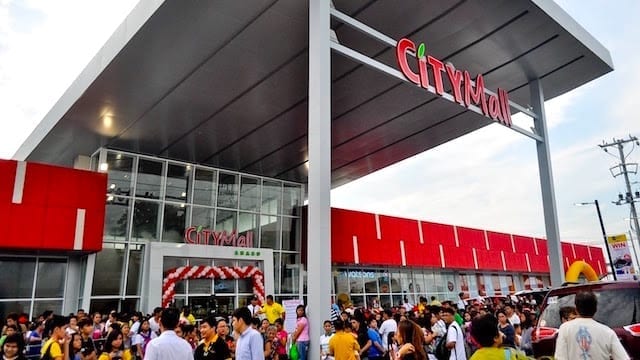
    The  company has already opened eight CityMall centres and secured 53 sites to date. The new centres will range anywhere between 5000 sqm and 10,000 sqm.

    Last week DoubleDragon announced it was issuing P15 billion in retail bonds to fund the development of its projects next year.

    “The majority of the proceeds will be deployed in our projects within 2017 as by 2018, we expect to already have substantial rental revenues from our provincial community mall chain, CityMalls and our Metro Manila office projects such as Double Dragon Plaza in DD Meridian Park and Jollibee Tower in Ortigas CBD, both of which are expected to be completed within 2018,” Sia said.

    Listed back in April 2014, Double Dragon Properties, has increased its stock value 29-fold since then – it’s risen 140 per cent this year alone.

    CEO Edgar “Injap” Sia, 39, from Visayas, co-founded Double Dragon with Jollibee founder Tan Caktiong, who bought a controlling interest in Sia’s fast food chain Mang Inasal in 2010, acquiring the 30 per cent balance last April. Each deal was valued at 5 billion pesos.
    citymall-cavite

    In 2012, the two businessmen acquired an Iloilo-based property developer, turning it into Double Dragon and setting a course for a nationwide property group. Before the float, Sia accepted an offer from SM Investments to acquire a 34 per cent stake in City Mall Commercial Centers, which runs CityMalls on Double Dragon’s behalf. That gives fast food entity Jollibee a ready entry into regional markets – and SM Investments an interest in retail property outside the main cities in which it dominates with its larger-sized malls. As part of the broader SM group, CityMalls has a large, ready-made pool of potential tenants every time it opens a new facility- across food, hardware, health & beauty, grocery retailing and fashion, among other categories.

    About 70 of the 100 malls planned initially will be built in the Visayas and Mindanao. The next scheduled to open – in October – will be at Cotabato in Mindanao, west of Davao and a location where neither Robinsons or SM have yet opened shopping centres.

    One of those is at the 116ha Northtown residential complex being developed by Alsons Development and Investment in the northeastern part of Davao.

    Sia said the mall, expected to be completed by the end of 2017, will anchor the residential development, serving residents and locals.

    “We can clearly see the vision behind Northtown to soon become one of the most vibrant areas in Davao City,” he said.

    CityMalls are positioned in the market as one-stop shops for daily purchases – not destinations to spend a day shopping, watching movies and eating with family or friends. Sia does not aim to compete with larger regional malls, the likes of which SM is rolling out across urban areas nationwide.

    Sia is also considering opportunities outside the Philippines long-term, as well as more locations at home.

    “Once we complete [100 malls], our presence will be powerful, and the confidence in our company will be higher,” he said in a recent interview.

    *Image: Louisechelle
  • Korean partner for Perry Ellis

    Korean partner for Perry Ellis

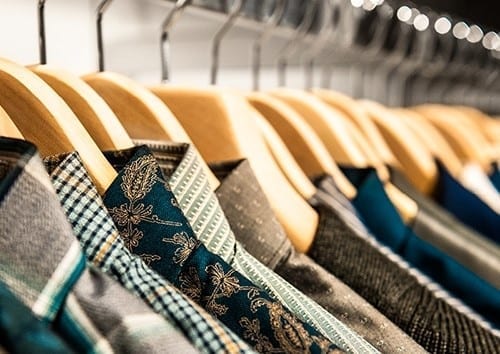
    Perry Ellis has signed a licence agreement with Doctorstick Korea Co to design, manufacture, market and distribute men’s and women’s contemporary sport and casual shoes under the Perry Ellis brand.

    Currently the US brand has 37 product categories, spans more than 50 countries and generates almost $1 billion in global retail sales annually.

    “We are confident this joint effort will provide us with a platform consistent with our strategic initiative to expand the Perry Ellis brand globally,” says Perry Ellis International executive chairman George Feldenkreis.

    Doctorstick Korea plans to launch the footwear program through eCommerce platforms and television shopping channels in Korea in spring next year, and target an introductory full collection by the middle of the year.

    Established in 2007, the company also licenses the Flying London and Mono Cross brands in Korea.

  • Shiseido Playlist launches online only

    Shiseido Playlist launches online only

    The new Shiseido Playlist make-up and skincare brand has been launched for exclusive online sale, with the exception of the cosmetic brand’s Tokyo Ginza store.

    Playlist is available via Watashi+, the group’s own website and other e-stores.

    Distinctive for its minimalist design, Playlist targets women between 25 and 39 years, the demographic that favours online shopping. Developed by Shiseido’s professional makeup and hair care teams, the range focusses on compact lipsticks, foundations and eye makeup. The brand debuts with 31 looks, with others expected to be launched in November.playlist-2

    Playlist also features an online personal advice service, and the brand ambassador will be Belgian-Japanese model Yumi Lambert.

    Playlist has initially been launched in Japan, coinciding with Shiseido replacing Maybelline as make-up partner to Amazon Tokyo Fashion Week.

  • Apple Korea to launch first official store

    Apple Korea to launch first official store

    Apple Korea is to open the brand’s first official store in Seoul, but no date has been revealed.

    A lease has been signed for a property in Garosu-gil Road, an upmarket, tree-lined street, with Apple Korea paying a 1.6 billion won (US$1.44 million) deposit for the lease, which runs to February 29, 2036.

    Without an Apple Store in Korea, consumers have had to turn to third-party suppliers, leading to complaints about delays and poor service, reports the Korea Times.

    In response, the Korea Fair Trade Commission told Apple in December to rectify its policy.
    Apple has started recruiting staff for the Seoul store, advertising positions covering marketing, store crew and customer service.

  • LeEco India ready to roll out 1000 stores

    LeEco India ready to roll out 1000 stores

    Chinese tech firm LeEco India plans to open 1000 outlets across the subcontinent by the end of this year.

    Expecting half of its revenue in India to come from physical stores, LeEco filed an application five months ago with the Foreign Investment Promotion Board (FIPB) to open single-brand retail stores.

    These will be a mix of company-owned stores as well as franchise outlets, says LeEco India COO for smart electronics business Atul Jain. “This is in line with our aim to be among top three brands in the country by 2018.”

    LeEco, which also has an offline presence in China, has not revealed the cost of setting up the stores. However, it will be spending nearly US$10 million on marketing in the three months starting October.

    Already the company has tied up with multiple distributors across organised and unorganised channels in India and is already available in about 3000 outlets in cities including Bengaluru, Chennai, Delhi, Mumbai, Pune and Varanasi. It expects to reach 65 cities and have a presence in 6000 to 8000 outlets by December.

    No longer exclusive

    Launched exclusively on Flipkart, LeEco’s products will now be available on other eCommerce marketplaces such as Amazon India and Snapdeal. Flipkart has contributed nearly 75 per cent of LeEco’s sales in India.

    LeEco has invested Rs.50 crore (US$500 million) in setting up a smartphone assembly plant in the Greater Noida area, in partnership with Compal Electronics. The factory has an initial capacity of 60,000 units a month but this will be ramped up to 200,000 by the end of December.

    By the second half of next year, the company plans to start exporting products to Hong Kong, Indonesia, Malaysia, Russia and Singapore, says Jain. LeEco sold more than 70,000 phones and 2000 televisions last month alone.

    Other plans include a partnership with Hungama to offer music services from next month.
    Founded by billionaire Jia Yueting in 2004, LeEco positions itself as the Apple, Netflix and Tesla of China. Apart from smartphones and online content, the company sells TVs, electric vehicles and virtual-reality headsets.

  • Laguarda.Low designs Shenzhen’s ‘city within city’

    Laguarda.Low designs Shenzhen’s ‘city within city’

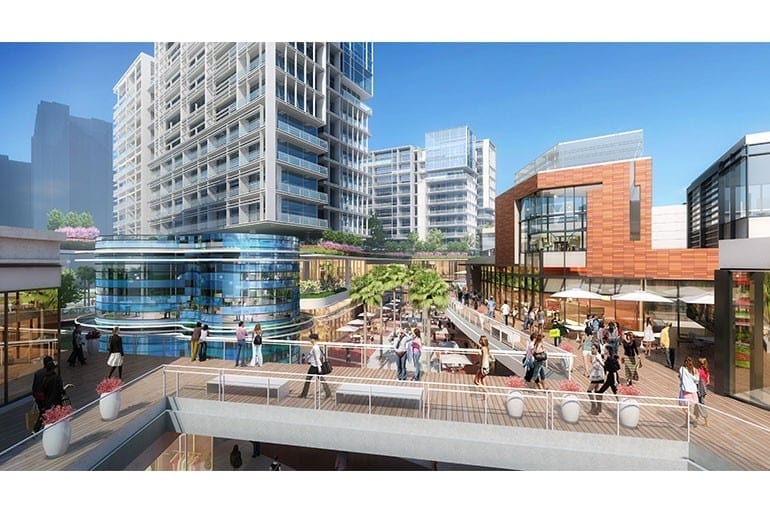
    New York-based Laguarda.Low Architects has finished designing a 3.7 million sqft (343,700 sqm) mixed-use development for Shenzhen in China.

    For CM-OCT Investment Co, the Longhua New District project comprises eight highrise towers, more than 20 low-rise retail buildings, two cultural buildings and open green space.

    CM-OCT Investment Co is a joint venture of two state-owned developers, China Merchants and OCT.

    As both master planner and master architect for the project, and working with US landscape design firm SWA, Laguarda.Low envisions the project as a city within a city, giving each building a distinct architectural character and connecting the residential, office, retail, hotel and cultural buildings through landscaped pedestrian walkways and a central green corridor.

    Its plan positions a multi-level retail village at the centre of the site, surrounded by four residential towers to the northeast, three office towers to the southeast, a hotel to the south, a mall to the west; and a performance hall and exhibition centre to the north. A central loop connects the zones and provides access to parking below.

    “The quality and arrangement of the buildings, along with the dynamic public spaces, creates a vibrant setting to live, work, and enjoy the development’s cultural and entertainment facilities,” says Laguarda.Low principal Pablo Laguarda.

    Construction work has started, and when complete, the development will connect directly to public transportation via the elevated Hongshan Subway Station and a new bus terminal.

    OCT Group and Laguarda.Low have already collaborated on several mixed-use developments including the OCT Bay development in Shenzhen, comprising 3.2 million sqft of hotel, entertainment, retail and restaurant offerings on Shenzhen Bay. They also produced OCT Chengdu, a mixed-use project next to the Happy Valley theme park in Chengdu.

  • Hongkong Land pursuing China expansion

    Hongkong Land pursuing China expansion

    Property investment, management and development group Hongkong Land plans to continue expanding its footprint in China’s key cities.

    “We are actively looking for new opportunities in Beijing, Shanghai and some key secondary cities,” says executive director Raymond Chow. He says the company is betting on the country’s long-run prospects.

    The Hong Kong-based developer already has several projects on the mainland, including two commercial projects in Beijing and Shanghai and two complex projects in Chengdu and Chongqing.

    “When we invest, we look for a very long term, at least a generation,” says Chow. “So we are still very confident in mainland’s further growth despite the recent slowdown in GDP growth.”

    Hongkong Land’s project in Beijing, WF Central, on Wangfujing Street, has a gross floor area of 150,000 sqm and is expected to open in the second half of next year. The $1 billion project includes 50,000 sqm of luxury retail space and a Mandarin Oriental hotel.

    Chow says the project will introduce a range of luxury brands to Beijing.

  • Future Group buys Sangam Direct chain

    Future Group buys Sangam Direct chain

    Indian retail giant Future Group has bought Sangam Direct, a chain of grocery stores previously known as Sabka Bazaar, from Wadhawan Retail Ventures.

    Future group CEO Kishore Biyani has announced the deal without disclosing any figures.

    It is Future Group’s third acquisition in northern India in the food and groceries space in the past three years after Big Apple and EasyDay. In the south, the company acquired Nilgiris last year and is in talks to buy the retail business of Heritage Foods.

    Sangam Direct and Heritage Foods will add Rs800 crore (US$120 million) to Future Group’s annual revenue, says Biyani.

    Heritage Foods, which has 114 stores in Bengaluru and Hyderabad, reported revenue of Rs582.9 crore for 2015-16, up 18 per cent. Sangam Direct, which has about 35 stores across Bengaluru and Delhi, was started by Hindustan Unilever in 2001 as its online groceries delivery platform. It was acquired in 2007 by the Wadhawan group, which owned the Spinach retail chain.

    Future Group, through Future Retail and Future Consumer Enterprise, has about 800 stores. About 500 are small-format EasyDay and Nilgiris convenience stores, the rest being the larger-format stores of Big Bazaar and FBB, which is the group’s fashion retail offering.

    Future Consumer Enterprise also runs 5000 Annapurna Bhandars in partnership with the government of Rajasthan. Future Group is the parent of listed retail companies Future Retail, Future Lifestyle Fashions and Future Consumer Enterprise.

  • Owndays Europe marks first foray outside Asia-Pacific

    Owndays Europe marks first foray outside Asia-Pacific

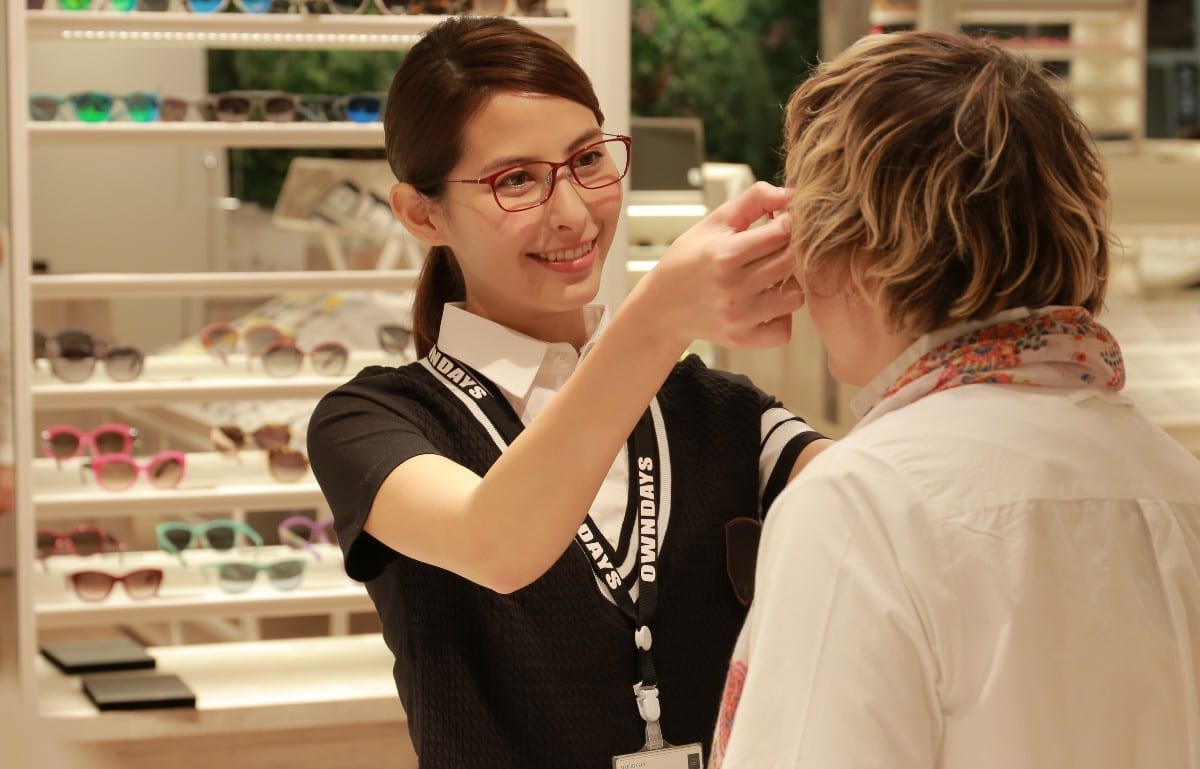
    After rapidly building a network of stores across Asia, Japanese eyewear retailer Owndays has made its European debut.

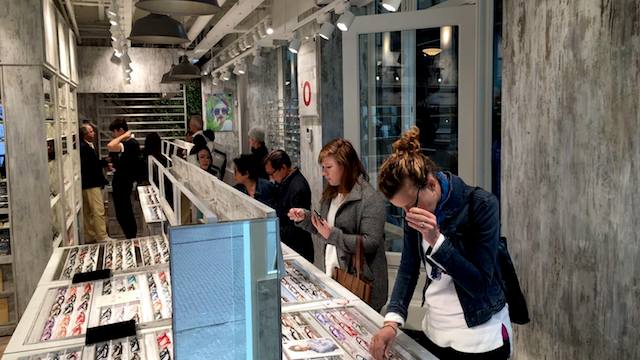
    Owndays Europe has opened its first store in the Netherlands, the design largely true to its Asian format and its simple pricing model seamlessly converted into local currency with frames and lenses paired at between 98 euros and 198 euros.  A 20-minute “quick processing” promise is also included in its in-store marketing, two two promises being the eyewear chain’s unique selling points.

    Owndays Netherlands 1


    The 80 sqm Dutch store opened last week in a traditional street-front location, rather than a shopping mall, where most of its stores are located in Asia; at Passage in The Hague, a trendy area bustling with retail and food & beverages establishments.

    Owndays Europe plans to open 30 stores in the Netherlands in the next three years.

    The brand began its international expansion just three years ago and is already trading in Singapore, the Philippines, Australia, Vietnam, Taiwan, Thailand, Cambodia and Malaysia, making the Netherlands its 10th market.

    owndays-netherlands

    Owndays Europe stores carry more than 1500 designs of frames ranging from basic and functional to stylish and fashion-forward so customers can pick the right pairs of glasses to suit their lifestyles or to match occasions and functions. With a team of in-house designers based in Japan, the brand regularly adds new designs to its existing collections so customers always see something new each time they visit the shop.

    Owndays already has more than 170 shops in Asia-Pacific and sells more than 1.5 million pairs of glasses a year. It is one of the few optical retailers internationally which has adopted an entirely private label system, managing the entire process from design and manufacturing to inventory management and retail.

  • Tokyo Tsuta ramen eatery to open in Singapore

    Tokyo Tsuta ramen eatery to open in Singapore

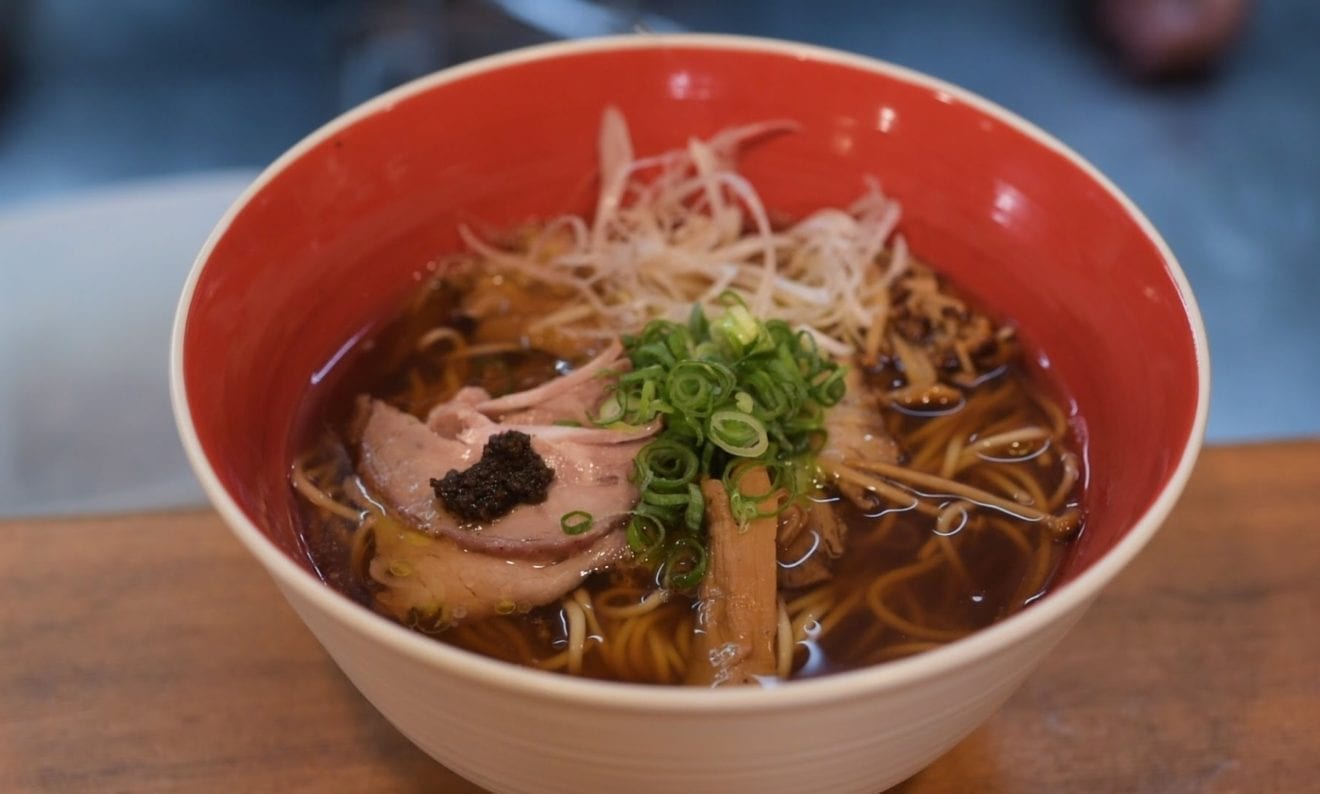
    The world’s only Michelin-starred ramen restaurant Tsuta is to open in Singapore in October.

    The Japanese eatery has been signed up by Pacific Plaza on Scotts Rd and will mark the restaurant’s first location outside its home market.

    Earning a coveted Michelin star this year has boosted the already-popular Tokyo establishment into something approaching cult status. The restaurant, located in the suburb of Sugamo, has just nine seats and limits its servings of ramen to 150 bowls each day. That has prompted customers to queue from as early as 6am so as not to risk missing out and tickets for a day’s dining usually sell out by 8am.

    The Pacific Plaza restaurant will be twice the size, with 18 seats and offer three soup bases – miso, Shoyu soba and shio soba. Chefs will be carefully trained to ensure the quality of the dishes served match those sold in Tokyo – and that the ramen sold is “the best in Singapore”.

    Tsuta ramen seats

    Founder Onishi says there are many pork-bone ramen shops in Asia, but he was determined to be different.

    “My aim is to create a ramen shop that can leave an impact with its unique dashi and umami flavours, and become as popular as tonkotsu ramen. For me, shoyu ramen is what usually comes to mind when one thinks of Japanese ramen.”

    Images courtesy of Mitsueki, Singapore food and travel blogger. Read more about Tsuta and view more photos here.

  • Arrivals of European tourists in Bali up 59.4%

    Arrivals of European tourists in Bali up 59.4%

    The number of European tourists arriving in Bali in this summer season increased 59.4 percent from 76,822 in June to 122,455 in July 2016.

    “The increase of European tourist arrivals is the fruit of the efforts made by the government and tourism industries in promoting Indonesia, especially Bali, in Europe and Asia,” tourism observer Dewa Nyoman Putra said here on Tuesday.

    Besides the impact of the intensive promotions and expanded security, the increase in European tourist arrivals is also triggered by the visa-free facility the Indonesian government provides for a number of countries.

    The tourism service of Bali recorded the average European tourist arrivals in Bali at some 76,000 per month.

    However, it rose to 122,455 in July, so that in the January-July 2016 period, the number of foreign tourist arrivals from Europe reached 583,463.

    Thus, European tourist arrivals in Bali account for 21.17 percent of the total foreign tourists arriving in Bali in the same period, in which 2.7 million foreign tourists visited Bali.

  • Standard Chartered probed by US over Indonesia ‘bribes’

    Standard Chartered probed by US over Indonesia ‘bribes’

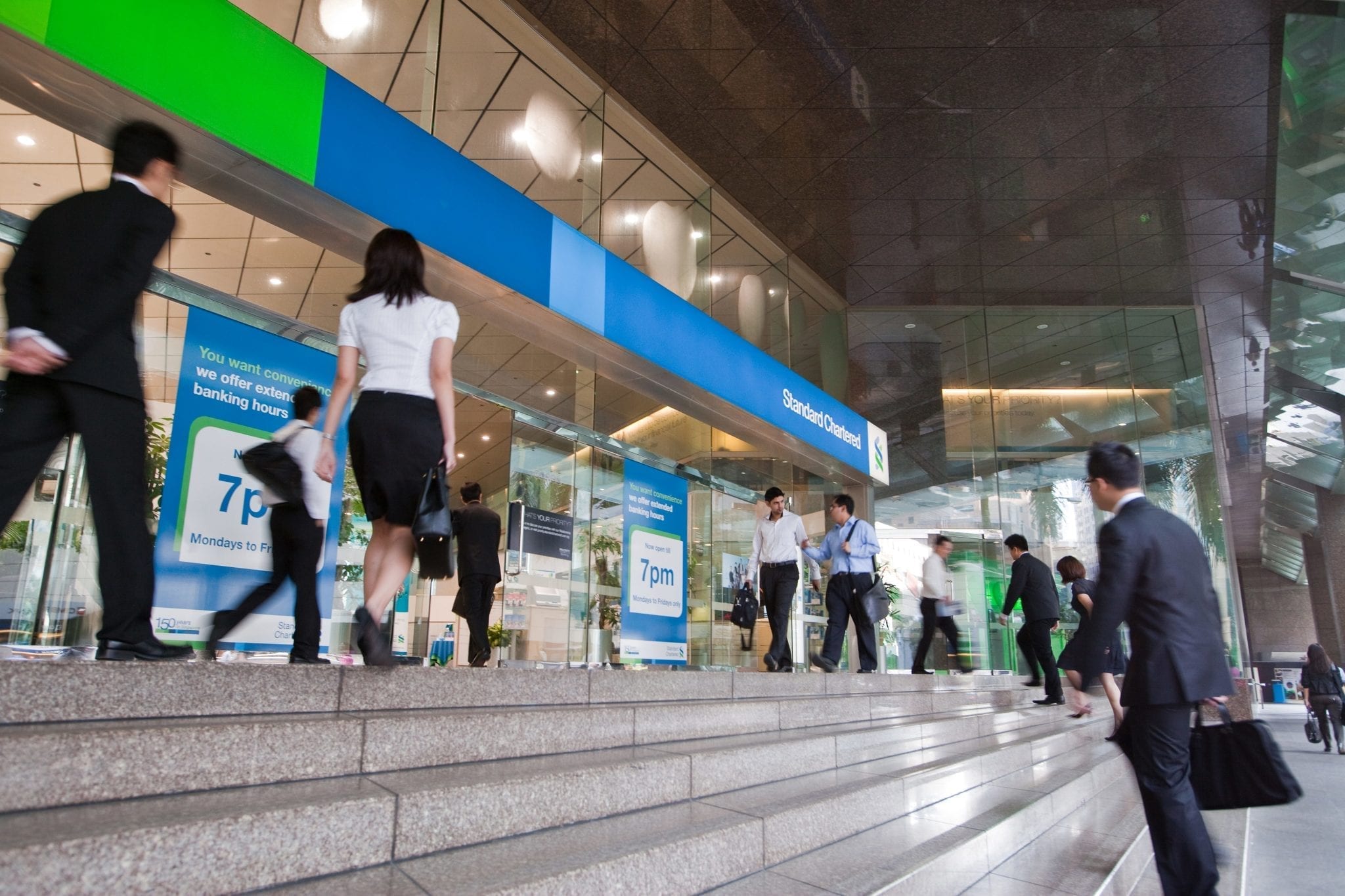
    Standard Chartered acknowledged on Tuesday (Sep 27) it was being investigated by the US Department of Justice over claims that an Indonesian subsidiary had paid bribes to secure contracts.

    The London-based, Asia-focused bank said in a statement that it had referred the matter to the “appropriate authorities” and launched its own review.

    The Wall Street Journal newspaper said that an internal audit at Indonesian energy company Maxpower Group found evidence of possible bribery and US prosecutors were examining whether Standard Chartered was culpable for not stopping it.

    “Standard Chartered takes very seriously allegations of impropriety in any of our private equity investments,” the bank told AFP in a statement when asked about the report.

    “We proactively referred this matter to the appropriate authorities and have conducted our own review.

    “When we receive allegations of improper behaviour in an investee company, we pursue those allegations vigorously and act appropriately, including sharing information and cooperating fully with government authorities and addressing any issues of internal conduct and accountability.”

    The Department of Justice did not comment when contacted by AFP.

    The Wall Street Journal said the Maxpower internal audit found that more than US$750,000 in cash advances needed to be examined as possible bribes, while lawyers who reviewed the audit found indications that employees made inappropriate payments to Indonesian government officials between 2012 and 2015.

    Standard Chartered began investing in Maxpower in 2012 and is the majority shareholder. There was no immediate comment from Maxpower.

    But a source close to the case told AFP the US authorities were indeed examining whether Standard Chartered, via its representatives on the Maxpower board, was aware of alleged bribes to win government contracts.

    The investigation would also look at why the bank’s alert procedures for spotting such matters had not been triggered.

    But the probe will focus on whether Standard Chartered has violated the terms of its 2012 deferred prosecution agreements with the Department of Justice.

    Standard Chartered paid US$667 million in 2012 to settle charges it violated US sanctions by handling thousands of money transactions involving Iran, Myanmar, Libya and Sudan.

    In August 2014, the bank was hit by US regulators with a US$300 million fine and restrictions on its dollar-clearing business for failing to detect possible money-laundering.

  • UPS expands its on-demand 3D printing network to Asia

    UPS expands its on-demand 3D printing network to Asia

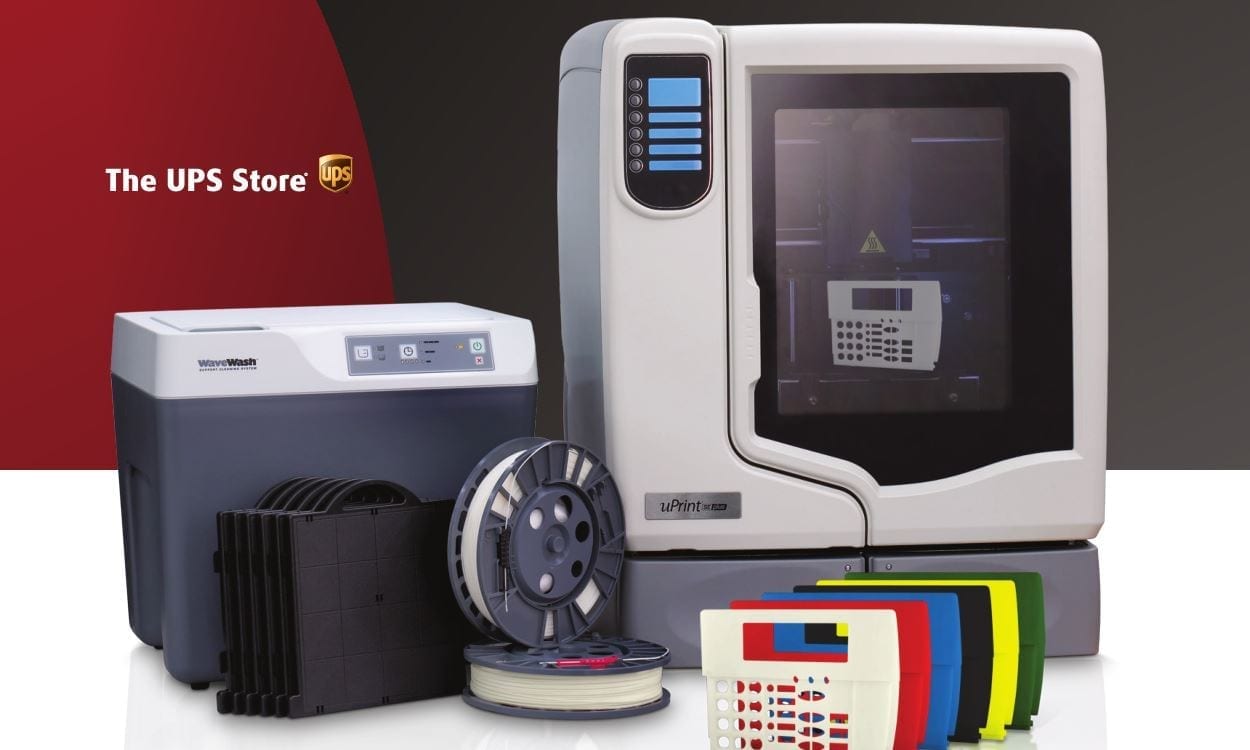
    UPS will expand its on-demand 3D printing network to Asia when Fast Radius opens a factory in Singapore by the end of the year.

    According to UPS, it will also set up a team in Asia to create a centre of excellence which will develop supply chain solutions and promote the use of 3D printing.

    “3D printing will have a significant impact on industrial manufacturing and 21st century supply chains,” said Ross McCullough, president of UPS Asia Pacific. “At UPS, we are embracing disruptive technologies and integrating them into our global logistics network. We believe that much like e-commerce digitized and transformed retail, 3D printing will have a similar impact on manufacturing.”

    Advantage of 3D printing include lower inventory for slow-moving parts, lower transportation costs, shorter production runs and better customization.

    “UPS’s 3D printing Centre of Excellence reinforces Singapore as an innovation-driven economy,” said Michelle Ho, managing director of UPS in Singapore. “Having Fast Radius’ factory connected to UPS’s network means customers can send their 3D printing orders by 5pm and have them delivered to their customers in most major Asian cities within 24 hours. The automotive, high-tech, aeronautic and aviation, healthcare and retail industries have a lot of opportunity to take advantage of this type of manufacturing.”

    Fast Radius will direct 3D printing orders to the manufacturing location in either Singapore or the US, depending on speed, geography and product requirements, according to UPS.

  • Indonesian Retailers Prepares for ASEAN Market

    Indonesian Retailers Prepares for ASEAN Market

    Deputy Chairman of the Indonesian Retailers Association (Aprindo) Tutum Rahanta, said that the Association is currently aiming for the ASEAN market, specifically countries like Vietnam, the Philippines, Laos, Myanmar, and Cambodia.

    Tutum predicted that hundreds of millions can be gained if Indonesian retailers can tap into international markets. “I think if we can penetrate the market, it would be like serving 600 million people, and it is three times bigger than Indonesian market,” Tutum said on Monday, September 26, 2016.

    Tutum said that Indonesian retailer has plenty of open chances and opportunities to tap into the ASEAN market, especially in terms of expansion costs, which according to Tutum, would be similar to expanding their business in Indonesia. In addition, Indonesian retailers would have better chances at expanding in ASEAN with the recent establishment of the ASEAN Economic Community.

    “It would be much different if retailers wanted to expand to Japan, opening one outlet there equals opening 30 outlets [in Indonesia], it doesn’t make sense,” Tutum said.

    Tutum added that despite retailers’ readiness to expand to ASEAN, Aprindo expected the government to show support by facilitating bureaucratic affairs and adapting regulations.

    “The government can lobby the foreign country’s government to see if there are any obstructing regulations, then they can inform retailers,” Tutum said.

  • Oracle to help drive Maharashtra’s digital transformation

    Oracle to help drive Maharashtra’s digital transformation

    Oracle and the government of Maharashtra have teamed up to advance the state’s digital transformation initiatives.

    According to the MoU signed between the two, Oracle Cloud solutions will be leveraged in order to develop Maharashtra’s smart city program, with the goal of making the urban landscape more livable and inclusive, while driving economic growth at the same time.

    A Center of Excellence (CoE) will be set up to help accelerate the state’s smart city program and modernize the government’s technology solutions. The CoE, housed in Mumbai, will serve as a research platform to design, develop and test new capabilities that will deliver better government-to-citizen (G2C) and government-to-business (G2B) services.

    Using the cloud, the CoE will enable rapid innovation with minimal capital expenditures. In addition, the CoE will offer a flexible and scalable common framework, as well as a team of experts, allowing individual cities to scale and replicate its solutions.

    Both Oracle and the government of Maharashtra will invest in IT infrastructure, training and skillset resources as well as management of the CoE. The Maharashtra government launched a programme earlier in April to develop 10 smart cities, adding to the 33 announced by the central government in the 100 smart cities initiative

    “Cloud computing has changed the landscape of governance. It has the power to enable inclusive growth and to transform the state into a digitally empowered society,” said Devendra Fadnavis, chief minister, Government of Maharashtra. “The CoE is a step in that direction and will make more government services available with the click of a button.”

    “We are thrilled to further our commitment in India by working with the government of Maharashtra and the Prime Minister of India, Shri Narendra Modi, to help position India as a world-class design and manufacturing epicenter. The Cloud Center of Excellence powered by Oracle will play a key role in improving the lives of the people of this state,” Oracle CEO Safra Catz added.

    “By moving to the Cloud, the government has the opportunity to create a digitally empowered society and a growing knowledge economy. We look forward to making this partnership a success.”

    This initiative follows Oracle’s recent commitment to support the country’s global digital leadership. Oracle unveiled a massive, state-of-the-art campus centered in Bengaluru, nine incubation centres throughout India, and an initiative to train more than half a million students each year to develop computer science skills.