Tag: asia

  • Ex Grab exec launches Philippine grocery-delivery startup Supah

    Ex Grab exec launches Philippine grocery-delivery startup Supah

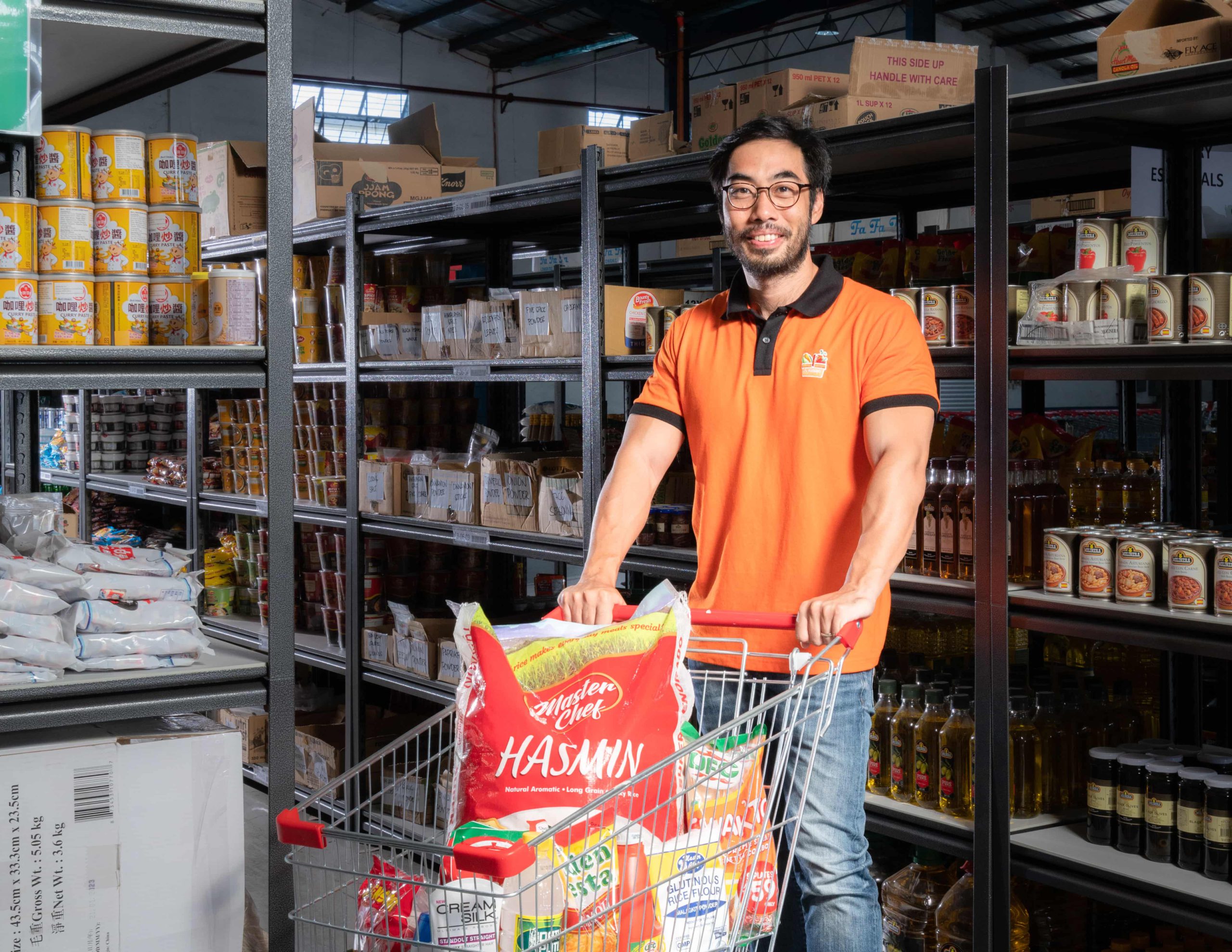
    Social commerce startup SariSuki has introduced a new rapid grocery delivery service called Supah that delivers groceries across select parts of Metro Manila.

    During a media round table in Pasig City on Wednesday, SariSuki Co-Founder and Chief Executive Officer Brian P. Cu said that Supah offers a delivery service for grocery items such as snacks, condiments, beverages, fresh produce, and dry and frozen goods within 15 minutes.

    Supah’s delivery services are currently available in Makati City, Bonifacio Global City in Taguig, Pasig City, Mandaluyong City, San Juan City, Binondo district in City of Manila, and both New Manila and Timog areas of Quezon City.

    “Our business puts tremendous value on our customers’ time and needs. We see doing the grocery as effortless, time-saving and economical, while still making it possible to attend to other things. Thanks to our efficient ecosystem of suppliers, vendors and riders, we are able to fulfill this commitment without a delivery fee,” Mr. Cu said.

    Supah currently has eight “dark stores” where the goods are stored, and over 100 riders that cater close to 5 million people, and categorizes under quick commerce.

    Mr. Cu, a former president of Grab Philippines, said that Supah has been “quietly tested” since March over certain areas and has garnered a positive response, adding that the company raised around $11 million last year to fund the new venture.

    “When we first started it, no one thinks they need 15 groceries until they get groceries in 15 minutes, sometimes even a little bit less. The goal of Supah is [to] help reduce the time used up by today’s busy consumers in going to the supermarket, and in spending time away from the other activities that they can use with the time that they have,” Mr. Cu said.

    Lance Y. Gokongwei, JG Summit Holdings, Inc. president and chief executive, said that the company can help Supah by making products from its Universal Robina Corp. (URC) more accessible.

    JG Summit’s corporate venture capital, JG Digital Equity Ventures (JGDEV), is an investor in SariSuki. Mr. Gokongwei is also a board director of SariSuki.

    “I think my role really is to advise and provide some experience that I can share. As far as the JG Summit resource, of course, our ecosystem, we want to help as much as possible in terms of making products, for instance, from URC as accessible as possible to the company,” Mr. Gokongwei said.

    “Supah offers great potential as it tries to address the consumers’ evolving needs in grocery shopping by finding the optimal balance among several critical factors like speed, assortment, value, and convenience. This innovative technology will help shape the future of grocery shopping in the country,” he added.

    Moving forward, Mr. Cu said that the company seeks to expand, saying that 40 dark stores is enough to cover the entirety of Metro Manila.

    “We’re looking at expansion. But we want to prove (there’s) enough demand in the existing stores that we have now before we start investing in expansion,” Mr. Cu said.

    “To cover the entire Metro Manila in 15 minutes, we need to have 40 dark stores. But we’re not saying that we’re going to go to 40 next year,” he added.


  • Amazon has a plan to make Alexa mimic anyone’s voice

    Amazon has a plan to make Alexa mimic anyone’s voice

    Amazon is planning to come up with a way that will help Alexa voice assistant users to speak to their family members, even after they’ve died.

    As per TechCrunch, the online retailer announced its plan about developing a system to let Alexa mimic any voice after hearing less than a minute of audio during its annual re:Mars conference today in Las Vegas.

    “This required inventions where we had to learn to produce a high-quality voice with less than a minute of recording versus hours of recording in the studio.The way we made it happen is by framing the problem as a voice conversion task and not a speech generation path. We are unquestionably living in the golden era of AI, where our dreams and science fictions are becoming a reality,” Amazon’s Senior Vice President and Head Scientist for Alexa, Rohit Prasad said.

    After learning about this development, several netizens expressed their views. Many said the technology can be used for scams or to create false narratives about people.

    “I m so heartbroken, last month I deleted a bunch of voicemails from my phone because it was getting full, and a couple days later my dad died. His girlfriend had videos of him singing and playing guitar, so I have that. But now I’m afraid to delete voicemails ever,” a Twitterati wrote.

    “Funny thing is, they love introducing all this ‘new tech’ all cute and sweet and really they using it IN THE BACKGROUND for other devious bull shit,” another one wrote.

    “This (or similar) tech is already used in (mostly) corporate fraud. In ex someone calls the secretary sounding like its the boss who is calling, asking for an urgent bank transfer from the accountant….. I mean, for this product there must be a serious licence. Sad lobbypower,” a netizen commented.

    In a demonstration video, a child said, “Alexa, can Grandma finish reading me the Wizard of Oz? However, Amazon did not say when the feature will roll out to the public.

  • Samsung Australia fined $14 million over false water-resistance claims

    Samsung Australia fined $14 million over false water-resistance claims

    Samsung Australia admitted to misleading buyers of some of its ‘Galaxy’ phones about the water-resistance level, the Australian Competition & Consumer Commission (ACCC) said. The regulator had first sued the company in July 2019.

    Samsung Australia said in a statement that this was not an issue in its newer, current models.

    The regulator said between March 2016 and October 2018, the company ran in-store and social media advertisements that claimed the phones could be used in pools or sea water.

    The ACCC, however, received hundreds of complaints from users saying the smartphones did not function properly or even stopped working entirely after being exposed to water.

    The claims “promoted an important selling point for these Galaxy phones. Many consumers who purchased a Galaxy phone may have been exposed to the misleading ads before they made their decision to purchase a new phone,” said ACCC Chair Gina Cass-Gottlieb.

    Samsung and the ACCC agreed that changes the company had made to newer models of the smartphones launched in Australia from March 2018 did not face such risks from water exposure, the company said.

  • Chow Tai Fook arm in bid for Giordano International

    Chow Tai Fook arm in bid for Giordano International

    Giordano International Ltd. climbed as much as 23% after an investment vehicle owned by Hong Kong’s third-richest person offered to buy the apparel retailer.

    Clear Prosper Global Ltd., a BVI vehicle wholly-owned by Chow Tai Fook Nominee Ltd., offered to buy Giordano for HK$1.88 (24 cents) per share, according to a filing late Thursday. That’s an 18% premium on its most recent closing price, and shares surged to as much as HK$1.95 on Friday.

    The investment vehicle and its related parties already hold a 24.57% stake in Giordano and the maximum cash consideration is HK$2.56 billion, according to the statement.

    Chow Tai Fook Nominee is a private vehicle owned by the Cheng family, whose patriarch, Henry Cheng, is Hong Kong’s third-richest person with a fortune of $22.6 billion, according to the Bloomberg Billionaires Index. The family’s sprawling investment empire includes one of the world’s biggest jewelry chains, as well as real estate, infrastructure and hotels.

    Established in 1981, Giordano has around 2,100 shops in more than 30 countries and regions, according to its website. The acquisition offer will let the group continue its existing principal business, and there are no intended job cuts, according to the statement.

  • Woolworths launches rapid delivery app Metro60

    Woolworths launches rapid delivery app Metro60

    Woolworths has launched a new app that promises groceries door-to-door within an hour for a $5 fee in a move that poses a huge challenge for a crop of start-ups that offer a similar service but a boon for consumers who have grown used to speedy deliveries during the pandemic.

    The app, Metro60, launched this week in 11 eastern Sydney suburbs, including Bondi, Vaucluse and Rose Bay, to little fanfare. The supermarket giant plans to roll it out in hundreds more neighbourhoods across NSW and other states in coming months as it fights for market share in the $100 billion-a-year sector during an economic downturn.

    About 4000 products from fresh produce to cleaning supplies will be available from Woolworths’ small format Metro stores via Uber couriers. The first three deliveries are free, with a $5 delivery fee and $20 minimum order thereafter.

    Woolworths’ chief transformation office, Von Ingram, described Metro60 as a way for customers to quickly get last-minute snacks, ingredients or meals.

    “Our busy customers are already familiar with the convenience a Woolworths Metro provides when
    they’re on the go, and we see Metro60 as an opportunity to offer a new level of ultra convenience and help customers save even more time,” Ingram said.

    Woolworths’ move follows a string of start-ups in Australia that sprung up last year offering supermarket deliveries in 10 or 15 minutes, including Milkrun, Voly and Send.

    Send collapsed in May while The Sydney Morning Herald and The Age revealed Voly had cut staff and stores earlier this month amid a technology downturn that has made it harder for start-ups to raise money.

    But Woolworths poses an even greater challenge for the two surviving firms. Even compared to Milkrun, which has announced capital raises totalling $86 million, Woolworths is a financial colossus with a market capitalisation of more than $42 billion, an established supply chain and a huge store network across the country.

    Its partnership with Uber means it will likely save on labour costs too because the gig economy company uses contractors who have flexible working arrangements and are paid per job rather than a minimum hourly wage.

    Milkrun and Voly use employees and offer faster delivery times, with Milkrun in particular also displaying a particular flair for branding, such as wrapping vehicles in its eye-catching blue and white logo.

    Metro60’s launch comes at a hard time for the retail sector, which is dealing with shortages of vegetables such as lettuce and suppliers demanding price rises to cover the increased cost of things like fuel, power and fertiliser.

    The Reserve Bank of Australia, charged with controlling inflation, has also been trying to convince consumers to cut back their discretionary spending by increasing interest rates.

    Woolworths currently offers deliveries for fees ranging from nothing to $15, depending on the time frame, using a range of couriers that includes Uber for some of its fastest services.

    Last year it announced a partnership with Uber Eats to offer about 1200 products at Woolworths Metros on the US giant’s app.

    Coles has a partnership with another gig economy delivery company, DoorDash.

  • Wendy’s New Zealand business up for sale after 34 years

    Wendy’s New Zealand business up for sale after 34 years

    Wendy’s NZ, the current master franchisee, owner and operator of all Wendy’s hamburger restaurants throughout New Zealand, is on the market for the first time in 34 years.

    The brand was brought here in 1988 when Danny and Dianne Lendich opened the first store in Te Atatu after a deal between the international franchisor and the original master licensee fell through. The Lendich family went on to develop 22 restaurants – 12 in Auckland, two in the South Island and eight throughout the North Island – all of which are company-owned and included in the sale. There are no sub-franchisees.

    With Danny and Dianne Lendich now in their 70s, their daughter and CEO of Wendy’s NZ Danielle Lendich, says business has never been better, but now is the right time for change.

    Internationally, the American burger brand has over 7,000 restaurants and is planning to accelerate global growth, opening over 90 new restaurants in the first quarter of 2022. The company says it is looking for a qualified franchisee who can help grow and scale the business throughout New Zealand. While sub-franchising is not specifically mentioned, it is a strategy Wendy’s uses in other countries.

    Traditionally, New Zealand has been an attractive market for international brands, with Carl’s Jr. and Wendy’s having both achieved world-record sales levels for opening weeks here. However, opportunities for franchisees have been limited, with both companies operating via national master licensees who have not sub-franchised. This has left the owner/operator burger market open to McDonald’s (which has over 170 restaurants here) and locally-developed gourmet burger franchises such as BurgerFuel and Burger Wisconsin.

    Record sales

    Danielle Lendich says that Wendy’s NZ is performing extremely well and is ready for growth.

    ‘Operations are strong across the country and we’re experiencing record sales. Even during the worst of Covid, there has been huge demand. Obviously there have been challenges, but it’s a testament to the team that we’ve been able to get though the disruption and emerge even stronger.’

    A family-owned business with deeply-rooted values and relationships, Wendy’s NZ has many staff and suppliers who have been with the company for decades, and suppliers of beef, sauces and fresh produce going back to year one,’ Danielle says.

    ‘We hope the new franchisee will operate with the same cores values and look after not just the business, but the wider Wendy’s family. The future is very bright at Wendy’s.’

    The sale of Wendy’s NZ / WendCo (NZ) Limited is being handled by Spencers Chartered Accountants & Advisers in New Zealand and internationally by partner Azure.

  • Mood Tea offers unique flavours with a purpose

    Mood Tea offers unique flavours with a purpose

    In times of stress or crisis, when things tend to go wrong, it’s important you let your mind relax and take it easy. So when time gets tough, may we suggest tea to rescue? It’s believed that in times of stress, a cup of tea can work wonders for your nerves. In countries like Japan and India, brewing and bonding over cups of tea is a usual practice and it ensures general well being of the family.

    It’s been quite a long journey for tea as a beverage. What started as a humble cup of regular chai has now ended up in elegantly packed designer boxes of flavored teas. Tea has become more of a lifestyle now. There’s a tea for every mood, flavor for every season. While your workout regime is incomplete without wellness and detox green teas, your winter evenings just cannot happen without a hot steaming cup of Kashmiri Kahwa or Darjeeling.

    Don’t you remember Mad Hatter from ‘Alice in Wonderland’? Even he seemed to agree that “it’s always tea-time”. A hearty breakfast with a cup of earl grey and late nights with Masala chai or Vanilla tea pretty much sums the day up. However, many of us aren’t much aware of the options of teas available. Here’s a comprehensive list of teas for all moods available with exclusive makers of flavored single origin teas.

    Tea for Moods:

    Kick-start flavours: For the times we drag ourselves out of bed and still don’t seem to be fully awake, let our good old strong black Assam tea wake you up every morning. With or without milk, it is a perfect good cup to start your day.

    Herbal De-stress: A long day at work, the fever and fret, leave you tired and stressed. Nothing can be more refreshing than a hot shower followed by a cup of warm de-stress relaxing tea. Jasmine tea and refreshing lemon -ginger herbal infusion work on stress and calm your nerves like magic!

    Mood Lifters: Didn’t have a good day at work? Upset over a job not done? Rejuvenate with tea and start anew! Spicy chilli tea, lemon tea and masala chai are great mood lifters. They give you just the right push to get things done.

    Weekend Detox: After a long hard week, a crazy weekend is the least you can ask for. But what about the Sunday morning hangover? Nevermind because we do have a tea solution for that as well. The goodness of organic green tea not only detoxes you but also increases your metabolism. The antioxidants found in herbal green tea play an important role in keeping your natural immunity in place.

    Post Workout: And ofcourse, for the fitness freaks. How can we forget that your workout ain’t complete without a cup of weight-loss tea to mark the finish! A cup of green tea with a tinge of honey can work wonders for your weight loss program.

    Sleep well: Last but not the least, when you go to bed, teas that ensure you sleep well. Try out sleepwell carrot orange multivitamin herbal infusion or relaxing pomegranate orange herbal infusion to relax you before going to bed.

    When nothing else seems to work, keep calm and settle down with a cup of steaming tea and let your mind figure out a way.

  • Vietnamese regain hope in ‘next Bitcoin’

    Vietnamese regain hope in ‘next Bitcoin’

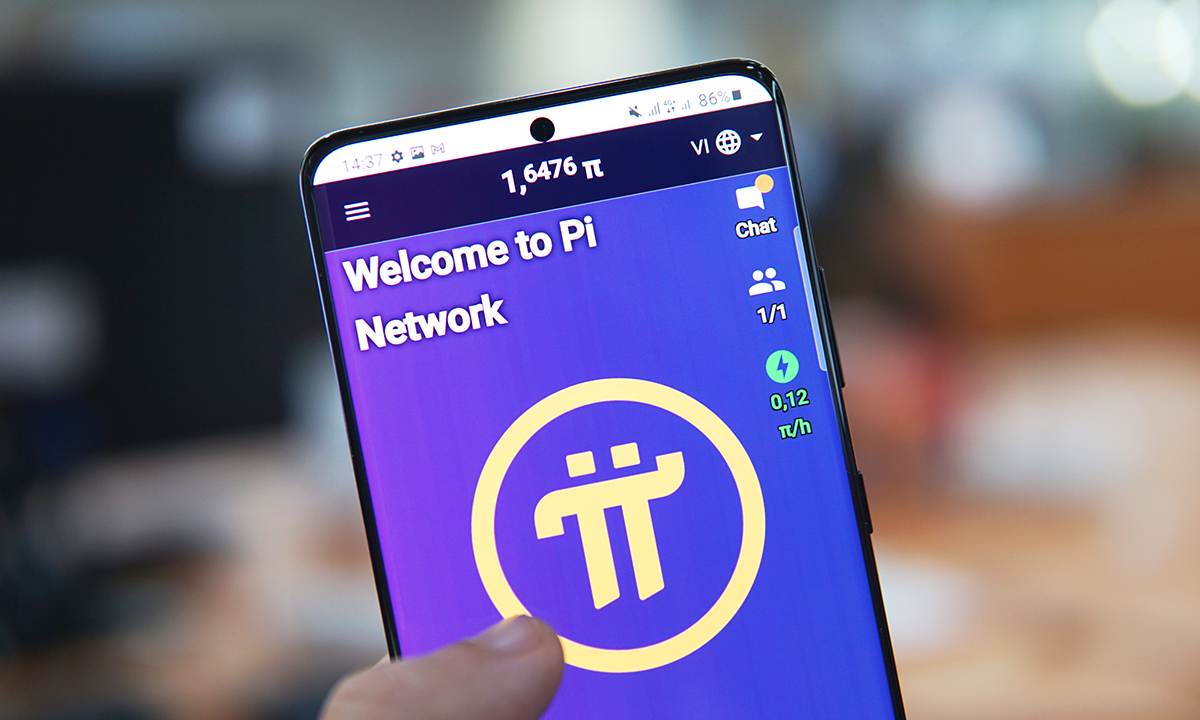
    People are rushing to mine cryptocurrency Pi prompted by news of new developments including an open mainnet launch.

    Open mainnet, which is said to allow users to trade the token for other cryptocurrencies, “will begin on 2022 Pi Day (14/3) or Pi2 Day (28/6)” depending on “the maturity of the Enclosed Network economy and the progress of KYC (know-your-customer),” its developer announced last year.

    “My two-year wait will finally pay off if everything happens as planned,” Thanh Lam, a Pi investor in HCMC said.

    Like many amateur investors in Vietnam, Lam started investing in the cryptocurrency in 2020 and now has over a thousand tokens. He quit logging into the app daily a while ago after he was disappointed with the delay by the developer.

    But he returned recently after many users were asked for KYC and the fact Pi2 Day was imminent.

    “If Pi can reach the target price of a few hundreds or thousands of dollars, my 1,000 tokens will be enough.”

    He is eagerly waiting for his KYC process, a minimum requirement for most cryptocurrencies to verify users’ legality and prevent money laundering.

    “If I am not verified, my tokens will be useless.”

    Other users take a harsher approach to the cryptocurrency. “If nothing happens by the end of June, I’ll delete the [Pi Network] app,” Ngoc Nhu, 28, from the central province of Binh Dinh said.

    “I don’t expect prices to hit thousands of dollars like others, but hope it will be of some value so that my two years of efforts are not wasted.”

    Pi Browser, the mobile app meant for the KYC, recently became the fourth most downloaded non-gaming app in Vietnam on Apple App Store, and sixth most downloaded on Google Play store.

    The search for ‘KYC Pi’ has also doubled from last December, according to analysis tool Google Trend.

    Phien Vo, an administrator of a Pi group with over 130,000 members, said: “KYC is the most important step. Next steps can only be carried out once the authentication process succeeds.”

    On Monday Pi Network’s developer said the KYC process has been completed for over half the users. There were an estimated 35 million users as of May, and up to 90,000 can be authenticated in a day.

    The developer’s promises have sparked great expectations. A poll on a Pi group found 75 percent of nearly 3,400 users believing in a ‘consensus price’ of US$6,700.

    But it is now worth nothing since it has not been listed on any exchange. Pi and other cryptocurrencies are not legal tender in Vietnam, Dao Minh Tu, the deputy governor of the State Bank of Vietnam, has said.

    “Currently, most forecasts of Pi’s value are baseless,” Vo said, adding that prices would only be determined once it enters the open mainnet phase.

  • Spotify working on a Community page that shows what your friends are listening to in real-time

    Spotify working on a Community page that shows what your friends are listening to in real-time

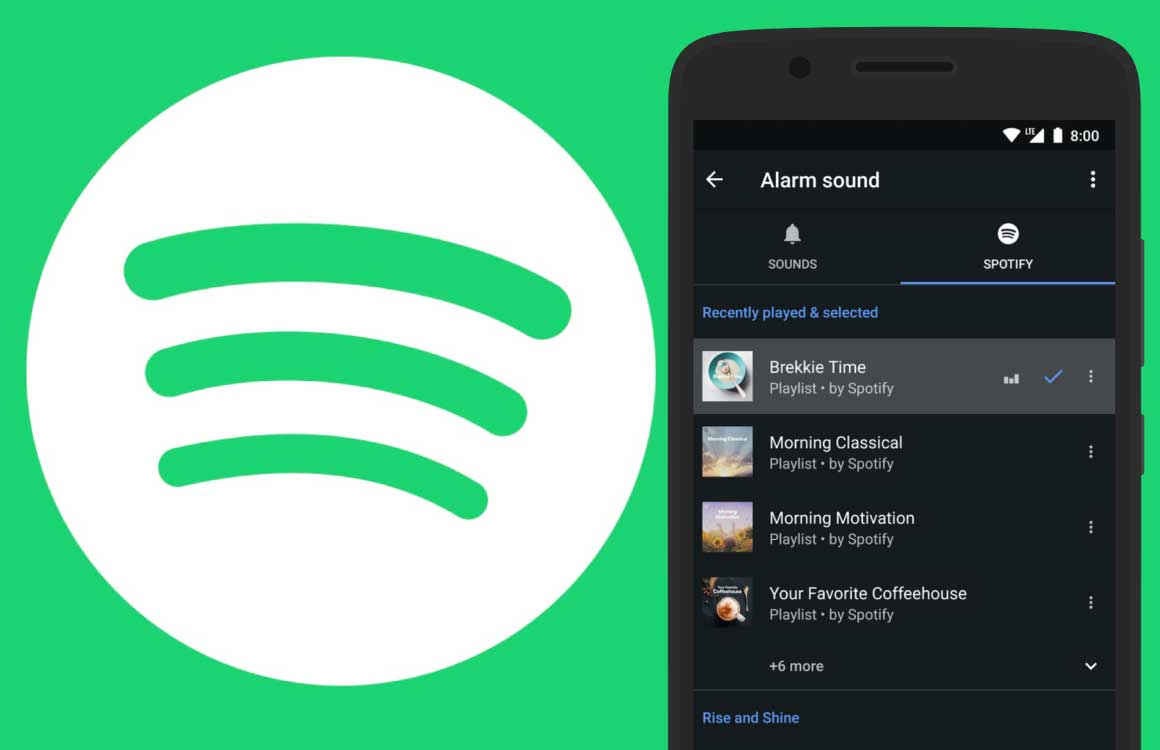
    Spotify has been steadily evolving in the past few months, from testing more podcast features to aiming to conquer the audiobook market. It appears the music-streaming platform has another area in which it sees more possibilities for growth – the social aspect. Spotify is working on adding a new Community tab, which will allow you to check out what your Facebook friends are listening to.
    Then, what is this feature all about (at least for now)? The Community page looks similar to the Friend Activity sidebar in the desktop version of Spotify. The page lets you keep track of what your friends are listening to in real-time.Well, it basically pulls the list of songs from your friends’ Facebook accounts – if these are connected to the app.

    You can get a preview of the tab if you have an iPhone: open Safari, go to “spotify:community” via the address bar, and then tap the button to open the Spotify app. This shortcut doesn’t work on Chrome on Android so far, so only iPhone users can get a glimpse of the new page for now (it is still unfinished by the way, as it is in early development).

    Given the fact that this feature is still in early development, it is unknown how much time it will take for Spotify to refine it and release it as a part of an official update. So, it might take a while before you’ll be able to check out your friends’ music preferences from the app.

  • Financial startup Anfin raises $4.8 mln

    Financial startup Anfin raises $4.8 mln

    Financial startup Anfin, which seeks to make stock investment easy for any user, has raised funding of $4.8 million in a Pre-Series A round from a consortium of investors.

    It was led by angel investor Clement Benoit and U.S.-based startup accelerator Y Combinator. The money will be used to improve its app by building a social network in it so users can share their investment knowledge.

    Anfin was launched in October last year and has raised around $7 million to date.

    Its app allows users to invest as little as VND10,000.

    Its CEO, Phuoc Tran, said the app has over 100,000 active accounts with a total transaction value of $10 million.

    Benoit said creating a product that serves many groups of people in society is the right move in a big market such as Asia.

    He hoped the company would branch out to other countries and succeed in its social investing business model.

    Interest in stocks remains sky-high in Vietnam, with 476,300 new accounts opened in May, a new record.

    Phuoc said despite the volatility in the market, stocks remain an asset class with great prospects.

    Data from investment fund Dragon Capital Vietnam shows that in the last five years, stocks have given investors an average return of 16 percent a year, higher than real estate, bonds or gold.

  • Electricity consumption hits new record amid heatwave

    Electricity consumption hits new record amid heatwave

    Power consumption soared to an all-time high of 45,528 megawatts at noon Tuesday as people turned on air-conditioners and other devices to beat the searing heat.

    It was 6,000 MW higher than last week’s average, Nguyen Duc Ninh, director of the National Load Despatch Center, said at a conference Wednesday.

    The north led with demand of 22,330 MW.

    In Hanoi, consumption was 3 percent up on what was the fourth day of a heatwave.

    The temperature rose to 39 degrees Celsius on Tuesday, according to the National Center for Hydrometeorological Forecasting.

  • Spotify rolls out new feed to its mobile app to help users find live shows

    Spotify rolls out new feed to its mobile app to help users find live shows

    Spotify has just announced a new feature aimed at users who typically search for their favorite creators’ live events within the app. Previously known as Concert Hub, the feature has been renamed to Live Events Feed and received a handful of improvements.

    First off, you’ll be able to find the new feed by search Live Events in the Spotify app. This is the service’s new place where users can find live events in their local area, personalized for them. Spotify revealed that it’s been supported by various ticketing partners who helped make the new feature more useful.

    Ticketmaster, AXS, DICE, Eventbrite, and See Tickets are just some of Spotify’s ticketing partners that are sourcing the listings in the Live Events Feed. It’s an interesting feature if you’re interested in live events, but it’s more helpful for artists as live shows were terribly impacted by the COVID-19 pandemic.

    In addition to being able to find live events of their favorite artists, Live Events Feed also includes a new messaging tool to offer fans personalized recommendations for upcoming live events based on their listening habits. On top of that, users can choose to be notified about potential live events in their local area.

    Finally, Spotify says that it has also embedded show discovery into their app. So, if an artist that you’re listening to has an upcoming tour date, Spotify will show that live event to you in the app, while you’re listening.

  • Former UBS Investment Strategist Joins Bellevue

    Former UBS Investment Strategist Joins Bellevue

    The Swiss-based Bellevue Group is consolidating its management business in Germany under a single leader.

    Gerit Heinz becomes head of portfolio management at Bellevue, while also running the firm’s asset management business in Germany, starting July 2022, a spokeswoman for the Bellevue confirmed upon request to finews.com.

    In this role, Heinz replaces Starcapital’s current CEO Manfred Schlumberger, who is said to be seeking a new challenge. The German asset manager, based in Oberursel near Frankfurt am Main, is being integrated into Bellevue Group after acquiring it in 2016, as also reported by finews.com.

    The move means that Bellevue’s German business will be managed entirely from Frankfurt in the future, with Heinz reporting to Bellevue Group CEO André Rueegg.

    Heinz started his professional career as an equity strategist and portfolio manager in Commerzbank’s private client division. In 2002, he moved to UBS Germany, becoming a buy side analyst for German equities.

    While at UBS, he advanced to head of the Investment Office Germany over 14 years. He left UBS at the beginning of 2017 to join Deutsche Bank.

  • A Swiss Crypto Lender Partners with Major US Bank

    A Swiss Crypto Lender Partners with Major US Bank

    Zurigg-based crypto lender Nexo is looking to take advantage of the consolidation in the crypto world. With help from a US bank, it sees itself as financially well equipped to take over the assets of struggling competitors.

    In what is increasingly looking like a repeat of the consolidation of companies following the burst of the dot-com bubble,  quite a few crypto companies are unlikely to survive the current crash or at the very least have been severely hobbled in the wake of the collapse. Other companies, however, will emerge stronger from the crypto winter.

    Zug-domiciled crypto lending platform Nexo plans to provide liquidity during the current market turmoil by acquiring the assets of struggling crypto companies. In doing so, it intends to play a key role in the upcoming consolidation of the blockchain space.

    To that end, the crypto platform is enlisting support from a major US bank. In a blog post, Nexo announced that the company is being advised by banking giant Citigroup. Acquisitions are expected to help crypto investors regain access to blocked funds. Nexo is already in contact with a number of troubled crypto companies and has offered them various options for help.

    Celsius, which is threatened with insolvency and suffering from a huge liquidity crisis, recently froze withdrawals and transfers between accounts as a result of cryptocurrencies’ rapid downward slide. According to media reports, Celsius is also seeking help from Citigroup, last week having hired the bank to advise on possible financing.

    To paraphrase Shakespeare, for many firms this is the winter of their crypto discontent.

  • Indonesia’s Smartphone Market Declined by 17.3% in Q1

    Indonesia’s Smartphone Market Declined by 17.3% in Q1

    Indonesia’s smartphone market had a muted start in 2022, declining 17.3% year over year (YoY) and 13.1% quarter over quarter (QoQ) and reaching 8.9 million units in 1Q22, according to a report by International Data Corporation’s (IDC).

    Lower consumer buying power due to the higher prices of goods, such as gas and commodities (including mobile phones) and a lower supply of entry-level smartphones in the market were contributing to this decline. There was a tight supply of smartphones in the US$200 and lower price band as low-end 4G chipset supply remained constrained, leading to a 22% YoY decline in this segment. The high YoY decline also resulted from the normalizing demand after the pandemic-induced growth drivers subsided. All factors combined to put additional pressure on a seasonally low quarter.Smartphone shipment in 2Q22 is expected to be lower than the shipment in 2Q21. For 2Q22, the Ramadan period gave the necessary boost for April. In addition, the government mandated that the religious holiday allowance should be paid in full in April 2022, giving consumers extra liquidity. However, this additional liquidity may be eroded as the government increased the value-added tax (VAT) from 10% to 11% on April 1, 2022, which effectively increases the price of goods. Furthermore, the price of nonsubsidized fuel Pertamax also increased.

    “The higher prices are expected to add extra pressure on consumers’ buying power. Vendors may not be able to absorb the price increase above a certain level, thus resulting in higher overall selling price,” says Vanessa Aurelia, Associate Market Analyst at IDC Indonesia. Smartphone shipment is expected to stay flat throughout 2022, compared to the 2021 shipment.