Tag: asia

  • Oriental Watch bullish as sales

    Oriental Watch bullish as sales

    Oriental Watch (398 HK)announced it is proposing to buy back a maximum of 83 million shares at 3 HKD (249M HKD). This represents a premium over 57% vs the average 30-day closing price on HKex. Once the shares are bought back they will be canceled which will reduce total shares outstanding from 570 million to 478 million. A Special General Meeting (SGM) will be needed to approve the transaction, details of which are pending an official Offer Document. The full transaction has been covered by David Blennerhassett Oriental Watch (398 HK): Conditional Partial Offer 

    As long-time Oriental Watch followers let’s step back and assess what this means:

    • The controlling family’s stake will rise over 30% (depending on uptake 30.85-36.10%) but they won’t have to make a mandatory general offer as they have requested an exemption from HKex. Minority investors need to approve the transaction: we would advise minorities to vote IN FAVOR.
    • The founding family upping its stake at a significant premium to the latest stock price is bullish.
    • Even at 3 HKD, the shares trade far below their latest book value of 4.04 HKD.
    • With increased ownership management is now more incentivized to keep on paying large dividends going forward.
    • Mr. Market has been perenially mispricing Oriental Watch at negative enterprise value or barely above net cash over the last 5 years. As discussed at length in various previous insights we think this is wrong and the latest transaction again highlights the underlying value.
    • The company has returned 0.885 HKD/share in dividends over the past four years. When judging Oriental Watch’s share price performance please make sure you look up the total return on your Bloomberg.
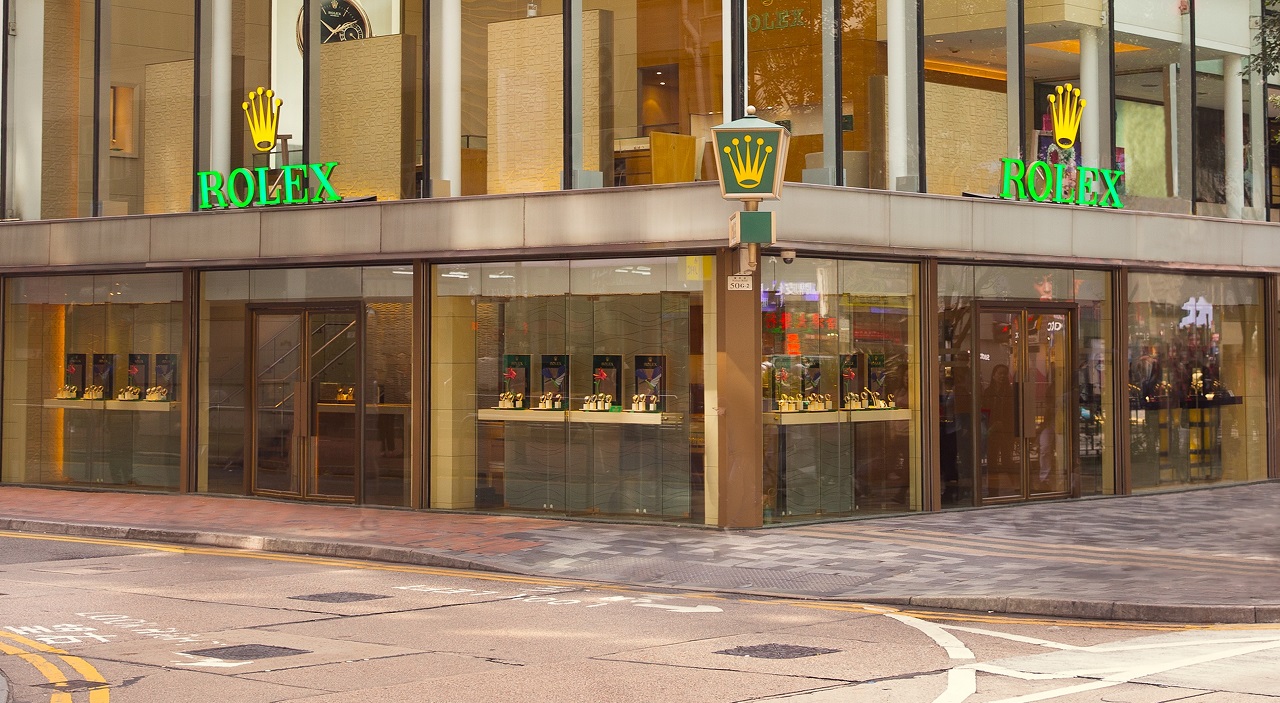
    • Mainland China Rolex sales have been seeing YoY SSS increases of 40-80% since April (depending month to month). Once HK opens up SSS comps become very easy after 2019 (riots) and 2020 (Covid-19). Please re-read our insight on Oriental Watch being a way to play Rolex in China Oriental Watch: Bet on Rolex Demand in China/HK and Collect 12% Dividends While Waiting 
  • 7-Eleven Singapore launches beachfront store with Tiger Beer

    7-Eleven Singapore launches beachfront store with Tiger Beer

    Singapore’s favourite convenience store, 7-Eleven, and the country’s favourite, Tiger Beer, have joined forces to unveil the very first beachfront convenience store right on the sands of Palawan Beach Walk, Sentosa! On 25th and 26th June, the first-of-its-kind store will kick off opening celebrations with a variety of promotions and special treats for families enjoying the last weekend of the school holidays and for young adults and tourists who have made hanging out on the beaches of Sentosa their highlight of the week.

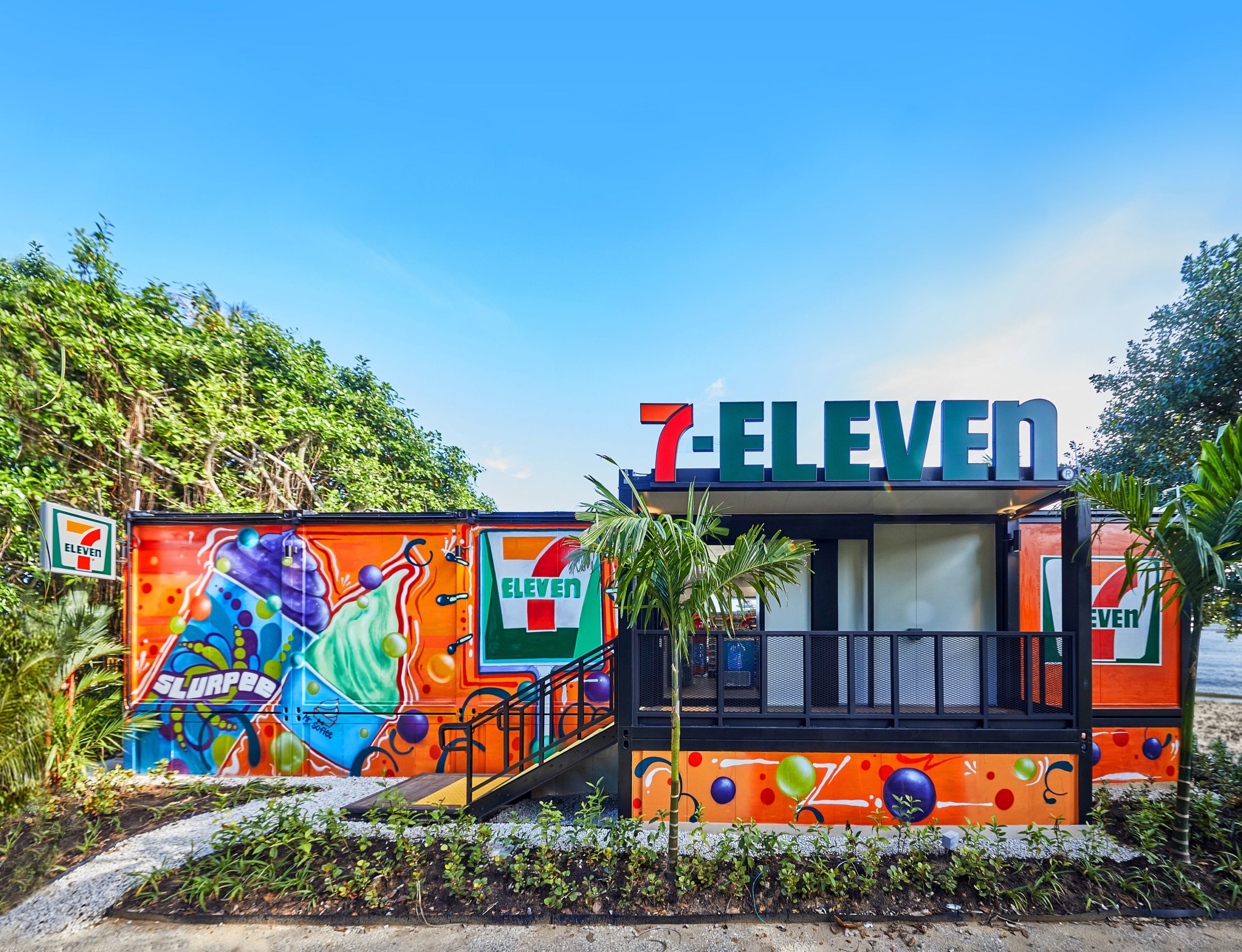
    Perched right on the sands of the popular Palawan beach, this instagrammable 7-Eleven store can be spotted from afar with its vibrant murals and unique graffiti artwork on its facade. This exciting store offers ice-cold Tiger beer on reverse tap, exclusive Nitro Tea and icy Arctic Coke to help beat the heat, of course, along with 7-Eleven’s all-time favourites – Slurpee, Mr. Softee and 7CAFÉ. Guests can enjoy their refreshing drinks, hot snacks and even ready-to-eat meals at the special 7-Eleven x Tiger Beer chillout area on the sands or at their favourite beach spot.

    Ice-cold Tiger Beer Quick and Easy

    To help people get their drinks fast, 7-Eleven and Tiger Beer will be bringing a special reverse tap bar, which will automatically dispense the right pour of beer in each cup consistently – without needing a bartender. The reverse tap dispenser is fast, convenient and easy, giving you more time to spend soaking up the sun.

    Stay cool in the heat with outlet-exclusive Nitro Tea and brain-freezing Coke slushies

    7-Eleven’s Sentosa Palawan Beach store will also be introducing the new and exclusive Nitro Tea. Choose between a refreshing black tea or a variety of caffeine-free fruit teas to give your taste buds a high-five. Either way, you will experience a rich, dairy-free creamy foam, refreshing and longer-lasting flavour, and sweetness without the added calories – thanks to the nitrogen infusion that gives beverages a sweet taste without added sweeteners.

    7-Eleven will also be bringing the unique Arctic Coke machine to Palawan Beach! Simply choose your bottle of Coca-Cola, put it into the machine and press a button – in no time, you will have an icy cold Coke slushie to give you a brain freeze that will refresh your mind for the week ahead.

    Carefree snacking with grab-and-go hot bites and Ready-to-Eat meals by the beach

    Beachgoers who feel peckish after sun and surf will also be able to get delicious warm pastries and finger food from the hot food counter. Savoury hot food items include fried chicken selections from super crispy chicken to savoury chicken drumsticks and wings, while those who long for buttery pastries can expect offerings such as Butter Croissant, Cocoa Hazelnut Croissant, Pain Au Raisin, Tomato Cheese Tart, Mini doughnuts, Pure Butter Madeleine and Citrus Madeleine. Ready-to-Eat meals will also be available for those who need more filling up, an affordable alternative to the pricier options in the area.

    Mark your calendars and celebrate the opening with us on 25 and 26 June!

    Savour the last weekend of the June school holidays with an unforgettable carnival-inspired blast on the beach with family and friends at the 7-Eleven’s Sentosa Palawan Beach store on 25 and 26 June 2022 from 10am onwards.

    Customers can enjoy free popcorn, 7-Eleven balloons, face painting activities, Häagen-Dazs or Walls ice cream (first 200 customers, with any purchase), Mr. Softee (100 cups a day), chances to walk away with exciting Spin and Win rewards (with a minimum spend of $7, list of prizes in table below*), and last but not least, live music performed by local singer-busker Jeff Ng, who recently made headlines for his popular weekly busking at The Cathay!

    Customers can also look forward to the following deals:

    Promotion Promotional period Details
    Spin and Win prizes* (with a minimum spend of $7) 25 and 26 June 2022 ● Sentosa premium merchandise such as luggage tags and tote bags

    ● $5 Dairy Farm vouchers

    ● $10 Dairy Farm vouchers

    ● Jinro Hite Tonic Water 250ml FOC

    ● Vaseline HB SPF 24 Sun + Pol E 100ml

    ● Asian Delight Sea Coconut

    ● Lays Max BBQ potato chips 73g

    ● Authentic Tea House Ceylon Tea 500ml

    ● Seaweed Wasabi Cashew Mix Macadamia 35g

    Slurpee and Nitro Tea 25 June – 3 July 2022 ● Slurpee Large 16oz at promo price $1.50 (normal RSP $1.80) 25 and 26 June

    ● Nitro Tea BOGO – applicable for both flavours

    Tiger Beer 25 June – 22 July 2022 ● Buy 5 reverse tap cups of beer at a go and get 1 free Tiger Crystal 49cl can

    ● While stocks last

    Tiger Beer gift with purchase 23 July – 19 August 2022 ● Buy 3 reverse tap cups of beer and get 1 free Elegante glass*

    ● Buy 6 reverse tap cups of beer and get 1 free Elegante glass and 1 slipper-shaped floatie* [1m (W) x 1.5m (H)]

    *Limited quantity of 200 each

    More promotions and updates can also be found on the official 7-Eleven Singapore Facebook and 7-Eleven Singapore Instagram pages.

    “7-Eleven is reimagining convenience at the beach with our first beachfront store at Sentosa, in collaboration with Singapore’s iconic brand Tiger Beer. From the Arctic Coke machine to the exclusive Nitro Tea, and Reverse Tap beer and the Tiger Beer chill out zone, our new store offers a lot of exciting things for beach loving families, young adults and tourists, and we look forward to welcoming them! We hope that customers will be able to enjoy our new concept store with its unique design and special murals,” said Mr. Steven Lye, Managing Director of 7-Eleven Singapore.

    “This is a great collaboration with 7-Eleven where we pushed the boundaries and found innovative ways to uncage the ultimate refreshment for our consumers. Tiger has a special bond with beer-lovers, and we believe that the beachfront store at Sentosa Palawan Beach would energise the experience by bringing consumers the smoothest beer and greatest vibes,” said Yogender Sharma, Marketing Manager of Asia Pacific Breweries Singapore.

    “We are delighted to be home to Singapore’s first-ever 7-Eleven store by the beach. This new store concept is an example of the novel and imaginative experience that we are curating for our guests on our beach. Apart from providing the convenience of getting beach essentials, the store is also a unique beachfront bistro where guests can pick up a quick and affordable meal. We welcome this partnership with 7-Eleven in enhancing our guests’ experience as they enjoy their day on Sentosa, ” said Mr Chew Tiong Heng, Divisional Director (Business and Experience Development), Sentosa Development Corporation.
  • Vietnam cannot bank solely on renewable energy for net-zero emissions

    Vietnam cannot bank solely on renewable energy for net-zero emissions

    Experts say an exclusive focus on renewable energy, accounting for 27 percent of total power supply, will not be enough to help Vietnam reach its “net-zero” emissions target by 2050.

    Wind and solar power are not the sources of energy that will help Vietnam ensure national security, says Sean Lawlor, an energy expert at the U.S. Embassy in Vietnam.

    To achieve the net-zero target, which means to have the amount of carbon added to the atmosphere not exceed the amount removed, Vietnam needs to speed up its energy transition process, which began in 2019, he said.

    This means the country needs to transition from coal-fired power sources to liquefied natural gas, biomass, ammoniac or hydrogen power sources, he added.

    As of last year, wind and solar power accounted for nearly 27 percent of Vietnam’s total energy supply, and their production was nearly 12.3 percent of the total, according to the Ministry of Industry and Trade.

    In the first six months of this year, the production ratio increased to 14.8 percent.

    While there is agreement that transitioning to cleaner energy is needed, there are hurdles in this path, officials say.

    Nguyen Ngoc Hung, head of the energy economics department under the industry ministry’s Institute of Energy, said Vietnam has great potential for transitioning from traditional energy sources because there is a variety of renewable energy sources on hand.

    However, the country lacks an efficient legal framework to boost the transitioning process and localization of energy technology is low, he said, adding that competition in the market was still at an early stage and lacked synchronization.

    Hung said Vietnam badly needs the energy transition as the country faces the major challenges of declining traditional sources like coal and hydropower, but it was not easy to raise the funds needed.

    Nguyen Tai Anh, deputy director of Vietnam Electricity (EVN) said he was concerned about the very high costs of transitioning to newer technologies like biomass, ammoniac or hydrogen power.

    “There are also many policy challenges for a successful energy transitioning, but cost remains the most important factor.”

    Deepak Maloo, Asia Pacific regional head with GE Renewable Energy, said every country struggles with the cost of transitioning to cleaner energy.

    But technology can help solve the problem, he added.

    For instance, Vietnam can partner with companies that have hundreds of years of experience in transitioning from coal-fired power plants to gas-fired ones, he said.

  • Yamaha Motor Establishes $100 Million Sustainability Investment Fund

    Yamaha Motor Establishes $100 Million Sustainability Investment Fund

    Japanese motorcycle giant Yamaha Motor Co Ltd has announced that it has established the Yamaha Motor Sustainability Fund, that will look to invest in companies working to address problems with the environment. The aim of the Sustainability Fund is to combine carbon offsetting with an actual reduction in the carbon footprint of Yamaha’s existing businesses. In total, the Fund has $100 million of investment value, and will be run for a period of 15 years, a statement from the company announced.

    Yamaha Motor’s corporate mission is to “offer new excitement and a more fulfilling life for people all over the world,” and eco-focused initiatives are among the most important themes for achieving this mission. “Through this fund, Yamaha Motor intends to foster collaborative relationships with the numerous companies striving to solve environmental issues and to contribute as a like-minded partner toward creating a better world while mutually enhancing each company’s own pursuits,” a company statement said.

    Yamaha Motor has made strengthening its efforts for sustainability a central theme in addition to the growth strategies and reinforcement of management foundations that the Company has pushed to date. The Company is exploring new technologies and business models that contribute to sustainability in order to accelerate the carbon offsetting efforts necessary to achieve its carbon neutrality goals.

  • Indonesian beverage chain Haus! completes funding round

    Indonesian beverage chain Haus! completes funding round

    Indonesian made-to-order beverage chain Haus! has completed its series B1 funding round to grow its 197-store footprint in Indonesia and develop an app for its customers.

    Led by Atlas Global Ventures, Hong Kong-based Strategic Holdings and Prasetia Dwidharma, the undisclosed investment follows Haus!’s $2m series A funding in 2020 from BRI Ventures.

    Founded in 2018, the chain, which markets itself to younger consumers with a range of cold beverages and coffees, reports that it has achieved 120% outlet growth over the last 12 months.

    With 197 stores currently in operation, Haus! offers dine-in, collection and delivery services on Indonesia’s Java island.

    “We are currently preparing a new breakthrough to make it easier for consumers and potential consumers to access Haus! by launching our own app that will make it easier for consumers to order online with various payment methods and of course various special attractive offers for purchases through the app,” said Gufron Syarif, CEO of Haus!

    “Haus! is an attractive investment because it has achieved profitability and is not dependent on external funding. This means Haus! can focus the investment received on business growth where other start-ups are on a survival method,” said Arya Setiadharma, CEO, Prasetia Dwidharma.

    Indonesia’s branded café market has seen a flurry of investment over the last 12 months. In January 2022, premium coffee chain Kopi Kenangan attained $96m investment and now operates more than 600 stores across 45 cities in Indonesia, making it the largest branded coffee chain in the country ahead of Starbucks’ circa 500-store footprint.

    In May 2022, South Korea’s SPC Group opened three new Paris Baguette Stores in Indonesia, bringing its store count to seven in the country, while Indonesian coffee startup Fore Coffee recently opened 42 new outlets in several metropolitan cities such as Denpasar, Palembang, Yogyakarta, Malang to Batam. Additionally, Indonesian cloud kitchen startup Hangry intends to use $13m in series A funding to become a global food and beverage company.

  • Miniso opens first Malaysian flagship store

    Miniso opens first Malaysian flagship store

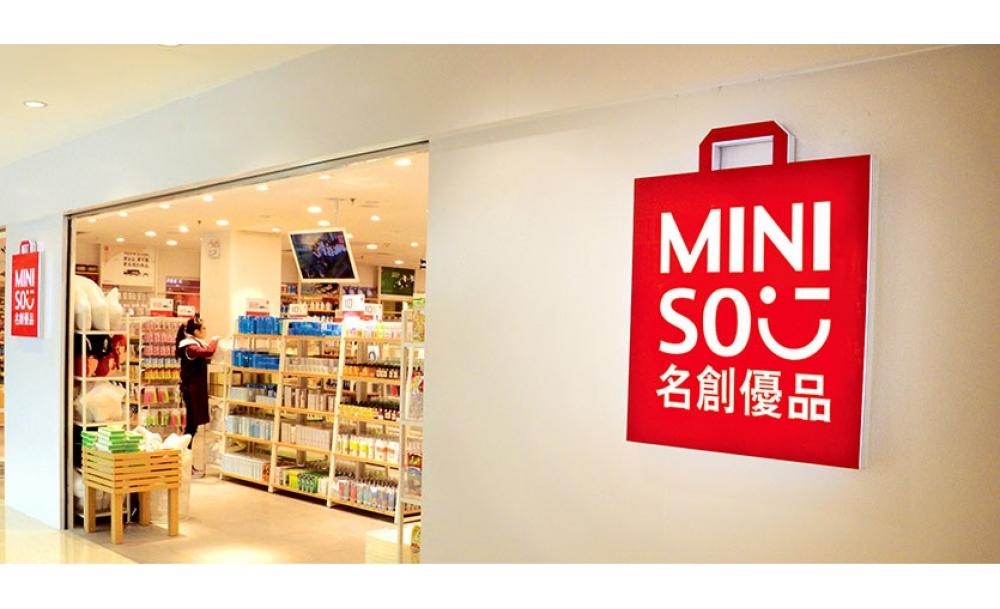
    On June 17, lifestyle retailer MINISO introduced a brand-new store format through the launch of its first flagship store in Selangor, Malaysia. The 684.6m2 retail space is located in Setia City Mall, one of the largest shopping complexes in Shah Alam, Selangor.

    The new store concept, referred to as MINISO 3.0, puts an emphasis on a family-friendly shopping experience. Every member of the family has somewhere to shop and something to enjoy in the store.

    The biggest difference between the flagship store and other MINISO stores is its brand-new toy section. It presents not only popular licensed products from world-renowned intellectual property owners, but also MINISO’s original MINI Family collection.

    The toy section occupies 20% of the retail space in the store and appeals to shoppers the most. This section also incorporates trendy and modern design in the decor and display, featuring a unique plushie wall, blind box wall, and a play area for building bricks.

    “The dedicated toy section allows every MINISO customer to experience the immense fun and joy brought about by our toys, while enjoying the treasure hunt shopping experience in our store,” said Vincent Huang, Vice President of International Business Department at MINISO. “The flagship store truly speaks our belief – ‘Life is for fun’.”

    In addition to toys, the Selangor flagship store has a fragrance feature wall showcasing a variety of MINISO’s scented products, including perfumes and home fragrances.

    This addition was made after MINISO noticed many Southeast Asian consumers were more interested in shopping for fragrances or scented products. One study put that figure at around 72%. Pricewise, the majority of products available in the store range from RM10 to RM20.

    “Malaysia is a melting pot of ethnicities, religions and cultures. These inspire MINISO to reflect diversity in our products and stores,” Vincent added. “MINISO first entered the Malaysian market in 2016 and saw huge potential in the country. We’re delighted to announce the grand opening of our first and biggest flagship store here. I’d like to take this opportunity to thank our customers who have supported MINISO over the years, and our partners who have grown with us.”

  • Wine Australia shuts China office as exports slump

    Wine Australia shuts China office as exports slump

    Australian government-backed industry body Wine Australia said on Tuesday that it will shut its office in Shanghai, as Australian wine imports into the Chinese market continue to slump after Beijing levied hefty tariffs on the product.

    It was Wine Australia’s only office in China.

    “This decision follows extensive consultation with the Australian grape and wine sector and is based on the current environment and market opportunity,” a Wine Australia spokesperson said.

    “Wine Australia will continue to maintain our brand presence in China via our wine trade and consumer facing social media channels, and will continue to work closely with in-market trade representatives on brand building and marketing campaign.”

    China was Australia’s largest market for wine exports until the country in 2020 begun an anti-dumping probe into imports of Australian wine and imposed tariffs.

    The actions by Beijing came after its relations with Canberra had soured over issues such as Australia’s 2018 ban on Huawei Technologies from its 5G broadband network and Canberra’s call for an independent investigation into the origins of COVID-19.

    China also imposed tariffs on Australian commodities such as coal, beef and barley. Wine Australia last month said Australian wine exports to China in the year to March declined by $844 million due to the tariffs.

    In March, the World Trade Organisation (WTO) agreed to establish a dispute settlement panel after Australia said China’s anti-dumping duties of between 116.2 and 218.4 per cent were inconsistent with its obligations under the WTO Agreements.

  • Musk says Twitter deal could proceed only if these three issues are resolved

    Musk says Twitter deal could proceed only if these three issues are resolved

    A few months ago, Elon Musk surprised the internet (as the billionaire likes to do) with a $44 billion bid to buy out Twitter after earlier joining, and then shortly after, leaving, the Twitter board. However, the deal came to an unexpected halt when Musk doubted officially published Twitter statistics about fake accounts on the platform. Musk has three issues with Twitter deal and those will need to be resolved if the deal is to move forward.

    After bidding $44 billion to make Twitter his private company, Elon Musk had a change of heart. Doubtful of the number of fake accounts on the social media platform, the multi-billionaire threatened to walk away from the deal if no accurate information was provided. This, of course, means he could face a fee of reportedly $1 billion for breaking the deal up.

    Now, Musk has shared his three main issues concerning the buyout. Resolving them will mean the deal can move forward, it seems. Here’s what they are:

    This was actually the main reason why the deal was put on hold to begin with. Musk was concerned that the actual number of fake accounts on Twitter was higher than what Twitter had reported. And therefore, he insists on more clarity on how many actual users (a.k.a real people) are using Twitter.

    Twitter previously announced the number of fake bot accounts was below 5% of the daily active users on the platform, but Musk had an issue with that number. He also underlined that this is probably not what most people experience on Twitter.

    So far, there hasn’t been a resolution on this quite important matter.

    Well, well, it seems that multi-billionaires also have to take loans. The second issue Musk has is that there’s a pretty significant part of the funding that should come from bank loans. Pretty much, he committed to paying $33.5 billion in cash. He also received $7.1 billion in equity financing commitments from investors. The remainder is what will be loaned from banks.

    Musk may be a billionaire, but the majority of his wealth is in Tesla stock. He has now pledged billions in Tesla shares as collateral for those loans, but it seems he doesn’t like the situation that much.

    How will this be resolved is somewhat unclear at the moment. And last but not least, Musk has to gain approval from Twitter’s shareholders for the deal to become reality. Investors are reportedly going to vote on the deal in late July or at the beginning of August.

    As you might imagine, whether or not Musk will get shareholder support is a mystery. You know, he is actually being sued by some Twitter shareholders for the chaotic approach to the buyout deal, so some may not be in favor of him taking over.

    As you can see, it’s not only the disputed number of bot accounts on Twitter that has made Musk second-guess the deal. Factors such as financing and shareholder approval seem to also play a significant role in whether or not we will see this deal completed.

    However, the reported number of fake accounts is something that could be hard to resolve. Initially, when the dispute about the issue was getting a bit heated (on Twitter, of course, where else – and with curious choice of emojis from Musk), Twitter’s CEO, Parag Agrawal, underlined that in order to perform an external check on which accounts belonged to bots, Twitter would need to use private information. But Twitter doesn’t share such information, so it was, according to Agrawal, impossible to do the check.

    Well, we’ll have to wait and see what happens, as things are starting to look like the deal might not take place in the end.

  • Private Cellular Networks for Next-Gen Enterprise Connectivity

    Private Cellular Networks for Next-Gen Enterprise Connectivity

    Revenue for the global private cellular network (PCNs) market is poised to reach $8.3 billion by 2026, according to forecasts by the IDC. Tapping on the growth of this emerging market, Cradlepoint, together with Ericsson, converges technologies for private cellular that modernizes daily operations and communications for enterprises. Telecom Review Asia Pacific connects with Lindsay Notwell, Senior Vice President, 5G Strategy & Global Carrier Operations, Cradlepoint, to learn about breakthroughs in PCNs and their value to industries.

    Private cellular networks, though still emerging, are quickly gaining traction. Can you tell us about the current market for private cellular networks globally and in the Asia Pacific?

    The propagation characteristics of Wi-Fi are simply inadequate to support emerging enterprise use cases. While 2.4GHz Wi-Fi offers large coverage at lower data rates, 5GHz Wi-Fi delivers high data rates but a smaller coverage area. On top of coverage and capacity limitations, enterprises face security vulnerabilities – reasons that lend acceleration to PCNs. The advent of Industry 4.0, together with 5G innovations that bring capabilities such as low latency, edge compute and high bandwidth, drives further interest in 5G private networks to support connectivity at scale.

    In the words of George Mulhern, CEO of Cradlepoint, “Anything that can be wireless, will be wireless.” PCNs are transforming LAN, similar to the early days of SDN and SD-WAN. We believe that PCNs hold the future of connectivity.

    Increasingly, enterprises and governments demand a greater degree of control in an end-to-end environment to achieve enhanced security and performance capabilities. Since Wi-Fi and public networks cannot provide the desired reliability and security in enterprise settings, private cellular becomes a requirement. Widespread adoption of MEC and edge computing fuel the need to be closer to the edge, making PCNs a value proposition. Currently, we are witnessing a rise in use cases across mines, large distribution centers, manufacturing facilities and transportation hubs, where security and interference-free connectivity are critical.

    As we know, one of the lifeblood of PCNs is spectrum. Some world governments have started to make dedicated spectrum available for private networks to enable IoT and other applications. For instance, Germany has opened doors to private networks by offering corporate licenses to spectrum. In the US, the Citizens Broadband Radio Service (CBRS) allows unlicensed, lightly-licensed and licensed spectrum to be shared. However, outside of the US, we find ourselves working with operators that possess licensed spectrum to deploy PCNs. Even though operators have been developing the ecosystem to provide private cellular, it is not the same when enterprises can deploy their networks.

    What are the challenges for deploying PCNs and how is Cradlepoint making breakthroughs in this area?

    Our first private cellular network was deployed about six years ago in the north of the Arctic circle in Canada, to conduct mining in a remote area. To provide wide-area connectivity, one of our partners built a dedicated, on-site infrastructure that provided Wi-Fi and ethernet using our endpoints. This was how we became a hub for wide-area connectivity and got started on PCNs.

    In the market, PCNs have been slower to take off in countries when spectrum is unavailable or the process to obtain spectrum is unclear to enterprises. Yet, enterprises are still on the hunt for a solution that is affordable, reliable, secure and easy to implement and use to support new applications. But enterprises must understand that Private Cellular requires proper planning, many components, and expertise. An average enterprise simply does not have the resources that operators do, which is why it is so important to find vendors and system integrators that have the experience and know-how to select the right products for the enterprise needs.

    In the industry, we recognize that many manufacturers and operators possess the infrastructure for PCNs, but do not have end-to-end solutions that enable easy private cellular deployment for enterprises. Take for instance CCTVs, robotics and drones that do not have 5G radio built into them: Cradlepoint comes in with endpoints that convert 4G or 5G into Wi-Fi and ethernet connectivity to enable private cellular connectivity. With Cradlepoint software platform, NetCloud Manager, enterprises have more visibility at the edge of the network, while also making it easy for them to manage thousands of endpoints so that these devices can operate seamlessly. Cradlepoint is dedicated to working with our integrator and ecosystem partners to help deliver the best solutions for every niche requirement.

    Can you tell us about partnerships forged by Cradlepoint and elaborate on some real-world use cases?

    One use case is the mining industry in Canada, where our endpoints powered by NetCloud connect 10-meter high autonomous earth movers that would otherwise incur a downtime cost of $100,000 per hour if connectivity is disrupted. Another use case is ports, where private networks cover a wide area to support connected devices such as cameras to track logistics, safety and security. These networks also play a big role in autonomous logging trucks, shipping cranes and autonomous vehicles for governments. These business-critical use cases require great precision and monitoring, as well as uninterrupted connectivity as it can impact safety. In these industrial-setting use cases, private networks triumph over Wi-Fi.

    In the wake of the pandemic, we are also seeing a lot of traction from the public sector, particularly in distance education, where PCNs help to control the content that students have access to. This is the same for corporations with large campuses, where private networks are deployed to ensure coverage, easy management and data that is stored internally.

    With our NetCloud Services, we have a platform – not just a device – that eases management and the ability to communicate sensor data to the right places. Our framework has been expanded to platforms like Amazon IoT Greengrass and Azure IoT Central to bring relief to operational work. Essentially, we offer enterprises a private cellular solution at the edge that is easy to use, wide-area, secure and affordable when harnessing emerging technologies.

  • Singtel and Hyundai to develop advanced manufacturing facility for 5G future

    Singtel and Hyundai to develop advanced manufacturing facility for 5G future

    Singtel has signed an agreement with Hyundai Motor Group (HMG) to deploy Singtel’s 5G infrastructure network solutions at its Hyundai Motor Group Innovation Centre in Singapore (HMGICS) which includes an electric vehicle production facility. The HMGICS, the first of its kind in the world, will leverage Singtel’s leading-edge 5G campus network with mobile edge core solutions that will provide uninterrupted high-speed connectivity and massive bandwidth to enhance HMGICS’s high-precision quality control in manufacturing operations.

    HMGICS is the HMG’s open innovation hub for research and development in advanced mobility ecosystems with the aim of revolutionising the future mobility value chain. Apart from introducing smart mobility solutions in areas such as electric vehicles (EV), autonomous vehicles, and new forms of mobility products and services in Singapore, the HMGICS will also serve as a testbed for human-centred intelligent manufacturing and verification of Industry 4.0 technologies. Augmented by Singtel’s capabilities in 5G, artificial intelligence (AI) and Internet of Things (IoT), and Hyundai’s deep expertise in smart automotive manufacturing solutions as well as robotics, HMGICS will be the leading facility for the development of a metaverse for the manufacturing industry.

    Lim Seng Kong, Managing Director, Singtel Enterprise Business, said, “Singtel’s 5G network and MEC solutions will overcome the performance limitations of WiFi to deliver the promise of digital twins and eventually metaverse for advanced manufacturing operations. With innovation from Hyundai and enablement from our 5G solutions, we are looking at a new concept of manufacturing where the station comes to the cell, unlocking opportunities for hyper-customisation and other novel applications. Together, we are paving the way for Singapore to be the centre for Smart Manufacturing in the region.”

    Singtel’s Paragon, an all-in-one platform for 5G networks, edge computing management and services orchestration, will enable the factory to manage and analyse the manufacturing process and performance of the networks, thus allowing real-time monitoring and feedback. Paragon will also support Hyundai’s new capability that allows customers to personalise their chosen vehicles and watch their cars being manufactured live via their smart devices. Once ready, the vehicles will be transported by specially designed autonomous guided vehicles to the Centre’s 620-metre-long Sky Track where customers can test drive them.

    Hong Bum Jung, Chief Executive Officer of HMGICS, said, “Through this partnership, HMGICS will feature the Hyundai Motor Group’s first deployment of a 5G network in vehicle manufacturing, leveraging 5G for a cloud-based centralised mobile robot management solution. We believe that Singtel’s 5G solution will not only redefine the manufacturing process, but the partnership will realise Hyundai’s vision of becoming the first mobility innovator to build a Meta-Factory concept, a digital-twin of an actual factory, supported by a metaverse platform. The game-changing Meta-Factory will enable us to test-run a factory virtually, in order to calculate the optimised plant operation and enable plant managers to solve problems without having to physically visit the plant.”

    Singtel’s 5G mobility network enables Hyundai to deliver on its “metamobility” concept, which refers to going beyond physical movements through robotics and into the metaverse to affect change in the real world – expanding the use of robots as a medium between the real and virtual worlds. Deployment of these solutions is currently underway and expected to be completed by Q4 2022. The partnership also includes continued support for another five years thereafter.

  • Gasoline price rises 1.5 pct

    Gasoline price rises 1.5 pct

    Vietnam’s RON 95 gasoline price increased by 1.54 percent Tuesday to a new record of VND32,870 ($1.42) per liter, having risen by 41 percent so far this year.

    This was the seventh increase in a row since mid-April of the popular gasoline, which accounts for 70 percent of total fuel consumption in the country.

    RON 92 biofuel also saw its price rising by 0.61 percent to VND32,370 per liter, having increased by 43.5 percent this year.

    Diesel increased by 3.4 percent Tuesday.

    Vietnam’s fuel stabilization fund, set up to contain price surges, is currently negative.

    The government has cut the environmental tax on fuel by half to VND2,000 from April for the rest of the year, and is considering cutting it by another VND1,000.

  • Vietnam to speed up foreign currency selling

    Vietnam to speed up foreign currency selling

    The State Bank of Vietnam is set to increase the frequency of currency selling amid rising U.S. interest rates, which have strengthened the greenback.

    With a foreign exchange reserve of over $100 billion, the central bank will continue to sell its foreign currency to stabilize the market, Pham Chi Quang, deputy head of the bank’s currency policy department, said Monday.

    “The State Bank of Vietnam will increase its sale of foreign currency to increase market supply.”

    The central bank’s decision came after the U.S. Federal Reserve on May 16 increased its interest rate by 0.75 percentage point, the biggest increase in 28 years and the third time this year.

    The increases boosted the U.S. Dollar Index, which measures the value of the greenback against a basket of foreign currencies, by 10 percent compared to the start of the year.

    But Quang said the Vietnamese dong had only weakened against the U.S. dollar by around 2 percent so far this year, which shows the dong is stable.

    Demand for foreign currency is met on time, especially for businesses who need to import essential items amid rising energy and commodity prices, he added.

    The State Bank will continue to manage the currency exchange rate with flexibility to absorb external shocks, help stabilize the macro economy and control inflation.

  • Paris Baguette enters Malaysia, building its first halal-certified centre

    Paris Baguette enters Malaysia, building its first halal-certified centre

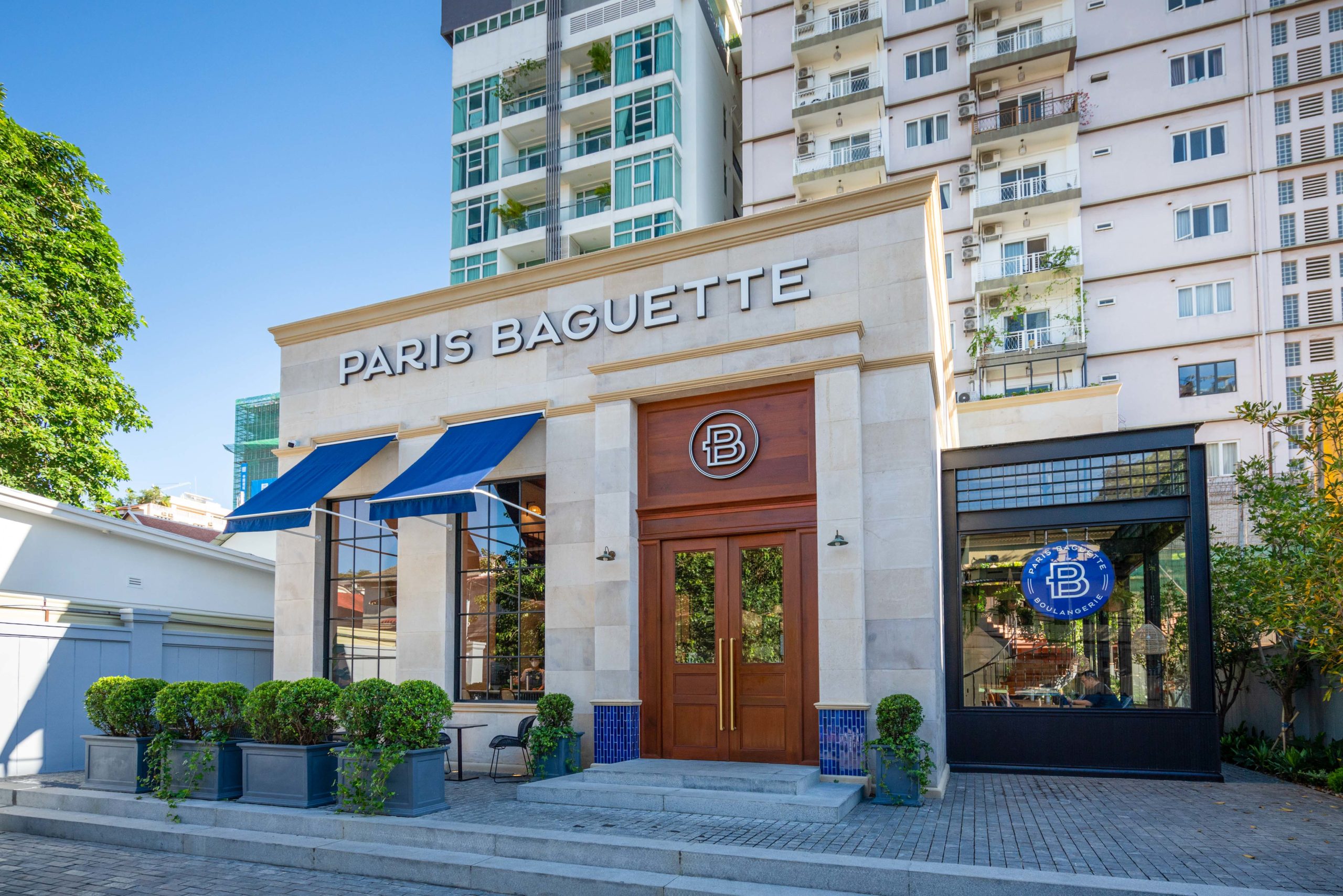
    SPC Group-owned Paris Baguette Singapore has partnered with Berjaya Food Bhd, the operator of Starbucks in Malaysia, to roll out Paris Baguette stores across the country this year.

    The joint venture, which Berjaya Food will own 50 per cent, is part of SPC Group’s strategy to further strengthen its presence in Southeast Asia. Malaysia will mark Paris Baguette’s eighth international destination, after Vietnam, the US, China, France, Cambodia, Singapore and Indonesia. The country’s first Paris Baguette store will launch in Klang Valley by the end of this year.

    Under the partnership, the South Korean retailer aims to open more than 600 stores in Southeast Asia by 2030. The chain is also eyeing expanding to the UK and China. Paris Baguette currently owns more than 4000 units globally.

    SPC Group is also set to open Paris Baguette’s first halal-certified bakery manufacturing and distribution centre in Johor, Malaysia next year as the South Korean retailer aims to tap into the US$2 trillion halal food market.

    About RM130 million (US$29.5 million) will be invested in the construction of the Johor-based facility, which will commence this year’s third quarter. Spanning 16,500sqm, the centre will be located at Nusajaya Tech Park, which connects to international airports and seaports in both Singapore and Malaysia.

    “The SPC Centre, Johor, will act as a cornerstone of our Southeast Asia business expansion and aid in the venture into the Middle East,” said Huh Young-in, chairman of SPC Group.

    The Johor-based SPC centre will manufacture about 100 items such as bread, cake and dessert to supply to Paris Baguette outlets in Southeast Asia countries, including Singapore, Vietnam, Cambodia and Indonesia.

  • Norton To Begin Developing Electric Motorcycles In UK

    Norton To Begin Developing Electric Motorcycles In UK

    UK based Norton Motorcycles, owned by TVS Motor Company, has announced plans for designing and developing electric motorcycles at its UK plant, after it received funding from Advanced Propulsion Centre 19 (APC), a government scheme which looks to assist companies in the automotive sector to invest in, design and manufacture low-carbon mobility options, that is electric vehicles. The team at Norton says that it will refine the traditional Norton motorcycle design DNA but offer a hint of modernity by way of innovations and digital solutions on the new electric motorcycle.

    Norton wants to manufacture an electric motorcycle that will look unmistakably like a Norton and offer exceptional performance and touring range. Norton says that the design of the new EV will not be compromised by the weight and the size of battery.

    Norton has also onboarded specialist partners for the R&D on this project. The team encompasses Delta Cosworth, HiSpeed Limited, Formaplex Technologies, M&I Materials, INDRA and academic partner WMG (The University of Warwick). Norton will work alongside these partners to develop world-class technology and products that will enhance the UK supply chain for all the critical components in electric vehicle (EV) technology including batteries, motors, chassis, cooling oils and vehicle to home chargers.

    Each partner on the project will have a specialist part to play in project Zero Emission Norton. Delta Cosworth will design the battery pack, while HiSpeed Limited bring motor design and manufacturing skills. Formaplex Technologies have expertise in precision composites manufacturing and M&I Materials will support on applications of dielectric cooling oils. INDRA specialise in vehicle to home charging technology and WMG (The University of Warwick) major on battery technology, modelling and toolchain development.

  • Rice firms to see profits fall as input costs grow

    Rice firms to see profits fall as input costs grow

    Vietnam’s rice firms are having to lower their profit plans and targets this year as input costs rice and demand falls.

    Prior to the annual meeting of its shareholders, the Trung An Hi-tech Farming JSC adjusted profits down to VND100 billion ($4.3 million), six times lower than its earlier plan.

    An Giang Import Export Company expects pre-tax profit to fall to VND25 billion, or less than half of last year’s VND57.6 billion, and revenues halved to around VND2 trillion.

    The Loc Troi Group has lowered its profit estimates by 4 percent to VND400 billion for this year and the next.

    The fall in profit is happening because fertilizers, which accounts for over 50 percent of agricultural inputs, have seen prices increase by double-digit or even triple digits over last year.

    Fertilizer and animal feed price hikes are placing huge financial burdens on farmers and firms, the Ministry of Agriculture and Rural Development has acknowledged.

    Vietnam National Seed Group said adverse weather would be another concern this year, with earlier monsoon in the Mekong Delta and heavy flooding in the central provinces.

    Restructuring of land use and shortage of human resources due to urbanization and industrialization further inhibit cultivation and other post-harvest processing, it said.

    Rice firms also expect transportation costs to eat into their profit. Trung An said transport fees to Asian locations have doubled, and to Europe have tripled from last year.

    Local demand has fallen by 15-20 percent year on year as consumers stop stockpiling commodities in the aftermath of the Covid-19 pandemic peak, Du Phuc Thinh, modern trade sales manager of Lotus Rice Company said.

    “Gasoline, transport and input costs have all surged to unprecedented levels and showed no signs of decrease […] which have forced firms to raise prices, while demand has been low,” Thinh said.

    But demand may start to recover in the second half of this year as the year-end shopping spree gets underway, he added.

    In the first five months of this year, Vietnam exported 2.86 million tons of rice, fetching $1.39 billion, according to preliminary data from the Ministry of Industry and Trade.

    Vietnam will export 6-6.2 million tons of rice this year, the Vietnam Food Association has estimated.