Tag: asia

  • Vietnam promises adequate gasoline supply for Q2

    Vietnam promises adequate gasoline supply for Q2

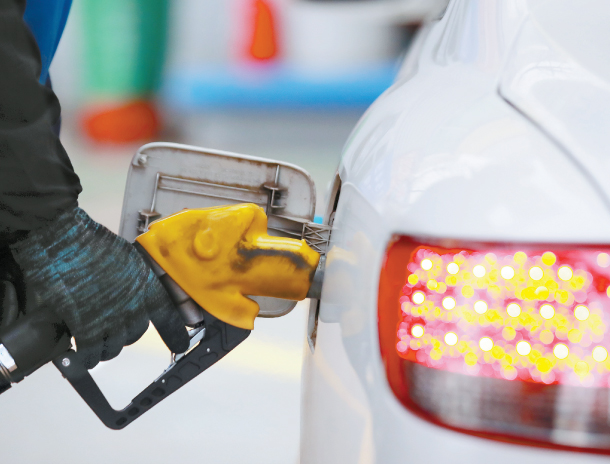
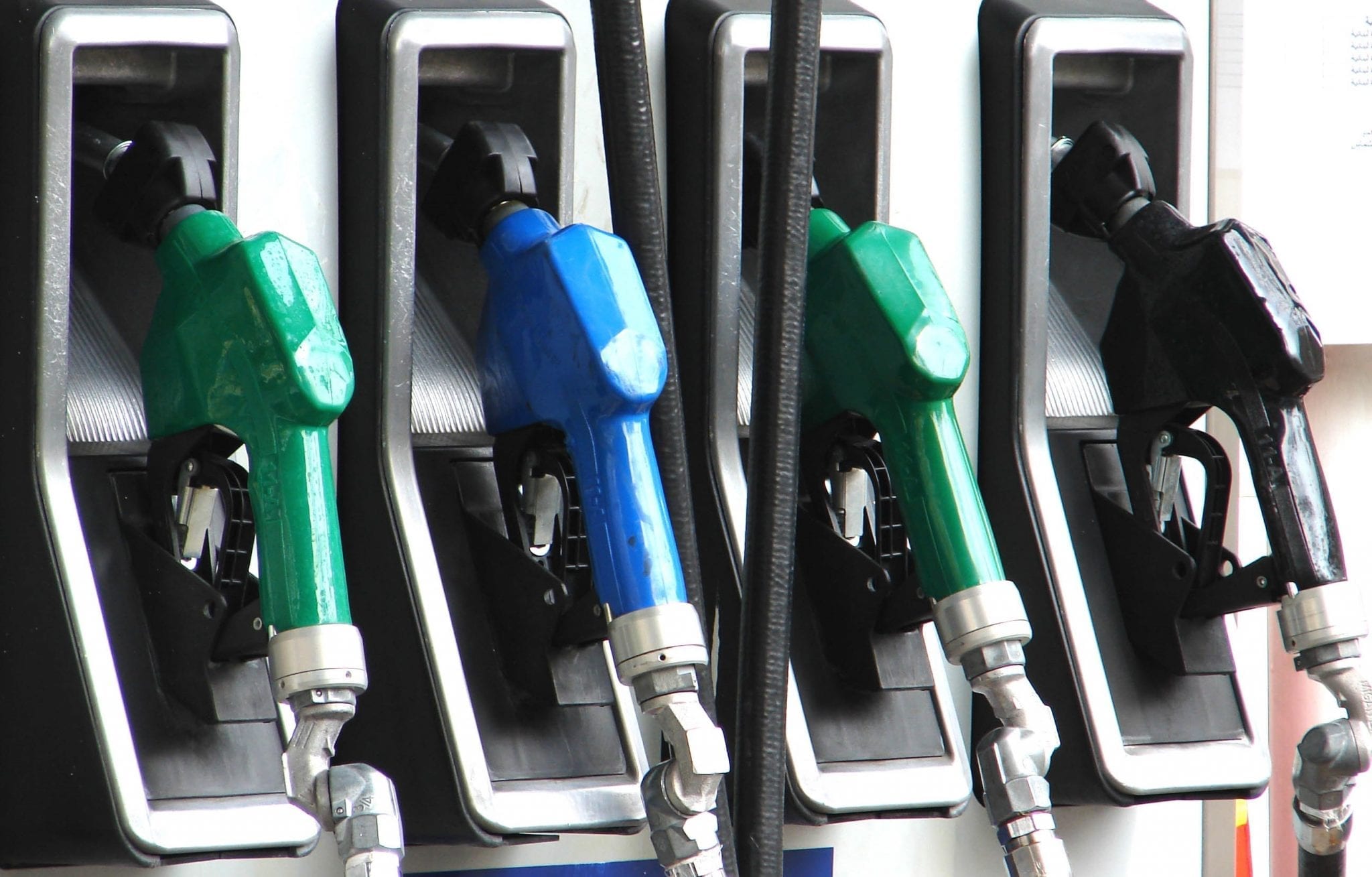
    Vietnam has enough gasoline for the second quarter even without the supply from Nghi Son Refinery, the Ministry of Industry and Trade assured.

    The refinery, which accounts for around a third of domestic supply, has no plans to deliver products in April and May. It also has not made clear its production plan after that, the ministry reported to lawmakers Tuesday.

    For this reason, the ministry will not take into account Nghi Son’s supply for the second quarter, but would ensure enough supply “in every scenario”.

    It has tasked 10 gasoline distributors to increase its import quota by 2.4 million cubic meters for the second quarter.

    Vietnam’s gasoline supply has met with difficulties in the last two months, partly because a cash crunch forced Nghi Son Refinery, one of two such plants in the country, to reduce production from 105 percent to 80 percent, then 55 percent.

    The other refinery, Dung Quat, has increased its supply to 105 percent since earlier last month to bolster the market.

    With the Russia-Ukraine crisis sending oil prices up, Vietnam’s gasoline prices have risen by 28 percent since the end of December to an all-time high of VND29,820 ($1.30) now.

    The government has proposed to lawmakers that a 50 percent cut on environmental tax on gasoline and diesel be implemented to reduce prices.

  • Stock trading hits five-week low

    Stock trading hits five-week low

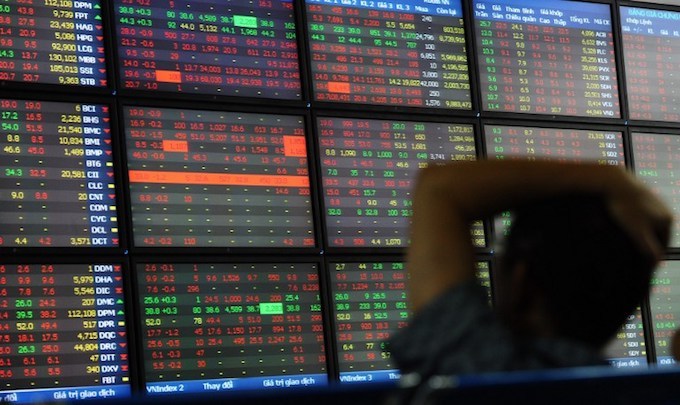
    Vietnam’s benchmark VN-Index rose 0.45 percent to 1,459.33 points Wednesday with trading value plunging to a five-week low as investors tread carefully amid uncertainties. The index stayed in the green throughout the day and closed nearly seven points higher after rising over six points Tuesday.

    Markets in China and other Asian countries also rose Wednesday afternoon on rising hopes Beijing will roll out more economic stimulus.

    But the trading value on the Ho Chi Minh Stock Exchange (HoSE), on which the index is based, plunged 14 percent to VND18.74 trillion ($819 million), lowest since February 7. The VN30 basket, comprising the 30 largest capped stocks, saw 15 tickers in the green, with BVH of insurance company Bao Viet Holdings rising 2 percent after hitting a four-week low.

    SAB of brewer Sabeco gained 1.8 percent, and VCB of state-owned lender Vietcombank went up 1.7 percent.

    Other gainers included MBB of lender MB, up 1.6 percent, and KDH of real estate firm Khang Dien House, up 1.2 percent.

    Twelve blue-chip stocks fell, with BID of state-owned lender BIDV losing 1.2 percent and VJC of budget airline Vietjet falling 0.7 percent.

    PDR of Phat Dat Real Estate Development and POW of electricity producer Petrovietnam Power Corporation both dropped 0.6 percent.

    Foreign investors were net sellers for the eight straight sessions to the tune of VND300 billion with focus on VIC of biggest private conglomerate Vingroup and VHM of real estate giant Vinhomes.

    The HNX-Index for stocks on the Hanoi Stock Exchange, home to mid and small caps, rose 0.60 percent while the UPCoM-Index for the Unlisted Public Companies Market gained 0.42 percent.

  • High costs drive consumer prices up

    High costs drive consumer prices up

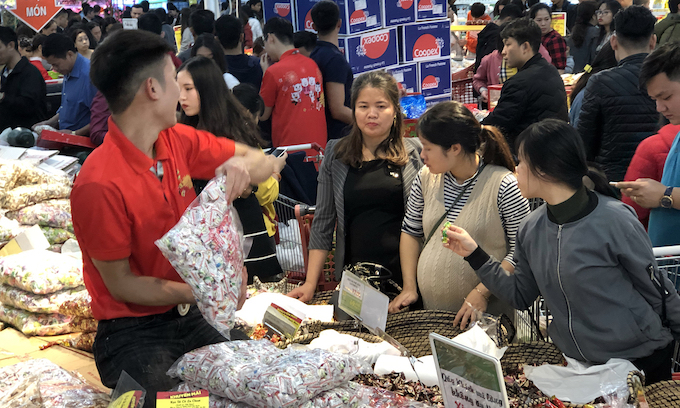
    The prices of many consumer goods, especially food and foodstuffs, have skyrocketed in the first quarter of this year driven by higher input costs and record gasoline prices. At her local retail store last weekend, Loan, a worker in a garment factory in HCMC’s District 12, could not hide her surprise at the sudden increase in the prices of many goods.

    “I estimated the prices of many consumer goods like sugar, milk, cooking oil, instant noodles, fish sauce, and beer had increased by 10-30 percent since the beginning of this year,” she said.

    She now has to pay VND500,000 ($22) to buy seasoning for half a month compared to VND400,000 earlier.

    “Other living expenses have also gone up.”

    The value-added tax was cut to 8 percent from 10 percent on Feb. 1, but many consumers said they “have yet to feel its impact” since the prices of many goods have risen sharply. Many retailers are also surprised by the price hikes. Ngoc, owner of a retail stall in HCMC’s Go Vap District, said the prices of beer, sugar, instant noodles, fish sauce, and cooking oil have increased by 10 percent this year.

    “Consumer goods prices rarely increase in the first quarter. After Lunar New Year (Tet) holidays in early February, businesses often reduce prices to stimulate demand since demand is weak”.

    Ngoc has yet to restock her stall, but the wholesaler who supplies her has announced a hike in prices during the next delivery because many manufacturers have already increased them. A survey found that the prices of eight of the nine main consumer products have surged, with seven of them seeing a double-digit increase. Saying input costs have increased by 120 percent in the last 12 months, a spokesperson for a cooking oil company added they had to raise prices by VND1,000-2,000.

    Breweries also cited costs as a reason to hike prices. Wheat prices have risen by 10-20 percent since the crisis between Russia and Ukraine, two of the world’s biggest wheat exporters, began. The chief of a HCMC-based consumer goods producer said labor and raw materials costs have soared by 40 percent since last year and they have been forced to adjust prices up.

    Acecook, the country’s leading instant noodles producer, said it has had to hike prices by 10 percent since input and transportation costs have risen. Other businesses said they have yet to raise their prices but it is “inevitable”. Truong Chi Thien, head of egg producer Vfood, said his company is losing VND100-200 on every egg it sells.

    It has yet to increase prices because of a commitment under HCMC’s price stabilization program to keep prices unchanged for a month before and after Tet, which this year fell on Feb. 1. Thien said his firm would have to seek approval from the city Department of Finance to hike prices in the next stabilization program starting April.

    The prices of other items like wood and steel also rose to new highs recently. Steel prices have gone up by nearly 8 percent in the last two weeks to over VND19 million per ton, which is higher than the VND18.3 million reached last year. Vietcombank Securities forecast its prices to keep rising as energy prices surge amid the Ukraine conflict.

    VnDirect Securities said global commodities prices are at a 14-year peak. The S&P GSCI Index, the benchmark for commodity prices, has gone up by 5.02 percent this month, it said. Rising oil prices have driven metal prices up, with aluminum rising by 3.6 percent to a new peak of US$3,850 per ton on the London Metal Exchange, it said. Iron ore futures are 15 percent up, the highest in over three months, it added. It said commodities prices will continue to increase, putting inflation risks on the global and Vietnam market.
  • Vietnam taxed tech giants $218 mln in four years

    Vietnam taxed tech giants $218 mln in four years

    Vietnam taxed cross-border platforms like Google and Facebook some VND5 trillion ($218.53 million) in 2008-2021, Finance Minister Ho Duc Phoc informed lawmakers Wednesday.

    During the four-year period, Facebook was taxed VND1.69 trillion, Google, VND1.62 trillion, and Microsoft, VND577 billion, Phoc said.

    Last year, Vietnam earned VND1.32 trillion from taxing cross-border platforms, up 15 percent from 2020, he added.

    Vietnamese authorities have been calling for properly taxing tech giants like Facebook and Google, saying these companies account for around 70 percent of the online advertisement market, but use different means to evade tax.

    The General Department of Taxation said last year that Facebook, Google, Netflix, YouTube and other cross-border platforms were not fulfilling their tax obligations in Vietnam.

    Vietnam is also looking to tax online sellers, both on e-commerce platforms and social media, as e-commerce sales have been surging by double-digits in recent years.

  • Vietnam Airlines eyes airfare cap hike, fuel surcharge

    Vietnam Airlines eyes airfare cap hike, fuel surcharge

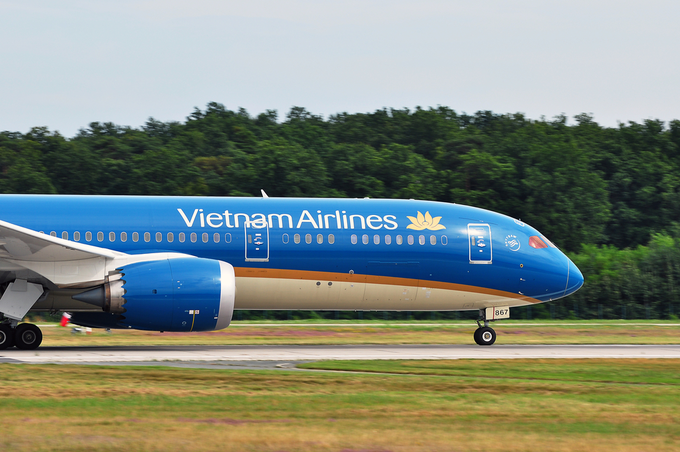
    Vietnam Airlines proposed to raise the price cap for domestic travel from April 1 and add a fuel surcharge for local routes.

    The current price cap of air transportation services is no longer suitable, the airline said in its proposal sent to the Ministry of Transportation and the Ministry of Finance on March 14.

    The current maximum fare is VND2.2 million ($96) for routes under 850 kilometers, and VND3.75 million for those above 1.280 kilometers.

    The higher cap would serve to offset costs of rising oil prices and improve service quality, the airline said.

    Its proposal also advocated for a fuel surcharge on domestic routes and full environmental tax exemption for aviation fuel in 2022, which would save the airline more than VND600 billion if approved.

    Previously, the Civil Aviation Authority of Vietnam had repeatedly requested the airfare cap be removed, but to no avail.

    Last year, the national carrier proposed to set price floors between VND560,000 and VND1.4 million for air tickets on domestic routes, but the Ministry of Transportation rejected the idea.

  • YouTube working on a new home feed with dimmed background for videos on autoplay

    YouTube working on a new home feed with dimmed background for videos on autoplay

    There is a new user interface test that’s been going on for YouTube on mobile, which is introducing some new tweaks to the “Playback in feed” feature in order to make it more immersive. The tweaks were discovered in a beta version of the app. The change to the user interface will have new in-feed controls for the volume of the video that has played automatically, as well as closed captions, alongside the ability to save it to “Watch later” or skip it. At the same time, the rest of the YouTube home feed will be dimmed shortly after a video starts to autoplay.

    If you want to access the controls, you need to tap on the three-dot expanded menu option that will be alongside the video title, channel icon, and the count of views. Pretty much, to some, this change might appear a bit intrusive.

    However, it is most probably in testing so that the YouTube auto-playing feature gets more immersive. Basically, the feature is reminiscent of the Turn Off the Lights extension for Chrome, which goes and dims all other elements of the UI except for the video player. For people who want to focus on the content in the video, this feature will prove to be quite useful.

    This change has been noticed in YouTube beta v17.10.35, but it is not widely available yet, probably more like a part of an A/B test. At the moment, it seems there isn’t a way to adjust this feature or disable it.

    We can’t help but think of TikTok for this one, as its purpose is viewing videos in-feed instead of on dedicated channels. Probably, YouTube is planning that in order to better rival TikTok’s growing popularity. We also have YouTube Shorts that’s another way the company is looking to better match what users like and how users prefer to consume content online.

  • Instagram brings parental controls to the US, confirms NFTs are coming soon

    Instagram brings parental controls to the US, confirms NFTs are coming soon

    Instagram’s parent company, Meta announced back in December it will bring new parental controls to the social network at some point this year. Starting today, these parental controls are rolling out to Instagram users in the United States, Head of Instagram Adam Mosseri confirmed this week.

    First off, a new Family Center is making its way to Instagram users in the US, which will act as a hub to access supervision tools and other related resources. These tools are available on Instagram today, and will be rolling out in VR in May.

    Additionally, Family Center includes a new education hub where parents can access resources like articles from experts, videos and tips on topics like how to talk to teens about social media. Video tutorials will also be available through the hub on how to make use of the new supervision tools.

    The first set of parental supervision tools available today on Instagram will allow parents to view how much time their teens spend on the social network and set time limits, be notified when their teen shares they’ve reported someone, as well as view and receive updates on what accounts their teens follow and the accounts that follow their teens.

    More features will be added to parental supervision tools over the next few months, including the option to set hours during which teens can use Instagram and the ability for more than one parent to supervise a teen’s account.

    In other news, Mark Zuckerberg confirmed that NFTs (non-fungible tokens) will be coming to Instagram. During his speech at SXSW, Meta’s Zuckerberg revealed the information but didn’t exactly detail how the company plans to implement the digital collectible. However, he did say that “over the next several months, the ability to bring some of your NFTs in, hopefully over time be able to mint things within that environment.”

  • Buying A Land Rover Can Net You A Space Flight

    Buying A Land Rover Can Net You A Space Flight

    Land Rover is offering one lucky buyer a once-in-a-lifetime chance for a free space flight with Virgin Galactic. Land Rover has had close ties with Virgin Galactic dating back to 2014. The car manufacturer has provided its vehicles to the latter for use as transport and even as the towing vehicle for Virgin Galactic’s spaceship. The two brands extended their partnership in early 2021 with Virgin Galactic logging its first successful fully-manned flight into space a few months later.

    The carmaker in partnership with Virgin Galactic has launched an ‘Adventure of a Lifetime’ sweepstake in the United States. While lower prizes from the sweepstakes include a drive at Land Rover’s experience center, branded merchandise, and more it’s the grand prize that is true ‘out of this world’. One lucky Land Rover owner will get an all-expenses-paid trip to space aboard the Virgin Galactic spacecraft through the date of the space flight has not been revealed.

    However, there is a catch. The ‘Adventure of a Lifetime’ sweepstakes is only applicable to legal residents of the United States over the age of 18. People wanting to enter must either own a Land Rover and register on the sweepstakes webpage (single entry) or place an order (you earn 50 entries) or buy a Land Rover (you earn 100 entries) by June 20, 2022.

    Virgin’s space flight lasts for a duration of 90 mins with the space ship briefly touching the edge of space to offer flyers a zero-G experience before re-entering the atmosphere to land. Virgin Galactic has actually commenced offering tickets for manned space flights aboard its spacecraft with the total cost of the reservation being an eye-watering $450,000 ( ₹ 3.44 crore approx).

  • Oil Price Benchmarks Fall Below $100, First Time In Weeks

    Oil Price Benchmarks Fall Below $100, First Time In Weeks

    Oil prices tumbled more than 6% on Tuesday to their lowest in almost three weeks, as Russia suggested it would allow a revival of the Iran nuclear deal to go forward and as traders worried growing pandemic lockdowns in China could dent demand. Both Brent and U.S. crude futures benchmarks settled below $100 per barrel for the first time since late February. Since reaching 14-year highs on March 7, Brent has slid nearly $40 and WTI more than $30. Trading has been extremely volatile since Russia invaded Ukraine more than two weeks ago.

    During the session, Brent futures plummeted $6.99, or 6.5%, to settle at $99.91 a barrel. U.S. West Texas Intermediate (WTI) crude fell $6.57, or 6.4%, to settle at $96.44 a barrel. Brent fell as low as $97.44 and WTI hit $93.53, their lowest since Feb. 25.

    On technical charts, both contracts moved the closest to oversold territory since December. They had been in overbought conditions during early March. Brent at one point topped $139 a barrel.

    Russia is the world’s largest exporter of crude and fuels. Numerous buyers have shunned Russian barrels since the invasion, sparking fears of a disruption of millions barrels of daily crude supply. Those fears now look overdone.

    On Tuesday a Ukrainian negotiator said talks with Russia over a ceasefire and withdrawal of Russian troops from Ukraine are ongoing. The ensuing sell-off drove prices lower but many expect volatility to continue.

    “Whilst reports of promising talks are to be welcomed, it is hard to see how either side at this stage would be prepared to make concessions that would be acceptable to any party,” said a research note from Kpler. “In this current situation, it is hard to see how crude oil prices are not being under-priced.”

    Also on Tuesday, Russia said it has written guarantees it can carry out its work as a party to the Iran nuclear deal, suggesting Moscow would allow a revival of the tattered 2015 pact to go ahead.

    The talks to revive the nuclear accord could lead to the lifting of sanctions on Iran’s oil sector and allow Tehran to resume crude exports. They had stalled because of Russian demands.

    In the fallout from Russia’s invasion, which it calls a “special operation,” Western sanctions have failed to deter China and India from buying Russian crude.

    The Organization of the Petroleum Exporting Countries said oil demand in 2022 faced challenges from the invasion and rising inflation as crude prices soar, increasing the likelihood of reductions to its forecast for robust demand this year.

    China saw a steep jump in daily COVID-19 infections, which could slow the current pace of consumption as that nation shifts to lockdowns.

    “It is estimated that a severe lockdown in China could put 0.5 million bpd of oil consumption at risk, which would be further compounded by fuel shortages due to inflated energy prices,” said Louise Dickson, senior oil market analyst for Rystad Energy.

    The U.S. Federal Reserve is widely expected to raise interest rates by 25 basis points on Wednesday for the first time in four years to fight soaring inflation. This could strengthen the U.S. dollar and dampen demand for oil and other commodities priced in greenbacks.

    Preliminary data from the American Petroleum Institute showed U.S. crude inventories rose by 3.8 million barrels for the week ended March 11 while gasoline inventories fell by 3.8 million barrels and distillate stocks rose by 888,000 barrels, according to sources, who spoke on condition of anonymity. [API/S]

    Official U.S. government inventory data is due on Wednesday.

  • Ford Doubles Down On Electric Vehicle Push In Europe

    Ford Doubles Down On Electric Vehicle Push In Europe

    U.S. carmaker Ford on Monday unveiled plans for seven new electric models in Europe, a battery-assembly site in Germany and a nickel cell manufacturing joint venture in Turkey as part of a major electric vehicle (EV) push on the continent. “Our march toward an all-electric future is an absolute necessity for Ford to meet the mobility needs of customers across a transforming Europe,” said Stuart Rowley, chair of Ford of Europe. Ford said it would introduce three new electric passenger vehicles and four new electric commercial vehicles in Europe by 2024, adding it plans to sell more than 600,000 EVs in the region by 2026.

    This, Ford said, would help it reach its global goal of selling more than 2 million EVs a year and achieving an adjusted operating profit margin of 10% by 2026.

    The strategy update for Europe comes shortly after Ford announced a $50 billion investment push to kick-start electrification that also includes running its EV unit separately from the group’s legacy combustion engine business.

    As part of its push, Ford deepened its existing partnership with Volkswagen under which the U.S. carmaker will produce a second electric vehicle for the European market based on its German rival’s platform.

    Ford will as a result double its planned volume of vehicles to be produced based on Volkswagen’s modular electric-drive platform, known as MEB, to 1.2 million units over a six-year timeframe.

    This will include investments of $2 billion at Ford’s Cologne site in Germany as well as a new battery assembly facility scheduled to start operations in 2024.

    Ford also said it has signed a non-binding memorandum of understanding with SK On Co, a unit of South Korea’s SK Innovation, and Turkey’s Koc Holding for a joint venture to manufacture high nickel NMC cells for assembly into battery array modules.

    Under the strategy update, Ford Otosan, Ford’s joint venture with Koc Holding, will buy the U.S. carmaker’s plant in Craiova, Romania for 575 million euros ($630 million) to further boost electric and commercial vehicle capacity.

  • Tesla Raises Prices For Second Time In Days On Rising Costs

    Tesla Raises Prices For Second Time In Days On Rising Costs

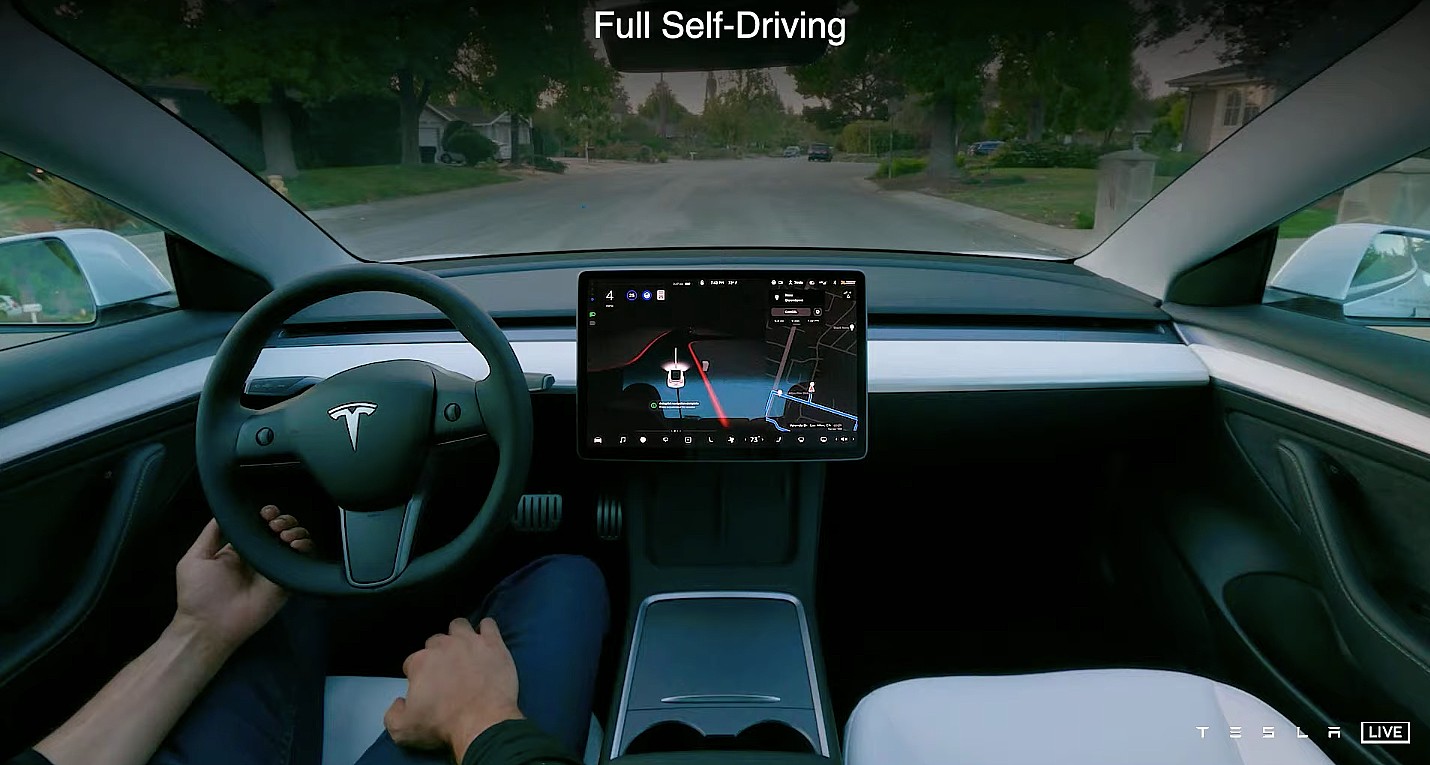
    Tesla raised its prices in China and the United States for the second time in less than a week, after CEO Elon Musk said the U.S. electric carmaker was facing significant inflationary pressure in raw materials and logistics. The increases come as costs of raw materials are surging, exacerbated by supply chain disruptions following Russia’s invasion of Ukraine.

    Prices of metals used in cars have soared, including aluminum that is used in the bodywork, palladium used in catalytic converters, and nickel and lithium that power electric vehicle (EV) batteries. The costs have raised concerns about EV economics, as legacy automakers and startups prepare to launch new cars on the back of a long semiconductor supply crunch that is still knocking production at companies including Toyota and Volkswagen.

    Tesla, which has a diversified supply chain, has bought “millions of euros worth of aluminum” from Russian aluminium giant Rusal, CNBC reported on Monday, citing internal documents.

    Rusal’s billionaire founder Oleg Deripaska has been sanctioned by Britain.

    Tesla bought Rusal aluminum for casting parts at its new vehicle assembly plant outside of Berlin for the Tesla Model Y, among other things, CNBC said.

    Tesla received a conditional go-ahead for its 5 billion euro ($5.5 billion) German gigafactory earlier this month after months of delay.

    Tesla and Rusal did not immediately respond to emails seeking comment.

    “Tesla & SpaceX are seeing significant recent inflation pressure in raw materials & logistics,” Musk tweeted on Monday, referring to his rocket company. “And we are not alone,” he said.

    Tesla raised prices on Tuesday for all its models in the United States by 5%-10%, its website showed. In China, it raised prices of some China-made Model 3 and Model Y products by about 5%.

    Last week, the company increased prices of its U.S. Model Y SUVs and Model 3 Long Range sedans and some China-made Model 3 and Model Y vehicles.

  • Carl’s Jr to exit Thailand

    Carl’s Jr to exit Thailand

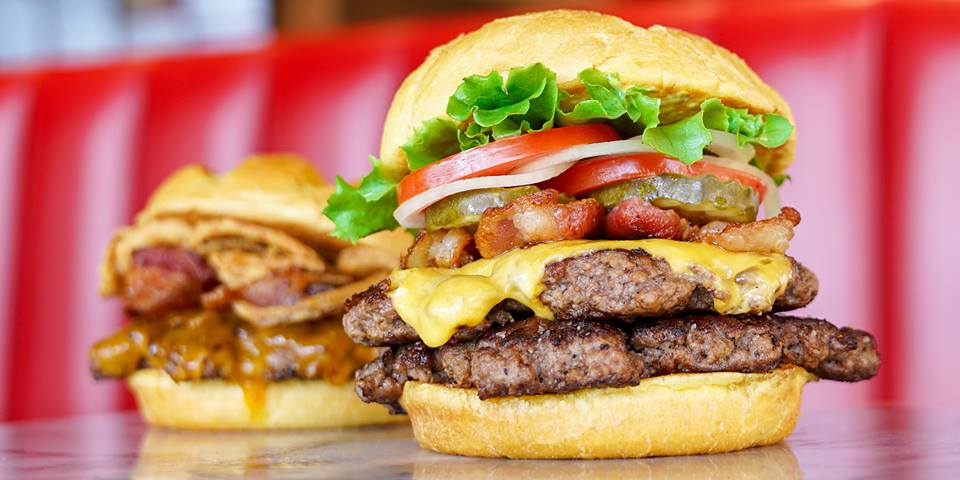
    Carl’s Jr. plans to close all six locations in Thailand by the end of the month.

    R&R Restaurant Group, which holds the rights to operate the burger chain, announced it could no longer bear the costs of operating the fast-food chain.

    “We tried to get through it during the second half of 2021. But we were forced to import our ingredients solely from the U.S. due to the restrictions imposed by CKE Restaurants Holdings,” it said of its parent company.

    The burger chain opened its first branch in Thailand in 2012 at Central Festival Pattaya Beach.

    Update: After this story was published, the group announced its last day of operation will be March. 24.

  • AS Watson to shut down its Russian business

    AS Watson to shut down its Russian business

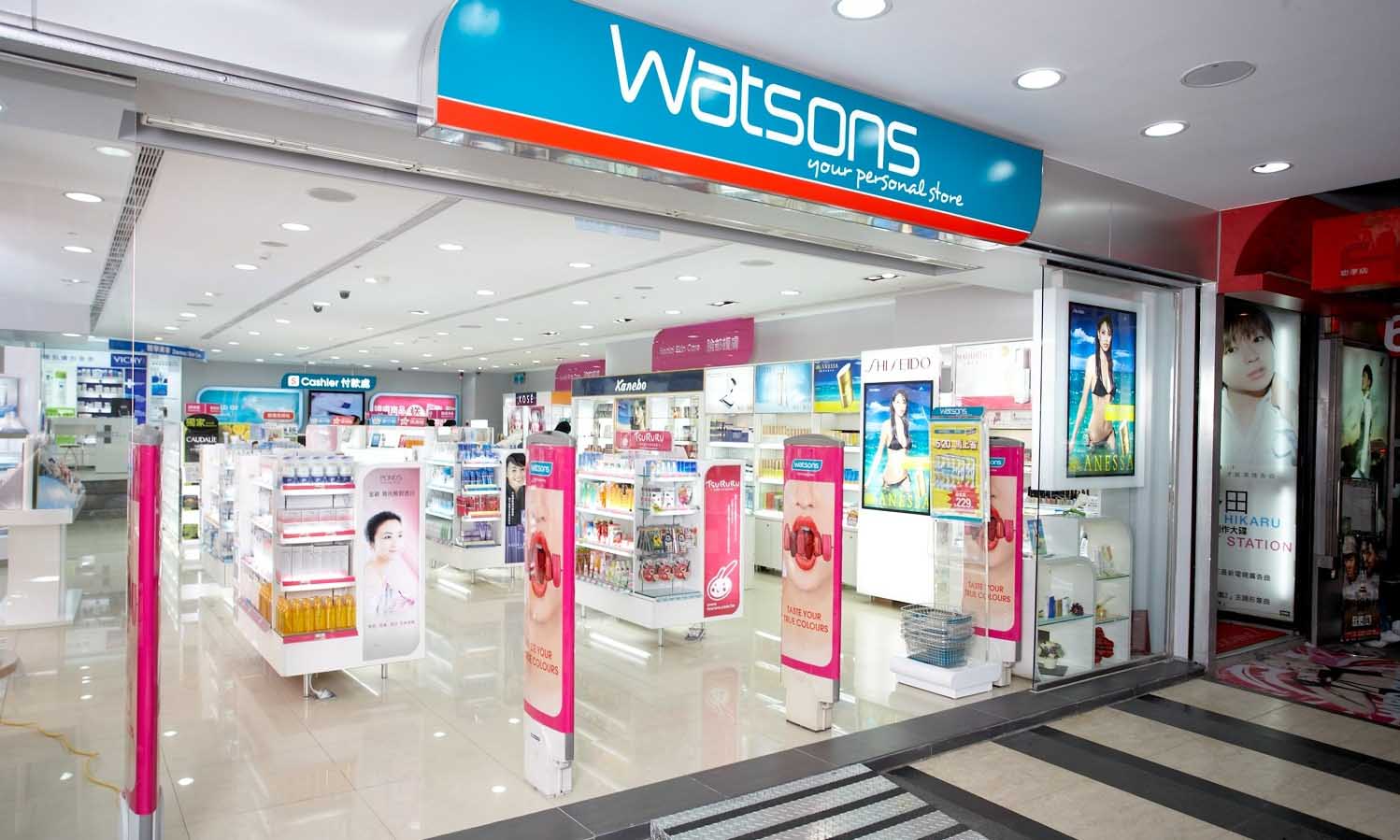
    A.S. Watson Group will be exiting the Russian market due to unsatisfactory business performance. The company did not relate its departure to the ongoing Russia-Ukraine war. In a statement, a spokesperson from A.S. Watson Group said, “After serious consideration, we decided to cease the operation of Watsons Russia by June 2022 and prioritize our investment in other markets.”

    The company added that it made the decision in late January due to the unsatisfactory business performance in the Russian market.

    Currently, Watsons Russia only has a presence in the city of Saint Petersburg with 47 stores. The company said although the local team had made many attempts to improve the business performance over the years, however, the results were not satisfactory.

    After leaving Russia, Watsons will still operate in other European countries, including Ukraine and Turkey. The spokesperson said the decision of quitting the Russian market will allow the brand to focus more on other key markets where it can generate a better return on investment.

    Many brands, including retail companies, from around the world are leaving the Russian market due to the ongoing Russia-Ukraine war. UNIQLO’s parent company, Fast Retailing, said it had become clear to the brand that it can no longer proceed its operations in Russia “due to a number of difficulties”. The fashion brand added that it is “strongly against any acts of hostility”. “We condemn all forms of aggression that violate human rights and threaten the peaceful existence of individuals,” said UNIQLO.

    UNIQLO initially announced on 8 March that it will continue to sell its clothes in Russia, with Fast Retailing’s CEO Tadashi Yanai defending the brand’s stance at that time. While other major corporations were quick to close their stores and halt operations in protest of Russia’s unprovoked attack on Ukraine, Yanai argued at that time that “Russians still needed access to daily necessities such as clothing.”

    Since the invasion, numerous companies have pulled out of the market. At the same time, other retail and luxury brands including Levi’s, Inditex, Hermès, Chanel, Cartier, LVMH, and Kering have temporarily suspended operations in Russia. LMVH’s Louis Vuitton has pledged to donate US$1.08 million to refugees, adding that it was “deeply touched by the tragic situation unfolding in Ukraine”. Chanel also cited “increasing concerns” regarding the current situation as well as the “growing uncertainty and the complexity to operate”.

    McDonald’s has also shut down its operations in Russia. However, the move is expected to cost the fast-food restaurant US$50 million a month, or about five to six cents per share, CFO Kevin Ozan said at the UBS Global Consumer and Retail Conference. McDonald’s has also closed 108 of its stores in Ukraine for the time being. Together, these stores account for about 2% of its sales, 9% of its revenue, and 3% of its operating income, CNBC reported. However, McDonald’s CEO Chris Kempczinski said in a statement that it will continue to provide salaries for all affected employees. Additionally, McDonald’s donated US$5 million to its Employee Assistance Fund to provide financial support to its employees in Ukraine.

  • Starbucks forges regional partnership with Grab

    Starbucks forges regional partnership with Grab

    Starbucks today announced an integrated partnership with Grab, Southeast Asia’s leading superapp, across six markets, including the Philippines, Thailand, Singapore, Malaysia, Indonesia, and Vietnam. The partnership will provide customers across Southeast Asia with a seamless Starbucks Experience, allowing them to earn Starbucks Rewards benefits on purchases through Grab, have more ways to order and pay in stores, and enjoy their Starbucks orders sooner with last-mile delivery fulfillment through Grab’s delivery network.

    Customers will be able to enjoy more personalized and convenient experiences that deepen their connection to Starbucks through a range of Grab services including GrabPay, GrabRewards, GrabFood, GrabExpress and GrabGifts. Building on Starbucks and Grab’s shared commitment to creating a positive impact, the partnership will also help provide food assistance to communities in need across Southeast Asia, while reducing food waste, through the expansion of Starbucks FoodShare food donation program, starting in the Philippines this March.

    “As one of the most digitally connected regions in the world, Southeast Asia continues to inspire us to elevate the Starbucks Experience,” said Erin Silvoy, vice president, product and marketing, Starbucks Asia Pacific. “Our partnership with Grab allows us to provide more options for customers to create a Starbucks Experience that is right for them, while also helping to deliver positive impact in the communities we serve through FoodShare program.”

    “Consumers like the convenience of food delivery but they also enjoy meeting up with friends in Starbucks over a cup of coffee. We believe the online ordering and in-store dining experience will become more connected, as brands in Southeast Asia look for ways to bridge these channels. We are excited to be working with Starbucks, one of the most iconic and loved coffee retailers, on this wide-ranging partnership to deliver a more personalized, rewarding, and seamless experience to our customers,” added Saad Ahmed, Managing Director, Commercial at Grab.

    A first for Starbucks in Southeast Asia, Starbucks will integrate Starbucks Rewards with the Grab platform so that customers can enjoy more ways to earn rewards on their Starbucks orders. Starbucks Rewards members will be able to link their accounts with GrabRewards to earn both Stars and GrabRewards points for every order made through GrabFood.

    In the future, customers will also have the option to sign up for a Starbucks Rewards membership via the Grab app and redeem free beverages, birthday treats, and exclusive offers* . The company will introduce this new feature in the Philippines in the second half of 2022, with plans to expand to additional Southeast Asia markets by 2024.

    Customers will be able to enjoy the Starbucks experience through expanded options and solutions through Grab including:

    •  Pay with the same e-wallet online and in-store: Customers will have the option to pay for their orders via their GrabPay e-wallets in-store and in-app, giving them more ways to earn GrabRewards as well as Starbucks Rewards Stars.
    • Order online for in-store pick-up via GrabFood: Customers can skip the line and order their favorite food and beverage items directly from GrabFood’s self-pick up feature, which will inform them when their orders are ready for pick up.
    • Instant delivery via GrabExpress: Customers can get their favorite Starbucks food and beverages delivered to their doorsteps faster than before by GrabExpress, when they order via Starbucks owned channels .
    • Social gifting through GrabGifts: Customers can now purchase and send pre-loaded Starbucks gift cards to friends and family via the Grab app in the Philippines, Thailand, Singapore, Malaysia, Indonesia, and Vietnam.

    Creating positive impact through Starbucks FoodShare program

    As part of Starbucks People Positive aspirations, focused on enhancing the well-being of all who connect with Starbucks, the company will launch its FoodShare food donation program this March in the Philippines, starting with 40 stores in the Metro Manila area. Starbucks regional partnership with Grab will enable participating stores to connect with Grab drivers to pick up food donations from stores daily and deliver them to local non-profit organizations such as the Philippine Food Bank Foundation. Starbucks aims to expand the reach of the program to more communities in the Philippines, as well as additional markets throughout Southeast Asia.

    FoodShare started in 2016 after Starbucks partners (employees) advocated for a program that would allow stores to donate unsold food and distribute it to people facing hunger in communities across the U.S. FoodShare is now available at 100% of US and Canada company-owned stores.

    Since entering the Southeast Asia region over 25 years ago, Starbucks has expanded to more than 1,882 stores across the Philippines, Thailand, Singapore, Malaysia, Indonesia, and Vietnam, with more than 19,853 partners proudly wearing the green apron. The company is committed to driving continued sustainable growth by investing in digital innovations that deliver meaningful value and convenience
    and social impact initiatives that create positive impact in the communities we serve.

  • Global milk tea chain Gong Cha will add 17 stores in Australia

    Global milk tea chain Gong Cha will add 17 stores in Australia

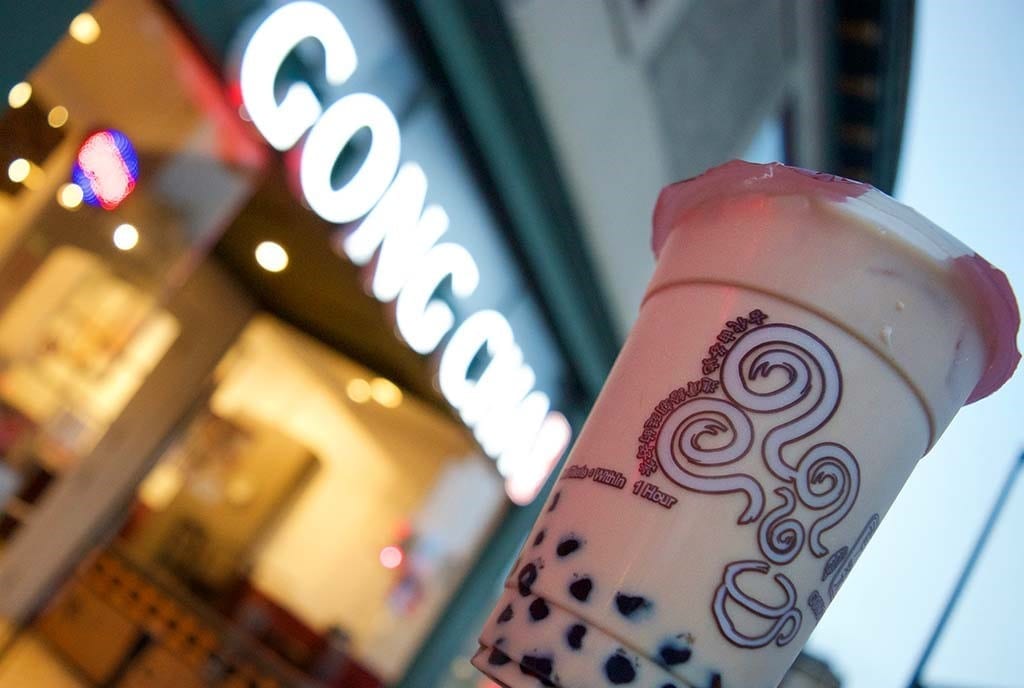
    Global milk tea chain Gong cha is planning to expand in Australia with a further 17 stores this year.

    That’s adding to the 118 stores already operating.

    The plan for growth is part of a bigger international expansion goal, which sees the business focus on development in countries such as Japan, Mexico, New York, and the Philippines.

    Around the world Gong Cha had 1661 stores at the end of 2021, including 90 new outlets opened in Japan. The growth represents a 17 percent rise from the previous year.

    Also this year, another 25 stores planned to open under the guidance of the New York master franchise. South of the border in Mexico the plan is to almost double the number of stores to 51; while the Philippines store count is expected to grow by another 34 new milk tea venues.

    The Gong cha brand was founded in Taiwan in 1996 and is now owned by the Gong Cha Group, headquartered in London.