Tag: asia

  • Ukraine war to sully clothes sales from Levi to Ralph Lauren

    Ukraine war to sully clothes sales from Levi to Ralph Lauren

    Levi Strauss and Ralph Lauren are among U.S. apparel brands likely to be worst hit by Russia’s invasion of Ukraine which is again clogging supply chains in Europe where they derive at least a quarter of sales, Wall Street analysts say.

    American clothes firms’ European businesses were just recovering from two years of pandemic restrictions. But war-related Western sanctions on Moscow, airspace bans, and shipping route changes have put new squeezes on East-West supply chains.

    “Cargo checks are now one of the biggest disruptions to shippers, making sure they are not breaking sanctions at ports in the EU (European Union) and the UK,” said Jane Hali, CEO of investment research firm Jane Hali & Associates.

    Analysts see particular exposure to Calvin Klein and Tommy Hilfiger owner PVH, Levi Strauss, Ralph Lauren, Michael Kors owner Capri Holdings and Nike , who get roughly 25%-40% of sales from Europe.

    “Europe is definitely going to feel the brunt of the economic damage … which will impact consumer sentiment and consumer wallets,” CFRA Research analyst Zachary Warring said on the fallout for apparel retailers.

    Due to the war, Wedbush analysts have reduced yearly revenue growth estimates by anywhere from 100 to 400 basis points for Adidas AG. and at least eight U.S.-based companies including Skechers USA and Farfetch Ltd.

    The brokerage also downgraded ratings on PVH and Ralph Lauren’s stock to “neutral” from “outperform,” while reducing Nike’s price target.

    Adding to sales pressures, numerous brands have also halted operations in Russia altogether in protest or because of the newly-difficult operating environment. Chinese manufacturers had been sending more goods to Europe by rail across Russia.

    Companies with a smaller European presence, such as Carter’s, Bath & Body Works Inc and Kate Spade-owner Tapestry, are likely to be more insulated, analysts said, but the challenge remains sector-wide.

    “We’re afraid it won’t just be retailers with high exposure to Europe but most of retail,” CFRA’s Warring said.
  • Deliveroo invests HK$2m to fund sustainable plastic-free packaging

    Deliveroo invests HK$2m to fund sustainable plastic-free packaging

    Deliveroo HK is taking steps to reduce food packaging waste generated by its restaurant partners. The delivery giant is investing HK$2 million to incentivize a scheme that will encourage restaurants to use plastic-free packaging for their delivery orders. It comes as the government considers a move to ban single-use plastic tableware.

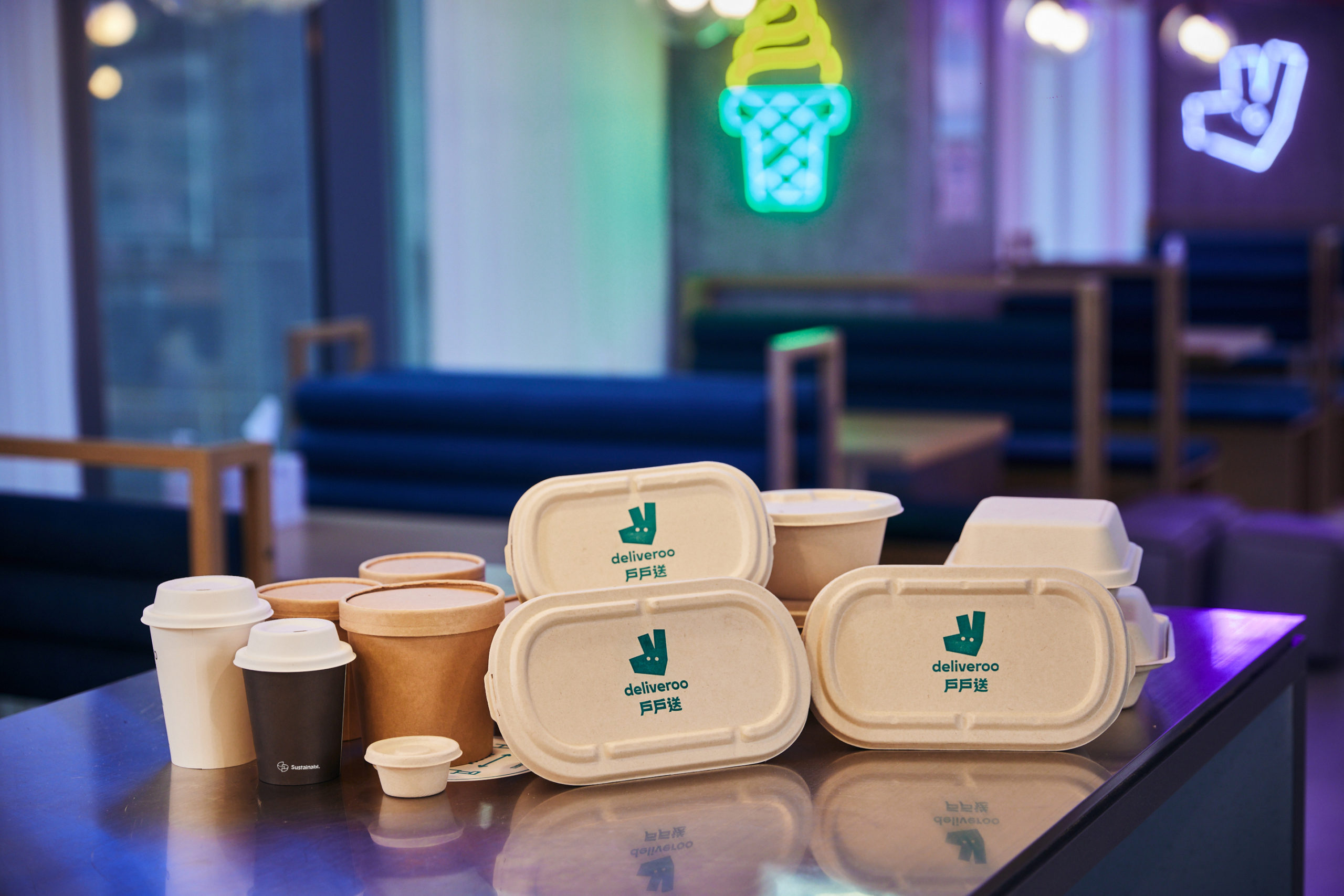
    Investment from Deliveroo HK will allow restaurants to buy suitable food containers at a discounted rate, from zero waste company Sustainable. Independent restaurants and small F&B providers will be offered a 50 percent reduction in packing prices. Large chains will receive a 30 percent discount. Both will be applicable for the first six months of the initiative.

    Deliveroo HK claims to have made sustainability a priority. Its collaboration with Sustainabl. will allow it to promote plastic-free, home-compostable, or recyclable packaging options to restaurant partners. Platform users will be able to search specifically for restaurants that offer eco-packaging solutions, in the future, making early adoption a potentially business-critical decision.

    “With sustainability being one of our priorities here at Deliveroo, we knew it was time to take the crucial step of launching a sustainable packaging scheme that would be of value to our partners in Hong Kong and make an impact to the environment and we’re thrilled to partner alongside Sustainable. to do so,” Andrew Hui, general manager of Deliveroo HK said in a statement.

    “We hope that our eco-minded steps can benefit our restaurant partners as they help create a greener future with us, and by extension, offer the same to their customers. With that said, we understand that integrating sustainable practices will come with new operational costs for our restaurant partners, especially since they are just suffering from the impact of the pandemic. That’s why we are here to provide solutions and financial support, as we leverage our community fund.”

    The HK$2 million subsidy scheme will support locations that want to make a switch to sustainable materials and, potentially, greener delivery methods. It will be the first Hong Kong initiative to be supported by the Deliveroo Global Community Fund. Subsidised packaging solutions will include around 20 products, supplied by Sustainabl., to account for the different needs of various restaurants.

    Sustainabl. is engaged in providing low-carbon, zero-waste packaging supplies that make a F&B circular economy possible. Everything supplied to Deliveroo restaurant partners will either be home compostable or recyclable, with bio-coatings for water resistance. The company uses renewable materials to create its ranges including sugarcane and wheat processing waste, bamboo and recycled paper.

    “At Sustainabl., our vision is to enable businesses and families to access ‘truly’ sustainable packaging products that do not damage the environment,” Richard Oliver, CEO of Sustainabl. said in a statement. “We have created cost-effective, functional solutions to enable F&B vendors and other businesses to stop using single-use plastics and reduce unnecessary waste and their carbon footprint. We are thrilled to partner with Deliveroo on this meaningful initiative and look forward to supplying our zero-waste packaging solutions to Deliveroo restaurant partners. With the new scheme in place, we expect to see a greener and more sustainable F&B industry in Hong Kong in 2022 and beyond.”

    Deliveroo has already witnessed the success of a similar scheme, in France. Launched in 2021, the partnership between the delivery leader and barePack saw 60 restaurants trial reusable packaging supplies, in a bid to garner a circular model. Launched in Paris,  the scheme is expected to roll out to other parts of France and possibly London.

    Tackling the grocery side of things, Dutch startup Pieter Pot bagged €9 million in December last year for its reusable container-powered home delivery service. The company aims to make zero waste shopping as competitive and convenient as regular grocery buying. New investmemt has been raised to expand into wider Europe, including the U.K.

  • Flipkart Enters Strategic Alliance with Google Cloud to  Advance Innovation in a Digital-first Future

    Flipkart Enters Strategic Alliance with Google Cloud to Advance Innovation in a Digital-first Future

    Google Cloud and Flipkart, India’s homegrown consumer internet ecosystem, have entered into a multi-year strategic partnership to help fast-track Flipkart’s innovation and cloud strategy. This partnership will propel Flipkart into its next phase of growth and advance its vision of onboarding India’s next 200 million shoppers and lakhs of sellers.

    Working together, Google Cloud will help Flipkart:

    • Scale on Google Cloud’s infrastructure to reach more Flipkart customers — By leveraging Google Cloud’s secure and scalable global infrastructure and advanced networking technologies, Flipkart will be able to deliver robust app access and performance even during peak purchase seasons with heightened traffic. Flipkart will also continue to advance the pace of new product development by building on Google Cloud, furthering its expansion into Tier 2 and Tier 3 markets in India.

    • Accelerate data-led innovation to unlock customer insights — Flipkart will make its data platform more efficient by deploying Google Cloud’s advanced data analytics and machine learning technologies. This will enable the company to better analyze traffic and transactional data, unlock rich real-time insights into customer purchasing and shopping behavior,  identify trends and patterns with increased demand and create more personalized recommendations to enrich customer experience.

    • Advancing productivity and collaboration globally with Google Workspace — As a long time Google Workspace customer, Flipkart will expand its use of the flexible, innovative solution across its rapidly growing workforce to create innovative human-centered employee experiences and deepen connections in this new hybrid work environment.

    Jeyandran Venugopal, Chief Product and Technology Officer, Flipkart said, “Our strategic alliance with Google Cloud will enable us to accelerate our digital transformation, power productivity and advance our innovation agenda. We are excited by Google Cloud’s unique strengths and experience in AI/ML and its proven scalability and security, all of which will be critical in our next phase of growth.”

    “Flipkart’s growth in India has been powered by its digital-first strategy and forward thinking approach to cloud technology. As the company continues to scale and grow its ecommerce platform, we will work together to drive technological innovations and help Flipkart drive breakthrough businesses in the future,” said Bikram Singh Bedi, Managing Director,  Google Cloud India.

  • Yum China calls time on Chinese brand

    Yum China calls time on Chinese brand

    Yum China Holdings, the owner of the KFC and Pizza Hut restaurant chains in China, has decided to shut down its struggling fast-food brand, East Dawning, after it failed to survive the Covid-19 pandemic.

    The company said in its annual report that the remaining five outlets of the Chinese-style quick-service restaurant (QSR) brand would cease to operate within 2022.

    “The brand was severely impacted by the Covid-19 pandemic,” the report said. “As a result, we have decided to wind down operations of the brand.”

    The annual report, filed to the Hong Kong stock exchange, did not provide financial data for East Dawning, which was established by Yum on the mainland in 2005. The chain kicked off with about 100 restaurants nationwide located mainly at airports and train stations. But the number has fallen drastically over the years amid stiff competition. By 2012, the chain had dwindled to 30 restaurants, and by 2020 only eight outlets of the brand remained.

    Disease outbreak dealt a fatal blow to the brand, but it has not been successful over the past decade due to stern challenges from a raft of local restaurant chains,” said Chen Xiao, CEO of Shanghai Yacheng Culture, a consultancy dealing with marketing and branding for foreign and local companies. “After all, the five outlets and the brand are of little value to Yum’s businesses in China.”

    East Dawning, in Chinese, literally means that the east is lit up by the light of dawn.

    Su Shi, a poet during the Northern Song dynasty (960-1127) wrote in his poem the Red Cliffs that a group of friends were so obsessed with a dinner party on a boat that they did not notice the east was lit up by the light of dawn.

    East Dawning was the first Chinese-style fast-food brand created by Yum to tap the market potential on the mainland. It combines KFC’s business model with Chinese cuisine. The menu includes steamed pastries such as buns, and Chinese tea.

    The fast-food brand has been eclipsed by the rise of Chinese restaurant chains such as Da Niang Dumpling and Yang’s Dumplings which are adept at cooking Chinese food to appeal to local tastes.

    China’s catering sector has taken a beating from the coronavirus outbreak over the past two years as lockdown measures and social distancing rules have kept customers at bay.

    In 2020, restaurants across the mainland reported total revenue of 3.95 trillion yuan (US$625 billion), down 15.4 percent on the year, according to the National Bureau of Statistics.

    In the first half of 2021, the catering industry raked in sales of 2.17 trillion yuan, up 48.6 per cent from a year ago, but virtually unchanged from the same period of 2019.

    Yum China, whose other brands include Little Sheep, Huang Ji Huang and Coffii & Joy, operates more than 11,700 outlets on the mainland.

    It reported net profit of US$525 million in 2021, down 15 per cent from the previous year. Revenue grew 19 per cent to US$9.85 billion.

    Its shares trading in Hong Kong were changing hands at HK$378 (US$48.37) on Monday afternoon, having slumped 8 per cent from their initial public offering price of HK$412 in September, 2020.

  • AirAsia brings back fuel surcharge

    AirAsia brings back fuel surcharge

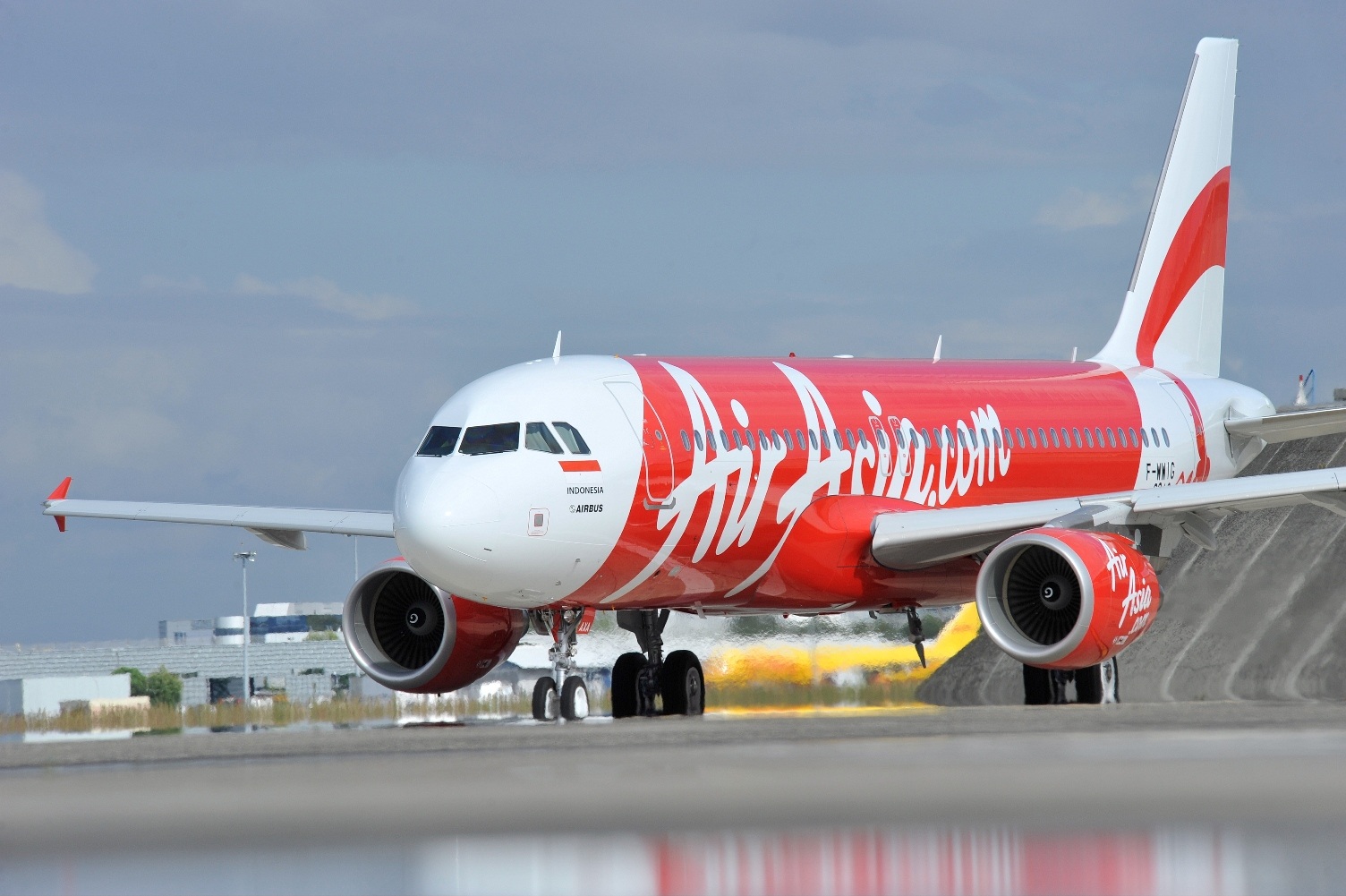
    AirAsia Malaysia will be reintroducing fuel surcharge beginning March 8 for all its domestic and international flights.

    The reintroduction of the fuel surcharge by AirAsia is to offset the escalating jet fuel prices, which has exceeded US$120 per barrel. AirAsia has not been charging fuel surcharge since it was abolished in 2015. The airline said it has been absorbing the oil price increase over the years.

    The fuel surcharge will be applicable for new flight bookings made on and after March 8. All bookings made before March 8 will not be affected.

    The fuel surcharge rates for all domestic routes within Malaysia is RM10 while rates for international routes within one to two hours is RM25.

    The rates for international routes for two to three hours, three to four hours and more than four hours are RM35, RM50 and RM60, respectively.

    AirAsia Malaysia Chief Executive Officer Riad Asmat said airlines the world over are affected by the rising oil prices and the continuous upward spiral caused by the situation in Eastern Europe and other external factors have made it imperative for the airlines to reintroduce the fuel surcharge, despite the low-cost operator’s best efforts to resist it for as long as it could.

    “Since we last abolished fuel surcharges in 2015 when the global fuel price was as low as US$48 a barrel, we have faced numerous occasions when the fluctuations have caused other airlines to start imposing surcharges.

    “However, at AirAsia, we have been absorbing past increases in oil prices to continue to provide the best value to our guests. Unfortunately, the current situation where the oil price has shot up more than 160 per cent than what it was in 2015 has made it no longer sustainable,” he said in a statement today.

    Riad hoped that the fuel surcharge will only be a temporary measure.

    He said AirAsia will continue to ensure its fares remain as low as possible despite the fuel surcharge.

    Even when faced with the devastating Covid-19 pandemic, AirAsia still managed to deflect the rising operational costs and continued to offer low fares to the people, he explained.

    “We will continue to monitor the situation and at the same time capitalise on technological and digital innovations as ways to keep costs at bay and make air travel affordable for everyone.”

    AirAsia removed its fuel surcharge twice in the past. It first introduced a fuel surcharge in 2005 and abolished it in 2008, and later reintroduced it in 2011.

    In 2015, the jet fuel price was at its high of US$78 per barrel but AirAsia removed the fuel surcharge as soon as the price went down to around US$48 per barrel that year.

  • WhatsApp working on a useful Telegram-like poll feature for groups

    WhatsApp working on a useful Telegram-like poll feature for groups

    A feature that Telegram has had for years is now going to be present in WhatsApp. The ability to create polls in group chats is something that WhatsApp is currently working on, and should make its way to a future WhatsApp version.

    Polls are a great way to interact with a large group of people and are quite helpful to reach a decision or to know what your group of friends thinks about an idea. Telegram, another popular instant messaging app, has had this feature for a while now, and WhatsApp is finally testing it to implement it to WhatsApp users.

    WABetaInfo was the first to discover the feature in WhatsApp for iOS beta version v2.22.6.70. The feature is still under development, so it is not available for public beta testers right now.

    The poll option will be available only for WhatsApp groups, and it will be end-to-end encrypted, including the answers the other users give to it. Basically, end-to-end encryption is something WhatsApp is quite popular with, and it will be present for the poll feature as well. This pretty much means only the people in the group will be able to get access to the poll and its results.

    As you can see on the screenshot, there will be a new user interface with a text field for your question, accompanied by a Create button, as well as a Cancel button. However, as this feature is still under development, it is still unknown what the maximum number of options will be if there will be any restrictions on the number of responses or how long you will be able to vote on a poll.

    And as this is a feature in beta, an official release date is not yet announced for it. As usual, beta testers will get to see how this feature works first, as WhatsApp works to get rid of any bugs and improve on it before it launches it for the general public.

    The poll option has currently been spotted in the iOS version of the popular chat app, but that doesn’t mean it won’t be coming to Android. In the meantime, WhatsApp has also been testing many other useful features. Let’s see what the most recent features currently in testing for the chat app are.

    Currently, you have a somewhat lengthy process to follow if you wish to search from your messages in WhatsApp, which includes locating a specific chat or group chat window, then tapping on the three-dots menu and searching. However, it seems that the app will be getting a simpler way to search for a message in a future update.

    WhatsApp beta for Android version 2.22.6.3 brings a new search shortcut to solve this issue. Although it sounds similar to WhatsApp’s current solution for searches, it is different in the way that it allows you to search right from the info page of personal contacts and groups, without having to go to a specific group or chat where you think the message was sent.

    Apart from that, WhatsApp is also working on the long-awaited message reactions, which will allow you to express your reaction to a message with an emoji.

    Another feature that WhatsApp is working on is a redesigned voice call user interface. Beta version 22.5.0.70 is showing a revamped user interface that should be coming to the app. With the new improved voice call UI, you will be able to see real-time voice waveforms are going to come to calls. The app has recently rolled out similar waveforms for audio messages.

    Keep in mind that, as these features here are in beta, which they may change as they undergo development before they get their official global release.

  • Samsung allegedly fell victim to a data breach

    Samsung allegedly fell victim to a data breach

    There has been a new security breach in the tech industry. This time, the victim was reportedly Samsung Electronics. The hackers taking responsibility for the data breach are from the Lapsus$ hacking group. Lapsus$ has leaked around 190GB of what it claims to be confidential data from Samsung, which includes source code and biometric unlocking algorithms.

    As proof of the data breach, Lapsus$ has also provided a screenshot of C/C++ code directives, alleging that they came from Samsung. In a description of the 190GB of stolen data the hacking group teased before the big leak, they wrote that these 190GB contain “confidential Samsung source code” and listed exactly what the hacking group managed to steal from Samsung.

    With its hack, Lapsus$ got its hands on the source code for every Trusted Applet (TA) installed in Samsung’s TrustZone. Samsung TrustZone is a secure environment utilized for operations such as hardware cryptography, binary encryption, and access control.

    Lapsus$ also managed to steal algorithms for all biometric unlock operations, the source code used for booting all recent Samsung devices, and confidential source code allegedly originating from Qualcomm. With its attack, Lapsus$ also stole the source code for Samsung’s activation servers, аs well as that used for authorizing and authenticating Samsung accounts, including APIs and services.

    Although the information above is what Lapsus$ listed as the stolen data, it is unknown if Lapsus$ stole additional secret information from Samsung. What is known, however, is that the hacking group has split the leaked data into three compressed files and made it available for download via a torrent.

    As for a comment from Samsung about the data breach, Samsung officials told the media outlet that they ‘are now assessing the situation.’

  • Netflix pauses streaming in Russia indefinitely

    Netflix pauses streaming in Russia indefinitely

    Netflix is the latest giant to take a stand in the Russia-Ukraine crisis, as the company announced last night that it is cutting off all of its streaming services to Russia. This is certainly no small decision, as Russia makes up nearly one million of Netflix’ massive 222,000,000 user base.

    Тhe decision was made public on Sunday, March 6, when the company announced that “Given the circumstances on the ground, we have decided to suspend our service in Russia.” While Netflix is still allowing current Russia-based subscribers to enjoy the streaming services until the end of their billing cycle, starting March 7, nobody will be able to sign up for a new membership within the country.

    This isn’t the first move Netflix has taken to make its position in the ongoing crisis clear. When Russia first began to invade Ukraine, Netflix immediately put a stop to all four of the Russian-language series it had been working on—all of them significant investments that had already reached mid- or post-production.
    One of them was the much-anticipated first-ever Russian Netflix original series, a neo-noir drama and mystery series called “ZATO.” After dropping all production work on ZATO, Netflix said it doesn’t plan to create any new Russian content indefinitely.
    Netflix is also far from the only company in the Big Tech that took such a drastic step against Russia in the current crisis. Other companies that have taken measures to sanction Russia in favor of war-torn Ukraine include Apple, Facebook, Microsoft, Google, TikTok, Intel, and AMD—and others are sure to follow suit.
    Plenty of streaming companies have joined in the fray alongside these tech giants as well; Disney, Paramount Pictures, Universal Pictures, Warner Bros, and Sony have all put new film releases in Russia on hold for an undetermined period of time.
    It is still unclear how Netflix’s decision to boycott Russia will impact its stock prices. Last month, the company reported a massive drop in Netflix’ stock value, to the disappointment of investors, despite recent U.S. price hikes and new original releases.
  • AirAsia Group loses appeal in airport case

    AirAsia Group loses appeal in airport case

    The Court of Appeal of Malaysia has dismissed attempts from AirAsia (AK, Kuala Lumpur Int’l) and AirAsia X (D7, Kuala Lumpur Int’l) to set aside a High Court ruling in favour summarily – without a full trial – of Malaysia Airports Holdings over outstanding passenger service charge (PSC) payments, Malaysia’s Daily Express and The Edge Markets reported.

    A three-member bench unanimously confirmed on March 3 that the High Court was correct in granting the state-run airport operator a summary judgement for a total of MYR41.55 million ringgit (USD9.95 million) against the two low-cost carriers, comprising the outstanding charges, late payment fees, and costs.

    The airlines had lodged three appeals each in an effort to strike out the rulings, and so the appeals court ordered them to pay additional costs of MYR10,000 (USD2,400) per appeal, totalling MYR60,000 (USD14,400).

    Malaysia Airports’ claim against AirAsia and its long-haul affiliate is for alleged unpaid passenger service facilities charges at the rate the Malaysian Aviation Commission (Mavcom) regulator set in 2016 and amended in 2017 and 2018.

    According to the plaintiff, the defendants had signed a contract on these fees and other conditions for the use of Kuala Lumpur Int’l Airport, rules that were also revised in 2017. The two carriers deny having accepted the terms of the contracts, however, claiming they had raised objections to the plaintiff but had been ignored.

    The Capital A (formerly AirAsia Group) airlines have argued that the rate for the charges in the current regulations is a ceiling rate, not a fixed rate, and that the amount payable was to have been negotiated between the parties.

    “We are of the opinion, and we agree with the findings of the learned High Court judge, that AirAsia’s actual dispute is not one between two aviation service providers but between AirAsia and [Mavcom] itself, because it is the commission that had prescribed the applicable PSC rate, and [Malaysia Airports] collects the same. Specifically, AirAsia’s actual dispute is against the decision of the commission to equalise the PSC rates” between Kuala Lumpur Int’l terminals one and two, the appeals court ruling said. “Accordingly, AirAsia should have addressed its PSC dispute by judicial review against the commission’s statutory decision to increase the rate.”

    AirAsia X has also been the target of a Malaysia Airports Holdings lawsuit initiated in October 2020 to demand payment of MYR78.16 million (USD18.7 million) in alleged lapsed charges related to the long-haul low-cost carrier’s debt restructuring scheme. Malaysia Airports is a secured creditor of AirAsia X, it has argued, so it should have been excluded from the carrier’s debt reshuffle. Nevertheless, the airline obtained court approval in December 2021 to restructure the debt.

  • Vietnam gold prices keep rising

    Vietnam gold prices keep rising

    Gold prices scaled another new peak in Vietnam Monday morning as global rates climbed amid the continuing Russia-Ukraine crisis.

    Saigon Jewelry Company sold bullion at VND72.87 million per tael of 37.5 grams or 1.2 ounces, up 5.15 percent from Saturday.

    DOJI sold at VND71 million, and PNJ at VND71.1 million, all new highs.

    Some sellers expected prices to keep rising as long as the conflict continued.

    “Some people are holding on to gold and waiting for prices to rise even further,” Tran Minh To, a spokesperson for a jewelry store in HCMC’s District 8, said.

    Globally spot gold gained 1.5 percent to $1,998.37 per ounce Monday morning as the fighting entered its 11th day with both sides calling on the other to lay down arms.

    Vietnam was Southeast Asia’s largest gold bullion and coin market last year and among the top 10 globally.

    The demand in the country exceeded 31.1 metric tons compared to 28.7 tons in Thailand and 19.8 tons in Indonesia, according to the World Gold Council.

    Gold continued to be the top asset class for 72 percent of Vietnamese investors, the WGC said citing a study of 2,000 investors last year.

  • The Short Shift: 67% of Australian Workers Unable to Secure Desired Shifts Today

    The Short Shift: 67% of Australian Workers Unable to Secure Desired Shifts Today

    Lack of technology options limiting retail workplace flexibility, forcing 62% of employees to work at multiple businesses to get the number of shifts they need

    Research by Humanforce, a provider of intelligent workforce management solutions, has shown that in spite of a talent shortage across many key industries today, 67% of Australian part-time and casual workers including retail sector employees are still unable to secure the shifts that they desire each week.

    This is leading to over 62% of part-time or casual retail employees seeking work at multiple businesses to get the number of shifts they need.

    “Many Australian retailers have faced worker shortages due to closed borders and Omicron isolation requirements, creating operational and customer service challenges. While there may be an assumption that there is an overabundance of retail work today, new research shows that there is a disconnect with the local flexible workforce who are not able to secure work when they want it each week,” says Bruce Mackenzie, Founder & Managing Director at Humanforce.

    A key workplace challenge for part-time or casual retail employees was the lack of workplace flexibility, with 61% of workers stating that they had experienced multiple instances of being unable to swap shifts with a co-worker over the last twelve months.

    For workers that need to swap shifts, 30% reported they had to find someone to cover their shift themselves, with 63% having to call or text message managers and fellow workers to swap shifts.

    Only 18% of respondents currently work for employees that automate shift-swapping via online or mobile apps – with a further 44% of people saying that such a system would be important in their workplace in the future.

    “A lack of technology in the retail workplace is limiting the flexible working options of many part-time and casual employees. Advanced workplace management solutions can help facilitate a flexible work environment for employees, through automating shift management, onboarding, training, leave management and more,” said Mackenzie.

    “People undertaking flexible work want to be able to fulfill their employment obligations around other important life commitments. They are attracted to flexible work and in a tight labour market, businesses need to position themselves as an employer of choice by having systems in place that can make the lives of their workers easier.”

    About Humanforce

    The intelligent platform for your shift-based workforce.

    Almost every shift has its no-shows, late arrivals, and special requests, but you’ve also got to stay up to date with the big shifts in how people work – everything from new employee expectations to new technologies, new regulations and more. Humanforce brings a whole new approach to managing your teams by simplifying the process, giving you complete visibility and allowing you to stay ahead of the curve. That’s why thousands of businesses of all sizes – from hotels to hospitals, resources to recreation, stadiums to shops and more – use Humanforce to get ready for the next shift. www.humanforce.com


  • UBS Discloses Russian Exposure

    UBS Discloses Russian Exposure

    Switzerland’s biggest bank warns about ongoing effects on markets and the global economy from measures caused by Russia’s attack on Ukraine.

    Out of UBS’ total emerging market exposure of $20.9 billion at the end of last year, $634 million was attributable to exposure in Russia, the bank said in its annual report for 2021 Monday.

    This amount, which has been reduced since, does not include assets totaling $51 million held in the bank’s Russian subsidiary. Nor does it account for unexpected increases in exposures due to settlement risk on certain open transactions with Russian banks and non-bank counterparties or Russian underlying due to sanctions, it said. As of March 3, the bank identified a «small number» of global wealth management clients subject to the recently introduced sanctions, who had outstanding loans below $10 million.

    As of the same date, UBS’ market risk exposure to Russia was limited while direct country risk exposures to Ukraine and Belarus as of December 31 were insignificant. Furthermore, the bank does not hold any material reliance on Ukrainian or Belarusian collateral within its Lombard portfolio, it said.

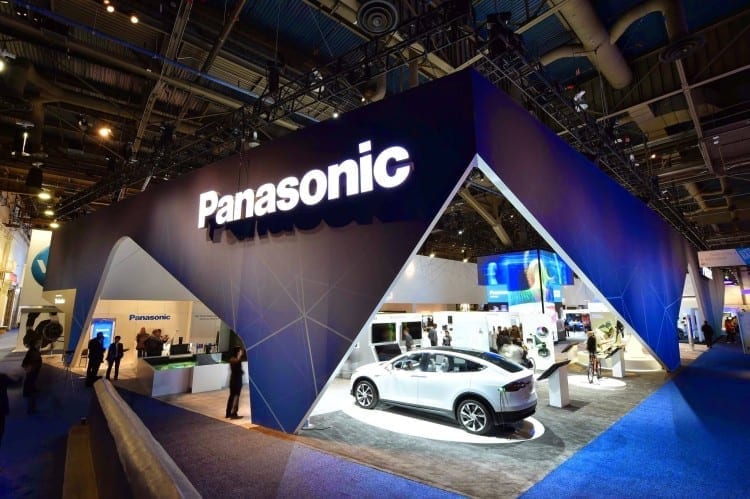
  • Panasonic Plans New Massive Battery Plant In U.S. To Supply Tesla – NHK

    Panasonic Plans New Massive Battery Plant In U.S. To Supply Tesla – NHK

    Japan’s Panasonic Corp is looking to purchase land in the United States for a mega-factory to make a new type of electric vehicle (EV) battery for Tesla Inc, public broadcaster NHK reported on Friday. Panasonic is looking at building the factory, to cost several billion dollars, in either Oklahoma or Kansas close to Texas, where Tesla is preparing a new EV plant, NHK reported. NHK gave no timeline for Panasonic’s U.S. project. NHK did not cite the source of its information. Panasonic said the reported plan was not something it announced.

    A long-time supplier for Tesla, Panasonic has said it plans to begin mass-producing the new type of lithium-ion battery for Tesla before the end of March 2024 with two new production lines at its western Japanese plant in Wakayama.

    The 4680 format (46 millimetres wide and 80 millimetres tall) battery is about five times bigger than those currently supplied to Tesla, meaning the U.S. car maker will be able to lower production costs and improve vehicle range.

    Panasonic’s relationship with Tesla stretches back more than a decade when Tesla signed an agreement that made the Japanese company its key battery supplier.

    Since then, Tesla has ramped up production and diversified its supply chain to other firms, including Chinese manufacturers of cheaper lithium iron phosphate (LFP) powerpacks such as Contemporary Amperex Technology Co (CATL).

    South Korea LG Energy Solution Ltd also plans to make 4680 batteries, sources told Reuters last year.

    Shares of Panasonic were down 3% in morning trade in Tokyo compared with a 2.5% decline for the broader Nikkei 225 index.

  • Tesla’s Long-Delayed German Gigafactory Gets Conditional Green Light

    Tesla’s Long-Delayed German Gigafactory Gets Conditional Green Light

    Tesla Inc received a conditional go-ahead for its German gigafactory near Berlin on Friday, the state of Brandenburg said, ending months of delay for the 5 billion euro ($5.5 billion) landmark plant. The gigafactory, which is crucial to Tesla Chief Executive Elon Musk’s ambitions to vanquish European market leader Volkswagen, was initially supposed to open last summer. Germany’s largest automaker has the upper hand in Europe, with a 25% share of electric vehicle (EV) sales to Tesla’s 13%.

    First Counsellor of the Oder-Spree district Sascha Gehm, Brandenburg Economy Minister Joerg Steinbach, Brandenburg State Premier Dietmar Woidke, Brandenburg Environment Minister Axel Vogel, and Gruenheide Mayor Arne Christiani attend a news conference following a court hearing on the Tesla car plant, in Potsdam, Germany

    Brandenburg state premier Dietmar Woidke told a news briefing that the development marked “a big step into the future”, adding that the Tesla plant would be a major industrial and technological driver for Germany and the region.

    Around 2,600 of the plant’s expected 12,000 workers have been hired so far, unions said last month, and Tesla is in talks with numerous parts suppliers in the region to source as much as possible locally, lowering waiting times and costs.

    Underlining the intense competition facing Tesla, Volkswagen said on Friday it would spend about 2 billion euros on a new factory near its Wolfsburg headquarters to make the Trinity, the first of a new generation of electric vehicles for the German carmaker, with construction due to start next year.

    Friday’s 536-page conditional building permit for Tesla does not mean the U.S.-based EV pioneer can start production right away. It must first prove that it fulfils numerous conditions, including in water use and air pollution control.

    Only then will Tesla get its long-awaited operating permit and actually start rolling out the 500,000 battery-powered vehicles it wants to produce each year at the new plant, located in the small community of Gruenheide.

    Another hurdle to secure the site’s water supply emerged late on Friday, when a Frankfurt Oder administrative court sided with environmental groups who had challenged a licence given to a local water utility to supply the Tesla site.

    But the court said the procedural errors made in the licencing decision could be remedied by the water utility, leaving open the door for the water supply arrangement to be salvaged.

    Kickstarting production in Germany would mean Tesla can deliver its Model Y cars to European customers faster and more cheaply, after meeting orders in Europe from its Shanghai factory in recent months as it awaited approval for the site.

    Tesla plans to show that it meets the imposed conditions within the next two weeks, Brandenburg’s environment minister Axel Vogel said, while objections can be filed over the next month.

    Tesla’s next challenge will be to scale up production as quickly as possible, which Musk said at a fair on-site in October would take longer than building the factory.

    Local environmental groups have long feared that the plant will negatively impact local habitat. Numerous public consultations, focusing primarily on that aspect, delayed the process, with Musk expressing irritation on multiple occasions over German bureaucracy.

    The factory, which Tesla has begun constructing under pre-approval permits, will also include a battery plant capable of generating more than 50 gigawatt hours (GWh) per year – outstripping European competitors.

    Batteries for cars produced on-site will initially come from China, Musk said, but he intends to reach volume production at the German battery plant by the end of next year.

  • Disney officially introduces its cheap, ad-supported plan

    Disney officially introduces its cheap, ad-supported plan

    It’s been less than a day since reports about a possible Disney+ ad-supported plan emerged, and the US streaming service made it official. Although it’s not yet available, at least we now know Disney+ will eventually introduce a cheaper, ad-supported subscription this year.

    In a statement published today, Disney+ announced plans to expand its offerings by launching a subscription supported by ads in addition to its option without ads, beginning in the United States in late 2022, with plans to expand globally in 2023.

    Unfortunately, Disney left out a crucial piece of information from the announcement: price. The company promised to provide more details, including launch date and pricing at a later date, so we’ll just have to wait until it figures it out.

    The reason behind the addition of such a cheap ad-supported plan is to gain more customers. Today’s announcement mentions that the plan is meant to allow Disney+ to “achieve its long-term target of 230-260 million subscribers by FY24.”