Tag: asia

  • Google tests new feature for Gboard that delivers sticker recommendations based on text

    Google tests new feature for Gboard that delivers sticker recommendations based on text

    More than two years ago Google introduced Android users to the Emoji Kitchen. This feature delivers sticker recommendations that are the combination of two different emojis. Think of it this way, the emotions from one emoji are combined with the characteristics from a second emoji.

    The combinations are created by Google and are played strictly for laughs. What is interesting is how your Android phone decides which delicacies to serve you. These Emoji fusion stickers are based on the text you have been tapping out along with any emoji you selected for your missive.

    Now, Google is testing another new Gboard feature that presents users with sticker suggestions based on what they are writing. This time, the color and style of suggested stickers are based on the words and emoji you are entering into your text. Some Reddit users spotted the feature back in November but it remains in beta.

    Examples show a text exchange between spouses with one writing to the other “See you soon ” with a heart emoji. Underneath that field, where suggested words are, well, suggested, you will see a sticker. Tap on it and in that same location, horizontal scrolling sticker options will appear. Some have the exact text that you typed while others might not show any text at all.

    These contextually-based stickers appear to be available only when using this feature and do not show up when looking at the full library of emoji and stickers on your phone. With, the feature still in beta, if you’re using the public stable version of the app, you will not be able to use this feature yet.

    If you want to join the Gboard beta and get access to this feature now, you can Google “Gboard beta” and you should see a page that will allow you to join the beta program. You can leave the beta at any time by repeating the directions above and tapping on the box at the lower right corner that says “Leave The Program.”

    If you enjoy testing out new features for apps before the rest of the Android users on your block get to use them, Google has options for you. For a more comprehensive way to join the beta versions of all Android apps, go to the Google Play Store and tap the profile icon in the upper right corner. Tap on Manage apps & devices and then Installed. Tap on an app to get to its detail page and under “Join the beta,” tap on “Join” and then “Join.”

    If you don’t see an option to “join the beta,” it means that the developer is not offering public beta testing for that particular app. To return to a public or stable version of the app, open the Play Store and tap the profile icon. Go to Manage apps & devices and then Beta.

    Tap on the app whose beta program you want to leave to see its detail page and you’ll see a notice that you are a beta tester. Under the “You’re a beta tester” notice, tap on “Leave.” But that isn’t the end. If you want to continue using an app’s public version on Android after leaving the beta, uninstall the app and reinstall it from the Google Play Store.

    The point of offering beta tests is for the developer to get feedback from users before a new feature is disseminated to all users of a particular app. So if you do have feedback to share with a developer, once again you open the Play Store and tap on the profile icon followed by Manage apps & devices and then Beta. Tap on the app you want to provide feedback on to see its detail page.

  • J&T Express Expands Global Network Coverage to Include Mexico

    J&T Express Expands Global Network Coverage to Include Mexico

    J&T Express, an international express logistics company, announced last week that it has officially entered the Latin American market and successfully launched its network in Mexico.

    This latest expansion brings J&T Express’ global network coverage to a total of eleven countries, enabling the logistics leader to support its customers to further tap into the e-commerce boom by reaching global markets beyond Asia.

    With 12 sorting centers and 26 distribution centers in Mexico, the network covers key regions in all 32 Mexican states. As an important aspect of its courier service, the Mexican version of the J&T Express mobile application will also be launched soon.

    “As part of a new generation of express logistics companies with increased focus on internationalization, J&T Express attaches significant importance to the Latin American market,” said Charles Hou, Group Vice President of J&T Express. “The launch in Mexico is an integral step in the expansion of our global network, which further demonstrates the benefits of the regional sponsorship model in our global expansion. In the future, we hope to continue building our competitive advantage through refined local operations, our unique management model and technological improvements, to provide customers with quality logistics experience.”

    Ryan Zhang, Head of J&T Express Mexico, said, “Mexico is a logistics hub in Latin America, and home to the headquarters of many Latin American companies. It serves as an important strategic channel for J&T Express to continue its expansion in the market. This network launch is another milestone in J&T Express’ international strategy, and we hope to create a pleasant courier and shipping experience for our Mexican customers through efficient and high-quality services.”

    Previously, J&T Express’ delivery network covered ten countries and regions including China, Indonesia, Malaysia, Thailand, the Philippines, Cambodia, Singapore, the UAE and Saudi Arabia. Following the successful launch of the network in Mexico, J&T Express’ first stop in Latin America, the company aims to further cultivate emerging markets and expand its global footprint in the future to connect the world with greater efficiency and bring the benefits of logistic services to all.

    Andrew Sim, CEO of J&T Express Singapore, said, “With e-commerce becoming more cross-border, the expansion of J&T Express’ global network coverage to include Mexico will bring greater opportunities for J&T Express customers in Singapore. Alongside strengthening our international delivery capabilities here, our expanding network will enable our customers to ride a growing wave of e-commerce internationally by opening new doors to reach wider markets beyond Asia.”

    This milestone is one of several strategic initiatives undertaken by J&T Express recently as it aggressively expands its global coverage to offer customers extensive e-commerce reach. In Singapore, as the one-stop e-commerce solutions expert, J&T Express has built its current suite of offerings including last-mile delivery, fulfilment, sales channel management, and international shipping which has been enhanced to cover over 220 countries and regions worldwide. The newly launched warehouse at Changi Airfreight Center will ensure greater efficiency and security of quality international delivery services offered to both local and regional customers.

  • Miniso opens New York 10 N’ Under flagship

    Miniso opens New York 10 N’ Under flagship

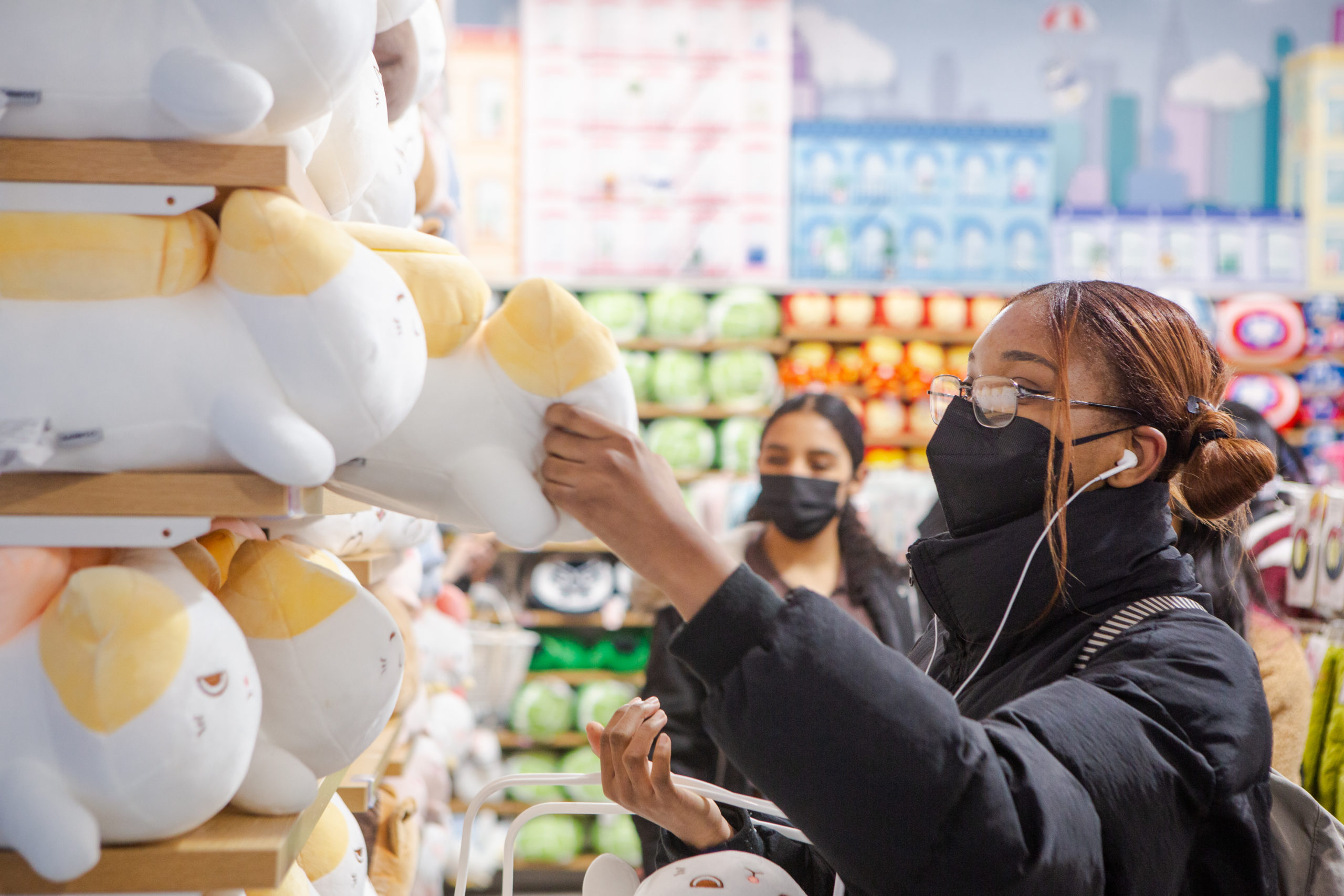
    Chinese discount retailer, Miniso, has set foot in Soho, New York’s most expensive borough, with a 10 N’ Under flagship store as part of its North America expansion.

    Spanning 7974 sqft, the flagship is located at 490 Broadway within a heritage-listed building, offering 3000 products, most of which cost less than US$10. The product range includes over 100 types of Miniso’s signature plush toys, along with licensed products from Disney and Marvel.

    Inspired by the NYC skyline, the store’s interior design is designed by GH+A Design Studio, which has also previously worked with Canada Goose, Aeropostale, and Mercedes-Benz.

    “New York City is critical to our expansion plans in North America,” said Andrew Xie, general manager of Miniso North America. “The flagship store gives us the opportunity to bring well-designed, functional, and fun products to New Yorkers—all under $10 n’—in historic, trendy SoHo neighborhoods.”

    “Our success with the Soho pop-up store last year proved that there is a market for us here,” he said.

    Currently, Miniso has over 100 stores in North America that operate under the 10 n’ Under concept and 5000 outlets worldwide. The retailer said it was eyeing higher growth this year.

    #Miniso #opens #York #10N #flagshi#Source #Miniso opens New York 10N under the flagship.

  • Blue Bottle makes Mainland China debut

    Blue Bottle makes Mainland China debut

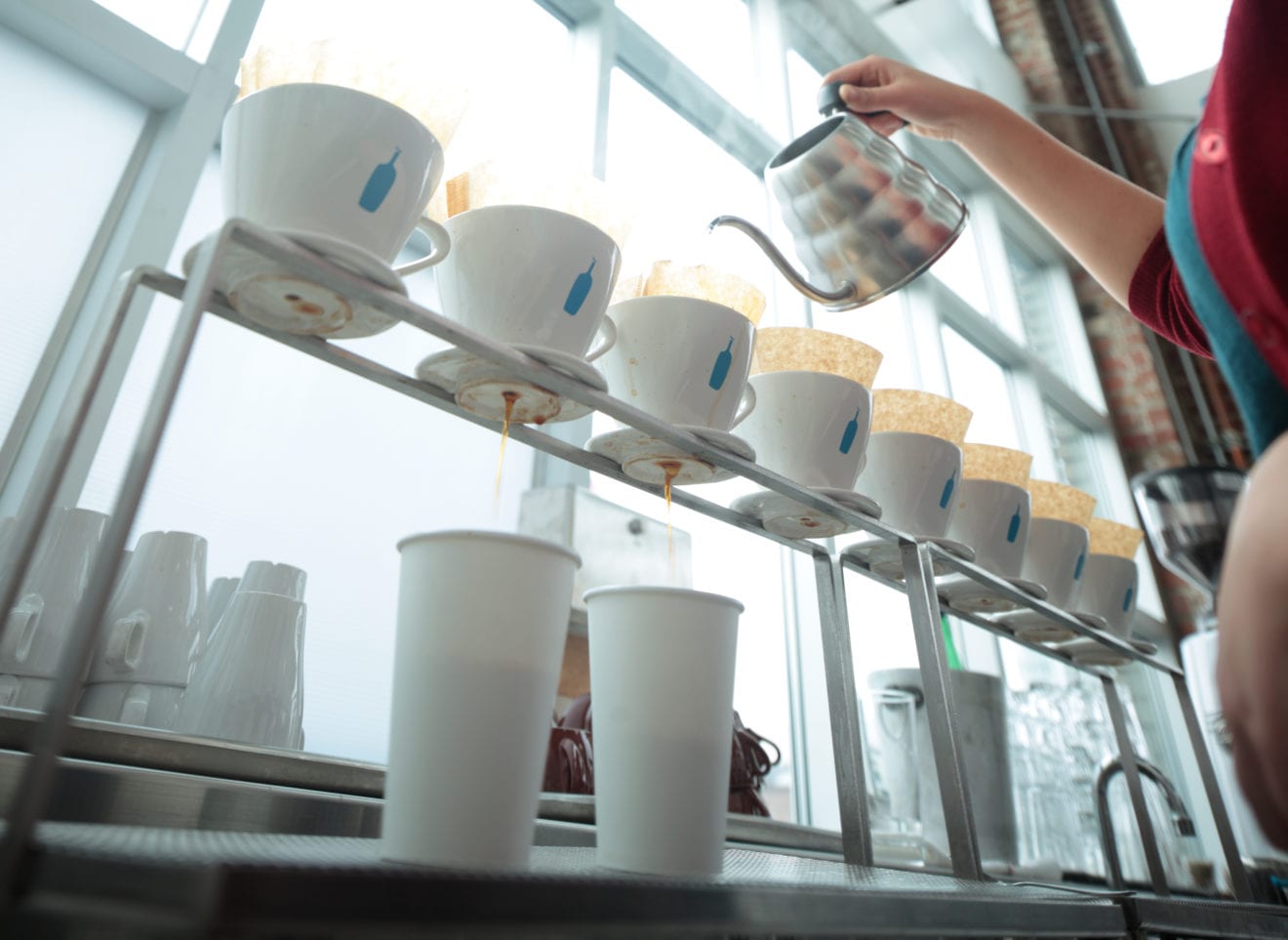
    Blue Bottle Coffee opened its first store in the Chinese mainland on Friday in Shanghai, a city boasting the highest number of coffee shops worldwide.

    Naming its Shanghai debut “Yutong Cafe”, the American coffee chain selected a historic venue by Suzhou Creek, a river that passes through the Shanghai city center, symbolizing its resonance with the local market.

    The two-storey, vintage-looking building houses a selection of classic drip coffee and its signature espresso-based drinks. It also provides snacks inspired by an iconic portfolio from its worldwide operations.

    Unique to the Shanghai store are offerings from merchandise co-created with a local illustrator to a pastry palette featuring local specialties.

    The California-headquartered coffee brand was founded in 2002. Apart from the US, it currently has over 100 branches in markets like Japan, South Korea and Hong Kong.

    A study by Shanghai Jiao Tong University said Shanghai has the most coffee shops of any city globally by January 2021, with more than 6,900 coffee shops in the metropolis.

    Shanghai has vowed to build itself into an international consumption city, promoting the concept of a ‘debut economy’, meaning that businesses from home and abroad are attracted to open their first stores and launch new products in Shanghai.

    Local authorities expect 1,000 such “first stores” in the city to open last year.

  • Russian liquor pulled from shelves in response to invasion

    Russian liquor pulled from shelves in response to invasion

    British Columbia is removing Russian spirits from liquor store shelves, and putting a halt to importing more, in solidarity with Ukraine as Russia continues to wage war on the country.

    “Our province stands with those who understand Europe’s peace following two world wars depends on respecting international law,” Deputy Premier Mike Farnworth said in a media release Friday afternoon.

    Premier John Horgan says efforts are underway to help the people of Ukraine after the Russian invasion began this week.

    “My intergovernmental officials are working with Ottawa to see what we can do with respect to sanctions and what we can do with respect to providing safe harbour for those that are fleeing with the violence that’s been beset upon them by a government that has clearly lost its way.”

    Farnworth said the province is donating $1 million to the Red Cross campaign in support of Ukrainian people.

    Several provinces pulled Russian products from liquor store shelves Friday as a sign of solidarity with Ukraine.

    Opposition Leader Kevin Falcon called for the removal of Russian liquor from B.C. store shelves Friday morning.

    “What is going on in Ukraine is so totally unacceptable to all our democratic values and the things we hold dear,” he said.

    “I just think the province of British Columbia needs to do everything we can do to lend our support against those that are supporting Putin.”

  • Renault To Produce New Alpine Model At Dieppe Site

    Renault To Produce New Alpine Model At Dieppe Site

    French carmaker Renault will produce the new electric model of its Alpine brand at its Dieppe site in northern France, Chairman Jean-Dominique Senard said on Friday.

    “There was uncertainty over the future of that plant a few years ago and now thanks to the work of Renault’s teams…we will be able to really secure the future of that plant,” Senard told France Inter radio.

    Renault, Nissan and Mitsubishi Motors on Thursday said they planned to deepen co-operation in electric vehicle (EV) production as their two-decade-old alliance positions itself to compete as auto markets switch to EVs.

    Senard also told France Inter radio that Renault hoped to hire a further 2,500 staff for its French factories.

  • Toyota Gears Up Its First EV With Safer, Longer-lasting Battery

    Toyota Gears Up Its First EV With Safer, Longer-lasting Battery

    Toyota Motor Corp, a late-comer to the battery electric vehicle (BEV) market, is weaving in all efforts to make sure its first mass-market model is safer and lasts longer than rivals’ products when it goes on sale later this year.

    BEVs have grown in popularity globally, but some consumers have been put off by EV battery-related fire risks and rapid degradation.

    General Motors and Hyundai Motor were forced last year to recall EVs, carrying batteries manufactured by LG Energy Solution, after reports of fires.

    “We focused on balancing three factors: cruising range, battery degradation, and charging speed,” Masaya Yamamoto, a project manager at Toyota, said at a test-drive event for the bZ4X sport utility vehicle (SUV) prototype last week.

    BEVs typically take hours to charge and using quick-charging methods often causes the battery’s cells to heat up, leading to degradation. That, in turn, reduces cruising range over time, hurting a vehicle’s resale value.

    Toyota said its batteries, developed with Panasonic Corp, contain a special coolant that does not conduct electricity easily. Battery packs are also structured to keep the cells and coolant separated in case of a leak.

    This and other innovations mean the new BEV series’ batteries would retain more than 90% of their capacity after a decade, Toyota said.

    For consumers in Japan, where EVs have been slow to take off, Toyota is considering offering the EVs only through “subscription” – a bid to address worries over battery life and resale value. The subscription fee would cover the cost of maintenance and battery replacement among other features.

    Toyota has said it would start selling the SUV model in Japan and other major markets in mid-2022.

    Toyota has set a goal of selling 3.5 million BEVs annually by 2030 through an 8 trillion yen ($70 billion) investment to electrify its vehicles.

  • TikTok expands its maximum video size to 10 minutes in possible challenge to YouTube

    TikTok expands its maximum video size to 10 minutes in possible challenge to YouTube

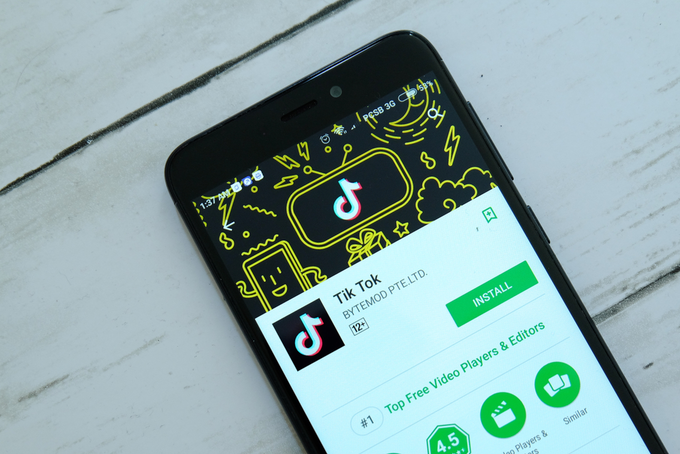
    The length of videos created on the platform can now run as long as 10 minutes which more than triples the previous maximum length for videos recorded on the app. Last July TikTok raised the limit on video length to three minutes from 60 seconds. So in less than one year, TikTok subscribers went from recording videos no longer than 1-minute to recording videos that run as long as 10 times that length.

    We aren’t sure that we can continue to call TikTok a short-form video app with the new expanded 10-minute maximum video length. But with the longer recording capabilities available to TikTok creators, users now have a reason to spend more time in the app, watching videos. The Wall Street Journal says that according to people familiar with the matter, ByteDance told some unnamed people back in January that TikTok took in $4 billion in ad revenue for 2021.

    TikTok has over 1 billion monthly active users who receive short-form videos that are sent to their TikTok feed thanks to an algorithm that matches subscribers’ interests with the subject of the videos sent to their feeds. Social Media consultant Matt Navarra made an interesting point when he sent a tweet that said, “TikTok creeping in on YouTube territory. I can now upload videos up to 10 minutes long.”

    Navarra’s tweet included directions from TikTok about the update and it told users to make sure that they have downloaded the latest version of the TikTok app before setting out to record content as long as ten minutes. In a statement, TikTok said, “We’re always thinking about new ways to bring value to our community and enrich the TikTok experience.”

    “Last year, we introduced longer videos, giving our community more time to create and be entertained on TikTok,” the statement continued. “Today, we’re excited to start rolling out the ability to upload videos that are up to 10 minutes, which we hope would unleash even more creative possibilities for our creators around the world.”

    Last August, we told you that TikTok was working to increase the cap on video length to 5 minutes or longer which would have been a 67% hike from the 3 minutes that TikTok was allowing at the time. While the tipsters were right about what ByteDance was working on, they were wrong about how much longer users would get to record their content.

    Content created on TikTok includes dancing, lip-syncing, singing, comedy, and more. But where the extra time really comes in handy is with video tutorials that viewers might be able to watch in full without having to watch it in different parts. For example, a TikTok video showing users how to explain baseball’s complex “Infield Fly Rule” might take just one long 10-minute video to explain instead of forcing users to view three or four shorter clips instead.

    While Social Media consultant Navarra mused about TikTok quietly making a move on YouTube, the former has a long way to go to come close to YouTube’s advertising revenue. Google’s streaming video app took in $28.8 billion in revenue last year, more than seven times the amount that TikTok did.

    Still, YouTube felt threatened enough by TikTok that it created a short-form video service of its own called YouTube Shorts. Other social media apps went after TikTok including Instagram which launched its short-form Reels feature in 2020. Facebook and Snapchat also developed their own short-form video platforms in an attempt to attract TikTok users and convert them to their own video apps.

    The new 10 minute video recording cap will start rolling out to TikTok users worldwide during the upcoming weeks. Users will receive a notification when the update containing the new cap is available to be downloaded.

    You can download the TikTok app for Android and iOS from the Google Play Store and the App Store respectively. TikTok remains one of the most downloaded apps in the world.

  • Car imports fall in January

    Car imports fall in January

    Vietnam’s auto imports fell by 70 percent last month to 4,524 units, but the industry dismissed it as a normal January phenomenon after a surge in imports in December.

    The passenger car segment saw a 53 percent decline to 4,008.

    Though down by more than half from December, Thailand remained the largest seller, shipping 2,488 units.

    Indonesia followed with 472 vehicles.

    Truck imports plunged by 93.5 percent to 260, almost all of it from China and Thailand.

    Auto companies said companies usually import large numbers of vehicles in December to prepare for the New Year and Tet shopping season, and so numbers fall in January before recovering again in February and March.

    Imports of car parts and equipment fell by 7.8 percent to $395 million.

    South Korea, China and Thailand were the biggest exporters.

  • Sanctions Hit First Banks

    Sanctions Hit First Banks

    The first Eurozone Banks get hit by sanctions while Switzerland is waiting to see if the Federal Government follows in the EU’s steps.

    To some degree or another, Swiss banks will not be able to escape sanctions against Russia, whether they affect corporate loans, commodity trade financing or business with wealthy clients from Russia.

    Switzerland’s second-largest bank, Credit Suisse, has stopped financing of commodity trades out of Russia, for example.

    Swiss financial watchdog Finma told finews.com it is in talks with banks about the risks posed by sanctions on their Russian business. It is unclear to what extent subsidiary institutions operating in Switzerland such as Sberbank (Switzerland), Gazprombank (Switzerland) and VTB Capital, primarily in financing commodity deals, will be affected.

    Sberbank, Gazprombank and the Association of Foreign Banks in Switzerland declined comment to finews.com on the current situation.

    In the Eurozone, Russia’s Sberbank subsidiaries are teetering on bankruptcy due to sanctions imposed by the EU, the U.S. and U.K.. According to the ECB’s banking regulator, they are no longer able to service their debts or other liabilities, and the parent company is also prohibited from injecting funds.

    According to the report, Vienna-based Sberbank Europe and its two euro-area subsidiaries, Sberbank in Croatia and Sberbank Banka in Slovenia, are affected.

    Sberbank Europe and its subsidiaries experienced significant deposit outflows as a result of the impact of geopolitical tensions on their reputations,» the banking regulator said in a statement. «As a result, their liquidity position has deteriorated. Moreover, no measures are available where there is a realistic prospect that this position will be restored at the group level and at the level of individual subsidiaries in the banking union.

    The Austrian Financial Market Authority (FMA) also reacted, temporarily suspending nearly all business operations of Sberbank’s European subsidiary. The Vienna-based bank is «not allowed to carry out any withdrawals, transfers or other transactions.» Depositors, however, are allowed to withdraw 100 euros per day to cover daily needs.

    We are making every effort and fully support the authorities to use their powers to address this unprecedented situation in the best interest of customers, Sberbank Europe CEO Sonja Sarkoezi wrote in a statement.

    Several banks in the group have seen a significant outflow of customer deposits within a very short period of time, she said, resulting in daily cash withdrawals being restricted in some cases.

  • Fuel, food push consumer prices up in February

    Fuel, food push consumer prices up in February

    The consumer price index (CPI) was up 1.42 percent year-on-year in February as Tet in early last month pushed up the prices of food, dining, and transportation.

    Gasoline prices surged 5.8 percent from January and transport prices increased by 2.35 percent as travel demand skyrocketed during Tet (the Lunar New Year), according to the General Statistics Office.

    Food and dining, beverages and cigarettes, and culture-entertainment-tourism prices rose 1.54 percent, 0.73 percent, and 0.51 percent, respectively

    Housing and construction material prices also increased due to an increase in prices of inputs such as kerosene, gas, and electricity.

    CPI in the first two months have risen by 1.68 percent year-on-year, said the GSO.

    Inflation in full-year 2021 was 1.84 percent, the lowest rate since 2016, the office said.

  • Russia’s large holdings of foreign exchange could pose a problem for financial markets.

    Russia’s large holdings of foreign exchange could pose a problem for financial markets.

    Russia holds vast foreign exchange reserves, a large chunk of which are held offshore, having the potential to upend money markets.

    The country had international reserves totaling $630 billion at the end of January, consisting of $467 billion in foreign exchange and $132 billion in gold. The rest consists of special drawing rights (SDRs) and IMF reserves, Bank of Russia data showed.

    With the country’s invasion of Ukraine Thursday, a critical question is how much of these reserves are outside of Russia.

    Credit Suisse strategist Zoltan Pozar, crunched the numbers to determine just that. The resulting figure using Bank of Russia data with that from financial markets was that $300 billion is being held offshore, according to the report.

    Pozar estimates around  $200 billion is held in swap agreements with an additional $100 billion in overseas bank deposits, a sum more than enough to cause a shift in funding markets.

    If things escalate, it’s hard not to see a direct impact on FX swaps and U.S. dollar Libor fixings given Russia’s vast financial surpluses and where those surpluses are deployed, he said.

    On Thursday, the Bank of Russia announced emergency measures to maintain financial market stability, including intervening in the foreign exchange markets.

    Markets are likely hoping the mountain of cash doesn’t turn out to be an erupting volcano.

  • How Online Betting is Better than Retail Betting Shops

    How Online Betting is Better than Retail Betting Shops

    Betting has been with us since the 1800s; bookies would set odds on horse races. Fast forward over a hundred years, and betting on horses, football, tennis, and more is still going strong. The best part is it’s never been easier to place bets worldwide, thanks to the Internet enabling resources such as breaking betting news in Asia to be widely accessible. Here are some reasons why betting online outpaces retail betting shops.

    Convenience and Accessibility

    The most significant advantage of online betting is its convenience and accessibility. People can place bets whenever they want from home or by downloading an app on their mobile phones.

    This is especially good for those who do not live near a shop or do not like queuing up at shops during busy periods such as weekends or when there are big televised matches.

    In addition, you can also use a single account to place bets at multiple sportsbooks and casinos. For example, Fortune Legends offers not only thousands of games but also sports and virtual sports betting, making it one of the best places for gamers and punters alike.

    Sports news, live streams, and bets all in one place

    The Internet has made it possible for bettors to find sports betting information quickly. There are numerous websites that offer free sports news and updates on the latest games.

    When you bet online, you get access to everything connected with the game. This means that you can read the latest news, like breaking betting news in Asia, check out the odds, and place your bets all in one place. And then watch the game while waiting for the results!

    The best thing about this is that you don’t have to go to a local bar or restaurant to watch the game; you can simply search for it online and connect right away!

    Unlike retail shops that offer none of these things. You have to go elsewhere for streaming or news, making it challenging to keep up-to-date with what’s going on.

    A broader selection of betting options is available

    When you have an online betting account, you can choose from a wider variety of betting options. You can bet on sports, horseracing, football, golf and the list goes on and on.

    Retail betting shops offer a limited selection of games. In fact, most of them only provide the most popular sports and not much else. Also, they tend to close at night, so if you want to make a late bet on something, then you may be stuck waiting until the following day.

    With online betting sites being open 24/7, you can place your bets whenever you want. This means that if you’re going to bet on something at midnight, then this is fine as long as there are markets available for that particular sport or game.

    Why you should be opting for online betting today

    Online bettors are spoiled for choice these days as they enter a whole new world of betting possibilities. The Internet has made the betting industry grow at an unprecedented rate and has allowed online casino players to enjoy themselves in a safe environment where the odds are in their favor.

    Online casinos have a great competitive advantage over retail betting stores. They can offer their customers incentives, bonuses, and promotions, tailored to suit a broader range of demographics and needs. The future for Internet betting is definitely bright, but it all comes down to preference at the end of the day. But if it were up to us, we highly recommend opting for online betting.


  • Ooredoo Group Returns to Mobile World Congress 2022 as Telecoms Industry Continues Progress in Post-Pandemic New Normal

    Ooredoo Group Returns to Mobile World Congress 2022 as Telecoms Industry Continues Progress in Post-Pandemic New Normal

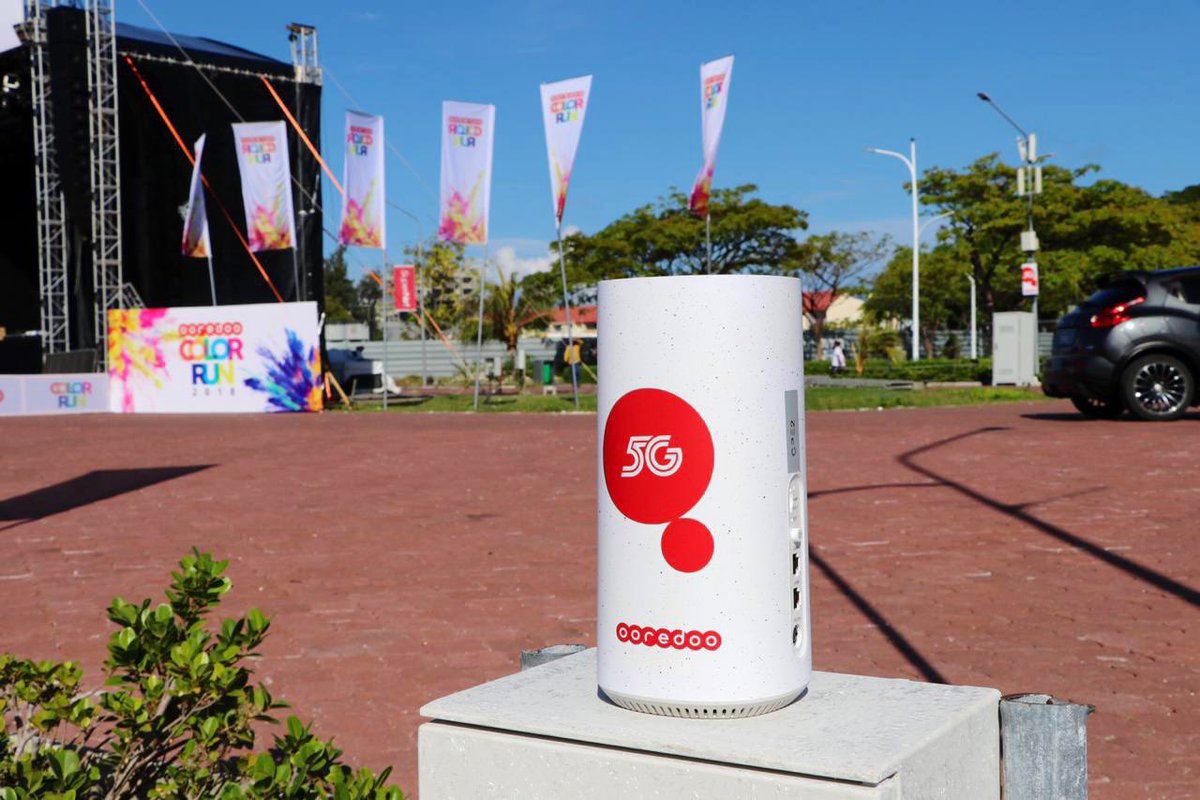
    Ooredoo, one of the world’s leading providers of ICT and a 5G pioneer, is to return to Mobile World Congress 2022 as the event resumes at the end of February.

    The key themes for this year’s event are 5G Connect, Advancing AI, Cloud Net, FinTech, Internet of Everything and Tech Horizon. In line with these themes, Ooredoo will update the industry on the many exciting developments it has been working on since the last edition of MWC, and will share exciting news of its latest partnerships, products and solutions.

    One such partnership is with FIFA, with Ooredoo Qatar being selected by the sports giant and the Supreme Committee for Delivery and Legacy to provide a global network connecting Doha with various points of presence in Europe and Asia. The telco leader will explain how it is to build a dedicated multi-100Gig network that will offer broadcasters the quality and resiliency required for broadcast-grade video production, with media rights licensees being offered optimised resilient media solutions.

    Ooredoo Qatar will also share details of a groundbreaking solution, developed in partnership with technology giants Ericsson and Nokia, that will revolutionise connectivity for customers in the oil and gas industry. Having identified that such customers needed to replace older technology with a solution that facilitated connectivity in remote, challenging locations such as those offshore, Ooredoo and its partners developed a dedicated LTE network that would provide high-availability voice and data services to support oil and gas applications and operations in such remote locations beyond the normal fixed and mobile network footprint.

    In addition, the company will update the telecoms industry on its exciting venture into eSports, sharing details on its own eSports brand, Ooredoo Nation – Gamers’ Land. Recent developments include the launch of gaming Add-ons for postpaid plans; the launch of Channel 0, a dedicated gaming channel on Ooredoo tv; the latest Ooredoo Arena tournaments; and the signing of a partnership with Dell Technologies to provide sponsorship that will contribute to the eSports scene in Qatar and the region.

    Aziz Aluthman Fakhroo, Managing Director and CEO, Ooredoo Group, said: “We are delighted to once again be participating in Mobile World Congress, the most important international event in our industry. As a pioneer in 5G, with a strategic commitment to investment in innovation and technology, we have several exciting developments to announce at the event, in line with the key themes. We look forward to sharing our experience and expertise, and to discovering news from our peers and the industry.”

  • Thailand restaurateur Zen to resume expansion plan

    Thailand restaurateur Zen to resume expansion plan

    After seeing a rapid recovery in the food industry at the end of last year, Zen Corporation Plc, the operator of restaurant chains Zen, On the Table and Aka, has decided to resume expansion of its business this year.

    Boonyong Tansakul, chief executive of Zen, said the company believes the worst is behind it.

    “Chains endured a rough patch during the pandemic, but the industry has recovered faster than other sectors such as tourism,” said Mr Boonyong.

    “With better sentiment, we are ready to reinvest this year.”

    He said the company wants to resume opening new branches of the Aka Japanese restaurant this year after delaying expansion for two years during the pandemic.

    The new branches of Aka are mostly going to be located in hypermarkets over the next three years to reduce risk, instead of opting for Central malls as in the past, said Mr Boonyong.

    The company plans to open an Aka restaurant at a Big C hypermarket for the first time in Nakhon Pathom in April this year.

    Roughly 10-15 new Aka restaurants are planned for hypermarkets and Robinson Lifestyle Malls this year, with more scheduled for the next few years, boosting the total number of Aka eateries to 100 branches by 2025, up from 28 now.

    On the Table, a Tokyo café brand, was less affected by the pandemic, he said. The company plans to rebrand it this year to make it more modern, becoming a destination restaurant for younger customers.

    Restaurants are going to be redesigned to fit various customer lifestyles, said Mr Boonyong. Two branches in Lat Phrao and Bang Na have already been reworked, with a Rama IX Road branch next on the list.

    He said the company wants to open three new On the Table restaurants this year. One branch was opened at Silom Complex earlier this year, with new branches planned for The Mall Thapra and Samyan Mitrtown in the third and fourth quarters of this year, said Mr Boonyong.

    He said to overcome the pandemic, the company adjusted its business model to a hybrid restaurant, providing both a la carte and premium Japanese buffet under the same roof.

    There are a total of 44 Zen restaurants in Thailand, 29 branches of which have changed to the hybrid concept, with the remaining 15 still a la carte.

    After reworking its restaurant concept, the company wants to open more Zen hybrid restaurants at retail outlets of Central, The Mall and Robinson. It plans to open a Zen flagship restaurant at Queen Sirikit National Convention Center and a Zen Grab & Go at Muang Thong Thani in the third quarter of this year, said Mr Boonyong.

    A new Zen restaurant model will be launched this year to reach customers in office buildings, he said.

    “As consumer behaviour and spending power changes because of the pandemic, the landscape for restaurant chains has to drastically adapt in terms restaurant model, design and new facilities for pet lovers. These venues have to be reimagined to become lifestyle venues to encourage longer visits,” said Mr Boonyong.

    “More robots may be needed to serve customers who need an experience beyond just food.”