Tag: asia

  • Julius Baer Profits Rise on Asset Growth and Improved Costs

    Julius Baer Profits Rise on Asset Growth and Improved Costs

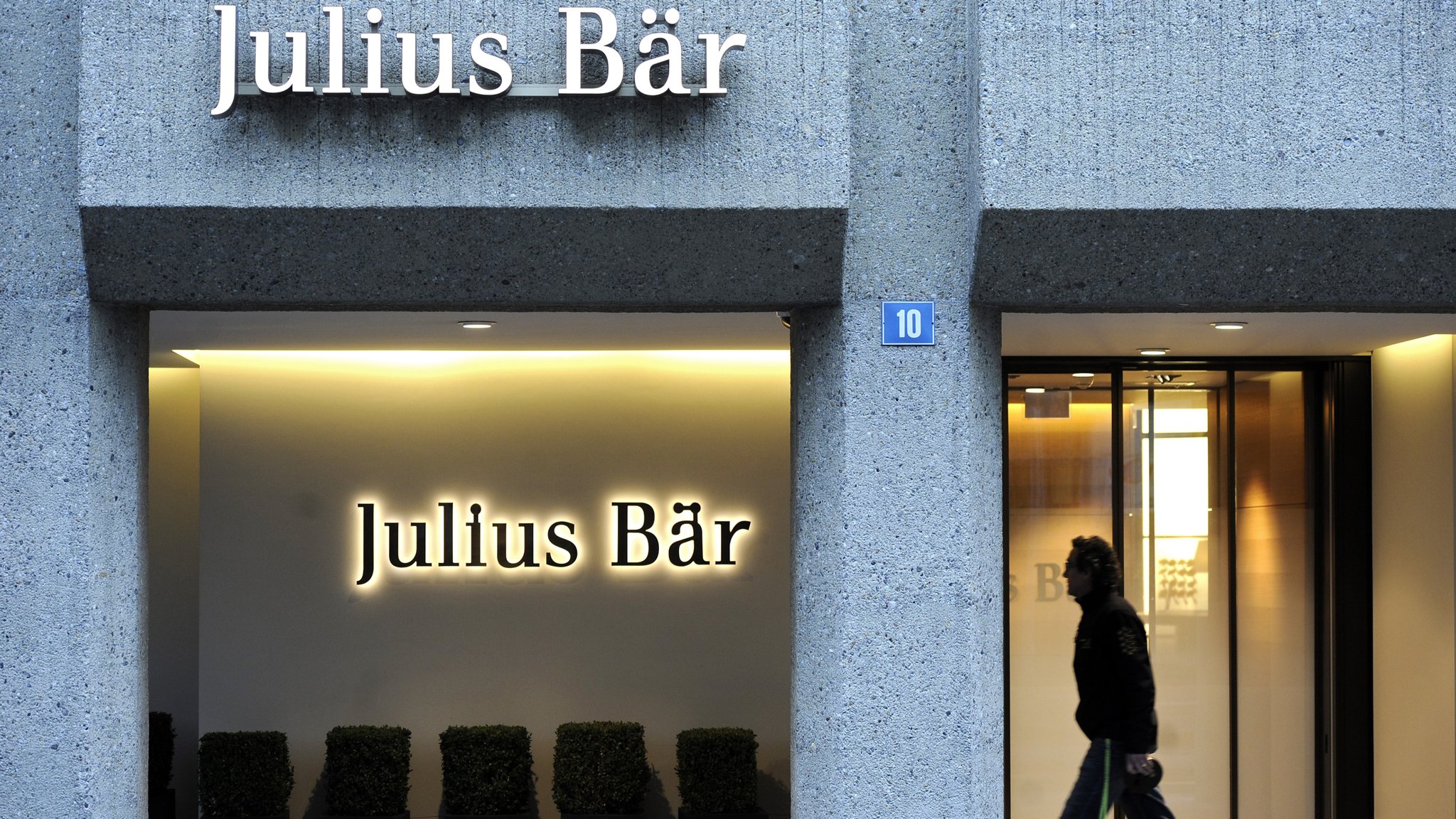
    Profitability in the first ten months of 2021 at Julius Baer «rose significantly», according to the Swiss bank, on the back of client asset growth and improved cost efficiency.

    Julius Baer’s profitability rose significantly in the first ten months of 2021 on the back of strong growth in client assets and substantial improvements in cost efficiency, complemented by a near absence of credit losses, according to a statement from the Swiss lender.

    Assets under management climbed 12 percent year-on-year to 484 billion Swiss francs with net new money inflows growing 4.4 percent.  Gross margin during the first ten months of the year was around 82 basis points, down from 88 basis points from the full year of 2020.

    According to the bank, this is due to «softening in client activity from the exceptionally high levels witnessed last year». It also noted that initial results this month indicate a potential recovery for the final months of the year.

    Meanwhile, Julius Baer’s 200 million Swiss francs gross cost reduction program announced in 2020 is underway with cost-income ratio inching lower to 63 percent during the period, compared to 66 percent for the full year of 2020.

  • Deutsche Bank Backs Nomination of Ex-Aegon Chief as Chairman

    Deutsche Bank Backs Nomination of Ex-Aegon Chief as Chairman

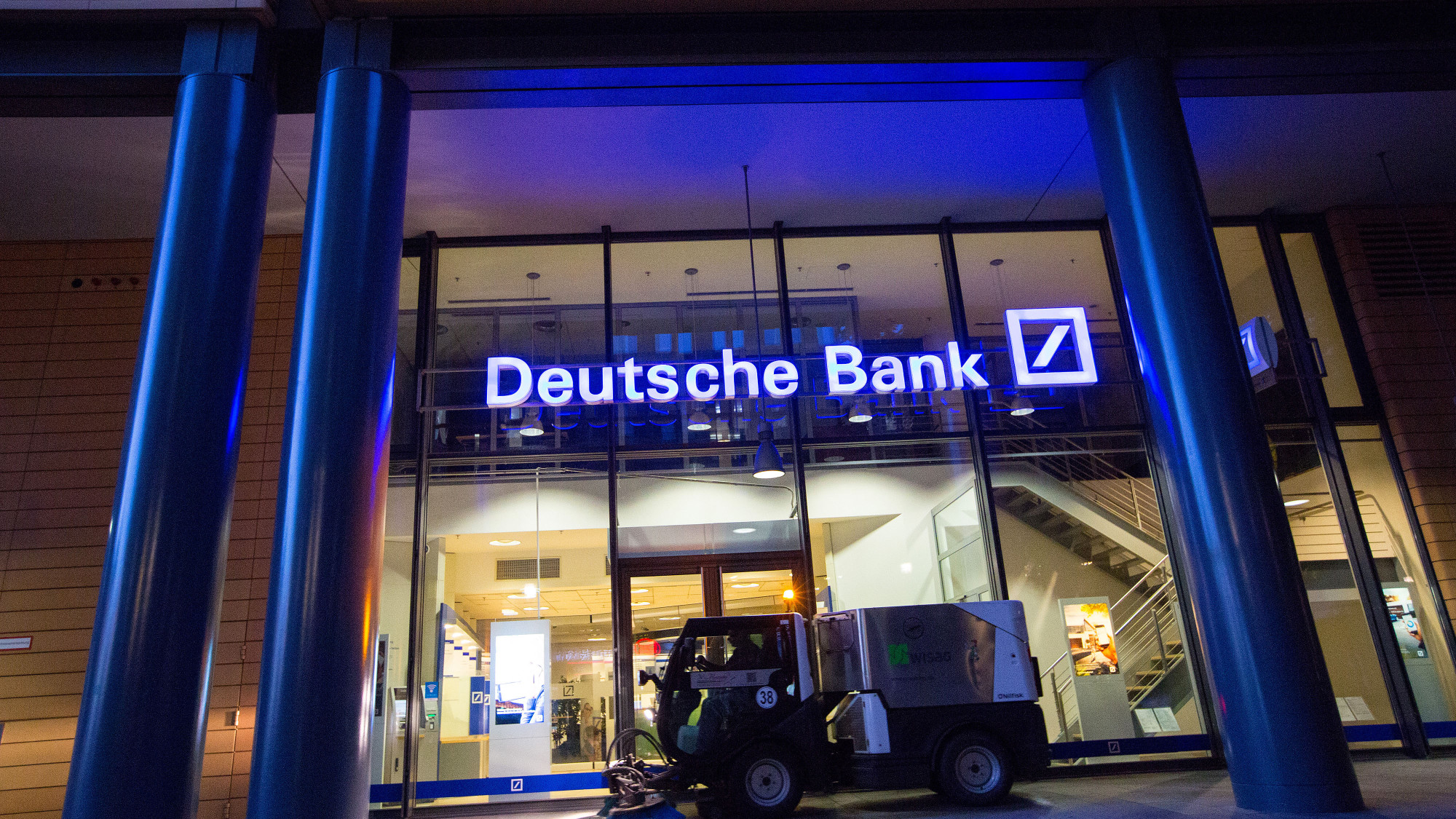
    Deutsche Bank’s supervisory board committee supported the nomination of a new chairman, formerly from Dutch insurance firm Aegon.

    The supervisory board committee fully backed the nomination of Alexander Wynaendts as the German lender’s new chairman and he now awaits the appointment to be confirmed by shareholder votes in May, according to a report citing an internal memo.

    If successful, Wynaendts will succeed current chairman Paul Achleitner, another former insurance executive from Allianz.

    Wynaendts has experience in the fields that always made Deutsche Bank stand out: strong expertise in retail, corporate, and capital markets business as well as in asset management – and a global network, said Deutsche Bank chief executive Christian Sewing in the memo.

    Wynaendts has over 30 years of experience in the financial sector, serving as CEO and chairman of Aegon from 2008 to 2020 after first joining the Hague-headquartered insurer in 1997.

    At Aegon, Wynaendts led the insurer through a 3 billion euro ($3.39 billion) state bailout and restructuring in the midst of the 2008 financial crisis.

    He began his financial services career with ABN AMRO in 1984, working in the Dutch lenders’ private banking and investment banking operations in Amsterdam and London.

  • Harley-Davidson Sportster S To Be Launched At India Bike Week

    Harley-Davidson Sportster S To Be Launched At India Bike Week

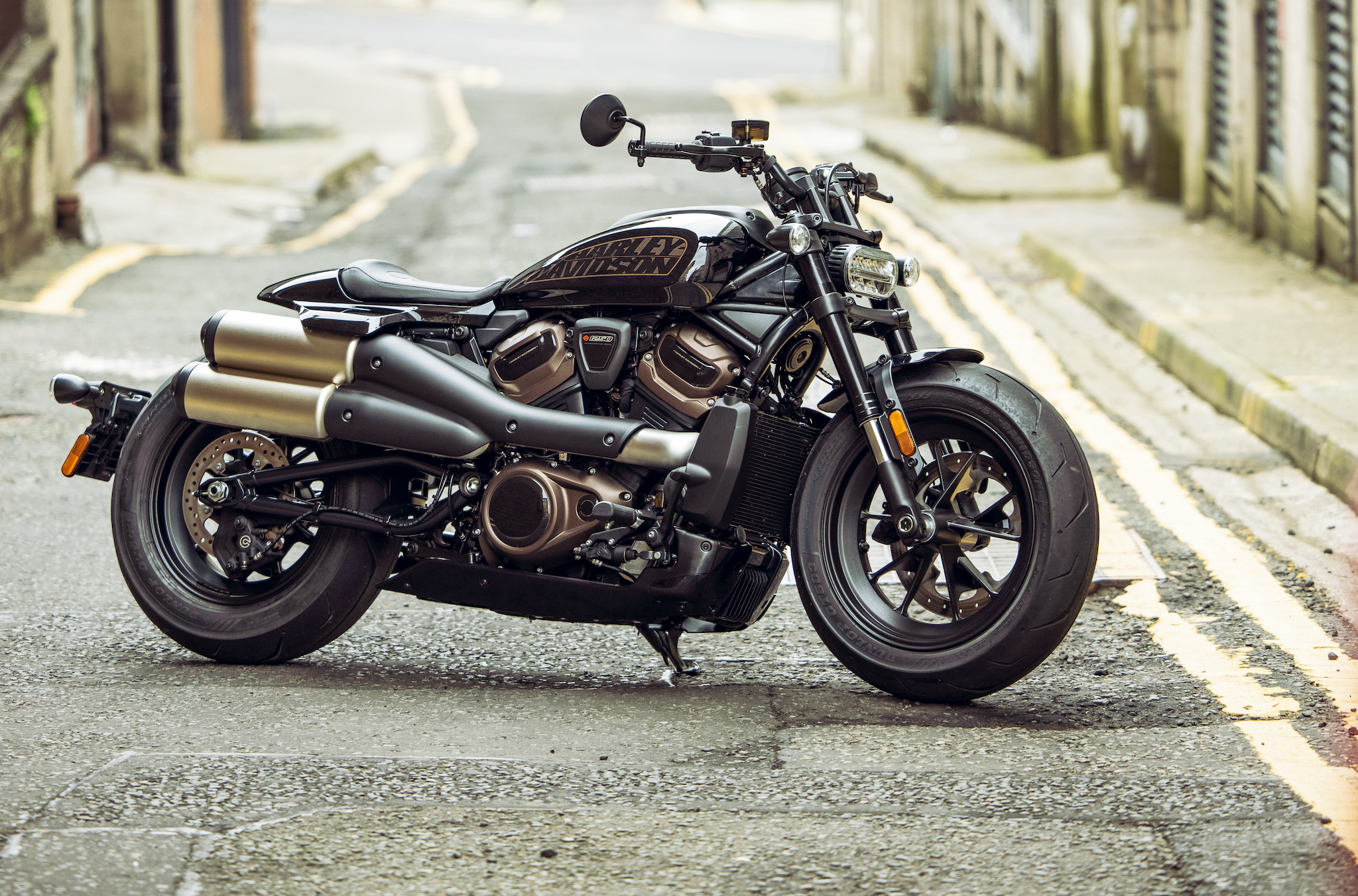
    Harley-Davidson India will launch its second new model based on the new Revolution Max 1250 platform, after the Pan America 1250. The new Sportster S, will make its India debut at the upcoming India Bike Week 2021 at Aamby Valley, Lonavla on December 4-5, 2021. On the Sportster S, the 1,252 cc, v-twin is tuned for more torque lower in the rev range and makes less horsepower. The new Harley-Davidson Sportster S will be the second Harley-Davidson model to be launched in India, after the American motorcycle brand revamped its India business, now in association with Hero MotoCorp.

    The 1,252 cc v-twin puts out 121 bhp, (instead of the 150 odd bhp on the Pan America 1250), but peak torque has been moved down the rev range, with 127 Nm hitting at 6,000 rpm. The redline is quite high too, at 9,500 rpm, and with variable valve timing on both the intake and exhaust ports, the Revolution Max 1250 promises sporty performance across the rev range. The suspension comes from Showa, featuring 43 mm inverted forks and a piggyback reservoir rear shock with remote preload adjustment. But suspension travel is limited, with just 91 mm on the front, and a measly 50 mm travel on the rear monoshock.

    The bike was originally unveiled as the Harley-Davidson 1250 Custom, and looks stocky and muscular, with fat tires that complete the buffed-up look. The short front mudguard is reminiscent of a classic bobber, while the tail section, with the high-mounted exhaust, as well as solo seat are a nod to Harley-Davidson’s XR750 flat tracker. A round, 4-inch TFT screen displays all instrumentation and supports Bluetooth-enabled infotainment. All-LED lighting includes a Daymaker Signature LED headlamp, a similar front headlight from the Harley-Davidson Fat Bob. Once it’s launched in India, we expect the new Sportster S to be priced at around ₹ 14-15 lakh (Ex-showroom).

  • Apple reportedly accelerates ‘Project Titan’ as fully self-driving car could arrive by 2025

    Apple reportedly accelerates ‘Project Titan’ as fully self-driving car could arrive by 2025

    It might not fit in your pocket, but you might consider the Apple Car to be a mobile product. And today Apple has decided to produce a car that will be able to drive without any help from humans. Apple reportedly had been deciding between producing a car with limited self-driving capabilities similar to models currently available, and an auto that requires no human intervention.

    Sources familiar with the situation told Bloomberg that under team leader and VP of technology Kevin Lynch, Apple is working to take humans out of the equation right off the bat with its first vehicle. And we might see the Apple Car released as soon as 2025. But today’s report says that this date can change and Apple also could decide to offer limited autonomy (steering and acceleration) with its first model if need be.

    Many inside the team are not optimistic that the product will be available to consumers as soon as 2025. The timeline is aggressive and Apple still needs to find partners to help it build the vehicle. Still, investors liked the sound of what they were hearing and Apple’s shares hit an all-time high today of $158.40, up over 3% on the day.

    Apple has called its work on a self-driving car “Project Titan” as it competes with Tesla and others who are racing to complete what is obviously a complex task. Still, the company has shaved some years off of its timeline from the five-to-seven years that Apple engineers had been planning to the four years mentioned in today’s report. Apple’s car would be expected to go without a steering wheel and a large iPad-like touchscreen would be placed in the middle of the vehicle for the passengers to use.

    In case of an emergency, Apple has considered the inclusion of an emergency takeover mode. The company also has finished much of the work required to develop the chip needed to, uh, drive the car. The same team inside Apple that designed the chips used on the iPhone, iPad, and Mac did the work for the car’s processors instead of the Project Titan team. This component is the most advanced ever designed by Apple and consists mostly of neural processes needed for the vehicle to self-drive.

    Apple is also looking to include stronger safeguards for its self-driving cars than those available from Tesla and Waymo. This includes layers of backup systems just in case something in the car fails while it is going 65 miles per hour on the highway with your family inside. The tech giant is looking to hire engineers to develop test and safety features related to Project Titan.

    A recent job posting for engineers says, “The Special Projects Group is seeking an accomplished mechanical engineer to lead the development of mechanical systems with safety-critical functions. You will use your passion for figuring things out to help design safety systems and to lead the testing and countermeasure of those systems.” Apple also recently hired Tesla’s former self-driving software director CJ Moore.

    Another Apple job listing for software engineers mentions that those hired will work on “experiences for human interaction with autonomous technology.” The listing also hints that the software being developed will be based on similar technology used on the iPhone’s iOS operating software.

    Apple also has talked about using the combined charging system (CCS) to power up the vehicle allowing it to be used with a “global network of chargers.” This would be a big change from the firm’s current use of its proprietary Lightning charging platform used for the iPhone and iPad.

    With Apple looking to sell the cars for individual ownership, it will have to develop a global network of dealers, repair centers, and more. Apple might also be counting on more availability of faster 5G signals in order to make sure that there is no lagging with the mapping and navigation systems that will be used for the vehicle.

  • Alibaba expects slowest annual growth in eight years

    Alibaba expects slowest annual growth in eight years

    China’s Alibaba forecast annual revenue to grow at its slowest pace since its 2014 stock market debut as second-quarter results missed expectations due to slowing consumption, increasing competition, and a regulatory crackdown.

    U.S.-listed shares of Alibaba Group Holding Ltd, which expects the fiscal year 2022 revenue to grow by 20% to 23%, tumbled 10.3% in pre-market trading on Thursday.

    Beijing has come down hard on China’s big tech, citing antimonopoly and security reasons, hitting bottom lines and stock prices at companies including Alibaba and gaming giant Tencent Holdings Ltd. Tencent last week posted its slowest revenue growth since it went public in 2004.

    This, along with supply disruptions, has contributed to China’s economy suffering its slowest growth in a year in the third quarter.

    On an earnings call on Thursday, Alibaba CEO Daniel Zhang said increasing competition and slowing consumption in China were the primary causes for slowing growth, adding that it was hard to say which one hurt earnings more.

    For the quarter ended Sept. 30, the e-commerce juggernaut’s revenue growth rose 29% to 200.69 billion yuan ($31.44 billion), its slowest rate of growth in six quarters. Analysts on average had an expected revenue of 204.93 billion yuan, according to Refinitiv data.

    Revenue at Alibaba’s China commerce retail business, its main e-commerce unit, rose 33%. On an adjusted basis, Alibaba earned 11.20 yuan per share, below the average estimate of 12.36 yuan.

    Separately, Alibaba’s chief rival JD.com Inc, said it expects weak demand will weigh on the company’s overall performance in the year’s second half.

    Alibaba, which last week recorded its slowest sales growth during its annual Singles’ Day online shopping fest, said it will continue to invest heavily in areas such as Taobao Deals, an e-commerce service targeting lower-tier cities, and offline retail initiatives.

    Alibaba’s fintech affiliate Ant Group recorded a quarterly profit of about 19.7 billion yuan for the quarter ended June. Alibaba records its profit from Ant one quarter in arrears.

    Authorities forced the suspension of Ant’s $37 billion initial public offering last November and imposed a record $2.8 billion fine on Alibaba for anti-competitive business practices in April.

    Alibaba logged its first operating loss as a public company the same quarter it faced the penalty and has lost about a third of its market value so far this year.

  • Tidal launches free music tier

    Tidal launches free music tier

    Tidal announced a few major changes to its music streaming plans in an attempt to attract more customers. The most important part of today’s announcement is the launch of Tidal Free, a new plan that is exclusive to the United States.

    According to Tidal, customers who opt for the free music tier will be able to access its entire music catalog and playlists, “with limited interruptions.” It’s also important to add that streaming quality won’t exceed 160kbps.

    Meanwhile, Tidal’s standard plan is getting a few improvements. For example, for the same $10 monthly fee, subscribers will get lossless and high-resolution audio. Also, the Tidal HiFi plan now offers improved music quality (up to 1411kbps), offline support, as well as access to features like Tidal Connect and My Activity.

    Finally, Tidal introduces a more expensive subscription plan called HiFi Plus, which promises to offer “best-in-class immersive sound formats” such as Dolby Atmos and Sony 360 Audio tracks. For only $20, customers will also have access to Tidal’s MQA (Master Quality Authenticated) recordings.

  • Saxo Bank Taps Another Veteran of UBS

    Saxo Bank Taps Another Veteran of UBS

    The bank’s Swiss arm is enlisting the services of a 37-year veteran of Swiss heavyweight UBS.

    Saxo Bank is adding Claudius Sutter to its board of directors, it said in an emailed statement on Wednesday. Sutter takes over for Tino Gaberthuel, who is not standing for reelection.

    The move is noteworthy because Sutter spent 37 years at UBS’ private bank, including several helping develop Smartwealth, a digital wealth manager the Swiss bank launched in the U.K., then abandoned three years ago.

    Saxo’s Swiss bank is overseen by Andreas Amschwand, also a veteran of UBS. The Swiss banker ran UBS’ foreign exchange operations for nearly 25 years, before leaving for a board seat at Julius Baer and later the chair of Seba, along with Sygnum one of Switzerland’s first crypto banks.

  • UBS Opens Major New Asian Office

    UBS Opens Major New Asian Office

    The Swiss banking giant’s top two were on hand to open a new office in Singapore – its largest in the wider region.

    Zurich-based UBS officially opened its Singapore office at 9 Penang Road, in a ceremony that featured Chairman Axel Weber, CEO Ralph Hamers, and Asia-Pacific boss Edmund Koh, it said in a statement. The 400,000 square feet of prime property will be the Swiss bank’s largest office in the region.

    Singapore’s finance minister Lawrence Wong was on hand, lauding UBS’ efforts in the city-state with regards to talent development in a LinkedIn post. Fabrice Filliez, Swiss ambassador in Singapore, and Bloomberg founder Michael Bloomberg also attended.

    For UBS, which employs more than 3,000 people in the city-state, the office represents a larger, campus-style, facility. The Swiss wealth manager has also settled into Singapore’s Command House, a historical landmark wher

    UBS’ plans to move out of the financial district into Penang Road raised eyebrows at the time because the latter is not a typical headquarter location for a major bank. However, Penang Road is a stone’s throw from the prime Orchard Road shopping belt and the location offers good connectivity.

    The bank launched two new initiatives to mark the launch: Techconnect SEA, an ecosystem that aims to connect and grow Southeast Asia’s next generation of unicorns, and an app called Circle One which will connect investors to ideas on a global ecosystem.

  • TRAI releases consultation paper on satellite gateway

    TRAI releases consultation paper on satellite gateway

    Telecom Regulatory Authority of India (TRAI) has extended an invitation to industry stakeholders to gather inputs on a framework for satellite gateways in India. This will facilitate the launch of satellite communication services in India.

    Prior to this, the Department of Telecommunications (DoT) has requested TRAI to furnish recommendations on licensing framework for establishing a satellite gateway. DoT has requested TRAI to address existing limitations in satellite gateway operations as there is no provision regarding the use of gateway by service providers established by a satellite constellation operator.

    The regulator is called to look into factors and make recommendations on entry fee, license fee, bank guarantee, NOCC charges, and other issues which may concern LEO, MEO and HTS systems.

    TRAI has since released a consultation paper to garner inputs by 13 December.

  • Treasury Wines shuffles US wines with acquisition of Frank Family Vineyards

    Treasury Wines shuffles US wines with acquisition of Frank Family Vineyards

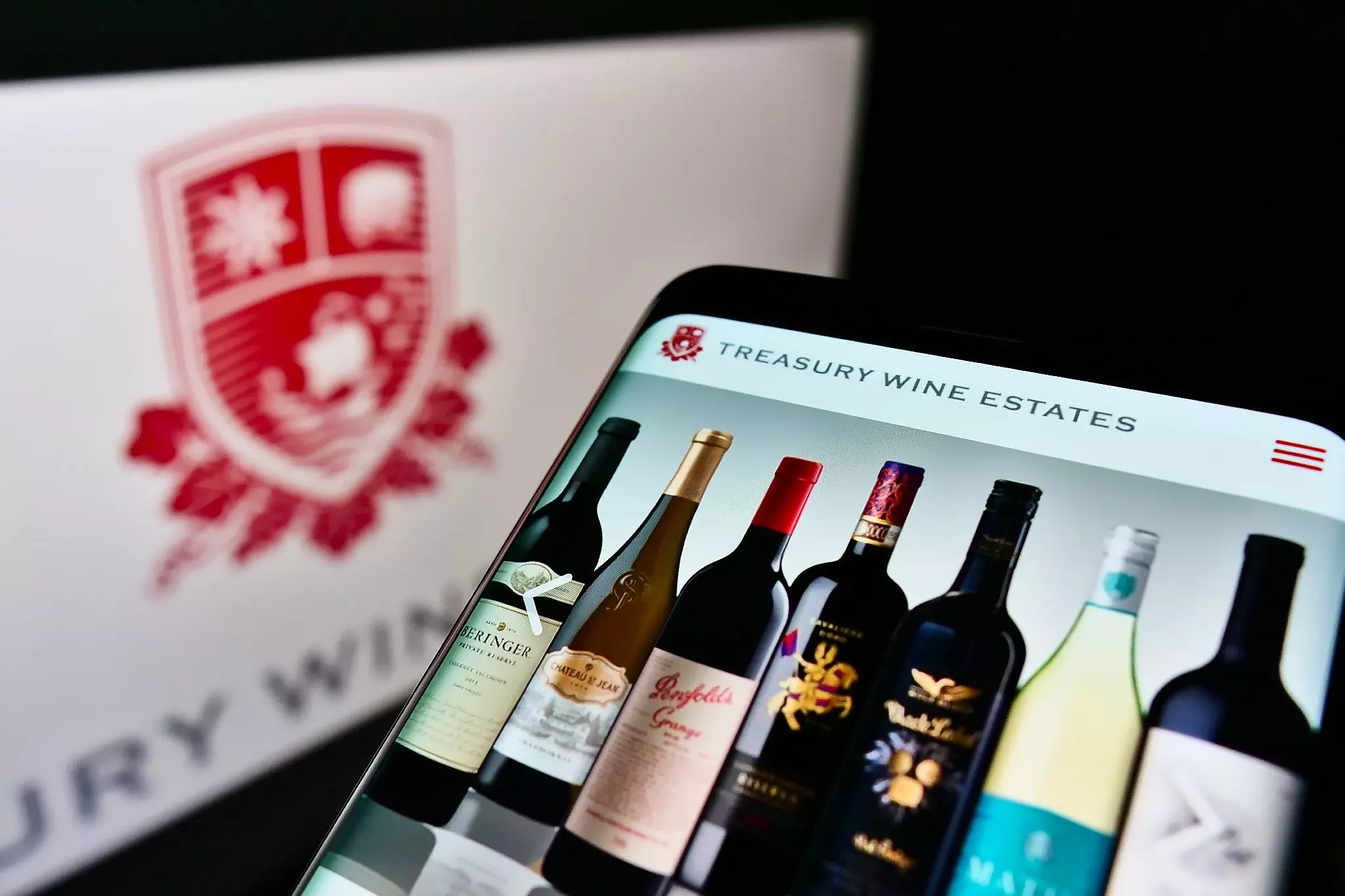
    Australian vintner, Treasury Wine Estates Ltd. said it will buy U.S. luxury winemaker Frank Family Vineyards for $315 million, saying the deal offered a rare opportunity to bolster its high-end wine portfolio.

    Treasury said Napa Valley, California-based Frank Family Vineyards is highly complementary to its Americas business and fills a key portfolio gap for luxury chardonnay. Treasury said it is well placed to grow the business given its leading luxury sales credentials, national distribution network and California asset base.

    “This is a compelling strategic and financial investment, comfortably meeting our investment criteria and one we expect will deliver attractive growth and financial returns for TWE’s shareholders over the long-term,” Treasury Chief Executive Tim Ford said.

    Analysts have expected Treasury to make acquisitions as winemakers focus more on the lucrative higher-end parts of the market. Treasury has been selling off some of its downmarket U.S. brands and assets and it said Thursday that process was largely complete, with total net cash proceeds of about 300 million Australian dollars (US$218 million).

    It said it is using those proceeds to help pay for Frank Family Vineyards. Treasury added that Frank Family Vineyards has a long-term track record of delivering strong revenue and earnings growth, as well as earnings margins in the range of 35%-40%.

    The acquisition is expected to be completed in December.

  • Lyre’s latest fundraising round values company at $500 million

    Lyre’s latest fundraising round values company at $500 million

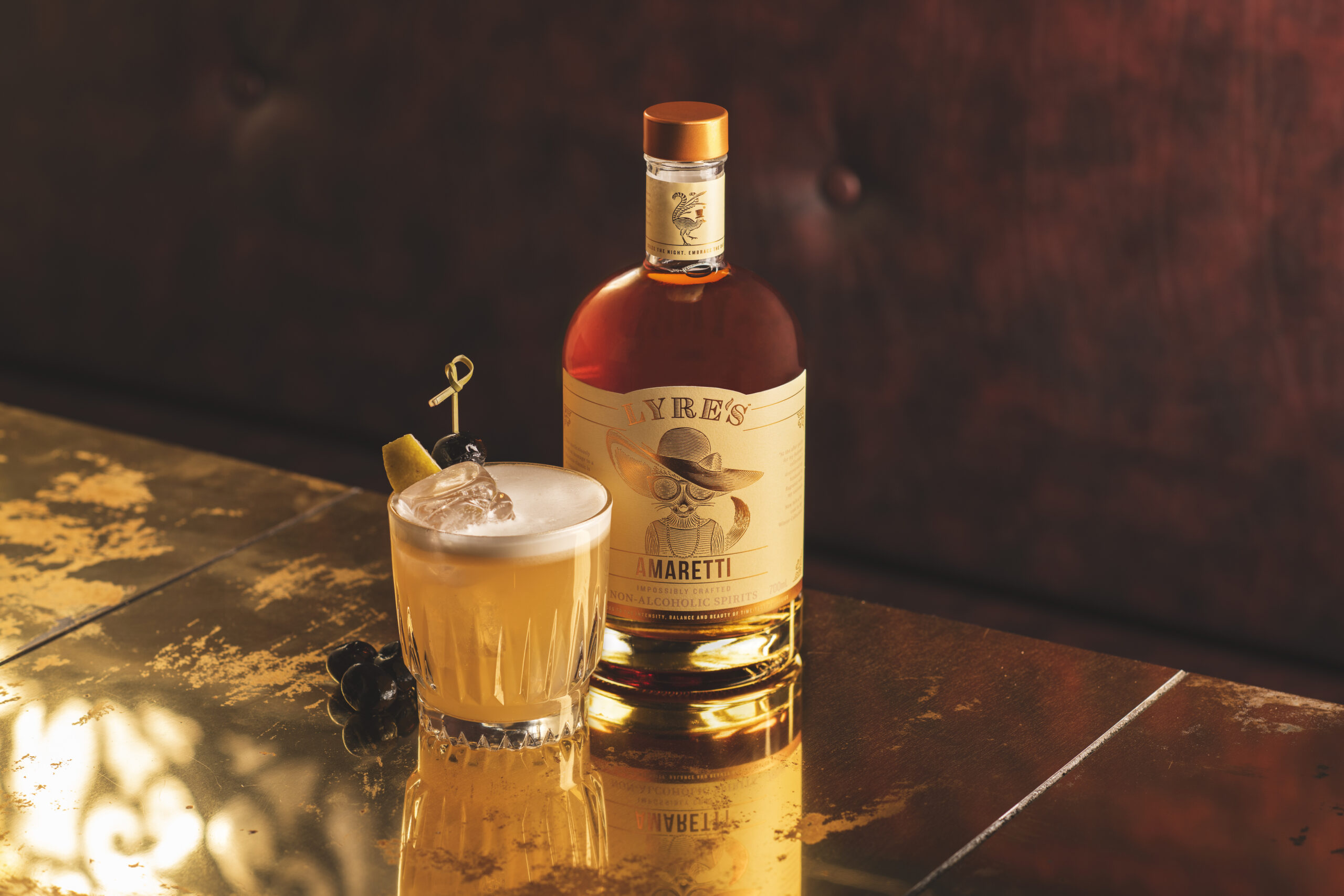
    Fast-growing non-alcoholic spirits brand Lyre’s, has raised $37 million in a round that values the business at A$500 million less than three years after it launched. The funding round was led by a new investor, D Squared Capital, alongside existing investor, Morgan Creek Capital Management, which has also backed Alibaba, SpaceX, Lyft, and Allbirds). Other previous investors joining the fresh round include DLF Venture, VRD Ventures, and Maropost Ventures.

    The Sydney-based business previously raised $16 million in a seed round in September 2020.

    Co-founders Mark Livings and Carl Hartmann launched Lyre’s in April 2019 with the goal of creating non-alcoholic versions of the world’s most popular spirits. It now produces 14 non-alcoholic spirits with the distinct flavors of gin, whisky, vermouth, amaretto, absinthe, rum, and others, as well as a range of ready-to-drink pre-mixed non-alcoholic cocktails, from an Amalfi spritz to and rum and cola and G&T.

    With around 20% of the population not drinking alcohol, consumption trends heading down among existing drinkers, and an emerging, liberated middle class in Muslim countries looking to have fun and socialize while eschewing alcohol.

    CEO Mark Livings said the latest capital injection will be used predominantly for marketing, and create more than 50 new jobs in sales and marketing, production, logistics, finance, and e-commerce.

    Lyre’s products are now available in more than 60 countries, up 50% in 2021, including in the Middle East and China. This year also saw the business manufacture its one-millionth bottle, and develop six new product variations including Classico, their first no-alcohol Prosecco-style sparkling which launched to market in early November. The company now has production facilities in the UK, Germany, Australia, and the US.

    The drinks startup has also established an R&D division in partnership with beverage technology giant Döhler.

    Livings said range now covers more than 90% of the world’s best-selling cocktails.

    “Millennials and older Gen Zs are drinking less alcohol than any generation before them, but the mindful drinking movement transcends generations and cultural borders. We’re not only growing our business – we’re expanding the whole category, entering territories like the Middle East and Far East virtually uncontested,” he said.

    “The pace of growth we’re seeing is exceptional. We sold our first bottle in 2019 and today we’re selling one at least every 30 seconds. On our current trajectory, Lyre’s is set to become the fastest independent beverage brand to reach Unicorn status.”

    Off-premise sales of low-alcoholic and non-alcoholic drinks have jumped in 12 months from $291 million to $3.1 billion. In Australia, the category is expected to grow by 16% over four years to 2024.

    D Squared Capital Managing Director Daniel Grossman said the company is forging a new path in a critical category.

    “The no/low alcohol beverage market is one of the fastest-growing markets in F&B and is showing similar characteristics to plant-based milks, meats, and other mindful consumer categories,” he said.

    “Lyre’s leading product, brand, and range of award-winning SKUs have proven that they are the industry leader and we are excited to be backing the best in class company.”

  • VinFast announces US headquarters in Los Angeles

    VinFast announces US headquarters in Los Angeles

    VinFast on Wednesday announced its U.S. headquarters will be located in Los Angeles, California, affirming its goal to become a global automaker spearheaded by electric vehicles.

    The company’s U.S. headquarters is located in the Playa Vista area – a neighborhood known as “Silicon Beach” and packed with tech firms in Los Angeles.

    “We are so proud to welcome VinFast to our city as we continue leading the way to a better-connected, cleaner, and more sustainable transportation future,” said Los Angeles Mayor Eric Garcetti.

    The headquarters is over 15,000 square feet (1,393 square meters) with room to expand.

    VinFast intends to establish its management team and hire more than 400 employees at its headquarters and a regional office in Los Angeles within the next several years.

    In addition to its corporate headquarters in Los Angeles, VinFast is investing in regional offices, a call center, and a network of storefronts to help introduce the brand and products to American customers.

    VinFast’s decision to place its U.S. headquarters in California was due in part to a $20.5 million tax credit awarded by the California Governor’s Office.

    The California government’s announcement, released on Nov. 5, builds on VinFast’s investment of more than $200 million in its initial phase in California, thus creating over 1,000 new, full-time jobs statewide.

    VinFast, a unit of Vietnam’s conglomerate Vingroup, will officially debut two of its first electric vehicles, the VF e35 and VF e36, at Los Angeles Auto Show that begins this week.

  • Holiday air tickets in low demand as Covid stirs fear

    Holiday air tickets in low demand as Covid stirs fear

    Air tickets for the upcoming Tet holiday are in low demand as people are reluctant to make travel plans due to the long quarantine time and a rising number of Covid-19 cases.

    In previous years, Loan’s family had usually finished booking six Tet (Vietnam’s Lunar New Year) air tickets for the Ho Chi Minh City – Da Nang route at a total price tag of over VND40 million by the end of August.

    But this year, she has yet to make a decision.

    “My two children are not vaccinated so we are reluctant to travel. We plan to stay in HCMC this year and visit our parents later when the pandemic situation is stable.”

    Hanh and her husband in Thu Duc City initially planned to bring their children to her hometown in the central highlands province of Kon Tum, but the 14-day quarantine policy for those yet to be vaccinated discourages her.

    “There are only a few days of holiday, we don’t want to spend all of them in quarantine.”

    Ticket agents are reporting an unusual drop in demand compared to previous years in a time when sales often boom as people make travel plans for Tet, which falls in early February next year.

    Hong, the owner of a ticket office in Phu Nhuan District, said by this time last year she had sold hundreds of tickets for the biggest holiday of the year, but this year she had sold none.

    “I have texted frequent customers but none have made any travel plans.”

    Airlines have also not released specific Tet travel plans as per usual.

    Only Bamboo Airways and Vietjet Air have begun selling Tet tickets but with volume totaling 20 percent in the same period last year with prices around 15-20 percent lower.

    A media representative of Vietnam Airlines said it is difficult to plan for Tet ticket sales.

    The Civil Aviation Authority of Vietnam (CAAV) currently only allows airlines to sell Tet tickets for two routes a day or less.

    Some insiders say the rising number of Covid-19 cases and the migration of workers from HCMC and Hanoi to their hometowns would lower air travel demand this year.

    Vietnam recorded 10,250 new covid-19 cases Tuesday, the highest in nearly eight weeks.

    As Tet ticket sales often account for a third of an airline’s revenue for the year, plunging demand is set to cause even more financial challenges to carriers, which have struggled to survive the pandemic

    Vietnam Airlines posted a loss of VND8.58 trillion in the first six months, increasing its accumulative loss to VND17.77 trillion ($781.23 million).

    Vietjet Air posted a first-half post-tax profit of VND121.8 billion, most of it coming from financial services.

    The two airlines have not released earning figures for the third quarter, but most flights were suspended in the third quarter due to the fourth Covid-19 wave.

    Bui Doan Ne, deputy chairman of Vietnam Aviation Business Association, said it is difficult to make forecasts about the recovery of airlines this year as the Covid-19 situation remains unpredictable.

  • New Zealand personal care brand Ethique concentrates on raising the bar

    New Zealand personal care brand Ethique concentrates on raising the bar

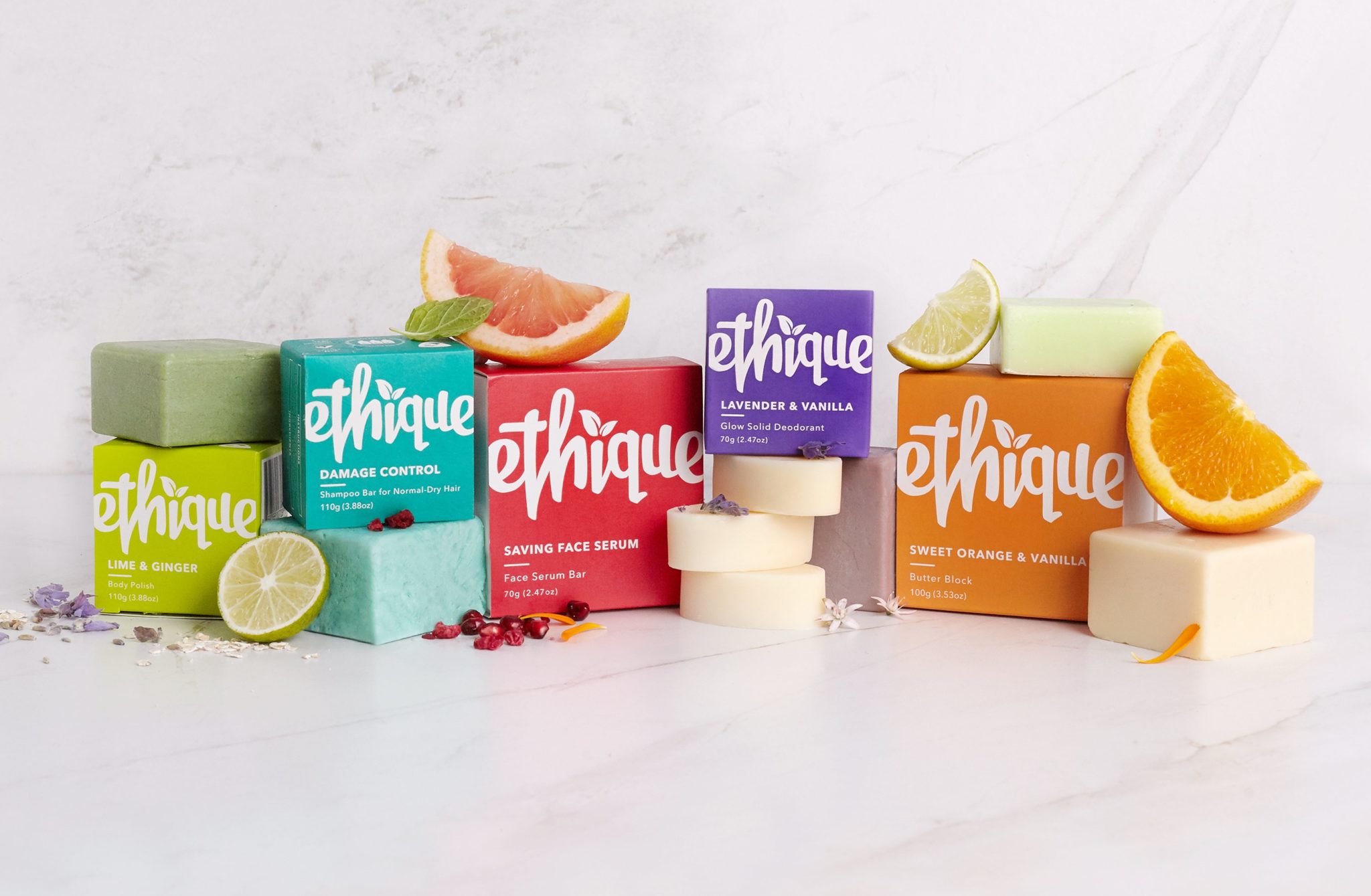
    Brianne West founded zero-waste beauty and lifestyle brand Ethique in her kitchen in Christchurch back in 2012, while completing her science degree. Since then, Ethique’s plastic-free products for face, hair, body, and home have prevented the manufacture and disposal of more than 11 million plastic containers worldwide, with a goal of 500 million by the end of 2030.

    But West didn’t start out having all the answers. So she started with questions.

    “I had absolutely no knowledge at all, I just did a lot of research. I’m a person who’s curious about pretty much everything,” West said. “The advantage of that is I’m very happy to spend hours of time searching Google or talking to people and really understanding more about products and materials.”

    West understands that it’s not always easy for brands to tell the wood from the trees when it comes to the sourcing of sustainable materials. This is why she says it’s so important to be curious, ask questions and, most importantly, ask for proof.

    “I’m lucky I’m a qualified scientist but [my advice is to] break something down to its component pieces to understand how that works, ask for proven or independent studies – that could be biodegradability or compostability studies if you’re looking at the packaging.”

    Of course, operating sustainability is not just about environmentally friendly packaging. As a certified B Corp, Ethique aims to operate sustainably and ethically in every single way.

    “Every decision we make, we factor in whether it’s fair and kind to the people we are dealing with and whether it’s detrimental to the environment. And if the answer is that it’s not ideal, then we don’t do it,” West said.

    “One example would be our fair trade policy. We ensure that with the ingredients we buy, people are paid fairly for them and they have ownership of the value chain. We try to work directly with people who produce it, so that they can get all the value out of their product.”

    Ethique also has a charitable program – donating 2 percent of sales to conservation, animal welfare, and environmental groups – and Living Wage certification for all teams.

    Crowdfunding and solid support

    Ethique was equity crowdfunded twice: first in 2015 with PledgeMe, which raised $200,000 in under 10 days; and two years later, when the brand was more established, raising half a million dollars in less than 90 minutes.

    “The key to crowdfunding is to tell a really compelling story and to get as many people interested before you actually launch. It needs to be something people can really get behind, be passionate about and want to see succeed,” West said. “Of course, you’ve also got to have really solid financials, make sure that what you’re saying is true so you are not misleading people.”

    With around 350 shareholders onboard, Ethique had a wide pool from which to get feedback on packaging and processes, but it did add to the pressure.

    “It was a massive support and a wonderful feeling having them there, but also I was acutely aware that I had a good chunk of people’s money resting on my shoulders and I never took that lightly.”

    In October 2020, Ethique completed “a very large investment phase” and was able to give back to those shareholders who had supported the business for so long.

    “Ninety-nine percent of those shareholders recognized the value of the shares and moved away with an enormous return,” West said. “Although they were sad to leave the company, they were very handsomely rewarded for their support of us, which is amazing. It was really cool to be able to pay off some of our shareholders’ mortgages, which was kind of the goal.”

    Ethique goes global

    Ethique is now in 24 markets globally, with 4500 stockists around the world. A 2016 article propelled the brand to new audiences and before long, Britney Spears and Ashton Kutcher were sharing the brand on their social media platforms.

    West has no idea how.

    “That was a total accident. I’ve no idea how they got hold of it. It was a total fluke!”

    Today, the US, UK, Australia, New Zealand, and Japan are Ethique’s top-performing markets. In some of these markets, the product range is adapted to better meet the needs of shoppers. In Japan, for example, sweet and citrus fragranced products are preferred over woody smells, West explained.

    Moving with the market

    While best known for products in bar form, Ethique is now experimenting with concentrates, as West believes that’s where the category is headed.

    “If I was to bet on a horse, it would be on concentrates, not refillable,” she said.

    Ethique now provides naturally derived and sustainably sourced active ingredients in a compostable cardboard box, and the customer adds water to create their own liquid product. There is a tutorial on the website to show customers how it’s done.

    “We’re targeting people who don’t use shampoo bars because we’ve already solved the problem there, and I don’t want to cannibalize those sales. We have found that people who’d like bars stay with bars, so this is for people who prefer a liquid product.”

    While Ethique might not be able to convince everybody that concentrates are the way forward, West believes they’re a more convenient solution for the customer. However, she is glad to see more sustainable choices on the market for consumers regardless.

    “Typically it’s very hard to create mass behavior change. If you can make a sustainable product convenient, then they pick up will be much quicker,” she said.

    “If you’re refilling dishwashing liquid, shampoo, conditioner, laundry detergent etc, you’ve got five or six bottles that you’ve got to carry around with you. It’s just not something a lot of people will do,” West explained. “I know a few retailers who find [refillables] very capital intensive and very messy, from a labor perspective, so there are some challenges.”

    Real change, not greenwashing

    As someone whose whole business proposition has been around sustainability from the get-go, West does find it frustrating to see so many businesses talk a lot about sustainability without making genuine change.

    “When businesses are greenwashing or completely misleading their consumers, if they put a tenth of the effort into actually doing something, they would genuinely start to change the world,” she said.

    But she does understand how difficult it is for bigger companies that have operated one way for so long to shift their core focus to sustainability.

    Her advice is: “If you are trying to retroactively put sustainability at the core of your business, do it one thing at a time, and do it properly.”
  • Hey! Kafe ramps up local expansion plan

    Hey! Kafe ramps up local expansion plan

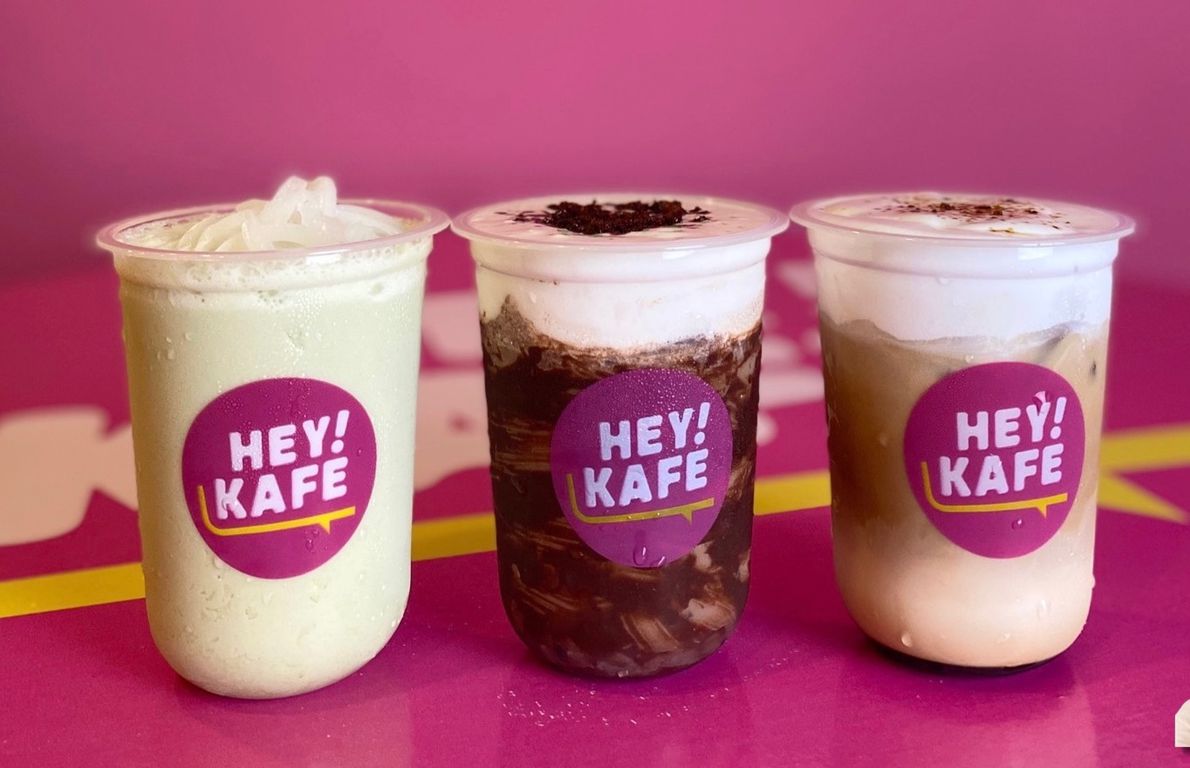
    Indonesia-based digitally-native beverage startup, Hey! Kafe, is expanding its local footprint with 300 stores by the end of next year.

    According to the company, the brand’s expansion plan will be supported by an asset-light model backed by technology. That means a majority of its outlets will be compact booths that minimize capital expenditure and facilitate Grab & Go delivery service.

    Online delivery orders are projected to account for 70 percent of the brand’s sales.

    Founded by Edward Djaja, who is also the founder of Seven Retail, Hey! Kafe has opened 60 stores across the country since its launch in June last year.

    Focusing on the product development process, Hey! Kafe tests more than 20 product concepts each month, targeting the young customer segment with more than 12,000 cups of beverages sold daily.

    “Here in Hey! Kafe, our north star metric is same-store sales growth, which enables the brand to achieve stellar unit economics,” said Djaja. “We are proud to say that our strategy has resulted in a payback period of under 12 months, which is a key milestone for us to scale rapidly in a sustainable manner in the coming years.”

    The beverage retailer is supported by several investors, including Trihill Capital, which backed the company in the seed round. Besides its expansion plan, Hey! Kafe also plans to launch an in-house mobile application next year.