Tag: asia

  • Vietnam eyes 500 hi-tech manufacturers

    Vietnam eyes 500 hi-tech manufacturers

    Vietnam eyes to have 500 manufacturers of hi-tech products and 200 agriculture companies using hi-tech applications as of 2030.

    The government also targets to increase the export value of hi-tech products to about 60 percent of the total export value in the manufacturing and processing industry, according to National High-Tech Development Program 2030 recently issued by Prime Minister Nguyen Xuan Phuc.

    It also seeks to develop and master 20 high technologies as part of a tech list prioritized for investment and development in the region.

    Funding for the program comes from state coffers, organizations, and private companies.

  • Pharma industry growth slows down

    Pharma industry growth slows down

    The pharmaceutical industry’s revenues rose by just 3 percent in 2020, down from an average of 11.8 percent in the previous five years.

    But it was a notable year for mergers and acquisitions. According to analysts at SSI Securities, the total value of M&A was VND1.68 trillion ($73 million) last year and involved a number of foreign investors.

    In May, South Korean conglomerate SK Group, which makes anti-cancer and cardiovascular drugs and mental health medications, paid VND920 billion to acquire a 25 percent stake in Imexpharm Pharmaceutical Joint Stock Company.

    In August, Japan’s Aska Pharmaceutical acquired a 24.9 percent stake in Ha Tay Pharmaceutical Joint Stock Company (Hataphar).

    In December, German generic drugmaker Stada paid VND400 billion to increase its stake in Pymepharco by 6 percent to nearly 76 percent.

    SSI analysts estimated the pharmaceutical industry to grow by 15 percent in 2021 mainly due to a rapidly aging population and rising incomes.

  • Dematic Automates Landmark Group’s Premier Distribution Centre

    Dematic Automates Landmark Group’s Premier Distribution Centre

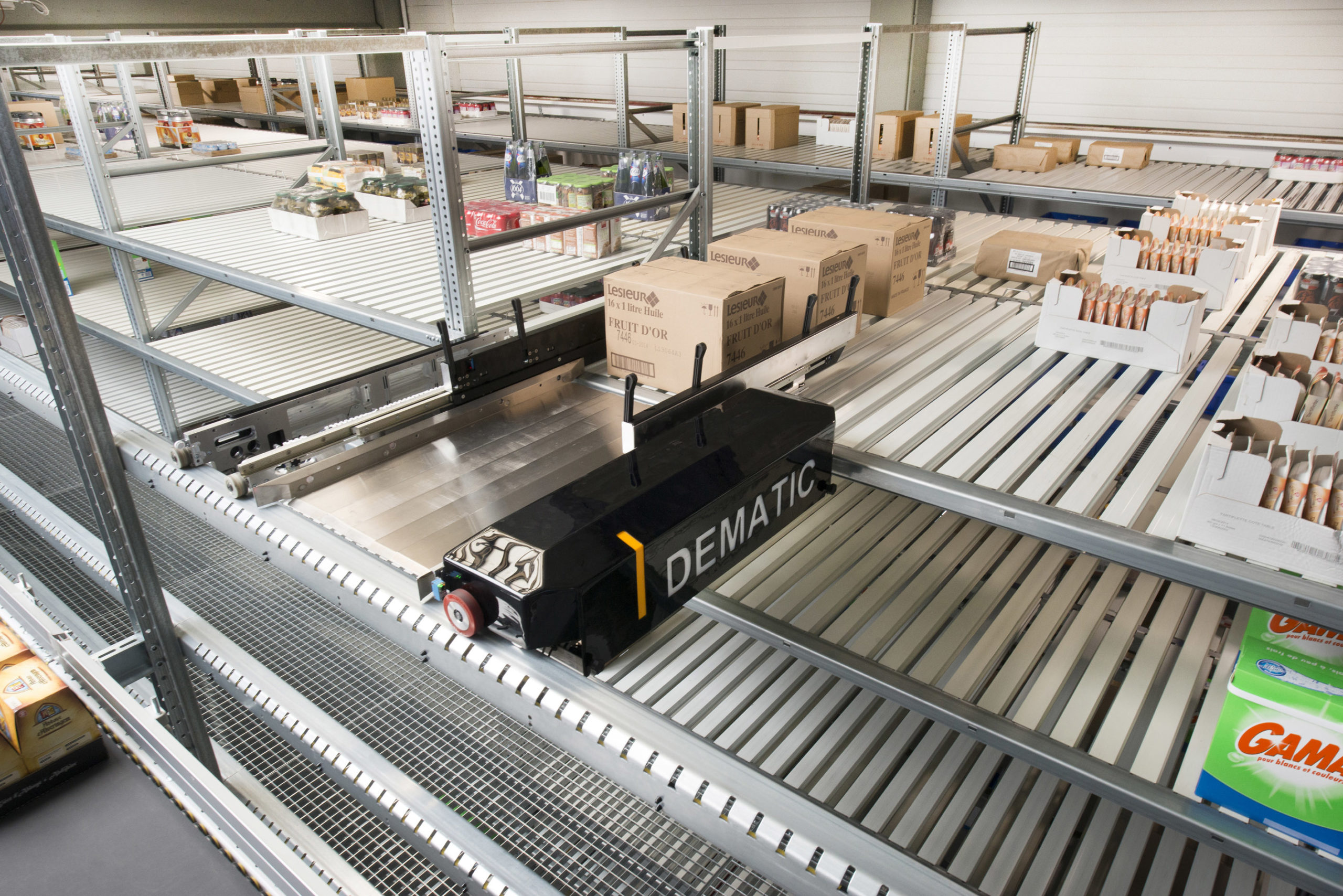
    Dematic announces the completion of a new automated distribution centre for the Landmark Group in Dubai, UAE, allowing the multinational retailer to consolidate the logistics activities for part of its five existing manual distribution sites.

    “The automation solution designed by Dematic allows our supply chain network to now operate with enhanced efficiency, productivity and transparency. With this investment, we are advancing technological progress and taking a pioneering position in our region,” said Mihin Shah, Chief Supply Chain officer of Landmark Group. The new distribution centre is located in the Jebel Ali Free Zone (JAFZA), close to DP WORLD Jebel Ali Port, one of the largest container ports in the world. From this location, the Landmark Group stores and distributes garments, furniture, toys, small goods and more to nearly 1,400 of its retail stores and thereafter directly to end consumers.

    “Landmark presented us with an opportunity to go beyond consolidating their fulfilment operations to becoming a partner in transforming their business,” said Hasan Dandashly, Dematic President and CEO. “They have experienced remarkable growth in a short amount of time to become one of the largest retailers in the Middle East, Africa, and India, supplying over 2,300 businesses in 24 countries. We take pride in being the kind of resource that Landmark would trust to streamline their operations both to meet current demand and prepare for future success.”

    A distinctive feature of the 265,000 sqm site is a pallet warehouse (43 metres high) with a silo design and up to 36,000 storage locations for receiving goods. Inventory not immediately needed for distribution are palletized, then stored and retrieved double-deep via four 41 metre stacker cranes (Model SR-U1500/1) with two telescopic forks. The climate-regulated high-bay warehouse stores temperature sensitive items and is equipped with a fire prevention system with an oxygen-reduced environment so even highly flammable goods can be stored.

    The Dematic Multishuttle® system handles faster moving goods with a patented Inter-Aisle Transfer feature that makes maximum use of space with aisle-spanning exchanges and double-deep storage. With several lifts per aisle and conductor rail-controlled shuttles for high performance acceleration and speed, one shuttle can serve between 700 and 800 storage locations. As a result, up to 15,000 totes per hour can be transported to the picking stations, making it the largest and fastest Dematic has ever installed. “With this distribution centre, we have set a logistics benchmark for the entire Middle East,” Shah said.

    The facility also offers enormous capacities for hanging textiles: The Dematic GOH system can accommodate up to 2 million garments and can achieve high throughput rates of up to 250,000 items per day.

    The overall solution has more than 200 workstations with specific applications, including value added services such as customizing goods for specific retailers by adding tags, branding or promotional offers. An 11-kilometre Dematic conveyor system for containers and pallets and a Dematic sortation system completes the operation.

    Dematic iQ software ensures smooth and optimal material flow to meet delivery commitments Landmark makes to their retailers. The software operates as a Warehouse Management System (WMS) for stock management and includes a Warehouse Control System (WCS) and a Material Flow Controller (MFC). Goods are dynamically repositioned in four automated warehouse sections and the temperature-controlled manual warehouse, based on current and forecasted demand.

    The Dematic iQ software also efficiently handles hanging and flat goods within a single system to meet customer requirements and desired sequencing. At the same time, the software ensures that the right product is at the right place at all times by balancing the workload among the subsystems. “Automation offers scalability and speed while at the same time improving work safety,” Shah said. As a result of the consolidated and automated operation, Landmark’s B2B and B2C customers can now depend on even better service.

  • Prada CEO sees massive revenue growth during next years

    Prada CEO sees massive revenue growth during next years

    Italian luxury group Prada sees revenues rising to 5 billion euros ($6.1 billion) in four to five years, its chief executive said on Thursday.

    “We will reach five billion euros in a matter of four to five years. COVID-19 has given a strong shock to the whole system, we will see a strong acceleration when it will be over,” Patrizio Bertelli said in an interview with Italian daily Il Sole 24 Ore.

    “We have not grown as much as we would have liked so far, but we are the group that has best maintained its identity,” he added.

    The Hong-Kong listed group said it would close 2020 with an operating profit. Net revenues in 2019 were 3.226 billion euros.

    The fallout from the COVID-19 crisis triggered a 40% decline in Prada’s revenues in the first half of last year, leading to a 196 million euros operating loss.

    In the interview, Bertelli said there could be positive signs for the luxury sector as a whole from March, when lockdowns in many European countries may end.

    The executive, founder of the brand with wife Miuccia, said the company was not interested in acquiring other brands but would press ahead with buying production plants instead, investing 100 million euros per year in sites and shops in coming years.

    “Made in Italy’ production will be more and more important,” he said, noting 80% of Prada’s current production is based in Italy.

  • Mixed fortunes for online and offline retailers in Japan and Korea

    Mixed fortunes for online and offline retailers in Japan and Korea

    Brands in the tech sector are likely to record mixed fortunes as a result of the COVID-19 pandemic, with retail tech brands predicted to fare the best compared to leisure and tourism tech brands, which are expected to suffer considerably, according to the latest report by Brand Finance. The top 100 most valuable tech brands, on average, should see a slight decrease in brand value following the pandemic, falling 5%.

    The Brand Finance Tech 100 2020 ranking is split into sub sectors, with electronics, software, retail and media & games analysed separately as these brands make up more than 80% of the total brand value in the ranking. All brand values are correct as at 1st January 2020.

    Alex Haigh, Director, Brand Finance, commented:

    “The sheer size and diversification of the tech sector undoubtedly means that brands are going to be affected differently from COVID-19. On the one hand, e-commerce brands are likely to see a boost to their brand values following record high demand. In contrast, other tech brands’ journeys in the coming year could be more turbulent, with supply chains impacted, consumer spending shifting and slowing demand impacting brands’ bottom lines and, in turn, their brand values.”

    Electronics: Apple storms ahead despite losing brand value

    Making up 27% of the total brand value and with 30 brands featuring, electronics are the dominant sub sector in the Brand Finance Tech 100 2020 report. The electronics sub sector is likely to be moderately impacted by COVID-19, with a potential 10% loss of brand value at stake.

    Leading the way is Apple, recording a 9% drop in brand value to US$140.5 billion and simultaneously dropping to 3rd spot in the ranking, with Google (brand value up 12% to US$159.7 billion) overtaking in 2nd.

    Apple has struggled to grow in key emerging markets, showing little motivation to diversify its portfolio. Brand Finance’s analysis shows that Apple could lose up to 20% of its brand value following the pandemic with supply chains broken and consumer spending slowing – the brand will be hoping the return to normality in China could offset some of this damage.

    With an impressive brand value growth of 37%, ZTE is the fastest growing electronics brand – its surge in brand value bolstered by its increased adoption of 5G. Telco equipment brands should be in a solid position to experience good growth as the rise of 5G accelerates globally.

    Software: Google overtakes Apple

    The second most valuable sub sector, software, makes up 21% of the total brand value in the Brand Finance Tech 100 2020 ranking with 15 brands featuring. Brand Finance’s analysis shows that software brands could lose up to 10% of their brand value as a result of COVID-19.

    With a brand value of US$159.7 billion, Google is the most valuable software brand in the ranking and the 2nd most valuable in the overall ranking. Google’s sleek brand extension from software to hardware, is a direct threat to Apple, who have lost their streak of brilliance in recent years. COVID-19 is likely split Google’s fortunes down the middle with Google Cloud predicted to celebrate boosted demand, as remote working becomes widespread. The pandemic does pose a major threat to its advertising business, however, – where the majority of the brand’s revenue comes from – which is inevitably going to slow down.

    Chinese software giant Baidu recorded the largest drop in brand value in the ranking, down 54% to US$8.9 billion. The company reported its first quarterly loss since its initial public offering (IPO) back in 2005. Along with the intense market competition, the brand’s revenues were heavily impacted as regulators placed more attention on online advertising. Baidu is now focusing on other areas to drive long-term growth, such as its cloud division, smart speakers, and even driverless cars in an effort to secure better results for the future. The combination of the economic slowdown in China and COVID-19’s damage to ad sales will no doubt cause some damage to aid-dependent brands like Baudi.

    Retail: Amazon primed for more growth

    Retail brands contribute 19% of the total brand value in the ranking, largely as a result of the sheer dominance and size of the world’s most valuable brand Amazon. Bucking the trend of traditional bricks and mortar retail, e-commerce brands have the opportunity to thrive in the current climate as demand reaches record highs. Retail is, therefore, the only subsector in the Brand Finance Tech 100 2020 ranking, that could potentially see an increase in brand value as a result of COVID-19, up to 20%.

    Breaking the so far unattainable US$200 billion brand value mark, following 18% growth, Amazon remains a cut above the rest. While most brands are experiencing or expecting a slump in revenue during the pandemic, Amazon is set for continued growth. As with fellow e-commerce brands, Amazon has been benefitting from the unprecedented surge in demand as consumers turn online following store closures.

    Japan’s Rakuten is the fastest growing brand in the ranking, recording an impressive 66% brand value growth to US$5.2 billion. The Tokyo-headquartered brand has celebrated strong growth in its domestic e-commerce services and has its sights set on building upon and winning new customers with the aim of cross-use of services to further open up the brand’s ecosystem.

    Media & Games: limited damage from COVID-19

    The 14 media & games brands make up 18% of the total brand value in the Brand Finance Tech 100 2020 report. Eight of these brands hail from the US and have grown, on average, 12% in brand value year on year. Brand Finance’s calculations have found that this sub-sector is going to suffer limited impact from COVID-19, equating to a 0% change in brand value.

    Media & Games’ most valuable, Facebook (brand value down 4% to US$79.8 billion), has negotiated several high-profile reputational issues, most notoriously the Cambridge Analytica scandal, which resulted in a US$5 billion fine last year. The pandemic could, however, turn the tide on the tarnished brand, as people are forced to keep in touch with friends through social media. Facebook has also been developing a symptom survey, which is hoped to reveal a lot about COVID-19 and contribute to research.

    In contrast, Facebook-owned Instagram has enjoyed an explosion of growth, securing the second-highest brand value increase among all tech brands this year, up 58% to US$26.4 billion. The platform is successfully leveraging its position in the market as a genuine business tool – beyond its traditional influencer market – as more businesses move online during the lockdown.

    In line with positive trends in brand value among other video streaming services, last year also saw Netflix enjoy an 8% boost in brand value to US$22.9 billion. Netflix has been a pioneering force in changing consumers’ viewing habits. This success has only been spurred on by COVID-19, with the timely release of Tiger King raking in 34 million US viewers in the first 10 days alone.

    In addition to calculating overall brand value, Brand Finance also determines the relative strength of brands through a balanced scorecard of metrics evaluating marketing investment, stakeholder equity, and business performance. Alongside revenue forecasts, brand strength is a crucial driver of brand value. According to these criteria, WeChat is the world’s strongest tech brand with a Brand Strength Index (BSI) score of 92.9 out of 100 and a corresponding elite AAA+ brand strength rating.

    WeChat has significantly broadened its proposition since its inception, successfully leveraging its brand to develop an extraordinary level of vertical product integration. With WeChat Pay now being accepted in more than 60 countries and the platform opening to international travellers in China for the first time, the brand has set its sights on global markets.


  • Another gloomy year forecast for tuna exports

    Another gloomy year forecast for tuna exports

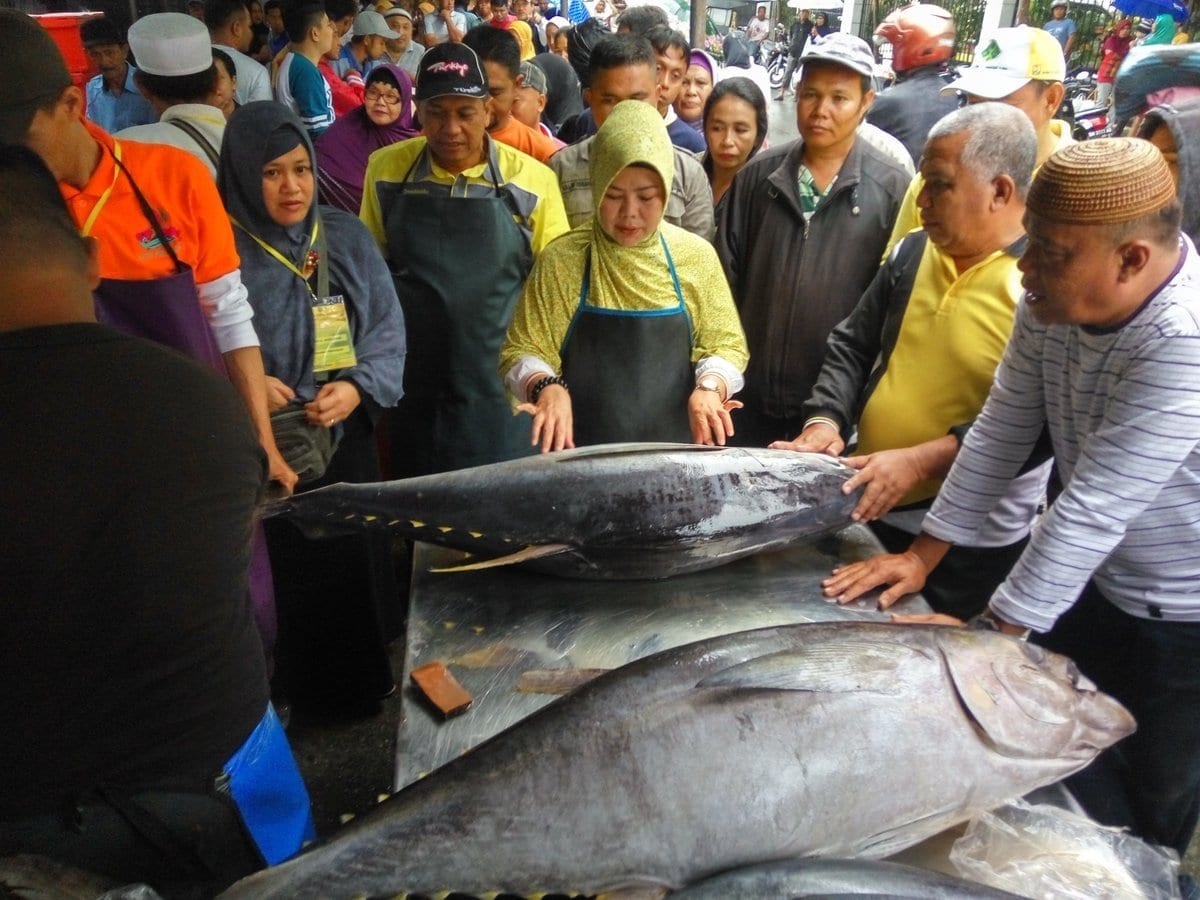
    Vietnam’s tuna exports declined by 9.8 percent in 2020 due to the impact of the Covid-19 pandemic, and are showing no signs of recovery.

    Analysts point to two reasons for the continuing slump: the unpredictability surrounding the pandemic and intense competition from low-priced Chinese canned tuna in its largest market, the U.S.

    Besides, consumers prefer tuna with the blue MSC label representing certification of the sustainable fishery by the Marine Stewardship Council.

    Tuna exports were worth $649 million last year, according to the Vietnam Association of Seafood Exporters and Producers. Vietnam exports the fish to 108 markets.

    Vietnam’s largest markets after the U.S. are the E.U., Canada, Southeast Asia, and Israel.

  • $2.5 billion Japanese AI startup taps Vietnam market

    $2.5 billion Japanese AI startup taps Vietnam market

    AI Inside, a $2.5-billion Japanese artificial intelligence startup, has entered Vietnam through a partnership with a local company as part of its global expansion strategy.

    The company will partner with OCG Technology, a joint venture between a unit of state-owned Vietnam Posts and Telecommunications Group (VNPT) and Japan’s Nippon Telegraph and Telephone, to sell its software to the Vietnam market.

    AI Inside’s software converts paper documents into electronic data using artificial intelligence, and its target customers are companies that want to automate manual tasks like typing handwritten forms into spreadsheets.

    The five-year-old startup, which claims a 64 percent market share in Japan’s market for AI-based optical character recognition (OCR) software, has seen its number of contracts for the software double between July and September last year, according to a report.

    Its share price has increased fivefold since its initial public offering in December 2019, giving it a market capitalization of $2.5 billion.

    The company is also planning to expand to other Asian markets like Thailand and Taiwan.

  • Amazon, Enterprise Singapore to help small businesses venture offshore

    Amazon, Enterprise Singapore to help small businesses venture offshore

    Amazon announced today at the inaugural Amazon Southeast Asia Online Seller Summit 2021 additional resources and support for small and medium-sized businesses (SMBs) in Singapore to start selling online and expand globally through its stores. Amazon announced that it is extending the waiver of professional selling account subscription fees for new and existing sellers, until 30 June 2021. This support builds on Amazon’s current initiatives such as the online seller education series, Seller University, and over 225 free tools and services to help sellers grow their sales in Amazon’s stores in Singapore and worldwide.

    In addition, Amazon is teaming up with Enterprise Singapore (ESG) to help local retailers scale globally. Enterprise Singapore will support these efforts through the Market Readiness Assistance (MRA) scheme. Support will be capped at S$100,000 per new country, includes support for up to 70% of eligible costs for overseas promotion, overseas business development, and overseas country set-up, and gives SMBs the flexibility to expand across new countries at their preferred pace. This is one of several measures that local enterprises can tap on through ESG to grow and diversify their businesses.  More details can be found in ANNEX.

    “We will double-down on efforts to support our local businesses in gaining e-commerce capabilities and maximizing their growth opportunities from the digital economy. To help companies access customers in new countries, ESG has also been working with Amazon to onboard Singapore sellers to Amazon as a channel for international sales, such as in the US, Canada, and India. Support is available for Singapore companies that are looking to expand to these countries,” said Minister for Trade and Industry, Mr Chan Chun Sing.

    “Small businesses are an essential part of Amazon’s DNA. Through the Amazon Southeast Asia Online Seller Summit 2021, we aim to enable more local sellers to reach a global audience through our 20 stores worldwide. Whether they are just getting started or are an experienced seller, Amazon’s comprehensive programs and network will help SMBs overcome operational challenges to maximize growth opportunities globally,” said Henry Low, Country Manager, Amazon Singapore.

    The Southeast Asia Online Seller Summit, being held today and tomorrow, has drawn over 3,000 participants who are interested to understand how they can sell with Amazon, scale their businesses, and seize cross-border opportunities. Guest-of-Honour, Minister for Trade and Industry, Mr Chan Chun Sing, leaders of Amazon Singapore, industry experts, and local business owners selling on Amazon.sg came together on Day 1 to discuss local and regional retail trends and offer insights on how SMBs can ‘Start Local, Go Global’ with Amazon.

    Connecting sellers to exchange best practices.

    As part of the Summit, Amazon hosted a panel of SMB founders to share experiences of growing their business online and their journey with Amazon. Through the support of Amazon’s global network and its logistics and inventory solutions such as Fulfilment by Amazon (FBA), each of them has expanded to serve customers globally – all from the comfort and safety of their homes.

    “When I started Rui Smiths in 2014, selecting Amazon as the e-commerce store for my business was a no brainer. Amazon has been offering an unparalleled service that perfectly fits my needs, since my initial days as a new business owner, allowing me to expand internationally from the get-go. In just 4 years, with Amazon, we had hit S$200,000 in sales and were already selling in the US, UK, and Australia,” said Debbie Cai, founder, Rui Smiths. “I hope the insights and resources shared at the Summit will help many local sellers like myself grow their business not only in Singapore but also beyond shores for customers everywhere.”

    Local resources for sellers in Singapore to unleash and maximize global growth opportunities

    To date, Amazon has provided support to thousands of SMBs keen to sell online with Amazon.sg and its stores globally and continues to help many of them go digital and build thriving businesses. To shine the spotlight on more local retailers, Amazon continues to promote a dedicated “Shop Local” storefront on Amazon.sg, featuring local brands’ founding stories and a plethora of products in categories such as home and home improvement, electronics, kitchen and dining, health and personal care, toys and games, groceries and more.

    Other resources introduced include the Amazon Seller App for local sellers with accounts on Amazon.sg to track sales and manage their business via mobile, the Marketplace Appstore, a one-stop shop to discover third-party applications and services for automating tedious business aspects, and the Seller Forum, a resource for first-hand advice from fellow business owners on selling with Amazon. Sellers can also join the Sell on Amazon Singapore Facebook page to connect with the community of sellers on Amazon.sg.

    These initiatives are furthered by Amazon.sg’s ongoing collaboration with Infocomm Media Development Authority (IMDA) for the Digital Resilience Bonus, offering eligible SMBs a bonus of up to S$2,500 for selling on e-commerce channels like Amazon. The bonus is available to eligible local retailers until 30 June 2021.

  • Swatch launches art-themed Macau pop up

    Swatch launches art-themed Macau pop up

    Swiss watch giant Swatch Group said Thursday it suffered a net loss of 53 million Swiss frances (49 million euros) last year as the coronavirus ravaged the global economy.

    Sales were down more than 32 percent at 5.5 billion Swiss francs, short of analyst forecasts compiled by the AWP agency for 5.8 billion Swiss francs.

    In 2019, the company, famous for its trendy multi-color plastic watches, had posted a profit of 748 million Swiss francs.

    Swatch said the pandemic slashed sales by more than 43 percent in the first quarter last year as the authorities imposed a sharp lockdown to try and curb the spread of the virus.

    As restrictions were subsequently eased, sales picked up again but remained well below normal levels, with business in tourist hotspots and airports hit badly.

    Swatch said it closed 384 outlets over the course of the year, with Hong Kong especially hard hit, falling from 92 in 2019 to 38 last year.

    For this year, the company said it hopes sales will recover to close to 2019 levels as the economy stabilises, citing China’s example.

  • Vietnam beat China to become Asia’s top-performing economy

    Vietnam beat China to become Asia’s top-performing economy

    Vietnam outperformed its regional peers, including China, to become the top-performing economy in Asia in 2020.

    Though some economies have not yet reported fourth-quarter numbers, estimates compiled by the U.S. broadcaster from official sources and multilateral institutions like the International Monetary Fund found Vietnam was one of only three economies in Asia to achieve growth last year along with Taiwan and mainland China.

    The Vietnamese government estimates the economy grew at 2.9 percent last year compared to China’s 2.3 percent growth.

    All other major economies such as South Korea, Japan, Singapore, Hong Kong, and India contracted.

    Vietnam’s impressive economic growth was thanks to its competent handling of the Covid-19 pandemic.

    Despite sharing a long border with China where Covid-19 was first detected in December 2019, Vietnam has reported just over 1,500 infections and 35 deaths.

    The manufacturing sector is widely credited for the economy’s outperformance last year, with production growing on the back of steady export demand.

    Many economists expect economic growth to accelerate this year, it said.

    Vietnam’s economy will quintuple by 2035 and become the 19th largest in the world, U.K. consultancy Centre for Economics and Business Research has forecast.

  • Telegram update makes it easier to switch from WhatsApp

    Telegram update makes it easier to switch from WhatsApp

    It looks like the WhatsApp exodus caught its rivals by surprise, as apps like Telegram and Signal had to accommodate a lot more users than their servers could handle. Moreover, switchers weren’t allowed to carry over their conversations to the new messaging service.

    Starting today, WhatsApp users who wish to switch to Telegram will be able to do so without losing any of their messages and memories that typically remain in older apps. Telegram announced that the new feature allows not just WhatsApp, but also Line and KakaoTalk users, to bring their chat history, including videos and documents to its app.

    WhatsApp users on iPhone who wish to switch to Telegram can do so by opening the Contact Info or Group Info page in WhatsApp, tap Export Chat, then choose Telegram in the Share menu. As for Android users, they should open a WhatsApp chat, tap More / Export Chat, then choose Telegram in the Share menu.

    According to Telegram, all the messages and media moved from WhatsApp don’t need to occupy extra space. Telegram users can free up space and control their cache size from the Settings menu, under Data and Storage / Storage Usage.

    In addition to making it easier for WhatsApp users to switch to Telegram, the app’s latest update provides users with more control over security features like secret chats, groups created and call history, which can now also be deleted for all sides at any time.

  • Tim Cook calls Facebook’s business model violent and says that it leads to divisiveness

    Tim Cook calls Facebook’s business model violent and says that it leads to divisiveness

    Earlier this morning, we told you that Facebook was reportedly planning to attack Apple-in court. The social media network is believed to be ready to accuse Apple of violating antitrust laws by using the iPhone’s popularity to force a major change on third-party app developers. In order to keep iOS users from constantly being served up targeted ads, iPhone and iPad users would have to opt-in and allow themselves to be tracked. Since you could assume that most iPhone users would prefer not to be tracked, this change is going to negatively impact outfits like Facebook that derive a large percentage of their business from posting online ads.

    Today, Apple CEO Tim Cook gave the opening address during a panel at the European Computers, Privacy & Data Protection (CPDP) conference. Cook discussed Apple’s privacy initiatives pointing out the dangers of business models that rely on collecting personal information from users. During his address, Cook stated, “As I’ve said before, if we accept as normal that everything in our lives can be aggregated and sold, then that we lose so much more than data. We lose the freedom to be human.” The executive did not mention Facebook specifically although those who have been following recent events had a good inkling about which company he was talking about.

    Discussing the dangers of businesses that collect personal user information, Apple’s CEO said, “If a business is built on misleading users, on data exploitation, on choices that are no choices at all, it does not deserve our praise. It deserves scorn.” Cook also said that such businesses could lead to polarization, distrust of life-saving vaccinations, and violence set off by extremist groups. Many of these outcomes are already being seen in the United States. Cook also spoke about Apple’s decision to protect its users’ privacy “to create ripples of positive change across the industry.”

    Cook said, “At Apple, we made our choice a long time ago. We believe that ethical technology is technology that works for you. It’s technology that helps you sleep, not keeps you up. It tells you when you’ve had enough, it gives you space to create, or draw, or write or learn, not refresh just one more time. It’s technology that can fade into the background when you’re on a hike or going for a swim but is there to warn you when your heart rate spikes or help you when you’ve had a nasty fall. And with all of this, always, it’s privacy and security first, because no-one needs to trade away the rights of their users to deliver a great product.”

  • AirAsia expects to resume flying to most routes by the end of 2021

    AirAsia expects to resume flying to most routes by the end of 2021

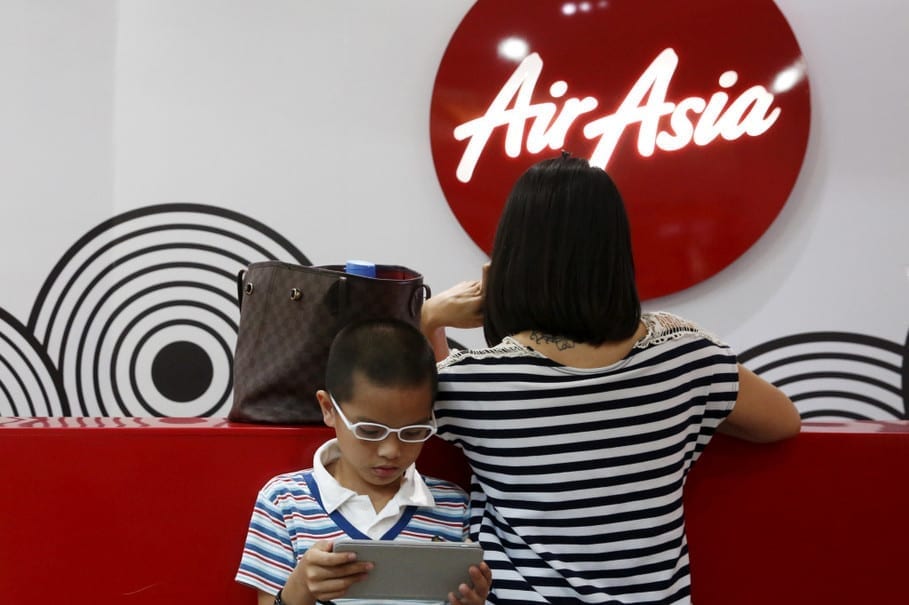
    The outlook for the global aviation industry is improving as more countries begin rolling out mass immunization programs against Covid-19, AirAsia boss Tony Fernandes said Tuesday.

    As one of Asia’s top budget airlines, AirAsia expects to resume flying to “a large part” of its routes by the end of 2021 but passenger capacity is not expected to return to pre-coronavirus pandemic levels until 2023, according to Fernandes.

    “It’s been the toughest challenge,” he said,” as part of the network’s coverage of the Davos Agenda. “But I think the outlook’s getting better.”

    “The most important thing is there’s a huge amount of demand out there and we just have to wait for borders to open and I think we’re one of the first kind of businesses that will recover, from an airline perspective, because we’re very strong in domestic and regional,” he said

    The coronavirus pandemic has crippled the global travel and tourism sector. It’s sent many airlines into survival mode as they undertake mass layoffs, cancel orders, retire some of their existing fleet,s and cut down routes.

    In December, the International Air Transport Association (IATA) said airlines will suffer a net loss of $118.5 billion for 2020 and an expected net loss of $38.7 billion in 2021.

    AirAsia is also struggling. In November, the company reported a fifth straight quarterly loss between July and September and is in the process of raising funds through loans and investors. Fernandes said the company is looking at raising up to 2.5 billion Malaysian ringgit ($618 million) for the whole group. That includes AirAsia’s digital business and the logistics unit — both of which are performing well, according to Fernandes.

    “We’re a little bit behind schedule than we wanted to be but the amount’s exactly where we want to be. We are very confident that this capital that we’ll raise will take us well into 2023,” he said, adding that the company will emerge with a better cost structure, a strong digital business, and good demand for the airline.

    The AirAsia stock is down almost 22% so far this year.

    Fernandes also said AirAsia is in talks with Airbus and that the airline’s long-term order book remains. “We’re going to have to defer some of it to a later date,” he said, adding, “We don’t want to change that for short-term decisions.”

    AirAsia is one of Airbus’ largest customers since the airline made a switch from Boeing years ago. Reuters reported that since then, AirAsia has ordered a total of more than 660 Airbus jets including planes yet to be delivered.

    The CEO explained the competitive landscape for airlines has changed due to the pandemic. Some carriers have either reduced capacity or left the market altogether. Cost-cutting measures from AirAsia are expected to improve the company’s margins, he said.

    Budget airlines that fly shorter routes and sell on-demand services are expected to recover quicker than carriers that fly to intercontinental destinations and rely on first and business-class travel, according to Fernandes.

    He said business travel will take a longer time to recover as more people would opt to conduct business meetings virtually. “Time is a great healer. Eventually, business travel will come back but there’ll be an element that will say ‘well I can do it from Zoom,’” Fernandes added.

  • E-commerce market grows in Vietnam

    E-commerce market grows in Vietnam

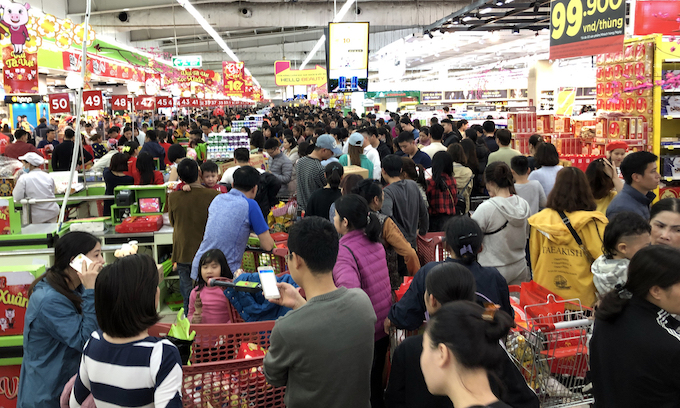
    Vietnam’s e-commerce market expanded by 18 percent last year to $11.8 billion, the only country in Southeast Asia to record double-digit growth amid the Covid-19 pandemic.

    Besides, payment services were strengthened and the largest companies in the manufacturing sector incorporated e-commerce into their long-term strategies, according to a recent report by the Vietnam e-Commerce and Digital Economy Agency.

    The country’s Online Friday e-commerce event in early December last year saw the number of transactions rise by 267 percent from the previous year to 3.7 million, it said.

    However, though the number of transactions rose last year, revenues fell because most Covid-19 related items were of low value and people’s incomes were hit, it said.

    A report last month by market research company GlobalData’s E-Commerce Analytics said Vietnam’s e-commerce is set to see compounded annual growth of 18.8 percent between 2020 and 2024 to reach $26.1 billion.

  • Levi Strauss forecast disappoints as pandemic resurgence shutters stores

    Levi Strauss forecast disappoints as pandemic resurgence shutters stores

    Levi Strauss & Co on Wednesday forecast first-quarter results below analysts’ estimates as the resurgence of COVID-19 shutters the denim maker’s stores in major markets, sending its shares 9% lower in extended trading.

    The spike in coronavirus cases from late last year has led to lower traffic at stores and fresh capacity restrictions for shopping centers in key regions such as California, denting retailers’ sales during the crucial holiday shopping season.

    Levi said 17% of its stores globally were still closed, with a new wave of lockdowns in Europe shuttering 40% of the company’s footprint there.

    The San Francisco-based company said it expects those stores to remain closed for the rest of the current quarter, resulting in a 10 cents to 12 cents hit to its earnings per share.

    Including that impact, Levi forecast first-quarter adjusted earnings per share of 20 cents to 24 cents, below expectations of 33 cents per share, according to Refinitiv IBES data.

    The company said it expects quarterly revenue to be down by a high-teens percentage in constant currency, more than estimates of an 11.9% drop.

    However, the company could return to pre-pandemic revenue levels by the end of 2021 if conditions do not worsen, Chief Financial Officer Harmit Singh said.

    Levi also beat estimates for the fourth quarter ended Nov. 29 as online sales soared.

    Total revenue in the quarter fell about 12% to $1.39 billion but beat expectations of $1.34 billion.

    Levi earned 20 cents per share on an adjusted basis, beating estimates of 15 cents per share.

    The company also reinstated its quarterly dividend at 4 cents per share.