Tag: asia

  • Vietnam Airlines to get bailout funds after pandemic impacts

    Vietnam Airlines to get bailout funds after pandemic impacts

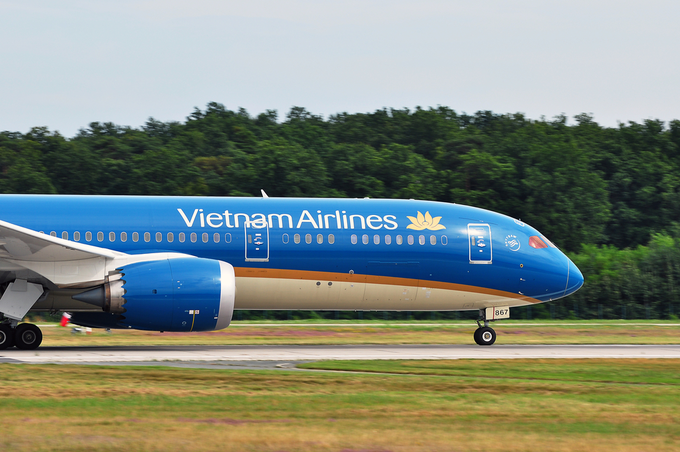
    The National Assembly has approved several measures to help national flag carrier Vietnam Airlines overcome the financial impacts of Covid-19.

    A parliamentary resolution passed Tuesday allows the State Bank of Vietnam to refinance and offer loan extensions no more than two times to banks that would lend Vietnam Airlines additional capital for the company to continue its operations.

    The carrier will also be allowed to sell more shares to existing shareholders to increase its charter capital in accordance with the Law on Securities, but is exempt from the condition that its business being profitable in the year prior to the offering.

    The State Capital Investment Corporation (SCIC), a state-owned holding company, will act on behalf of the government to purchase Vietnam Airlines shares.

    The NA has asked for strict inspection and auditing of the measures when they are carried out. It has also asked Vietnam Airlines to continue building its own solutions for reducing losses and taking care of its employees in the context of the pandemic continuing to develop in complicated ways.

    Vietnam Airlines has sent 14 reports to relevant state agencies and met with government representatives several times, seeking assistance in tackling financial problems posed by the pandemic.

    The carrier has suggested the government grants it a relief package of VND12 trillion ($518.53 million), including options for refinancing and raising its charter capital.

    It reported a loss of VND10.75 trillion ($464 million) for January-September, during which its revenues fell 58.3 percent year on year to VND23.9 trillion.

    It transported 10.2 million passengers during the nine months, down 41.2 percent year-on-year.

    The airline has blamed its plight on the pandemic’s impacts. It has cut sales, financial and management expenses, reduced salaries of pilots and flight attendants. It has also increased operations of repatriation flights.

    The carrier’s third-quarter revenues fell 68 percent year-on-year after the second Covid-19 outbreak hit the country late July. The third quarter is usually the highest revenue earner of the year as schools close and summer travel peaks. The second outbreak forced the carrier to cancel 22 new domestic routes during the peak period.

    Vietnam Airlines currently operates more than 60 domestic routes with an average of 300 flights per day. It has resumed one-way flights to Japan and plans to reopen routes soon to mainland China, Taiwan, Laos and Cambodia.

    The airline has estimated this year’s total loss at around VND15.2 trillion on revenues of VND55.7 trillion.

  • Lu Launches Wealth Management Platform in Thailand

    Lu Launches Wealth Management Platform in Thailand

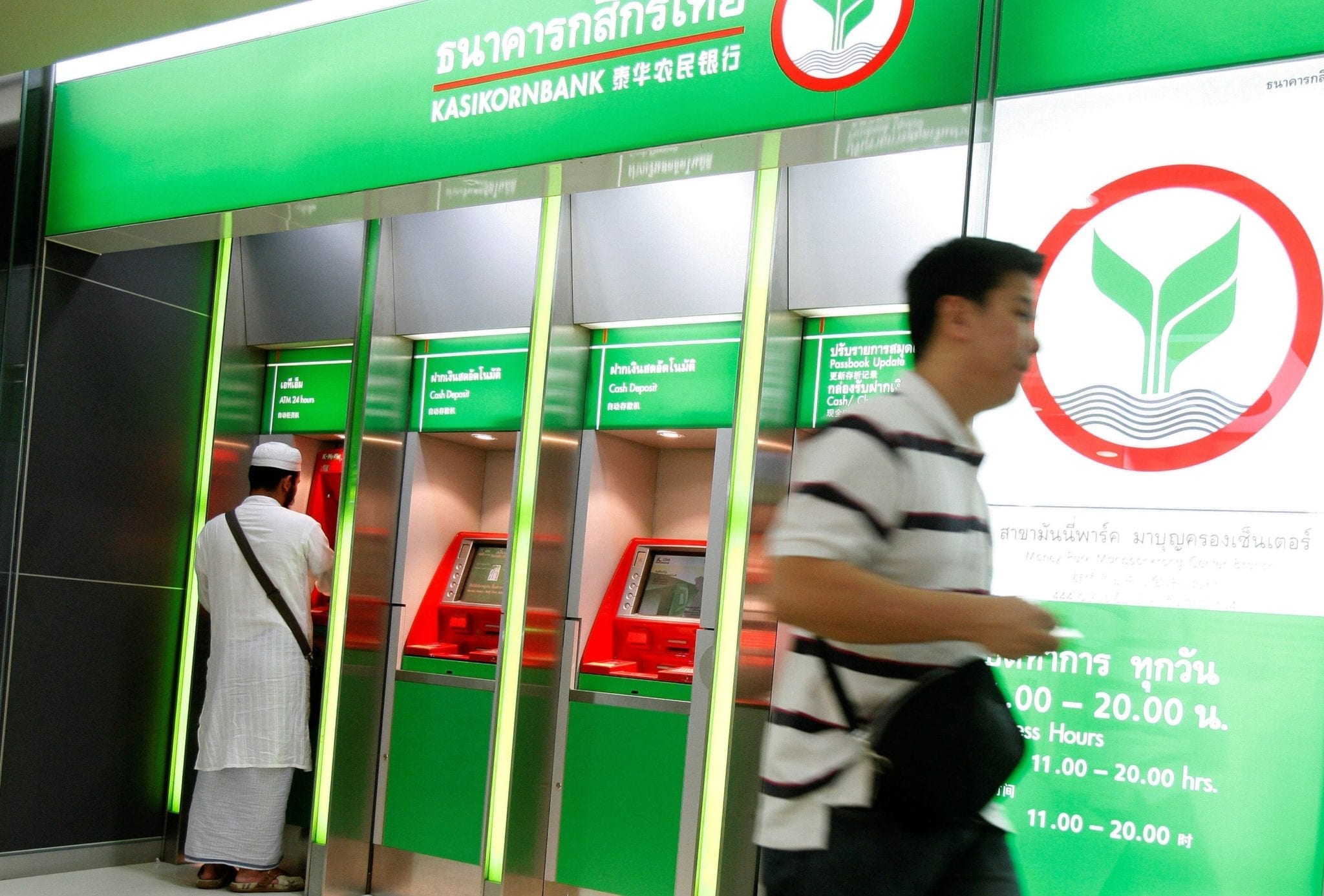
    Lu International, a Singapore-based subsidiary of leading Chinese retail fintech Lufax, is expanding its reach in the region via a strategic partnership with Kasikornbank.

    The FinVest digital investment platform aims to cater to the growing market of retail investors in Thailand by providing access to a full spectrum of onshore and offshore investment products with low minimum investment amounts and management fees, according to an announcement on Tuesday.

    The partnership was previously announced in August. The platform currently offers investors access to more than 600 funds from 15 asset management companies in Thailand, with a minimum of 1,000 baht ($35).

    Established in 1945, Kasikornbank is the fourth-largest commercial bank in Thailand, with 17.3 million customers. The bank also works closely with Geneva-based private bank Lombard Odier, which manages global investment funds on behalf of its private clients. Lombard Odier also acts as an exclusive offshore custodian for Kasikornbank clients, using Singapore as a booking center.

    Thailand is one of the fastest-growing markets in Southeast Asia and continues to see rapid wealth growth and economic development,» Greg Gibb, CEO of Lufax Holding, said in the announcement.

    Thailand’s total outstanding capital market value stands at around 44 trillion baht ($1.46 billion), of which 4.8 trillion baht, or around 10 percent, is invested in mutual funds, Kasikornbank noted.

    Of late, the younger generation has shown increasing interest in mutual funds, preferring to conduct transactions via digital channels and seeking products related to Thai and foreign equity instruments. Moreover, open-architecture investment is growing every year, Patchara Samalapa, Kasikornbank CEO, said.

  • iPhone 12 mini fails to enthuse Vietnamese customers

    iPhone 12 mini fails to enthuse Vietnamese customers

    The iPhone 12 mini is ostensibly the least popular of Apple’s four new smartphones in Vietnam, with consumers apparently preferring bigger and more expensive models. Data from four major smartphone distributors shows that of 30,000 inquiries made about the four new iPhone 12 models Apple unveiled last month, less than 10 percent were about the mini.

    Half was for the Pro Max, the largest and most expensive model, and 64 percent costlier than the mini.

    Since they are not officially in Vietnam yet, they are sold at a premium by individual sellers who buy them in places like Singapore and Hong Kong.

    But many said they do not import the mini because there is almost no demand for it.

    A smartphone seller in District 10, Ho Chi Minh City, who asked not to be identified, said most iPhone 12 buyers now in Vietnam are affluent people who want to own one early and often buy the most expensive models.

    Sellers also said the small screen and low battery capacity of the mini are also negatives.

    Most stores in Hanoi and HCMC have the iPhone 12, iPhone 12 Pro, and iPhone 12 Pro Max, and customers have to pay VND20-21 million ($862-905) in advance if they want the mini.

    “Some women buyers are interested in the mini, but I tell them to wait for another two weeks for the official release,” Nguyen Hoang, owner of a store in Hanoi, said.

  • DBS to Make Hybrid Work Arrangements Permanent

    DBS to Make Hybrid Work Arrangements Permanent

    The bank, which has a workforce of 29,000, said these measures are the result of insights gathered from research, deep-dive experiments and employee surveys conducted by a task force on the future of work, which it convened six months ago.

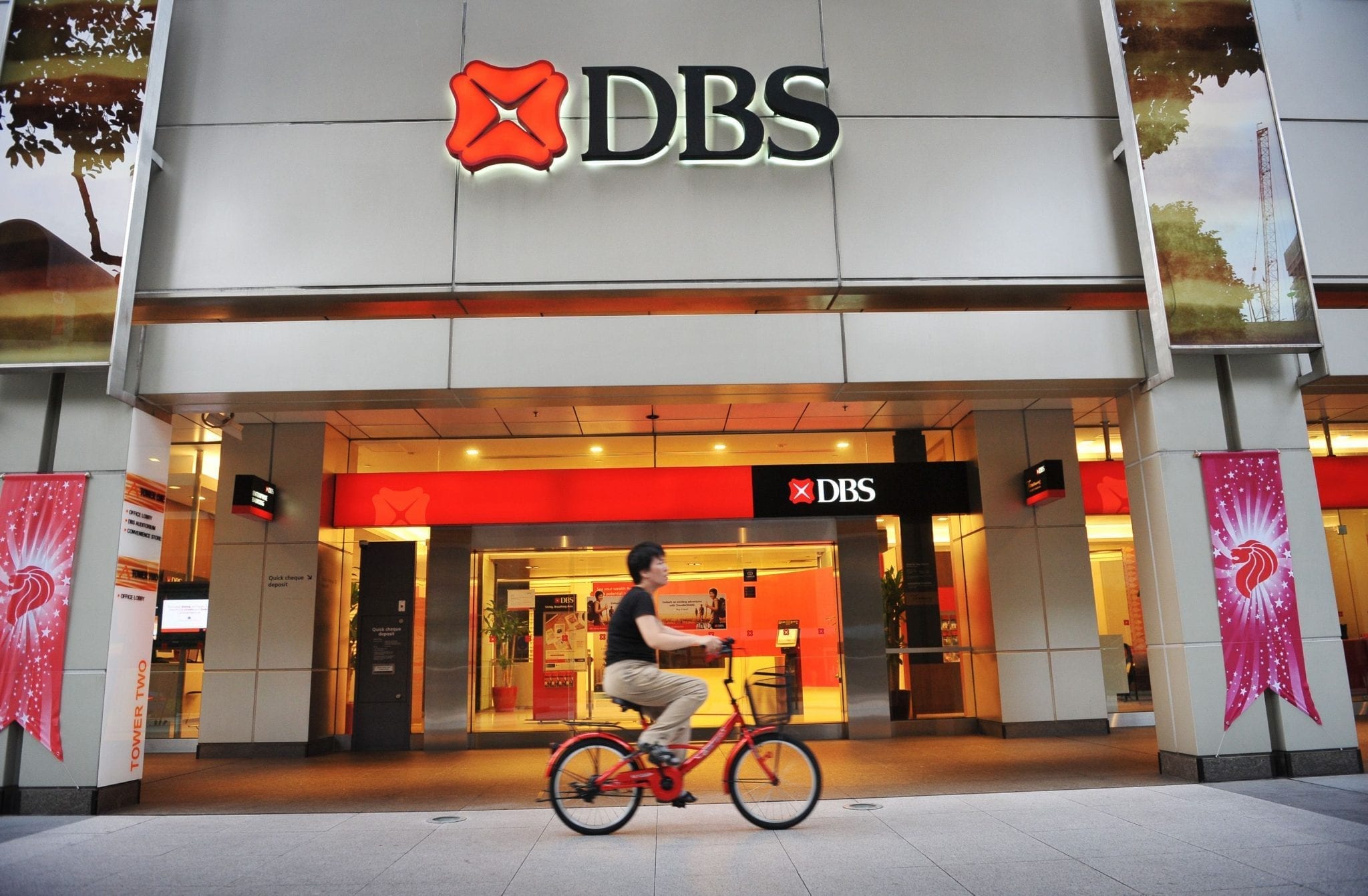
    DBS is transforming the way its employees will work in a post-Covid 19 world, with a number of initiatives that include implementing a permanent hybrid work model that gives employees the option to work remotely up to 40 percent of the time, flexible work arrangements, deploying more project-specific data-driven squads with members from different functions, and creating workspaces that facilitate collaboration, the bank announced on Tuesday.

    The bank will also accelerate employee upskilling, with 7,200 employees, of which 4,300 are in Singapore, to undergo training in emerging areas such as design thinking, data and analytics, artificial intelligence, machine learning and agile practices.

    The announcement follows UOB, which said last week that it would give the majority of its 26,000-strong workforce the choice to work remotely two days a week once COVID-19 restrictions are lifted. Standard Chartered is also rolling out similar measures globally.

    DBS said that over 80 percent of its employees indicated a preference for more open collaboration spaces to facilitate informal discussions and cross-team ideation, which they found difficult to do remotely. As such, the bank will transform its workspaces to enable greater collaboration and ideation, and launch a 5,000-square foot Living Lab that aims to blend the best of physical and virtual workspace configurations.

    As the way we live, bank and work continue to change dramatically, we must address the magnitude of the disruptions before us, Piyush Gupta, DBS CEO, said about the changes.

    Last week, DBS unveiled its new branch at Takashimaya, which aims to cater to customers who want quicker, socially distanced and more personalized branch services, and said it would roll out similar branches across at least one-third of its branch network over the next 12 to 18 months.

  • StanChart Streamlines Business in Global Restructuring

    StanChart Streamlines Business in Global Restructuring

    Standard Chartered announces a reorganization into fewer but larger units and also confirms the exit of its global wealth head.

    Effective January 1 next year, Standard Chartered will combine the private banking business with retail banking and wealth management in a new consumer, private and business banking (CPBB) unit, according to a statement. The current regional chief executive of ASEAN and South Asia, Judy Hsu, will lead the CPBB unit.

    This combined business will grow the group’s affluent client base, further develop innovative digital banking solutions for mass-market and small businesses, and deliver further efficiencies, the bank said in a statement.

    The bank also confirmed the exit of former private banking head Didier von Daeniken, whose role will be overseen by Hsu in the interim until a new permanent appointment has been made.

    Under on Daeniken’s leadership the private bank returned to profitability in 2019 and was the bank’s fastest-growing segment, the statement said.

    With substantially upgraded digital products and services and improved productivity, we have strong foundations and good momentum. We will bring together our private bank with our priority banking business under Hsu’s leadership, while retaining their separate brands and propositions, to accelerate growth and create an affluent client continuum to better serve our clients.

    The CPBB unit will be organized around two client groups and two regions. In addition to Hsu’s temporary role as the head of private and priority banking, Vishu Ramachandran will lead personal and business banking. Wealth Management will continue to be led by the newly appointed ex-Bank of Singapore executive Marc Van de Walle.

    Regionally, Samir Subberwal will lead CPBB for Asia while Kariuki Ngari will lead CPBB for Africa, the Middle East and Europe, in addition to his Kenya and East Africa CEO responsibilities, also until a permanent appointment has been made.

    In addition, Rosalind Ng will lead client experience and strategic business enablement.

    In Asia, the bank is also combining its three regional units – ASEAN, South Asia alongside Greater China and North Asia (GCNA) – into a single one led by Ben Hung, currently GCNA chief. The unit is made of cluster CEOs who will be joining the Asia management team alongside Samir Subberwal, GCNA retail banking head; Paul Skelton, global head, client coverage, commercial, corporate and institutional banking; and John Tan, global head, financial markets regions.

    In north Asia, cluster CEOs include Jerry Zhang for China and Japan; Mary Huen for Hong Kong, Taiwan and Macau; Park Jong Bok for Korea; and Anthony Lin for the Greater Bay Area.

    And in the south and southeast Asia region, the bank named as cluster CEOs Zarin Daruwala for India and South Asia Markets (Bangladesh, Nepal and Sri Lanka); Andrew Chia for Indonesia and ASEAN Markets (Australia, Brunei and the Philippines); and Patrick Lee for Singapore and ASEAN Markets (Malaysia, Vietnam, Thailand).

    CEO of Europe and Americas, Torry Bernsten, has also been named as chief of the former market and the U.K.

    Steve Cranwell will succeed Bernsten as CEO of the Americas and report to him.

  • MINI Reveals The Vision Urbanaut

    MINI Reveals The Vision Urbanaut

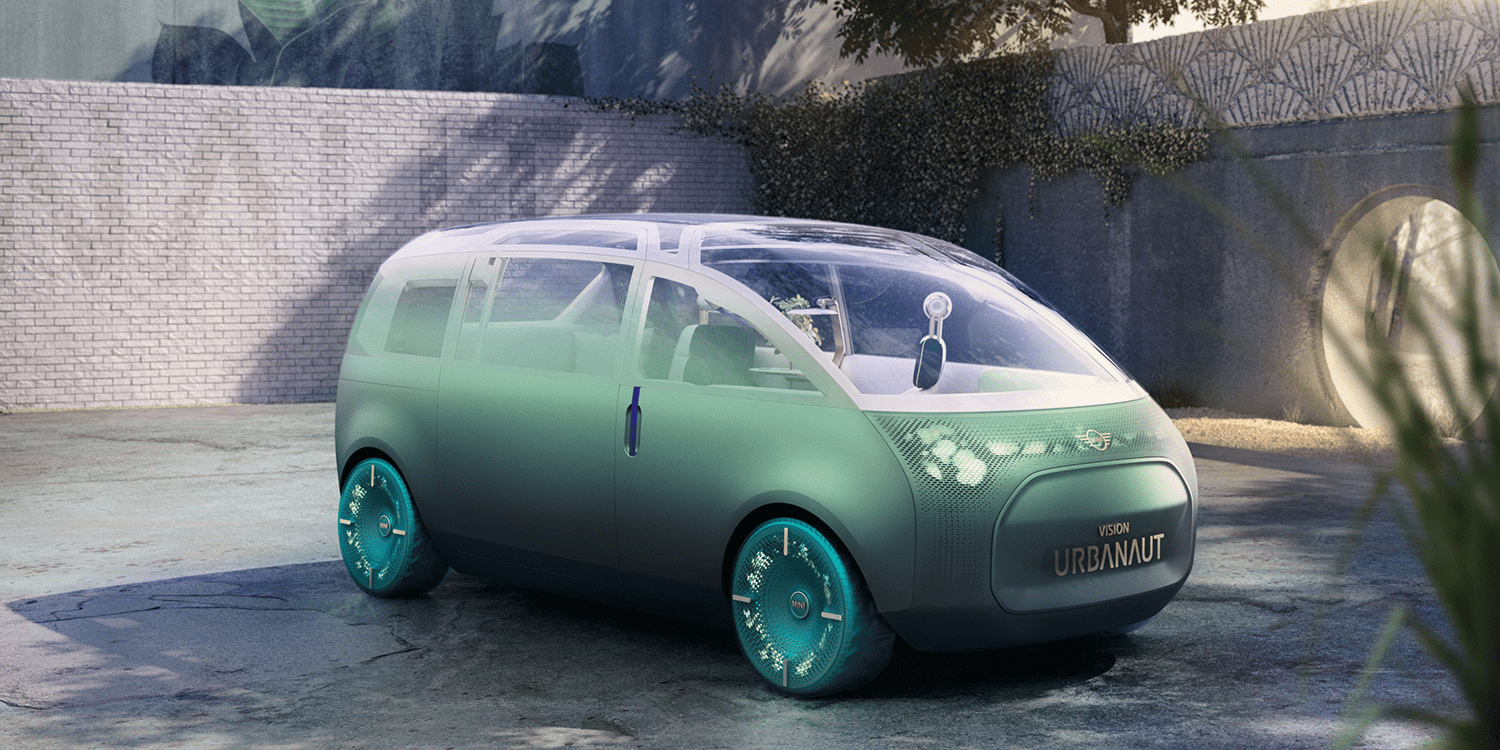
    The Mini Vision Urbanaut is the company’s interpretation of a vision of space. This digital vision vehicle offers more interior space and versatility than ever before, but still on a minimal footprint. It’s not exactly ‘mini’ in the true sense of the term because at 4,460mm long, there’s a lot of room and yes according to the company, the Urbanaut provides an interior space that can be used in many different ways and offers whole new ease of movement inside the car. Adrian van Hooydonk, Head of BMW Group Design said, “The MINI brand has always stood for ‘Clever Use of Space’. In the MINI Vision Urbanaut, we extend private space far into the public realm, creating completely new and enriching experiences,”

    The Mini Vision Urbanaut is an electric concept vehicle that makes clever use of space.

    The Mini Vision Urbanaut was designed from the inside out. The designers created the spacious interior experience before developing the exterior, using floor plans, pieces of furniture plus wooden scale models to provide an indication of size. Over the course of the project, augmented reality was employed to create a digital model, which was then systematically optimized.

    The interior of the MINI Vision Urbanaut provides the ideal environment in which to go on a journey but is also the aim of the journey. Having arrived at the chosen destination, it can transform into a living room in just a few simple steps. Occupants enter the innovative cabin through a large sliding door on the side of the car. The cutting-edge slide and swivel mechanism is the ideal design for urban driving conditions where space is at a premium. There are no other doors on the driver’s side or front passenger side.

    The darker environs of the cabin’s rear section provide a quieter space – the Cosy Corner. This area invites passengers to enjoy some time to themselves. A textile-covered “Loop” extends over the seat bench and features the option of LED backlighting. Between Cosy Corner and the driver’s area is the open and airy central section of the car, which offers quick access to all seating areas. With the door open, it is even possible to sit on the floor. On the side of the car opposite the entry door, a small integrated table with a plant adds a finishing touch to the interior fittings. The table signifies the car’s new center point – the place where passengers meet, face, and engages with one another.

    Oliver Heilmer, Head of MINI Design said, “The car becomes a kind of retreat, a haven where you can relax – or work with full concentration – during a journey. Wanderlust is the only MINI moment where the MINI Vision Urbanaut is being driven or driving with automated driving functions.”
    The Mini Urbanaut was conceived from the outset as an electrically powered vehicle with automated driving functions but the company has not yet provided details on the powertrain.

    The front end of the MINI Vision Urbanaut represents a clear evolution of two time-honored MINI design icons – the headlights and radiator grille. Positioned under a milled aluminum structure with slotted openings, the headlights are only visible when switched on. Thanks to their multicolor dynamic matrix design they can display different multi-colored graphics, which creates a new form of communication between the car and the outside world to suit each moment. The lights on the MINI Vision Urbanaut complement the front “grille” with the attractive look distinctive to every MINI. The enclosed grille itself is now octagonal in shape, representing an evolution of the traditional hexagonal form. Since the MINI Vision Urbanaut does not have a combustion engine requiring cooling air, the grille assumes a new function: it now serves as an intelligence panel for automated driving.

    As with the headlights, multicolor dynamic matrix rear lights behind milled aluminum covers deliver a fresh aesthetic and present a different look in the various driving modes and MINI moments. On closer inspection, the distinctive, convex surfaces also pay homage to previous MINIs and the classic Mini. One small detail – the contour of the rear windows – references the form of the front grille and underscores the car’s stylistic consistency.

    The clear form of the exterior supplies the car’s colors, materials, and details with the perfect stage. The matt exterior shade Zero Gravity transitions from a metallic green with blue flip effect to a subtly toned grey. The windows show a pattern in body color, fading in a gradient from bottom to top. This creates a harmonious transition from the vehicle body to the windows and roof. The pattern also provides a certain amount of privacy without having to darken the windows; the interior remains bright.

    The concept behind the MINI Vision Urbanaut includes services designed to make using the car an enriching and seamless experience. For example, the MINI Vision Urbanaut can be opened using smart devices – so, in keeping with its status as a mobility option of the future, it can be accessed by anyone within a defined circle of family and friends. Playlists, audiobooks or podcasts to suit the route and the moment can be explored while traveling. A personal journey planner displays tips and points of interest (POI) tailored to the individual, as well as recommendations from the MINI Community. These can be proposed and selected as desired.

  • Auto industry seeks to develop components segment

    Auto industry seeks to develop components segment

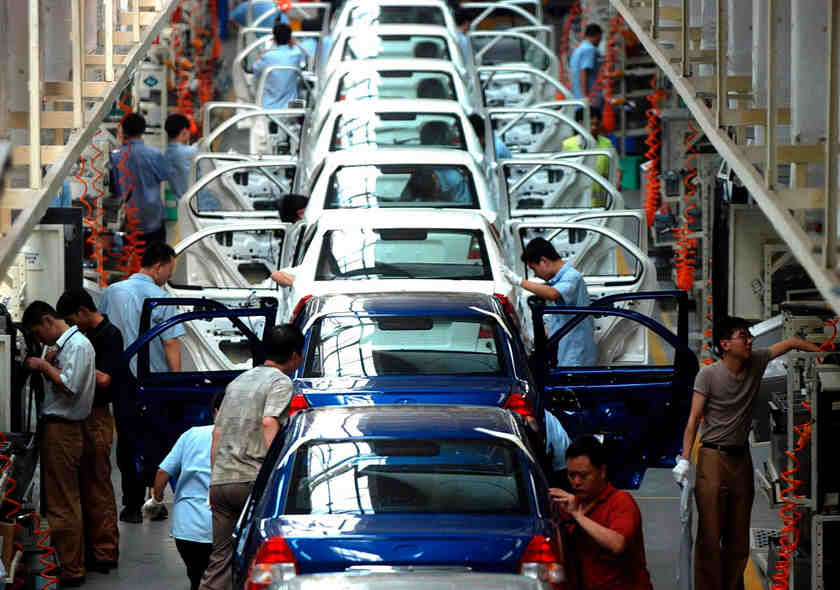
    While the automotive industry’s target of using 35-45 percent locally made parts remains elusive, auto companies are increasing investments in supporting industries.

    On September 22 TC Motor began construction of the 340 ha Thanh Cong Viet Hung Complex for Automotive Supporting Industries in northern Quang Ninh Province.

    A spokesperson for the Ninh Binh-based auto firm believed that the complex would attract many companies in the auto ecosystem.

    TC Motor is also clearly interested in making parts for Hyundai cars produced in Vietnam. The South Korean brand, which it assembles and distributes, topped the market in the last 10 months.

    Next to Quang Ninh is the VinFast plant that makes cars, motorbikes and electric bikes in the Dinh Vu-Cat Hai industrial zone in Hai Phong City. A third of the 335-ha plant is used to produce auto and motorbike parts.

    The last of the big three local auto companies, Truong Hai (Thaco), is no exception to this trend, making large investments in supporting industries.

    Thaco says that it currently has 12 plants in the 1,200 ha Chu Lai-Quang Nam industrial zone making both internal and exterior parts for buses, trucks and cars; composite parts; automotive glass; air conditioners for trucks, buses and passenger cars; bumpers for passenger cars; seats and seat covers; wires; springs; car body parts and more.

    This producer of Kia and Mazda vehicles is the second largest in the Vietnamese market after TC Motor. Its ambition is to become an original equipment manufacturer (OEM) for not only the domestic market but also exports.

    Where is Vietnam on the automotive map?

    While the Vietnamese car market ranks fourth in Southeast Asia in terms of scale, sales and production, the country’s supporting industry ranked considerably lower.

    In a report in 2018 the Ministry of Industry and Trade said the use of locally produced parts in the Vietnamese auto industry was just 7-10 percent on average, miles away from the 40 percent goal set in 2004.

    While Vietnam is still struggling to develop its supporting industries, an important requirement for auto manufacturing, other Southeast Asian nations like Thailand and Indonesia have already surpassed the 70-80 percent mark.

    To bolster production, it is necessary to have strong supporting industries and steady market growth, said, experts. Vietnam is behind only Myanmar in Southeast Asia in terms of sales growth, but weak supporting industries and a small number of parts suppliers limit production to mere assembly of imported parts.

    The high costs of imported parts have also led to a paradoxical situation of locally made cars being more expensive than imported ones.

    Statistics from the Vietnam Automobile Manufacturers Association (VAMA) show that its members source around 15 percent of tier 1, or low-technology, parts like chairs and wires domestically, and import the rest.

    Thailand and Indonesia only import 10 percent of tier 4 parts, which include the most important like gearboxes and engines.

    In 2018 there were around 2,100 part suppliers in Thailand and only 276 in Vietnam.

    Auto manufacturing costs in Vietnam are around 15-20 percent higher than elsewhere. A steel filler cap costs around $1.5 in Thailand, but $3.8 in Vietnam.

    With even lower-tier parts being expensive in Vietnam, reducing the costs of higher-tier parts like car body, electronics, engines, and gearboxes seems infeasible, said some experts.

    The inability of suppliers in Vietnam to make parts more complicated than tires, seats, and wires require the domestic industry to import about $2 billion worth of car parts each year, mostly components like the braking and steering system, from countries like Japan, China, and South Korea, according to a report by the Ministry of Industry and Trade.

    Car sales in Vietnam reached 385,600 units last year, but the size of the Indonesia and Thailand market was 2.6 times bigger and that of Malaysia, 1.6 times.

  • The History of Whoo to open luxury Korean beauty flagship store in Canada

    The History of Whoo to open luxury Korean beauty flagship store in Canada

    LG Household & Health Care proudly announces the opening of a first-of-its-kind, The history of Whoo luxury concept store in Canada. The history of Whoo is a best-selling, record-breaking, prestigious Korean skincare brand known worldwide and recognized for its impeccable quality, use of precious ingredients, and unique formulas once reserved for royalty and members of the Royal Court. Each precious formulation is preserved in distinctly luxurious packaging including flacons and vials inspired by the Korean cultural heritage.

    Customers at the new flagship Canadian store can expect the same level of luxury and attention to detail that The history of Whoo has become synonymous with. Upon entering the space, customers are welcomed as guests and invited to experience a truly immersive shopping experience; from elegant gold-plated fixtures to Gani marble floors, mirrored ceilings, and a dramatic custom-crafted chandelier, all culminating into an elegant showcase designed to envelop the senses in luxury and reflect the royal heritage of the brand.

    The new Canadian store will open its doors at 10:00 a.m. on November 20th at Cadillac Fairview Richmond Centre, British Columbia. The first 75 customers will receive a complimentary limited-edition cosmetic case filled with deluxe samples valued at over $100, with the purchase of $8 or more, while supplies last. To ensure a clean, safe, and comfortable environment, Cadillac Fairview Richmond Centre has put all necessary safety and social distancing measures into place.

    Inside the store, highly trained beauty consultants specialized in Korean skincare will offer shoppers personalized one-on-one consultations with customized recommendations from a selection of luxury brands, including:

    The history of Whoo – Launched in 2003, the most luxurious skincare brand from LG Household & Healthcare, Whoo harmoniously balances modern-day technology with Ancient Eastern medicinal principals to deliver the most prestigious traditions to the Empresses of today. The Chinese character “后” (Whoo) translates into Empress.

    For the first time, a brand has uncovered the beauty secrets of the Royal Court, incorporating their rare and delicate nutritious ingredients from Gongjindan – a traditional herbal recipe. Each ingredient originating from the finest sources around the world, carefully blended and perfectly balanced to achieve harmonious, healthy, and youthful-looking skin.

    Its flagship product – Bichup Self-Generating Anti-Aging Essence is an all-in-one secret recipe that increases skin moisturization and improves the appearance of wrinkles for smoother and more radiant skin. According to a Kantar Worldpanel Beauty Evaluation, this globally renowned product has been the best-selling anti-aging essence in South Korea for nine consecutive years1. Each year, the serum is released with intricately designed limited-edition packaging inspired by the Royal cultural heritage, making it one of the most highly anticipated and most valued qualities about Whoo.

    Su:m37 – a traditional Korean luxury brand that utilizes cutting edge fermentation technology to achieve highly functional skincare products. Known for its best-selling “Secret Essence,” created using Cyto-FermTM technology, a three-stage fermentation process, to create a natural and fermented water achieved by aging and fermenting a variety of 80 plants for an entire year. The antioxidant-rich, renewed Secret Essence improves skin elasticity and barrier function to enhance the skin’s own natural strength and resistance.

    O HUI – a luxury cosmetic brand based on the concept of skin science to harmonize the skin and address its condition through the use of cutting-edge biotechnology and natural botanicals. Its iconic Prime Advancer Ampoule Serum contains the brand’s proprietary Skin Core Enhancing technology to help protect the skin’s barrier and improve its resilience to environmental stressors such as pollution and seasonal changes.

  • Huawei sells Honor to consortium of resellers including Suning

    Huawei sells Honor to consortium of resellers including Suning

    Huawei Technologies Co Ltd is selling its budget brand smartphone unit Honor to a consortium of over 30 agents and dealers in a bid to keep it alive, the company and the consortium said on Tuesday.

    The deal comes after U.S. government sanctions have restricted supplies to the Chinese company on grounds the firm is a national security threat – which it denies. The consortium issued a statement on Tuesday announcing the purchase, which will be made via a new company, Shenzhen Zhixin New Information Technology. Huawei will not hold any shares in the new Honor company after the sale, the statement said.

    In Huawei’s statement, the company said its consumer business has been under “tremendous pressure” due to the “persistent unavailability of technical elements” for its phone business.

    “This move has been made by Honor’s industry chain to ensure its own survival,” Huawei said.

    The change of ownership will not impact Honor’s development direction, both statements said. Sources with knowledge of the matter say U.S. government restrictions have forced the world’s second-biggest smartphone maker – after South Korea’s Samsung Electronics – to focus on high-end handsets and corporate-oriented business. One source said on Tuesday the U.S. government will have no reason to apply sanctions to Honor after it separates from Huawei.

    Honor sells smartphones through its own websites and third-party retailers in China, where it competes with Xiaomi, Oppo and Vivo in the lower-priced handset market. It also sells phones in Southeast Asia and Europe, and ships 70 million units annually, according to the Huawei statement.

    Electronics products and appliance store Suning.com is listed among the buyers, which include several state-owned investment firms in Huawei’s hometown of Shenzhen.

    Honor will look for more investment partners in the future, with the possibility of an eventual listing, the source said.

    Reuters reported earlier this month that Huawei was in talks to sell Honor in a 100 billion yuan ($15.2 billion) deal to a consortium led by handset distributor Digital China and the Shenzhen government.

    Digital China was not part of the final buyer group, the source said.

    Huawei has said its higher-end smartphone line is also under threat from the U.S. sanctions, with the head of its consumer business saying in August that it would be unable to continue making the Kirin chips that power its premium models.

    Offloading Honor will give Huawei some “breathing room” on the sourcing side for its premium business while it focuses on developing its proprietary HarmonyOS for smartphones, said Nicole Peng, vice president of mobility at industry research consultancy Canalys.

    The sale will help to sustain the brand, while allowing the possibility of buying Honor back some day, said Will Wong, an analyst at IDC.

    “It will be easier for Huawei to make a potential buyback in the future from this consortium, which might not be so easy if they sell it to other smartphone or electronics makers,” he said.

  • Nissan Plans To Invest Heavily In China Luxury Segment, COO Says

    Nissan Plans To Invest Heavily In China Luxury Segment, COO Says

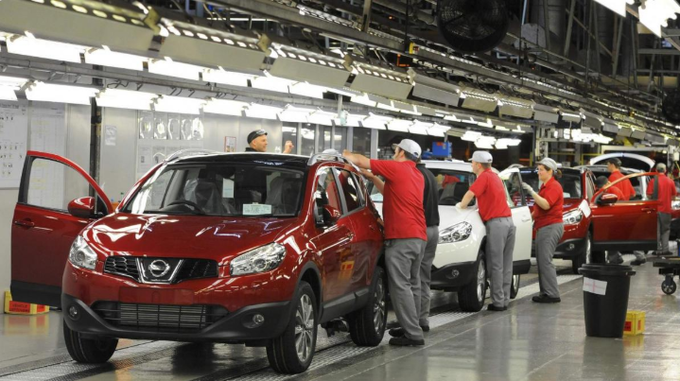
    Japan’s Nissan Motor plans to invest heavily in China’s luxury auto segment, its chief operating officer said on Monday.

    Ashwani Gupta made the comment in an interview during the Reuters Auto Summit teleconference. He also said that while he was satisfied with the automaker’s business in the United States, it wasn’t enough.

  • Nissan Says ‘Absolutely Not’ In Talks About Mitsubishi Stake Sale

    Nissan Says ‘Absolutely Not’ In Talks About Mitsubishi Stake Sale

    Nissan Motor Co is “absolutely not” in talks to sell its stake Mitsubishi Motors, Nissan’s chief operating officer said on Monday, following a report the carmaker was considering pulling out of its alliance partner. “We are not in any discussion or consideration of changing the capital structure in our partner companies. We are moving ahead with many projects,” Ashwani Gupta said in an interview at the Reuters Automotive Summit teleconference.

    He spoke after Bloomberg News reported earlier, citing unidentified sources, that Nissan was considering selling its 34% stake in Mitsubishi Motor to help it cope with the slump in demand caused by the COVID-19 pandemic.

    Such a deal would fundamentally reshape a three-way alliance that includes France’s Renault built by Carlos Ghosn, former chairman of the alliance. The partnership was plunged into uncertainty when Ghosn was arrested in 2018 on financial misconduct charges, which he denies.

    At Monday’s closing price in Tokyo, Nissan’s stake in Mitsubishi Motors was worth 102.2 billion yen ($975.8 million).

    Nissan shares rose 5% on the Bloomberg report, while Mitsubishi Motors, which said it would continue to collaborate with its alliance partner, gained 3%.

    Nissan, which is 43% owned by Renault, last week cut its operating loss forecast for the year to March by 28%, helped by a rebound in demand, especially in China.

    Mitsubishi Motors, Japan’s No.6 automaker, expects to post an operating loss of 140 billion yen for its business year.

    Both companies are cutting production levels and costs in a bid to return to profitability.

  • Baidu to buy live-streaming platform Joyy

    Baidu to buy live-streaming platform Joyy

    Baidu, China Internet search and AI giant, has agreed to pay $3.6 billion in cash for the Chinese live-streaming business of JOYY. The deal may help Baidu catch up in the fast-growing live and short video sectors, where it trails TikTok-owner Bytedance and social media leader Tencent.

    Driven by changes in consumer behavior that were accelerated by the coronavirus pandemic, Baidu earlier this year confirmed plans to grow its existing short content streaming activities based around the app called Haokan. Baidu is also the majority owner of perennially loss-making generalist streaming platform iQIYI.

    The oft-rumored acquisition of JOYY’s china businesses takes Baidu significantly further in the direction of short-form and may provide benefits to the YY Live business it is buying.

    “This transaction will catapult Baidu into a leading platform for live streaming and diversify our revenue source,” said Robin Li, co-founder and CEO of Baidu in a filing.

  • Gmail will soon give you more control over how your personal data is used

    Gmail will soon give you more control over how your personal data is used

    Google, through the Gmail app, has been working at making it safer and easier for people to communicate via email since 2004. And when it comes to security, Google says that Gmail blocks more than 99.9% of “spam, phishing and malware” from reaching your inbox. Google also lets you know about the data it collects “to provide you with helpful experiences.” And by making auto-delete the default setting this year, it means that Android users won’t have to consciously change the settings to automatically get rid of data that they don’t want to share with others, including advertisers.

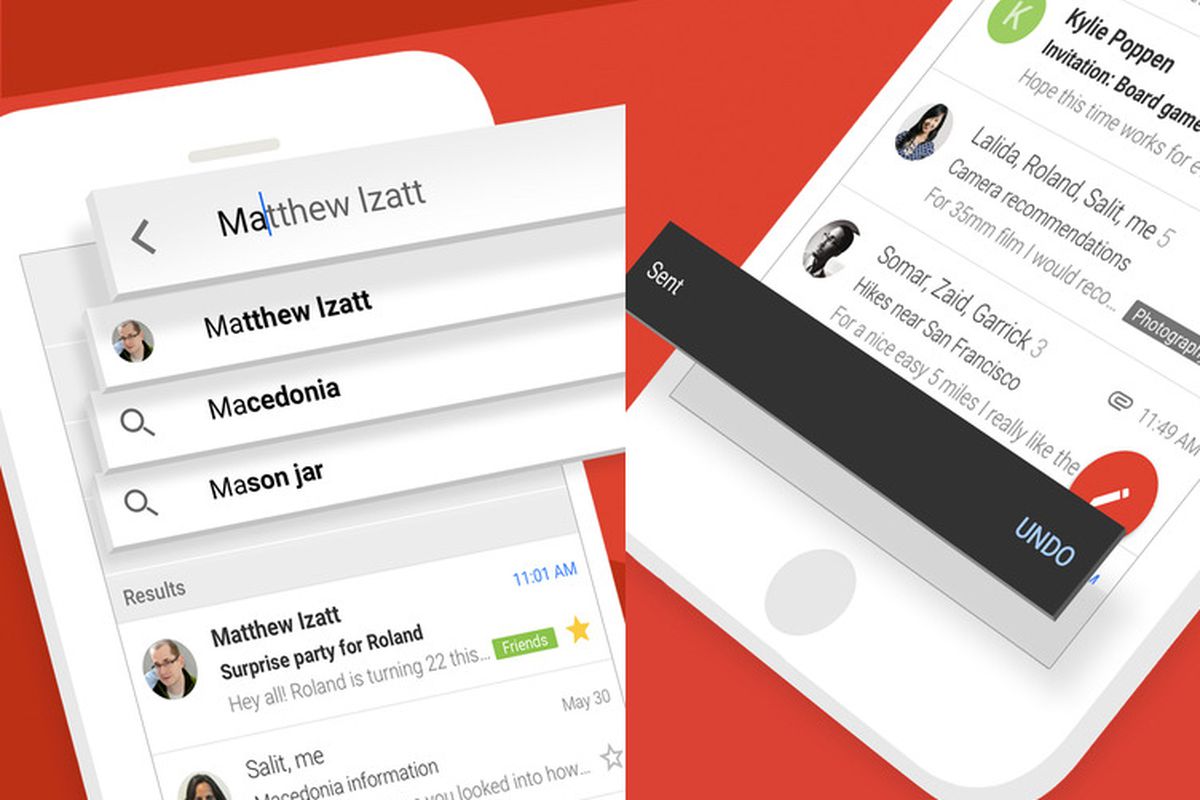
    In the coming weeks, Google will add settings to Gmail that will allow users to continue using some smart features such as the automatic filtering that allows emails to be placed in different categories such as primary, social and promotions. Other smart features that users will be able to enable or disable include Smart Compose. The latter suggests what a user might want to write in an email. Summary cards can remain enabled; these show package tracking numbers, travel plans, and more. In addition, information collected from Google that includes Event details can be used to create entries in the user’s calendar. If a user is concerned that he is allowing Google to collect oo much personal data, these smart features can be turned off and disabled. Not to worry though; they can be turned back on in Gmail.

    Other controls will allow a user to personalize Google products with data from Chat, Meet, and Gmail. In other words, Google products like Assistant, Travel, and Maps can use personal data gathered from Chat, Meet, and Gmail to improve the experience of using those products. For example, users can get reminders about the bills they owe via Google Assistant, Google Maps will show restaurant reservations, itineraries can be bundled in Travel, and loyalty cards and tickets can be used quickly with GPay. Users can also choose to disable the above features while using limited versions of other Google products.

    Google is trying to continue offering useful features that improve the experience and ease of using Gmail and other Google products. At the same time, the company is giving users the ability to prevent too much personal data from getting into the wrong hands.

  • Thai shoppers put trust in card payments when paying online during

    Thai shoppers put trust in card payments when paying online during

    As we pass the halfway point of 2020, the world today looks very different from when we started the year. The impact of the COVID-19 pandemic has affected more than our health, as our daily habits have changed, and how we use goods and services has transformed. We do more online than ever before, buying things we’d never imagined buying remotely: from shopping for groceries to ordering break-time bubble tea from our favorite shop. And not being present in the store means we have changed the way we pay too.

    In reality these changes were already in progress, but the pandemic has accelerated new customer habits. According to a recent study conducted by Visa, the global leader in digital payments, many Thai consumers turned to eCommerce for this first time, with two-thirds saying they were most likely to increase their online shopping.  Similarly, two-thirds said they intended to stick with digital payment methods, including contactless card and ecommerce, instead of reverting back to cash when the situation returns to normal. For digital payments, the new normal is here to stay.

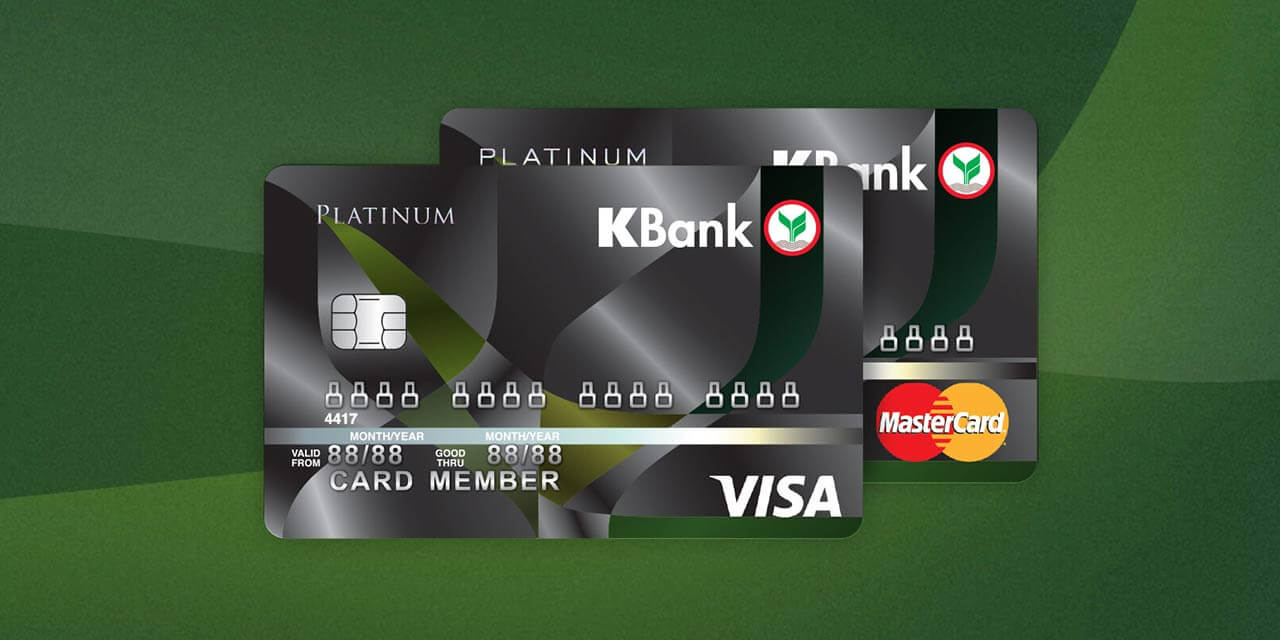
    As more Thai consumers shop and pay with digital payments, KASIKORNBANK and Visa have been working closely to pioneer new ways and solutions to secure digital payments and eCommerce experiences during and after your payment is made.  These are some of the behind the scenes security measures we carry out that will allow you to have more peace of mind when transacting digitally, and will shine a light onto why you should never look at digital payments the same way again.

    One-time password, or OTP, may be familiar. This is most commonly used when you receive a unique password sent by SMS to your phone that you use to authorize your payment.

    EMV CHIP is the small chip you see on your plastic card, and every time you pay this chip generates a dynamic one-time use code for each transaction. Using EMV CHIP cards means we are able to provide an additional layer of security known as dynamic authentication in addition to the real-time fraud scans conducted when the transaction is authorized by the issuing financial institution.

    Visa Advanced Authorisation is a service that uses predictive analytics combined with machine learning and artificial intelligence (AI) to analyse more than 500 unique risk attributes and allocates a risk score for each transaction.  This score is then shared with KBank Credit Card so we can make an informed decision on whether to approve or decline a transaction.  On average, Visa analyses more than six billion pieces of data every day.  When data analytics is used with authentication methods like biometrics to verify the cardholder, payment security is enhanced.

    Visa Tokenization will help ensure no sensitive data is transmitted during an online transaction. It replaces sensitive account information, such as the 16-digit account number, with a unique digital identifier called a token.  This token then allows payments to be processed without exposing actual account details that could potentially be compromised.  This means your card number and expiry date is not shared and your account is kept secure.

    Although most sales transactions are processed, posted and paid for with few problems, you may see a charge on your card that is unfamiliar or incorrect. To settle any disputes, KBank Credit Card has a chargeback policy.  The purpose is to protect cardholders from fraud and unfair billing practices.  This allows cardholders to feel more confident using cards freely, knowing that they will not be held responsible for the actions of identity thieves, deceptive merchants and other fraudsters.

    You can also imagine if your wallet gets stolen with cash in it, it can be virtually impossible to replace that money, unless the wallet is retrieved.  On the other hand, with cards, the process to replace lost or stolen cards is relatively seamless.  All you have to do is contact your card-issuing bank and they will work with you to disable the card and prevent your funds from being exploited by fraudsters.


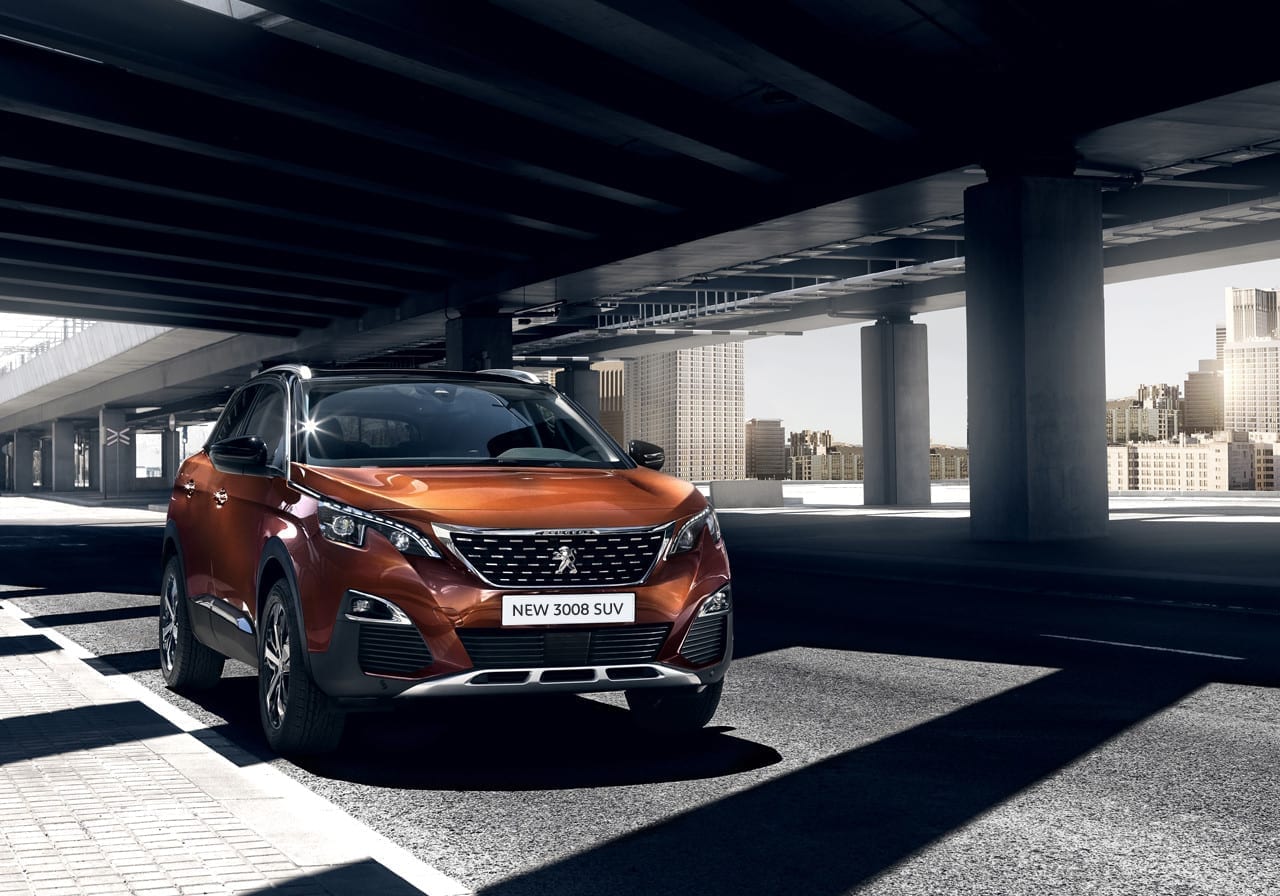
  • PSA Boss Sees More Auto Deals

    PSA Boss Sees More Auto Deals

    The head of Peugeot maker PSA Group expects more consolidation in the auto industry as carmakers invest vast sums to make electric vehicles, he said on Monday, while predicting some wouldn’t make it through the coming decade.

    “Only the most agile with a Darwinian spirit will survive,” Carlos Tavares said at the Reuters Automotive Summit teleconference, adding PSA was no longer investing in internal combustion engines as Europe and China push for cleaner driving.

    Tavares also said PSA was far ahead of its objectives in meeting European Union CO2 emission targets.

    PSA is working towards a planned merger with Italian-American Fiat Chrysler Automobiles NV (FCA) and Tavares reiterated this was on track for the first quarter of 2021.

    “So far, so good,” he said, adding much of the hard work in bringing the two companies together had already been done.

    PSA and FCA will operate under the name Stellantis after they merge, becoming the world’s fourth-largest carmaker.

    Tavares said one of the tasks facing the merged group would be improving its performance in China, the world’s largest car market, where it will have a considerably smaller market share than in Europe and the United States.

    “No global car company can afford not to be in the largest car market in the world,” Tavares said.