Tag: asia

  • Huawei’s troubles could hurt the entire smartphone market

    Huawei’s troubles could hurt the entire smartphone market

    After putting on a brave face for the last few weeks and insisting the Chinese company is prepared for whatever US President Trump might throw at it down the line, Huawei has finally acknowledged its incredible recent rise through the ranks of the world’s largest smartphone vendors is likely to slow down.

    But while Apple, Samsung, and Xiaomi are expected to derive important gains from Huawei’s global losses, Canalys is taking a look today at another big potential loser in this extremely complicated equation. The research firm thinks the entire smartphone industry will be hurt by “uncertainties surrounding the US/China trade talks, the US Executive Order signed on 15 May and subsequent developments.”

    Although it’s obviously impossible to project the long-term repercussions of current tensions between the US and Chinese governments, as “subsequent developments” remain up in the air, Canalys is already reducing its 2019 smartphone shipment forecast to 1.35 billion units. That would represent a decrease of 3.1 percent from last year’s total, which in turn marked a worrying decline for an industry that was used to steady, impressive growth until not long ago.

    That essentially stopped when manufacturers got into a rut, failing to innovate like before and convince people to upgrade from their awesome high-end handsets to eerily similar and only slightly awesomer new flagships. With the advent of 5G connectivity and increasingly bolder designs pursuing the foldable and bezelless dreams, analysts are now widely expecting a (slow) recovery of global smartphone sales.

    But if Canalys is right, we may have to wait until 2020 for a boost in shipments. Specifically, this year’s 1.35 billion units are projected to rise to 1.39 billion for a sequential growth of 3.4 percent after consecutive declines of 4.5 and 3.1 percent in 2018 and 2019 respectively.

    Of course, this year’s total is exceptionally volatile and tricky to forecast, greatly depending on whether or not Huawei will ultimately be allowed to continue doing business with US companies. The current assumption is that “restrictions will be imposed stringently” on the Chinese vendor at the end of Trump’s 90-day reprieve, hampering its overseas potential for “some time.”

  • Reebonz launches buy-back guarantee Program in Thailand

    Reebonz launches buy-back guarantee Program in Thailand

    Online luxury marketplace Reebonz has launched a guaranteed buy-back program in Thailand.

    The service, which applies to leather goods and jewellery, gives customers a guaranteed price that the company will pay to buy back products initially sold on its platform.

    Customers will be offered currency, called Reebonz Credits, that can be used for future purchases on the platform.

    Pre-owned jewellery from selected brands such as Chanel, Harry Winston, Hermes, and Christian Dior, among others, will be eligible.

    Daniel Lim, Reebonz co-founder and CPO, said the company hopes to further expand its services across new geographies and categories, giving customers even more ways to engage with the brand. “We truly believe we can be a one-stop ecosystem for everyone’s luxury needs.”

    The guarantee is now available in Singapore, Hong Kong, Taiwan, Malaysia, Australia, Indonesia, and the US.

    Headquartered in Singapore, Reebonz is a C2C platform that allows customers to buy and sell their pre-owned items to a community of more than 5.5 million members.

  • Lush Tokyo store marks beauty brand’s largest In South East Asia

    Lush Tokyo store marks beauty brand’s largest In South East Asia

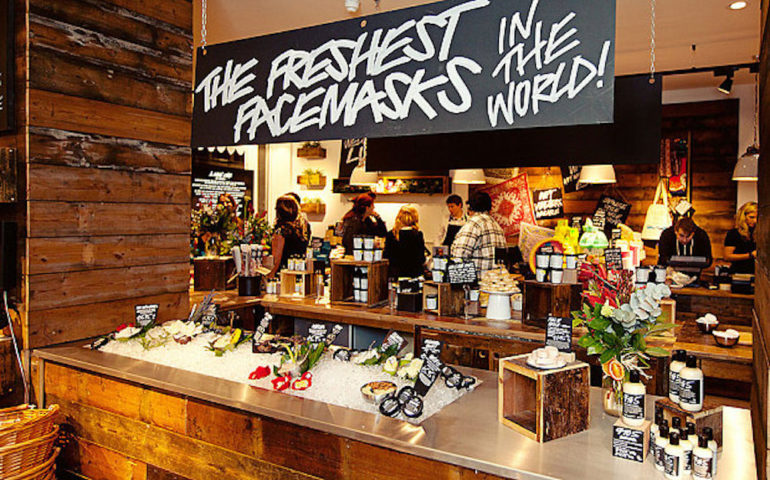
    The new Lush Tokyo store opened on Saturday is its largest yet in Asia, a three-storey, 1240sqm flagship. Billed as “a global destination, with a curation of the best of Lush as you know it,” the Lush Shinjuku store is housed in the southeast wing of Shinjuku Station, the world’s busiest railway hub. From the outside, it is hard to miss: a towering four-storey 1024cm x 352cm LED screen dominates the street frontage (the building’s fourth floor will house back-office functions for now).

    Inside, Lush Tokyo promises an “experiential, imaginative retail space showcasing Lush’s innovation in technology, with exclusive product drops, and new ways to shop”.

    Digital screens feature throughout the retail space, as well as projection installations, positioned to communicate key messages through visual content and designed to overcome language barriers.

    Coinciding with the store’s opening is the release of an upgraded Lush Labs app for Android and iOS featuring English, Korean, Japanese and Simplified Chinese. Visitors can use the app’s scan function to browse product information while in store, at home and even in the store’s digital ‘shoppable window’ which will be active 24 hours a day for customers and passers-by to scan and shop curated collections and product drops.

    Lush says using lens technology, via the app, to demonstrate products and product information is a step towards minimising packaging and reducing water wastage by showcasing products through videos.

    The content placed in windows and on the giant screen “will reflect the mood of Shinjuku at that time and aims to capture the attention of passers-by and commuters”. It will showcase Lush’s values, campaigns and creativity.

    Lush says the ambience of the new store aims to change the customer’s mood, whether it is a skin consultation, spa treatment or something sensory to speed you up or slow you down.

    “Products, treatments and experiences with benefits beyond the body exist here and build in intensity as customers move through the floors. Each floor offers an uplifting, interactive and playful space that promotes exploration and creativity with benefits beyond the body through different materials, lighting, products, content and merchandising to set the tone and spark joy.”

    The second floor offers what Lush describes as “a surreal sensory experience using colour therapy and generative art inspired by bath art to create an interactive digital mood”.

    “Innovative use of technology heightens the senses and plays with mood, data from sensors that map customer position and movement will be used to activate sounds from within the displays. This is just one way the shop can respond to individual customers, creating targeted experiences filled with surreal moments.”

    The new Lush Tokyo store opened its doors on Saturday, June 1. A spa planned for the third floor will open within the next few months and the company says it is evaluating using some of the fourth-floor space for customer engagement as well.

  • AirAsia’s new biggest shareholder is holding firm of party-list rep

    AirAsia’s new biggest shareholder is holding firm of party-list rep

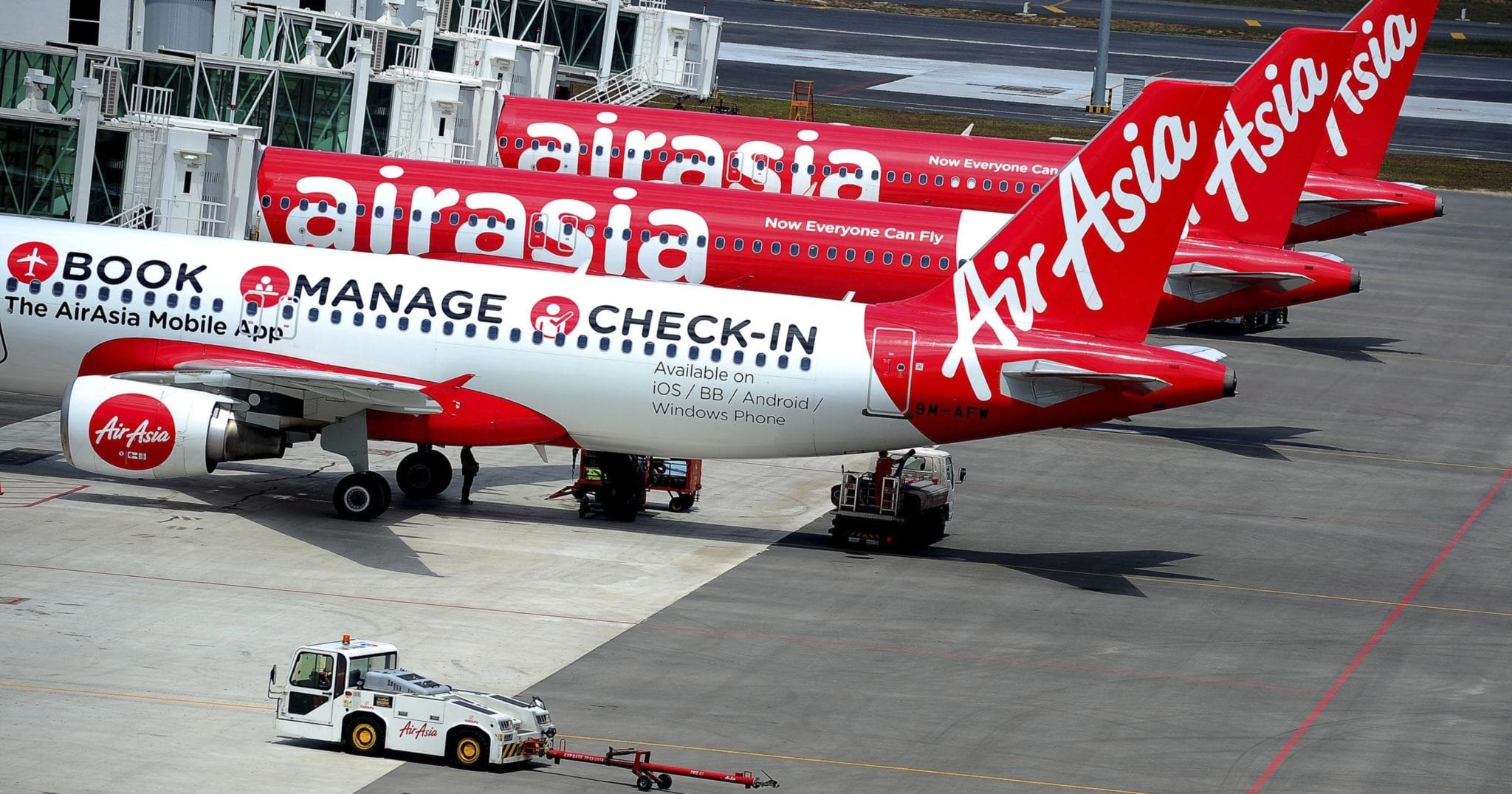
    AirAsia Inc on Monday said F&S Holdings Inc, owned by 1-PACMAN party-list Rep. Michael “Mikee” Romero, is now the biggest shareholder of the budget airline’s Philippine arm after acquiring an additional 28.8 percent stake, which raised the holding firm’s ownership to 44.5 percent.

    Prior to the acquisition, Romero’s group owned 15.7 percent shares. Thirteen percent and 15.8 percent of shares were acquired from Ambassador Fred Yao and Maan Hontiveros, Romero’s wife Sheila Romero said in a press conference.

    “Rep. Romero said Air Asia Inc will continue to scale new heights for the multi-awarded Philippines AirAsia,” the carrier said in a statement.

    Businessman Antonio “Tonyboy” Cojuangco’s TNR Holdings has 15.7 percent shares, while the remaining 40 percent remain with AirAsia Berhad founders Tony Fernandes and his partner Kamarudin Menardum.

    Romero said he is bullish about AirAsia’s prospects this year as airlines have been booking 90 percent of seats recently.

    He said AirAsia is recapitalizing and restructuring its equities and is aiming to have an initial public offering of around $200 million worth of shares later this year.

    The company is also aiming to add 50 planes within the next 10 years and add more routes as it competes in the budget air travel market.

    “In fact we want to lower the prices and add more routes and flights,” Romero said in an interview with ANC’s Business Nightly.

  • Australian brand house Gazal bought by PVH

    Australian brand house Gazal bought by PVH

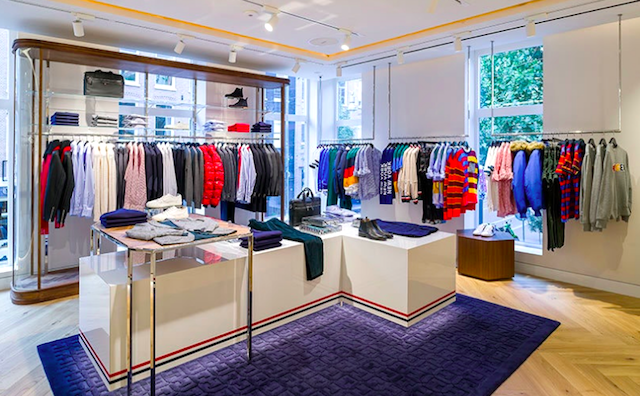
    PVH has finalised the acquisition of Gazal Corporation, the Calvin Klein and Tommy Hilfiger-owner’s long-term partner in Australia, showing an increased commitment to the region.

    The acquisition gives PVH ownership of the Calvin Klein, Van Heusen, Nancy Ganz, Pierre Cardin, Fred Bracks, and Paramount brands in the region, and supports the group’s strategy to have a more direct hand in the direction of its brands in the Asia-pacific region – having recently re-purchased the licence in Hong Kong, Macau, Singapore, Malaysia and Taiwan.

    “Our decision to acquire Gazal is aligned with PVH’s strategic priority to expand our worldwide reach by assuming more direct control over our brands’ regional licensed businesses,” PVH chairman and chief executive Emanual Chirico said in a statement.

    “By joining forces now, we believe we’re well positioned to capture the significant growth in the Australia and New Zealand markets.

    “We are pleased to welcome Gazal into our PVH family and continue driving our business forward together.”

    As part of the acquisition, four key members of Gazal’s executive team are expected to remain in their respective roles for at least two years, having entered new employment agreements.

    According to Tommy Hilfiger global chief executive Daniel Grieder, this strategy will allow the brand to introduce a wider range of product lines, as well as offer an elevated and more immersive brand experience.

    “Building on our strong existing regional foundation, we plan to accelerate the growth of the Tommy Hilfiger business and invest further in driving the expansion of the brand,” Grieder previously said.

    Calvin Klein has also been expanding its focus in Australia, opening its first multi-brand store in Queensland’s Sunshine Plaza – the brand’s 32nd in Australia – as well as a more directed digital strategy.

    Steven Shiffman, chief executive officer at Calvin Klein, recently unveiled a number of initiatives meant to push the brand forward, while tailoring it to changing consumer wants and needs.

    One of these initiatives is a dedicated, regional e-commerce strategy, as well as the potential for as many as 100 stores opened across Australia and New Zealand.

    This decision was made in order to minimise the brands’ reliance on the Australian department store sector.

  • Tata Motors Posts 26 Per Cent Drop In Sales In May

    Tata Motors Posts 26 Per Cent Drop In Sales In May

    The Indian auto sector has been reporting a slump in new car sales over the past months and the month of May 2019 has been no different. Tata Motors announced its sales for the previous month and the company has registered a drop of 26 per cent in overall sales. The company sold a total of 40,155 units in May this year, as opposed to 54,290 units sold during the same month last year. The automaker’s year-to-date sales were also on a drop after back-to-back declining numbers, with 82,684 units sold between April-May 2019, a de-growth of 23 per cent as compared to 107,758 units sold during the same period in 2018.

    Mayank Pareek, President, Passenger Vehicles Business Unit, Tata Motors said, ” In view of higher vehicle stocks in network our strategy was to focus on retails. While the market sentiments continued to be muted, our exciting products and micro segmenting strategy helped in improving retails. In May 2019, our retail sales have shown a growth of 11% over May’18. Despite this challenging environment, our UV segment continues to grow at 13% on the back of a strong UV portfolio. We expect that post- election industry will start improving gradually. In the months to come, we are positive to bounce back with our robust product lineup and strive towards driving volumes and increasing our market share as part of our on-going turnaround journey.”

    With respect to passenger vehicle sales, Tata registered 10,900 units in May 2019, witnessing a hefty drop of 38 per cent over 17,489 units sold in May last year. That said, the automaker stated that retail sales recorded an 11 per cent growth last month, backed by new and updated products as well as micro-segmenting strategy. The UV segment sales too grew by 13 per cent in May 2019. Cumulative sales growth between April-May 2019 for passenger vehicles in the domestic market stood at 23,594 units, a decline of 32 per cent over 34,724 units sold during the same period last year.

    The commercial vehicle (CV) business also a 20 per cent drop in volumes with 29,329 units sold last month, as against 36,806 units sold in May 2018. Tata Motors attributed the declining sales to weak market sentiments due to depressed freight rates and underutilisation of trucks. The year-to-date CV sales in the domestic market also saw a decline of 19 per cent with 59,212 units, as compared to 73,082 units sold during the same months (April-May) in 2018.

    The M&HCV sales dropped by 38 per cent at 7,683 units in May this year, as compared to 12,424 units sold in May 2018. The revised axle load norms still pose a challenge for the heavy vehicle segment to grow, according to the manufacturer. Tipper sales too dropped by 22 per cent with 2539 units sold in May this year, as against 3261 units sold during the same month last year. The I&LCV truck sales in May 2019 declined by 2 per cent at 4043 units over 4106 units sold in May 2018. This segment has been relatively less affected by the revised axle load norms. E-commerce and discretionary consumption have been the two main drivers of I&LCV volume. Tata did say that new products in the 15-16 tonne segment and CNG products were well accepted in the makret and contribute over 10 per cent to the volumes.

    The SCV Cargo and Pickup segment witnessed a drop of 18 per cent with 12,695 units sold in May 2019, as compared to 15,558 units sold in May 2018. The slow consumption in rural areas was attributed as the main reason in the drop of volumes, which is likely to improve with a normal monsoon. The commercial passenger carrier segment sales stood at 4908 units in May this year and grew by 4 per cent. The Company is gearing up for the supply as per the new regulations, AIS 153, backed by strong demand for the Winger series.

    Girish Wagh, President, Commercial Vehicles Business Unit, Tata Motors said, “Tata Motors Commercial Vehicles (CV) Business sales in the domestic market in May registered a drop of 20% . The M&HCV sales has taken the maximum hit in the domestic market, declining by 38%, at 7,683 units, essentially due to higher capacity post increased axle load, not yet matched by commensurate freight growth. I&LCV truck sales were least affected, with a decline of 2% at 4,043 units as discretionary consumption has been witnessing a slowdown in recent months. The SCV Cargo and Pickup segment also lower by 18% as distress in the agriculture sector brought down rural consumption. The commercial passenger carrier segment sales was higher by 4% over last May. The school season has pushed up demand and is expected to be positive in the next month too. We are expecting an improvement in the economic conditions in the coming months and look forward to an improved buying sentiment.”

    Tata Motors reported a cumulative export of 1563 units in May 2019, witnessing a massive drop of 58 per cent over last year. The drop in retail sales in Bangladesh, Nepal and high stocks in the SAARC region, along with the slump in the Middle East, affected the automaker’s export volumes.

  • Datsun GO & GO+ Updated With Vehicle Dynamic Control

    Datsun GO & GO+ Updated With Vehicle Dynamic Control

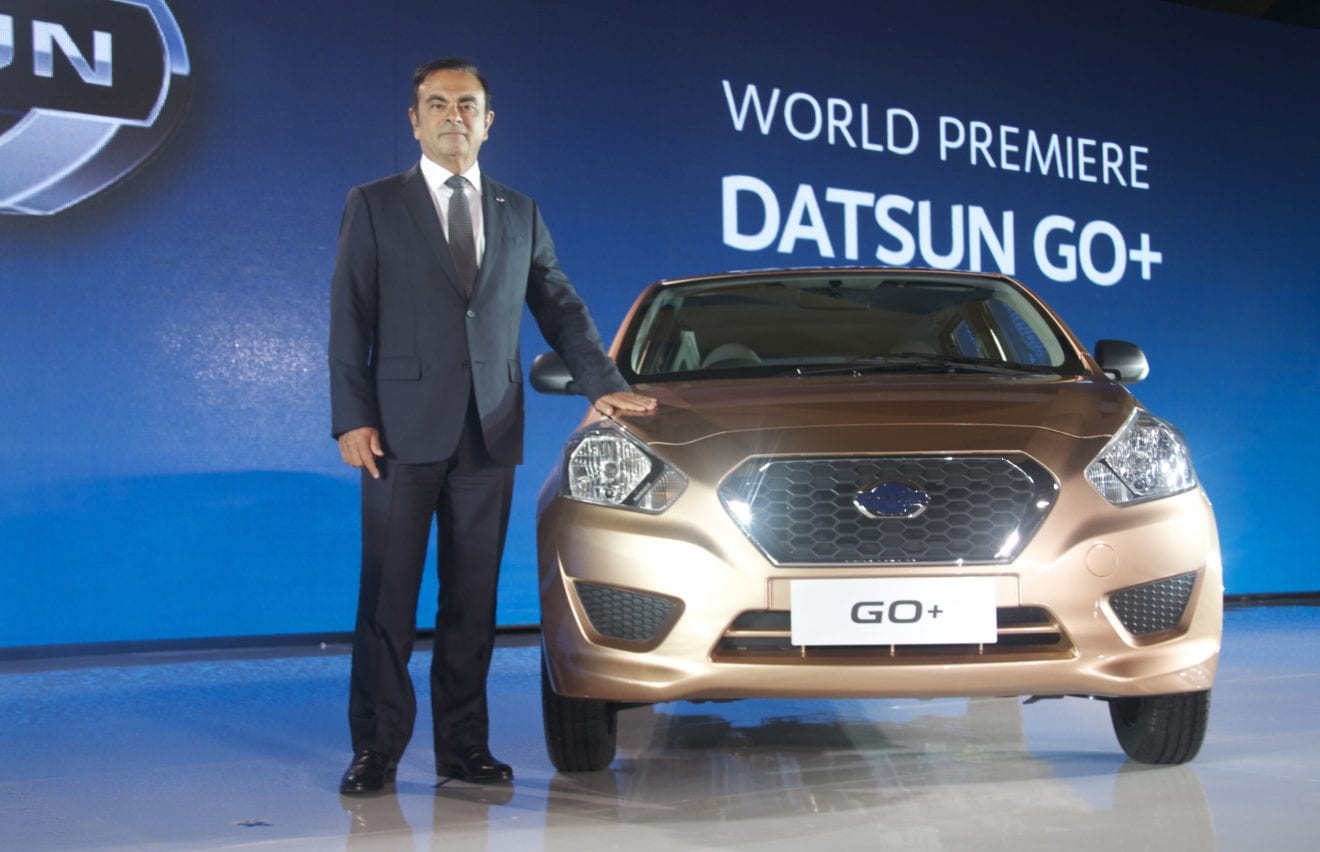
    Datsun India has updated GO and GO+ hatchbacks with Vehicle Dynamic Control (VDC) technology. The updated Datsun GO and the Datsun GO+ get enhanced safety systems thanks to the new tech on offer. The VDC system monitors wheel speed, steering wheel position, and lateral acceleration via onboard sensors to provide electronic stability control. The system also facilitates a safer driving experience by responding to the car’s oversteering and understeering inputs. The GO and GO+ now also comes with anti-lock braking system (ABS), electronic brake force distribution (EBD), brake assist (BA) and traction control system (TCS).

    Commenting on the updated versions, Hardeep Singh Brar, Director Sales and Commercial, Nissan India said, “Datsun is committed to transform customer experience with new and innovative products. Underscoring our focus on progressive mobility backed by safety, technology, style and convenience, the New Datsun GO and GO+ now comes with VDC so that the Datsun owner can drive with confidence.”

    In addition, the new Datsun GO will be available in a new ‘Vivid Blue’ colour option, while the cars now get the 7-inch touchscreen infotainment system as standard across all variants with smartphone connectivity via Apple CarPlay and Android Auto with voice recognition. The hatchbacks have also been updated with rear parking sensors and dual front airbags as standard, in a bid to comply with the upcoming safety regulations.

    The Datsun GO and GO+ received comprhensive facelifts last year bringing a premium touch, better features and attractive pricing to the models. Prices for the GO hatchback start at ₹ 3.32 lakh going up to ₹ 5.02 lakh, while the multi-seater GO+ is priced from ₹ 3.86 lakh for the base trim that goes up to ₹ 5.74 lakh (all prices, ex-showroom Delhi) for the range-topping version. The GO+ will soon face competition two back-to-back launches including the Renault Triber and Maruti Suzuki’s Wagon R-based sub 4-metre MPV, both of which are slated to launch this year.

  • Volvo Cars Partners With POC To Develop Safer Helmets For Cyclists

    Volvo Cars Partners With POC To Develop Safer Helmets For Cyclists

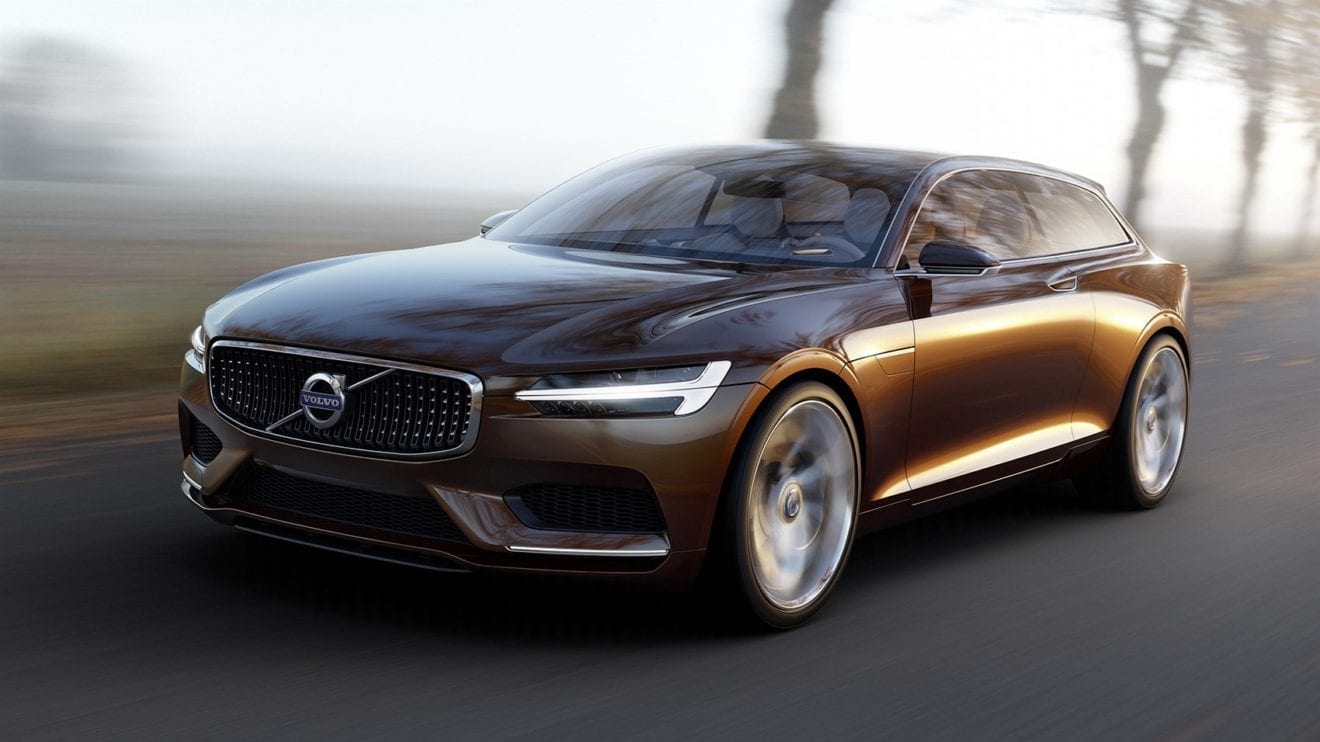
    Volvo Cars are one of the pioneers in the development of safer modern cars and the Swedish carmaker is now coming up with something innovative to take the safety quotient one step ahead. Volvo is partnering with POC for a series of world’s first crash test of bike helmets against cars in a bid to protect cyclists in case of a collision. Accidents between cars and cyclists often result in severe injuries and even death of the rider. Cyclist detection with full auto brake uses cameras and radars to detect cyclists, warn the driver of an imminent collision and apply the brakes as a precautionary measure.

    The Volvo-POC research project consists of a number of specially designed crash tests at the Volvo Cars safety research facilities in Gothenburg, Sweden and is part of a wider research project to understand the types of long-term injuries sustained by cyclists. Speaking about the new project, Malin Ekholm, head of the Volvo Cars Safety Centre said, “This project with POC is a good example of our pioneering spirit in safety. We often develop new testing methods for challenging traffic scenarios. Our aim is not only to meet legal requirements or pass rating tests. Instead, we go beyond ratings, using real traffic situations to develop technology that further improves safety.”

    Volvo Cars also use the auto brake system with help of cameras and radars to detect cyclists, warn the driver of an imminent collision and apply the brakes as a precautionary measure.

    The tests are based on existing regulatory test procedures for pedestrian head protection. During these tests, POC bike helmets are worn by crash dummy heads mounted on a testing rig, from where they are launched towards different areas of the hood of a static Volvo car, at different speeds and angles for various measurements. The learnings from the research project will help POC make its helmets safer and more protective in the event of a car-bike accident, while the tests will also provide valuable insights and learnings for Volvo Cars into these types of accidents for future development.

  • RedBalloon parent’s newest brand targets purpose-driven customers

    RedBalloon parent’s newest brand targets purpose-driven customers

    Naomi Simson’s Big Red Group has partnered with US experience retailer IfOnly to launch the brand of the same name in Australia.

    Like RedBalloon, Big Red Group’s flagship website, IfOnly offers a range of experiences that customers can buy online, from cooking classes to archery lessons to chopper tours of the Yarra Valley.

    The difference is that every listing on IfOnly benefits a cause, with up to 80 per cent of the proceeds going to an associated charity.

    The decision to launch IfOnly in Australia reflects consumers’ rising interest in supporting businesses that do good, according to Big Red Group co-founder Naomi Simson.

    “People in Australia are choosing [based on] what an organisation stands for, not just what it sells. They want to believe that they’re using their consumer dollar for good,” Simson said.

    This trend, sometimes referred to as conscious consumption, is part of the experience economy, which is defined by consumers’ interest in having experiences over buying things.

    “We know there’s a trend of access over ownership, there’s a trend of sustainability. There’s a slight melding, an overlap, between this and the experience economy, but they’re not yet one and the same thing,” Simson said.

    IfOnly taps into several of these trends by combining unique experiences with charitable causes. The site offers a range of experiences with local and world-class experts, celebrities and other noteworthy personalities, from ultra-luxury, bucket list-type offerings to more accessible special outings, with a portion of the proceeds from every experience going to a charity of the luminary’s choosing.

    Some of the listings include a 5-day stay and rhino conservation experience with Kevin Pietersen at the Umganu Lodge in South Africa, which costs $190,000 for eight people and benefits Care for Wild Africa, a meet-and-greet with popstar Ariana Grande and VIP tickets to her Sweetener tour, which costs $5,223 and benefits the GoodCoin Foundation, a $150 donut decorating class with Morgan Hipworth, which benefits the Australian Red Cross, and a $250 private archery lesson from Australian Olympian Alec Potts, which benefits the Movember Foundation.

    “Yes, there are celebrities and thought leaders, but really it’s a groundswell of incredible artisans that are using their skills for good,” Simson said.

    “The experiences don’t all have to be expensive…it’s not about being elitist, or unattainable,” she said.

    More than 20 local charities are set to benefit from the purchase of experiences on IfOnly, including Cancer Council, R U OK?, Starlight Children’s Foundation, OzHarvest and The Sony Foundation.

    Simson herself is offering a $1975 private whisky lesson on a vintage cruiser in Sydney Harbour to support the Cerebral Palsy Alliance, which she is a governor of.

    “My role is to be an ambassador and to raise funds, but there are limited ways to do that. [IfOnly] provides a way for luminaries to support chosen charities,” she said.

    According to IfOnly CEO John Boris, the website has raised millions of dollars for charities in the US and is looking forward to doing the same in Australia through its partnership with the Big Red Group.

    “By combining the Australian experiences market leader with the leader of premium experiences in the US, we are able to bring our unique offering to new audiences and support more causes,” Boris said in a statement about the launch.

    Big Red Group plans to build awareness about the new brand by unlocking access for Australian residents to enter a global sweepstakes to win an experience with The Who and Pearl Jam’s Eddie Vedder at Wembley Stadium in London this July.

    Simson said the company does not plan to promote IfOnly to RedBalloon’s customer database.

    “Just because one person buys something on RedBalloon doesn’t mean they will be an IfOnly customer. We can’t presume they want to hear about it,” she said.

    “Nobody wants to be bombarded with something they didn’t ask for. It’s about respect.”

    The launch of IfOnly follows Big Red Group’s acquisition of the adventure-focused experience marketplace, Adrenaline, in November 2018.

    The company’s brand portfolio now includes RedBalloon, Adrenaline, IfOnly, Marketics, the exclusive distributor of ‘Albert’ AI in Australia, and Redii, a platform to reward employees.

    As a $100 million company, Big Red Group is the largest online aggregator of experiences in Australia and the third largest globally, according to HitWise’s 2018 research.

  • Toyota To Build New Plant In Myanmar

    Toyota To Build New Plant In Myanmar

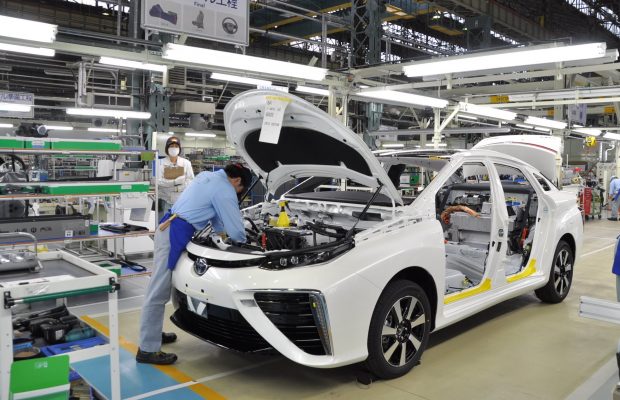
    Toyota Motor Corporation will be building its first vehicle production company in Myanmar where it will locally produce the Hilux from February 2021. The announcement comes after other carmakers like Suzuki, Nissan and Ford established factories in the country. The automotive market in Myanmar has soared in accordance with the growth of the economy.

    The demand for new vehicles has soared in recent years (2018 market: approx. 18,000 units) more than twice the size compared to the previous year. The government introduced auto import restrictions in 2017, and a fall in prices has seen the auto market grow, with many new vehicles built locally. Toyota currently sells the Hilux, Vios, Rush, and other vehicles in Myanmar by relying on imports.

    Toyota plans to construct the new plant in the Thilawa Special Economic Zone, situated in the southern suburbs of Yangon city. The company is expected to investment approximately $52.6 million. Toyota plans to hire 130 new employees, and intends to build 2,500 Hilux vehicles per year using the SKD (semi knock-down) method when operations begin in 2021. The brand is already popular in the country, though most of its cars on the road are second-hand models.

  • Lacoste launching shoppable TV during Tennis – French Open

    Lacoste launching shoppable TV during Tennis – French Open

    French fashion retailer Lacoste will give viewers of the 2019 French Open an opportunity to purchase its products during the first NBC televised match of the brand’s ambassador Novak Djokovic.

    NBCUniversal will launch its shoppable TV experience with Lacoste during the French Open from Roland-Garros, giving viewers a chance to shop the Lacoste X Novak Djokovic Collection in real time through “on-air shoppable moments”.

    Viewers will have the opportunity to purchase the products alongside NBCUniversal stories, shows and sporting events.

    According to NBCUniversal, this is the first time this technology will be used on national television to activate direct sales, combining the scale and reach of television and the ease of e-commerce to reinvent the commerce experience.

    Throughout Djokovic’s televised matches, NBC Sports will alert viewers to hold their phone cameras up to the screen during an “On-Air Shoppable Moment” to purchase pieces from the Lacoste X Novak Djokovic Collection.

    The shopper will then be taken directly to www.lacoste.com to complete the purchase. Djokovic will wear two statement outfits – one in bright orange and one in black and white, which will be available through ShoppableTV alongside other pieces in the collection.

    “For the first time ever fans can shop the Lacoste X Novak Djokovic Collection while watching him play in real time,” said Josh Feldman, executive vice president, head of Marketing and Advertising Creative, NBCUniversal.

    “And this is just the beginning. ShoppableTV will revolutionise the way millions of viewers will watch television and purchase the brands they love across the entire NBCUniversal portfolio.”

    NBC will have live coverage of the 2019 French Open from Roland-Garros this weekend.

  • Raffles City Hangzhou conferred World Gold Winner of Retail Category at 2019 FIABCI World Prix d’Excellence Awards

    Raffles City Hangzhou conferred World Gold Winner of Retail Category at 2019 FIABCI World Prix d’Excellence Awards

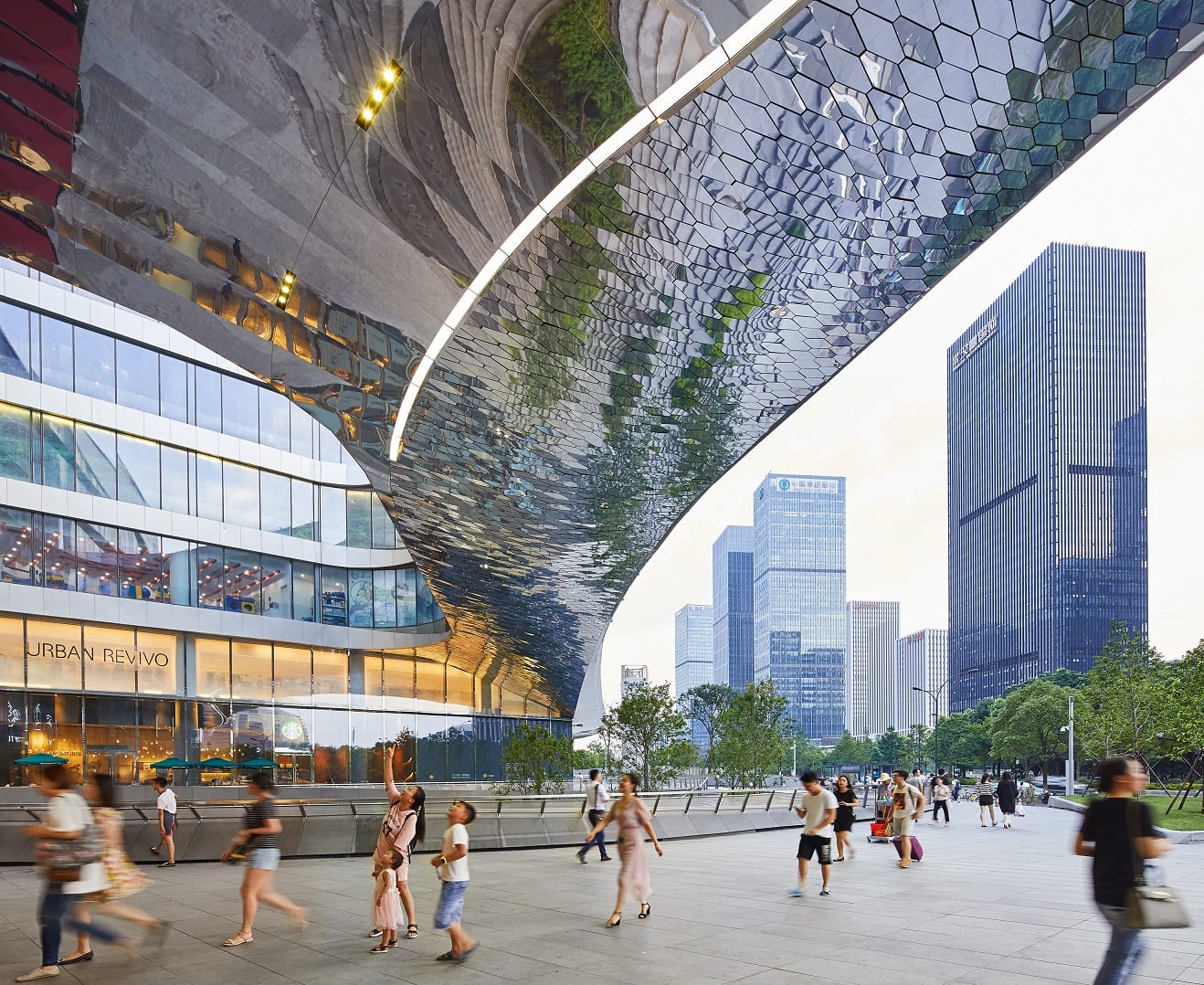
    Raffles City Hangzhou, CapitaLand’s largest operational Raffles City development, has been named the World Gold Winner in the Retail Category at the prestigious 2019 FIABCI World Prix d’Excellence Awards held in Moscow, Russia on 30 May 2019. This follows the footsteps of ION Orchard in Singapore and Raffles City Chengdu in China, which won in the same Retail Category in 2013 and 2015 respectively. Raffles City Hangzhou is the only commercial development from China feted at this year’s Awards.

    The annual FIABCI Awards, dubbed the Oscars of real estate, recognise projects that exemplify excellence in all the disciplines of real estate, such as best practices in sustainability and positive contributions made to the community. It is considered one of the most reliable indicators of a development’s worth and its impact on the future of commercial real estate. Mr Lucas Loh, President & CEO of China, CapitaLand Group, said: “We are honoured that Raffles City Hangzhou has received the highest accolade in the Retail Category at the 2019 FIABCI World Prix d’Excellence Awards, which celebrates the crème de la crème of real estate projects around the globe. This is the second Raffles City development in China after Raffles City Chengdu to clinch the prestigious award, underscoring the high and consistent quality of our signature Raffles City portfolio.”

    “CapitaLand is continually pushing the boundaries of urban development with smart, sustainable and human-centric designs that add value to the communities it operates in. With Raffles City Hangzhou, we set out to create a landmark development in the new city centre that will serve as the heart of civic and commercial activities. We are heartened that Raffles
    City Hangzhou has not only achieved commercial success since its opening, it has received recognition from global industry experts. As CapitaLand marks 25 years in China this year, we remain firmly committed to meeting the changing needs and aspirations of Chinese consumers as the country enters new stages of urbanisation and urban renewal.”

  • Swee!’s celebration of Singaporean culture through creative branding lands RedMart global brand award recognition

    Swee!’s celebration of Singaporean culture through creative branding lands RedMart global brand award recognition

    Swee!, a hyper-local brand under the Private Label umbrella of RedMart, Singapore’s leading online grocery retailer, has been awarded Gold in the New Brand category at the 2019 Vertex Awards. The annual Vertex Awards celebrates and recognises the best in private brand packaging design across the globe.

    Other Gold Award winners this year include renowned overseas retailers such as Woolworths Supermarkets in Australia, 7-Eleven in the US, Sobeys in Canada, Albert Heijn and SPAR in the Netherlands, El Corte Inglés in Spain, and German supermarket chain Aldi.

    Launched in February 2018, the Swee! brand is a celebration of Singaporean tastes and preferences, offering entry-level, everyday groceries and household items ranging from oyster sauce and sesame oil to sausages and scourers for Singapore shoppers. It is one of three brands under RedMart’s Private Label range, along with RedMart Label and World’s Cellar. Launched in May 2015, the three brands together house more than 320 products across 13 categories, all sold exclusively on RedMart.

    Richard Ruddy, Chief Retail Officer and Head of Grocery for Lazada Singapore, said, “We launched our RedMart Private Label range in May 2015 with the aim of delivering value for money to customers with no compromise on quality or innovation. Since then, the range has grown by leaps and bounds – we have experienced 80 percent year-on-year growth and more than tripled our Private Label revenue since June 2017, and almost 50 percent of RedMart shoppers now buy RedMart Private Label products.”

    Nupur Agrawal, Private Label Lead at RedMart, said, “We are thrilled to receive this award with Anthem Singapore for RedMart’s Swee! Label, which is under our Private Label umbrella. We will continue to expand our offerings to provide Singapore grocery shoppers with the best product range and quality regardless of price point, as well as look for ways to enhance the online-to-offline experience, such as through innovative and iconic packaging designs.”

    Anthem, the global creative agency responsible for Swee!’s packaging design, was challenged by RedMart to deliver a brand story with local relevance and ultimately attract more traditional shoppers who are more comfortable buying from their regular brick-and-mortar supermarket. RedMart and Anthem’s goal was to create a brand proposition that connects with the local consumer and answers their need for a range of simple, fit-for-purpose items.

    Spencer Ball, Creative Director of Anthem Singapore, said, “It is a proud moment seeing Swee!, a brand born out of Singapore’s heartland, being honoured on the world stage. This is a perfect example of the shared belief in a simple, strong idea, from a talented creative team and a bold client.”

    As a strictly online brand, packaging presentation and branding is paramount. RedMart and Anthem collaborated to create a brand with a ‘chirpy’ personality, but with a familiar simplicity. Drawing on inspiration from Singapore’s heartland, with a nod to the utilitarian aesthetics of high-rise public housing estates and the unpretentious language of the neighborhood wet market, Anthem landed with the brand name ‘Swee!’ – a Hokkien expression that roughly translates to ‘works perfectly’. Since its debut on RedMart, the line has continued to grow with a diverse range of products.

    Anthem is known for choosing to collaborate exclusively with retailers and brand owners who share their company values in ensuring the highest quality products. The brand development partnership with RedMart was a great fit, as RedMart’s Private Label is built on stringent quality guidelines with a deep commitment to supporting sustainably and responsibly sourced products.

    Anthem, part of SGK group, had previously won Vertex awards for other projects. This year, the group has also won Gold Vertex Awards for the work developed for Woolworths Supermarkets.

    The 2019 Vertex Awards received a record number of entries from 33 countries representing the absolute best in packaging design from across the globe.

    RedMart is fully owned by Lazada Group, Southeast Asia’s leading eCommerce and shoppertainment platform.

  • Xin Dau Ji expands into Malaysia

    Xin Dau Ji expands into Malaysia

    Michelin-starred Hong Kong seafood restaurant Xin Dau Ji has opened in Ekovest’s mixed development project, EkoCheras Mall in Malaysia.

    The opening in the integrated development, which features 1 million sqft of retail space, is a significant step forward for Ekovest’s F&B division Duke Dinings.

    “We are pleased to introduce this established brand to Malaysia, which is also a first in Southeast Asia,” said Duke Dinings group director Jong Wei Wei. “As Malaysia’s F&B sector is booming, it is our intention to fill the gap in the market for affordable lifestyle-driven dining concepts and Xin Dau Ji fits well with this objective.”

    “To be recognised by the prestigious Michelin Guide is a tremendous motivation and affirmation for the entire team at Xin Dau Ji,” said the restaurant’s representative Jonathan Chou. “It is our vision to make every dining experience at Xin Dau Ji truly exceptional and memorable.”

    Xin Dau Ji has been recognised for high-quality and nostalgia dishes since it opened in 1972.

  • Restaurant Brands is Expanding Again

    Restaurant Brands is Expanding Again

    KFC Australia enjoyed a 6 per cent increase in same-store sales in its first quarter of FY19 and a 1.9 per cent increase in total sales, despite the temporary closure of several stores for refurbishments.

    KFC saw $37.3 million (NZ$39.7m) in same-store sales and $40.7 million in total sales in the quarter.

    This helped drive total sales for parent company Restaurant Brands up 1.6 per cent to $182.8 million, due to increased same-store-sales in all of its markets; Australia, New Zealand, and Hawaii.

    In New Zealand, KFC saw a same-store sales increase of 5.2 per cent to $73.8 million (NZ$78.4m), up from $70.2 million (NZ$74.6m) during Q1 of FY18. Restaurant Brand’s Pizza Hut operations in New Zealand, however, saw a significant drop in sales over the period.

    While same-store sales fell 4.6 per cent, the pizza chain’s total sales fell 16.1 per cent to $7.2 million (NZ$7.7m), compared to the $8.57 million (NZ$9.1m) seen during the same period of FY18.

    Looking forward, Restaurant Brands’ management notes that it is no secret they intend to turn the operation into a billion-dollar company, in both market capitalisation and in total revenue.

    “As to our total revenue, in just over two years we’re well on the way having doubled in size through international acquisitions,” the group wrote in a statement to shareholders.

    “Now that consolidating new operations and transitioning the company to a new ownership structure are behind us, we are set to resume our aggressive expansion strategy with gusto.”

    Over the next five years, the group expects to open 30 new KFC stores across Australia and New Zealand, acquire independent KFC franchises in Australia, launch and roll out Taco Bell in New Zealand and Australia and establish a larger presence in the United States.