Tag: asia

  • Tata Communications launches IoT marketplace

    Tata Communications launches IoT marketplace

    India’s Tata Communications has announced the launch of an IoT marketplace aimed at strengthening and accelerating India’s growing IoT ecosystem.

    The new marketplace is designed to link enterprise customers with IoT service providers to enable customers to easily develop tailored IoT solutions.

    Partners including device manufacturers, software developers to start-ups and system integrators will use the platform to market, deploy and manage IoT solutions for customers ranging from government to enterprises to startups.

    Customers will be able to select from the available offerings and deploy them on a plug and play basis.

    India’s enterprise IoT market is on track to grow at a CAGR of 35% through 2023, Frost & Sullivan predicts. But a lack of standardization, interoperability and connectivity in the IoT market is inhibiting further adoption.

    “We believe that this first-of-its kind initiative provides a missing link that will make a difference to how disparate IoT components are brought together to create a unified experience in designing a solution or ultimately purchasing one; thereby enabling customers to deploy these solutions with ease and achieve their strategic goals using IoT,” Tata Communications head of IoT Alok Bardiya said.

    In support of India’s IoT ecosystem, Tata Communications is also deploying an LPWAN network that has so far been rolled out in 45 cities India-wide.

  • H&M India charts stable growth path as profit rise

    H&M India charts stable growth path as profit rise

    H&M India reportedly surpassed Rs 1100 crores (US$157.6 million) in sales in the 12 months to November, just three years after the Swedish fast-fashion label entered the market.

    There are now 42 H&M India stores trading and consumer demand continues to meet the pace of expansion. That means that the Indian business has not been swamped with unsold inventories requiring aggressive discounting strategies, in contrast to most other  international markets in which H&M trades.

    “H&M India’s expansion strategy has been successful and the company has been expanding in the right way,” observed Shubhangi Bidwe of Fashion United.

    “A tight control on expenditure, including ad spend, economies of scale, well-managed back-end, lower product prices and penetration in tier 2 and tier 3 cities have helped the brand grow faster in India compared to most of its peers.”

    Given the footfall H&M stores attract, the brand is coveted among shopping centre managers in India who typically place them in anchor spaces.

    The company plans to continue to open new stores at the rate of about one per month. Online, the brand is registering double-digit sales growth.

  • Lulu Group’s Tablez plans 150 More Stores

    Lulu Group’s Tablez plans 150 More Stores

    Abu Dhabi-headquartered Lulu Group’s retail arm Tablez is moving to invest US$75 million into the Indian market with the aim of opening more than 150 stores in the territory by the end of next year.

    The move, if successful, is expected by management to nearly quadruple its market share in India.

    “We plan to exit this year with nearly 100 stores, and we would be scaling up with fresh investments in 2020 to arrive at a portfolio of 150+ stores in India,” said Tablez MD Adeeb Ahamed.

    “We will be adding five more brands – Corir, Desigual, GoSport, YOYOSO and OshKosh, taking the total number of our retail brands across various categories to 13 brands in India by the end of 2019,” he said.

    Tablez has more than 40 stores within India operating in several industry sectors from F&B to fashion.

    “To fuel further growth, we would be deploying about $75 million in capital over the next two years to scale our retail stores, enhance our people building capacity and create backend infrastructure and marketing,” he said.

    Tabelz currently markets a range of international and homegrown brands in the territory.

  • Abercrombie & Fitch Closing Shops

    Abercrombie & Fitch Closing Shops

    Fashion retailer Abercrombie & Fitch is continuing to shutter Hollister and A&F flagship stores across the globe, with its Fukuoka store in Japan one of the next three on the list.

    Starting with the high-profile Pedder Street store in Hong Kong’s Central in the first quarter of the 2017 financial year, Abercrombie & Fitch embarked on what it describes as a “global store network optimization” program.

    Overnight, the company said it will close its SoHo Hollister flagship store in New York City and has exercised kick-out clauses for its A&F flagship locations in Fukuoka and Milan, Italy.  “Today’s announcements build on the closures of the Hong Kong and Copenhagen, Denmark A&F flagship locations. These actions represent important ongoing steps in the company’s global store network optimization efforts as it continues to pivot away from large format stores to smaller, omnichannel-focused brand experiences,” the company said in an earnings statement.

    While the Pedder Street store was vacated two years ago – and remains empty to this day – it took until this year for the company to close its second, in Copenhagen, Denmark. Now the flagship-closure program is gaining pace.

    The Hollister store will close in the second quarter of the current fiscal year and the Milan store by year’s end. The Japanese store will close in the second half of next year.

    “In aggregate, the Copenhagen, SoHo, Milan and Fukuoka locations represented less than 1 percent of total net sales in fiscal 2018. The SoHo and Fukuoka closures are expected to result in pre-tax lease-related net charges in the second quarter of fiscal 2019 of approximately US$45 million. The charges related to the Copenhagen and Milan closures are not expected to be significant in fiscal 2019,” the company said.

    But Abercrombie & Fitch stressed it was not reducing its store network.

    “The company remains on track to deliver approximately 85 new experiences through new stores, remodels and right-sizes this year.”

    First-quarter loss reduced

    Meanwhile, the company reported worldwide net sales rose by 2 percent to $734 million in the first quarter to May 4. Comp sales rose by 1 percent following a 5 percent increase in the same period last year and the company posted an operating loss of $27.3 million, less than half that of last year’s first quarter.

    “We achieved our seventh consecutive quarter of positive comparable sales fuelled by ongoing strength at Hollister and a return to positive comps at Abercrombie,” said CEO Fran Horowitz.

    “This contributed to top-line growth, operating margin improvement and a net loss reduction compared to last year.”

    Horowitz said the company remains focused on its transformation initiatives, with global store network optimization a key priority.

    “We continue to believe in stores and are committed to delivering intimate, omnichannel brand experiences that closely align with our customers’ needs.”

  • Online fashion retailer Mogu reports Steep Growth Numbers

    Online fashion retailer Mogu reports Steep Growth Numbers

    Chinese online fashion and lifestyle retailer Mogu has reported an 18.7 per cent increase in gross merchandise value (GMV) for the year to March 31, to RMB17.408 billion (US$2.594 billion).

    The company’s revenue for the year reached RMB1.074 billion (US$160.1 million), an increase of 10.4 per cent year on year.

    However the number of active buyers in the year to March remained the same as the previous year, at 32.8 million.

    The company said it live-video broadcast business continued to grow strongly with associated GMV increasing 138.1 per cent year on year.

    “We delivered another quarter of solid growth,” said Qi Chen, Mogu’s chairman and CEO. “During the past quarter, we continued to expand, optimise and elevate the supply chain for our fashion ecosystem by enriching content, increasing user engagement on our live-video broadcasts, and facilitating more repeat repurchases,” he said.

    “Looking ahead, we will continue to strengthen our unique three-way fashion ecosystem by further growing our content creation community of fashion key opinion leaders and live-video broadcast hosts, elevating the fashion-product supply chain and supporting deeper collaboration between merchants and KOLs, and ultimately facilitating greater user and community engagement through rich and high-quality interactive fashion content and products.”

  • Aldi China Opened in Shanghai Last June 7th

    Aldi China Opened in Shanghai Last June 7th

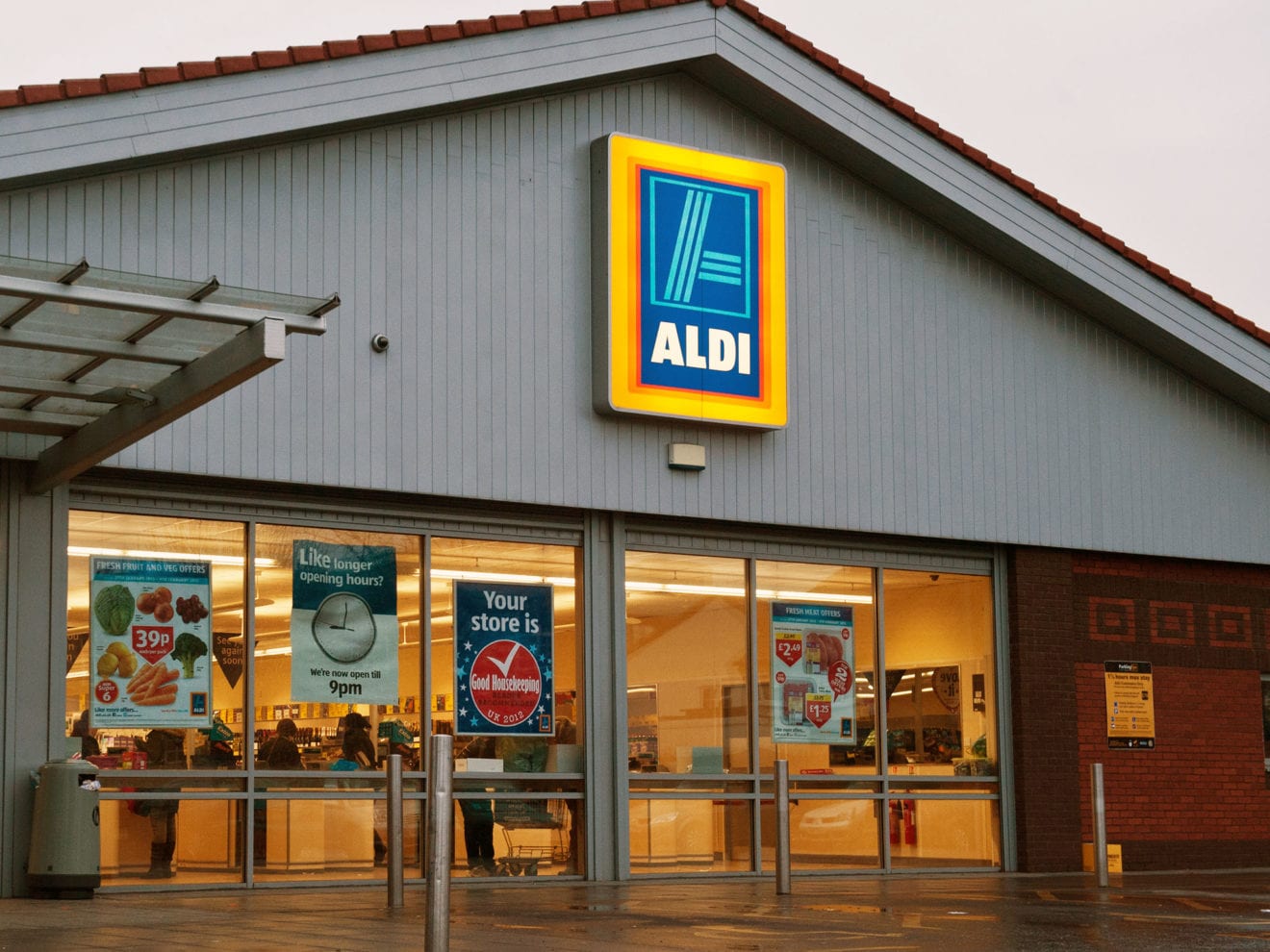
    Aldi will launch in China a week from now opening the first of 11 stores initially planned for Shanghai. But the Aldi China store format will be considerably different to the German discount grocer’s shops in the other 11 offshore markets it has entered: sources in Germany report the stores will have a more upmarket feel, stocking cosmetics and a broader range of dairy products.

    The stores will carry the signature brand positioning line “Everyday value – hand picked for you”.

    The location of the first two stores are in “noticeably prosperous neighbourhoods,” reports Lebensmittel Zeitung.

    The first Aldi China store opens on Friday June 7, and has been described by Aldi insiders as “more modern than company stores in Europe”. They will stock shelf-stable goods imported from Europe and Australia and fresh produce sourced locally.

    Nick Miles, head of Asia-Pacific at IGD, said that while Aldi Sud (South) has been testing the Chinese market for some time, having launched on Alibaba’s Tmall Global platform in April 2017, China will be “a new challenge” for the discount retailer.

    “Aldi currently operates stores in Europe, Australia and North America. Trading in Asia, and particularly China, will be very different. Many international retailers have entered this market over the past 20 years and not succeeded, while discount is a grocery channel that doesn’t currently exist in China – or Asia – in any meaningful way. Discounter Dia sold its business in China in April last year, while Lidl has recently pulled back from selling products via online platforms in the market,” said Miles.

    Lebensmittel Zeitung reports that Aldi South has been working on a plan to enter China through its thriving Australian subsidiary. “The growing business contacts between these two countries mean that the no-frills retailer can also draw on Australian suppliers with considerable experience in exporting to China.”

    Miles, meanwhile, predicts a significant challenge for Aldi will be overcoming potential resistance to its own-label lines.

    “Brands are king in China, while Aldi relies heavily on its private-label ranges.”

    Another challenge is that online grocery retailing and digital technology in retail are “exploding in the market” while Aldi’s business model has traditionally been through physical stores.

    “Aldi will be aware of all these challenges and more but plans to position its stores so that they appeal to China’s rapidly growing middle class and their desire for high-quality, imported products. It has ambitions to open 50-100 stores in the medium term and will be aware to not spread its operations too wide – a mistake other retailers have made in the past.”

    Choosing Shanghai to launch Aldi China makes sense because of the city’s population of more than 30 million, the sophisticated supply-chain infrastructure in the city and the local population’s relatively higher level of income compared with other Chinese cities. It is also a major global logistics hub.

    Meanwhile, IGD forecasts China to overtake the US and become the world’s largest grocery market by 2023.

    “The opportunity for Aldi to be present in the market is therefore clearly significant, but it will not come without its risks,” added Miles.

  • Ecostore is New Zealand’s most valuable and trusted brand

    Ecostore is New Zealand’s most valuable and trusted brand

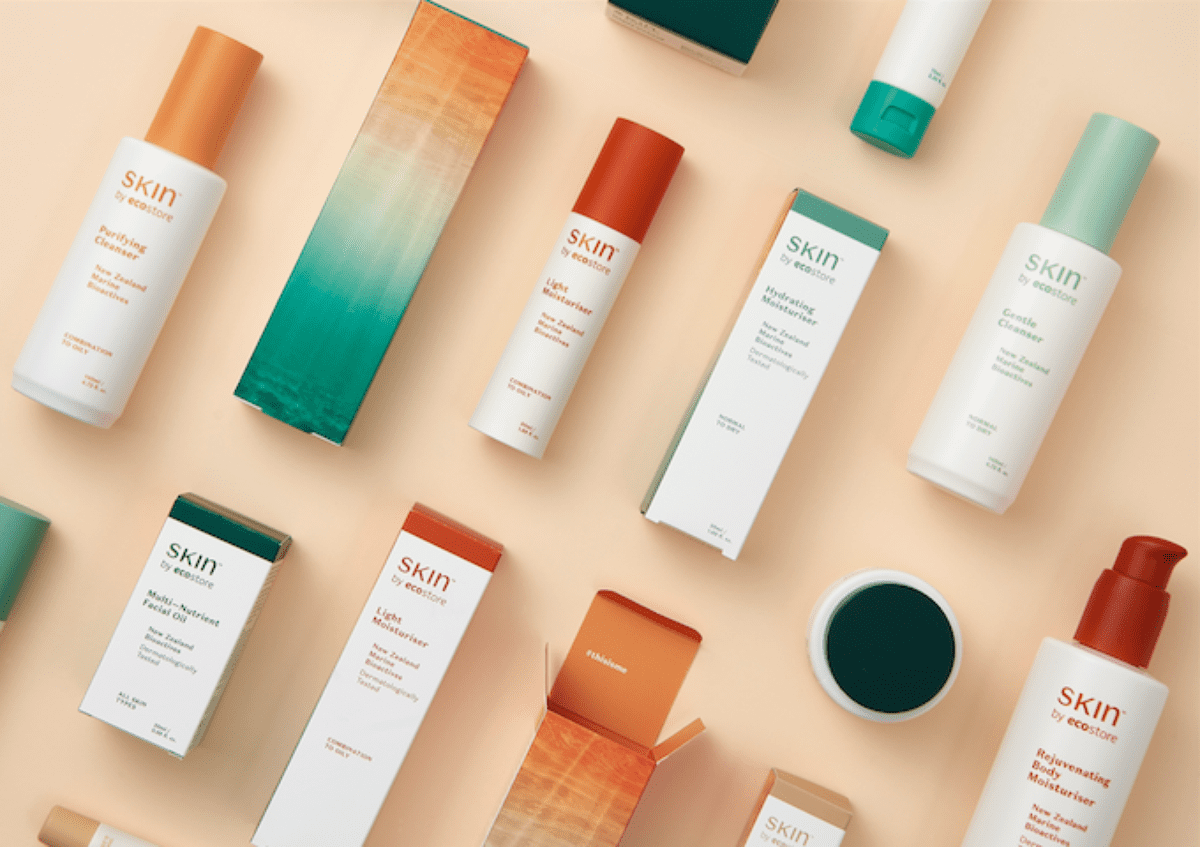
    Skincare brand ecostore has been crowned New Zealand’s most authentic brand according to research conducted by branding agency, Principals, and analytics firm The Navigators.

    The Brand Alpha 2019 Top 20 Most Authentic Brands report graded brands on four key drivers of authenticity – visibility, value, vitality, and virtue.

    “We are thrilled that consumers have chosen ecostore as the most authentic brand in the New Zealand market,” Jemma Whiten, ecostore’s director of marketing and digital, said in a statement.

    “We believe authenticity is key to growing a purpose-led brand in a highly competitive marketplace. Our purpose is to make the world a safer place, one person, one home at a time.

    “This sits firmly at the centre of our brand’s vision and informs every business decision.”

    Electric car manufacturer Tesla led the report in 2018, but after a year of negative press for both the brand and its founder, Elon Musk, the business saw the largest drop in the survey – falling from first to sixth place.

    Scooter brand Lime took second place, while clothing company Icebreaker rounded out the top three.

    Despite not having launched a single store in the country, furniture retailer Ikea was named in fourth place.

    Principals’ founder and planning director Wayde Bull noted that the results confirm the fragile nature of brand leadership in modern times.

    “Just three of last year’s top five brands retain their op tier status; ecostore, Icebreaker and Lewis Road Creamery,” Bull said.

    “Two new upstart brands, Lime and Ikea, join the top five, proving that perceived creativity and momentum now drive market cut-through as much as deep familiarity and a long and steady track record.

    “For Ikea to debut in the top five without yet being open for business locally demonstrates the critical importance of novelty and category-breaking thinking to cut through jaded customers today.”

    Bull noted that ecostore’s rise can be explained due to its growing visibility and sense of “winning momentum”, while maintaining its lead on virtue factors.

    “It’s a brand that feels in tune with our times, having a strong ethical strance, strong declared beliefs and a sense that it cares about more than just making money,” Bull said.

    “It’s a brand that enables caring Kiwis to act upon their environmental concerns in a practical, everyday way.”

  • Global slump for Gap sales during the First Months this Year

    Global slump for Gap sales during the First Months this Year

    Gap Inc sales have slumped globally and across the whole company with the Gap brand the worst performer, down 10 per cent.

    “This quarter was extremely challenging, and we are not at all satisfied with our results,” said president and CEO Art Peck in a results release. “We are committed to improving our execution and performance this year.”

    Against a first-quarter Gap Inc sales increase of 1 per cent last year, group sales fell 4 per cent in the three months to May 4. Worldwide comp sales for the Gap brand were down 10 per cent (compared with 4 per cent in the same period a year ago), for Banana Republic by 3 per cent (compared with 3 per cent growth last year) and for Old Navy – the star of the group in recent quarters – by 1 per cent (verses positive 3 per cent last year).

    The poor results come as Gap Inc prepares to split its business into two separate entities, both listed: one owning the value-focused Old Navy brand, the other the more premium offer of Gap and Banana Republic.

    Peck said Gap Inc remains confident in its plan to separate the two businesses next year, “and we are focused on setting up both companies for long term value creation and profitable growth”.

    Net Gap Inc sales for the quarter were US$3.7 billion and gross profit was down 6 per cent to $1.34 billion.

    The company ended the quarter with a merchandise inventory worth $2.24 billion – a figure 10 per cent higher than at the same time last year – but attributed that in part to the acquisition of the Janie and Jack business, increased in-transit times and net year-on-year store network growth.

    Gap Inc ended the first quarter with 3849 store locations in 44 countries, of which 3335 were company-operated.

  • INDIGO cable system ready for use

    INDIGO cable system ready for use

    The new INDIGO subsea cable linking Singapore, Indonesia and Australia has completed commissioning and is ready for use.

    The INDIGO consortium – consisting of Google, Indonesia’s Indosat Ooredoo, Singtel, and Australia’s SubPartners and Telstra – are now able to leverage the new cable system to enable capacity increases on demand.

    The 9,200km INDIGO cable system can support a capacity of up to 36Tbps. It consists of the 4,600km INDIGO West cable between Singapore in Indonesia and Perth on the west coast of Australia with a branching unit to Jakarta, and the 4,600km INDIGO Central cable between Perth and Sydney on the east coast of Australia.

    INDIGO uses new spectrum sharing technology which will allow consortium members to each independently manage capacity on the cable.

    Alcatel Submarine Networks built the new cable system under an agreement reached with the consortium members in April 2017.

    “The development of the INDIGO cable system strengthens the link between our Australian network and the fast-growing South East Asian markets and will deliver our customers faster connectivity and dramatically improved reliability,” Telstra head of international Oliver Camplin-Warner said.

    Bandwidth demand between Asia and Australia is predicted to reach 75Tbps by 2025, TeleGeography predicts.

    “As South East Asia and Australia become increasingly interconnected, a high-speed and robust connectivity infrastructure plays a critical role in catalyzing the development of digital economies across the regions,” Singtel VP of carrier services Ooi Seng Keat said.

    “The completion of INDIGO will accelerate the roll-out of next-generation technologies that rely on low latency and high-bandwidth connectivity such as high-definition video, autonomous vehicles, Internet of Things and robotics applications.”

    As well as its domestic operations in Singapore, Singtel is the 100% owner of major Australian operator Optus.

  • Aeon to invest US$119 million on new Malaysian Malls

    Aeon to invest US$119 million on new Malaysian Malls

    Aeon Malaysia will spend around RM500 million (US$119.2 million) this financial year on mall renovations and new openings.

    The figure is less than the Japanese retailer’s spend last year and reflects a more focused approach on portfolio consolidation and refurbishments.

    The retailer currently operates 28 Aeon malls and 34 outlets. It is intending to open its next mall in Nilai, Negeri Sembilan this year, as well as renovating its Aeon Taman Maluri mall in KL. It will also invest in upgrades to selected Daiso and Wellness pharmacy stores.

    Aeon Malaysia’s net profit rose to RM32.64 million (US$7.8 million) in the first quarter to March 31, up from RM27.94 million in the same period last year, mainly driven by higher retail revenue and margin.

    Aeon MD Shinobu Washizawa admitted that the firm’s tighter focus serves reflects an expected weak performance this year as consumer activity remains subdued. The company has also been absorbing new costs related to the implementation of sales and services tax last year.

    “It will be a challenging year. But we are working on controlling our costs and increase operational efficiencies,” he said.

  • AEON in Collaboration with The Mall Group celebrates Japan’s children’s day at “The Mall Kodomo No Hi 2019”

    AEON in Collaboration with The Mall Group celebrates Japan’s children’s day at “The Mall Kodomo No Hi 2019”

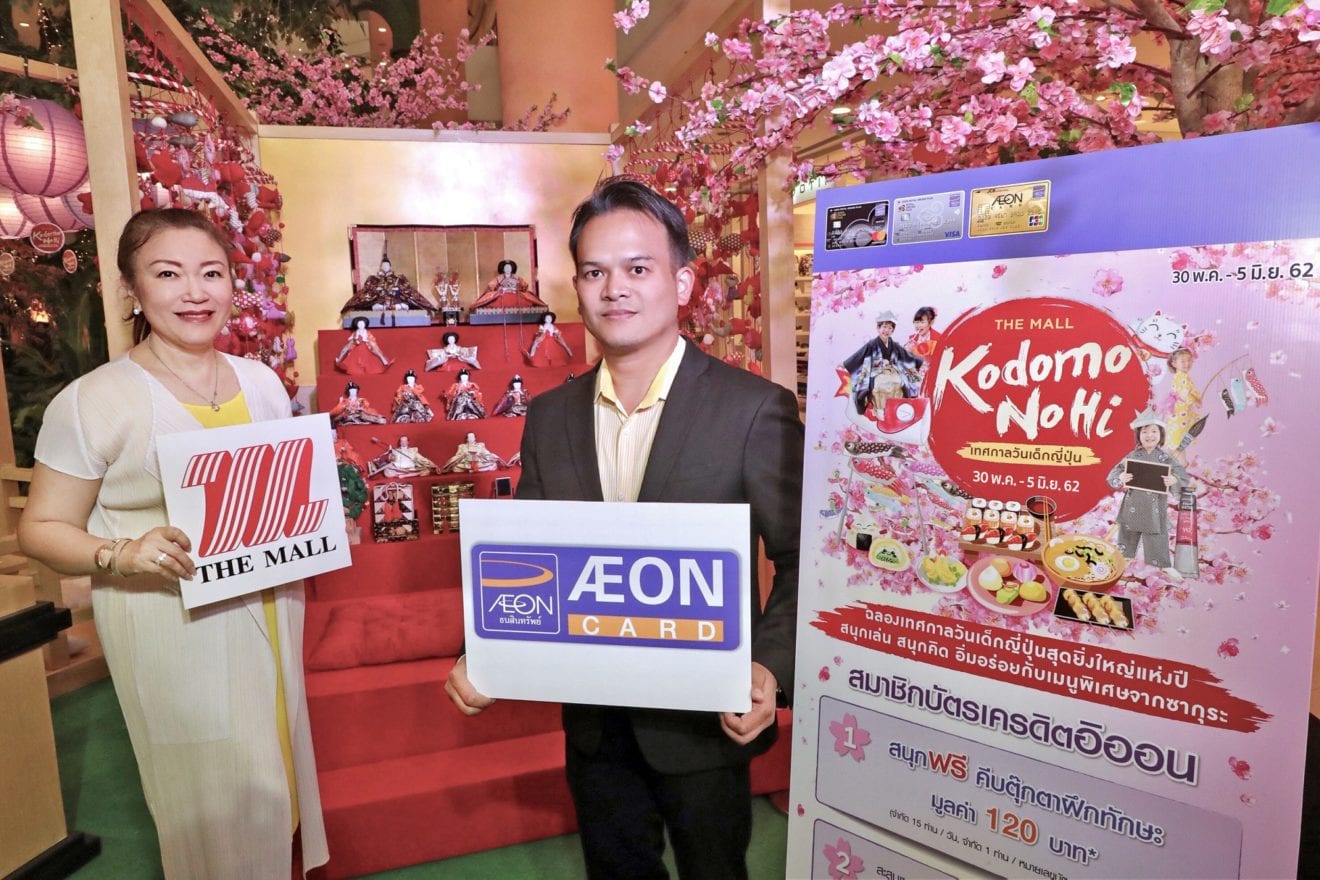
    Mr. Praphan Rangsiyopas (right), Vice President of Marketing at AEON Thana Sinsap (Thailand) Public Company Limited together with Ms.Voralak Tulaphorn (left), Senior Vice President Marketing The Mall Group cooperated to host “The Mall Kodomo No Hi 2019” to celebrate the biggest annual Japan’s children’s day of 2019 in Thailand. At the event, the children will be greeted by two Kurobuta mascots  from Kagoshima and experience with Japanese culture, relish  the Hinamatsuri Japanese doll festival, enjoy the free claw machine full of adorable dolls and impress with  menu full of traditional savory and sweet Japanese treats as well as other special promotions.

    Exclusively for AEON Credit cards you can bring your children to enjoy the festival through your card and receive a chance to set  AEON Kanneko tote bag value 190 baht and three complimentary privileges to use at the claw machine When spending 500 baht per card per day. The joyful Japanese Children’s Day starting from today to June 5th 2019 at Event Hall, B Floor, The Mall Tha Phra.

    For more information, please visit www.aeon.co.

  • Amazon Starts to sell fresh produce online in Japan

    Amazon Starts to sell fresh produce online in Japan

    Amazon Japan is partnering with local supermarket operator Life Corp to sell fresh foods online.

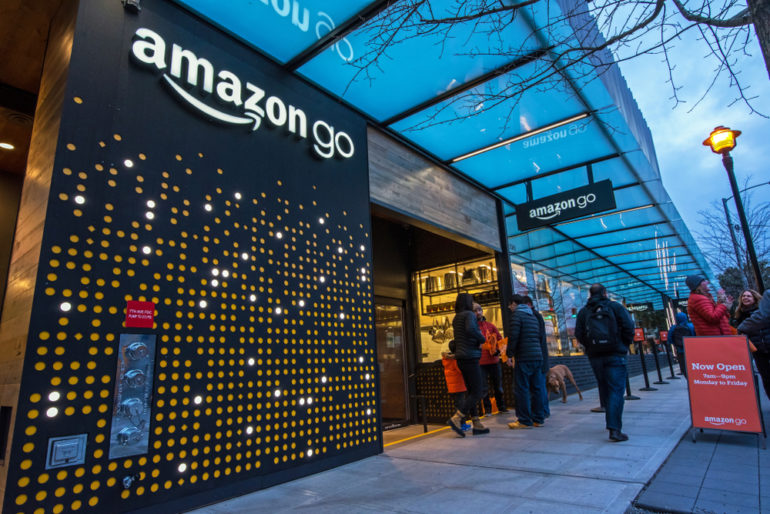
    The project will commence in parts of Tokyo later this year and provide a range of produce to Amazon’s Prime Now subscribers in Japan, offering order times as prompt as two hours for delivery. It is the first time the internet giant’s Japanese unit has partnered with a supermarket chain.

    Amazon Japan will handle all deliveries and process payments under the new venture, which targets those who face challenges leaving home to go shopping, such as the elderly or busy working professionals. The firm is hoping to use the service to meet a broader demographic for its Prime Now subscriptions.

    The arrangement is an opportunity for Life to extend its current online reach, which currently covers just over half of the Tokyo metropolitan zone. Profitability remains a limiting factor for supermarkets investing in online order infrastructure in Japan.

  • Centara kicks off 36th anniversary with epic 36-dayglobal celebration

    Centara kicks off 36th anniversary with epic 36-dayglobal celebration

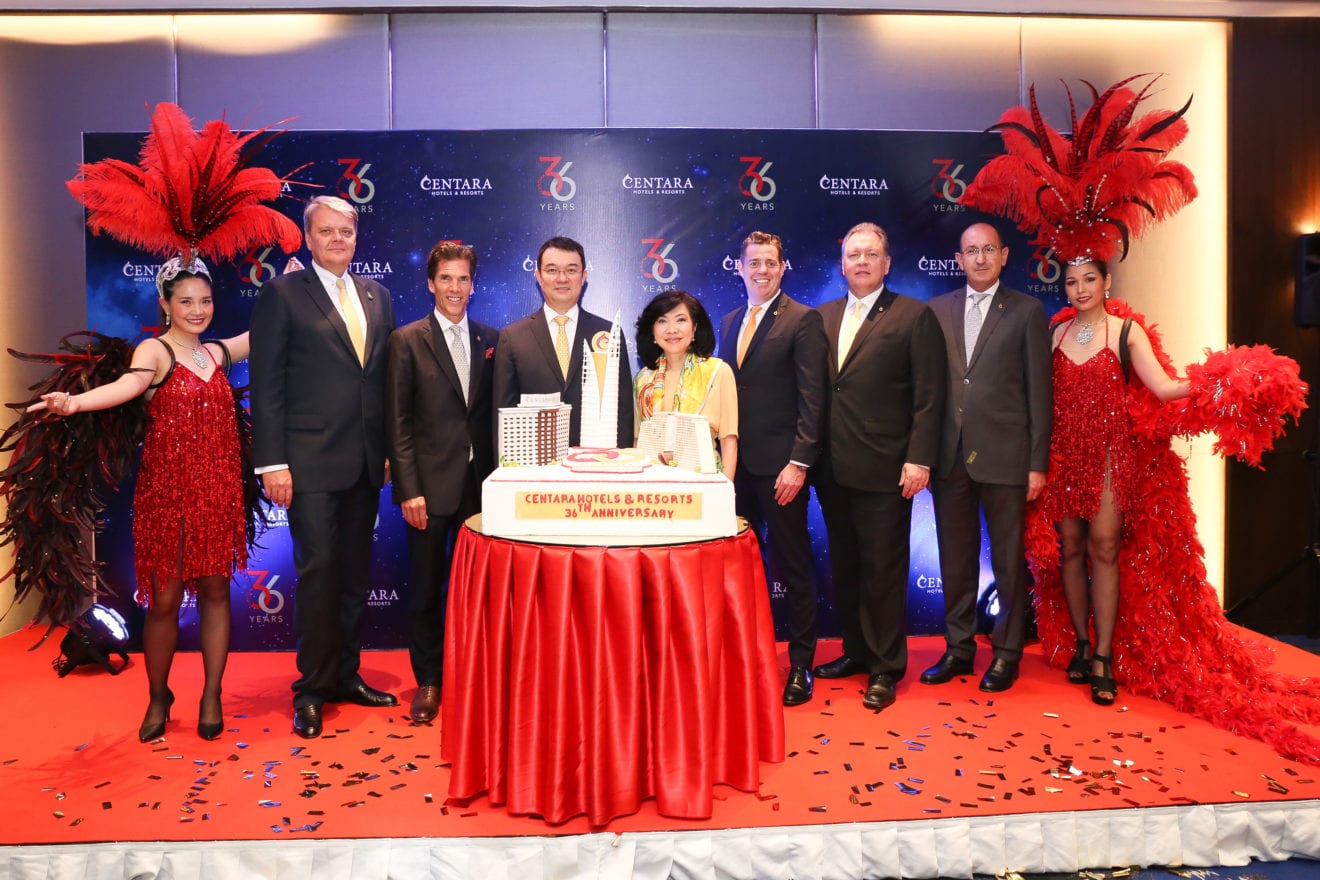
     Centara Hotels & Resorts, Thailand’s leading hotel operator, is marking its 36th anniversary milestone with a 36-day worldwide customer-focused celebration tied to the company’s 1983 founding. On this occasion, it also marks the 36th anniversary of Centara Grand at Central Plaza Ladprao Bangkok, the first hotel of the group, together with the 10th anniversary of Centara Grand and Bangkok Convention Centre at CentralWorld and Centara Grand Mirage Beach Resort Pattaya.

    Thirty-six years ago, Thailand’s first shopping centre mega-mall development, Central Plaza, rose from a suburban construction site on Bangkok’s Ladprao Road, complete with a brand new 5-star hotel that launched the Central Group’s hotel business with one of the Group’s largest investment commitments.

    From its first hotel in Ladprao, Centara has grown and prospered. Today, 70 Centara properties with six distinctive brands are operational or under development across 12 countries, and the company is well on its way to doubling its global portfolio by 2022.

    Centara will kick off the 36th anniversary celebration by rolling out a series of enticing offers, attractive promotions and lucky draws on 3rd June 2019, all featuring a special “36” theme. Guests should look out for the following limited-time deals:

    Every Third Night For Just THB 36 – For 36 days (3rd June to 9th July 2019), travellers will be able to stay with Centara for just THB 36. Under this amazing offer, guests who book a minimum three-night stay at any Centara hotel or resort worldwide – including five-star Centara Grand resorts in Thailand and the Maldives – will be able to pay just THB 36 for their third night.

    Lucky Stay E-Voucher – For seven days from 14th to 20th June 2019, guests will be able to book rooms at selected Centara hotels for one set price (only THB 3,600 per night) and enjoy sublime stays with a higher value. This generous offer is valid for room nights worth more than THB 4,500 and available for stays taken up until 31st October 2019.

    Cash Bonus Spending Credit: THB 3,600 for More! – The 36th anniversary celebrations will make your Centara stays even more rewarding this summer. Guests who purchase a stored value credit of THB 3,600 between 21st and 27th June will see its value instantly boosted to THB 5,500. Use the credit to pay for spa treatments, hotel dining and much more.

    LINE Coupons: Exclusive Deals for THB 36 and THB 360 – Sip, snack or feast for less with a series of tantalising weekly coupons. For 36 days (3rd June to 9thJuly), Centara will reveal a series of fantastic F&B deals on LINE, the social media app. Grab a coffee, bakery and other snacks for as little as THB 36, or a relaxing 40-minute massage at spa Cenvaree for just THB 360.

    10 Year Travel in Style Challenge: Photo Competition – Compete in the 10 Year Travel in Style Challenge with Centara, or the 36 Year Challenge if you dare. Guests who post their “now and then” throwback travel photos and use hashtag #36CentaraThrowback could win one of 36 prizes, including one grand prize — a sensational five-night holiday at Centara Ras Fushi Resort & Spa Maldives, including transfers.

    Exclusive Privilege for Centara The1 – Our Photo Challenge is twice as enticing for members of Centara The1. All Centara The1 member prize winners will also receive 3,600 Centara The1 points, on top of their main prize. To help our winners make the most of their points, Centara will be offering free night redemptions for just 6,363 points at select hotels for a limited time.

    And that’s not all. Guests who stay with Centara during the 36-day anniversary period will be offered the chance to enter a Check-In Lucky Draw. Guests can win on-the-spot prizes including spa treatments, bottles of wine, celebratory cakes, special discounts and more.

    Since it first entered the hospitality industry 36 years ago, Centara has developed a strong reputation for blending gracious Thai-style hospitality with world-class accommodation and exceptional amenities. Now, with an expanded collection of innovative brands, Centara is aiming to write the next exciting chapter in our history, with the goal of doubling our global portfolio by 2022.

    For more information about Centara Hotels & Resorts, please visit https://36.centarahotels.com

  • Docomo, Ericsson complete 5G glass antenna trial

    Docomo, Ericsson complete 5G glass antenna trial

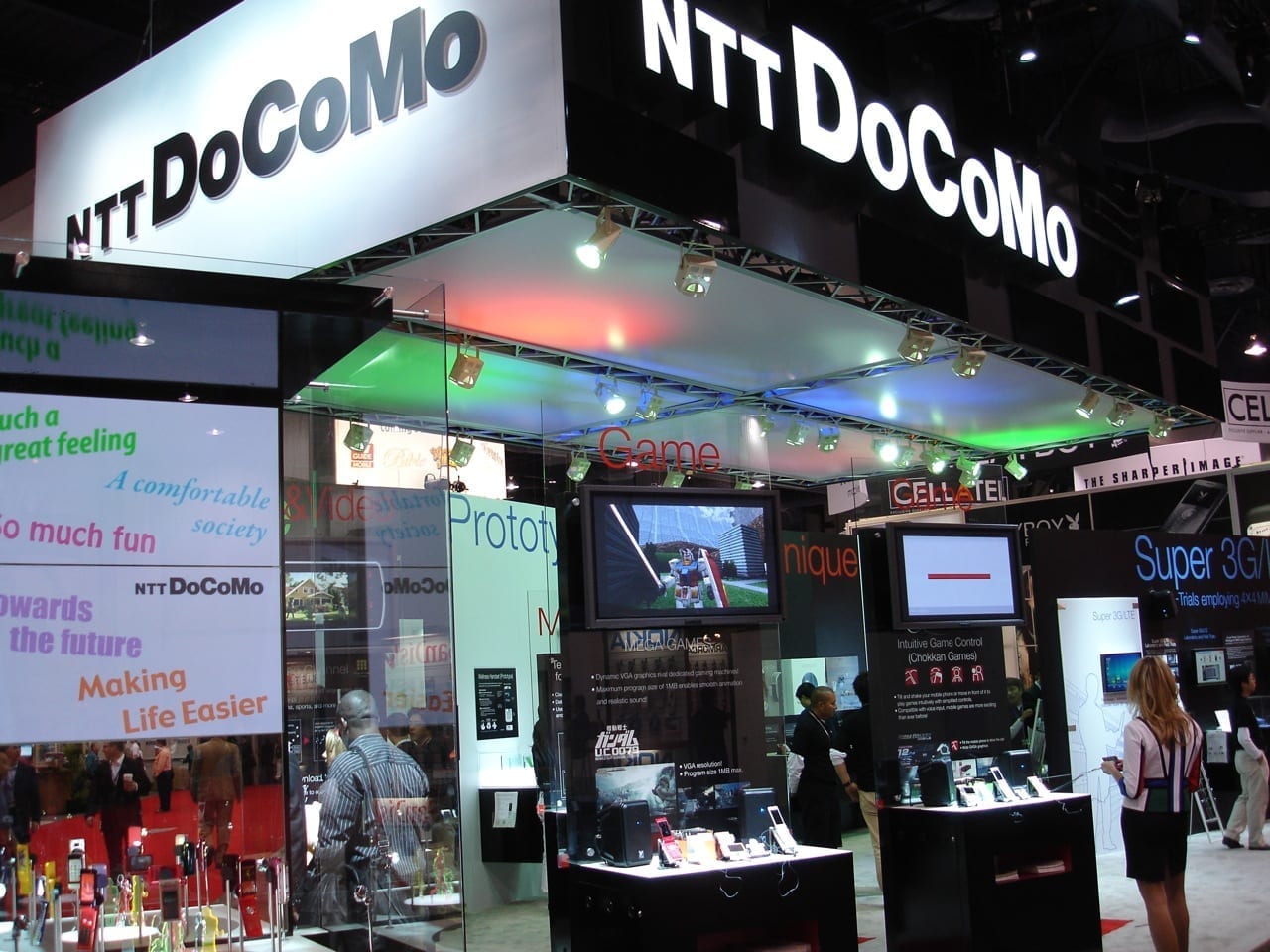
    Japanese operator NTT Docomo and glass solution provider AGC Group have collaborated with Ericsson to complete what the companies believe to be the world’s first trial of 5G communications using a glass-embedded antenna.

    The trial used an antenna embedded in synthetic fused silica glass to transmit and receive 28-GHz 5G radio signals.

    Validation testing used a vehicle fitted with multiple antennas and traveling about 30 km/h. Using the antenna, the companies achieved downlink speeds averaging 1.3Gbps within a 100 meter range, and maxing out at 3.8Gbps at 400 MHz.

    The glass antenna prototype has the potential to overcome challenges associated with high-band 5G spectrum being unable to adequately penetrate windows, the companies said.

    It could potentially be attached to window surfaces in buildings, vehicles and railway cars to enable stable, high-speed 5G communications under challenging indoor and in-vehicle conditions.

  • Ziera closing stores as part of Restructuring Plan

    Ziera closing stores as part of Restructuring Plan

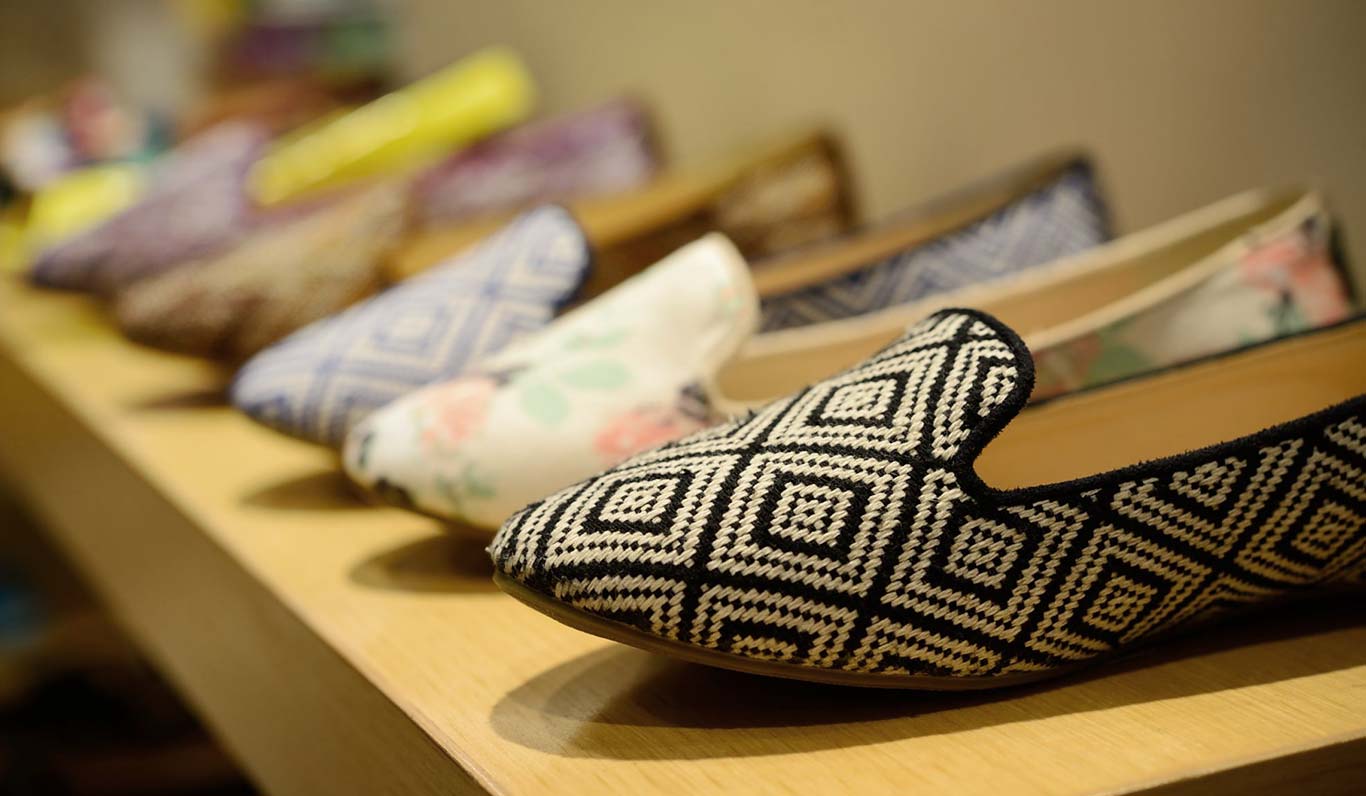
    New Zealand women’s shoe brand Ziera has appointed a new CEO and chairman to transform the business into a digital-first omnichannel retailer.

    Ziera has announced a new partnership with The Iconic to grow its e-commerce presence, which will make it less reliant physical locations. The retailer plans to have fewer high street stores but offers higher quality service in the top locations is retains.

    “We will always have flagship stores on the ground where customers can come in, check out the range and get fitted properly,” said Ziera chairman Andrew Robertson.

    “But, once we have customized their footprint, their details can be stored online and they can then also buy with confidence from one of our digital channels.”

    In addition to its partnership with The Iconic, Ziera has also forged an exclusive trading relationship with Foot Mechanics, a New Zealand-based podiatry business, which will offer a core Ziera range at its 17 clinics as well as online.

    This relationship will make Foot Mechanics one of Ziera’s largest wholesale partners in New Zealand.

    Additionally, three of the brand’s stores will close in July as a result of expiring leases – Bridge Road in Melbourne, Garden City in Brisbane, and Orange in New South Wales – further pushing the brand to embrace online capabilities.

    The retailer has appointed a new chairman in Robertson, a new chief executive in Martin Bremner, and a new head of product design in Rosie Jamieson.

    Bremner was previously chief executive of Super Liquor Holdings, and has helped businesses through similar transformational periods before. Since Bremner joined in 2018, Ziera’s online sales have grown by approximately 33 percent, and has become it’s biggest “store”.

    Jamieson has more than two decades of experience in footwear creation, having previously worked at Hush Puppies, Sacha London, and Hotton. According to the brand, her involvement has seen the “reinvention” of the Ziera range.

    “Exciting times lie ahead of Ziera as we transform our business into an omnichannel retailer that provides customers with a convenient and easy experience, allowing them to shop however and whenever they choose,” Robertson said.