Tag: asia

  • Song Fa Bak Kut Teh Restaurant Chain to enter Taiwan

    Song Fa Bak Kut Teh Restaurant Chain to enter Taiwan

    Food Republic Taiwan is to open Song Fa Bak Kut Teh restaurants in Taiwan.

    The BreadTalk subsidiary has entered a franchise deal with Song Fa Holdings to develop and operate the Teochew pork-rib stew brand in Taiwan for the next 10 years.

    The first two outlets in Taiwan will be opened in popular Taipei malls.

    “Both malls have strong existing tenants and are household names among the local populace and tourists alike,” said Henry Chu, BreadTalk CEO.

    “With the addition of a star attraction like Song Fa Bak Kut Teh, we are confident to deliver the illustrious Song Fa experience to our customers in Taiwan.”

    Founded in 1969, Song Fa Bak Kut Teh has 10 outlets in Singapore, seven in Indonesia, six in China, and one in Thailand.

  • Link’s Temple Mall installs ‘Green-Screen Studio’

    Link’s Temple Mall installs ‘Green-Screen Studio’

    Temple Mall has installed a green-screen studio letting shoppers recreate scenes from famous romance movies.

    Link’s Temple Mall has installed an in-mall green-screen studio as part of its “Love at First Scene” campaign.

    The installation features 15 romantic scenes for shoppers to choose from along with a costume borrowing service and onsite postcards, allowing customers to play the lead roles in the famous love scenes and recreate silver-screen magic.

    The experience is capped off with a snapshot at the Romantic Moments photo zone, offering an occasion for customers to have their love stories memorialized in photos. The mall also provides a three-metre-tall selfie wall and six other Insta-worthy spots for customers to confess their love in their own creative way.

    Customers who spend a designated amount under the terms of the promotion may borrow costumes to re-enact the scenes. Whether striking a pose in the “I’m flying” scene on the ship’s bow, pledging their eternal love in an Imperial Palace in China, or participating in the moon-landing scene especially for families, their performances will be captured and printed onto postcards alongside famous quotes.

    Meanwhile, lovers can take romantic snapshots in front of a 21sqm neon selfie wall with a colossal neon heart at the center. There are six selfie walls in different corners of the mall, with pose and shooting angle suggestions for the best images.

  • Uber, Indian Oil To Offer Fuel Discounts To Drivers

    Uber, Indian Oil To Offer Fuel Discounts To Drivers

    Ride-hailing giant Uber on Thursday announced it is partnering with state-run Indian Oil Corp Ltd (IOCL) to offer discounts to drivers on petrol, diesel and CNG at IOCL petrol pumps across India. Over 12,000 Uber driver partners have already registered for this programme.

    “This partnership is targeted at easing the cost of fuel and giving back to driver partners who use the Uber App to earn a livelihood,” Prabhjeet Singh, Head of Cities, Uber India and South Asia, said in a statement.

    Uber launched its services in India in 2013 with its UberBLACK service and launched its premium UberX service in 2014. Uber currently operates in 31 cities in the country and aims to take its services to other, wider parts of the country.

  • SoftBank signs 5G deals with Ericsson, Nokia

    SoftBank signs 5G deals with Ericsson, Nokia

    Japan’s SoftBank has signed 5G deployment contracts with both Ericsson and Nokia as it prepares to launch services over its newly-granted 5G spectrum.

    Ericsson has announced it has been selected as a primary vendor for the deployment of a multi-band 5G network utilizing Softbank’s 3.9-GHz to 4-GHz and 29.1-GHz to 29.5-GHz spectrum bands.

    SoftBank will deploy radio access network equipment including products from the Ericsson Radio System portfolio to allow it to enhance its existing LTE network while optimizing its 5G network.

    SoftBank and Ericsson have been trialing 5G technologies since 2015, and have since expanded their collaboration to include 5G testing of multi-bands, including 28-GHz and 4.5-GHz.

    SoftBank and Ericsson have been partners since the 2G era and we are thrilled to support them on this latest part of their technology journey,” Ericsson SVP and head of North East Asia Chris Houghton said.

    “With the help of our advanced product portfolio, SoftBank can unlock the potential of 5G for Japanese society and we look forward to building on our long-standing partnership.”

    Meanwhile SoftBank will deploy Nokia’s 5G AirScale technology across Japan, enabling the delivery of 5G mobile broadband, ultra-reliable low latency connectivity (URLLC) and machine type communication (eMTC) services.

    SoftBank plans to launch 5G services with Nokia’s AirScale solution in both distributed and centralized RAN configurations, according to Nokia Japan head John Harrington.

    “We are delighted to continue our long-term relationship with SoftBank and to be working with them as a trusted end to end partner at such an important milestone in the transformation to 5G. We are committed to help SoftBank launch their commercial 5G network.”

  • BMW 1 Series Breaks Cover

    BMW 1 Series Breaks Cover

    The BMW 1 Series has been one of the most fun to drive hatchbacks over the previous generations and the automaker has now released the all-new generation of the model. The 2020 BMW 1 Series is quite literally all-new, having been built from the ground up and shares little details with its predecessor. The biggest change by far comes with the front-wheel-drive (FWD) set-up on the third generation that replaces the rear-wheel-drive architecture, which made it such a hoot to drive in the first place. The new 1 Series also comes with All-Wheel Drive (AWD) on the top trims. As a result, the new BMW 1 joins the automaker’s smaller set of FWD cars including the X1, 2 Series and the 1 Series sedan.

    The third generation BMW 1 Series is based on a completely new platform and the design language is also all-new and must we say more proportionate too over the older version. Most prominent are the larger kidney grilles up front that mimic the newer Beamer models, while the bonnet length is long yet in-line with the rest of the body. The headlamps are smartly designed bringing a fresh look and can be had with adaptive full-LEDs that are available as optional. At the sides, the flat beltline on the 1 Series is now slightly raked and the Hofmeister kink gets a subtle update. The rear sports a more athletic appearance with the sharply styled bumper, raked windscreen, and roof spoiler, while the massive wraparound LED taillights to look bold. A first on the new 1er will be the addition of a panoramic sunroof while wheel sizes will range between 16-inch and 19-inch depending on the variant you choose.

    With respect to dimensions, the 2020 1er is 5 mm shorter at 4319 mm (170 inches), whereas the width has increased by 34 mm at 1799 mm. The height is up by 13 mm to 1434 mm, with the wheelbase now shorter by 20 mm and sits at 2670 mm. Nevertheless, the FWD set-up has helped liberate more room in the cabin. You get 33 mm of additional knee room at the rear along with 19 mm of extra headroom and 13 mm of elbow room. The luxury hatchback can also take up more luggage than its predecessor with a cargo capacity of 380 liters, which can be expanded to 1200 liters with the rear seats folded. The automaker says the boot is also wider than before that makes it easy to load and unload luggage, while the tailgate is now electric.

    Inside, the 2020 BMW 1 Series replicates the familiar design language from the larger Beamer models. The car comes with an 8.8-inch touchscreen infotainment system with gesture control and Apple CarPlay compatibility. The instrument console is fully digital and gets a 10.25-inch screen that displays all the necessary information.

    Under the hood, the third generation BMW 1 Series will get two petrol and three diesel engines. The most powerful version will be the M135i xDrive with the 2.0-litre four-cylinder turbocharged motor tuned for 301 bhp and 450 Nm of peak torque. The range-topping model can sprint from 0-100 kmph in 4.8 seconds and has an electronically limited top speed of 250 kmph. An optional M performance package will further shave a tenth of a second on the hatchback. Other engines will range between three- and four-cylinder versions churning out as low as 115 bhp. All units will come paired with a 7-speed dual-clutch or 8-speed Steptronic automatic transmission. There’s a 6-speed manual available as well.

    The new 1 will also come with a host of electronic aids including Lane Departure Warning with active lane return, Active Cruise Control, Lane Change Warning system, rear collision warning and crossing traffic warning. The car also comes with Park Assist, while features like VDC (Variable Damper Control) and  ARB (actuator contiguous wheel slip limitation) technology, further improve the car’s handling capabilities. Customers can also opt for the BMW Digital Key and the BMW Intelligent Personal Assistant on the new 1 Series.

    The all-new BMW 1Series will make its debut in Munich from June 25 to 27 as part of the #NextGen event, while a public showcase has also been planned at Frankfurt in September this year. The previous version of the 1 Series was sold in India, but it’s unclear if the new one will actually make it here. Globally, the car will lock horns against the Mercedes-Benz A-Class, Audi A3 Sportback, Volkswagen Golf and the likes

  • Facebook Portal now has its own Android app

    Facebook Portal now has its own Android app

    If you feel that you don’t have enough Facebook in your life, you’re free to buy the company’s new smart display – Portal. Unlike Amazon and Google, Facebook had developed Portal with video calling in mind, so that’s pretty what you’ll probably want to do most of the time with it.

    The Portal, in case you didn’t know, offers Facebook users with a new way to video chat with their friends. If you don’t like texting through Messenger too much and rather talk to your friends, Facebook Portal is the perfect device for it.

    And now that Facebook has decided to launch a Portal standalone Android app, you’ll now be able to better manage photos and videos that you want to store on the smart speaker. Having the app installed on the phone will allow users to send photos directly to the Portal’s Superframe.

    Also, you can use the Portal app to call the smart speaker in your home and talk to household members. Or, you can add people in your home to your Portal so that they can use the smart speaker with their own Facebook accounts.

    It’s a nifty app that makes it easier to take advantage of Facebook’s smart speaker by adding new functionality to the device. The Portal app has already been listed in the Google Play Store and you can download it for free.

  • Bossini loss likely to be four times that of last year

    Bossini loss likely to be four times that of last year

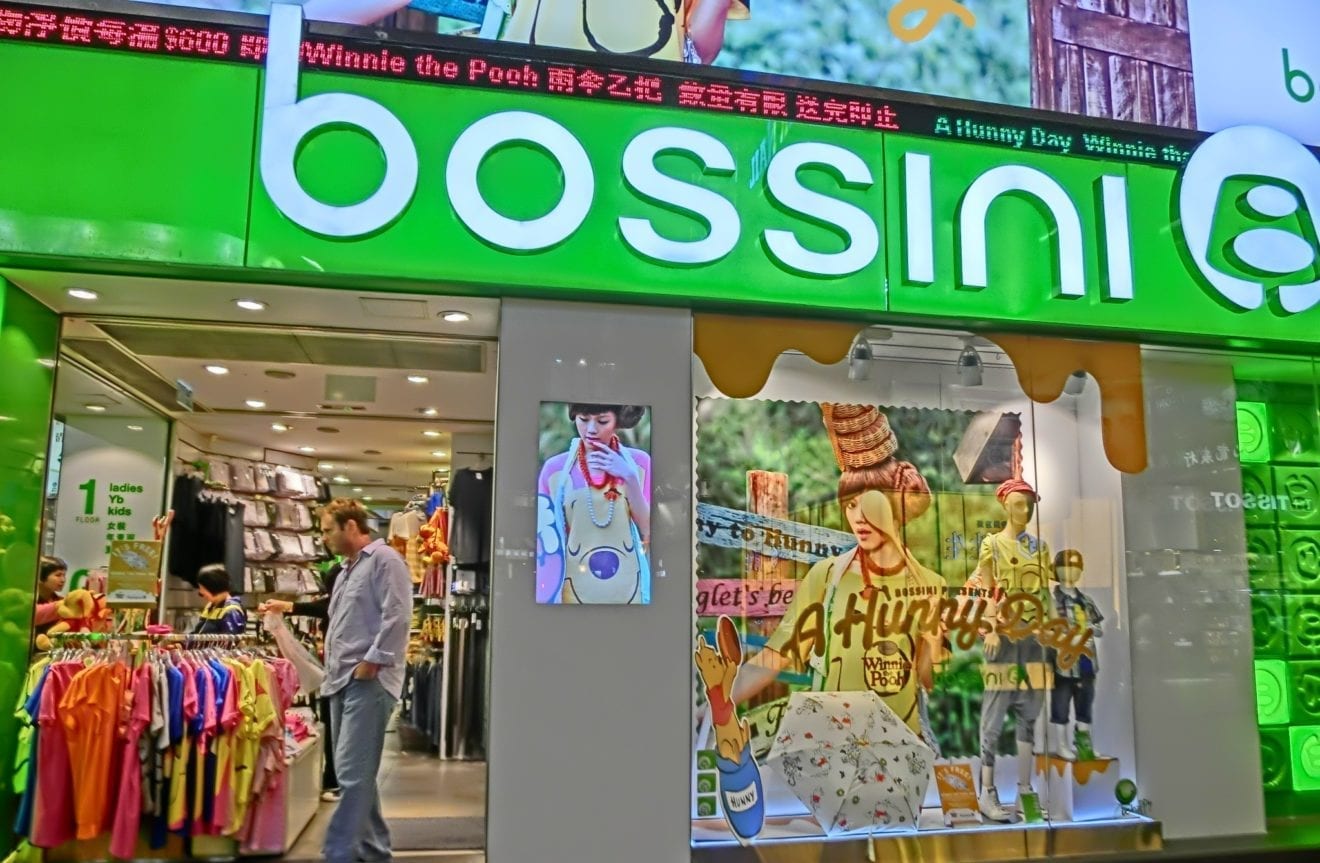
    Bossini has issued a profit warning saying unseasonal weather and weak consumer sentiment is impacting sales.

    In a stock exchange filing in Hong Kong, where the company is listed, Bossini chairwoman Bess Tsin said unaudited consolidated management accounts of the group for the 10 months to April 30 indicate a loss attributable to shareholders of about HK$92 million (US$11.7 million) for the period.

    “Based on the management accounts and the information currently available, the group expects that the loss attributable to owners for the year ending June 30 would be higher than that shown in the management accounts by about 35 per cent.”

    That would equate to about $124 million, more than four times last year’s loss of $29 million.

    She said the final figure would depend on the trading results for May and June.

  • Tailored and more culturally diverse food offerings at Coles

    Tailored and more culturally diverse food offerings at Coles

    Coles general manager of Grocery, Anna Croft told industry leaders at the Food and Grocery Conference in Sydney that the supermarket giant is transforming its food offer with a much more tailored range powered by innovation and convenience.

    The retailer is focusing on several key trends which are influencing everything from store formats, to food ranges and technology.

    “Customers are changing faster than we’ve ever seen,” Croft said, highlighting the importance of the retailer adapting to the changing society.

    “At the moment 20 percent of all Australians are over 65… in just five years is that will move to 25 percent of all Australians – a huge number. We have to think around our store format, our packaging, our shelf layout, and how we really think about products that suit the needs in terms of nutritional content. So a really big change in our consumer society.”

    Croft highlighted the importance of having a diverse culture at Coles and said the supermarket is working with international brands to discuss import opportunities.

    “We know that our customers are looking for authenticity… we need to think about the big brands in those countries and how we bring them to Australia, and really not try and change the palate and taste profile.”

    “So we are working with some people that have got big brands over in certain countries to understand if they would be right to import for the local market.”

    Croft said the rise of the independent, authentic retailers is evident and pointed to the opening of a new Coles store in Roseland, NSW which is surrounded by a Vietnamese retailer, a Halal butcher and a Middle Eastern supermarket.

    “That for us says we haven’t got our offer right, we’re not tailoring our offer to the right consumers. And we’re really not thinking about how we bring authenticity to those customers.”

    On the convenience front, Croft said the supermarket need to better cater to the frantic lifestyles of consumers.

    “Online, digital, subscription models, whatever that may be, we’ve got to think about the frenetic two-parent lifestyles that we see becoming more and more prevalent in the Australian consumer landscape.”

    Speaking on Coles recent partnership with Ocado, Croft said it will make a “huge difference” to the online shopping experience.

    “The whole of our front end platform will change so we will pick up the front end website of Ocado which will be tailored. It enables us to have a really broad range, very quick delivery options… it’s pretty amazing in terms of electronic robot politicization, so certainly [we] will be able to respond much quicker to customer needs with a much more agile and advanced front end user experience.”

  • Tigerair and SilkAir were merged into Scoot and Singapore Airlines

    Tigerair and SilkAir were merged into Scoot and Singapore Airlines

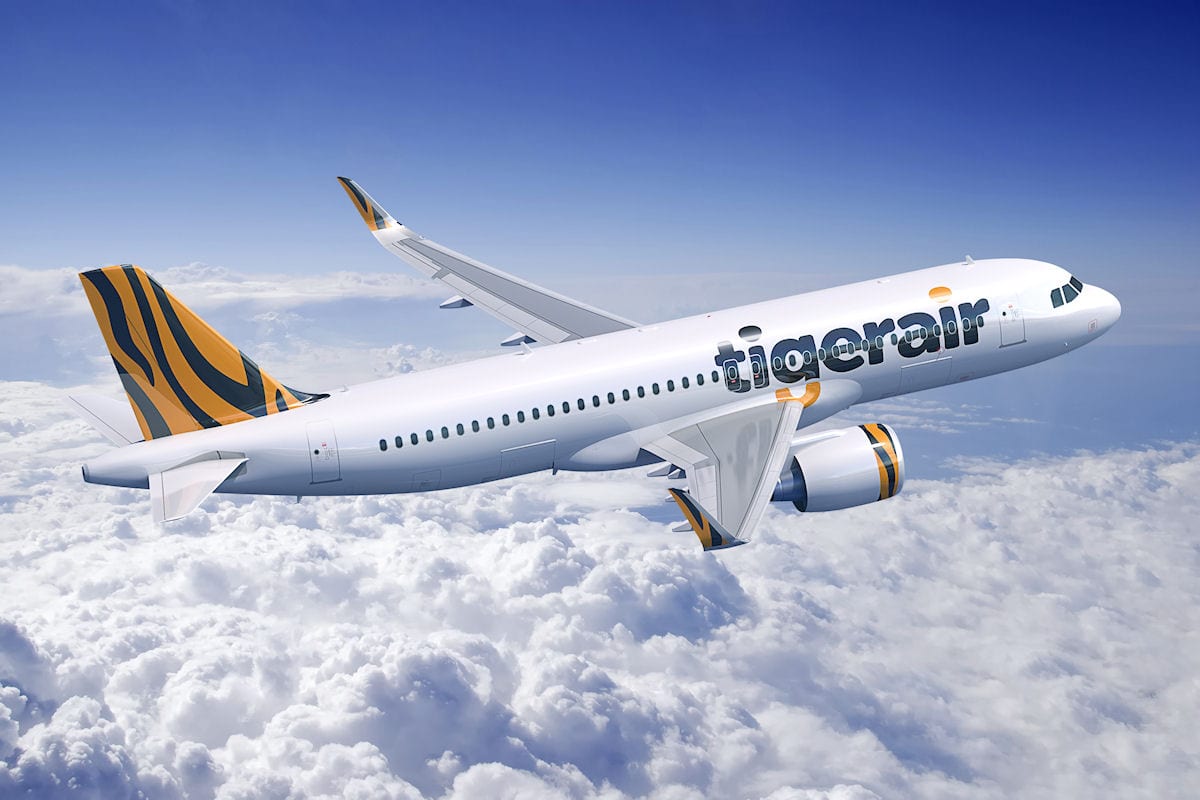
    Creating a more simple model was the main motivation behind Singapore Airlines whittling the number of its brands from four – Scoot, Tigerair, SilkAir and Singapore Airlines to just two: Scoot and Singapore Airlines.Singapore Airlines CEO Goh Choon Phong spoke about the reasons driving the consolidation of its brands during a session discussing the portfolio strategy of the airline at the first Skift Forum Asia.

    In response to a question from Skift airline weekly editor Madhu Unnikrishnan on the decision to wind down SilkAir, Goh pointed to the fact that SIA at one stage had four airline brands – two low-cost carriers (Tigerair and Scoot) and two full-service airlines (Singapore Airlines and SilkAir) across short, medium and long haul routes. He said, “It was not the most efficient way to address connectivity.”

    And so the decision to merge Tigerair into Scoot and SilkAir into Singapore Airlines to “simplify the model”, said Goh.

    Asked whether SIA was contemplating a more premium offering under the Scoot brand, Goh said: “Our model is to keep things pure. Singapore Airlines and Scoot offer two ends of the spectrum. We can compete and win in those segments.

    “Anyone in between will have a hard time.”

    Goh also addressed why SIA first opted to start a low-cost offering. He said: “10 years ago, we realized low-cost carriers were a structural and not a cyclical change.

    “We decided to be involved for two key reasons: without a low-cost carrier, we could not participate in that growth.

    “Also, they made it difficult for us to operate as a short-haul carrier. There were many hugely successful examples of full-service airlines setting up low-cost options. Most of these were done to serve smaller cities.”

    Given Singapore’s city-state status, this was not an option, said Goh, who added that Scoot was created to work as seamlessly as possible with the main brand. It was the right decision on hindsight. Goh pointed out that low-cost carriers now accounted for over 50% of traffic in the region.

  • India needs 10k pilots by 2030 says AirAsia

    India needs 10k pilots by 2030 says AirAsia

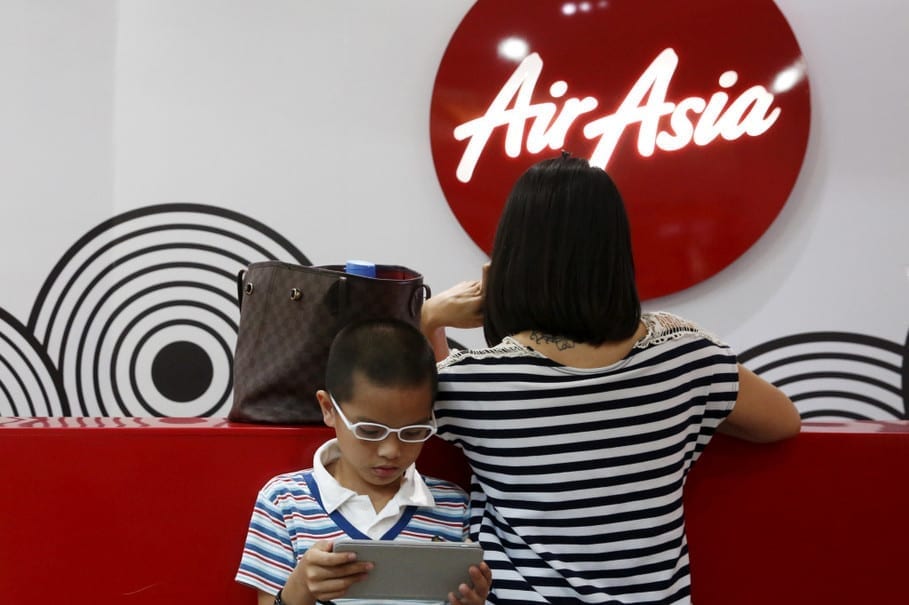
    Despite the current slump in the domestic aviation market, India will require up to 10,000 new pilots by 2030. Acknowledging this, AirAsia India on Tuesday launched the country’s first cadet-pilot program, ready to send its first batch of 15 cadets to New Zealand for flight training.

    By passenger volumes, India was ranked second globally among the fastest growing domestic markets for aviation. This would only mean the requirement for pilots will spike in the future, even as the Kingfisher and Jet Airways pilots are being quickly absorbed by other airlines.  To get the cadet-pilot project going, AirAsia India has partnered with New Zealand Academy and Harrison Omniview Consulting. As part of the 18-24 month course, selected candidates will be trained at the currently under-utilized Oamaru airport in New Zealand’s Waitaki district.

    The first batch of the cadets will come out in 2021, informs AirAsia India’s Head of Operations, Capt Manish Uppal. Cadets earn their second officer rank and commercial pilot license after 500 hours of flying before graduating to first officer, senior first officer, and captain, in charge of the entire aircraft and crew.

    The first batch of the cadets will come out in 2021, informs AirAsia India’s Head of Operations, Capt Manish Uppal. Cadets earn their second officer rank and commercial pilot license after 500 hours of flying before graduating to first officer, senior first officer and captain, in charge of the entire aircraft and crew.  Headquartered in Bengaluru, AirAsia India currently has a fleet of 21 Airbus-A320 aircraft covering 19 destinations across the country. The airline had commenced operations in India on June 12th.

    Uppal informs 11% of the airline’s crew are women. Most of the batch passing out from the cadet-pilot program are expected to be absorbed by the airline.

  • 7-Eleven opens Cassier free Checkout in Australia

    7-Eleven opens Cassier free Checkout in Australia

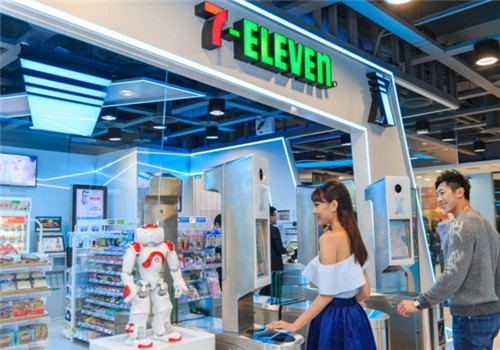
    7-Eleven Australia has removed the physical checkout from the store at its head office in Melbourne. Now, customers there can pay only via mobile app.

    Located in Melbourne’s inner suburb of Richmond, the store provides a more enjoyable and convenient shopping experience, 7-Eleven said, with more space and no queues.

    “Nobody likes to wait, so eliminating queues was part of the mission for this mobile checkout,” Angus McKay, 7-Eleven’s CEO, said in a statement about the new store concept.

    “The store feels more spacious and customers avoid being funneled to a checkout location creating a frictionless in-store experience,” he said.

    Instead of bringing their items to a cashier at the front of the store, customers simply scan the barcode of items they want to purchase with a specially designed app, pay with a card on file and walk out.

    Staff are free to focus on greeting and assisting customers and delivering 7-Eleven’s growing food offer, the retailer said.

    7-Eleven has been working on the cashless and cardless store concept for the past 12 months, thinking through the customer and staff experience and building the app. It recently trialed the concept alongside traditional payment methods in another store on Exhibition Street in Melbourne’s CBD.

    That trial, which concluded on Monday, revealed some areas that needed improvement. For instance, staff wanted better visibility about which customers in the store were shopping via app, and which ones weren’t.

    But Stephen Eyears, 7-Eleven’s head of strategy, innovation and business development, said this shouldn’t be a problem, since 7-Eleven offers a companion app for store staff, so they can see which customers in the store have opened the scan-and-pay app on their phones.

    Customers also have to upload a selfie to use the app, so staff can identify them. This way, staff can be certain that customers have paid before they simply walk out of the store with items in their hands.

    Other checkout-free stores, such as Amazon Go, avoid this scenario altogether by identifying the items customers pick up off the shelf via cameras and sensors and adding it to their digital cart automatically.

    Eyears said 7-Eleven will continue to tweak the concept based on learnings from the Richmond store trial, though there currently is no specific time-frame on the trial or firm plans to expand the concept to other stores.

    “We’re just starting to think about what else we need to learn operationally, and what else we could do to enhance the CX. There could be further tweaks down the track,” Eyears said.

    “It’s not something we want to rush, we want to get it right,” he said.

    If 7-Eleven does roll out the concept to more stores, Eyears expects it would be in addition to traditional payment methods, rather than the only way to pay, as it currently is in the Richmond store.

    Certain cities in the US have now outlawed stores that are completely cash- and card-free, saying they discriminate against consumers who don’t have a smartphone or online account with the retailers that operate them.

    Amazon has confirmed to US media outlets that it will start accepting cash at its checkout-free Amazon Go stores.

    7-Eleven is the latest retailer to trial checkout-free stores since Amazon Go debuted in the US in December 2016, sparking a conversation about the future of convenience retail.

    Woolworths has also trialed a scan-and-pay app in stores in NSW.

  • DHL Starting drone deliveries in China

    DHL Starting drone deliveries in China

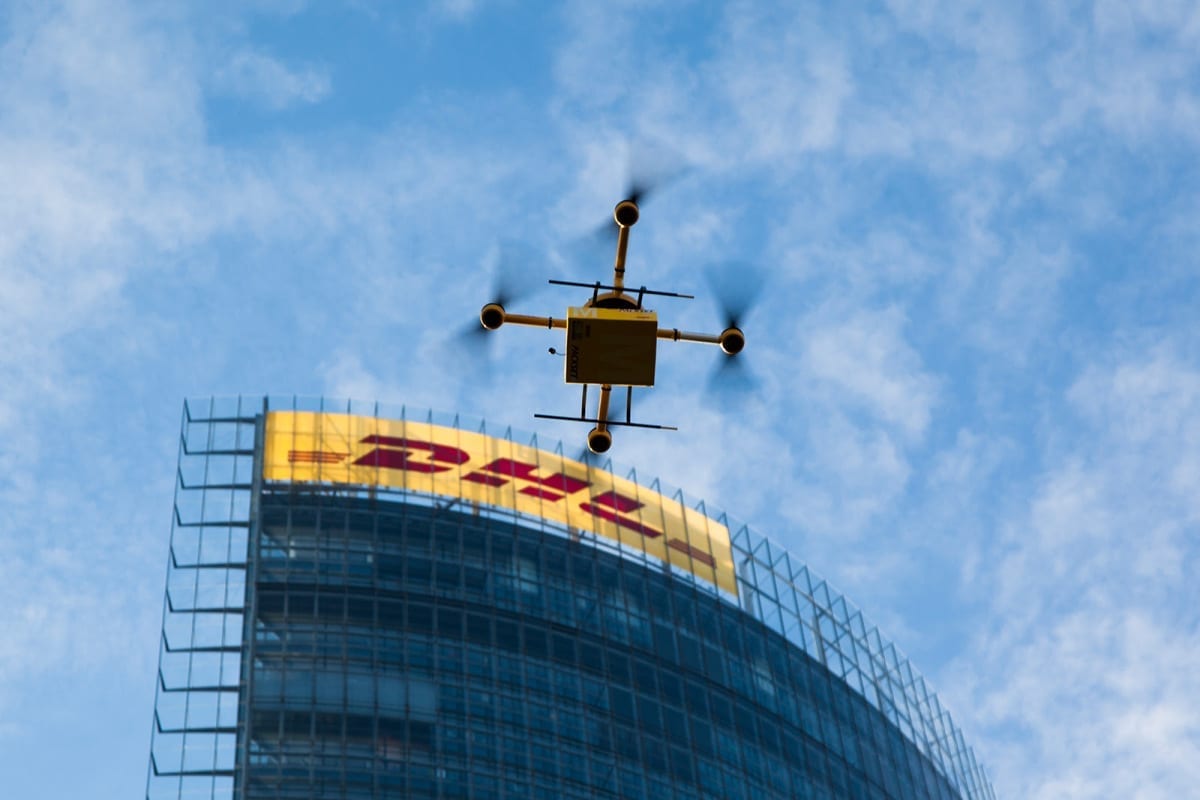
    DHL China is to start delivering goods by drones, cutting the delivery time on a route in Guangzhou from 40 minutes to just eight.

    The international express delivery-service provider has entered into a strategic partnership with autonomous aerial-vehicle firm Ehang to jointly launch a fully automated smart drone-delivery solution to tackle last-mile delivery challenges in Chinese urban areas.

    Using the most advanced Unmanned Aerial Vehicle (UAV) in Ehang’s newly-launched Falcon series, the new intelligent drone delivery solution overcomes the complex road conditions and traffic congestion common to urban areas. It reduces one-way delivery time from 40 minutes to eight minutes and can save costs of up to 80 per cent per delivery, with reduced energy consumption and carbon footprint compared with road transportation.

    “We are delighted to be partnering with Ehang to set a new innovation milestone with this new fully-automated and intelligent drone logistics solution,” said DHL Express China CEO Wu Dongming, “which combines the strength of the world’s largest international express company together with one of the leading UAV companies in the world. This is an exciting time for the logistics sector, with continued growth of the Chinese economy and cross-border trade, particularly in South China and the Greater Bay Area, which is home to an increasing number of SMEs and startups. This means there is a tremendous volume of logistics needs, which in turn creates new opportunities for implementing innovative solutions that can continuously drive growth with greater efficiency, sustainability and lower cost.”

    The new customised route, which has been exclusively created for a DHL customer, covers a distance of approximately 8km between the customer premises and the DHL service center in Liaobu, Dongguan, Guangdong Province.

    “Together with DHL we are very glad to bring the first smart drone delivery service route to China in Guangzhou; this marks a new beginning in building air logistics for smart cities,” said founder & CEO of Ehang Hu Huazhi. “Riding on today’s launch, we expect smart drone delivery as an innovative logistics solution to be expanded and realised in more areas, and we look forward to working with DHL in building the eco-system for a multi-dimensional urban air transport system.”

    The EHang Falcon smart drone, with eight propellers on four arms, is designed with multiple redundant systems for full backup, and smart and secure flight control modules. Its high performance features include vertical take-off and landing, high accuracy GPS and visual identification, smart flight path planning, fully-automated flight and real-time network connection and scheduling. As a fully-automated and intelligent solution, the drones, which can carry up to 5 kg of cargo per flight, take off and land atop intelligent cabinets that were specifically developed for the fully autonomous loading and offloading of the shipment. The intelligent cabinets seamlessly connect with automated processes including sorting, scanning and storage of express mail, and will feature high-tech functions such as facial recognition and ID scanning.

    This smart drone delivery solution will enhance DHL’s delivery capabilities and create a new customer experience in the logistics sector that opens up even more opportunities for sustainable growth and greater economic contribution. Given the growing prominence of B2C business operations and delivery in China, employing drones in express delivery services offers an innovative solution for meeting the increasing demands for time-sensitive delivery, particularly for last mile delivery in urban areas.

    Building on the launch of its first fully automated, intelligent drone delivery solution in China, DHL will continue to identify new routes that can be developed for clients in need of tailored customer services and logistics solutions and will work closely with EHang to create a second generation of drones in the near future that will further improve capacity and range in drone-operated express delivery.

  • Bobbi Brown Sells on Lazada

    Bobbi Brown Sells on Lazada

    Bobbi Brown cosmetics is launching on Lazada Malaysia, Thailand and Singapore this week.

    The flagship stores on Lazada Singapore will see the largest online inventory of products – more than double the selection of the largest existing online distributor.

    Bobbi Brown said its partnership with Lazada will further its mission of bringing “high-touch educational experiences”. The flagship stores will provide consumers tips on selecting the right product for their needs and skin. Customers will also be able to seek advice from the brand’s beauty consultants through Lazada’s instant-messaging feature.

    A live-streaming event tomorrow on the Lazada app will involve makeup tutorials by local beauty influencers. Besides midnight flash sales, there will also be “live” exclusive deals and promotions shoppers can purchase in-app during the livestream.

    The partnership with Lazada will not just extend the reach of its range of products in Southeast Asia, but also to bring more innovative and immersive ways to share educational tips with a larger audience within the shopping experience, according to Bobbi Brown brand manager Yanny Li.

    Bobbi Brown is the fifth brand under Estee Lauder Companies to launch its e-commerce flagship store on Lazada.

  • Docomo, Tohoku Uni to use AI for gum disease detection

    Docomo, Tohoku Uni to use AI for gum disease detection

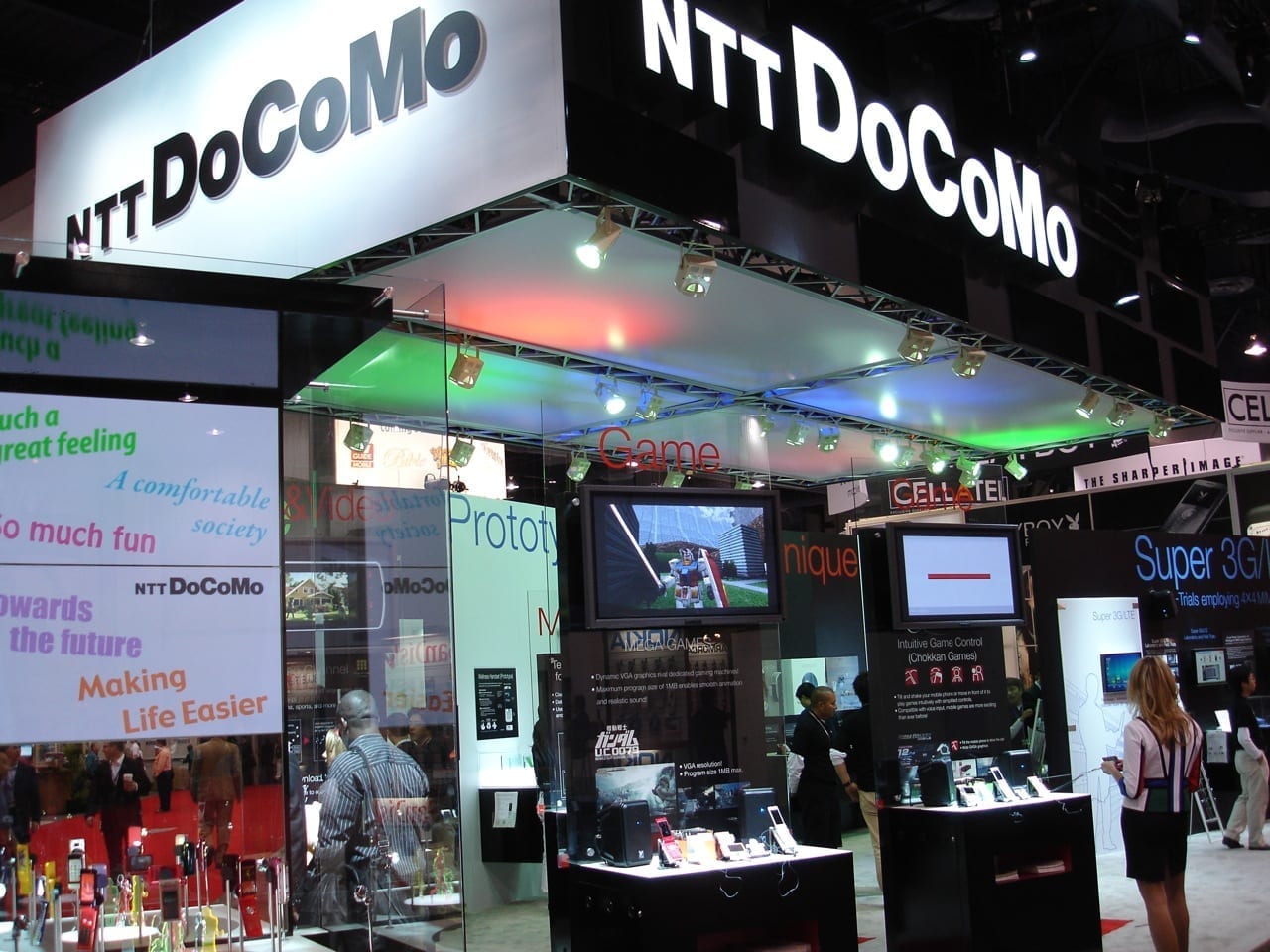
    NTT Docomo and Tohoku University have launched a research initiative to jointly develop a service using AI technology to detect periodontal disease.

    The AI-based service will photograph a person’s gums with a smartphone and analyze gum color and shape, compensating for photo brightness and camera shake, to determine the risk of periodontal disease.

    Docomo said the service combines the operator’s expertise in AI technology with Tohoku University’s expertise in oral diseases and extensive data on medical examinations and research.

    It provides a practical, everyday solution to help users to understand their personal risks by facilitating better communication with dentists and increased examinations aimed at preventing early-stage periodontal disease from becoming serious.

    Docomo and Tohoku University also plan to use their AI technology for the detection of additional oral diseases, such as temporomandibular disorders and oral cancer.

    A device-based tool for determining disease risks is slated for commercial launch by March 2023.

    In Japan, periodontal disease is present in 61% of adults in their 20s, 71% in their 40s and 75% in their 60s, according to a survey conducted by Japan’s Ministry of Health and Welfare in 2016.

    Confirmation of the disease requires going to dental office to be examined, which is often inconvenient for working people.

    The Japanese Society for Oral Health Magazine estimated in 2018 that only 4.3% of people between the ages of 40 and 70 receive examinations and many do not consult dentists until symptoms become severe.

  • Altran, Wind River developing end-to-end NFV platform

    Altran, Wind River developing end-to-end NFV platform

    Engineering and R&D services provider Altran has announced a partnership with critical infrastructure software provider Wind River to develop an end-to-end networks functions virtualization (NFV) platform.

    Under the agreement, Altran is using Wind River Titanium Cloud, an NFV infrastructure software platform for telecom operators, to develop a platform that incorporates NFV in the data center and at the network edge.

    Altran has designed its VNF Management and Orchestration Platform to help operators lower costs, accelerate service delivery and meet customer demands for high availability.

    The platform will provide an environment for vendors to deploy virtual network functions (VNFs) on Wind River infrastructure software.

    The platform will take advantage of Altran’s programmable VNF Lifecycle Management solution – which can integrate with any VNF as well as with third-party orchestrators – and its integrated policy engine.

    “The Wind River Titanium Cloud ecosystem provides outstanding infrastructure for highly available, robust and agile virtualization platforms needed in telecommunications networks and industrial control,” said Altran North America group SVP and chief engineering officer N. Mohan Rangan said.

    “We are delighted to be a part of Wind River’s initiative. Service provider customers will benefit greatly from a comprehensive NFV platform that handles a wide variety of sophisticated VNFs.”