Tag: asia

  • Eight bidders left to Take Over Metro China

    Eight bidders left to Take Over Metro China

    Eight, not four, bidders have until June 10 to lodge a non-binding bid for the cash-and-carry business.

    Yonghui Superstores – part-owned by Dairy Farm Group – is among at least eight bidders shortlisted by Metro AG to tended for its Chinese business.

    The Metro China business is estimated to be worth between US$1.5 and $2 billion, but with eight consortiums in the running, the price is more likely to be at the higher end of the scale.

    Alibaba – in partnership with Taiwanese retailer RT-Mart International – and US retail giant Walmart, which already has 400 hypermarkets in China, are also on the shortlist.

    The other finalists are Suning Holdings, supermarket chain Wumart Stores, private equity group Primavera Capital, a consortium of Boyu Capital and property developer China Vanke and fresh-food delivery group Meicai.

    None of the shortlisted companies commented about the Metro China sale.

    With the sale process shrouded in secrecy, there have been differing reports to date on the progress. Last month, four companies were shortlisted.

    The sale process is expected to be completed in September, with the shortlisted bidders given until June 10 to lodge non-binding offers.

  • Hyundai Venue Bookings Cross 20,000 Mark

    Hyundai Venue Bookings Cross 20,000 Mark

    Hyundai launched the Venue subcompact SUV in India last week and back then the company had said that it received 15,000 bookings for the car. A week later that number has gone up to more than 20,000. The customers certainly seem to have taken a liking to the subcompact SUV but we wait to see what the sales numbers say a month later. The Venue is Hyundai’s first subcompact SUV in the country and the reception it’s getting post the launch of the car is something that was expected.

    The subcompact SUV segment has been growing at a fast pace and there are already a number of players in the segment right from the Maruti Suzuki Vitara Brezza, to the Tata Nexon, Mahindra XUV300 and even the Ford EcoSport. The Venue then is late to the party but it brings a lot to the table. It, in fact, is India’s first connected car and yes gets a load of features.

    The Hyundai Venue traces its roots to the Carlino concept showcased at the Auto Expo in 2016. The production-spec version finds its design language inspired from the newer Hyundai models with the massive cascading grille up front, split headlamps with projector lens and squared LED DRLs, tall stance and stubby boot design. The Venue looks small yet butch and there is a resemblance to the Creta too at the sides. The sub-4-meter SUV comes with faux cladding on the bumpers and the sides for the brawny appeal, even as the SUV is urban in its appearance riding on 17-inch diamond cut alloy wheels. The Venue is offered in four variants, seven monotone colors and three dual-tone color options.

    The Hyundai Venue draws power from two petrol and one diesel engine options. The 1.0-liter, three-cylinder turbocharged petrol motor churns out 118 bhp and 172 Nm of peak torque and is mated to a dual-clutch transmission while a six-speed manual is also on offer. There’s also the 1.2-liter, four-cylinder naturally aspirated petrol mill belting out 82 bhp and 114 Nm of peak torque, which is paired with only a 5-speed manual transmission. Lastly, the 1.4-liter, four-cylinder, turbocharged diesel produces 89 bhp and 220 Nm of peak torque and is mated to a 6-speed manual gearbox. A diesel automatic is not on offer.

    With respect to features, the Hyundai Venue is loaded to the gills and gets a host of equipment including an electric sunroof, 8-inch touchscreen infotainment system with Apple CarPlay and Android Auto, automatic climate control with rear AC vents, Arkamys sound system, air purifier, wireless charging and wheel air curtains.

  • Asus ZenFone 6 first update brings important camera improvements

    Asus ZenFone 6 first update brings important camera improvements

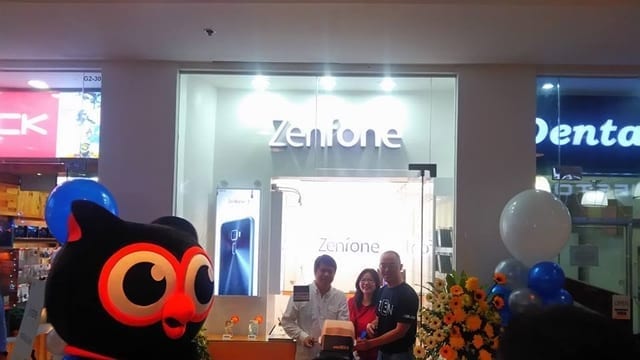
    The ZenFone 6 hasn’t even been released in the United States and Asus is already pushing out a major update that brings important camera enhancements. If you plan on getting one when Asus will launch the ZenFone 6 in the US in July, here is what to expect from the first ZenFone 6 update.

    If you didn’t know, Asus ZenFone 6 packs a so-called motorized flip camera, which allows users to take both selfies or regular photos. It basically acts as both rear and front cameras to ensure that you take the best pictures in every scenario.

    Well, it looks like the ZenFone 6’s camera needs some adjustments, so Asus has decided to address that in the first update, which focuses exactly on this aspect. First and foremost, the camera Super Night Mode and HDR+ Enhanced mode received considerable improvements on image processing speed and image quality.

    Furthermore, the update should add volume key functions, which will allow users to control the flip camera rotation. Basically, you can set the volume key as shutter, zoom, or flip camera in the Asus Camera app settings manually.

    The smart key can now be used as a shutter to take pictures in Camera mode, and the camera rotation stability has been improved as well. Also, the default wallpaper and ringtone have been updated too, while the translation strings in Settings have been optimized.

    According to Asus, its server pushes out the update in batches, which means that it will take some days before everyone will receive the notice. However, you can manually check for it by heading to System settings in the Settings / System.

  • Dialog Axiata enters partnership with Netflix

    Dialog Axiata enters partnership with Netflix

    Sri Lanka’s Dialog Axiata has announced a strategic partnership involving the provision of carrier billing for the popular streaming platform.

    Under the agreement, all Dialog postpaid mobile customers will be able to add their Netflix subscription fee to their monthly bill.

    These customers will also be provided with 5GB of uncharged data per month for Netflix streaming.

    Netflix features including downloads for offline viewing, screen switching and others will be available to Dialog subscribers.

    “Our partnership with Netflix gives our customers access to their stellar catalog of original and licensed content, thereby strengthening the content portfolio offered by Dialog ViU, “Dialog Axiata senior GM for global and content services Mangala Hettiarachchi said.

    “Dialog customers can now watch the best of content available on Netflix on the best video network in Sri Lanka ad free – anytime, anywhere, and on any Internet-connected screen. Customers can activate the service on their mobile and watch on any screen including their smart television.”

  • Ixina Kitchens opens first China stores

    Ixina Kitchens opens first China stores

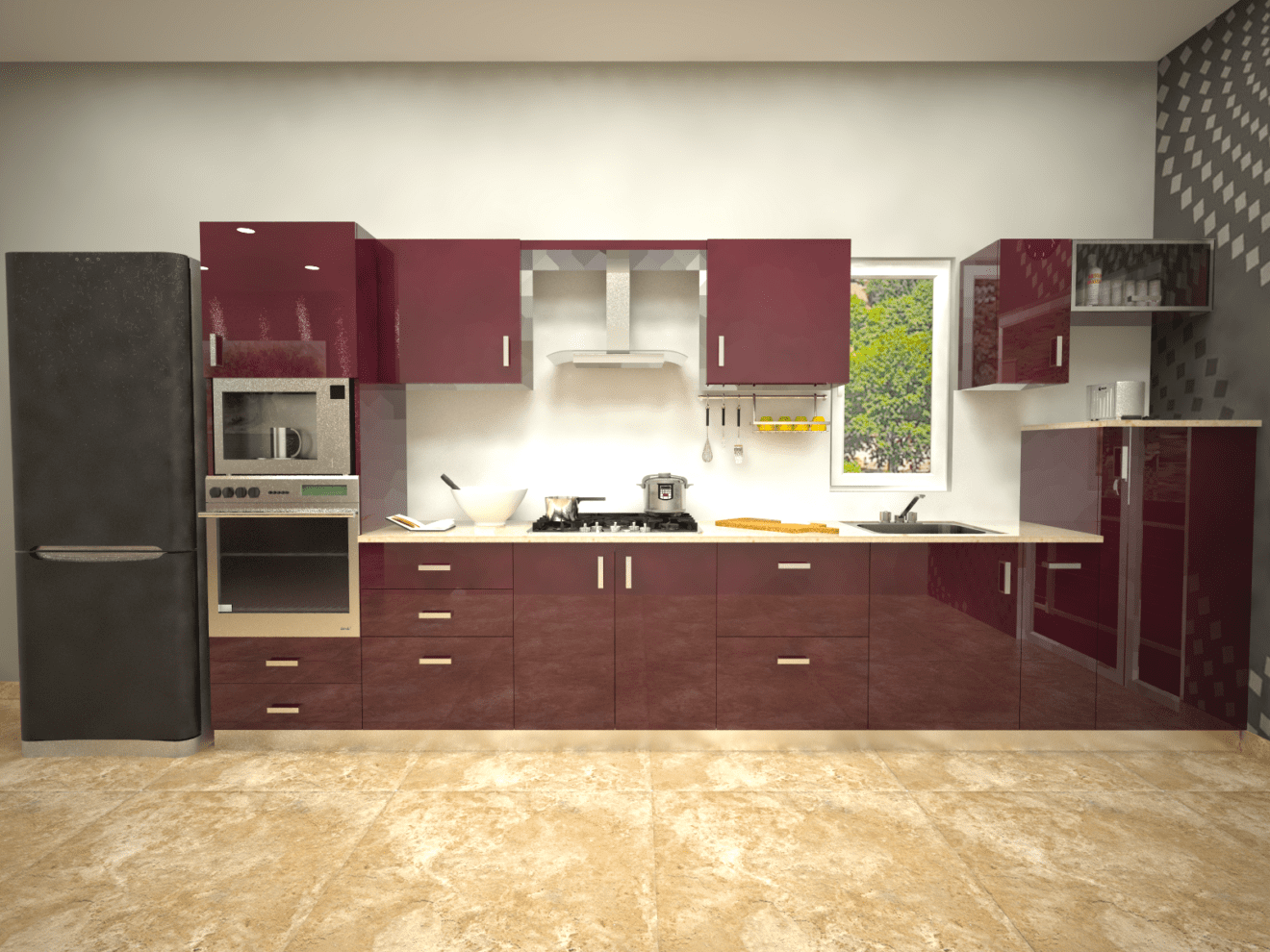
    European kitchen retailer Ixina has opened stores in both Beijing and Shanghai, marking the brand’s official launch in China.

    Brought to China by Gome Retail, Ixina plans to open six more stores this year – including in Wuxi and Nanjing – expanding to 100 within the next three years.

    China’s kitchen furniture and appliances market is estimated at more than RMB400 billion (US$57.86 billion) currently.

    The president of Gome Retail, Wang Junzhou, says selling individual products far from meets new consumption habits, with package solutions more popular.

    For more than a year, Gome Retail has extended its business scope and strategic outreach based on its strong home appliance supply chain. New businesses such as Comfortable Home, Ixina and Kitchen Space have now been introduced, and a self-operated home-decoration business will soon be launched.

    “These businesses are essential approaches to achieving Gome Retail’s Home Life strategy,” said Wang.

    Gome Retail currently operates more than 2100 stores in 630 Chinese cities.

  • iPhones are getting too Big

    iPhones are getting too Big

    Back when Apple’s iPhones were following the iPhone 6 design, they were considerably thinner than they are today. I remember when the immensely hyped iPhone X came out, with its brand new super-luxurious design and everything, the first thought that crossed my mind was: “Wow, that thing is beautiful!” And then that thought was quickly followed by another: “It’s also so… thick?!” because I was comparing it to the One year later, Apple kept the same exact design with the iPhone XS and XS Max, but also released the mainstream XR, which was even bulkier! The iPhone XR is my daily driver, and if I could change anything in it, making it thinner and lighter would have easily been in the top three. I think iPhones have slowly gotten a bit too fat and heavy!

    I came to this realization after playing around with the OnePlus 5T for a few days. Compared to the XR, the OnePlus 5T is about as wide and even taller, but it’s so much thinner and lighter. This made it feel surprisingly good while holding and using it. It also gets thinner towards the edges, which I think is also a good design choice, both from an ergonomic and aesthetic point of view. It’s similar to what Apple’s doing with the iMac, but the iPhone does not have such a curve – it remains “full fat” all the way to the edges. Maybe part of the reason is that iPhones have glass backs now, to facilitate wireless charging, but this also seems to be contributing to the increased thickness and weight.

    The iPhone XR is also very heavy. I wouldn’t call it excessive, but it is very substantial. Some people appreciate their phones having some heft, but there’s a line that shouldn’t be crossed because then the user starts to subconsciously avoid reaching for the phone.

    This brings us back to the beginning and the question of having a thin and light phone versus a thick and heavy phone with better battery life. The iPhone XR does have superb battery life, to the point that I pay almost no attention to my battery levels – I just put it on the charger whenever I remember to do so.

    But you know what: I’d love to trade some of that battery for reduced thickness and weight. There’s just something effortless in handling a phone like the OnePlus 5T; it makes you want to put your hands on it more often, even if you don’t have a specific reason to do so. Now, I can’t switch to OnePlus, because of my broader needs and principles, which are best answered by the Apple ecosystem (plus newer OnePlus phones are also thicker), but I think it’d be great if the next iPhone design cuts out some of the fat for that desirable elegance that was typical of previous generations. Maybe then consumers will start lusting after each new iPhone like they used to.

  • Zephyr Toymakers Pvt Ltd: Raising children to be future-ready through play

    Zephyr Toymakers Pvt Ltd: Raising children to be future-ready through play

    Zephyr Toymakers Pvt Ltd is India’s largest indigenous toy manufacturing company and parent to the most well-known toy brands ‘Mechanix’ and ‘Blix’. The company endeavours to encourage kids to be innovators of the future. All their products serve the purpose of being fun as well as educative.

    Zephyr stands by the motto to make your kids future ready. They believe that there are two types of people, ‘Technology creators’ and ‘Technology Consumers’. Majority of today’s population of young adults fall under the latter category, where they are consuming technology created by Gen X to simplify the chores.

    Zephyr Toymakers focuses on to develop logical thinking skills as well as teaching children as young as ten years how to program. The point is to curate products that help the child to learn the fundamentals of how a machine works as well as to develop curiosity and problem-solving skill. By keeping the above-mentioned points in mind, Zephyr with its wide range of toys focuses on to develop Problem-solving skills, Critical thinking skills, Creative thinking skills, Ability to learn and adapt Interdisciplinary skills and Social skills. In simple terms give the children the skill sets to adapt to the future and make the most of this fast-changing scenario and the forever changing world.

    Since tomorrow is unknown, one cannot fathom the skills a child will need then but the skills that will help them learn those necessary skills needs to be learnt today. Thus, Zephyr invests in manufacturing products that help the child in early learning. They are more involved in STEM education (Science, Technology, Engineering and Math) and other toys that are designed to enhance cognitive development in children at a young age.

    Zephyr’s most popular toy brand ‘Mechanix’ specifically helps a child develop design thinking skills and problem-solving skills. For instance, when a child is playing and making a ‘Mechanix’ model they will encounter situations where they might get stuck and realise, they cannot do what they anticipated to do next. This encourages them to think around the problem and find a new way to go ahead on their own.

    ‘Blix’ by Zephyr is an amazing new system that develops and explains the technical part of engineering to kids as young as a 10-year-old. It basically allows the kids a backdoor entry into the high-tech engineering that is put in to build a motorcycle, a car or even a remote control. They learn the technicalities of how gears and circuits work to change speed, direction and create interesting motions. This allows the kids to learn how a circuit or a gearbox works and inspire them to always rebuild something out of their imagination using the same parts.

    ‘Mechanix’ and ‘Blix’ being Zephyr’s popular toy brands they also offer a variety of board games. Memory Skill, Dog and the Bone, Alien Invasion, Oranges and Lemons to name a few. These are basically two-player games which help kids learn how to make a choice and decide the next move by analysing the information they already have. Other than this, Zephyr has games like Doctor sets, Discover India and Teaching Aids that include Alpha Numero Board and E- Circuit Sets. The only mission Zephyr toys have is to impart learning through play.

    Moiz Gabajiwala, CEO at Zephyr Toymakers Pvt Ltd quoted “At Zephyr, we believe that in today’s age of fast learning and exposure, it is important we introduce kids to correct and productive tools that aid in developing their personality. It is important to share the responsibility towards a child’s development by developing toys that provide not only hours of productive work but also instill in them the skills during their formative years to help them thrive”.

  • SHB Finance issues certificates of deposit worth millions

    SHB Finance issues certificates of deposit worth millions

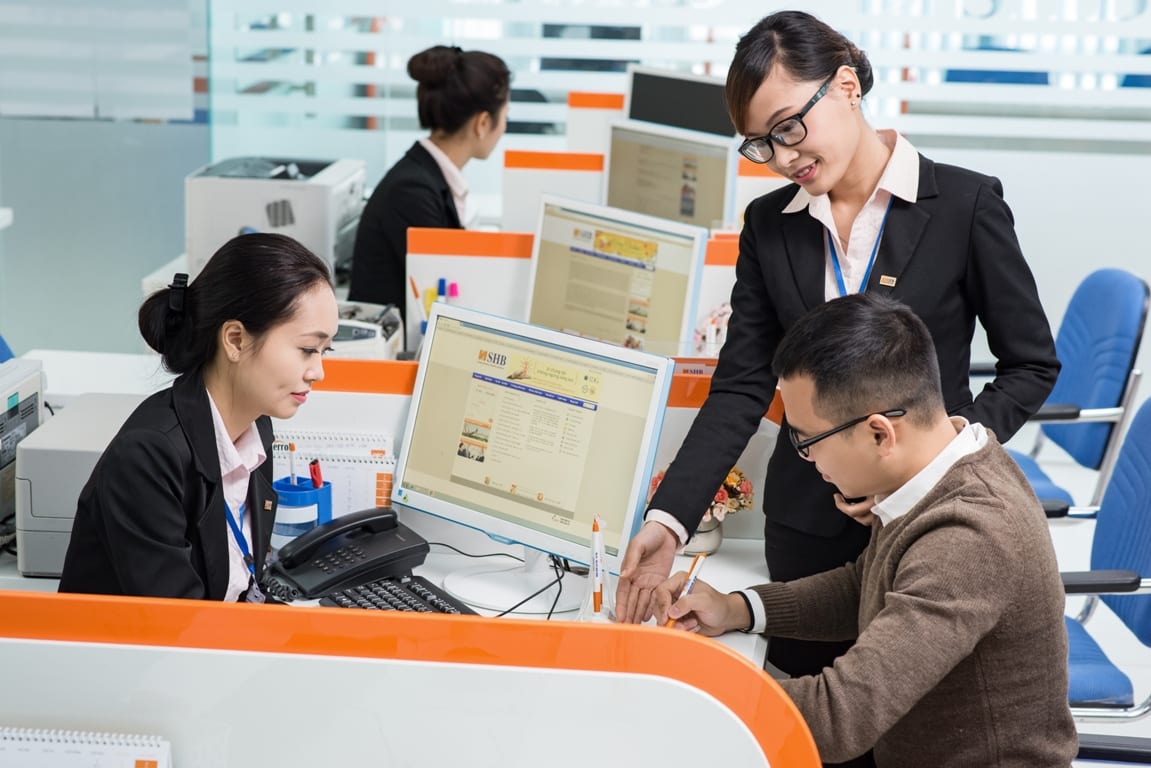
    SHB Finance has issued its fourth tranche certificates of deposits worth a total of VND300 billion ($12.88 million). These were 12-month deposits with an annual interest rate of 10.3 percent and no transfer fees.

    The SHBank Finance Company Limited (SHB Finance) issued the certificates of deposits for its fourth tranche as part of its book-building process. This issuance attracted prestigious institutional investors, including one domestic investment fund and one securities company.

    On April 25, SHB Finance had successfully issued its third tranche certificates of deposit with the same interest rate.

    Explaining the factors that make SHB Finance’s certificates of deposits attractive to investors, CEO Dinh Quang Huy said that although the company was a new player in the consumer finance market (official launch in August 2018), it has gained the attention of many institutional investors, thanks to its efficient and speedy operating system.

    “We always try to be transparent to investors at all time, not just when we need to raise funds. Therefore, our certificates of deposits are always welcomed by investors, even though timing of tranches are quite close,” Dinh said.

    The company announced positive business results in the first four months of 2019, very soon after it commenced operations. SHB Finance ended April 2019 with outstanding loans of VND1.44 trillion ($61.84 million), up 103 percent compared to 2018, fulfilling 39 percent of the plan for 2019. With the fourth tranche, SHB Finance has successfully raised VND900 billion ($38.65 million), VND810 billion from certificates of deposit and VND90 billion from deposits. The funds will help SHB Finance serve immediate consumer finance demands of low to medium income customers across the country, contribute to the development of a healthy consumer finance market and eliminate rampant shadow banking activities.

    Its profit before tax as of April 2019 had reached VND71.6 billion ($3.08 million).

    The company has served over 150,000 customers.

  • Singapore Payments Startup InstaReM Partners Thai Banking Group

    Singapore Payments Startup InstaReM Partners Thai Banking Group

    Digital remittance company InstaReM has partnered Thai banking group Kasikornbank in an agreement that would see the Singapore startup power cross-border payments for the bank’s clients in select markets, it announced in a press release on Thursday.

    This relationship further cements InstaReM’s position as a leading provider for cross-border transactions. With InstaReM, KBank clients will be able to realize faster turnarounds, while providing certainty on delivery times and payout amounts, Prajit Nanu, co-founder and CEO of InstaReM, said.

    “This is an important partnership for KBank at an exciting stage in our evolution. We are continuing to expand our cross-border payment capabilities into key markets across the world, as we are witnessing increasing demand from our customers.

    Kasikornbank is Thailand’s second-largest and Southeast Asia’s eighth-largest bank in terms of total assets, at $96.9 billion, according to data from Forbes. At $14.5 billion, it is also the country’s largest bank in terms of market capitalization.

    InstaReM, which has a presence in 40+ countries in Asia-Pacific, North America and Europe enables low-cost cross-border payments to 55+ countries. It has enhanced its payments capabilities by partnering global payments leaders like Ripple, Visa and First Data.

    In March, the firm announced the close of its $41-million Series C funding round, which will be used to support growth and expansion to new markets, including opening a regional headquarters in Latin America and expanding its teams in London and Seattle, the firm said. This brings the total funding InstaReM has raised to $59.5 million since it started operations in 2015.

    It is expected to receive licenses for Japan and Indonesia later this year, and continues to prepare for an initial public offering, planned for 2021.

  • Homestay startup raises $4.5 million

    Homestay startup raises $4.5 million

    Luxstay has raised $4.5 million from South Korean retailer GS Shop and venture capitalist Bon Angels in its bridge round. A Luxstay representative said Wednesday that receiving funding from reputable international investors in this round is an important stepping stone for the enterprise to expand to other areas in the future.

    GS Shop is a South Korean multimedia retailer as well as a global leader in TV home shopping. It also established a retail chain called GS25 in Vietnam in 2018.

    Bon Angels Venture Partners is a South Korean venture capital firm investing in early-stage startups. It has invested in well known South Korean startups like Woowa Brothers, Daily Hotels, and My Real Trip.

    Luxstay has targeted an annual turnover of over $300 million and 30 percent of Vietnam’s home-rental market share by 2023, the representative said.

    It is also working with financial investors and strategic partners for the next funding round, a Series A round, which is expected to close in 2019, aiming to raise $15-20 million.

    Prior to this investment, Luxstay had raised a total of around $6 million from CyberAgent Ventures (Japan), Genesia Ventures (Japan), ESP Capital (Vietnam), Founders Capital (Vietnam) and Nextrans (South Korea).

    Launched in late 2016, Luxstay has a network of nearly 10,000 properties across the country. This is a short-term rental booking platform for apartments, villas and other homestay accommodations positioned in the mid and high-end segments of Vietnam’s real estate market.

    It also offers property management and maintenance solutions to assist and save time for homeowners who want to participate in the home-sharing market through its system.

    “In developed countries, home-sharing accounts for 10-20 percent of the home-rental market. This shows a huge opportunity for this industry in Vietnam, which is expected to reach $2-4 billion in 2025,” Luxstay said.

  • AU Optronic signs Taiwan’s first sustainability-linked loan

    AU Optronic signs Taiwan’s first sustainability-linked loan

    DBS Bank Taipei Branch signed a three-year, TW$2 billion ($63.5 million) sustainability-linked loan with AU Optronics – an optoelectronic solution and LCD-LED manufacturer.

    Under the terms of the conditions, the interest rate will be based on the manufacturer meeting sustainability performance targets.

    DBS Bank Taiwan general manager Lim Him Chuan said that there is a growing trend for corporates to adopt more sustainable practices in their business operations. While seeking business growth, they are also considering social, environmental and governance factors.

    In 2018, DBS Group inked four sustainability performance-linked loans amounting to over S$600 million ($435.8 million), demonstrating the bank’s commitment to sustainability while offering financial innovation to customers.

    For DBS Bank’s sustainability-linked loans, corporates are evaluated based on an annual sustainability review report assessed by an external independent party, tracking the performance of corporates in terms of governance, environmental and social criteria. When the borrower meets or exceeds pre-determined ESG targets, the interest rate will then be reduced. Borrowers not only share their commitment to sustainability but are also entitled to a competitive interest rate.

    The bank’s, head of institutional banking Tony LuoGroup further explained that unlike green loans which are used to exclusively finance or re-finance eligible green projects, capital from sustainability-linked loans can be used for general corporate purposes. This provides more flexibility to borrowers, and the impact goes beyond environmental aspects to cover comprehensive ESG developments of an organization.

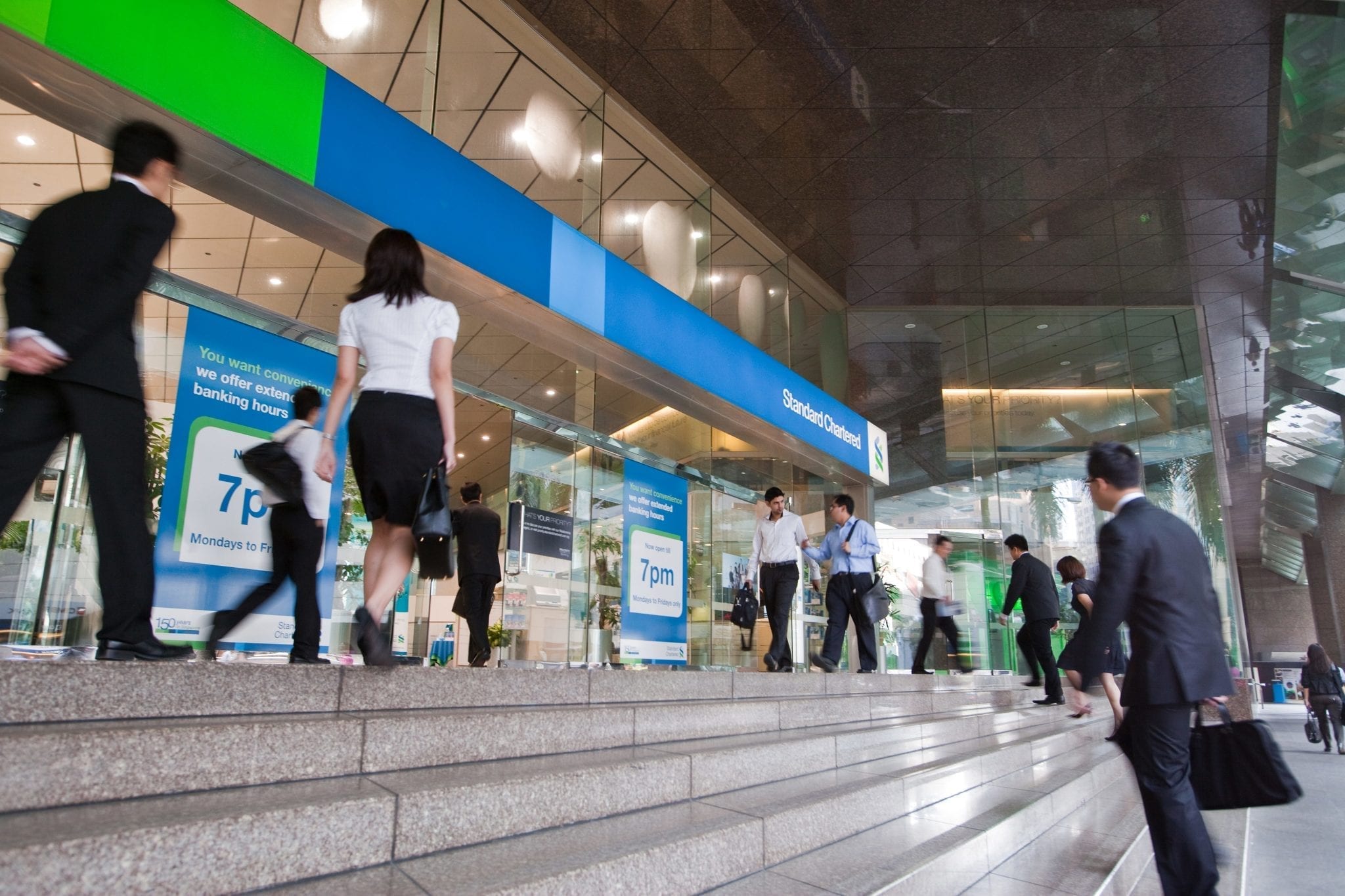
  • Standard Chartered Offers New Tool Powered By IBM

    Standard Chartered Offers New Tool Powered By IBM

    The solution is now live in key markets across Asia, Africa, and the Middle East1, with more markets across the bank’s footprint to follow, according to a media release. Traditional documentary trade requires millions of data elements in paper-based, unstructured documents – often issued by various companies – to be reviewed through a largely manual process.

    With the implementation of Standard Chartered’s Trade AI Engine powered by IBM, this time-consuming and high-risk process is now significantly automated:

    • Conversion of non-digital shipping documents into machine-readable format enabled by Optical Character Recognition (OCR)
    • Identification and classification of document types from an initial pre-defined database
    • Continuous Machine learning (ML) based on user re-classification/re-defining of data elements to further improve accuracy
    • Natural Language Processing (NLP) capabilities to read and capture context from data in the documents

    The innovative solution allows the ban to handle high volumes of diverse back office tasks with greater efficiency and accuracy, thus offering a more seamless trade processing experience for clients.

    The «Trade AI Engine» is currently live in India, Nepal, Botswana, Kenya, Uganda, South Africa, Zambia, Tanzania, Zimbabwe, Angola, Cameroon, Côte d’Ivoire, Gambia, Ghana, Nigeria, Sierra Leone, Mauritius, UAE, U.K., Iraq, Bangladesh, Thailand, Philippines, Indonesia, Pakistan, Sri Lanka, Bahrain, Qatar, Jordan and Oman.

    Additional markets to follow are Japan, Brunei, Indonesia, Taiwan, Hong Kong, Singapore, Malaysia, China, and the U.S.

  • StarHub selects Red Hat to help train its engineers

    StarHub selects Red Hat to help train its engineers

    Singapore’s StarHub has selected Red Hat to provide specialized training for its Integrated Network Engineering team to help them keep abreast of best practices in next-generation cloud-based platforms.

    Under the agreement, StarHub engineers will take part in the Red Hat Training and Certification program based on the Red Hat OpenStack Platform, which the operator has deployed across its infrastructure.

    The program will include hands-on and lab-based training designed to help them better understand Red Hat tools to enable the faster delivery of OpenStack solutions, as well as training and knowledge of selected tools and solutions for various real-world scenarios.

    The Integrated Network Engineering team is tasked with designing and maintaining efficient and scalable fixed and wireless networks for StarHub’s Singapore operations. It is led by StarHub CTO Chong Siew Loong.

    “Our networks can only be as good as the team managing them. This is why at StarHub, we invest in the development of our people to maintain the high levels of professional competency required to offer our customers the best network experience,” Chong said.

    “Amid rapid technological advances, we work with renowned software companies like Red Hat to hone skills that are not only relevant today, but a catalyst for future innovation.”

  • India’s Netplus to deploy Nokia GPON technology

    India’s Netplus to deploy Nokia GPON technology

    Indian multi-system operator Fastway Media’s broadband division Netplus has contracted Nokia for a high-speed broadband deployment in Northern India.

    Under the agreement, Netplus will deploy Nokia’s GPON technology to cater to the growing demand for higher capacity, speeds and quality.

    Initial deployments will focus on the states of Delhi, Punjab, Haryana, Rajasthan and Uttar Pradesh. Netplus will use the upgraded network to provide high-speed broadband, IPTV and quad play services.

    “The demand for high speed and quality broadband is increasing across the country. Our network infrastructure will allow us to provide a best-in-class broadband network to our subscribers. We have been the front-runners in delivering high-speed broadband services across 135 cities in 6 states,” Fastway Group CEO Prem Ojha said.

    “ We are confident that Nokia’s field-proven products and solutions will enable us to enhance the overall quality of our services and will also empower Netplus Broadband in delivering converged services that include hi-speed broadband, Smart Voice, and OTT and IPTV services.”

  • 600 Vietnamese staff trained for Hanoi’s metro line Opening

    600 Vietnamese staff trained for Hanoi’s metro line Opening

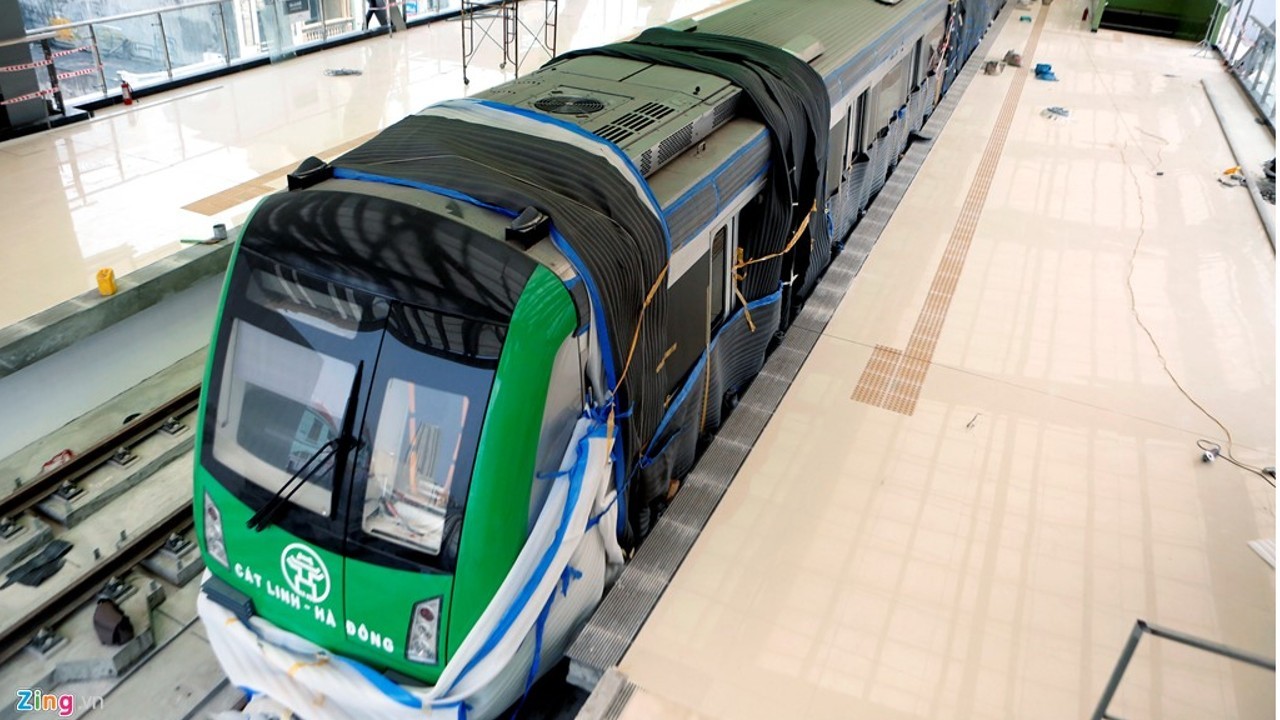
    Operational staff for Hanoi’s first metro line has been trained, but its opening date remains up in the air. 86 of them are in the driving department, with 46 main drivers. The rest are substitute drivers and technicians. All drivers have been trained and have practiced in Beijing, China for a year. Their experience ranges from driving 5,000-20,000 kilometers.

    “To prepare for the commercial operation, we have done both practical training and simulator training, including dealing with unexpected events,” said driver Tran Thanh Long.

    Over 500 people will work in the operating center to manage trains, maintain infrastructure, distribute tickets and discharge other responsibilities. Over this and next month, they will run drills for emergency evacuation, handling a large number of passengers and dealing with malfunctioning trains. The Vietnamese staff has been trained by Chinese experts. A representative of the contractor said that “most Vietnamese staff have met training standards and can operate the metro line immediately.”

    Another reason was that the Chinese contractor, China Railway Sixth Group Co., Ltd, has not submitted necessary documents to authorities for a final inspection, a source said then. But it is still unclear when the metro will start its commercial operations. The city’s long delayed Cat Linh – Ha Dong metro route missed last month’s deadline for commercial operation since construction was still not complete.

    Work on the metro started in October 2011 and was originally scheduled for completion in 2013. But several hurdles, including loan disbursement issues with China that were only resolved in December 2017, stalled it for years.

    The original estimated cost of $553 million ballooned to more than $868 million, including $670 million in loans from China.

    When completed, Hanoi’s first metro line will run from Cat Linh Station in downtown Dong Da District to the Yen Nghia Station in the south-west Ha Dong District.