Tag: asia

  • Stosa Cucine opens first Singaporian store

    Stosa Cucine opens first Singaporian store

    Italian kitchen-design studio Stosa Cucine has opened its first store in Singapore.

    Located at the Apex @ Henderson building, the showroom spans 140sqm, displaying four kitchen models: Aliant, Natural, Infinity, and Aleve, for customers to experience.

    Products on display add a hi-tech touch to the kitchen as well as a functional solution for shelves, baskets and drawers.

    Customers can also get personalized options and design their own Stosa Cucine kitchens.

    The brand says it chose Singapore for its first international store because the city is one of the world’s most cosmopolitan, and an important hub for international trade.

    After Singapore, Stosa Cucine plans to expand into other Asian markets.

  • Vietnam considering mobile money trials this year

    Vietnam considering mobile money trials this year

    Vietnam’s Ministry of Information and Communication has held an international workshop on the ability of mobile money to promote financial inclusion, as part of preparations for potential mobile money trails.

    The two-day workshop was designed to provide a comprehensive overview of mobile money, and put forward recommendations for Vietnam’s adoption of the technology.

    At the event, Minister of Information and Communication Nguyen Manh Hung said the government is evaluating approving mobile money trials this year, the report states.

    Vietnam would become the 91st nation in the world to adopt mobile money services, the minister said. By the end of last year, nearly 900 million people in 90 nations were using mobile money services to conduct transactions worth around $1.3 billion per day.

    The minister also noted that mobile money will help promote cashless payment in a market were only around 40% of the population have bank accounts but mobile penetration is well over 100%, and will allow low-income people in remote or hard to reach areas to access paid online services.

  • Philippines publishes common tower rules

    Philippines publishes common tower rules

    The Philippines’ Department of ICT has published the rules and regulations for the new common tower provider regime with the goal of building or converting at least 2,500 common towers across the nation.

    The rules will pave the way for deployments in properties owned by the departments, other government agencies, and hard-to-access areas identified by the market’s mobile operators.

    With the rules, the DICT has committed to streamlining the issue of licenses for the deployment of telecommunications equipment in towers not built by the independent tower companies participating in the scheme.

    They also seek to encourage voluntary sharing of towers by incumbent mobile operators by offering incentives in the form of allowing companies to build passive infrastructure in government properties and to enable operators to offer, transfer and convey existing tower resources to tower sharing entities.

    Independent tower companies participating in the scheme will need to be at least 20% owned or in a consortium with companies with at least five years of experience constructing, owning, operating and/or maintaining towers.

    They must also be wholly independent of mobile operators to ensure they offer non-discriminatory access and have reached agreements with the DICT and secured the required permits.

    The DICT said that to date 22 tower companies have signed memoranda of understanding with the department over the common tower initiative.

    “This is the starting point of more comprehensive policy for our initiative on passive infrastructure sharing. This will help tower firms to acquaint themselves in our telco industry,” DICT acting secretary Eliseo M. Rio Jr. said.

  • Humans cause 90% of cloud data breaches

    Humans cause 90% of cloud data breaches

    Incidents in public cloud infrastructure are more likely to happen because of a customer’s employees rather than actions carried out by cloud providers, according to a new Kaspersky Lab report.

    Companies expect cloud providers to be responsible for the safety of data stored on their cloud platforms, the report found. However, around 90% of corporate data breaches in the cloud happen due to social engineering techniques targeting customers’ employees, not because of problems caused by the cloud provider.

    Cloud adoption allows organizations to benefit from more agile business processes, reduced capex and faster IT provision. However, they also worry about cloud infrastructure continuity and the security of their data. At least a third of both SMB and enterprise companies are concerned about incidents affecting IT infrastructure hosted by a third party. The consequences of an incident may make the benefits of cloud redundant and instead evoke painful commercial and reputational risks.

    Even though organizations are primarily worried about the integrity of external cloud platforms, they are more likely to be affected by weaknesses far closer to home. A third of incidents (33%) in the cloud are caused by social engineering techniques affecting employee behavior, while only 11% can be blamed on the actions of a cloud provider.

    The survey shows there is still room for improvement to ensure adequate cybersecurity measures are in place when working with third parties. Only 39%  of SMBs and half (47% ) of enterprises have implemented tailored protection for the cloud. This may be the result of businesses largely relying on a cloud infrastructure provider for cybersecurity. Alternatively, they could have false confidence that standard endpoint protection works smoothly within cloud environments without diminishing the benefits of cloud.

    “The first step for any business when migrating to public cloud is to understand who is responsible for their business data and the workloads held in it,” Kaspersky Lab VP of global sales Maxim Frolov said.

    “Cloud providers normally have dedicated cybersecurity measures in place to protect their platforms and customers, but when a threat is on the customer’s side, it is no longer the provider’s responsibility. Our research shows that companies should be more attentive to the cybersecurity hygiene of their employees and take measures that will protect their cloud environment from the inside.”

  • Privacy browser Tor is now available on Android

    Privacy browser Tor is now available on Android

    With online privacy becoming an increasingly rare luxury these days, most all browsers offer some sort of “incognito” mode that’s supposed to help bypass various “surveillance” methods employed on the web. The demand for online anonymity has spawned a whole new breed of privacy-focused browsers that promise to offer better security and cover your traces in a more efficient manner than incognito modes. Among those, the Tor browser is the most popular (and infamous) choice for people looking to really erase their online presence.

    Connecting to the Tor network was possible in the past on Android, by using apps like Orbot and Orfox, but the release of the Tor browser on the Google Play Store eliminates the need of such workarounds. The browser has been in beta for close to a year now, but it’s finally ready for prime time.

    If you’re not familiar with Tor, here’s a simplified explanation. Instead of connecting directly to a website, like a regular browser would, Tor channels your request through a network of encrypted computers all around the globe, called “nodes,” before reaching your desired destination. This way, your identity and IP address remain hidden. Not to mention that this can also help when trying to view content that is blocked on a per-region basis, like music videos on YouTube for example.

    The Tor browser is based on Firefox, so its interface should be immediately recognizable to Firefox users. The browser is now available on Android, but an iOS may never see the light of day, according to the Tor Project. This is due to “restrictions by Apple,” though the blog post doesn’t go over any of them in detail.

  • Yum China eyes Thailand with A Fresh Hotpot Concept

    Yum China eyes Thailand with A Fresh Hotpot Concept

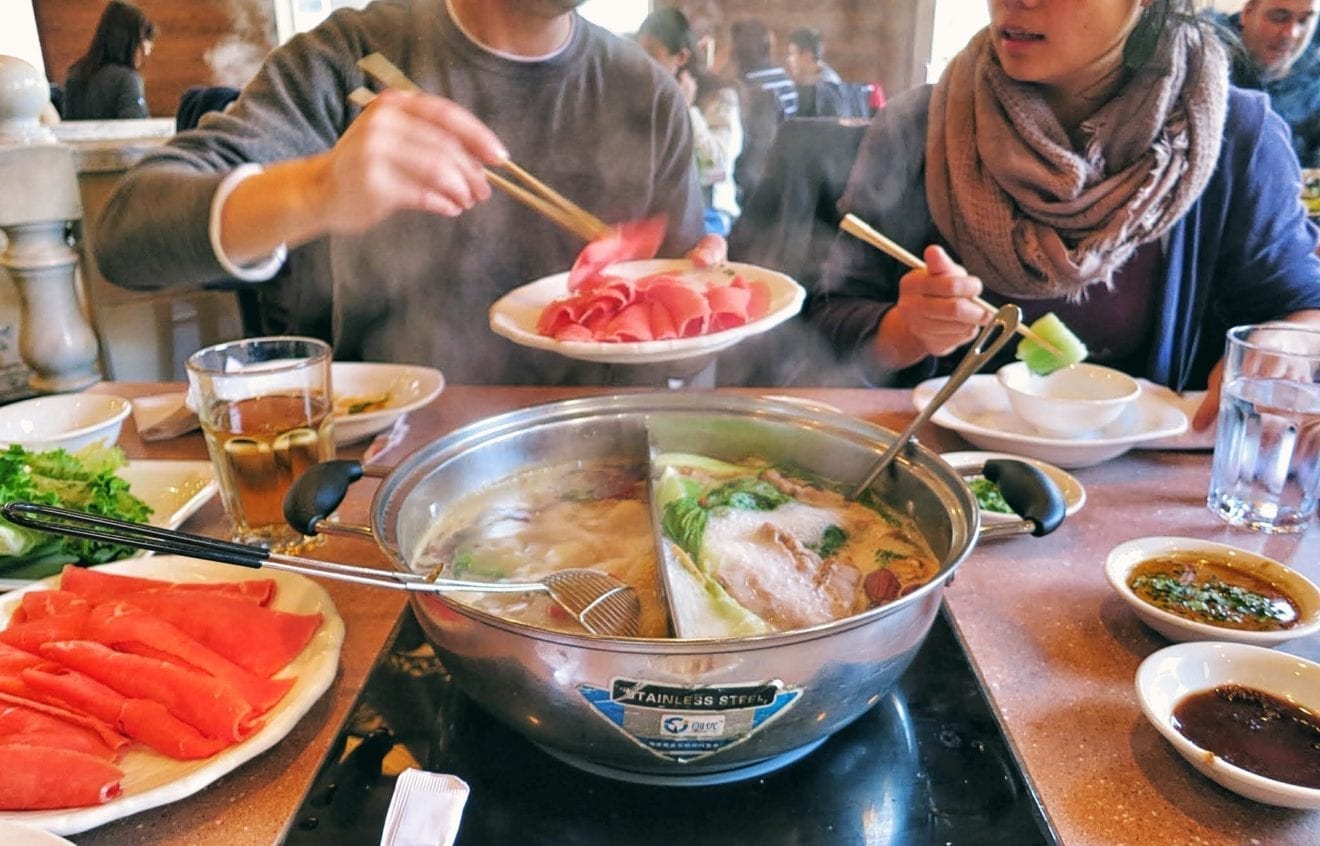
    Yum China looks to expand Asian footprint for hot-pot restaurant brand.

    Quick-service restaurant firm Yum China Holdings is seeking entry into the Thai hotpot market, reportedly worth THB5 billion (US$156.7 million).

    The company is seeking a local partner to launch its Little Sheep Mongolian hotpot chain in the territory.

    “The food and beverage industry in Thailand is one of the most developed markets in the world,” said Yum’s senior specialist for franchise development Isa Jiang. “Thailand also has a rich history of hotpots, as well as food culture.”

    Sixty-six Little Sheep outlets opened in China last year, as well as a further 10 abroad. Seventy of the openings were franchised. The restaurant is currently operated in 300 locations across 130 cities.

    “Ma la, or Sichuan hot chillies, is growing in popularity with Thais,” said business advisory firm Gnosis MD Sethaphong Phadungpisuth, “and we believe that Little Sheep will fit well with Thai tastes.”

    “Southeast Asia and the US have the highest projections for expansion this year,” observed Jiang. “We are focusing on Malaysia, the Philippines and Indonesia. Shabu restaurants are quite popular in Thailand, but we are confident in our key product’s characteristics, especially our meat and broth.”

  • In-N-Out Burger opens pop-up Restaurant in Seoul

    In-N-Out Burger opens pop-up Restaurant in Seoul

    In-N-Out Burger, a popular American hamburger franchise, opened a pop-up store on Wednesday in Gangnam, Seoul, drawing hundreds of visitors.

    People began lining up at the store from 6am to try out what can otherwise be tasted only in America. The 250 burgers prepared for the day sold out in just 30 minutes.

    South Korea’s craze for American food brands, including Shake Shack in 2016, and recently Blue Bottle Coffee, is drawing attention from brands.

    The pop-up event, originally scheduled to start at 11am, had to open early at 9.30am due to the massive number of people queuing. All 250 wristbands, needed to purchase a burger, were given out before the clock struck 10.

    This is In-N-Out Burger’s third pop-up store since the last one in 2012. The burger franchise, however, currently has no plans to enter the South Korean market.

    Some argue that the pop-up store is In-N-Out Burger’s strategy to maintain trademark rights in South Korea.

    Experts say that South Korea’s craze over American food chains reflects the people’s need for ‘small but definite happiness’ in the age of social networks.

    When the first Shake Shake opened in South Korea in July 2016, for more than a month, customers had to line up for at least two or three hours to get a burger.

    People also lined up at Blue Bottle’s first store in Seoul’s Seongdong District, which opened early this month.

    “In the age of social networks, people’s need for a ‘small but definite happiness,’ which can be easily shared with other consumers, seems to coincide with these food chains,” said one expert.

    “That is why people seem to become more willing to wait in line for hours, just like how they did at Shake Shack or Blue Bottle.”

  • ACT’s first drive-thru pharmacy Concept Wins Interest

    ACT’s first drive-thru pharmacy Concept Wins Interest

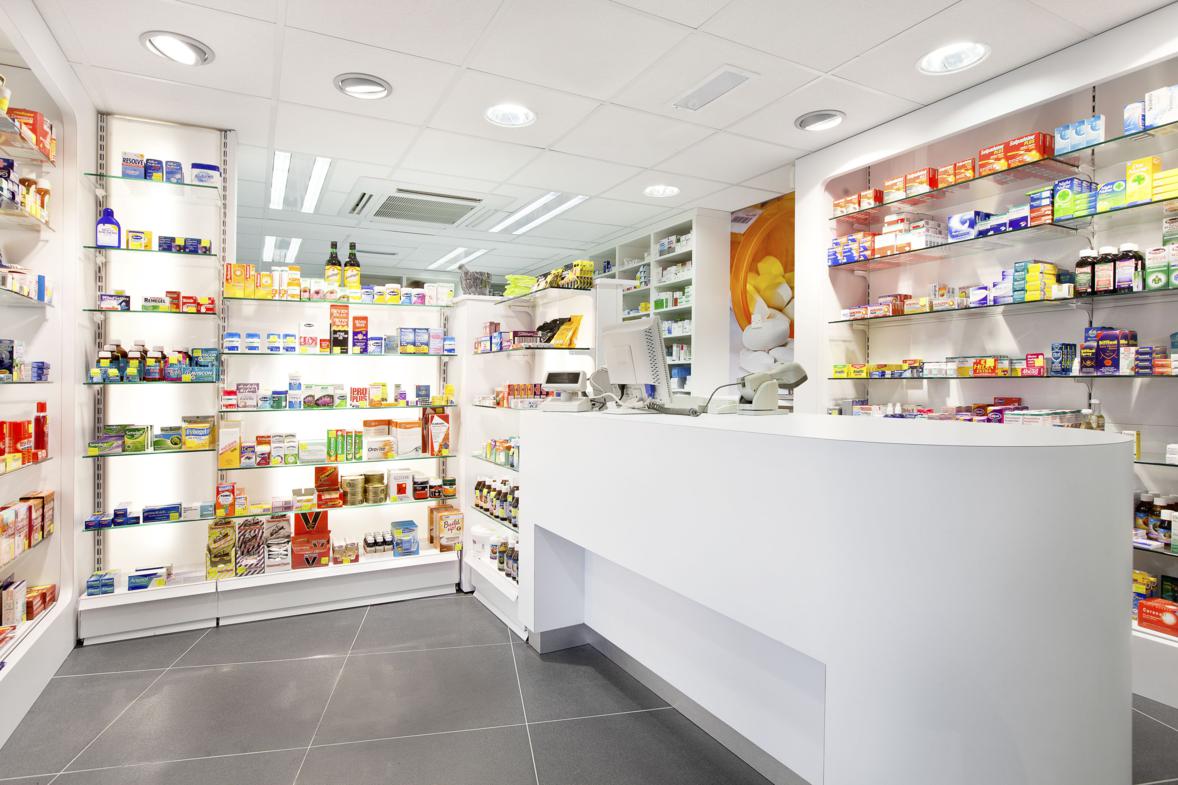
    The ACT’s first drive-thru pharmacy, Gold Creek Discount Drug Store, has proven a hit with the local community a year on from opening, highlighting the importance of accessible healthcare in rural areas.

    The ‘door-to-door’ service has offered greater accessibility, convenience and flexibility to the community, with the elderly, pregnant women and those with mobility issues, in particular benefitting from the service.

    The pharmacy’s drive-thru offers over-the-counter medication, script collection as well as a click-and-collect service through Discount Drug Stores’ e-commerce site.

    “Our drive-thru pharmacy has enabled local patients, both young and old, to become more independent on their journey to better health and has been of particular benefit to pregnant women, the elderly and those with chronic conditions,” Gold Creek Discount Drug Stores partner, Nader Ibrahim, said.

    “We now see customers who we hadn’t seen in years due to their inability to be mobile. Rather than having to ask their friends, family or neighbors to assist, the drive-thru enables patients to feel more self-sufficient.

    The service has also proved popular with time-poor parents, with the store recording a 34 percent increase in baby care purchases such as formulas and medication, via the drive-thru.

    Ibrahim said the concept “makes life easier” for stay-at-home parents, who can avoid the hassle of taking their kids in and out of the car.

    Gold Creek is the first and only Discount Drug Store with a drive-thru service at this time.

  • Fred Perry x Amy Hong Kong Launches Winehouse Collection

    Fred Perry x Amy Hong Kong Launches Winehouse Collection

    Fashion brand Fred Perry has released a new crossover collection as part of its continuing collaboration with the Amy Winehouse Foundation.

    The Fred Perry x Amy Winehouse Collection takes influences from Winehouse’s first designs for the brand, with pieces rooted in the singer’s distinctive sportswear and pin-up silhouettes. For May, there are three iterations of the Fred Perry shirt inspired by Winehouse’s styling and distinctive tattoos.

    The partnership makes a contribution each season to support the charity’s work with young people suffering from drug and alcohol problems. The latest Fred Perry x Amy Winehouse SU19 Crossover Collection is available this month at the Fred Perry store in Times Square, Causeway Bay.

  • Dairy Farm adds Starbucks Thailand

    Dairy Farm adds Starbucks Thailand

    Hong Kong operator to partner with local investor, almost doubling its store network overnight.

    Dairy Farm subsidiary Maxim’s is about to add Thailand to the list of markets it operates Starbucks cafes.

    Maxim’s has partnered with a local subsidiary of Singapore-headquartered Fraser & Neave (F&N) to acquire Starbucks Thailand Ltd from the US parent company. F&N, listed in Singapore, is controlled by Thai Beverages, in turn controlled by Thai billionaire Charoen Sirivadhanabhakdi.

    Under the joint venture, Maxim’s Caterers will oversee the retail operations and new store development in Thailand, with F&N apparently taking more of an investment role and fulfilling local company ownership requirements under Thai laws.

    Financial details of the sale were not disclosed, but one US media channel, citing confidential sources, reported the deal was worth about US$500 million.

    “The acquisition allows F&N to leverage Maxim’s long-standing partnership with Starbucks and its extensive experience in running Starbucks stores in multiple markets as well as other food and beverage retail outlets, to grow Starbucks Thailand’s fast-expanding footprint of 372 Starbucks stores,” said F&N in a statement.

    Maxims, through its subsidiary Coffee Concepts, already operates more than 400 Starbucks stores in Hong Kong, Singapore, Vietnam, Macau and Cambodia.

    “This is a significant move for our company,” said John Culver, group president, Starbucks international, channel development and global coffee and tea.

    “We are pleased to transition the Thailand business to Maxim’s Caterers Limited and F&N Retail Connection Co, with their focus on accelerating new store development to realise the full potential of this important market.”

    “We look forward to leveraging our expertise and deep understanding of the Starbucks culture and brand to build on the unparalleled service, craft and passion of our Thai partners (employees) which will propel the business for the future,” said Michael Wu, chairman and MDof Maxim’s Caterers Limited. “We look forward to continuing to deliver the unique Starbucks Experience to Thai customers as we grow.”

    “This acquisition provides an interesting strategic opportunity for F&N to enter and participate in the fast-growing premium retail coffee market in Thailand, one of F&N’s three significant core markets,” said Koh Poh Tiong, F&N’s chairman. “We believe that adding Starbucks Thailand, with its store footprint and its position as a well-recognised coffee retailer in Thailand, will strengthen our competencies in the on-premise sector and elevate our capabilities in directly engaging consumers, in the long term,” he said.

    Starbucks Thailand was launched in 1998.

  • Starbucks China opens First Signing Coffee Store in Guangdong

    Starbucks China opens First Signing Coffee Store in Guangdong

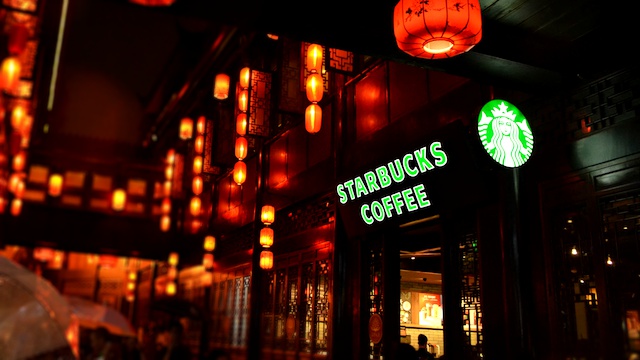
    Starbucks China has opened its first Signing Store, staffed entirely by deaf or hearing-impaired people.

    The store is in Guangzhou, in Guangdong Province which is home to about 4 percent of China’s deaf population. It is Starbucks’ third Signing Store, following outlets in Washington DC and Malaysia.

    Sign language symbols are printed on umbrellas in front of the store, and there are indicators throughout the store. Deaf baristas will wear aprons with the word “Starbucks” embroidered in sign language.

    The store is equipped with a customized ordering system. Customers and partners will be able to communicate using notepads and two-way digital displays. For customers new to sign language, there will be a dedicated area for customers to write down their orders on an electronic board and wireless vibrating pagers will notify customers when their orders are ready.

    The cafe also features exclusive artwork and unique merchandise designed by deaf artists.

    The initiative aims to offer employment and career-advancement opportunities for the deaf and hard-of-hearing community as well as “a welcoming hub for those passionate about improving accessibility and experiences for all”. It is located near the Guangdong Disabled Association and Guangdong Deaf People Association.

    “Starbucks is committed to creating equal opportunities for everyone, as well as a unique third-place experience that addresses a wide range of community needs,” said Belinda Wong, CEO of Starbucks China. “The new Signing Store is an example of how we are building inclusive environments and careers for our partners.”

    Store staff, who have been recruited from across China, are fluent in Chinese sign language.

    To create an inclusive environment and encourage customers to learn more about the deaf community, the store will also offer sign-language lessons and coffee workshops in sign language.

    “The Guangdong Deaf People Association is proud to partner with Starbucks to provide training and opportunities for the deaf and hard of hearing community,” said Yitao Fan, vice chairman, China’s Deaf People Association and president of Guangdong Deaf People Association. “Thanks to Starbucks, deaf partners are empowered to develop their careers in a vibrant and supportive environment, while the store provides a strong platform to drive societal awareness around deaf culture and the needs of the community.”

  • Basao delivers ‘sineculture’ at Star Street

    Basao delivers ‘sineculture’ at Star Street

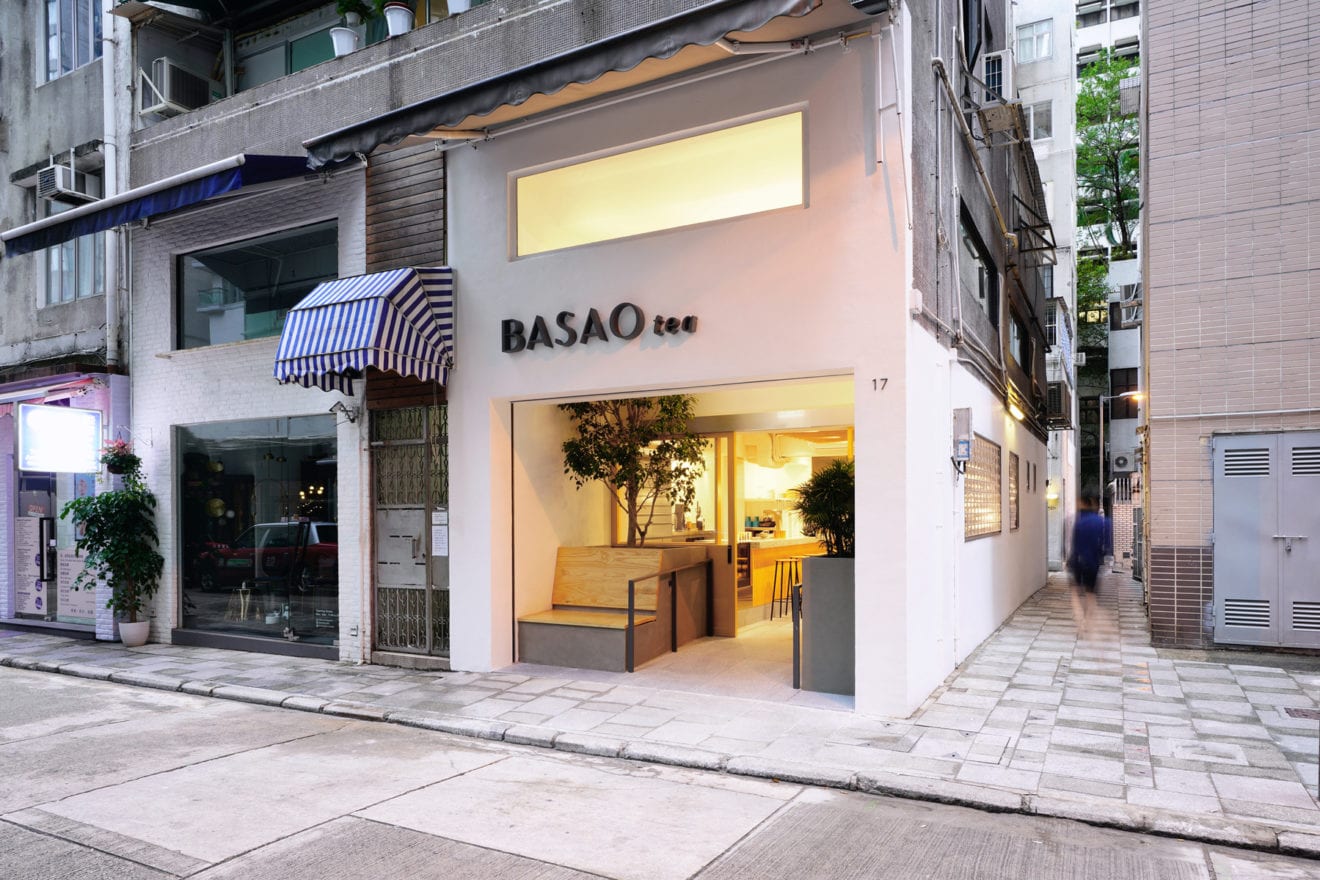
    Homegrown Hong Kong fine-tea brand Basao was launched online four years ago. Now the fast-growing brand has opened its first physical retail outlet on Moon Street, in Wanchai’s hip Star Street foodie precinct.

    Since 2015, Basao has been attracting a growing following for its teas, which appeal for not only their fine taste, but their holistic health benefits. The teas are handpicked by partner growers in Mainland China, Taiwan, Nepal, India and Japan.

    “We believe tea appreciation will evolve in the same way as drinks like coffee, wine and craft beer,” explains founder COO Oliver Ma. “They have all started reaching a new generation of discerning enthusiasts in recent years and I think tea is ready for a very similar experience. Interesting times are brewing for long overdue respect and admiration of this ancient craft.”

    Basao tea is named in honour of an 18th century Japanese Buddhist monk with the slightly different nickname of Baisao, or “old tea seller”, who became famous for travelling around Kyoto selling tea.

    Ma says Basao is now similarly admired for pioneering a “modern holistic era of sineculture,” (the science of everything relating to tea), working closely with small artisan growers across Asia, promoting sustainable, eco-friendly cultivation and production of highest-quality tea without chemical pesticides.

    “Our tea engineers advocate the holistic ecology and craft of tea as an art, not just a mere commodity, connecting personally with our partner growers from cultivation and picking to brewing, packaging and fair trade,” he says.

    A diverse tea range extends from Basao’s collection of black tea, green tea and oolong brewed by experienced tea masters, through to chilled bottled tea, Japanese matcha, traditional blends and Chajito specialties.

    Hitherto sold only online, now these brews can be tried and purchased at the new Basao tearbar. Visitors to the store are greeted by a bright white and warm-wood interior in a laid-back venue with a bar where tea masters explain their brews.

    Workshops are held at the cafe, conducted by renowned Hong Kong tea master Katherine Yu Man-sum, a protege of tea pioneer Master Yeung Chi-sum in the 1980s, and founder a tea appreciation course called Teaism, teaching Cha Tao (The Way of Tea), at the Jockey Club Creative Arts Centre.

    Basao’s single-origin, clean-grown signature authentic loose leaves are highlighted by black teas including Lingia Second Flush, a coppery summer tea from Darjeeling’s Golden Valley in the Himalayan foothills of India, with a spicy mineral flavour and hints of tangerine and waffle cone; sweet and refreshing Seaside Honey from the Kararuan Coast of southeastern Taiwan; and Traditional Smoky Bohea from the home of China’s Wuyi Mountain smoked black teas located in the highlands of northern Fujian in China.

    Among the oolongs are sweet, crisp and floral Gardenia Dancong from Phoenix Mountain, Guangdong; and slightly sweet Red Heart Tieguanyin from Anxi, Fujian China Spring, with a hint of daisy, lily and dry-wood aroma; and honey and jasmine flavour.

    Headlining the Japanese green tea offer is sweet and savoury Wazuka Sencha green tea with a unique fresh spinach flavour and light, delicate finish from the legendary plantations of Wazuka, near Kyoto.

    Cold brew teas also include Nitro Cold Brew, Cold Brew and Fruit-Infused Nitro Cold Brew, steeped in cold water, rather than brewed, for a sweeter, milder, low-caffeine, low-tannin option high in vitamin C.

    Also launched is First Crush Kombucha, an ancient, refreshing cure-all elixir that is naturally bubbly and deliciously sweet and tart, crafted from Lingia First Flush in a new partnership with local Kombucha brewery Taboocha.

    Basao’s teabar also serves desserts incorporating its signature teas, with a menu including Homemade Tea Cake Roll, Basao Tea Ice Cream, Tea Crystal, and Belgium Waffle, with Basao homemade tea syrup.

    The Basao teabar is located on the ground floor of 17 Moon Street, open daily from 11am to 8pm.

  • Waze is getting a new celebrity voice for driving directions

    Waze is getting a new celebrity voice for driving directions

    If you’re a long time Waze user, then you’re probably familiar with the app’s habit to bring in celebrities to give you driving directions. Of course, if you haven’t tried out the popular navigation app yet, this is a great chance to give it a go since the hip hop musician DJ Khaled is going to give you all the warnings about hazards and advises while you’re driving.

    Starting May 22 and until June 30, Waze users will be able to set DJ Khaled as the new navigation voice for the app. Aside from lending his voice to Waze, DJ Khaled will also provide drivers with precious advises like “Stay focused,” “Don’t play yourself,” and “The top’s off the Mayback!”

    We are beyond excited to launch the DJ Khaled voice in partnership with our friends at Deezer. DJ Khaled has one of the most recognizable voices in the industry and is beloved by many of our 115+ million users around the world, so we can’t think of anyone better to safely and entertainingly guide Waze drivers on their journeys.

    Obviously, you’ll be getting DJ Khaled’s voice on both Android and iOS versions of the app, so regardless of what smartphone you’re using, make sure to head to Settings / Voice Directions, and select DJ Khaled to be blown away.

  • Google Drive users on a discontinued plan

    Google Drive users on a discontinued plan

    It’s getting harder and harder to complain about running out of storage space on today’s high-end and even mid-range smartphones, especially if you also add in an ultra-affordable or insanely hefty microSD card. At the same time, it’s generally a good idea to back up some of your most precious stuff in the cloud, where storage has gotten cheaper and cheaper in recent years as well.

    For instance, the 2018-released Google One subscription service provides two whole terabytes of digital hoarding room at a monthly fee of only $9.99 or an even more reasonable price of $99.99 per year. A couple of lower-cost options can hook you up with a 100 or 200 gig cache for $1.99 and $2.99 a month respectively (or $19.99 and $29.99 a year), while every free Google account gets a 15GB storage allotment to use across Google Drive, Gmail, and Google Photos platforms.

    This is all extremely well and good, but you know what can be better? Even more free cloud storage, which is exactly what subscribers on a discontinued Google Drive plan are reportedly receiving. Basically, instead of forcing users to upgrade from a $5 a year subscription that’s no longer a thing to one of the aforementioned $20, $30, or $100 plans, Google is letting people keep their digital depositories without ever needing to pay a dime.

    We’re obviously not talking about a great deal of storage space, but 20 gigs for free is certainly nothing to sneeze at, especially when you combine that number with the entry-level 15GB allotment. That’s right, these lucky Google Drive users will get a grand total of 35 GB of space in the cloud at no monthly charge whatsoever going forward. Unfortunately, if you weren’t subscribed to the grandfathered $5/year plan, there’s nothing you can do to take advantage of a similar special offer.

  • Samsung Galaxy S10 update adds Night mode improvements

    Samsung Galaxy S10 update adds Night mode improvements

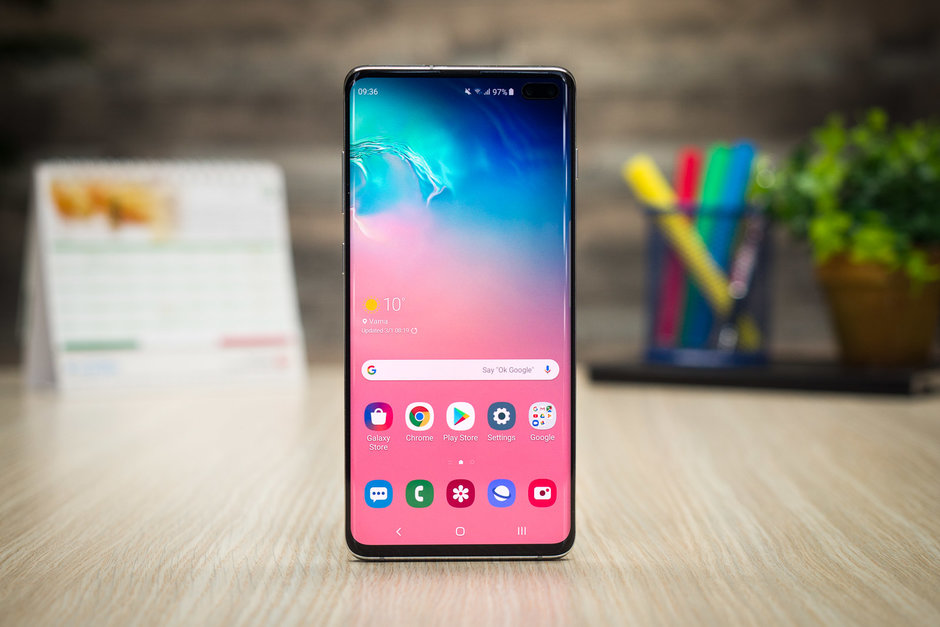
    Samsung continues to improve the Galaxy S10 family with important new features and additional functionality. The upcoming update focuses on camera enhancements by adding a couple of nifty new features, as well as improvements to the phones’ performance when taking night shots.

    As the title says, it appears that the Galaxy S10’s decent Night mode has just been upgraded to very good. According to SamMobile, the May security update improves the Night mode by allowing users to take much cleaner pictures in low-light conditions.

    The differences are quite important as the update reduces noise that sometimes appears in night pictures. Moreover, Galaxy S10 users will now be able to use the Night mode with the ultra-wide camera, and even though noise still pops up in pictures taken with it, they are brighter and more detailed.

    Another important improvement is the fact that you can take Live Focus photos with the telephoto lens, something that was only possible with the Galaxy S10 5G. The new addition will allow users to take bokeh pictures of large objects much easier.

    Now, the update is currently being deployed in Switzerland as May 2019 security patch, but all three Galaxy S10 units should receive it worldwide in the coming days. We don’t have a release date for the United States, so you’ll just have to hope it will be rolled out sooner rather than later.