Tag: asia

  • New Skoda Superb Scout Cross-Estate Unveiled

    New Skoda Superb Scout Cross-Estate Unveiled

    Jacked up Estate body types have found preference among car buyers. These cars are more practical than their sedan counterpart and luxury carmakers like Mercedes, Audi and Volvo have one such model in their portfolio. Volkswagen too has the Passat Alltrack and now even Skoda has added the new Superb Scout which is essentially a cross-estate version of the Skoda Superb.

    The new Skoda Superb Scout is different from the Skoda Combi Estate which was sold in Europe. It looks rugged equipped with matte black body claddings and also gets larger 18-inch alloy wheels while 19-inches are optional. The ground clearance is up by 15 mm and there are subtle body enhancements in the profiling in a bid to add to the rugged appeal. The roof rails and window frames are chrome-plated, and the wing mirror housings shine in an aluminum look and there are special SCOUT badges as well. The elongated body style and other additions have also made the Superb Scout heavier than the Superb sedan and it tips the scale at 2200 kg.

    On the inside, the Skoda Superb Scout is finished in special wood-effect decorative strips that bear the Scout logo just like on the front seats. The seat covers are finished in fabric with contrasting stitching and the Alcantara leather seats with brown contrasting stitching are optional. The front seats are heated and are available with new piping in a contrasting color. The central display is fitted with additional offroad screens and the driver is greeted by a special, Scout specific, welcome logo on the display when entering the car. The front passenger seat can be electrically adjusted from the rear and the optional Sleep package provides larger headrests and a blanket, like the ones we have seen in the Kodiaq. It goes without saying that the Scout gets a larger boot than the Superb with a capacity of 660 to 1,950 l. The tailgate can be electrically operated and it can also be opened using the foot-gesture command.

    The Skoda Superb Scout will be offered with two tried and tested engine options. First is the 2.0-litre four-cylinder, TDI diesel engine which puts out 197 bhp and 400 Nm of peak torque and is mated to a seven-speed dual-clutch gearbox. The 2.0-litre, four-cylinder, TSI petrol motor is also on offer. In the Superb scout, this engine is tuned to churn out 268 bhp and 350 Nm of peak torque and is mated to also mated to the seven-speed DSG gearbox. These are the same engine options we have seen in a range of VW Group cars. However, highlight here is the off-road mode which activates the all-wheel-drive system. It also comes with a rough road package which is a standard fitment and provides underbody protection for the engine along with the undercarriage. The ride is further complemented with the driving modes which work in conjunction with the Dynamic Chassis Control.

  • HSBC Plans To Scale Up SME Business in Singapore

    HSBC Plans To Scale Up SME Business in Singapore

    HSBC, which has been present in Singapore since 1877, said it intends to increase its share in its target small-medium-enterprise (SME) market from the current 10 percent to 15 percent by 2021. HSBC classifies SME clients as those with a turnover of $5-$100 million.

    At a high level, we see Singapore as a de facto financial capital for Southeast Asia (ASEAN), as well as an attractive destination for our customers around the world,» said Alex Turner, managing director and head of commercial banking in HSBC.

    To support the growth in SME lending, the bank increased its headcount in business banking by 30 last year. As the SME lending space is highly competitive, HSBC country head of business banking Ng Li Lian said that the bank will tap on its advantages, such as having a dedicated relationship manager for each SME client.

    It also launched the Pioneer program in August last year to target fast-growing SMEs with minimum topline growth of 15 percent, especially those who wish to internationalize. Besides access to skills and capabilities, this 12-month program lets SME leaders have conversations with different teams within HSBC, such as speaking with its alternative finance team on how to raise capital other than through debt.

    For ASEAN to benefit from a wide-scale migration of supply chains into the region, the countries need to first improve on technology, capacity, and regional integration said HSBC Singapore CEO Tony Cripps.

    There has been a widespread sentiment that the supply chains of businesses are starting to shift to Southeast Asia (SEA) en masse, on the back of the trade war and the region’s vitality, but there has been little evidence of that happening, wrote Cripps in a report.

    ASEAN needs to build more visibility and credibility amongst international firms, particularly in their ability to handle and deliver production orders, he added.

  • Honda’s EV Journey In India To Begin With Hybrid Technology

    Honda’s EV Journey In India To Begin With Hybrid Technology

    It was back in 2018 that we told you about Honda wanting to get into the EV space in India. The electric car which will be launched in India will be one of the company’s global models which will be produced after 2019 after the Japanese carmaker rolls out its electric plan for a wide set of market. The vehicle that will make its way to India could be a ‘B’ segment vehicle the development of which is under process for the Indian Market. But this EV strategy will only pan out until 2023-24. Meanwhile, however, the focus will be on a gradual shift towards EV, which is why hybrid technology will find its way into Honda Car India’s line-up of cars. Honda is also looking to localize the production of hybrid and EV solutions in India in a bid to ensure that it is accessible and affordable for the buyers.

    According to a statement made to PTI by Senior Vice President and Director Rajesh Goel, Honda Cars India, “Till such time and also till the development of suitable charging infrastructure in the country, we feel that hybrid vehicles can be considered as good intermediate technology in electrification initiatives. Accordingly, we will begin our electrification journey in two years with hybrid technology.”

    Currently, the company only has the Accord hybrid in its portfolio and it attracts 28 percent rate with a cess of 15 percent taking its price to over ₹ 43 lakh (ex-showroom). As per its Vision 2030, the company strives to electrify two-thirds of its global automobile unit sales in 2030 with its range of hybrid electric vehicles (HEVs), plug-in hybrid electric vehicle (PHEVs), battery electric vehicle (BEVs) and fuel cell vehicles (FCVs)
  • Huawei clarifies Android, SD card support for new and existing phones

    Huawei clarifies Android, SD card support for new and existing phones

    The West’s crusade against Huawei’s phone and 5G businesses has had the world talking about a new tech cold war with China, as the company is being used as a pawn in a larger game by the White House administration.

    Currently, there is a 90-day stay on the marching orders that the government sent to American companies to stop doing any business with Huawei, including providing software as Google does with its mobile operating system.

    This pretty much came as a shock to the hundreds of millions of Huawei users outside of China who learned that in a short while their phones might be hobbled when it comes to Google apps, software, and security updates, quickly losing value.

    We probed Huawei and its Honor subsidiary to clarify what exactly will and won’t work if the trade arguments with China don’t get resolved in due time, and it turns out that the apocalyptic scenarios about SD card support, or a cease of service functioning on existing phones, were a bit overblown.

    As far as future Huawei and Honor phones like an eventual Mate 30 Pro are concerned, though, the situation is pretty much in limbo. Moreover, the Honor 20 Pro didn’t get Google-certified in time before the ban hammer dropped.

  • Nespresso Improves subscription offering

    Nespresso Improves subscription offering

    Nespresso is increasing its marketing and communications around a new coffee pod subscription service in Australia, after a successful soft launch in early May.

    The move taps into the growing demand for convenience in everyday life, as consumers – conditioned by the Ubers and Netflixes of the world – expect more seamless transactions.

    “We all live busy lives…not having to make the same decision over and over is helpful,” Loic Rethore, Nespresso’s head of Oceania, told Inside Retail.

    Nespresso offers three subscription plans based on the number of coffee pods customers use per day. Those who use around one pod per day pay $50 to receive 60 pods every two months, and those who use two pods per day pay $50 to receive 60 pods every month. A third plan costs $75 for 90 pods per month for those who use around three pods per day.

    All plans include free delivery and a 10 per cent credit, so those who pay $50 every month actually receive $55 in credit that they can put towards coffee or accessories.

    The service was designed to be flexible and easy to cancel, since customers don’t want to feel ‘locked in’ to subscription programs, Rethore said. And while it currently is online only, customers will be able to subscribe to the plans in Nespresso boutiques in Q3.

    “We’re seeing a very nice uptake of the program, and we’re going to continue to ramp up the communications around it,” Rethore said

    This is the first time the company has offered coffee pod subscriptions – it offers subscriptions for machines – and depending on the uptake over the next few months, it will consider rolling out the service to other markets around the world.

    “We want to understand how it plays out, and what kind of uptake and additional sales we can expect from the coffee pod subscription service,” Rethore said.

    “We’re in the process of monitoring that now. We’ll be able to make forecast in a few months,” he said.

    Rethore noted that Nespresso often tests out new products and concepts in Australia.

    “Australia is very special in terms of markets for Nespresso. It’s considered a mature and adventurous market in terms of coffee consumption. They’re early adopters,” he said.

    The company recently has been rolling out a new store concept in Australia, which focuses on education and experience. Customers can learn about the origin of Nespresso coffee, the company’s sustainability efforts and other information in dedicated areas, and staff are equipped with tablets and can process orders anywhere in the store – similar to an Apple store.

    “It’s very pleasing to see that club members have reacted very well to this new concept. They’ve really embraced the new journey of storytelling,” Rethore said.

    Seven stores currently feature the new concept, and Nespresso will continue to shift existing stores to the new concept as they come up for renovation.

    “Overall, the business of the new stores is doing well,” Rethore said.

    One metric he cited was the customer response to the coffee master classes that Nespresso is offering in the new concept stores.

    “The master classes have been fully booked. We didn’t expect such a reaction. People are enjoying not only knowing more about our coffee, but also the experience.”

  • Weber opens New Store in Singapore

    Weber opens New Store in Singapore

    Weber Singapore will open a new store at No 4, Sixth Avenue.

    The US-based barbecue brand’s new store will showcase the full range of Weber’s cooking products including gas-, charcoal- and electric-powered grills.

    “Weber aims to create succulent moments that draw family and friends closer together through great food, grilling fun and unforgettable memories,” says Steven Lim, VP and MD for North and Southeast Asia of Weber-Stephen.

    Weber has also launched the first Grill Academy in Singapore and South East Asia at the Joo Chiat Weber Store, adding to more than 100 Grill Academies in the world.

    The academy allows people to get hands-on grill demonstrations and an opportunity to practice with Weber’s gas grills and charcoal grills in a three-hour Weber Essential Course.

    Weber grills are sold in more than 72 countries, including a recent expansion into Asia via India, China, Hong Kong, Korea, Japan and Singapore.

  • Domino’s Pizza  invests in technology to improve quality

    Domino’s Pizza invests in technology to improve quality

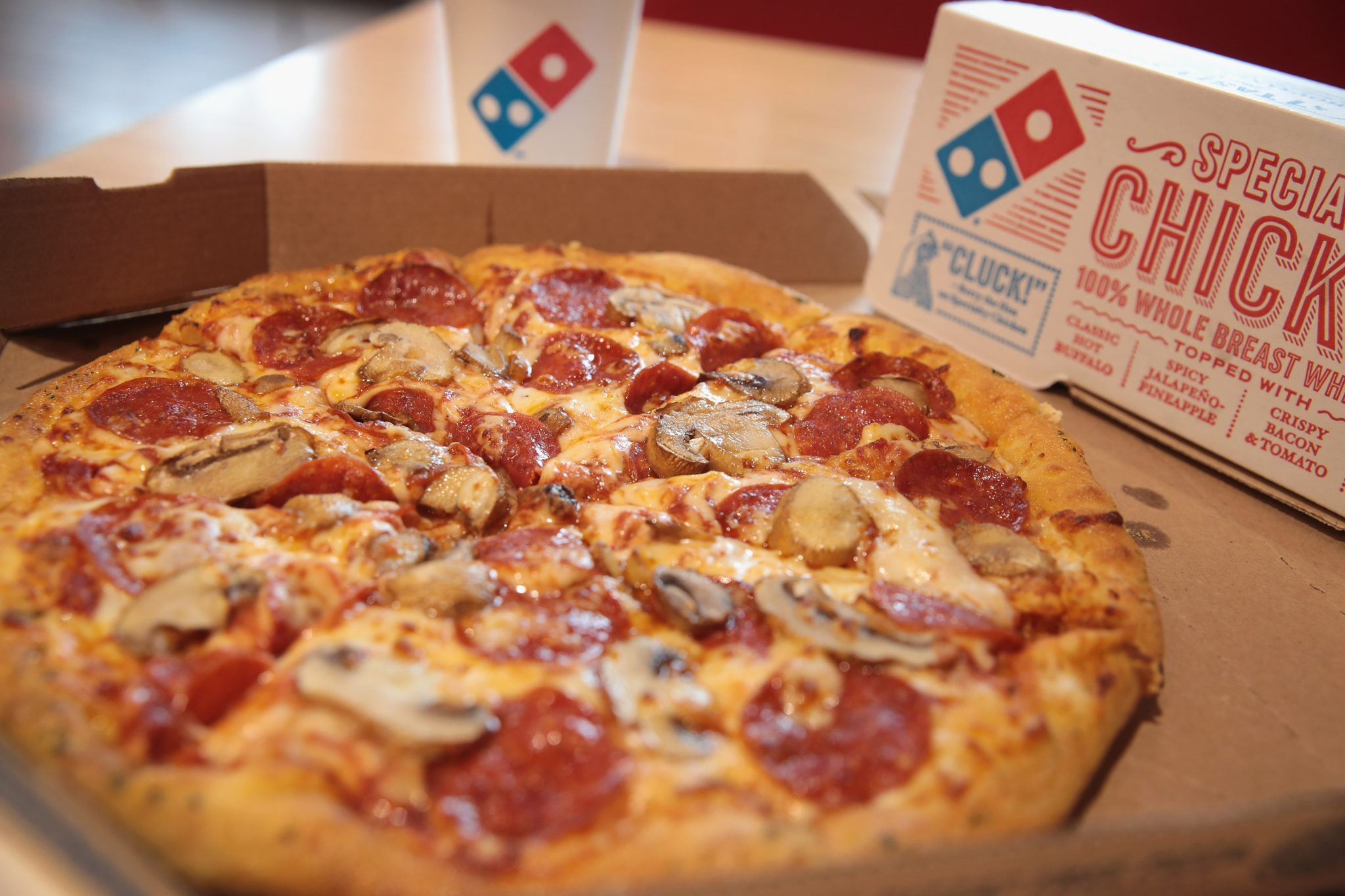
    Domino’s Pizza is taking on one of its customers most common complaints, that the ordered pizza “doesn’t look like it should”, with a nationwide roll-out of its Pizza Checker technology.

    The technology takes the form of a camera system that grades individual pizzas on certain qualities, such as the topping volume and spread, as well as the amount of cheese used, and it’s already showing results according to Domino’s Australia and New Zealand chief executive Nick Knight.

    “So far, it’s analysed more than one million pizzas, and there is a lot of learning that we’ve captured,” Knight told analysts during a briefing call last week.

    “It’s early days, but I’m really pleased with what we’re seeing. Team members are using this technology to put a much needed extra focus on product quality.”

    According to Knight, while customers so far can’t see or tell that the pizza they receive has been ‘checked’, customer metrics show that they are reacting positively to the results.

    “In my experience, when we’ve tackled one of the biggest customer tensions, like we did with GPS drivers, those things have flowed through to sales,” Knight told analysts.

    The technology uses artificial intelligence to grade pizzas, and will eventually allow customers to view a real-time image of their pizza on the cut bench, and will notify them if their pizza failed the process – resulting in a remake, though it’s possible this situation could lead to longer delivery times.

    The technology is now active across all Australian and New Zealand Domino’s stores.

    During the call last week, Knight also discussed Domino’s effort to improve the overall health of its franchise business through its Operations 360 initiative, which launched 18 months ago.

    The initiative provides franchisees with data on sales drivers at the store level, and gives the company’s operations team members an opportunity to provide advice and training in those areas where certain franchisees may be struggling.

    While this has helped some franchisees to improve, it has also led some franchisees to exit the business, Knight said.

    “Unfortunately, some franchisees don’t have the passion or capability to take their business to that level, and they aren’t able to run with us,” Knight told analysts.

    To help these franchisees in their exit, Domino’s has purchased some franchised stores back from franchisees and will, in the short term, run them as corporate stores.

    Knight said some franchisees who left may have been unhappy, and cautioned that they might lodge proceedings in an attempt to bargain with the business, or out of a genuine issue.

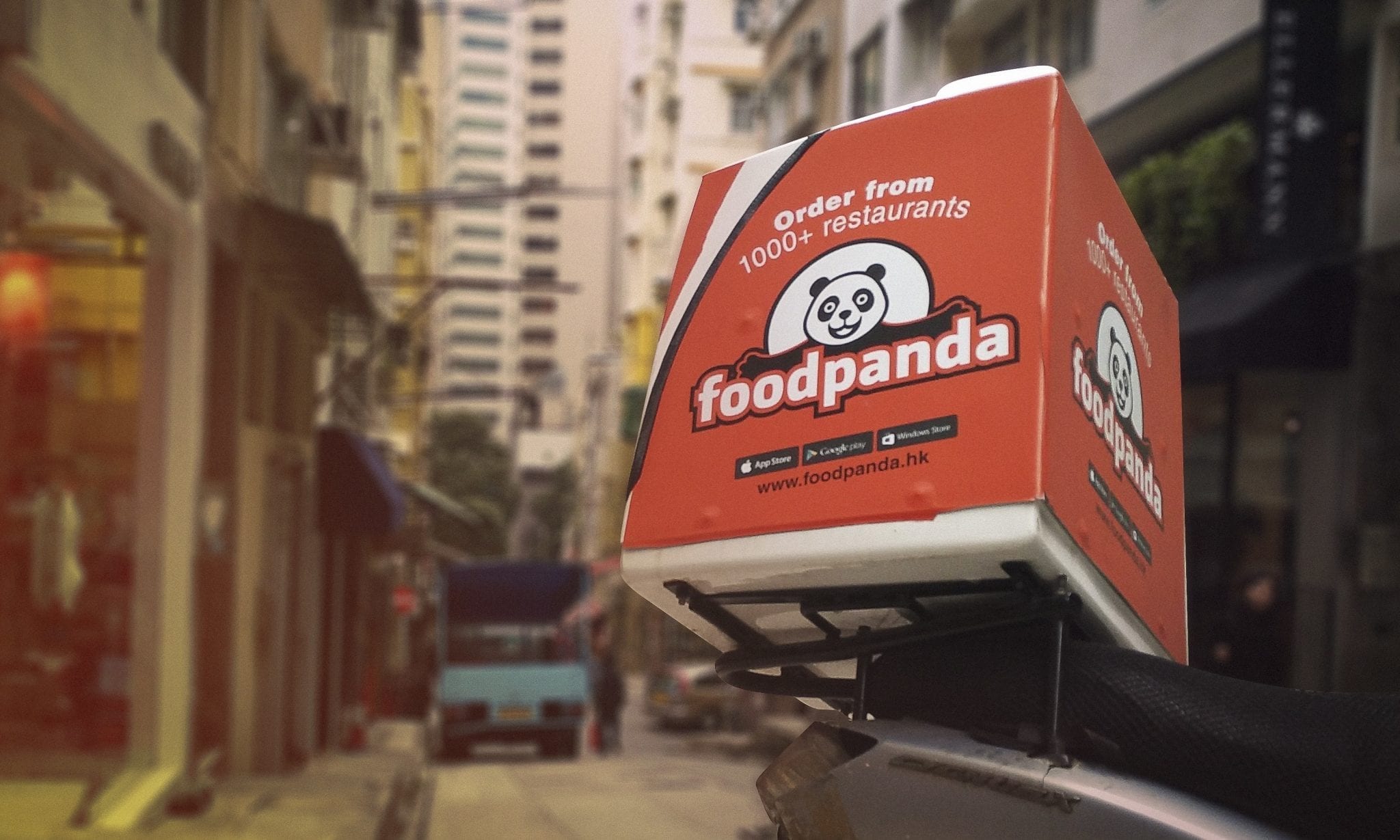
  • Foodpanda kicking off delivering groceries in Hong Kong

    Foodpanda kicking off delivering groceries in Hong Kong

    Foodpanda Hong Kong is adding grocery deliveries to its services from late next month.

    The food-delivery service, pitched in a head-to-head battle with Deliveroo in Hong Kong, is finalising a collaboration with about 100 stores across Hong Kong to source products such as dry groceries, frozen meat and wine for customers ordering online or by app, promising order fulfilment within 30 minutes.

    Foodpanda Hong Kong CEO Arun Makhija said in an interview with the South China Morning Post that the company wants to offer both its customers and its 2000-strong fleet of drivers opportunities beyond delivering restaurant meals.

    Foodpanda has been in Hong Kong for five years and Makhija says the business’ growth remains “exceptional”.

  • Peer-to-peer rental marketplace MyRent launched in Singapore

    Peer-to-peer rental marketplace MyRent launched in Singapore

    Singapore’s first peer-to-peer on-demand rental marketplace MyRent has launched.

    The site allows Singaporeans to rent items including photographic and sporting equipment, seasonal apparel and video games. After a beta trial, it already has more than 2000 registered users with 800 active listings.

    “The idea behind MyRent is to allow users to own experiences instead of things,” said

    Ishwar Dhanuka, MyRent co-founder and CEO.

    “We want to decentralize ownership, and create a win-win for both listers and renters — where the former can earn money by renting what they own and rarely use, while the latter can rent a product without actually having to pay the full amount to use it.”

    With MyRent, customers can rent a piece of equipment without any deposit.

    The platform has built its own app, available for both iOS and Android users.

    According to a study jointly published by Google and Temasek, Singapore’s e-commerce market is valued at more than US$1 billion but is projected to soar to $5.4 billion by 2025.

    Peer-to-peer retail platforms have gained popularity in the industry, with platforms such as MyRent shifting focus towards providing consumers with experience versus the traditional ownership of goods.

    After Singapore, MyRent is eyeing expansion into Malaysia by the end of this year. It is also exploring merchant partnerships to help stores rent out unused inventory and ecosystem partnerships – such as in insurance and logistics.

  • Spotify finally adds long-requested feature to its Android app

    Spotify finally adds long-requested feature to its Android app

    To fend off increasingly aggressive competition from the likes of Apple, Amazon, Google, and Deezer, the global leader of the music streaming industry is constantly trying new things, going so far as testing in-house hardware that could allow it to control and monitor your in-car listening patterns.

    It’s therefore pretty mind-blowing (and certainly not in a good way) that it’s taken Spotify this long to add an incredibly basic sleep timer feature to its Android app. After all, the platform has been around since 2008, and users haven’t exactly been shy in expressing their impatience and dissatisfaction with the lack of this handy functionality over the years.

    To get a sense of how badly people wanted to go to sleep while streaming their favorite tunes on Spotify, you only need to do a quick Google Play search. It will take you just a few seconds to discover that there are multiple third-party apps available through the search giant’s official Play Store with the sole purpose of enabling sleep timer capabilities for your favorite music streaming service. The aptly titled “Sleep Timer for Spotify, Music, and Video” has over 500,000 installs to its name, while another “Sleep Timer” app that works with YouTube, Google Play Music, TuneIn Radio and “many more” in addition to Spotify has even managed to break the 1 million download barrier.

    At long last, there’s no need to go through that trouble anymore. The native Spotify for Android sleep timer feature is as simple to use, straightforward, and convenient as you would expect.

    You should easily find it by tapping on the three-dot icon in your Now Playing screen (below the “share” option), with settings for different times when your phone can automatically stop your audio (ranging from 5 minutes to an hour), as well as an option to “go to sleep” after streaming a single track. If you can’t find the feature yet, you should just wait for a wider rollout of the latest Spotify version.

    It’s also worth pointing out that the app doesn’t technically support this functionality on iOS yet, but iPhones come with a Clock app pre-installed that can essentially and effortlessly do the same thing already.

  • Aldi food truck delivering Healthy Food to Football Clubs

    Aldi food truck delivering Healthy Food to Football Clubs

    Discount grocer Aldi is bringing its new food truck to MiniRoos football clubs across Australia to offer kids healthy food options.

    The Mighty Mini Chefs Food Truck has an accompanying app with interactive games for kids to create healthy lunch box based on their daily activities.

    From June 1, Aldi’s food truck will begin visiting 14 football clubs, from Yeppoon in Queensland to Wodonga in Victoria.

    “For the clubs that the truck visits, ALDI MiniRoos participants will be able to play on an app to learn about food and how it impacts their day-to-day lives,” the retailer said in a blog post on Friday.

    “For any kids that don’t get a chance to experience the Mighty Mini Chefs Food Truck, we have the MiniRoos Mighty Menu on hand to inspire parents and children to cook nutritious meals. Created in partnership with the Caltex Socceroos’ chef and nutritionist, Vinicus Capovilla, the seven day menu is full of easy, affordable and healthy meals. The MiniRoos Mighty Menu has been a mighty success, with families all over the country discovering that eating well doesn’t have to be hard work and that healthy foods taste great.”

    The supermarket giant’s three-year partnership with Australia’s largest football program for kids, the MiniRoos, has helped the retailer reach a broader section of the community. The discount grocer partnered with Football Federation Australia on creating fun ALDI MiniRoos sessions that will help kids develop new skills and meet new friends.

    The retailer recently added Sam Kerr, Westfield Matilda’s and Perth Glory player, as an Aldi MiniRoos ambassador.

  • McDonald’s China Teams up loyalty program with Ele.me app

    McDonald’s China Teams up loyalty program with Ele.me app

    McDonald’s customers in China can now earn loyalty points when they order a Big Mac or Filet-o-Fish through Ele.me, Alibaba Group’s on-demand delivery platform.

    Ele.me users can activate a McDonald’s membership card with just one click on the app to earn loyalty points for purchases and receive vouchers worth up to RMB 88.5 (US$12.80). The fast-food giant attracted nearly 20,000 new members on its first day of launching the service on May 20, while single-day orders increased about 20 per cent week-on-week, McDonald’s China said.

    McDonald’s China is one of the first restaurant chains to pilot the new Ele.me service, one of the app’s latest tools to help the food-and-beverage sector seamlessly connect their online and offline operations.

    “McDonald’s is an important strategic partner for us, and we are thrilled to fully integrate their loyalty program with our platform. We look forward to continuing to work together to improve the delivery experience for consumers and provide even more services, benefits and perks,” said Hu Xiaoyu, VP of Ele.me.

    There are more than 3100 McDonald’s restaurants in Mainland China, more than 2000 of which also have a virtual presence on Ele.me. McDonald’s China launched its membership program last year, rewarding members for purchases made in-store or via its app and mini-program. It now counts more than 75 million members.

    “Integrating our loyalty program with Ele.me helps us provide more customers with a complete set of membership services and benefits, which ultimately enhances the delivery experience,” said Emily Pang, head of brand extension at McDonald’s China.

    Also among the first batch of global restaurant chains to bring their membership program to Ele.me are Burger King, Dairy Queen and Papa Johns, all of which reported higher sales in the 30 days that followed their launch. Burger King was the first to opt in last November, and has since attracted 2 million new members, with members contributing to nearly 40 percent of its gross merchandise volume on Ele.me.

    Ele.me plans to roll out even more features, such as birthday perks and member-only sales campaigns, to “bring more value to every purchase,” Hu said.

  • Logistics heading to personalisation in digital era

    Logistics heading to personalisation in digital era

    The biggest trend in logistics right now is arguably not artificial intelligence, blockchain or even visibility, it’s hyper-personalization – which is ushering in a new era of delivery once only accessible to big global companies and corporates.

    For Asia’s legions of entrepreneurs and small businesses – more than 70 percent of whom are now exporting beyond Asia Pacific – personalization offers new opportunities to compete and create competitive advantage.

    Already, the transport and logistics industry is at a threshold moment in terms of the use of personalization – the ability to dynamically and uniquely tailor the shipping experience to any customer or individual.

    Yet while many micro-businesses believe in the power of personalisation for their brand – allowing consumers to choose the color of a dress, say, or add a monogram to a handbag – far fewer know that tapping new customization and personalization strategies in logistics is easier than ever.

    So just how can Asia’s small businesses deliver greater personalization in the shipping experience? And use logistics to gain ground against often older, larger or more established brands?

    Logistics made just for you

    FedEx, for example, has always operated beyond the norms of what’s expected for a shipping company. We know that our company is more than just packages shipped – it’s what we deliver that matters, such as dreams when a start-up sends out its first packages; joy at Chinese New Year; even hope when shipping relief supplies.

    What’s more, while the most important aspect of the growing US$4.5 trillion e-commerce economy is shipping, we recognize that to many, it’s largely invisible.

    So what’s changing and what’s important when it comes to customization and personalization, in a world where 11 percent of global GDP is already directly attributable to digital technologies?

    The first step is to change our mental model that logistics is something that happens after services and products are sold.

    Just as WeChathas evolved into a billion-dollar ecosystem of apps, products and services creating hyper-personalized experiences from start to finish – be it in food, clothing, paying utility bills or even shipping a package using the likes of FedEx, so too is the delivery experience starting sooner.

    For instance, we now help SME e-tailers at the frontend to close more business on their website, or on the backend in after-sales service, matching shipping strategies with customer needs.

    Innovation itself is also more mobile – it’s estimated that around 90 percent of logistics today happens behind the mobile phone – meaning that we must deliver differently.

    Our ‘new normal’ of personalized logistics is all about connecting customers with greater convenience – same-day deliveries, more ‘last mile” choices including self-collection locations; even new, advanced tracking that can nickname shipments and create personal ‘watch lists’.

    Visibility is yet another way to personalize the shipping experience – since knowing the status of packages and having control over them is at the top of any customer’s wish list. Take FedEx Delivery Manager for instance, which can request delivery notifications, sign for deliveries in advance, have shipments delivered to a secure location, suspend deliveries and more.

    Here, hyper-personalization is about driving greater flexibility – with the ability to customize and select day and delivery options – usually at no extra cost to an SME or its customers.

    More than ever, consumers want more from their supply chain and logistics – the ability to return goods to a physical location; the ability to get a text message saying goods are about to be delivered; track product requirements online; vary the delivery window and location, even the ability to “click and collect” – collecting goods from a secure location like a locker box or a 7-Eleven store.

    We’ve also seen growth in customisation and postponement which is giving SMEs more options to manage inventories more efficiently. By delaying product packaging and assembly for as long as possible, exact customer specifications can be met whenever products are needed.

    But that’s just the start. Our industry is at a tipping point, barely scratching the surface of what’s possible as customers expect more, and demand more.

    The personalisation of everything

    The future of logistics is set to be ‘personalised everything’.

    Already, shipping is moving further away from a generic or one-size-fits all approach to a highly personalised pattern of world commerce – with the ability to customise, flex and individualise delivery in ways that are just only beginning to become clear.

    Just as brands that create a personalised experience are growing two to three times faster than their peers – and seeing revenue increases of up to 10 per cent[4] – so too will small businesses be able to create one-of-a-kind supply chains that help them grow, compete and connect globally.

    As Alan Kay once said: “The best way to predict the future is to invent it” – so we are working on a number of technology innovations that will further change the way we do business and the way we serve our customers. But what can we expect to see?

    Among a multitude of on-demand style innovation, the day is coming where the ultimate personalised logistics accessory of the future will be the ability to book a shipment by talking to your digital personal assistant.

    Picture a small business customer initiating the process, answering questions from the digital assistant, hands-free and paper-free, to complete a booking with a courier – or robots, zipping to your home or SME office to pick up the package.

    So why should Asia’s entrepreneurs and SMEs care?

    Such hyper personalisation innovation – existing or futuristic – is impressive. We are at an unprecedented moment in history in terms of connectivity, where more and more consumers are becoming hyper-connected across multiple devices – ranging from mobiles to smart phones to wearables and even home appliances.

    This personalisation of connectivity – where we’ve moved from walking among 100,000 products in a store to accessing more than 10 million products on a phone – is giving today’s small businesses the opportunity to compete on customer experience on a scale never seen before.

    This year is shaping up to be a banner year for small businesses – four in five of whom are already using e-commerce, and 64 per cent of which expect to see an increase in e-commerce revenue in the next year.

    As we move closer to 2020 – a year when customer experience is expected to overtake price and product as the number the key brand differentiator – the opportunity for Asia’s SMEs is now.

    The ability to compete on customer experience using hyper personalisation is open to businesses of all sizes. And it may just be small businesses that win the future battle for personalisation.


  • New CEO For Zara Owned Inditex

    New CEO For Zara Owned Inditex

    Zara owner Inditex has named chief operating officer Carlos Crespo as its new chief executive to spearhead a bigger push into e-commerce.

    Crespo will continue in his existing position until his appointment as CEO becomes effective in July, when he will begin taking some of the responsibilities currently held by executive chairman and current CEO Pablo Isla, the company announced.

    The appointment of Crespo, who oversaw the integration of Inditex’s online and bricks-and-mortar stores, puts an emphasis on the retail giant’s digital efforts amid changing consumer habits.

    Isla said Crespo’s contribution to the company in this new role will be vital “at a time marked by Inditex’s strategic digital transformation and far-reaching commitment to sustainability”.

    Isla, who until now has held the positions of both chairman and CEO, will continue to lead the apparel company as executive chair. Crespo will work with Isla to define the overall company strategy, Inditex said.

    The new chief joined Inditex in 2001 as the head of accounting policies in the finance department. Going forward, he will be responsible for technology, procurement and sustainability.

    “I am very excited to play a role at this important time for the company in which digital transformation and sustainability in all its manifestations represent exciting challenges,” Crespo said.

    Last year, Isla announced all products from all Inditex’s brands will be made available online by 2020, including markets where it does not have any stores.

    Other than Zara, the world’s largest clothing retailer also sells the brands Pull & Bear, Massimo Dutti, Bershka, Stradivarius, Oysho and Uterque across its network of almost 7,500 physical shops. It also operates online in 49 markets.

    Isla also said all of the group’s brands will be adopting an integrated stock management system by 2020 in all the countries where there is a physical store presence.

  • Apple iOS 12.3.1 update released to fix iMessage and VoLTE issues

    Apple iOS 12.3.1 update released to fix iMessage and VoLTE issues

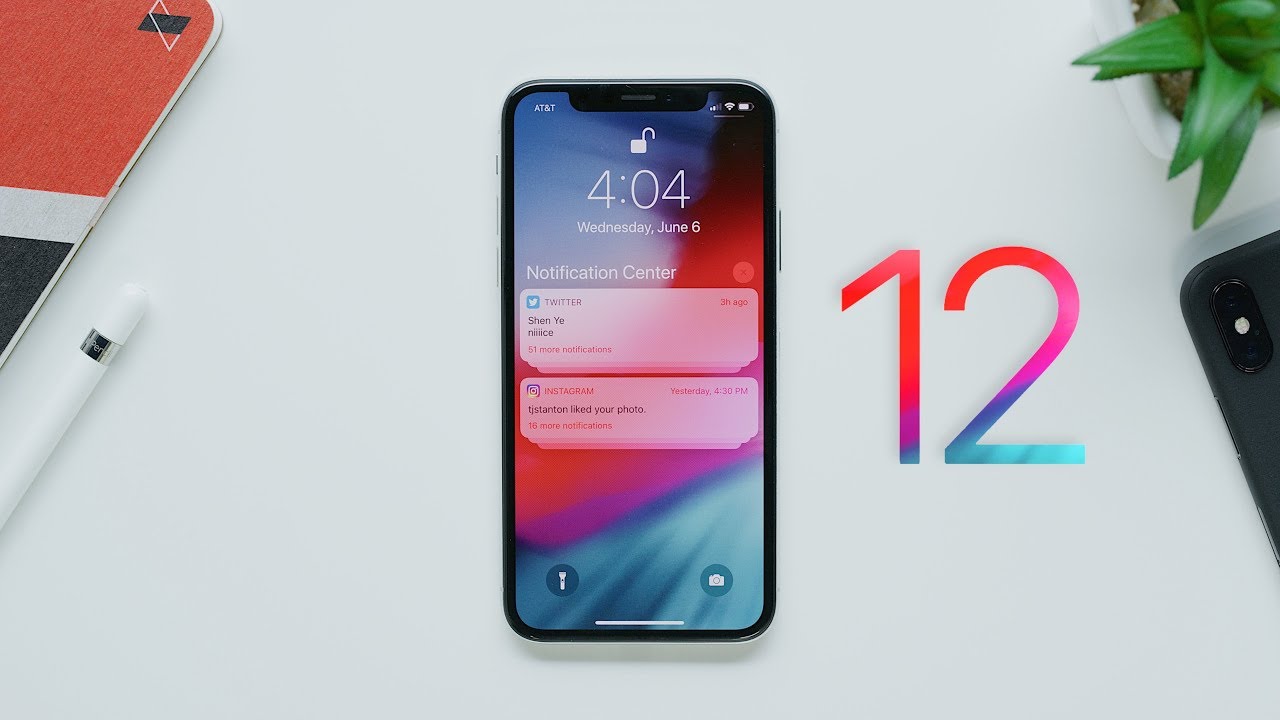
    Apple has just released another iOS update, which addresses a couple of issues that many iPhone users have complained of lately. If you’re rocking an iPhone as your daily driver, you should be able to see a notification on your device letting you know that you can download iOS 12.3.1, the latest firmware software released by Apple.

    As far as the contents of the update go, Apple says that iOS 12.3.1, which was released just two weeks after iOS 12.3, addresses an issue that could prevent iPhone users from making or receiving VoLTE (voice over LTE) calls.

    Also, the update fixes many of the problems in the Messages app, including those that could cause messages from unknown senders to pop up in one’s conversation list even though the Filter Unknown Senders option is enabled.

    Another Messages fix should solve another bug with Messages, which could prevent the Report Junk link from appearing in the app’s threads from unknown senders.

    In other news, Apple is gearing up for the next major iOS 13 updates. Keep in mind though that Apple hasn’t yet confirmed anything about iOS 13, so take it with a tint of salt until the update is announced.