Retail News CRM

Tag: Banking

  • Profit of CIMB’s Indonesian ops grows by over three times

    Profit of CIMB’s Indonesian ops grows by over three times

    CIMB Niaga said in a statement, posted by its parent on Bursa Malaysia’s website, that the improved net profit came on the back of a 1.4% yoy increase in net interest income and a 18.5% yoy jump in non-interest income, mainly due to improved foreign exchange and capital market businesses.

    Operating expenses and provisions declined by 1.4% and 7.3% on a yoy basis respectively. “While we remain cautious given the economic situation, we hope our positive performance this quarter will provide a strong base for our results going forward. Our operating income held up well through strong contributions towards non-interest income from an uplift in the treasury business.

    “Our credit card business continued to garner market share, while current account and savings account (CASA) balances grew strongly, bringing about a CASA ratio of 52.05%.

    “CIMB Niaga capital ratio strengthened to 18%. Our improved capital position should hold us in good stead to face the market and economic uncertainties,” said CIMB Niaga president director Tigor M. Siahaan in the statement.

    With total assets of 231.67 trillion rupiah (RM68.54bil) as of March 31, CIMB Niaga maintained its position as Indonesia’s fifth largest bank by assets.

    Total gross loans were lower at 171.02 trillion rupiah (RM50.60bil) as at March 31 as the bank maintained a conservative growth strategy.

    Despite the slower growth in CIMB Niaga’s loans, several business segments posted positive expansion such as personal loans and credit cards.

    “We continue to pursue our aspiration of being a leader in digital services by focusing on customer experience and optimising the use of the latest technology to bring value to our clients,” Tigor said.

    In the syariah banking segment, CIMB Niaga’s Islamic business unit’s total financing stood at 7.60 trillion rupiah representing a growth of 13.9% yoy with third-party deposits of 8.16 trillion rupiah as at March 31.

    CIMB Niaga’s capital adequacy ratio (CAR) strengthened to 18% as at March 31, 2016.

    “The government has proposed some positive changes since the start of the year to boost the economy. Bank Indonesia cut interest rate to 6.75% from 7.50% and the government has also lined up several economic stimulus packages for 2016. I’m confident that as CIMB Niaga remains focus in the areas of asset quality, cost efficiency and CASA growth, the bank will be primed to capitalise on opportunities when the economy improves,” added Tigor.
  • South Korea’s Shinhan expands in Asian retail banking

    South Korea’s Shinhan expands in Asian retail banking

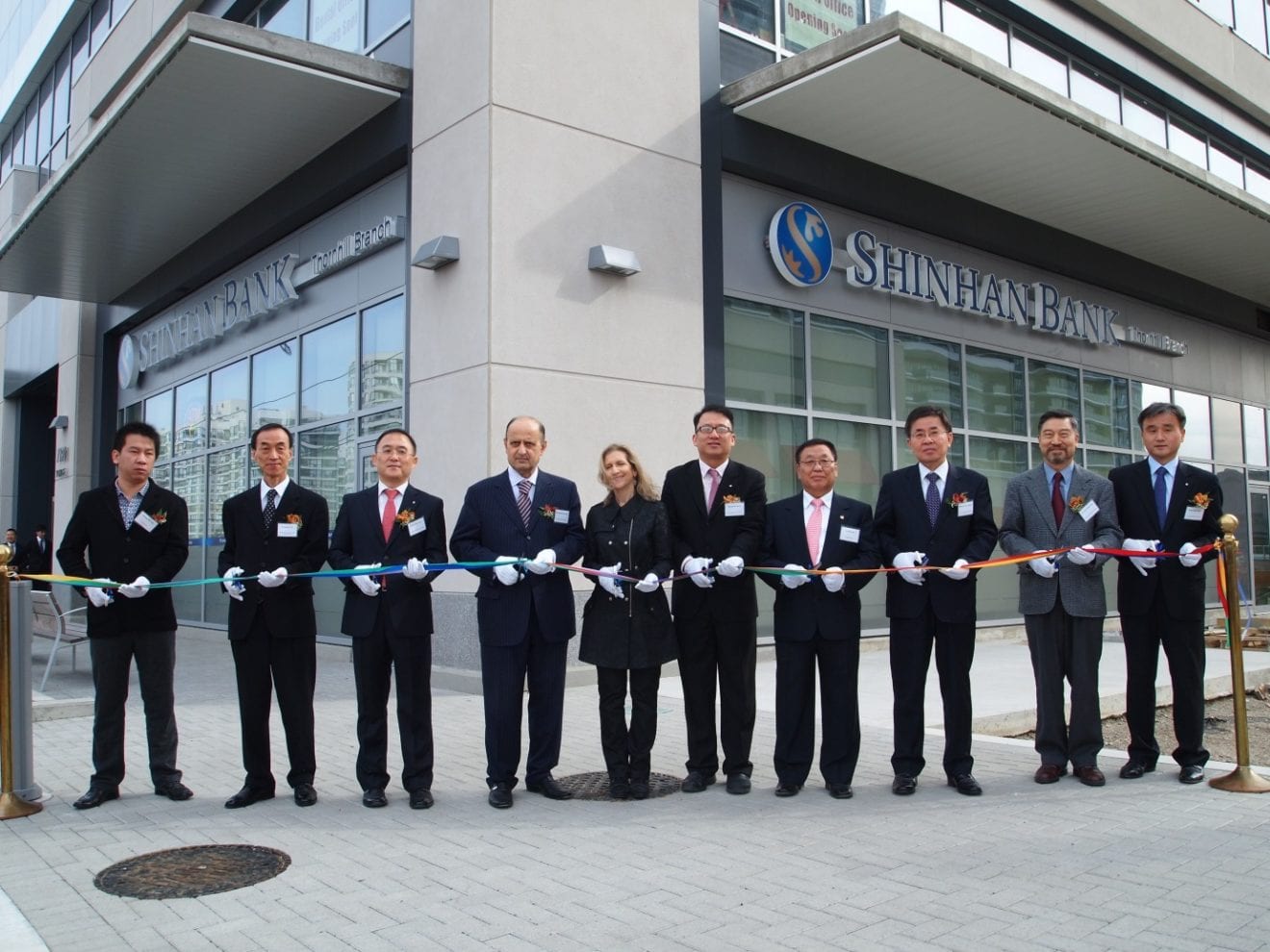
    Through steady no-nonsense efforts focusing on retail banking, Shinhan Financial Group has grown to operate more than 150 overseas branches, the most among South Korean financial institutions. Although much smaller than counterparts from Japan, the U.S. and Europe, Shinhan continues to boldly expand operations in such Asian markets as Vietnam and Indonesia.

    The bank set up a presence in Vietnam in 1993, following Samsung Electronics, LG Electronics and other South Korean conglomerates into the Southeast Asian country. It plans to open four branches there within the year, bringing the total to 18. This should make Shinhan the foreign financial institution with the most branches there.

    As a part of efforts to expand further in the country, the bank has been focusing on boosting lending to individuals. Because wages are low and people tend to change jobs frequently, foreign financial institutions are generally reluctant about extending personal loans in Vietnam, but Shinhan has found a “unique sales approach” for reducing loan default risks. The bank’s salespeople have been visiting labor unions at various factories to seek information on workers who have been working steadily for more than a year or two, since these people would make more secure borrowers.

    All over Asia

    Shinhan traces its roots to Shinhan Bank, which was established in 1982, using funds raised from ethnic Koreans living in Japan as a part of its start-up capital. Following the opening of a branch in Osaka in 1986, the group has maintained close ties with Japan. In its home country, the group has grown on its strength in retail banking.

    With Shinhan Bank at its core, the group now operates more than 150 overseas branches. This puts it ahead of Hana Financial Group to rank No. 1 among South Korean financial institutions in terms of the number of foreign branches, according to research firm CEO Score.

    “We will secure the engine for new growth in the global market, centering on Asia,” Chairman Han Dong-woo said at a general shareholders meeting in March.

    True to his words, Shinhan has been pushing further into other Asian countries. In Indonesia, the group has acquired Centratama Nasional Bank, which has 41 branches, as well as Bank Metro Express, which operates 19. In addition, credit card unit Shinhan Card has a joint venture with local conglomerate Salim Group.

    In Myanmar, Shinhan received approval to open a branch last month, a first for a South Korean bank. The group aims to tap into demand for retail financial services by bringing its credit card and insurance units into the Southeast Asian country.

    Small but solid

    Moody’s has given Shinhan Bank an Aa3 credit rating, one rung above that of Bank of Tokyo-Mitsubishi UFJ. However, Shinhan Financial Group still pales in comparison to Mitsubishi UFJ Financial Group in scale, as its 370 trillion won ($326 billion) in consolidated assets as of the year ended in December are equivalent to just 12% of the Japanese megabank’s total assets. The Japanese banking group also operates a far larger overseas network, counting more than 1,150 branches as of the end of September.

    But Shinhan Bank is set to continue its steady growth by “making the most of its speed and strength in retail sales,” said Executive Vice President Heo Young-taek.

  • DBS introduces a mobile-only bank in India

    DBS introduces a mobile-only bank in India

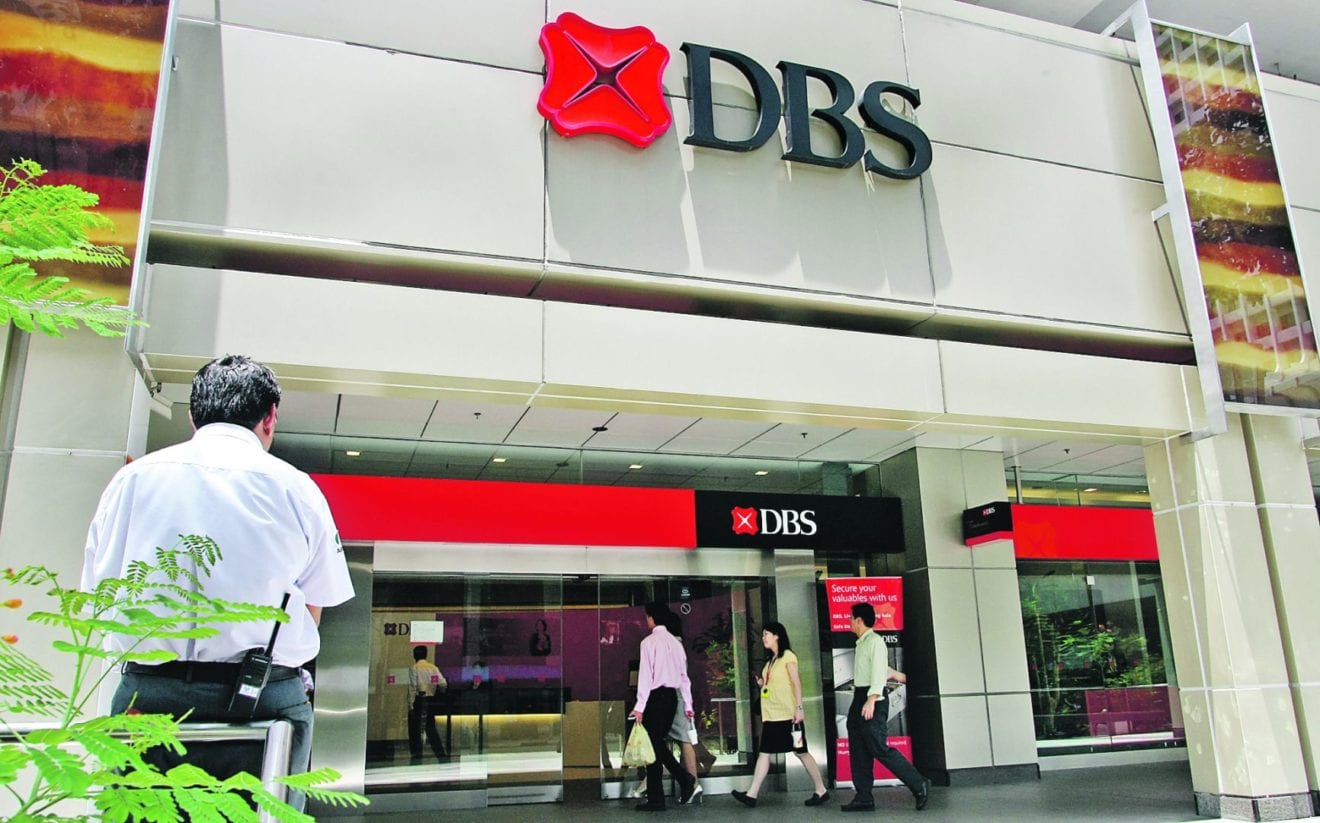
    Singapore’s DBS Bank has launched what it says is India’s first mobile-only bank. Dubbed digibank, the mobile app functions as an entirely paperless, signatureless and branchless bank for India’s residents.

    The initiative aims to break away from conventional banking norms such as form filling and other cumbersome processes.

    Account-opening can be done easily and effortlessly at an extensive network of outlets run by DBS’ partners, including over 500 cafes across India. No paperwork will be involved and instead, customer authentication is done purely using the Aadhaar card, a biometrics-enabled ID which has been issued to over 1 billion Indians.

    Other digibank features include 24/7 customer service provided by a real-time, AI-driven virtual assistant, which understands natural language and is incorporated with the ability to anticipate and answer some 10,000 customer questions.

    This AI feature was made possible due to DBS’s partnership with US-based fintech Kasisto. The latter is a spin-off from SRI International which created the technology behind Apple’s Siri.

    In-built into digibank is a budget optimizer that helps customers do their budgeting, track expenses and analyze purchasing trends. The function is equipped to understand customer behavior and preferences, synthesize data, and provide recommendations.

    The budget optimizer also studies customers’ spending patterns and prompts them if they are overspending. Conversely, if a customer’s savings regularly exceed his or her expenditure, digibank will provide suggestions on how to make one’s money work harder.

    Dynamic inbuilt security, which is safer than OTP, is employed in digibank. Most bank customers are used to receiving One-Time Passwords (OTPs) via SMS, and then typing codes into pages to authorize their mobile banking transactions. digibank has an embedded soft token security, avoiding the need to wait for SMSs to arrive and providing even stronger security for transaction authorization.

    The new offering also gives account-holders earn 7% interest from the first rupee, one of the highest in the market with no minimum balance requirements. Customers receive a physical debit card which can be used across all Visa-enabled online and POS transactions, as well as overseas. Free cash withdrawals will be available at more than 200,000 ATMs nationwide.

    Said DBS CEO Piyush Gupta, “India’s banking system is at the cusp of massive change, and as a bank committed to shaping the future of banking, we are excited to roll out a revolutionary, mobile-only bank. With digital, we are able to create a completely different customer experience. What’s more, digibank’s efficiencies and lower costs enable us to pass on significant benefits to customers in the form of greater customer value.”

  • Thai Kasikornbank to cut retail and overdraft lending rates

    Thai Kasikornbank to cut retail and overdraft lending rates

    Kasikornbank Pcl, Thailand’s fourth-largest lender, will cut its minimum retail and minimum overdraft rates by 25 basis points (bps) on April 25, it said in a statement.

    The cut, which follows similar move by Bangkok Bank on Thursday, is aimed at helping the bank’s small and medium-sized (SME) business and retail customers who have been hit by the slowing economy, the bank said.

    Kasikornbank is among the top four lenders that cut their minimum lending rate (MLR) by 25 bps on April 5.


  • Bank Indonesia Wins 3 CSR Awards

    Bank Indonesia Wins 3 CSR Awards

    Bank Indonesia (BI) has received three awards in the The 8th Annual Global Corporate Social Responsibility (CSR) Summit and Awards. Two gold awards are for Excellence in Provision of Literacy and Educational Award with market capitalization above US$1 billion and Empowerment of Women Award. While bronze award was achieved for Product Excellence Award.

    BI’s Communication Department Director Abronas Hutabarat attended the event to receive the awards. He originally intended to attend the international forum to introduce BI’s CSR programs. “We didn’t expect to receive the awards. These are the result of synergy and hard work put in by my colleagues in BI’s Communication Department,” Abornas said after receiveing the awards in Nusa Dua, Bali, Thursday evening.

    Abornas said that BI always made CSR programs on a yearly basis which focus on community empowerment. According to him, BI’s CSR programs are comparable to those of its international counterparts.

    There are seven categories in The 8th Annual Global CSR Summit and Awards, namely Best Environmental Excellence Award, Best Community Programme Award, Excellence in Provision of Literacy and Education Award, Empowerment of Women Award, Best Workplace Practice, CSR Leadership Award, and Product Excellence Award.

    Of the categories, BI got nominated in 4 categories. Arbonas said the four categories are Best Community Programme Award, Excellence in Provision of Literacy and Education Award, Empowerment of Women Award, and Product Excellence Award.

    Arbonas said one of the gold awards were given for BI Corners CSR program, in which BI provides libraries in all universities in Indonesia. Last year BI built 106 BI Corners. This year BI is targeting to build 150 BI Corners. He hoped that in the next five years BI could build 1,000 BI Corners in the all educational levels to support financial literacy. In addition, BI helps female entrepreneurs in managing business units and bookkeeping to make the businesses bankable.

    The Annual Global CSR Summit and Awards is the most prestigious recognition awards program for Corporate Social Responsibility of various agencies in Asia. The awards are given to agencies who are able to make contributions to environmental sustainability, product innovation, community empowerment and CSR management and transparency.

  • BNI chalks up Rp2.9 trillion in net profit in first quarter

    BNI chalks up Rp2.9 trillion in net profit in first quarter

    Publicly traded lender PT. Bank Negara Indonesia Persero Tbk reported Rp2.9 trillion in net profit in the first quarter of this year up 5.5 percent year-on-year.

    The profit was attributable mainly to net interest income especially interest on infrastructure credits, Achmad Baiquni, the president director of the state owned bank said here on Tuesday.

    Its net interest income grew 13.3 percent to Rp6.91 trillion in the first three months of 2016 from Rp6.09 trillion in the same period last year.

    “The net interest margin (NIM) of the bank was 6.1 percent in the first quarter of this year,” Baiquni said.

    The NIM of the countrys fourth largest bank in asset, rose with a strong 21.2 percent growth in credits to Rp326.74 trillion in the January-March period of 2016 from Rp269.51 trillion in the same period in 2015.

    Credits for the business and consumption sectors were the largest contributors to its credit expansion, Baiquni said.

    Credits for the business, which grew 22.7 percent (yoy) to Rp234.2 trillion in the first quarter of 2016, accounted for 71.7 percent of the banks total credits.

    Credits for the construction sector surged 127.5 percent to Rp5.99 trillion and credits for the consumption sector rose 9.8 percent to Rp57.56 trillion in the first quarter of 2016.

    The bank also recorded an increase in fee based income , up 16.4 percent to Rp2.22 trillion .

    The third party funds held by the bank rose 21.8 percent (yoy) to Rp371.5 trillion in the first quarter of 2016 .

    Cheap funds accounted for 58.5 percent or around Rp217.5 trillion of the third party funds – or an increase of 12.9 percent (yoy).

    The credit expansion that grew 21.2 percent and the third party funds that increased 21.8 percent resulted in 25 percent rise (yoy) in its assets to Rp509.09 trillion in the first quarter of 2016 .

  • IDX Expresses Optimism in Economic Growth

    IDX Expresses Optimism in Economic Growth

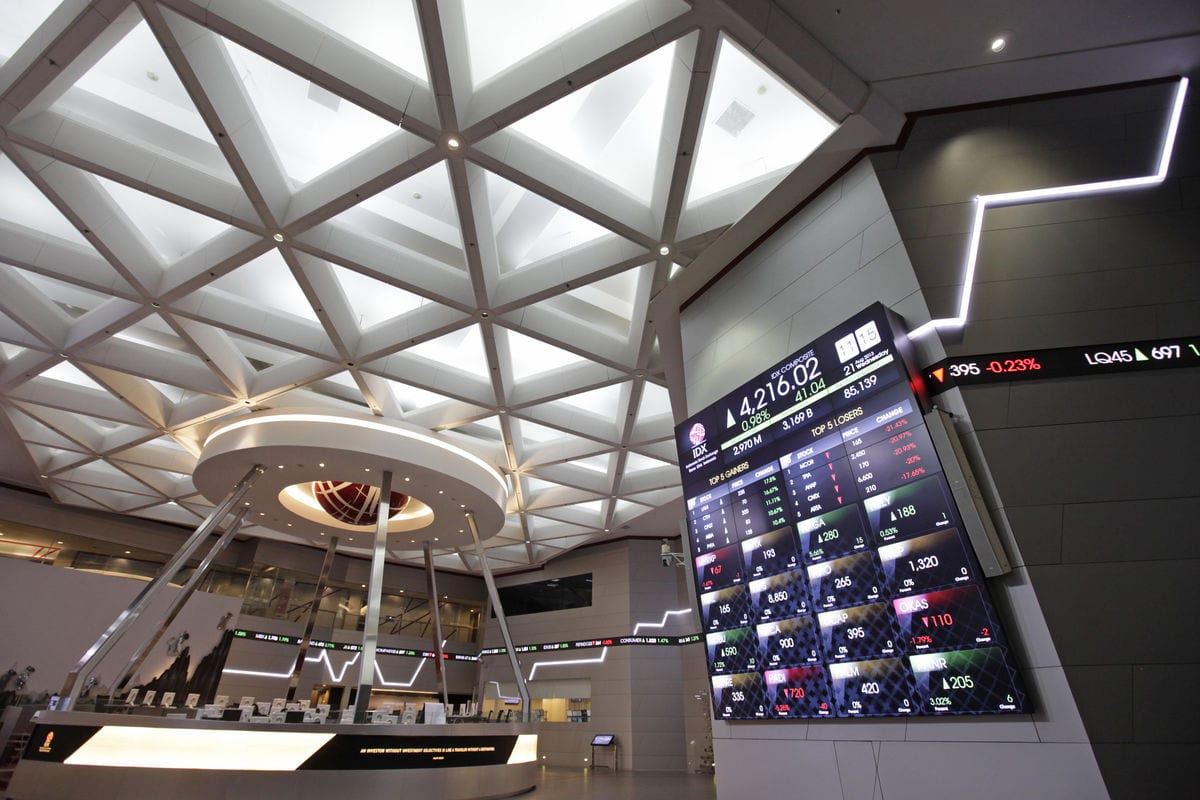
    The Indonesian Stock Exchange (IDX) expressed optimism that the companies listed on the IDX would provide positive results as the national economy was predicted to grow by above 5 percent.

    “In 2015, more than 75 percent of stock issuers at the IDX booked profits. Indeed, some of them in the commodity sector recorded somewhat significant drop. Meanwhile in 2016, we believe that the economic growth will be above 5 percent,” IDX president director Tito Sulistio said in Jakarta on Wednesday, April 13, 2016. Tito added that the Bank Indonesia (BI) rate cut to 6.75 percent and the potential of capital inflow following tax amnesty policy were among the factors that would support the national economic growth.

    “Hopefully, the tax amnesty [policy] will work. Therefore, it is expected that Indonesia will see a capital inflow of about Rp 3,000 trillion (US$220.6 billion) to build infrastructures that are important for the economy. The fund could also be invested in the capital market,” Tito explained.

    He promised that he would encourage domestic companies to obtain funds for expansion by, for instance, holding IPOs. Tito added that the IDX would call on state-owned companies to conduct privatization through the IPO mechanism.

    Earlier, IDX director of corporation assessment Samsul Hidayat said that a number of regional development banks planned to hold IPO in order to increase their capital and distribute credit to wider consumers. In addition to banks, Samsul revealed that a number of state-owned construction subsidiary companies, such as PT Waskita Beton Precast, mulled to hold an IPO.

  • Japan’s biggest bank sees crucial role for Philippines

    Japan’s biggest bank sees crucial role for Philippines

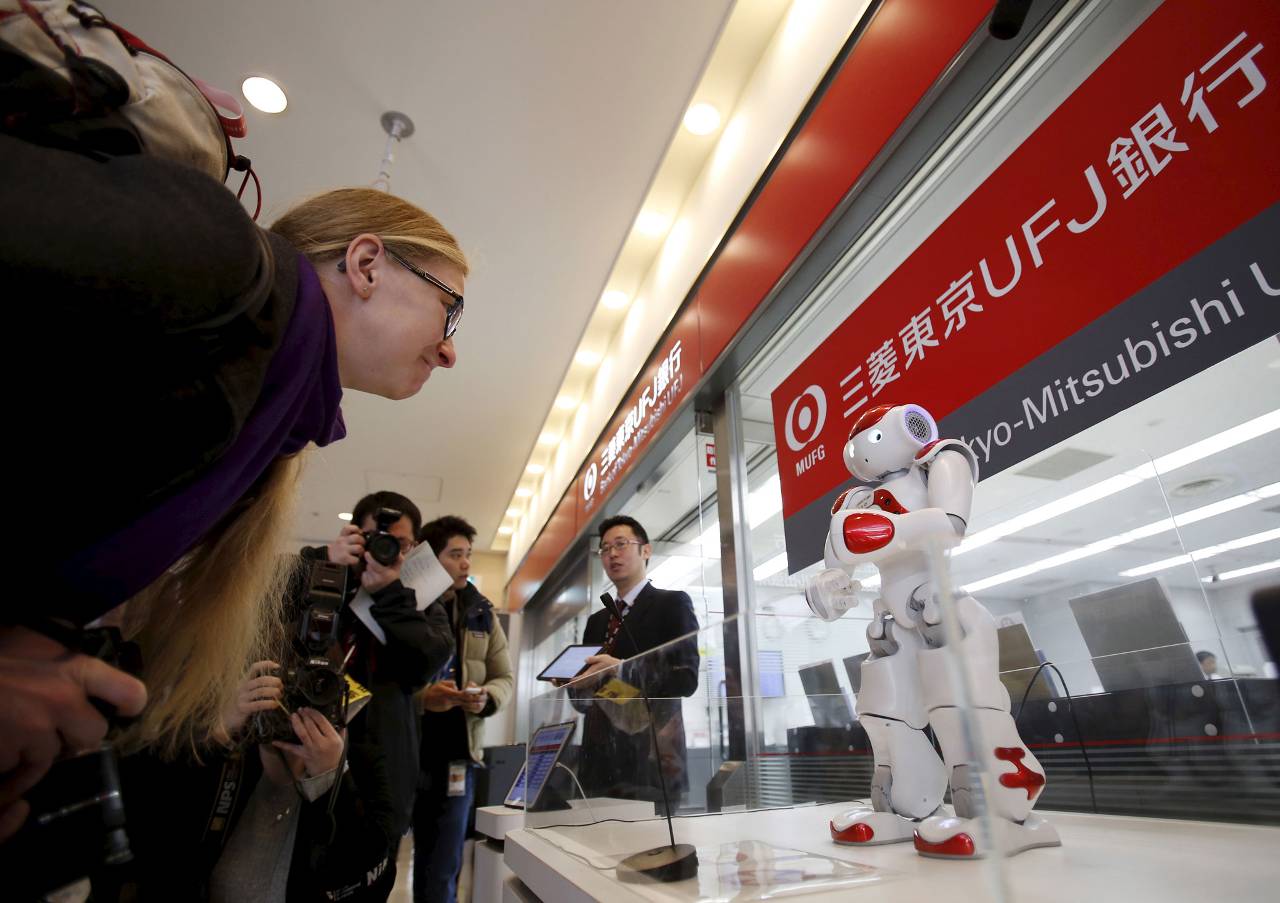
    Japan’s biggest lender Bank of Tokyo-Mitsubishi UFJ said the Philippine market plays a crucial role in its goal to become Asia’s Tier 1 financial institution.

    BTMU, which recently bought a 20-percent stake in the Philippines’ Security Bank Corp., said it envisions surpassing three of the biggest banks in Asia (HSBC, Citibank and Standard Chartered Bank) by 2020.

    “The Philippines is one of the most important markets for the bank because the economy is strongly performing, and many Japanese companies have been advancing in the Philippines,” Go Watanabe, BTMU chief executive officer in Asia and Oceania Region, told reporters in a roundtable discussion on Tuesday.

    “The Philippines is the missing part of BTMU. That is why we have decided to have a strategic alliance with Security Bank,” he added.

    Watanabe said its P36.9-billion investment in the local lender, which is also the biggest capital infusion to date in the Philippine financial market, is part of BTMU’s strategy to identify the right partners in high growth markets and to deepen its presence in organic communities.

    He said that with the partnership BTMU could now provide its strong base of Japanese customers with retail banking services using the local network of Security Bank.

    With BTMU’s diverse global network, it can also provide global corporates and Filipino companies with services such as project and trade financing, he added.

    For his part, BTMU General Manager Tadahiro Miyamoto, said that with the large consumer market in the Philippines, many Japanese firms are showing interest in expanding operations into the country.

    Potential for auto industry
    “There are many companies interested in the Philippine market. One is the retail segment such as food and apparels, but currently, probably the most interested segment is automotive,” he said.

    Miyamoto added that if the Comprehensive Automotive Resurgence Strategy (CARS) program of the government becomes successful, there are potentially many Japanese manufacturers and suppliers that would be producing car parts in the Philippines, which would create even more investment opportunities for the sector.

    Despite this, Watanabe said that encouraging more manufacturing firms to do business in the country is a bit challenging because of the lack of incentives and persistent gaps in infrastructure and power generation.

    “The challenge for the Philippines is how to encourage overseas companies, especially manufacturing, to invest in this country. In that respect, BTMU is willing to support the country to encourage them to invest more in the Philippines,” he said.

    “More than 100 million population is a good big market. If the government will think about good incentives, I think it will be a good chance for the Philippines to increase the entry of foreign direct investments, not only from Japan but also from other countries,” he added.

    Meanwhile, Miyamoto said improvement in other areas such as infrastructure, and the cost and reliability of electricity are also needed.

    “There are a lot of projects going on. We hope that those will be realized soon so that there will be more general support for Japanese companies to invest more here,” he said.

    Interested in PPP
    In this regard, Watanabe said the public-private partnership program (PPP) of the government, particularly in infrastructure, is necessary for the country.

    “Japanese companies are showing strong interest in participating in the PPP. BTMU as the best project finance bank, together with good peso liquidity from Security Bank, means our team is the best team to support the PPP and encourage Japanese customers to participate in the PPP. This will be very beneficial to this country,” he said.

    At present, Miyamoto said BTMU has no PPP investment yet, but the bank has been looking to participate in projects included in the pipeline.

    One particular project that the BTMU is interested in is the Clark Green City, which includes access and inter-city roads, a railway system, a mixed-use residential and commercial block, business district, industrial estates, schools and centers, government offices, and other facilities that would make up a major city.

    At full development, the city is estimated to accommodate some 1.12 million residents and 800,000 workers.

    “It is a very good project. It creates a lot of positivity for the Philippines and we will see what we can do,” Miyamoto said.

    Another project that can be considered by BTMU is the North-South Railways Project, Watanabe added.

  • OCBC launches banking app for Apple Watch

    OCBC launches banking app for Apple Watch

    Singapore’s OCBC Bank has launched a new mobile banking app designed for the Apple Watch.

    With the app, users can have instant access to their personal banking information, including the full list of their balances – bank accounts, cards and investments, recent transactions, and the location of the nearest OCBC Bank branch or ATM, on their Apple Watch.

    Customers must first perform a one-time activation on their OCBC iPhone mobile banking app before using the Apple Watch app. Once activated, account information and recent transactions can be viewed on Apple Watch, without the need to login to mobile banking.

    This service is available for customers using mobile devices such as iPhone 5, iPhone 5S, iPhone 6, iPhone 6 Plus, iPhone 6S or iPhone 6S Plus operating on iOS 9 and Apple Watch devices running on WatchOS2.

    The service can only be activated on a single pair of Apple Watch and iPhone devices at one time and all account numbers displayed on the watch are partially masked with only the last four digits revealed. No information is stored on the phone or watch and for security purposes, customers can choose to set a passcode on their Apple Watch.

    Market intelligence firm IDC estimates the worldwide wearable device market will reach a total of 111.1 million units shipped in 2016, a strong 44.4% increase from the 80 million units shipped in 2015. By 2019, the five-year compound annual growth rate (CAGR) of wearable devices would be 28%, with Apple smart watch devices taking the lion’s share of the market.

    “Smartwatches represent the next generation of personal mobile devices, and our Apple Watch app will offer the convenience, security and choice that customers demand when it comes to everyday banking on-the-go,” said Aditya Gupta, OCBC Bank’s Singapore head of e-business, said.

    “We are confident the Apple Watch app will be a big hit with our fast-growing number of customers who are mobile and digitally-savvy.”

  • CIMB expects more conducive economy for consumer banking in 2H2016

    CIMB expects more conducive economy for consumer banking in 2H2016

    Collaboration between CIMB and Tesco Stores (Malaysia) Sdn Bhd today, the group’s CEO of group consumer banking Renzo Viegas told pressmen that while the current marketplace remains tough for business, the mass affluent community will still continue to invest.

    “It’s a tough environment, so loan growth will be slower than last year for sure (in terms of) investment products, people are really concerned about the global economy and the Malaysian economy; (there are) a lot of volatility, so people are holding back their investment decisions, but the mass affluent customers will still invest, so the second half should pick up a bit,” he said.

    “(In the) second half (of 2016), the whole economy environment should improve to become more stable and predictable; investment by consumers should also grow, and therefore our wealth management would also do well,” he added.

    On the other hand, Viegas said CIMB is also monitoring its credit quality closely, to avoid any deterioration in the group’s consumer portfolio.

    “All in all, there will still be slower growth, and we are watching the credit quality. So far, there is no deterioration to our credit quality in consumer portfolio. But there are still challenges, and there are still going to [be] opportunities like the launch today,” he said.

    Viegas said the partnership will allow CIMB to benefit from Tesco Malaysia’s three million weekly customers, by the increased accessibility to other products offer by the bank.

    “In the next two years, we hope we can garner half a million new card customers,” he added.

    Earlier at the launching ceremony today, CIMB’s CEO Tengku Zafrul Aziz announced an exclusive five-year strategic partnership with Tesco Stores (Malaysia) Sdn Bhd to come out with the new card services.

    The collaboration will also see CIMB set up its consumer banking kiosks at 38 Tesco stores nationwide. Tesco Malaysia currently operates 55 stores, with about 8,000 employees.

    Zafrul said the partnership between CIMB and Tesco Malaysia represents a winning formula in delivering value to both companies’ customers.

    “Being able to bring our vast suite of products through a seamless and paperless process to Tesco stores, make for a truly compelling value proposition to customers, both current and new. We genuinely believe that this partnership is the start of many great things ahead,” he said.

    The new CIMB Tesco MasterCard members will enjoy an annual fee waiver. From April 1, 2016 to March 31, 2017, one Tesco Clubcard point will be awarded for every RM2 spent on CIMB Tesco MasterCard at other retail outlets.

    Tesco Malaysia CEO, Paul Ritchie, also commented that the partnership, which had taken a year to materialise, is the form of bringing the best of two companies to enhance customers’ shopping trip.

    “With Tesco’s variety in range at fantastic promotions and good prices, and CIMB’s strengths in the financial and banking sector, together we will be able to reward our customers and create value to earn their long-term loyalty,” he said.

  • HSBC sets sights on Vietnam

    HSBC sets sights on Vietnam

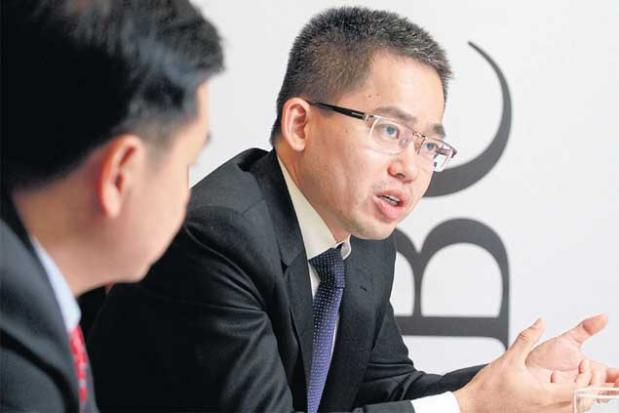
    HSBC Bank (Vietnam) chief executive Pham Hong Hai (right) and Kelvin Tan, chief executive of HSBC Thailand, say HSBC aims to capitalise on its presence in seven of the 10 Asean countries.

    HSBC seeks to offer a better integrated regional service with the increase of cross-border investment following the formation of the  Asean Economic Community (AEC).

    The bank in particular is looking at Vietnam, where investment is set to surge under government policies to attract foreign investment.

    Kelvin Tan, chief executive of HSBC Thailand, said the company aimed to capitalise on its presence in seven of the 10 Asean member countries. Only Myanmar, Cambodia and Laos do not have branches of HSBC.

    “We made it very clear to our investors since last year that Asean will be one of our main focuses to help HSBC’s future growth,” said Mr Tan.

    HSBC will also focus on the Pearl River Delta, which consists of Hong Kong and Guangzhou, China.

    Mr Tan said the company will enhance the connectivity between its subsidiaries in each country to serve customers better and expand business.

    “We add value to our services by offering well-connected financial services in this region.”

    When a Thai customer expresses an interest in investing in another country in which HSBC operates, the bank will refer the customer to the office in that country, which can provide local information for doing business.

    Many HSBC customers have already expanded their businesses in other countries, especially Vietnam, to tap into a bigger market as well as take advantage of low labour costs, he said. Thai investors should benefit from the cheaper labour by setting up production bases there and using Thailand as their regional headquarters, which is the policy that the Thai government is promoting.

    “Thailand is in a very strategic location for logistics and air transport so pushing the RHQ concept is a step in the right direction, but the government will also have to include stakeholders as part for this development,” said Mr Tan.

    Pham Hong Hai, chief executive of HSBC Bank (Vietnam), said Vietnam had attracted heavy investment from Asean countries over the past few years as well as from other Asian countries such as South Korea, Japan, Taiwan and China.

    Vietnam’s low labour costs and political stability are the major draws that attract a huge amount of foreign direct investment, he said. Given the low wage rate for unskilled labour, the country has attracted a lot of labour-intensive industries.

    “Cambodia, Laos and Myanmar also have cheap labour, but Vietnam has the added positive factors of political stability and good infrastructure,” said Mr Pham.

    He said the low wage rate would last for about five years.

    However, one problem that has emerged in Vietnam is a shortage of workers at management level. Mr Pham said he expected the AEC integration to attract more white-collar workers to the country.

    He said Vietnam’s ruling party just elected a new central committee, which is expected to maintain the current policies to strengthen the country’s economy.

    The policies that will be continued include privatisation of state enterprises, modernising the banking sector, enhancing the effectiveness of fiscal policy and improving the business environment, he added.

    Vietnam’s state enterprises contribute 35% of GDP. The government is due to allow private firms to gradually own bigger stakes in the enterprises in order to enhance their effectiveness.

    The government is improving Vietnam’s business environment by passing new laws that will shorten the time required to start a new business and also to obtain a licence, Mr Pham said. There there are a lot of opportunities in businesses such as logistics, retail and manufacturing, which are growing quickly.

    “When the manufacturing sector grows it is always followed by logistics services to support the industries,” he said. “We also see that the retail sector’s growing fast with Thai companies such as Central and TCC Group investing in Vietnam.”

    He said with a population of 90 million, with young people forming a large proportion, Vietnam’s demographic make-up offers great opportunities for retail businesses to benefit from their purchasing power, which will grow significantly.

  • BNI Set to Penetrate ASEAN Market

    BNI Set to Penetrate ASEAN Market

    Bank Negara Indonesia (BNI) president director Achmad Baiquni said that state-owned lender BNI would expand its business in other Southeast Asian countries, in addition to Myanmar.

    “There are some countries targeted by BNI, but we can’t reveal them yet, because it’s too early,” Baiquni told us during a tree-planting event at kilometer 59 of the Jakarta-Cikampek toll road on Saturday, March 26, 2016.

    Baiquni added that the expansion plan would be executed based on existing business potentials. Myanmar was selected since other state-owned companies were expanding their business in the country.

    “We have to follow our customers,” Baiquini explained.

    Baiquni admitted that BNI had looked into the business potential in Myanmar. He also expected that the expansion plan would be realized this year.

    BNI and Bank Mandiri are preparing to expand their businesses in the ASEAN market prior to Financial Services Authority’s agreement signings with Central Bank of Myanmar and Bank Negara Malaysia.

  • Maldives laments HSBC retail banking loss

    Maldives laments HSBC retail banking loss

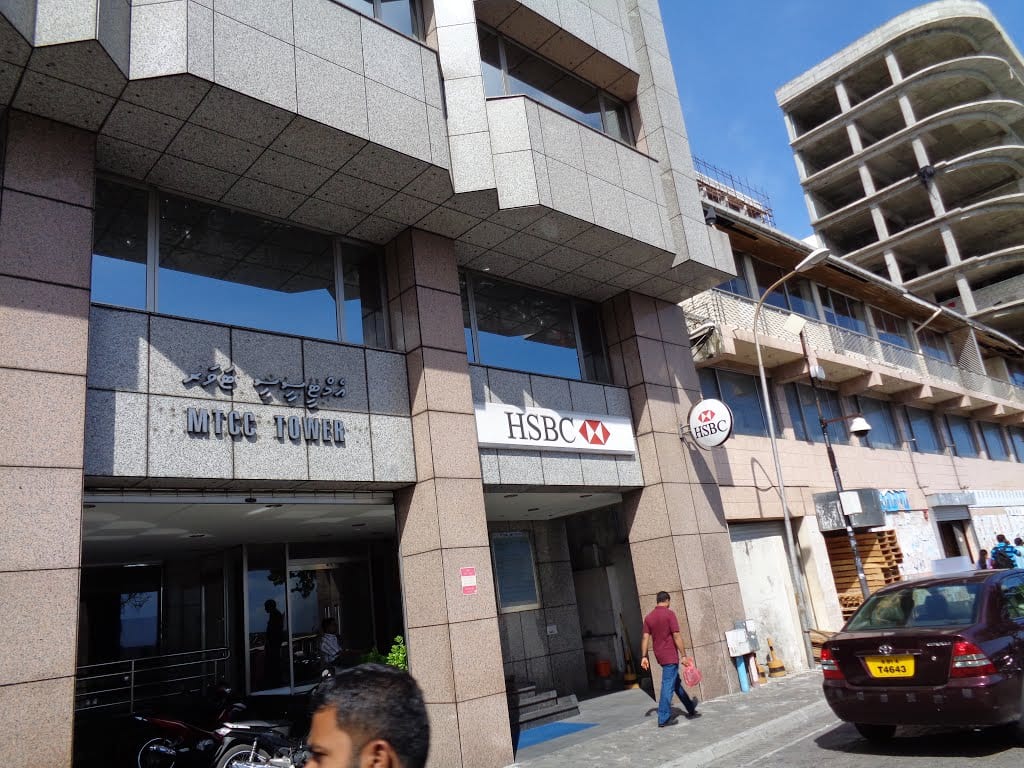
    Maldives central bank on Thursday lamented the decision by Banking giant Hong Kong and Shanghai Banking Corporation (HSBC) to cease retail banking in the Maldives from April.

    Speaking at the parliamentary finance committee governor Azeema Adam insisted that the Maldives Monetary Authority (MMA) does not wish HSBC to cease retail banking services in the Maldives but said the country still needed the bank’s other services.

    Male branch of HSBC had decided to cease retail banking operations from April 28 and is now informing its customers.

    An official from the Maldives Monetary Authority (MMA) also confirmed the plans by HSBC’s Male branch to shift to corporate-only operations. The official, however, did not give details.

    HSBC was not available for comment.

    HSBC operates in Maldives as a trading desk of the HSBC branch in Sri Lanka.

    The governor however, pointed out that HSBC’s decision was not limited to the Maldives.

    “Every bank has its own standards. Certain services that they offer. Instead of forcing something on them we look to find out how it could prosper as a business. We put in a lot of effort to bring HSBC to the Maldives,” Azeema explained.

    “Even when they [HSBC] first came they had sought to serve high net worth customers and individuals. We had given them the operating license knowing that all those years ago.”

    Azeema also revealed that several challenges had prompted the bank to adopt cost cutting measures.

    “It’s not something we also want. But if we look at the services provided by the banks in Maldives, HSBC is the third largest bank in the country. In terms of deposit size and loan size,” she continued.

    HSBC is the second highest banking profit tax payer in the Maldives, she added.

    An account in HSBC has to be opened with an initial deposit of MVR 50,000; the highest initial deposit required of any bank that operates in Maldives. The bank also pays the lowest deposit interest rate at 1 – 1.75 percent. Deposit interest rate on US Dollar accounts is 0.10 percent.

    As the bank charges a high amount in fees, the bank mainly hosts Maldivian businesses.

    In May 2014, complaints mounted over the bank’s decision to close down accounts held by many small and medium businesses citing administrative reasons. The businesses had complained that the move was made without prior notice.

    The decision by one of the biggest banks in the world comes a week after it was revealed that the Maldives had lost a major international banker.

    President Abdulla Yameen Abdul Gayoom told residents of Gaafu Dhaal atoll Gadhdhoo on February 15 that one of the major correspondent banks had dropped Maldives from its client list, while another one is considering a similar move. The reason, according to the president, is false claims made about Maldives, including threats posed by home-grown jihadists.

    “When we make such claims without considering the repercussions, it’s the people of Maldives that has to suffer,” he said, after inaugurating a project to establish a clean water system in the island.

    The president did not identify the bank that had dropped the Maldives. Haveeru, however, understands that US-based JPMorgan Chase had terminated its dealings with Maldivian banks in 2013.

    A correspondent bank is a financial institution that provides services on behalf of another, equal or unequal, financial institution. It can conduct business transactions, accept deposits and gather documents on behalf of the other financial institution.

  • ABK named ‘Best Retail Bank in Kuwait’

    ABK named ‘Best Retail Bank in Kuwait’

    Al Ahli Bank of Kuwait (ABK) was recently recognized as the ‘Best Retail Bank in the Middle East’ by the Asian Banker; one of the most prestigious awards programs in the industry of financial services and one of Asia’s leading consultancies in financial services research, benchmarking and intelligence. The award was received by Stewart Lockie, General Manager Retail Banking at ABK, during an awards ceremony that was held on March 16th, at the W Hotel in Hong Kong.

    The ‘Best Retail Bank in the Middle East’ award reaffirms the Bank’s outstanding initiatives and  solid performance and demonstrates its unwavering efforts to provide superior services to its customers through the implementation of its ‘Simpler Banking’ strategy, which focuses on creating a simpler banking model offering convenience, speed and security.

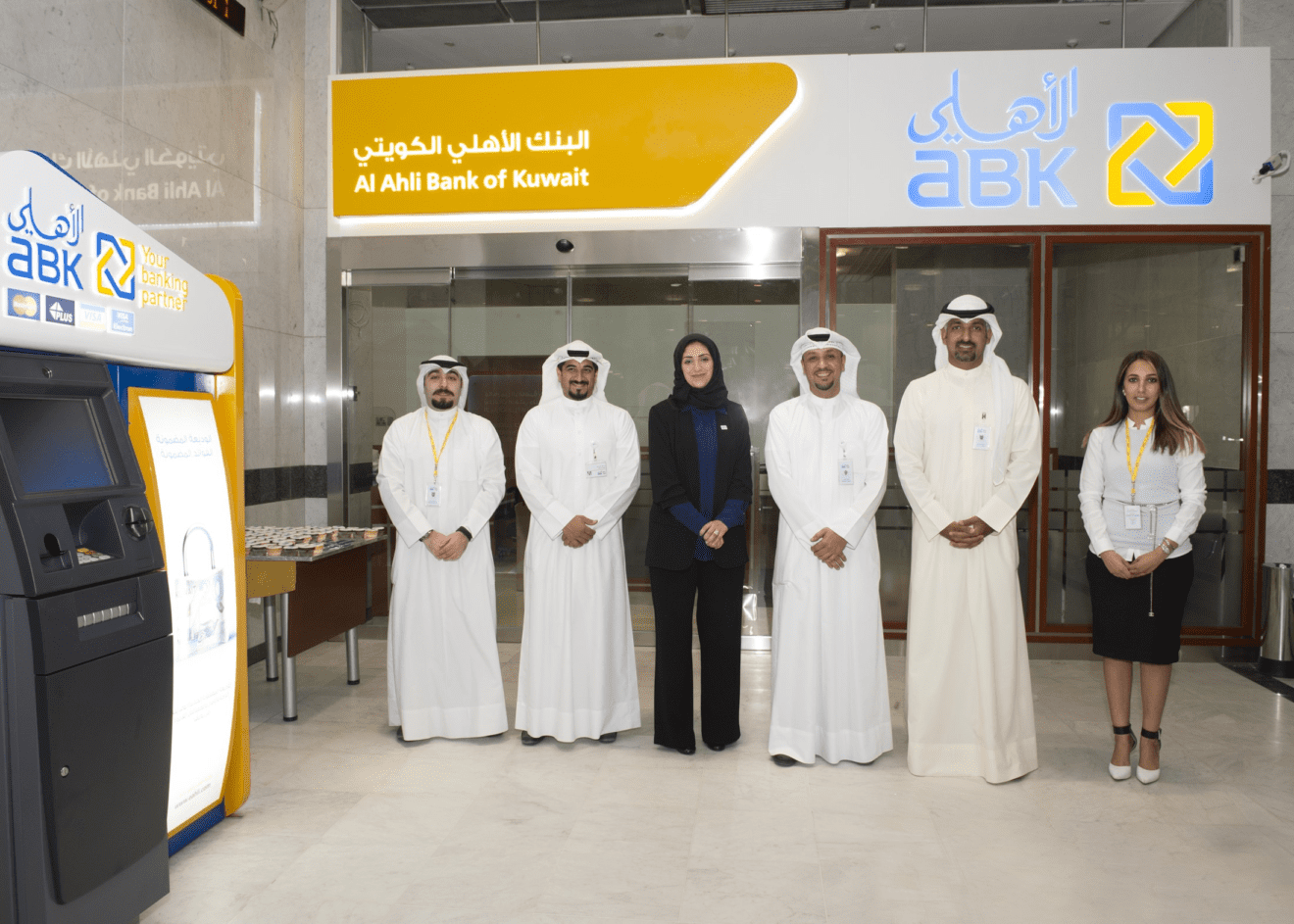
    Stewart Lockie with Retail Banking staff

    Commenting on the Bank’s achievement, Stewart Lockie, General Manager Retail Banking at ABK said, “It is an honor to be recognized as the ‘Best Retail Bank in the Middle East’ by the Asian Banker since we received the award last year for Most Improved Retail Bank. ABK made a tremendous effort throughout 2015 to make substantial enhancements and developments to its services and systems with the aim of to simplify the banking process. I would like to thank the judging committee for realizing this effort and rewarding us for it and I would also like to congratulate the Retail Banking team on this award, and thank them for their continuous hard work and diligence.”

    ABK recently deployed a series of new enhancements to its systems as part of its ‘Simpler Banking’ strategy, such as reducing ‘End to End Loan’ processing time from six days to one day and the account opening process from nine hours to six minutes. It also introduced ‘Biometric Verification’ as an enhancement to its mobile banking system, as an additional security measure, in addition to several other developments.

    The Bank will continue to build on this great success and introduce further developments and enhancements that serve to differentiate ABK‘s services and support its ‘Simpler Banking’ strategy, with focus on delivering more convenience, security and speed.

  • QNB chosen ‘Best Retail Bank in Qatar’

    QNB chosen ‘Best Retail Bank in Qatar’

    QNB has been recognised as the “Best Retail Bank in Qatar” by the Asian Banker Magazine.
    The prestigious award was received during The Asian Banker’s International Excellence in Retail Financial Services Awards 2016 ceremony held recently in Hong Kong.

    The awards ceremony was held in conjunction with The 15th Annual Excellence in Retail Financial Services Convention. It is considered an important financial event in the global retail banking agenda, where regional and global elite retail bankers can come together and enjoy unprecedented networking opportunities.

    According to The Asian Banker, QNB, a leading financial institution in the Middle East and Africa, received the “highly competitive award after successfully undergoing all the stringent valuation” for the international excellence in Retail Financial Services Programme.

    “The award is a true testament to the excellence of QNB’s retail services, given that the programme is considered the most prestigious, comprehensive and anticipated awards programme that recognises excellence amongst the world’s leading retail financial institutions as well as the undisputed performance benchmark of the best retail banks in an increasingly fierce marketplace,” QNB said.

    As a leading provider of strategic intelligence on the financial services industry, The Asian Banker facilitates awards programmes known for their rigor, impartiality and transparency.

    QNB is a previous recipient of these distinguished awards, gaining such recognitions as “Best Transaction Bank in the Middle East & Africa”, “Best Direct Bank”, “Best Cash Management Bank in Qatar”, and “Best Trade Finance Bank in Qatar”.

    QNB Group’s presence through its subsidiaries and associate companies extends to some 27 countries across three continents providing a comprehensive range of advanced products and services.
    The total number of employees is more than 15,200 operating through more than 635 locations, with an ATM network of 1,390 machines.