Retail News CRM

Tag: Banking

  • Susi Promises Banking Access for Fishermen

    Susi Promises Banking Access for Fishermen

    Marine and Fisheries Affairs Minister Susi Pudjiastuti will facilitate fishermen or ship owners who owns ships with a capacity of less than 10 gross tonnage to have access to banking services. Minister Susi said that ship owners would only need came to the Marine and Fisheries Affairs Ministry office.

    “I will establish an outpost at the Ministry’s licensing office. We will meet [fishermen] with banking institutions,” Susi said on Wednesday, October 5, 2016.

    Susi promised to help fishermen to be able to access credit facilities to get funds to replace their trawls. Susi targeted fishermen to be able to get at least Rp 200 million loan. The Minister also offered to provide a debt restructuring program for fishermen.

    Susi hoped that ship owners will take the opportunity to replace their trawls and fish with more environmentally friendly method. The Minister added that she had recently managed to help a fisherman to get a fresh loan from the bank.

    Susi said that she had contacted two state-owned banks, Bank Rakyat Indonesia, and Bank BNI, to help with the program. The Minister also expected other banks to take part in the program, which is supported by the Financial Services Authority.

    In addition, the Marine and Fisheries Affairs Ministry had asked fishermen to re-measure their ships, while Minister Susi guaranteed that there will be no illegal levy in the process.

  • Jakarta tax amnesty has little impact on banks here

    Jakarta tax amnesty has little impact on banks here

    The tax amnesty scheme in Indonesia has had a much smaller impact on funds flowing out of Singapore’s private banking industry than feared, an RHB report suggested on Tuesday.

    The funds flowing out of Singapore likely made up only 1-2 per cent of assets under management (AUM) of the private banking industry. Some 79 trillion rupiah (S$8.3 billion) was repatriated in the first nine-month phase of Jakarta’s tax amnesty programme.

    The scheme allows Indonesians to declare assets that were previously undeclared to tax authorities. In return, they paid a sharply reduced tax rate on those assets – just 2 per cent – in the first phase, which ended on Sept 30.

    The 79 trillion rupiah was 12 per cent of the assets of wealthy Indonesian clients that were declared to be kept in Singapore, according to data from the Indonesian government. Singapore has been a big draw for rich Indonesians. All in, the assets held here and declared to the Indonesian authorities made up 70 per cent of all overseas funds that had been declared.

    RHB calculated that the total assets of the three Singapore banks’ private banking segment stood at about S$321 billion. This means the amount repatriated to Indonesia from Singapore accounts for only 2.6 per cent of the three banks’ total AUM. These already exclude the asset base of the top private banks in Singapore, such as UBS, Citi, and Credit Suisse. So, all in, the impact on Singapore’s private banking industry should be about 1-2 per cent of all assets held here, RHB noted.

    “There is likely to be more repatriation of funds from Singapore to Indonesia going forward, but the experience of Phase 1 suggests that the amount repatriated is unlikely to be a large percentage of Singapore banks’ assets under management,” it said.

    This comes as the tax rate for those who repatriate their assets in Phase 2 rises to 3 per cent, one percentage point more than in Phase 1. The tax rate will be increased yet again in the third phase, Jakarta has said.

    Indonesian taxpayers had declared more than 3,600 trillion rupiahs in assets both domestically and overseas. An Indonesian tax authority quoted by The Straits Times said the country had set a 4,000 trillion rupiah target for the first phase.

    The tax amnesty scheme comes amid heightened scrutiny of tax evasion. Banks here had to file a suspicious transaction report on clients taking part in the programme, with the Singapore authorities later having to state publicly that participation in a tax amnesty scheme alone would not attract criminal investigation in Singapore. The Monetary Authority of Singapore (MAS) said that the use of suspicious transaction reports is a practice across other jurisdictions when handling tax amnesty cases.

  • Mandiri prepares syndicated loans of Rp4 trillion

    Mandiri prepares syndicated loans of Rp4 trillion

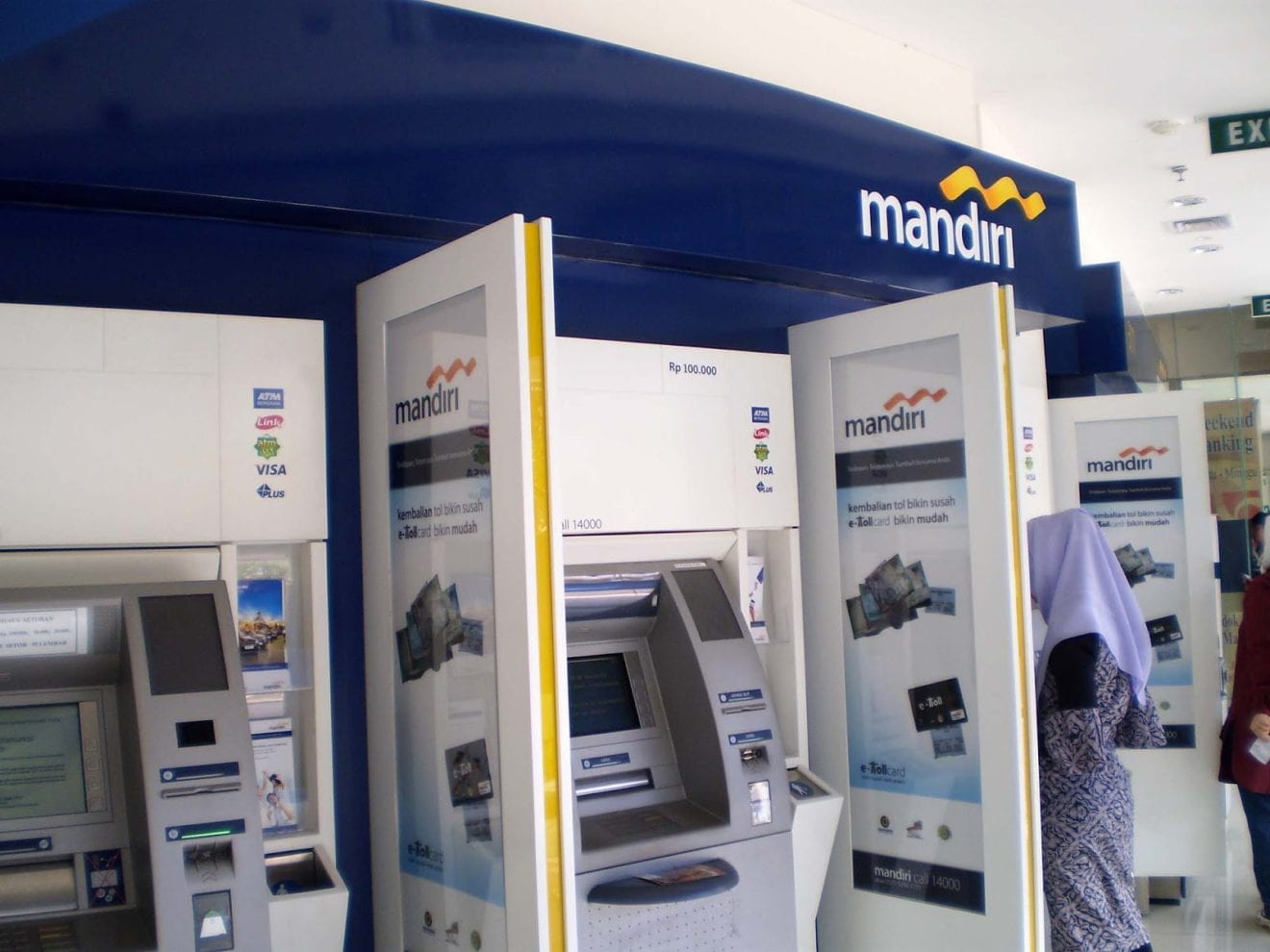
    State lender Bank Mandiri is preparing a syndicated loan of Rp4 trillion to build five airports in Indonesia in the fourth quarter of 2016, the banks corporate banking director, Royke Tumilaar, said.

    Bank Mandiri will lead the syndication of loans to state airport operator PT Angkasapura I which will develop the five airports, Royke stated here on Monday.

    “Syndicated loans worth Rp4 trillion will be extended for the purpose. The Kulonprogo airport in Yogyakarta will be among these five airports,” he added.

    The loans will be used to build new airports and expand the existing ones. The five airports include Ahmad Yani in Semarang, Syamsudin Noor in Banjarmasin and Kulonprogo in Yogyakarta. Also, the Terminal 3 at the Juanda Airport in Surabaya and Sultan Hasanuddin Airport in Makassar are to be developed with these loans.

    Other debtors that will be involved include Sarana Multi Infrastruktur (SMI), PT Bank Central Asia Tbk (BCA), PT Indonesia Infrastructure Finance (IIF) and PT Bank Rakyat Indonesia Tbk (BRI).

    Royke further syndicated loans will also be given in the fourth quarter of 2016 for the construction of toll roads in and around Jakarta.

    “We hope the process can be started in the fourth quarter of 2016, the construction of a new airport in Kulonprogo also begins by then,” he noted.

    Overall, the demand for loans to finance infrastructure development in the second semester of 2016 continued to increase, he noted.

    The state bank has also prepared loans worth Rs 20 trillion for the construction of power plants in the fourth quarter, he disclosed.

    As per the bank’s target, the credit extended to infrastructure development will grow 20 percent year on year by the end of this year.

  • Sharia Finance Sees Promising Future

    Sharia Finance Sees Promising Future

    The Financial Services Authority (OJK) says that the sharia finance still sees promising future despite the slowing down of global economic growth.

    “I’m optimistic on the promising future of the sharia finance industry. However, there will be many challenges and uncertainty,” said Sarjito, OJK Deputy Commissioner for Capital Market Supervision, Thursday, September 29, 2016.

    The challenges and uncertainty include the difficulty in expanding the business in a different jurisdiction that gets hit by local regulations and also the interpretation of sharia itself.

    Sarjito continued, the other challenge is the weak of the sharia finance management and its governance. “The last one is the lack of human resources that are competent enough and having the adequate capacity in sharia finance,” he said.

    The sharia finance industry in Indonesia has shown an unbelievable progress. Based on the report of the Indonesian Islamic Finance, the asset of the sharia finance industry has a 10% growth, and reached Rp617 billion in 2015.

    The number has exceeded the conventional finance asset’s growth. The same trend is also seen in other countries that are also developing the sharia finance.

  • Standard Chartered probed by US over Indonesia ‘bribes’

    Standard Chartered probed by US over Indonesia ‘bribes’

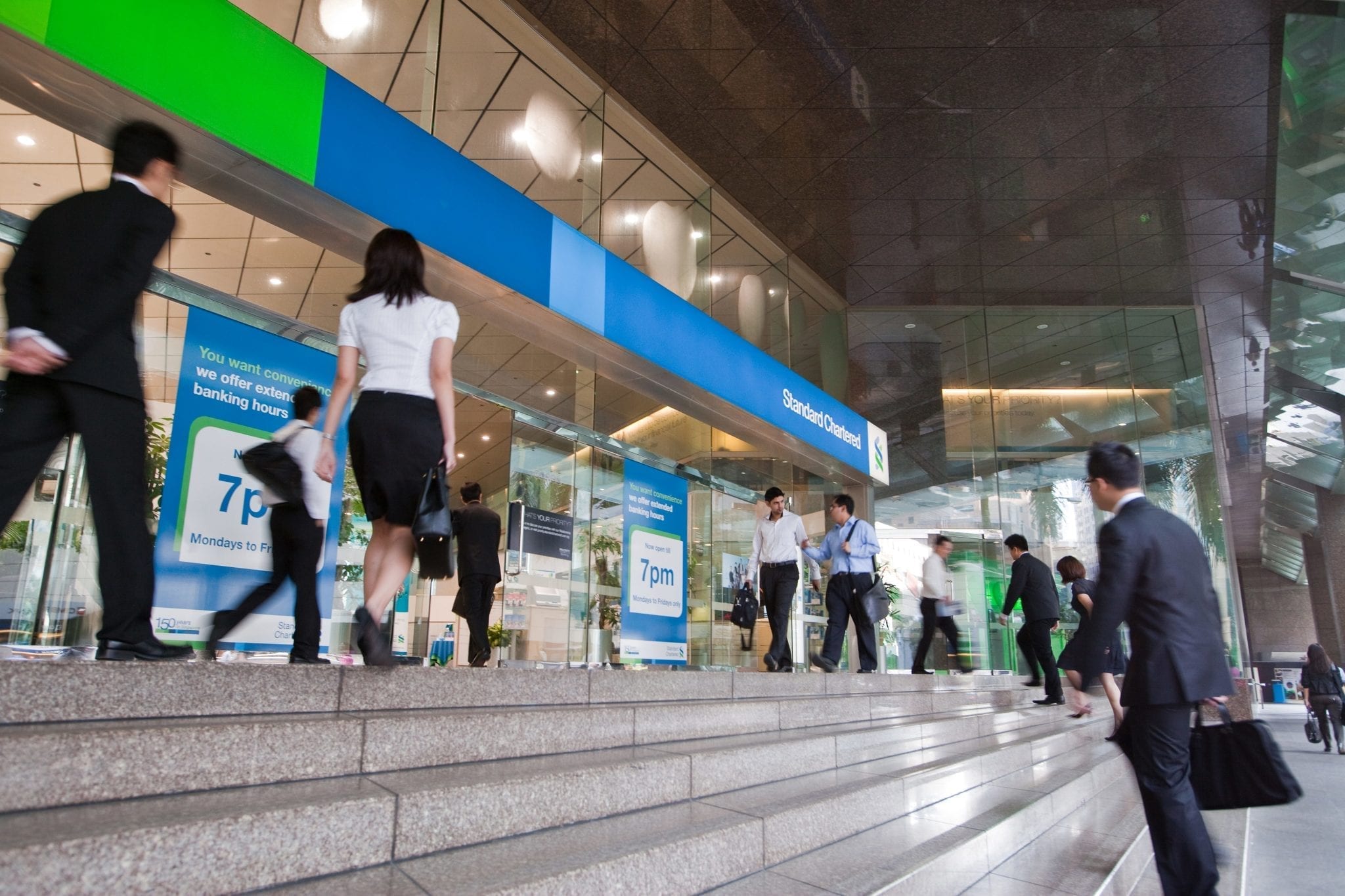
    Standard Chartered acknowledged on Tuesday (Sep 27) it was being investigated by the US Department of Justice over claims that an Indonesian subsidiary had paid bribes to secure contracts.

    The London-based, Asia-focused bank said in a statement that it had referred the matter to the “appropriate authorities” and launched its own review.

    The Wall Street Journal newspaper said that an internal audit at Indonesian energy company Maxpower Group found evidence of possible bribery and US prosecutors were examining whether Standard Chartered was culpable for not stopping it.

    “Standard Chartered takes very seriously allegations of impropriety in any of our private equity investments,” the bank told AFP in a statement when asked about the report.

    “We proactively referred this matter to the appropriate authorities and have conducted our own review.

    “When we receive allegations of improper behaviour in an investee company, we pursue those allegations vigorously and act appropriately, including sharing information and cooperating fully with government authorities and addressing any issues of internal conduct and accountability.”

    The Department of Justice did not comment when contacted by AFP.

    The Wall Street Journal said the Maxpower internal audit found that more than US$750,000 in cash advances needed to be examined as possible bribes, while lawyers who reviewed the audit found indications that employees made inappropriate payments to Indonesian government officials between 2012 and 2015.

    Standard Chartered began investing in Maxpower in 2012 and is the majority shareholder. There was no immediate comment from Maxpower.

    But a source close to the case told AFP the US authorities were indeed examining whether Standard Chartered, via its representatives on the Maxpower board, was aware of alleged bribes to win government contracts.

    The investigation would also look at why the bank’s alert procedures for spotting such matters had not been triggered.

    But the probe will focus on whether Standard Chartered has violated the terms of its 2012 deferred prosecution agreements with the Department of Justice.

    Standard Chartered paid US$667 million in 2012 to settle charges it violated US sanctions by handling thousands of money transactions involving Iran, Myanmar, Libya and Sudan.

    In August 2014, the bank was hit by US regulators with a US$300 million fine and restrictions on its dollar-clearing business for failing to detect possible money-laundering.

  • Bank of Bhutan to Start Accepting JCB Card

    Bank of Bhutan to Start Accepting JCB Card

    JCB International Co., Ltd. (JCBI), international operations subsidiary of JCB Co., Ltd., and Bank of Bhutan Ltd. (BOBL), the first and largest scale commercial bank in Bhutan, today announced that BOBL started accepting JCB cards at the bank’s merchants.

    Bhutan is popular destination for people in Asia Pacific. According to Tourism Council of Bhutan, over 150,000 travelers visited the country in 2015, which has more than tripled over the past 5 years. Most of the travelers are from regional countries in Asia, where JCBI focuses on for its business. BOBL, established in 1968, is the first bank of the country and currently has about 45 branches throughout Bhutan. With this launch, JCB cards are accepted at more than 480 locations and it covers 90% of POS terminals and ATMs in the market.

    JCBI Deputy President Kimihisa Imada said, “This year is the 30th anniversary of the establishment of diplomatic relations between Bhutan and Japan and it is my pleasure to announce the launch of business cooperation of BOBL and JCB in such a historic year. South Asia is an emerging market and Bhutan is located in the middle of East Asia, Southeast Asia, and South Asia. Through the bank’s nationwide merchant network, we can meet JCB cardmember demand while travelling and sightseeing in Bhutan, especially cardmembers from neighbor countries, such as China, Bangladesh, and Thailand, which have about 13 million cardmembers.”

    Pema N Nadik, Chief Executive Officer of BOBL, said, “The introduction of JCB card acceptance has been long awaited given the popularity of Bhutan as a destination for Japanese travelers. With JCB cards now being accepted in Bhutan through the network of Bank of Bhutan’s ATM and POS terminals, visitors holding JCB cards have the option of making payments securely through this payment channel.”

  • DBS to offer digibank service in Indonesia

    DBS to offer digibank service in Indonesia

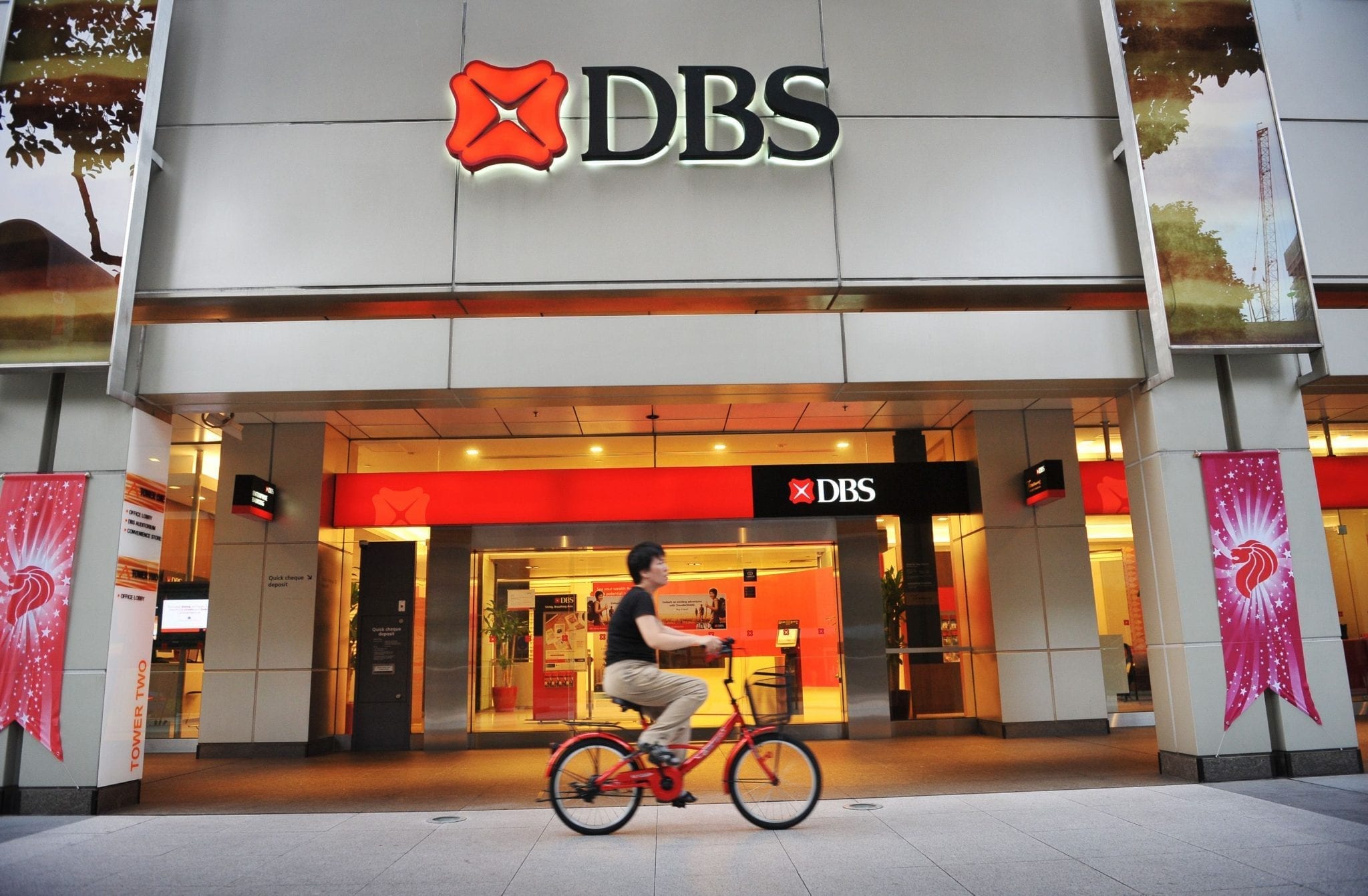
    DBS Bank plans to launch a mobile-only banking service in Indonesia by the end of the year.

    DBS Group chief executive Piyush Gupta told the Sweden-Southeast Asia Business Summit on Wednesday that the bank is targeting Indonesia to capitalise on the young, tech-savvy consumers among its 260 million population.

    “Indonesia is an important market with its size and scale, and the economic reforms taking place in the country,” he said. “There is great potential for business as we see a pickup in the country’s economy under the leadership of President Joko Widodo.”

    DBS’s digibank offering, which includes an e-wallet and a savings account, will be available to customers in addition to its consumer and corporate banking services at its 34 branches in 13 Indonesian cities. DBS opened its first branch in Indonesia – an outlet in Jakarta – in 1989.

    DBS hopes to replicate the success it is seeing in India since it started its digibank service there in April – the first mobile-only banking facility in the sub-continent, said a DBS spokesman.

    The service has attracted more than 250,000 new clients in the first four months of its operation.

    A digibank account can be opened in India with just a 12-digit Aadhaar number, which provides a unique biometric identification for all resident Indian citizens.

    More than a billion Indians have been issued with Aadhaar cards by the government. With over 200 million smartphone users in the country, the market for digibank is huge.

    The service’s e-wallet can be used for making payments, including telephone and electricity bills. Customers can also use a Visa virtual debit card to shop at over 100,000 online merchants.

    “While we continue to invest in growing our existing network in India, we also believe that with the digital revolution, the future of banking will be very different,” said the spokesman.

    “Increasingly, many customers want to be able to do their banking digitally and on the go. A successful digital banking strategy will meet changing customer needs, while enabling us to accelerate our reach in large geographies without the need for a large brick-and-mortar footprint.”

    Indonesian clients will be able to use their biometric national identity card to open digibank accounts.

    DBS said it intends to launch digibank in other markets after its introduction in Indonesia.

  • Korean bank deploys optical encryption from Ciena

    Korean bank deploys optical encryption from Ciena

    KB Kookmin Bank, Korea’s largest financial institution, is deploying Ciena’s encryption capabilities for secure, high-capacity data centre interconnect (DCI), in a bid to better protect customer data.

    The encryption solution protects KB Kookmin Bank’s data transmissions from its offices and enables secure data centre interconnect (DCI) between its data centers.

    Several security solutions exist to protect data at-rest that secure servers, databases, routers, and switches by managing user access and credentialing. However, large amounts of critical data are in-flight and transported beyond the walls of the data center, traversing a larger, wide area network. Ciena’s optical-layer encryption solution gives KB Kookmin Bank an additional level of protection and protects data in flight as it leaves the private cloud and is transported between locations and data centers. Ciena’s solution adheres to local and international regulations and legislations, including the Federal Information Processing Standard (FIPS) 140-2 encryption certification.

    Additionally, Ciena’s software-based MyCryptoTool gives KB Kookmin Bank a dedicated management user portal that allows end-users to remotely control all of the security parameters associated with their encrypted services.

    “We are committed to providing the best possible service to our customers, which includes data protection and security. Ciena’s optical encryption solution provides an extra layer of protection and gives our customers the confidence to know their personal information is safe,” said Kim Ki-Hyun, CIO of KB Kookmin Bank.

  • Indonesia Banking Award Winners Announced

    Indonesia Banking Award Winners Announced

    Tempo Media Group, in collaboration with the Indonesia Banking School, held the annual Indonesia Banking Award (IBA) to recognize Indonesian banks with the best performance in 2015.

    The IBA this year featured an award for the best bank in remuneration and a new award for a sharia business unit. Banks with the best performance in Indonesia were given awards in six categories, namely the most efficient bank, the most reliable bank, diversity of the board, the best bank in retail banking services, the best bank in productivity, and the best sharia business unit.

    The most reliable bank award in the national conventional bank category with a total asset of above Rp 100 trillion (US$7.6 billion) was given to Bank Central Asia (BCA), Bank Rakyat Indonesia (BRI), Bank Negara Indonesia (BNI) and Bank Mandiri. For conventional banks with a total asset value of Rp 50 trillion (US$3.8 billion)-Rp 100 trillion, the award was given to OCBC NISP and Bank BTPN. In the sharia bank category, the award was granted to BRI Syariah, Syariah Bukopin and BNI Syariah.

    The best bank in productivity award for conventional banks went to Panin Bank, Bank Jasa Jakarta, KEB Bank Hana, and regional development banks (BPD), i.e. Bank Jatim, Bank Sulteng, and Bank BJB.

    The best sharia business unit award went to BPD commercial banks, namely Bank Kalbarl, BPD DIY, Bank NTB, and Bank Jambi. In the non-BPD category, the award was given to Maybank Indonesia, CIMB Niaga, OCBC NISP, and Bank BTN. In addition, the diversity of the board award went to Bank Mandiri, BNI, and BCA.

    The most efficient bank went to BPDs with a total asset value of above Rp30 trillion (US$2.3 billion), namely Bank Jateng, bank Jatim, and Bank BJB. The award for BPDs with a total asset value of Rp10 trillion (US$769 million)-Rp30 trillion went to Bank Kalbar, Bank SulSelBar, Bank Aceh, Bank Papua, and Bank BPD Bali. In the category of BPD with a total asset of below Rp 10 trillion, the award was won by BPD DIY, Bank Lampung, Bank Sulteng, Bank NTT, and Bank Sultra.

    Conventional banks with a total asset value of above Rp 100 trillion granted with the best bank in retail banking services award were Bank Mandiri, BCA, BNI, BRI and Danamon. For conventional banks with a total asset value of Rp 50 trillion-Rp 100 trillion, the award went to OCBC, NISP and Bank BTPN.

    Bank Jatim, Bank Jateng and Bank BJB bagged the Best Bank in Retail banking services award in the category of BPDs with a total asset value of above Rp 30 trillion. In the category of BPDs with a total asset value of Rp 10 trillion-Rp 30 trillion, the award went Bank Riau Kepri, Bank Nagari, and Bank Sulselbar. In the category of BPDs with a total asset value of below Rp 10 trillion, Bank Maluku, Bank NTB and Bank Sulteng had been awarded with the title.

    The IBA was held at Hotel JS Luwansa in Kuningan, Jakarta, on Wednesday, September 7, 2016. Attending the event was Financial Services Authority (OJK) deputy chairman Nelson Tampubolon, Deposit Insurance Corporation (LPS) executive director, Bank Indonesia (BI) deputy governor Hendar Harahap, and Tempo Media Group president director Bambang Harimurti.

  • SCB Easy Application on the Fritz Pending Upgrade

    SCB Easy Application on the Fritz Pending Upgrade

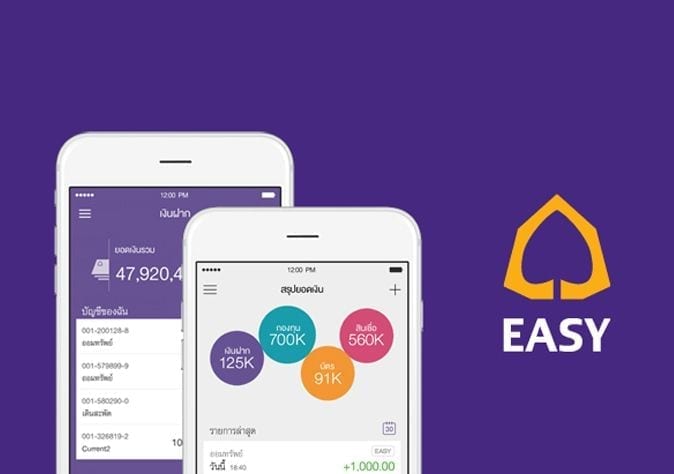
    Customers of Siam Commercial Bank (SCB) might have recently found out the hard way that the SCB Easy App is on the fritz and hasn’t been working as properly as it should’ve been.

    SCB has already suspended the service of the app yesterday, in order to be able to properly update the system.

    According to SCB, the disruption of service was due to the increased use of system for financial transactions. However, the app will hopefully be up and running again by Sept. 10 after the system upgrade.

    Customers, fortunately, are still able to use the bank’s services through other channels, including their website: www.scbeasy.com

  • Bank Indonesia still has chance to slacken its monetary policy

    Bank Indonesia still has chance to slacken its monetary policy

    Bank Indonesia (BI) Governor Agus Martowardojo said the central bank still likely has a chance to relax its monetary policy in the second half of this year.

    “Seeing the condition in August, we can say that there is still a chance to slacken monetary policy but whether it will be carried out next September or October will depend on the data” the central bank governor said in Jakarta on Wednesday.

    BIs board of governors meeting on August 18-19 decided to maintain its 7-Day Reverse Repo Rate (BI 7-day RR Rate) at 5.25 percent with a deposit facility (DF) interest rate of 4.5 percent and lending facility (LF) being lowered by 100 basis points from 7.0 percent to 6.0 percent.

    BI began introducing the 7-Day RR Rate last April. At the BIs board of governors meeting on April 21, 2016, the BI Rate was fixed at 6.75 percent and the BI Repo Rate at 5.50

    Besides this, the BI also maintained a symmetrical and narrow interest rate corridor where the lower limit of DF Rate is set 75 basis points below the 7-Day RR rate and the upper limit of LF Rate is set 75 basis points above the 7-Day RR Rate.

    The decision is in line with the efforts to maintain the macroeconomic stability by continuously preserving the momentum of domestic economic growth amid weakening global economic performance.

    With macroeconomic stability, controlled inflation at targeted range, good current transaction deficit and stable currency rate, room for monetary relaxation is still open.

    The BI also continues to take abreast of short-term domestic global economic development, particularly the possibility for the Fed to raise its Fund Rate. “We wilL see it in September there will be flight to quality with regard to reports on the improvement of the United States economy.”

  • RHB Bank to assess opportunities in Indonesia

    RHB Bank to assess opportunities in Indonesia

    RHB Bank Bhd, which saw its bid to acquire a stake in Indonesia’s PT Bank Mestika Dharma Tbk fall through, is optimistic about the prospects in that country and and will assess the opportunities.

    Group Managing Director, Datuk Khairussaleh Ramli, said the Indonesian market was good with banks recording stronger credit growth and higher return on equity compared to Malaysia’s.

    It has been reported that, on average, an Indonesian bank’s return on investment was between 15% and 20% compared with Malaysia’s 9) and 11%.

    “(However) at this point there is nothing on the table for us to look at and when it does we will have to evaluate the opportunity,” he said after announcing RHB Bank’s first-half 2016 financial results here on Wednesday.

    He said the recent bilateral agreement signed between Indonesia Financial Services Authority (IFSA) and Bank Negara Malaysia would pave the way for banks to have greater access in both countries.

    In 2009, RHB Bank, which was then the banking unit of RHB Capital Bhd had, proposed to acquire 80 per cent of PT. Bank Mestika Dharma Tbk for RM1.16 billion but IFSA’s move to limit the foreign ownership to 40 per cent emerged as a stumbling block for the deal to be signed.

    The second bid to acquire a 40% stake, also fell through after RHB Capital did not get the Indonesian authorities’ approval before the deadline of the sales and purchase agreement on June 30, 2014.

    Also under its own corporate exercise, on April 14, 2016, RHB Bank emerged as the new group’s holding company and it was listed on Bursa Securities on June 28, 2016.

    For the first half-year ended June 30, 2016, its pre-tax profit fell by 12.7% to RM1.22bil due to a one-off impairment on a corporate bond in Singapore. For the first-half of 2015, it reported a pre-tax profit of RM1.40bil.

    Revenue for the six months of 2016, however, rose to RM5.42bil from RM5.37bil.

    Khairussaleh said the financial market would remain challenging due to the macro-economic uncertainties in most parts of the world.

    “The risks of external demands and softer consumer sentiments are expected to moderate Malaysias gross domestic product growth in 2016 to 4% from 5% last year.

    “The banking sector growth too is expected to remain modest, attributable to a deceleration in corporate loans market and ongoing consolidation of household loans sector,” he said.

    He said although the bank’s performance in the second quarter was affected by one large impairment on securities, RHB was on track to achieve its long-term objectives set under the reframed strategy of focusing on performance.

    For the second quarter ended June 30, 2016, pre-tax profit stood at RM469.33mil, down from RM724.9mil a year ago. Revenue increased to RM2.68bil from RM2.65bil previously.

    “The group will stay on course in executing the various initiatives under its transformation programme, while continuing to be vigilant amid a challenging macro environment and volatility in the market place,” he said.

  • Indonesia launches master plan to breathe new life into Islamic finance sector

    Indonesia launches master plan to breathe new life into Islamic finance sector

    The Indonesian government has launched a national master plan to develop its Islamic finance industry, the latest effort aimed at awakening what is still a niche sector in the world’s most populous Muslim country, Reuters news service reported.

    Islamic finance was introduced in Southeast Asia’s largest economy more than two decades ago but it has managed only modest gains in the country of 250 million, despite multiple regulatory efforts and grassroots initiatives.

    Indonesian Islamic banks hold roughly 5 percent of total banking assets, compared with more than 20 percent in neighbouring Malaysia and about a third of total banking assets in several Gulf countries. The government aims to drive its planned breakthrough via a range of initiatives, from mobilising Islamic charitable funds to modernising investments made by Indonesia’s pilgrims’ fund.

    “This could finally awaken Islamic finance in Indonesia to allow the country to claim its true potential,” managing director of IFAAS Farrukh Raza said, an Islamic finance consultancy which designed the 10-year master plan. “We found that government efforts are very comprehensive but also very scattered. Regulations are there but there is no coordination, promotion is fragmented and those expenses are not always bearing fruit.”

    The initiatives include a government policy to increase use of Islamic bonds, or sukuk, by issuing debt instruments related to infrastructure development, agriculture and education. Under the policy, the government would increase its use of Islamic debt instruments to as much as 50 per cent of total issuance in 10 years time, Raza said.

    Currently, Islamic instruments represent around 13 percent of total outstanding government debt, according to Thomson Reuters data. Indonesia’s pilgrims’ fund would also see the establishment of a dedicated asset management arm to implement a more rigorous investment policy and attract external fund managers.

    The fund receives an estimated $800 million every year from Indonesians wishing to make the Hajj pilgrimage to Saudi Arabia, with new applicants facing a quota backlog of around 15 years, Raza said. “The industry is overconcentrated in retail but there is little in terms of wholesale banking. That is one of the big show-stoppers,” said Raza.

    The establishment of a national coordination committee, possibly chaired by Indonesia’s President Jokowi, Raza said, would help ensure implementation of longer-term objectives, potentially seeing Islamic finance take as much as a 20 per cent share of the financial sector in 10 years time. An additional layer of more complex measures, such as the merger of several state-owned Islamic banks, could help raise that figure to 30 per cent, Raza added.

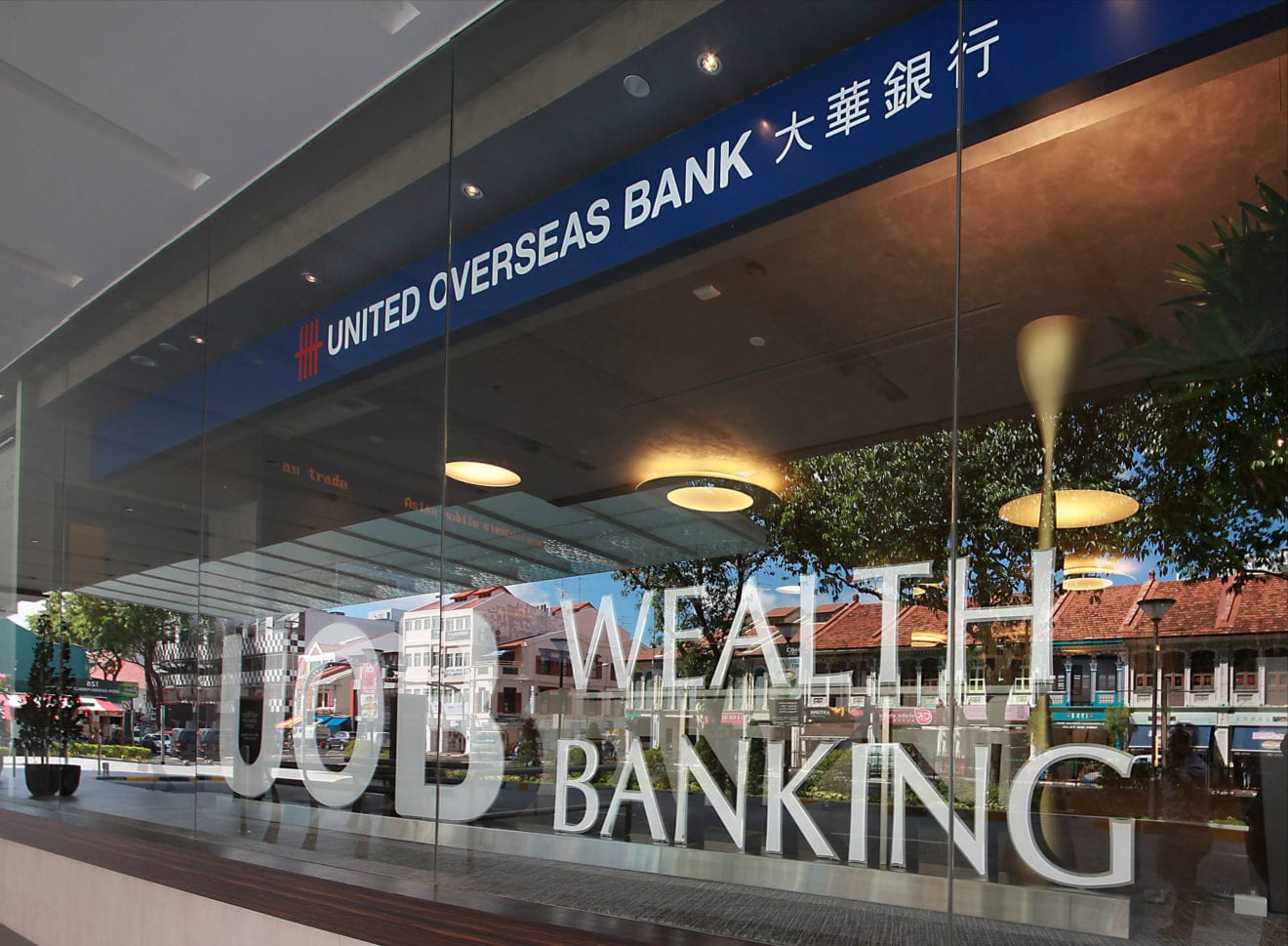
  • UOB Indonesia and ITB join up to train SME bankers

    UOB Indonesia and ITB join up to train SME bankers

    UOB Indonesia and Bandung Institute of Technology (ITB) have joined forces to educate bankers with small and medium-sized enterprises (SMEs), a banker from UOB Indonesia has said.

    “A lot of these SMEs don’t have the right networks for distributors and suppliers and bookkeeping is essential,” UOB Indonesia business banking head Lawrence Loh said in Jakarta on Friday.

    The program, called the SME Bankers’ Executive Certification Program, was launched in March and already has 23 graduates, Loh said.

    The collaboration between the two institutions will inaugurate five new SME business centers in several cities across Indonesia such as Jakarta, Semarang and Surabaya next year, ITB school of business and management consultancy director Leo Aldianto said.

    “We have to help small businesses upgrade their level to medium,” Leo said.

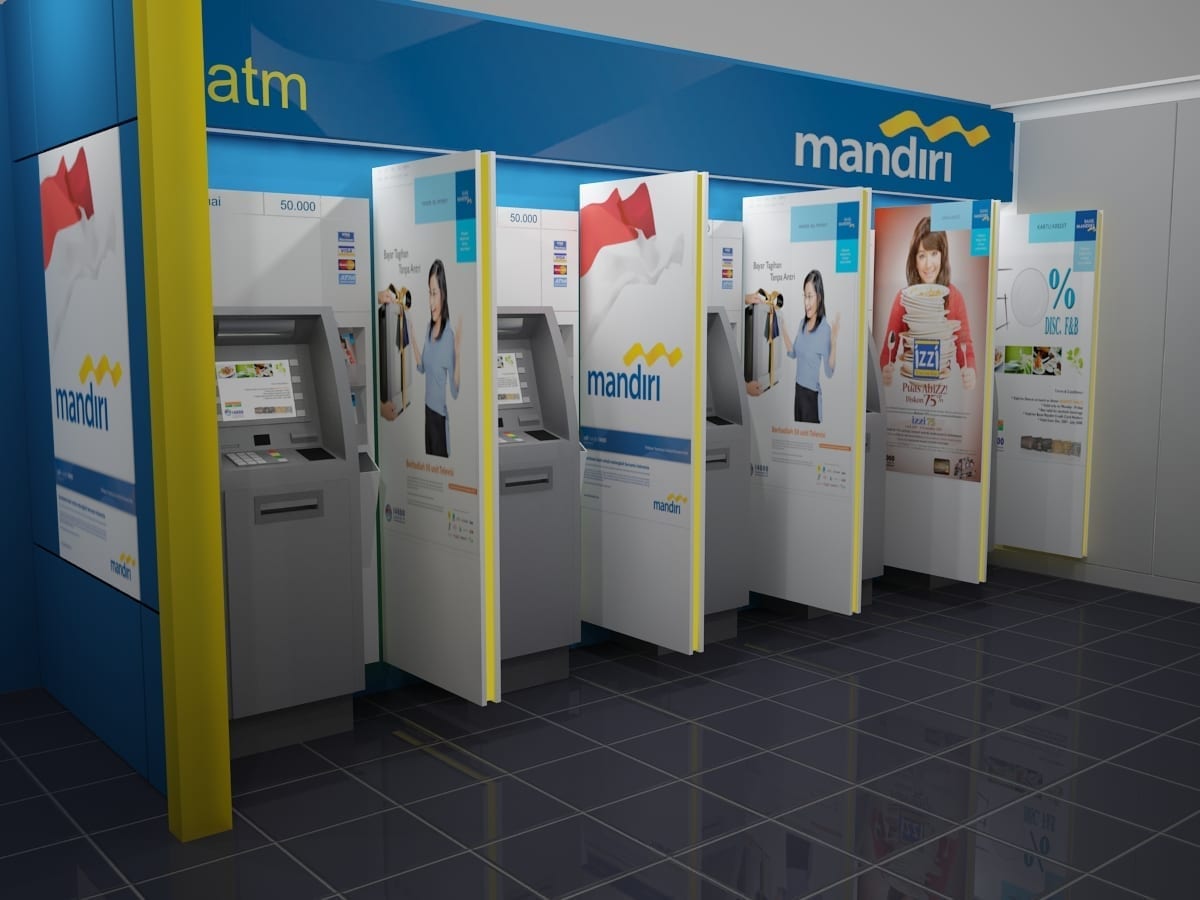
  • Bank Mandiri to grow Malaysian operations

    Bank Mandiri to grow Malaysian operations

    PT Bank Mandiri Tbk, Indonesia’s largest bank by assets, could soon operate here with full banking rights.

    The move comes after financial authorities from Indonesia and Malaysia signed a bilateral agreement earlier this week, allowing greater access to lenders from both countries to fully operate in the respective jurisdictions.

    Bank Mandiri would pay RM100mil (US$24.6mil) to Malaysia’s central bank as soon as possible and meet the capital requirement of RM300mil by the end of this year so that it could operate soon after the permit is issued by Bank Negara.

    Bank Mandiri currently operates in Malaysia under the licence of remittance office. It has five remittance offices in the country that focus on revenue generated from Indonesians working here.

    Papers in Jakarta reported that the bank planned to immediately apply for a full licence in Malaysia, following the bilateral agreement.

    To recap, the Malaysian authorities had issued a commercial banking licence to five foreign banks, including Bank Mandiri, in 2009-2010 in line with the country’s liberalisation of the financial services sector. Apart form Bank Mandiri, the other recipients were Sumitomo Mitsui Banking Corp of Japan, National Bank of Abu Dhabi and BNP Paribas SA, France, and Mizuho Corporate Bank.

    However, Bank Mandiri’s expansion into the Malaysian market had met with little success because the requirements for the full banking status set by Bank Negara were “too restrictive”, reports had indicated. It was previously quoted as saying that Bank Negara had not responded to its requests for a degree of leeway.

    Foreign banks, under Bank Negara’s funding guidelines, must have a minimum capital, unimpaired by losses, of RM300mil.

    Based on earlier Indonesian news reports, Bank Mandiri was adamant that the amount be lowered to RM100mil.

    The reports also stated that Bank Mandiri was not too happy with the other conditions set by Bank Negara, which included the number of branches and automated teller machines allowed to be opened by foreign banks.

    A main complaint among Bank Mandiri and other Indonesian lenders wanting to open their branches in Malaysia is the “inequality of access” in the two markets. The Indonesian Government had been demanding Malaysia reciprocate the banking freedom its banks enjoy in Indonesia.

    Two Malaysian banks that had established a significant presence in Indonesia are CIMB Group Holdings Bhd and Malayan Banking Bhd (Maybank).

    CIMB Group owns 97.9% of PT Bank CIMB Niaga Tbk, which is Indonesia’s fifth-largest bank by assets. Maybank, meanwhile, operates in Indonesia via 80%-owned PT Bank Maybank Indonesia Tbk.