Retail News CRM

Tag: Banking

  • Security is key for mobile wallet adoption in Thailand

    Security is key for mobile wallet adoption in Thailand

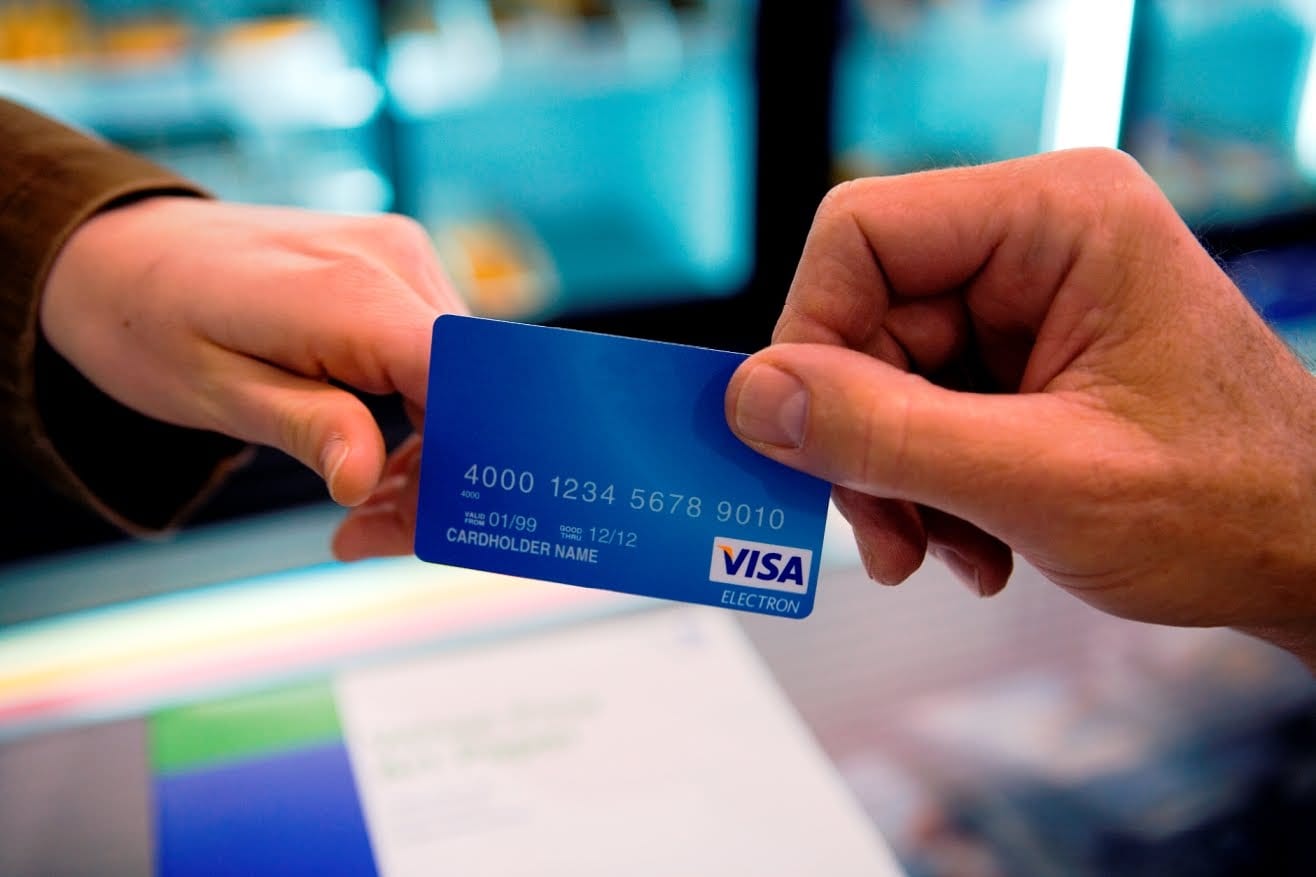
    Whether paying with contactless cards or mobile wallets, Thais prioritize security over convenience and are more likely to use contactless payment methods when they know strong security measures are in place, according to a recent study conducted by Visa.

    The Visa Mobile Wallet and Contactless Study found that the majority of Thais (82 percent) believe security is more important than convenience when it comes to mobile and contactless payments.[1] With accelerated growth in financial technology (FinTech), public and private sectors are grappling with ways to increase consumer confidence in electronic payments, particularly when it comes to transactions carried out on mobile devices.

    The average Thai spends around 160 minutes a day on their mobile devices.[2] By the end of 2016, it is estimated that around 20 million people will own smartphones in Thailand, a figure expected to rise to 24.8 million by 2019.[3] Although internet access and mobile device ownership among Thais are on the rise, uptake of mobile financial services has been gradual, partly due to Thai consumers being unaware of advancements in cyber security, and technology. 

    Suripong Tantiyanon, Visa Country Manager, Thailand said: “Based on our study, the more secure the mobile payment experience is, the more willing Thai consumers will be to use it. We’re confident this cautious yet optimistic attitude, coupled with Visa’s multilayered approach to security, will drive the uptake of mobile transactions in Thailand.” 

    The Visa study, independently conducted by YouGov on behalf of Visa, examines Thais’ attitudes towards mobile and contactless payments alongside those of other Southeast Asian markets, namely Singapore and Malaysia. It finds that the three biggest fears in mobile wallet security are hacking of mobile phone (73 percent), theft of mobile phone (65 percent) and getting charged for unintended purchases (63 percent). 

    “Among the respondents, only 39 percent said they would consider using third-party mobile wallets. But within this particular group of potential adopters 74 percent are already aware of how encrypted tokens eliminate the risk of personal data theft,” added Mr. Suripong.

    Visa Token Service (VTS) ensures mobile and contactless payments are secure as well as convenient. VTS replaces cardholder information, such as account numbers and expiration dates, with a unique digital identifier (a “token”) that can be used for payment, via a user’s mobile wallet, without exposing the cardholders’ more sensitive account information.

    Tokenization hides consumers’ confidential account information during digital transactions, making digital payments more secure. According to the study, approximately 55 percent of Thais are familiar with VTS, with awareness highest among those that are also familiar with mobile wallet technology.

    Just under half of Thais (46 percent) believe paying with a mobile device is as safe as with physical cards; a figure likely to increase in the future, as people become more familiar with advancements in Visa’s mobile payment systems. 

    Three in five Thais (61 percent) believe that one day they will no longer need to carry a card or cash and will instead be able to use their mobile wallets for everyday spending.

    “Once Thais become familiar with innovative security measures, such as encrypted tokens, they are much more likely to use mobile and contactless payments more regularly,” said Mr. Suripong.
  • LANDBANK introduces mobile lending for medicines

    LANDBANK introduces mobile lending for medicines

    The Land Bank of the Philippines (LANDBANK) has introduced a new mobile lending program for the purchase of essential drugs.

    LANDBANK, a  government financial institution, has teamed up with branded generic drugs company RiteMed to expand the use of its electronic salary loans program.

    The LANDBANK Mobile Loan Saver (LMLS) launched in September 2014 and has since gained a large following among government employees, farmers and fishers, small and medium enterprises, overseas Filipinos and private sector employees.

    Under LMLS, customers can easily apply for a loan using their mobile phone and get quick credit decision from LANDBANK regarding their application. As of August 2016, total loans released under LMLS amounted to over 12 billion pesos.

    The RiteMed partnership will allow loan borrowers to allocate a portion of their approved net loan proceeds for the purchase of medicines. RiteMed will also make available a range of maintenance medicines at discounted prices.

    Medicines ordered via LMLS will be delivered for free in sealed packs to the concerned government agency or company office where the borrower is employed, within a week from the time of loan approval and release.

    “We understand the financial burden of high medicine costs on many Filipinos, which is why through this initiative, we hope to provide LMLS borrowers with access to affordable and quality medicines. This is yet another showcase of the endless possibilities in terms of financial technology and digital lending, especially as we hope to reach out and provide financial and other services to more Filipinos across the country,” said LANDBANK Officer-in-Charge and Executive Vice President Cecilia C. Borromeo.

    Started as an initiative in response to the Philippine government’s call for private companies to reduce the prices of essential drugs, RiteMed started manufacturing and marketing 20 off-patent, low-cost essential drugs that were 20% to 70% cheaper than their equivalent counterparts in 2002.

    Today, its product has grown to include almost 200 medicines for diabetes, hypertension, high cholesterol, infection, pain, kidney, gastro-intestinal, asthma and allergy, cough and colds and vitamins.

    Vincent Patrick Guerrero, general manager of RiteMed, said in a media statement that the company is optimistic that with the technology behind LMLS and the nationwide network of LANDBANK, they would be able to fulfill the objective of RiteMed to provide access to quality healthcare for all Filipinos.

  • OCBC adds Siri, iMessage support to Pay Anyone

    OCBC adds Siri, iMessage support to Pay Anyone

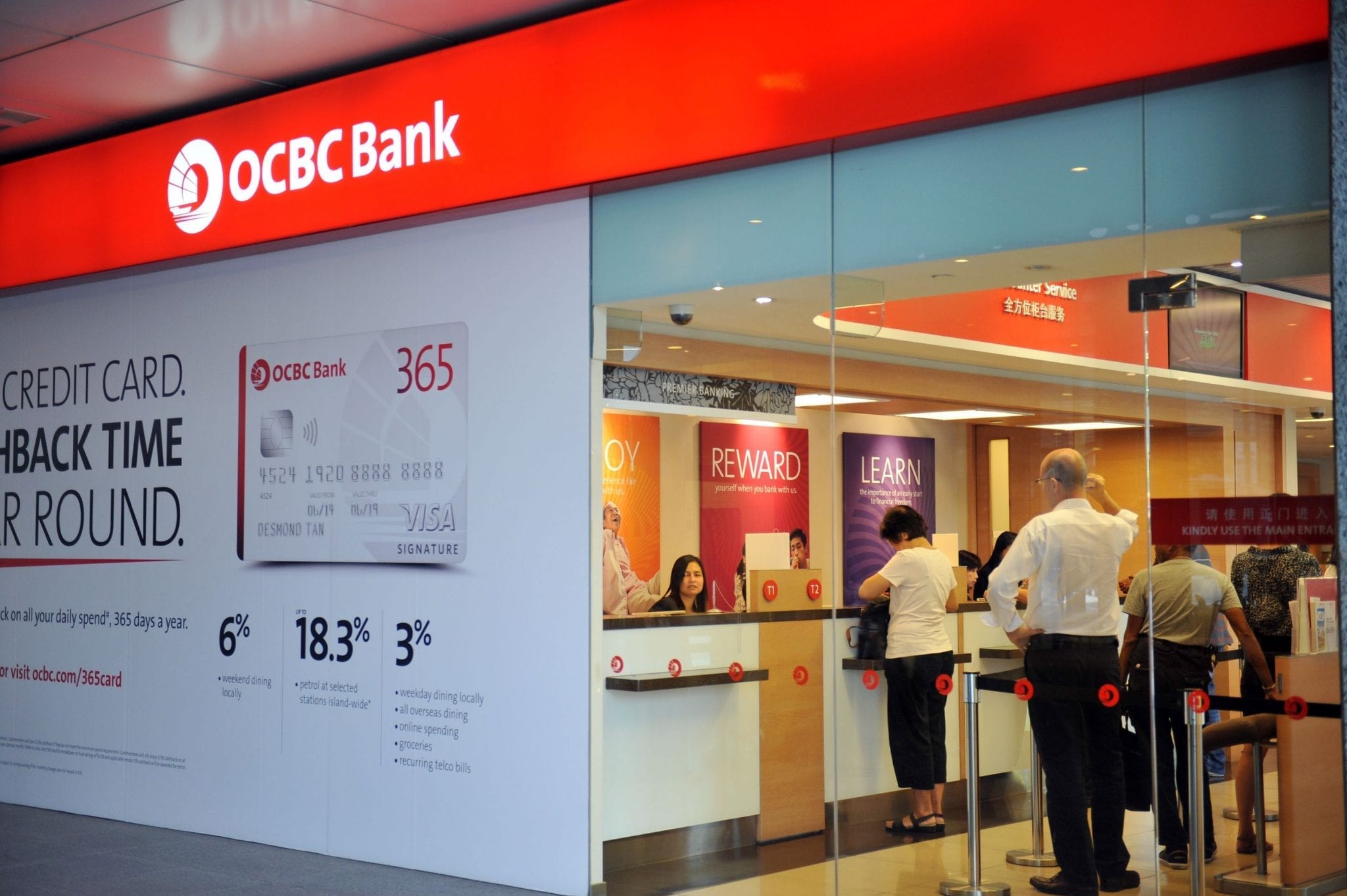
    OCBC Bank has integrated its Pay Anyone e-payment service with Siri and iMessage to enable peer-to-peer payments supported by voice and messaging technology

    OCBC has enabled payment commands on its mobile banking app to be facilitated via Apple’s Siri or iMessage.

    Users can now issue a voice command to Siri, Apple’s virtual assistant, specifying the payee and payment amount to make payments. Customers can also send money to others via iMessage, Apple’s messaging platform.

    The Siri and iMessage services for OCBC Pay Anyone, the payment service within OCBC’s mobile banking app, are available to all OCBC Bank customers using iPhone devices running the iOS10 software and the latest OCBC Mobile Banking app. Payments are authenticated by the customer using their mobile banking credentials.

    To send money using Siri, users need to instruct Siri with a voice command indicating whom from their contact list to send money to, and the amount to send. Upon making this request, the Siri interface will pop up on the iPhone, asking the user to confirm the payment details. Once the payment details are confirmed, the user will be guided to complete the transfer using OCBC Pay Anyone.

    Additionally, users can choose to send money via iMessage while texting their friends, without leaving the conversation by closing the messaging app or opening another app. Within the iMessage conversation screen, users can choose the OCBC Pay Anyone iMessage app to initiate payment directly to the person they are chatting with.

    The app automatically populates the recipient’s name, and the user just needs to indicate the amount to send and complete the transaction with OCBC Pay Anyone. Once the money is sent, the OCBC Pay Anyone app will close and the user can resume chatting within the same iMessage window.

  • Ant Financial announces global blueprint for digital financial inclusion

    Ant Financial announces global blueprint for digital financial inclusion

    Ant Financial Services Group (“Ant Financial”, or the “Company”), one of the world’s leading digital financial services providers, today announced its global blueprint for promoting digital financial inclusion, and a strategic agreement with Ascend Money, the leading fintech company in Thailand. Under the agreement Ant Financial will invest in Ascend Money, which aims to accelerate the growth of a leading mobile lifestyle and digital financial services platform in Thailand and support its growth in SE Asia.

    Together with Ant Financial, Ascend Money will grow its online and offline payment and financial services ecosystem and strengthen its trusted and convenient payment services for users and merchants. The deal represents Ant Financial’s firstever investment in a Thailandbased company and demonstrates the Company’s confidence in the financial services sector in Southeast Asia. With this partnership Ant Financial, which also runs Alipay – the largest mobile lifestyle and payment app in China and beyond with over 450 million users – will provide Ascend Money with strategic and technical support for the growth of its business.

    Leveraging Ant Financial’s capabilities in payment, Big Data, risk control and cloud computing capabilities, the partnership with Ascend Money will build on synergies in digital financial services in order to offer Thai consumers comprehensive and equal access to financial services. Ascend Money is Ant Financial’s first partner in Southeast Asia and second globally after Paytm in India, as the Company aims to “bring small and beautiful changes to the world”.

    “Imagination, innovation and information are key to realizing Ant Financial’s goal of promoting equal access to financial services on a global platform,” Eric Jing, CEO of Ant Financial, said. “As we aim to provide services to over two billion users in ten years, we are building an open ecosystem with our global partners. The payment market in SE Asia has vast untapped potential and we are dedicated to contributing our share to bring a greater variety of convenient and reliable financial services to small and micro enterprises and individual consumers. Ascend Money, as a leader in Thailand, is best equipped to build an innovative financial ecosystem in the country.

    “Ascend Money’s mission is to enable everyone access to innovative financial services, leading to better lives,” said Suphachai Chearavanont, Chairman of Ascend Group. “The shared vision of financial inclusion and company values in creating opportunity and sustainability have lead us to this partnership.”

    “It’s our life purpose to help the underserved, which include digital consumers and the under-banked,” Punnamas Vichitkulwongsa, CEO of Ascend Group, said. “Our goal is to provide innovative financial services to over one hundred million customers and SMEs in Thailand and Southeast Asia by 2020. Our partnership with Ant will help accelerate innovative financial services and platforms, enabling a strong financial services ecosystem.”

    Ascend Money is the leading fintech company in Thailand and Southeast Asia, operating under the TrueMoney brand for payments and Ascend Nano for lending. With its headquarters in Bangkok, Thailand, Ascend Money operates in six countries, including Thailand, Indonesia, the Philippines, Vietnam, Myanmar and Cambodia. Ascend Money targets two underserved groups, including digital consumers with its innovative mobile wallet application and the underbanked with its massive agent network. It currently provides payment services such as domestic and international remittance, bill payment, top up services, online and offline payments and payroll services. Future services will include lending, insurance and investment. 

    “Ant Financial is setting its footprint worldwide, not only to provide services for its Chinese users, but to promote equal access to financial services globally,” Douglas Feagin, Senior Vice President of Ant Financial, said. “Partnerships are vital for Ant Financial’s growth and we want to work alongside companies around the world who share our missions.

    In early 2015 Ant Financial joined forces with Paytm, the world’s fourth largest ewallet, to promote secured digital payment to local users in India.. Ant Financial’s innovative technologies in payment and risk control are now supporting a mobile lifestyle, ranging from online and offline payment, mobile topup, utility bill payments and movie ticketing, of over 150 million Indian consumers. Meanwhile, Ant Financial is working with dozens of global payment partners, including Concardis, Ingenico, Wirecard and Zapper in Europe, First Data and Verifone in North America, Paysbuy and Counter Services in Southeast Asia, Recruit in Japan and KICC and ICB in Korea.

    Since late 2014, Alipay has worked closely with local merchants at popular destinations for Chinese visitors and tourists, including Korea, Hong Kong, Taiwan and Macau. In March 2015, Alipay was accepted at approximately 15,000 retailers in those countries and regions. By the end of September 2016, this network had expanded to over 80,000 retailers in 70 countries and regions, where restaurants, malls, duty free shops, amusement parks and O2O sharing platforms accept Alipay’s instore and other offline payments. The network covers countries and regions including the US, UK, Germany, Australia, New Zealand, Thailand, Singapore, Malaysia, Vietnam, Hong Kong, Macau, Taiwan, Japan and Korea.

    During the Golden Week holiday in 2016 (October 1 to 7), transaction volume processed by Alipay at overseas destinations increased by four times compared to the same period last year. The countries and regions outside mainland China with the largest number of Alipay transactions are, in order, Korea, Thailand, Hong Kong, Japan and Germany.  

  • Iran, Indonesia talk banking ties

    Iran, Indonesia talk banking ties

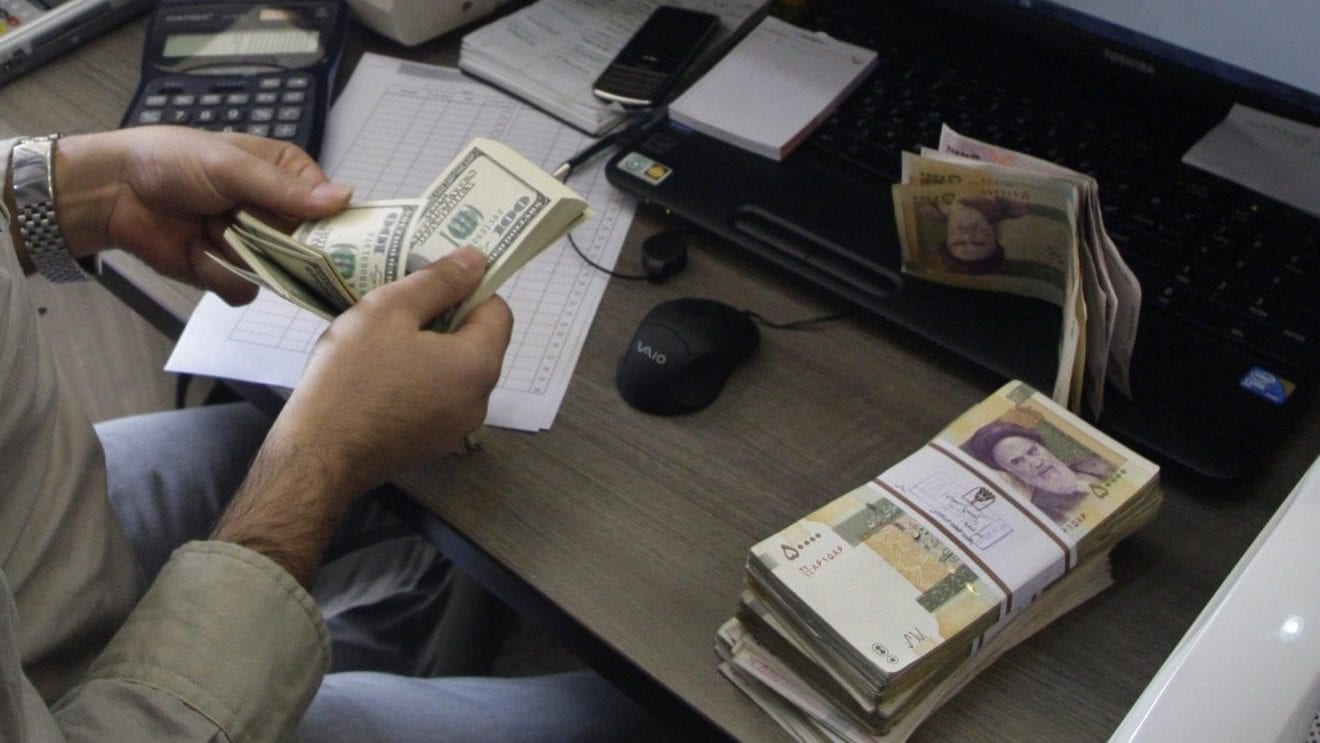
    An Iranian banking and financial delegation has paid a visit to Indonesian capital city of Jakarta to discuss facilitating banking ties between the two countries.

    During the visit, the sides called for removing the obstacles hindering the expansion of banking ties between the two countries, IRNA news agency reported Oct. 29.

    The Iranian delegation, headed by Ahmad Azizi, a high advisor to Governor of the Central Bank of Iran Valiollah Seif, pointed to the existing capacities for cooperation between the two countries and urged for broadening the ties, particularly in banking and financial spheres.

    The sides further laid great stress on the need for establishing direct banking relations between the banks of the two countries aimed at deepening trade ties.

    The delegations also agreed to keep in touch as long as banking ties are restored between Iran and Indonesia.

    Although the nuclear related sanctions on Iran were lifted following the implementation of the Joint Comprehensive Plan of Action on January 16, Iran still has difficulty establishing banking ties with leading banks as they are worried about running afoul of US regulations.

  • Bank of Ayudhya Wins Global Business Outlook 2016 Awards

    Bank of Ayudhya Wins Global Business Outlook 2016 Awards

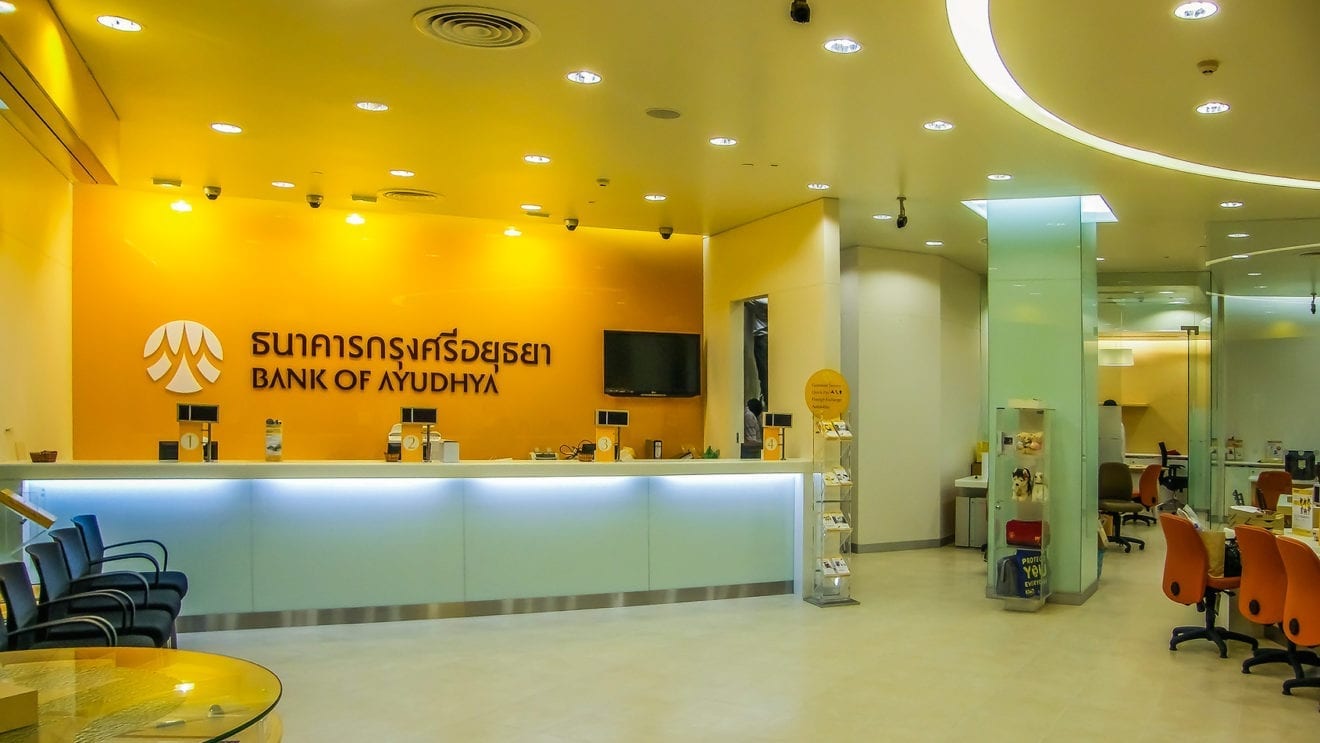
    Global Business Outlook (GBO), a business publication based out of London, has conferred the 2016 awards for ‘Best Commercial Bank’ and ‘Best Retail Bank’ in Thailand to Bank of Ayudhya (Krungsri).

    Krungsri was established in 1945, and its ordinary shares were listed on the Stock Exchange of Thailand in 1977. The bank is currently the fifth largest in Thailand in terms of loans and deposits. Krungsri provides a comprehensive range of banking, consumer finance, investment, asset management, and other financial products and services to individual consumers, SMEs, and large corporations through 681 branches and over 28,000 service outlets nationwide. Also Krungsri Group is the largest card issuer in Thailand with 7.8 million credit cards, sales finance, and personal loan accounts in its portfolio.

    Noriaki Goto, Krungsri President and Chief Executive Officer, upon receiving the awards said: “Krungsri is honoured with the Best Retail Bank Thailand and the Best Commercial Bank Thailand for 2016 awards. They are testimony to the strength of both our retail and commercial banking businesses and the fruit of our people’s passion to deliver excellent financial products and services to our valued customers. We are proud that these efforts are recognised by such a large base of professional organizations. Driven by our customer centricity strategy, we anticipate customers’ demands and serve them through innovation and technology. Krungsri remains committed to investing for the future and delivering innovative financial products and services for both retail and corporate segments.”

  • Deutsche Bank woes may lead to job cuts in Singapore

    Deutsche Bank woes may lead to job cuts in Singapore

    The problems at Germany’s largest lender, Deutsche Bank, which has seen its share price tumble to record lows on concerns of a looming US$14 billion (S$19 billion) fine by US authorities, could raise questions over the fate of some of its 2,100-strong workforce in Singapore, analysts said on Monday (Oct 3).

    “For the German bank, the impact of negative interest rates and slower growth have affected profitability. As for the impact here in Singapore… we might find a possibility of the bank reducing headcount,” said CIMB Private Banking economist Song Seng Wun.

    “The knock-on impact on Singapore would be pressure on the labour market in the finance sector. The tough labour market within finance may get tougher,” he added.

    Singapore has been Deutsche Bank’s Asia-Pacific head office since 1988, after the lender first established a presence in the city-state in 1971, its corporate website showed. It has a wholesale banking licence here and its business lines including corporate & investment banking, global markets, asset management, and wealth management.

    When asked about possible job cuts at the Singapore office, a spokesperson for Deutsche bank said: “Singapore is and will continue to be a key hub for Deutsche Bank in Asia-Pacific, a region which delivered 14 per cent year-on-year revenue growth last year and remains a core part of our global network.”

    Deutsche Bank shares plummeted to a record low of 9.90 euros last week and were trading at 11.45 euros mid-afternoon in Frankfurt on Monday. The bank has been battling rumours that the German government may have to come up with a rescue plan in case it cannot pay the staggering fine imposed by US regulators for mis-selling mortgage-backed securities before the global financial crisis. The fine is more than twice the provision it had set aside for litigation.

    Deutsche Bank last October unveiled a sweeping plan to restore its finances, including eliminating 9,000 jobs or about 9 per cent of the global workforce, including 4,000 positions in Germany. However, unlike Australia and New Zealand Banking Group, a qualifying full bank which has slashed about 400 jobs in Singapore over the past year, any headcount reduction at Deutsche Bank here won’t likely to be as drastic, analysts said.

    “Deutsche Bank’s business in Singapore has… little retail exposure; it does more private and investment banking. The bank is still geographically strong in Singapore. It is a significant player here and would be more distant from the issues faced at the German headquarters,” said KGI Securities (Singapore) trading strategist Nicholas Teo.

    UOB economist Francis Tan said: “There will be some impact, maybe small cuts but not likely to be big for the bank. Asia is still rising, so even if there are cuts it would be more on the European side. Looking at the relative growth rates this area has compared to the Western world, it would not be a good move to cut a lot of jobs. You don’t want to kill the golden goose.”

    Global banks have been slashing headcount in the Republic against the backdrop of weak economic outlook and stricter capital rules. Besides ANZ, banks such as Barclays and Standard Chartered have let go some of their employees in Singapore over the past year.

    The crisis faced by Deutsche Bank is unlikely to be a ‘Lehman moment’, experts said, referring to the collapse of the storied US investment bank Lehman Brothers eight years ago that played a major role in the global financial crisis.

    “A lot of people who are looking at a bank like Deutsche, and easily they are comparing this to Lehman but it is not the same. If you look at the liquidity conditions of banks now, it is very different from 2008-09,” said Mr Tan.

    “Balance sheets are not as weak as eight years ago and banks are not as vulnerable as they were,” Mr Song said.

  • HSBC plans to inject $1 billion into Indonesia business

    HSBC plans to inject $1 billion into Indonesia business

    HSBC plans to inject $1 billion of additional capital into its combined Indonesian business with PT Bank Ekonomi Raharja, an official at the Indonesian financial regulator, Ariastiadi, said on Thursday.

    HSBC separately said it would integrate its Indonesian business with Bank Ekonomi, but a bank spokeswoman in Indonesia declined to comment on the planned capital injection.

    The move would help to resolve a long-running issue for HSBC in Indonesia, where the government has encouraged banks in the country to operate via a single locally incorporated entity.

    Since the 2008/09 global financial crisis, local regulators have encouraged banks in their jurisdictions to incorporate themselves locally in order to make them easier to police and to ring-fence them from external shocks.

    Before the integration, HSBC operated its own branch on top of having a controlling stake in Bank Ekonomi.

    HSBC last year offered to buy out the minority shareholders of Bank Ekonomi and delist the Indonesian lender from the Jakarta stock exchange.

    Under the integration process, all the assets and liabilities of HSBC Indonesia will be transferred to the combined entity, which will be called PT Bank HSBC Indonesia, said HSBC’s Indonesian legal consultant, Kemal Siregar.

    HSBC shares were down 1 percent in London by 0940 GMT, while the benchmark FTSE 100 index () remained flat.

  • Global m-banking userbase to hit 2b by 2021

    Global m-banking userbase to hit 2b by 2021

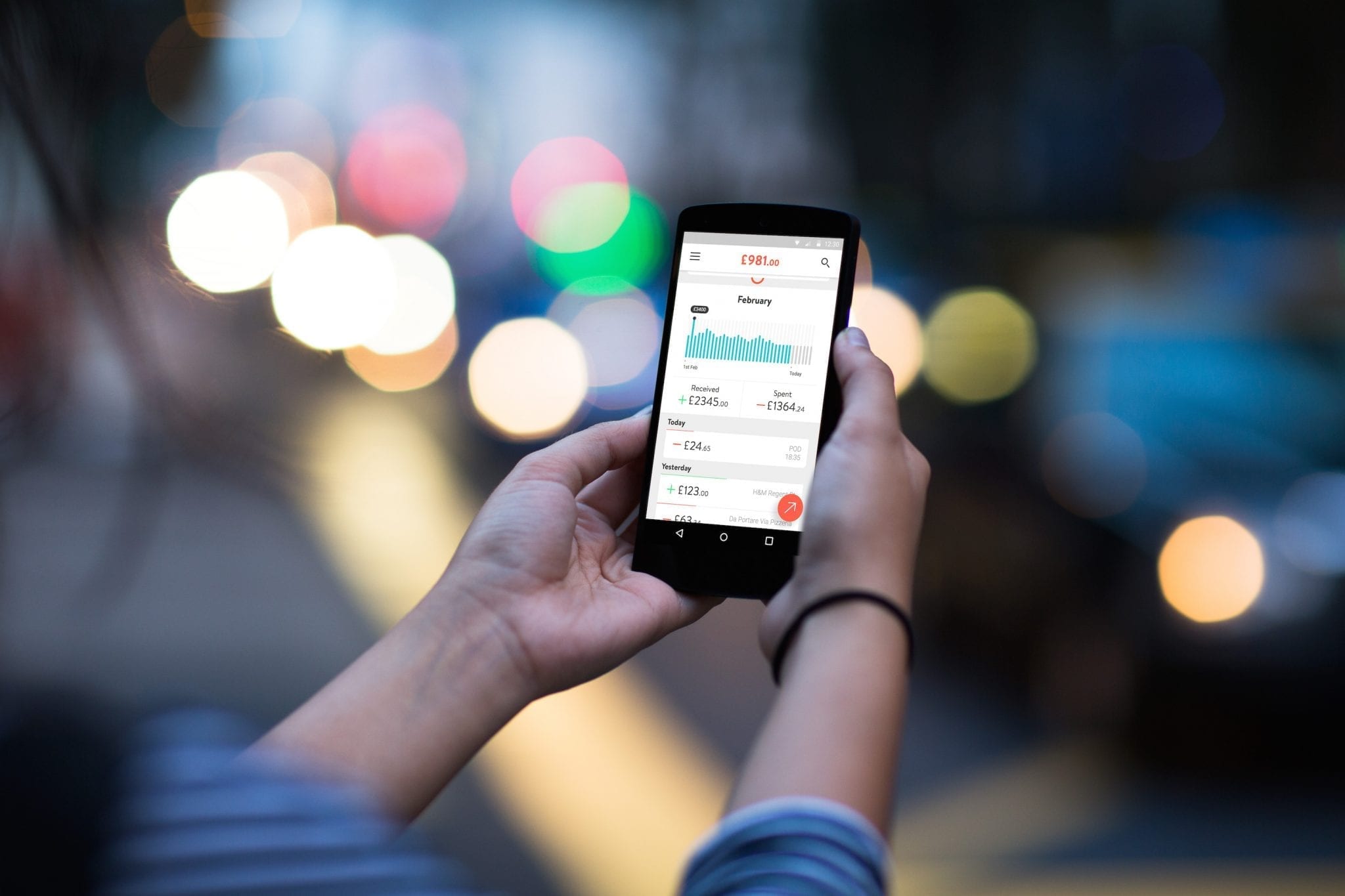
    Over 2 billion consumers worldwide will have used their mobile devices for banking purposes by the end of 2021, up from 1.2 billion this year, Juniper Research predicts.

    Growth in mobile banking is being driven by consumer adoption of banking apps the changing way consumers manage their finances, the research firm said.

    The study found that the number of mobile banking logins are now exceeding that of internet banking logins in many markets. For example, the BBA (British Trade Association for Banking) announced that banking app logins in the UK reached a record 11 million per day during 2015, compared to 4.3 million internet banking logins during the same period.

    Meanwhile, a recent consumer survey conducted by Juniper Research found that around 65% of mobile banking customers in the US and the UK use an app to conduct banking services.

    The report found that banks are becoming increasingly concerned that their market position is being undermined by tech companies and pure-play vendors enabled by technology and regulations to enter the marketplace.

    Additionally, by 2017, banks in the EU will be compelled to open their APIs. This will result in many innovative new products that analyze (with permission) user data to create more attractive financial services for customers.

    “Recent industry shifts highlight why traditional banks must respond rapidly to retain market share by cultivating new revenue channels and enhancing existing base through sustained innovation,” research author Nitin Bhas said.

    “However the challenge here for new players is to increase market share and maintain profitability in the long-run.”

  • UOB Indonesia offers Rp 1.1 trillion in bonds to strengthen lending

    UOB Indonesia offers Rp 1.1 trillion in bonds to strengthen lending

    United Overseas Bank (UOB) Indonesia plans to issue Rp 1.1 trillion (US$84.5 million) in bonds in November. The issuance hopes to raise cash to support the bank’s lending capacity next year.

    UOB Indonesia president director Kevin Lam said Rp 1 trillion in proceeds would come from the senior bond while the remaining Rp 100 billion would come from the subordinated bond. Both will be offered from Nov. 17 until Nov. 22.

    “The bond will enable us to maintain solid funding as we help our customers seize business opportunities arising from increased infrastructure development and consumer demand,” he said during a public expose in Jakarta on Wednesday.

    The senior bond is divided into three series with a buy-back option, he further explained.

    Series A is offered with 370 days of maturity and a 7.4 percent coupon rate per annum. Series B will mature in 3 years with an 8.25 percent coupon rate. Series C will have a 5-year tenor with a coupon rate of 8.5 percent.

    Meanwhile, the subordinated bond has a 7-year tenor with a 10 percent coupon rate. All the coupons will be paid every three months.

    In the first half of 2016, UOB Indonesia saw its interest income increase by 22.32 percent year-on-year (yoy) to Rp 1.73 trillion.

    Net profits rose by 86.81 percent yoy to Rp 281.69 billion.

  • OJK to Expand Banking Industry, Aims for Thailand

    OJK to Expand Banking Industry, Aims for Thailand

    Financial Services Authority (OJK) Chairman Muliaman D. Hadad said that the OJK is in the process of exploring the possibilities of expanding Indonesian banking industry overseas.

    “The most possible [cooperation] is with Thailand, because there have been two or three meetings,” Muliaman said.

    Muliaman said that similar cooperation will also be established with other countries. Muliaman explained that Thailand serves as an important stepping stone to establish cooperation with Cambodia, Vietnam, Laos, and Myanmar. “Why Thailand? Because Thailand has dominant business [partnership] with its neighbouring countries,” Muliaman added.

    Muliaman said that there are lots of possibilities for Indonesia to expand its financial industry to Thailand. Moreover, several of Indonesian business sectors have started to expand to Thailand, including property and trade.

    Aviliani, an economist from the Institute for Development of Economics and Finance (Indef) praised OJK’s plan to integrate the national banking industry with ASEAN. Aviliani said that the integration is important to allow Indonesian banks to open branch offices and conduct business activities in neighbouring countries. However, Aviliani asserted that the policy may not always favour the banking industry. “Banks will always reflect on market potential,” Aviliani said.

    Aviliani added that the potential for overseas banking market is not quite as large as the domestic market. “Opening [branch offices] overseas will be difficult if [banks] cannot profit. But when foreign banks expand to Indonesia they will reap benefits because [Indonesia] has a large market potential,” Aviliani said.

  • Singapore banks missing the boat in booming SE Asia

    Singapore banks missing the boat in booming SE Asia

    The three local banks are not having a good year, mostly due to forces beyond their control, but they seem to be also scoring own goals – missing opportunities right on their doorstep, our South-east Asian neighbours.

    The past two decades have been a waste in terms of what they should have done, formulating and working out a thoughtful strategy of expansion in ASEAN countries but efforts have been half-hearted and sometimes marred by ineptitude.

    Singapore contributes the bulk or the lion’s share of profits to DBS Group Holdings, OCBC Bank and United Overseas Bank (UOB) but domestic sluggish growth, a slump in the property market and a prolonged period of weak interest rates are translating to poorer earnings.

    What could have helped is if the banks have a larger presence in the region which is booming; some countries this year and the next are projected to grow more than 6 per cent against 1-2 per cent for Singapore.

    Year to date, the stockmarkets of Indonesia and Vietnam are posting double-digit gains while it’s in the high single digit for Thailand and the Philippines. Singapore equities by contrast is a minus 2 per cent.

    For various reasons, the banks have pretty much neglected the Philippines, Thailand and Vietnam, concentrating on expanding in Greater China.

    All three have Indonesian subsidiaries but progress in getting meaningful traction in ASEAN’s largest economy has been slow. And payback for their Greater China strategy is taking a very long time.

    In Q2, DBS said China recorded a net loss of S$15 million compared with a net profit of S$79 million a year ago and S$23 million in the previous quarter.

    Net profit for Hong Kong halved to S$161 million from S$320 million a year ago.

    OCBC’s Greater China pre-tax profit was unchanged at S$253 million in Q2; UOB posted a pre-tax profit of S$66 million for Greater China, down almost 30 per cent.

    From Malaysia, where OCBC and UOB are among the largest foreign banks, contributions there are somewhat underwhelming.

    In Q2, OCBC’s Malaysia pre-tax profit was up 11 per cent at S$214 million making up 19 per cent of total group earnings.

    UOB’s Q2 pre-tax profit from Malaysia fell almost 9 per cent to S$125 million, and contributed 13 per cent to group total.

    The banks had a golden opportunity to acquire banks in the debt-strapped ASEAN countries following the 1998 Asian financial crisis but they let that slip after some missteps.

    DBS tried with forays in Thailand and the Philippines but quit after huge losses.

    Today, it has some activities in Indonesia which are so small that the bank lumps it under South and South-east Asia. Still, Q2 net profit of South and South-east Asia of S$46 million from breakeven a year ago shows the potential.

    OCBC’s Indonesian business posted Q2 pre-tax profit of S$76 million, or 7 per cent of group total, and up from S$47 million a year ago.

    UOB, which has the most extensive operations in South-east Asia including 157 branches in Thailand and 190 in Indonesia, tried to buy a bank in the Philippines in 1999.

    But stymied by minorities, the bank pulled back in 2005, efforts which left its then chairman and chief executive “allergic” to the Philippines.

    UOB’s Q2 pre-tax profit from Thailand and Indonesia came to a combined S$78 million or 8 per cent of group earnings.

    For sure, it will never be smooth sailing to venture into these countries given that their sometimes chaotic domestic politics, frequent changes in policy, and weak adherence to rules, factors which deter all but the most stout-hearted foreign investors.

    Venturing out of Singapore will always be tough but our deep-pocket banks have the resources.

    The potential of South-east Asia is well documented: the 10 South-east Asian countries with a US$2.4 trillion (S$3.3 trillion) economy and population of 626 million forms one of the largest markets in the world which remains under-banked. It also has a burgeoning educated middle class that is receptive to financial services and products.

    What our banks need is staying power and agility to navigate these unwieldy markets, before they entirely miss the boat.

  • Mobile Banking Users in Indonesia Remains Low

    Mobile Banking Users in Indonesia Remains Low

    Research institute Microsave reported that only 0.73 percent of cellphone users in Indonesia have utilized online financial services.

    “The figure is lower than those of Malaysia with 5.79 percent and Cambodia with 2.73 percent,” Microsave Country Development Senior Manager Grace Retnowati said on Wednesday, October 12, 2016.

    Grace revealed that the number of SIM card users in Indonesia stands at almost 200 million. At least 20 percent of them are cellphone users.

    “Mobile device utilization for financial services remains low, although the Internet network coverage has reached 90 percent,” Grace added.

    In addition, Grace pointed out that only 36 percent of Indonesian people own bank accounts.

    “The awareness level for mobile banking services is only 0.3 percent,” Grace went on.

    According to Grace, the digital financial literacy is important for middle-class and low-income people.

    “The digital financial services are expected to boost the annual GDP by US$3.7 trillion in 2025 or six percent when compared to the conventional financial services,” Grace said.

    Grace suggested that payments made via smartphone would reduce the cost of financial services by 80 to 90 percent.

    “The cost efficiency will allow financial institutions to provide low-cost services,” Grace said.

  • BRI Syariah plans to conduct IPO

    BRI Syariah plans to conduct IPO

    PT Bank BRI Syariah, a sharia compliant subsidiary of state lender Bank Rakyat Indonesia, plans to conduct an initial public offering (IPO) of its shares in 2018 to boost alternative funding sources.

    “During the IPO we will float our shares worth Rp1 trillion to the stock exchange,” BRI Syariah President Director Moch. hadi Santoso said after a press conference here on Wednesday.

    The decision to turn the bank into a publicly listed company was taken to strengthen capital structure particularly at “Tier 1”, he said.

    The bank wants to strengthen its capital through various funding sources to expand its financing business. Moreover, the bank wants to expand its financing portfolio from retail and business segments to infrastructure financing, he said.

    “After the IPO, we will continue to expand our business. This year we have been engaged in infrastructure financing,” he said.

    Also this year, the bank has explored several commitments for infrastructure financing. But its amount is not yet significant to boost the business growth of PT Bank Rakyat Indonesia Ybks subsidiary,” he said.

    The BRI Syariah has set itself the target of boosting its financing growth at 13 percent year on year from to Rp18.8 trillion from Rp16.5 trillion at the end of this year.

  • Assets of sharia banks increase to Rp305.5 trillion

    Assets of sharia banks increase to Rp305.5 trillion

    The assets of sharia banks rose 18.49 percent year-on-year to Rp305.5 trillion by July, 2016 on growing third party funds.

    Third party funds held by sharia banks rose 12.54 percent to Rp243 trillion in the same period, Chairman of the Board of Commissioners of the Financial Service Authority (OJK) Muliaman Hadad said in a news release received here on Sunday.

    “The rise in third party fund resulted in an increase of 7.47 percent in sharia financing to Rp220.1 trillion from Rp204.8 trillion,” Muliaman Hadad said at a seminar on sharia financing in Washington, the United States, organized by the World Bank and the Islamic Financial Services Board.

    The rise in sharia financing contributed to increase sharia share of the banking market to 4.81 percent in July, 2016 from 4.6 percent in July 2015. The market share rose to 5.13 percent if conversion of the Aseh Development Bank to Sharia bank was taken into account.

    Muliaman said sharia finance could be an instrument to achieve Sustainable Development Goals (SDGs) as called for by the United Nations.

    “The typical principles of sharia finance which give emphasis on equitable income and is oriented to environmental social activities, make development of sharia financial system very relevant with the SDGS goals,” he said.

    Sharia finance covers not only poverty aspect but also health care, education, gender equal treatment, infrastructure development, economic development, anticipation of climate change, etc, he said.

    He said sharia banking industry has grown in Indonesia as indicated by the decline in Non-Performing Financing (NPF) ratio to 4.81 percent by July 2016.

    Return on Assets (ROA) rose to 1.06 percent by July, 2016 from 0.91 percent by July 2015. As for the ratio of operating cost to operating income has improved to 92.78 percent from 94.19 percent.

    In addition, there was an increase in capital adequacy of sharia banks as reflected in the Capital Adequacy Ratio (CAR) to 14.86 percent in July 2016 from 14.47 percent last year.

    The assets of sharia non bank finance industry rose 23.18 percent to Rp80.1 trillion by July 2016.

    Global sharia bonds contributed 23.3 percent or US$10.15 billion to the total value of international sovereign bonds.

    Indonesia is the first country to issue sharia retail bonds.

    Muliaman said sharia capital market could also play a significant role in financing the governments infrastructure projects.

    Separately a member of the OJK board of commissioner Firdaus Djaelani said in Semarang, the country had sharia banks, 22 conventional banks having sharia units and 165 sharia people financing banks.

    Firdaus said based on data in September, 2016, there were 36 investment managers issuing sharia mutual fund (Reksadana), 12 securities companies issuing sharia on line trading system, 326 issuers and public companies with sharia shares and 51 series of corporate sharia bonds and 53 series of state sharia bonds have been issued.

    Assets in sharia products in the stock exchange were valued at Rp3,272.84 trillion consisting of market capitalization of sharia shares, sharia mutual funds and corporate sharia bonds.