Retail News CRM

Tag: Banking

  • AXA, Alibaba, Ant Financial enter global partnership

    AXA, Alibaba, Ant Financial enter global partnership

    AXA, Alibaba and Ant Financial Services have agreed jointly explore opportunities to distribute AXA’s insurance products and services through Alibaba’s global e-commerce ecosystem.

    The deal is expected to benefit the businesses and consumers that transact via Alibaba’s marketplaces. The companies will work together to co-innovate and to develop value-added products and services to customers around the world and mutually support each other in developing and exploring new markets and segments.

    The first phase of the collaboration will see AXA develop various insurance products for users of AliExpress, Alibaba’s wholesale marketplaces and Ant Financial Services.

    AliExpress is a global retail marketplace targeted at consumers worldwide. AXA will develop and provide insurance products for AliExpress’ global customers, including extended warranties for repairs and/or damaged goods and enhanced online payment protection.

    On Alibaba’s wholesale marketplaces (Alibaba.com,1688.com), AXA will provide insurance products to small and medium businesses globally who are trading on these platforms.

    AXA will offer travel insurance products for Chinese travelers going overseas through Ant Financial Services, an Alibaba-affiliate.

    These insurance products and services will be developed by AXA’s local entities according to the customers’ local requirements.

    “Our collaboration with industry-leader AXA is a key part of Alibaba’s globalization strategy and our vision to enable small businesses and consumers alike to enjoy the convenience and benefits of e-commerce in a safe trading environment,” Alibaba Group president Michael Evans said.

    “As cross-border e-commerce grows rapidly, it is critical that we evolve our services and offerings to the businesses and consumers that conduct trade on our platforms. The collaboration between AXA and Alibaba will enable us to create new solutions and ultimately improve the overall customer experience.”

  • CIMB’s Indonesian unit posts big jump in profit

    CIMB’s Indonesian unit posts big jump in profit

    CIMB Group Holdings Bhd’s 97.9% owned Indonesia-based subsidiary PT Bank CIMB Niaga Tbk, boosted its unaudited consolidated net profit by 318.2% to 736 billion rupiah (RM228.4mil) for the six-month period ended June 30, 2016 (H1).

    The fifth largest bank in Indonesia by assets said in a statement that the higher net profit, which translated to earnings per share of 29.29 rupiah, was due to a 4.8% rise in net interest income (NII) to 5.81 trillion rupiah (RM1.81bil), a 24.1% jump in non-interest income to 1.46 trillion rupiah (RM453mil) and a 7.9% fall in provision expense.

    Its president director Tigor M. Siahaan said: “Despite the challenging environment, our H1 top line performance continued to improve. The 4.8% year-on-year (y-o-y) NII growth was recorded against a decline in interest expense, while non-interest income was 24.1% higher y-o-y due to better treasury and capital markets businesses.”

    He said CIMB Niaga maintained good control over its operating expenses which fell by 1.2% y-o-y.

    “In addition, the provisions for non-performing loans had gradually improved.”

    As the bank retained a conservative growth strategy, total gross loans were lower y-o-y at 175.34 trillion rupiah (RM54.41bil) as at June 30.

    Despite the slower overall growth in CIMB Niaga’s loans, selected business segments recorded encouraging performance.

    The personal and multipurpose loans business grew 9.2% y-o-y through the bank’s X-tra Dana product, while the credit card segment posted a 25.5% y-o-y growth to 7.18 trillion rupiah (RM2.23bil).

    As at end June 2016, the bank had issued over 2.1 million credit cards, an increase of 13.4% from a year earlier.

    To date, CIMB Niaga is the third largest credit card issuer in Indonesia, in addition to being the fifth largest bank with total assets of 239.38 trillion rupiah (RM74.33bil).

    Its current account savings account (CASA) grew 5.7% y-o-y to 93.21 trillion rupiah as at June 30, with the CASA ratio rising 457 basis points (bps) y-o-y to 51.99%.

    The loan to deposit ratio was higher at 96.54% at end-June 2016 compared to 95.81% in the same period last year.

    The Indonesian government has appointed CIMB Niaga as a perception bank assigned to accommodate funds repatriated by taxpayers who are participating in Indonesia’s tax amnesty programme.

    “With additional liquidity available through the programme, the national banking industry, CIMB Niaga included, will have greater capacity to disburse loans to various sectors,” Tigor said.

    CIMB Niaga’s capital adequacy ratio strengthened y-o-y to 17.62% as at June 30.

    “We will continue to selectively increase our assets with a key focus on cost management and asset quality.

    “We started 2016 on a more positive note and seen the potential of gradual improvement in the second half of the year, backed by numerous macroprudential government fiscal and monetary policies to stimulate sustainable economic growth,” added Tigor.

  • India’s YES BANK taps Gemalto for secure m-payments

    India’s YES BANK taps Gemalto for secure m-payments

    India’s YES BANK has deployed Gemalto technology to secure mobile payment transactions for its customers under India’s recently implemented Unified Payments Interface (UPI).

    YES BANK, India’s fifth largest private sector bank, has adopted Gemalto’s SafeNet Network HSM for the purpose.

    UPI, India’s online payments solution, enables all account holders to send and receive money from their smartphones with a single identifier – such as mobile number or virtual payments address – without entering any bank account information.

    The SafeNet Network HSM (formerly SafeNet Luna SA HSM) provides end-to-end data security and encryption to protect user credential confidentiality and the private keys responsible for digital signing.

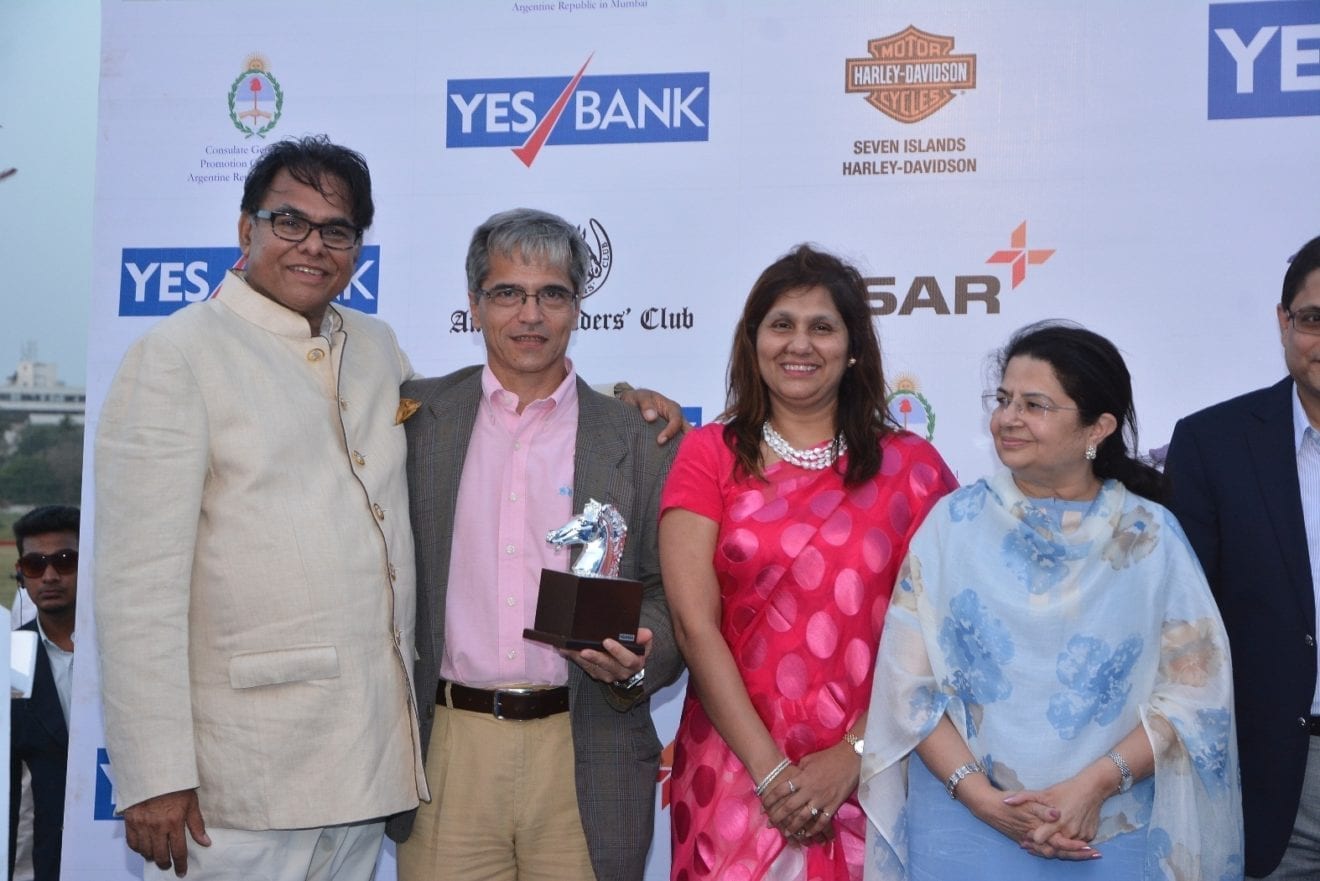
    “With a widespread network of over 860+ branches and 1,625+ ATMs Pan India, we’re committed to taking a customer-centric approach to our banking services,” said Anup Purohit, CIO at YES BANK.

    “The Unified Payments Interface offers clients revolutionary convenience when it comes to banking and payments, and we want to ensure the highest levels of security for users of the platform. We’re thrilled to integrate Gemalto’s industry-leading SafeNet HSM technology into the UPI application to support this initiative.”

  • BCA records profit of Rp9.6 trillion

    BCA records profit of Rp9.6 trillion

    PT Bank Central Asia Tbk. (BCA) made a net profit of Rp9.6 trillion in the first semester of this year, reflecting a growth of 12.1 percent year-on-year, mostly from interest income following the bright growth of corporate credits.

    BCA President Director Jahja Setiaatmadja said here on Wednesday that although domestic economic condition was still in the process of recovering, corporate credits had contributed the highest to the growth reaching 19.6 percent year-on-year or Rp135.4 trillion.

    Commercial and small and medium credits on the other hand have been the biggest portfolio but their growth was only recorded at 6.5 percent or Rp146.5 trillion while consumer credits were up 9.1 percent year-on-year, reaching Rp105.2 trillion.

    “We indeed saw that demand is still slow, but thanks to our efficiency and growth of transaction accounts, the business has registered a boost,” he added.

    In the consumer line, housing credits rose by 8.5 percent to Rp61.7 trillion and motor-vehicle credits were up 11.4 percent to reach Rp34.0 trillion.

    The BCA credits in all segments grew 11.5 percent to Rp387 trillion, year-on-year.

    According to Jahja, the efficiency attained through reduction of cost of funds has contributed to the growth of profit and revenues.

    “Before the monetary easing effected by Bank Indonesia since 2015, we have been able to lower the interest rates of deposits and, in turn, reduce the cost of funds. In February, we also reduced the loan interest,” he explained.

    BCAs operational income in the first semester this year rose 15.5 percent to Rp26.1 trillion while operational burden also increased by 7.3 percent, failing to reach double digits, and touching Rp12.07 trillion.

    The compensation of growth in credit distribution was seen in the hike of non-performing loan ratio to 1.4 percent by the end of June 2016 from 0.7 percent in June last year. Jahja, however, saw the trend of NPL hike would weaken.

    “The NPL is indeed predicted to rise until September but the rise will not be drastic and may have a tendency of slowing seeing the start of improvement in the economy,” he underlined.

    To anticipate problem credits, the BCA has set up an additional reserve fund worth Rp2 trillion. In June, the ratio of the reserve to total problem credits reached 193 percent.

    The BCAs liquidity condition seemed to be easing continuously. Although the credit growth reached double digits, the ratio of funds to lending (LFR) was recorded at only 77.9 percent.

    The LFR position was still below the central banks existing standard, which is at 78 to 92 percent. The newest standard is at 80-92 percent.

    In the first half of this year, the BCA collected Rp490.6 trillion in third-party funds, reflecting a growth of 7.8 percent.

    With the credit achievement and the third party funds, BCA assets in the period were recorded at Rp626.1 trillion.

  • BNI reports healthy growth with profit up 79.9 percent

    BNI reports healthy growth with profit up 79.9 percent

    State lender PT. Bank Negara Indonesia Persero Tbk (BNI) reported a strong growth of 79.9 percent year-on-year in profit to Rp4.37 trillion in the second quarter of 2016 despite a decline in credit quality.

    President Director of the countrys fourth largest bank in assets Achmad Baiquni attributed the rise in profit to high growth in credits and fee based income, and efficiency in cost of fund.

    “Our cost of funds dropped to 3.1 percent from 3.2 percent,” Baiquni said here on Friday.

    BNI outstanding credit grew in two digit by 23.7 percent year on year (yoy) to Rp288.7 trillion.

    However, the non performing loan (NPL) of the bank also rose from 2.7 percent to 3 percent gross by the end of the first half of this year.

    He acknowledged the quality of credit assets became a problem shadowing the performance of the bank in the first six months of the year.

    Therefore, BNI has to increase its reserve funds from 138.8 percent in the second quarter 2015 to 142.8 percent in the same period in 2016.

    The increase in the credit of the publicly listed bank resulted in a rose in its net interest income to Rp13.91 trillion or an increase of 11.7 percent yoy.

    Its non interest income including fee based income grew 28.7 percent to Rp4.43 trillion.

    Baiquni said business credit disbursements sustained credit portfolio as high as 73 percent with annual growth of 25.6 percent to Rp260.7 trillion.

    Corporate credits accounted for 25.1 percent of its business credits.

    The bank also recorded a soaring growth of 331 percent or Rp7.3 trillion in low interest Peoples Business Credit (KUR) pushing up KUR contribution to outstanding credit to 19.9 percent from 5.6 percent earlier.

    Baiquni attributed the high growth to facility of guarantee and subsidy on interest offered by the government.

    “Speaking about target, we prefer the government to set target for us,” he said.

    The bank holds Rp391.4 trillion in third party funds or an increase of 19.6 percent yoy, dominated by cheap funds (current account saving account (CASA) making up 60.4 percent and deposits making up the rest, he said.

    With the outstanding credits and third party funds, BNI has assets valued at Rp539.1 trillion by the end of he second quarter of 2016.

  • Maybank debuts m-banking in Cambodia

    Maybank debuts m-banking in Cambodia

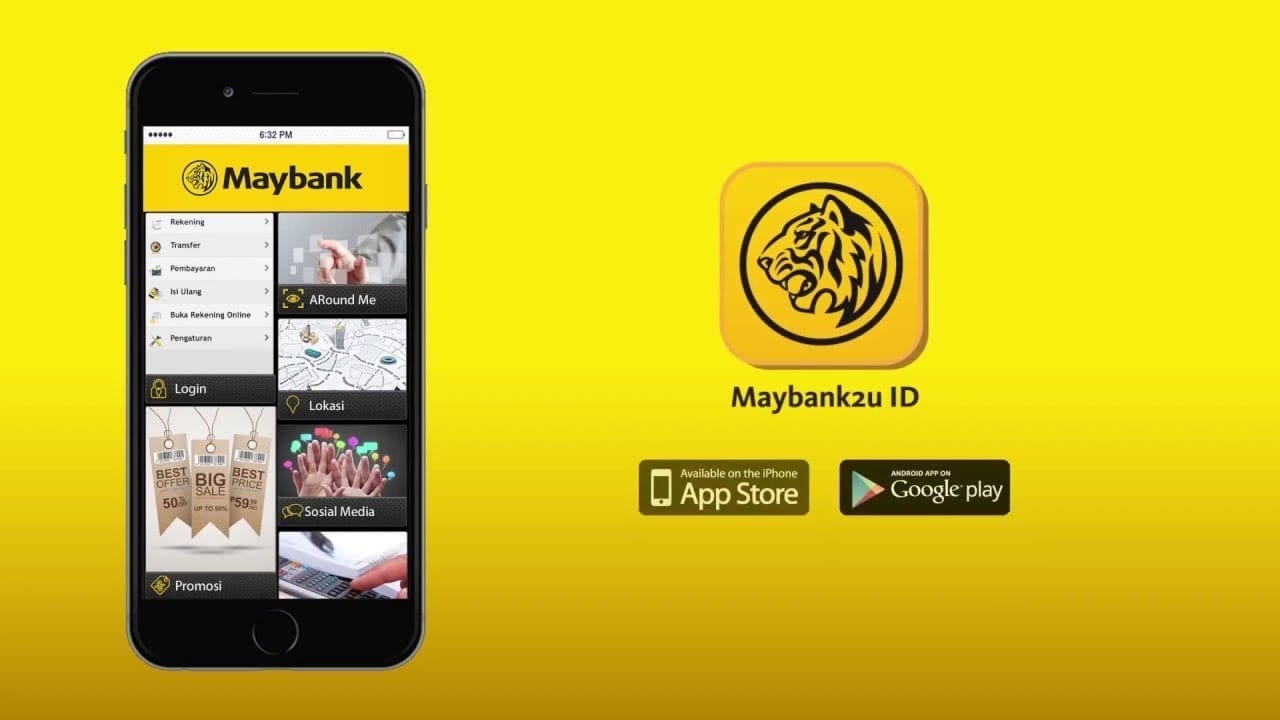
    Maybank has introduced its mobile banking app in Cambodia as part of efforts to strengthen its presence in the country.

    The app is the first in Cambodia to offer augmented reality and a QR code reader. A similar app was launched in Malaysia in 2014.

    Maybank group head of community financial services Datuk Lim Hong Tat, who launched the new app in Phnom Penh, said that internet banking has become a trend for many digitally savvy Cambodians who are increasingly comfortable transacting over this channel.

    Maybank’s online banking channel, namely M2U, which was introduced in Cambodia in 2012, is seeing robust growth with its registered user base increasing by over 50% within a year, and the volume of transactions has also risen by over 50% from 2014 to 2015,” said Lim.

    Lim said that with the launch of mobile banking app, customers in Cambodia will enjoy enhanced customer experience and greater speed when undertaking banking transactions over their mobile phones.

    “With the mobile banking app, Maybank customers can check their account balance, including all debit card purchases and perform simple transactions anytime, anywhere, alleviating the need for trips to our branches,” Lim explained.

    Other features offered by the app include the ability to send money to anyone with a mobile phone number – such transactions allow for cash to be withdrawn at any Maybank ATM without using an ATM card.

    The augmented reality branch locator tool allows customers to scan their surroundings and follow onscreen directions. It also detects nearby ATMs and promotions exclusive to the Maybank customer.

    The in-app QR code reader as well as loan calculator is available for public use, even if they are not yet a Maybank customer.

    Maybank Cambodia currently operates a network of 21 branches throughout the country complemented by 40 self-service terminals.

  • Standard Chartered Bank Indonesia appoints new CEO

    Standard Chartered Bank Indonesia appoints new CEO

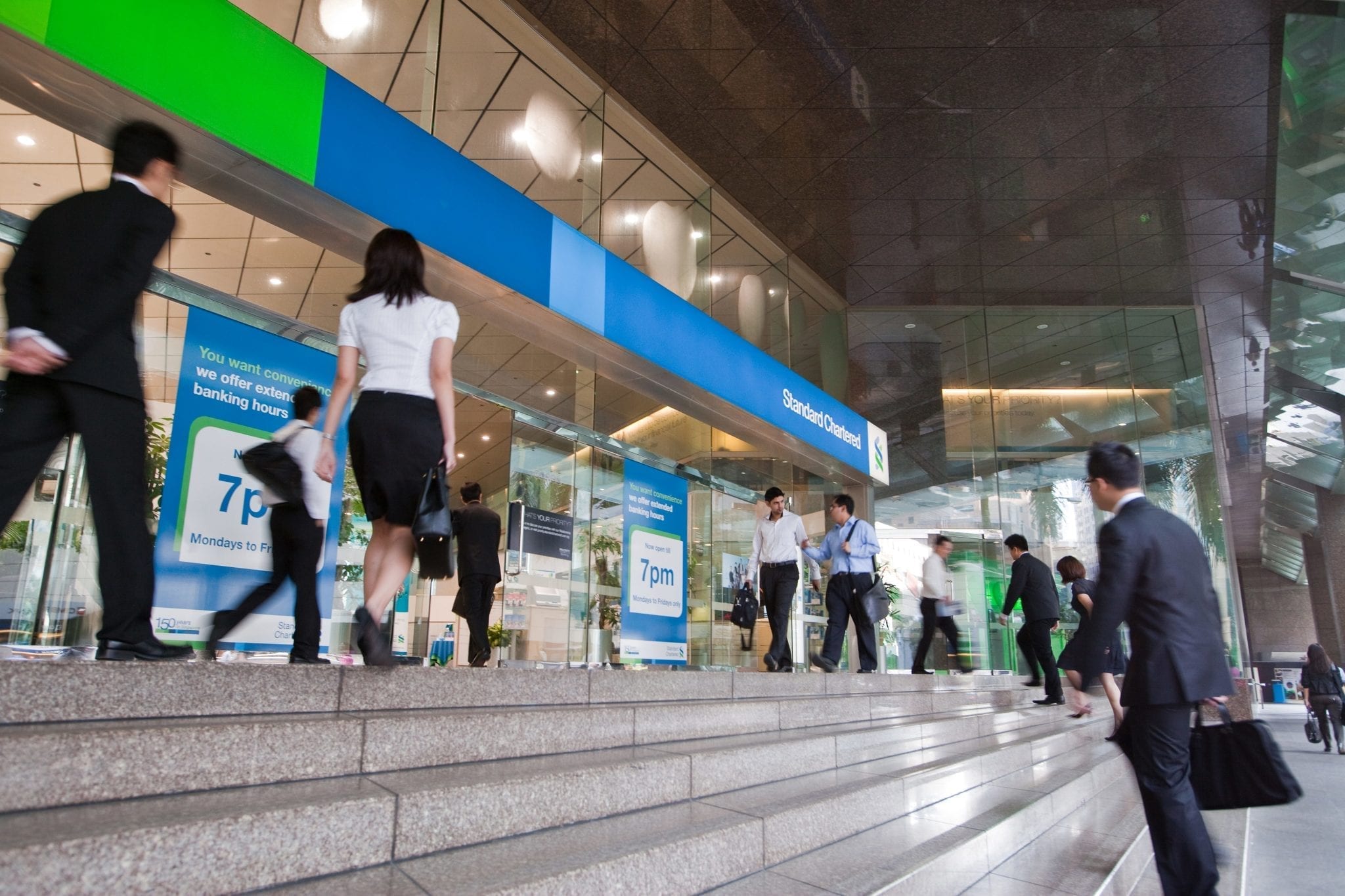
    UK-based financial giant Standard Chartered has appointed Rino “Donny” Donosepoetro as the new CEO of its Indonesian branch, replacing Shee Tse Koon, who is leaving to pursue another career.

    Donny’s new appointment will be effective as of Sept. 1 as it is subject to regulatory approval. He will report to Ajay Kanwal, Standard Chartered’s regional CEO for ASEAN and South Asia.

    Lea Kusumawijaya, chief financial officer at Standard Chartered Bank Indonesia, has been appointed as acting CEO with immediate effect.

    “Donny brings with him an extensive and diverse international experience in the operations of the bank’s different business sectors,” Kanwal said in a statement on Tuesday afternoon.

    He said Donny, who has a degree in international relations, had knowledge in the areas of audit and governance that would further strengthen the group’s businesses and franchises in Indonesia.

    In his 20-year career in the group, Donny has held a number of diverse roles across businesses in several markets including the United Arab Emirates, Indonesia, UK, Singapore and the Falkland Islands.

    As a CEO of Standard Chartered’s Indonesian branch, Donny will be responsible for developing and executing the company’s business strategy. He is also expected to build relationships with local clients as well as regulators and stakeholders, as well as improving bottom-line profitability and capital.

    Kanwal said the bank was fully committed to investing in Indonesia, with a focus on corporate and retail banking, which is “strategically important as it has been in the country for over 150 years.” The bank is also sharpening its focus on enhancing wealth management platforms and investing in commercial banking to cater the growing local medium businesses.

  • Bioalpha banks on Indonesian,Chinese markets to boost growth

    Bioalpha banks on Indonesian,Chinese markets to boost growth

    Bioalpha Holdings Bhd is banking on its export markets in Indonesia and China to boost the group’s top line growth in the next two years.

    The firm, which produces halal-certified herbal and non-herbal based health supplement products, said that to date, Indonesia was its core market and expected sales from the region to grow by 50% in the next two years.

    At present, Indonesia sales made up more than 48%, or RM14mil, to the group’s turnover in financial year 2015 (FY15).

    “Indonesia’s market is still growing and in the last five years it has a compounded annual growth rate of about 37%,” managing director William Hon Tian Kok told recently.

    Hon said Bioalpha had gone into Indonesia after it recognised the huge potential in the market to offer its halal-certified products.

    “The risk in Indonesia is also lower because we have existed in the market since 2007 via our first sales office there,” noted Hon.

    But Hon has bigger plans for Indonesia, saying that the company aimed to turn its repackaging facility in the Riau province to a fully-fledged manufacturing plant in the long term.

    In May, Bioalpha’s unit Bioalpha International Sdn Bhd had entered into 60:40 joint venture with Mutia Restiana, a well-connected Indonesian to set up PT Herbal Malindo Makmur, for US$250,000.

    This was funded via internally generated funds.

    Hon said the PT Herbal’s acquisition not only solved product registration issues in Indonesia, but also enabled the group to repackage their semi-finished products in a 4,000 sq ft repackaging facility in Indonesia to be ready this August.

    Inevitably, the acquisition will also widen Bioalpa’s market share via small and medium enterprises and multinational corporations in Indonesia, and enable its existing clients in Malaysia to offer their products there, according to Hon.

    The group intends to double the number of product launches to 20 products in Indonesia by the end of 2017.

    Bioalpha’s second largest export market is China and it made up about 28% of the group’s revenue or RM8.3mil in FY15.

    While Bioalpha was backed by its strong research and development centre, Hon said the demand from China was a result of aggressive advertising and promotional activities that started in 2014.

    “We have about five original design manufacturers in Beijing.

    “And our focus will be the Muslim populated areas like Lanzhou, Xi’an, Xinjiang and Qinghai and we have identified four distributors in these provinces,” he said, adding that Bioalpla already has presence in the southern and central part of China.

    On the local front, Hon revealed that it was on the lookout to expand its retail chain of pharmacies via merger and acquisitions, with the idea of franchising them in the near term.

    Bioalpha now owns 13 retail pharmacies under the brandname Constant, mainly in the Klang Valley.

    Hon said Bioalpha bought Mediconstant Holding Sdn Bhd for RM5mil last year from Ng See Hein and Loh Peng Yeow in December last year with the aim to expand its housebrand supplements.

    “This not only reduce marketing costs but enable us to reach out to customers via new formulations,” he said. adding that domestic sales is expected to grow by 40% in the next two years.

    The company also has a 70:30 joint venture with MyAngkasa Holdings Sdn Bhd, the country’s largest cooperative organisation.

    MyAngkasa is a subsidiary of Angkatan Koperasi Kebanngsaan Malaysia Bhd that has 10,000 cooperatives under its umbrella and eight million members.

    “The earnings potential from this JV is also huge considering that the members can purchase our products on a special discount from our retail pharmacies,” he added.

    Bioalpha has its own organic herbal farms in Desaru in Johor and Pasir Raja in Trengganu.

    More than 20 types of herbs are being harvested at its 300-acre land in Desaru, Kota Tinggi.

    The other is a 1,000-acre farm in Pasir Raja, of which 123 acres are harvested, while the remaining 877 acres are currently being cleared.

    Hon said the company expected to produce about 400 metric tonnes of herbal medicines by 2020.

    The group is also known for its inhouse liquid fermentation process that is able to produce medicinal mushrooms strains.

    One of its bestsellers include tiger milk mushrooms, traditionally used to cure respiratory problems.

    Noteworthy is Bioalpha’s market capitalisation, which has more than doubled to about RM200mil now, compared to when it was first listed in the Ace Market in April, last year.

    The company has dividend policy of 30% of profit after tax and has recently proposed for a bonus issue of 166,666,666 new ordinary shares of RM0.05 each in the company on the basis of one bonus share for every three existing Bioalpha shares held at an entitlement date to be determined later.

    Hon is currently the major shareholder with a 17% stake, followed by Malaysian Technology Development Corp 16.1% interest and Perbadanan Nasional Bhd 10.3%.

    Shares of Bioalpha closed unchanged at 38 sen on Friday, arriving at a market capitalisation of RM190mil.

  • South Korea’s Woori Bank to form Vietnam unit by July

    South Korea’s Woori Bank to form Vietnam unit by July

    South Korea’s Woori Bank expects to establish a Vietnam unit this month or in July, a bank official said on Tuesday, as part of the lender’s plans to expand its network in the expanding market of Southeast Asia.

    Woori Bank, South Korea’s largest bank in terms of consolidated assets as of the end of March, is awaiting approval from relevant authorities to established a wholly-owned unit in Vietnam, the official said.

    A Vietnamese banking source said the State Bank of Vietnam, the country’s central bank, was expected to grant a licence for the South Korean lender shortly.

    South Korea is now the biggest foreign investor in Vietnam, with large investments placed to turn it into a Southeast Asian production hub by Samsung Electronics Co Ltd and LG Electronics Inc.

    Other major Korean companies in Vietnam include Kumho Construction, Posco group, Hanjin Logistics and Kumho Tire.

    A free trade agreement between South Korea and Vietnam that came into effect last December gives more incentives for Korean firms to invest.

    Woori Bank’s Vietnam unit, once licensed, would most likely be a vehicle to expand South Korean investment in a country where it has been limited to operating two branches. Other competitors include HSBC, ANZ, Standard Chartered Bank as well as Shinhan Bank.

    With the expected approval, Woori Bank would seek to strengthen its localised service to Vietnamese retail customers through channels including its mobile banking platform Wibee Bank and chat app Wibee Talk.

  • The Bank of Korea Just Delivered a Surprise

    The Bank of Korea Just Delivered a Surprise

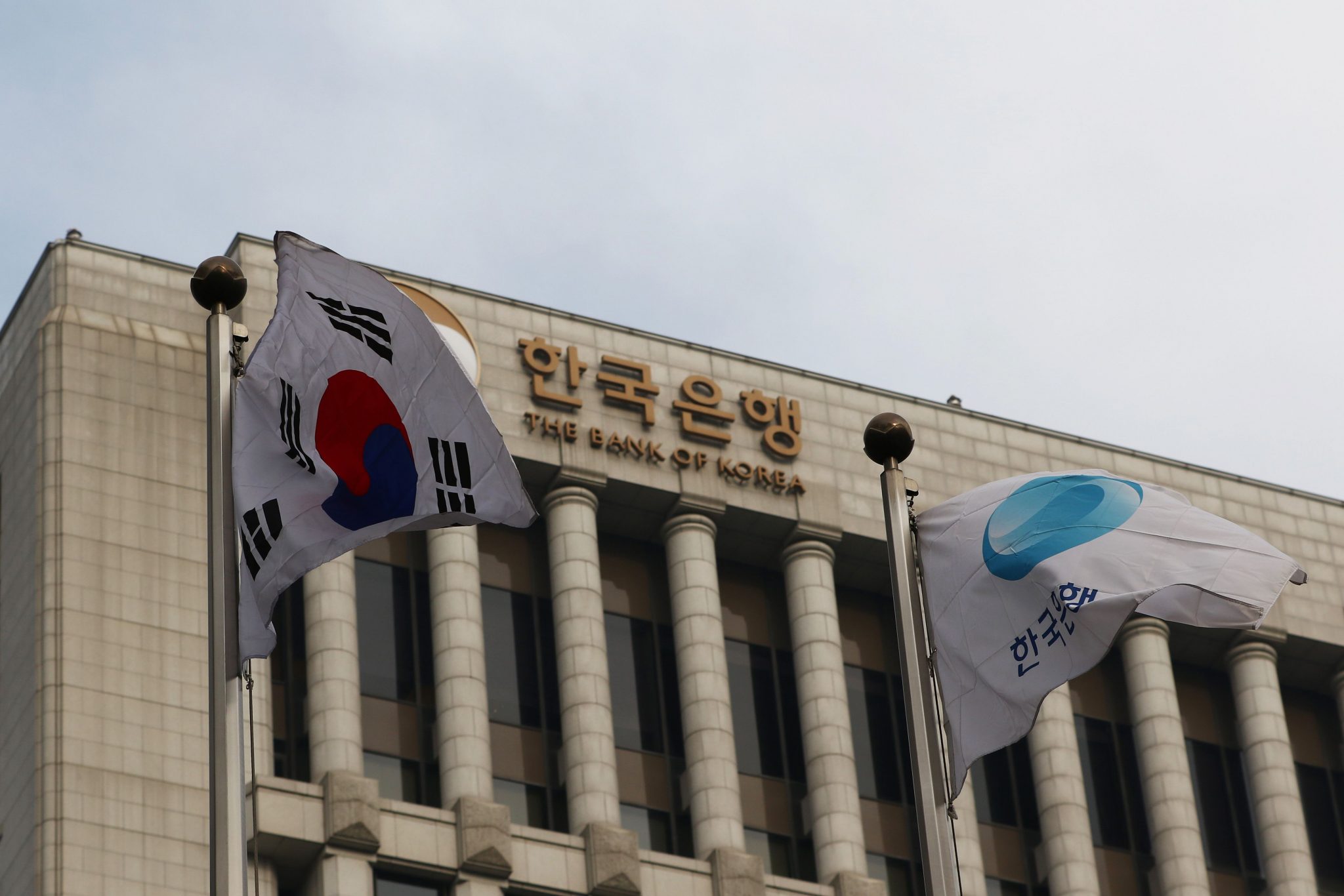
    South Korea’s iShares MSCI South Korea Capped ETF (EWY) slid on June 9 after the Bank of Korea cut interest rates by 25 basis points to 1.25%. This is a record low for the Korean policy rate, which is aiming to support the government’s plan for massive debt restructuring for highly indebted firms.

    Growing risks to the economy due to slow trade recovery worldwide also drove the dovish move. EWY had risen by more than 6.5% since the beginning of the month, leading to some profit booking by traders.

    The Bank of Korea Just Delivered a Surprise

    Chinese inflation falls

    Meanwhile, consumer price inflation across China rose by 2.0% in May on an annual basis against expectations of a 2.3% rise. Prices contracted by 0.5% in May, as compared to expectations of a 0.2% decline. Chinese ETFs (FXI) (MCHI) and (ASHR) were declining on June 9, prior to closing on account of the local holiday.

    Japanese indexes continue to correct

    The Japanese Nikkei 225 corrected by nearly 1% on June 9, 2016, after machinery orders added further disappointment to the Japanese economy. Machinery orders fell by 8.2% on a year-over-year basis in April, as compared to forecasts a 2% decline.

    Relatedly, the unemployment rate in the Philippines rose in the second quarter to 6.1%, despite the 5.8% rate last quarter. Thai (THD) consumer confidence in May came in marginally lower at 72.6, while retail sales in Indonesia came in slightly below estimates of 11.1% at 10.4%.

  • CIMB’s Corporate Card Solutions to see big growth

    CIMB’s Corporate Card Solutions to see big growth

    CIMB Bank Bhd’s newly-launched Corporate Card Solutions is expected to gain significant growth momentum, given that it is a gamechanger in the market.

    In collaboration with MasterCard, the CIMB Corporate Card Solutions offers convenience, control and transparency for business operational expenditure, through its corporate card, purchasing card and virtual card solutions.

    “We are very excited about this launch because the corporate segment has been a domain of the consumer segment in the past.

    “This is a very new solution, for us and in the market as well.

    “A lot of banks now do not do this business,” said CIMB Group transaction banking head Thomas Tan after the launch ceremony yesterday.

    New cards: (from left) MasterCard South-East Asia Indonesia, Malaysia and Brunei group country manager and Islamic payments group head Safdar Khan, Zafrul, MasterCard Asia/Pacific co-president Ari Sarker, and Tan having a closer look at the mock credit cards at the launch of CIMB’s Corporate Card Solutions.

    The Corporate Card Solutions offers unique, customised solutions for companies, such as setting spending limits and customising merchant categories by each individual card holder, with real-time overview of employees’ travel and entertainment expenditure.

    Meanwhile, the purchasing card automates the company’s procurement process by capturing card transactions in real time, which facilitates account reconciliation.

    Companies also have the option to decide on the billing cycles, like a 45-day or 60-day credit interest-free period, unlike consumer credit cards which have one determined billing cycle.

    As for the virtual card solution, businesses can randomly generate a 16-digit virtual card number that is associated with a specific payment, which is then securely transmitted to a specific supplier when payment is due.

    Data is captured real time and matching a unique virtual card number to a specific payment improves reconciliation and aids data analysis.

    These solutions help optimise cash flow, enabling businesses to operate more efficiently through the entire value chain.

    “In today’s business environment where cost management is a high priority, it is our aspiration to help organisations to significantly improve their operational and cost efficiency by automating their transactional flows.

    “These solutions offer unique savings features by optimising cashflows and working capital.

    “Our digital banking solutions such as these are also a response to Bank Negara Malaysia’s call for a reduction in the usage of cheques from 207 million in 2011 to 100 million by 2020,” said CIMB Group chief executive Tengku Datuk Sri Zafrul Aziz.

    The CIMB Corporate Card Solutions is targeted towards government and state agencies, small and medium enterprises (SME) as well as corporate sectors.

    Prior to yesterday’s official launch, CIMB had converted five corporate clients to its Corporate Card Solutions during the soft launch.

  • Japanese bank eyes bigger foothold in PH

    Japanese bank eyes bigger foothold in PH

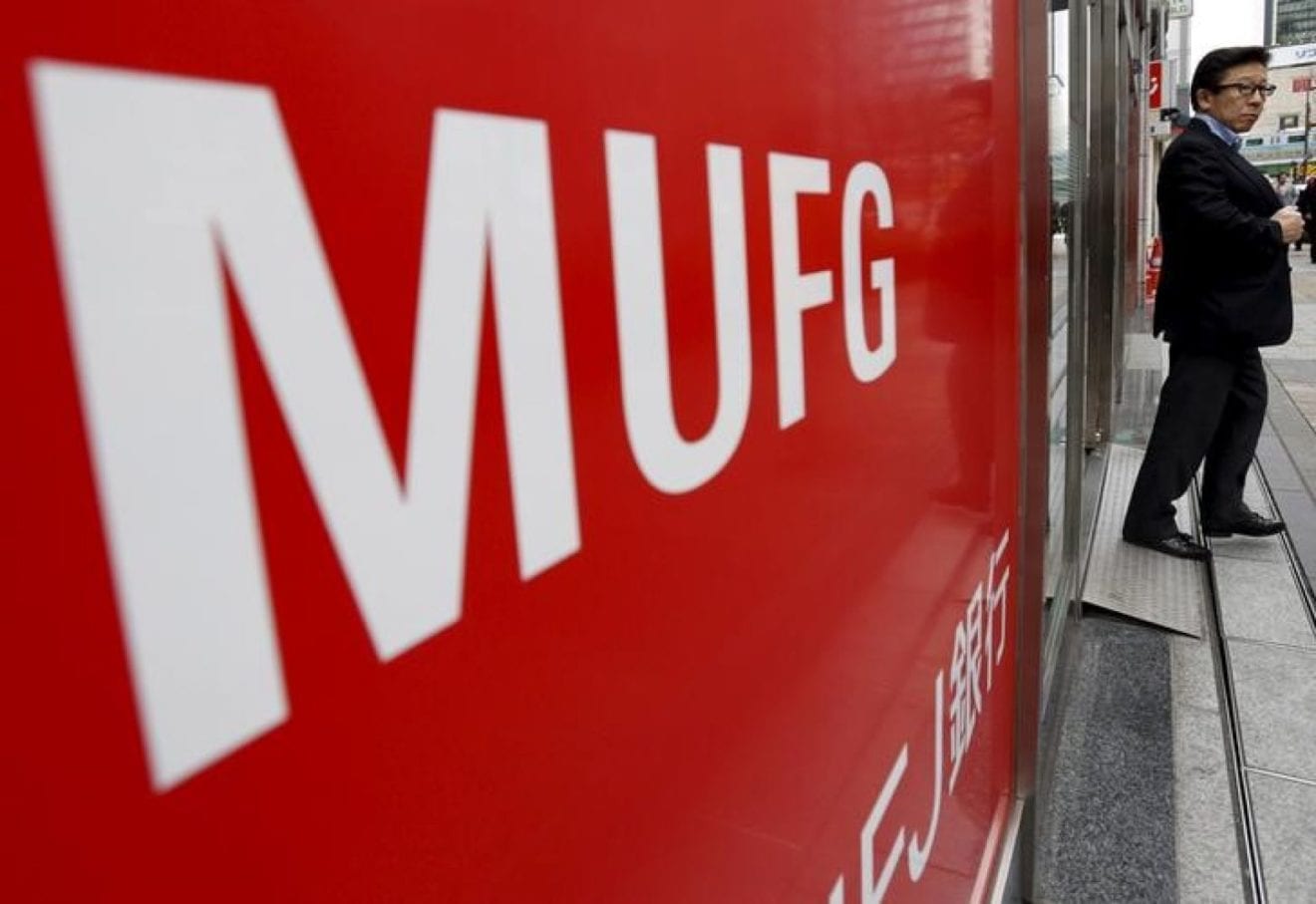
    One of the more significant banking stories of the year is the acquisition of Bank of Tokyo Mitsubishi UFJ (BTMU) of a 20 percent share in a local bank. It’s a move that many predict will eventually lead to a larger ownership stake in the future.

    BTMU CEO Go Watanabe (Asia and Oceania Region) is not dismissing this possibility but one thing he is sure, if it should come to pass it will be a decision that both banks will reach at the same time, at the right time.


    WATANABE

    WATANABE

    Watanabe and officials of Security Bank Corp. announced in January this year of BTMU’s purchase of 20 percent of the bank for $782 million. BTMU, the investment banking arm of the Mitsubishi UFJ Financial Group, is Japan’s biggest bank while Security Bank is the sixth top bank in the Philippines.

    “I cannot disclose the details of the contract but at this moment, 20 percent is very comfortable. So, at this moment we have no plan to increase our share,” said Watanabe.

    The future though, is not set in stone. “(Do we want more share?) we don’t know yet,” he remarked. “Hopefully, our collaboration has been successfully expanding and if both sides will see further opportunity to change the ownership … in that case, we might think about it.”

    Watanabe said BTMU’s “purpose” in Security Bank is not just about making an investment. “We don’t have to limit ourselves to 20 percent as a collaboration. We have already started at 100 percent collaboration.”

    Watanabe said they value mutual agreements and their relationship with the owners of Security Bank and its management is “much more important”. “Due to the good relationship, I think if Security Bank or its owners will reduce their share (in the future), BTMU will be the best party to talk first.”

    Bigger market share

    BTMU is an ambitious bank, it wants global banking status soon and sees the Philippines as part of its plan of establishing a larger regional presence first before becoming one of Asia’s largest by 2020.

    For the Japanese bank, the Philippines is a high growth market based on sustained GDP expansion (66 quarters of above five percent growth), a developing infrastructure industry, a promising revival of the manufacturing sector, and a demographics profile that assures a tenable growth path for a long time.

    BTMU, in the Philippines since 1918, has one branch which they established in the 1970s.

    Watanabe said they have a strong client base here mostly Japanese corporations but their local clients are also growing. “We also have been working with a number of big deals with local conglomerates.” In 2015, its loan book in the Philippines amounted to $800 million.

    BTMU has been in business with Security Bank since 2011 as the latter has an expertise in cash management segment. When they bought shares in the bank – which was approved by the central bank in February this year – they quickly installed their representatives in the bank.

    During its recent annual stockholders’ meeting, and after ratifying the 20 percent equity infusion of BTMU, the Security Bank’s board elected three representatives from BTMU. One of them, Takahiro Onishi, is appointed executive vice president and head of alliance segment. This segment is a new position for exploring “opportunities for the growth of Japanese and related businesses for Security Bank.”

    Watanabe said the collaboration involves providing existing Japanese customers in the Philippines with services such as retail banking. “In addition, we can also provide global corporate business to local companies with services such as project finance, trade finance and tapping BTMU’s diversified global network.”

    “Our business collaboration is (mainly) based on corporate banking. We will be using Security Bank’s expertise in cash management for our Japanese clients (for payroll service, among others),” explained Watanabe.

    In BTMU’s current set up in the country it does not have retail banking. It is in this area that Security Bank will come in. “We are willing to collaborate, to walk together, to transfer our knowledge and support Security Bank’s retail banking.”

    And, since the Philippines is one of the “most important country” for BTMU’s plans to become a top Tier 1 bank in the region, Watanabe said they did not purchase their shares cheap, even offering a high premium. “Our investment is the biggest investment in the Philippine financial market,” he said.

  • Woori Bank to offer insurance products in Indonesia, Vietnam

    Woori Bank to offer insurance products in Indonesia, Vietnam

    South Korea’s commercial bank Woori Bank will join hands with local insurance companies to provide insurance service and products from its global outlets starting with its local unit in Indonesia.

    According to bank sources, the bank will be able to sell insurance products of Hanwha Life Insurance Co. through its Indonesian unit Bank Woori Saudara in the second half of this year. The bank wants to establish up to 300 outlets across the globe and decided to add insurance service, a bank official said.

    Hanwha Life Insurance’s Indonesian operation was established in October 2013 and currently has eight branches and 1,200 insurance planners. It will sell savings insurance products like variable annuity through 131 Bank Woori Saudara outlets. The partnership will be a win-win arrangement for the two since they can save costs by mixing business and sharing business.

    Depending on demand, Woori Bank will also sell non-life insurance products of Samsung Fire & Marine Insurance Co. and KB Insurance Co. via its Indonesian operation.

    Woori Bank will also target Vietnamese bancassurance market in partnership with Hanwha Life Insurance. The bank has two branches in Ho Chi Minh and Hanoi in Vietnam. Since the branches have the license to sell bancassurance products, it plans to sell saving insurance products of Hanwha Life Insurance and later products of Samsung Fire & Marine.

    Hanwha Life ranked eighth in terms of new insurance contracts in Vietnam last year. The insurer has 12,500 insurance planners in 54 branches.

    According to Woori Bank, the Indonesian life insurance market has almost doubled from $5.3 billion in 2010 to $9.8 billion in 2014. Vietnam showed similar growth.

  • Shinhan Bank officially launches its Indonesian operations

    Shinhan Bank officially launches its Indonesian operations

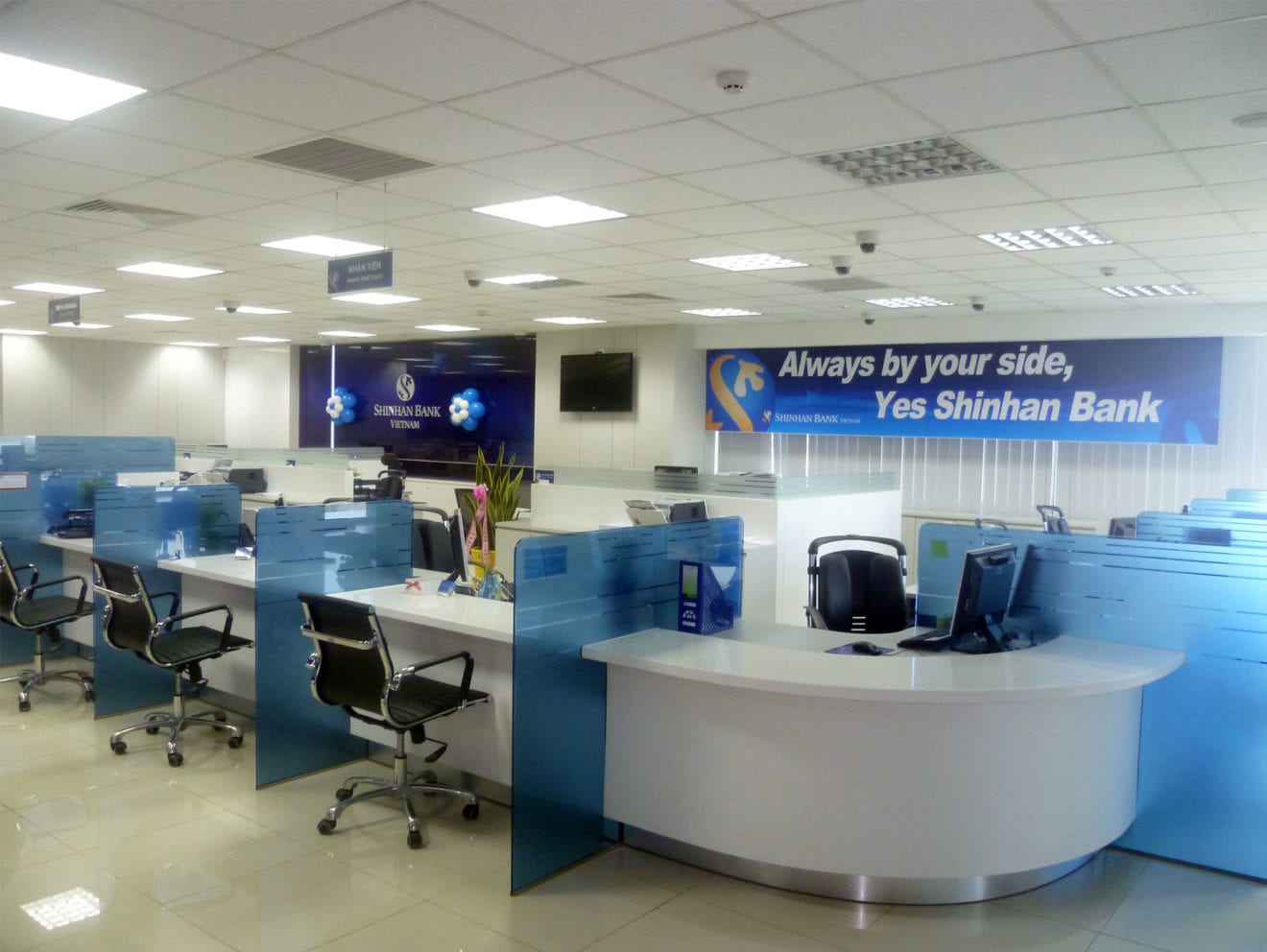
    South Korea’s Shinhan Bank has embarked on operations in Indonesia via Shinhan Bank Indonesia, a move that is expected to help the Korean bank expand its presence not only in the Southeast Asian country but also across Asia.

    Shinhan Bank said on Tuesday it officially launched Shinhan Bank Indonesia, which was renamed from Bank Metro Express (BME), a Jakarta-based bank with 19 branches that was acquired by the Korean bank last year. Shinhan Bank Indonesia is newly headquartered in the International Financial Center Tower 2 in Jakarta, the capital city of Indonesia.

    The kickoff of Shinhan Bank Indonesia’s operations follows a series of launches of the Korean bank’s overseas operations in other Asian countries such as Japan, China and Vietnam in recent years. The latest overseas operation is expected to help Shinhan Bank achieve its ambitious goal to build an extensive financial network across Asia.

    The Korean bank also aims to merge Shinhan Bank Indonesia with Centratama Nasional Bank (CNB), another Indonesian bank that it took over last December, later this year. The Indonesian bank has 41 branches across Surabaya, the second biggest city in Indonesia, and other cities in Java Island.

    Once the merger is complete, the Korean bank would have 60 networks across Indonesia, the world’s fourth most populous country. It currently has 141 overseas networks across 19 countries. It would also be the first in the Korean banking industry to purchase two offshore banks and merge them.

    Cho Yong-byung, the president of Shinhan Bank said at the launching ceremony on Tuesday that he expects the merger of the two Indonesian banks would set a new milestone in Indonesia.

  • Bank Mandiri chalks up Rp3.8 trillion in Q1 net profit

    Bank Mandiri chalks up Rp3.8 trillion in Q1 net profit

    The state-owned lender Bank Mandiri reported Rp3.8 trillion in net profit in the first quarter of 2016 thanks to increases in net interest income and fee-based income.

    The countrys largest bank in asset recorded a 19.1 percent in increase in net premium and net interest income to Rp13. trillion and 8 percent rise in fee-based income to Rp4.2 trillion.

    President Director of the bank Kartika Wirjoatmodjo said the increase in net interest income and fee-based jacked up operating income that surged 16.3 percent on-year to Rp17.2 trillion.

    The increase in income contributed to 15.9 percent growth in operating profit to Rp9.3 trillion, Kartika said here on Sunday.

    “Productivity of assets, liability and transaction business have been well managed amid the domestic and global economic slowdown,” he said.

    The liquidity of the bank was marked with the increase in third party funds held by the bank to Rp655.1 trillion in the first three mo9nths of the year, he said.

    Around 62 percent or Rp406.5 trillion of the third party funds were in giro and savings . Savings dominated the cheap fund growing Rp18.2 trillion to Rp248.8 trillion.

    Its outstanding credits totaled Rp574.7 trillion by the end of the first quarter of the year, and 85.7 percent of the credits were categorized as productive credits, Kartika said.

    Infrastructure credits totaled Rp46.42 trillion and credits for micro, small and medium enterprises (UMKM) reached Rp74.6 trillion.

    Its people credit facility called KUR reached Rp3.7 trillion or 28 percent of the whole years target of Rp13 trillion with 466,000 recipients in the first quarter of the year.

    Earlier a bank director Tardi said the target set for this year is more than quadrupling the target of only Rp3.2 trillion in 2015.

    The bank has established more small branch offices in the regions to facilitate disbursement of KURs for micro, small and medium enterprises.

    The small branch office would bring the bank closer to small depositors, Tardi said.

    In 2016, Bank Mandiri hopes to increase the number of its small branch offices to around 400 units all over the country.

    By April 2016, at least 26 new units have been in operation and by September the remaining 374 units are expected to be ready for operation.

    With the additional branch offices, the bank hopes to expand its market among the small and medium enterprises, which have proved more resistant to economic crisis.

    The small and medium enterprises provide a potential market for banking business in the country, banking observers have said.

    Currently, Bank Mandiri has 3,021 outlets including 600 units of kiosk all over the country.

    Bank Mandiri also has 17,000 agents for financial services without office for inclusive finance in various areas in the country.

    They include 8,759 individual agents and the rest institutional agents .

    In 2015, the bank reported a better-than-expected net profit but its bad loans crept up partly due to its exposure to the commodities sector.

    The bank posted a net profit of Rp20.3 trillion in 2015, or about 2 percent higher than in 2014.

    Its outstanding credits surged 12.4 percent to Rp595.5 trillion.

    Growth in net profit was the smallest in a decade, as the bank stepped up provisions. But the lenders 2015 profit was still higher than the average forecast of Rp19.59 trillion.

    Its gross non-performing loans (NPL) rose to 2.60 percent of total loans by the end of 2015, from 2.15 percent in the previous year.

    Gross NPL is predicted to be around 2.5 percent to 3 percent in 2016, Kartika has said.