Retail News CRM

Tag: Banking

  • Strong growth recorded by Bank NTT in assets

    Strong growth recorded by Bank NTT in assets

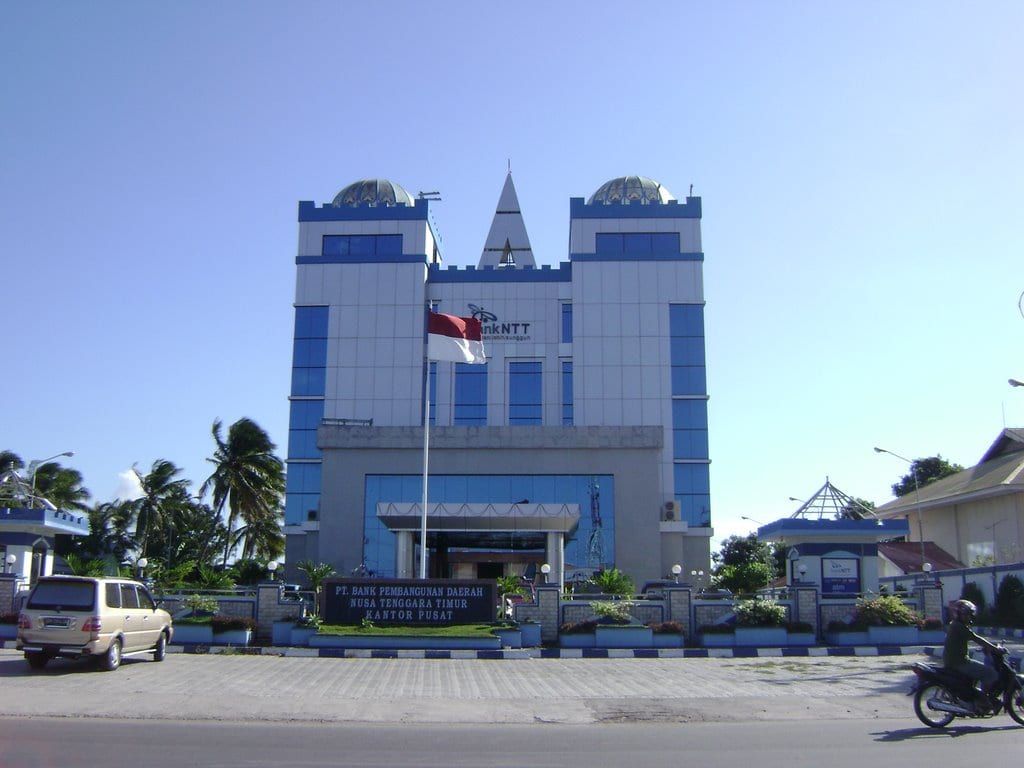
    Regional lender, PT Bank NTT, in East Nusa Tenggara, recorded a strong growth of 44.03 percent year-on-year in assets to Rp11.9 trillion in 2015.

    “The bank has recorded a steady growth until the close of 2015,” Daniel Tagu Dedo, the president director of the lender, which is owned by the regional administration, said.

    Daniel said the bank also recorded good growth of 20.29 percent in drawing third party funds to Rp7.54 trillion by the end of 2015 from Rp6.27 trillion a year earlier, and a 20.29 percent growth in in credit expansion.

    The banks outstanding credit was recorded at Rp6.61 trillion by the end of 2015, up from Rp5.5 trillion a year earlier.

    Its profit grew 34.01 percent to Rp380 billion from Rp244 billion and its core capital totaled Rp1.23 trillion including paid up capital at Rp973 billion.

    The capital put the bank in the category of Buku II, allowing it to offer internet banking service or selling other products such as insurance product.

    The bank has received citations in recognition of its good performance in 2015 from various organization and agencies including banking agency.

    “The bank would not boast about the citations, but the recognition would serve to spur the management to work the harder,” he said.

    In 2015, BNK NTT won Infobank Award with the notation of excellent for 15 consecutive years for category of banks with assets of around Rp10 trillion, and Annual Report Award (ARA) 2014 for category of listed state companies, as the third best.

    The awards were received in Jakarta in September 2015.

    The award ceremony was organized by the Financial Service Authority (OJK), the Indonesian Stock Exchange,Bank Indonesia, The ministry for state enterprises, the National Committee for Governance Policy, the Association of Indonesian Accountants and the Taxation Directorate General.

    In the same year, the bank also received the award of Anugerah Perbankan Indonesia (APBI) IV 2015 in a ceremony held by the Economic Review Magazine and Institute of National Banking (Perbanas) for the category of bank with core capital of Rp1 trillion up to Rp5 trillion.

    The award was presented on November 5, 2015.

    Another award, Lintas Artha Award, was received by the bank later that month.

  • SEC seals China Bank-Plantersbank merger

    SEC seals China Bank-Plantersbank merger

    The Securities and Exchange Commission (SEC) has approved the merger of China Bank Savings Inc. (CBSI) and Planters Development Bank (PDB), with China Bank becoming the surviving corporation.

    Both CBSI and PDB are subsidiaries of retail tycoon Henry Sy’s China Banking Corporation (China Bank), after PDB, established in 1072 by businessman Jesus Tambunting, became part of China Bank in 2014.

    “As a result of the merger, CBSI and PDB shall become a single corporation, with CBSI as the surviving corporation,” China Bank said in a disclosure to the Philippine Stock Exchange on Monday.

    As of end-2015, China Bank is operating a total of 517 branches, including 165 CBSI and Plantersbank branches.

    Aside from the CBSI-Plantersbank merger, the SEC has also approved the appointment of some executives effective January 1, 2016.

    The executives include Carlos M. Borromeo as senior vice president, chief financial officer, and head of financial statement segment; as well as lawyer Marissa B. Espino as co-vice president, chief compliance officer, and head of compliance office.

    Maria Cristina C. Hernandez was also approved as co-vice president, head of treasury financial institution, under financial capital markets and investment segment.

    In 2015, China Bank opened a total of 47 branches. For 2016, plans are up for opening 66 more branches—50 for China Bank and 16 for the consolidated CBSI network.

    In the first nine months of 2015, China Bank’s net income rose by 8 percent to P3.64 billion, on track with its targets to grow profits by 10 percent by end-2015.

    Established in 1920, China Bank is an affiliate bank of richest man in the Philippines, Henry Sy. It mainly caters to the small and medium enterprises (SME) market through subsidiaries CBS and Plantersbank. It also offers banking services to other markets—corporate, commercial, and retail.

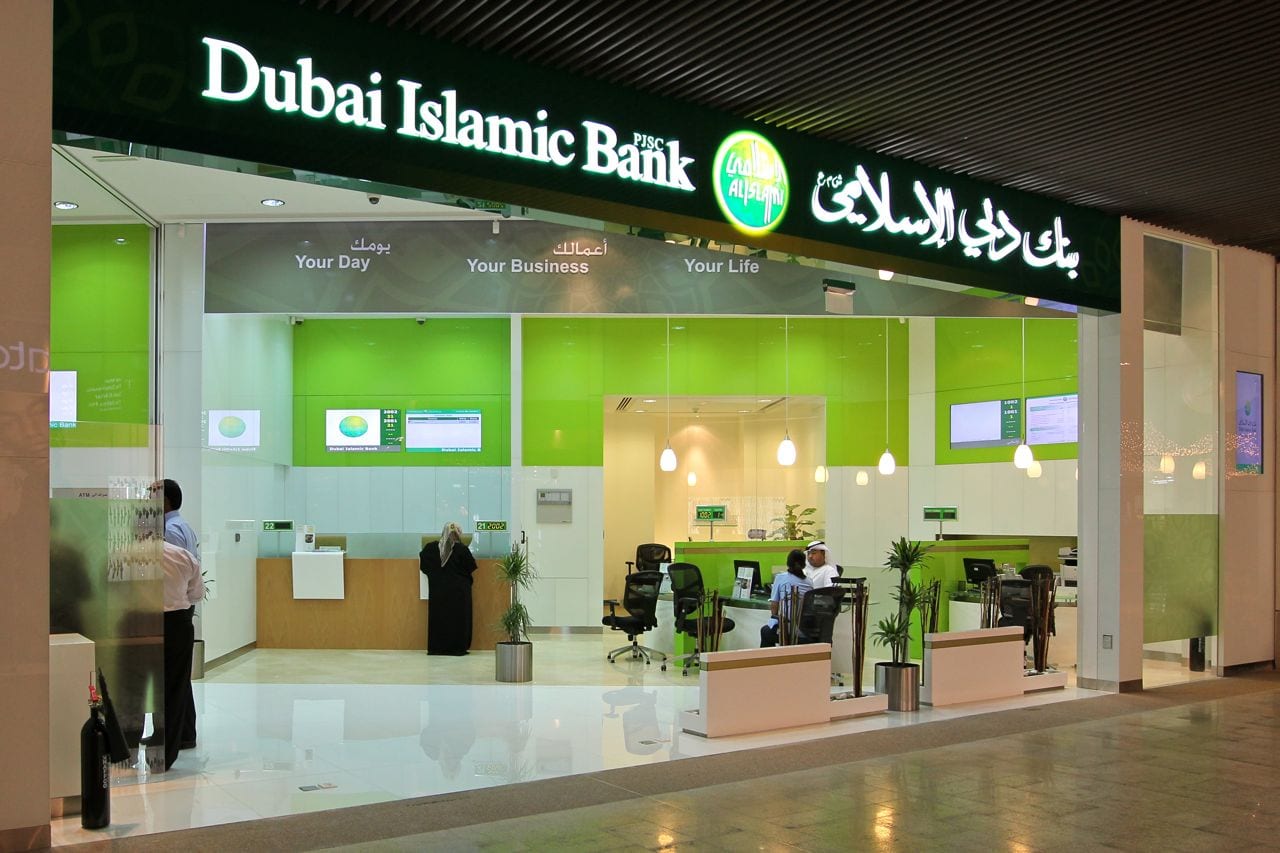
  • DIBPL wins ‘Best Islamic Retail Bank in Asia’ award

    DIBPL wins ‘Best Islamic Retail Bank in Asia’ award

    The ceremony was also attended by the Presidents and CEOs of other Islamic banks as well. Junaid Ahmed said that Dubai Islamic Bank being the pioneer and leading Islamic banking institution globally is committed to the long-term prosperity of Pakistan and Islamic Finance as a whole.

    Junaid Ahmed said that DIBPL is a wholly owned subsidiary of Dubai Islamic Bank UAE, the world’s first Islamic bank. Alhamdulillah, DIBPL is a Minimum Capital Requirement (MCR) compliant bank that enjoys a short-term credit rating of ‘A-1’ and long-term credit rating of ‘A+’, with a “positive” outlook from JCR-VIS. He further stated that DIB UAE Group is one of the largest Islamic bank in the world total asset base of approximately over Rs 4.5 trillion (US Dollars 41 billion) at September 30, 2015.

    He further said that DIBPL intends to keep this momentum going for 2016 as well, aiming to take the overall branch footprint of over 250 locations nation-wide. This will enable more customer convenience and highlight the Bank’s endeavour for bring world class Islamic Banking at the customer’s doorstep.

  • What if…HSBC sold Hang Seng for BoCom deal?

    What if…HSBC sold Hang Seng for BoCom deal?

    Companies of China are increasingly focused on international expansion, at the exhortation of Beijing. Its desire to expand has helped support the international ambitions of local insurers such as Anbang and Fosun International, or securities firms such as Citic and Haitong. But one vital part of this sector has yet to demonstrate such assertiveness: China’s banks.
    Chinese individuals are remarking upon their meekness. The South China Morning Post reported that Li Ruogo, former chairman of the Export-Import Bank of China and now an executive vice-president at the International Financial Forum, claimed the international capabilities of China’s banks is not suitable for the needs of the nation’s outbound investments and acquisitions.

    Similarly, the newspaper reported that Ma She, deputy director of European affairs at the Ministry of Commerce, as criticising the banks for “underdeveloped” overseas branch networks and poor data sharing management.

    To date China’s banks have embarked on tentative acquisitions offshore, in South Africa and South America. But these have been small, and piecemeal.

    It looks unlikely the banks would ever unveil grandiose plans to buy a Deutsche Bank, or a Standard Chartered. Instead, for a truly transformational purchase they would be most likely to seek targets close to home.

    Hong Kong would be the most obvious immediate candidate, boasting geographic, financial and cultural ties. However, the city has relatively few decent-sized candidates that are obvious acquisition prospects.

    Bank of East Asia might be the most obvious potential target. However, the bank recently issued an exchangeable bond in its shares to Sumitomo-Mitsui Financial Group, effectively raising its stake to around 17.5%. That, combined with the Li family’s 11%, might make a takeover bid highly challenging, particularly given the likely reluctance of the Li family to sell out.

    But there is another possibility: Hang Seng Bank.

    Appealing acquisition

    Hang Seng’s biggest shareholder is HSBC. It bought a 51% stake in Hang Seng in 1965, after the latter was tottering following a bank run, and has subsequently raised this stake to 62.14%.

    As a result HSBC, which is by far Hong Kong’s largest retail bank, was responsible for 52% of Hong Kong loans (HSBC 40% and Hang Seng 12%) and 55% of deposits in 2014 (HSBC 44% and Hang Seng 11%), according to a report by Dagong Securities, published in May.

    The UK-headquartered bank holds Hang Seng at arm’s length, no doubt in order to avoid accusations of monopolistic practices. But it would be very reluctant to sell it. Understandably so; Hang Seng reported a profit of HK$20.05 billion ($2.59 billion) for the first half of 2015, had total assets of HK$1.3 trillion, while it was trading at 1.93 times price to book value on Wednesday, according to Bloomberg. It enjoys strong retail banking and insurance businesses and is growing in wealth management too.

    Acquiring Hang Seng would make a potentially appealing addition to a Chinese state-owned bank. It would offer the lender immediate scale in Hong Kong, North Asia’s leading financial centre. More importantly, Hang Seng would provide expertise in international banking practices and customer services.

    For Hang Seng, the backing of mainland lender with international aspirations would offer it the opportunity to flourish into commercial and retail banking outside of Hong Kong.

    Getting a sale done

    Hang Seng’s strength and financial stability means HSBC would be very reluctant to part with it. Yet it might be persuaded to do so for a large enough incentive.

    As it happens, Beijing could give HSBC what it may want most of all:  ownership of a local nationwide bank.

    The most likely is Bank of Communications. HSBC has owned around 19% of BoCom for years, and hoped to eventually get majority control, but these plans are currently impossible due to China’s 20% foreign ownership limit in its banks.

    Beijing could offer HSBC an exemption to its foreign ownership limits (potentially utilising the idea that HSBC’s local Hong Kong bank unit, The Hong Kong & Shanghai Banking Corporation, is applicable to buy larger stakes in China banks). Then it could sell HSBC enough shares to give it a controlling interest at a competitive rate (following, no doubt, a very thorough audit).

    In return, HSBC would agree to relinquish Hang Seng to a local bank for a similarly competitive valuation.

    The biggest challenge would be building enough political support for such a deal.

    It would likely require sanctioning by the State Council, plus the Ministry of Finance, State-owned Assets Supervision and Administration Commission and the China Banking Regulatory Commission. Additionally, the Chinese bank would need to agree to the purchase of Hang Seng Bank.

    However, if the political will could be found, it should be relatively straightforward to sell shares in BoCom to HSBC. The Chinese government owns 46.3% of BoCom, with the National Council for Social Security Fund owning another 4.78% and Sasac holding a further 4.66%, according to 4-traders.com.

    Securities fast track

    HSBC might ask for another favour in return for giving up BoCom: rapid approval of its new securities joint venture.

    The bank HSBC agreed to establish a joint-venture securities company with Shenzhen Qianhai Financial Holdings, of which it would own 51%, on November 2. However, the deal is subject to regulatory review and approval, which can take a long time – some JV players have been waiting years to get final approval on certain licences.

    Therefore HSBC would likely want fast-tracked approvals that gave its JV full underwriting, trading and wealth management access to China’s local capital markets.

    In addition to offering HSBC incentives, Beijing could also – if it so chose – place pressure on it to divest Hang Seng via the compliant politicians who run Hong Kong’s government.

    For all the operating separation of HSBC and Hang Seng, the fact remains the two comprise a dominant percentage of Hong Kong’s retail banking sector. In most countries this would cause antitrust concerns.

    Coincidentally, Hong Kong’s government introduced a new Competition Ordinance on December 14. International law firm Linklaters noted “the impact of the new law will grow over time, but it will ultimately lead to a more mature marketplace in which consumers will benefit through enhanced competition.”

    Costly acquisition

    Aside from political will, the biggest sticking point of any deal over bank acquisitions would be cost.

    Neither purchase would be cheap. BoCom had a market capitalisation of Rmb416 billion, or $64.13 billion, as of Thursday, giving it a price-to-book valuation of 0.94 times. Assuming BoCom’s balance sheet didn’t raise any major concerns, HSBC might spend $21.8 billion to raise its stake from 19% to 51%, assuming it paid on a par price-to-book valuation.

    Hang Seng is a bit cheaper. Its market capitalisation was HK$281.4 billion ($36.3 billion) on Thursday, giving it a price to book valuation of 1.98 times. At that valuation, a Chinese bank would need to pay $18.5 billion to gain a simple 51% majority stake from HSBC.

    To put those price tags into perspective, the largest banking M&A on record in Asia-Pacific, Westpac Banking Corporation’s $17.9 billion purchase of St. George’s Bank in 2008. Malaysia’s CIMB, RHB and Malaysia Building Society did discuss a three-way merger worth $22.3 billion in 2014, but the plan was scrapped early this year.

    Beijing would need to have a truly unshakeable desire to get one of its banks to expand internationally to sanction such an expensive M&A. And it would be hard for the Chinese government to cajole HSBC into such a sale without giving it in return the sort of local bank control it has thus far been unwilling to allow.

    But China appears keen to get its banks to support the expansion of its companies and the usage of its currency overseas. And HSBC really wants more mainland access.
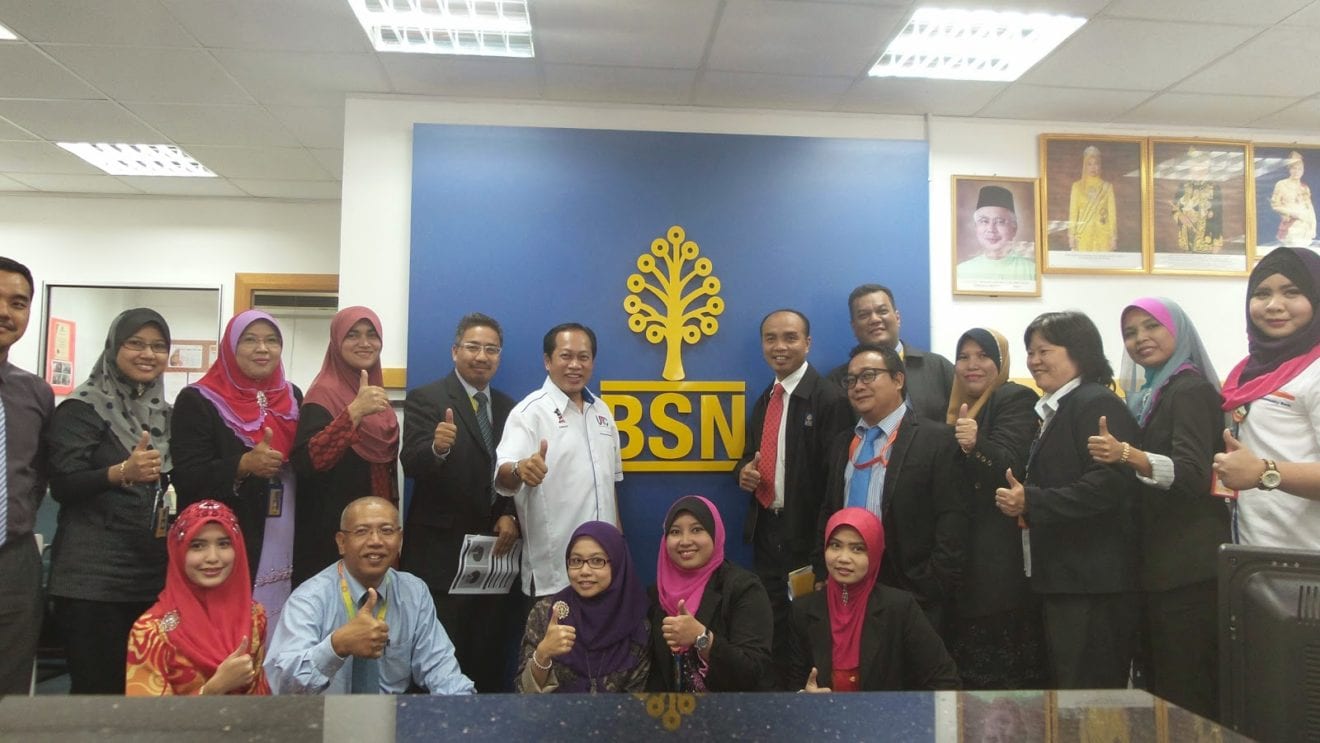
  • Bank Simpanan Nasional and Cisco Digitise Banking in Malaysia

    Bank Simpanan Nasional and Cisco Digitise Banking in Malaysia

    Malaysia’s premier savings bank, Bank Simpanan Nasional (BSN), is transforming their products and services to appeal to a new generation of digital-enabled customers by deploying Virtual Teller Machines (VTM) across 31 branches. Built on Cisco® Unified Communication and Cisco Unified Computing platforms the VTM helps enable virtual, real-time engagement between customers and tellers in any of the branches, through a highly secure and immersive video platform.

    “The VTM balances the work load between branches, enabling customers in busy branches to perform transactions assisted by tellers in less busy branches nationwide. Customers can now enjoy counter transactions without geographical limitations and experience more comfortable and personalised professional financial services,” said Datuk Adinan Maning, Chief Executive of Bank Simpanan Nasional.

    Key Benefits to Digitised Teller Services

    Virtualising the services provided by in-bank tellers enables BSN to increase resources for the customer, increase bank productivity and most importantly, increase the efficiency of their organisation and the efficiency of service to their customers. Each BSN branch will have three VTM machines and these self-service kiosks that are supported by 450 virtual teller agents placed to assist their colleagues at branches that have higher customer traffic.

    The virtual tellers will be able to attend to customers’ needs, provide advice on banking products and services, and handle account inquiries as well as loan applications.

    The VTMs installed at BSN branches have highly secure features including encrypted electronic signature, thumb print verification, and card identification to ensure customers are protected.

    “The financial services industry is not immune to competition from market disruptors. Non-traditional financial institutions are delivering new digital services that are personal, customised and convenient. Malaysia is committed to transforming the economy through digitisation, and two critical aspects of the Eleventh Malaysia Plan — innovation to drive revenue and productivity acceleration for sectoral growth — are addressed with this implementation at BSN. By leveraging technologies from Cisco to drive a connected banking experience, BSN is leading the way in delivering greater value to their customers, appealing to the digital consumer, improving their productivity and efficiency, while increasing their revenue and customer base. The digitisation of bank branches is an important part of the Omni channel banking experience that transforms the customer’s transaction and increases their engagement with the bank,” said Albert Chai, Managing Director for Cisco in Malaysia.

    Built on the Cisco Business Edition 7000 unified communications platform that includes voice over Internet Protocol (IP), video through Telepresence with Cisco DX 650 and Cisco Jabber for chat functionality and presence, the VTM allows BSN employees to connect to their customers at any time during branch operation hours. The scalable, open and interoperable technologies are hosted on Cisco Unified Computing System foundation.

    “In total, BSN is investing RM30 million to roll out the VTM that provides more than 80 percent of counter services, and is an improvement over current automated teller machines (ATM) and cash deposit machines (CDM). In the near future, the VTMs will also be offering additional services including Account Opening and Debit Card, Customer Information Management and Bills Payment. The VTMs may also allow extended banking hours with the placement of VTMs at public locations,” continued Datuk Adinan.

    BSN customers will be able to use the new banking service in 31 branches, with 93 VTMs serving customers fromDecember 2, 2015.

    According to McKinsey, more than 700 million consumers currently use digital banking across Asia. With digital banking through desktops, smartphones, and tablets becoming much more common, consumers that prefer digital banking are more attractive to financial institutions as they tend to be more educated, have account balances that are two to three times higher, hold multiple banking products and are very active in online shopping. By digitising banking services through VTM machines, BSN is able to optimise technology to improve the customer experience and meet customer demand, while competing with emerging fin-tech start-ups.

  • First Visa token service launched in Asia-Pacific

    First Visa token service launched in Asia-Pacific

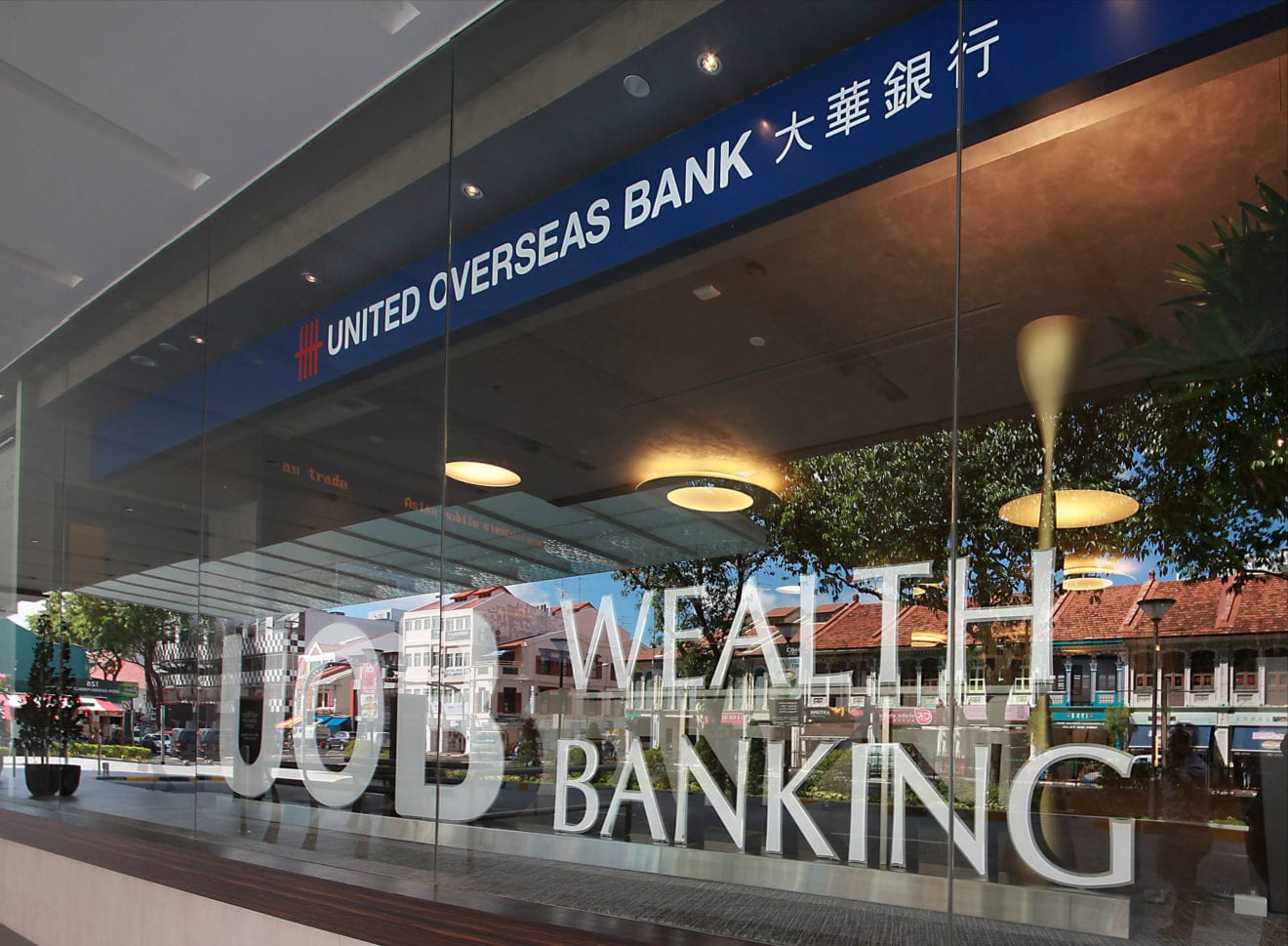
    Visa launched on Monday the first Visa Token Service in Asia-Pacific with the United Overseas Bank (UOB) as the first bank implement the service. 

    The service is a new security technology that replaces sensitive payment account information found on payment cards, such as the 16-digit account number, expiration date and security code, with a unique digital identifier or “tokens” that can be used to process payments without exposing actual account details.

    Visa cards that are tokenized are also domain controlled, meaning the tokenised card is linked to a consumer’s phone or wallet application and is validated in real-time by VisaNet, Visa’s global payment processing platform.

    Tokenisation was first introduced as a new global standard in October 2013 by Visa and other payment schemes to enhance security and simplify consumers’ purchasing experience.

    “We live in a connected world and with the rise of digitization, it is important the payments industry is focused on delivering a safe, secure, simple, and consistent consumer purchasing experience,” said T.S. Anil, Head of Product for Asia Pacific for Visa.

    “The Visa Token Service can help prevent fraud by offering financial institutions, merchants, and third party payment providers, such as digital wallet providers, a secure way to enable mobile and online payments without sharing sensitive account information,” he added.

    United Overseas Bank has implemented the Visa Token Service as part of its digital wallet UOB Mighty. The service allows its Visa credit or debit cardholders to make contactless payments with an NFC-enabled Android smartphone simply by launching the UOB Mighty app, selecting the “Pay” function, entering a PIN and tapping to pay at all NFC-enabled terminals in Singapore and overseas.

    “Consumers are increasingly attached to their smartphones which have become an indispensable lifestyle device. With the Visa Token Service, UOB is able to offer Singapore customers the option of making contactless payments, with tokenised security, through their smartphones at the point of sale – whether it is in a supermarket, coffee shop or at a petrol station,” said Mr Dennis Khoo , Head of Personal Financial Services, Singapore, UOB.

  • Singapore banks warn of new malware targeting mobile banking users

    Singapore banks warn of new malware targeting mobile banking users

    The Association of Banks in Singapore on Tuesday (1 December) warned consumers of a new malware that has been targeting mobile banking customers using Android smartphones.

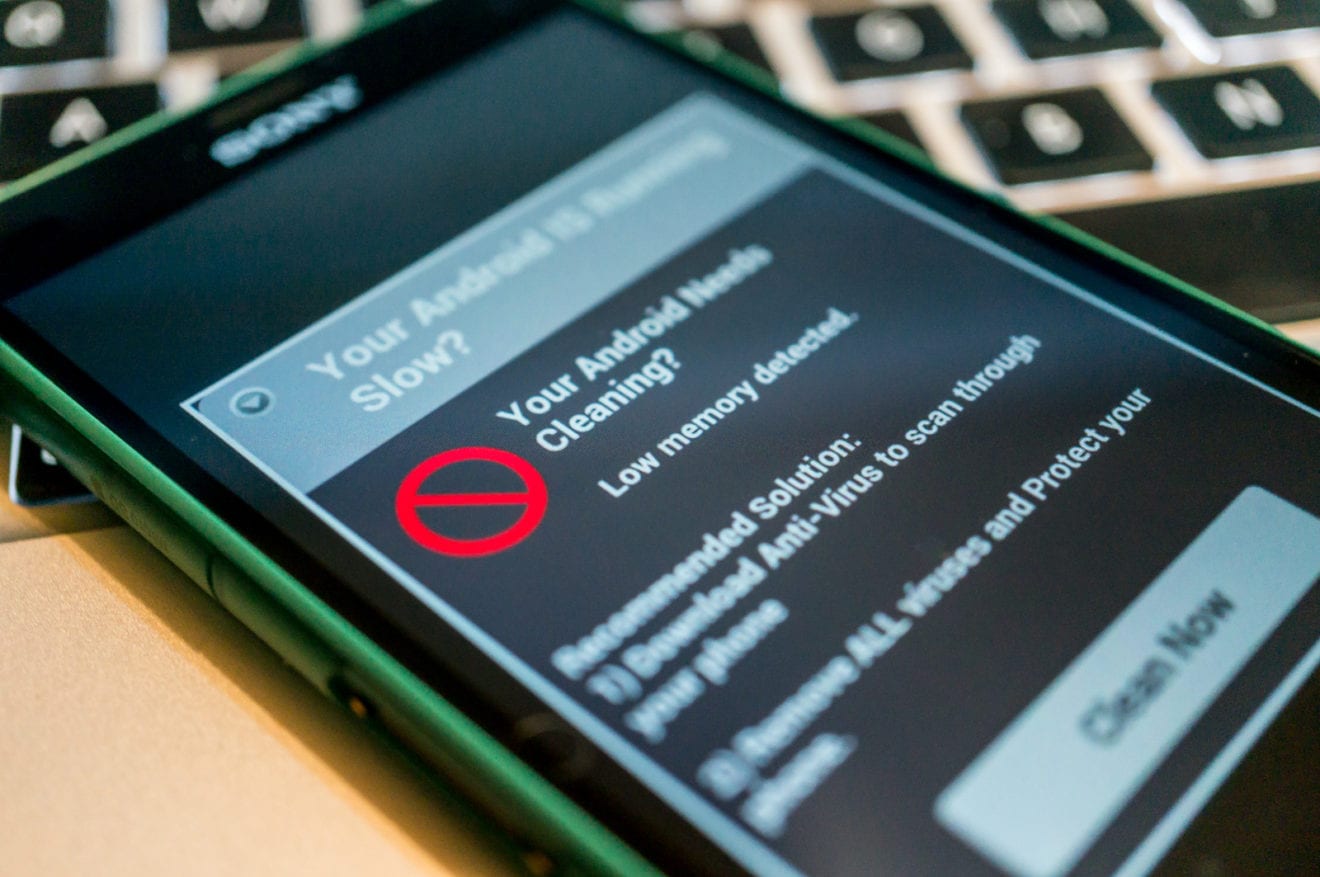
    In a press briefing, ABS director Ong-Ang Ai Boon said that since September “about 50” people have fallen victim to the malware, which poses as an Android software or WhatsApp application update and accesses users’ online banking accounts to make unauthorised purchases.

    In the latter, a pop-up ad encourages consumers to tap it and download a “new” version of the program or risk losing access to the service. After downloading the “update”, the app will prompt the customer to input confidential information such as credit card details.


     Phone screenshots of how consumers were prompted to perform application updates, which resulted in their smartphones being infected by malware. Photo: The Association of Banks in Singapore
    Phone screenshots of how consumers were prompted to perform application updates, which resulted in their smartphones …

    Current victims have lost up to a few thousand dollars from fraudulent online purchases made by cyber criminals, said Ong-Ang.

    She disclosed that many of the purchases were made to overseas websites. A fraudulent purchase of budget airline tickets was made in one case.

    Investigation into these scams is still ongoing by the banks affected and the police, she added.

    “The weakest link is the consumer, if they are not careful. You must be vigilant. Don’t download unauthorized apps, don’t go to illegitimate sites and don’t simply click on any URL which you are not aware of. Because once you do that, you compromise your handphone,” Ong-Ang noted.

    ABS advised consumers to take the following precautions: secure your smartphone with a password, install system updates to get the latest security features, install applications from trusted sources such as “Google Play”, only click on hyperllinks from messages and emails from a trusted source, and visit your bank’s website for more information.

    According to the banking association, major retail banks in Singapore have seen an increase of mobile banking customers from 1.5 million in 2013 to 2.4 million in 2015.

  • Kakao Bank, South Korea first internet-only banks

    Kakao Bank, South Korea first internet-only banks

    The country’s Financial Services Commission said Sunday it awarded a preliminary license to Kakao for a business to be named Kakao Bank.

    “An Internet bank is meant to give non-financial players, including IT firms, chances to enter the banking sector if they have feasible business plans to improve the financial market and customer rights”, the FSC said earlier’.

    Kakao Bank and K Bank will individually apply for the final approval after satisfying the human and material requirements.

    For Kakao Bank, Korea Investment Holdings Co. will take part as a major shareholder with 50 percent share, while Kakao and Kookmin Bank own 10 percent share each.

    Kakao, KT and Interpark were reported to be the three applications accepted by the FSC. It is the first time in 23 years that a new commercial bank has opened in the country’s banking industry. Once they receive the official approval form the FSC, they need to start operation within six months.

    According to the agency, Kakao’s Kakao Bank gained high scores for innovative services based on its immensely popular mobile messenger app KakaoTalk with 40 million users.

    The banks holding a stake in the two winning consortiums, on the other hand, rejoiced at the FSC approval, but are also facing financial burdens, as well as possible power struggles within the consortium.

    Currently, top-tier banks offer an annual rate of 3 percent to 5 percent, while secondary financial institutions, such as mutual savings banks or capital services, charge 15 to 34 percent.

    “Kakao’s rival, the K-Bank consortium, includes South Korea’s second-largest mobile carrier KT, Woori Bank, GS Retail and China’s Alipay, which is affiliated with e-commerce company Alibaba”.

    Nonparticipating banks geared up to expand their online banking platforms and increase their range of mid-interest rate loans to defend against the incoming Internet-only banks.

    FSC Chairman Yim Jong-yong has been a strong advocate for the web-based bank, saying he expects the online-banking industry to raise the competitiveness of the Korean banking industry as a whole. However, many difficulties are expected in order to pass the bill.

    The bank also aims to go global as it has secured ties with Tencent, China’s biggest social-networking and mobile games company, and the USA online retail giant eBay, which also owns Korea’s two leading shopping sites Gmarket and Auction.

  • UOB to help Jakarta draw investments

    UOB to help Jakarta draw investments

    United Overseas Bank (UOB) is linking up with an Indonesian government agency to encourage more foreign direct investment (FDI) into Indonesia.

    Under an agreement signed yesterday, the Investment Coordinating Board (BKPM) will allow UOB clients to apply for what is called a Principle Licence here without having to travel to Indonesia.

    A foreign company must obtain the licence as an initial step to incorporating an entity there.

    BKPM, which is under the direct supervision of President Joko Widodo, supports foreign investment into the country and helps Indonesian companies venturing overseas.

    UOB said it will support Indonesian investors looking to expand overseas through BKPM’s Indonesia Investment Promotion Centre in Singapore.

    BKPM will also help UOB clients take advantage of business opportunities in Indonesia.

    Last year, Indonesia was the second-largest recipient of foreign direct investment inflows into Asean, receiving US$28.5 billion (S$40.2 billion), UOB noted.

    China’s FDI into Indonesia has increased more than fivefold over the past three years, growing from US$141 million in 2012 to US$800 million last year, UOB said.

    Mr Sam Cheong, head of UOB Foreign Direct Investment Advisory, said opportunities in the region will be boosted by the upcoming Asean Economic Community.

    Under China’s “One Belt, One Road” initiatives, trade and investment between China and South-east Asia will likely continue growing, he added.

    BKPM chairman Franky Sibarani said in a statement: “(The agreement) will help to promote investments in Indonesia across major sectors, such as the infrastructure, maritime, import substitution, export-oriented, agriculture, downstream mining, industrial estate and tourism industries.”

  • Mobile banking consumers in Singapore warned of malware threat.

    Mobile banking consumers in Singapore warned of malware threat.

    Bank customers in Singapore have been warned of a rise in malware infections on Android phones that seek to hijack online passwords and one-time security codes.

    The warning, from the Association of Banks in Singapore (ABS), says the infections appear as a software update for Android smartphones, or as a service for updating WhatsApp.In the latter, a pop-up advertisement encourages consumers to tap it and download a “new” version of the program or risk losing access to the service. After downloading the update, the application will prompt the customer to input confidential information, such as credit card details, which could then be used to commit fraud.

    Smartphones that have been jailbroken or rooted are particularly susceptible to infection, says the ABS.

    Ong-Ang Ai Boon, director of ABS, says that major retail banks in Singapore have seen an increase of mobile banking customers from 1.5 million in 2013 to 2.4 million in 2015.

    “ABS would like to remind mobile banking customers that smartphones are as susceptible to malware as desktop computers or laptops,” she says. “Consumers are reminded to download applications only from trusted sources.”

  • Lawson Japan mulls banking foray

    Lawson Japan mulls banking foray

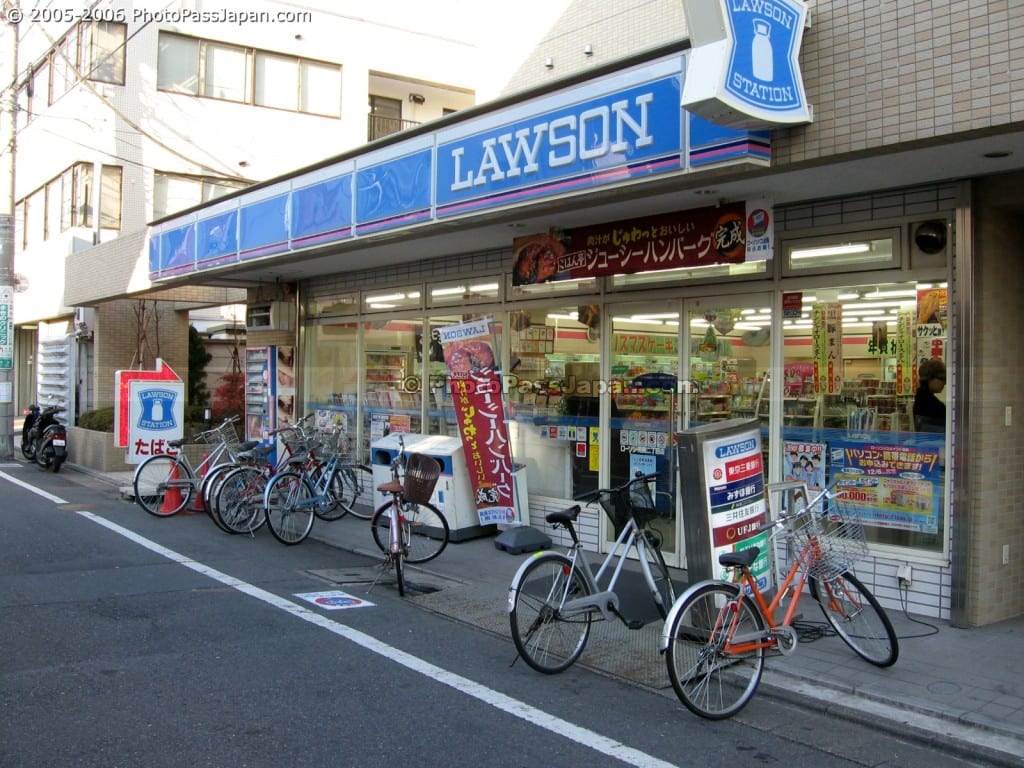
    Convenience store operator Lawson Japan is considering a foray into banking.

    The company says that with more than 12,000 convenience stores operating across Japan it has the physical branch network in place to accept deposits from customers.

    It also has the IT infrastructure in place which could be easily modified to allow customers to pay bills, make bank transfers and other basic banking services – all of which would draw additional customers in store, or increase the frequency of visits of existing customers.

    underlying the seriousness of the planning, Japanese bank Mitsubishi UFJ Financial Group has indicated it would take a small stake in the new bank, and contribute ATMs, IT and other services to a Lawson Bank.

    If Lawson does move into banking, it would not be Japan’s first retailer to do so. Rivel Seven & I Holdings, parent of 7-Eleven, established a bank in 2001. Aeon received a banking licence in 2007 and has since expanded its banking and financial services into other markets such as Malaysia and Thailand.

    Another c-store operator, FamilyMart last year began exploring a banking partnership with Japan Net Bank, although those discussions have not yet born a finite plan.

  • Kakao, KT to launch Korea’s first Internet banks

    Kakao, KT to launch Korea’s first Internet banks

    Two consortiums, led by South Korean Internet giant Kakao and No. 2 telecom operator KT, were approved to launch the nation’s first Internet-only banks next year, the banking authority said Sunday.

    Under the government’s pilot program, the two banks will offer financial services from deposits, lending and credit cards to foreign exchange transactions through their online platforms only — the first of their kind in Korea’s 23 years of financial history.

    Their operations are expected to start after they get financial approval in the first half of next year. The Financial Services Commission requested they come up with stricter security measures.

    Do Kyu-sang, financial services chief at the Financial Services Commission, speaks at a media meeting held at the agency`s briefing room in Seoul on Sunday. Yonhap

    According to the agency, Kakao’s Kakao Bank gained high scores for innovative services based on its immensely popular mobile messenger app KakaoTalk with 40 million users.

    KT’s K Bank was also praised for better customer access as it has teamed up with partners from diverse sectors such as telecommunications, payments and retail, it said.

    Internet banks come as the government looks to open up its financial services sector recently. Internet companies are already jumping into the bandwagon amid the rapid infiltration of online banking and mobile payments here.

    Due to stringent financial regulations, however, they are still required to partner with a licensed bank to launch their own Internet bank.

    Kakao and KT are especially pinning high hopes on “middle-interest loans” that would appeal to small borrowers.

    Currently, top-tier banks offer an annual rate of 3 percent to 5 percent, while the secondary financial institutions such as mutual savings banks or capital services firms charge whopping 15 percent to 34 percent interest rates.

    Internet banks say they can better evaluate the creditworthiness of borrowers based on the data they collect from hundreds of millions of mobile devices — including location, the use of local services and e-commerce transitions.

    Kakao Bank plans to bring Kakao’s traffic resources, big data on users and data analytics, while its bank partners KB Kookmin Bank and Korea Investment Holdings have knowledge of financial products.

    The bank also aims to go global as it has secured ties with Tencent, China’s biggest social-networking and mobile games company, and the U.S. online retail giant eBay, which also owns Korea’s two leading shopping sites Gmarket and Auction.

    “We will ramp up efforts to offer diverse and practical benefits for customers through Kakao Bank,” said Yoon Ho-young, Kakao’s senior vice president.

    K Bank also showed confidence in building a more accurate credit rating system based on KT’s own delinquency customer list and the data collected from its card and bank partners, including Woori Bank, the nation’s second-largest lender in terms of assets.

    “We will expand benefits for small borrowers and start-ups,” said Kim In-hoi, the bank task force leader. “We aim to become the No. 1 Internet bank by offering more convenient on- and off-line services.”

  • BDO firms up tie-up with Japanese banks

    BDO firms up tie-up with Japanese banks

    BDO Unibank, Inc. (BDO) and FIDEA Holdings Co., Ltd. (FIDEA Group) further strengthened their business relationship through a memorandum of understanding (MoU) that will allow BDO to provide support to FIDEA’s clients who plan to invest in the Philippines.

    FIDEA is a joint holding company between major Japanese regional banks The Shonai Bank, Ltd. (Yamagata prefecture) and The Hokuto Bank, Ltd. (Akita prefecture).

    Both banks have partnered with BDO Unibank under the Japan Bank for International Cooperation (JBIC) framework in 2013. Said framework was developed to support the banking needs of Japanese enterprises eyeing the country as a business destination.

    The partnership with the FIDEA Group will provide BDO Unibank adequate coverage in Japan’s northern region (Tohoku), specifically in Akita, Yamagata, and Miyagi prefectures where majority of the primary industries (agriculture, fishing, forestry, mining) are located.

    As a leading player in the local banking sector, BDO Unibank can provide the Japanese clients financial and non-financial advisory services, and other products and services that would be helpful to them should they decide to set up shop in the Philippines.

    Since 2007, BDO has established a fully staffed Japan Desk, with Japanese-speaking personnel, dedicated to market and service Japanese companies operating in the Philippines, and service the retail needs of Japanese customers.

  • Singapore banks must innovate

    Singapore banks must innovate

    Singapore banks must now innovate in this challenging environment where economic growth is uncertain, and disruptive forces are now at play, said Prime Minister Lee Hsien Loong on Thursday.

    “Our banks are in a strong position,” said PM Lee at UOB’s 80th anniversary dinner, noting that Singapore is at the heart of a rising Asia, and banks here have a strong balance sheet.

    “But at the same time, this is a very competitive business that continues to evolve rapidly. For while overall our banks are very good, in almost every specific area, we can find others who are better than us.”

    Looking at China’s success in mobile payments, PM Lee pointed to the Alibaba sales on Singles Day on Wednesday, where 70 per cent of the billions in sales were done through mobile purchases.

    Technologies such as blockchain, which can be used for real-time gross settlement or trade finance verification, are also emerging, he said.

    “We have to continually innovate and keep up with the latest technologies and services.”

    Singapore’s financial sector was liberalised from 1997, partly as the industry was not as efficient, innovative, and responsive to the market as it should be, said PM Lee. Foreign banks were allowed into Singapore to compete, including in domestic retail banking.

    “This more competitive environment forced our local banks to consolidate. But it also spurred them to upgrade, innovate and grow,” he said.

    “Our strategy has worked. Today, our three Singapore banks have gained a reputation for being amongst the strongest and safest financial institutions in the world. And we have a strong, vibrant financial sector that we can be proud of.”

  • BPI books P13.8-b net profit

    BPI books P13.8-b net profit

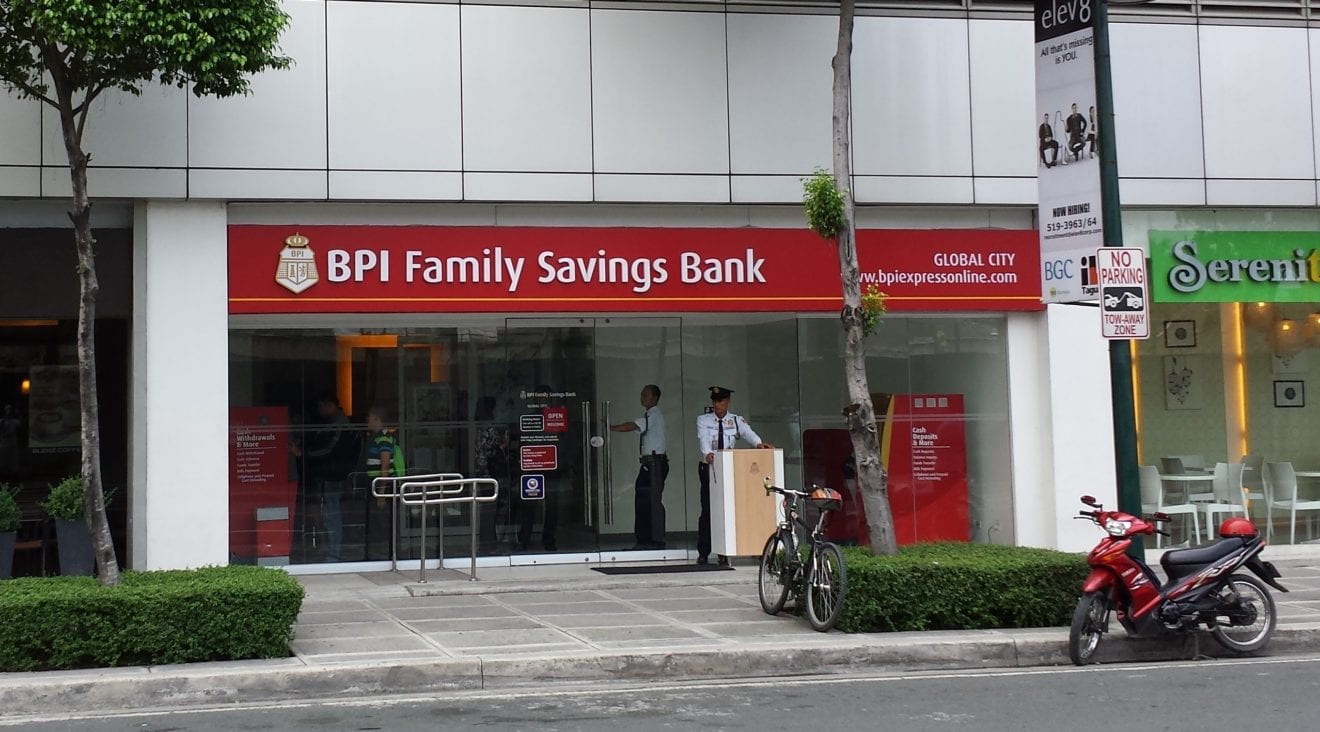
    Bank of the Philippine Islands, the third-largest bank in the country, posted an 8-percent increase in net income in the first nine months to P13.84 billion from P12.8 billion year-on-year on the strength of its core businesses.

    Total revenues increased 9 percent or P3.67 billion to P44.1 billion year-on-year as both net interest income and non-interest income grew P2.98 billion and P0.68 billion, respectively.

    Operating expenses rose 6.7 percent to P22.89 billion on year, a slower rate than revenue growth. As a result, the bank’s cost-to-income ratio improved to 51.9 percent from 53.1 percent a year ago. Return on equity decreased to 12.6 percent, from last year’s 13.3 percent.

    Both total loans and total deposits rose in double digits year-on-year. Total loans stood at P780.07 billion, an increase of 11.2 percent on year. Corporate loans accounted for 76.6 percent while retail loans stood at 23.4 percent.

    “Gross 90-day non-performing loans rose slightly to 1.9 percent from 1.8 percent of total loans, while loan loss cover remained 107 percent. Total deposits stood at P1.18 trillion, up 13.3 percent higher year-on-year. CASA ratio ended the quarter at 72.5 percent,” the bank said.

    Total assets during the period stood at P1.41 trillion, 8.8 percent or P113.78 billion higher than that of the same period last year.

    Investment securities closed at P303.28 billion, a 15.2 percent hike year-on-year. The bank’s investment securities remained mostly held-to-maturity, at P240.87 billion.

    Capital, net of cash dividends of P3.54 billion paid to shareholders on Sept. 2, 2015, ended at P150.44 billion. This represents a 9.3-percent growth in total capital versus September last year.

    Capital adequacy ratio was at 14.9 percent from 15.7 percent a year ago. CET1 stood at 14.0 percent.

    Earlier in the year, the Asian Banker named BPI as the Best Retail Bank in the Philippines for 2015. BPI also received the Best Electronic Delivery Channel award during the inaugural Bank Marketing Awards night, organized by the Bank Marketing Association of the Philippines.

    The award recognizes the bank that successfully implemented the most innovative electronic delivery systems and achieved the desired results in terms of usage and acceptance.

    BPI, the first bank in the Philippines and in Southeast Asia, is a commercial bank with an expanded banking license. BPI’s services include consumer banking and lending, asset management, insurance, securities brokerage and distribution, foreign exchange, leasing, and corporate and investment banking.