Tag: China

  • Hai Di Lao will open first London store

    Hai Di Lao will open first London store

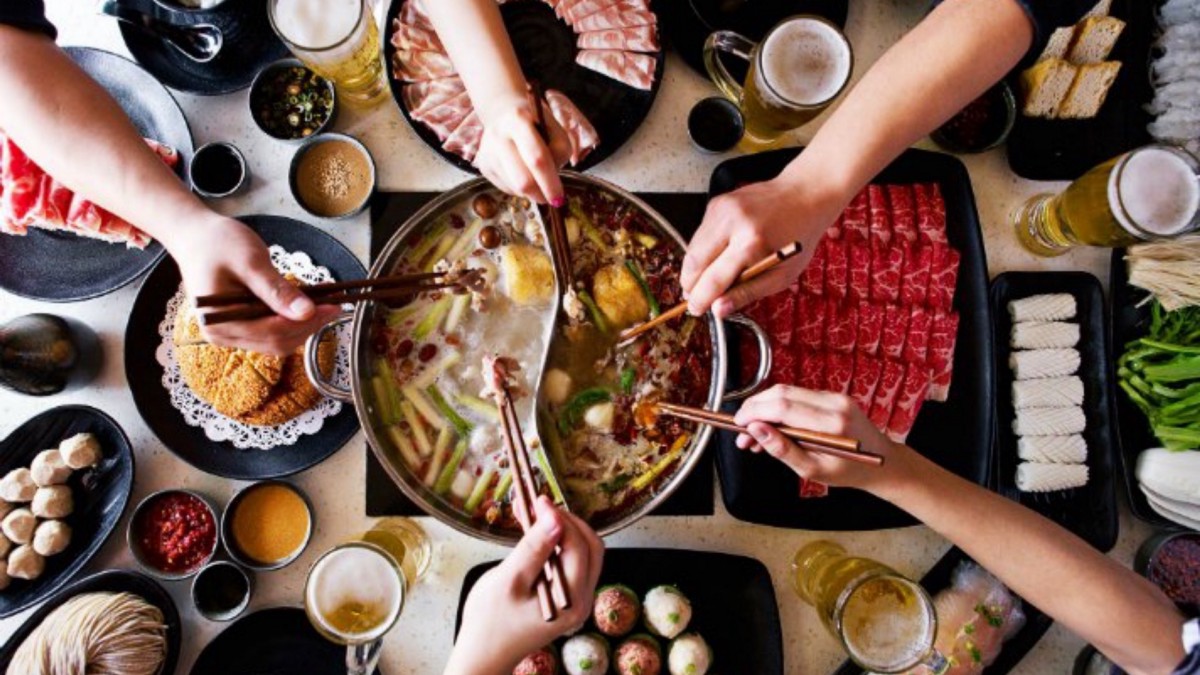
    Chinese hot pot chain Hai Di Lao will open its first UK restaurant at the Trocadero in Piccadilly Circus, London.

    In a deal facilitated by real estate firm Savills, the brand has signed a 15-year lease of an almost 10,000sqft site. It is the chain’s first venue in Europe and follows the opening of its New York restaurant in Times Square.

    Savills’ leisure team associate director Richard Thomas said “Hai Di Lao is a globally recognised brand with fans of the concept worldwide… the chain already has its sights set on expansion both in the UK and across Europe and we are very pleased to have secured this prime spot for its flagship restaurant.”

    To date, Hai Di Lao has opened 310 locations around the world.

  • Xiaomi shares fall in Hong Kong trading debut as US-China trade war deter equity investors

    Xiaomi shares fall in Hong Kong trading debut as US-China trade war deter equity investors

    Xiaomi, the first company to raise capital under Hong Kong’s overhauled listing rules for pre-revenue start-ups or companies with multiple classes of stock, sputtered during its trading debut on the city’s exchange when investors spooked by the US-China trade war refrained from buying its shares.

    Shares of the Beijing-based company, offered a week ago at HK$17 each in what was once billed as the world’s biggest initial public offer, fell by as much as 5.9 per cent in an advancing market to HK$16, before recovering to end their first trading day at HK$16.80.

    “Investors are no longer that crazy about so-called new economy IPOs, as many of them have quickly fallen below their offer prices,” said Edmond Hui, chief executive for Bright Smart Securities.

    “It’s no longer a guarantee of making money.”

    The lacklustre debut was a blow for the world’s fourth-largest smartphone maker, which had taken a mere seven years to grow from a start-up to surpass 100 billion yuan (US$15 billion) in sales. Founded by serial entrepreneur Lei Jun in 2010, Xiaomi was the first blockbuster IPO under the new listing rules that Hong Kong’s securities regulator and stock market operator pushed through last year.

    “Xiaomi’s listing signals the Hong Kong market has entered a new phase,” said the city’s Financial Secretary Paul Chan Mo-po, speaking in Cantonese during a ceremony marking Xiaomi’s trading debut. “I believe [Hong Kong’s listing reform] will prompt more innovative technology companies to raise funds in Hong Kong, so our market can better serve the real economy.”

    The size of Xiaomi’s fundraising – originally aimed at US$10 billion – was trimmed by bad timing, coming after the US and Chinese governments fired the first salvoes of their trade war.

    Net proceeds from the IPO were HK$23.98 billion (US$3.1 billion), after deducting underwriting fees and other relevant expenses, Xiaomi said. The company priced its stock at the low end of a price range of between HK$17 and HK$22 each.

    That values the company, whose name is the Chinese phrase for millet, at US$54.3 billion, about half of the US$100 billion it had originally sought, which would’ve made Xiaomi the world’s largest IPO this year. Instead, that honour has gone to Siemens Healthineers, which raised US$5.17 billion in Frankfurt in March.

    “Although the macroeconomic conditions are far from ideal, we believe a great company can still rise to the challenge and distinguish itself,” Xiaomi’s founder and chief executive Lei Jun said in a brief speech at the start of trading. “From day one, innovation has been an integral part of Xiaomi’s DNA,” he said, adding that the listing would be “a brand new start for Xiaomi.”

    It plans to use 30 per cent of the proceeds for research and development, 30 per cent to expand and strengthen its capability into the internet of things business, 30 per cent for global expansion, and the remainder for working capital and other corporate purposes.

    Four of the five biggest tech IPOs in Hong Kong since September are now trading below their offer prices.

    Lei, who founded Xiaomi in 2010 and currently holds nearly one third of the company’s stock, has been presenting Xiaomi as an internet company rather than a hardware maker, saying it should be valued as hybrid of Apple and Tencent because it is “driven by innovation”.

    Companies billed as manufacturers, like tech giant Apple, tend to achieve much lower valuations than those categorised as internet firms, for example China’s Tencent.

    Investors were not the first to question Lei’s categorisation. In mid June, the company shelved a plan to issue Chinese depositary receipts (CDRs) in Shanghai after the market regulator demanded answers to 84 questions, including why Xiaomi positioned itself as an internet firm.

    The smartphone maker has tapped several Hong Kong and Chinese tycoons as investors, including Li Ka-shing of CK Hutchison, Pony Ma Huateng of Tencent and Jack Ma Yun, founder of Alibaba Group Holdings and owner of this newspaper.

    Xiaomi’s seven cornerstone investors have agreed to acquire US$548 million worth of shares with a six-month lock-up period, according to the prospectus.

    US chip maker Qualcomm has committed US$100 million, the only foreign company among the cornerstone investors. China Mobile, the country’s biggest telecom operator, will also invest US$100 million, while CICFH Entertainment, a state-backed industrial fund, will be the biggest cornerstone investor with a US$192 million stake.
  • Allianz Real Estate aims to raise China investment in new economy, logistics

    Allianz Real Estate aims to raise China investment in new economy, logistics

    The property investment arm of German financial services giant Allianz expects China to soon account for up to half of its Asia-Pacific fund allocation, up from the current 40 per cent, with a focus on the new economy and logistics sectors.

    Rushabh Desai, its Asia-Pacific chief executive, revealed on Monday the insurer and asset manager has just bought an office tower in a Beijing software park, already fully leased out to Chinese tech firms.

    It expects to complete another purchase in a Shanghai business park “within a couple of weeks”, he added.

    “We want to be aligned to the new economy and contribute toward China’s growth in the sector; we’re investing based on that thesis,” Desai said. By new economy he refers to non-traditional industries such as biopharmaceuticals and online retail.

    Allianz Real Estate is just one of a number of foreign investment firms betting on growth in the commercial property markets of China’s top-tier cities, driven by high demand from small start-ups to large companies.

    The firm has effectively bought the Beijing office tower – dubbed ZLink and valued at US$185-195 million – outright (98 per cent) in an all-cash deal from private equity firm KaiLong Group and Goldman Sachs, Desai said.

    The ability to pay for such deals without financing and close them in just eight weeks was vital in helping Allianz secure the purchase, Desai said, even though it might not have been the highest bidder as sellers prefer to avoid China’s lengthy financing periods.

    He said the firm is on the hunt for opportunities in Beijing and Shanghai office space, as well as in warehousing. Its portfolio already includes co-investing in two Shanghai office towers.

    Allianz Real Estate has a global portfolio growth target of over 1 billion (US$1.17 billion) by the end of 2018, from around 800 million to 900 million euros at present and is well on track to meeting that, he said.

    The property investment business also manages 56 billion worth of assets around the world, a tenth of which is in Asia-Pacific. Desai said the trade spat between the United States and China has had little impact on his firm’s investment decisions, and that post-deal asset management is more important.

    “We monitor political risk but we keep it out of our investment decisions and try to focus on asset level,” he said.

    “As an asset investor, we look at the quality of asset, their location and management. We look to outperform the market, so even if there’s a trade war or impact, we hope our investments will do better than our competition. That is all we try to do.”

  • Tesla Buyers in China Are Early Casualties in Trade Wrestle

    Tesla Buyers in China Are Early Casualties in Trade Wrestle

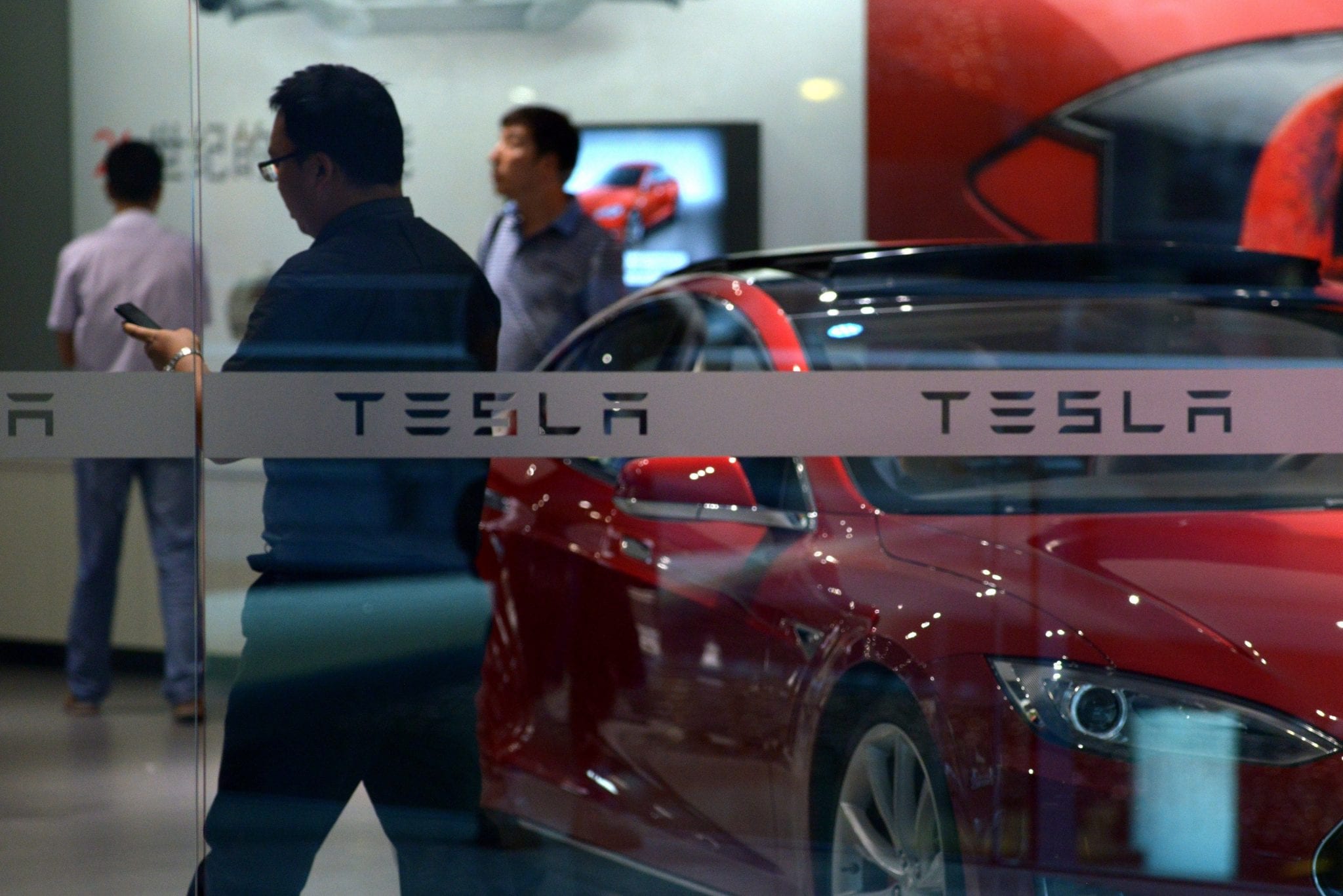
    Tesla buyers in China will be among the first consumers to feel the pinch from the U.S.-China trade dispute.

    Price listings on Tesla’s Chinese website increased by nearly 20% this weekend. It came after the U.S. and China on Friday imposed tit-for-tat tariffs on $34 billion of each other’s goods, which affected U.S.-built cars exported to China including Teslas.

    The Silicon Valley electric-car maker had briefly cut prices by about 6% after the Chinese government reduced its tariffs on imported cars to 15% from 25% on July 1.

    But that cut proved short lived. The measures imposed Friday raised the tariff on Tesla to 40%.

    A basic Model S sedan now costs roughly $128,400, up from $107,300 last week, while a Model X sport-utility vehicle costs $140,100, compared with $117,100.

    A Tesla dealer in Beijing said there were still some cars in stock with lower price tags that were delivered before the new tariffs were imposed, but that inventory was very low.

    Tesla plans to build a plant in Shanghai to serve the local market, but for now it only produces vehicles in the U.S. Last year, it sold about 17,000 cars in China, its second-biggest market globally, generating more than $2 billion in revenue.

    Unlike most auto makers, Tesla sells its cars through company-owned stores instead of franchised dealerships, allowing it to set prices. It has 30 stores in China, according to its website.

    The tariffs the U.S. and China imposed on each other present companies with a dilemma: Risk a loss by absorbing the cost or risk market share by passing it on to consumers. Beijing has been looking for ways to shield its companies and consumers, for example by trying to direct purchases of soybeans to Brazil and other suppliers.

    China’s Commerce Ministry said Monday it would use the added revenue from the increased tariffs to provide relief for affected companies and workers. Also Monday, the executive office of the State Council, China’s cabinet, issued a notice Monday calling for an increase in imports while stabilizing exports to promote more balanced trade.

    Tesla isn’t the only auto maker that builds in the U.S. and ships to China: BMW AG , DaimlerAG and Ford Motor Co. all sell U.S. imports in significant volume here.

    Last week, Ford said it has no current plans to raise retail prices on its China imports in response to the tariff hike. Ford sold roughly 65,000 imported Lincoln vehicles in China last year, as well as nearly 19,000 Fords. Locally produced cars comprised more than 90% of its sales.

    Daimler said it didn’t plan to pass the entire cost of the tariff rise onto its customers.

    Sales of high-end imports such as Tesla’s are unlikely to be hit severely by the price increase, according to analysts, since buyers of luxury cars tend not to be price-conscious.

    But the pain will spread if the trade war continues, a saleswoman at an import-export company based in Shandong province predicted.

    The company imports U.S. auto parts that are subject to the new tariffs, which means higher prices for its Chinese buyers. They are negotiating with American suppliers on how to divide the higher costs, she said, but they will most likely be absorbed by her company, the saleswoman said.

    “In the short term, our vendors are still talking and discussing prices,” she said. “But in the long term, I think it will definitely have an impact on our business.”

  • RM Williams coming to China

    RM Williams coming to China

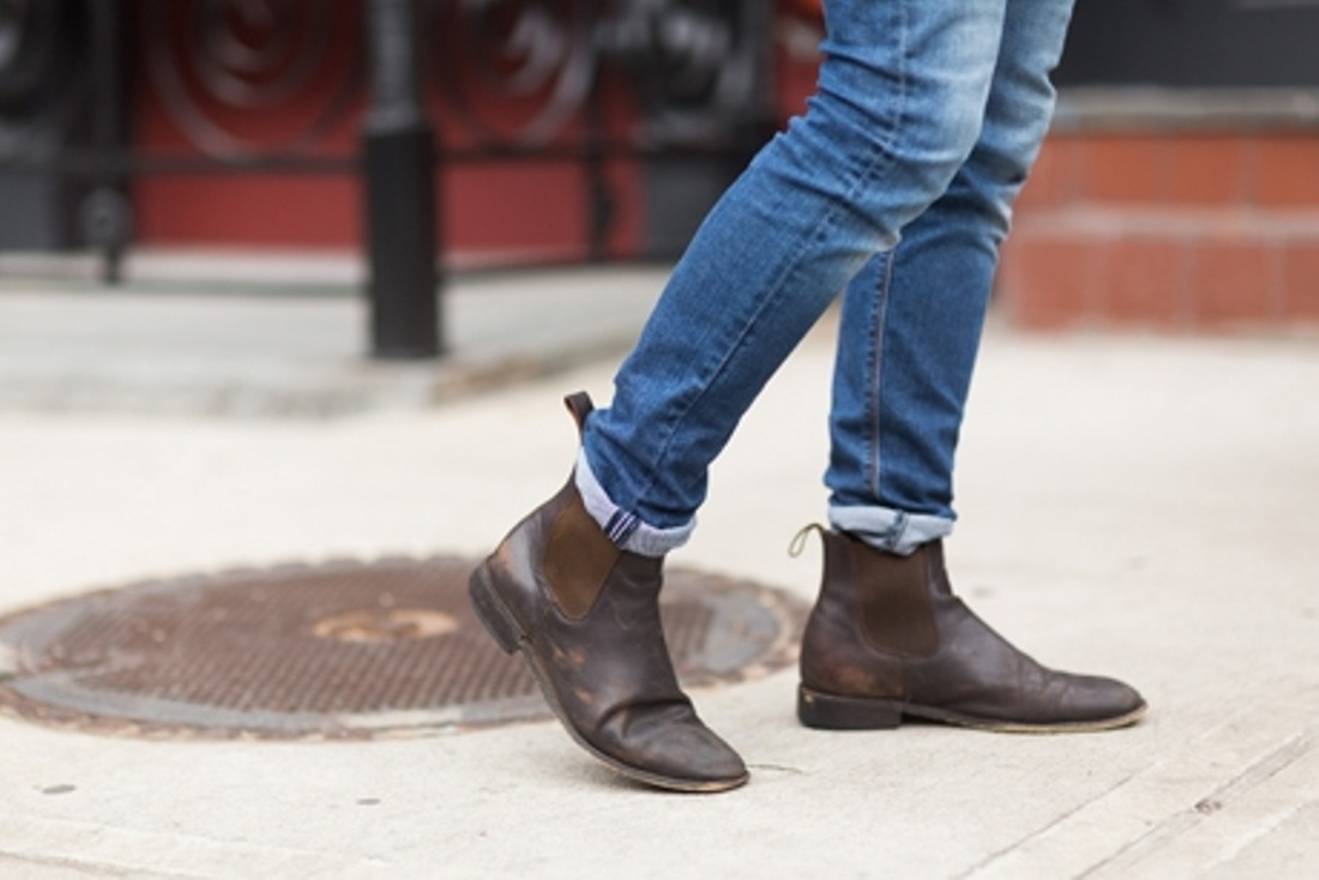
    Boot retailer RM Williams will open stores in China later this year, according to a report by the Australian Financial Review.

    The decision to expand into the fast growing consumer market was made by brand-owner L Catterton Asia, with chairman Ravi Thakran telling the AFR he expected at least a 50 per cent lift in earnings and a 40 per cent increase in sales supported by the expansion.

    The Chinese market has been rapidly proving its worth to retailers, with Starbucks China vowing to double its store-countover the next five years and Prada sales slipping in every market barring China, where it saw a modest 4.6 per cent growth.

    A recent report by Azoya Consulting and Frost & Sullivan found that 87 per cent of local brands view the market as a lucrative opportunity – with over 500 million online shoppers in China.

    The study found that Australian retailers are moving to invest in their owns paths to the Chinese market, hoping to sell directly to the consumers rather than through e-commerce platforms.

  • US hits Chinese firm Sinovel with US$1.5m fine for stealing technology

    US hits Chinese firm Sinovel with US$1.5m fine for stealing technology

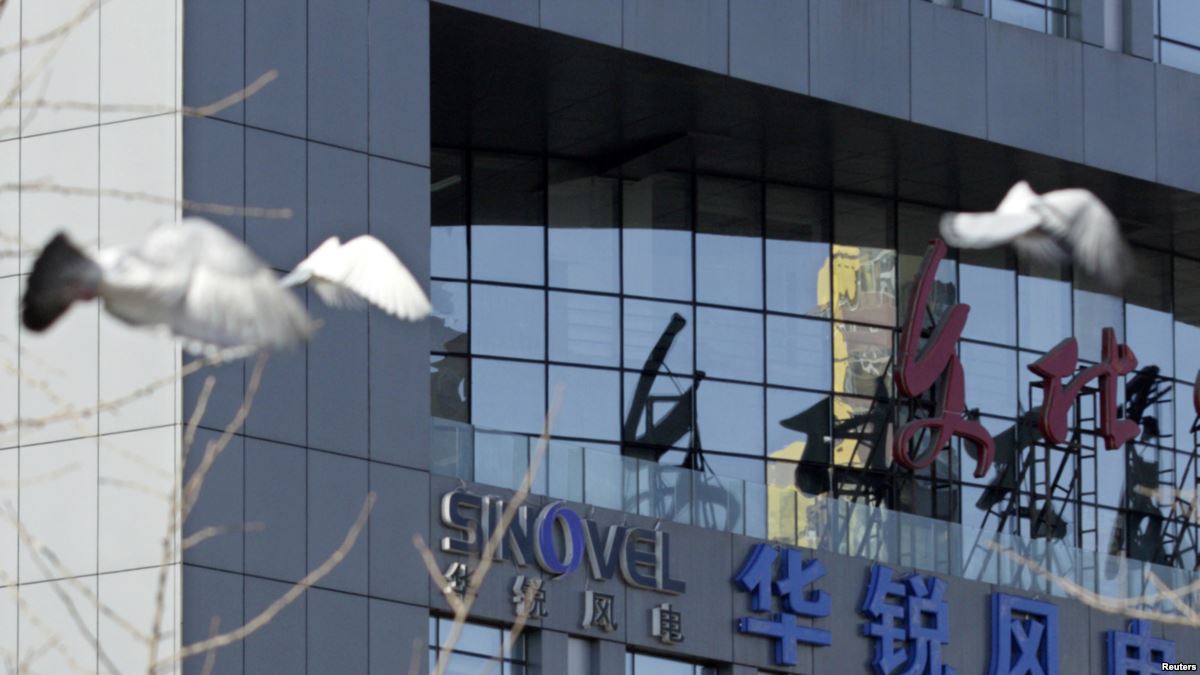
    A US court on Friday imposed the maximum fine of US$1.5 million (RM6.06 million) of Chinese firm Sinovel for stealing trade secrets from an American company producing wind turbines, the Justice Department said.

    The decision comes on the day Washington unleashed 25% import tariffs on US$34 billion (RM137.36 billion) in Chinese products to punish the country for what President Donald Trump has said is the rampant theft of American technology.

    After being charged in 2013, Sinovel was convicted in January by a US court of stealing the trade secrets of AMSC, a US-based company formerly known as American Superconductor, which lost US$550 million and 700 jobs — more than half its global workforce — as a result, the Justice Department said in a statement.

    The two companies this week reached a settlement and Sinovel has one year to pay US$25 million to AMSC, after paying US$32.5 million this week. The Chinese firm also will repay US$850,000 to other victims.

    “Rather than pay AMSC for more than US$800 million in products and services it had agreed to purchase, Sinovel instead hatched a scheme to brazenly steal AMSC’s proprietary wind turbine technology, causing the loss of almost 700 jobs and more than US$1 billion in shareholder equity at AMSC,” acting Assistant Attorney General John Cronan said in statement.

    “As demonstrated by this prosecution, intellectual property theft poses a serious threat to American companies.”

    Sinovel used the stolen technology, including software, to regulate the flow of power from turbines to electrical grids, to produce its own wind turbines and retrofit existing turbines, prosecutors said.

    The company also hired away an AMSC engineer to help steal source code for the key software in 2011, the statement said.

  • Australia’s Volley expands in China market

    Australia’s Volley expands in China market

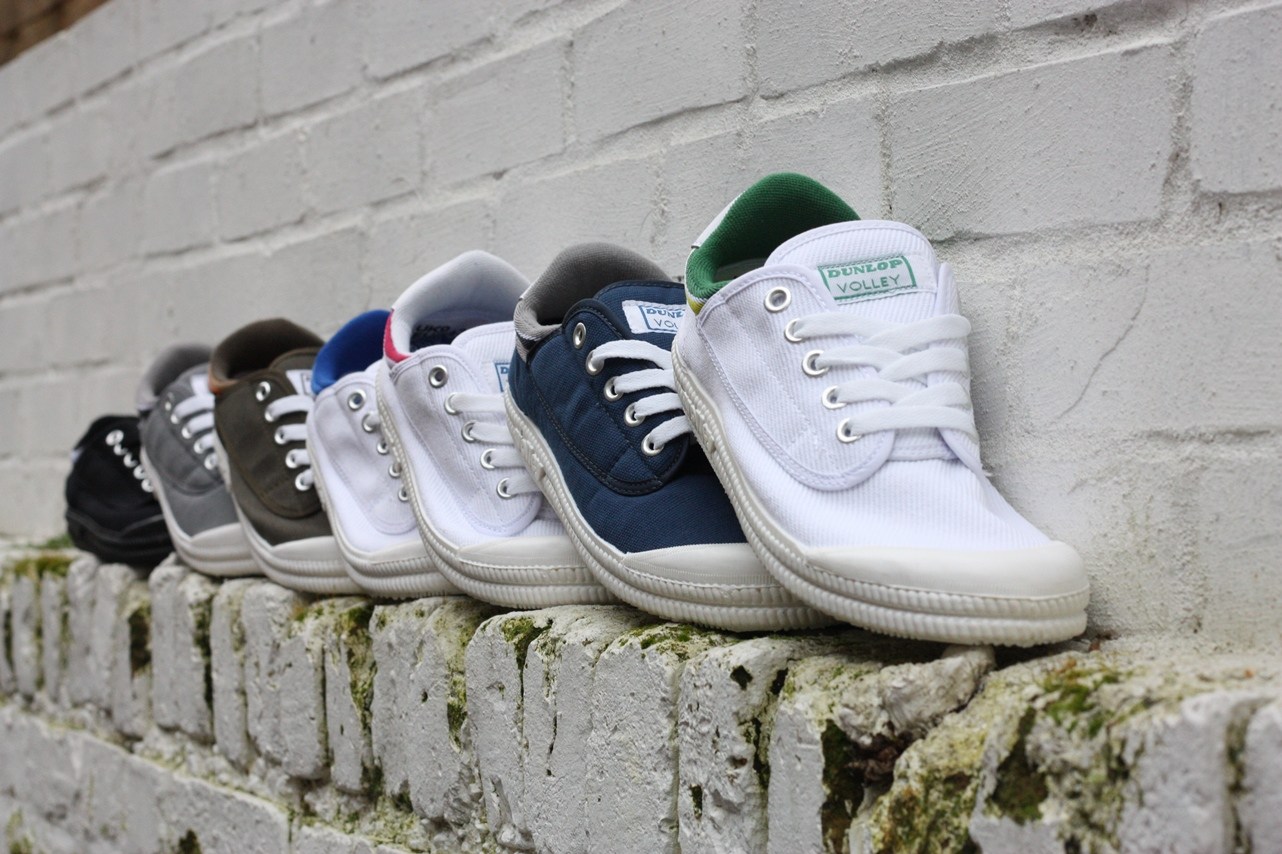
    Australian shoe brand Volley will open 50 stores in China following a surge in online demand.

    The 79-year-old brand became unexpectedly popular after Mandopop diva Faye Wong was photographed wearing then at Hong Kong International Airport. Subsequent orders online crashed the company’s e-commerce platform.

    With the success of a trial pop-up store in Beijing, the brand’s first shop will open in Shanghai later this month.

    Collective brand manager John Szwede said the celebrity focus was a major factor in deciding to open the stores. In a discussion, he said: “Since opening the pop-up store in May, we’ve had our biggest growth month in China ever. The split between online and physical store sales is almost 50-50. It’s remarkable how big the market is.”

    Szwede added that 70 per cent of the brand’s wholesale sales are now going to China.

  • Secoo and Italia’s Richard Ginori tie up in partnership

    Secoo and Italia’s Richard Ginori tie up in partnership

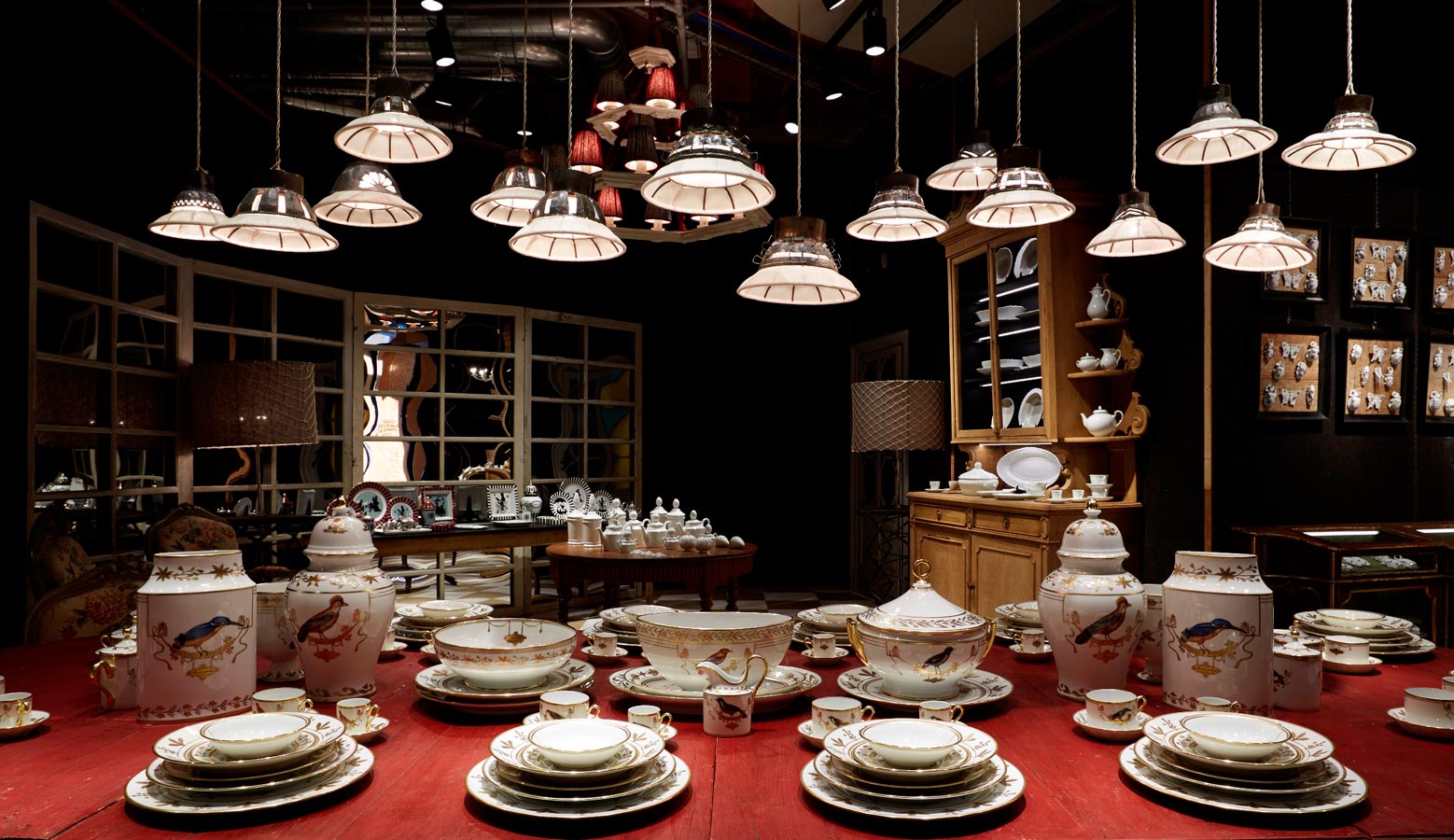
    Luxury retail platform Secoo has announced a partnership with Italian porcelain manufacturer Richard Ginori exclusively for the Chinese market.

    The heritage brand, founded almost 300 years ago, is one of the region’s most prestigious manufacturers of fine porcelain tableware and artistic porcelain.

    Li Rixue, Secoo’s founder and CEO, said: “The entry of Richard Ginori carried out our business strategy of further tapping into China’s robust luxury consumer market demand. With our consistent focus on both the diversity and quality of the products and services that we offer to our customers, we are confident that we are well positioned to capture emerging opportunities driven by the consumption upgrade in China and unlock values to our customers.”

    The move serves as part of Secoo’s strategy to become a leading premium lifestyle platform and luxury e-commerce site.

    Secoo customers can select from a wide range of porcelains offered online and collect the product from the brand’s offline experience centers in nine major Chinese cities.

  • Walgreens investment in GuoDa is finally happening

    Walgreens investment in GuoDa is finally happening

    Walgreens Boots Alliance has finally achieved regulatory approvals for its Chinese pharmacy acquisition – more than six months after announcing the deal.

    The US-headquartered drugstore giant has bought a 40 per cent stake in Sinopharm Holding GuoDa Drugstores Co, better known as simply GuoDa, which it describes as a leading retail pharmacy chain in China. It will invest about US$416 million in capital to acquire the stake.

    “We believe GuoDa holds a strong position in the sector, and as a global pharmacy-led health and beauty enterprise, we are well positioned to support its further growth ambition,” said Walgreen Boots executive vice chairman and CEO Stefano Pessina.

    “We are delighted that we have received regulatory approvals and our investment agreement has now been completed.”

    Walgreen Boots believes it can build the GuoDa business by sharing its international best practices and pharmacy expertise.

    “We believe there is great potential in working together to play a transforming role in the evolving Chinese retail pharmacy market.”

    Founded in 2004 and headquartered in Shanghai, GuoDa operates more than 3800 retail pharmacies across around 70 cities, and employs close to 20,000 people.

    Both Walgreen Boots and GuoDa believe recent healthcare reform undertaken by the Chinese government present “unprecedented opportunities” to expand the business nationwide.

    Last December, at the time he announced the planned investment, Pessina said after a 10-year presence of Walgreen Boots in China, it was an exciting opportunity to invest in the nation’s retail pharmacy sector.

  • Louis Vuitton is lowering its retail prices in China

    Louis Vuitton is lowering its retail prices in China

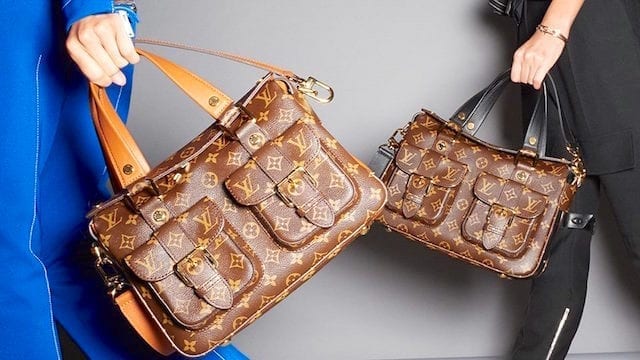
    LMVH maison Louis Vuitton is lowering its retail prices in China. In a statement issued by the maison to the newspaper Jing Daily, the brand announced that it had decided to “lower prices on a wide range of products to support the government’s efforts to reduce the cost of luxury goods sold in China”.

    The Ministry of Finance in Beijing, starting from the first of July, has lowered taxes on imports for an average of 20.7 percent, with a view to favoring purchases in the country. In 2011, luxury goods sold outside of China were about 68 percent cheaper than those same products sold in China; thanks to the measures adopted over time, in 2017 the difference decreased to 16 percent.

    The new prices of Louis Vuitton would have already been updated on the Chinese e-commerce of the brand and in stores. The estimate is that of a cut between 300 yuan (about 40 euros) and 1,500 yuan (just under 200 euros) on different products; the average price reduction, according to the headline, would therefore be between 3 and 5 percent.

    It is still unclear whether other luxury fashion houses will follow the same strategy as Louis Vuitton, but a chain effect is expected. For example, since 2015, Chanel has adopted a “harmonized” pricing policy, with the aim of reducing the price gap in China and abroad, and thus encouraging purchases in the country.

  • Walgreens to invest $416 million in Chinese pharmacy chain

    Walgreens to invest $416 million in Chinese pharmacy chain

    Walgreens, the biggest U.S. drugstore chain, said it will buy the minority stake from China National Accord Medicines Corp. for about $416 million.

    The Deerfield-based company said it will expand its global retail pharmacy operations by taking a 40 percent stake in Sinopharm Holding Guoda Drugstores Co. Ltd., a subsidiary of Chinae National Accord Medicines Corp.

    Sinopharm GuoDa “operates and franchises retail pharmacies across China,” a market that Walgreens CEO Stefano Pessina has said he wants to tap as the companies looks to faster growing and emerging markets to extend its reach.

    “It is China’s leading pharmacy chain,” Walgreens Pessina said in a statement.

    The deal comes when the Chinese government has been encouraging private investments and equity from abroad in its health care industry.

    Healthcare expenditure in China is expected to reach $1.1 trillion by 2020, according to the U.S. Department of Commerce.

    GuoDa, which operates and franchises 3,800 retail pharmacies across 70 cities in China, said the Walgreens investment would help its nationwide expansion plans. The company employs close to 20,000 people.

    “We are delighted that we have received regulatory approvals and our investment agreement has now been completed,” Pessina said. “We believe GuoDa holds a strong position in the sector, and as a global pharmacy-led health and beauty enterprise, we are well positioned to support its further growth ambition. We are looking forward to sharing our international best practices and pharmacy expertise. We believe there is great potential in working together to play a transforming role in the evolving Chinese retail pharmacy market.”

  • Ford says no plans to hike China prices despite new tariffs

    Ford says no plans to hike China prices despite new tariffs

    Ford Motor Co said on Thursday that for now, it will not hike prices of imported Ford and higher-margin luxury Lincoln models in China, thus absorbing the additional cost of tariffs on U.S.-made vehicles due to be applied starting on Friday.

    The U.S. carmaker, which has faced sluggish sales in the world’s largest auto market, said in a statement that “it has no current plans to increase the manufacturer’s suggested retail price (MSRP) on its import line-up in China.”

    Ford’s move, which would reduce the profit margins on its cars imported to China, makes it the first foreign automaker to address pricing issues ahead of the new tariffs that will affect around $34 billion of U.S. imports, from soybeans and cars to lobsters.

    German automaker Daimler AG said last month that its 2018 pre-tax profits would fall versus last year because new import tariffs on cars exported from the United States to China would hurt sales of high-margin Mercedes-Benz sports utility vehicles.

    Ford has much to lose if rising trade tensions between China and Republican U.S. President Donald Trump escalate into a full-blown tariff war. Last year, it shipped about 80,000 vehicles to China from North America, more than half of them its upper-end Lincolns – including the Lincoln Continental sedan and the Lincoln MKX crossover SUV.

    China, which just days ago cut tariffs on all imported automobiles, plans to slap an additional 25 percent levy on 545 American products, including U.S.-made cars, should Trump’s administration proceed with plans to implement tariffs on $34 billion of Chinese imports beginning on Friday.

    Ford encouraged the United States and China to resolve their dispute, and said it would “monitor the situation as it evolves.”

    Most of the vehicles Ford sells in China are made locally with its joint venture partners.

    All Lincoln vehicles that Ford sells in China are imported from North America. The brand last year sold 54,124 vehicles in China, up 66 percent from 2016. It is unclear how long it will take for any impact on profit margins at Ford, as the automaker will likely have a couple of months’ supply of imported vehicles already on the ground in China.

    Ford and Lincoln both cut prices on imported models in May after China announced steep tariff cuts for automobiles and car parts that took effect on July 1.

    Trade-related issues are cropping up for Ford at a time when it is suffering from a big sales slump in China caused by a lack of new models in its line-up. Last year, its sales fell 6 percent even as overall vehicle sales in China rose 3 percent.

    Other firms that export U.S.-made cars to China include BMW, Daimler’s Mercedes and Tesla. Those automakers did not immediately respond to requests for comment.

    China is General Motors’s largest market. A GM spokesman said that aside from a very small number of Chevrolet Camaro cars, virtually all of its vehicles and parts sold in China are made there. The automaker is still assessing what to do about that small number of imported vehicles, the spokesman said.

    Fiat Chrysler Automobiles NV (FCA) produces the bulk of the vehicles it sells in China locally, but exports the Jeep Wrangler, Jeep Grand Cherokee and Chrysler Pacifica minivan to China.


  • JD.com Could Be Returning to Russia

    JD.com Could Be Returning to Russia

    JD.com, the second largest e-commerce player in China, could be returning to Russia soon according to a recent Kommersant report. JD previously entered the Russian market in 2015, but retreated a year later after struggling with cross-border logistics issues, merchant partnerships, and high marketing expenses.

    JD’s previous effort featured partnerships with payment providers Qiwi and Yandex’s Yandex Money, logistics provider SPSR-Express, and online retailer Ulmart. This time around, JD.com could partner with AlfaGroup’s X5 Retail Group, which owns a nationwide network of Pyaterochka discount stores, Perekrestok supermarkets, and Carousel hypermarkets.

    JD will let Russian customers purchase products online, and those goods will be delivered to Pyaterochka, Perekrestok, and Carousel stores for pickup. The partnership seems like a win-win deal for both companies — JD can piggyback its online operations off X5’s network of stores instead of launching new logistics services, and X5 adds more non-food products to its stores.

    The deal should also lower marketing costs for JD with co-marketing campaigns: Ads for JD’s products are appearing in Pyaterochka stores, and will likely appear in Perekrestok and Carousel stores in the near future. The partnership could also revive JD’s previous relationships with Yandex and Qiwi, which both hold partnerships with X5.

    Why does JD.com need the Russian market?

    JD and its bigger rival Alibaba have been looking for growth opportunities beyond the Chinese market. The two companies are already clashing across Southeast Asia, where JD’s marketplace faces stiff competition from Alibaba-backed Lazada.

    Both companies are also targeting Western markets. JD recently announced its plans to expand into Western Europe, and a new partnership with Alphabet’s Google will help it sell products to American shoppers. JD also lets Chinese shoppers buy overseas products from various countries through its cross-border e-commerce platform, JD Worldwide.

    Alibaba’s AliExpress platform, which lets Chinese sellers reach overseas buyers, is popular in Russia and Eastern Europe. 14% of European shoppers (including 69% of Russian shoppers) bought goods on AliExpress last year. That makes it the second biggest e-commerce platform in Europe after Amazon, which controlled a quarter of the market. Alibaba also recently launched a dedicated version of Tmall for Russian shoppers.

    Alibaba’s popularity in Russia is troubling for JD, which seemingly surrendered the market to its rival with its premature exit. It’s also bad news for JD’s top investor, Tencent, which also reaches some Russian users with WeChat, the top mobile messaging app in China. In China, JD relies heavily on its integration with WeChat — which has over a billion monthly active users — to display ads, sell products, and accumulate shopper data.

    The Russian market is trickier. Its mobile messaging market is dominated by apps like VK, WhatsApp, Skype, and Viber, which don’t have comparable relationships with JD.

    Russia has a relatively high internet penetration rate of 71%, and about half of Russians shop online. Yet e-commerce transactions could only account for 3% of the country’s retail market this year, which suggests that many shoppers still rely on brick-and-mortar retailers.

    Those numbers suggest that the Russian market is still ripe for a major e-commerce disruption. Alibaba will be a tough competitor for JD, but partnering with X5 Retail is a smart move since Russian shoppers still rely on brick-and-mortar stores. If JD can attract more partnerships, its second attempt could prove more fruitful than its first.

  • Xiaomi retail share offer 9.5-times oversubscribed

    Xiaomi’s highly-anticipated initial public offering in Hong Kong drew nearly ten times more applications for share purchases than what it made available for retail investors, after the Chinese tech giant priced at the bottom end of its target range.

    The company received applications for more than 1bn shares, about 9.5 times the 108.9m shares the company made available under its IPO in Hong Kong, according to a regulatory filing.

    That came after Xiaomi, touted as the biggest tech listing since 2014, was valued at just half its original $100bn ambition with its shares offered at HK$17 (US$2.16) each. The offering implies a market capitalisation of $53.9bn, compared with a $45bn valuation at its last private funding round in 2014. Shares in the lossmaking company start trading in Hong Kong on Monday.

  • Tod’s debuts a product on ‘Baoshop’

    Tod’s debuts a product on ‘Baoshop’

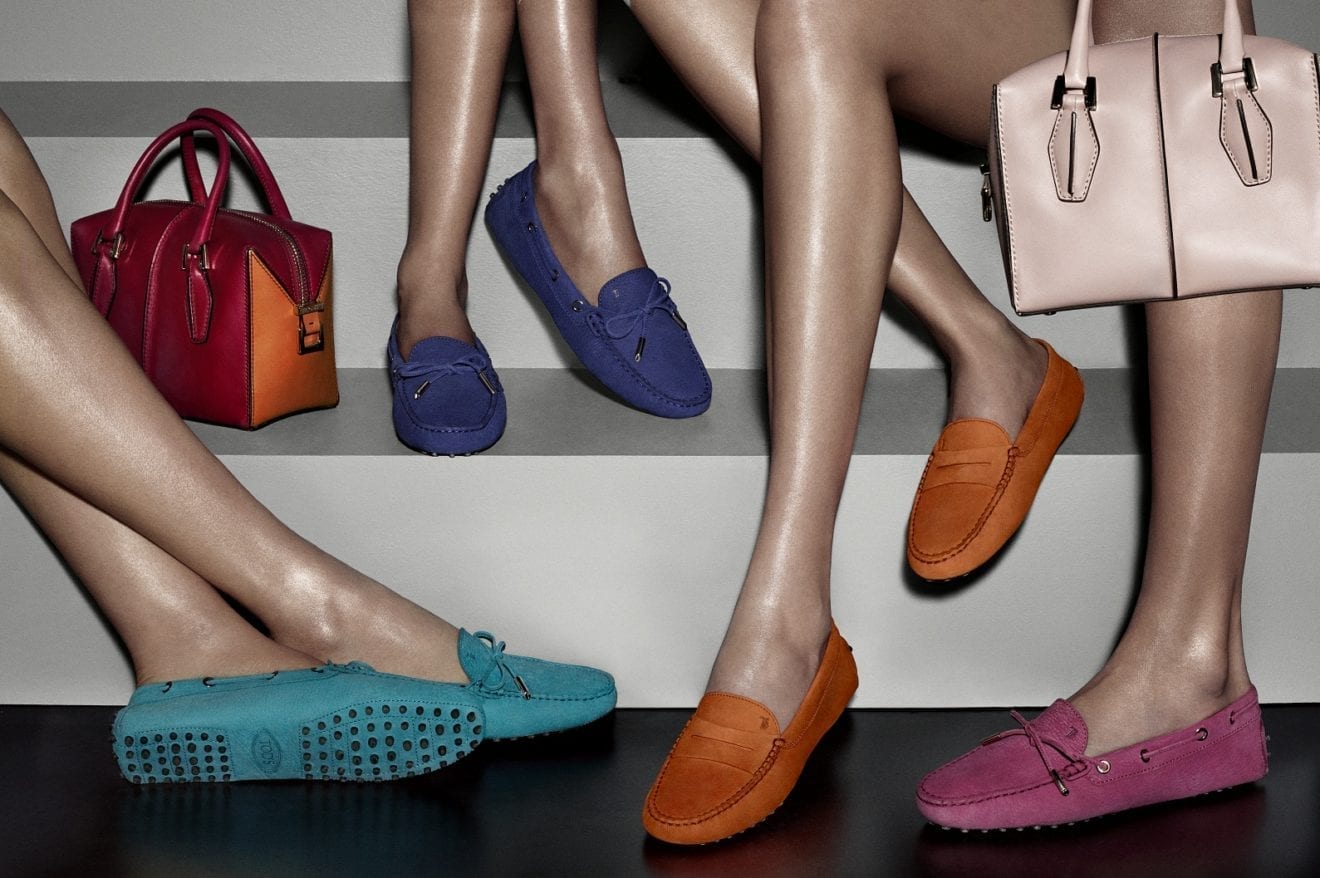
    Tod’s debuts a product on WeChat’s mini programme, called ‘Baoshop’. It is a limited-edition handbag co-designed by Chinese fashion blogger Tao Liang, better known as Mr. Bags.

    The dog-like handbag was available first from the ‘Baoshop’ within the WeChat ecosystem, before it is rolled out to selected Tod’s boutiques globally and the Tod’s own WeChat mini programme.

    The exclusive ‘Baoshop’ pop-up store, allows for a more personal touch and a seamless “reading-to-shopping” experience said Liang in a press release, while also allowing shoppers to learn more about the product as well as purchase directly via WeChat Pay.

    Liang is one of the most powerful influencers in China, boasting more than four million followers, and he states that the “convenience and asset-light weight of the mini programme perfectly fits with user expectations,” as it provides users with a more reliable, convenient and high-quality shopping channel.

    These mini programmes are becoming an important part of the Chinese e-commerce market in connecting luxury brands with shoppers, and they are seen as good conversion platform for the new economic model that is emerging in China, referred to as the fans economy.

    The limited-edition handbag features dog-like details in a reference to the year of the dog being celebrated in China this year. The collaboration has 500 handbags, 300 of which will be offered first on Liang’s ‘Baoshop’.