Tag: China

  • New phase of Sands Cotai Central opens with Apple anchor

    New phase of Sands Cotai Central opens with Apple anchor

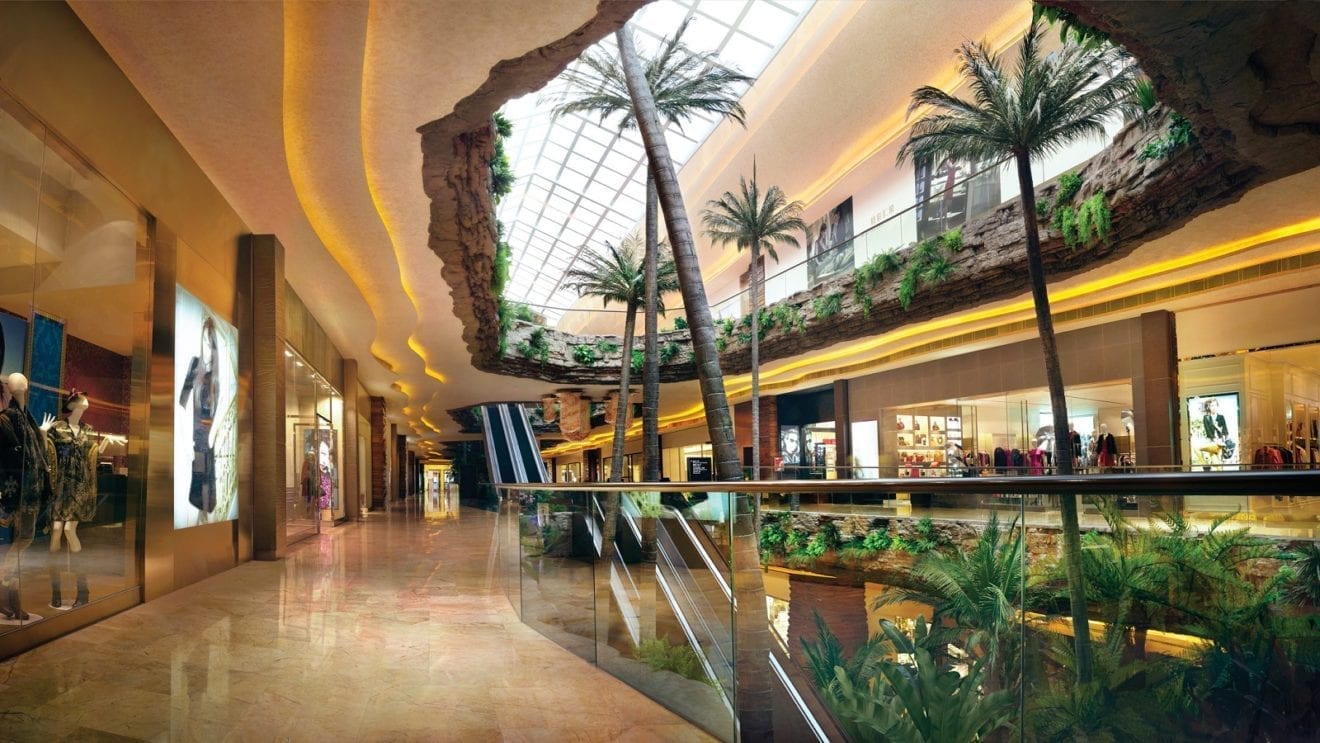
    Sands Cotai Central has opened phase four of its retail offer, adding almost 100,000sqft of retail space and 25 retailers.

    At the heart of the expansion is an Apple store, which opens today.

    The new space is home to several brands new to Macao: Calvin Klein Performance and Razzle. Other stores to open are MLB, Esprit, Guess, Watson’s, Noble Mart, Levi’s, Florsheim, Timberland, The North Face, Boy London, Zaxy and Bauhaus.

    Later this year, several restaurants will be added to the line-up, including Chiado, a modern yet authentic Portuguese concept developed in partnership with celebrity chef Henrique Sa Pessoa, and Crystal Jade La Mian Xiao Long Bao, which brings a contemporary twist to classic Beijing, Szechuan and Shanghai cuisine.

    “The addition of these new stores, especially the introduction of an iconic Apple Store, continues to ensure we provide our customers with more new-to-market brands, more choice and more amazing experiences,” said David Sylvester, executive VP of global retail at Las Vegas Sands Corp.

    Sands Cotai Central, which celebrated its sixth anniversary in April, has been the focal point of a wide range of products, offerings and experiences on the Cotai Strip, with access to four hotels since it opened in 2012.

    Earlier this year Sands China revealed plans to transform Sands Cotai Central into The Londoner Macao, which will feature new attractions including some of London’s most-recognisable landmarks.
  • JD Sports expands retail footprint with 36 new stores

    JD Sports expands retail footprint with 36 new stores

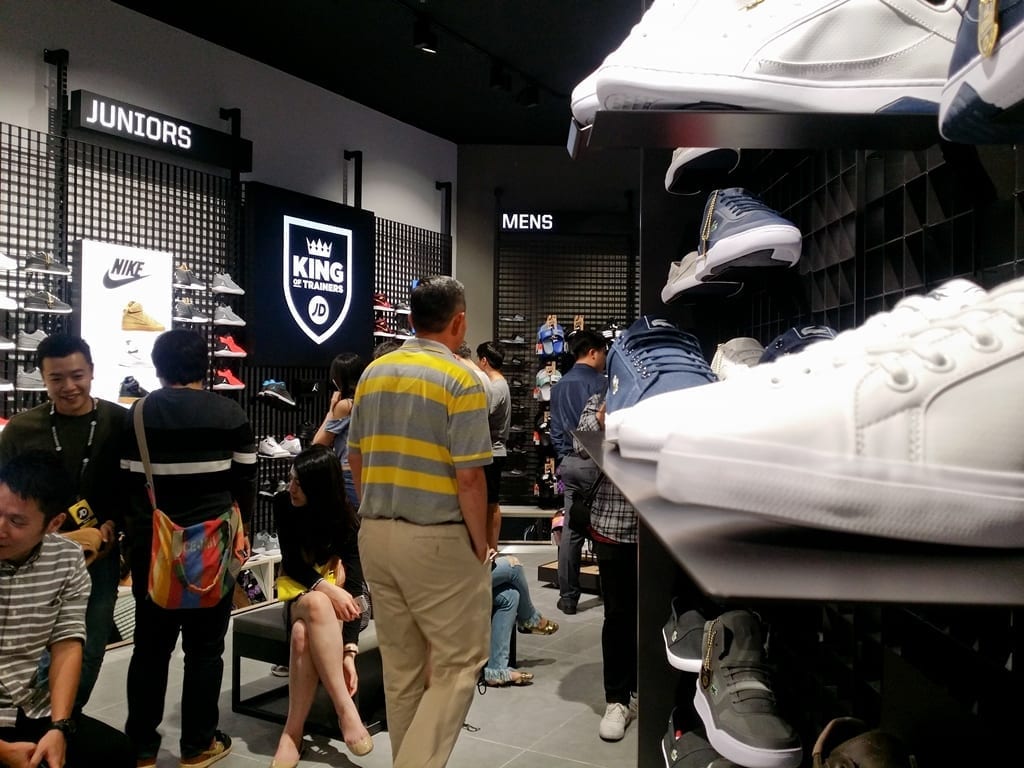
    Ahead of its annual general meeting, JD Sports Fashion Plc said in a statement that the Group announced record results for the year ended February 3, 2018 and its board believes that the company continues to be on track to deliver a result for the full year in line with consensus market expectations. The company also opened doors to 36 new stores starting this fiscal year to June 23, 2018.

    “There has been a further expansion in the JD store estate with a net increase of 36 stores in the period to June 23, 2018. As expected, the emphasis has been on international development with 18 new stores to date across Europe. There has also been an increase of 16 stores in the Asia Pacific region with additional stores in both Malaysia and Australia and the first JD stores in both South Korea and Singapore. The 16 new JD stores in the Asia Pacific region include 12 conversions from other fascias operated by our partners in these territories,” said Peter Cowgill, the Executive Chairman of JD Sports in a statement.

    “Overall, we remain encouraged about the progress that we are making internationally and, following the recent acquisition of the Finish Line business, are excited by the opportunity ahead of us in the United States,” Cowgill added.

  • Jeweller Luk Fook time to shine after years of decline

    Jeweller Luk Fook time to shine after years of decline

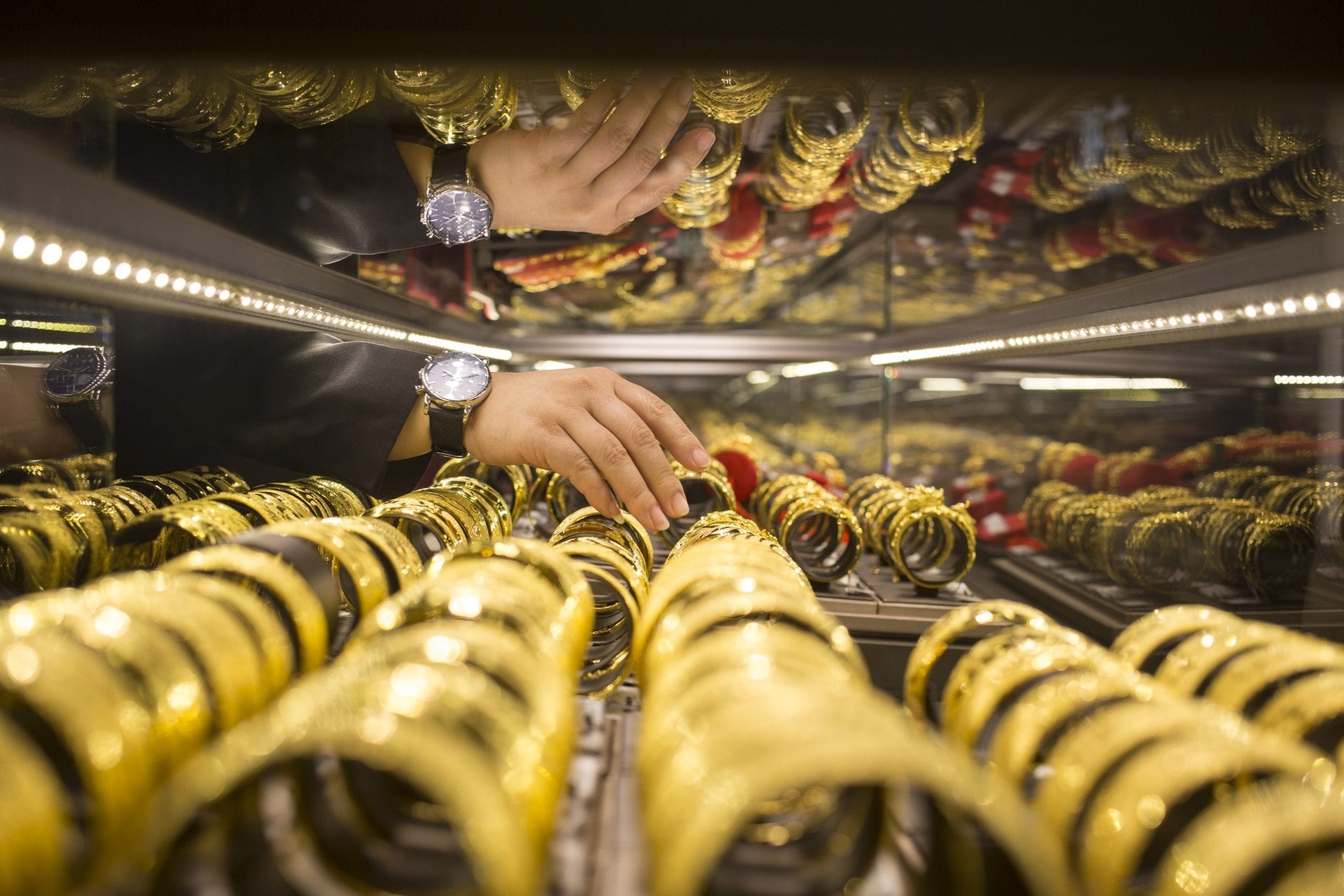
    Jeweller Luk Fook has reversed a three-year trend of declining revenue in its latest financial year, boosting sales by 13.8 per cent to HK$14.578 billion (US$1.857 billion).

    Releasing its results for the year to March 31, the company said the turnaround was the result of improved retail sentiment, especially in its largest market of Hong Kong-Macau. Profit attributable to shareholders grew 34.7 per cent to $1.4 billion.

    Luk Fook finished the year with 1642 stores globally, 137 more than the previous year with almost all of the new stores on the mainland.

    Wong Wai Sheung, group chairman and CEO,, said that despite the impact of the slowdown in economic growth in Mainland China and the changes to the Individual Visit Scheme, there was gradual improvement in spending per capita.

    The retail business, the group’s primary source of revenue, improved 14.3 per cent to $10.995 billion. Within that, sales of gem-set jewellery increased 24.2 per cent. Sales of gold and platinum products increased by 10.2 per cent.

    Luk Fook reported same-store growth in Hong Kong and Macau of 9.4 per cent last year, a huge contrast to the 19.5 per cent decline of the previous year. Mainland China same-store sales grew by a more modest 4.6 per cent, compared to a 4.8 per cent drop the prior year.

    Besides adding 132 new stores in Mainland China, Luk Fook opened its first licensed store in Cambodia and one store in each of Hong Kong and San Francisco.

    Rebound continues

    Wong Wai Sheung said the improved overall economic environment and increased visitor arrivals in Hong Kong and Macau is reflected in ongoing positive retail sentiment since April this year.

    Same-store sales growth continued to run in the double digits this year and sales of gem-set jewellery in the mainland market had returned to positive growth.

    “However, under the influence of US-China trade war and geopolitics, there are still many uncertainties around.”

    That aside, he said the continuing growth of the mainland’s middle-class population  fuelled optimism about Luk Fook’s mid- to long-term business prospects.

  • Honor debuts in Vietnam with first offline store

    Honor debuts in Vietnam with first offline store

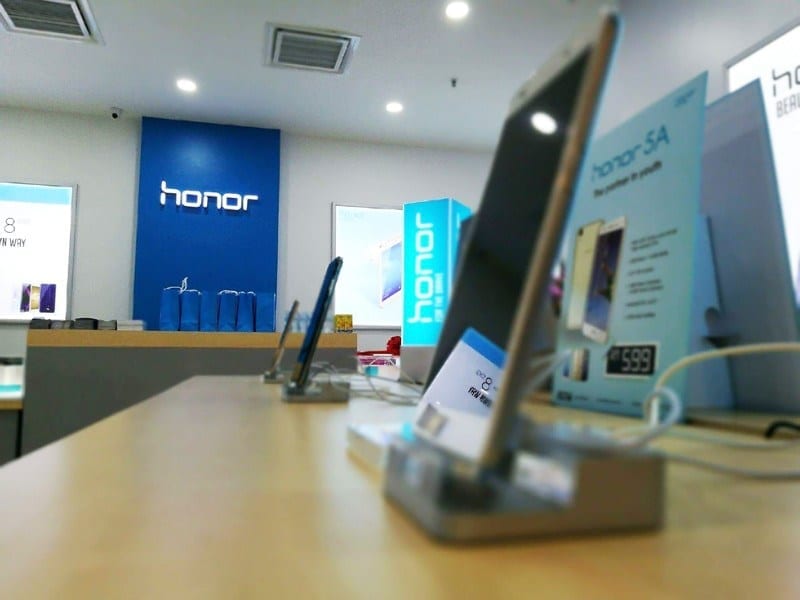
    Huawei sub-brand Honor Vietnam has opened its first physical store in the country after three years selling online and via distributors.

    Located on Nguyen Hue Street in downtown, the new store attracted hundreds of Honor’s fans from the early morning.

    Apart from products already on sale in the country, Honor introduced its newest lines, including the Honor MagicBook.

    Vietnam is a part of Honor’s overseas expansion in Asia Pacific, along with Europe and the Middle East.

    Zhao Ming, Honor president, said overseas sales have doubled during the past five months, and he expects them to rise further in the second half of the year.

    The brand entered the Philippines last month.

  • SF Express Entering New Retail with Shop in Chongqing

    SF Express Entering New Retail with Shop in Chongqing

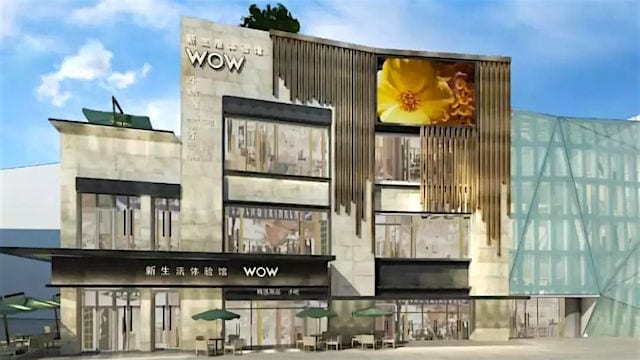
    Chinese courier firm SF Express has opened its first New Retail store in Chongqing.

    The 3000sqm four-level “Wow Global Specialty Products Shop” is now the largest site in the city using the cross-border New Retail model, a mode of selling that involves data analytics and omni-channel technologies to effect an online/offline crossover. Chongqing is among the first cities slated for testing cross-border e-commerce trade by the Chinese administration.

    The SF Express store showcases a range of imported products hand-picked by procurement teams, featuring many that have been endorsed by Chinese online Key Opinion Leaders. The store uses facial recognition and behavioral analytics, including other technologies, to interact with customers based on extensive data on the brand’s online shoppers that it has collected over the years in the courier business. Shoppers may buy in-store or elect to order their purchases to be shipped from abroad.

    Wang Wei, president of SF Express, said New Retail integrates online and offline channels; marketers’ understanding of their customers; and a timely response to customer needs…

    “SF is using its huge on-the-ground network, air-cargo handling capacities and its 2000-plus researchers to build a national brand of integrated services encompassing online e-tailing and an offline supply chain.”

  • Suning.com Listed on China’s 500 Most Valuable Brands with a Brand Value of 23 Billion RMB

    Suning.com Listed on China’s 500 Most Valuable Brands with a Brand Value of 23 Billion RMB

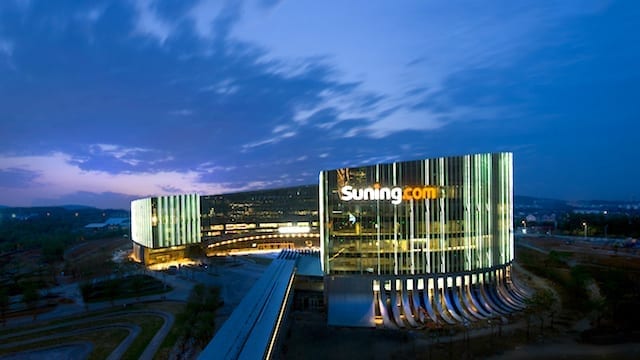
    Suning.com, a Fortune Global 500 company owned by Suning Holdings Group (“Suning”) was listed on the 15th China’s 500 Most Valuable Brands, with a brand value of 23 Billion RMB, ranked No.13 on the list and No.1 among the retail industry.

    The list of China’s 500 Most Valuable Brands is released by World Brand Lab, the leading independent consultancy of brand valuation and marketing strategy in the world. It evaluates brand value based on three dimensionsfinance performance, customer impression and brand awareness. The total value generated by the 2018 listed brands is RMB 1.844 trillionDue to its strong growth in revenue and brand awareness, Suning.com has achieved a brand value of RMB 23 billion, up 19% year-on-year.

    Suning.com saw a strong financial growth in 2017, obtained an operating revenue of RMB 187 billion, with a year-on-year increase of 24.67%. In the first quarter of 2018, Suning.com has achieved Omni-channel sales of RMB 69.33 billion, up 46.33% year-on-year.

    “Innovative technologies such as AI, Big-data and block-chain bring new opportunities to the growth of brand value,” commented by the chairman of World Brand Laboratory and Nobel laureate and economist, Robert Mundell.

    Suning put forward its ‘Smart Retail’ strategy in 2017, which revolves around Smart Sourcing, Smart Selling, Smart Services, Smart Logistics and Smart Business Models. The strategy meets and beats consumers’ expectations by providing personalized goods and services in diversified consumption scenarios to improve shopping experience. During the past 6.18 Shopping Festival, Suning gained a 121% sales increase in total, reflecting the increasing brand reputation among customers and embodying the success of Smart Retail.

    Meanwhile, Suning has been actively working on corporate social responsibility programs. By the end of 2017, Suning has contributed over RMB 1.1 billion to public welfare regarding disaster relief, education, poverty alleviation, environmental protection and other fields.

    China has entered a new era of quality consumption, which provides a broad market for local brand’s development,” said Sun Weimin, vice chairman of Suning.com, “As a leading retail brand, Suning is proud to be listed among the China’s 500 Most Valuable Brands and will continuously undertake the responsibility to enhance Chinese brands competitiveness.”

  • Global stocks are bouncing after Trump made a conciliatory move in the trade war

    Global stocks are bouncing after Trump made a conciliatory move in the trade war

    Stocks in both Europe and the Americas are bouncing on Wednesday after President Donald Trump made a move that looks likely to deescalate the trade war developing between his adminstration and the rest of the world.

    Earlier, Trump announced the details of a plan to crack down on Chinese investment in US technology companies, and the final results were weaker than expected.

    The news buoyed investors, who have previously been nervous about the possibly devastating consequences a trade war could have on the global economy.

    Major share indexes in both Europe and North America are significantly higher on Wednesday as a result of the announcement, with the USA’s benchmark Dow Jones Industrial Average up by almost 250 points.

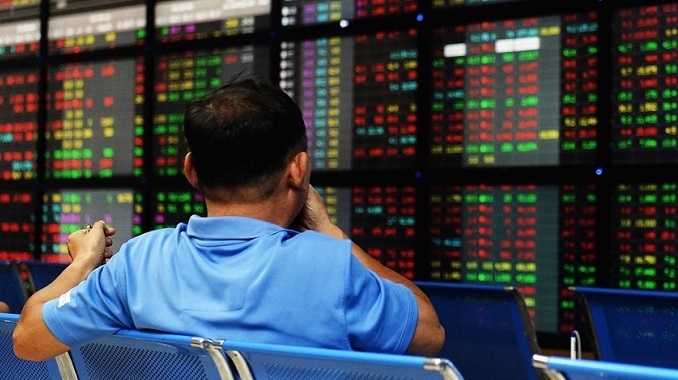
    While Trump’s climb down has soothed Western markets, things in Asia overnight were not pretty, with the earlier escalation of trade tensions having a significant negative impact on Chinese markets, with stocks in the world’s second largest economy suffering major losses.

    China’s benchmark share index, the Shanghai Composite, dropped 1.1% on Wednesday — leaving it nursing losses of 22% from its most recent high, extending the bear market it entered at the beginning of the week. Bear markets are characterised by a fall of 20% or more from a high.  

    Negative sentiment in Asia overnight also saw Hong Kong’s Hang Seng drop 1.7%, and the Shenzhen Composite fall 1.8%.

    For China, there is an ongoing double whammy of bad news. As well as Chinese stocks falling into a bear market, the country is also witnessing a major slide in the price of its currency, the yuan, which overnight fell to its lowest level in more than six months.

    The USD/CNH, or the US dollar versus the offshore traded yuan, hit a high of 6.6105 earlier, leaving it at the highest level since December 20 last year.

    An increase indicates the US dollar is strengthening against the yuan.

    Along with escalating trade tensions between the United States and China, the yuan has been under pressure in recent months from a softening in Chinese economic data as well as divergent monetary policy settings between the PBOC and US Federal Reserve.

  • Fully automated restaurant boom in China

    Fully automated restaurant boom in China

    A Japanese Twitter user has sparked an online debate over video footage of a fully-automated Chinese restaurant.

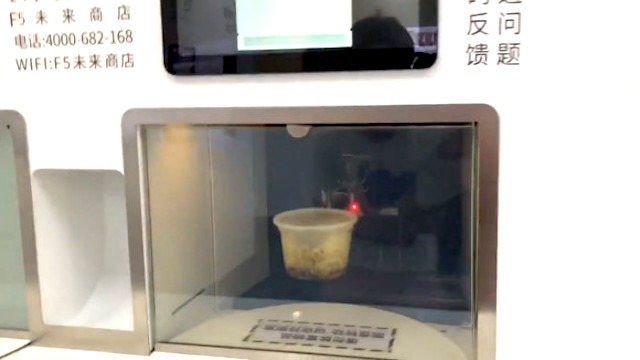
    The coverage of the unnamed (and apparently unstaffed) venue in Chinese Shenzhen showed a diner choosing a noodle dish from a touch-screen menu, paying for the meal electronically, receiving it from a robot arm, and dining on a table that automatically retracts to receive waste.

    Japanese netizens were quick to express concerns at the concept of dining over a hidden trash can – not only in terms of hygiene and smell, but also for the potential of losing keys or a mobile phone, and as to whether the trash would be properly separated for recycling.

    A report called the restaurant a sign of the impending robot apocalypse, and wondered if the restaurant bill was a contribution to an electronic uprising to usurp humanity.

  • CapitaLand acquires 32-hectare prime mixed-use site in Chongqing

    CapitaLand acquires 32-hectare prime mixed-use site in Chongqing

    CapitaLand has acquired a company which owns a mixed-use development site in China’s Chongqing.

    The CapitaLand Chongqing project, which will boost the Singapore developer’s residential pipeline in China by more than 2100 units, includes a 335,000sqm shopping mall scheduled for completion in 2022, and a further 100,000sqm of office and retail space.

    CapitaLand is acquiring all the shares in the company which owns the 32 hectare site at the gateway to China’s fast-growing western region. The deal is valued at about S$1.19 billion.

    The land parcel is located in Xinpaifang, a mature residential and commercial zone in Liangjiang New Area, the first national-level development area in inland China and a part of Chongqing’s Free Trade Zone. It is a 20-minute drive from Jiangbei International Airport and a short distance from Guanyinqiao and Jiefangbei CBDs, which is next to Raffles City Chongqing.

    Lim Ming Yan, president & group CEO of CapitaLand Group, said given the site’s scale, strategic location and excellent connectivity, the Chongqing’s Xinpaifang asset is a prized acquisition that will boost CapitaLand’s land bank in a key gateway city in China’s southwest.

    “Through our ‘core city clusters, dominant assets’ strategy, we have steadily ramped up our network in China’s first- and second-tier cities, cementing our lead as the foreign real estate developer with the largest portfolio of integrated developments.”

  • Valextra opens flagship in Chengdu China

    Valextra opens flagship in Chengdu China

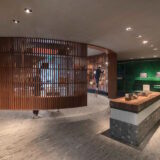
    The new Valextra flagship store in China’s Chengdu, designed by Neri&Hu, features hovering walls and a conical light funnel modelled on the Pantheon in Rome.

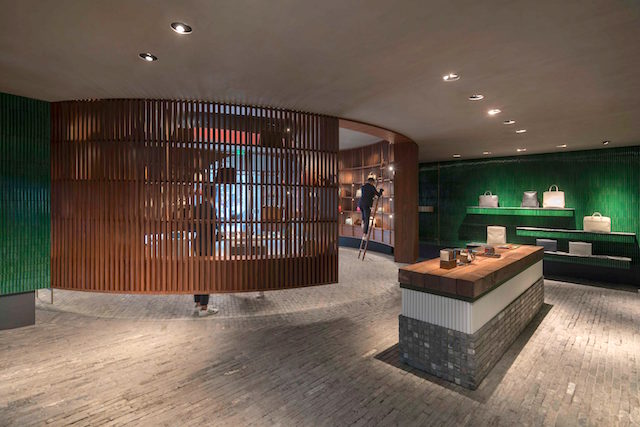
    The Italian accessories brand’s 160sqm store is divided into two connected spaces: a library and a reading room.

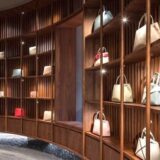
    When customers enter the store, they are greeted with a grid of walnut shelving, on which merchandise is displayed.

    Like a library, ladders are used to access the merchandise placed on the upper shelves.

    Reclaimed grey bricks are laid on the floor, sliced and twisted in a circular motion, reflecting the deep conical light funnel in the ceiling above – a design element that Neri&Hu says was used to recall the oculus of the Pantheon in Rome.

    Lit like a museum, the space uses both artificial spotlighting and natural light, which penetrates the space from the deep facade windows. At the centre of the library the grey brick rises from the floor plane to meet a slab of solid white marble that forms a merchandise display table.

    Through the library screen, customers enter the ‘reading room’, which is clad in vertically placed rectangular, green tiles. The tiles’ curved glazed surface create a reflective undulating effect that the designers said adds “texture and depth”.

    Imposing facade

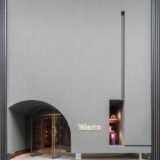
    To create the store, the pre-existing shopfront which was designed to match its shopping centre neighbours was demolished, replaced with an imposing solid wall of dark concrete that spans two stories.

    A strip of glass runs around the bottom of the black wall, making it appear as if it is hovering above the ground.

    Narrow vertical and horizontal windows are carved into the thick wall to provide glimpses of the store within, while a deep set arched entrance with a curved glass door detailed in brass and curved green tile is positioned off centre.

    View the gallery below :

  • China, Japan and Korea enter 5G alliance

    China, Japan and Korea enter 5G alliance

    The ICT ministers of South Korea, Japan and China have jointly agreed to collaborate on the standardization of 5G technology.

    Korean minister for science and ICT Yoo Young-min, Chinese minister for industry and information technology Miao Wei and Japanese minister for internal affairs and communications Yoo Young-min convened last week to discuss ways to promote cooperation in communications policies and regulations.

    The meeting marked the first ministerial meeting between the three countries in seven years, and the sixth overall.

    The ministers agreed to collaborate on accelerating the commercialization of 5G technology, reducing roaming fees between the three countries and facilitating the deployment of 5G and other advanced technologies for the 2020 Summer Olympics in Tokyo and the 2022 Winter Olympics in Beijing.

    At the summit, more than 200 government and business leaders from the three countries also agreed to cooperate on the development of emerging technologies including 5G, IoT and AI.

    Meanwhile Korea’s ICT ministry has set today as the deadline for applications to participate in South Korea’s first 5G auction.

    The nation’s three mobile operators SK Telecom, KT and LG Uplus are expected to all apply to participate in the auction, which is scheduled to commence next Friday. Spectrum in both the 3.5-GHz and 28-GHz bands will be put on the block.

  • Balabala debuts in Hong Kong

    Balabala debuts in Hong Kong

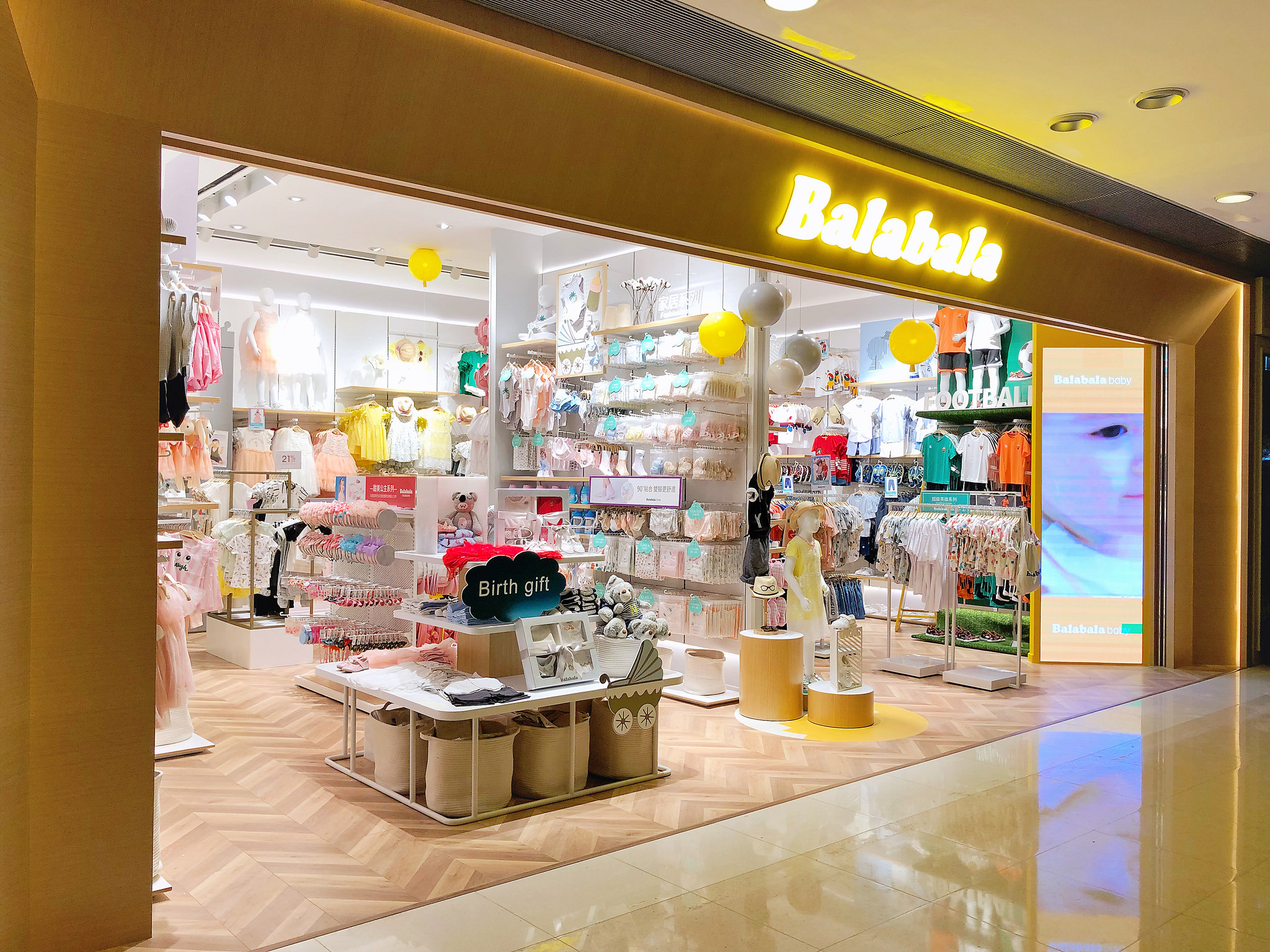
    Chinese children’s apparel brand Balabala has opened its first store in Hong Kong.

    A niche brand operating under Chinese fashion firm Zhejiang Semir Garment Co, Balabala’s Kowloon location will retail casual kidswear for all ages.

    Leeky Li, deputy GM of Semir International Group (HK), described the move as an opportunity to bring the company to the world stage.

    “Hong Kong is an international and well-developed city offering an ideal platform for us to enter the global market,” she said. “The retail market here is also very established, which means a lot of convenience for us when we set up and grow from here.”

    She also noted that the Hong Kong branch will serve as a major bridge and contact point to execute the firm’s global expansion plan in terms of acquisition, joint venture and overseas franchising.

    “The city is also a key sourcing centre for our group. Therefore, Hong Kong offers us numerous strategic advantages,” she said.

  • Merchandise from K-pop is popular with Chinese

    Merchandise from K-pop is popular with Chinese

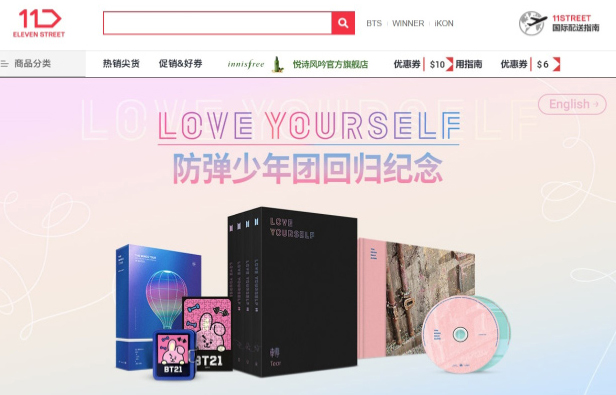
    K-pop merchandise is selling well on e-commerce platform 11st’s global website, boosted by fans from the greater China region, which account for 43 percent of the products’ sales.

    According to figures for the first five months of the year, 43.2 percent of customers for K-pop merchandise online are from China, Hong Kong, Macau and Taiwan.

    A large part of that demand – 30.7 percent – came from Taiwan, which was the No. 1 destination for goods bought on 11st. Japan was second place (10.8 percent), followed by the United States (10.6 percent), China (6.6 percent) and Hong Kong (6.2 percent).

    “Until last year, cosmetics and beauty products were the majority of items bought by foreign customers on our website,” said a spokeswoman for 11st. “But recently revenue from idol-related products, apart from CDs, has started to account for a significant proportion of our sales.”

    The company just started this year to launch promotion and marketing events to sell K-pop merchandise in partnerships with domestic entertainment companies.

    11st sold K-pop merchandise to 60 countries worldwide that included South America, Europe, Middle East and Africa.

    Taiwanese customers had a big preference for merchandise featuring Super Junior, SHINee, TVXQ, Blackpink, iKON and GOT7, while Japanese were keen on merchandise related to Eun Ji-won, a member of Korea’s first-generation idol group SechsKies.

  • Chinese c-store chain Bianli24 to get US$10 million funding

    Chinese c-store chain Bianli24 to get US$10 million funding

    A 24-hour Chinese convenience-store chain has closed a US$10 million series pre-A funding round led by Sequoia Capital China.

    The chain, Bianli24, is a 2017 startup known for its self-service vending machines which shop owners can use to automate sales of popular items and conduct after-hours trading. It plans to use the new funding to expand into third & fourth-tier cities within China, beyond the 13 cities it currently operates in.

    The company is distinguished from its competitors in that it operates the machines independently rather than franchise them out. The company says sales from its vending machines tend to make up 15 to 20 per cent of a store’s takings.

  • Bulgari Hotel Shanghai opens

    Bulgari Hotel Shanghai opens

    ulgari Hotels & Resorts has opened a new property in Shanghai.

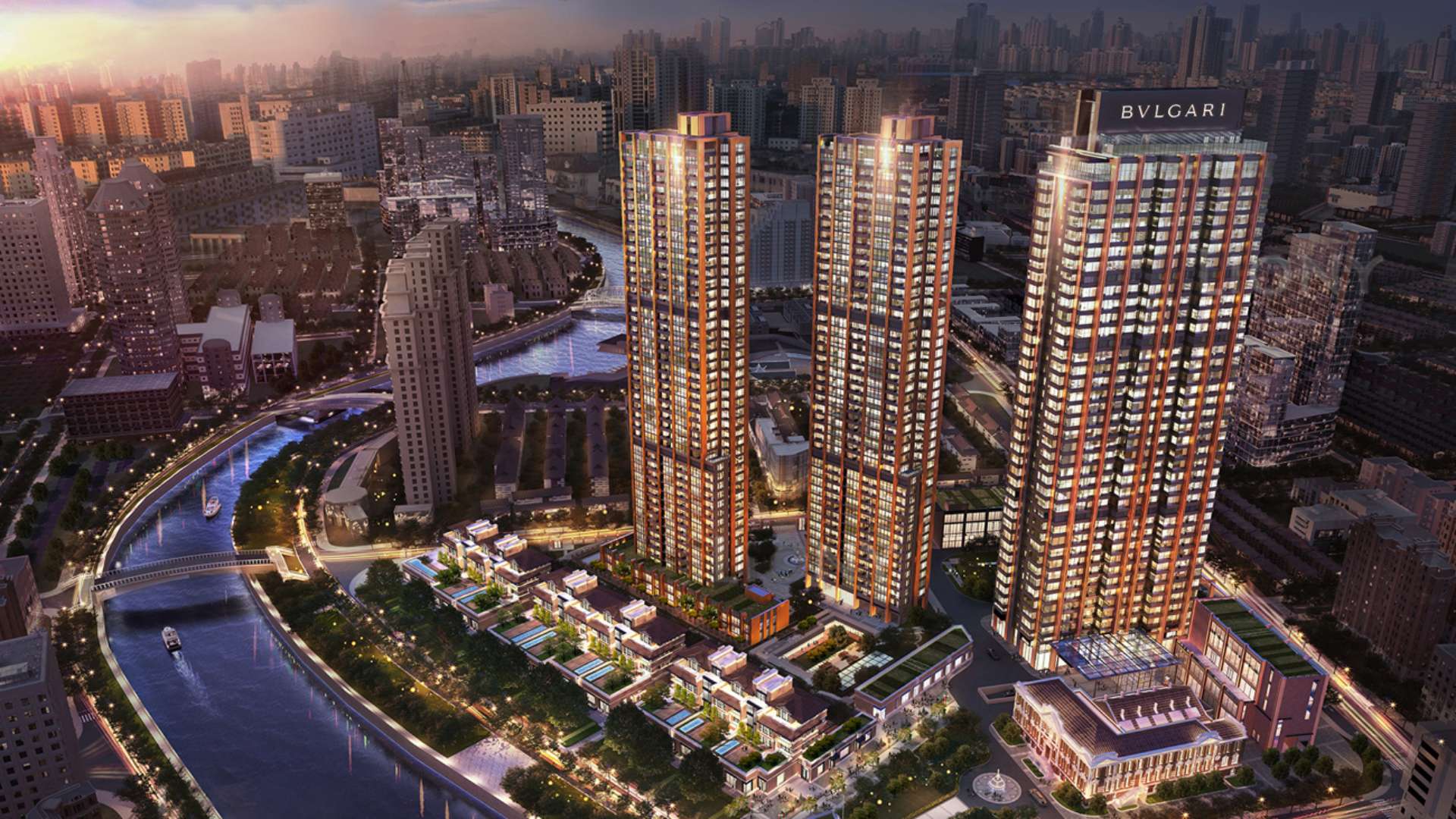
    The Shanghai boutique hotel has been built within a 48-storey tower in a protected heritage zone opposite the financial district of Pudong. It features 82 rooms, including 19 luxury suites, feature East-meets-West interiors designed for Bulgari by architectural firm Antonio Citterio Patricia Viel and Partners.

    In the course of construction, the Italian fashion firm restored the historic Chamber of Commerce Shanghai next door, which encompasses Italian gardens and features a lavish Bulgari ballroom and a fine-dining Cantonese restaurant.

    Guests will have access to a 25-metre indoor heated pool, luxury beauty treatments, and Italian & Chinese dining options.

    Following the launch of the Shanghai boutique hotel, Bulgari plans to open more in Moscow and Paris by 2020 and in Tokyo by 2022.