Tag: China

  • German retailer removes single-use products to combat plastic pollution

    German retailer removes single-use products to combat plastic pollution

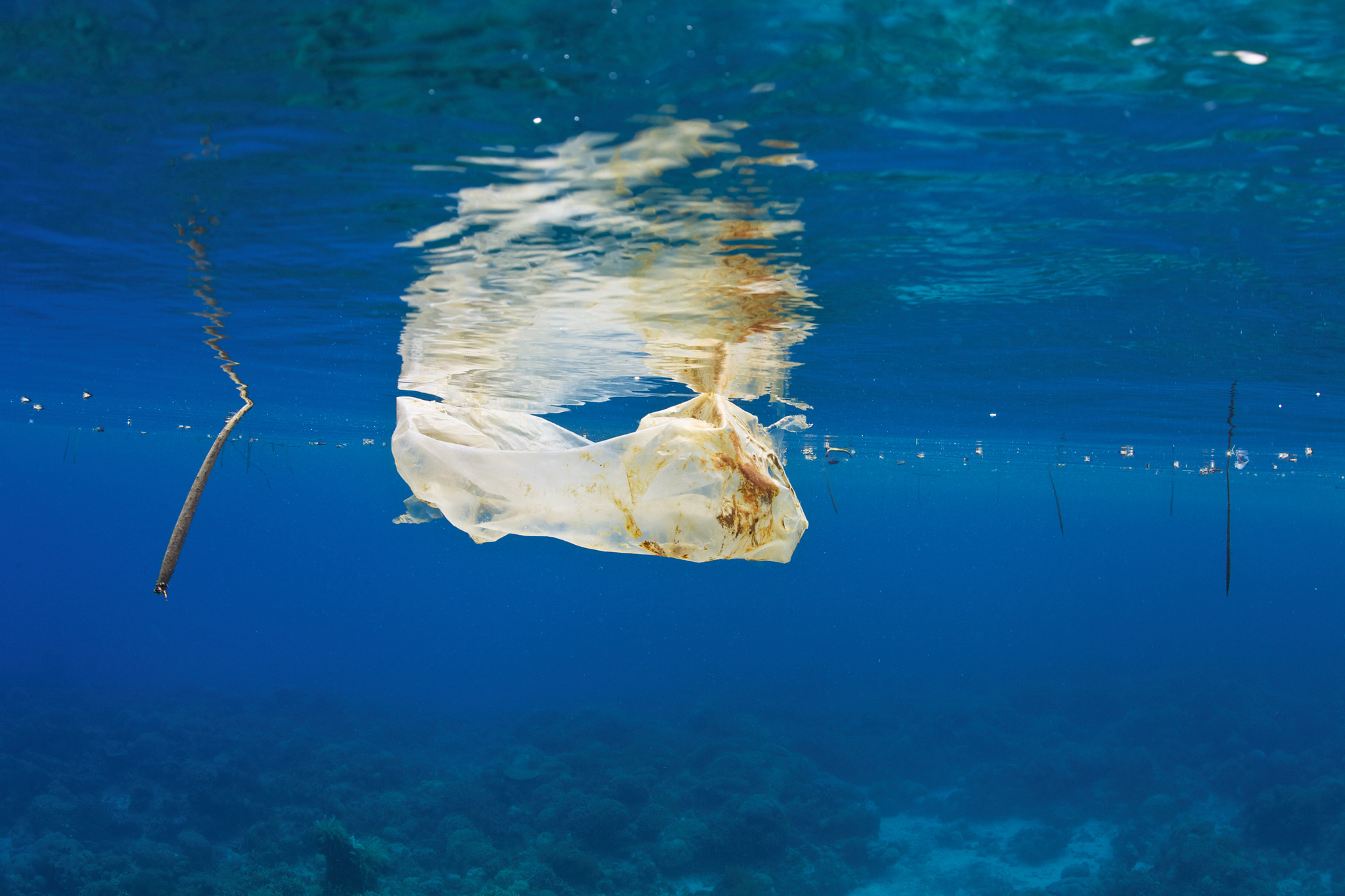
    Rewe will remove single-use plastic straws from the aisles of its supermarkets in order to help combat environmental pollution, the German retail chain announced on Wednesday.

    The Cologne-based company estimated that the move across its 6,000 stores would lead to an annual reduction of around 42 million single-use plastic straws going to landfill.

    The retail group includes the popular supermarket chains “Rewe” and “Penny”, as well as the “Toom” hardware stores in Germany.

    Rewe is only one of several German retailers which have recently taken steps to address growing concerns over the environmental consequences of excessive plastic consumption.

    Amongst others, the discounter Lidl will no longer stock single-use plastic products like cutlery and straws from 2020 onwards while rival Edeka is developing a returnable packaging system as an alternative to single-use.

    According to the “Seas at Risk” group of non-governmental organizations (NGO), around 100,000 tons of plastic from the European Union (EU) end up in the bloc’s seas every year with devastating implications for marine ecosystems. In total, 46 billion single-use bottles and 36 billion straws are consumed annually in the EU only to be thrown away shortly thereafter.

    The EU commission has set itself a goal to lower the amount of single-use waste in its seas by 30 percent until 2020 while the European Parliament is demanding for a more ambitious target of 50 percent until 2030.

    In a widely-discussed proposal, EU budgetary commissioner Guenther Oettinger recently called for the introduction of a plastic tax as a means to lower consumer use and simultaneously improve the bloc’s finances following the departure of the United Kingdom.

    Speaking to the German press agency on Wednesday, a spokesperson for the German ministry for the environment emphasized, however, that environmental pollution through single-use products was a problem that applied to plastic as well as other materials.

    “We need to overcome a powerful throw-away culture”, the spokesperson said.

  • Under Armour reorganises international executive team

    Under Armour reorganises international executive team

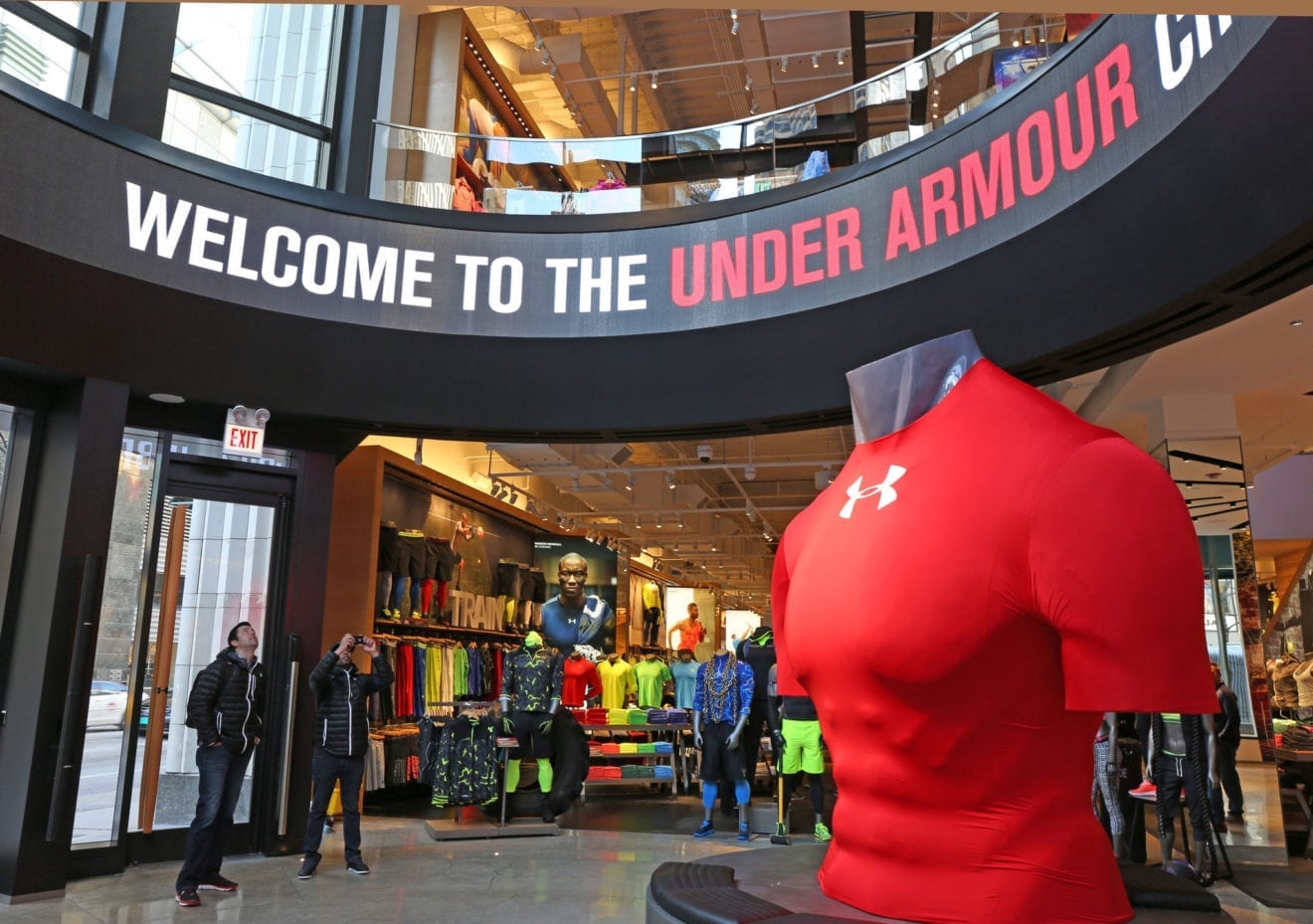
    Athletic apparel retailer Under Armour has announced new executive appointments for their international markets as it expresses plans to make its international sales grow even more.

    The company’s international sales have been growing fast and make up 24 per cent of its total revenue. In the first quarter, the sportswear retailer’s total sales were $1.19 billion.

    Under Armour has announced the appointments of Jason Archer as managing director for Asia Pacific; Manuel Ovalle as managing director for Latin America; and Massimo Baratto as managing director for Europe, Middle East & Africa.

    The company also announced that its Hong Kong office will be expanded to serve as its Asia Pacific headquarters.

    “As we work to scale our international business, we remain focused and measured in our evolution across our entire portfolio to ensure that we are driving toward long-term return for our shareholders,” said Patrik Frisk, Under Armour president and chief operating officer.

    Archer, who has been with Under Armour for six years, became vice president and managing director in 2016 with primary oversight of the company’s Latin American business. Before joining Under Armour he spent 11 years with adidas in Latin America and six years with PwC on assignments in Canada and Europe.

    Ovalle, who joined Under Armour in 2013, will now be based in Panama and be responsible for the company’s entire Latin America business from Mexico through the Southern Cone. Prior to Under Armour, Ovalle spent nearly 20 years with adidas with roles of increasing responsibility as the company grew its Latin American business.

    Baratto, who joined Under Armour in May, will now oversee the entire Europe, Middle East and Africa region. He brings nearly 30 years of international experience from a variety of industries, brands and regions – most recently as the CEO of the Oberalp Group.

    Erick Haskell, who joined Under Armour in 2015 as managing director for Greater China has announced plans to leave the company later this month to pursue a new opportunity.

    “We are grateful for Erick’s leadership and the strong foundation he set over the past few years, which has positioned us for strong, balanced growth as we enter our next chapter in this important region,” Frisk said.

    All regional leads report directly to Frisk.

  • Chinese’s Pinduoduo seeks US$1 billion

    Chinese’s Pinduoduo seeks US$1 billion

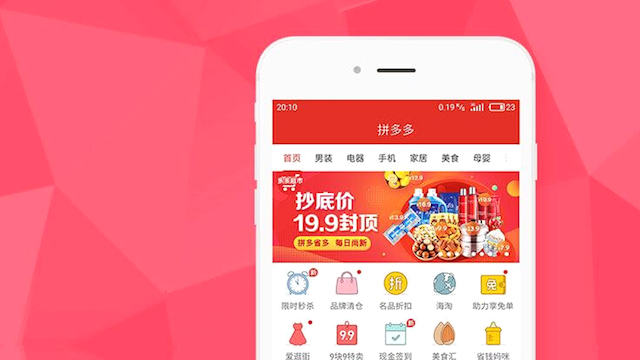
    Chinese e-commerce startup Pinduoduo is seeking US$1 billion in a US IPO, going head to head with industry giants such as Alibaba.

    The company’s business model, in which users recruit friends via social media to enjoy group-discount offers direct from manufacturers, has seen its transaction volumes reach 141.2 billion yuan (US$21.3 billion) in 2017, tripling the company’s revenue. It was founded by ex-Google engineer Colin Huang and is backed by Tencent and Sequoia Capital, among others.

    Pinduoduo raised more than US$1 billion in its last fundraising round in April, against a valuation of around US$15 billion. Its sales have been strongly supported by its large user base in lower-tier Chinese cities. The site’s daily active users reached 55.9 million last month, more than 20 million more than the popular JD e-commerce platform.

  • Japan’s Ryohin Keikaku opens second Muji Hotel in Beijing

    Japan’s Ryohin Keikaku opens second Muji Hotel in Beijing

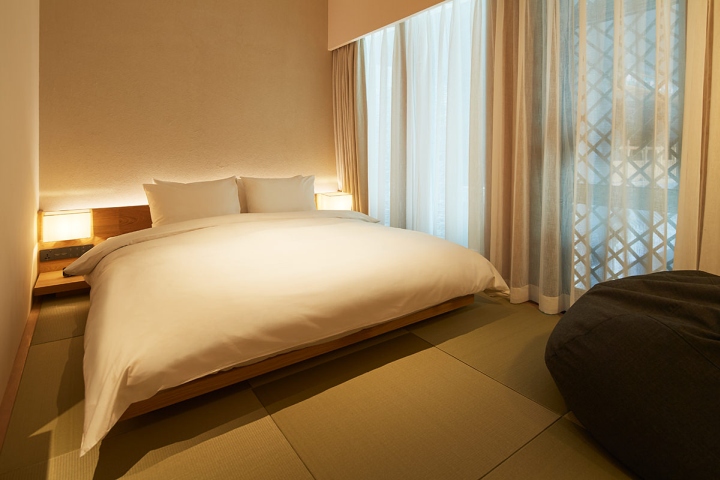
    Japan’s Muji hotel & store has just opened in Beijing in a key location overlooking Tiananmen Square.

    The hotel’s first basement-level retail store sells travel essentials and everyday items, many of which feature in the guest room amenities.

    Designed as an antidote to the brute gorgeousness of boutique and luxury properties and the cheapness of budget accommodation, the hotel’s understated zen-like interior grounded in undisturbed sleep is intended to stand in keeping with the world heritage sites in the hotel’s immediate surrounding district.

    The property also features a Muji Café&Meal venue serving simple, health-conscious food offerings, and a diner featuring classic East Asian cuisine.

    Another Muji hotel opened in Shenzhen last January.

    Check how Muji Hotel Beijing looks in the gallery below (10 images) :

  • China, Millennials and Men are revitalizing luxury retail

    China, Millennials and Men are revitalizing luxury retail

    Attracting Millennials has been key for retailers, but the consumer population, characterized by rapidly shifting expectations in light of digital transformation, has remained elusive to many traditional retailers and buying categories, resulting in piles of literature on how to appeal to this influential group.

    And recently, marketers have all the more reason to focus on Millennials: they are integral in luxury retail’s comeback.

    The 16th edition of the Bain Luxury Study found the luxury market grew by a whopping 5 percent to €1.2 trillion globally last year. Luxury sales grew in a broad array of industries including cars, food and wine, travel, hospitality, clothing, and accessories – and much of the growth is thanks to Millennials.

    Despite the comeback, it’s clearly not your mom’s luxury shopping climate. Jewelry brands are still working to find their stride with younger cohorts and high-end department stores are scooping up Amazon employees to focus on digital growth. Here are some pointers for thriving as a luxury brand in today’s retail environment.

    According to the study, while the boom in luxury sales is primarily led by economic growth in China, demand for personal luxury items is also increasing worldwide. Japan, Europe, and the U.S. are standout markets for luxury retailers, growing at 4 percent, 6 percent and 2 percent, respectively. It is worth noting that tourism had a part in luxury’s rebound: “Globally, the share of personal luxury goods purchased by Chinese nationals reached 32 percent in 2017.”

    The study focused largely on Millennials as a key demographic, but also on the “millennialization” of luxury shoppers, referring to a shifting consumer mindset. In addition to Millennials, Gen Z and men are contributing to the sector’s recovery, and brands are taking notice, adapting to changing customer profiles.

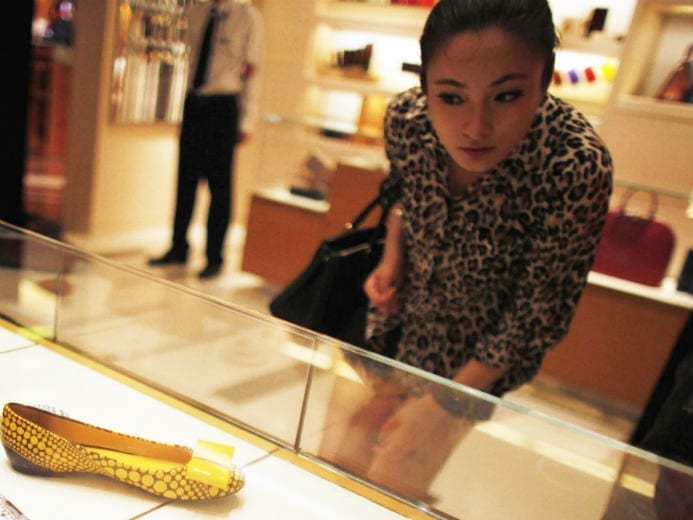
    Menswear has become a focus area for high-end fashion brands. Conglomerates like LVMH (including the brands Louis Vuitton, Bulgari, and Dior, among others) and Kering (including the likes of Gucci, Yves Saint Laurent, and Girard-Perregaux) have focused marketing efforts on mens fashion. Louis Vuitton, for example, is exploring high-end streetwear to tap the male Millennial zeitgeist, and Saks Fifth Avenue says their menswear has gone “from just category addressing to…designers looking at how they’re going to wardrobe a man’s lifestyle,” according to Saks Fashion Director Roopal Patel.

    Moreover, to appeal to younger cohorts, many luxury brands have expanded their product lines to include footwear, hoodies, purses, t-shirts and other more affordable items. Understanding the key demographic purchasing trends will allow retailers to tap into new segments and capitalize on timely opportunities.

    According to Valérie Moatti and Céline Abecassis-Moedas of ESCP Europe Business School, the luxury retail sector has been uniquely reluctant to embrace digital technology. But 2017 saw some luxury brands, including Chanel, successfully embrace a social media presence.

    Although Chanel was one of the last luxury brands to sell online, they now have a Paris-based Instagram team churning out 3-4 posts per day. The success of their Instagram presence earned them 9.6 million new followers last year, making them the platform’s most followed luxury brand. Over half of Instagram’s 1 billion users are under 35, making it a prime platform for reaching the luxury-purchasing cohorts, Millennials and Gen Z.

    “Instagram is well-suited to fashion brands to whom the visual and ‘community’ dimensions are essential,” Moatti and Abecassis-Moedas write. “This generation has a different relationship to brands, placing emphasis on use rather than possession and proving more sensitive to the power of the image.”

    Aligning with meaningful influencers can be effective, as well. Yves Saint Laurent struck social media gold last year by partnering with influencers to promote their fragrance, “Y.” Their strategy focused less on their own social accounts and more on product placements with edgy and notable personalities. The campaign earned them a 69 percent boost in followers and over $16 million in earned media value.

    Of course, any one campaign is not enough to build a relationship with customers. Research by Deloitte shows that Millennials are listening to multiple channels at once, making an omni-channel approach to communication and branding all-the-more essential.

    In-person shopping still has an appeal, particularly with younger cohorts and luxury shoppers. Deloitte’s research shows 43 percent of American Millennials still prefer to buy luxury items in person. They cite the abilities to touch, feel, compare, and try products as key benefits.

    The brands that are making physical retail work for them are using an experiential approach. Ibrahim Al-Haidos, founder of luxury handbag brand Fursan, built a storefront with an environment he describes as being dedicated to opulence and consummate beauty. “We want people to feel special when they enter our store,” Al-Haidos said. “The environment we have created is one of high luxury. It’s important that people begin to feel luxurious from the moment they enter our store.”

    The notion of inviting customers into aspirational lifestyle is common among successful luxury retailers. Many are looking less like traditional storefronts and more like lifestyle touchpoints, sometimes reminiscent of an open house or a ‘permanent pop-up.’ Inviting customers to participate in a lifestyle defined by a brand’s ethos allows them to actually contribute to a brand’s narrative, blurring the line, and strengthening the relationship, between retailer and consumer.

    Partnerships with other brands and influencers that reflect a retailer’s particular ethos can also be effective. Take Ferrari, for example. Their brand aligns closely with Formula 1 racing, surrounded by those passionate about high-performing cars.

    Or look at Max Mara’s partnership with street artist Shantell Martin. The pair collaborated on limited edition sunglasses, using sunglass frame-shaped cut-outs from a custom piece of art by Martin to create a one-of-a-kind product for each purchaser. Reflecting Martin’s whimsical and uplifting stream-of-consciousness style that focuses on the interplay of audience and creator, the limited edition pieces invited their purchasers to effectively participate in the art.

    “I’m always looking for great non-traditional canvases to spread my message out into the world to a new demographic and in a new way,” says Martin. “This collaboration was a great example of that done well.”

    The partnership shows the brand’s acute awareness of what their customers like outside of Max Mara, enabling them to capitalize on the sentiment of Martin’s art and alluding to a broader narrative in which they are a key fixture.

    The luxury retail sector does not look like it did in the days of Elizabeth Taylor.

    But new channels are opening and new markets emerging to support high-end retail.

    Creative approaches to social media, an innovative brick-and-mortar presence, and meaningful lifestyle partnerships will put your luxury brand in the coveted crosshairs of young spenders.

    Millennials may be a tricky market in their ad-proof armor, but the luxury brands who can strike the right chord will find promising returns.
  • L’Oreal China and Alibaba team up on green packaging

    L’Oreal China and Alibaba team up on green packaging

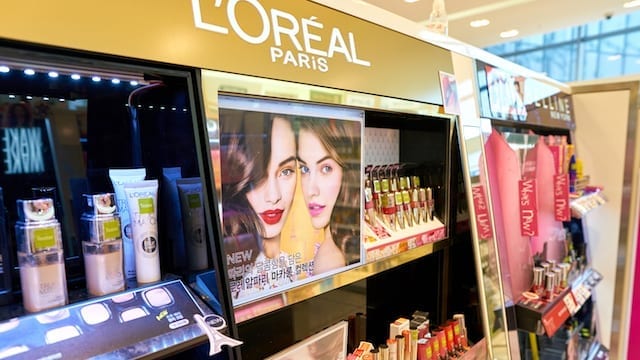
    L’Oréal China and Alibaba Group signed an agreement committing to using environmentally packaging in order to reduce waste in China.

    The agreement, which will be rolled out over the next five months, includes a pledge from L’Oréal to switch to FSC-certified sustainable paper, zipper paper, zipper paper cartons, or paper adhesives to decrease the use of plastic materials for its brand portfolio, according to the joint announcement.

    For Chinese multinational retailer Alibaba, the move highlights their strategy called new retail. As entrepreneur and author Ashley Galina Dudarenok explained, Alibaba seeks to redefine commerce by enabling seamless engagement between the online and offline world. Alibaba’s consumer-facing marketplace Tmall formed a partnership last month with the Marine Stewardship Council. Tmall’s goal is to have 20% of their sales carry the MSC label by 2020.

    The new partnership with L’Oréal China provides customers with high quality products and helps create “green, healthy, and sustainable social values,” said Jet Jing, the head of Tmall. “The upgrade of consumption is both an upgrade in quality of life as well as consumer awareness.”

    In May, Alibaba’s smart logistics arm Cainiao formed an alliance with 13 L’Oréal brands where participants commit to sustainable measures such as the use of biodegradable packaging materials. That same month, L’Oréal and sustainability consulting firm Quantis co-founded the Sustainable Packaging Initiative for Cosmetics (SPICE), aiming to reduce the environmental footprint of cosmetics products.

    Also in May, Cainiao announced plans to replace traditional paper stickers on 40 billion parcels by 2020 through the use of e-shipping labels, a measure that could save more than 3 million trees.

    Last year, as L’Oréal China celebrated its 20th anniversary, the company said they had made progress in several areas of sustainable development. “Substantial efforts have been made to reduce packaging weight,” the company reported. That meant a reduction in plastic used, changes in the composition of plastics used, the use of refillable glass containers as well as the elimination of paper instruction leaflets.

  • BreadTalk sets expansion plan for China, Indonesia

    BreadTalk sets expansion plan for China, Indonesia

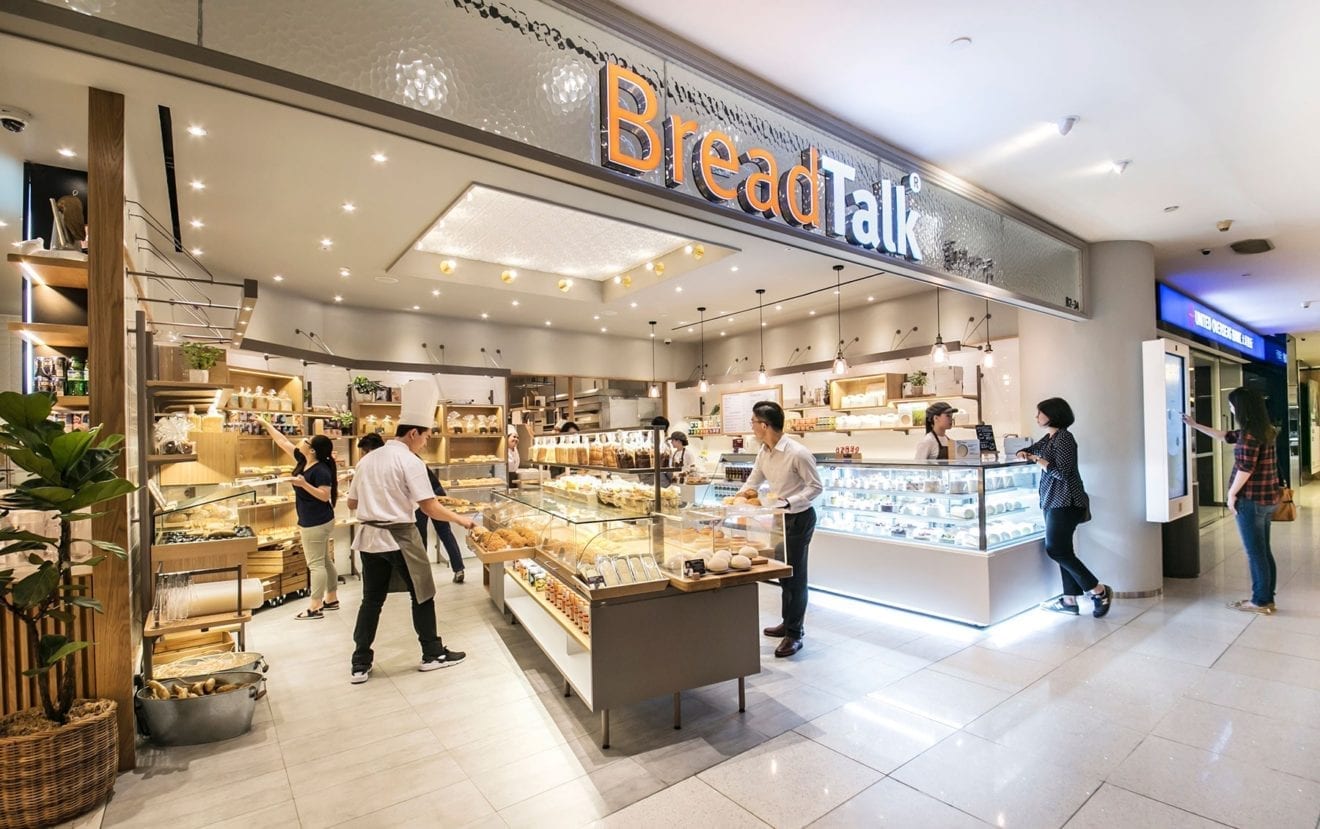
    BreadTalk Group is expanding through new joint ventures in China and Indonesia.

    Using a wholly owned subsidiary, Shanghai BreadTalk Gourmet, the Singapore-listed food chain operator has formed a joint venture with Ge Ying to operate BreadTalk bakeries in Chongqing, China.

    “This strategic partnership combines BreadTalk Group’s wealth of experience in managing and developing franchisee relationships with Ge Ying’s strong understanding of Chinese consumers’ preferences,” BreadTalk Group said in a statement.

    Ge Ying has been managing the BreadTalk brand of bakeries in Tibet for the last six years. “With proven track records, the group is confident of his team’s capabilities to lead the growth plans for Chongqing, China.”

    BreadTalk Group will hold a 30 per cent stake in the joint venture, which will potentially expand across southwestern China.

    Tan Aik Peng, BreadTalk Group’s bakery division CEO said adopting a joint venture approach rather than a franchising agreement was in line with the group’s long-term direction of increasing directly owned outlets in Mainland China.

    “Our strong product development and innovative brand promotion, coupled with Mr Ge Ying and his team’s proven track record in BreadTalk operational management and strong local knowledge will create a win-win situation for us in Chongqing. Looking ahead, it will serve as a good foundation for us to build a strong southwestern China base in Chongqing, enabling us the opportunity to penetrate further into other southwestern markets like Yunnan and Guiyang provinces.

    “We are fully committed to the Chinese bakery market in which we have full confidence to meet the discerning tastes of the Chinese consumers,” concluded Peng.

    Toast Box expands into Indonesia

    Meanwhile, through its BreadTalk International subsidiary, the company has formed another joint venture in Indonesia.

    It has a 70 per cent stake in BTG – Pura Indah Berkat Venture, with partner Pura Indah Berkat, which operates the Toast Box brand and chain of outlets in Indonesia.

    The first Toast Box outlet is scheduled to open this year in central Jakarta. Currently, PIB manages a Toast Box outlet at Soekarno-Hatta International Airport Terminal 3.

    In a statement announcing the venture, Peng described Indonesia as “a strategic and important market for the company” and that the Toast Box format is “highly relevant” to Indonesian consumers.

    “We are confident that with our insights and experience from operating Toast Box in Singapore and other regions, our consumers will be able to enjoy our quality Nanyang coffee, toast products and local delicacies in Indonesia,” said Tan.

  • Costa Coffee China sales grows

    Costa Coffee China sales grows

    UK’s Costa Coffee says sales in China have underpinned solid growth in its Asian operations.

    Costa has 459 stores in China, where sales rose 4.9 per cent in the first half year as Chinese continue to boost their coffee consumption.

    The company plans to open a further 100 stores in China before Christmas and is expanding its range to suit local tastes, after items such as Cold Brew and Character Roast performed well.

    Costa is also steadily expanding its network in other Asian markets, including Singapore where it has about 10 outlets, and Cambodia.

    Globally, Costa Coffee achieved a 5.2 per cent rise in first-quarter sales, helped by new store openings and the popularity of its Costa Express machines. However, like-for-like sales in its UK home market fell 2 per cent, reflecting the challenges faced by most retailers on high streets currently.

    Costa’s parent, brewer Whitbread, is considering options to spin the business off in a separate listing, but has reportedly since been courted by private equity firms seeing an opportunity to grow the business internationally.

    TPG, Bain Capital and CVC could pave the way for a sale of the brand realising as much as £3 billion.

    In the UK, Costa Coffee has 2467 stores, a mix of company-run and franchised stores. As it encounters trouble on high street locations, the company is shifting focus to high-traffic locations such as airports and petrol stations.

  • Seafolly growing in Chinese market

    Seafolly growing in Chinese market

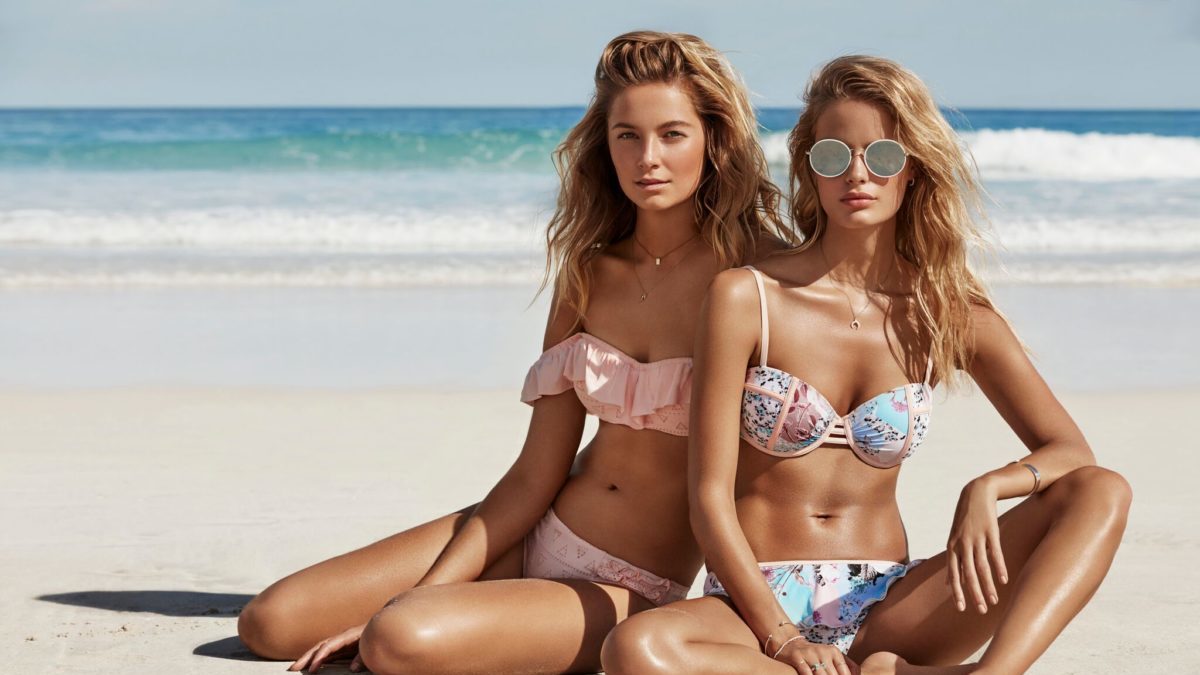
    Australian swimwear brand Seafolly is expanding into China, with its launch on e-commerce platform Tmall Global next month.

    The move is a noteworthy departure from the Australian retailers and brands that have been expanding into China in recent years, namely those selling milk, supplements and cosmetics.

    But according to Global Industry Analysts, the swimwear and beach casual wear market is on the rise in China, with an average of 9.6 per cent annual market growth from 2013 to 2017, and it is expected to remain strong over the next five years.

    Seafolly global CEO Paul Kotrba sees this growth as an opportunity to sell the brand’s unique beach lifestyle to Chinese consumers.

    “The swimwear industry today is very dynamic and growing at a rapid clip globally, especially so in China where it is forecast to grow close to 10 per cent each year through 2022, thus opening up an opportunity for Seafolly to be the first premium fashion swimwear brand in the market,” he said.

    Kotrba noted that Seafolly is already known to many of the 1.4 million Chinese tourists who have visited Australia in the past 12 months and said there are millions more fashion consumers in China who “love Australian products and brands”.

    Seafolly recently added Alipay as a payment option in certain retail locations in Australia, a sign of the increased demand for Seafolly products amongst Chinese tourists.

    The business has been working towards the Tmall Global launch over the past three months, with teams in Sydney and Shanghai. The private-equity-backed company will be running a series of marketing campaigns to support the brand’s development overseas.

    The brand will join over around 2,000 Australian brands on Alibaba’s e-commerce platforms when it launches on Tmall Global in July.

    “As Australia’s iconic swimwear brand, we are delighted to welcome Seafolly onto Tmall Global and we are excited by the growth and opportunities in the swimwear category,” said Maggie Zhou, managing director of Alibaba Group in Australia and New Zealand.

    Chairman and managing partner of the majority shareholder private equity group, L Catterton Asia, Ravi Thakran, said the move represents a significant step in the journey to create the world’s most iconic swimwear and beach lifestyle brand.

    “[We] look forward to continuing to work alongside the team to expand the brand in existing and new markets around the world,” Thakran said

  • Tsui Wah Mainland coming for some help

    Tsui Wah Mainland coming for some help

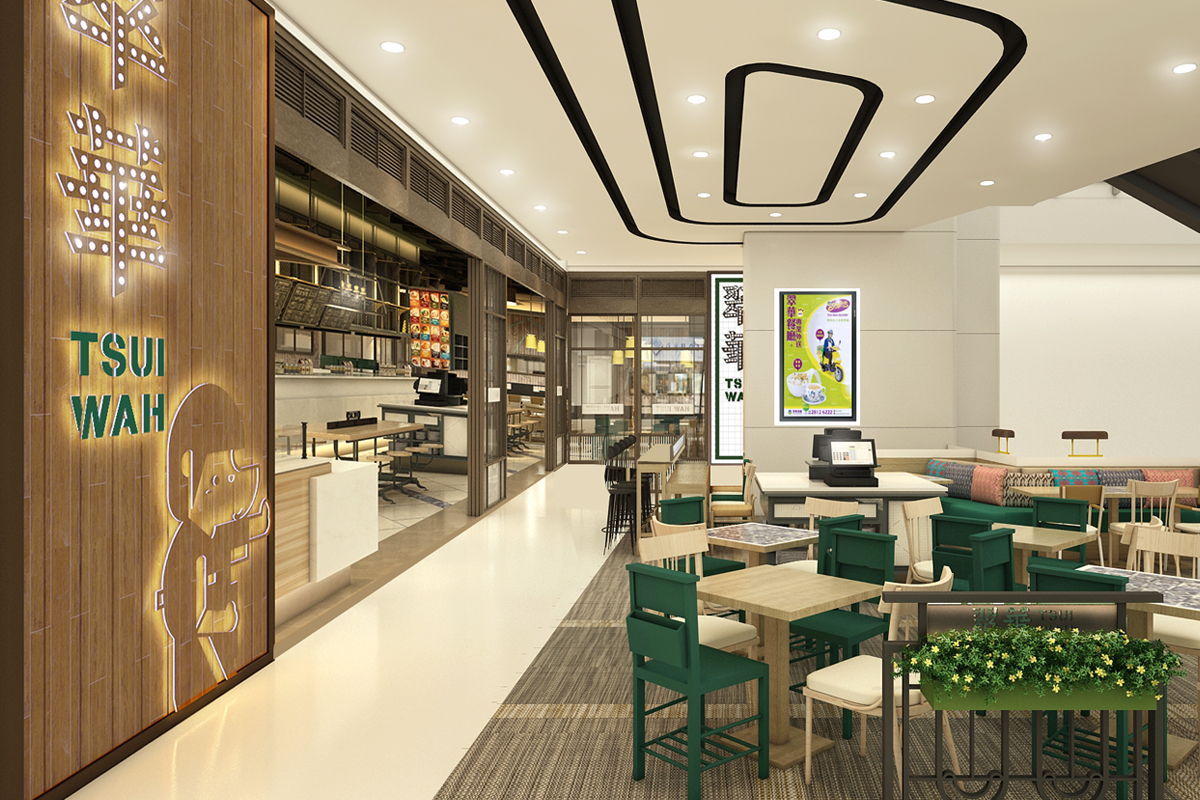
    New stores in Mainland China helped mitigate a tough consumer market in Hong Kong for listed restaurant-operator Tsui Wah Group.

    The company ended the year with 70 restaurants – a net increase of five in Mainland China, one in Hong Kong and an unchanged three in Macau.

    Total revenue reached HK$1.84 billion (US$234.5 million)for the year to March 31, down by a marginal 0.3 per cent with a 4.3 per cent decline in Hong Kong offset by a 7.8 per cent increase in Mainland China. Profit attributable to shareholders fell 11.4 per cent to $80.77 million.

    Chairman and executive director Lee Yuen Hong said the retail market in Hong Kong experienced “a progressive improvement” during the period, however, selling and distribution expenses as well as property rental and related expenses had increased, which presented challenges to the group’s results.

    “The PRC market benefitted from rising purchasing power amongst the general population, and the revenue from the group’s branches in Mainland China also correspondingly increased.”

    Tsui Wah launched two new self-developed brands last year: Beat Bakery, which uses flour imported from Japan with healthy eating as its core theme, and Nijuuichi Don, featuring Japanese fast-food.

    The group also opened a new restaurant concept, Maomao Eat, which serves authentic Hong Kong-style snacks in the Tai Kwun Centre for Heritage and Arts, in Central. “Maomao Eat also incorporates vegetarian elements in its menu by partnering with Green Monday, a non-profit organisation that promotes a healthy diet and sustainable living,” he said.

    The company opened eight new Tsui Wah branches in Hong Kong and Mainland China, three in Shanghai, and three in the south.

    Tsui Wah also sealed a partnership with Singapore’s Jumbo Group to open and operate a Hong Kong-style Cha Chaan Teng under the Tsui Wah brand. Hong said the restaurant, which opened in mid-June, leverages off Jumbo’s strong presence in Singapore.

    “The group is confident this joint venture will be successful and will enable Tsui Wah and its products to establish an excellent international reputation among the 5.6 million residents of Singapore.”

  • Moschino partners with Alibaba’s Tmall Luxury Pavilion for its China launch

    Moschino partners with Alibaba’s Tmall Luxury Pavilion for its China launch

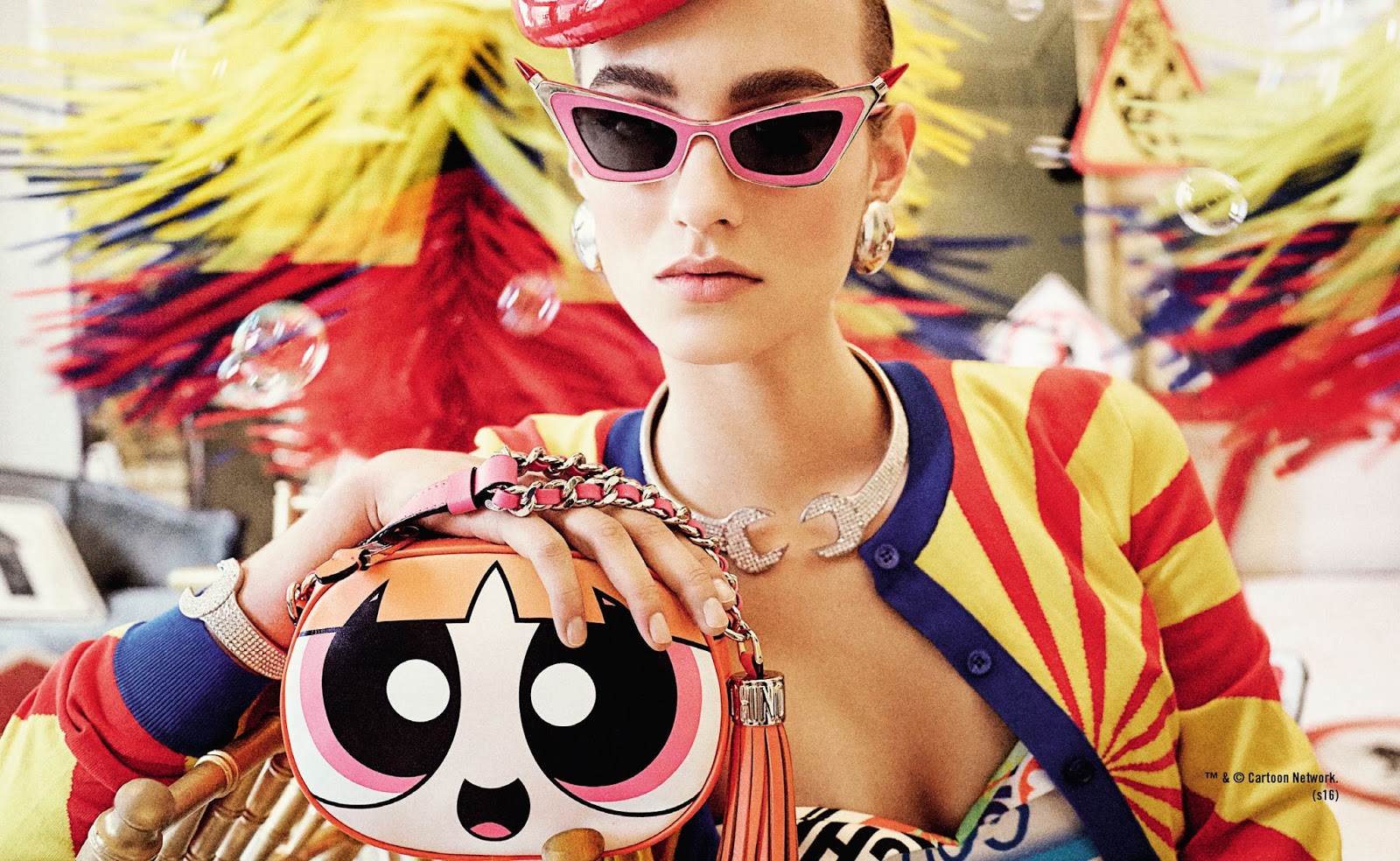
    Moschino, the iconic Italian luxury fashion brand, announced today it has joined Alibaba’s Tmall Luxury Pavilion to open its namesake flagship store, offering China’s luxury shoppers the opportunity to discover Moschino’s world of innovative designs.

    To expand its reach among China’s rapidly growing and young luxury consumer base, Moschino is joining forces with Alibaba to leverage the company’s unparalleled technology, exclusive platform, and insights into China’s high-end shoppers. The Luxury Pavilion is an invitation-only platform on Tmall for consumers of premium brands, providing an exclusive, luxury experience from product selection, brand experience, and customer service. Moschino’s flagship store will showcase a selection of items from its latest collections as well as the “Moschino X Tmall” collection, available only to Luxury Pavilion consumers.

    The “Moschino X Tmall” collection was designed by Jeremy Scott, Moschino’s Creative Director, and includes 6 ready-to-wear pieces and accessories, including a T-Shirt, hoodie, sweater, dress and baseball cap, all inspired by its Moschino Couture! design. The collection will be available on Tmall’s Luxury Pavilion starting June 28, 2018.

    “We are thrilled to make our debut into the Chinese market with Tmall.” said Gabriele Maggio, General Manager of Moschino. “To win in the China luxury market, you need to win over Millennials. We already see quite a bit of brand love among this powerful consumer group which we plan to grow in partnership with Tmall. There is no better partner to engage Millennial luxury shoppers in China than Tmall’s Luxury Pavilion. We are building an exclusive, social and digital experience with Tmall, designed for Millennial shoppers, to build our brand and expand Moschino’s presence in the Chinese market.”

    “We are very pleased to partner with an iconic fashion house like Moschino to help them expand in China and engage with a new generation of China’s sophisticated luxury consumers,” said Jessica Liu, President of Tmall Fashion and Luxury, Alibaba Group. “Moschino is a unique brand and important addition to Tmall’s Luxury Pavilion which is the premier luxury shopping destination for Chinese consumers, providing an exclusive, personalized and data-rich experience for luxury brands to engage with their customers today and into the future.”

    Launched in 2017, Luxury Pavilion has become the go-to destination for Chinese consumers looking to buy luxury products from around the world. The online platform provides the same brand exclusivity, customer service, tailored shopping experience consumers expect from a brick-and-mortar store brand store. The Luxury Pavilion is now home to around 60 luxury international brands.

  • Barry Callebaut elevates China’s taste buds with new sensory Chocolate Tasting Ritual

    Barry Callebaut elevates China’s taste buds with new sensory Chocolate Tasting Ritual

    Barry Callebaut brings a whole new sensory experience to China with the introduction of the Chocolate Tasting Ritual. The Switzerland-based company, one of the world’s largest chocolate manufacturers to artisanal and professional users of chocolate, said the tasting ritual will allow chocolate professionals and consumers to uncover a brand new world of chocolate richness.

    Cocoa and chocolate sensory scientists from Barry Callebaut and the leading global flavor house Givaudan devoted years of extensive research to develop a cocoa and chocolate sensory language. In parallel, Barry Callebaut engineered a chocolate tasting ritual, a fresh new experience inspired by the age-old practice of tea tasting ceremonies in China.

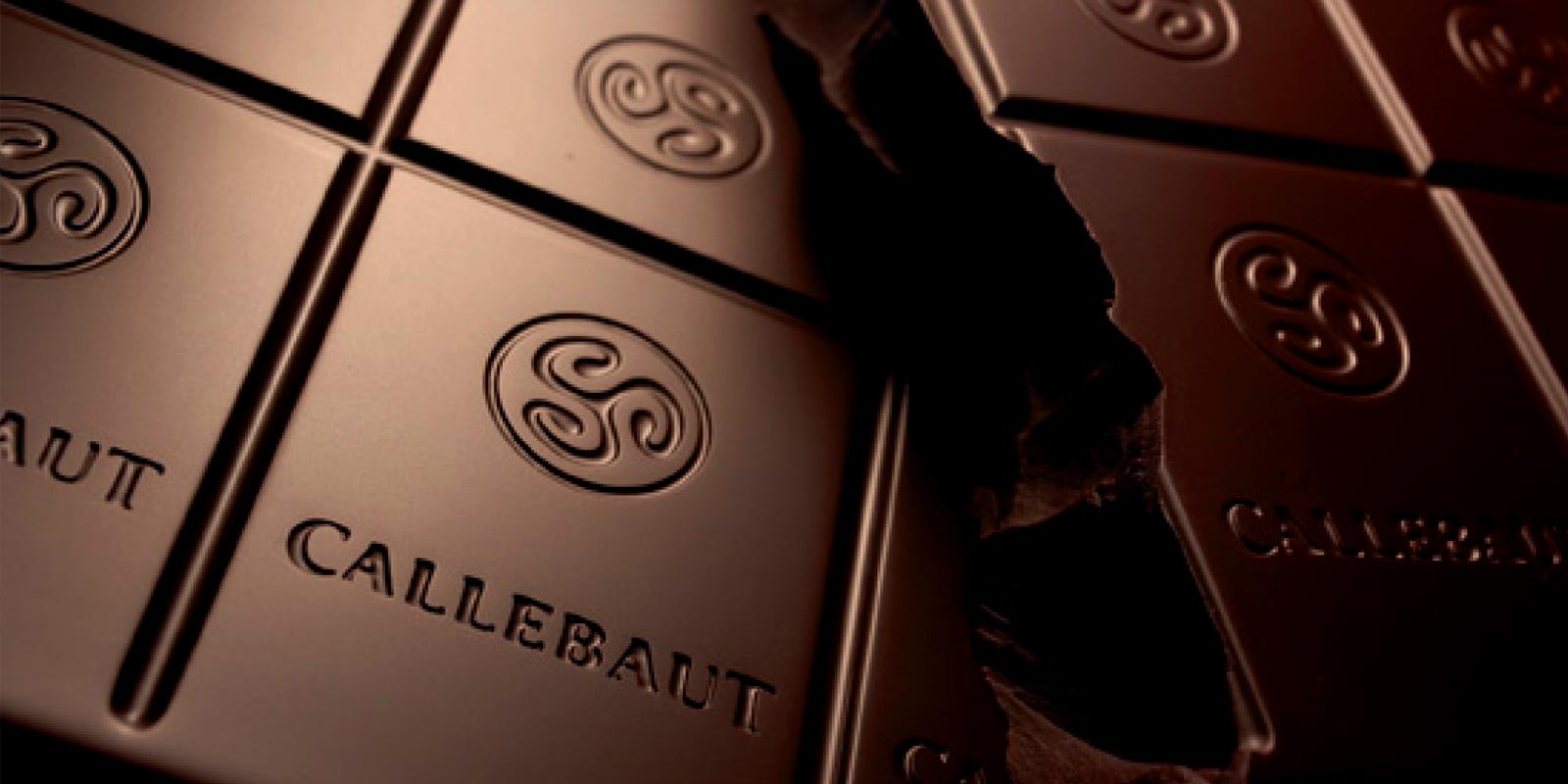
    Pascale Meulemeester, Barry Callebaut’s Vice President for Global Gourmet, said, “We are excited to transfer this know-how to the growing pastry chef community in China. The tea tasting ritual is symbolic of Chinese tradition. As chocolate becomes more popular among consumers in China, we believe the chocolate tasting ritual will be an exciting experience for consumers in China as well. Chinese consumers can now even better appreciate high-quality chocolates such as Callebaut®, Cacao Barry®, and Carma®.”

    What is the chocolate tasting ritual?

    A Chocolate Tasting Ritual fully engages all five senses – sight, touch, hearing, smell and taste – and enables chocolate professionals and consumers alike to discover new dimensions of the chocolate experience and elevates the chocolate enjoyment to the next level.

    Perfectly pairing cocoa and chocolate sensory research with consumer understanding, Barry Callebaut also developed the Consumer Chocolate Sensory Wheel with 87 descriptors, extensively covering the different flavors, textures and aromas of chocolate. The comprehensive sensory language is rooted in science – it is the first time that chocolate flavors are described in such a precise manner. Through speaking a common language, this enables the chocolate industry to develop a higher awareness of the intricate tastes and flavors of chocolate.

    The chocolate tasting ritual was demonstrated to 46 international chefs as well as several invited pastry chefs at the Global Chef Seminar organized by Barry Callebaut in Shanghai.

    Renata Januszewska, Global R&D Sensory Methodologies Manager at Barry Callebaut, conducted the chocolate tasting ritual at the event. She said, “Having a shared language and the tasting ritual will enable brands to discuss their chocolate experiences with consumers and describe their uniqueness to them. It will also offer them the means to come up with even better tasting experiences, exploring new flavors and food pairing combinations.”

    During the demonstration of the ritual, the chefs participated in a full immersion into all four categories of chocolates – milk, dark, white, and ruby chocolate. The unique tasting experiences of these chocolates were truly linked to cocoa origin, cocoa varieties, product processing parameters, recipes and three Barry Callebaut brands: Callebaut, Cacao Barry and Carma.

    • The first sense to experience the chocolate products during the tasting session is, of course, the eyes (sight), as consumers observe the color, gloss and visual texture to form their first impression;
    • Then, the chefs were asked to hold the chocolate in their hands to feel (touch) the product and see how soft it is, how quickly it melts, and how resistant to breaking it is, according to the different recipes;
    • Afterwards, the chefs held the chocolate close to their ears, and break it to hear the snap, the sharp cracking sound made when chocolate is broken up in pieces;
    • Next, the chefs put the chocolate close to their nose to take in the aroma (smell), discovering the intensity, complexity, and type of aromatic notes;
    • Following this, they were advised to taste the chocolate in their mouth and let it slowly melt while holding their nose closed – shutting off all other senses to ensure a fine-tuned taste.

    This procedure allowed chocolate lovers to deeply appreciate the products they were tasting in a completely different way, experiencing the full complexity of chocolate flavors. This is the type of experience that will really improve people’s overall sensory enjoyment of chocolate, the company believes.

    Global Chef Seminar

    This is the first time the company has brought its international chefs together in a global meeting held in the Asia Pacific region. The international chefs included world-renowned and award-winning pastry chefs which represent the company’s three global chocolate brands, Callebaut®, Cacao Barry®, and Carma® attended the seminar.

    The seminar marks the 7th edition and prior to this, the annual chef seminar has been held in other major cities including Milan (Italy) and Toronto (Canada).

    “The Chocolate Tasting Ritual is just one of the resources, learnings and tools that we have today, that provides numerous opportunities for knowledge transfer to the chef community in China,” said Denis Convert, Barry Callebaut’s Vice President for Gourmet in Asia Pacific. “Our three global gourmet brands are supported by one of the largest numbers of pastry chefs and chocolate ambassadors with a worldwide network of more than 21 Chocolate AcademyTM centers. Pastry chefs from across the China region will find at one time and place all the tools and information they need to be competitive in today’s rapidly changing food landscape.”

    The seminar was jam-packed with power networking sessions, comprehensive thought leadership sharing with experts, peers and industry insights that aim to boost the chocolate community. During the seminar, the chefs were equipped with practical insights on the latest trends, topical challenges and best practices for them to navigate and excel in the competitive and evolving pastry landscape.

  • Breitling opens first flagship boutique in Asia in Beijing

    Breitling opens first flagship boutique in Asia in Beijing

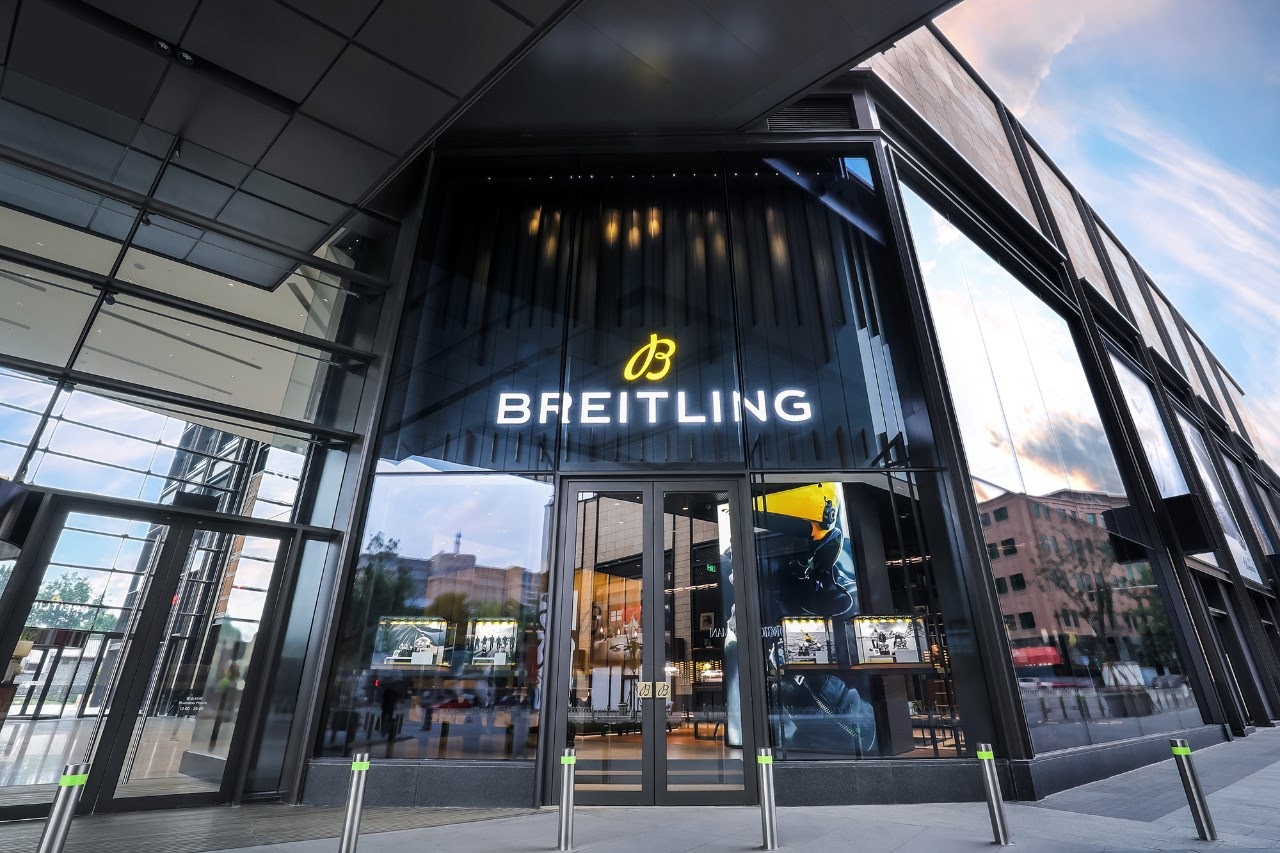
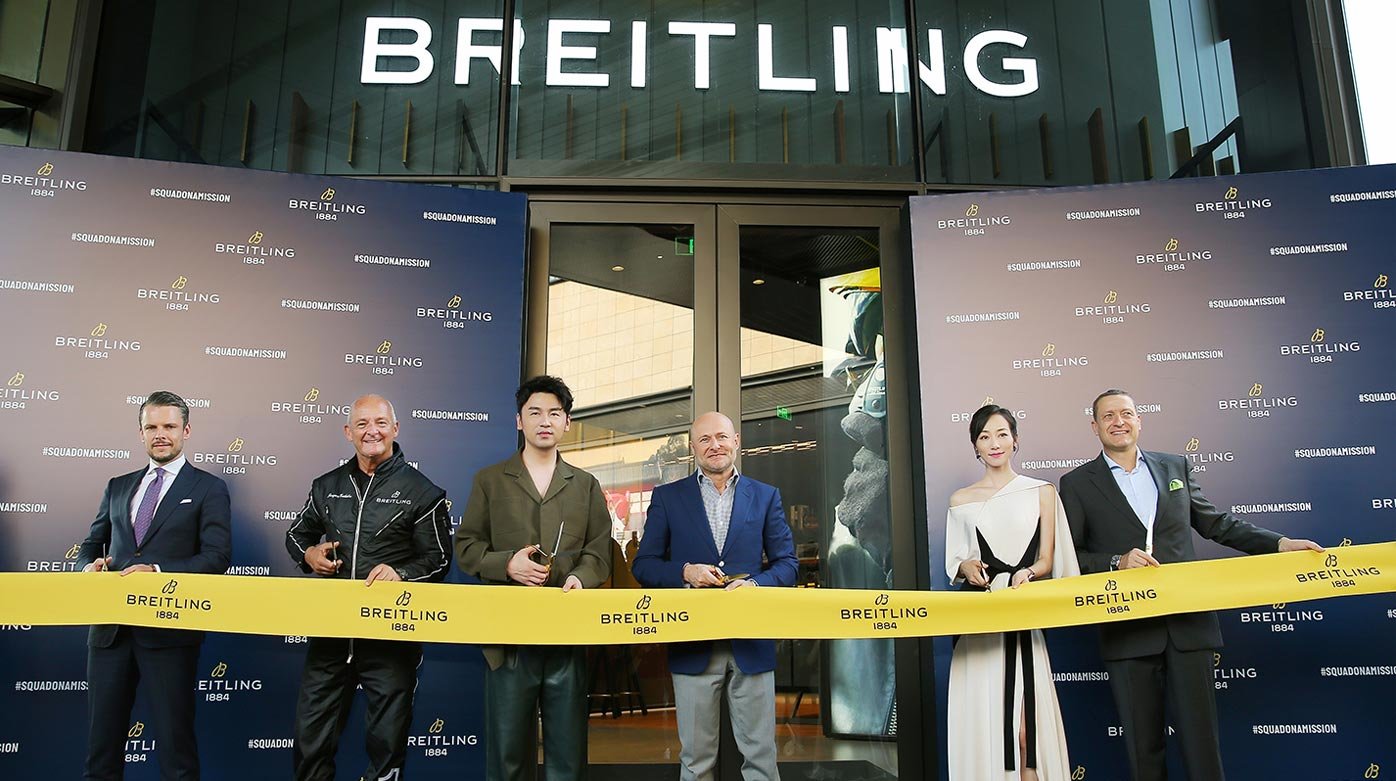
    Swiss luxury watchmaker Breitling has opened its first Asian flagship boutique in Beijing’s WF Central.

    The 152sqm Breitling Beijing boutique’s design features display space for more than 200 timepieces representative of the brand’s entire product range, including some exclusive limited editions. The interior is styled to present an artful, modern interpretation of mid-twentieth-century industrial loft interior design.

    More than 10,000 Japanese bricks were used in its construction to build a prominent wall display of the brand’s 1960s-era logo. It also features waxed concrete and American walnut flooring. An entrance bar doubles as a watch display area and includes a professional pool table for visitors to the store.

    Breitling’s design director Guy Bove said: “With our redesigned boutiques, we are respecting our long, impressive heritage, but are doing so by creating a relaxed, stylish environment. We are opening our doors to a new generation of Breitling enthusiasts”.

    CEO Georges Kern said launching the new Breitling Beijing flagship underscores the importance of Asian markets – particularly China – to the brand.

  • Papa John’s sells company-owned restaurants in Beijing

    Papa John’s sells company-owned restaurants in Beijing

    Papa John’s International has sold its restaurants in Beijing and Tianjin in China.

    The 34 stores have been bought by Asia Gourmet Holdings (Shanghai), a portfolio company of Advantage Partners, a private equity firm in Asia.

    “Asia Gourmet Holdings (Shanghai) is an experienced and successful operator with significant interests in the restaurant industry in China,” said Tim O’Hern, president, international, Papa John’s.

    “The new franchisee shares our commitment to quality and will represent our ‘Better ingredients. Better pizza’ brand promise well moving forward in the region.”

    Nam Jeongil, chairman of Asia Gourmet Holdings, said the company was looking forward to building on the success Papa John’s had built in China to date.

    “There is a bounty of opportunities for Papa John’s in Beijing and Tianjin. We will apply Asia Gourmet Holding’s knowledge of the region and success with our existing restaurant concepts, such as Zheng Yi Wei, a leading chain of restaurants offering Korean cuisine, to the Papa John’s business.”

  • China’s First-Half Coal Imports Surge, Indonesia the Winner

    China’s First-Half Coal Imports Surge, Indonesia the Winner

    China’s seaborne coal imports are on track to have surged by around 14 percent in the first half of the year, with Indonesia emerging as the big winner among exporters.

    Imports are likely to be around 126.6 million metric tons in the first six months of this year, up from 111.3 million tons for the same period in 2017, according to vessel-tracking and port data compiled by Thomson Reuters Supply Chain and Commodity Forecasts.

    It also appears that June may be the strongest month so far this year, with 22.1 million tons discharged, or in the process of discharging, as of Tuesday (26/06).

    The final figure may be slightly higher, at around 25.9 million tons: The data is filtered only to show ships that have already discharged, are discharging or awaiting unloading, and more cargoes may be handled in the final days of June.

    The strongest month so far this year for China’s coal imports from the seaborne market was March’s 23.2 million tons, according to the data.

    A look at the breakdown of where China is sourcing its coal reveals a surprise packet – Indonesia.

    China has imported about 15.3 million tons more coal from the seaborne market in the first half of 2018 compared with last year. On a net basis, it’s all from the Southeast Asian country.

    Imports from Indonesia were around 61.8 million tons in the first half, up from 46.3 million for the same period in 2017.

    Low Sulphur

    The strength of shipments from Indonesia may raise some eyebrows among those who believe China is trying to lower air pollution from burning coal, partly by using less and partly by switching to higher-quality coal.

    Indonesia’s exports are predominantly lower-grade coal, typically with an energy value of 4,200 kilocalories per kilogram (kcal/kg) or less.

    However, Indonesia’s coal is also typically low in sulphur. That makes it useful for Chinese coastal power plants to blend with higher-sulphur domestic supplies or imports.

    This allows them to lower emissions of sulphur dioxide and nitrogen oxide, albeit at a small penalty to the efficiency of the boiler.

    It’s also worth noting that Indonesian coal trades at a substantial discount to higher-quality thermal coal from main regional rival Australia.

    Indonesian 4,200 kcal/kg coal, as assessed by Argus Media, was at $48.71 a ton in the week ended June 22. The weekly index for 6,000 kcal/kg coal at Australia’s Newcastle Port was $116.27.

    The discount of the Indonesian grade to Newcastle has widened substantially over the past year, going from 50 percent at the end of June 2017 to the current 58 percent.

    While this is encouraging additional cargoes from Indonesia, it also means that Australian exporters are enjoying higher prices, even if their volumes are more or less the same.

    China imported 42.84 million tons from Australia in the first six months of the year, fractionally higher than the 42.62 million tons in the same period in 2017, according to the vessel-tracking data.

    Russia Up, United States Down 

    While Indonesia and Australia dominate supply to China, it’s worth noting that Russia also managed to lift deliveries, with imports rising 27 percent to 10.3 million tons in the first half.

    China’s imports from the United States, which are predominantly coking coal used in steel-making, dropped in the first half to 2.09 million tons, a decline of 38 percent.

    This occurred well before any potential impact of proposed Chinese tariffs on coal from the United States, which may be imposed as part of the escalating trade dispute between the world’s two largest economies.

    The decline so far this year in imports from the United States is more likely related to Australian coking coal being more competitive – and available, given the absence this year of major weather-related outages.

    Overall, China’s increased appetite for imported coal appears to be contributing to higher prices, with the Newcastle index up 12 percent so far, hitting a six-year high of $118.09 a ton in the week ended June 17.