Tag: China

  • Alibaba plans massive 3-year expansion of Rural Taobao network

    Alibaba plans massive 3-year expansion of Rural Taobao network

    Alibaba Group’s rural initiative – Rural Taobao – plans to expand its coverage to 1000 counties and 150,000 villages across China during the next three years.

    Launched in October 2014, Rural Taobao is one of Alibaba’s three main strategic projects in addition to globalisation and cloud computing. It aims to buttress trade between China’s remote regions and urban areas. Presently, around half of China’s 1.3 billion population reside in rural areas.

    “Our mission is clear: We want to improve the living conditions of China’s rural regions. To do so, we need to provide high-quality goods, personalised services, smart logistic solutions and prices comparable to that of the cities,” said Bill Wang, VP of Alibaba Group and GM of Rural Taobao.

    As part of the project, a network of e-commerce service centres has been created at the county and town level to provide services that enable villagers to purchase products online, as well as sell their goods via Rural Taobao’s dedicated online marketplace and other Alibaba e-commerce platforms. This way, villagers can enjoy a wider range of products and promote their own products beyond the village borders.

    Currently, the initiative covers 700 counties with over 30,000  service centres.

    Speaking at 2018 Rural Taobao Merchant Summit at Alibaba’s Hangzhou headquarters, Alibaba executives emphasised the consumption power of China’s rural population, though weaker than in urban centres, is gradually becoming a force to be reckoned with.

    According to the latest report from National Bureau of Statistics, in 2017, the average disposable income per capita in China’s rural region increased by 8.6 per cent year-on-year to RMB 13,432 (US$2066). Consumption per capita also climbed 8.1 per cent year-on-year to RMB 10,955.

    The amount of online retail shopping in rural areas is also booming. In 2017, sales reached RMB 1.24 trillion ($194 billion), representing an on-year surge of 39 per cent, said the Ministry of Commerce.

    One of the short-term goals is to offer next-day delivery of any goods and at-home installation of large electronic products, Wang added. Alibaba has also recently opened a number of “Taobao Select Service Stations,” where villagers can purchase an array of products, from food, to clothes and electronic items, at a physical location, without having to place the orders online.

    An integral part of the initiative is empowerment of the merchants, said Wang. By sharing insightful analytics about customer preferences and market trends with the brands, companies can develop products or craft marketing campaigns that are more befitting rural consumers.

    For example, Germany-based skincare and personal hygiene giant Beiersdorf Group recently sent a team of researchers on a three-month fact-finding trip in China’s villages to learn about their hair-washing habits. From the information they’ve gathered, the parent company of iconic brands such as Nivea and Eucerin is able to design a shampoo that best meets the local needs and demands.

    “Even though rural regions constitute a small portion of our total revenue, we treat it as an important market, not merely a sale channel,” said John Zhang, GM of Beiersdorf China, who has personally visited more than 50 villages in the country.

    In cooperation with brands, Rural Taobao also conducts frequent training sessions for service station managers to equip them with the necessary know-how and skill to deliver the best service to their customers, said Wang.
  • Tse Sui Luen Jewellery to open 100 new stores in China

    Tse Sui Luen Jewellery to open 100 new stores in China

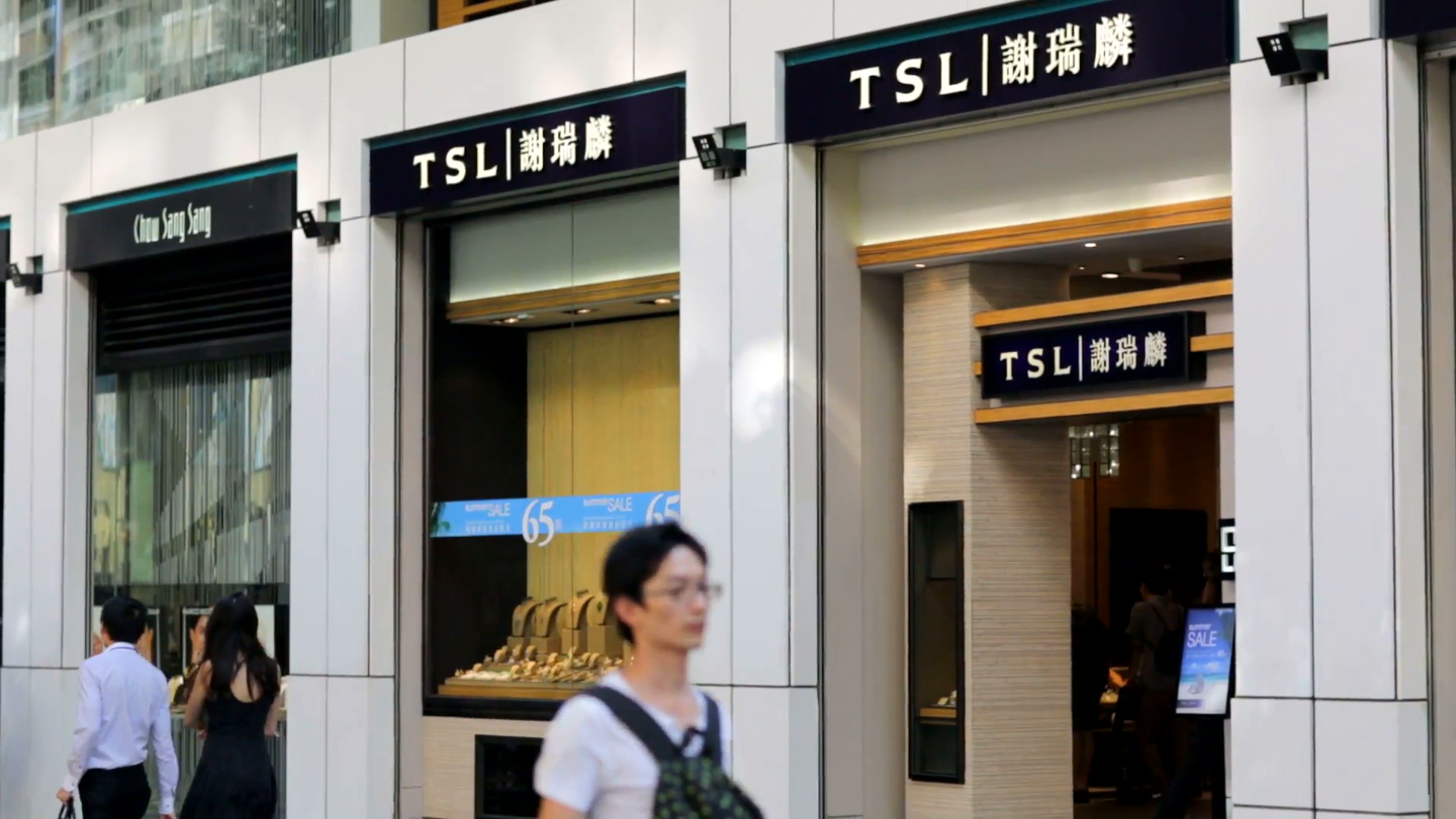
    Hong Kong jewellery retailer Tse Sui Luen (TSL) plans to open 100 stores in China over the next two years after solid growth in its existing store network.

    It currently has 380 stores on the mainland, including 193 self-operated stores and 187 franchised shops. As well as planning new sites, TSL says it is focusing less on department stores there and more on malls in line with consumer shopping patterns.

    Announcing a 21.3 per cent increase in sales group-wide for the last 13 months, and a 113.2 per cent increase in profit attributable to shareholders, TSL said it was also open to expanding its store network in Hong Kong as suitable opportunities presented themselves.

    “Continued expansion of our retail network in all our operating regions is one of our key objectives both now and going forward,” the company said in its results announcement.

    “With a cautious approach to monitoring the rental level and identifying appropriate business partners for our franchising business, we were delighted by the healthy growth in our store network in Hong Kong and Mainland China.”

    Total sales for the 13 months (the group changed its financial year-end date from February 28 to March 31 this year) were HK$14.137 billion. Profit was $49 million.

    In its home market of Hong Kong and Macau, TSL achieved a 19.5 per cent overall increase in same-store sales as tourists from the mainland returned to the territories.

    Thanks to gold product promotions and enrichment of the brand’s product assortments, the average amount per sale increased by 20.3 per cent. TSL opened two new stores in Hong Kong, in New Town Plaza in Sha Tin and Yoho Mall in Yuen Long.

    Mainland China

    TSL says a growing demand for “daily jewellery products” and the continuing emergence of the middle class creates an opportunity to continue to develop its Mainland China business.

    “Our self-operated stores continue to play a significant role as the group’s growth engine accounting for 39.3 per cent of the group’s turnover. However, … due to the shift of consumers away from department stores to shopping malls, we are undergoing a transition in the repositioning of our retail network to focus more on shopping malls and less on department stores.”

    Despite the change, the company managed to maintain its sales at similar levels to last year and same-store sales growth was 10.4 per cent, (including the effect of an extra month in the figures).

    Malaysia

    The company also operates four stores in Malaysia, where sales grew 48 per cent. “We remain positive about this business and will continue to expand further in appropriate locations when opportunities present themselves,” the company said.

  • Benoy Releases Images of New Waterfront Development in Wenzhou, China

    Benoy Releases Images of New Waterfront Development in Wenzhou, China

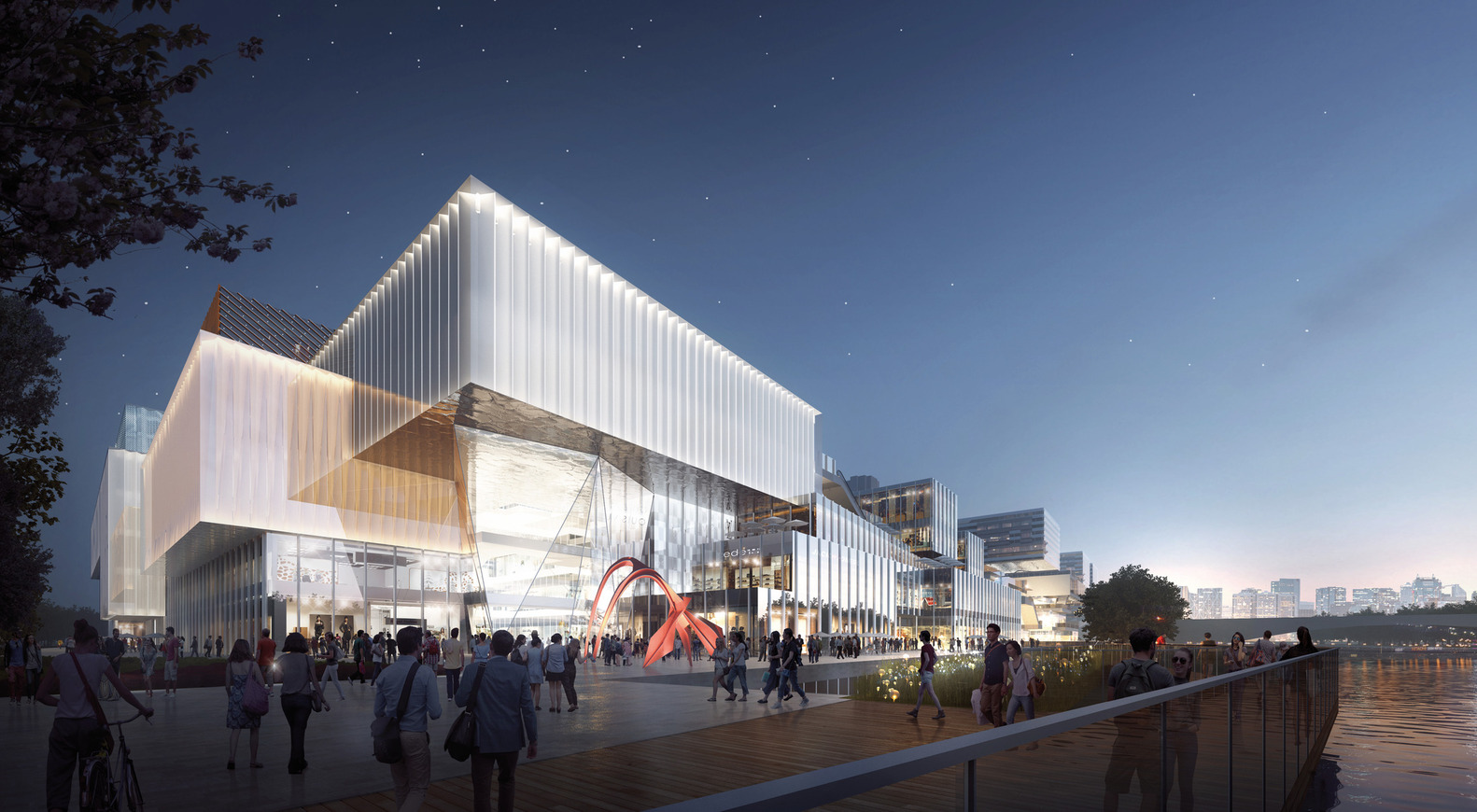
    Benoy has released images of their competition-winning design for a waterfront development in Wenzhou, China. INCITY MEGA will form part of the Central Green Axis masterplan, a dramatic landscaped district cutting through the urban fabric of Wenzhou.

    The 2.6 million square foot (250,000 square meter) INCITY MEGA scheme will occupy two of the eight plots on the Central Green Axis, with a mixed-use program including retail, movie theaters, plazas, and gyms. The scheme is in response to a rapidly-growing consumer population in Wenzhou and will join the ranks of previous schemes in the region by Hammer Schmidt Lassen, UNStudio, and HENN.

    The INCITY MEGA scheme is comprised of two plots, one containing the “INCITY MEGA Mall” with the other featuring a long, narrow waterfront boutique district. Together, the plots combine to create a “three-dimensional urban space” which integrates commercial and public realms.

    The Mall component features an inner courtyard created by pushing the structure outwards towards the plot boundaries. This courtyard forms the heart of the complex, flanked by open-air platforms on the levels above, while on the waterfront edge, a large promenade offers multiple landscaped viewing decks.

    Seamlessly connected to the Mall district is the waterfront boutique plot, with a commercial-led mixed-use program. The lower levels will contain a network of retail, dining, and leisure attractions while three glass structures will house commercial office space above.

    Large block structures interwoven throughout the development offer anchor space for tenants, while large-scale venues such as movie theaters, outdoor plazas, an ice rink, gym, and swimming pool offer attractions throughout the year, irrespective of climate.

    View the complete gallery below (8 images) :

  • JD and Better Life collaborate to fasten deliveries

    JD and Better Life collaborate to fasten deliveries

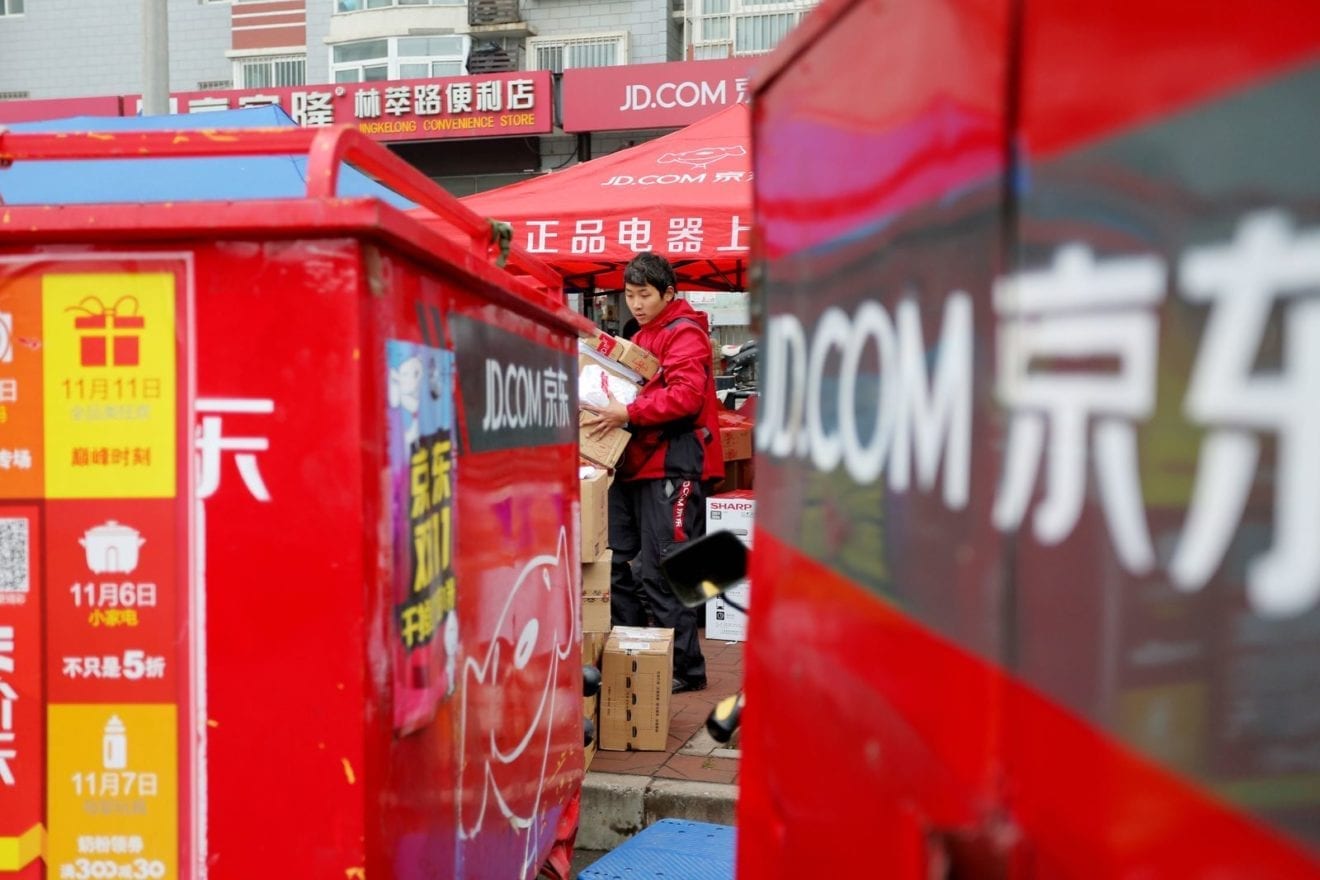
    JD has developed a partnership with Chinese retailer Better Life as part of its Retail as a Service strategy.

    The cooperation will further speed up delivery for mainland customers and integrates inventory across the two retailers by using technology to identify the most efficient way to source orders on JD.com, whether from JD’s own warehouses, or from Better Life stores.

    Products sourced from Better Life will be delivered in less than an hour by Dada, China’s leading crowdsourcing delivery company. The efforts follow a cooperation with Walmart that uses a similar strategy of supply chain integration to increase overall efficiency and improve user experience.

    “JD is uniquely able to improve our overall inventory management and reach a wider swath of customers more efficiently,” said Kevin Liu, grocery merchandising director at Better Life. “As the retail landscape is rapidly changing, we see this initiative as a prime example of how offline retailers can not only remain relevant, but actually become even more relevant.”

    Ting Qi, director of user experience at JD FMCG and Foods, said the partnership marks another step forward in the Retail as a Service strategy, which leverages JD’s resources to help traditional companies excel in a changing environment.

    “We are pleased that our customers will be able to get an even better shopping experience through this initiative with Better Life.”

    The benefits for the customer, offline stores and JD through the integration of inventory include increased sales, faster inventory turnover, improved cash flow and even faster delivery.

    JD is also exploring the option of integrating its online membership program with offline partner stores, so that offline stores can enjoy even more benefits from their partnerships with JD.

  • CapitaLand to manage two more malls in China

    CapitaLand to manage two more malls in China

    Two new CapitaLand Retail-managed malls will be opening in China.

    CapitaLand Retail CEO Wilson Tan says the firm has signed 10 such agreements in China since announcing in August 2016 its intention to expand its existing retail footprint via management deals.

    CapitaLand China’s new contract in Guangzhou will see the firm managing The Grand City in a Wanbo CBD-based project owned by Guangzhou Wan Shun Investment Management Co. Ltd. CapitaLand itself already owns two properties in the Guangzhou area, including CapitaMall SKY+ and also CapitaMall Rock Square, which it acquired last January. The three malls now constitute part of CapitaLand’s southern Chinese retail network that includes five malls comprising a GFA of 3.6 million sq ft.

    In Chengdu, CapitaLand China will manage an open-lane, low-rise mall located in the commercial and cultural district of Qingyang. The property is under the ownership of Chengdu Lide Commercial Industrial Co. Ltd. It is CapitaLand’s second managed mall in the city out of seven CapitaLand projects.

    The firm owns and manages a total of 11 malls, covering 11.3 million sq ft in retail GFA, across the Chinese west.

    “With these new contracts, CapitaLand will further strengthen our leasing synergies across the portfolio of malls and increase our reach to the high-growth retail markets in Guangzhou and Chengdu,” Tan said.

    “Including these two managed malls, 47 of our 51 malls in China are located in first- and second-tier cities. This is in line with our commitment to grow our retail portfolio with a focus on dominant assets located in core cities clusters.”

    Tan says CapitaLand remains positive about China’s retail sector, which is experiencing growth both offline and online.

    “Our expansion strategy enables CapitaLand to seize growth opportunities with agility while reaping economies of scale. We will continue to identify opportunities to grow our retail operating platform, reinforcing our position as the region’s leading mall operator and complement CapitaLand’s core business of owning and developing shopping malls.”

    The two new contracts will be added to the company’s expanding portfolio of projects in the southern port city of Guangzhou and the central provincial capital of Chengdu. CapitaLand plans to open five of its own malls across China with a combined Gross Floor Area (GFA) of around 4.2 million sqft, comprising CapitaMall One in Changsha, CapitaMall Tiangongyuan in Beijing, CapitaMall 180 in Foshan, and CapitaMall LuOne and Alibaba Shanghai Center in Shanghai.

  • Tmall launches try-before-you-buy

    Tmall launches try-before-you-buy

    Tmall introduced a “try before you buy” option for fashion fans shopping on the platform.

    In a market where e-commerce is already ubiquitous, the B2C marketplace said it wanted to make shopping even more convenient by eliminating the hassle of returns and refunds for consumers searching for the perfect fit.

    The new service will let Alibaba Super Members with a Zhima credit score of over 550 to order clothes without payment and try them for seven days. If they decide to keep them, Tmall will automatically deduct the cost from their Alipay accounts. If not, shoppers can return them free of charge.

    Currently, more than 14,000 products from 15 local and international brands are participating in the service, including Italy’s Miss Sixty, Vancouver-based Lululemon and China’s home-grown labels Stella Luna, Dazzle, Ein, Yiner and Conquis.

    “Fashion brands can attract more premium consumers through this all-new shopping model… and it highlights how these brands are dedicated to enhancing the customer experience,” said David Ye, head of Tmall Fashion and Luxury’s customer operations unit.

    Tmall plans to expand the model to other categories and channels in the near future, Ye said.

    “We will also take the try-before-you-buy service offline, allowing consumers to book [garments] online and try on in-store, so they can at once access a wide variety of products online, as well as get the sense of certainty in shopping at brick-and-mortar stores,” he said.

  • SKP opens China’s most luxurious department store

    SKP opens China’s most luxurious department store

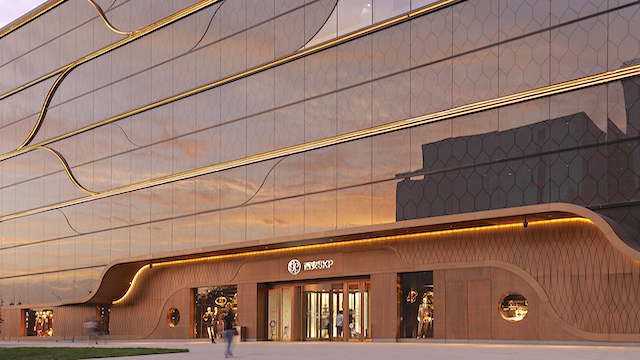
    London-based architectural firm Sybarite has created a 250,000sqm, 20-storey luxury department store in the ancient Chinese capital of Xi’an for high-end retailer SKP.

    At almost three times the size of Harrods, the new mall showcases over 1000 global brands alongside a select range of domestic names in designer fashions. It is the company’s second major project in China after SKP Beijing, which is reportedly now the second most successful department store in the world in terms of sales.

    SKP Xi’an’s signature design features social areas that exceed those of Sybarite’s first SKP project by a factor of five, as well as event spaces that span multiple floors. The exterior, inspired by Moorish architecture, is intended to minimise the mall’s visual impact against the ancient city’s heritage structures nearby.

    Torquil McIntosh, co-founder of Sybarite with Simon Mitchell, said that the project features subliminal branding cues throughout the building to remind visitors that they are experiencing an SKP department store.

    “We always want visitors to know exactly where they are without having to explicitly remind them,” he said, “so we created a curve as part of the brand identity and made it a recurring motif throughout our design.”

    McIntosh was presented with the keys to Xi’an from the city’s mayor for his work on the project.

    The design can be viewed in gallery below (10 images ) :

  • New Look about to Quit China

    New Look about to Quit China

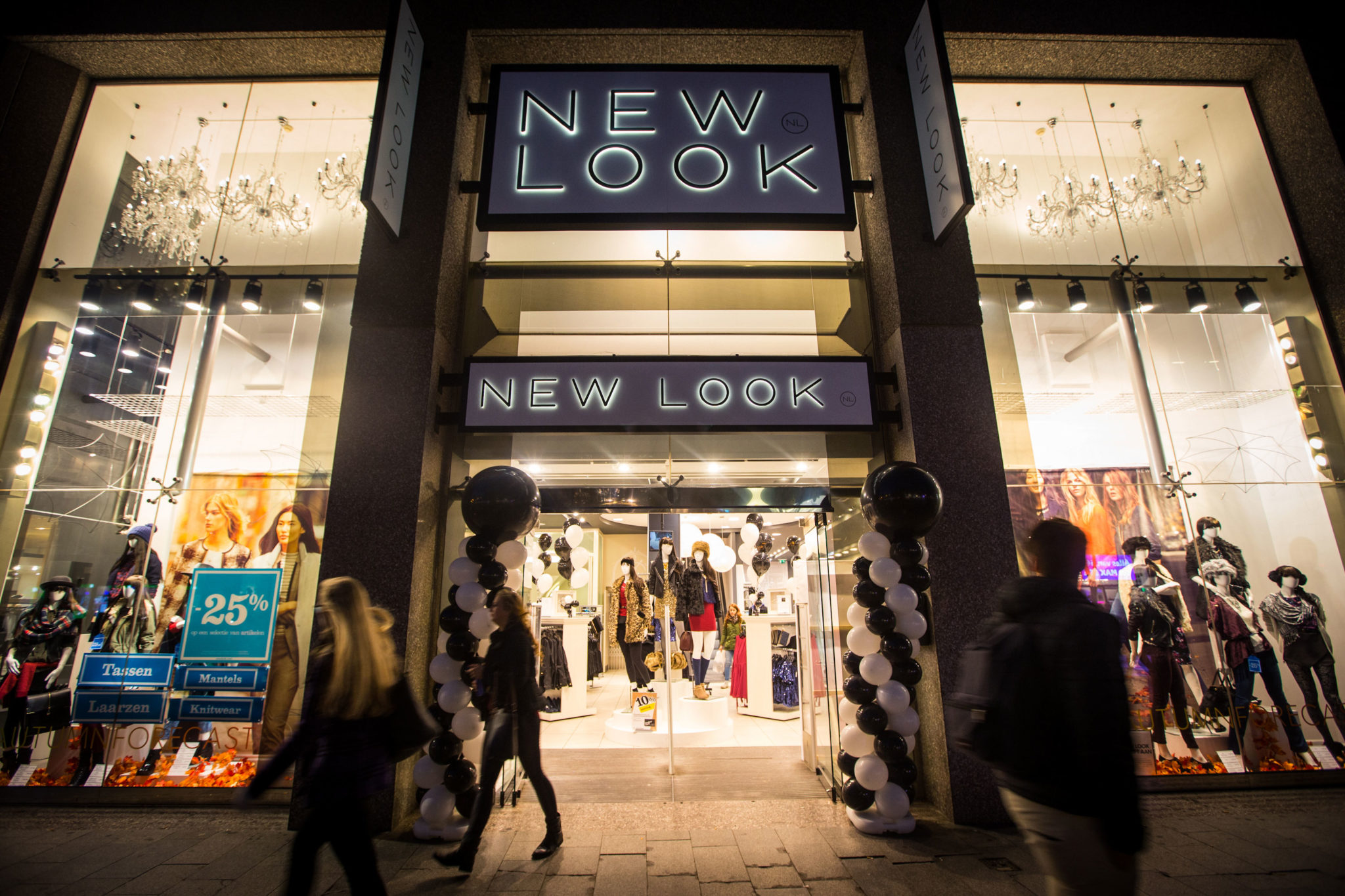
    Struggling UK fashion retailer New Look is set to cull its China store network.

    Weeks after signing a Company Voluntary Arrangement with its creditors and landlords in the UK – a plan which will see it close 60 stores – chairman Alistair McGeorge has cast doubt on the future of the ambitious China plans announced by former CEO Anders Kristiansen.

    “We are taking a view on all our stores,” he told the Press Association in the UK. “We are taking a good hard look, and we will probably do some downsizing.”

    So far, New Look has opened 148 stores across China, barely one third of its target. The stores are company owned rather than franchised as many international retailers choose to in China. It did not open any in Hong Kong or Macau.

    In the year to March 24, New Look recorded a loss of £74.3 million (US$98.4 million; HK$772.6 million) after a £97.6 million profit the previous year.

    Besides store closures, McGeorge is planning to reduce prices and broaden its target market from the millennials it was targeting under Kristiansen.

  • Huawei launches intent-driven network solution

    Huawei launches intent-driven network solution

    Huawei has launched a new industry-oriented intent driven network (IDN) solution at CEBIT 2018, targeted at vertical industries including ISPs, retailers and government customers.

    The new solution aims to drive in-depth integration of ICT infrastructure, AI and industry-specific production systems to help customers accelerate digital transformation.

    Huawei’s IDN solution is customized to the needs of various verticals and applications. For high-performance AI computing, the solution incorporates an ultra-high-speed lossless Ethernet AI fabric to shorten AI training times by up to 40%.

    For the finance industry, the solution has been designed to help financial services organizations build ultra-large cloud data center networks scalable to up to 100,000 servers per cluster system.

    For retailers, the solution converges Wi-Fi and IoT technology to allow all-wireless support for both networks, while for government and enterprise campus networks, the solution provides full lifecycle cloud based management leveraging big data analytics and AI.

    Meanwhile Huawei has also announced an upgrade to its CloudFabric solution designed to make it easier for customers to adopt intent-driven networking for their data centers.

    The intent-driven networking for CloudFabric solution helps enterprises identify intent to implement automatic network configuration, predictive analysis, and intelligent operations and maintenance with continuous verification and optimization, the company said.

  • JD.com hastens e-commerce race in Southeast Asia

    JD.com hastens e-commerce race in Southeast Asia

    Chinese online retailer JD.com has signed on Google as a strategic partner in a move seen to complement the former’s ambitions to expand into Southeast Asia while giving the latter a toehold in a market that it gave up in 2010.

    Google’s investment in JD.com comes as e-commerce companies, including Alibaba Group and Amazon, race to expand their global reach and carve a larger slice of market share in regions such as Southeast Asia, where the potential for e-commerce is viewed as largely untapped.

    Chinese smartphones brands such as Vivo, Oppo and Xiaomi have proven to be a hit among consumers in the region of 650 million people with their affordably priced models. Tencent Holdings, the online gaming and social media giant, is the largest shareholder in Singapore-based Sea, which operates Shopee, a regional e-commerce platform. Other internet services companies such as Didi Chuxing and Meituan Dianping have invested in local champions such as Singapore-based Grab and Jakarta-based Go-jek, respectively.

    Alibaba bought Singapore-based e-commerce platform Lazada and appointed one of its co-founders and most senior executives, Lucy Peng, to head the push into Southeast Asia.

    JD.com, too, has its eyes on Thailand, with a new online shopping platform developed with Thailand’s Central Group slated to open on June 18. In Vietnam, JD.com invested in local e-commerce firm Tiki.vn earlier this year. In Indonesia, JD.com launched a local online retail business JD.ID two years ago.

    “Logistics and language sites, everything should be localised here,” Winston Cheng, JD.com’s president of international business said in an interview in Singapore last week before the Google tie-up.

    “Today, people have higher and higher demand,” he said. “They want anything anytime anywhere but right away so the cross-border business model takes too long to wait for.”

    JD.com achieved 159.2 billion yuan (US$24.7 billion) in orders from June 1 to June 18, generating annual growth of 37 per cent for the company’s 618 Mid-Year Shopping Festival, an online shopping event similar to Alibaba’s Singles’ Day Shopping event on November 11.

    JD.com has also deepened cooperation with its biggest shareholder Tencent, launching a new shopping function on WeChat before the 618 Shopping Festival. The function enables consumers to shop on JD.com within WeChat, China’s biggest social network and messaging app. Product pages from JD.com pop up when consumers type product-related keywords into the search functions on WeChat.

    Google, together with other US internet companies such as Facebook and Twitter, are blocked in China, although several firms still maintain offices in the country selling advertisements to Chinese firms hoping to reach an overseas audience. Other companies, like Apple, continue to sell their products and services in China after complying with local rules, such as hosting its cloud services for the Chinese market on the mainland.

    “Google’s strategy for investing in JD.com is two-pronged. On one hand, it hopes to have a significant partner in China to support the company, which could help it reintroduce services like cloud or advertisements in China,” said James Yan, research director at Counterpoint. “Secondly, JD.com is strong in areas like logistics, courier delivery and so forth, which Google can tap on to expand its e-commerce ambitions.”

    The partnership is complementary as JD.com is in the business of e-commerce and logistics and is unlikely to clash with Google’s other services, such as cloud or OS services, Yan said.

    “We want to accelerate how retail ecosystems deliver consumer experiences that are helpful, personalized and offer high quality service in a range of countries around the world, including in Southeast Asia,” Karim Temsamani, president of Google’s Asia Pacific operations, said in a statement.

    The Asia-Pacific region is one of the largest and fastest growing e-commerce marketplaces in the world, with people in Southeast Asia alone expected to spend US$88.1 billion online by 2025, according to Temsamani.

    “This partnership with Google opens up a broad range of possibilities to offer a superior retail experience to consumers throughout the world,” Jianwen Liao, JD.com’s chief strategy officer, said in a statement. “This marks an important step in the process of modernising global retail.”

    Southeast Asia consists of 11 countries with a total population of 653.4 million, about 49 per cent of whom live in urban areas, according to the latest United Nations estimates. Only three per cent of the region’s retail sales are currently conducted online.

    Among the biggest barriers to developing a regional Southeast Asian market is the lack of mobile payments, with about 70 per cent of the region’s population still unbanked. The thousands of islands that make up the archipelagic nation of Indonesia also presents logistics challenges.

    JD.com will adopt different strategies to cater to the differences of the region, according to a spokesman. While there is no one-size-fits-all model given the different infrastructure, languages, cultures and religions across the region, e-commerce is still booming because of the commonality of a rising middle class, the spokesman said.

    “Alibaba sees Southeast Asia as a priority region within our global strategy,” an Alibaba spokesperson said in comments made before the JD.com-Google partnership announcement. “We are also committed to contributing to the growth of the digital ecosystem in Southeast Asia by driving initiatives to develop an e-commerce talent pool.”

  • Honor going to ground to boost presence in Philippines

    Honor going to ground to boost presence in Philippines

    Chinese smartphone maker Honor said it plans to open brick-and-mortar stores in the Philippines in a bid to become one of the top three vendors in the nation.

    Honor entered the market last month, initially offering its flagship Honor 10 and other devices through online retailers. The Huawei sub-brand accounts for 10 per cent market share in China after just four years, says its country director for the Philippines, Wang Yang.

    “We believe the Philippine market is perfect for Honor brand because we see the brand as being for the young,” says Yang.

    Physical retail stores will open as early as next month, starting in the capital, with the possibility of opening regional outlets, he says.

    Honor entered the Philippines through Shopee on May 15 with 500 units being sold in an hour during a flash sale.

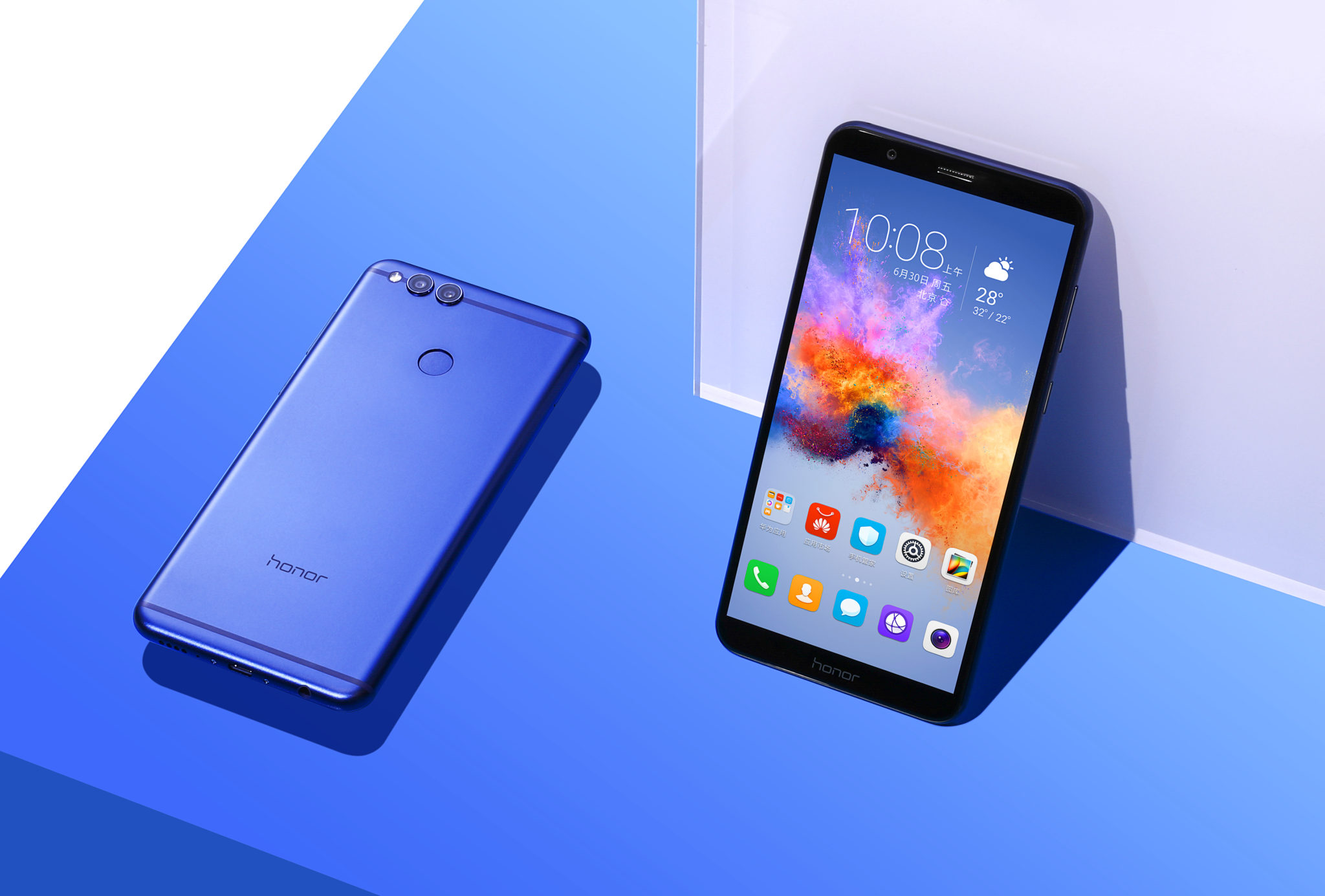
    Its flagship Honor 10 has AI-enhanced cameras, dual 24 + 16 megapixel lenses on the rear and 24 megapixels on the front. The in-house Kirin 970 processor helps the phone recognise about 500 scenarios in 22 categories.

    The Honor 10 has four gigabytes of RAM, 128 gigabytes of storage and a 3400 mAh battery that can recharge 50 per cent of power in 25 minutes.

    Yang says the handset’s biggest draw would be its iridescent paint job inspired by the Northern Lights. A fingerprint sensor is practically hidden on the phone’s chin, below the 5.84-inch full-HD screen.

  • Launch of Rail and Road Freight Services from China to Central Asia

    Launch of Rail and Road Freight Services from China to Central Asia

    New cross-border rail and trucking services launched by Kerry Logistic connects China through Kazakhstan to Caucasus and Turkey. This would expand the company’s preexisting presence in Armenia, Azerbaijan, and Georgia in Caucasus.

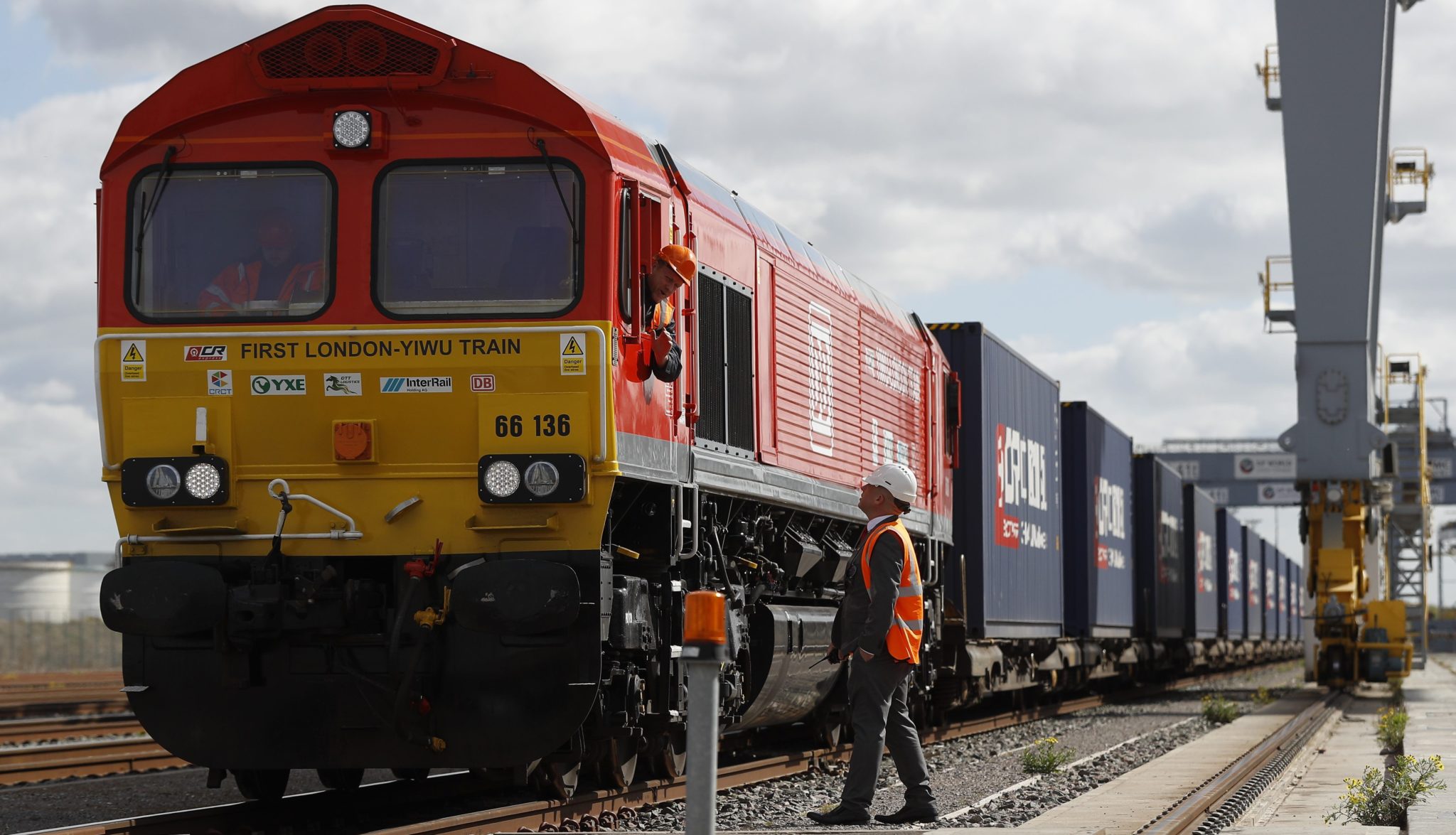
    Starting from Lianyungang, the well-known bridgehead of the New Eurasian Land Bridge in China, the new westbound rail freight service will bring shipments across Kazakhstan and Caspian Sea to multiple destinations in Turkey through the newly-bulit Baku–Tbilisi–Kars railway. To offer greater flexibility to customers with different volume needs, both block train and single wagon services are being offered. With a transit time of 18-20 days, the main products to be moved by the new cross-border services will include electronic parts, electrical appliances, minerals, auto parts, and other industrial goods.

    In addition to the rail freight service, trucking service along the same trade route from China to Caucasus and Turkey has also been launched with an addition of 50 trucks to the company’s existing fleet. With a transit time of around 12-14 days, this will provide an alternative solution for customers who look for a faster way of getting their cargoes to the destinations.

    Edwardo Erni, Managing Director – China & North Asia of Kerry Logistics, said, “We are excited about the launch of this new cross-border service. With our rail freight and trucking capabilities extending their reach to the strategic locations of Turkey and Caucasus, we will be able to grasp the immense market opportunities presented by the Belt and Road initiative with our enhanced position in the region.”

  • Tmall extends online coverage for midyear sales

    Tmall extends online coverage for midyear sales

    Alibaba’s Tmall says it has extended its upcoming 618 midyear sales to several markets across the Asia-Pacific.

    This year, consumers in Hong Kong, Singapore, Taiwan and Australia will be able to join customers in Mainland China in accessing “billions of products at deep discounts online and offline” during the event.

    “This year’s 618 midyear sales coincides with the Dragon Boat Festival. It is a good opportunity for overseas Chinese to buy festive products and to build the understanding and connections with Chinese culture,” says Tmall export and import GM Alvin Liu. “For some markets, shipment by sea is now a delivery option, meaning consumers can literally buy a dragon boat on Tmall and have it delivered to their doorstep.”

    Another key element this year is New Retail, combining online and offline elements. “Pop-up stores in overseas markets will allow visitors to scan product QR codes and place orders online,” says Liu.

    Hong Kong, Singapore and Taiwan customers will be offered such promotions as free shipping.

    Tmall is working with more than 70 shopping malls and commercial districts across Mainland China and Asia to open pop-up stores that will offer consumers a seamless online and offline shopping experience.

    In these stores, consumers can sample new technologies such as product recommendations based on facial scans, smart-fitting, smart fashion advisors and scan-to-access product information.

  • China drives rebound in PON market

    China drives rebound in PON market

    After five consecutive quarters of decline, global sales of passive optical network (PON) gear rebounded in the first quarter of 2018, according to a new report by Dell’Oro Group.

    The rebound is mainly driven by the growth in China, where broadband subscribers pushed optical networking terminal (ONT) shipments to a record level, said the report.

    “China added over 11 million new broadband subscribers in 1Q18, and network operators such as China Mobile purchased large volumes of ONTs to connect those customers to high-speed Internet services,” commented Alam Tamboli, senior analyst at Dell’Oro Group. “Huawei was the primary beneficiary of the surge, capturing the largest ONT market share.”

    Despite the encouraging growth, Tamboli said the research firm expects this rebound is short-lived, however.

    “While 2018 may be off to a great start for the PON market, we expect demand to soften for rest of the year as China Mobile is expected to add subscribers at a significantly lower rate,” Tamboli explained.

    “Huawei and ZTE, the top ranked PON vendors, are working to diversify their customer base in anticipation of reduced demand in China, as operators in China accounted for over four-fifths of each company’s PON revenue in 1Q18.”

  • China Mobile Hong Kong plans more 5G trials

    China Mobile Hong Kong plans more 5G trials

    China Mobile Hong Kong has participated in the Hong Kong 5G Industry Forum 2018 organized by the Communications Association of Hong Kong.

    The forum addressed Hong Kong’s 5G mobile development roadmap and the crucial role that mobile operators will play in supporting the HKSAR government’s smart city and 5G development plans.

    At the event, CMHK principal engineer for network planning and implementation Alex Cheng said the company commenced 5G testing in March after being assigned trial permits and since launching its China Mobile 5G Innovation Center Hong Kong Open Lab.

    He said the operator plans to continue rolling out more 5G lab tests and demonstrations from the open lab, and expects to be able to release results from the first round of tests from the second half of the year.

    Cheng also expressed support for the government’s 5G spectrum release plan, which is expected to be announced as early as next year.

    The company is working with business partners on constructing a trial 5G network environment and testing applications over the network. In addition, CMHK intends to collaborate with local universities to promote the development of 5G applications. These activities will cover areas including 5G technical research and IoT application innovations.