Tag: China

  • Canada Goose announces long-term growth strategy in China

    Canada Goose announces long-term growth strategy in China

    Canada Goose announced its expansion plans for Greater China, including establishing a regional head office in Shanghai and appointing Scott Cameron as President, Greater China.

    To meet growing consumer demand, Canada Goose will also launch its direct-to-consumer business including opening two retail stores — in Beijing and Hong Kong — with operating partner ImagineX Group, and e-commerce operations via Alibaba Group‘s Tmall, China’s largest consumer platform for brands and retailers, in fall 2018.

    “As the world’s largest luxury market, the opportunity for Canada Goose in China is massive. We have already seen exceptional demand from Chinese consumers — locally and internationally — for years, and we are excited to bring our authentic and immersive retail and e-commerce experience directly to our fans there,” said Dani Reiss, President & Chief Executive Officer. “We are making significant investments and putting the right people and partners in place now, to drive long-term brand affinity and a sustainable business for years to come.”

    Establishing a Foundation for Success, Expands Operational Footprint

    To grow national market development efforts, Canada Goose has appointed Scott Cameron to President, Greater China and will open a regional head office in Shanghai, which will be home to a cross-functional business unit, with local expertise and capabilities in marketing and commercial operations.

    Scott previously served as EVP, eCommerce, Stores and Strategy where he was responsible for all operational elements of the Canada Goose direct-to-consumer business, and led the Strategy team. Under his leadership, the company successfully established and grew its direct-to-consumer channels globally, including the launch of the company’s first six retail stores and opening e-commerce in 9 new markets. Scott joined Canada Goose from McKinsey & Co., where he was a principal focused on luxury and apparel retail brands.

    Bringing the Canadian Arctic to Asia, Launches DTC Channel

    With strategic wholesale distribution partners in the market, Canada Goose has seen positive local demand for its authentic heritage, premium craftsmanship, and timeless, function-first designs for a number of years. To build on that and enable consumers to experience the brand’s full assortment, Canada Goose will open a flagship store in Beijing in the prestigious Taikoo Li Sanlitun North Mall. The company will also open a store in ifc mall, a world-class business and leisure destination in Hong Kong. Both stores will open in fall 2018.

    With premier locations, curated store assortments and high touch personal service, the stores will serve as gathering places for fans to explore the company’s rich heritage and discover the latest collections through the brand’s unique and unfiltered lens. Canada Goose has selected ImagineX, a retail brand management and distribution company that is part of The Lane Crawford Joyce Group — Asia’s pre-eminent luxury lifestyle group specializing in fashion retail, brand management and distribution, to support the operational buildout of its retail presence. ImagineX will be responsible for staffing world-class retail brand ambassadors and managing day-to-day retail operations.

    Building on the successes and learnings of its cross-border e-commerce pilot project in China, Canada Goose will transition its online Chinese distribution to a flagship store in the luxury pavilion of Alibaba Group’s Tmall platform, in fall 2018.

    The Company intends to provide additional details regarding these initiatives and investments when it releases fourth quarter and fiscal year results.

  • Jack Ma at the Global Smart Logistics Summit 2018

    Jack Ma at the Global Smart Logistics Summit 2018

    Cainiao’s 2018 Global Smart Logistics Summit was held 31 May 2018 in Hangzhou.

    Alibaba Group will invest over 100 billion yuan to build the technical backbone for a smart logistics network aimed at improving delivery reach and efficiency, as well as sharply driving down logistics costs, said Jack Ma, Executive Chairman of Alibaba Group at the 2018 Global Smart Logistics Summit.

    The network mainly aims to push 24-hour delivery across China and push logistics costs down to less than 5% of China’s gross domestic product from around 15% at present, and thereby increasing profit margins for the manufacturing industry and logistics sector. It also aims to push 72-hour delivery to the rest of the world.

    Over the past five years since its establishment, Cainiao Network, Alibaba’s logistics affiliate, has witnessed an increasingly intelligent logistics industry as a result of the joint efforts of Cainiao and its partners. Through technology innovation and open collaboration, Cainiao has currently reduced cross-border shipping time from an average of 70 days to less than 10 days for some countries.

    The number of B2C parcels that go through customs clearance is now one million every day. Within China, Cainiao’s same-day and next-day delivery now covers 1,500 counties and districts.

    “This network is not only national, but global. This is what we will work closely with our partners to achieve and bring benefits to all,” said Ma. “As the industry will increasingly become tech-driven, Cainiao aims to be the ‘brain’ of the logistics industry. Since the first day of its birth, Cainiao’s mission is not to deliver goods, but to help delivery firms to deliver goods by building a network that links all logistics elements and connects every deliver person, every warehouse, every hub, every city, and every house.”

    Today, about 100 million parcels are processed through Cainiao’s logistics platform every day. What has made it possible is Cainiao’s efforts in driving industry digitalization. For example, the electronic bills and labels have helped digitize and standardize the industry infrastructure.

    China’s logistics landscape has undergone massive change in recent years, reaching unprecedented scale. Ma noted the industry started from zero ecommerce parcels and is now delivering 130 million parcels per day, while there are about five million people working at courier and food-delivery companies in the country, and seven delivery companies have gone public.

    With that pace of change, it’s not unreasonable that the peak handling during the company’s 11.11 megasale will become the daily average a decade later.

    “We want to build this network to help the industry to meet the future needs,” said Ma. “Today, the industry can process 100 million packages a day. In the future, we will need to process 1 billion packages a day. The logistics industry need to get prepared for that with a robust infrastructure.”

  • Hongkong Land unveils WF CENTRAL, a billion dollar project in Beijing

    Hongkong Land unveils WF CENTRAL, a billion dollar project in Beijing

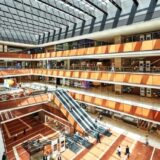
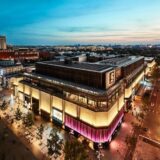
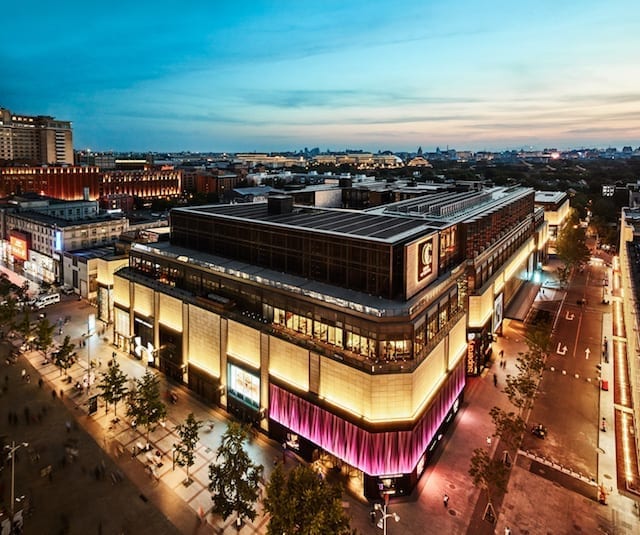
    Hongkong Land officially opened WF CENTRAL, its US$1.2 billion first flagship retail-led project in Beijing. It will play a crucial role in the redevelopment of the historic Wangfujing area of Beijing into a pre-eminent destination for retail, dining and commercial activities.

    Drawing from the success of LANDMARK – a leading retail complex in Hong Kong – and the shared vision of Hongkong Land and the Dongcheng District Government, WF CENTRAL now represents the premier shopping and lifestyle destination in Beijing.

    “With vision to develop and manage exceptional, high-quality, best-in-class commercial and residential properties across Asia, Hongkong Land has historically played a crucial role in developing important urban Central districts into pre-eminent destinations for retail, dining and commercial activities,” said Mr Robert Wong, Chief Executive of Hongkong Land. “WF CENTRAL is a testament to the Group’s expertise and experience as a leader in creating vibrant commercial districts.”

    “WF CENTRAL not only serves as a thriving and sustainable business platform for our retail partners, but will also achieve the mission of Dongcheng District to be the ‘Beijing capital’s cultural centre, and window of a global city.’” said Mr Raymond Chow, Executive Director of Hongkong Land. “As an integration of rich cultural heritage and luxury, WF CENTRAL will be key in transforming and revitalising Wangfujing as a best-in-class destination offering a unique premium lifestyle experience in the heart of the capital.”

    WF CENTRAL has a footprint of more than 21,000 sq. m., with a total gross floor area of more than 150,000 sq. m., including retail space of 43,000 sq. m. together with a 73-room luxury hotel, Mandarin Oriental Wangfujing, Beijing.

    It sets a new benchmark in Beijing for retail and lifestyle, through its FIVE core categories. Each category offers unmatched experiences, namely: Luxury; Fashion; World-class Gastronomy; Lifestyle & Wellness; and Art & Culture.

    With an exciting and diverse mix of over 130 tenants, including 20 brands debuting in either Beijing or China, WF CENTRAL breathes new life into Wangfujing and brings excitement, insight and inspiration to the City’s modern life.

    Engaging, connecting and building community through a considered curation of art, cultural creativity and experiential lifestyle, WF CENTRAL also provides the focal point for highly prestigious artistic collaborations with renowned international organisations.

    These include the recent successful Barbican ‘Digital Revolution’ exhibition; the opening of the Serpentine Pavilion Beijing and launch of the WF CENTRAL Serpentine Pavilion Beijing cultural programme; along with an upcoming MAISON&OBJET design showcase, scheduled in September this year.

    The Serpentine Pavilion Beijing programme, a unique and highly diverse series of cultural and artistic activities, special events, inspiring lifestyle experiences and exciting social encounters to be experienced by visitors to WF CENTRAL from June to October 2018.

    A key feature of the Pavilion programme will be the ‘Inspiration Talk Series’, a special series of talks and panel discussions involving leading architects and artists, together with thought-leaders across a wide spectrum of industries including leading finance, media, entertainment, retail and hospitality experts, invited to debate a range of topics exploring the role of art and culture in subjects such as urban renewal, innovation and social inclusion.

    “The Serpentine Pavilion cultural programme at WF CENTRAL focuses on community and explores the power and social benefits of art and culture,” explained Mr Raymond Chow, Chairman of Wangfu Central Real Estate Development Company Limited and Executive Director of Hongkong Land. “The Serpentine Pavilion Beijing provides the architectural focal point for these activities, as part of WF CENTRAL’s ongoing vision to engage, connect and build community through a considered curation of art and cultural creativity and experiential lifestyle.”

    “Today marks an important milestone as we officially open the first Pavilion co-commissioned by the Serpentine outside the UK,” explained Mr Hans Ulrich Obrist, Artistic Director of the Serpentine Galleries. “Over the past 18 years, the annual Serpentine Pavilion commission has become a pioneering and powerful example of living architecture for people of all ages and we hope that experience will be replicated in Beijing.”

    Ms Yana Peel, CEO, Serpentine Galleries, said: “Liu Jiakun’s inspiring Pavilion, set alongside the historic setting of the House21 (the Courtyard House), and wonderful open space of The Green, sets the scene for a thrilling programme of art, cultural and social events and happenings. Like the London Pavilion that inspired it, the Serpentine Pavilion Beijing will serve as a place for meeting and exchange, creating an engaging and rewarding cultural experience for all.”

    “What I hope we have achieved is a spatial installation that goes beyond mere function to push the boundaries of contemporary architectural practice,” explained Mr Liu Jiakun. “I hope this work will also prove to be both an inspirational physical environment as well as a thought provoking and creative catalyst for lively intellectual debate, fun community activities and joyful social engagement.”

    At the core of the Serpentine’s Pavilion programme is a wide range of art, cultural and lifestyle activities programmed within and around the structure. Activities include special ‘Pavilion Weekends’, which, once a month, in conjunction with two themed thought-leadership talks in the ‘Inspiration Talk Series’, involve a wide range of community events focused on the family; including well-being and creativity workshops; lawn parties; kids disco classes; digital performances and specially curated outdoor art-cinema evenings.

    The Serpentine Pavilion Beijing programme at WF CENTRAL provides visitors and the local community with the opportunity to not only appreciate but actively engage with the installation itself and enjoy the social and cultural activities that take place alongside and within the Pavilion.

    Images of WF Central can be viewed in the gallery below (4 images) :

  • Canada initiates dumping inquiry into steel imports from China, Vietnam, South Korea

    Canada initiates dumping inquiry into steel imports from China, Vietnam, South Korea

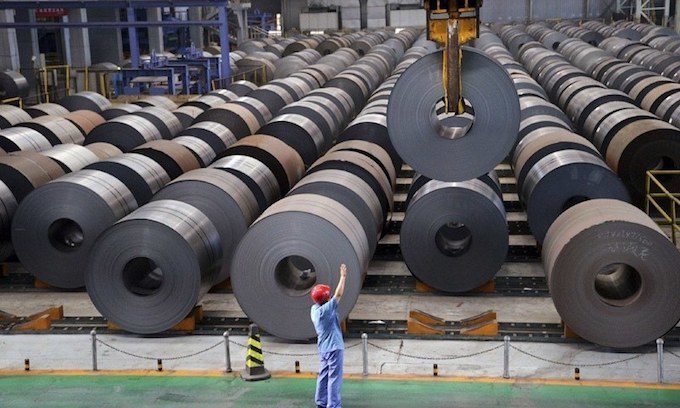
    The Canadian International Trade Tribunal (CITT) said on Monday it has initiated a preliminary dumping inquiry into steel imported from China, South Korea and Vietnam.

    The tribunal will investigate whether the alleged dumping and subsidizing of “cold-reduced flat-rolled sheet products of carbon steel” from these countries have harmed Canada’s steel industry.

    CITT, which operates in Canada’s trade remedy system and reports to parliament, said it will determine the results of the investigation on July 24 and will provide the reasons for the same on August 8.

    Canada’s steps follow U.S. actions from last week when the United States Commerce Department had slapped steep import duties on steel products from Vietnam that originated in China after a final finding they evaded U.S. anti-dumping and anti-subsidy orders.

    The global steel industry is struggling with a glut of excess production capacity, much of it located in China, that has pushed down prices.

  • BA&SH to have more stores in Asia

    BA&SH to have more stores in Asia

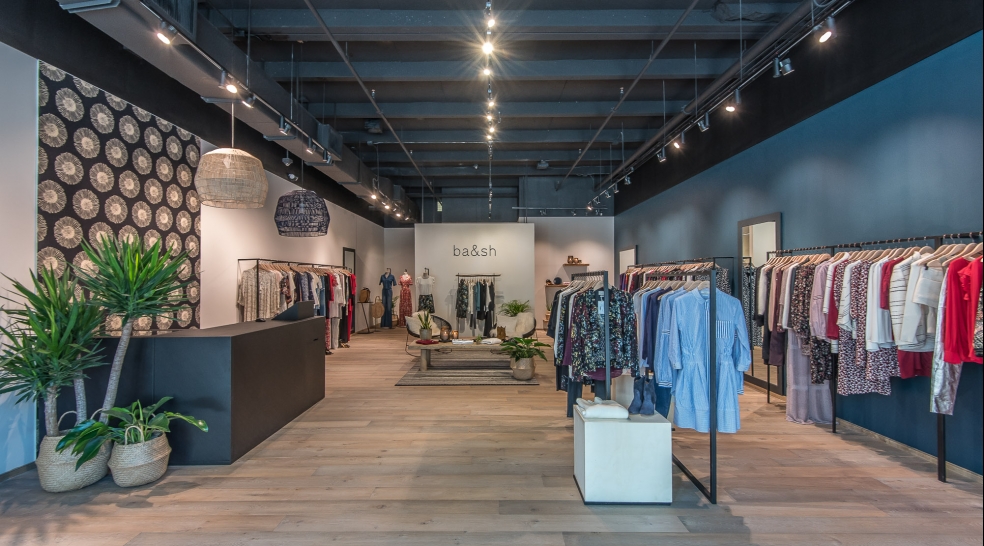
    French label BA&SH is planning to open more stores in China, Hong Kong and Macau.

    Since December the label has been planning to grow is retail network by a third including its 200 monobrand stores and department-store concessions.

    L Catterton investment fund acquired a 50 per cent stake in the label in 2015, with Pierre-Arnaud Grenade being appointed GM.

    BA&SH landed in Asia and the US last year, setting up two subsidiaries. By the end of last year, the label had 130 stores in Europe, the US and Asia.

    As well as further openings in Asia (three stores in Hong Kong, seven in China and two in Macau), BA&SH is planning to open another shop in New York. BA&SH says it has outgrown its original business model, which relied on wholesale distribution, and now 80 per cent of its revenue is generated via department-store concessions and its monobrand stores.

    Meanwhile, the label has set up a direct-to-consumer team in New York working on all aspects of e-commerce. It has launched e-commerce sites in various languages and currencies (nine so far in total) and has also started working with Tmall.com in China.

    In June last year, BA&SH chose Hong Kong for its first stores in Asia, and within five months was considering ramping up its Asia presence.

  • Most SE Asian markets fall; Malaysia down for 5th session in six

    Most SE Asian markets fall; Malaysia down for 5th session in six

    Most Southeast Asian stock markets fell on Monday, with Malaysia declining for a fifth session in six, while Indonesia extended gains on the back of financial and infrastructure stocks.

    “There are lots of pitfalls that could sideswipe the markets,” said Stephen Innes, head of trading APAC at Oanda, referring to the U.S.-China trade issues, N.Korea-U.S. summit and strong U.S. dollar.

    U.S. oil futures hit six-week lows on expectations major producers may ease output curbs, while Asian stocks and U.S. share futures gained on signs the United States and North Korea were still working towards holding a summit.

    In Malaysia, trading services firms including IHH Healthcare and Sime Darby were among the top losers. IHH Healthcare fell as much as 4.8 percent and Sime Darby plunged 9 percent on disappointing quarterly results.
    Vietnam shares fell as much as 2.9 percent to a more than five-month low. Vinhomes JSC declined 5.5 percent and Vietnam Prosperity Joint Stock Commercial Bank fell 5 percent.

    Indonesian shares climbed as much as 1.4 percent and were headed for a fifth straight session of gains. Bank Mandiri (Persero) Tbk PT rose 5 percent and Bank Central Asia Tbk PT climbed 1.1 percent.

    The central bank said on Friday that it would hold an additional meeting of its board of governors on Wednesday to discuss economic and monetary conditions.

    “We suspect that the persistent selloff in the rupiah and upward pressures on local government bond yields (despite the recent 25bps rate hike) may prompt further action,” DBS said in a note.

    “Further BI rate hikes may be needed, with the next one possibly as early as this week.”

  • I.T Limited sales goes up in China and Japan, but down in HK

    I.T Limited sales goes up in China and Japan, but down in HK

    Solid growth in Japan and China compensate for subdued sales in Hong Kong for fashion retailer I.T Limited.

    While Hong Kong sales slipped 5.1 per cent to HK$3.28 billion, much of that was related to store network rationalisation, with like-for-like sales down just 0.9 per cent. Mainland China sales rose by 10.9 per cent to HK$3.837 billion and in Japan, sales soared 29.3 per cent in Hong Kong currency, or 31.6 per cent in local currency, to HK$945.8 million.

    Total group turnover was up 4.8 per cent to HK$8.383 billion and net profit by 37.1 per cent to HK$431.9 million.

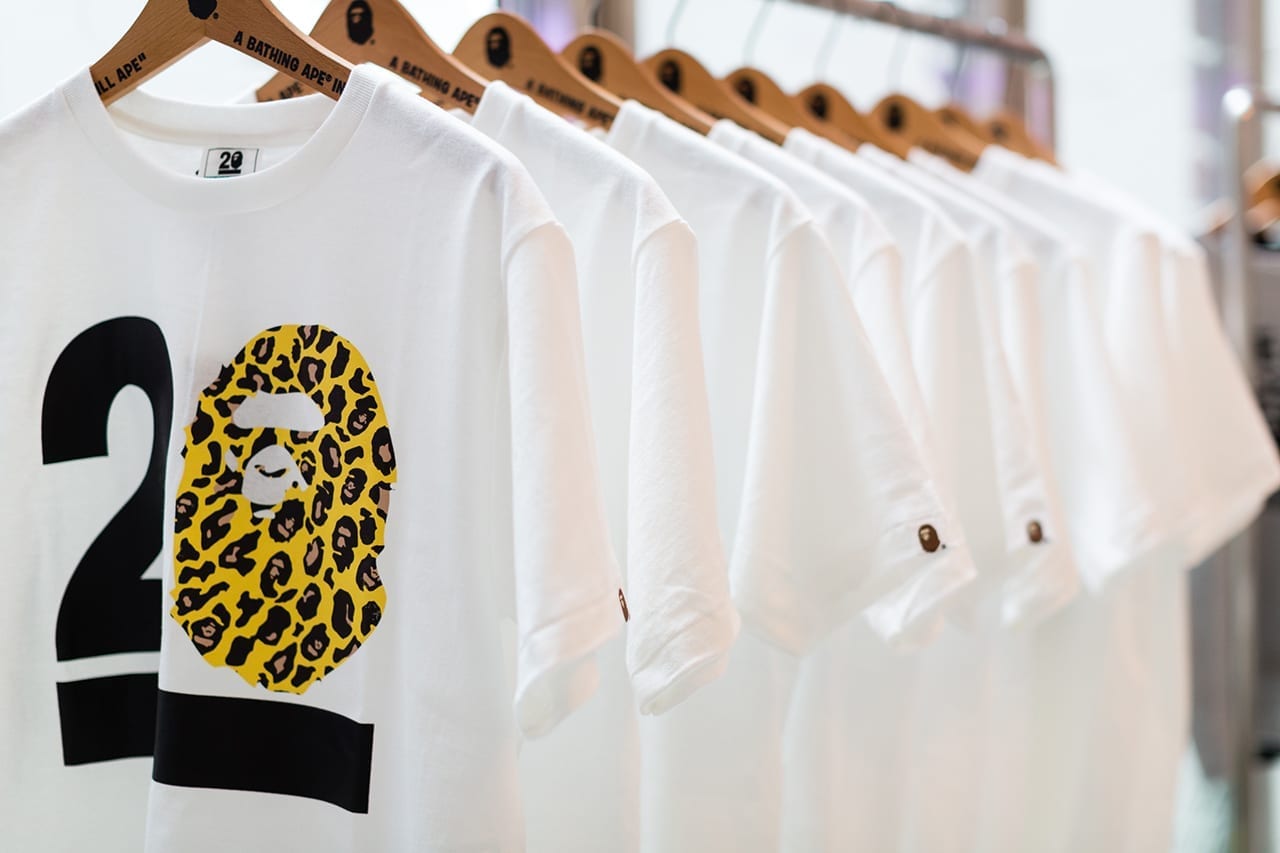
    I.T Group operates its own brands, including Chocolate and 5cm, concept stores Izzue and Double-Park; international brands it has local licences for including Kurt Geiger and Camper; and A Bathing Ape, which the company rescued from Japanese owners in 2011.

    I.T Limited’s total trading area shrunk by just 0.3 per cent in Hong Kong, reflecting the sheer size of its various brands’ network. But the company said the consolidation exercise and controlled discounting initiatives helped profitability. Same-store sales growth turned positive in the second half of the year.

    “The results in our Hong Kong and Macau segment are particularly noteworthy,” said chairman Sham Kar Wai.

    “They are not only due to the fact that Hong Kong is the home of the group and is one of the leading fashion marketplaces in Asia. They also reflected the determined efforts we made to move the business in our Hong Kong and Macau segment into positive territory in the second half of the financial year. We are also particularly encouraged by the recent relevant data showing signs of gradual recovery in the fashion retail industry in Hong Kong.”

    On the mainland, the group now has 492 stores and an online business. While same-store growth of less than 1 per cent was far lower than the previous year’s 17 per cent, it was against an unusually high base.

    I.T Limited is also experiencing solid growth in the US,m where it opened two new stores in Los Angeles.

    “Our business in Japan and the US continued to outperform, and we are particularly gratified that the responses to the two new Los Angeles shops have been overwhelmingly positive.”

  • Tmall and Intersport launch interactive megastore in Beijing

    Tmall and Intersport launch interactive megastore in Beijing

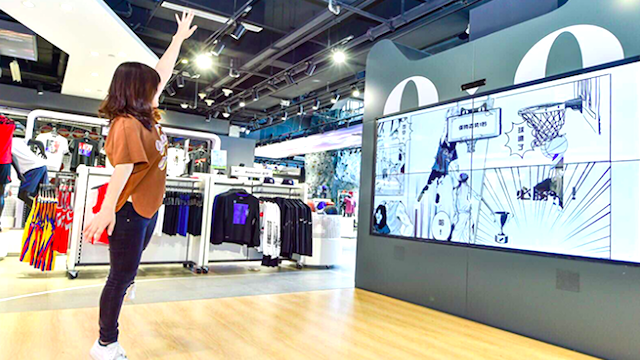
    Tmall and Intersport unveiled a co-branded store in Beijing yesterday, complete with interactive features that offer consumers in China a more engaging and informative shopping experience.

    Under the new name “Tmall x Intersport,” the two-story, 1300sqm space that sits in Beijing’s tourist hotspot Qianmen has been transformed into a futuristic megastore. The revamp underscores that more global brands are recognising the power of New Retail—tech-driven retail model pioneered by Alibaba that captures the best of online and offline shopping experiences.

    “We believe Tmall is the ideal partner in our endeavour to further our engagement with Chinese consumers by providing them the best-quality and most-fashionable sports goods in the market,” said Victor Duran, CEO of the Switzerland-based sportsgoods retailer Intersport.

    Established in 1968, Intersport has more than 5000 branches in 44 countries. It sells sports brands such as Nike, Puma, Reebok, Adidas, North Face and Dynatour. Intersport made its foray into China in 2013 and opened its Tmall flagship store in September 2016.

    “These new in-store technologies provide consumers in China an unprecedented shopping experience that is both entertaining and educational so they can have fun while shopping for the exact products that meet their unique demand,” the CEO said.

    Currently, Intersport has 24 stores in China with the goal of expanding to at least 100 – a combination of larger flagship stores in major cities and smaller specialty stores – during the next couple of years. “It makes sense to have Tmall technologies to be the link to connect all the stores together,” Duran said.

    New Retail is the new solution

    Many industry watchers have pointed to New Retail as the solution for brick-and-mortar retailers feeling the squeeze from e-commerce. By harnessing engaging technologies, store owners can attract more customers through both online and offline channels. Moreover, these technologies can generate insights to help businesses gain a more-precise view of China’s market trends and customer preferences.

    “We are excited to see an extensive range of Tmall’s New Retail technologies and features under one roof in Intersport’s store,” said Jessica Liu, president of Tmall Fashion and Luxury. “What’s even more encouraging is to see our merchants embracing the New Retail concept and exploring its potential. When customers try out these features firsthand, we are confident that they will see the convergence of online and offline shopping as the future of retail.”

    The Tmall and Intersport store is the latest example of how Alibaba’s New Retail technology is helping brands build up and reimagine their business in China since the push began in late 2015. To date, Tmall Fashion has collaborated with over 400 brands, including top names such as Burberry and Zara, and upgraded more than 50,000 storefronts all over China. Liu said the goal is to increase the collaboration to 1000 brands and help digitise 200,000 storefronts nationwide in the next year.

    Educate your customers

    At the grand reopening yesterday, customers were welcomed by an array of state-of-the-art technologies and augmented reality-powered interactive games. For example, the Smart Shelf and the Smart Shoe Mirror can instantly tell customers all the information they need about a certain shoe they pull from the shelf. This way, the customer can make a more-informed decision on whether or not the products fit their individual demands.

    Education on how a product suits an individual’s needs is an especially crucial element in the sportswear and gear market in China, said Tom Birtwhistle, director of China digital strategy at PricewaterhouseCoopers.

    With a government-led mandate to become more physically fit, and as China gears up to host the 2020 Summer Olympic and the 2022 Asia Games, Chinese customers are becoming more interested in adopting an active lifestyle, he added.

    “Chinese consumers are massively curious in learning about new brands and products. For new sports they want to be educated on the activity and understand how technical features can enhance their performance,” said Birtwhistle.

    His research indicates growth in the athletic fashion category is outpacing China’s overall fashion market. The segment is forecast to see 9 per cent growth annually in sales between 2017 to 2020, versus just 4 per cent for men’s and women’s fashion.

    At the smart megastore, shoppers can also get wardrobe tips from an AI Shopping Assistant – an interactive mirror that recommends related accessories or items that complement the article of clothing they are trying on.

    Can’t find what you want in the store? No problem. The megastore is equipped with Cloud Shelf technology, a virtual shelf that quadruples the volume and production selection customers can choose by simply tapping on the touchscreens, according to Tmall.

    A 24-hour interactive window display at the store’s main entrance means people can shop at the megastore around the clock. By using motion-sensor technology, the giant screen wall can distinguish the gender and approximate age of the passersby and recommend the best type of shoes for that person.

    Those who don’t want to lug heavy shopping bags or bulky shoe boxes around the streets of Beijing can opt to have their purchases delivered to a designated address anywhere in the country. Cainiao, Alibaba’s logistics service, can make the delivery in as quickly as two hours for locations within 5km of the store. Next-day delivery is also available for locations outside of Beijing.

    By scanning the QR code of a product on their phones, customers of the Tmall and Intersport store can also place the products in their Virtual Shopping Bag, so they can still buy the item online after they leave the store.

  • Alibaba demonstrates smart ordering in cafe and restaurants using voice AI

    Alibaba demonstrates smart ordering in cafe and restaurants using voice AI

    Alibaba Machine Intelligence Technologies has unveiled an intelligent speech interaction technology aimed at “smart ordering” in cafes and restaurants. The new technology lets buyers order their food item or coffee by speaking to a smart ordering machine.

    The Alibaba DAMO Academy unit, which focuses on fundamental AI research, said the machine will understand the customer order requests and display the order onscreen in a split second.

    Buyers can modify their orders as many times as they want, and the machine is expected to catch all the changes and update immediately. For example, a customer might say: “I want to order two large cups of cappuccino. Oh, please make them with less sugar and decaf. To go. And sorry. That should be three cups of cappuccino, two large and one small.” The smart ordering machine will then display the full order as two large cups and one small cup of decaf cappuccino, all with less sugar than usual and note that it’s for takeout.


    Smart ordering is possible through the team’s latest research in spoken language understanding (SLU), a field that involves both speech processing and natural language processing. First, the team develops a multi-modal speech interaction solution that can capture both voice and visual features, taking into account such things as the speaker’s pace, pauses between words, pronunciation, breaths and facial expression. Next, the team builds a reinforcement-learning model that allows for revisions and intent detection. All are important in the SLU field, making it possible to apply the latest SLU technology into commercial use.

    The solution is currently only for Chinese-speaking customers. The smart ordering machine is expected to roll out to the market in the next few months, and the technology solution will be available on Alibaba Cloud to benefit small and medium-size enterprises.

    Zhijie Yan, Head of Intelligent Speech Interaction at Alibaba Machine Intelligence Technologies said, “Our multi-modal speech interaction solution, underpinned by our insights in spoken language understanding, can be used in different scenarios including food and beverage ordering, customer service, voice commands for home appliances and in smart cars, and voice response to inquiries in shopping malls or airports.” “With the smart ordering machine as a perfect example, we believe the solution would greatly enhance the customer experience and make running a business more efficient,” added Yan.

    In December last year, Alibaba introduced far-field voice-recognition technology to ticketing kiosks in Shanghai metro stations, allowing passengers to use their voices to tell the kiosks their destination, and the machines will recommend the best route.

  • Le Saunda sales continues to fall

    Le Saunda sales continues to fall

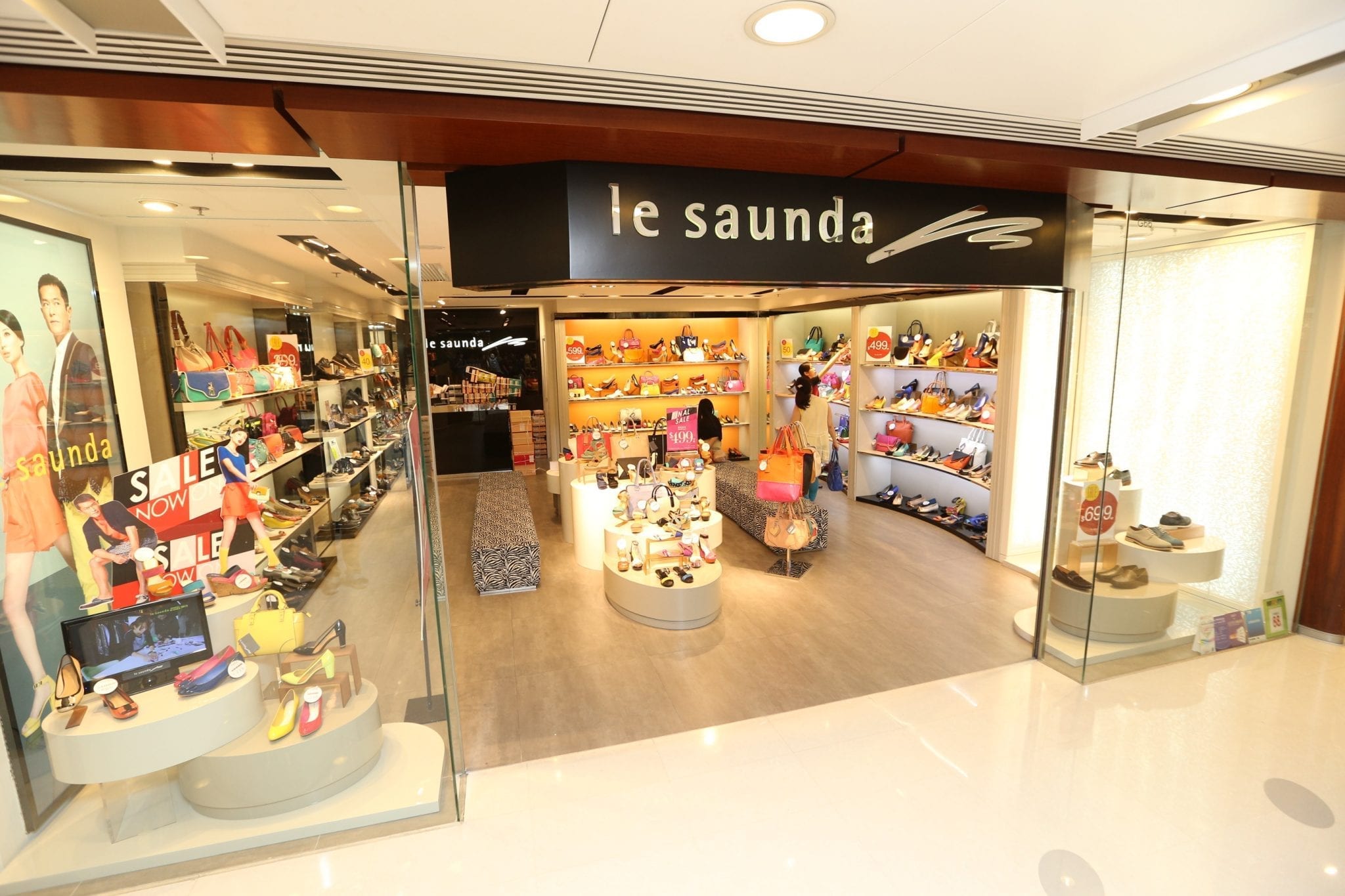
    It has been a year of losses for fashion group Le Saunda Holdings, which designs, develops, makes and retails women’s and men’s footwear handbags and accessories.

    Total Le Saunda sales fell by 17.2 per cent for the year ended February 28, reaching RMB1.13 billion (US$176 million), while consolidated gross profit dropped by 18.1 per cent to RMB743.5 billion.

    During the year, the retail channel through department stores in Mainland China remained feeble, says the group. Both topline Le Saunda sales and like-for-like sales fell. The group recorded a gross profit of RMB743.5 billion, a decline of 18.1 per cent, while the gross profit margin shrank to 65.8 per cent, down 0.7 points.

    The company sells in Mainland China, Hong Kong and Macau, its major proprietary brands being Le Saunda, Le Saunda Men, Linea Rosa, Pitti Donna and CNE.

    ‘Many challenges’

    During the year, the group initiated a series of promotional and brand marketing campaigns to mark its 40th anniversary. It also launched online leisure brand Pitti Donna.

    Le Saunda says the growth of total retail sales on consumer goods slowed down in China during the year, still presenting many challenges for traditional retail businesses.

    “In particular, the rapid development of e-commerce posed the greatest threat, and the fierce competition among traditional retail businesses resulted in extensive close-downs and tenancy surrenders.

    Because of the economic challenges, the group adjusted its strategy to close down low-profitability stores and re-adapted the e-commerce model. At the end of the year, the group had a retail network of 687 stores in Mainland China, Hong Kong and Macau, a net reduction of 109 outlets. The number of self-owned stores dropped by 101, while the number of franchised stores decreased by eight.

    At year-end, there were 493 core brand Le Saunda stores and 35 Le Saunda Men stores,
    representing net reductions of 70 and 17 stores respectively. There were two fewer stores for its high-end fashion brand Lina Rosa, taking the total to 72 stores, while there was a 21 drop in CNE stores, ending up with just one.

  • Historic Zhuhai Sugar Factory to be reborn into Cultural and Leisure Park

    Historic Zhuhai Sugar Factory to be reborn into Cultural and Leisure Park

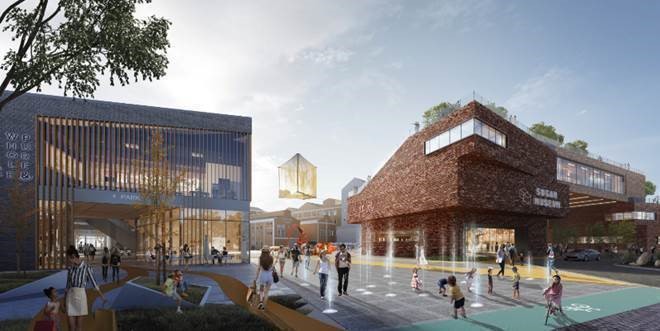
    A disused sugar factory in Zhuhai’s Jinwan District is set to be revitalized into an integrated cultural, tourism and leisure park. Woods Bagot’s master plan both celebrates the proud heritage of Zhuhai’s once prosperous sugar industry, while creating a future for the Hongqi Zhen Sugar Factory site.

    The former factory began production in 1960 and was once a key pillar of Southern China’s sugar plantation and processing industry. As the local economy evolved over the following decades, the industry declined, leading the Hongqi Zhen Sugar Factory to close its doors in 2003.

    Due to complete in three phases over the next 10 years, the 78,877-square metre development will feature a boutique hotel, a chocolate factory, a wedding venue and start-up offices, a sugar industry museum as well as a diverse F&B and retail offering.

    Charlie Chen, Studio Leader – Urban Design, Woods Bagot, said, “It is a privilege to create a place where a whole community can capture and celebrate their proud industrial history. At the heart of our strategy is a desire to inspire and engage the diverse people that will enjoy the site – from locals and former factory workers to tourists, families and children alike. The result will be a showcase of old and new, and provide Zhuhai with a rich cultural landmark for generations to come.”

    Different thematic zones will provide contrasting sensory experiences for visitors, from the energetic retail street and creative workshop spaces to the tranquil wedding lake and wetland boardwalk. Murals, façade installations and sculptures will engage, educate and commemorate the past along the way.

    A central park will form the core of the site, with other landscape features including a floral garden walk, a sculpture garden, a farming experience as well as scenic waterscapes and wetlands adapted from existing ponds and former industrial waterbodies.

    Woods Bagot’s strategy will retain and repurpose as many existing structures as possible, and then introduce new buildings and landscapes that complement their industrial aesthetic. As part of this process, over 40 existing structures were carefully assessed for their heritage value, scale and spatial quality.

    The former-factory’s red brick chimney towers will provide a visual landmark at the highest point of the site, with newer buildings rising only 2-3 storeys to create a harmonious synergy and differentiate them from the taller historic buildings.

    Harmony with the local environment will be encouraged through a sustainability strategy which will include solar roofs, rainwater harvesting, geothermal heating and cooling and the promotion of low carbon transport options, including bikes and scenic water taxis.

  • Panerai opens new boutique in Beijing at Wangfu Central

    Panerai opens new boutique in Beijing at Wangfu Central

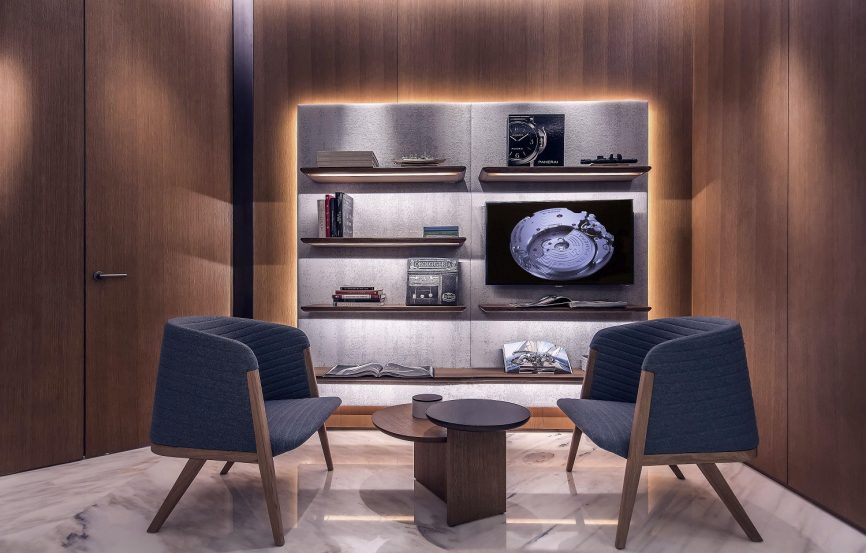
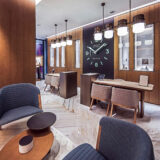
    Watchmaker Officine Panerai has opened a boutique in Beijing’s Wangfu Central (WFC) at the Wangfujing shopping area.

    Spanish designer Patricia Urquiola collaborated with the company on the 56sqm boutique. Her work with the brand dates back to 2011, and she also designed the Bond Street store just launched in London as well as the 840sqm mega-booth at this year’s Salon International de la Haute Horlogerie (SIHH) in Geneva.

    Inspired by the main characteristic themes of Panerai, such as its Florentine origins, its link to the nautical world and Italian heritage, Urquiola has used veined Italian marble “calacatta luccicoso”, burnished brass, bronze and a special “reeded” glass, undulating and transparent, as clear reference to the world of the sea.

    A large wall clock welcomes visitors to the boutique, recalling one of the most iconic Panerai dials: that of Luminor Marina, with the characteristic small seconds counter at 9 o’clock and numbers and dial particularly bright.

    Officine Panerai now has 10 boutiques in China and 75 worldwide.


  • GDFS opens Shanghai ‘Experience Store’; plans 30 shops by year-end

    GDFS opens Shanghai ‘Experience Store’; plans 30 shops by year-end

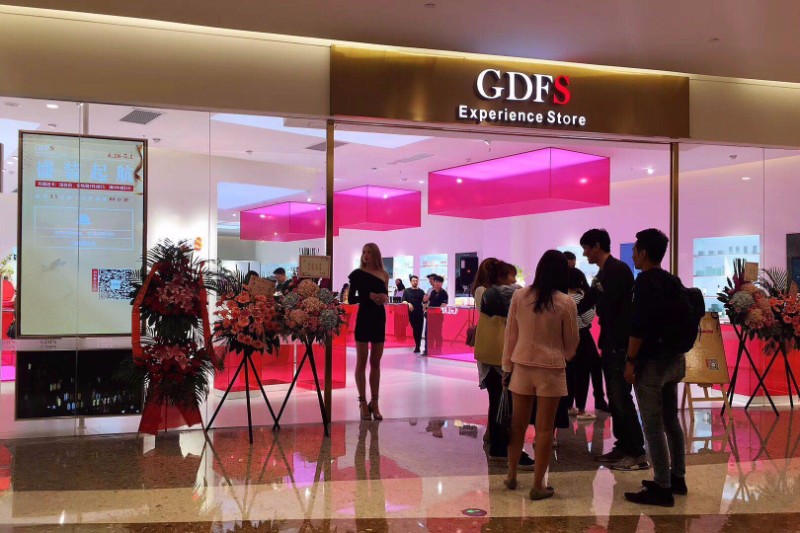
    GDFS, which describes itself as travel retail’s first membership-based global vertical e-commerce company, has opened its tenth GDFS Experience Store, in Shanghai.

    It aims to have 30 stores by year end, following openings last year in Ningbo, Zhejiang Province, and Hangzhou, Zhejiang Province.

    GDFS will also open a store this month in Inner Mongolia, with others set to be unveiled in Urumqi and Hangzhou (the retailer’s third location there) in coming weeks.

    The experience stores allow Chinese consumers to test products before ordering them online for home delivery, says GDFS VP Diana Xi.

    President Barry Chen says the average transaction now is US$200-300 across the network, with 60 per cent of members buying once a month. “For each store we are generating sales on average of RMB3-5 million a month (US$47,000-78,000).”

    Chen says the company’s final goal is to build a big database that will include information on shoppers’ habits and what they like to buy.” Because the retailer has a membership-based program, it already has extensive information on its consumers.

    Consumers pay an annual membership fee of US$118 to benefit from shopping opportunities through the GDFS website,= and the physical and online offers of its overseas partners. For its e-commerce site, GDFS ships goods from its warehouse in Hong Kong direct to Mainland Chinese purchasers.

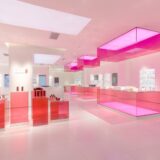
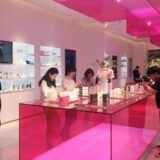
    The pictures from the opening event and the store can be viewed below :


  • Alibaba backs virtual showroom startup Ordre

    Alibaba backs virtual showroom startup Ordre

    Alibaba Group has bought a minority stake in Ordre, a European online luxury wholesale platform.

    Ordre, launched in 2015, allows fashion designers to show off their collections via 360-degree photography and virtual reality to interested wholesale buyers. The technologies make it more convenient for buyers, who aren’t always able to travel due to time and distance constraints, to build inventory each season. The reduced travel translates into lower carbon emissions at a time when sustainability is increasingly important to the industry, said Ordre.

    Dianne Von Furstenberg, Vivienne Westwood and Jason Wu are among the world’s leading designers who have established digital showrooms on Ordre. They also work with fashion brands such as Joseph.

    For Alibaba, the investment is a further push into the luxury sector, which is among its top strategic priorities, given the rising spending power and increasingly sophisticated tastes of Chinese consumers. The Hangzhou, China-based company plans to leverage Ordre’s technologies for consumers, however, delivering a more-enhanced shopping experience on platforms such as B2C marketplace Tmall.

    “Matching Ordre’s technology with Alibaba’s unique data insights and capabilities – of which our recently launched Luxury Pavillion is a great illustration—we can provide our consumers with a personalised and differentiated experience, helping brands develop a deeper engagement with them,” said Jessica Liu, president of Tmall Fashion and Luxury.

    The Luxury Pavillion, which lives within Tmall, was launched last August to deliver to China’s high-end consumers the same kind of brand exclusivity and tailored shopping experience online that they would expect at a brick-and-mortar store. About 50 brands, including l, offer products ranging from apparel and cosmetics to watches and luxury cars.

    The pavillion is driven by Alibaba’s New Retail technologies, which blend online and offline commerce to deliver a better buying experience for consumers. Simon Lock, founder and CEO of Ordre, said the company’s digital assets, including 360-degree images, 360 video and VR fashion shows and designer interviews, are in line with this strategy and could serve Tmall shoppers and brands.

    “Our 360-view allows consumers to understand every aspect and every view of a garment,” he said. “When you’re purchasing online, as much detail as can be provided is going to make your purchasing decision much more confident,” which can help drive down the product return rates.

    The companies are currently discussing a number of potential initiatives that would expand on these technologies. One of which would create new direct-to-consumer channels for Ordre’s partner brands by leveraging content to communicate their brand story and provide more information about products. For example, Ordre’s VR technology was able to recreate Stella McCartney’s Coachella-inspired 2018 fall show and the theatrical experience of Thom Browne’s latest showcase in Paris, so that buyers could watch fashion shows from the front row.

    Other potential collaborations include “fit avatars,” which allow buyers to see collections on models in 360-view and technology that allows buyers to remotely feel fabrics on a touch pad.

    Lock said he was also interested in Alibaba’s “See Now, Buy Now” technology, as well as the company’s artificial intelligence and cloud-computing capabilities.

    “We can work together to create the ultimate global fashion cloud,” he said.

  • Forevermark diamonds opens Shanghai flagship

    Forevermark diamonds opens Shanghai flagship

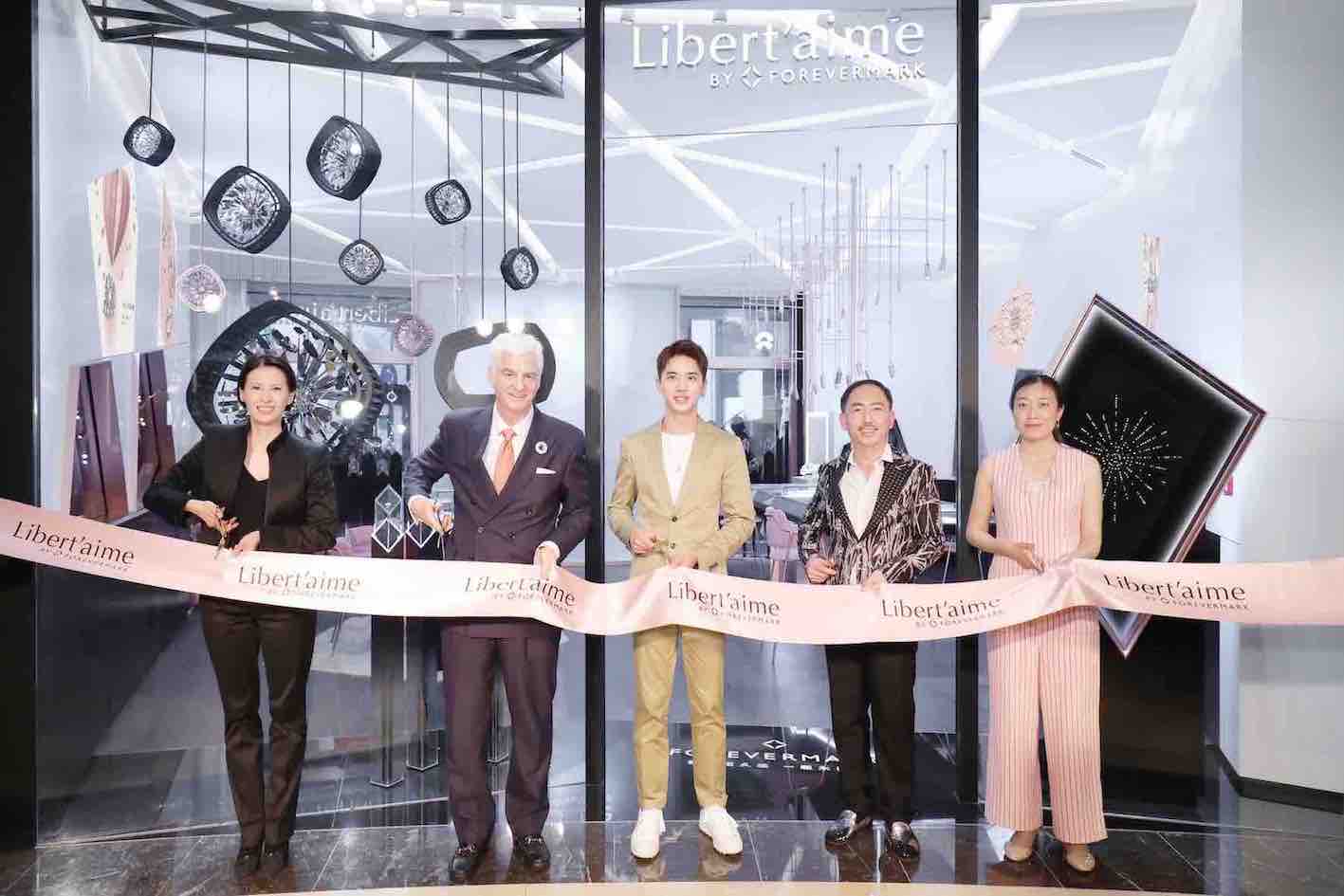
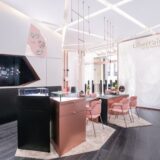
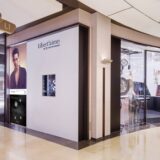
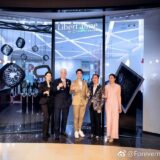
    Forevermark, a luxury retail brand of jeweller De Beers Group, has unveiled a flagship store concept, Libert’aime by Forevermark, in Shanghai.

    At HKRI Taikoo Hui, the store marks the 1000th Forevermark location in China. The Libert’aime concept focuses on 420 million millennials in China through an omnichannel model, offering an assortment of diamond jewellery.

    The omnichannel experience combines the Libert’aime concept market with online platforms and a WeChat store. Digital experiences in the store include a 3D diamond wall, a magic mirror, a Diamond Bar (daily offerings) and a Spectacular Diamonds area (fancy-cut and multi-diamond pieces).

    “Forevermark will continue to focus on its classic bridal and non-bridal collections with our valued Forevermark retail partners, while Libert’aime by Forevermark will concentrate on providing a complementary offer to excite millennials,” says Forevermark CEO Stephen Lussier.

    The concept store also features Le Light collection designed by Chinese actor/musician Timmy Xu Weizhou.

    Established in 1888, De Beers Group specialises in diamond exploration, mining and marketing. It has mines in Botswana, Canada, Namibia and South Africa, and employs more than 20,000 people across the diamond pipeline.

    The pictures from the opening ceremony and the gallery can be viewed below :