Tag: China

  • Mobile payment firms struggle to dethrone cash in Southeast Asia

    Mobile payment firms struggle to dethrone cash in Southeast Asia

    Bui Mai Phuong is an avid online shopper, ordering anything from clothing to personal-care products from her smartphone. But she prefers to pay with cash.

    She is among hundreds of millions of people whom firms such as Softbank Group-backed Grab and China’s Tencent want to win over as they try to tap into Southeast Asia’s burgeoning internet sector.

    More than 70 percent of the region’s 600 million-plus people do not use banks – higher than the global average of about 30 percent – and e-commerce is projected to hit $88 billion by 2025.

    But convincing consumers like Phuong, who lives in Hanoi, could be tricky.

    “I have never tried using mobile payments because I don’t know how to use it and it seems a bit complicated to use,” said Phuong, 36, a manager at a construction material supplier in Vietnam.

    Mobile payments are ubiquitous in China; a consumer can spend a day without using cash at all in Beijing or Shanghai, and even some beggars accept mobile payments. But cash remains king in Southeast Asia.

    Hard currency, paid on delivery, accounted for 44 percent of total e-commerce transactions last year and is likely to remain the most popular payment option for at least the next three years, according to data by research firm IDC.

    “The biggest challenge for users and merchants to adopt cashless is the fact that cash remains ubiquitous, easy to use and inexpensive,” said ride-hailing firm Grab, which has ventured into e-wallets.

    And the mobile payment marketplace in Southeast Asia remains wide open, with no dominant players.

    Indonesia’s ride-hailing firm Go-Jek’s Go-Pay, Singapore-based Grab’s GrabPay, Japan’s messaging app Line’s Line Pay, Momo e-wallet owner M_Service in Vietnam and Voyager Innovations, which operates Paymaya in the Philippines, have all entered the fray. The gaming company Razer Inc has also indicated it is eager to play a role.

    Cash on delivery costs e-commerce businesses more than other payment methods, said Alibaba Group Holding-backed e-retailer Lazada Group.

    For example, sometimes a customer does not have enough cash on hand, or is not home to pay for the delivery. In those cases, the product must be sent back to the seller, adding logistical costs, Lazada said.

    Mobile payments address some of those problems. They can also benefit buyers by keeping payment in escrow and releasing it only on delivery.

    But it can be difficult to persuade users to switch from cash when they earn about $200 on average a month in economies like Vietnam and Indonesia, according to economic data provider CEIC.

    “To break habits of using cash, Grab is creating more daily use cases for cashless payment – commuting, food delivery, paying at food and retail stalls – to drive more usage of the GrabPay e-wallet,” Grab said in an email.

    Mobile payment companies bet they can transform their platforms into financial supermarkets, offering everything from loans to insurance on top of payment options.

    Slow going

    At the moment, usage is spotty. E-wallets will account for 16 percent of total e-commerce transactions in Southeast Asia by 2021, up from last year’s 9 percent, according to IDC.

    In countries like Vietnam, where the informal economy has long been a key part of the social fabric, many consumers do not bother to get a bank account.

    Some want to stay under the taxman’s radar or, like Quang Thi Si, simply do not see the need for a bank.

    Si, a 48-year-old scrap collector near Ho Chi Minh City, said her business is all cash.

    “Sometimes I need to send money to my relatives at home, and I often send in cash through my friends,” she said. “I don’t think I will have a bank account in the future because I don’t think I need it.”

    But Si does have a smartphone. More than 90 percent of Southeast Asia’s internet access comes through mobile devices, according to a Google-Temasek study.

    Even so, in countries like the Philippines, which is known for having some of the slowest Internet speeds in Asia-Pacific, connectivity is a major hurdle for digital payments to clear.

    ‘Late to the party’ 

    Such challenges are likely to pose a setback to Ant Financial and Tencent, which are looking outside China for growth.

    Ant, which has 600 million customers and aims to reach 2 billion worldwide in the next decade, has stepped up investments in the region, including a stake in Thai financial technology firm Ascend Money.

    But its services are largely limited to Chinese tourists.

    “Most of our customers are from China and they are usually very happy to know that we accept AliPay and WeChat Pay. This makes them more willing to spend money too,” said Daphne Tan, a staff member at a shop selling durian-flavored coffee and snacks in Singapore’s Chinatown.

    Tencent plans to make its first foray outside China with an e-payment license in Malaysia for local transactions.

    The Chinese players are “kind of late to the party,” said Michael Yeo, research manager for IDC.

    “By the time they come in with a local version, if they do, the local players will have a significant advantage,” said Yeo.

    Razer, which said last month it would buy the remaining stake in payments processor MOL Global that it did not already own, also signed a deal with Singtel to link its e-payments network with that of the telco.

    Other recent deals in the sector include Go-Jek’s acquisition of three financial technology businesses, while Grab’s purchase of a handful of companies as well.

    “It’s a highly fragmented market. Later on, there will be acquisitions, there will be shutdowns, there will be mergers,” IDC’s Yeo said. “The market will consolidate.”

  • Following Amazon’s Footsteps, China’s JD.com Launches In-Car Delivery

    Following Amazon’s Footsteps, China’s JD.com Launches In-Car Delivery

    JD is launching a service in China where online shoppers can have their purchases delivered to anywhere they can park their cars.

    The Chinese e-commerce giant has launched an ‘in-car delivery service’ in partnership with electric vehicle maker NIO, a similar concept to that unveiled by Amazon in the US in April.

    The JD In-Car Delivery Service will use connected car technology that automatically locates customers’ cars, then enables JD’s delivery personnel to pop the trunk of  the car using a Personal Digital Assistant to the car, deposit the consumer’s order, and lock the trunk again.

    To maximise security, the device is programmed so only the specifically authorised JD delivery person will be able to open the car trunk, while the entire delivery process can be monitored using in-car cameras.

    JD, which boasts 90 per cent of its orders can be delivered same- or next-day, will deliver to vehicles parked at home, at the office, or in a range of other approved areas.

    “The offering adds a new, convenient option for consumers with cars who may not be available to accept deliveries in person, such as office workers who park their cars in the company lot during the day, or commuters who leave their cars in their driveways while they are out,” said Bing Fu, head of planning and development, with JD Logistics.

    “Imagine the convenience of finishing work for the day and knowing that your orders are already waiting in your car for you, ready to drive home. You can have the peace of mind that, even when you’re not at home, your JD orders have been stored securely in your trunk. JD In-Car Delivery makes that possible.”

    The company plans to partner with other leading automakers in China to expand the service across connected car models in coming months.

    To use in-car delivery, JD consumers who own compatible car models can link their JD account with their account on the automakers’ connected car platforms.

  • SMCP Opens 100th Store in Mainland China

    SMCP Opens 100th Store in Mainland China

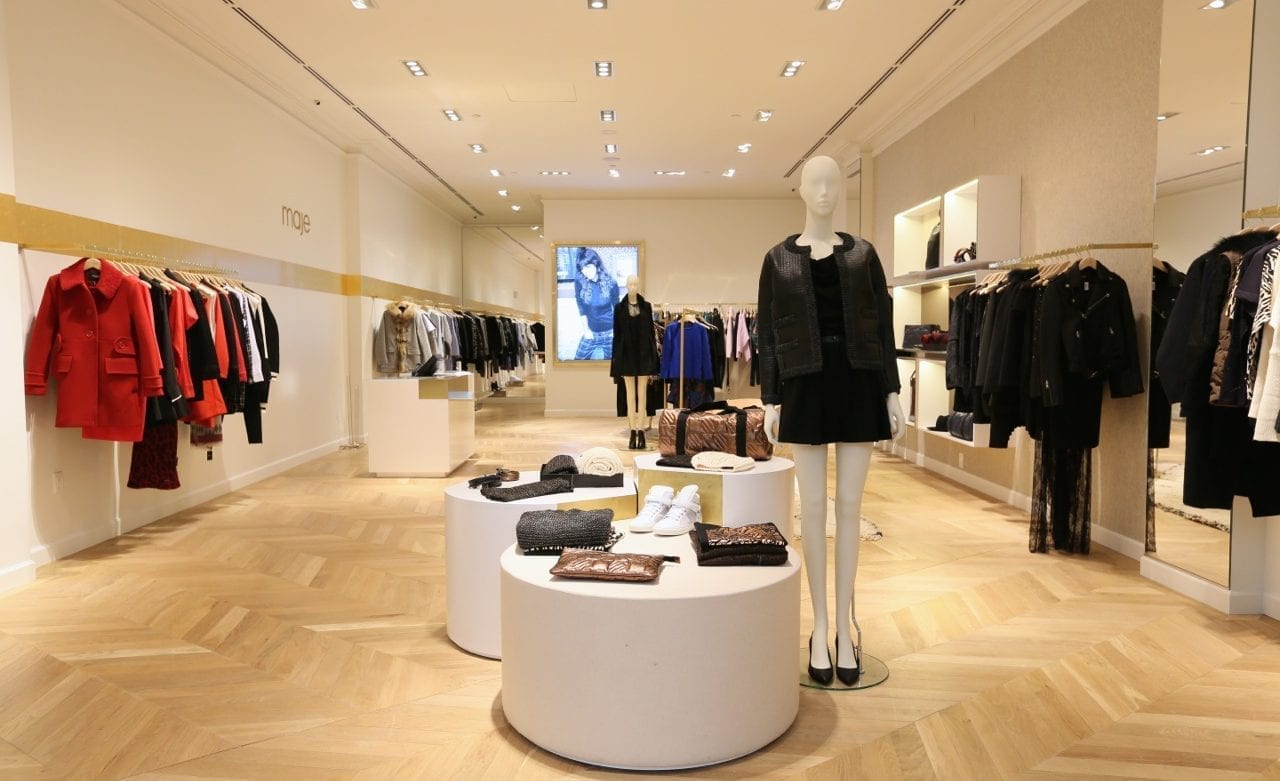
    Apparel group SMCP China has opened its 100th physical store on the mainland, the Maje, in Beijing’s Chaoyang Joy City mall.

    Since its debut in Hong Kong in 2012, the French group has built up a presence in Greater China with stores in 22 cities, including Hong Kong, Macau and Taipei. Its stores can be found in such malls as Shin Kong Place (SKP) in Beijing, IFC in Shanghai and Taikoo Li in Chengdu.

    In April 2016, SMCP initiated a partnership with T-mall, closely followed by the launch of its own online stores in September last year.

    Over the coming years, the group plans to continue draw on the popularity of its three brands in Greater China, Sandro, Maje and Claudie Pierlot, to expand.

    Overall, the Asia Pacific region today accounts for more than 20 per cent of group sales, with 276 points of sale. At the end of last year, SMCP brands were available at more than 1300 points of sales in 38 countries.

  • Cheap real estate in Vietnam draws scores of Chinese buyers

    Cheap real estate in Vietnam draws scores of Chinese buyers

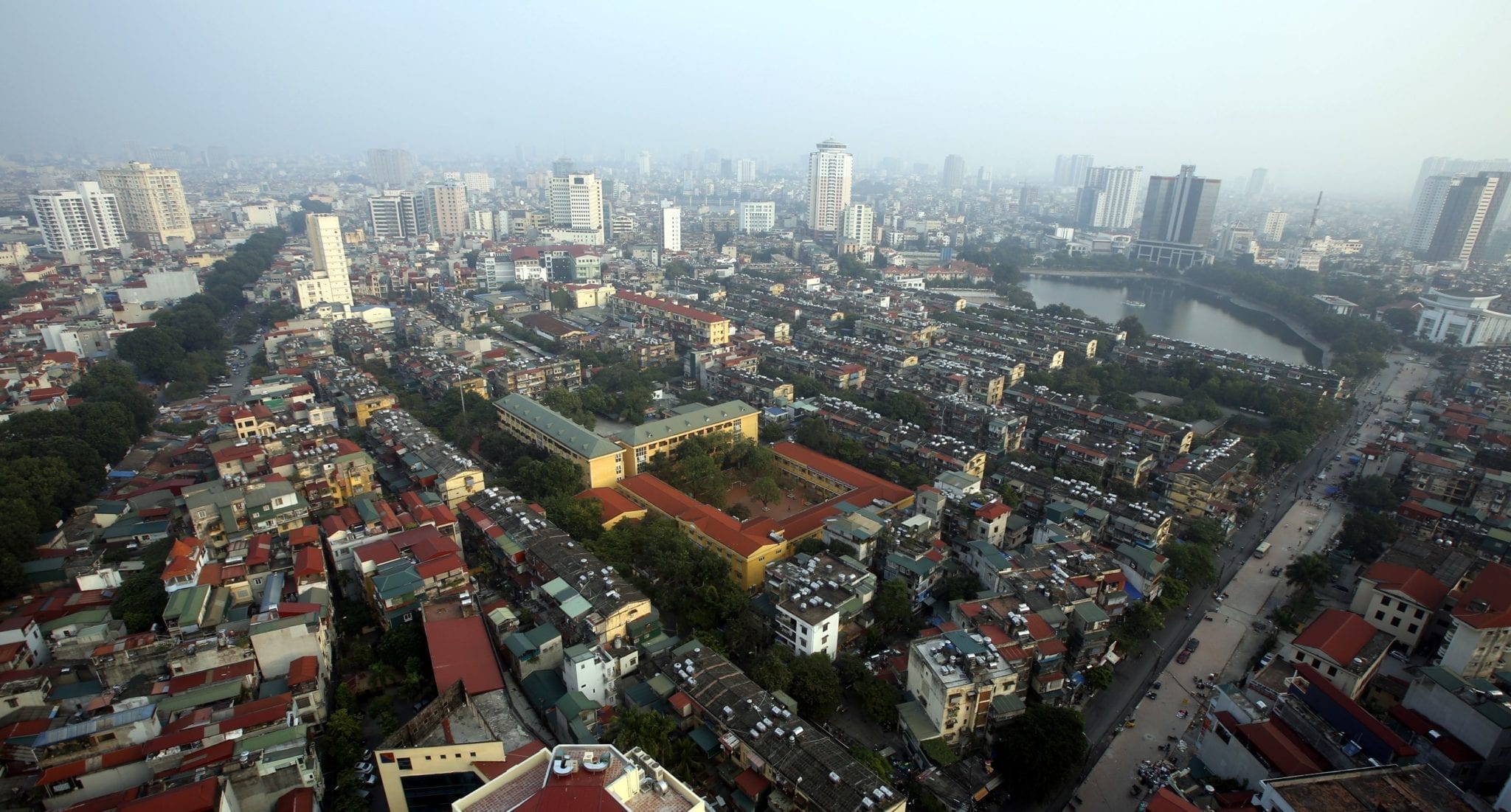
    Vietnam has become an up and coming property investment destination among Chinese and Hong Kong buyers with real estate prices lower than in other Southeast Asian countries.

    Demand for properties in Vietnam among Chinese buyers surged 300 percent year-on-year in the first quarter of 2018, Chief Executive Carrie Law of Juwai, one of the biggest international property portal in China said.

    “Many investors from mainland China are hoping to see these cities [Ho Chi Minh City, Hanoi] replicate the same growth as Beijing and Shanghai,” said Stephen Wyatt, the country head of JLL Vietnam.

    Buyers from mainland China, Taiwan and Hong Kong last year accounted for 25 per cent of the Southeast Asian nation’s total transactions by foreign buyers, up from 21 per cent in 2016, according to data from real estate company CBRE Vietnam.

    Analysts say relatively low prices in Vietnam, one of world’s fastest growing economies, and the desire for Chinese buyers to diversify their portfolios given their limited assets overseas, make markets like Ho Chi Minh City, Hanoi particularly attractive.

    A high end property in central Ho Chi Minh City costs $3,000 to $6,000 per square meter. However, its equivalent in Bangkok costs around $7,000 to $9,000 per square meter, and still less than 10 percent of the value of Hong Kong properties.

    Vietnam’s relaxed restrictions on foreign property ownership are also believed to have facilitated the surge in Chinese and Hong Kong buyers, but to a lesser extent because bureaucracy remains a strong barrier.

    The 2015 Housing Law allows foreign investment funds, foreigners with valid visas, international firms with operations in Vietnam and overseas Vietnamese to buy residential properties with leaseholds of 50 years.

    And developers are allowed to sell only 30 percent of the units in each building to foreigners, meaning eligible apartments need to be advertised.

    However, analysts warned about the possibility of a real estate bubble in Vietnam, which is similar to the historic one in 2008.

    Eight out of 10 signs of a real estate bubble have been identified in the Vietnamese market, said Tran Kim Chung, deputy director of the Central Institute for Economic Management (CIEM) at a conference last week.

    Local residents and real estate agents said the price doubled last year’s, and has climbed a further 30-50 percent so far this year.

  • Positive performance for Parkson Retail China

    Positive performance for Parkson Retail China

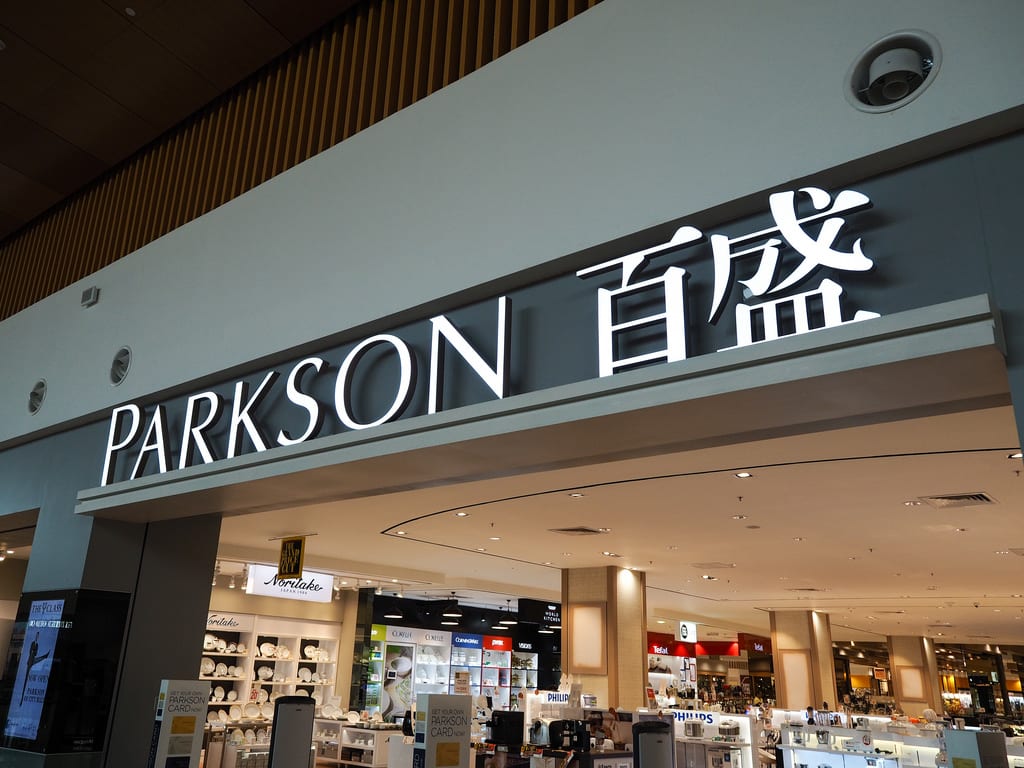
    Parkson Retail China has been able to parlay a string of modest first-quarter increases into an 181.7 per cent boost in operating profit.

    Same-store sales for the quarter, to the end of March, grew by 1.7 per cent; total operating revenues rose 2.9 per cent to RMB1.2 billion (US$187.7 million) while merchandise gross margin increased by 0.2 points to 15.7 per cent.

    Its operating profit jumped to RMB87.9 million, despite a 1.9 per cent drop in gross sales proceeds to RMB4.3 billion. The group attributes the decline mainly to the closure of six
    underperforming stores last year as part of its continuing effort to optimise.

    However, the 1.7 per cent rebound in same-store sales was encouraging following the 2.2 per cent drop in the same period 12 months earlier.

    Strong direct sales in the cosmetics and accessories category saw total operating revenues jump by 2.9 per cent to RMB1.2 billion.

    At the end of March, the group ran and managed a diverse range of retail formats including 44 department stores, a shopping mall, two Parkson Newcore Citymalls, supermarkets, fashion and F&B outlets in more than 30 major cities across China.

  • Bic Camera Inc.’s profits come from Chinese tourists

    Bic Camera Inc.’s profits come from Chinese tourists

    Japanese retail tycoon Ryuji Arai can thank a growing flock of Chinese spenders for his swelling fortune.

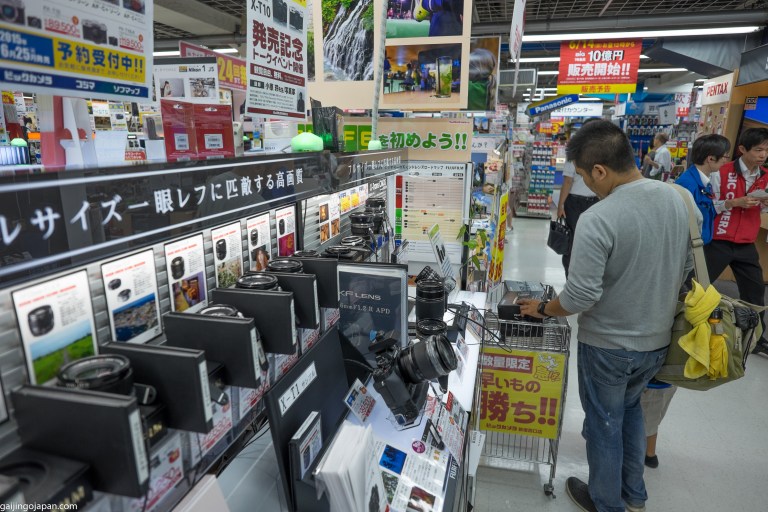
    Bic Camera Inc., the Tokyo-based consumer electronics retailer that sells everything from cosmetics to liquor at discounted prices, has become a sought-after destination for tourists shopping in Japan. Profit has jumped to a record, sending its shares up by more than 50 percent over the past year.

    The surge has given 71-year-old Arai a $1.8 billion fortune. Arai, who founded the retailer four decades ago and steered the company to its initial public offering in 2006, is now chairman at the company. He owns a 43 percent stake in the shares through a set of trusts and his asset management company La Holdings.

    Bic Camera has won tourists over with bargain prices offered in its stores along with duty-free desks, and by giving overseas shoppers the option to make online reservations for products they wish to purchase. The company is also trying to woo Chinese shoppers by accepting payment methods such as Alipay, Wechat and even Bitcoin — which is helping boost sales, said Bloomberg Intelligence Consumer Analyst Thomas Jastrzab.

    “Bic Camera’s early adoption of new payment options could give it an edge over more cautious rivals,” said Jastrzab.

    Not much is known about the reclusive businessman. Bic Camera declined to make him available for comment for this story. He started his first company in his early twenties and later spun out the camera sales division into its own company, according to local media reports. He then went on to form Bic Camera in his early thirties with the opening of a store in Tokyo’s Ikebukuro shopping district.

    Arai is an anti-nuclear advocate, and Bic Camera displayed huge banners in 1995 to protest France’s plan at the time to resume nuclear tests in the South Pacific.

    In 2009, Arai stepped down as chairman of Bic Camera after the company became embroiled in a scandal over false earnings reports. After the shares lost almost half their value in January that year, they rallied when the company was allowed to retain its listing on the Tokyo Stock Exchange and it restated earnings for the fiscal years 2006 to 2008. The company was fined $1.3 million. He retook the role of chairman, without any directors role, several years later. Since then, Bic Camera shares have climbed eight-fold.

    After relinquishing the chairman role, Arai remained the largest shareholder of Bic Camera.

    Bic Camera has teamed up with Haneda Airport’s terminal operator, Japan Airport Terminal Co., to launch stores in airport terminals as well as Tokyo’s Odaiba shopping and entertainment district, according to Masanari Matsumoto, a spokesman for the company. Those stores are stocked with goods popular with inbound tourists to let them quickly find what they want, Matsumoto said. Inbound tourists shoppers to the electronics retailer have more than tripled in three years, according to the company.

    In recent years, the company has also ramped up sales through its own website and stores on e-commerce sites such as Rakuten and Amazon.com. Online sales accounted for about 10 percent of overall revenue in the six-month period ended Feb. 28, according to company filings.

    Bic Camera’s net income jumps more than five-fold over past four years.

    The company’s net income climbed fivefold to a record 13.5 billion yen ($122.6 million) in the financial year ended Aug. 31, according to figures from the company. Bic Camera predicts profit will increase to 16.4 billion yen this fiscal year.

    That strategy has helped Bic Camera become Japan’s third-biggest electronics and appliance retailer while offsetting the impact of a declining population at home. Bic Camera will benefit more than other big-box electronics retailers such as its competitors Yamada Denki Co. and Edion Corp. from the recovery in demand for digital consumer electronics, according to a Nomura Holdings Inc. research note last month.

    Online sales, with an increase in the weighting of sales on the company’s own website, will drive growth over the longer term, according to Nomura. While customers using Bitcoin have yet to account for a significant portion of sales, the option could help attract more foreign customers, especially during the 2020 Tokyo Olympics.

    ‘‘Quickly adding additional payment options is a good way to achieve differentiation,’’ said Bloomberg Intelligence’s Jastrzab. ‘‘It also helps to boost brand equity by creating a buzz with potential customers.’’

  • Asia Pacific drives Tiffany & Co global growth

    Asia Pacific drives Tiffany & Co global growth

    Tiffany & Co Asia-Pacific sales soared 28 per cent in the first three months of this year helping the New York-headquartered jewellery retailer achieve a 53 per cent lift in profit.

    The company’s worldwide net sales increased 15 per cent to $1 billion, with comp sales up 10 per cent. Net earnings increased from $93 million to $142 million.

    Asia-Pacific sales reached $329 million – one third of Tiffany’s global sales – driven by China “and most other markets,” and higher wholesale sales in Korea. Management attributed the growth to higher spending by both local customers and foreign tourists. On a constant exchange-rate basis, total sales and comparable sales increased 23 per cent.

    In Japan, total net sales rose 17 per cent to $151 million and comparable sales rose 14 per cent.

    Neil Saunders, MD of GlobalData Retail, says the results showed that despite being up against some soft prior year figures, the group has “pulled itself out of its previous funk” and its various initiatives are delivering solid results.

    “Among the steps taken, the renewal of the offer is the most critical. Here, Tiffany’s focus on producing more innovative and contemporary collections has paid dividends in both stimulating consumer interest and driving sales. Collections like Tiffany HardWear have been well received and has enabled a brand that was seen as old to reconnect with younger demographics.”

    Saunders says the pace of product innovation was especially encouraging. “New ranges like Paper Flowers show that the company is full of ideas and that it will continue to launch new collections throughout the year. This approach means that the company is once again treating jewellery as an item of fashion and is putting itself at the forefront of trends and modern design. In our view, this is the breath of fresh air that will clear away Tiffany’s traditionally fusty image.

    “It is also encouraging that, while cohesive, new collections are accessible to many consumers. The luxury Paper Flowers range, for example, features items that span the price spectrum from $2500 to $75,000. Meanwhile, the more everyday HardWear range spans $150 to $13,500. Certainly, products are not cheap, but neither should they be as Tiffany is an unashamedly luxury brand that wants to create an aspirational feel.”

    He says strong marketing has helped to amplify the changes made to products. “In our view, campaigns like Believe in Dreams are wonderfully playful and go right to the heart of the issue: that Tiffany might be seen as old-fashioned, but actually, it has something of relevance to the modern shopper. Featuring Elle Fanning in a Tiffany Blue colored hoodie sets the tone perfectly and really helps connect the brand with younger consumers with whom it has traditionally had little resonance.”

    GlobalData’ research shows that Tiffany is gaining ground in both awareness and appeal to millennial shoppers and this is one of the key factors helping performance.

    “Notably, this shift in attitude and message has not harmed the appeal or affection older customers have for the brand. Indeed, many are very engaged with the new styles and marketing. Tiffany, it seems, finally realises that most consumers of all ages no longer want old-world luxury; they want modern, fresh thinking that excites and inspires them.”

    But he cautions Tiffany still has work to do on its store environments. “Although steps are being taken to address this, many stores still do not reflect the brand image of the new Tiffany. However, we appreciate that this change will take time to deliver and are now confident that Tiffany will address the issues. Away from stores, we applaud the website which is easy, engaging and interesting to shop; this is no doubt helping Tiffany’s e-commerce numbers.

    “Overall, we believe that Tiffany has done a great job in turning around its brand. The company feels more energetic and younger than it has for a long time, and that can only be a good thing.”

  • BreadTalk Group to bring new tea cafes to Singapore and Thailand

    BreadTalk Group to bring new tea cafes to Singapore and Thailand

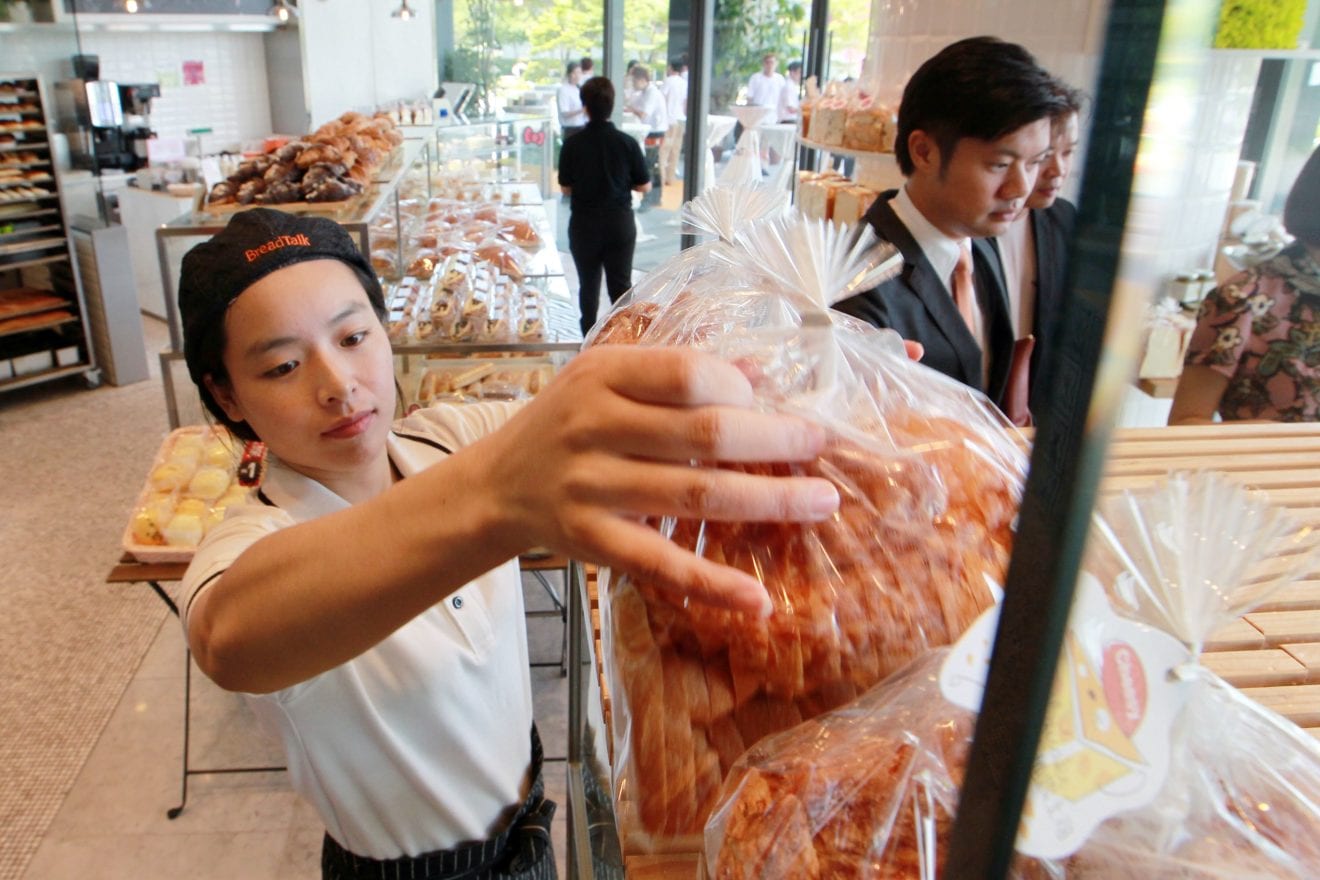
    BreadTalk Group has partnered with Shenzhen Pindao Food & Beverage Management to introduce tea beverages to Singapore and Thailand.

    BreadTalk’s wholly owned subsidiary Together Inc and Shenzhen Pindao have formed a JV, BTG-Pindao Venture. Together Inc will hold a 90 per cent stake of the JV, with Pindao holding the balance. Under the S$3 million (US$2.2) agreement, BTG-Pindao will run and manage tea beverage brands Nayuki and Tai Gai in Singapore and Thailand, with a first right of refusal for Malaysia, Indonesia and the Philippines.

    The first Tai Gai store outside China is slated to be launched late this year. While it offers a novel way of appreciating tea, Nayuki brings a new cafe concept of premium tea creations complemented by European-inspired artisanal breads. Tai Gai first opened in China in July 2015, followed four months later by Nayuki.

    “It took us just three years to build both Nayuki and Tai Gai to more than 100 stores in China, despite a landscape where international beverage chains were capturing the hearts of many young consumers,” says Pindao CEO Zhao Lin.

    Founded as a bakery brand in Singapore in 2000, BreadTalk has become an award-winning F&B group with bakery, restaurant and food-atrium footprints. With nearly 1000 retail stores across 17 territories, its brand portfolio comprises Bread Society, BreadTalk, Din Tai Fung, Food Republic, So, The Icing Room, Thye Moh Chan and Toast Box.

  • Carrefour opens ‘smart store’ in Shanghai

    Carrefour opens ‘smart store’ in Shanghai

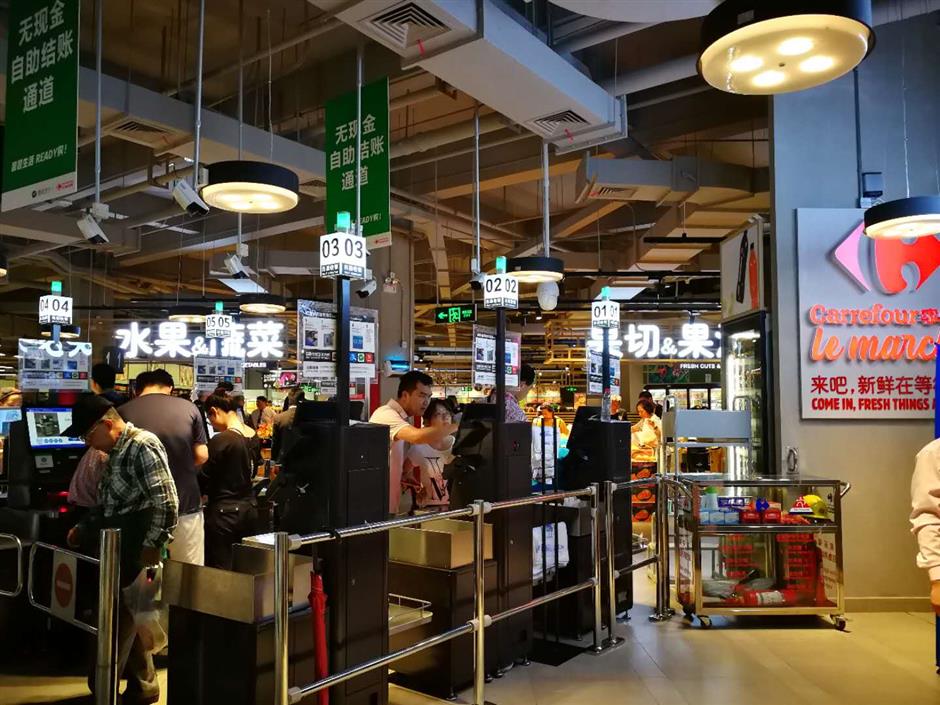
    Carrefour China has opened its first-ever ‘smart supermarket’ in Shanghai in partnership with Tencent, four months after the parent company of the WeChat app bought a stake in the French retailer.

    Covering 4000sqm over two levels in Changning district, the new Le Marche store is connected to the Beixinjing metro station. It offers more than 25,000 product types, mostly food, and customers can pay with their WeChat accounts by scanning a QR code and using facial-recognition technology.

    A feature of the supermarket is on-screen entertainment, including reality TV show Produce 101, owned by Tencent’s video arm.

  • Givenchy opens WeChat store in China

    Givenchy opens WeChat store in China

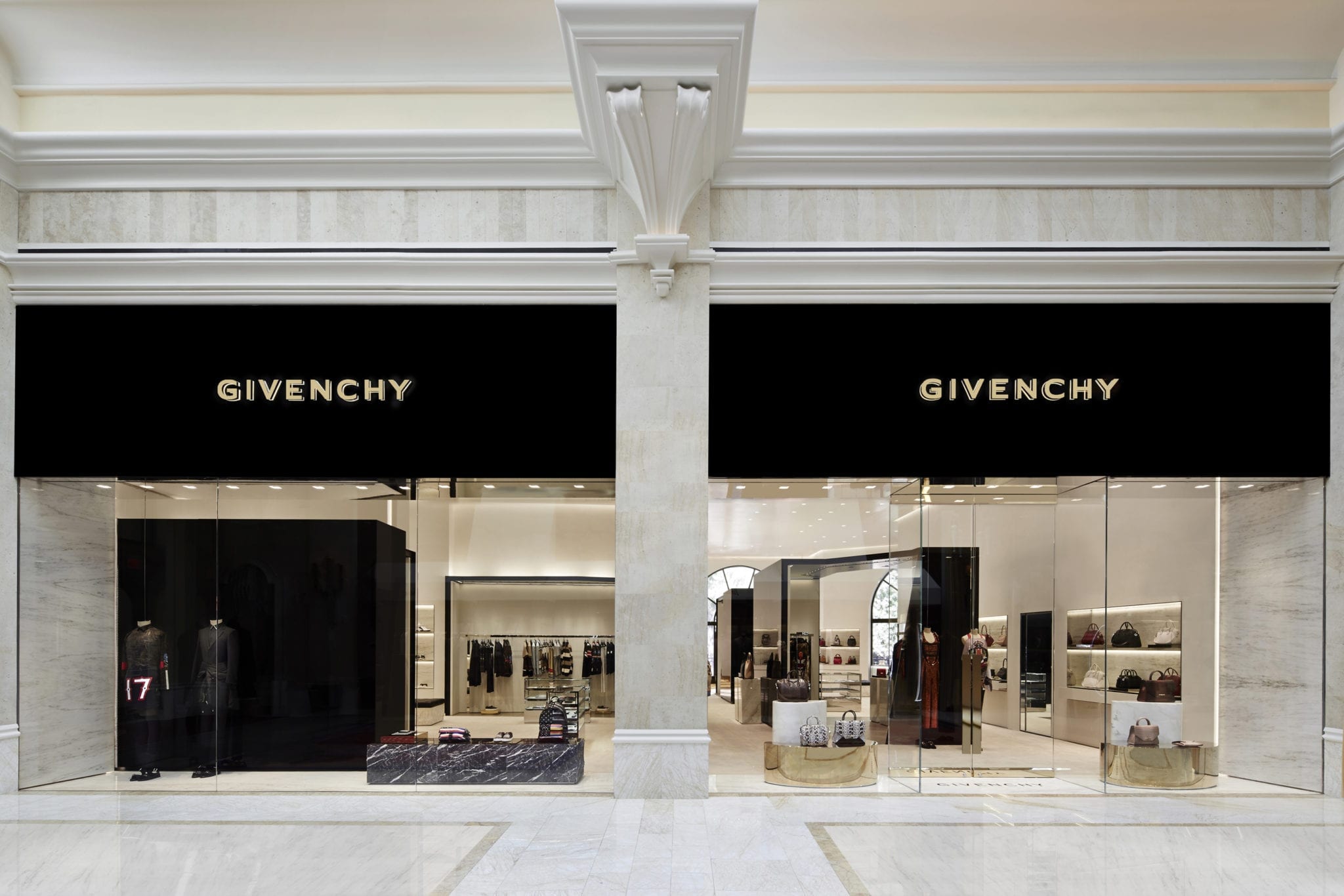
    France’s Givenchy is revamping its retail reach in Asia, with the rollout of a WeChat store in China.

    Bowing 15 May 2018, the new WeChat boutique store is an extension of Givenchy’s premium offline service, and aims to offer a convenient yet immersive shopping experience for wealthy Chinese consumers, according to a statement from the Paris brand.

    Via WeChat, Chinese users can now browse through an exclusive, limited-edition collection, with pieces from ready-to-wear apparel and leather goods to accessories, allowing shoppers to place orders directly on the app.

    The WeChat store was designed by the newly appointed Creative Director, Clare Waight Keller, who was also named the couturier behind the bridal gown worn by the newly crowned Duchess of Sussex, Meghan Markle, commemorating her marriage to Prince Harry.

    The LVMH Group-owned maison becomes the latest in a slew of stellar brands to open a WeChat store for Chinese customers, following the digital footprint of rivals Christian Dior and Gucci.

    Prior to WeChat, Givenchy targeted offline shoppers in Chian through collaborations with the country’s top-tier fashion KOLs – gogoboi and Mr.Bags.

    WeChat’s monthly users figure hit 1 billion per month in March this year and the app has become a marketing must-have for international luxury brands looking to build a connection with Chinese consumers.

    LVMH group has been witnessing solid sales growth in Asia. Demand from Asian shoppers has boosted makers of high-end handbags, clothing and watches the past year, thanks in particular to thriving Chinese demand.

    In 2017, shopping, food, and travel increased exponentially, up 22.2 percent to 333.9 billion RMB (approximately $52.22 billion).

  • China no longer ‘easy’ on Vietnamese agricultural produce

    China no longer ‘easy’ on Vietnamese agricultural produce

    Vietnam should expand its agricultural exports to other markets instead of being dependant on China where standards on export items are being tightened, a meeting heard on Tuesday.

    China is now following international practices, tracing food origins and performing quality checks on imported agricultural produce, including those from Vietnam, said Tran Tuan Anh, Minister of Industry and Trade at the National Assembly meeting.

    The northern neighbor used to allow 100 Vietnamese businesses to export rice, but now only 27 of them are permitted, Anh said.

    For years, China’s fluctuating agricultural demand has also been hurting Vietnamese farmers. Many Chinese dealers have cancelled their deals with Vietnamese farmers, resulting in an oversupply of seasonal produce that are often exported to China through informal channels like watermelon and chili.

    Last year, volunteers in Hanoi had to start “rescue campaigns” to sell nearly 300 tons of watermelons which were being left to rot as there was a lack of demand.

    “If we keep focusing on the Chinese market and don’t look for alternatives, the consequences will be grave,” the minister said, adding that Vietnam should have new policies to remove export barriers.

    China is by far the biggest importer of Vietnam’s agricultural produce, accounting for 77 percent of total export turnover in the first four months of this year, whereas the U.S. only made up about 2.8 percent and Japan 2.7 percent.

    Large population, proximity and established trade relations explain China’s dominance. The country is also known to offer Vietnamese farmers attractive incentives.

    Vietnam exported about $36.37 billion worth of agriculture and fisheries products last year, according to the Ministry of Agriculture and Rural Development.

  • China’s Xiaomi expands into France and Italy

    China’s Xiaomi expands into France and Italy

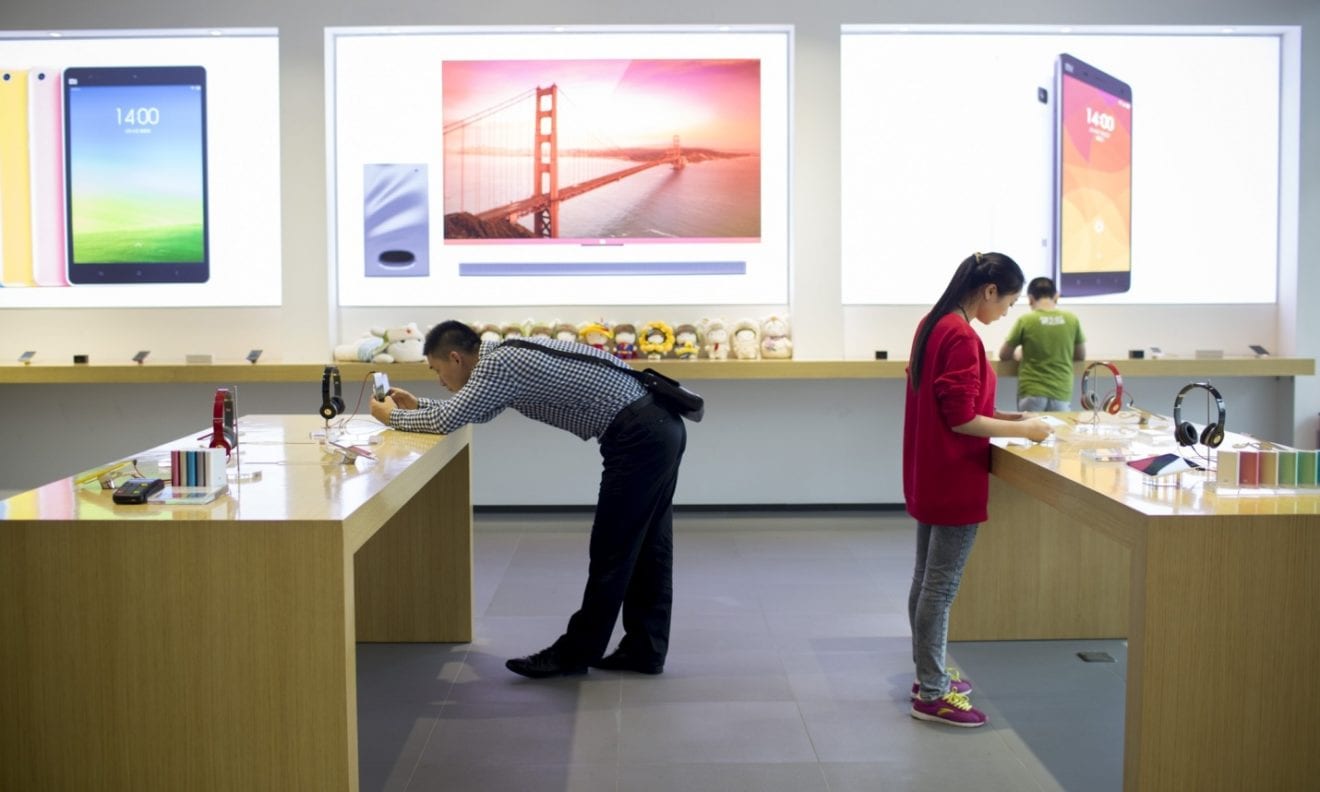
    Chinese smartphone maker Xiaomi Corp, which is planning to raise US$10 billion in a Hong Kong public listing, says it has launched sales in France and will enter the Italian market tomorrow.

    In France, Xiaomi is selling through its first Mi Store in Paris, via its own e-commerce platform Mi.com, and on other online and offline platforms including Amazon and Cdiscount. To date, the Beijing company has established a presence in 74 markets and has agreements with telecoms carriers in France, including Bouygues, Free, Orange and SFR.

    Smartphone shipments in western Europe fell 13.9 per cent in the first quarter, according to market research firm Canalys. Shipments to France dropped 23.2 per cent.

    However, Xiaomi shipments rose by more than 999 per cent, while Samsung and Apple saw 15.4 and 5.4 per cent declines respectively.

  • Benoy wins international design competition for COFCO

    Benoy wins international design competition for COFCO

    International architectural company Benoy has won the bidding for the Cofco Joy Breeze project in Suzhou, beating out several other global design firms.

    It is another Cofco project for Benoy following the Joy City development in Hangzhou.

    Joy Breeze is in Suzhou’s central Xiangcheng district, close to the entrance to the city’s planned central park. With a GFA of 300,000sqm, the mixed-use project brings together a retail mall, retail streets, public transport hub and parking.

    “Our brief was to create a major commercial opportunity on this site as well as capture the interest of the district’s 25- to 45-year-old community,” says Benoy Shanghai studio director/head Qin Pang. “We were inspired by a passage from the Analects of Confucius which speaks of former eras and the feeling of enjoyment in the springtime. Our design has aimed to evoke these feelings and memories of happy spring days spent exploring new places.”

    Subsequently, the retail, recreation and entertainment hub emphasises diversity through the variety of its spaces. It offers a network of balconies, rooftops, public squares, retail streets and boxes. The various sections are linked by a multi-level thoroughfare through each floor, ensuring the scheme can be navigated as a whole.

    “We’ve paid attention to that special element of surprise,” says Qin. “For visitors coming day to day to do their shopping or meet with friends, each visit will bring a new experience.”

    Through the openness of its design as well as multiple entry points and extensive street frontage, the Joy Breeze development also integrates with its surrounding urban and natural environments and nearby residential areas.

    As a transport hub, the project is close to Longdaobang Metro Station and includes a bus station terminal.

    Construction is expected to start next year.

  • Overlook to the future Chinese Real Estate market

    Overlook to the future Chinese Real Estate market

    Since the origination of REITs in the United States, in the 50 years of its development, REITs in the United States, Singapore, Japan has been running on a rather perfect system, with legal policies and tax system. REITs was able to help the countries in growth, sustainable decisions, and the industry coordination. China had the first REITs in 2005. Since then, REITs in China have been moving forward, to seek further opportunity.

    The new age of investment has come. PE is the most anticipated type of investment that most of the investors that are eyeing for. According to Asset Management Association of China, by the end of Februrary 2018, PE Fund pool have reached monthly growth of 250 billion Yuan, totaling 12 trillion Yuan. It has its competition to Public Placement.

    With the development of Real Estate Equity Fund and REITs, an increase in the amount of firms are interested to be a part of it. As the fundamental, Finfo Global along with CaishiV is going to host the 2nd Real Estate Equity Investment & REITs in Shanghai on May 17. The event have gathered worldwide trust firms, insurance company, law firms, securities, asset managements and banks. The event is excepting more than 300 managerial positioned attendees.

    At the event, Weida Kuang from China Remin University, National Development and Strategy Institution, City and Real Estate Institution with be introducing his ideas over the macro economy and the effect of the industry of real estates. Also, there are newly added topics such as low-cost rental housing, public rental housing, rental housing REITs, investment opportunities in second and third tier cities, offshore real estate PE Fund and its structuring,

    To learn more, please go to: https://www.peinreits.com/index.php/en/index.html

  • LF Beauty’s Creative Days envisions the future of beauty in China

    LF Beauty’s Creative Days envisions the future of beauty in China

    LF Beauty, a one-stop shop partner and supplier of product solutions for fragrance, skincare, color cosmetics, interactive POS displays and beauty instruments for world-class brands, retailers and direct marketers, today launched its Creative Days concept event at LiFung Plaza in Shanghai. The event followed a successful first launch in 2016.

    As the largest and fastest-growing beauty market in the world, China is one of LF Beauty’s key markets. According to Euromonitor, the Chinese beauty and personal care market was forecasted to grow by 30% between 2016 and 2021 to a total value of 434 billion RMB, equivalent to 69 billion USD. Premium beauty and personal market was expected to grow even faster at an astonishing rate of 53%. The China consumer today, especially millennials, wants personalized products and innovative formulations. Millennials in China are placing increased importance on skincare and skin protection from external factors such as UV light and pollution.

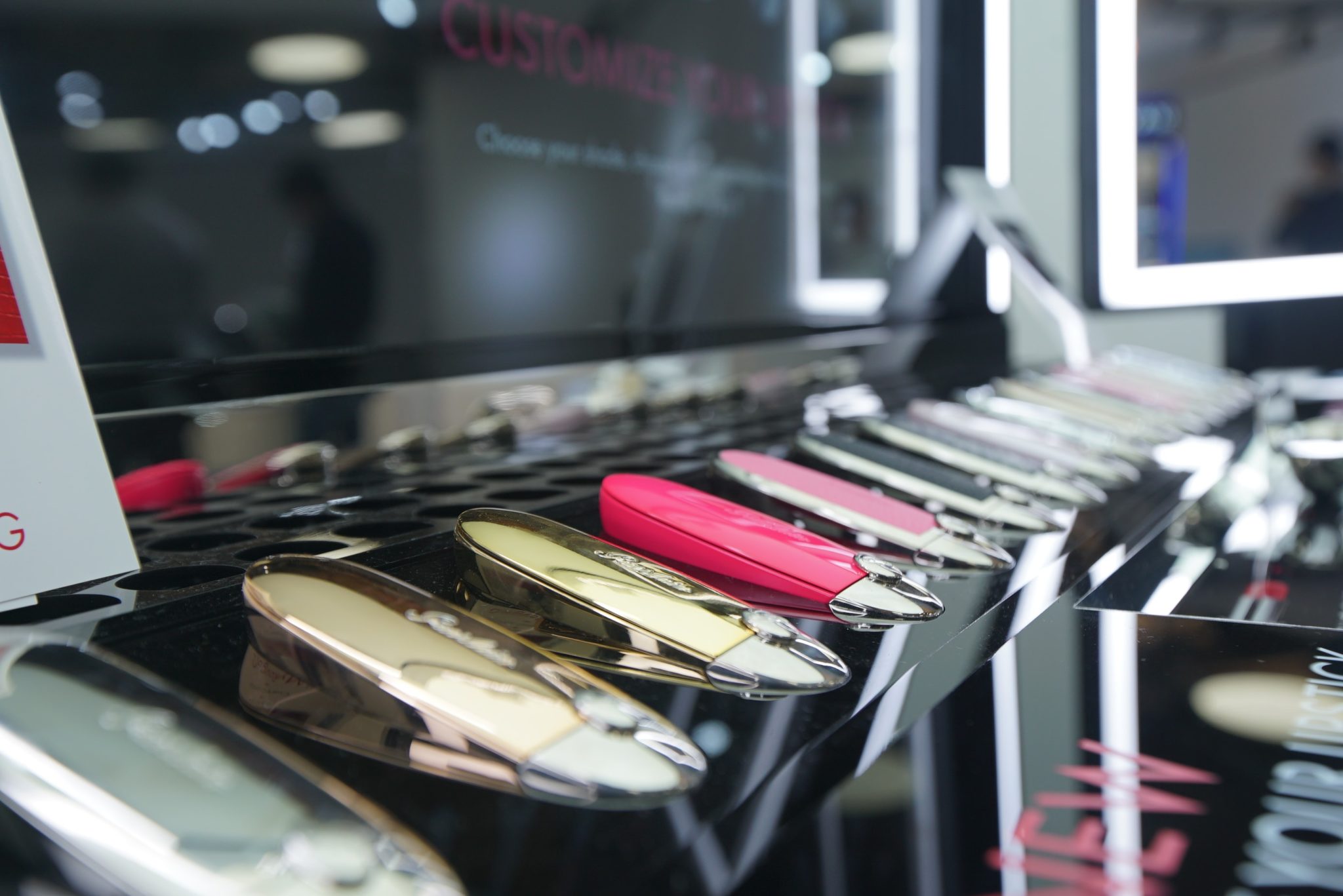
    At this year’s Creative Days, LF Beauty showcased a wide array of innovative skin care, color cosmetics and fragrance products and solutions, as well as interactive point-of-sale (POS) displays to close to 30 top international and local beauty brands, demonstrating how LF Beauty can create extra value to them and co-create innovative products and solutions that meet the rapidly evolving needs of digital-savvy Chinese consumers.

    Mario Salvatori, Executive Vice President of LF Beauty, said, “Today’s consumer is always looking for something new and fresh to update their image. This makes it a very exciting time for LF Beauty. The future of beauty is about collecting consumer insights both online and offline, providing personalized shopping experiences, developing innovative technology and promoting sustainable beauty. LF Beauty, which brings in-depth experience working with numerous well-known international beauty brands, is well-positioned to help beauty brands in China to meet the ever-changing needs of the Chinese consumers.”

    A key focus of the event was how LF Beauty could provide relevant data insights to help beauty brands spot trends in different age groups and markets, ultimately enabling those brands to achieve better sales performance through more informed product development and purchase decisions, as well as reduced inventory. Beauty brands who attended the event could see first-hand how leading brands are using the latest interactive point-of-sale (POS) displays to obtain customer intelligence.

    In response to the emphasis on skin protection, LF Beauty showcased anti-blue light products, targeted at millennials who are frequently on digital devices, and anti-pollution skin care products.

    William Mark, Senior Vice President of LF Beauty, said, “We have developed formulas and some are ready to go to address the anti-blue lights and anti-pollution skin maintenance needs, I am really excited about this market needs and trend in China and LF Beauty is uniquely positioned to supply end-to-end solutions in this front.”
    “We really see LF Beauty as a convener to bring brands, retailers and players in the industry together and co-create innovative products and solutions as well as provide consumer insights to help brands making more informed decisions– and that is what the future of beauty is going to look like,” said Mario.