Tag: China

  • China leads global 5G race by narrow margin

    China leads global 5G race by narrow margin

    China holds a narrow lead in overall 5G readiness ahead of South Korea and the United States, according to Analysys Mason. In a separate report, Recon Analytics said US 4G leadership drove significant economic benefits suggesting the need for the US to maintain its global leadership in the burgeoning new communication standard.

    In evaluating the current status of the global race to 5G, Analysys Mason studied 5G spectrum and infrastructure policies as well the commercial industry plans of ten countries and ranked these in terms of their 5G readiness.

    Establishing 5G leaders

    At the top of the pole is China, followed by South Korea, the United States and Japan. China’s narrow lead is due to a combination of both proactive government policies and industry momentum. The United States is hanging on to its position mostly on the back of significant investments in next-generation networks by the country’s wireless operators.

    All major Chinese providers have committed to specific launch dates and the government has committed to at least 100MHz of mid-band spectrum and 2000MHz of high-band spectrum for each wireless provider.

    Countries around the world are moving quickly to make spectrum available for 5G. This year alone, the UK, Spain, and Italy are all holding 5G spectrum auctions.

    Meredith Attwell Baker, CTIA president and CEO noted that “today’s research highlights the importance of policymaker action in 2018 to reform local zoning rules and unlock access to mid-band spectrum as part of a broader spectrum pipeline plan. I’m optimistic we will leapfrog China because key leaders in the Administration, on Capitol Hill, and at the FCC are focused on the reforms needed to win the race.”

    At the end of 2018, the USA will rank sixth out of the 10 countries in mid-band (3–GHz to 24-GHz) spectrum availability, a critical band for 5G. The USA joins Russia and Canada as the only countries currently without announced plans to allocate mid-band spectrum on an exclusive basis to mobile by the end of 2020.

    Kester Mann, principal analyst covering operators at CCS Insight, corroborated Baker’s analysis, adding that “the industry might be struggling to establish the business models for investment in 5G, but this isn’t stopping leading operators battling for bragging rights to launch the first networks. Competitive forces and the need for capacity are the leading drivers of early deployment, although we caution this could set unrealistic expectations for initial network capability”.

    Countries like the UK and regions like the European Union are taking significant steps to modernize infrastructure rules to facilitate the deployment of 5G networks.

    “When countries lose global leadership in a generation of wireless, jobs are shed and technology innovation gets exported overseas,” Recon Analytics founder Roger Entner said.

    “Conversely, leading the world in wireless brings significant economic benefits, as the USA has seen with its 4G leadership. These are the serious stakes that face American policymakers in the escalating global race to 5G.”

    Losing wireless leadership had long-term negative effects on Japan and Europe, contributing to job losses and the contraction of their domestic wireless industries.

    Opportunity

    CCS Insight’s forecast estimates total global 5G connections in 2020 at almost 60 million, rising more than 50% against October 2017 estimates, and presenting a stronger outlook for 2021 at 280 million connections — a 25% improvement. CCS Insight still expects the 1 billion mark to be breached in mid-2023, and its projection for 2025 has inched up to 2.7 billion.

  • Luxottica sales hit by China restructure

    Luxottica sales hit by China restructure

    Luxottica announced a decrease in first-quarter sales for fiscal 2018, hurt by a slump in European revenues due to bad weather, and distribution restructuring in China.

    The maker and distributor of luxury eyewear said first-quarter revenue plummeted 10.7 percent to 2.13 billion euros, compared with 2.39 billion euros in the same period the previous year. With the effect of currency swings, sales were down 0.8 percent.

    For the three months ended March 31, the Italian firm’s wholesale channel recorded an 11.1 percent to 830 million euros, or 4.2 percent at constant exchange rates, hurt by bad weather in Europe, which delayed orders by several weeks.

    For the quarter, retail sales were down 10.4 percent to 1.3 billion euros, but grew 1.3 percent at constant exchange rates, while comparable-store sales decreased 0.6 percent, said the firm.

    By region, Asia-Pacific sales declined 9.3 percent to 279 million euros, representing 13 percent of total sales for the quarter.

    The dive was driven by China’s negative performance, as Luxottica continues to restructure its distribution channel, taking it to a more direct-to-consumer model.

    The overall China downfall was offset by Australia, Japan and India, as well as travel retail, benefitting from stellar retail performances at Sunglass Hut at OPSM in Australia and LensCrafters and Ray-Ban stores in China.

    By comparison sales in North America were down 13 percent to 1.19 billion euros, accounting for 56 percent of total revenues; Europe retail sales decreased 5.5 percent to 489 million euros, after twelve consecutive quarters of growth; and sales in Latin America decreased 9.8 percent to 131 million euros.

    Looking ahead, the Italian company confirmed its full-year guidance and remains in the process of merging with French lens maker Essilor. The merger has been cleared by antitrust authorities in 18 separate countries but awaits approval from China still.

    Luxottica is licensed to make eyewear frames for luxury fashion brands such Armani, Michael Kors and Prada, and is the owner and maker of sunglass brands Ray-Ban, Oakley and Oliver Peoples.

  • Alibaba buys Pakistani online retailer Daraz

    Alibaba buys Pakistani online retailer Daraz

    Alibaba has bought Pakistani e-commerce firm Daraz, as the Chinese tech giant looks to increase its presence in South Asia.

    Financial details of the transaction, which was announced on Tuesday, were undisclosed.

    Daraz, founded in 2012, is backed by European tech incubator Rocket Internet. It operates in Bangladesh, Myanmar, Sri Lanka and Nepal as well as Pakistan.

    The deal marks another foray for billionaire entrepreneur Jack Ma’s Alibaba into the South Asian market. The e-commerce titan invested in India’s popular payment app Paytm in 2015.

    “Together with Daraz, we can now empower entrepreneurs to better serve consumers in the region through our technology and expertise,” Alibaba CEO Daniel Zhang said in a statement Tuesday.

    Daraz will continue to operate under the same brand, Rocket Internet said in a statement.

  • China Tower files IPO application

    China Tower files IPO application

    Chinese state-backed tower company China Tower has filed an application for an IPO on the Hong Kong Stock Exchange (HKSE) that could raise as much as $10 billion.

    The company, which was created to hold the tower assets of China’s big three state-backed operators China Mobile, China Telecom and China Unicom, filed its IPO documents on Monday.

    The report cites unnamed sources as stating that China Tower is expected to seek a valuation of up to $40 billion, although the final size of the offer will depend on market sentiment.

    China Tower is the world’s largest tower company, operating around 1.9 million tower sites across China. The company’s net profit grew more than 25 times last year to 1.9 billion yuan, according to its prospectus.

    China Tower was established in 2015 as part of a government-directed initiative to eliminate inefficiencies and duplication of assets. China Mobile, China Unicom and China Telecom agreed to transfer their tower assets to the joint venture in exchange for a 38%, 28.1% and 27.9% stake respectively. State-owned asset manager China Reform Holding took the remaining 6%.

    The joint venture had initially planned to hold its IPO early this year, but had reportedly faced delays in securing the needed approvals.

    China Tower’s IPO could be the second $10 billion public offer on the HKSE this year. Earlier this month Chinese smartphone maker Xiaomi filed documents for its own IPO.

  • China’s online shoppers expected to spend US$1 trillion in purchases

    China’s online shoppers expected to spend US$1 trillion in purchases

    China has more than 500 million online shoppers whose spending is set to exceed US$1 trillion this year.

    Of this, cross-border e-commerce purchases are about to reach $125 billion, according to new research by consultancy Frost & Sullivan. In partnership with China retail strategy expert Azoya Consulting, it has released the report The Cross-border e-Commerce (haitao) Opportunity in China.

    This includes research among more than 1000 online shoppers in China, together with findings from interviews with more than 100 international retailers and brand owners.

    Frost & Sullivan Asia-Pacific consulting director Mark Dougan says the average online shopper in China spends almost $850 a year on purchases from overseas retailers. “Chinese consumers are significantly motivated by the perceived higher quality overseas retailers offer, while the risk of buying fake goods is lower.”

    The research also shows that cross-border online shopping is growing strongly, with 63 per cent of Chinese shoppers planning to increase their spending this year. Fashion is the top category bought from overseas retailers (22 per cent of online shoppers in the past month), beauty and cosmetics (20 per cent) and mother and baby (15 per cent).

    As a country of origin, Japan gains the most confidence from Chinese online shoppers (72 per cent), followed by South Korea (60 per cent).

    Women are higher cross-border online shoppers than men, spending $976 on average annually, which is 20 per cent more than men. Men seek fast delivery, while women seek Chinese-language customer support. Women are more likely to use an overseas supplier’s standalone direct-to-consumer website (21 vs. 18 per cent of men).

    More than 80 per cent of global retailers see China as an attractive market opportunity yet only 30 per cent are satisfied with their current level of sales in China. This is particularly the case for those using Chinese marketplaces as their online channel, where only 21 per cent of retailers are satisfied with their sales levels.

    “To build a brand that Chinese consumers trust, that commands a healthy profit margin and repeat buyers, retailers need to approach customers through multiple touchpoints,” says Azoya International co-founder Don Zhao.

  • Starbucks China believes in a strong future by doubling Shops

    Starbucks China believes in a strong future by doubling Shops

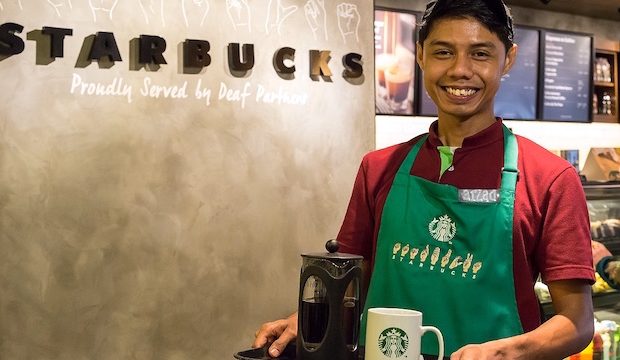
    Starbucks China plans to open a new store every 15 hours for the next five years, doubling its store count to 6000.

    During its first-ever China Investor Conference in Shanghai on Tuesday, the US-headquartered coffee company said it plans to more than triple sales and more than double operating income in China by the end of 2022, compared with last year’s levels.

    At the end of last year, Starbucks China had about 3000 stores. Yesterday the company promised to open 600 annually from this year through to 2022.

    “The power of our brand in China, the strength and momentum in our business, and the world-class Chinese leadership team give me great confidence in our ability to capture the enormous growth opportunities ahead in this dynamic market,” said Kevin Johnson, Starbucks president and CEO. “No Western company or brand is better positioned to evolve with the rapidly expanding Chinese middle class – and we continue to mindfully evolve a coffee culture in China where the reward will be healthy, long-term, profitable growth for decades to come. We are committed to long-term investment in China.”

    Starbucks China’s agenda is to focus on enhancing its coffee-forward approach to elevating the third place (a philosophy in which home and workplace are the first two places and Starbucks is the third, as a preferred leisure space), building deeper customer relationships in digital and extending the Starbucks Experience to the on-the-go and at-home consumers.

    “Starbucks is committed to playing the long game in China and is proud to be an integral part of the local community for nearly 20 years,” said Belinda Wong, Starbucks China CEO.

    “The strong trusted relationships between our partners and customers give me great confidence in our ability to deliver our long-term growth while continuing to make investments in China, for China.”

    Disciplined growth in China

    Starbucks China says its newest generation stores are delivering the highest average unit volumes, return on investment and profitability of any of the market’s prior store classes in its history – “a clear demonstration that customers in China continue to embrace the Starbucks brand”.

    The company has drafted what it terms a “brand roadmap” to deepen coffee knowledge and human connection, “creating a Starbucks Discovery Journey that manifests itself into a unique store development process and respect for local heritage specific to China”.

    This journey starts with locally curated, core store experiences. After opening its first Starbucks Reserve Bar in 2014, it now has more than 150 of them and will reach 200 by the end of this year.

    Beijing Fun flagship

    Next month, the company will open its newest multi-level concept – the Beijing Fun flagship store. Located inside the high-traffic Beijing Fun shopping area, this will be the largest store globally, aside from its Roasteries.

    Starbucks China also plans to expand its in-store experience and drive customer loyalty using apps and other digital platforms, embracing personalisation, mobile ordering and payment services, and home or office delivery.

    During the past four years, the number of active 90-day loyalty members has nearly tripled to almost 7 million – and 90 per cent of members are now actively using the Starbucks app.

    Early last year, the company launched a social media gifting feature “Say it with Starbucks” on WeChat. That has now expanded onto the Alibaba platform.

    More than 60 per cent of transactions in Starbucks China stores are completed with digital payments, with just 20 per cent in cash.

    Ready-to-drink

    Over the next five years, the Starbucks China Ready-to-Drink (RTD) business is expected to expand to more than 400 major Chinese cities across more than 125,000 premium points of distribution in partnership with Tingyi, a leader in China’s RTD beverage category.

    Next month, the company will introduce the Starbucks chilled cup platform with four flavours, launching a new Starbucks category to Chinese consumers.

    “This beverage platform is expected to quickly become a preferred on-the-go format for coffee and tea in China. The chilled cup concept builds on the success of Starbucks Doubleshot RTD beverages, which were introduced last month,” the company said.

    Starbucks China also plans to use the recently announced global coffee alliance with Nestle to provide more at-home options to Chinese consumers.

    “The alliance will enable Starbucks channel development to grow its reach and scale in the single-serve and foodservice businesses, leveraging Nestle’s reach to expand Starbucks consumer packaged goods presence from 28 countries to nearly 190 countries around the world. The alliance will also bring Starbucks Coffee to both the Nespresso and Nescafe Dolce Gusto machine platforms around the world,” said Starbucks.

  • JD invests another $306 million in supply chain partner ESR

    JD invests another $306 million in supply chain partner ESR

    Chinese e-commerce giant JD has invested US$306 million in its supply chain partner ESR, creating an alliance the two companies say will enables best-in-class logistics services for customers and businesses in China and beyond.

    ESR, a pan-Asian logistics real estate developer, owner, and operator focused on key metropolitan areas was co-founded by senior management and Warburg Pincus. It has $12 billion worth of assets owned or under development across China, Japan, Singapore, South Korea and India and capital and fund management offices in Hong Kong and Singapore.

    JD and ESR say they will use their resources and management expertise to proactively explore cooperation in multiple areas, including property development, fund management, and investment across the region.

    “Investing in ESR, one of our major warehouse partners, presents tremendous opportunities for us,” said JD Logistics CEO Zhenhui Wang. “The investment will further strengthen our relationship to solidify and expand our logistics networks.”

    China’s burgeoning e-commerce industry has triggered a logistics boom in the region. Government figures say online sales reached US$307 billion in the first quarter of this year, accounting for 21.4 per cent of total retail sales.

    Jeffrey Shen and Stuart Gibson, Co-CEOs of ESR, said matching JD’s network and smart supply chain capabilities with ESR’s penetration into both developed and emerging markets across Asia Pacific, would allow the allied companies to capitalise on megatrends in the region.

  • Amorepacific teams with magazine for their pop-up store

    Amorepacific teams with magazine for their pop-up store

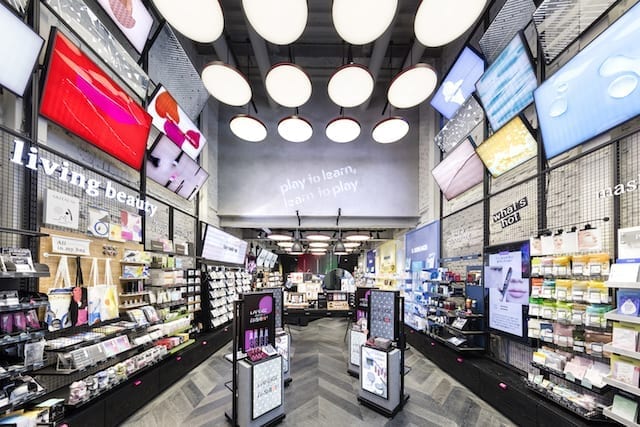
    Amorepacific has partnered with Marie Claire magazine to open its first global beauty pop-up, in New York City.

    Open for 10 more days, the shop features products from such Amorepacific brands as Amorepacific, Annick Goutal, Iope, Laneige, Mamonde and Sulwhasoo.

    Special activities at the store include the opportunity to meet beauty experts, on-site treatments and product sampling.

    Discounts and exclusive gifts are also being offered.

    Meanwhile, Amorepacific has kicked off plans to go global with Etude House, Hera, Laneige, and Mamonde.

  • China said to restart review of Qualcomm-NXP deal

    China said to restart review of Qualcomm-NXP deal

    Chinese regulators have reportedly restarted their review into chipmaker Qualcomm’s planned $44 billion acquisition of NXP Semiconductor, after suspending the review due to the growing trade tensions between China and the US.

    Officials at China’s Ministry of Commerce have been asked to hasten the review into the acquisition, as well as Qualcomm’s proposed remedies to protect Chinese companies to soften the deal.

    According to the report, Chinese companies have expressed concerns that the combined entity would allow Qualcomm to extend its patent licensing business into areas including mobile payments and autonomous driving, which could threaten the viability of companies operating in this area.

    China is the last remaining required global regulator to approve the acquisition. Regulators have been stalling the takeover for some time amid growing trade tensions with the US.

    The decision to expedite the approval process may be related to the decision by US president Donald Trump to intervene to work out a solution to allow ZTE to get back in business.

    The Chinese vendor was forced to cease major operations last week in the wake on a ban on the company importing components from US providers.

  • Yoghurt and cheese experience consistent high value retail sales growth

    Yoghurt and cheese experience consistent high value retail sales growth

    While the overall dairy market in China is growing stably, the various categories are experiencing differing performance. New research from Mintel reveals that yoghurt and cheese are the market’s winning categories in recent years with yoghurt maintaining an annual retail sales growth of over 20% since 2014. Meanwhile, the cheese category has seen a growth rate of 15-25% from 2015-17. Looking ahead, Mintel forecasts the dairy market to grow at a 6.6% CAGR (compound annual growth rate) in value, to reach RMB 349.7 billion in 2022.

    Despite consistent sales growth for yoghurt and cheese, Mintel Market Sizes data shows that annual per capita volume consumption for major dairy products remains low compared to other countries. For example, per capita volume milk consumption in China is 14.3 litres, compared to 36.8 litres in Japan and 51.7 litres in the US; per person consumption of yoghurt in China is 3.43 kg, 4.92 kg in the US and 9.66 kg in Japan. Finally, the Chinese consume a mere 0.02 kg of cheese per person, while the Japanese take in 1.46 kg per person and, in the US, an impressive 6.89 kg per person.

    Summer Chen, senior food and drink analyst at Mintel, said,

    “Dairy consumption in China is still low when compared to Japan, where consumers share a similar dietary tradition to China. Mintel research indicates that China’s dairy market growth will be driven by increased consumption, resulting from the expansion of consumption occasion, value increase due to the rising price of raw milk, and consumers trading up to more premium options. When we look specifically at the yoghurt market, thanks to the recent craze over ambient yoghurt, the category is now leading not only in China’s dairy market, but among all food and drink products.”

    When it comes to dairy products, health-related factors are the main areas consumers are willing to pay more for. Among the four surveyed dairy products (including milk, yoghurt, butter and cheese), milk and yoghurt are perceived by consumers to be healthier and more nutritious (51% and 48% respectively), helping to improve immunity (49% and 44% respectively), and also good for kids (51% and 49% respectively) and the elderly (46% and 37% respectively).

    In addition, milk is more closely related with being high in protein (47%), and yoghurt with being easy to digest (60%). Butter is less likely to be associated with the same benefits, rather with issues such as being high in calories (50%), fat (45%) and cholesterol (34%). Cheese is somewhere in between, associated with benefits such as being high in protein (38%) and nutritious (37%), as well as being high in calories (43%) and fat (41%).

    Both plus claims, ie with additional nutrients (47%) and other healthy food as ingredients (44%), and minus claims, ie low fat or fat free (47%) and no-additives (45%), are critical improvements consumers are most willing to pay more for. Products designed for a special group of people (38%), such as those who are getting fit, is also among the top features consumers are willing to pay a premium for.

    By comparison, packaging- and taste-related factors—such as convenient packaging (29%) and limited seasonal flavours (22%)—are secondary factors for consumers considering buying premium options.

    “As consumers gradually become more aware of their dairy intake, both in quantity and quality, our research shows that plus and minus health claims are seen as worthy of paying extra for by urban Chinese consumers,” Summer added.

    In general, urban Chinese consumers prefer dairy products from big (65%) and nationwide (59%) dairy brands. While their attitudes towards local milk sources are pretty divided—44% believe they are reliable, while 36% believe local milk sources are not reliable. Nevertheless, more consumers prefer imported dairy products (43%) than domestic ones (34%). Even among those who trust local milk sources, 32% prefer imported dairy products.

    “When looking at the battle between domestic and imported dairy products, it seems that while urban Chinese consumers are regaining confidence in domestic milk sources and products, they still prefer imported options. To appeal more to consumers, domestic brands need to strengthen their offering in other areas, like positioning with a premium brand image, showcasing additional health benefits, and spotlighting innovative flavours in order to compete with imported brands,” Summer concluded.

  • Amorepacific’s profit slide due to Chinese Challenges

    Amorepacific’s profit slide due to Chinese Challenges

    A sharp drop in Chinese tourist numbers has seen South Korean cosmetics maker Amorepacific’s profit slide 20.9 per cent in the first quarter.

    Net income came to KRW176.7 billion (US$163 million) in the January-March period, down from KRW223.5 billion won.

    Operating profit fell 25.5 per cent to KRW235.9 billion, while sales declined 8.8 per cent to KRW1.43 trillion during the cited period, it said.

    Amorepacific says the weak performance follows the decline in inbound tourists from China following the Beijing government’s ban on sales of Korea-bound package tours amid a diplomatic row over the deployment of a US missile system.

    The combined net income of Amorepacific Group, which includes brands like Etude and Innisfree, reached KRW216 billion in the quarter, also down 18.9 per cent.

    The total operating profit was down 26.5 per cent to KRW278.1 billion, and sales fell 10.3 per cent to KRW1.66 trillion.

  • ETF Conference to be held in Shanghai

    ETF Conference to be held in Shanghai

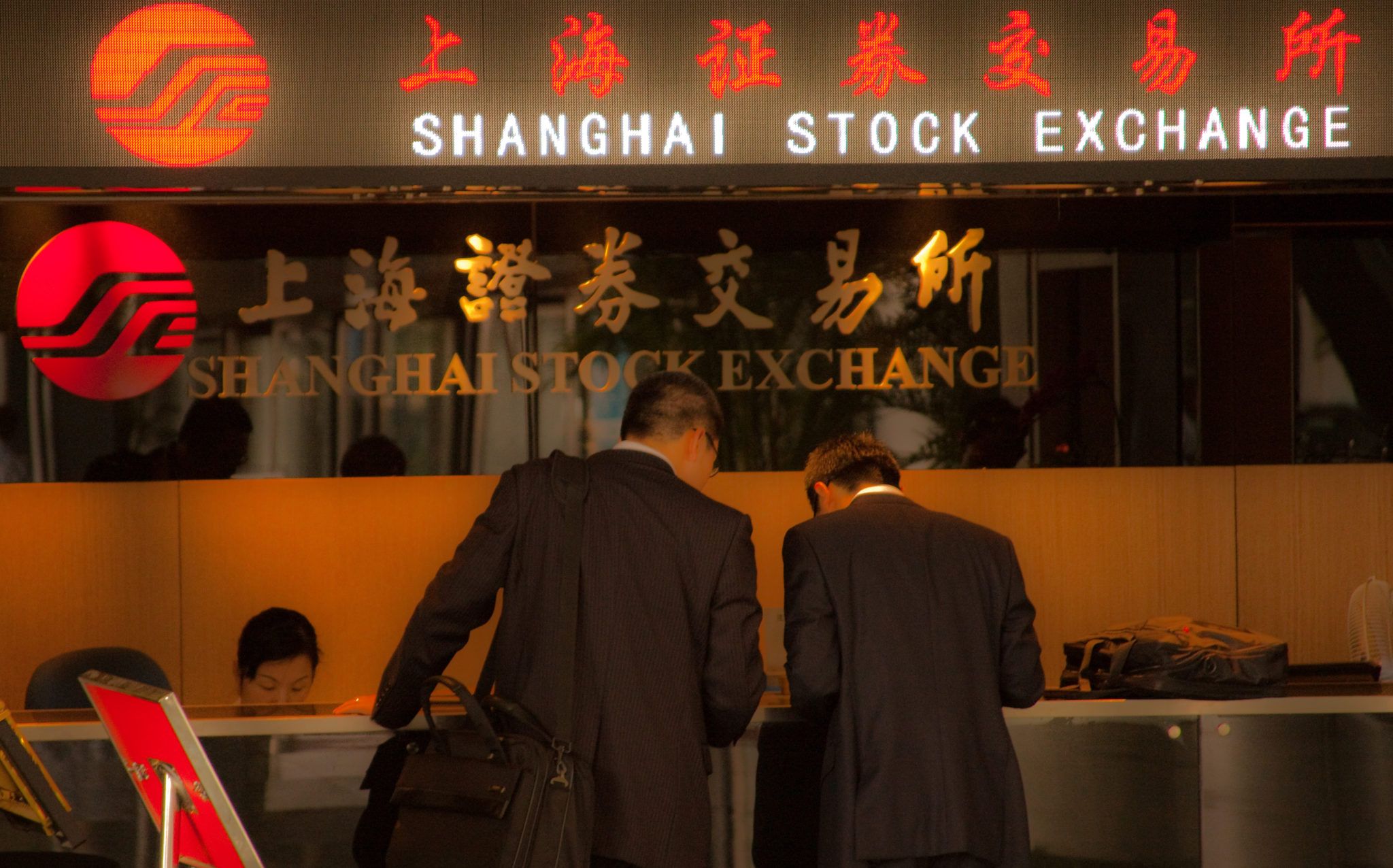
    Shanghai Stock Exchange has distributed “Stock Share Option Industry Report” to its securities members. Report noted, in January 2018, Shanghai Exchange 50 ETF, daily deal has reached 1.29 million, with an increase of 13.74%, the highest trading day since the establishment of SH50ETF.

    One of the Private Equity Investors disclosed, with the climb in price of SH50ETF in 2017, funds are coming in from everywhere. Staring at the in-market ETF Share Option. Some of the Quantitative funds has been join in the game to look for a share of the profit.

    With the increase interest from the investors, SH50ETF has progressed itself. By the end of January, there are more than 260 thousand investor accounts. With 2126 new broker accounts. With 84 securities, 23 CTA brokers. ETF in China will be, also soon to be one of the largest in the world.

    CaishiV will be hosting the 2nd Real Estate Equity Investment & REITs, with support from our long-term partners, such as AIMA, CFA, CHFA and CAIA. For the past years, CaishiV have managed to reach out to more than 5000 management positions, company leaders and industry leaders. They provide the industry leading conference management. There will be top investors, firms and fund managers, rounding 400 attendees across the industry.

    In 2018, the event topics will be: The Future of Smart Beta, Thematic ETFs will Play a Big Role in 2018, Bitcoin ETF, Will ESG ETF Do a good job in emerging markets, Gold ETF and Bond ETFW, Quantitative investment in ETF; Equity ETF – How to Actively Manage You, Equity Portfolios, Data Mining + Tech Innovation, AI in ETF, Should We Add Blockchain Inside, What Kind of Strategy will be Most Attractive in Emerging Markets; Cross-border ETF Investment, Profit form Global ETFs…

    To learn more, please go to nextetf.com/index.php/en/index.html. Or contact [email protected].


  • Costco China planning first store opening

    Costco China planning first store opening

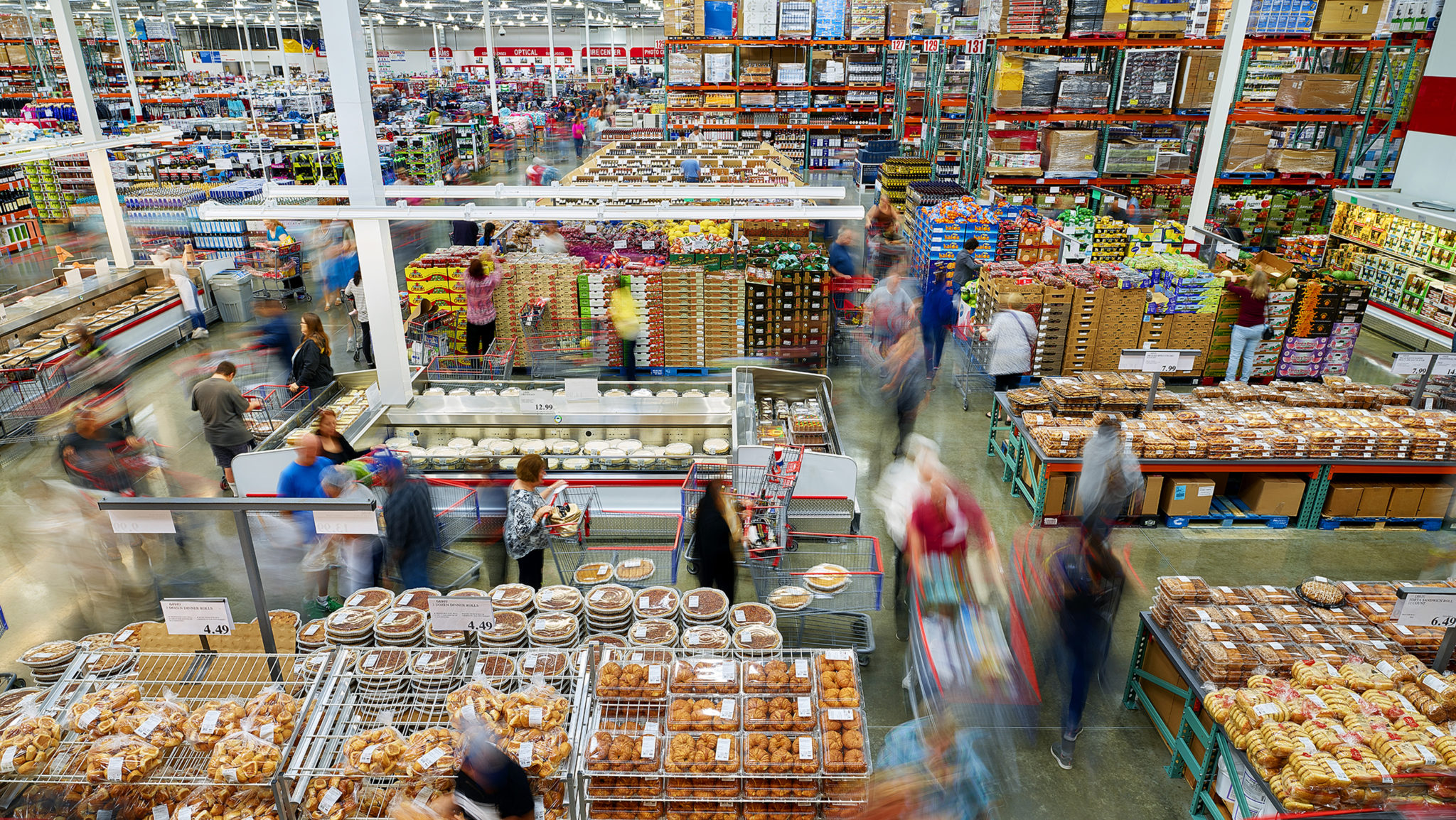
    Costco China plans to open its first store in China next year, even as other international retailers like Lotte and Tesco scale back because of market barriers and disappointing sales.

    The American wholesale giant has signed an agreement with state-owned Shanghai Pudong Kangqiao Group to set up the headquarters of its Chinese business in Kangqiao, in Shanghai’s Pudong district, according to local media reports. Costco is also opening a membership retail club store with Shenzhen-based real-estate firm Galaxy Holding.

    Kuaxiaopin.net says Costco will open its first physical store for China in Shanghai’s Minhang district next year. A second store is planned for Pudong, to open in 2021.

    The retailer has been targeting Chinese consumers since 2014 via Tmall, the online marketplace of e-commerce giant Alibaba where it sells branded products including healthcare and personal care goods.

    Costco currently has 749 warehouses, including 519 in the US and Puerto Rico, 98 in Canada, 38 in Mexico, 28 in the UK, 26 in Japan, 14 in Korea, 13 in Taiwan, nine in Australia, two in Spain, one in Iceland and one in France. The company also has e-commerce sites in Canada, Korea, Mexico, Taiwan, the UK and the US.

  • Second Lotte China sold

    Second Lotte China sold

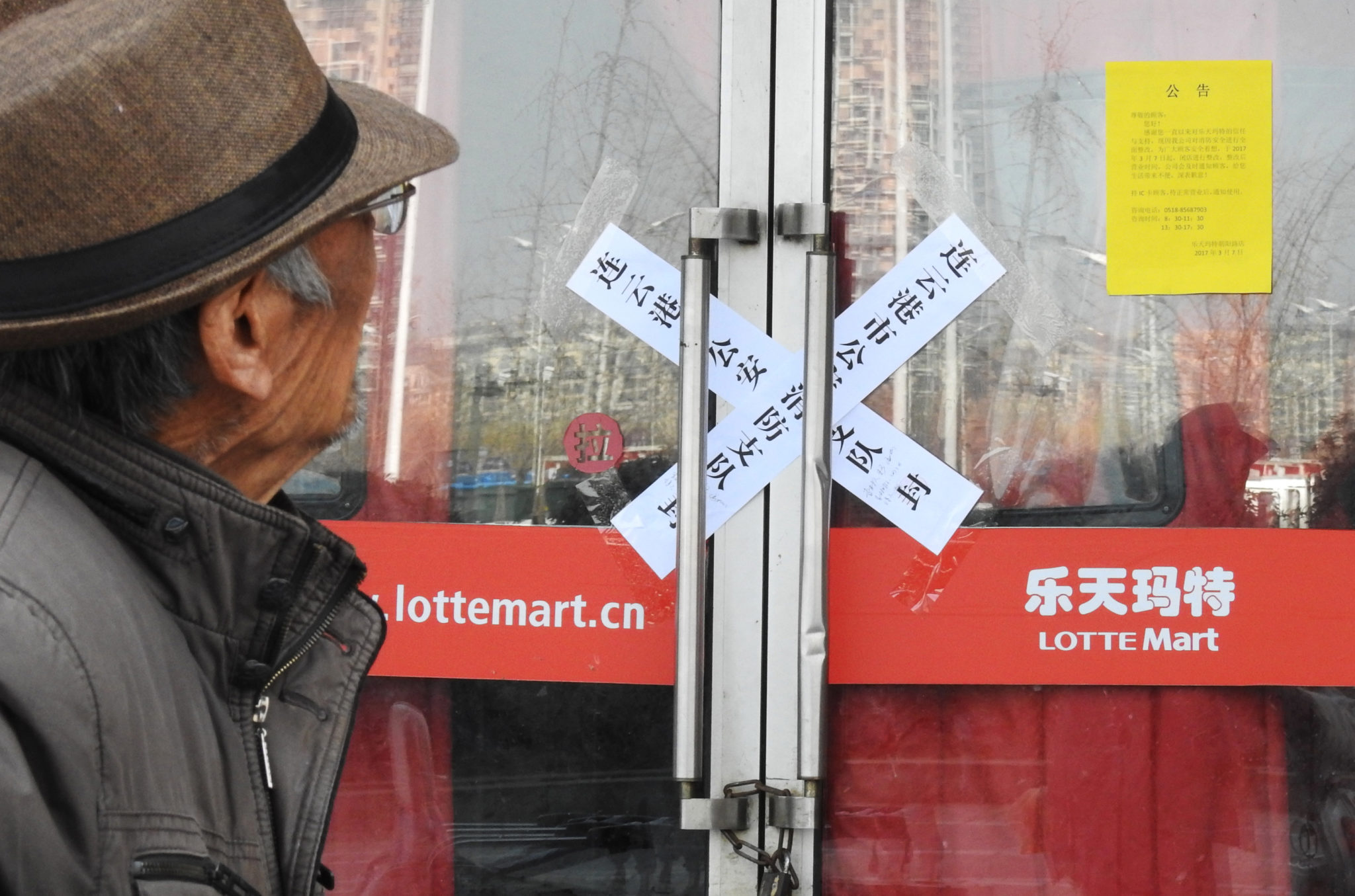
    South Korean retail giant Lotte has sold a second discount store unit in China to a local retailer in a major step toward withdrawing from the world’s second-largest economy.

    Lotte Shopping will sell its affiliate for Lotte Mart in Shanghai and nearby areas to Liqun Group for about 280 billion won (US$262 million), according to the company.

    Out of the 74 Lotte Mart outlets in the region, only four are currently open, with the others either voluntarily or compulsorily shut down. Liqun is known to be interested in taking over some 50 outlets, with the remainder expected to be shuttered.

    The Korean retailer’s move comes about two weeks after the company decided to sell its unit that operated 21 stores in Beijing to another local retailer, Wumei Holdings, for 248.5 billion won.

    The deal with Liqun would leave Lotte with 14 discount stores in China. The Korean firm is in talks with a number of retailers to wrap up the sales of the remaining stores within the first half of this year.

    In September, Lotte Mart announced that it would pull out of China over heavy losses in the wake of a diplomatic row between Seoul and Beijing. Lotte Group bore the brunt of Beijing’s economic retaliation after the company handed over its golf course in South Korea’s southeastern rural county of Seongju for the deployment of a US missile defense system.

    Seoul and Washington said the anti-missile system is only meant to counter North Korea’s evolving nuclear and missile threats. But China has repeatedly pressed South Korea to withdraw the missile system out of concern that the deployment could hurt Beijing’s security interests.

  • Adidas sees ongoing shift from China to Vietnam

    Adidas sees ongoing shift from China to Vietnam

    Factories in Vietnam produced 44 percent of Adidas footwear volume in 2017, up from 31 percent in 2012.

    The chief executive of Adidas expects a shift in its sourcing of footwear from China to Vietnam to continue although he shrugged off concerns on Wednesday about the possible imposition of U.S. tariffs on Chinese-made shoe.

    Factories in Vietnam produced 44 percent of Adidas footwear volume in 2017, up from 31 percent in 2012, while Chinese suppliers made 19 percent, down from more than 30 percent in 2012, Kasper Rorsted told a annual meeting of shareholders.

    “I’m not going to rule out that this trend is going to continue,” he said, adding: “China is still an important procurement market, irrespective of trade duties.”

    Rorsted noted that there was still a lot of uncertainty over what sectors could face new U.S. tariffs. “We might be hit by import duties but it will also apply to our competitors.”

    German rival Puma, which makes about a third of its products in China, said last month that it is working on contingency plans to move some production from China to other Asian markets if U.S. tariffs are imposed.