Tag: China

  • Increasing Chinese wealth helps drive luxury auto sales growth

    Increasing Chinese wealth helps drive luxury auto sales growth

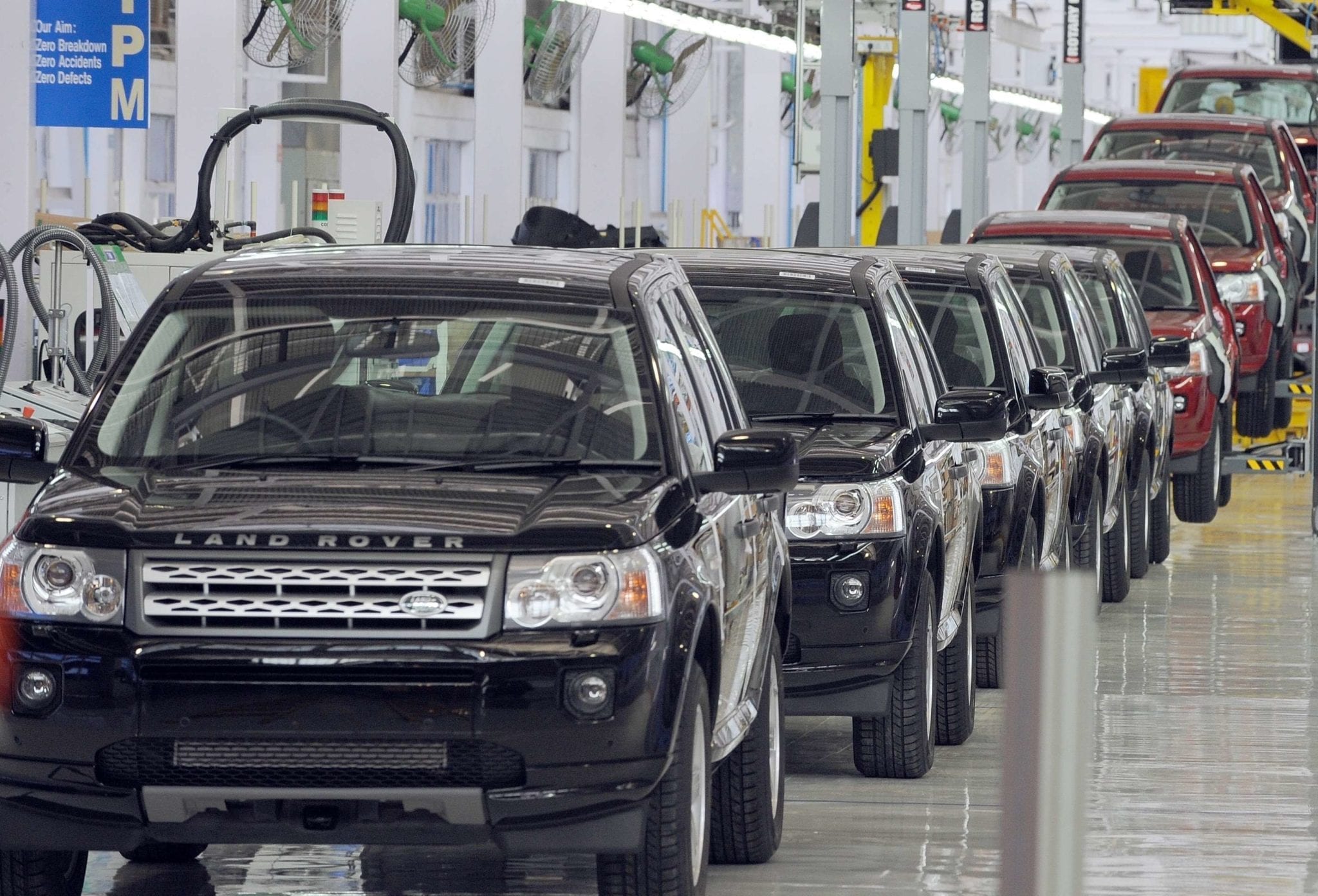
    Almost half of the automotive sales growth in China this year has come from luxury brands, driven by consumers’ increasing household wealth and consumer confidence.

    According to a report from Scotiabank, in March global automotive sales were up 1.2 percent over the previous year, with China one of the key forces behind this growth. As the Asian market becomes increasingly important to luxury auto brands, OEMs are set to benefit from newly eased regulations in China.

    “China now accounts for close to 30 percent of global luxury auto sales, up from 20 percent in 2012,” said Carlos Gomes, senior economist and auto industry specialist at Scotiabank, Toronto. “As wealth continues to increase in China this share will advance further.”

    Accelerating sales
    Chinese auto sales grew 3 percent in January and February, and growth picked up in March, with a 5.1 percent increase.

    Luxury cars made up half of the year-to-date growth in China. Scotiabank notes that this rise in luxury sales is the greatest seen in China since the government began its anti-corruption campaign.

    Over the past few years, the government’s communist party has been working to curb conspicuous spending, in an attempt to fight corruption in politics.

    As part of the campaign, China’s Finance Ministry implemented a 10 percent import tax on the highest priced automobiles entering the country. The tax affects vehicles retailing for at least 1.3 million yuan, or $205,000 at current exchange.

    As of 2012, China represented 20 percent of the total volumes for the top six premium marques. Today, Chinese consumers make up 30 percent of these brands’ businesses.

    Whereas these brands saw an average volume growth of 15 percent in 2016 and 2017 in China, in the first three months of this year, their year-over-year volumes rose 25 percent.

    The top six marques are projected to have their sales exceed 2.7 million cars this year. This would more than double the number sold just five years ago.

    By 2020, the luxury car industry in China is likely to become the world’s largest. The country is leading the way in the breakaway from reliance on dealerships.

    According to L2, while ultra-luxury auto brands such as Ferrari have a better handle on exclusivity and high-end image, standard high-end automakers are more accessible and have a better grasp on digital performance in China.

    L2’s research in its “China: Luxury Auto” report shows that more than 50 percent of luxury auto brands are available on China’s top retail Web site Tmall. Their presence on the ecommerce site beats out luxury fashion and jewelry brands.

    Along with China, auto sales around the world picked up in March due to growth in emerging markets and a 6.5 percent volume increase in the United States. Scotiabank attributes this to growing wages and incomes.

    “Luxury sales in China are up about 23 percent so far this year, lifting global luxury volumes by about 7 percent year-over-year through March,” Mr. Gomes said. “The key driver of these gains is ongoing increases in household wealth, which is being driven by strengthening global economic growth.

    “As long as that trend persists, luxury volumes will  outperform,” he said. “We expect the global economy to expand 3.8 percent in 2018 and 3.7 percent in 2019. If global GDP slows significantly from our current forecast, luxury volumes would slow as well.”

    Auto outlook
    Foreign automakers are set to benefit from some recently announced regulation changes in China.

    One of the changes relates to the 50:50 rule, which prevented automakers from owning more than half of their Chinese operations. At the time the regulation was implemented in 1994, it was intended to help local businesses by forcing OEMs to enter joint ventures.

    China is rolling this back, allowing automakers to have more ownership over their Chinese sales.

    The nation is also lifting its 25 percent tariffs on foreign cars.

    Tesla’s Elon Musk had complained about the import duties on Twitter, saying that having a 25 percent tax compared to the import duty of 2.5 percent for the United States was similar to “competing in an Olympic race wearing lead shoes.”

    The United States is currently at risk of a trade war with China following President Trump’s announcement of tariffs on steel and aluminum in March. Since then, each side has imposed new tariffs on different goods, escalating the disagreement.

    “The announcement that China will reduce import tariffs from the current 25 percent ‘as soon as possible’ is likely to have most significant near-term impact for luxury automakers,” Scotiabank’s Mr. Gomes said. “For example, tariff reduction will improve the affordability of imported luxury models, spurring even stronger sales going forward.”

  • Volkswagen launches SOL electric brand in China

    Volkswagen launches SOL electric brand in China

    Volkswagen has just launched the SOL brand for electric vehicles and the first product born out of the collaboration is an SUV called the E20X. VW has collaborated with China’s Anhui Jianghuai Automobile Group Corp (JAC). In fact, the E20X is almost identical to another JAC product.

    Volkswagen has provided any specific details on the car yet but it has been mentioned that the car will travel almost 300km on a single charge. The SOL E20X also will include artificial intelligence and intelligent connectivity, according to VW. In the future, VW, JAC, and Zhejiang Tmall Technology Company will collaborate to create a new retail model as well.

    VW did not provide specific details on the SOL brand’s launch, but Chinese consumers should first see the brand and its E20X later this year.

  • Kinofy app opens door to 1 billion Chinese consumers on WeChat

    Kinofy app opens door to 1 billion Chinese consumers on WeChat

    Singaporean brands have been promised access to more than 1 billion Chinese consumers through a new cross-border e-commerce app which runs on the WeChat ecosystem.

    Kinofy Group has launched its plug-and-play, cloud-based, platform which is designed to allow international brand owners and small- and medium-sized businesses to sell goods and services in China.

    The platform offers merchants a single view of their business and customers across sales channels and enables them to manage products and inventory, process orders and payments, build customer relationships and leverage WeChat’s analytics and reporting. From a legal perspective, the Kinofy platform enables merchants to export and sell their products seamlessly across different sales channels through an official product registration and importation channel. The platform integrates multiple channels: e-commerce, social selling tools and operational management of product registration, importation, warehousing and logistics, last-mile delivery and overseas-payment settlement into a single platform, allowing brands to enter the Chinese market faster and more efficiently. Kinofy also offers warehousing and logistics solutions at the Ningbo Free Trade Zone (NFTZ) giving businesses infrastructure to reach China’s 613 cities.

    Leveraging the platform, brands can accelerate their entry into the fast-growing Chinese market – reducing entry time to three months with official product registration approval.

    Singapore trade and industry minister S Iswaran officially launched the platform to an audience of 300 guests including some of Singapore’s top brand owners.

    Kawee Chong, CEO of Kino Biotech Group and co-founder of Kinofy Group, said the opportunity for Singaporean brands in China is immense – and Kinofy being smart, simple and seamless makes market entry frictionless.

    “We are proud to welcome brands like Naturext, Health Domain, Yohmo Tonic, GreenLife, Lipaddict, SkinSoul, SWANZ, Kinohimitsu, Fitwhey and Esthemedica to the Kinofy family and look forward to inviting more of our fellow Singaporean brands to join us on this exciting journey.”

    Kinofy is a pre-approved solution supported by the SkillsFuture Singapore grant. The partnership enables local companies to construct digital business channels and grow sales plus revenue through cross border trade. Local small and medium enterprises will enjoy a 70 per cent subsidy for their first year subscription to the Kinofy platform through SkillsFuture Singapore. Training is also provided at 90 per cent subsidy from SkillsFuture Singapore. The Kinofy Group also works extensively with Enterprise Singapore to conduct outreach efforts in markets like the US, Germany, Korea, and Thailand.

  • Studio 0321 offer diners blooms in a box

    Studio 0321 offer diners blooms in a box

    Shenzhen-based Studio 0321 has inserted a rose-tinted box containing a flower shop into the front of a restaurant in Dongguan, giving diners and passers-by an impression of the blooms inside.

    Nous restaurant offers both a dining space and florist, and visitors are encouraged to explore the connection between different flowers and food ingredients. The owners tasked Studio 0321 with creating a space that “solves the relationship between flora and dining in a visual, functional and emotional way”.

    To achieve this, the studio decided to house the florist within a pink translucent box, visually connecting it to the restaurant. At its centre is a long counter where flowers are displayed, creating a partial screen between the street and diners in the restaurant.

    “We like this kind of conflict and interference, rather than a mediocre and harmonious coexistence,” says Studio 0321.

    Storage is provided by matching pink cabinetry, all echoed by rosy-hued tiles on the restaurant facade.

    The restaurant interior is almost entirely in dark grey terrazzo with oversized white aggregate for an “extreme visual experience”. This is complemented by metal tabletops and slate-coloured cushions on the bench seats.

    Other than a mirrored panel along a peripheral wall, decoration has been kept to a minimum.

    Continuing the palette of the flower shop, a staircase with a pink glass balustrade and terrazzo steps leads to the second floor.

  • Stable quarter for CapitaLand Mall Trust

    Stable quarter for CapitaLand Mall Trust

    With its well-located shopping malls, CapitaLand Mall Trust (CMT) has continued to deliver stable results in its first quarter.

    This was despite industry headwinds, says CEO Tony Tan of CapitaLand Mall Trust Management (CMTML), CMT’s manager.

    “Portfolio occupancy was resilient at 98.9 per cent as at 31 March.”

    During the quarter, Raffles City Singapore completed interior enhancement works with the revamped Level 3 Atrium featuring a new garden-themed cafe. Meanwhile, the next phase of upgrading Tampines Mall has started and will include a new F&B duplex. This work is expected to be complete before year’s end.

    Meanwhile, says Tan, the group has signed an agreement to divest Sembawang Shopping Centre, with the sale proceeds expected to enhance CMT’s financial flexibility.

    CMT achieved net property income of S$125.7 million for the quarter to the end of March, up 4.7 per cent. Gross revenue grew 1.8 per cent, mainly because of higher occupancy for IMM Building, Clarke Quay, The Atrium@Orchard and Plaza Singapura, as well as higher car-park income.

  • Huawei details latest HK partner programs

    Huawei details latest HK partner programs

    Huawei has unveiled its latest partner programs and strategic digitalization plans at the Huawei Enterprise Partner Summit 2018 in Hong Kong.

    The Chinese ICT infrastructure provider’s partner programs in Hong Kong will be focused on business development in fintech, smart city, healthcare, and large enterprises.

    Huawei meanwhile plans to deploy 20 open labs worldwide to develop solutions catered to local needs, as the company seeks evolve its partner ecosystem to explore new opportunities for continued digital transformation.

    “Huawei embraces digital transformation with its ‘platform and ecosystem; strategy and we strive to integrate the cloud, pipe, and device, in order to build an open, flexible, secure and full-stack ICT platform,” Huawei Hong Kong managing director for enterprise Steven Pan said.

    “Huawei has established a public cloud node in Hong Kong to provide customers with hybrid cloud offerings under a unified architecture, API, and set of service, including more than 60 solutions for different vertical sectors and more than 100 IaaS and PaaS services.”

    At the summit, Huawei also a announced the winners of its Partner Summit awards for 2017.

    Best Distributor was awarded to Karin Electronic Supplies, Best Value Added Partner went to China Comservice (HK), Best Innovation Solution Partner went to PCCW Solutions and Best Industry Solution Partner was awarded to IT Channel (Asia).

    Meanwhile BoardWare Information System won Best Performance Excellence Partner, HKTwon Best Commercial Partner and Automated Systems Holdings was named Best Solution Partner and Best Certified Services Partner.

  • China smartphone sales fall sharply in Q1

    China smartphone sales fall sharply in Q1

    Chinese smartphone shipments suffered a steep decline in the first quarter, according to estimates from two separate research firms. Canalys estimates that shipments had their biggest ever decline during the quarter, falling more than 21% year-on-year to 91 million units – the lowest sales since the fourth quarter of 2013.

    Eight of the top 10 smartphone vendors recorded annual declines in shipments, with Gionee, Meizu and Samsung’s sales shrinking to less than half of their sales figures from the same quarter a year ago, the company said.

    Market leader Huawei recorded a modest growth rate of 2% to 24 million units, while second placed Oppo saw a decline of 10% to 18 million units and third ranked Vivo saw shipments decline 10% to 15 million units.

    But Xiaomi managed to buck the trend with a shipment growth of 37% to 12 million units, overtaking Apple to take fourth place. Canalys Research analyst Mo Jia said the results show that the Chinese smartphone market is increasingly becoming a four-horse race..

    “The level of competition has forced every vendor to imitate the others’ product portfolios and go-to-market strategies,” he said.

    “But the costs of marketing and channel management in a country as big as China are huge, and only vendors that have reached a certain size can cope. While Huawei, Oppo, Vivo and Xiaomi must contend with a shrinking Chinese market, they can take comfort from the fact that it will continue to consolidate, and that their size will help them last longer than other smaller players.”

    Counterpoint: Chinesee smartphone market faced its steepest ever decline during the quarter

    Meanwhile Counterpoint estimates that the Chinese smartphone market fell 8% year-on-year and 21% sequentially, with the top five brands capturing a record 82% of the market.

    The company predicts that Xiaomi recorded 51% growth and increased its market share to 13.1%, but still placed Apple ahead with a market share of 14.3%.

    The research firm’s top three rankings mirror that of Canalys, with Huawei on top with a market share of 21.6%, followed by Oppo at 17.6% and Vivo at 15.5%.

    Looking ahead, Canalys has predicted that the Chinese smartphone market will return to growth in the second quarter.

    “The inventory issues that Oppo and Vivo suffered in Q4 and Q1 are now behind them. New smartphones will definitely entice people to upgrade, but vendors are more careful of avoiding oversupply in the channel,” Jia said.

    “China’s smartphone market may see a short period of stagnancy as vendors refocus on research and development, relying on new use cases to excite refreshes rather than spending heavily on the channel and marketing.”

  • Nokia Q1 profit slumps 59%

    Nokia Q1 profit slumps 59%

    Nokia has reported a sharp 59% decline in net profit for the first quarter of 2018 to €86 million ($104.1 million) due to the ongoing weakness in the telecoms equipment market.

    Revenue for the quarter fell 9% year-on-year to €4.93 billion, with networks revenue down 12% to €4.32 billion.

    The vendor said sales and profitability for the quarter were primarily impacted by lower net sales in North America, but there were signs of improvement in terms of orders, suggesting that sales and profitability will improve over the rest of the year.

    Based on the orders received during the quarter, the company expects demand for 5G to accelerate further, particularly in North America where the first 5G fixed wireless access deployments are expected in the second half of the year.

    Licensing revenue for the quarter meanwhile grew 65% year-on-year, and the company expects further smartphone licensing opportunities in China, as well as brand licensing and in the automotive sector.

    “We see strong momentum building for the full year despite a slow start in networks. I have considerable confidence that Nokia is well-positioned to out-perform a strengthening networks market and meet our full-year 2018 guidance,” Nokia CEO Rajeev Suri said.

    These targets include an earnings per share of €0.23 to €0.27, with an operating margin of between 9% and 11%.

  • China Airlines adds new route to U.S.

    China Airlines adds new route to U.S.

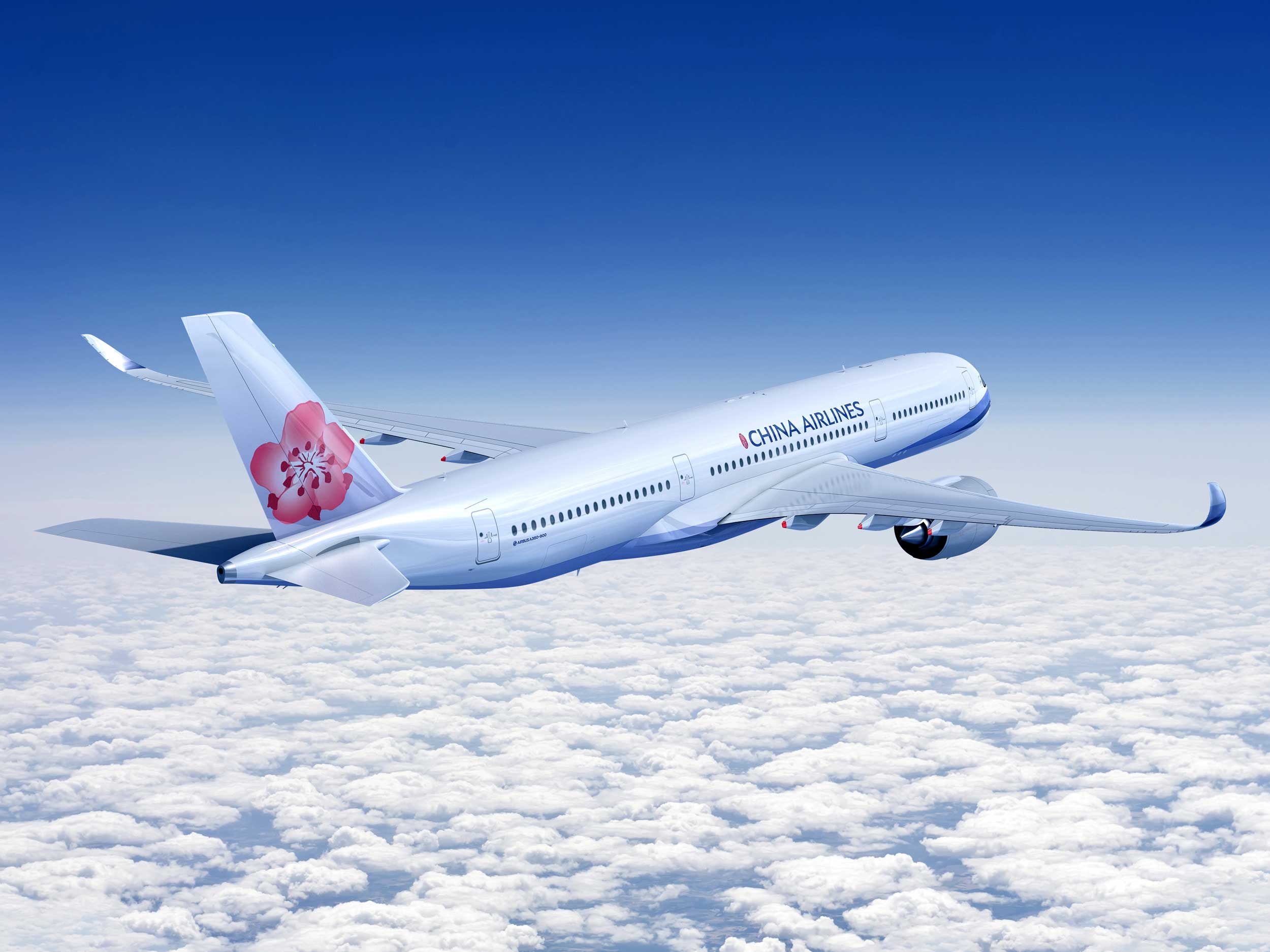
    A new route to the United States has been added by China Airlines. The TPE-ONT (Taoyuan to Ontario in California) route that the market has long been waiting for was officially commissioned. China Airlines will operate Boeing 777-300ER aircraft on the route with seven flights a week. The new regular service will be the first direct flight from Asia to Ontario CA. It has already achieved average bookings of 70% at launch despite March through to April being the off-peak season. The launch means China Airlines now offers six direct flight destinations in the U.S. with 32 flights a week to choose from.

    To celebrate the launch of the all-new route, China Airlines Chairman Nuan-hsuan Ho hosted a ceremony at Taoyuan Airport on 25 March 2018. The milestone moment was witnessed by Mayor of Taoyuan City Wen-tsan Cheng, VISIT CALIFORNIA – Taiwan Travel Trade Director Milane Tsai, Taoyuan International Airport Corporation President Deng-Ke Shiau, Taoyuan Metro Chairman Kun-Yi Liu and other guests, all of whom gathered to bestow their blessing on the inaugural flight.

    China Airlines Chairman Nuan-Hsuan Ho said that the extensive studies and assessments carried out by China Airlines have now finally paid off. The launch of the Taoyuan – Ontario route will tap into the market for travel between Taiwan, Mainland China, Hong Kong and Macau among eastern Los Angeles’ Chinese community. The new route, along with the existing Taoyuan – Los Angeles service, will expand options for travel to and from Asia for metropolitan Los Angeles as a whole, fostering closer Taiwan-U.S. ties as well as strengthening links with the Asia market.

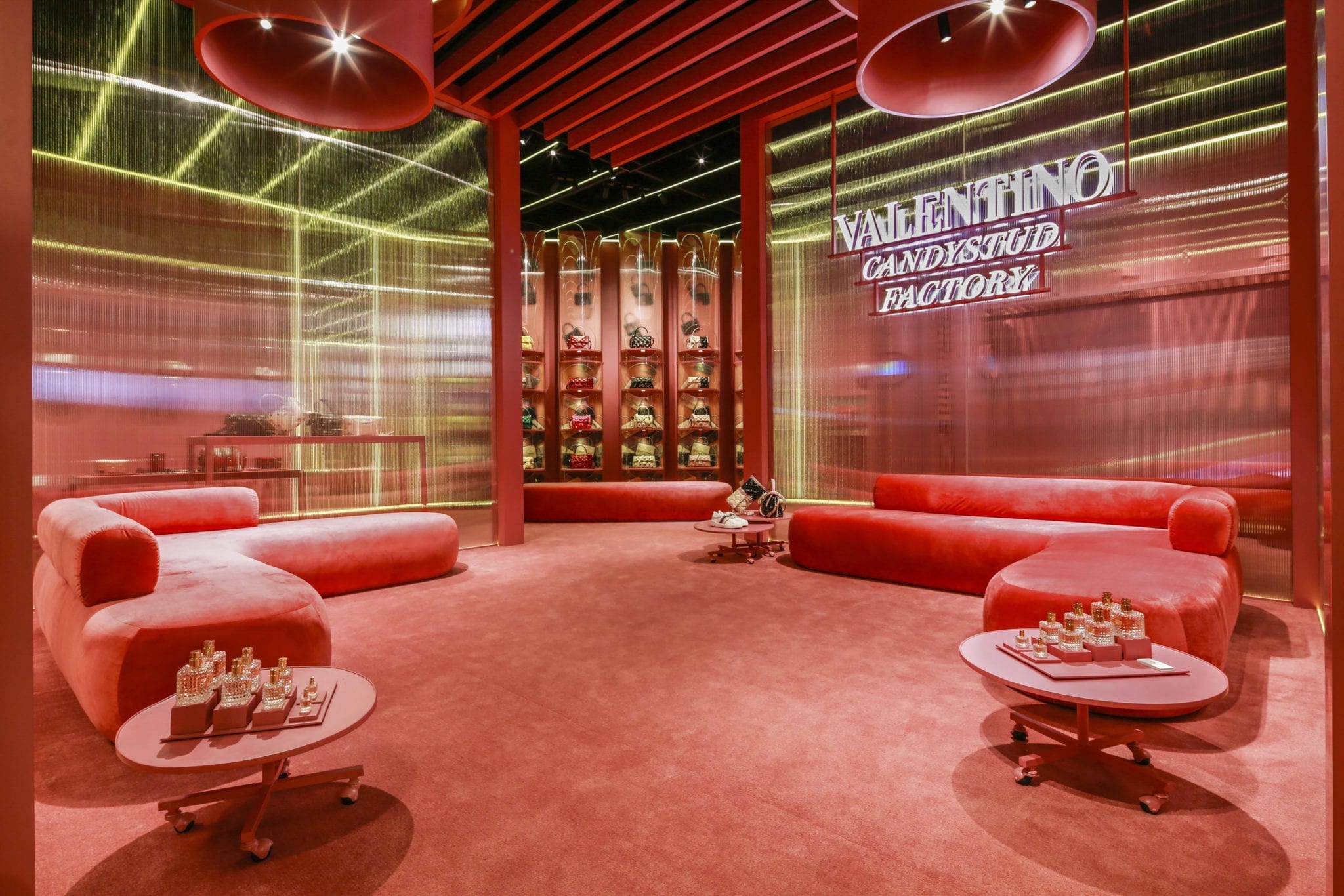
  • Candystud Factory: The New Valentino Popup Store in Beijing

    Candystud Factory: The New Valentino Popup Store in Beijing

    Candystud Factory. A handbag factory just like a candy factory. Pink, entertaining, imaginary.

    Valentino will open a Pop Up store in the young and dynamic Sanlitun neighborhood in Beijing that creates a cinematographic atmosphere of a handbag f actory.

    The pop up s tore will open on the 26 th of April 2018 and will run until the 17 th of May 2018.

    For this occasion, two new limited edition Candystud bags will be pr esented.

    Fun, spherical, in the spirit of frivolity, Candystud is a small object of high craftsmanship the blends the excellence and the savoir faire of Maison Valentino with a new desire of pleasure and of joie de vivre. The Candystud Pop Up store translates this idea in a shopping and amusing experience.

    One enters is a colored and ethereal world to discover the beauty and the allure of the Valentino items together with the humanity and the e xcellence of those that cr eated them.

    The Candystud Factory collection also includes four new exclusive sneakers and a series of exclusive small leather goods such as iPhone c overs, mirror bags and charms.

    #CandyStudFactory

  • CRCT’s 1Q 2018 distributable income up 9.6% year-on-year

    CRCT’s 1Q 2018 distributable income up 9.6% year-on-year

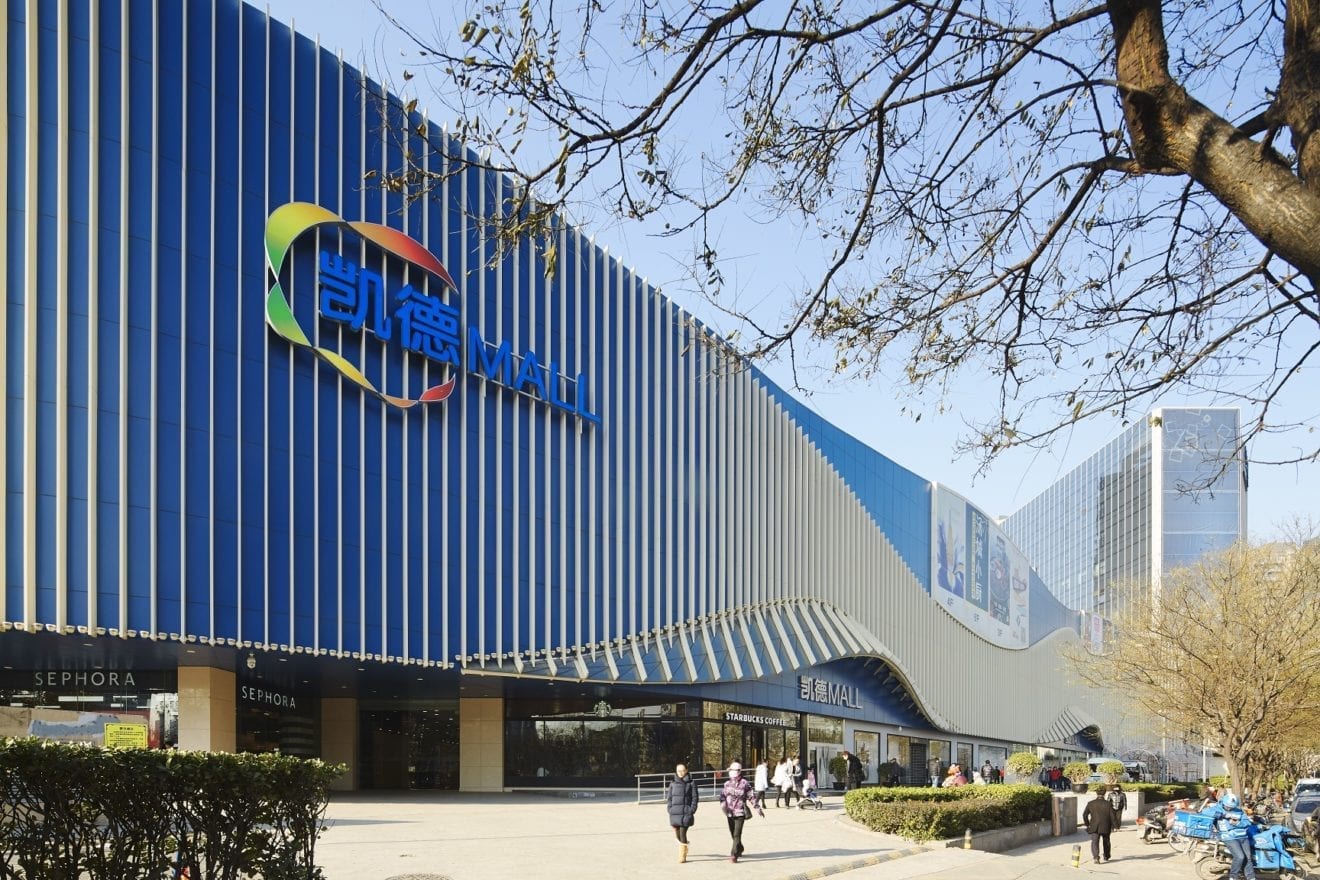
    CapitaLand Retail China Trust Management Limited (CRCTML), the manager of CapitaLand Retail China Trust (CRCT), today announced that it posted higher distributable income of S$26.7 million for 1Q 2018, an increase of 9.6% from S$24.4 million a year ago. Distribution per unit was 2.75 cents, 0.4% higher than 1Q 2017. Based on CRCT’s closing price of S$1.55 on 26 April 2018, the annualised distribution yield for the quarter was 7.2%.

    In 1Q 2018, CRCT’s multi-tenanted malls registered a robust rental reversion of 12.8%. Portfolio occupancy as at 31 March 2018 remained strong at 95%. Tenants’ sales and shopper traffic for the quarter increased year-on year by 2.1% and 7.7% respectively.

    Mr Tan Tze Wooi, CEO of CRCTML, said: “Since completing the acquisition of Rock Square on 31 January 2018, we have been strengthening the mall’s appeal through active tenant mix adjustments. By the end of 1Q 2018, Rock Square’s occupancy improved to 97.1% from 96.4% as at 30 June 2017, with an encouraging rental reversion of more than 20%. We made progress in enhancing the mall’s operational efficiency by replacing its manned carpark payment booth with an electronic system, and achieved significant cost savings by working with CapitaLand to manage the mall. We will be further finetuning Rock Square’s tenant mix and retail layout to maximise the potential of this well-located mall.”

    “The reconfiguration of the recovered space at CapitaMall Wangjing is on track and the space is almost fully leased. Opening progressively from 2Q 2018, shoppers can look forward to more than 20 retail, lifestyle and dining concepts including Sisyphe Book Cafe, YID cooking studio and Lao Wang Hotpot – several of which are new-to-market in the Wangjing subdistrict. These new stores will almost double the recovered space’s rental income and diversify the mall’s offerings to draw in more shoppers.”

    “We have been proactively curating new concepts in our malls that are refreshing and relevant to shoppers. An example is CapitaMall Grand Canyon’s unmanned convenience store – a retail trend that is catching on in Beijing – that is operated by Bianlifeng. We have also introduced trendy gourmet concepts P.Plus Bakery Club and Greybox Coffee to CapitaMall Xinnan and CapitaMall Wangjing respectively. Other new concepts in our portfolio include China’s first standalone C&A Kids apparel store in CapitaMall Xinnan and Wuhan’s first indoor simulated counter strike gaming centre in CapitaMall Minzhongleyuan. To enhance shopper engagement, we continue to embrace digital initiatives such as robotic concierge and augmented reality gaming. Looking ahead, we will further build on our strong foundation and proactively look at further optimising our portfolio to create more value for Unitholders.”

  • CapitaLand to explore investments in high-tech business park and new-gen township in Zhejiang

    CapitaLand to explore investments in high-tech business park and new-gen township in Zhejiang

    CapitaLand is set to broaden its master planning and urban design capabilities in China through new strategic partnerships in Ningbo and Jiaxing – two fast-growing cities in Zhejiang Province, east China.  Through its wholly owned subsidiary CapitaLand China, CapitaLand has signed two Memoranda of Understanding (MoUs) to explore developing and managing large-scale business park and township projects in line with a new direction in China’s urbanisation drive emphasising integration between industrial and urban development (产城融合). The signings took place this morning in Zhoushan at the 13th Singapore-Zhejiang Economic and Trade Council meeting witnessed by Ms Sim Ann, Singapore’s Senior Minister of State for Trade and Industry, and Culture, Community and Youth; and Mr Zhu Congjiu, Zhejiang’s Vice Governor.

    Under the MoU with Ningbo’s Haishu District Government, CapitaLand will explore investing in a business park comprising research & development facilities, offices, residences and civic & community facilities that supports Ningbo’s push to attract higher-tech manufacturing industries under China’s Made in China 2025 blueprint.  In another MoU with Zhejiang Communications Investment Group Co., Ltd., CapitaLand will explore investing in a new-generation township comprising integrated developments, offices, residences and serviced residences built around Jiaxing’s highspeed rail (HSR) station in Yuxin area.

    Mr Lim Ming Yan, President & Group CEO of CapitaLand Group, said: “In tandem with China’s rapid urban development, CapitaLand has grown our real estate business across asset classes, and sharpened our development and operational capabilities to address China’s urbanisation needs.  Our extensive track record in integrated developments has honed our expertise in making the most efficient use of limited land supply to create vibrant communities with an optimal mix of quality live-work-place spaces that are seamlessly integrated and interconnected.  As one of Asia’s largest real estate fund managers, our experience in capital management is also a key success factor for mega projects with a longer development horizon.  CapitaLand is in a strong position to continue playing an active role in China’s next phase of urbanisation.”

  • Alibaba brings ‘New Retail Concept’

    Alibaba brings ‘New Retail Concept’

    E-commerce powerhouse, Alibaba Group, has given Aussie consumers a glimpse of its ‘New Retail’ strategy via pop-up launches in Australia this week.

    Set in an apartment style store space at Westfield Chatswood in Sydney’s north, Alibaba’s first Aussie pop-up featured technologies that the e-commerce giant thinks are the future of online and offline shopping.

    With the location only operating for less than a week – ahead of another temporary location launching later this week at QV Melbourne – Alibaba is using the stores to demonstrate where it thinks the retail industry is headed.

    “We’re driving this new retail strategy in China where we believe payments, entertainment, online and offline are going to merge into one seamless experience for the consumer,” said James Hudson, Alibaba Group director of corporate affairs and marketing, on a walk-through tour of the pop-up. “It is extraordinary how fast this is happening in China.”

    Alibaba is also using the pop-ups to show various CTOs and technology teams from local retailers the ways in which it is pushing away the “either-or” retail equation, in favour of a model that melds both in-shop and online experiences.

    The store features augmented reality, AI mirrors and virtual, cloud-enabled shelf technologies. All products in the pop-up have QR codes that are scanned using the app from Alibaba’s subsidiary shopping website,Taobao, which is immediately linked to its online merchandise.

    Hudson said the ‘cloud shelf’ enables retailers to showcase a whole range of products that they wouldn’t be able to stock in their store otherwise. Geotag technology on products also allows consumers to scan and find out more information or buy products.

    Using video recognition, consumers can also have product recommendations supplied by staring into digital screens that find products based on a customer’s mood.

    Raymond Ma, head of ASEAN and ANZ for Alibaba Cloud said while the cloud supports all infrastructure requirements, the most important aspect is the big data analysis that AI offers.

    Entertainment, according to Hudson, is also a major component of New Retail.

    “We want to drive consumers to want to visit offline stores because it gives them more choice and allows retailers to do a whole range of different merchandising solutions.”

    With the majority of Alibaba shoppers falling under the age of 30, the pop-up incorporates a gaming element  – with consumers able to play online games to accrue points for shopping discounts or win coupons.

    Only Chinese migrants or those with a Chinese bank account are able to shop at the locations.

    More partnerships, not store fronts in Oz

    Hudson said there are no plans for Alibaba to roll-out store fronts in Australia, with the company instead focusing on building partnerships with local retailers.

    Alipay is also on the rise locally, with 8,000 retailers now accepting Alipay – the company’s payments platform – from Chinese consumers.

    While online sales penetration in China the highest in the world, brick-and-mortar retail still accounts for more than 80 percent of total retail sales.

    Alibaba’s Hema supermarkets have also continued to roll-out in China, with 38 opened in 18 months and 100 more to open over the next year.

    The supermarkets sell groceries, fruits, vegetables and fresh seafood. Consumers are able to take fresh products, including seafood, raw or cooked, or have it prepared to eat in-store.

    For consumers who live within three kilometres of the market, Hema supermarkets deliver goods within 30 minutes. Each store serves as its own warehouse and logistics centre that collects, fulfils and delivers customer orders as fast as they come in, online or offline.

    Other initiatives that Alibaba is rolling out include auto vending machines, with the first launched in partnership with Ford in the southern city of Guangzhou.

    The Ford auto vending machine lets customers browse makes and models inside their app, choose one they want to test drive, pick it up from an unmanned vending machine and drive it for up to three days, before making an appointment to visit a dealer when they’re ready to buy.

  • Chinese visitors can now use Alipay in The Dubai Mall

    Chinese visitors can now use Alipay in The Dubai Mall

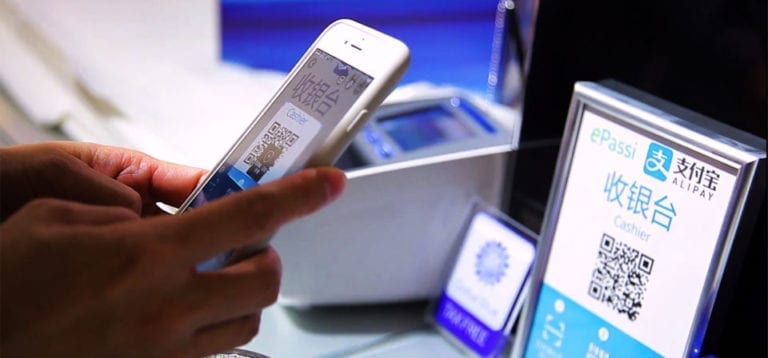
    Alipay, the world’s largest online and mobile payment platform operated by Ant Financial Services Group, and The Dubai Mall, the world’s largest and most-visited retail and entertainment destination, located in the heart of the prestigious Downtown Dubai, today jointly announced that Chinese mainland visitors can now use Alipay to pay for a wide range of shopping, dining and must-see leisure attractions.

    With the remarkable growth and importance of Chinese tourism to Dubai, The Dubai Mall is continuing to look at ways to accommodate their needs, which includes multilingual Guest Services staff and Chinese language Mall Guides.

    Chinese visitors can now look for stores across The Dubai Mall through Alipay’s in-app Discover platform, and pay for their orders in RMB via Alipay at the cashiers.

    Key destinations include The Souk, an elegantly designed precinct featuring jewellery shops, accessory outlets, traditional Arab clothing and handicraft stores; or The Village, which offers a rich collection of denim brands and brings an outdoor community feel with tree-lined walkways, cafés and restaurants; or the newly expanded Fashion Avenue, which provides a significant boost to Dubai’s premium shopping options, with over 150 luxury shopping and dining experiences including flagships and new concepts.

    In addition, Chinese visitors can use Alipay at all The Dubai Mall’s popular entertainment attractions including Dubai Aquarium & Underwater Zoo, the newly opened VR Park, Dubai Ice Rink and At the Top, Burj Khalifa, the world’s highest observation deck with an outdoor terrace.

    With a total internal floor area of 5.9 million sq ft, The Dubai Mall has 3.77 million sq ft of gross leasable space and over 1,300 retail outlets including two anchor department stores – Galeries Lafayette and Bloomingdale’s – and over 200 global food and beverage outlets. The Dubai Mall offers an unparalleled retail mix combined with world-class dining, entertainment and leisure attractions.

    The Dubai Mall, the world’s largest shopping and entertainment destination, is part of Downtown Dubai, Emaar Properties’ flagship mega-development.

    Alipay currently has over 520 million active users in China. According to a report from Alipay and Nielsen, ease of payments is also a leading factor when it comes to key purchase decisions for Chinese tourists. 91% of Chinese tourists claimed they would show greater willingness to spend and shop if overseas merchants accepted Chinese mobile payments.

    Statistics by The Department of Tourism and Commerce Marketing in Dubai show that over 764,000 Chinese tourists visited Dubai in the fiscal year of 2017, with a year-on-year growth of 41%, ranking China as the 5th largest source market of Dubai. Over 68,000 Chinese tourists visited Dubai this January*.

  • China Unicom, Huawei collaborate on 5G network slicing

    China Unicom, Huawei collaborate on 5G network slicing

    China Unicom and Huawei Technologies have signed an agreement to conduct joint research, demonstration, and deployment of 5G network slicing.

    Under the agreement, Unicom and Huawei will work together to develop key technologies and solution for the Chinese telco’s 5G network slicing services and applications.

    The pair will also jointly promote network slicing for various vertical markets, such as VR/AR games, industrial control, Internet of Vehicles (IoV), and the Internet of Things (IoT).

    “Network slicing is a key native capability of 5G, which can maximize the efficiency of communications networks and reduce network construction and O&M costs,” said Zhang Yong, president of China Unicom’s Network Technology Research Institute.

    “In the 5G era, the concepts of slice as a capability and slice as a product have become an industry consensus. China Unicom will demonstrate the multi-scenario slicing service in vertical industries and deepen the integration with the industry to facilitate digitalization in China.”

    Zhang said Unicom wants to focus efforts on terminals, chips, networks, and vertical industries.

    He Weijie, vice president of Huawei Cloud Core Network Product Line, said the company’s concepts of slice as a service and slice as a product have played a major role in shaping the 5G business model.

    With its agile deployment, security isolation, high reliability, and automatic management, network slicing helps operators like Unicom to expand the vertical industry market in the 5G era and fully exploit the potential of their networks, He said.

    As the fundamental feature of 5G, network slicing enables mobile operators to run multiple logical networks as virtually independent business operations on a common physical infrastructure. It brings new opportunities for operators to engage with the vertical market.

    In February, a handful of industry players, including China Mobile, HuaweiTencent, Germany’s Deutsche TelekomDigital Domain and Volkswagen, jointly founded the 5G Slicing Association.

    The association, inaugurated during Mobile World Congress 2018, will study key technical issues in 5G network slicing, cooperate with slicing-related standards development organizations and forge test beds and trials aimed at verifying the capabilities of the technology.