Tag: China

  • Smartphone brand BlackBerry Starts opening stores in China

    Smartphone brand BlackBerry Starts opening stores in China

    BlackBerry Star shops have opened in Shanghai and Nanjing.

    They aim to offer a new retail experience for users of the smartphone brand with in-store displays, training and after-sales support.

    Blackberry Mobile global business unit GM Alain Lejeune, who is also senior VP of TCL Communications, attended the opening of both stores, which attracted the phone’s fans from the community.

    He says fan interaction plays a key role in BlackBerry Mobile’s strategy in the Chinese market, along with product experience and delivery.

    More BlackBerry Star shops are scheduled to open across China.

  • China Telecom signs interconnect deal with HGC

    China Telecom signs interconnect deal with HGC

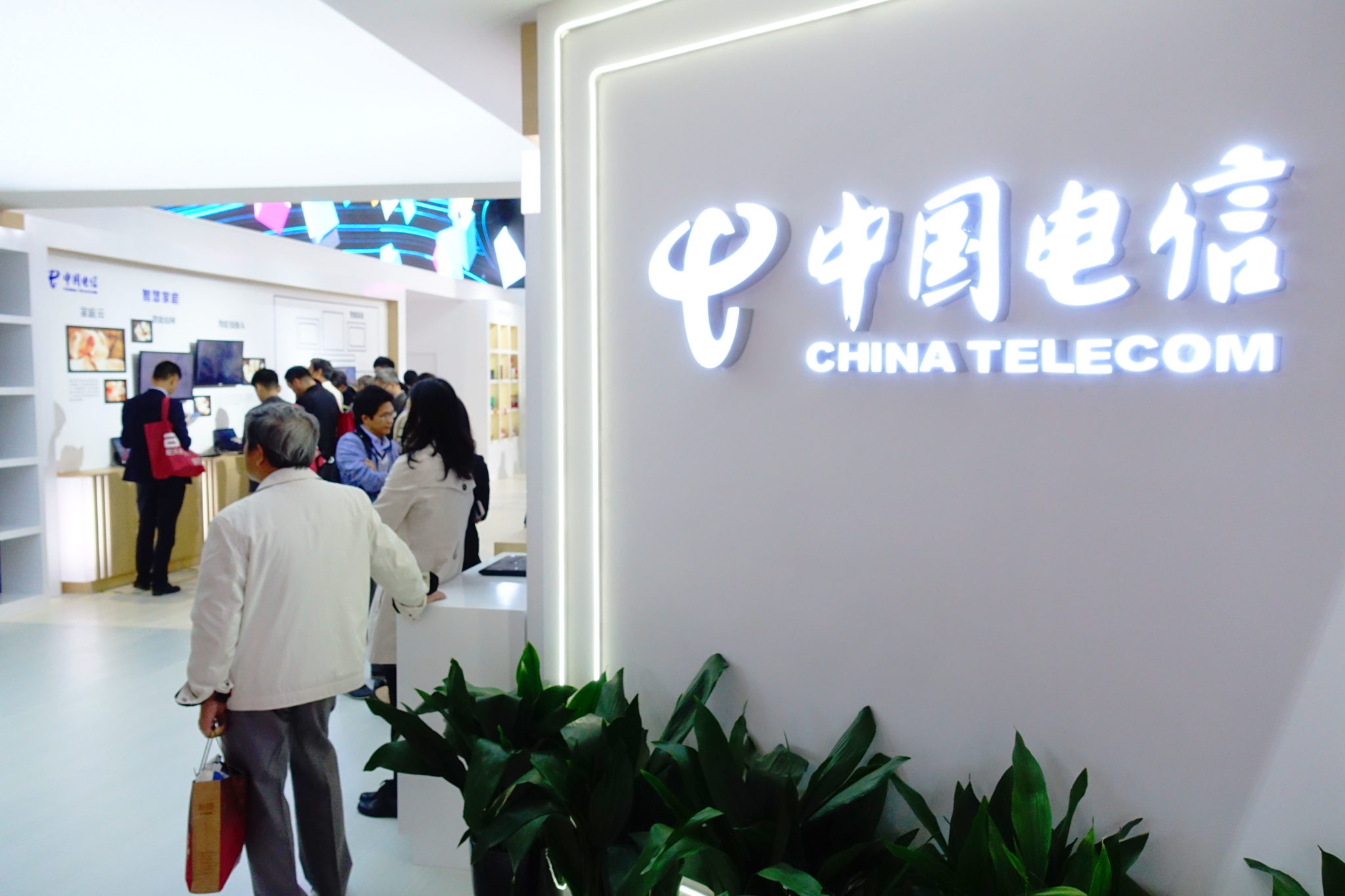
    China Telecom and Hong Kong based fixed line operator HGC Global Communications (HGC) have signed an agreement to build a network interconnection system via the Hong Kong-Zhuhai-Macau Bridge.

    Once completed later this year, the HZM Bridge will be the longest cross-ocean bridge in the world, spanning 55km and directly connecting mainland China to Hong Kong and Macau.

    The two operators plan to deploy a fiber connection along the HZM Bridge to meet anticipated growth in cross-border network traffic and demand for low-latency connectivity across the Greater Bay Area region.

    China, Hong Kong and Macau are involved in the Guangdong-Hong Kong-Macau Bay Area initiative to enhance economic activity in the area and improve the level of co-operation within the region. The project aims to help put the telecoms infrastructure in place to support this increased activity.

    “China Telecom is pleased to establish an interconnection with HGC at the HZM Bridge,” China Telecom managing director of global business Deng Xiaofeng said.

    “With both parties’ diverse network connection routes and our history of close cooperation, the new fiber connection will provide customers of both parties with stable and reliable service, meeting the ever-increasing demand in the Greater Bay Area and neighboring countries and regions.”

    China Telecom has established cross-border links with ten operators in Hong Kong and Macau across five ports since 1998, helping boost total traffic capacity in the region to 17Tbps.

  • FedEx to link Guangzhou and Memphis hubs with air bridge

    FedEx to link Guangzhou and Memphis hubs with air bridge

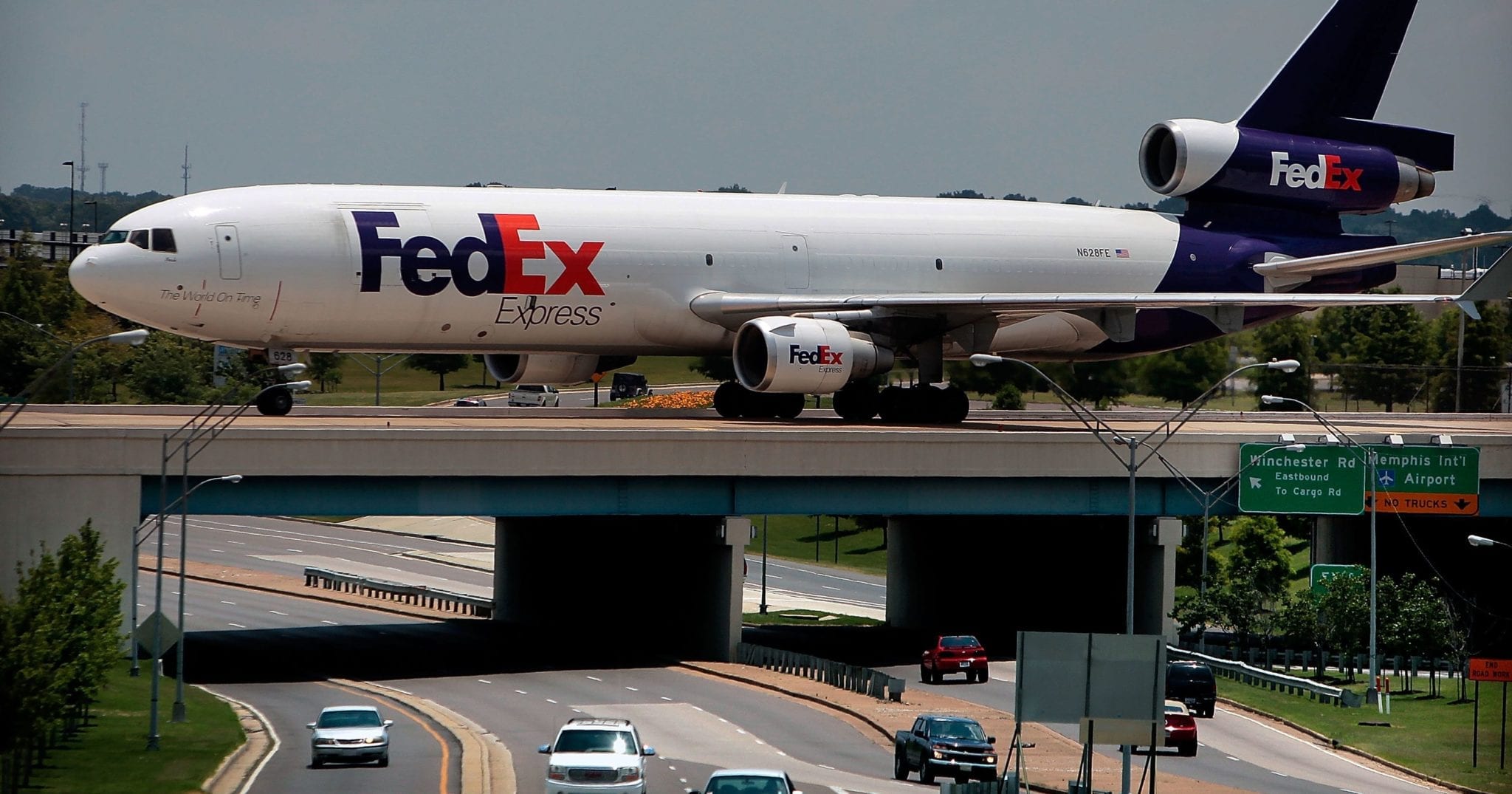
    FedEx Express has launched a new route connecting its Asia Pacific hub in Guangzhou with its global Memphis hub. Initially, an MD-11 freighter is being used for the five-times-per-week route, but it will be replaced with a B777 freighter in May, to meet increasing shipping demand.

    In April, the flight departing from Guangzhou stops in Osaka and Anchorage, but with the change of freighter in May, the Alaskan stop will be dropped on four of the five flights — the Saturday flight stops in Honolulu and Anchorage.

    “As our business continues to develop across the Asia Pacific region, we constantly adjust our network and routings to better meet dynamic market needs,” said Karen Reddington, president, Asia Pacific, FedEx Express.

    “Adding volume and a faster, more direct connection to our Memphis World Hub will give Asia Pacific businesses a stronger competitive advantage in connecting to customers in North America and beyond.“

    The express operator said that Asia Pacific region is predicted to grow at a rate of 6.5% in 2018, 2% faster than the projected global growth rate, according to the World Economic Forum.

    Meanwhile, Boeing forecasts that air cargo flowing from Asia to North America is expected to increase by 4.7% per year over the next 20 years.

    In addition, 2017 saw Guangdong’s total import and export value of goods grew by 8% year-on-year, while the total import and export value with the US grew by 10.4% year-on-year.

    FedEx Express launched two new routes last year – one connecting Liège, Belgium and Memphis, with stops in Seattle, Anchorageand Shanghai and another linking Shanghai and Oakland.

    Early this year, FedEx Express officially opened its FedEx Shanghai International Express and Cargo Hub, the second international hub in China.

    Currently, FedEx operates more than 250 flights per week in China, with more than 160 of these flights going through the FedEx Asia hub.

  • Xiong’an New District New Showcase for another JD store

    Xiong’an New District New Showcase for another JD store

    Chinese e-commerce company JD has opened its largest-yet unmanned store, in Xiong’an New District.

    In the Xiong’an Civic Service Center,  the 246sqm outlet uses innovative technology as JD rolls out a “new-model industrial ecological chain”.

    Jingdong X unsupervised stores have already opened in more than 10 cities, including Beijing, Dalian and Tianjin, at malls, scenic spots and petrol stations. Shoppers use face-scanning technology to enter. Products have electronic price tags and payment is automatic.

    Xiong’an New District is being built south of Beijing as an economic hub, and JD is already planning a second store there. The move comes shortly after JD announced it would open 1000 convenience stores every day by the end of this year. The convenience retail plan runs on a franchise model.

  • Geox China pop up Store Opens in Beijing

    Geox China pop up Store Opens in Beijing

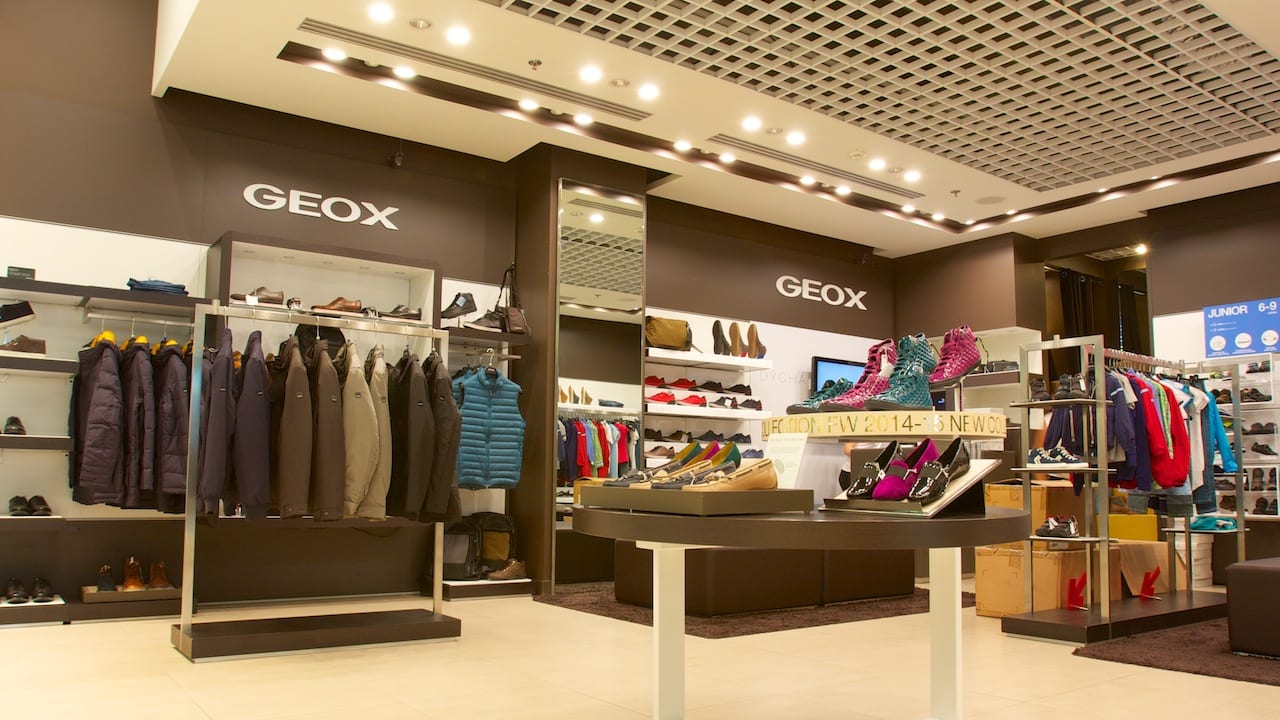
    Geox China has launched a pop-up store in Beijing’s APM Plaza, with Chinese actress Jing Tian being named as the face for its latest campaign.

    Geox founder Italian Mario Moretti Polegato says the fresh, lively and elegant image of the advertising campaign for China is perfect for the brand.

    As well as the latest spring/summer collections, the pop-up offers patented items from the Venetian company. Its collaboration with Italian footwear designer Ernesto Esposito continues with a women’s collection.

    Geox group produces classic and casual footwear and clothing for men, women and children. It derives 70 per cent of its turnover from more than 110 countries. At the end of December, the company had 10,000 multi-brand stores and 1095 dedicated stores internationally.

  • Sa Sa holiday sales numbers look positive

    Sa Sa holiday sales numbers look positive

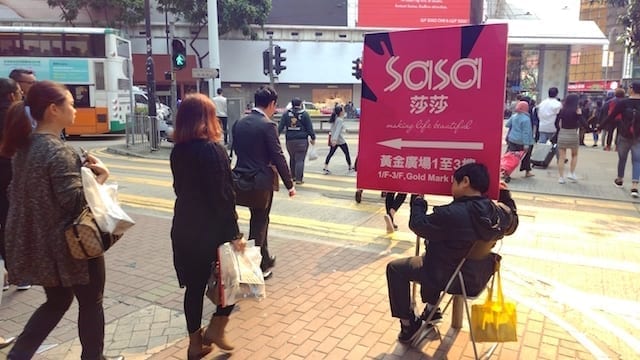
    Sa Sa holiday sales were strong enough to fuel optimism for the beauty products retailer’s full-year performance. Its unaudited sales for the Labour Day holiday show retail sales in Hong Kong and Macau increasing by 34.4 per cent year on year. Sales attributable to mainland customers grew by 41.5 per cent, driven mainly by 23.4 per cent growth in transaction volume and a 14.6 per cent increase in average sales per transaction.

    On a same-store basis, sales rose 31.7 per cent, with sales to local and mainland customers up 12.5 and 38.9 per cent respectively. The overall sales performance was in line with expectations.

    Apart from external factors, Sa Sa says it is starting to bear fruit from the relocation and consolidation of its warehouses.  Continuing efforts to improve product offerings and the balancing of sales growth against gross profit margin have led to increased sales while containing gross profit margin within an acceptable level.

    Benefitting from the retail market recovery, the group says it will continue to optimise product offerings and enhance the customer experience.

  • Rising costs in China make entrepreneurs look to Vietnam

    Rising costs in China make entrepreneurs look to Vietnam

    ‘People are starting to wonder if doing business in China is worth it.’ African nations have been turning to Vietnam as the business environment in China becomes increasingly more difficult. African businesses started flooding to Guangzhou City after China joined the World Trade Organization in 2001.

    Migration from Africa has risen as China “has stepped up its diplomatic links and investments with the continent,” the newspaper explained.

    In 2009, local media put the African population in Guangzhou at 100,000, including those who had overstayed their visas, it said.

    Guangzhou draws merchants who come to buy goods such as jewelry and electronics in bulk, which they ship back to their homelands.

    A part of the city has even been given the name “Little Africa.”

    But things have changed.

    The city’s African population had dropped to 10,344 in February last year, citing the municipal bureau of public security as saying, though Liang Yucheng, a professor of social sciences and humanities at Sun Yat-sen University, told the newspaper that there were still nearly 20,000 African traders in Guangzhou.

    Felly Mwamba, a leader of the Congolese community in Guangzhou, said one of the main reasons for this was rising costs, listing visa fees air tickets and other living expenses.

    “Most African trade with China is basic goods, like clothes, shoes, electrical appliances and low-end smartphones. Prices, logistics and living costs are all soaring in China,” a Kenyan trader identified as Don said.

    “Every day among the African community in Guangzhou, more and more have people started talking about going home or exploring new markets like India, Vietnam and Cambodia,” he said.

    The other reason for the falling African population in Guangzhou, as pointed out by Xinhua news agency in January, is that “police have tightened enforcement on illegal immigration.”

    Long-time African residents told that they have seen their compatriots lapse into “illegal” status after struggling with visa renewal requirements.

    Nigerians must submit criminal record checks for all work and student visas, and no African countries are eligible for 72-hour or 144-hour transit visa exemptions, unlike visitors from many other nations.

    “My friend had to go home to give fingerprints for a criminal record check. A return flight costs $2,000. By the time he got all his documents in order, his visa had expired,” said Akubakarr Sajor Barrie, director of an import-export company.

    “For a small business owner, this is really hard. People are starting to wonder if doing business in China is worth it and they’re going to countries like Turkey and Vietnam instead,” he was quoted as saying.

    Official data from the labor ministry showed the number of foreign workers in Vietnam grew by more than 12,600 in 2004 to 83,500 in 2015, and 93 percent of them are legal.

    Those foreigners come from 110 different markets, and most of them are from China, South Korea, and Taiwan.

    Vietnam was named among the top 10 destinations for expats in a ranking released in March to aim at guiding the world’s rising number of modern nomads.

    The country was placed ninth on the InterNations’ 2018 Expat Insider survey, climbing three spots from last year.

    More than four in five expats, or 81 percent, described the Vietnamese people as welcoming, and 73 percent said it was easy to settle down in the country, the survey found.

    Of the expats questioned, 56 percent said they had found it easy to make friends with locals, and 16 percent said they planned to stay forever.

  • Alibaba reaches a new record in transaction volumes

    Alibaba reaches a new record in transaction volumes

    Alibaba Group on Friday reported soaring revenue figures for the quarter ended March 31 and the 2018 fiscal year driven by strong growth in its core commerce business and strategic investments in New Retail.

    Total revenue for the quarter increased 61 per cent year-on-year to US$9.9 billion, with core commerce revenue increasing 62 per cent year-on-year to US$8.2 billion and cloud computing revenue increasing 103 per cent year-on-year to $699 million.

    Revenue from digital media and entertainment increased 34 per cent year-on-year to US$840 million and revenue from other initiatives increased 8 per cent year-on-year to US$158 million.

    Income from operations was US$1.5 billion. Adjusted EBITDA increased 11 per cent year-on-year to US$2.7 billion, while adjusted EBITDA for the core commerce segment increased 19 per cent year-on-year to US$3.5 billion.

    “Alibaba Group had an excellent quarter and fiscal year, driven by robust growth in our core commerce business and investments we have made over the past several years in longer-term growth initiatives,” said Alibaba Group’s chief executive Daniel Zhang.

    “With the continuing roll out of our New Retail strategy, our e-commerce platform is developing into the leading retail infrastructure of China. During the past year we also doubled down on technology development, cloud computing, logistics, digital entertainment and local services so that we are in a position to capture consumption growth in China and other emerging markets,” he said.

    Highest growth rate since IPO

    Alibaba ended the 2018 fiscal year with US$39.9 billion in revenue, a 58 per cent increase over the previous year. US$34.1 billion of that came from the company’s core commerce business, including its Taobao and Tmall e-commerce platforms. This represents a 60 per cent year-on-year increase in core commerce revenue, the highest revenue growth rate since the company’s IPO.

    Revenue growth in core commerce was largely driven by Alibaba’s investments in content and technology to personalise its retail marketplaces, its marketplace expansion through organic growth and acquisitions and its strategic shift to New Retail to capture consumer wallet share through online-offline integrations.

    H&M, Marni and Yonex established flagship stores on Tmall in the quarter, joining the more than 150,000 brands that sell through the platform, 18,000 of which are international brands from 74 countries selling into China through Tmall Global.

    Tmall’s newly established Luxury Pavilion now counts close to 50 brands, including Burberry, Dom Perignon, Tod’s, Zenith, La Mer, Maserati and Guerlain.

    Alibaba saw record transaction volumes in the 2018 fiscal year, with US$768 billion worth of goods purchased through its retail marketplaces, a 28 per cent over the previous year. This represents an acceleration compared to the 22 per cent increase in gross merchandise value it posted in the 2017 fiscal year.

    The company ended the fiscal year with 552 million and 617 million mobile active customers.

    Alibaba’s chief financial officer, Maggie Wu, said the company expects to maintain this high level of growth in the year ahead.

    “Looking ahead to fiscal 2019, we expect overall revenue growth above 60 per cen, reflecting our confidence in our core business as well as positive momentum in new businesses. We expect our new growth initiatives will drive long-term, sustainable value for our customers and partners and increase our total addressable market,” she said.

  • Eataly eyes joint venture for further China expansion

    Eataly eyes joint venture for further China expansion

    Italy’s Eataly may form a JV with a Chinese partner, says chairman Andrea Guerra, but also plans to list about 30 per cent of its capital next year.

    It also plans to expand with outlets in Las Vegas, Toronto, Europe and the UAE. “In the long term, we aspire to reach 100 stores… and go beyond €1 billion in sales,” says Guerra.

    Eataly is an upmarket deli-cum-foodcourt concept with a focus on fresh, artisan foods.

    The company plans to increase revenue to €690-720 million in 2020 from €465 million last year. It is also targeting adjusted core profits of €60 to €65 million in 2020, from €25 million last year.

    Revenue of €50 million is expected this year, says Guerra.

  • HSBC’s big push into Asia

    HSBC’s big push into Asia

    HSBC’s adjusted pre-tax profit of $6,033m for the first quarter is in many senses disappointing. It was down 3% from a year earlier and fell short of analysts’ estimates. From an Asian perspective, however, HSBC’s Q1 financial results highlight the scope of its expansion in the region – growth which has also contributed to its rising cost base. If you’re thinking about applying to HSBC in Asia, here’s what its latest numbers tell us about jobs at the bank.

    Asia generated $4,756m in adjusted profit before tax in Q1, up 8% from a year earlier. By contrast, Europe’s contribution to profit fell 72% to $222m over the same period, while North America’s declined 16% to $438m. Asia now accounts for 79% of HSBC’s profit. This suggests that the firm is doubling down on its pivot to Asia (and to China in particular), a strategy that seeks to redeploy $100bn or more of assets into the region. HSBC announced the plans in 2015, adding that it would hire 4,000 staff in the Pearl River Delta region in southern China, although it still faces strong competition from local banks there.

    HSBC is hiring investment bankers in China…

    HSBC Qianhai Securities, the first joint-venture securities company in mainland China to be majority owned by a foreign bank, has been hiring in the first quarter. HSBC made “made strategic hires in our securities joint venture in mainland China”, group chief executive John Flint, said in a statement within the bank’s financial report, without elaborating. Qianhai, which was launched in December, already has licences to offer equity and debt sponsoring and underwriting, equity research and brokerage of locally-listed securities, and domestic and cross-border M&A advisory. First quarter investment in Qianhai contributed to rising costs at HSBC, Flint said.

    HSBC is hiring more technologists, product managers, developers and content producers as it expands its digital-banking team in Hong Kong, its main digital development centre alongside London. This expansion appears to have continued into Q1. Flint said in his statement that the bank has “invested to enhance our digital capabilities in all our global businesses”.

    HSBC’s Asian private bankers are getting more productive

    HSBC’s Global Private Banking division makes up just 2% of its profits globally, but it is expanding in Asia, particularly in Hong Kong. Revenue in the division increased by $45m or 10%, “mainly in Hong Kong, as higher investment revenue reflected increased client activity, and deposit revenue increased as we benefited from wider spreads”. Although HSBC’s report doesn’t reveal regional revenue or profit figures for GPB (or other divisions), it does disclose client assets. First-quarter AUM in Asia rose 18% year-on-year to $131bn. But while rivals – from UBS to UBP – have been aggressively hiring in the sector, HSBC’s headcount of relationship managers in Asia stayed static at 470 last year, according to Asian Private Banker. The AUM increase suggest that HSBC’s existing RMs are becoming more productive.

    The first quarter was also a fruitful one for RMs working in wealth management in Asia. Their unit (which serves clients who aren’t rich enough to use the private bank and is part of HSBC’s wider Retail Banking and Wealth Management division) saw its global income rise 27% year on year to $1,829m. The increase “was primarily in investment distribution, reflecting higher sales of retail securities and mutual funds in Asia, following increased investor confidence”.

    Like their counterparts at rival Asia-focused banks Standard Chartered and DBS, Asian transaction bankers performed well at HSBC in Q1. Revenue within the Commercial Banking division increased by $0.3bn or 10%, notably in global liquidity and cash management, as HSBC “benefited from wider deposit spreads in Hong Kong and mainland China”. Credit and lending revenue also increased in Hong Kong.

  • CK Hutchison enters global alliance with Xiaomi

    CK Hutchison enters global alliance with Xiaomi

    Hong Kong conglomerate CK Hutchison has entered an agreement with Chinese smartphone maker Xiaomi covering distribution of Xiaomi smartphones.

    Under the agreement, CK Hutchison will bring Xiaomi smartphones, as well as IoT and lifestyle products, to its vast network of telecom and retail stores.

    CK Hutchison’s 3 Group and AS Watson brands will be able to broaden their product range, while Xiaomi will benefit from a wider international presence.

    The agreement will initially cover 3 Group’s stores in Hong Kong, Austria, Denmark, Ireland, Italy, Sweden in the UK and AS Watson stores in Hong Kong, Ireland, UK and the Netherlands.

    Xiaomi also plans to extend its collaboration with CK Hutchison’s operator channels in European markets.

    Recent research from Canalys estimates that Xiaomi had its strongest revenue growth in three years during the first quarter, with unit shipments growing 116% year-on-year to 28.1 million. More than half (nearly 57%) of these were shipped outside of China.

    “Xiaomi has done a great job recovering its position in its home market,” said Canalys Senior Director Nicole Peng. “While China has been a growth engine and profit driver for Xiaomi’s rising service revenue, overseas market expansion has helped it boost market share, both of which will be critical to the success of its IPO,” Canalys senior director Nicole Peng said.

    “It is important to note that Xiaomi’s rapid expansion will bring with it substantial overheads, which will make sustaining its original lightweight cost structure increasingly difficult.”

  • Most Yum payments via mobile now

    Most Yum payments via mobile now

    Mobile payments accounted for 56 per cent of Yum China Holdings first-quarter sales, up from 31 per cent 12 months earlier.

    Unaudited results for the period show the fast-food giant’s total revenues grew 15 per cent year over year to US$2.2 billion (6 per cent if foreign currency translation excluded). Total system sales grew 6 per cent, with 9 per cent growth at KFC partially offset by 1 per cent decline at Pizza Hut, excluding foreign exchange.

    Same-store sales grew 3 per cent, with an increase of 5 per cent at KFC partially offset by a 5 per cent drop at Pizza Hut, excluding foreign exchange.

    Restaurant margin was 17.9 per cent, compared with 20.4 per cent in the previous year.

    Operating profit grew 33 per cent to $395 million, while net income grew 41 per cent to $288 million.

    During the quarter, the company completed the acquisition of an extra 36 per cent equity interest in an unconsolidated affiliate, Wuxi KFC, for cash consideration of about $98 million, taking its stake to 83 per cent.

    Also during the quarter the group opened 203 restaurants, taking its total store count to 8112 across more than 1200 cities.

    Online delivery contributed 16 per cent to company sales, up from 13 per cent 12 months earlier. Delivery services are now available in 970 cities, up from 700.

    At the end of March, the KFC loyalty program had more than 120 million members while that for Pizza Hut had about 40 million members.

  • China boost for McDonald’s appetite

    China boost for McDonald’s appetite

    A strong performance in China, partly offset by continued challenges in South Korea, helped build first-quarter momentum for McDonald’s Corporation.

    President/CEO Steve Easterbrook says the restaurant group has had 11 consecutive quarters of positive comparable sales and a fifth consecutive quarter of positive guest counts.

    Highlights for the first quarter, to the end of March, included a 5.5 per cent rise in global comparable sales and 0.8 per cent in global comparable guest counts.

    A strategic refranchising initiative resulted in consolidated revenues dropping 9 per cent (15 per cent in constant currencies).

    Systemwide sales increased 7 per cent in constant currencies, while consolidated operating income increased 5 per cent (flat in constant currencies) because of growth in franchised margin dollars, offset by the impact of the refranchising initiative

    Comparable sales for the international lead segment increased 7.8 per cent for the quarter, reflecting positive results across all markets. The segment’s operating income grew 21 per cent (9 per cent in constant currencies), fuelled by sales-driven improvements in franchised margin dollars.

  • Alibaba Cloud enters partnership with ASL

    Alibaba Cloud enters partnership with ASL

    Alibaba Cloud and Hong Kong IT service provider Automated Systems Limited (ASL) have entered a strategic partnership aimed at facilitating the development of the cloud market in Hong Kong and Macau.

    Under the collaboration, both companies will collaborate on areas including go-to-market, solution creation, and cloud security services.

    The companies will also invest to create joint teams that will offer innovative cloud solutions and services for businesses in the two markets.

    Alibaba Cloud will contribute security solutions and services for ASL’s Security Operation Center Plus offering. The two companies will also establish a joint solution lab working on new offerings for the healthcare, property, financial services and other industries.

    Meanwhile Alibaba Cloud will provide ASL with support to create a technical team to handle presales, solutions architecture and solution delivery, and ASL will acquire cloud talent through the Alibaba Cloud Associate and Alibaba Cloud Professional certification programs.

    “We are excited to work closely with Alibaba Cloud, the leading digital transformation expert in the world,” ASL executive director and CEO Wang Yeou said.

    “The partnership will further our mutual vision of fostering the development of the cloud market in Hong Kong and Macau. In the age of cloud computing and digital transformation, this partnership will build and strengthen ASL’s brand and position as a leading and industry-specific cloud service provider in Hong Kong and Macau.”

  • Tencent decides to launch its first Asean data center in Cyberjaya

    Tencent decides to launch its first Asean data center in Cyberjaya

    Tencent Holdings Limited, a China based investment holding firm, and Tourism Malaysia are planning to jointly set up a data center in Cyberjaya, Malaysia. Sources claim that the strategic move is a part of the Smart Tourism 4.0 program launched recently in Malaysia. Under the new project, Tencent is expected to use the reproduction of its earlier digital ecosystem model.

    Datuk Siew Ka Wei, the chairman of Tourism Malaysia, has stated that the group has decided to establish an incubation unit in Cyberjaya in association with the regional partner. He further added that the initiative will include not only retail firms but also airliners and myriad other players across the transport sector.

    Experts are of the opinion that this smart tourism initiative will make notable contributions towards the economic growth of Malaysia considering that 8 million tourist arrivals are expected in Malaysia from China over the next two years. As per a key official of Tourism Malaysia, startups with innovative, fresh ideas will benefit commendably from the smart tourism initiative.

    If reports are to be believed, the initiative is forecast to be live in the second half of this year. The program will help the Malaysian Tourism Promotion Board to promote the growth of tourism industry in the country.

    Malaysia Smart Tourism 4.0 program encompasses the development of approximately 40 videos, each spanning over five minutes. These videos display exceptional holiday experiences in the country, including resorts, gastronomy, heritage, beaches, soft adventure tourism, history, and culture. It is likely that Tencent will declare the establishment of the data center in Cyberjaya by the end of the month, thereby becoming the first organization to provide services for the entire Asian region.

    It has been speculated that the Chinese retail conglomerate will support the expansion of Malaysian businesses across the China market by providing them with new technology. In return, Tourism Malaysia will offer substantial facilities to Tencent for its business growth across the country.