Tag: China

  • Hong Kong retail rents prepare to move into ‘early upswing’

    Hong Kong retail rents prepare to move into ‘early upswing’

    Hong Kong retail rents are expected to move into an “early upswing cycle” this year according to a regional real estate market briefing prepared by Savills.

    The report details commercial and residential property leasing trends across major Asian markets and as the accompanying tables show, compares occupancy costs of space as well.

    It groups major cities by upswing and downswing, late and early, showing that Hong Kong is at the end of its downswing in retail rental rates. Cities currently in early upswing are Manila, Guangzhou, Jakarta and Singapore. Hong Kong is grouped with Taipei, Hanoi, Ho Chi Minh City and Seoul, suggesting all those markets are about to turn.

    Savills says regional prime retail rents moved by between a decline of 1.8 per cent in Beijing and an increase of 5.9 per cent in Guangzhou last year.

    “Strong local retail consumption growth of 9.5 per cent year on year in the second half of the year following 10.5 per cent in the first half of the year supported the Guangzhou leasing market, while prime shopping malls began to re-position and upgrade, focusing more on entertainment and food & beverage,” said Savills in a brief commentary.

    “Again, Hong Kong’s prime shopping mall rents are considerably ahead of all other Asia-Pacific markets and are expected to move into an ‘early upswing’ cycle this year.”

    Savills says economic growth across Asia-Pacific continued to picked-up moderately in the second half of last year and the International Monetary Fund estimates that the “Emerging and Developing Asia” economies grew by 6.5 per cent over the year as a whole while China grew by 6.8 per cent and Japan’s economy grew by 1.8 per cent last year, from 0.9 per cent in 2016.

    “The improving global economic outlook and an accommodative monetary policy created momentum for business expansion,” said Savills.

  • Natuzzi S.p.A. Signs a Joint Venture Agreement

    Natuzzi S.p.A. Signs a Joint Venture Agreement

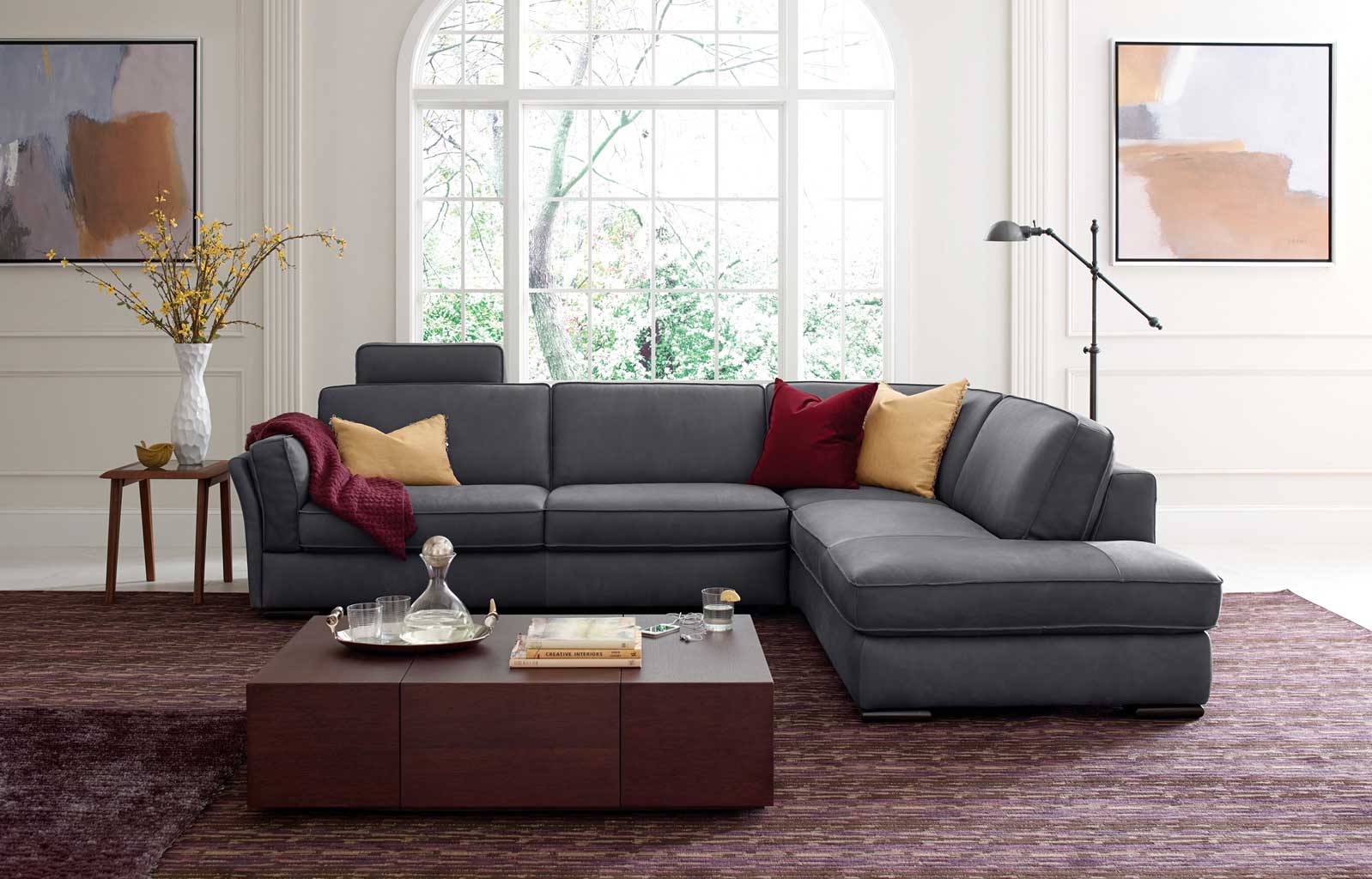
    Italian furniture brand Natuzzi and China’s Kuka furniture company have agreed to make the company’s wholly owned Chinese subsidiary Natuzzi Trading (Shanghai) a joint venture.

    The JV agreement is aimed at expanding the company’s retail network in Mainland China, Hong Kong and Macau. The company, the JV and Kuka have also entered into an agreement for the sale and purchase and subscription of shares In Natuzzi Trading (Shanghai).

    The agreements follow the execution of a preliminary agreement last month. Under the agreements, Natuzzi and Kuka will own, respectively, a 49 and a 51 per cent stake in the JV, which will distribute Natuzzi Italia and Natuzzi Editions branded products through a network of single-brand directly run stores and franchised stores in China, Hong Kong and Macau, as well as through online stores.

    Kuka will invest a total of €65 million (US$80 million), of which €35 million will be contributed to the JV for the subscription of a capital increase of US$567,869, and €30 million will be paid to the company as consideration for the transfer of US$486,744 of registered capital interest from the company to Kuka.

    The JV will be granted the perpetual and exclusive distribution licence for the Natuzzi Italia, Natuzzi Editions and other relevant trademarks for a consideration of €15 million.

    The transaction is subject to applicable authorisations, regulatory filings and approvals. Assuming these conditions are met, it is expected the closing will occur by August 22.

  • Stocks slump on trade-war worries

    Stocks slump on trade-war worries

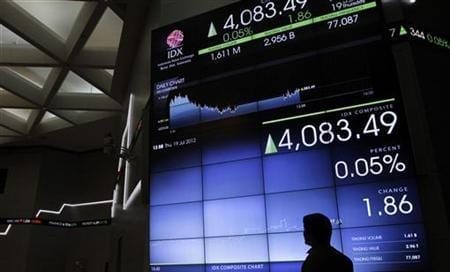
    Asian stocks followed their US counterparts lower after President Donald Trump’s decision to slap tariffs on China heightened concern a trade war could hurt global growth. The yen climbed to its strongest in more than a year.

    Equity indexes from Tokyo to Shanghai tumbled well over 3 percent. US stock futures also declined, signaling a further retreat for the S&P 500 Index after it tumbled 2.5 percent, the most in six weeks. As investors dumped stocks, they rushed to the safety of Treasuries, where yields dipped below 2.8 percent, and the yen, which jumped past 105 per dollar for the first time since November 2016. Follow live coverage of reaction here.

    The sell-off began after Trump instructed US Trade Representative Robert Lighthizer to levy tariffs on at least US$50 billion in Chinese imports. Subsequently, China announced plans for reciprocal tariffs on $3 billion of imports from the US, including products from steel to pork. News that the US is shielding some countries from steel and aluminum tariffs did nothing to lift investor gloom.

    “The window from coming back from an all-out trade war is still open, but closing fast, and obviously leaves a lot of uncertainty over the next two to three weeks,” said Kay Van-Petersen, a Singapore-based global macro strategist with Saxo Capital Markets. It is “classic risk-off for equities today and potentially over the next few days,” Van-Petersen said. Eventually it “could open up some interesting opportunities, especially in the credit space and in the consumption-driven sectors,” he said.

    Adding to the image of the ascendance of the “America first” faction, Trump said he is replacing White House National Security Adviser H.R. McMaster with John Bolton, a controversial foreign-affairs specialist whom the U.S. Senate declined to confirm as President George W. Bush’s ambassador to the United Nations.

    Oil prices climbed amid worries that Bolton would pursue a hard-line stance against Iran.

    Investor fears of escalating trade tensions are being realized as the U.S. tariffs quickly sparked a reciprocal response from China. Traders had already been bracing for the possibility of slowing growth as the Federal Reserve reiterated its commitment to further interest-rate increases after Wednesday’s hike.

  • Toys R Us founder dies days after chain’s announced shutdown

    Toys R Us founder dies days after chain’s announced shutdown

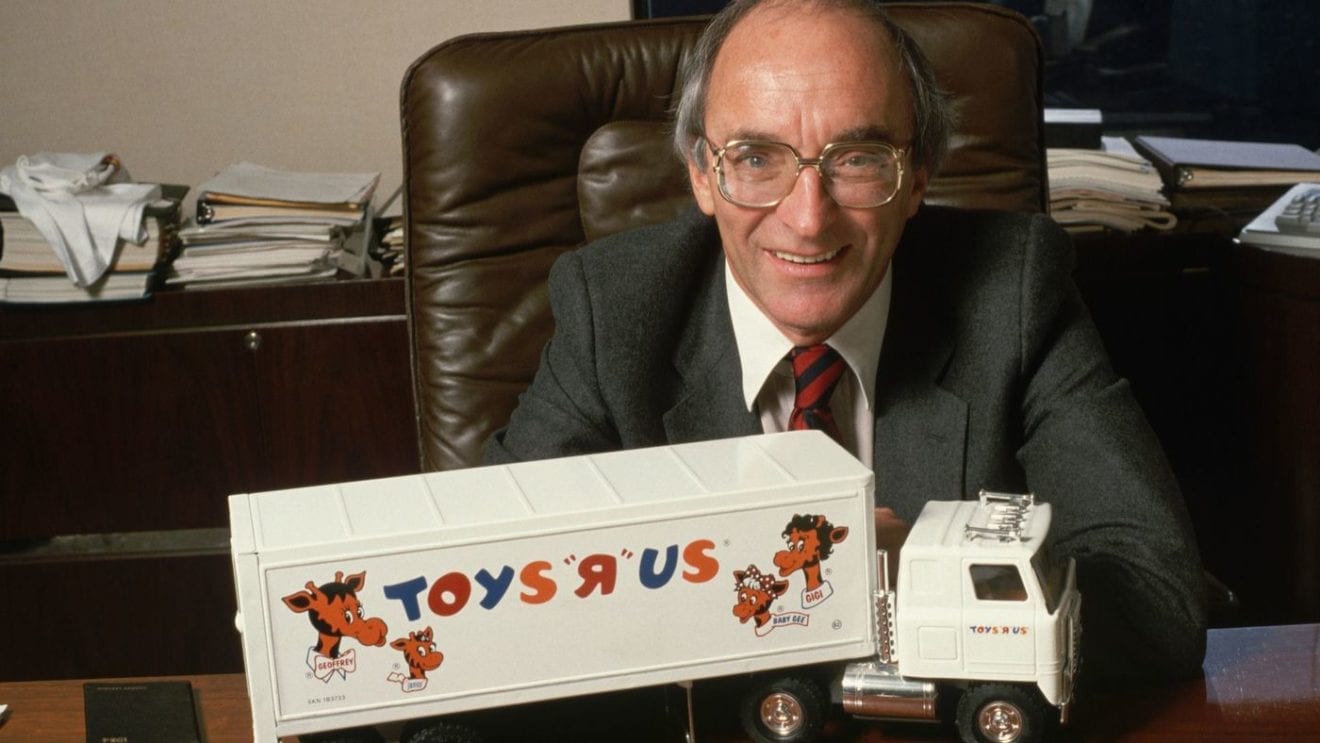
    There is sad synchronicity in the timing of the death of Toys R Us founder Charles Lazarus,  which comes as the retailer is preparing to shut up shop.

    News of the passing of Lazarus, 94, was tweeted by Toys R Us overnight. He founded the company in 1957 after returning from military service.

    The current woes of the toy giant do nothing to detract from the passion, skill, and enthusiasm that Lazarus brought to the business.

    The Toys R Us he created was an innovative and pioneering retailer that, in an era before online selling, used scale and volume to create a mecca to which generations of children were drawn.

    Unfortunately, many of the attributes that once made Toys R Us successful eventually became burdens that prevented the firm from competing in a digital era.

    Lazarus was not the author of those failures. Indeed, when he exited the firm in 1994, he left a sound business that had pride and purpose. Sadly, many – though not all – of his successors lacked his commercial intellect. Where he made sound decisions; they stumbled and made choices that would ultimately lead to the firm’s demise.

    The cold treatment of Toys R Us by private equity players during its latter days was in sharp contrast to the warmth and joy Lazarus had for – and brought to – the business at its start. Ultimately, his vision and approach were right. Retail in general and toy retail, in particular, is a business that needs emotion and enthusiasm. Once those things disappear, it is not long until decline sets in.

    The passing of Charles Lazarus is an ideal time to remember that retail is not just about numbers, metrics, and financials. It’s about passion, purpose, and strategy. Proper merchants, like Lazarus, knew this – which is one of the very many reasons he will be missed.

    Announcing Lazarus’ passing, Toys R Us commented: “There have been many sad moments for Toys R Us in recent weeks, and none more heartbreaking than today’s news about the passing of our beloved founder, Charles Lazarus, after a period of declining health. He visited us in New Jersey just last year and we will forever be grateful for his positive energy, passion for the customer and love for children everywhere. Our thoughts and prayers are with Charles’ family and loved ones.”

  • Cosmo Lady Says Unit To Form JV With Kappa

    Cosmo Lady Says Unit To Form JV With Kappa

    Cosmo Lady has formed a joint venture with Shanghai Kappa to develop and sell intimate apparel in China.

    The partnership – 75 per cent owned by Cosmo Lady and 25 per cent by Shanghai Kappa – will focus on men’s underwear and women’s sports underwear products.

    Shanghai Kappa and the JV company will enter into a licensing agreement giving the JV the exclusive right to use the Kappa trademarks on its intimate wear products in China for eight years.

    Shanghai Kappa, incorporated in China, is a wholly-owned subsidiary of China Dongxiang, which owns the rights to the Kappa sportswear brand in China and Macau.

  • China vows to hit back as US trade sanctions loom

    China vows to hit back as US trade sanctions loom

    President Donald Trump is poised to unveil sanctions against China today for the “theft” of US intellectual property, fuelling fears of a trade war as Beijing vowed to retaliate.

    White House spokesman Raj Shah said that Trump will announce actions following an “investigation into China’s state-led, market-distorting efforts to force, pressure, and steal US technologies and intellectual property”.

    According to his schedule, released by the White House on Wednesday evening, he will sign “a Presidential Memorandum targeting China’s economic aggression”.

    The Chinese commerce ministry issued a pre-emptive warning, saying in a statement today that Beijing “will certainly take all necessary measures to resolutely defend its legitimate rights and interests”.

    China today blamed US export restrictions for its record trade surplus with the US, but expressed hope that a solution can be found to settle trade issues between the world’s two biggest economies.

    Chinese Foreign Ministry spokeswoman Hua Chunying said it was unfair to throw around criticism about unfair trade if the US won’t sell to China what it wants to buy, referring to US export controls on some high-tech products.

    “How many soybeans should China buy that are equal to one Boeing aircraft? Or, if China buys a certain number of Boeing aircraft should the US buy an equal number of C919s?” Hua said, mentioning China’s new self-developed passenger jet.

    However, China still hopes it can hold constructive talks with the US in a spirit of mutual respect to seek a win-win solution, she added.

  • H&M opened on Tmall

    H&M opened on Tmall

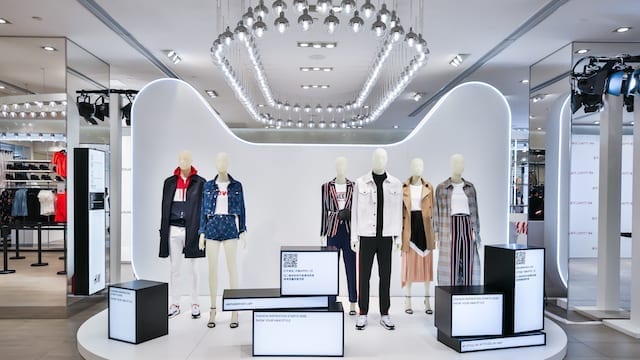
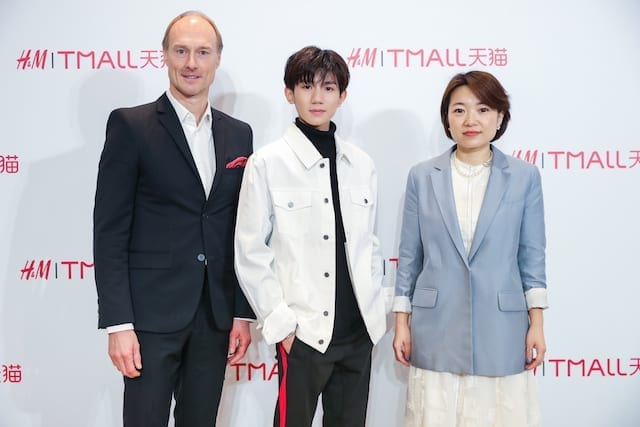
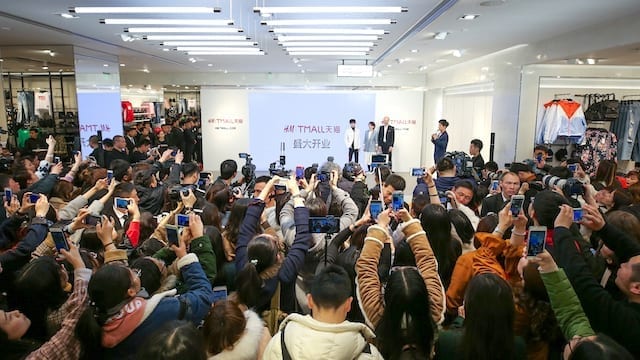
    H&M China launched on Chinese e-commerce platform Tmall, complementing the Swedish clothing retailer’s 400-plus physical stores and HM.com Shop Online.

    “We are very happy to extend our collaboration with Alibaba by launching H&M and H&M Home on Tmall,” says H&M Greater China country manager Magnus Olsson.

    H&M opened its first store in Mainland China in 2007 and launched its online shop in 2014. The H&M group brand Monki has had strong development in China since its launch on Tmall, and this collaboration between the two groups, touted in December, is being extended to include both the H&M brand and H&M Home.
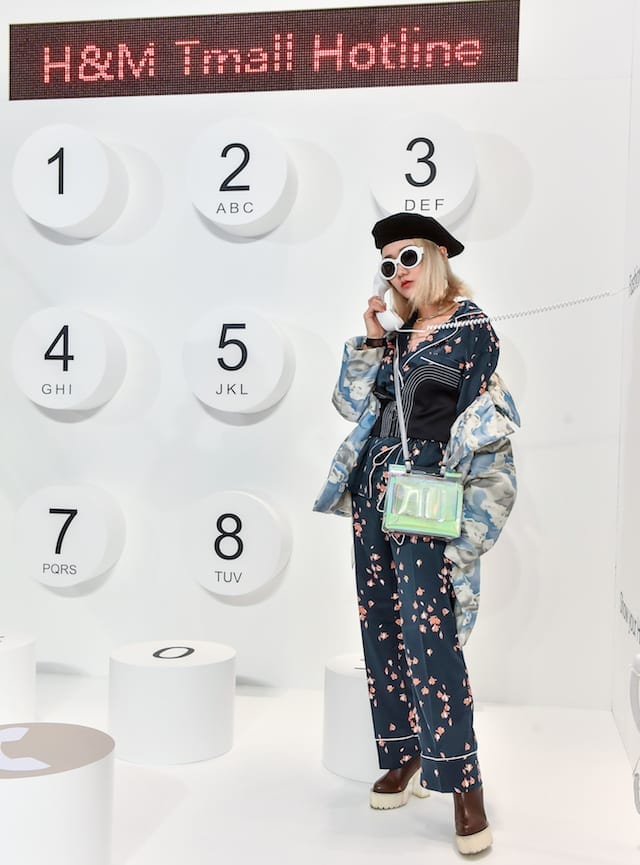
    During the launch period, H&M’s Tmall shop is offering more than 10,000 styles of fashion items including women’s, men’s, teens’ and children’s styles, plus H&M Home. As well as special opening offers, Tmall and H&M is offering exclusive pieces featured by TF Boys singer Wang Yuan, one of the stars in a H&M/Tmall campaign film.

    “With H&M’s experience in online and offline fashion retail, this collaboration signifies an important milestone for Tmall’s expansion, allowing more customers to enjoy the pleasure of interactive shopping,” says Alibaba VP for Tmall fashion and luxury Lv Jianmei.

    Procurement centres

    Meanwhile, Tmall Global plans to open six procurement centres across the world to help overseas vendors capture Chinese consumers’ booming appetite for newer and better imported goods, says Tmall president Jet Jing. They will be established in Japan, South Korea and Hong Kong, as well as regions of North America, Europe and Oceania.

    Jing’s announcement, at the annual Tmall Global 2018 Global Partners Summit in Hangzhou, did not disclose a time frame.

    Launched in 2014, Tmall Global is Tmall’s channel for cross-border e-commerce. The platform controls nearly a quarter of the market. With Alibaba’s expansive consumer analytics, Tmall Global provides overseas vendors insights into Chinese consumers’ shopping behaviour and preferences.
    China is the world’s second-largest consumer market following the US, according to Boston Consulting Group. The research consultancy notes China will see nearly $2 trillion in new consumption by 2021, and also projects China’s e-commerce cross-border trade to more than double to RMB620 billion (US$98 billion) in gross merchandise volume by next year from RMB305.5 billion in 2016.

    Global commitment

    Tmall Global, which already offers more than 18,000 brands from 74 countries and regions, is committed to attract even more international brands and vendors to sell their goods into China in the coming year, says Tmall Global GM Alvin Liu.

    New Retail, which harnesses new technologies to unify online and offline shopping, will serve as an important driver to power such growth by allowing vendors to engage with their customers in both spheres, Liu says.

    “Our goal is to give Chinese consumers the best shopping experience, so we select only the best quality for China,” says Liu.“We must discover new categories and find new products so Chinese consumers can find items that are best suited to their needs.”

    To achieve these goals, Tmall Global has pledged to boost the traceability of items sold on the platform. By using blockchain technology, consumers will be able to track their orders throughout every stage of the delivery process, starting from the factory at the country of origin.
    Secondly, the platform seeks to expedite the expansion of overseas fulfillment centres so smaller foreign brands can introduce their products to the Chinese market more quickly.

    The platform will also increase the use of bonded warehouses, where imported goods can be stored securely without import duties until the items are sent.
  • Strong sales growth posted by Hermès Asia

    Strong sales growth posted by Hermès Asia

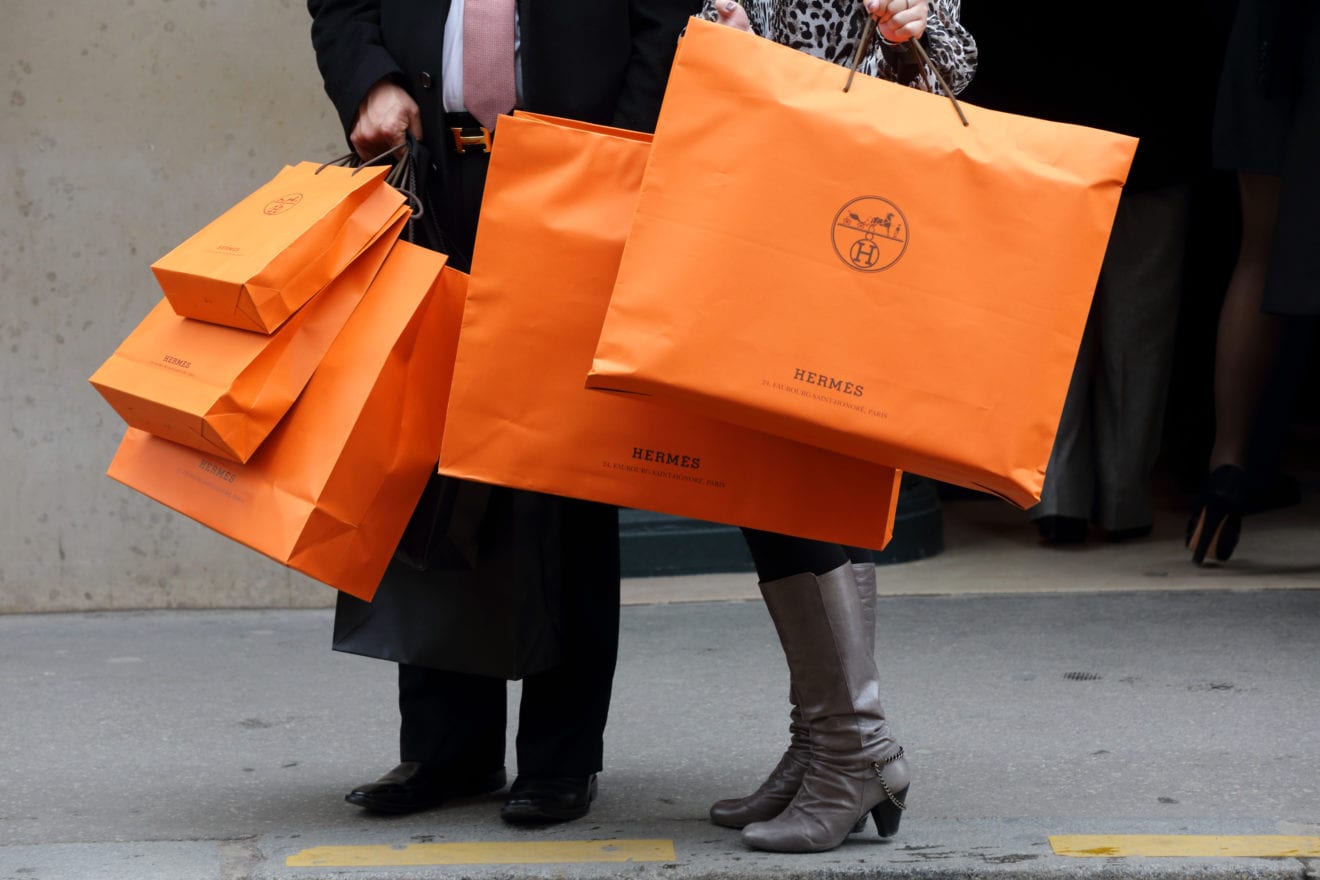
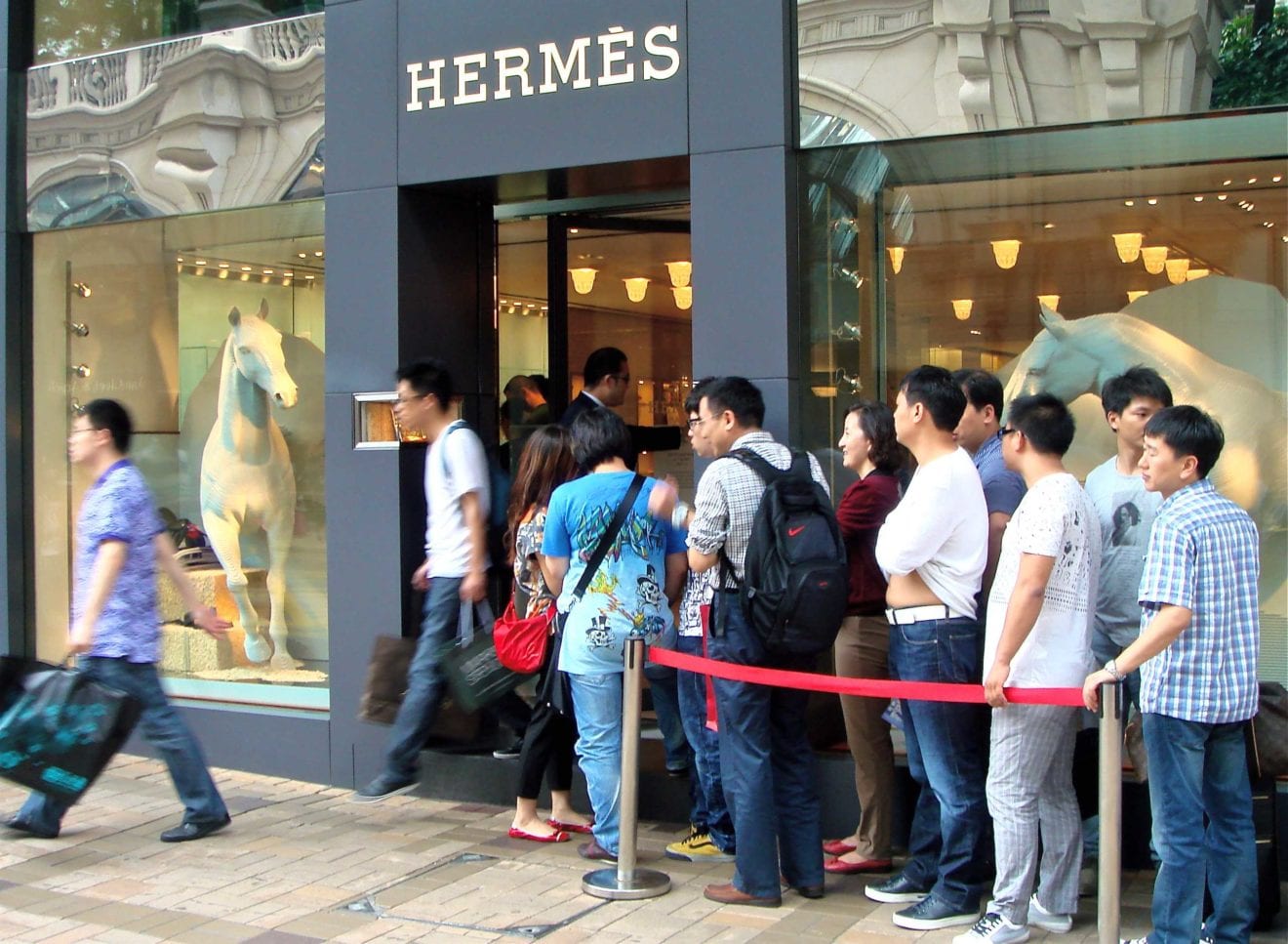
    Hermes Asia sales grew 11.3 per cent last year to €1.946 billion (US$2.4 billion) as the luxury retailer set a new record for gross retail margin.

    The company said the retail market was improving in Hong Kong and Macau, with the Asian market “pursuing its upward curve” and positive outlooks in Mainland China and South Asian countries.

    Growth was aided by store revamps at Sogo Fuxing in Taiwan, Elements mall in Hong Kong and at Kuala Lumpur.

    Sales in Japan (separated from Asia results) rose 4 per cent to €724.1 million, despite a high comparison figure from last year, which the company described as “a sustained increase” in what is a mature market, citing a selective distribution network.

    Group sales totalled €5.549 billion (US$6.863 billion), up 9 per cent at constant exchange rates. Operating income rose 13 per cent, to €1.922 billion, representing a record 34.6 per cent gross margin, while net profit rose 11 per cent to €1.221 billion.

    “Hermes achieved a new year of historic results, thanks to the quality of our know-how, the success of our creations and especially the incredible commitment of the women and men of Hermes,” said executive chairman Axel Dumas.

    Hermes will ramp up its online offer in the region this year, with a new website scheduled to go live in China at the end of this year.

    Meanwhile, the company said the sale of the Galleria building in Hong Kong’s Central district, which previously housed its flagship store, would likely generate a net capital gain of €50 million this year.

    Leather drives growth

    By category, Hermes’ leather goods proved the strongest performer last year, sales rising 10 per cent globally, reflecting increased production capacity as demand rose for its handbags.

    The ready-to-wear and accessories division grew 9 per cent, driven by the success of new collections, fashion accessories and particularly shoes.

    Sales of silk and textile products grew 6 per cent and of perfumes by 10 per cent, largely due to the successful launch of Twilly d’Hermes.

    Watch sales grew just 1 per cent with what Hermes described as “good sales” in company-owned stores. Other Hermes business lines- jewellery, Art of Living and Hermes Table Arts, grew sales by 11 per cent.

  • The Children’s Place Expands Into China

    The Children’s Place Expands Into China

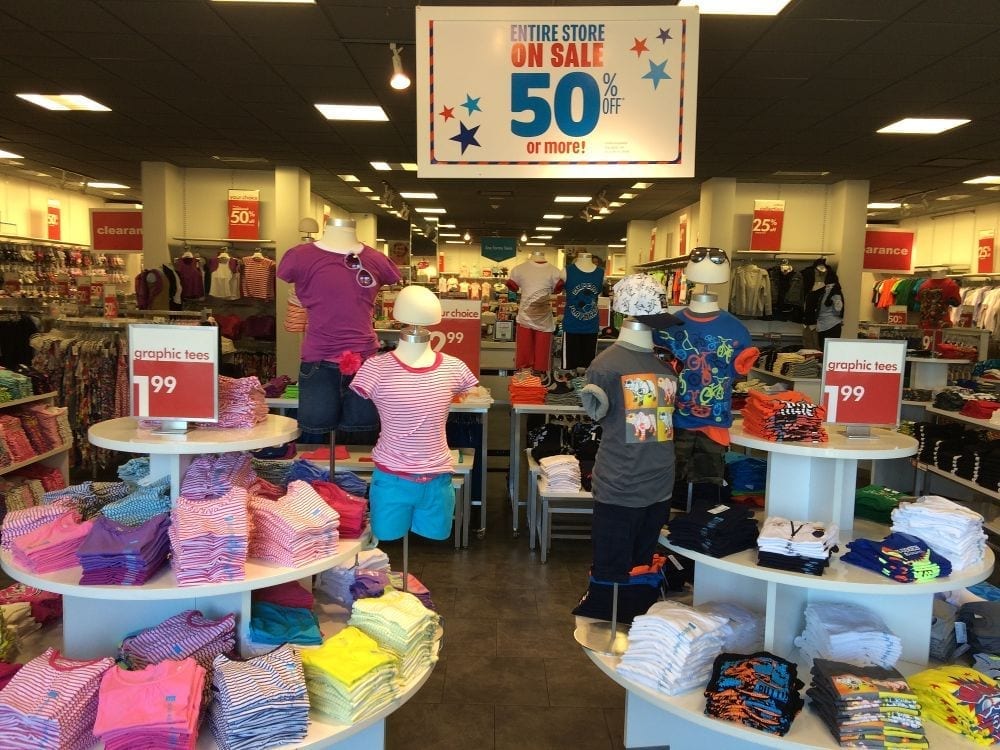
    The Children’s Place is the latest fashion retailer to look to the Far East for new growth opportunities.

    The Secaucus, N.J.-based firm, which operates 1,014 stores in the U.S., Canada and Puerto Rico, announced today that it has signed an exclusive licensing agreement with Zhejiang Semir Garment Co. Ltd. (Semir), parent of Balabala, China’s largest specialty kids’ apparel retailer. The partnership will take The Children’s Place brand into the Greater China market, encompassing Mainland China, Taiwan, Hong Kong and Macau.

    Over the first five years, Semir will open at least 300 Children’s Place retail locations — stocking a mix of apparel, footwear and accessories — in Greater China, as well as operate the brand’s e-commerce business. The partnership is projected to generate between $125 million and $150 million in sales by 2022.

    “Entering China through this strategic partnership is a game-changer for our international business. It takes us one step closer to our goal of becoming the leading global omnichannel kids’ apparel brand,” said president and CEO Jane Elfers. “The young children’s apparel market is already one of the fastest-growing categories in China.”

    Indeed, the category is estimated at $24 million, and with China’s recent shift to a two-child policy for families, it is forecast to double by 2025.

    Elfers cited Semir’s dominance within China’s children’s market and its strong retail, digital and operational expertise. Through its Balabala brand, Semir operates and franchises approximately 4,400 children’s apparel stores and runs the largest such e-commerce business in China through third-party platforms such as Tmall, JD and VIP.com. Semir boasts annual revenues of $1.9 billion.

    “This partnership provides an entrée for The Children’s Place into the China market that would not otherwise be possible with any other partner,” Elfers said. “[Semir] provides The Children’s Place with instant access to prime retail locations, established relationships with a large number of franchisees, and significant local sourcing and logistics capabilities.”

    The Children’s Place is one of a growing number of U.S. retailers eyeing China, which is in the midst of a consumer revolution, fueled by an exploding middle class and aggressive moves by Chinese e-commerce giant Alibaba Group to shape China into a consumption-based economy. Joint research by Alibaba’s AliResearch think tank and Boston Consulting Group predicts that the Chinese consumer economy will swell to $6.1 trillion by 2021.

  • China, Hong Kong stocks fall tracking Wall Street

    China, Hong Kong stocks fall tracking Wall Street

    Stocks in China and Hong Kong fell early on Tuesday, tracking losses on Wall Street, where concerns over increased regulation of large technology companies led to shares of Facebook plunging overnight.

    ** Facebook shares tumbled 6.8 percent as Chief Executive Mark Zuckerberg faced calls from both U.S. and European lawmakers to explain how a consultancy that worked on U.S. President Donald Trump’s election campaign gained access to data on 50 million Facebook users.

    ** Investors also worried about the potential for a trade war after Trump imposed tariffs on steel and aluminium.

    ** At 04:06 GMT, the Shanghai Composite index was down 0.26 percent at 3,270.82, and the blue-chip CSI300 index was 0.48 percent lower at 4,054.64. ** Chinese H-shares listed in Hong Kong fell 0.93 percent at 12,542.44, while the Hang Seng Index was down 0.54 percent at 31,344.20. ** The smaller Shenzhen index was down 0.55 percent, while the start-up board ChiNext Composite index was weaker by 0.06 percent.

    ** The Trump administration is expected to unveil up to $60 billion in new tariffs on Chinese imports by Friday, targeting technology, telecommunications and intellectual property, two officials briefed on the matter said Monday.

    ** U.S. businesses have been alarmed, with several large U.S. retail companies, including Walmart Inc and Target Corp , on Monday urging Trump not to impose massive tariffs on goods imported from China. ** Around the region, MSCI’s Asia ex-Japan stock index was weaker by 0.31 percent, while Japan’s Nikkei index was down 0.73 percent. ** The yuan was quoted at 6.3264 per U.S. dollar, 0.07 percent firmer than the previous close of 6.3308. ** The largest percentage gainers on the main Shanghai Composite index were Guodian Nanjing Automation Co Ltd up 10.1 percent, followed by Guizhou Yibai Pharmaceutical Co Ltd gaining 10.03 percent and Beijing AriTime Intelligent Control Co Ltd up by 10.02 percent. ** The largest percentage losers on the Shanghai index were Heilongjiang Interchina Water Treatment Co Ltd down 6.41 percent, followed by Cultural Investment Holdings Co Ltd losing 6.36 percent and Zhonglu Co Ltd falling by 5.46 percent. ** The top gainers among H-shares were CSPC Pharmaceutical Group Ltd up 10.4 percent, followed by China Gas Holdings Ltd gaining 4.74 percent and Huaneng Power International Inc up by 1.37 percent. ** The three biggest H-shares percentage decliners were Byd Co Ltd which has fallen 2.70 percent, China Vanke Co Ltd which lost 2.7 percent and New China Life Insurance Co Ltd down by 2.2 percent. ** About 8.25 billion shares have traded so far on the Shanghai exchange, roughly 45.9 percent of the market’s 30-day moving average of 17.96 billion shares a day. The volume traded was 13.80 billion as of the last full trading day. ** As of 04:06 GMT, China’s A-shares were trading at a premium of 25.94 percent over the Hong Kong-listed H-shares. ** The Shanghai stock index is below its 50-day moving average and its 200-day moving average. ** The price-to-earnings ratio of the Shanghai index was 14.91 as of the last full trading day, while the dividend yield was 2 percent. ** So far this week, the market capitalisation of the Shanghai stock index has risen by 0.24 percent to 29.29 trillion yuan. ** In Hong Kong, the sub-index of the Hang Seng index tracking energy shares rose 0.3 percent, while the IT sector fell 0.3 percent. The top gainer on Hang Seng was Sunny Optical Technology Group Co Ltd up 3.94 percent, while the biggest loser was Hong Kong Exchanges and Clearing Ltd which was down 1.81 percent.

  • China’s luxury consumer drives global sales

    China’s luxury consumer drives global sales

    With Chinese consumers now making up almost a third of all luxury purchases globally, premium brands are having to turn their minds to China-specific engagement strategies.

    “The vast social influence of the Middle Kingdom has shifted the ‘Made in China’ moniker to ‘Made for China’,” according to Chris Maier, Managing Director – Analytics, Research & Insight at Publicis Media for Greater China.

    He explains how this trend is “driving a cultural movement to inspire local product flavour, rather than languish with off-the-shelf Western styles.

    “More and more global brands – especially in the luxury sector – are creating China-specific products with local bents to cater to the key consumers,” he says.

    A Publicis Media study of 1,000 luxury consumers across North Asia – including China – delved into how luxury resonates through consumer lives, including attitudes, behaviours and time spent. One insight was that China continues to push ahead as the most digitally native and highly digital-social culture, particularly in the information gathering process before a purchase.

    When asked about top touchpoints of influence on luxury purchases, invariably the top five of digital were head and shoulders above others: official website (41%), e-commerce website reviews (35%), social media advertising (31%), official social content (30%) and message app advertising (26%).

    Likewise, e-commerce is booming among Chinese luxury consumers.

    “Across the consumer’s journey – from awareness to research and consideration to purchase – e-commerce reviews landed as the top touchpoint influence, barring reviews and recommendations on TV & OTV. Recommendations rated high, but the go-to point is online retail,” Maier says.

    To capture the Chinese market, several luxury brands are now creating product lines specifically targeted to the Chinese market. Maier singles out luxury fashion retailers LVMH and Loewe as early movers.

    “China consumers are, justifiably, voicing specific wants for unique, locally relevant products to go with their new-found authority on the world stage,” he says.

    “If brands are to successfully maneuver in this new consumer age, uniquely fitting the what, where and how together is the trifecta for success.”

  • Retailers Urge White House To Rethink China IP Tariffs

    Retailers Urge White House To Rethink China IP Tariffs

    Retail giants like Walmart, Target and Best Buy and their powerful lobbying groups on Monday urged the Trump administration to hold off new tariffs aimed at punishing China for its intellectual property practices, saying that such an aggressive step will only make matters worse.

    The White House is preparing to wrap up its sweeping audit of China’s IP regime, focusing mainly on Beijing’s policies requiring U.S. companies to hand over their proprietary technology as a condition of market access. The administration is said to be readying steep tariffs to punish China.

    A coalition of retail titans wrote a letter to the White House urging President Donald Trump to rethink the move, saying that while China’s IP policies deserve scrutiny, sweeping tariffs are not an effective remedy for the problem.

    “Investigating technology and intellectual property policies and practices is critically important to our innovative economy,” the companies wrote Monday. “Yet were this investigation to result in a broadly applied tariff remedy on imports from China, it would hurt American households with higher prices and exacerbate a U.S. tariff system that is already stacked against working families.”

    The administration kicked off its investigation of China under Section 301 of the Trade Act of 1974 last year. The law allows for a wide variety of responses if the U.S. finds that a foreign country is violating its trade obligations.

    Supporters of the multilateral trading system had hoped that the White House would use Section 301 as a pretext for a new World Trade Organization case against China, but it looks as if the administration is leaning in favor of bypassing the WTO and imposing unilateral tariffs.

    A day before the retailers sent their letter, the White House received a similar missive from business associations including the Information Technology Industry Council, the National Retail Federation and the U.S. Chamber of Commerce.

    Much like their individual member companies, the organizations pleaded with the White House to moderate its response and build a coalition with its allies to counter China.

    “Imposition of unilateral tariffs by the administration would only serve to split the United States from its allies, hinder joint action to effectively address shared challenges, and ensure that foreign companies take the place of markets that American companies, farmers and ranchers must vacate when China retaliates against U.S. tariffs,” the groups said.

    Both letters said that while tariffs will affect Chinese imports, they will also raise costs that will eventually be passed down the supply chain to U.S. consumers.

  • Lotte to sell hypermarket chain in China

    Lotte China plans to wrap up the sales of its hypermarket chain in China within the next three months.

    Potential buyers have started to inspect the South Korean retail giant’s stores. While many have reviewed documents, Chinese retailer Liqun Group was the first to carry out on-site inspections of Lotte Mart’s Chinese stores.

    However, a Lotte Mart official says three or four other companies also also planning on-site inspections.

    He says Lotte’s aim is to complete the sales process by June, when about KW700 billion (US$653 million) of emergency funds it has injected into its Chinese retail business is expected to be run out.

    Lotte announced its decision to sell its Chinese stores in September after being hit by major losses in the wake of a diplomatic row between Seoul and Beijing over a US anti-missile system. The retailer bore the brunt of Beijing’s retaliation after signing a land-swap deal with the South Korean government to provide a golf course to host the missile shield system.

    Eighty-seven of its 99 Lotte Mart discount stores in China suspended trading, while sales at the few stores that managed to stay open tumbled more than 80 per cent. The group lost about KW1.2 trillion in lost sales in the process.

  • Buccellati opens new store in Macau’s MGM Cotai Mall

    Buccellati opens new store in Macau’s MGM Cotai Mall

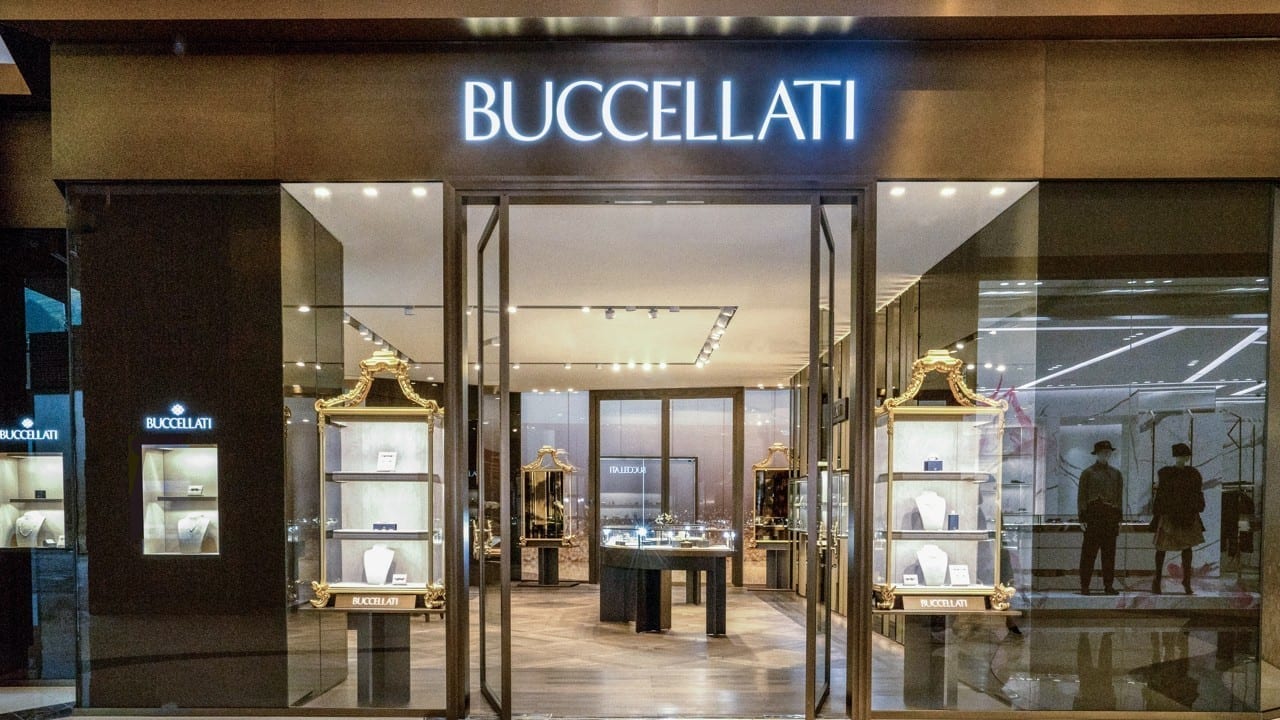
    Buccellati Macau has opened a store at the new MGM Cotai Mall as a step forward in its global expansion.

    This follows the acquisition of 85 per cent shareholding of the Italian jewellery brand by China’s Gansu Gangtai Holding last year, and the opening of several stores in China, including its first boutique at Plaza 66 in Shanghai.

    Buccellati plans to open 88 stores in the next five years, 18 of which will be in Chinese cities.

    Founded in Milan in 1919, the brand is known for its traditional engraving techniques and Italian Renaissance-inspired designs. Buccellati also has stores in Japan, Europe and the US.

  • Tiffany post a strong growth in 2017

    Tiffany post a strong growth in 2017

    Tiffany & Co worldwide has finished its latest year with solid sales growth, both geographically and across product categories, says CEO Alessandro Bogliolo.

    Strong sales growth in Mainland China was offset by lower sales in most other countries.

    “We are focused on six strategic priorities,” says Bogliolo, as the American luxury jewellery revealed it fourth-quarter/full-year figures to the end of January.

    He lists the priorities as:

      • Amplifying an evolved brand message
      • Renewing product offerings and enhancing in-store presentation
      • Delivering an exciting omnichannel customer experience
      • Strengthening the firm’s competitive position and lead in key markets
      • Cultivating a more efficient operating model
      • Inspiring an aligned and agile organisation.
        Total net sales in Asia-Pacific grew by 10 per cent to US$1.1 billion for the full year and 13 per cent to $320 million in the fourth quarter; comparable store sales declined 1 per cent and rose 3 per cent respectively.

    Total net sales growth reflected higher wholesale and retail sales, says the jeweller, while on a comparable store sales basis, the full-year decline reflected strong sales growth in China offset by lower sales elsewhere.

    Meanwhile, fourth-quarter sales growth benefited from performance across Greater China. On a constant-exchange-rate basis, total sales rose 8 per cent in the full year and 9 per cent in the final quarter, with comparable store sales declining 2 per cent and 1 per cent respectively.

    In Japan, total net sales of $596 million in the full year were 1 per cent below the prior year, while sales in the fourth quarter rose 2 per cent to $189 million; comparable store sales declined 1 per cent and rose 1 per cent, respectively.

    Tiffany worldwide net sales increased 4 per cent during the year to $4.2 billion, reflecting sales growth in most regions and across most jewellery categories. Net earnings of $370 million were 17 per cent below the previous year’s $446 million.

    For the fourth quarter, worldwide net sales rose 9 per cent to $1.3 billion, resulting from growth in all regions and across all product categories; comparable store sales rose 3 per cent.