Tag: China

  • Dufry reports strong 2017 results from high growth in Asia

    Dufry reports strong 2017 results from high growth in Asia

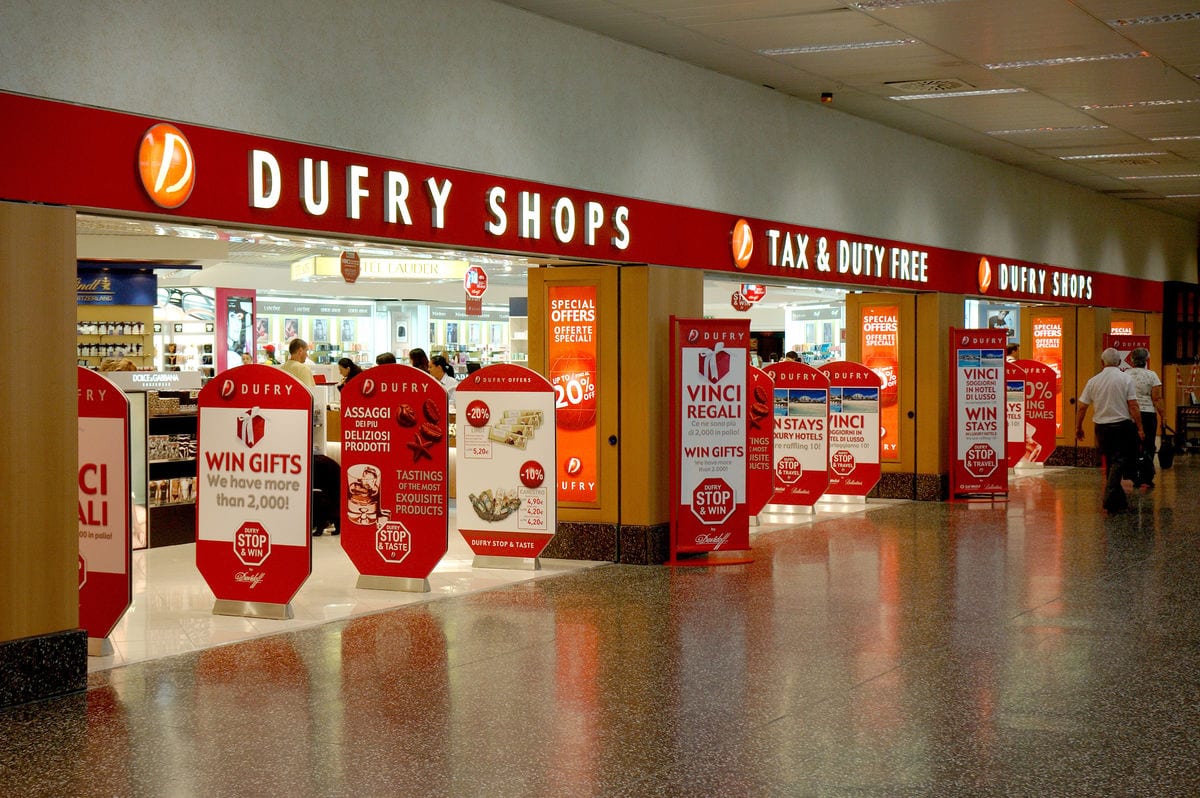
    Swiss travel retail operator Dufry says its sales in its Asia-Australia-Middle East division rose 5.4 per cent last year with most markets contributing to the improvement.

    Turnover was CHF809.1 million (US$849 million) last year, up from CHF770.7 million the previous year.

    The company said both its Hong Kong and Macau businesses recorded a comeback, with double-digit growth in the second half of the year.

    Sales grew in South Korea, despite reduced visitor numbers from Mainland China.

    “Other operations including Cambodia and Bali also performed well, while Melbourne recovered in the second semester, after the implementation of the New Generation Store and the comprehensive refurbishment undergone in the first half year,” the company said.

    Globally, Dufry achieved sales of CHF8.377 billion, up 7 per cent year on year, while profit exceeded CHF1 billion for the first time in the company’s history.

  • Worldpay and Lianlian Pay team up to connect China to the world

    Worldpay and Lianlian Pay team up to connect China to the world

    Worldpay, Inc. the global leader in payments, and Lianlian Pay, one of the top mobile payment service providers in China, are partnering to expand Worldpay’s settlement and pay out capabilities to include Chinese Yuan (CNY).

    Lianlian Pay provides an efficient and cost-effective cross-border payment and money transfer solution to Chinese and international businesses and marketplaces. As a result of the partnership, Worldpay customers can expect access to pay outs in CNY and enhanced deposit capabilities, on top of the 18 settlement currencies already available via a single technical connection. The strategic collaboration will open up local currency settlement and pay out services to businesses across retail, travel and airlines sectors.

    By partnering with Lianlian Pay, Worldpay will also be able to further streamline their one-stop service to eCommerce businesses; reducing the time it takes for merchants to receive their funds in local currency in China.

    Set to launch in mid-2018, the integration will also help international companies to grow their business in China as it will become easier for them to receive settlement in CNY, without needing to deal with a bank or third-party supplier. As the Chinese eCommerce market continues to expand, the time is ripe for international businesses to establish their presence in the region. Worldpay’s new service will undoubtedly facilitate further growth and encourage investment into China, helping to link the Chinese eCommerce market to the rest of the world.

    Shane Happach, Executive Vice President, Head of Global Enterprise eCommerce at Worldpay commented: “As China continues to cement its position as the largest eCommerce market in the world, the expansion of our settlement and pay out services to include CNY will have huge impact for businesses in China and beyond. We are delighted to be partnering with Lianlian Pay, an innovative and established payments leader in the region, to meet the rising demand for cross-border payments and domestic currency settlement. By combining our global payments capability and expertise with Lianlian Pay’s offering, we are enabling our customers around the world to tap into the tremendousgrowth opportunity.”

    Arthur Zhu, President at Lianlian Pay said: “With its strength in traditional international trade, China is poised to be one of the largest recipients of trade proceeds from all over the world. By partnering with market leader Worldpay, Lianlian Pay, as a local expert with a proven track record of high volume RMB settlement, can make a bigger contribution to facilitate transactions for millions of Chinese companies and individuals.”

  • Woods Bagot celebrates completion of Sunshine Insurance Finance Plaza

    Woods Bagot celebrates completion of Sunshine Insurance Finance Plaza

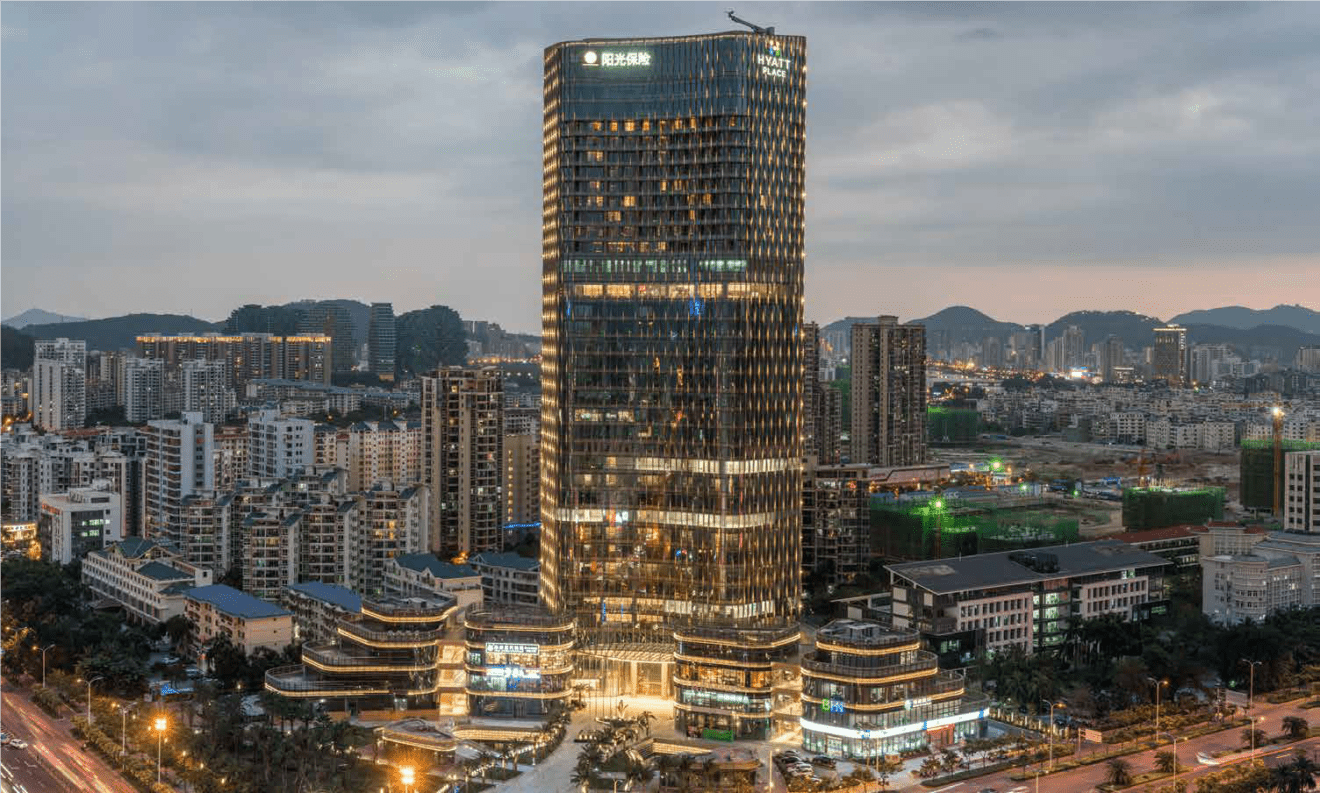
    Sunshine Insurance Finance Plaza provides a soaring new addition to Sanya Bay’s rising skyline. Located at the southern tip of China’s Hainan Island, the mixed-use development features a 37-storey tower rising above a tiered retail podium and lush gardens. The tower comprises A-grade offices, a 4-star Park Hyatt Hotel, a private clubhouse and a rooftop pool.

    Inspired by a strand of pearls, the landscaped gardens are dotted with low pavilions and cooling fountains. A grand allée lined with palm trees reflects the vertical axis of the site. Because this seaside resort is humid and windy, indigenous flora was planted at the office building’s entries to modulate the temperature and buffer the ocean winds. The effect is an urban oasis in the middle of what locals often refer to as “the Hawaii of China.”

    Patrick Daly, the lead architect, said, “We were honored to design this new HQ for China’s preeminent insurance company. Our goal was to design a complex that seamlessly transitions between a variety of uses, moderates the tropical climate, and provides stunning views of the island, the ocean, and the hills beyond.”

    At the base of the tower is a curved play of tiered, multilevel podiums that serve the people who live near and work in the building, as well as the surrounding community. This shared use is de rigueur for Woods Bagot’s work in China.

    Acting as a community link, the four orb-shaped edifices connect to the outdoor common spaces by way of pedestrian paths and also feature roof decks and high-end retail spaces. Below, locals can enjoy an underground concourse with everyday amenities, where they will be sheltered from heavy rainfall during the winter months.

    Standing at 525 feet/160 meters, the central, curved pillar also serves multiple demographics. The concave portion includes the entryway to the offices, while the convex beckons hotel visitors and employees. Inside the offices, employees enjoy interior “pocket” atriums inserted into the sides of the tower to provide meeting places for companies. Large meeting places take the form of roof decks for the hotel.

    The strong western sun determined the shape of the tower. To alleviate its heat, the design team landed on a curved shape to disperse its rays on both sides. The blades on both the main pillar and the podium’s façades help to further disperse the heat while also alluding to the local population’s history of basket weaving.

    Sunshine Insurance Finance Plaza brings nature into the city, connecting work and play in a green and sheltered setting.

  • Infested Chinese Garlic Imports Kick Up a Stink in Indonesia

    Infested Chinese Garlic Imports Kick Up a Stink in Indonesia

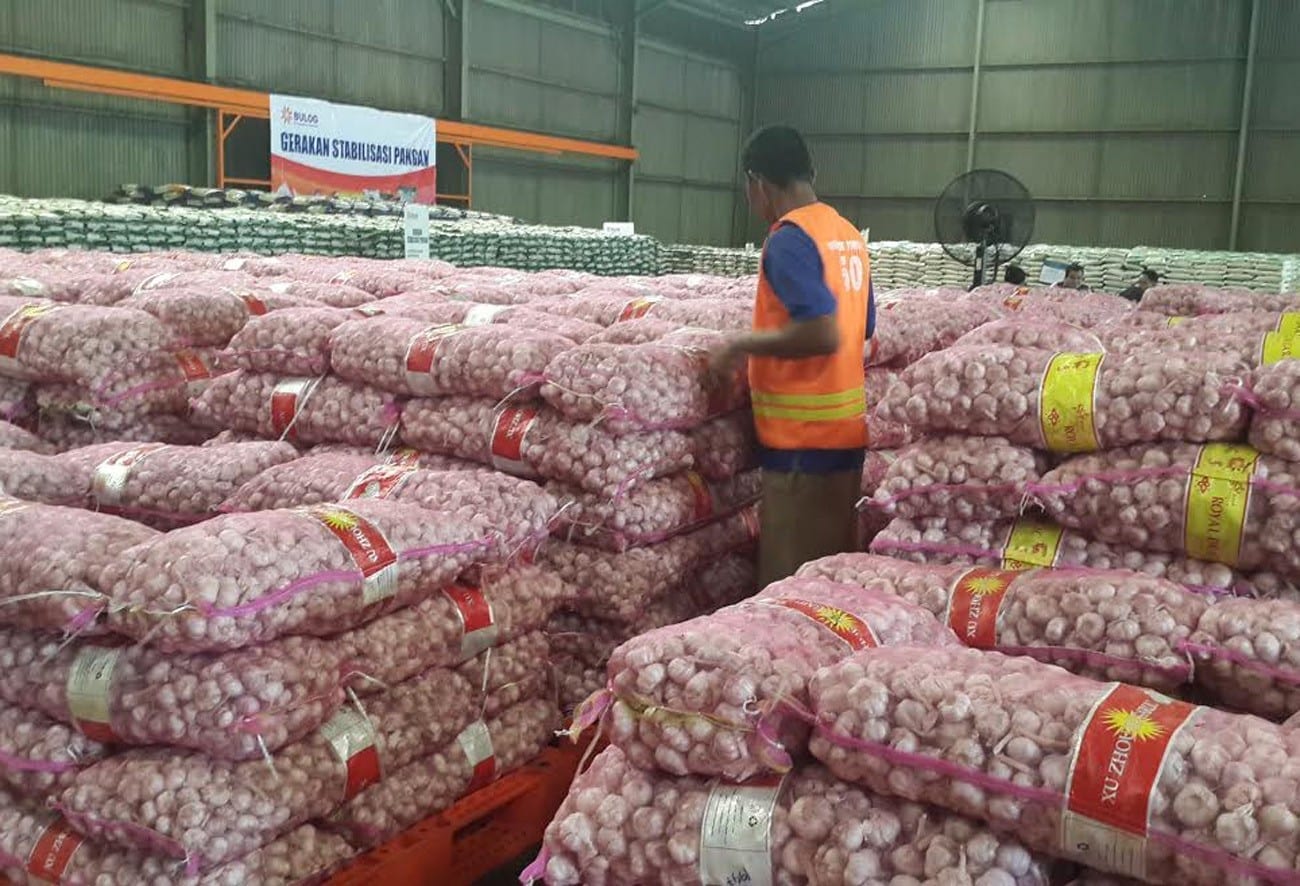
    Indonesia has impounded more than 200 tons of garlic imported from China, warning that a microscopic worm infestation found in the shipment could put at risk plans by the Southeast Asian country to boost its own garlic crop.

    Since coming to power in 2014, Indonesian President Joko “Jokowi” Widodo has pursued self-sufficiency policies to protect farmers, but efforts to rely on domestic supplies of everything from beef to rice have at times caused shortages and price spikes.

    Chinese food imports have previously proved sensitive in Indonesia. In 2016, Beijing’s embassy in Jakarta expressed alarm at media reports accusing China of using a “biological weapon” against Indonesia, after four Chinese nationals were arrested for planting imported chilli seeds contaminated with a bacteria.

    The 232 metric tons of garlic were imported from China in mid-February and after arriving at Jakarta’s port were shipped to the island of Sumatra, the Ministry of Agriculture said.

    This could be “very damaging to our garlic farming when we are trying to achieve self-sufficiency,” the ministry said in a statement on March 12.

    Despite being certified as free of pests in China, samples of the shipment contained ditylenchus dipsaci, a microscopic worm that infects onions and garlic, the ministry said.

    The nematology department at the University of Nebraska-Lincoln describes the worm as “one of the most devastating plant parasitic nematodes.”

    When quarantine officials reported the discovery to the importer, the garlic had already been sent to North Sumatra, the agriculture ministry said.

    The controversy even stirred a heated debate in parliament this week when a member of Jokowi’s ruling party called for a police investigation.

    Soetrisno, the chief executive officer of Tunas Sumber Rejeki, the company that imported the garlic, could not immediately be reached for comment.

    The Chinese embassy in Jakarta declined to comment.

    The garlic is currently being stored at a warehouse in Belawan Port, Sumatra, that has been sealed by police and the quarantine agency.

    Banun Harpini, the head of quarantine at the agriculture ministry, said on Wednesday the importer would be blacklisted. It was not immediately clear what other penalties would be levied.

    Indonesia plans to be self sufficient in garlic in 2019 by increasing the growing area for the crop by more than 70,000 hectares, but this may be an ambitious target since last year the country imported 434,000 tons of garlic, more than ten times the amount grown domestically.

    This year, the agriculture ministry expects 392,000 tons will be imported, mostly from China and India.

  • WeChat gives more effort to support anti-counterfeit

    WeChat gives more effort to support anti-counterfeit

    WeChat has tightened its anti-counterfeit measures with 38 improvements to its Brand Protection Platform revealed in its annual Brand Owner Protection report released yesterday.

    WeChat claims more than 72,000 vendors were punished last year for attempting to sell counterfeit goods on its platforms.

    WeChat has also standardised the online infringement complaint system to make it easier for companies and individuals to report offenders.

    The WeChat team collected more than 126,000 valid infringement clues through user complaints on its Brand Protection Platform, 99.9 per cent of which led to crackdowns facilitated by brand owners.

    Fake-selling had even been occuring on so-called ‘mini programs’. As of early February, 976 mini programs have been permanently banned by WeChat. More than 22,300 infringing links and pieces of content have been removed.

    WeChat’s monthly active users reached 1 billion worldwide last week.

    More than 180 domestic and foreign enterprises from 18 countries and regions covering more than 400 well-known trademarks at home and abroad have registered on WeChat’s Brand Protection Platform. Most of the registered enterprises are from the US, China, Switzerland, Japan and France.

  • Furla Asia sales boosts its global growth

    Furla Asia sales boosts its global growth

    Furla Asia sales soared a stunning 50 per cent last year, powering the brand’s global sales to €499 million (US$618 million).

    Revenue from Asia-Pacific now accounts for 24 per cent of global sales and that share is steadily rising.

    Sales in Japan, a separate reporting division, increased by 15.4 per cent, while sales in its largest region, Europe, Middle East and Africa, were up 12.9 per cent, now representing 46 per cent of global sales.

    In Australia, where Furla purchased back the distribution rights to its brand from Luxury Retail Group (LRG) last year, sales rose 60 per cent. Earlier this year the company revealed plans to double its store presence Down Under from its 15 initial locations on the east coast.

    Globally Furla’s earnings increased by 34.1 per cent last year on sales up 20 per cent.

    “The 500 million euros goal is something to be very proud of and motivation to keep evolving,” said CEO Alberto Camerlengo. “The organic sales growth data is the most relevant, as it confirms that the company is on solid financial ground, thanks to the excellence of the brand and the quality of the product and Italian design we offer our customers. The company’s widespread growth across all markets reflects our efforts in further strengthening our distribution network and investing in research and product innovation.”

    Meanwhile, Furla continues to buy back distributorships around the world, the latest market being Singapore. Camerlengo said the brand will increase its store count in the city state, hoping to attract Chinese tourists as well as local shoppers.

  • Tumi acquisition lead Samsonite to good numbers

    Tumi acquisition lead Samsonite to good numbers

    Samsonite Asia sales lept 16 per cent last year, a rate slower than the Hong Kong-listed company’s global growth, and predominantly driven by the acquisition of Tumi.

    The world’s largest travel luggage company achieved global sales of US$3.49 billion, up 23.3 per cent, with Asia accounting for $1.19 billion of that. Samsonite Asia sales excluding the Tumi effect grew by a much more modest 4.8 per cent, while sales in Japan grew by 32 per cent, or 12 per cent excluding the Tumi business, driven by the Gregory, American Tourister and Samsonite brands.

    In the first half of last year, Samsonite assumed direct control of the wholesale and retail distribution of Tumi products in South Korea, Hong Kong, Macau, China, Indonesia and Thailand.  Net sales in China increased by 11.9 per cent year-on-year, (7.2 per cent excluding Tumi), due to increased sales of the Samsonite and American Tourister brands. Net sales in South Korea increased by 15.7 per cent, but fell 2.5 per cent excluding Tumi, due to fewer shoppers visiting from China and weak consumer sentiment.

    Net sales in Hong Kong increased by 34 per cent year-on-year, driven by the addition of Tumi, but by just 1.5 per cent excluding Tumi.

    Net sales in India increased by 4.6 per cent, despite a temporary disruption during the year due to the Indian government’s introduction of a goods and services tax that took effect in the third quarter of last year.

    Strong direct-to-consumer growth

    Samsonite showed solid progress on its move towards increasing its direct-to-consumer sales, aided by the acquisition of online luggage retailer eBags last May.

    Net sales rose 57.4 per cent overall, by 32.1 per cent excluding Tumi and by 12.2 per cent after 1 further excluding eBags.

    Dollar reported profit attributable to the equity holders increased by US$24.1 million, or 12.1 per cent.

    “We saw very satisfying growth last year, further driven by a strong performance from the Tumi and eBags businesses following their integration into the group,” said chairman Tim Parker.

    “In particular, we made solid strides in improving Tumi’s performance and as a result it was accretive to earnings in its first full year post acquisition. Now that we have strategically expanded into the highly attractive premium segment, and established a firm foothold in e-commerce, we look forward to more aggressively expanding our presence in the direct-to-consumer channel worldwide, especially direct-to-consumer e-commerce, where we see strong growth opportunities.”

    CEO Ramesh Tainwala said that while the company continued to benefit from the buoyant growth in travel and tourism worldwide, its strong performance was also driven by continued investment in brands, especially in the form of increased marketing support, as well as the expansion of direct-to-consumer e-commerce and brick-and-mortar retail operations.

    “Looking ahead, we will continue to implement our multi-brand, multi-category and multi-channel strategy, while leveraging our decentralised management structure and investment in marketing, in order to capitalise on the many exciting opportunities ahead of the group,” he said.

  • Top Chinese brands gaining global recognition for quality

    Top Chinese brands gaining global recognition for quality

    China is fast emerging as brand leader in a wide variety of sectors and many of the leading domestic companies are gaining global recognition for quality, according to a new report from Brand Finance, a London-based brand valuation consultancy.

    In its latest 2018 China 300 league table, the consultancy ranked the Industrial and Commercial Bank of China, also known as ICBC, and China Construction Bank, with brand values of US$59.2 billion and $56.8 billion respectively, as the most valuable brands in the global banking sector.

    Alibaba, Tencent, and Huawei are leading the charge, however, as technology is poised to overtake banking as the ranking’s most valuable sector.

    The fastest-growing Chinese brands come from the auto and spirits sectors with BYD up 211 percent and Wuliangye up 161 percent.

    David Haigh, CEO of Brand Finance, said: “This year has seen strong growth amongst the big Chinese brands.

    “The unique modern history of the Chinese economy has produced huge, national brands on the domestic front. In the coming years, Chinese brands have an opportunity to use this strong domestic foundation as a platform for global expansion.”

    In the past, many Western brands expanded into China, but Haigh said he expects to see many Chinese brands expand to the West in the future.

    While banking remains the most valuable sector, accounting for 24.7 percent of the ranking’s total brand value over the last year, the robust growth of the technology sector suggests it is likely to overtake banking. Tech’s overall share of the value of the 300 brands listed has increased from 20.7 per cent to 24.4 per cent.

    Haigh said Alibaba, which is also the world’s fastest growing big retail brand in percentage terms, shows no sign of slowing as it plans to invest $15.2 billion toward its global logistics chain expansion.

    China Mobile, the fourth most valuable Chinese brand-up 14 percent to $53.2 billion-is the most valuable telecoms brand in Asia. China Mobile boasts the world’s most extensive mobile network and the world’s largest mobile phone customer base.

  • PolyU partners with Alibaba to create AI for fashion retailers

    PolyU partners with Alibaba to create AI for fashion retailers

    Students from Hong Kong’s PolyU have partnered with Alibaba Group’s Vision and Beauty Team to develop AI technology for fashion retailers.

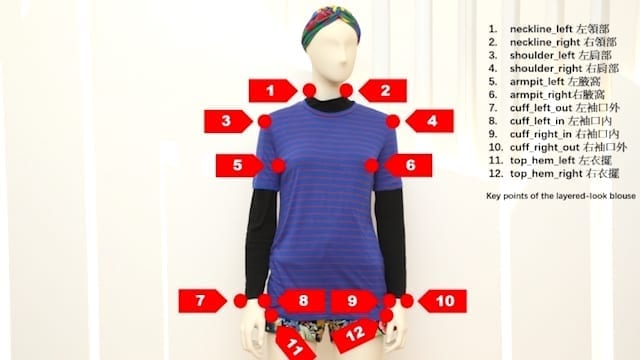
    The students, from the Institute of Textiles and Clothing (ITC) of The Hong Kong Polytechnic University, have created the first-of-its-kind “FashionAI Dataset” for systematic analysis and labelling of fashion images based on “fashion attributes” (fashion characteristics) and “key points” of an apparel.

    PolyU explains that by integrating fashion knowledge and machine learning formulation, the establishment of the dataset will enable machines to better understand fashion, “bringing a new horizon to the fashion retail industry through the application of AI”.

    “Transforming fashion knowledge into determination of fashion related attributes and fashion item categorisation of the fashion image database is a very complicated and challenging task, while it is the most fundamental task in deep learning applications,” explains Calvin Wong, Cheng Yik Hung professor in fashion and associate Head of ITC.

    “ITC is pleased to collaborate with Alibaba to address the needs of fashion retailers and consumers.”

    Menglei Jia, senior staff engineer with Alibaba’s Vision and Beauty team, believes there is huge potential for AI applications in the fashion industry.

    “In order for AI to understand fashion, which could be very subjective, we need to turn fashion knowledge and experience into language that machine can understand. We hope to work with academics and the industry alike to explore the wider applications of AI in scenarios including fashion mix-and-match, assisting design and shopping guide, with the aim to bring new values to the fashion industry.

    “The traditional fashion sector should embrace the new retail practice, and we hope FashionAI can be a bridge that connects AI with fashion.”

    Challenges presented by data on fashion image

    Current fashion image searching technology used on online platforms is based on the whole fashion image to search the exact or other similar images.  However if a customer is interested in some particular fashion attributes of a fashion image and wants to search other fashion items with these attributes, the current searching technology cannot meet the needs of the customer. This greatly limits the potential development and applications for offering more customised shopping experience, PolyU explains.

    From an AI research perspective, this limitation of the current image searching technology is caused by the absence of available fashion image dataset constructed with both fashion professional knowledge and fulfils the requirement of deep learning, ie: the current technology is unable to train a machine to accurately understand and recognise the fashion attributes of each fashion image.

    Addressing the needs of fashion retailers

    Fostering the application of AI in the fashion industry, a PolyU research team led by Professor Wong, worked closely with Alibaba to develop “FashionAI Dataset” to solve two fundamental problems of the deep learning algorithm: “apparel key points detection” and “attribute recognition”.

    Key points (e.g. neckline, cuff, waistline) and fashion attributes (e.g. sleeve length, collar type, skirt style) build the foundation for machine learning in understanding fashion images. The establishment of key points and fashion attribute database enables the computer to effectively and efficiently understand the fashion image which is fundamental for deep learning and recognition algorithms.

    The accuracy of key points detection is determined by several factors such as the dimension and shape of the apparel, distance and angle of shooting, or even how the apparel is displayed or the model is posing in a photo. These factors can lead to poor key points detection and result in an inaccurate analysis of fashion images by the computer. Accurate key points detection can therefore improve the performance of deep learning algorithms.

    Fashion attributes are the basic design elements of an apparel, and their combination determines the product category and styles of a fashion item. With the wide variety of fashion attributes, attribute recognition is a complicated process. A systemic classification of fashion attributes is essential to accurately label fashion attributes, facilitating research on deep learning and algorithm design for fashion image searching, navigating tagging and mix-and-match ideas, etc.

    The Dataset can greatly facilitate understanding fashion images and related algorithm design, and developing machine learning. It would help improve the accuracy of online fashion image searching, enhance effectiveness of cross-selling and up-selling, create innovative buying experience and facilitate customisation of online shopping platforms.

    Global challenge

    PolyU and Alibaba will host two world-first events – the AIFT Conference and FashionAI Global Challenge – with the aim of bringing a new horizon to the fashion retail industry through the application of AI and encouraging knowledge exchange among practitioners.

    The AIFT Conference, to be held from July 3-6 at PolyU, is a first-of-its-kind academic conference to bring together researchers, engineers and practitioners to share their insights on the most updated development and applications of AI and fashion.

    This event will become an annual activity for academic exchange and networking with like-minded individuals who are redefining the world of AI and fashion, and advancing AI research in fashion and textile.

    The FashionAI Challenge invites worldwide AI researchers and developers to solve two imminent issues on the application of AI in fashion with over 400,000 images with high-quality annotations from Alibaba ecommerce platforms. The competition offers a prize pool of RMB 1.34 million. The FashionAI Global Challenge 2018 runs from now until April and is open to the public.
  • Electrolux Form JV to Introduce AEG

    Electrolux Form JV to Introduce AEG

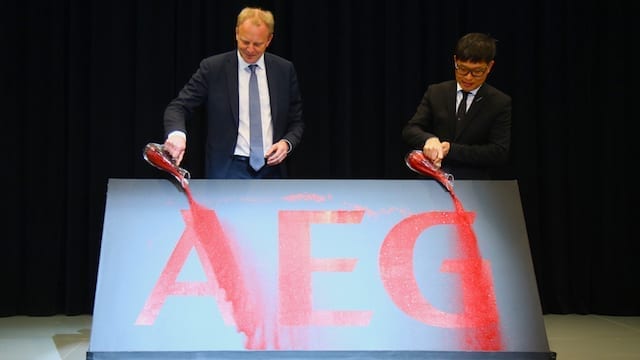
    Home-appliance company Electrolux Group has formed a JV with Chinese smart-technology company Midea Group to introduce the AEG brand to China.

    The brand was officially launched at the Appliance & Electronics World Expo in Shanghai last week.

    Combining Electrolux global brand expertise with Midea’s local market strength, the ambition is to make AEG the most popular premium home-appliance brand in China, drawing on its 130-year heritage of German craftsmanship and innovation.

    “I am confident AEG will be well received here,” says Electrolux CEO Jonas Samuelson.

    The first AEG store in China will open in June, with a flagship store to open in Guangzhou in August to be followed by a second wave of product launches in October.

    Electrolux also markets appliances in China under the Electrolux and Zanussi brands.

  • Alipay rolls out in four more Southeast Asian countries  for Chinese visitors

    Alipay rolls out in four more Southeast Asian countries for Chinese visitors

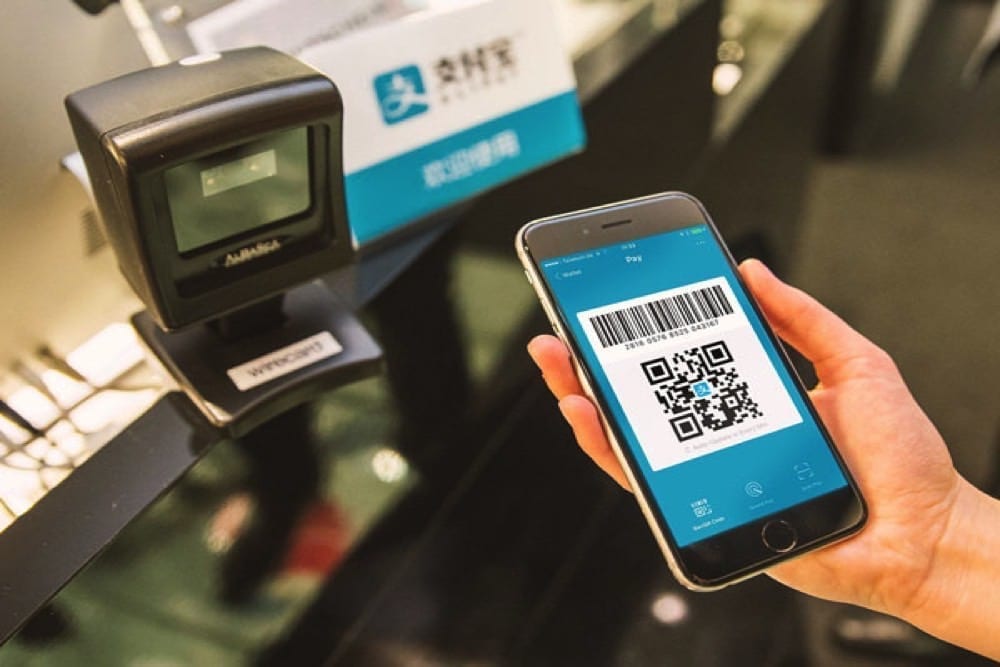
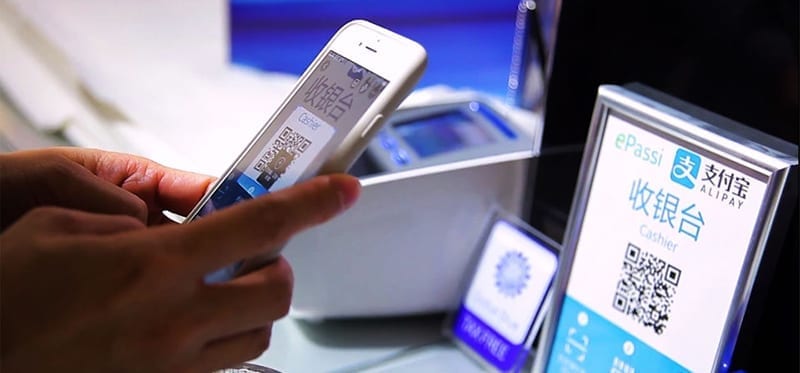
    Alipay, the world’s largest mobile and online payment and lifestyle platform operated by Ant Financial Services Group, has further grown its cross-border business in Southeast Asia, adding four new countries to its network. This takes the total number of countries where Alipay services are available to Chinese visitors and local merchants in this region to eight. With the expansion, merchants in Cambodia, Myanmar, Laos and the Philippines are now connected to 520 million active users in China via Alipay’s in-app marketing platform.

    Cambodia

    Alipay is now accepted in Phnom Penh, Siem Reap and Sihanoukville across shopping, F&B, entertainment and hospitality sectors. Notable merchants include Sajibumi, which operates the food and beverage concessions at Siem Reap International Airport and Phnom Penh International Airport, Sokimex petrol kiosks, Legend cinemas, etc.

    Alipay will also be rolled out in duty free stores managed by DUFRY at Phnom Penh International Airport,Siem Reap International Airport, and NagaWorld, the largest entertainment complex in Cambodia.

    Myanmar

    Myanmar is the latest country in the region to launch Alipay as a payment option. It is now accepted in popular shopping, F&B and tourist attractions in Yangon, including Sule Shangri-La Yangon, Rangoon Tea House, Yangon Yangon Bar, etc.

    Laos

    Alipay is now available in all department stores in Vientiane Shopping Center in addition to other convenience stores and F&B locations along the Mekong River in Vientiane and Luang Prabang.

    Alipay is also available across  the country in Jiffy Mart and Sokxay Mart convenience stores and at the fast food chain, EFG Group. Chinese shoppers at Haven Duty Free at Vientiane International Airport and at Don Chan Palace Hotel can also pay with Alipay.

    The Philippines

    Resorts World Manila (RWM) started accepting Alipay in February 2018. For the initial roll-out, RWM has Alipay-equipped terminals in Maxims Hotel, Newport Cinemas and Snack Bar, the VIP Concierge, the Gaming Redemption outlet, and its 12 signature restaurants.

    Commenting on the expansion, Cherry Huang, General Manager, Cross-border Business for South and Southeast Asia, Alipay, said: “We have a mission to enable the smart lifestyle for Chinese consumers and bring the same convenience that they enjoy at home to the overseas countries they travel to. We plan to achieve this through our continuous efforts to expand our partner and merchant ecosystem. Cambodia, Myanmar, Laos and the Philippines are exciting new additions to our network, as more and more savvy Chinese visitors opt to experience the rich history and culture of ASEAN. In 2017, all four countries collectively attracted over 2 million Chinese visitors. We look forward to connecting more merchants, even the smallest ones, through our partner ecosystem so that they are able to benefit from the boom in Chinese tourist arrivals.”

    Mobile payment is gaining momentum among Chinese travelers overseas. According to the recent Nielsen report, 65% of Chinese tourists used mobile payment platforms during their overseas travels, more than six times in comparison to non-Chinese tourists (11%). Over 90% of Chinese tourists would consider using mobile payments when traveling overseas if more overseas merchants accepted it. Alipay is committed to better supporting the needs of Chinese visitors by providing a more efficient, convenient payment method via its platform.

    Beyond an improved payment experience, Alipay’s in-app “Discover” function also allows merchants to market to Chinese visitors before, during and after their trips, boosting brand exposure of merchants amongst China’s rapidly growing overseas visitors.

    To date, Alipay operates its cross-border business in eight countries in Southeast Asia: Singapore, Malaysia, Thailand, Vietnam, Cambodia, Myanmar, Laos and the Philippines. It is working with more than 250 financial institutions and payment solution partners in its ecosystem to enable cross-border payments for Chinese traveling globally.


  • BreadTalk to take Taiwan’s Wu Pao Chun bakeries into China

    BreadTalk to take Taiwan’s Wu Pao Chun bakeries into China

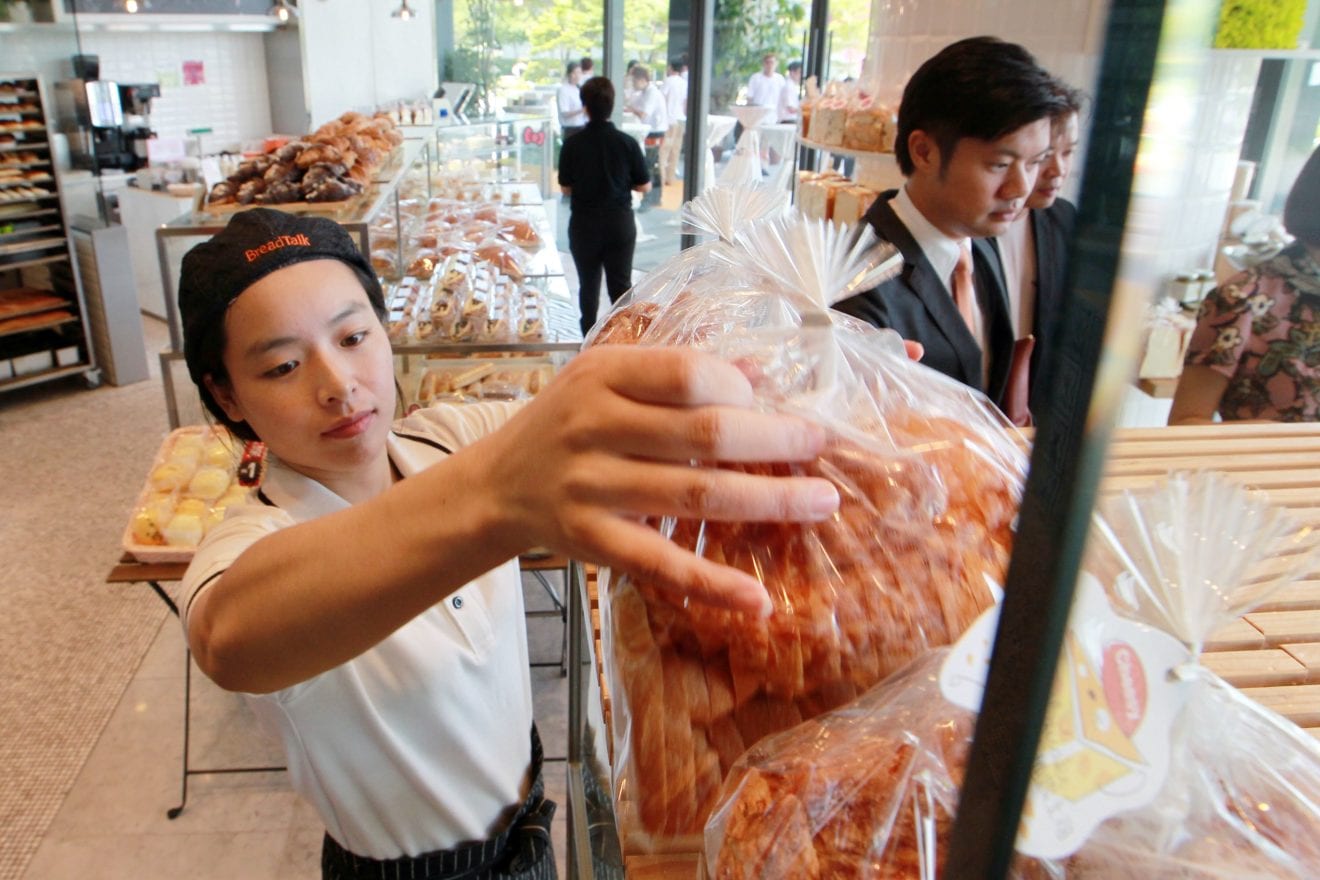
    BreadTalk Singapore says it has formed JVs with a Taiwan company to run bakeries in China.

    BreadTalk subsidiary Shanghai Star Food F&B Management has partnered with Wu Pao Chun Food of Taiwan to run Wu Pao Chun outlets in Beijing, Shanghai, Shenzhen and Guangzhou. Shanghai Star will hold 80 per cent of the Shanghai JV and can own up to 40 per cent of the Beijing, Shenzhen and Guangzhou JVs.

    Both companies expect to form JVs for co-operation in Singapore and Hong Kong later.

    BreadTalk owns 1000 retail stores in Singapore, Mainland China, Hong Kong, Malaysia and Thailand.

  • Prada not looking good outside China

    Prada not looking good outside China

    Global Prada sales fell 3.8 per cent last year – but rose 4.6 per cent in greater China.

    For all of Asia, the Italian luxury fashion brand’s sales were down 1.2 per cent, but in Japan, which it treats as a separate regional market, sales slumped 14.6 per cent.

    The group’s net income for the 12 months was €248.9 million, or 8.1 per cent on net revenues.

    Prada says it has made further progress on updating Prada and Miu Miu stores to meet the brands’ new aesthetic concepts; Church’s stores are next in line for restyling.

    Meanwhile, the group says its sales plan was supported by bold action on the digital front even as physical retail remained at the centre of its omnichannel strategy. During the year the group strengthened its partnerships with major online sales outlets.

    “Moreover, the direct e-commerce channel is growing: it has been enlarged in scope and the new graphic and functional version of the Prada.com website, unveiled in China in December, will be gradually expanded to all countries this year.

    In various markets the group has been promoting “pop-up” events in shopping malls to launch products and emphasise brand identity.

    As well as the Prada, Miu Miu, Church’s and Car Shoe brands, the group also works in the eyewear and fragrance industries under licensing agreements, and has entered the food industry with the acquisition of Pasticceria Marchesi 1824.

    Prada products are sold in 70 countries through a network that includes 625 directly run stores and a network of luxury department stores, independent retailers and franchise stores.

  • Retail brand Cue will roll out WeChat and Alipay payments across Australia

    Retail brand Cue will roll out WeChat and Alipay payments across Australia

    Fashion brand Cue Clothing Co. has staked a claim as the first Australian retailer to offer WeChat and Alipay payment services in every one of its standalone store sites, nationwide.

    In a statement, Cue said its three fashion brands, including Cue, Veronika Main and Dion Lee, will be using RoyalPay, a software platform that allows customers using WeChat or Alipay to pay in store using their local currency, such as the Chinese Yuan.

    The Cue group operates 126 Cue stores in Australia and New Zealand, as well as 108 Veronika Maine outlets. There are eight standalone Dion Lee stores.

    According to its website, RoyalPay acts as an intermediary between buyer and seller by taking the Yuan payment and settling the transaction with the merchant in Australian dollars.

    WeChat and Alipay are both major players in the Chinese market, with WeChat hosting over 900 million daily active users. Alipay is the third-largest payment platform globally, with 500 million users.

    “We have seen continued growth in Chinese customers shopping with us, particularly over the Chinese New Year period,” Cue chief information officer Shane Lenton said.

    “During this time Australia was the biggest market for cross-border WeChat payments outside of Asia.”

    While Cue Clothing says it is the first retailer to implement the new payment options across its entire network, it appears plenty of other Australian businesses also see value in experimenting with these platforms. More than 10,000 Australian shops and restaurants are using the WeChat Pay system and according to the RoyalPay website, Australian retailers including Priceline, Terry White Chemists and IGA have also already joined the platform to process Yuan transactions.

    WeChat presents potential to access to Chinese market

    According to Dr Gary Mortimer, an associate professor in the business school at Queensland University of Technology, adopting these new payment platforms is just one way Australian businesses, big and small, are attempting to attract the Chinese customer base.

    And it is happening at the same time as Chinese e-commerce giants Alibaba and JD.com are paying more attention to Australia.

    “There are some great opportunities in China for businesses. We’ve seen the growth of daigou businesses getting into the Chinese market,” he says.

    “Certainly with JD.com launching last year in Australia, it indicates there is a healthy appetite for Australian brands in the Chinese market. This looks like Cue is making headways by adopting these types of payment platforms.”

    However, Mortimer says security will be front of mind for any shoppers interested in using the new options. He believes Cue will have to show customers the platforms have been integrated with security in mind.

    “It’ll be vital that as Cue integrates these platforms into these websites that there’s enough security so consumers can feel confident that their platforms are secure,” he said.

    Mortimer says businesses are starting to facilitate digital payments and transactions through wearable technology and even through social media, as well as through the introduction of Apple Pay and other alternatives to cash and credit card payments.

    However, Cue’s existing customer base may not align with the kinds of customer willing to use WeChat or Alipay, meaning the company could be chasing a brand new demographic.

    “I suspect the demographic using these types of payment plans would be younger, Gen Y consumers. I don’t think that’s the core customer of Cue,” he says.

    “This is more about getting their product into the Chinese market using social media rather than facilitating extra sales.”

  • Marine Harvest to open 2000 salmon restaurants in China

    Marine Harvest to open 2000 salmon restaurants in China

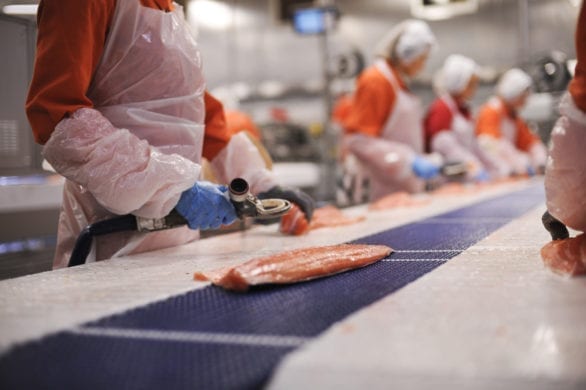
    Salmon farmer Marine Harvest is currently developing its brand Supreme Salmon in Taiwan, working with local top chefs and promoting on social media, the firm’s CEO, Alf-Helge Aarskog, said at the North Atlantic Seafood forum last week.

    At present, yearly salmon consumption per capita in China averages only 0.1 kilogram, compared with 1.3kg in the US and 3.1kg in France. The figure that indicates the large growth potential for demand on that market, Aarskog noted.

    Marine Harvest aims to implement a franchise concept for its Supreme Salmon restaurants in Taiwan, Hong Kong and mainland China.

    By 2025, the firm is planning to open 2,000 restaurants there, selling 40,000 metric tons of head-on, gutted (HOG) Atlantic salmon and generating a turnover of $2 billion, Aarskog said.

    Marine Harvest believes the chain — which serves dishes such as salmon gyoza, salmon risotto and salmon fried rice — will help expand demand for the farmed fish among the country’s growing middle class.

    Salmon consumption in China tends to be limited to hotels and upmarket restaurants, and the company is hoping that availability through its restaurants as well as products sold under the same brand in retail outlets will make the fish more accessible to ordinary consumers.

    “Our market research shows that Chinese consumers are looking at salmon as high end, tasty, modern and healthy. However they do not know much about the product and they want more variety in how to eat and prepare it,” said Ola Brattvoll, chief operating officer of Marine Harvest’s sales and marketing unit.

    Marine Harvest also plans to roll out a fast-moving consumer goods model in retail across Taiwan, Hong Kong and mainland China.

    Supreme Salmon retail sales are expected to rise to 20,000t of HOG salmon, with a turnover of $600m by 2025, Aarskog said.

    In 2013, Marine Harvest launched the Supreme Salmon concept in Taiwan, following a period of in-depth pan-Asian research on consumer habits.