Tag: China

  • Renault partners with Chinese online retail giant

    Renault partners with Chinese online retail giant

    China, a strategic market for Groupe Renault, is the top priority in the company’s new mid-term plan, “Drive the Future.” The Chinese joint venture, Dongfeng Renault Automotive Company, has set a target of 400,000 passenger cars sales by 2022 based on nine local models.

    “One of the key objectives of returning to Formula 1 was to leverage its global platform for Groupe Renault,” said Cyril Abiteboul. “China has been identified as a market of strategic importance and partnering with high-profile companies like Alibaba’s Tmall will provide opportunities to significantly improve Renault brand awareness and opinion in China, with a strong presence over the Chinese Grand Prix in April, but also throughout the year.”

    “We are excited to partner with the Renault Sport Formula One Team to make our activity around the Chinese Grand Prix a success and to be working closely together to bring one-of-a-kind experiences with the Renault Sport Formula One Team to our customers,” added Wei Yu, General Manager of Tmall Auto.”

    Alibaba Group’s mission is to make it easy to do business anywhere. The company aims to build the future infrastructure of commerce. It envisions that its customers will meet, work and live at Alibaba, and that it will be a company that lasts at least 102 years.

    Launched in 2008, Tmall caters to consumers looking for branded products and a premium shopping experience. A large number of international and Chinese brands and retailers have established storefronts on Tmall. According to iResearch, Tmall was China’s largest third-party platform for brands and retailers in terms of gross merchandise value in 2016. Tmall is a business of Alibaba Group.

  • VIP.com, first Chinese partner of the London Fashion Week

    VIP.com, first Chinese partner of the London Fashion Week

    The new relationship is truly special as this is the first time a Chinese retailer becomes an Official Sponsor of London Fashion Week. Vip.com will be working closely with British brands to help them launch in its hugely lucrative and ever-expanding home territory.

    “The fashion market in China is extraordinarily sophisticated and fast paced, and hungry for new design talent,” says Jenny Jioe, Managing Director of Fashion at Vip.com. “Our consumer is aware of London’s creative pedigree, and ready for both news and product. I know from first-hand experience that the brands in London, with all their energy and unbridled creativity, are precisely what we are looking for.”

    Vip.com is one of China’s top 3 ecommerce retailers, with annual retail sales of $11.2b, 57.8million active customers, over 335million orders in 2017, and eight individual international sourcing offices. In 2016 Forbes ranked Vip.com as No.2 in its top 100 companies with the highest growth.

    London Fashion Week is a renowned launch pad for emerging fashion talent. “The nature of working with so many new businesses, is that they don’t have the advertising power of the global fashion brands,” says Caroline Rush, Chief Executive British Fashion Council. “What they have is incredible products that a fashion-forward Chinese consumer is going to love. Our role is to shine a light on these businesses and work with our partners at Vip.com to introduce these brands to a highly engaged audience in China.”

    The new partnership takes sponsorship at London Fashion Week into new, global realms of business and marketing savvy. “We are going to stage a show that is exclusive run by Vip.com,” says Paul Tyce, the Chinese e-commerce site’s UK country manager. “We will offer live streaming to our customers in China, in-depth cooperation with designers, and fashion and art exhibitions. This isn’t just about title sponsorship.”

  • WeChat Pay available at European airport retailers

    WeChat Pay available at European airport retailers

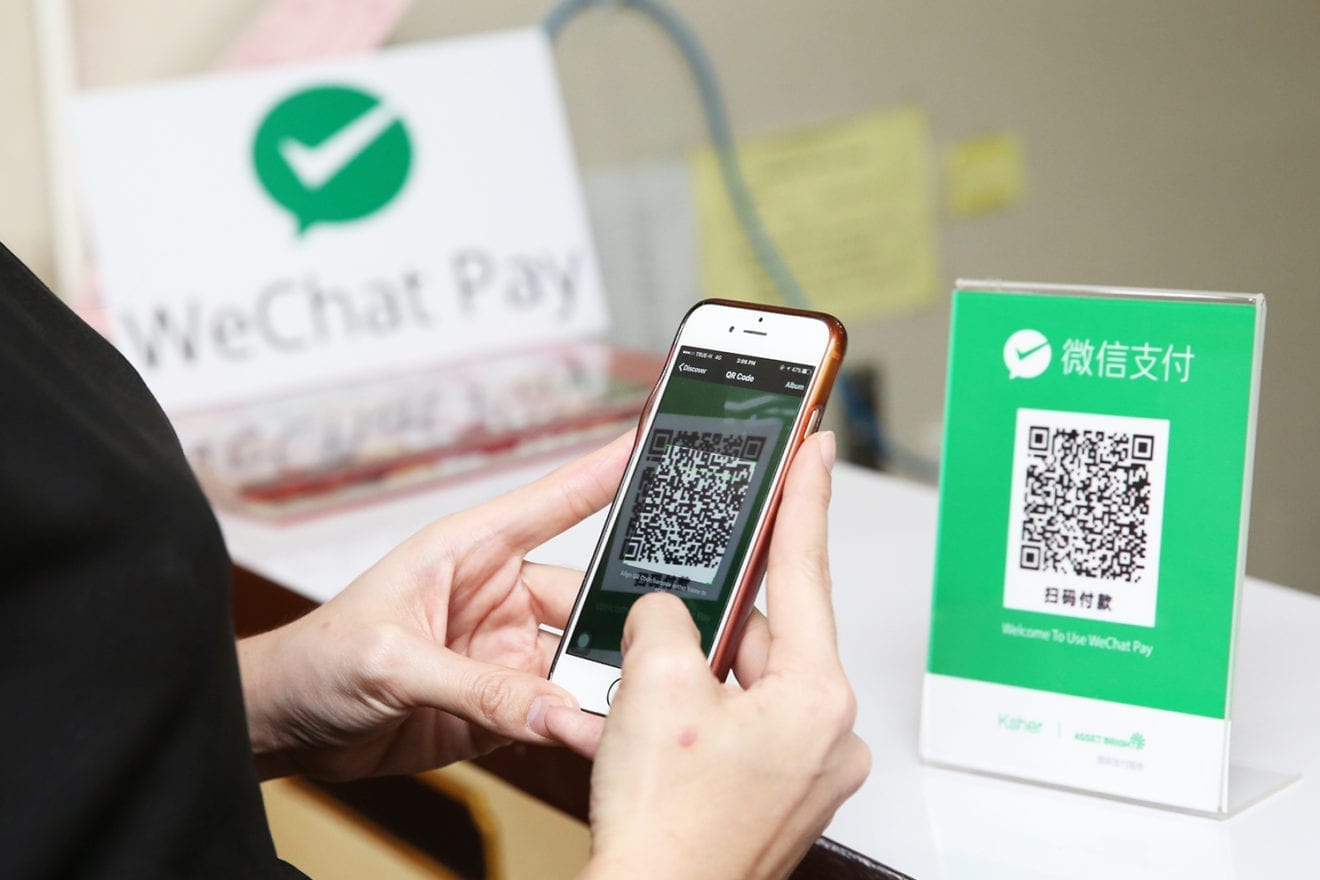
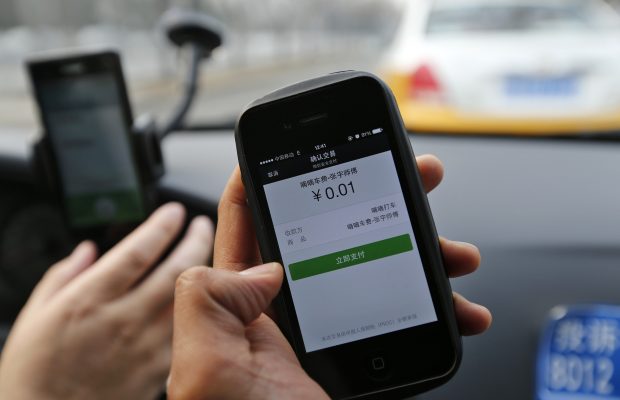
    WeChat Pay, a popular mobile payment method among Chinese consumers, will be available in several European airport retail destinations, as part of the travel retail industry’s attempts to appeal to large visitor numbers from China.

    Lagardère Travel Retail, which operates retail, foodservice, and duty-free premises at airports around the globe, has first launched the payment service in Terminal 1 of Charles De Gaulle Airport in Paris.

    Timed to coincide with Chinese New Year, a popular period for travel among Chinese consumers, shops operated by Société de Distribution Aéroportuaire – a joint-venture by Lagardère Travel Retail and French airport operator Groupe ADP – will be the first to accept WeChat Pay. It will be launched in additional airports in due course.

    WeChat Pay is a smartphone-based payment service and has around 600 million active users. It is integrated into internet group Tencent’s WeChat app, which is the most popular social network in China with nearly one billion users.

    To make a payment users scan QR codes generated within their WeChat mobile wallet stored on their smartphones.

    Travel retail is often perceived to be behind the times in terms of digital transformation when compared with the wider retail sector, but there are a number of new services being rolled out. Lagardère Travel Retail is one of several airport shopping companies to launch click & collect, enabling passengers to order products online and pick them up as they travel through the terminal.

    And as the travel industry looks to cater for international travellers in ways they are familiar with from their home countries, there is set to be further innovation in the space.

    Last week, for example, tax-free shopping company Global Blue announced it has teamed up with Tencent at Madrid Airport to allow WeChat Pay users to receive their tax refund digitally. For the first time, consumers can receive instant tax refunds into their WeChat Pay Wallet, once their tax-free forms have been validated by customs officials.

  • Chinese New Year brings retail opportunities for UK brands

    Chinese New Year brings retail opportunities for UK brands

    UK plc is an exceptional example of what London Business School expert terms an “attractive market segment”, one which has been curated and matured over a long period of time. Chinese consumers in particular are attracted to British brands, with a high percentage of shoppers in mainland China regarding British goods as “genuine and well made”. UK entrepreneurs and established retailers should leverage the appeal of “Brand Britain”, with a particular focus on Chinese New Year and an anticipated online shopping bonanza in mid-February.
    “It’s axiomatic that consumers are still eager to pay for the best, most trusted brands. However, there’s a rising number of aspirational consumers within the world’s emerging middle class who want to choose brands that have a clear purpose, set of values and meaning,” says John Mullins, Associate Professor of Management Practice at the School.

    “With its history, cultural significance and reputation for quality consumer goods, the UK regularly scores very well in international ‘nation brand’ league tables. Consistently scoring well in tourism, culture, people, exports and governance the UK is a well-rounded marque which is consistently well received by consumers.”

    This perception appears to be particularly strong with Chinese consumers. In a March 2017 Marketing to China editorial, it was acknowledged that in a market “renowned for a fake, cheaper products”, the label of ‘being British’ represents real quality. And in a recent UK Royal Mail survey it was found that within the online arena more than half (55%) of shoppers in China bought items from British brands in a three-month period, spending an average of £104 per month.

    “There is a real appetite for ‘Brand Britain’ with its goods regarded as being well made and genuine,” says Dr Mullins. “Survey after survey appears to indicate that Chinese buyers want to be certain about their purchases and obtaining a genuine article with a trusted and well-respected provenance. The UK shines in this respect.”

    In his book, The New Business Road Test, Dr Mullins asserts the view that whether one is launching a start-up or an investor sure way to mitigate the long odds is to make certain one has identified an attractive market segment. “An attractive market segment where the customers are almost certain to buy what you’ll offer. The UK is a powerful, composite nation brand which has matured over many hundreds of years. It bristles with both appeal to would-be consumers, and opportunity to entrepreneurs.”

    On the online shopping bonanza near Chinese New Year, he commented, “As Jack Ma, the founder of Alibaba, once said, ‘in other countries, e-commerce is a way to shop; in China, it is a lifestyle’. McKinsey reports that 76 percent of China’s urban population will be considered middle class by 2022, but there is already a huge consumer community in China which presents numerous opportunities to promote the UK brand to an already very receptive market.”

  • Alibaba, Tencent rally troops amid $10 billion retail battle

    Alibaba, Tencent rally troops amid $10 billion retail battle

    China’s tech giants Alibaba Group Holding Ltd and Tencent Holdings Ltd, worth a combined $1 trillion, are on a retail investment binge, forcing merchants to choose sides amid a battle for shoppers’ digital wallets.

    Since the start of last year, the two companies have between them spent more than $10 billion on retail-focused deals, boosting their reach online and in brick-and-mortar stores.

    The aggressive drive, supported by large cash piles and soaring share prices, is part of a battle to win over consumers and store operators to the two firms’ competing payment, logistics, social media and big data services.

    The result: fewer and fewer retailers left without allegiance to either Tencent or Alibaba.

    “All of the retailers in the brick-and-mortar world are very worried. They have to take a side,” said Jason Yu, Shanghai-based General Manager of market research firm Kantar Worldpanel.

    “Otherwise they are afraid they will be eaten alive in the future.”

    Alibaba is China’s top e-commerce player and its affiliate Ant Financial leads in mobile payments. Tencent’s strengths lie in social media, digital payment and gaming. It also has a major stake in the second-largest online retailer, JD.Com.

    Tencent and JD.com have a growing range of allies, including French grocer Carrefour SA, which has announced a potential investment from Tencent, and U.S. retail giant Walmart, which has a stake in JD.com.

    Tencent also bought a stake in Yonghui Superstores Co Ltd, apparel retailers Vipshop Holdings Ltd and Heilan Home, mall operator Wanda Commercial, and this month snagged a strategic tie-up with grocer Bubugao.

    In the other corner is Alibaba, which has invested even more heavily in Suning.com>, Intime Retail, Sanjiang Shopping Club, Lianhua Supermarket, Wanda Film and IKEA-like home
    improvement store Easyhome.

    Key to the battle is China’s nearly $13 trillion mobile payment market, where Alibaba and Tencent are going head-to-head. Alibaba took a 33 percent stake in its payment affiliate Ant Financial this month ahead of an expected mega IPO.

    Ant operates China’s top mobile payment platform, Alipay, while Tencent’s payment system on its hugely popular Weixin chat app is catching up fast. Both firms are also making a big push in cloud computing and data.

    “I think for payment (the retail push) is a very critical part because it’s almost a gateway,” said Yu. Brick-and-mortar stores in China account for about 85 percent of retail sales, creating a huge lure for tech giants.

    “That’s the pot that Alibaba, JD.com and even Tencent want a slice of,” Yu added. “That’s the majority of the business where they can actually look for future growth.”

    In return, the physical stores get access to payment systems, logistics networks and other services – not to mention the reams of data on consumers that the tech firms control.

    Alibaba invested $486 million this month in a retail-focused big data firm, saying the deal meant it could better “help brick-and-mortar retailers succeed in the digital age.”

  • China strikes telecoms from list of “sensitive” outbound sectors

    China strikes telecoms from list of “sensitive” outbound sectors

    The Chinese government has reportedly taken the telecoms sector off a list of “sensitive sectors” that require special approvals for outbound investment.

    The list compiled by the National Development and Reform Commission (NDRC) names the industries that Chinese planning to invest in an overseas company or project need to secure approval for.

    Starting from next month, companies investing in overseas telecoms projects will instead only need to file the same records with authorities as required for investment in other non-sensitive sectors.

    The telecoms sector has been considered sensitive since the previous list was published in 2014.

    The change comes at a time that the Philippines government is courting Chinese investment in its mobile market through a proposed 60-40 venture that would become the nation’s third telco.

    Xinhua noted that China’s outbound direct investment outside of the financial sector fell 29.4% in 2017 to $120 billion.

    As part of the reforms to the sensitive sector list, the energy sector has also been removed while the arms industry, properties, hotels, cinemas, entertainment, sports clubs, and equity investment funds have been added.

  • China in strong growth on the organic front

    China in strong growth on the organic front

    During the last ten years organic sales have doubled in Denmark and have accounted for 9,7 percent of all groceries sold, the Danish newspaper Berlingske say. That places Denmark to be the top number one country in the world with the largest organic share of retail trade. Now China is catching up and is ranked fourth since organic food was traded for 44 billion Danish crowns in 2017.

    Globally organic trading accounted for 540 billion Danish crowns in 2016, according to the international report “The World of Organic Agriculture” which was published at this year’s BioFach in Nürnberg, Germany. USA is still by far the largest organic market globally with a turnover of 290 billion Danish crowns in 2016.

    Organic production is a rapidly developing business area with a great market. And now might be the time to throw an extra glance at organic export to China, – a market in strong growth.


  • Huawei might rebrand Honor 8 Pro and launch it in China

    Huawei might rebrand Honor 8 Pro and launch it in China

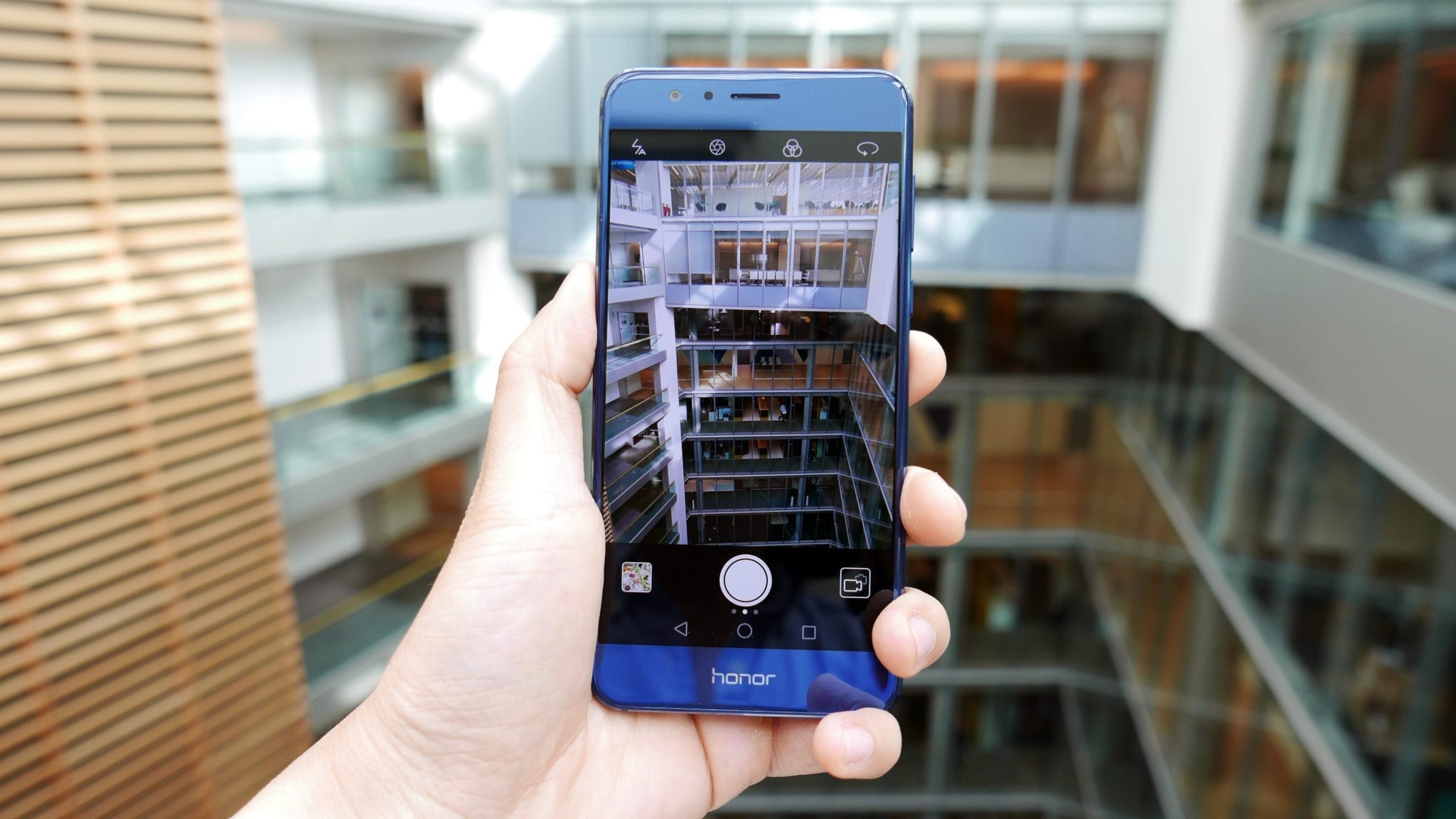
    Huawei, China’s leading smartphone maker, might be planning to rebrand Honor 8 Pro and relaunch it this year. Honor is Huawei’s online-only brand and the company might be putting its own branding on Honor 8 Pro at the time of its launch.

    The details of Huawei’s plan to launch a rebranded version of Honor 8 Pro were tweeted by Evan Blass. There is a possibility that the Chinese smartphone maker might be targeting the offline retail segment with its branding on Honor 8 Pro. To recall, Honor 8 Pro was launched in 2016 as company’s device competing with OnePlus 3 and OnePlus 3T in the premium mid-range segment.

    The Honor 8 Pro was one of the successful devices for Honor brand, and it helped the company establish itself in key markets including India. In terms of features, the Honor 8 Pro gets a 5.7-inch IPS LCD display with a resolution of 2560×1440 pixels. The smartphone is powered by company’s own Kirin 960 chipset coupled with 6GB RAM and 64GB storage.

    The Honor 8 Pro features a dual 12-megapixel rear camera setup with one color sensor and another monochrome sensor. It also offers an 8-megapixel selfie camera with f/2.0 aperture and support for 1080p video recording.

    Other features include Wi-Fi, Bluetooth, GPS, NFC, 4G LTE with VoLTE support. The smartphone was launched with EMUI 5.1 based on Android Nougat, but has since been upgraded to EMUI 8.0 based on Android 8.0 Oreo. The Honor 8 Pro packed a 4,000mAh battery, and was available in white, black and blue color variants.

    Huawei often rebrands Honor-branded smartphones in its home market, and targets them in the offline retail space since Honor already has strong presence in online segment. With rebranded version of Honor 8 Pro, Huawei might be planning to target those who are not getting Honor View10 and will fill a gap in the price segment.

  • Disney And Alibaba’s Youku Sign Licensing Deal For Animation Shows

    Disney And Alibaba’s Youku Sign Licensing Deal For Animation Shows

    Chinese online retail giant Alibaba and U.S. media and entertainment giant Walt Disney have inked a licensing deal which will see animation series from the latter become available on the Youku online video streaming service owned by the former. The multi-year agreement was signed by a unit of Disney, Buena Vista International, and Alibaba Digital Media and Entertainment Group.

    Besides subscribers of the Youku streaming service, Chinese households numbering nearly 30 million who use the set-top boxes of Alibaba as well as SmartTV platforms will access the Disney content. Episodes numbering over 1,000 are expected to be streamed on Youku. Besides the television shows Disney films such as Mulan, Frozen, Beauty and the Beast, and Pirates of the Caribbean are also part of the deal.

    More international content

    “We look forward to further cooperation with global entertainment companies, which will help increase our penetration in the family entertainment segment and strengthen Youku’s position as a leading multi-screen entertainment and media platform in China,” Youku’s president, Yang Weidong, said in a statement.

    Other U.S. entertainment companies that Youku has previously struck licensing deals with include NBCUniversal, Fox, Paramount and Warner Bros. Youku also has a licensing deal with Sony Pictures Television. Last year in November Youku inked a licensing agreement with Netflix allowing its subscribers to view the show Day and Night on its platform. Per Alibaba, about 580 devices are reached by Youku daily and this translates to about 1.2 billion views.

    Joint venture

    Two years ago Walt Disney and Alibaba launched a joint venture known as DisneyLife which gave the Chinese online access to content from the media and entertainment giant. However regulators shut down DisneyLife after months after launch. Last year in May Walt Disney set up an online store on the Alibaba-owned e-commerce website, Tmall, to sell its merchandise in China.

    The deal with Youku comes at a time when Walt Disney is preparing to unveil an online video streaming service in the United States as consumers increasingly abandon traditional cable and satellite services for platforms such as Netflix. The chief executive officer of Walt Disney, Bob Iger, has indicated that the planned online streaming platform won’t be expensive to start since the media and entertainment giant already has lots of existing content.

    Alibaba’s licensing agreement with Disney coincides with the Chinese online retail giant acquiring a 15% in retail firm Easyhome as it expands on its ‘click and mortar’ retailing strategy. Easyhome has a total of 223 brick and mortar stores in China.

  • From Smartphones To Smarthomes, Xiaomi’s Resurgence As A Global Hardware Leader

    From Smartphones To Smarthomes, Xiaomi’s Resurgence As A Global Hardware Leader

    Xiaomi relied a lot on online sales in its first years, selling competitively-equipped smartphones at cost. With that strategy, Xiaomi managed to rise to the top of the smartphone charts in China and India within four years of its establishment, becoming the third largest smartphone maker in the world by 2014.

    However, the rising giant hit a rough patch at home in 2015, dealing with a crowded, slowing Chinese market. Xiaomi’s smartphone shipments grew by 226 percent in 2014, slowing to just 17.6 percent growth in 2015. Shipment volume declined in 2016 to a rumored 41 million (down from over 70 million in 2015) scaling back global expansion and giving its investors something to worry about.

    That setback didn’t last. Xiaomi has since expanded its smartphone shipments to Europe, becoming the fourth largest company behind Samsung, Huawei, and Apple in Central and Eastern Europe in Q2 2017.

    But the world outside of China was not enough. As the world’s largest smartphone market, China is strategically important to Xiaomi, but its strategies for early success in this ever-changing region were unsustainable. Today we’ll explore how the combination of platform, offline retail, and marketing expansion has allowed Xiaomi to regain traction back in China and expand globally.

    Xiaomi’s China Struggle

    Xiaomi’s 2015 stagnation and 2016 shipment decline was due to a number of factors. Slowed growth in the Chinese smartphone market in 2015, for one, contributed to the setback. However, the changing competitive landscape in the region was possibly the unicorn’s biggest challenge.

    Competitive Advantage Disappears

    Xiaomi maintained a strategy of flash sales and relying on its loyal user base to bypass traditional marketing expenses combined with online sales to forgo the costs of brick and mortar retail stores.

    Xiaomi’s business strategy proved to be a strength in its first couple of years, but contributed to its struggle in 2015 and 2016 as the flash sales system has for other e-commerce companies in the past. Furthermore, with online sales its primary means of attracting users, Xiaomi potentially neglected key consumers in lower-tier cities and rural areas of China, where individuals relied more on local retailers because of logistical barriers.

    Emerging players like Oppo and Vivo filled the gap left by Xiaomi’s absence in these areas in 2015 and 2016, selling low-end smartphones, but also offering offline retail stores in rural areas. Oppo now has a reported 200,000 brick and mortar retailers in rural China.

    Furthermore, unlike Xiaomi, with an offline approach to sales and no online fanbase, Vivo and Oppo relied on aggressive advertising and retail subsidies to market their products and gain users. This strategy worked well for the two companies. Oppo became the leading smartphone supplier in China in 2016, with a year over year growth in shipments of 122.2 percent.

    After Xiaomi’s slowed growth in 2015, the company had to prove its viability to investors, especially with a $45 billion valuation riding on its back. It declined to release its sales numbers in 2016, with CEO Lei Jun admitting that the company “grew too fast and drew on some long-term growth.” Xiaomi refocused on switching strategies, playing off of its branding as a company for the Internet of Things (IoT), responding to retail challenges, and refocusing its marketing techniques.

    Xiaomi Responds With Investments, Brick And Mortar, And Celebrities

    As he stated stated in the early days of the company, Lei Jun always claimed to imagine Xiaomi as less of a smartphone provider and more of a smart home device innovator. Xiaomi started selling TVs back in 2014, adding to the list of non-smartphone items that it had already offered, including portable batteries, set-top boxes, and fitness trackers. The company also developed online media and gaming content.

    With players like Oppo, Vivo, Huawei, and Lenovo taking note of the company’s low-end smartphone approach, Xiaomi aimed to do more to brand itself as a tech company for the Internet of Things.

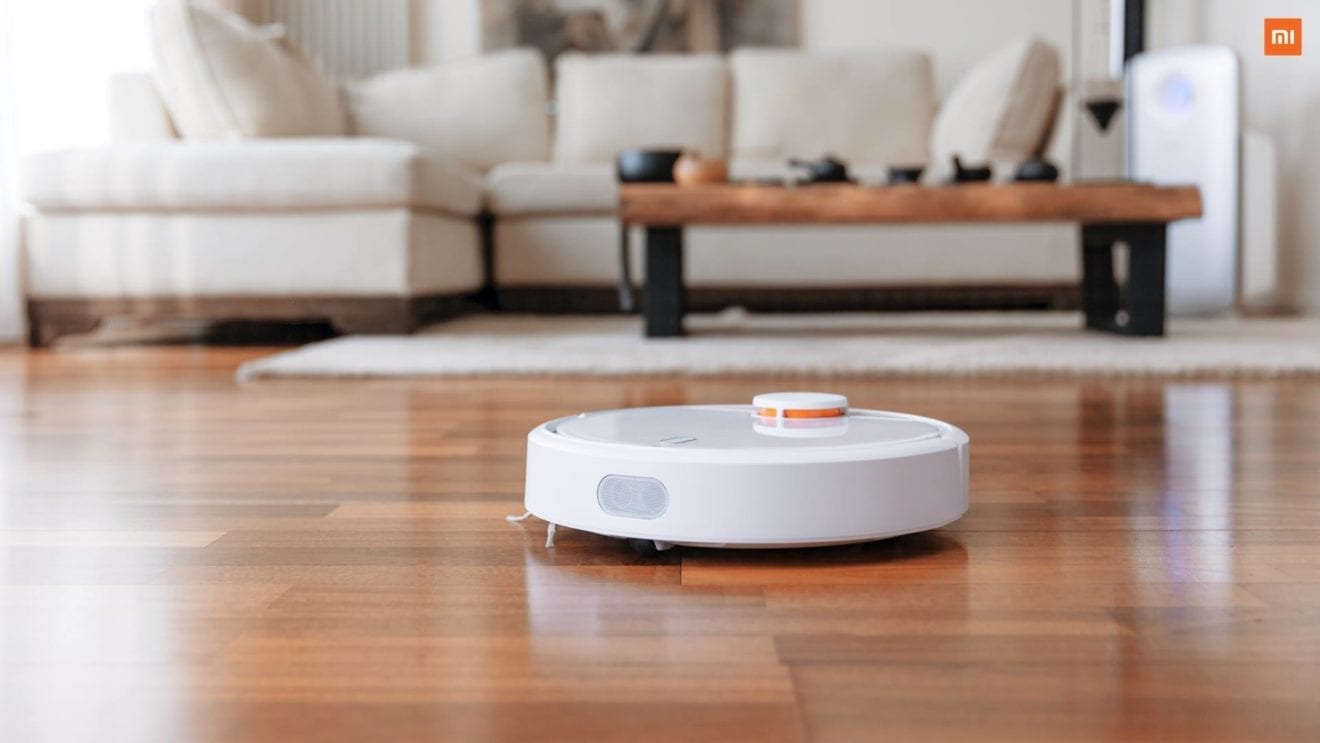
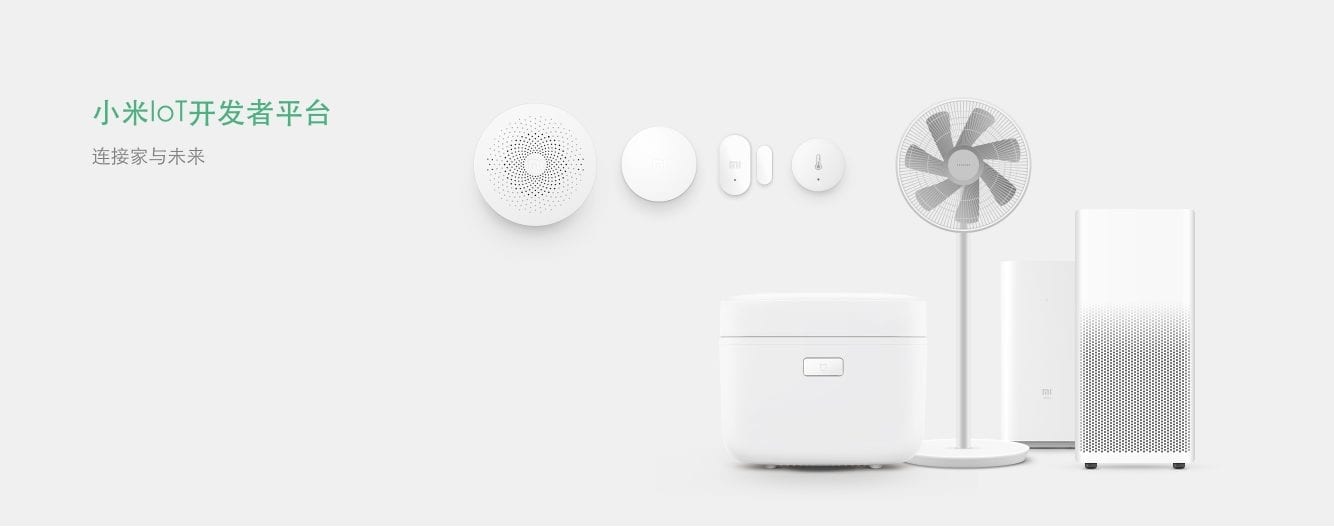
    In 2016, it launched a mobile payment service, an electric bicycle, a thin MacBook Air-like computer (the creatively-named Mi Notebook Air), a drone, a smartphone-connected rice cooker, a new, thinner MiTV, and an electric ukulele. Xiaomi’s Mainland China website is filled with connected devices, including everything from smartphone-controlled water purifiers and vacuum cleaners to story-telling kids toys and GoPro-like cameras—all connected through the Xiaomi Mi Home app exclusively on its smartphones.

    Xiaomi managed to build out its smart home platform by investing in hardware-focused startups and “giving them access to its designers, marketers, and massive supply chain in exchange for a 10- to 20-percent stake and the right to brand and sell those products.” This outsourcing strategy allowed the company to develop its smart home ecosystem. Further, the company maintained its goal of selling its flagship, increasingly innovative smartphones at lower prices than its competitors, as its earnings are driven by its other devices.

    Offering the lowest priced smartphone was key to smartphone shipment growth, but by linking its smart ecosystem exclusively through its smartphones, Xiaomi could drive growth even more. However, if the company wanted to compete with Oppo and Vivo, it could no longer neglect those retail customers outside of the urban landscape. The second part of Xiaomi’s comeback involved a huge platform shift.

    Brick And Mortar Expansion

    “Xiaomi has great ambitions, and we are not satisfied with just being an e-commerce smartphone brand,” Jun told Techcrunch in 2017. “So we have to upgrade our retail model, and incorporate offline retail for a new retail strategy.”

    The company that was built upon a platform that eschewed brick and mortar retail decided to bring its sales offline.

    Following through with this plan, by the end of 2016 Xiaomi opened more than 50 Mi Home stores in Mainland China. In 2017 it expanded that effort, opening stores in major metropolitan areas, like Beijing, with plans to launch 1,000 stores in China, and 2,000 stores globally by 2019.

    Xiaomi differentiated its brick and mortar effort from that of Oppo, Vivo, Lenovo and Huawei by essentially combining Apple’s physical retail setup with product variety. It packed its stores with its smartphones and new smart home devices to entice customers to return to the store frequently and spend more time and money buying its products.

    The People’s Smartphone

    Xiaomi met its new retail and platform expansion projects with a reinvigorated marketing approach– a marked shift from relying on its online fanbase. An IDC analyst said that the company is directing more of its funds to marketing and advertising.  In 2016, more billboards and ads popped up in public areas calling its Redmi line of smartphones the “People’s Smartphone.” In July 2017, the company unveiled its new dual-camera flagship the Mi 5X along with a flashy endorsement by Chinese musical sensation, Kris Wu.

    With its shifted strategy, Xiaomi began to regain some ground in the Chinese market in 2017.

    Looking at quarterly data in the Chinese smartphone industry, Canalys analyst Hattie He told Crunchbase News that the company led in the under $200 market in China in Q3 2017 with 22 percent of the market share in the segment. In Q4 it ranked second in that category by a small margin, with Huawei taking 25 percent and Xiaomi 24 percent, followed by Vivo and Oppo at 12 and 8 percent, respectively.

    Even so, Apple overtook Xiaomi in 2017 for fourth place in China. With a decline in smartphone sales in the region in 2017, competition is only going to heat up in the industry. Companies that heavily rely on their home market for cashflow will likely face significant difficulties in 2018, with Lenovo and ZTE refocusing on the Chinese market.

    Hattie expects Xiaomi to stick to its current strategy.

    “Xiaomi will keep paying attention to in-house hardware investments, including smartphones and IoT devices… [It] will partner with other well-known hardware and software companies to go into different sectors and provide customized experiences for [the Chinese] market,” Hattie explained.

    She also expects the company to continue its online-offline approach by establishing more MiHome stores in sub-tier cities in 2018 to reach a broad consumer base and build a reliable brand image.

    Xiaomi’s Global Expansion

    In 2017, Xiaomi’s rebound was mirrored in its efforts and successes abroad. After scaling back its global efforts in 2016, the company has since expanded again to markets in South East Asia and elsewhere, taking a top five spot in Central and Eastern Europe in 2017. It increased its offline activity and partnered with local smart device companies in India in 2017, and overtook Samsung as the lead player in the region that year.

    Of course, even with these global wins, the company has a long way to go to compete with Apple in the West. It launched an online store for the U.S. and has been selling its globally successful fitness wearable and battery packs in the U.S. since 2015. It started selling set-top boxes in Walmarts beginning in 2016, and in November 2017 released a few of its products on Amazon.

    However, expanding smartphone sales to the U.S. is something the company has considered carefully. If Xiaomi entered the U.S., it would compete with Apple and Google in their home markets, but that isn’t its biggest problem. Xiaomi’s past experiences with the companies regarding intellectual property and design theft mean that the company will have to come into the market patented up and prepared for legal backlash– something Xiaomi has dealt with before. When it entered India in 2014, its sales were initially halted when it was slapped with an IP lawsuit. Coming from China, where regulations surrounding IP are significantly more lax, to the U.S. will be quite a shift.

    Beyond IP, the company will also have to face the mounting security concerns surrounding Chinese tech companies which have intensified over the past few months. As we reported, a move to the U.S. didn’t work out for Xiaomi competitor Huawei, who was abandoned by AT&T before CES 2018. Xiaomi has made efforts in the past to overcome the narrative surrounding Chinese companies by placing the data of global users in data centers outside of China. However, with the U.S. government increasingly concerned about cybersecurity, it isn’t likely that carriers will be willing to partner with Chinese companies in the near future.

    Despite these challenges, Xiaomi may prove to be the dark horse in a global competition with Apple, Google, and Samsung, as it continues to dominate in markets like India where highly-priced devices aren’t the consumer’s choice. Focusing on becoming the “People’s Smarthome” of emerging communities around the world may very well be its winning

  • Chinese tourists drive WeChat Pay growth in Philippines

    Chinese tourists drive WeChat Pay growth in Philippines

    Chinese tourists are helping drive the growth of cashless payments using Tencent’s WeChat in the Philippines, according to its Filipino partner, Asia United Bank.

    Chinese tourist arrivals are projected to hit 1 million. Staying in the country for 8 days on average, WeChat Pay in the Philippines can generate up to P48 billion in revenue, said AUB vice president and credit card business head Mags Vazquez Surtida.

    “The transaction counts are increasing. The transaction values are increasing. We can see more merchants. We see the growth happening on a daily basis,” Surtida said.

    WeChat Pay is accepted in 1,000 retail outlets in the Philippines, including hotels and restaurants, Surtida said. The number of daily transactions recently reached up to 2,500 in the run-up to the Chinese New Year, twice the average per day, she said.

    The value of single transactions were as high as P90,000, recorded in Boracay. Diners spend P6,000 to P12,000 while shoppers pay P4,000 to P7,000 using WeChat Pay, she said, Surtida said.

    Surtida said AUB hoped to grow the number of WeChat Pay merchants in the Philippines to 5,000 by March.

  • Valentine’s Day : who are the big spenders in Asia-Pacific?

    Valentine’s Day : who are the big spenders in Asia-Pacific?

    People who live in Mainland China are, on average, Asia’s biggest Valentine’s Day spenders, according to the results of a MasterCard poll which tracked spending around the romantic occasion in the Asia Pacific region.

    They are prepared to spend US$274 on Valentine’s Day (February 14) presents, with Taiwan and Hong Kong following closely on US$245 and US$231 respectively.

    The survey, conducted by the American multinational financial services firm, involved more than 9,100 respondents from 18 Asia Pacific markets and began last October. Singapore, with US$180, ranked fourth and Thailand completed the top five on US$145.

    The amount Chinese couples plan to fork out has dropped slightly from last year’s US$310, due to the strengthening of the Chinese yuan against the US dollar and the fact that Chinese Lunar New Year (February 16) falls just two days later in 2018—in 2017, Chinese New Year fell at the end of January 2018.

    The run-up to Valentine’s Day has also witnessed a decrease in the sales of fresh flowers in China.

    This is because of the unusually cold weather experienced by the country this winter and the aforementioned date clash, China Daily noted.

    China has its own equivalent to Valentine’s Day known as the Double Seventh Festival, as well as the Qixi Festival.

  • Chinese tourists take over the world

    Chinese tourists take over the world

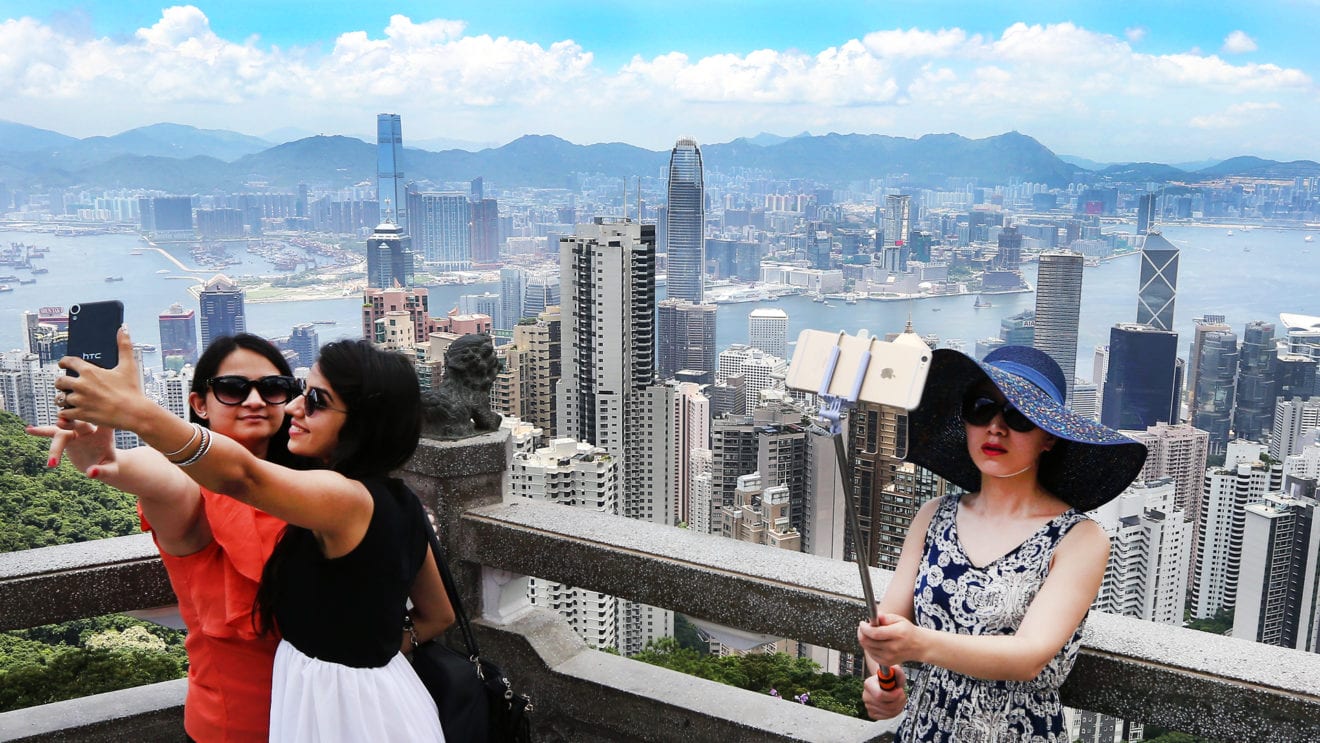
    A rising tide of travelers from China is spreading out across the region, out-shopping, outspending and out-eating every other nation.

    They are filling hotels, tour buses and cruise ships. They are overwhelming airports and train stations, and they are sending home petabytes of pictures that encourage their compatriots to join the global invasion.

    Their ranks are being swollen by millions of others from around Asia, a generation who would rather raise their status with a foreign adventure than with a luxury bag.

    “People’s personal brands are being defined by the places they visit,” said Simon Russell, chief executive officer of London-based luxury travel group Scott Dunn, which last month bought rival Country Holidays Travel from Singapore to expand its Asian clientele.

    China already accounts for more than a fifth of the money spent by outbound tourists, twice as much as the next-biggest spender, the U.S., according to the United Nations World Tourism Organization. And the Chinese have barely started — only around 5 percent of them even have passports, and the government is issuing about 10 million new travel documents every year.

    As with Japan in the 1980s, citizens of nations that get rich, go places. The emerging nations of Asia-Pacific will add more than 50 million new outbound travelers in the five years ending in 2021, according to Mastercard Inc.

    Overwhelmingly, they come from a smartphone-addicted generation that is rewriting the rules. The ubiquitous flag-following Chinese tour groups are giving way to what the industry calls FITs — free, independent travelers — who are using the internet to plan itineraries, book flights, translate signs and chronicle their exploits.

    The shift is transforming the region, unleashing more than $100 billion in infrastructure spending for bigger airports and jet fleets, new railways, hotels and theme parks. The effects of this boom include soaring property prices, stress on the environment and an avalanche of apps and innovations that reimagine the way we experience the world.

    By 2021, Chinese tourists will spend $429 billion abroad, according to a report by CLSA. And they are spreading out. Weekend jaunts to the shops in Hong Kong or the casinos in Macau are being usurped by new favorite destinations. During the next three years, Japan, Thailand, the U.S. and Australia top the must-visit list, according to the report, with other destinations in Southeast Asia — especially Singapore, Indonesia, Malaysia and the Philippines — following close behind.

    For developing nations, that is putting a strain on infrastructure, underpinning the biggest airport-building program in the region’s history.

    Thailand does not have a single international airport that isn’t way over its designed capacity, and long lines at immigration are common. At least 178 new airports are planned in Asia-Pacific, according to Visa Inc., and hundreds of existing facilities are being expanded or upgraded.

    The result is a second revolution in tourism in the region — one that is being fueled by social media: the opening up of more islands, cities and remote locales to divert vacationers from the overcrowded and increasingly jaded tourist hotspots of the 1990s and 2000s.

    Indonesia has a plan to create “10 Balis,” targeting places like the former World War II battleground of Morotai Island for new holiday destinations. Thailand, which heavily promotes tourism under the banner “Amazing Thailand,” has teamed up with Japan to build a high-speed railway that would open up places along the route to the north of the country. Neighbor Malaysia is countering with its own cross-country rail project to the coasts of Kelantan and Terengganu, states promoted this year in the capital’s international airport under a “Joyful Malaysia” campaign.

    At the heart of the changes transforming the industry is the nexus of internet, smartphone and big data.

    The link is the smartphone, the tourist’s connection with the web, a fact that has drawn dozens of startups to join the fray in Asia.

    With visitors wielding tablets and smartphones, hotels and airlines are realizing they do not need to fill planes and rooms with technology and content – they just need to give the customer control. The phone becomes the room key, the menu, the bill.

    “There is absolutely no point in providing what people already have,” said Hubert Viriot, chief executive officer of Yotel Ltd., which opened its first Asian hotel in Singapore in November. “Everybody has a smartphone.” The London-based chain runs city-center properties with hundreds of small, high-tech, budget rooms that include features such as mood lighting and app-based electronic keys.

    Viriot sums up the attitude of the new generation of traveler: “I don’t need 10 guys on the ground floor with the gold keys to tell me how to travel. I’ve got a smartphone. I’ve got apps, social media. I know how to travel.”

    The ubiquity of the technology means it is now embedded into every strata of the market, from Yotel’s high-density hubs to luxury island eco-lodges that you need a seaplane to reach.

    Asia has long been on the map for well-heeled travelers. Hotelier Adrian Zecha started the first Aman Resort in 1988 in Phuket, Thailand, for an elite club of jetsetters. Four Seasons Holdings Inc. officially opened its first ultra-small boutique resort in Chiang Rai in Thailand in 2006.

    Zecha, who left Aman Resorts Group Ltd. in 2015, is looking to exploit a new niche he calls “affordable” luxury through his Azerai brand, which opened its first property in Luang Prabang, Laos, last year.

    “I noticed a new generation of younger people that is growing in numbers for whom taking holidays signifies an aspect of their lifestyle,” Zecha said. “They might not be as wealthy as my Aman junkies, so my challenge is affordability.”

    From spa clinics like The Farm at San Benito in the Philippines to exclusive eco-resorts like Bawah Island in Indonesia, Asia offers hundreds of possibilities for super-luxury globetrotters. And developers are eyeing hundreds more. There are more than 13,000 uninhabited tropical islands in Indonesia and the Philippines alone, almost twice as many as all the islands in the Caribbean. Some, like Siroktabe, can be rented as a private desert island for a true Robinson Crusoe experience.

    But the biggest money is to be made in drawing hordes of tourists together to one location, whether it be a casino resort in Singapore, an ancient temple in Cambodia, a giant theme park in China or the latest super-cruise ships like Royal Caribbean Cruises Ltd.’s Ovation of the Seas, which can cater to more than 4,000 passengers as it sails the seas around China each summer.

    retailThat is when the real power of all the collected data comes into its own.  By knowing where a traveler is, how they like to eat, what they like to buy, which hotels they prefer and so on, travel platforms can begin to move beyond providing a passive service and start actively influencing your holiday.

    A passenger whose flight has been delayed and who has not bought a meal since they left home three hours ago might get a phone notification offering a 10 percent discount at the restaurant they are about to walk past after going through immigration. An airline could raise fares on a particular route after learning that pictures of that destination are suddenly trending on social media.

  • Who are the wealthiest individuals in China?

    Who are the wealthiest individuals in China?

    Chinese business news website Jiemian has released its annual China Rich List, detailing the country’s wealthiest individuals.

    All 1,000 billionaires on the list have a minimum net worth of approximately RMB30 billion (US$4.7 billion), while Pony Ma, the Tencent founder who sits at the top of the list, is worth an estimated RMB282 billion.

    While some of the names on the list will be familiar to many, one pattern that might not instantly jump out is the number of people at the top who started with nothing. Of the top six names on Jiemian’s list, five of them are self-made entrepreneurs who pulled themselves up by their bootstraps. Here’s how they made their billions.

    Ma Huateng, Technology and media, Net worth RMB282.0 billion

    Ma Huateng, also known as Pony Ma, co-founded Chinese internet giant Tencent in 1998 with four Shenzhen classmates. Legend has it Ma was pulling in a monthly salary of US$176 at the time. Tencent’s breakout product was messaging service QQ, which was based on ICQ, the world’s first online messenger. Over a decade later, Tencent launched WeChat—now the most popular messenger service in the world and closing in on a billion users worldwide.

    Xu Jiayin, Real estate, Net worth RMB260.9 billion

    Xu Jiayin is the founder and chairman of Evergrande Real Estate Group, one of the largest property developers in the country with a footprint in over 170 cities nationwide. Born in small village in Henan province, Xu went on to found Evergrande in 1996, listing the company in Hong Kong in 2009. Despite being one of China’s most indebted companies, Evergrande’s shares surged almost 400 per cent in 2017, resulting in an estimated rise of 360.6 per cent, or US$26.7 billion, to Xu’s personal fortune.

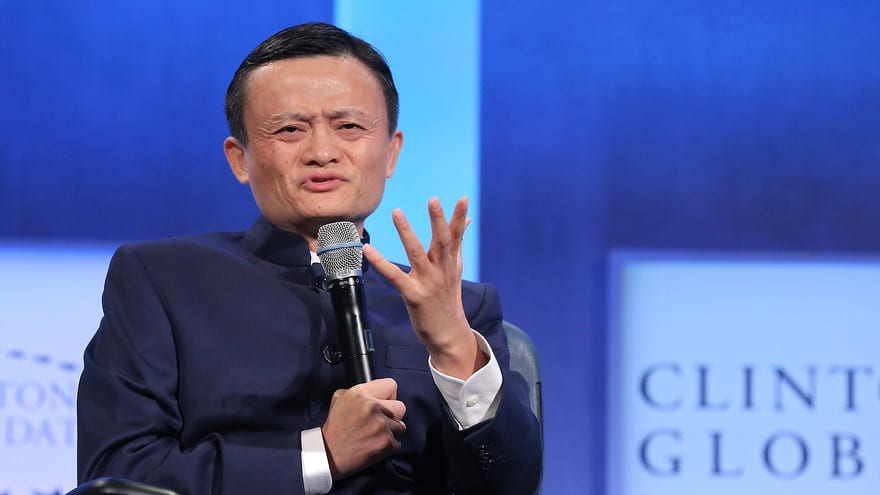
    Jack Ma, E-commerce, Net worth RMB213.8 billion

    Alibaba founder Jack Ma was an English teacher in his native city of Hangzhou before he made it big with the company’s first successful e-commerce platform, Taobao. Ma famously told the press that he was rejected from 30 jobs after graduating university, including at his local KFC. Today, Alibaba is one of the world’s biggest companies, dominating China’s e-commerce market. Its affiliate Ant Financial, which operates e-wallet service Alipay, is also the most valuable fintech company in the world, worth over US$60 billion.

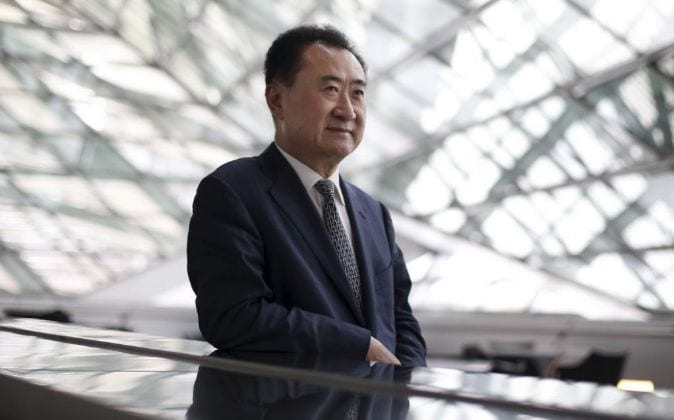
    Wang Jianlin, Real estate and entertainment, Net worth RMB164.7 billion

    Wang Jianlin is the founder and chairman of Dalian Wanda Group, one of China’s biggest real estate groups and the world’s largest cinema operator. After 16 years in the People’s Liberation Army, Wang entered the world of business in the late ’80s, eventually founding Dalian Wanda in 1992. Wang may have backed down from his famous posturing in 2016, where he said he wanted to “crush” Disney with his chain of theme parks, but Wanda remains a heavyweight in the world of entertainment—the group’s 2016 acquisition of Legendary Entertainment for US$3.5 billion, on top of its ownership of AMC, made Wanda Film Holdings one of the biggest film companies in the world.

    Yang Huiyan, Real estate, Net worth RMB149.4 billion

    Yang Huiyan stands out as the only person in the top six to have inherited their wealth. In 2007, at the age of 25, Yang became China’s richest person after her father transferred 70 percent of his ownership of real estate group Country Garden Holdings to her before taking the company public. Today, Yang holds the title of China’s richest woman, and hit headlines by making US$2 billion in under four days last month, thanks to a huge surge in the company’s share price.

    Wang Wei, Logistics, Net worth RMB144.4 billion

    Wang Wei is the chairman and founder of Chinese delivery company SF Express. Wang was born in Shanghai but grew up in Hong Kong, eventually starting SF Express from a small shopfront in Mong Kok after realising how difficult it was to move goods across the border. When SF was launched in ’93, Wang would personally load boxes into vans with his six employees. Today, SF employees over 80,000 couriers and owns over 80 airplanes.

  • China to have 100 Commune store

    China to have 100 Commune store

    Singapore furniture designer/manufacturer/retailer Koda’s in-house brand Commune plans to open more than 100 outlets in China by 2020.

    Commune’s sales from the market hit nearly S$7 million (US$5.3 million) last year, accounting for 64 per cent of its total revenue. This helped push half-year profit for Koda.

    For its next stage of growth, Commune will partner with International Enterprise (IE) Singapore to adopt an omnichannel strategy for China.

    Within its three years in the market, Commune has opened more than 42 stores across tier-one and -two cities using a dealership model.

    “With the support of IE Singapore, we intend to increase sales and knowledge of our customers through digital marketing and analytics, while ensuring a seamless shopping experience online,” says Commune sales and marketing director Gan Shee Wen.

    Already the company is equipping its stores in China with VR capabilities so in-house designers can turn customers’ floor plans into a VR environment and so provide recommendations on design concepts.

    Its co-operation with IE Singapore involves building a long-term e-commerce strategy and a seamless online and offline brand.

    Commune plans to subsequently implement its omnichannel strategy in Singapore and other markets. IE Singapore is also working with Commune to expand to Indonesia, Taiwan and Thailand by connecting it to mall owners and dealers.

    Spring Singapore has also been supporting Commune in the development of its VR software, customer-service training and mobile training platforms.

    Meanwhile, Koda’s net profit was up 26.2 per cent to US$2.4 million for its half-year to the end of December.

    Commune’s higher profit margins lifted the group’s gross profit margin to 34.7 per cent for the half from 29.1 per cent.

    Overall revenue for the period declined by 4.2 per cent to $24.2 million because of delays in shipments to key export markets in the second quarter. Revenue contributions from Commune in the second quarter partly offset the decline to take total revenue for the quarter to $11.9 million, a difference of 11.8 per cent compared to the same period a year
    earlier. Most of the delayed shipments were cleared in January.

    Koda turned in a net profit of $1 million in the second quarter, down from $1.05 million for the same quarter in 2017.