Tag: China

  • G&M Cosmetics expansion plans into Vietnam

    G&M Cosmetics expansion plans into Vietnam

    Australian skincare brand G&M Cosmetics has expanded into Vietnam, with a presence in Aeon supermarkets and at Ho Chi Minh City’s airport.

    This follows the company exporting to Asian markets such as China, Hong Kong, Taiwan, Thailand and Singapore in the past few years.

    The company has also opened a showroom and sales office in Ho Chi Minh City, and plans to open up to five of its own branded retail outlets in Vietnam.

    “We have always had a high demand and interest in Southeast Asia and believe the time is right to enter the Vietnam market, with a population of more than 90 million and a growing middle and upper class, making it an ideal export market,” says G&M Cosmetics global marketing and sales manager Peter Bosevski.

    “Vietnam also give us access to the wider growing Southeast Asian markets of Cambodia, Laos and Myanmar.”

    To promote its launch in Vietnam, G&M has secured Miss Globe as brand ambassador.

  • Alipay now available in all Starbucks across South Korea

    Alipay now available in all Starbucks across South Korea

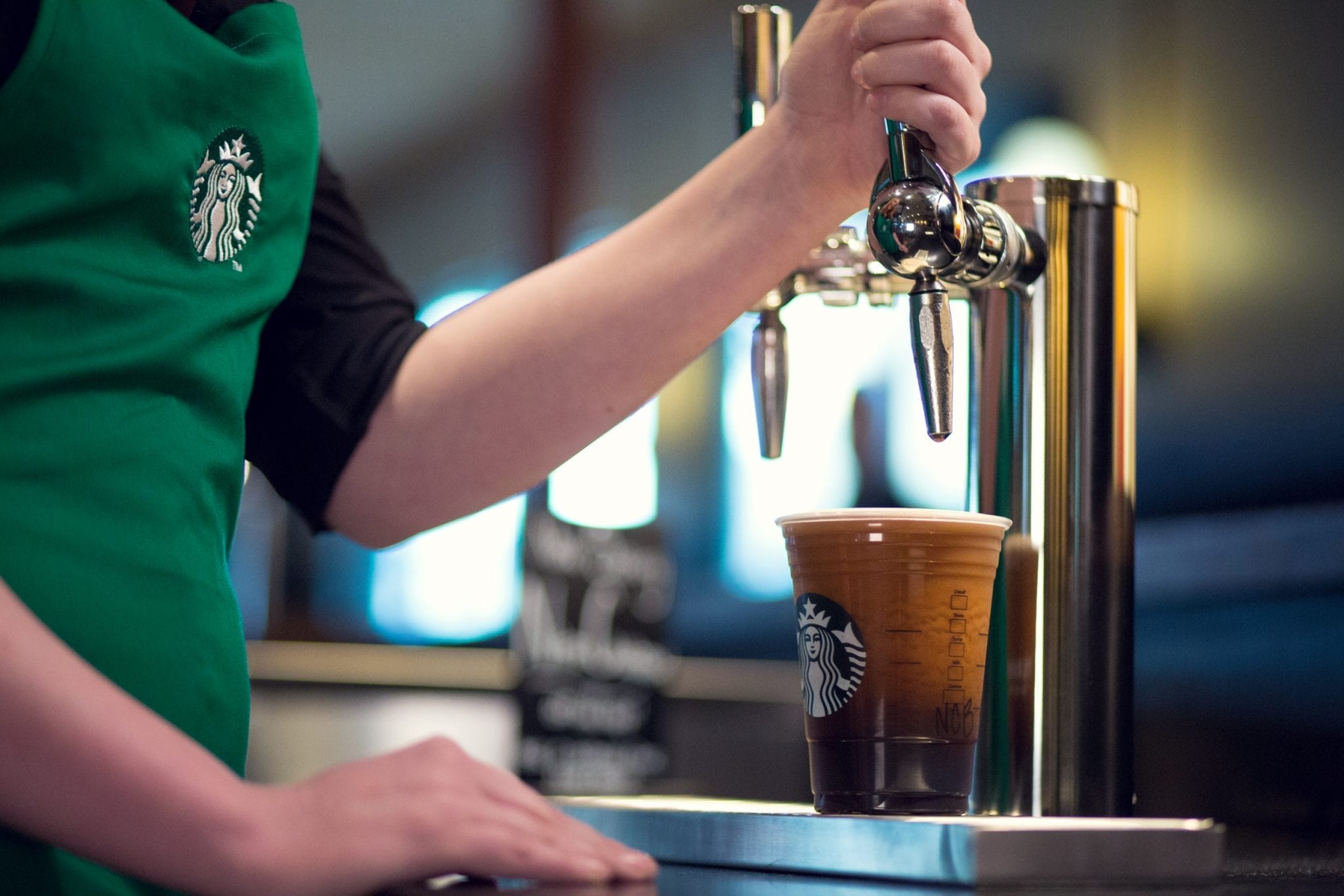
    For Chinese tourists traveling South Korea, paying for a grande latte at Starbucks is now as easy as showing your smartphone.

    Ant Financial, which now Alibaba a 33% stake, said Sunday its Alipay e-wallet service is now available at over 1,150 Starbucks branches across South Korea – the first third-party mobile-based payment method enabled nationwide at Starbucks in the country.

    “Starbucks branches are among the most-visited places by Chinese travelers in South Korea. We will continue to introduce Alipay to more local merchants, including restaurants and shops to make Chinese travelers’ journey as convenient as at home,” said Danny Chung, General Manager of Alipay Korea.

    Alipay, the world’s leading third-party payment platform available in 38 countries and regions, was first introduced in South Korea in 2015. Users of the online payment platform can also enjoy an instant tax refund via Alipay at four major airports in South Korea. Earlier this month, Finland became the first country to offer Chinese tourists fully cashless experience by adopting Alipay.

    According to the state-run Korean Tourism Organization, travelers from China make up around one-third of South Korea’s inbound tourists each year.

    The announcement comes on the heels of Alibaba’s launch of an interactive showcase at Gangeung Olympic Park, a staging area for PyeongChang 2018 that hosts the Games’ ice sports.

    Alibaba Group is an Olympic TOP partner through 2028.  As part of the Olympic Partner worldwide sponsorship program, the Hangzhou-based technology giant is the official “Cloud Services” and “E-Commerce Platform Services” partner of the International Olympic Committee, as well as a Founding Partner of the Olympic Channel.


  • Asia boosts growth for L’Oreal

    Asia boosts growth for L’Oreal

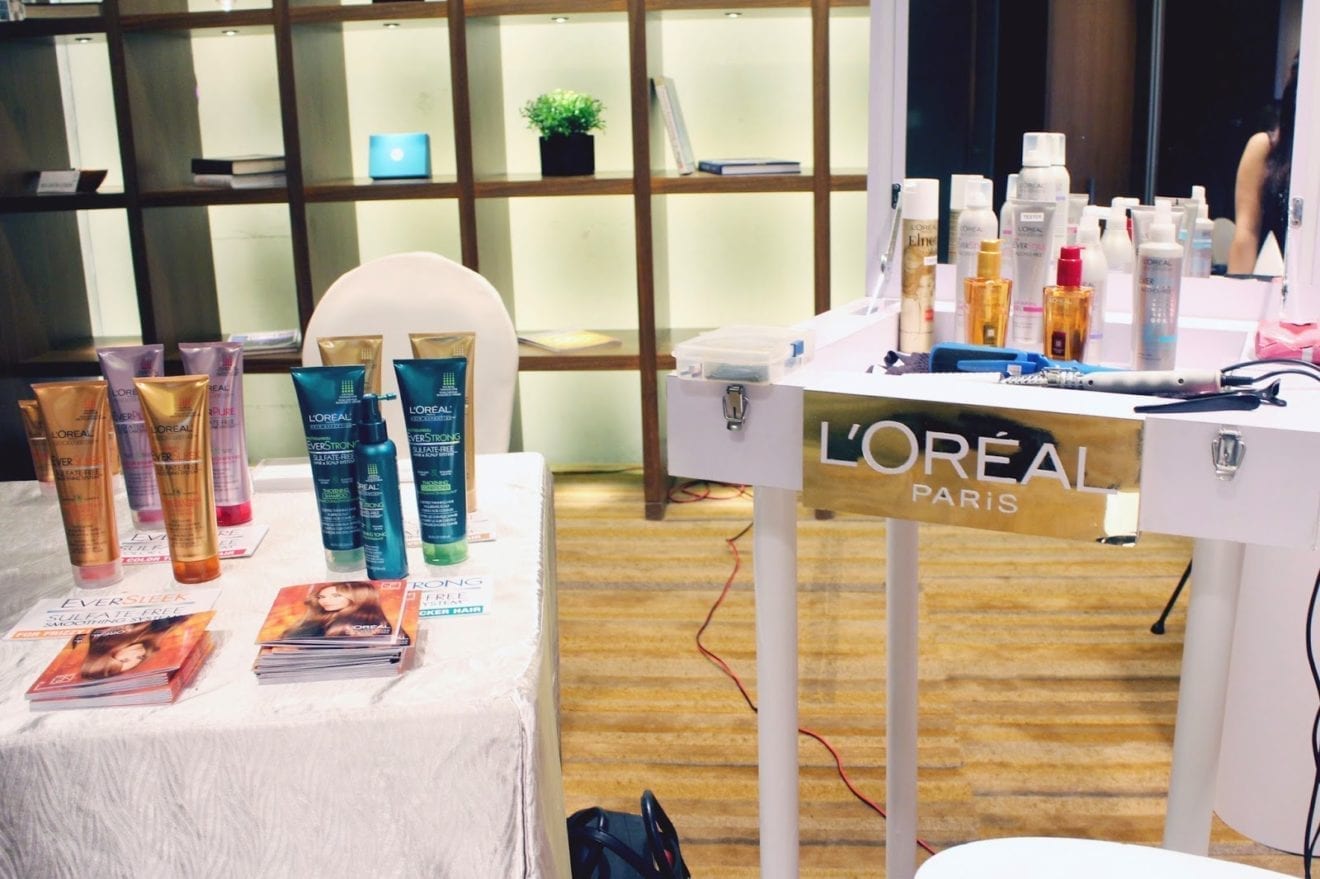
    French cosmetics giant L’Oreal reports “spectacular” growth for last year, particularly in Asia.

    It had growth acceleration of 5.5 per cent in the fourth quarter with sales exceeding €10 billion (US$12.2 billion) in the ‘new markets’, which include Asia Pacific.

    Operating margin reached a record 18 per cent.

    Sales were €26 billion, up 4.8 per cent like-for-like, 2 per cent at constant exchange rates and 0.7 per cent on reported figures.

    Representing a record 18 per cent of sales, the operating profit was €4.68 billion.

    “L’Oreal had a good year with sustained sales growth momentum and robust profits,” says chairman/CEO Jean-Paul Agon.

    The second half accelerated compared with the first, particularly in the fourth quarter.

    Sales grew in all divisions, especially L’Oreal Luxe in Asia. The Active Cosmetics Division achieved more than €2 billion of sales for the first time.

    The new markets exceeded more than €10 billion in sales for the first time ever. The Asia Pacific zone had growth of 12.3 per cent like-for-like and 9.2 per cent reported. In Northern Asia, Chinese consumers are driving growth, particularly for the L’Oreal Luxe Division in China and Hong Kong. China’s growth was fuelled by strong e-commerce results. In Southern Asia, India is proving dynamic, while Malaysia and Thailand are also growing strongly.

    Overall, operating profit, at €4.6 billion, has grown by 3 per cent and amounts to 18 per cent of sales, representing an increase of 40 basis points. Excluding exchange rates, operating profit grew by 4.4 per cent.

  • Here’s Why Pre-Owned Luxury Fashion Are Growing In Asia

    Here’s Why Pre-Owned Luxury Fashion Are Growing In Asia

    Asia’s pre-owned luxury fashion market is continuing to grow, with shoes and t-shirts gaining ground, according to multichannel retailer Reebonz.

    Although bags continued to dominate, with an average of 77 per cent of total transactions in 2016 and 2017, both shoes and apparel achieved steep sales growth throughout the region, according to Reebonz’s now annual Asia Luxury Index.

    In Hong Kong, for example, sales of used branded sneakers rose 48 per cent last year, while “luxury t-shirt” sales soared six-fold.

    The report is based on Reebonz’s own trading data across Australia, China, Hong Kong, Indonesia, Malaysia, New Zealand and Singapore, along with unspecified “industry reports”.

    Reebonz says millennials are driving the sector’s growth, “tilting the scales in favour of a pre-owned luxury market that continues its growth trajectory”.

    Chanel, the most-purchased pre-owned brand by millennials, recorded more than double the total sales value on Reebonz last year over 2016.

    The report said the changing perceptions towards pre-owned luxury have altered the state of resale and how consumers shop today, contributing to 40 per cent sales growth in the pre-owned category at Reebonz.

    “The growing demands of buying from the resale market cleverly gives rise to a community of individual sellers, injecting the luxury ecosystem with products that meet these needs,” said Reebonz cofounder Daniel Lim.

    Louis Vuitton, Hermes and Chanel were the three top-selling brands on Reebonz last year, fetching resale values as high as 125 per cent of their original retail price in the secondary market. Gucci, Celine and Dior were also among the top 10.

  • Alibaba reports solid Q3 growth, increases FY guidance

    Alibaba reports solid Q3 growth, increases FY guidance

    Alibaba Group Inc. said revenues reached 83 billion yuan ($12.8 billion) in the third quarter – soaring 56% on last year – pushed on by China retail growth.

    For the three-month period ending December 31, Alibaba said China recorded the highest revenue growth, up 57%, counteracting a dull consumer confidence in the Asian nation. Annual active consumers on Alibaba’s China retail marketplaces reached 515 million, an increase of 27 million from the previous quarter, representing the largest growth in 12 quarters.

    The hometown result was helped by a strong Singles Day 2017 performance. The massive sales event clocked 168.2 billion yuan ($25.39 billion) in gross merchandising value.

    The Chinese e-commerce giant said the quarterly period was its seventh-consecutive quarter for growth.

    “We delivered another outstanding quarter and our business is performing stronger than ever,” said Daniel Zhang, Alibaba’s chief executive officer.

    Zhang went on to praise the firm’s pioneering technology in the online sphere and its intelligent move toward offline, in particular, its Hema supermarket chains.

    “It’s the direct result of our long-term, forward-looking approach to new user acquisition, new technology and creation of new user experiences. We have demonstrated what new retail looks like through innovations such as Hema and inspired a global wave of experimentation in new retail. We believe the future of retail is much more than just connecting online and off-line, our new retail strategy is a combination of creating new and transforming old.”

    Looking ahead, Alibaba said it has revised its outlook for full-year revenue growth up to 55 to 56%, from its earlier estimate of 49 to 53%

    In addition to the financial reporting, Alibaba said it would acquire a 33% in Ant Financial, its digital payment partner. The move highlights Alibaba’s new retail strategy, which includes enabling digital payments in brick-and-mortar stores.

  • Shandong Ruyi acquired Swiss luxury brand Bally

    Shandong Ruyi acquired Swiss luxury brand Bally

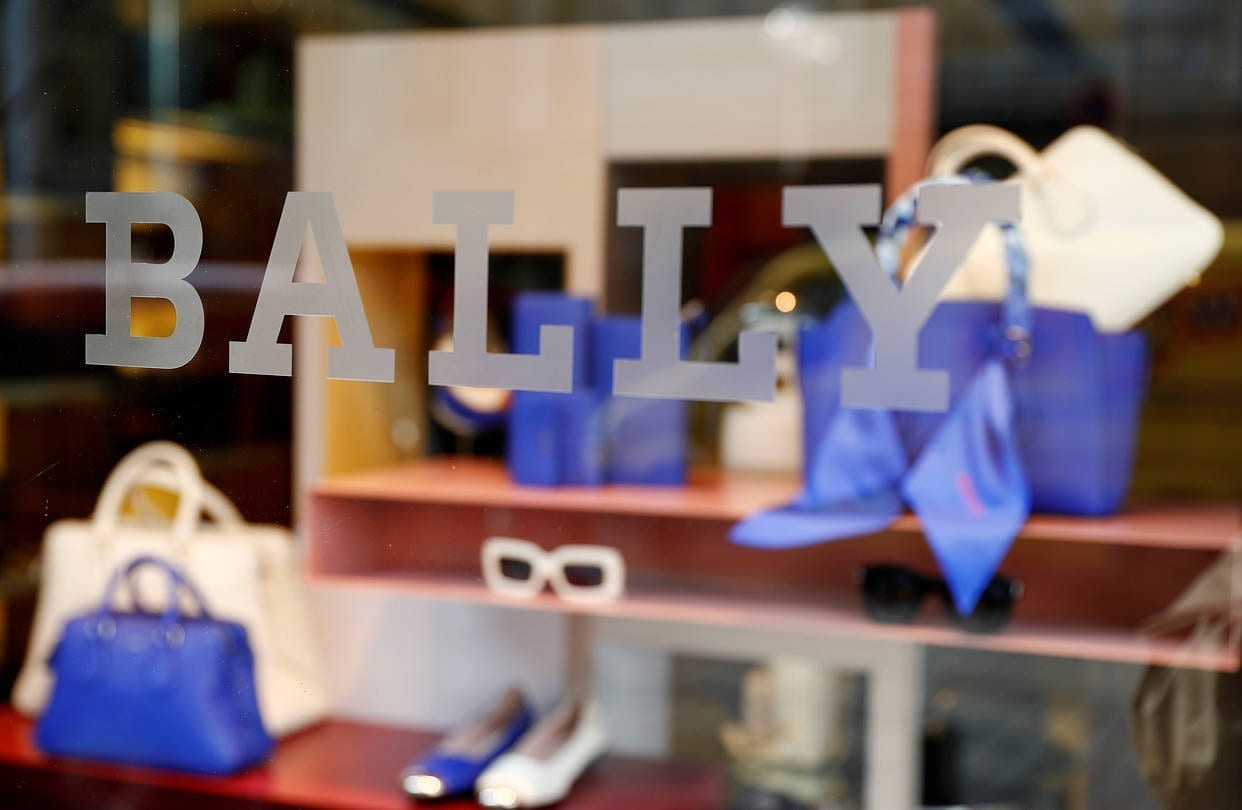
    JAB Holding has sold its controlling stake in Swiss apparel and accessories label Bally to Chinese textile manufacturer Shandong Ruyi Group, as tipped last month.

    JAB, which once owned Belstaff and Jimmy Choo, was said to be seeking US$700 million for Bally in August. The brand was founded in 1851 as a shoemaker.

    “The arrival of Shandong Ruyi Group and its vision will significantly accelerate our growth in key segments and territories as we complete the turnaround of this iconic brand,” says Bally CEO Frederic de Narp.

    JAB says it will retain a minority holding in Bally, while the majority stake will be controlled by Shandong Ruyi Investment Holding. Under the terms of the agreement, Bally’s management team will reinvest alongside Shandong Ruyi.

    Transaction terms have not been disclosed and are subject to closing conditions and customary regulatory approvals.

    As majority shareholder, Shandong Ruyi plans to maintain Bally’s DNA and identity. Part of this plan includes keeping Bally’s headquarters and main factory in Switzerland.

  • Alibaba buys US$866 million stake in Chinese furniture retailer Easyhome

    Alibaba buys US$866 million stake in Chinese furniture retailer Easyhome

    Alibaba Group Holding will pay about 5.45 billion yuan (US$866 million) for a 15 per cent stake in Beijing Easyhome Furnishing Chain Store, the operator of China’s second largest home improvement supplies and furniture chain.

    It is the latest move in the e-commerce titan’s online-to-offline strategy, following its US$2.9 billion investment in Sun Art Retail, which runs one of China’s largest hypermarket chains, in November.

    Alibaba said on Sunday it will support the digital transformation of Easyhome’s 223 stores in 29 Chinese provinces, autonomous regions and municipalities, through its cloud and enterprise systems, and logistics platform. It will also be able to provide “consumer insights”.

    “From home design to refurbishment projects, the two parties will provide customers with end-to-end home improvement solutions,” it added.

    Beijing Easyhome said in a separate statement it has received a combined 13 billion yuan from a group of investors, including Alibaba, Chinese insurer Taikang Group, Yunfeng Capital – which is backed by Alibaba’s founder Jack Ma – and Beijing Harvest Capital.

    The retailer said it plans to fully integrate its online and offline operations by 2022. By then it aims to have over 600 stores nationwide and gross merchandise volume – total sales through its platforms – of more than 100 billion yuan.

    Alibaba has prioritised its efforts to expand into physical retail in recent years, investing billions in grocery chains and shopping malls. Part of the “New Retail” strategy is to attract customers to its online platform by bringing enhanced digital capabilities to the brick-and-mortar stores.

    The transformation echoes that of US e-commerce behemoth Amazon.com, which in June surprised shoppers with its US$13.7 billion acquisition of high-end American grocery store Whole Foods.

    “We want to redefine the physical retail experience and transform from physical to digital, ” said Alibaba CEO Daniel Zhang after last year’s Sun Art Retail acquisition.

    In January 2017, the company led a US$2.5 billion bid to buy out Chinese department store chain Intime Retail.

    In 2015, it bought a 20 per cent stake in Chinese electronics retailer Sunning Commerce Group for US$4.6 billion.


  • Dusit International now accepts Alipay at its hotels and resorts in Thailand

    Dusit International now accepts Alipay at its hotels and resorts in Thailand

    Dusit International, one of Thailand’s foremost hotel and property development companies, has rolled out Alipay at its hotels and resorts in Thailand to cater to Chinese travellers who prefer to make quick and secure payments via mobile.

    With over 520 million users and counting, China-based Alipay is one of the world’s largest mobile payment platforms which allows its users to pay for goods and services by scanning QR codes on their smartphones or tablets. Its presence is ubiquitous in Chinese cities, where mobile payments are fast becoming a way of life.

    Dusit International already accepts Alipay at all of its hotels and resorts in China. Alongside Thailand, it also plans to roll out the system at its international properties soon.

    “The Chinese market is a key segment for our hotels in Thailand, so it is important our properties are equipped to meet the needs of those who prefer to pay via mobile, now the method of choice in China,” said Mr Lim Boon Kwee, Chief Operating Officer, Dusit International. “Alipay can certainly enrich and enhance the guest experience for all our Chinese travellers.”

    Dusit Hotels & Resorts in Thailand now accept Alipay at their restaurants, spas, participating outlets, and for hotel rooms upon check-out. The properties also accept China’s other major mobile wallet, WeChat Pay.

    Dusit properties in Thailand include Dusit Thani Bangkok, Dusit Thani Hua Hin, Dusit Thani Pattaya, Dusit Thani Laguna Phuket, Dusit Thani Beach Resort Krabi, dusitD2 Chiang Mai, dusitD2 Khao Yai, Dusit Princess Srinakarin Bangkok, and Dusit Princess Chiang Mai.

    Alipay is operated by Ant Financial, an affiliate of Alibaba Group Holding Limited, a Chinese multinational e-commerce, retail, and technology conglomerate which is one of the top 10 most valuable companies in the world.

  • Miniso to launch in Colombia

    Miniso to launch in Colombia

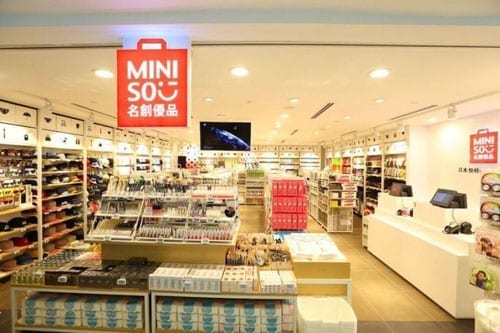
    Chinese low-cost retailer Miniso has reached a strategic agreement to launch its stores in Colombia.

    A signing ceremony has been held with Miniso Colombia in Miniso Industrial Park attended by global co-founder/CEO Ye Guofu and Miniso Colombia representatives Eduardo Tishman and Enrique Smolensky.

    Ye Guofu says the agreement is an important step for the brand as it will enable it to reach co-operation with other Latin American countries such as Brazil and Mexico. Colombia’s neighbours are Venezuela in the east, Brazil in the southeast, Peru and Ecuador in the south, and Panama in the northwest.

    So far, more than 60 countries and regions have reached strategic co-operation agreements with Miniso.

    It has opened more than 2600 stores throughout Asia, North America, South America, Oceania, Europe and Africa.

  • Alibaba platform receives registration from 2,000 SMEs

    Alibaba platform receives registration from 2,000 SMEs

    More than 2,000 SMEs have registered with the Alibaba group platform under the the Digital Free Trade Zone initiative.

    International Trade and Industry Minister Datuk Seri Mustapa Mohamed said it is targeting for 10,000 SMEs to be on the platform by this year.

    At the Malaysia Digital Economy Forum here this morning, he said Malaysia’s digital economy has seen exponential growth.

    To date, 58,824 online businesses have registered with the Companies Commission of Malaysia. The digital economy accounted for 18.2% of the country’s gross domestic product (GDP) in 2016.

  • Asia boosts Hermes international sales

    Asia boosts Hermes international sales

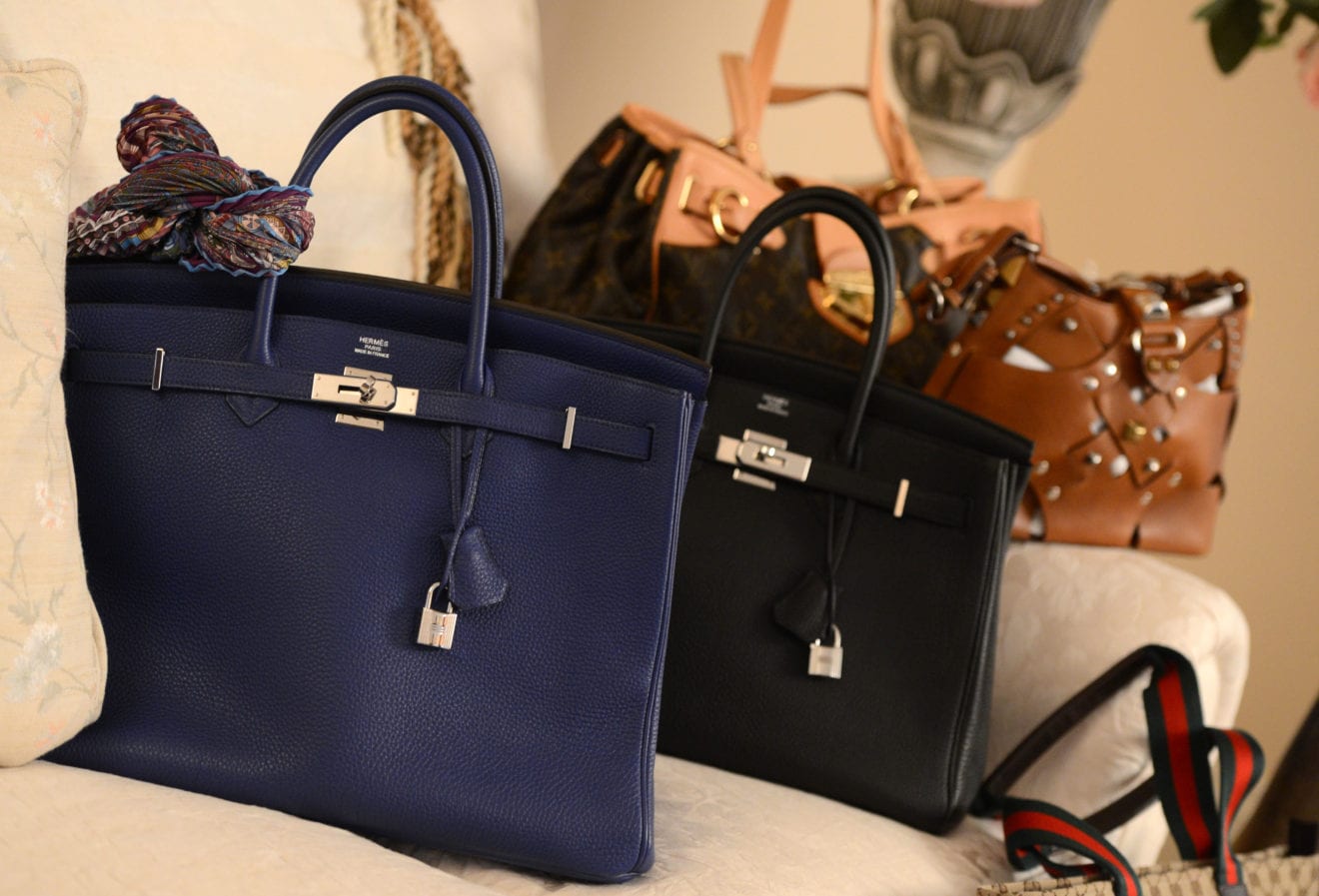
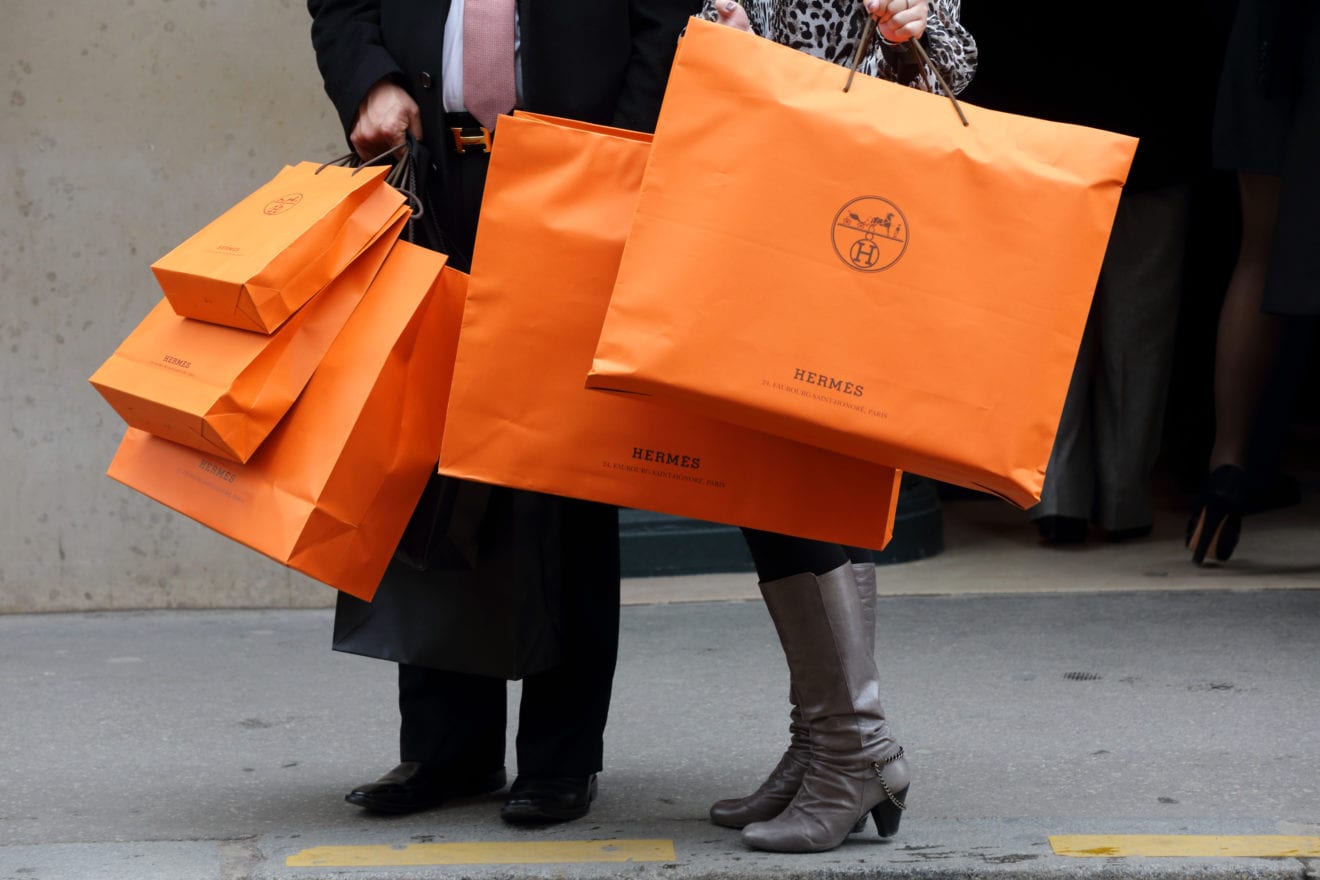
    Hermes international sales showed strong growth last year, pushed by an upward curve in Asia.

    Sales for the French fashion brand were up 9 per cent at constant exchange rates, with consolidated revenues reaching €5.5 billion (US$6.7 billion). After adjustment for the negative currency effect resulting from the year-end strengthening of the euro, the increase was 7 per cent.

    In the final quarter growth was sustained at 5 per cent at constant exchange rates.

    During the year Hermes continued to improve its distribution network, renovating and extending almost 20 stores. It launched websites in Canada and the US, to be followed by China at the end of this year.

    Asia, excluding Japan, saw sales rise 11 per cent with a positive outlook in Mainland China and South Asia.

    Hermes says the context is improving in Hong Kong and Macau. Regional stores were extended and renovated – the Sogo Fuxing store in Taiwan, Kowloon Elements in Hong Kong and the Kuala Lumpur store.

    Despite a high comparison basis, Japan recorded a sustained increase of 4 per cent thanks to its selective distribution network.

    All sectors recorded growth, with a “remarkable” performance by the ready-to-wear and accessories, perfumes and other sectors.

    Leather goods and saddlery sales grew 10 per cent to meet demand for such bags as Constance, Halzan, Lindy and Verrou. Shoes particularly boosted sales in the ready-to-wear and accessories division, up 9 per cent, silk and textiles had a  6 per cent rise, while the perfumes division posted 10 per cent growth with the launch of Twilly d’Hermes.

    There was a 1 per cent rise in watch sales, while other Hermes business lines ‒ encompassing jewellery, Art of Living and Hermes Table Arts ‒ rose 11 per cent.

    Currency fluctuations had a negative impact of €100 million on revenues.

    The company will publish its annual results next month.

  • Yum China Reports A Strong Quarter

    Yum China Reports A Strong Quarter

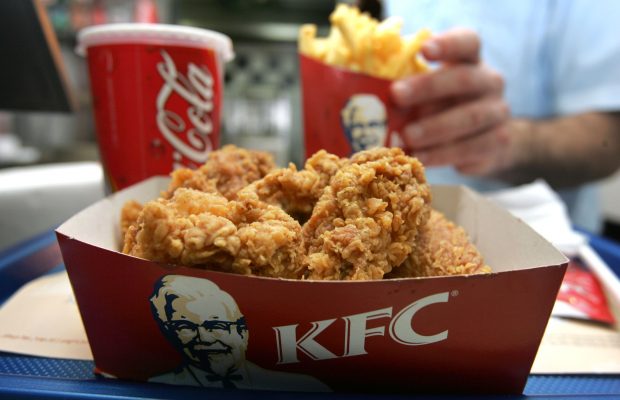
    A strong fourth quarter has been recorded by Yum China Holdings, which runs KFC and Pizza Hut restaurants on the mainland.

    Its unaudited results for the quarter to the end of December show 5 per cent growth in same-store sales, up 7 per cent at KFC and 1 per cent at Pizza Hut.

    Total system sales grew 9 per cent, including growth of 11 per cent at KFC and 6 per cent at Pizza Hut, and excluding foreign currency conversion (F/X).

    Total revenues were US$2.2 billion, an increase of 13 per cent (9 per cent excluding F/X).

    The group opened 339 restaurants during the quarter.

    Operating profit rose 23 per cent to $71 million, but excluding special items and F/X, there was a 9 per cent decrease in adjusted operating profit because of product upgrades at Pizza Hut during the quarter, partially offset by strong sales at KFC.

    There was an estimated one-time tax charge of $164 million related to tax reform in the US. This resulted in a net loss of $90 million. Excluding this impact, adjusted net income was $74 million, up 12 per cent (18 per cent, excluding F/X).

    For the full year, same-store sales were up 4 per cent – an increase of 5 per cent at KFC and 1 per cent at Pizza Hut.

    Total system sales grew 8 per cent, including growth of 9 per cent at KFC and 7 per cent at Pizza Hut, excluding F/X.

    Total revenues were $7.1 billion, an increase of 6 per cent (8 per cent, excluding F/X).

    During the year, 691 restaurants were opened, taking the total store count to 7983 across more than 1200 cities.

    Restaurant margin improved 1.5 points to 16.8 per cent, primarily driven by same-store sales and helped by retail tax structure reform.

    Operating profit rose 23 per cent to $785 million. Excluding special items, the adjusted operating profit was $782 million, an increase of 20 per cent (23 per cent excluding F/X) driven by strong sales and margin expansion.

    Net income dropped 20 per cent to $403 million. Excluding special items, adjusted net income was $564 million, up 20 per cent (24 per cent excluding F/X).

    Loyalty program membership grew to more than 110 million for KFC and more than 35 million for Pizza Hut at year end.

    Mobile payments accounted for about 53 per cent of company sales during the fourth quarter, while delivery contributed to 14 per cent of company sales for the year.

    It was the first full year of Yum China as an independently listed company. CEO Micky Pant will hand over the reins to Joey Wat, currently president and COO, from March.

  • Alibaba Throws $486 Million Behind Big Data

    With plans to expand its offline presence, Alibaba Group Holding Ltd. will be investing $486 million in a China-based big-data firm centered on the hotel, catering and retail industries.

    A filing to the Shenzhen stock exchange today shows that the company is set to buy a 38 percent stake in Beijing Shiji Information Technology Co. Ltd. through its subsidiary Alibaba Investment Ltd. The e-commerce giant is shifting into what it calls a “New Retail” strategic cooperation and intends to leverage big data as part of a bigger push to restructure the domestic retail market, which has seen troubling times over the past few years.

    Led by Chinese billionaire Jack Ma, Alibaba reported 61 percent growth in quarterly revenue last November, beating retail and financial analysts’ expectations. “We are seeing the early results from our efforts to integrate online and offline with our New Retail strategy, and consumers have benefited from access to high-quality products, improved customer experience and the tremendous convenience of shopping anytime, anywhere,” CEO Daniel Zhang said at the time.

    Already dominating the country’s online shopping market, the e-commerce and technology giant has been experimenting with brick-and-mortar retail, reportedly investing billions in physical stores as it faces growing competition with rival company Tencent Holdings Ltd. Ma also announced a plan last fall to spend $15 billion on research and development within three years, with the goal of serving 2 billion customers and creating 100 million job opportunities over the next two decades.

  • Seafood restaurants shut down in China as New Year approaches

    Seafood restaurants shut down in China as New Year approaches

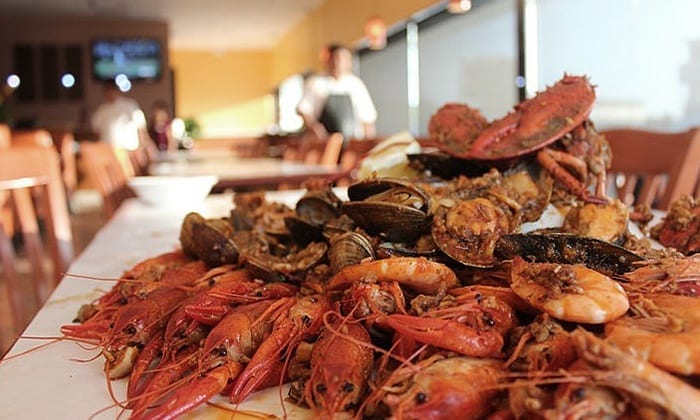
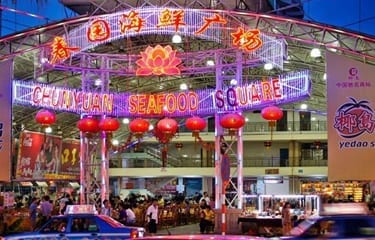
    China’s premier seaside tourist region is seeking to rein in malpractice in the seafood catering sector, which has seen customers overcharged and a restaurant charged with bribery.

    A clampdown involving the China Food and Drug Administration, the Industry and Commerce Bureau (which issues business licenses), the Tourism Administration, and the Public Security Bureau has resulted in the high-profile closure of two restaurants in Sanya, the coastal city on the tropical island of Hainan that is often touted as China’s answer to Miami.

    The Liu Mei Jia seafood restaurant has had its license revoked for “soliciting customers” – reference to a practice in which restaurateurs use misleading advertising and salespeople to lure in customers who are then frequently overcharged. Also put out of business was the Qiong Mei Jia seafood restaurant, which stands accused of “bribery,” according to the local office of the Industry and Commerce Bureau, which didn’t elaborate on the charge.

    Price-bilking by seafood restaurants has become a major consumer issue in China in recent years, particularly in major tourist destinations like Sanya. This, in turn, has drawn more scrutiny onto the seafood catering trade. The latest crackdown, which featured prominently on state-run TV, comes just before the annual Chinese New Year  on 16 February 16, a peak period for dining out.

  • JD.com and Fung Retailing form Artificial Intelligence partnership

    JD.com and Fung Retailing form Artificial Intelligence partnership

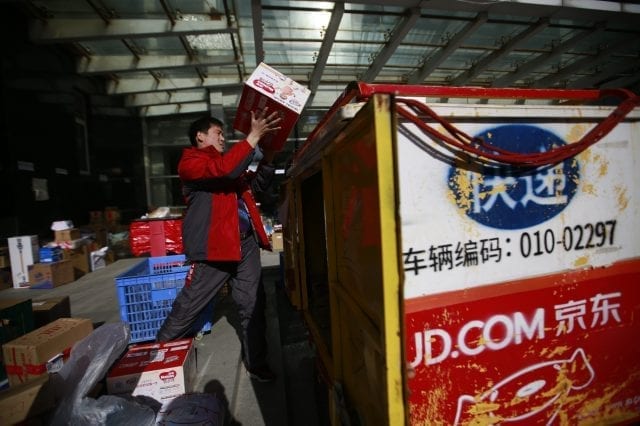
    JD.com is both the largest e-commerce company in China, and the largest Chinese retailer, by revenue.

    The retailing businesses of the Fung Group are brought together under privately-held Fung Retailing Limited and it is a Hong Kong-headquartered multinational group whose core businesses are engaged in trading, logistics, distribution and traditional and digital retailing.

    The agreement between the two companies calls for the establishment of an AI Boundaryless Retail Center that will oversee and manage cooperative research and development projects, and facilitate the sharing of information and expertise relating to AI technology.

    Leveraging AI, and combining JD.com‘s extensive online expertise and Fung Retailing’s offline expertise, the two companies aim to develop a new retail format for China and Asia.

    This includes creating an AI-driven retail system that seamlessly integrates online and offline retail platforms; developing an end-to-end system that enables the management of products, pricing, storage, order and payment; and enhancing consumer experience through solutions such as AI-driven virtual fitting, unmanned stores and smart shopping assistants.

    Speaking at the signing, Sabrina Fung, Group Managing Director of Fung Retailing Limited said, “When it comes to the future of retail, and driving the customer experience, AI is an essential component. Across our retail portfolio, AI is a focal point and this co-operation with JD will, without doubt, accelerate our progress.”

    Bowen Zhou, Vice President of JD.com and Head of JD’s AI Platform and Research said, “As one of the largest retailers in the world, we believe that figuring out how to deploy AI solutions is critical to our future success. Drawing on Fung Retailing’s global offline retail expertise, this partnership will be important for us as we deliver our retail vision.”

    Other areas of focus within the agreement include cooperation on the construction of AI infrastructure, as well as smart retail, creating AI-driven solutions that break down the barriers between online and offline, and exploring the intersection of AI and fashion.