Tag: China

  • Second Moleskine Cafe Italy will be opened in China

    Second Moleskine Cafe Italy will be opened in China

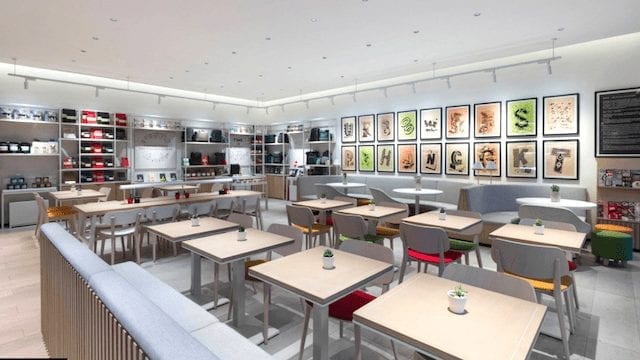
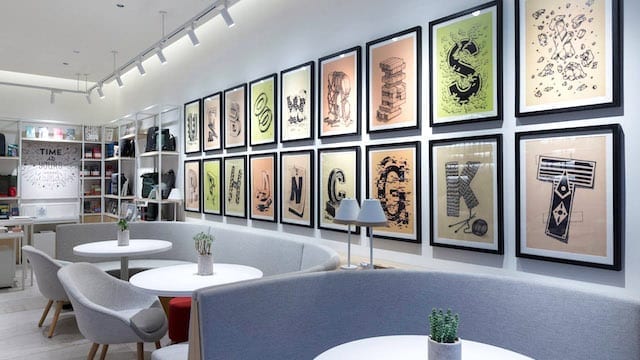
    Following the success of its cafe in Milan, which launched in 2016, Italy’s Moleskine stationery brand has opened a second outlet – in Beijing’s Taikoo Li shopping centre.

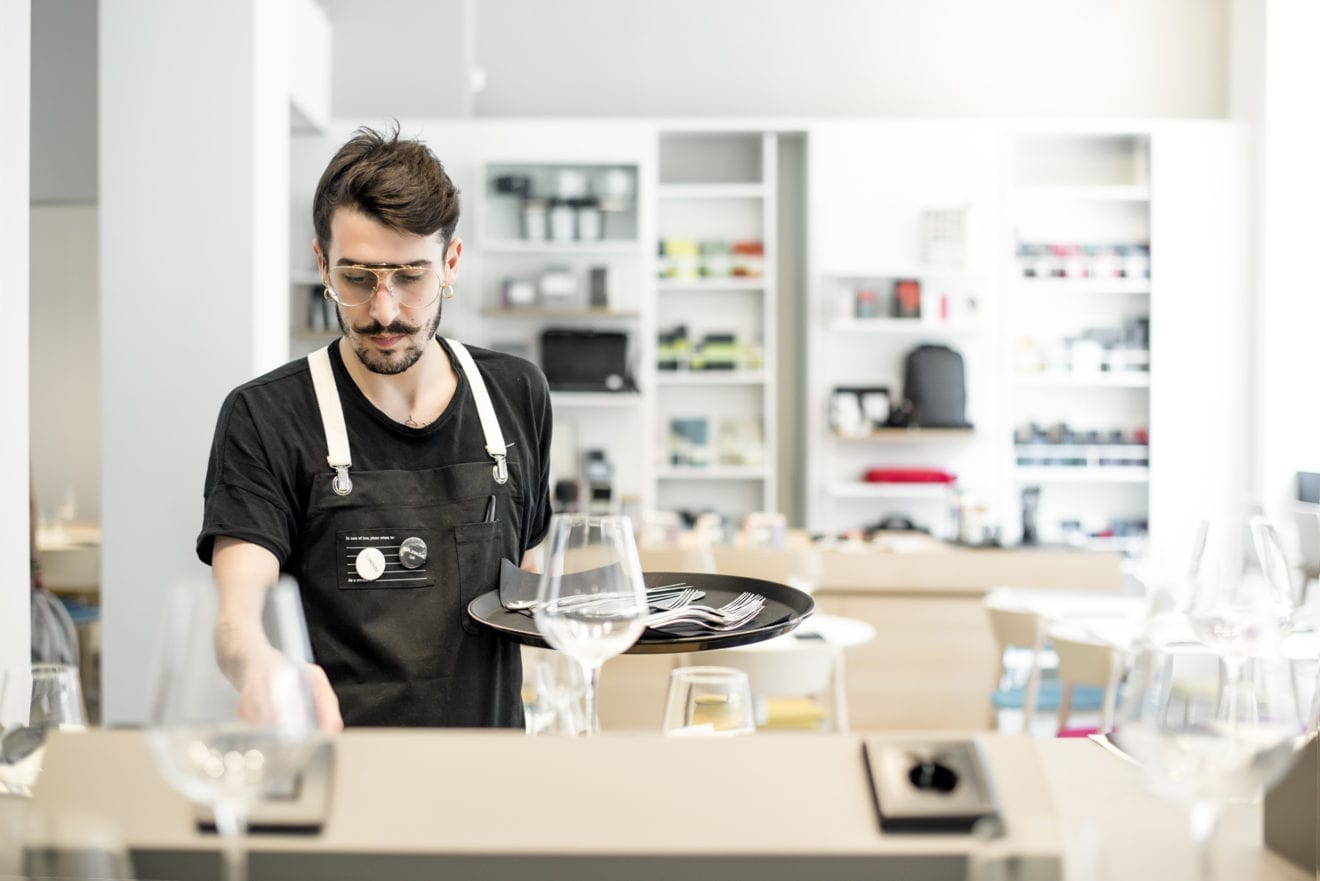
    It continues the minimalist concept with neutral colours, space and natural light. The open-concept 150sqm cafe offers individual and communal tables, including an al-fresco area.

    Like its Milan predecessor, it is a combination of cafe, gallery, library and store, reports Concrete Playground. The menu combines Italian and local cuisine across breakfast and lunch options.

    As well, the cafe will stage exhibitions dedicated to architects, designers, illustrators and movie directors, as well as events, talks and workshops.

    Cafes for Hamburg, London and New York are also planned this year.

  • Alibaba to thank New Retail for Its record sales

    Alibaba to thank New Retail for Its record sales

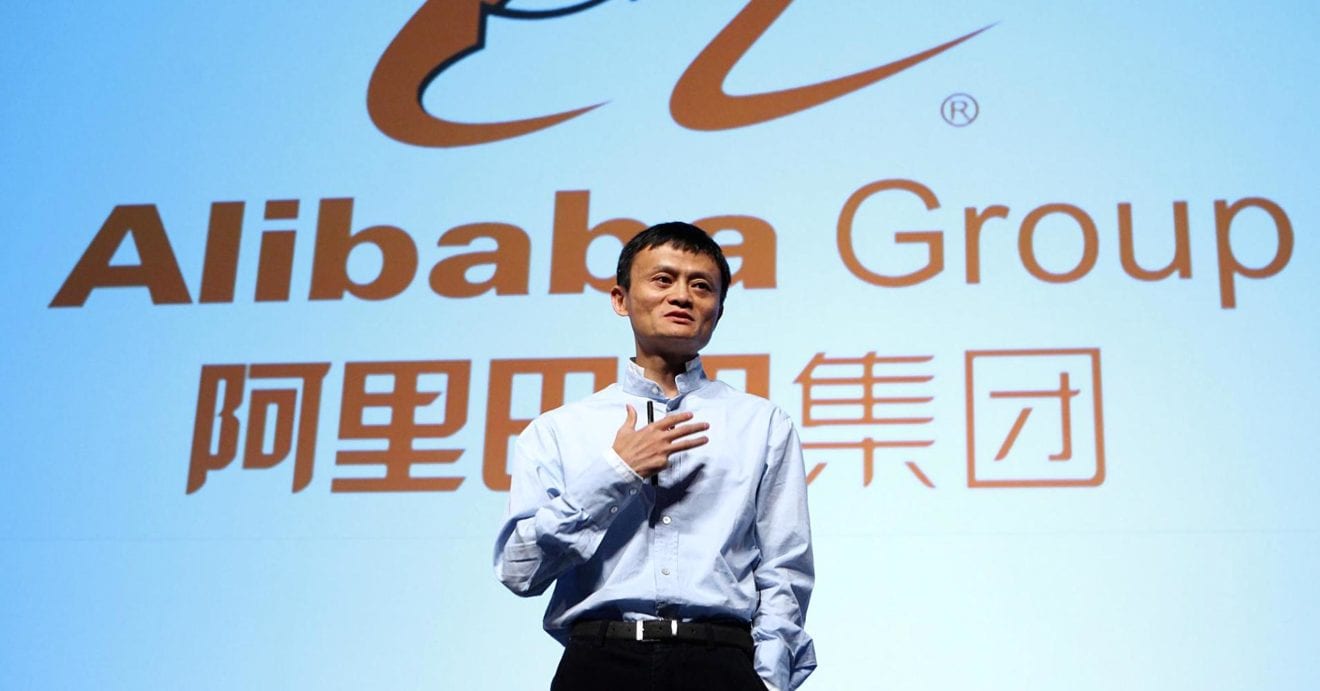
    Continuing momentum in Alibaba Group’s New Retail business helped drive a 56 per cent year-on-year growth in sales for the quarter to December 31.

    The performance of the New Retail category – which combines its online (non-marketplace) and fast-growing offline retail businesses, including investments in Sun Art Retail and other established businesses – was a core highlight of the quarter, according to CEO Daniel Zhang.

    “Alibaba had another great quarter driven by the continued strength of the Chinese consumer and the wide and innovative range of services we provide for merchants and consumers,” he said.

    “We are excited by the continued momentum in New Retail, which came to life during another record-breaking 11.11 Global Shopping Festival. We expanded the scale and footprint of our New Retail initiatives with the vision of delivering true convergence of the online and offline consumer experience through mobile and enterprise technology.”

    Maggie Wu, CFO, said the group’s core business generated significant free cash flow of US$7.1 billion during the quarter, “enabling us to invest in New Retail, cloud computing, digital entertainment and globalisation”.

    Revenue from core online commerce (marketplace) activities rose 57 per cent to US$11.257 billion and from cloud computing by 104 per cent to $553 million. Digital media and entertainment sales rose 33 per cent to $832 million.

    The number of annual active consumers on Alibaba Group’s China retail marketplaces reached 515 million, an increase of 27 million from the year to September 30.

    Net income was $3.586 billion with operating margin was 31 per cent and adjusted EBITA margin for the core e-commerce business 53 per cent.

    Group highlights

    Alibaba summarised group highlights in its earnings statement, including:

    Taobao: Artificial Intelligence (AI) drove user engagement, with the Taobao app’s intelligent personal recommendations and innovative content formats continuing to drive strong growth in user engagement, conversion and annual active consumers. “We continue to invest in machine learning technologies which we apply to use cases that match consumer intent and product selection to deliver the best consumer experience.”

    Tmall: Tmall recorded 43 per cent year-on-year growth in physical goods GMV during the quarter, reflecting robust growth across all major categories including apparel and accessories, consumer electronics (mobile phones) and FMCG. “Tmall continues to be the platform of choice for the world’s top brands, with Givenchy, Giorgio Armani Beauty and Volvo establishing Tmall flagship stores and Longines, Hennessy, Dom Perignon and Baccarat joining our Luxury Pavilion in this quarter.”

    11.11: Last year’s annual November 11 Global Shopping Festival exceeded the previous year’s records, with GMV settled through Alipay on Alibaba’s marketplaces up 39 per cent year-on-year to $25.9 billion. “The continuous success of this record-breaking event is enabled by our resilient and scalable technology, as well as payments and logistics infrastructure that is capable of operating at massive scale.”

    New Retail: Rapid expansion through partnerships and innovative technologies included the opening of five new Hema fresh grocery stores in Shanghai, Beijing, Ningbo and Suzhou, taking the network to 25 at year end. “Hema exemplifies the convergence of online and offline retail by leveraging our in-store proprietary technology, digitised supply chain system, consumer insights and mobile ecosystem to provide a seamless experience for consumers.”

    In November, Alibaba formed a strategic alliance with Sun Art Group, the leading hypermarket and supermarket chain by revenue in China with over 440 stores nationwide. “Through this partnership, we aim to equip traditional retailers with our proprietary technology and know-how in online offline convergence to implement their digital transformation. In addition, the partnership with Sun Art will also enable us to accelerate the expansion of our New Retail offerings with national scale.

    International:  Alibaba’s cross-border and international retail businesses continue to show strong growth. Revenue from international commerce retail business reached $727 million in the, representing 93 per cent year-on-year growth, driven by its Southeast Asian platform Lazada and its global retail marketplace AliExpress. “While the markets for Southeast Asia and cross-border commerce remain very competitive, they are in the early innings of the game. We are optimistic about the long-term secular growth prospects of our international markets and will therefore continue to make significant investments for market share growth and focusing on the best customer experience.”

    Cainiao Network: Alibaba’s logistics division, Cainiao Network, processed 812 million orders during the 11.11 event. Cainiao Network operates an electronic shipping label system that standardises shipping data into structured formats, which enables efficient pick-and-pack operations for merchants and sorting and routing operations for delivery partners. “The advantages of this system have resulted in broad adoption by merchants and logistics service providers, both on and off our platforms, putting us in position to serve the growing consumption economy in China and roll out our New Retail strategy.”

    Cloud Computing:  Cloud computing revenue grew 104 per cent year-over-year to $553 million, driven by both robust growth in paying customers and revenue mix toward higher value-add product.  “In the December quarter, Alibaba Cloud launched 396 new products and features and continued to introduce proprietary AI technologies to tackle real-world challenges, such as traffic planning and optimising efficiency in manufacturing and airport operations. Alibaba Cloud continues to expand its customer base across a variety of industries.”

    Alibaba Cloud customers include Watsons China, carmaker Geely, and Beijing Capital International Airport.

    Digital Media and Entertainment: During the quarter, Youku video’s daily average subscribers more than doubled year-on-year, driven by several original drama series and shows that became popular hits with users.

    AI and innovation: Alibaba says its AI-powered voice assistant, Tmall Genie, surpassed 1 million unit sales since its official launch in July and the end of the year. “Tmall Genie is supported by a growing collection of sales and services and is an effective vehicle for offering a comprehensive set of every-day living applications within the Alibaba ecosystem,” the company said.

    In January, Alibaba’s Institute of Data Science Technologies (iDST), its AI research arm, developed a deep-learning neural network for natural language processing that scored higher than humans on a Stanford reading-comprehension test, the first time a machine has outperformed humans on such a test. “This development underscores Alibaba’s commitment to technology research which we believe builds the foundation for our growth in the long run.”

    Ant Financial: Alibaba Group agreed to take a 33 per cent equity stake in Ant Financial that will strengthen its strategic relationship pursuant to the series of agreements reached with Ant Financial in 2014. “We believe deepening our relationship through an equity stake in Ant Financial will bring key strategic benefits to us, including advancing our New Retail strategy with mobile payments, increasing user acquisition and retention through collaboration with the Alipay digital wallet (Alipay Wallet), and enhancing the execution of our international expansion.”

    The number of Alipay Wallet’s daily active users more than doubled during the quarter on a year-on-year basis.
  • Chengdu’s first unmanned supermarket closed down

    Chengdu’s first unmanned supermarket closed down

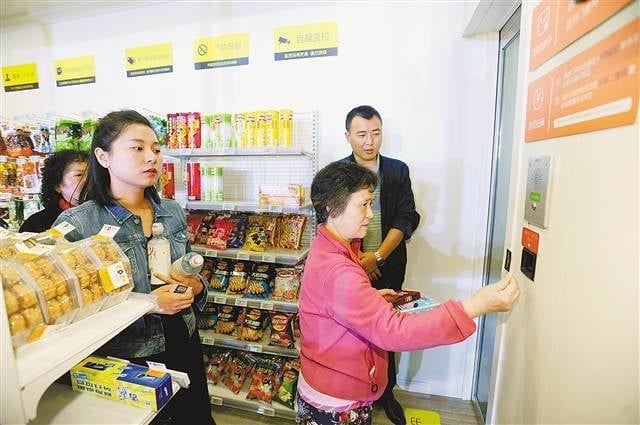
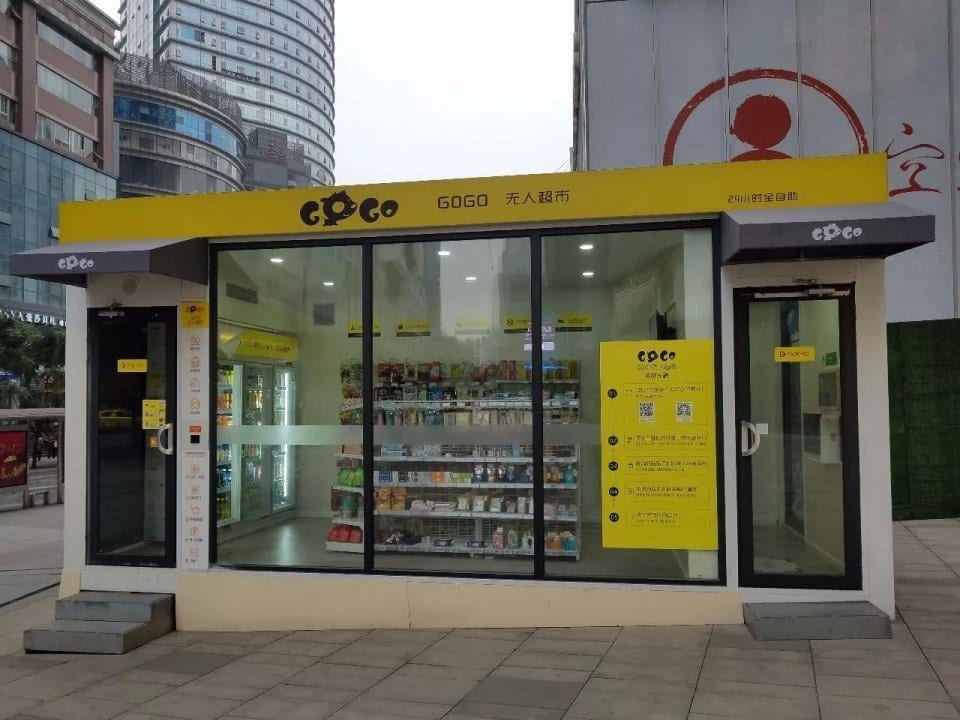
    After just four months, Chengdu’s first unmanned supermarket, Gogo Nobody, has reportedly shut down.

    This follows the unmanned shelf project Gogo Small, run by the same Chengdu-based startup Xiao Mang Guo Technology, closing down in November.

    It is reported that at least 30 employees have not been paid on time, one claiming they had not received payment since November.

    A Xiao Mang Guo spokesman says the unmanned supermarket is only “temporarily closed” and will be re-opened after its facial-recognition system has been upgraded.

    However, he did admit the company had misjudged the market, forcing it to terminate the unmanned shelf project. “In hindsight, the project expanded way too fast.”

    He also acknowledged the issue of backpay, saying the company is sorting out its financial problems and will handle the unpaid wages by April or May. “We did violate the regulations, and we apologise … We will not avoid any responsibilities.”

    Originally the company planned to open 500 Gogo supermarkets in commercial complexes across China, and establish 500 unmanned shelves near business districts and office buildings.

  • Singapore lags Japan and China with e-commerce use

    Singapore lags Japan and China with e-commerce use

    In contrast with data about digital transformation and government’s engagement in promoting digital solutions for retail, Singaporeans have not fully embraced e-commerce.

    Credit Suisse data show that Singapore falls behind China, US, and Japan in terms of e-commerce usage.

    In 2017, Singapore e-commerce comprised 5% of the country’s total retail.

    Meanwhile, e-commerce comprised 23% of total retail in China and 8% of retail in the US.

    Singapore still beat other ASEAN countries, however. The proportion of e-commerce in total retail in Indonesia is at 3%, nearly 2% in Malaysia and Thailand, and 1% in Vietnam and the Philippines.

    Those data also do not match with marketers’ opinions that frame those markets as a huge opportunity given the slow development of retail physical infrastructure. The fact that most brands are present in the main cities only, and cannot reach the remote areas yet, places e-commerce  as a complementary service to compensate the offline retail.

    However, those data show that there is still a long way to go. Definitely, millennials in those areas are tech-savvy, but the lack of sophisticated infrastructure slow down the process.

    Credit Suisse said with 158 million middle class consumers, ASEAN is often seen as the next frontier for the e-commerce market, but e-tailing — online retailing — is still at China’s levels in 2010.

    The firm said the entry of Chinese tech giants could change the ASEAN e-commerce scene significantly.

  • US subscription rental service Le Tote expands with China debut

    US subscription rental service Le Tote expands with China debut

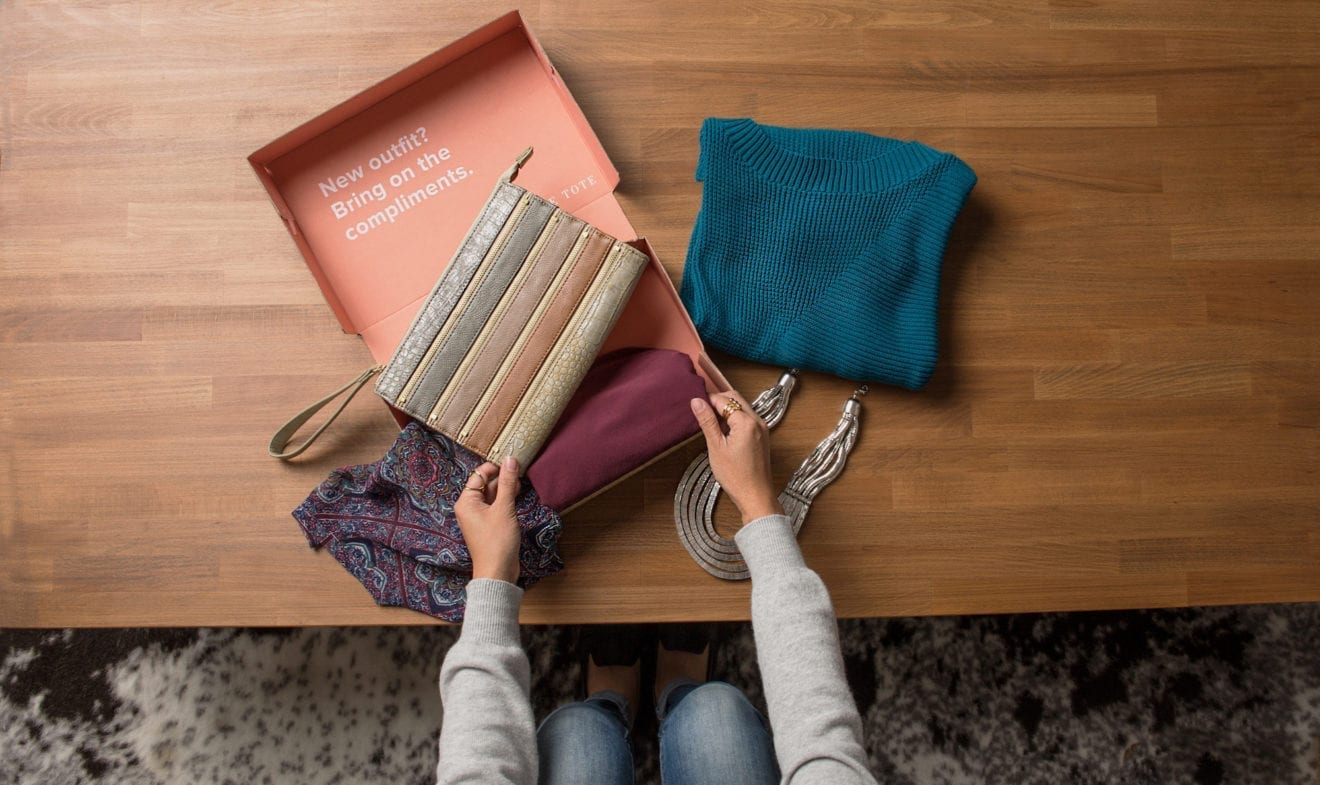
    American subscription fashion rental service Le Tote is making its international debut with Le Tote China.

    The San Francisco-based company said the launch is still in beta phase with a full roll out expected to the China public in spring 2018.

    Le Tote is the first US subscription service to launch in China, according to the company, in a press release.

    “To be the first US subscription service in China, the largest e-commerce market in the world, is an opportunity that is both humbling and exhilarating,” said Rakesh Tondon, Le Tote Co-Founder and CEO.

    “Regulatory restrictions are particularly tough and our partnership with Clement allows us to enter a market that so few venture-backed companies have been able to penetrate. With the launch of Le Tote China, we’re now able to reach a target demographic of over 400 million women – and we’re still in the early days of the country’s middle-class boom.”

    Le Tote has partnered with Chinese retail veteran, Clement Tang, to facilitate the Asian move, naming Tang Le Tote China CEO. Tang also invested in the subsidiary, leading the investment for Le Tote China.

    Tang worked for almost twenty years at Belle International, the largest shoe retailer in China, having most recently served as Executive Director and President, until the firm was acquired for $6.8 million.

    Providing women with the ability to rent unlimited clothing and accessories for a flat monthly fee, Le Tote China will provide the same service as its US operator. Tote has leveraged its domestic business model, proprietary technology and in-house talent to transpose the service for the international market. Starting small, some 3,000 ‘Founding Members’ have been selected to participate in the launch, with others placed on a waiting list.

    “China is a nuanced market with its own cultural norms, standards and expectations. We can’t simply cut and paste the Le Tote experience,” said Clement Tang, Le Tote China CEO.

    “We are eager to work with the Founding Members to deeply understand the market and deliver a service that truly resonates. We know that the average per capita income in China is growing 10% year over year and 60% of disposable income is spent on fashion. The Chinese consumer is primed and ready for the future of retail, but has not yet had access to a solution like ours.”

    Le Tote China is headquartered in Shenzhen with satellite offices in Beijing and Hong Kong. The distribution centre is in Dongguan, with plans to expand to Beijing and Shanghai as well.

  • Who’s travelling to Japan?

    Who’s travelling to Japan?

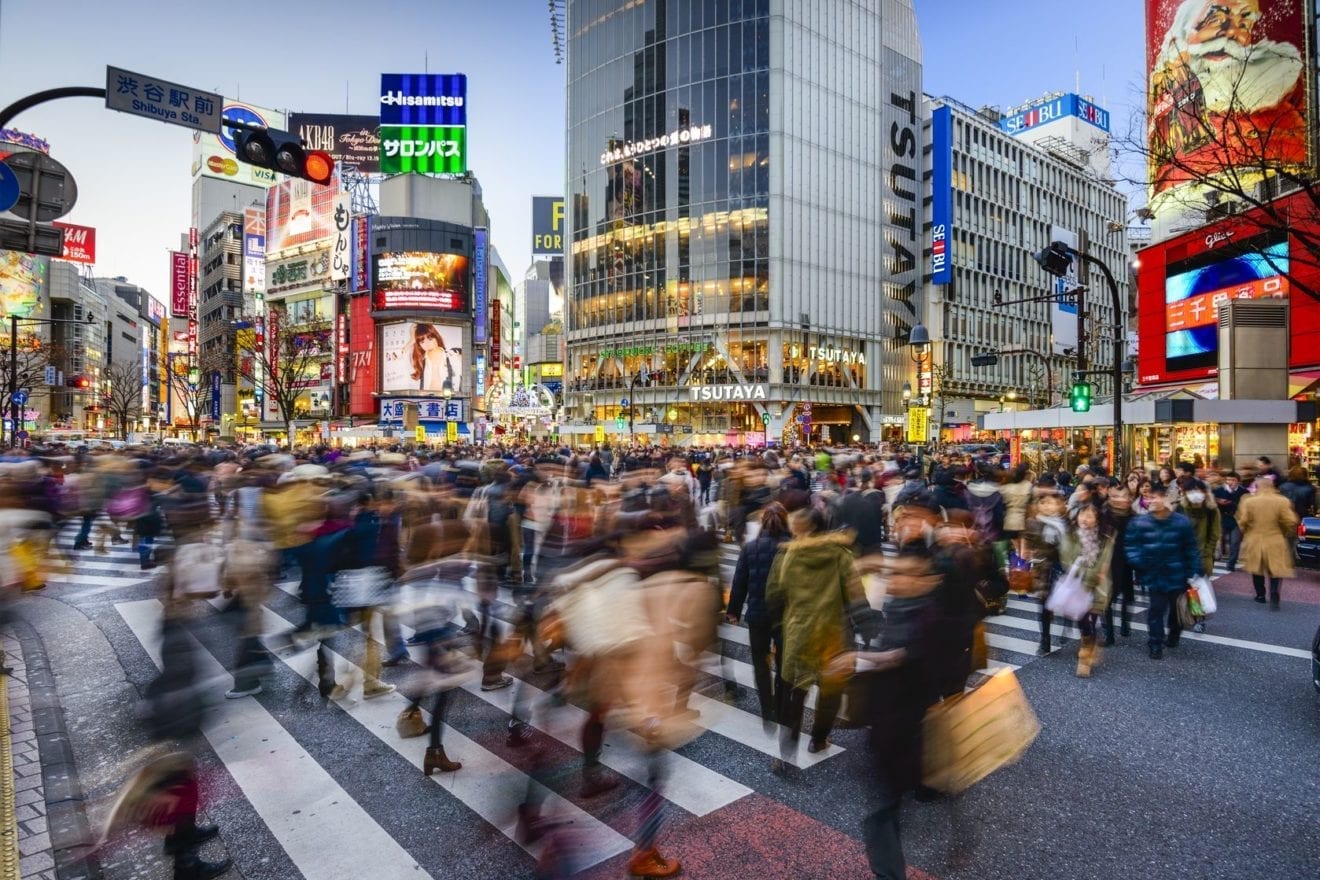
    Japan’s tourism bonanza shows no signs of abating. The country welcomed a record 28.6 million visitors from abroad in 2017, an increase of 19.3% on the year. Travelers also spent significantly more: 4.4 trillion yen ($39.68 billion), up 17.8%.

    So, where are all of these people coming from? Where are they going? And what are they spending their money on?

    The numbers clearly show geographical proximity is a major factor. Mainland China was the No. 1 source of visitors to Japan last year, accounting for 7.35 million, or 25.6% of the total. South Koreans were close behind at 7.14 million, or 24.8%.

    Back in 2007, only 942,439 Chinese tourists came to Japan. But over the next decade, the figure soared by 680.5%.

    Traffic from Taiwan and Hong Kong was also brisk in 2017: the former accounted for 4.56 million visitors, or 15.9%, while the tally from the latter came to 2.23 million, or 7.7%.

    Although China has played a big role in the tourism boom, it is only part of the story.

    Japan has seen exponential growth in the number of tourists from South East Asia. In terms of sheer growth rate from 2007 to 2017, Vietnam actually led the pack, with an 868% increase over 10 years. Arrivals from Thailand surged 489.3%, while those from Indonesia jumped 448.7%.

    What is interesting is also to see where do they go. As for where international travelers stayed in 2017, the usual destinations came out on top: Tokyo, Osaka, Hokkaido and Kyoto. But in terms of growth from the previous year, Tokyo ranked only 33rd out of the country’s 47 prefectures, with Osaka placing 22nd, Hokkaido 26th and Kyoto 19th.

    Oita Prefecture, in the Kyushu region, logged the biggest rise in overseas visitors. Known for its popular hot springs, Beppu Onsen and Yufuin, the prefecture appears to be capitalizing on tourists’ growing tendency to favor uniquely Japanese experiences over shopping.

    Next up was Saga Prefecture, which is now served by more direct, budget flights from Asian cities. Saga is adjacent to another popular destination, Fukuoka Prefecture, making the area a convenient option with ample accommodations.

    At No. 3 was Aomori Prefecture, in the northeastern Tohoku region. This was partly thanks to international carriers: China’s Okay Airways opened a direct flight from Tianjin to Aomori in May, and Korean Air also increased its flights. “Overseas tourists are going to places like open air hot springs by the seaside or hotels with no electricity for visitors — destinations even Japanese people don’t visit that much,” said Akihiko Tamura, commissioner of the Japan Tourism Agency.

    Few will be surprised to find that Chinese tourists topped the spending ranking, forking out an average of 230,382 yen per person in 2017. The bulk of that money went toward shopping.

    Visitors from the U.K. and Australia, meanwhile, spent the most on food and drinks as well as hotels. Visitors from Spain, France and Italy shelled out the most on transportation.

    South Koreans, on the other hand, placed at the bottom of the rankings for hotels, food and drinks, transport and shopping — and, naturally, overall spending. Yet this does not mean they are frugal travelers: since Japan is only a brief flight away, they tend to stay for shorter periods than tourists from other countries, limiting their spending.

  • Ralph Lauren sales mix figures

    Ralph Lauren sales mix figures

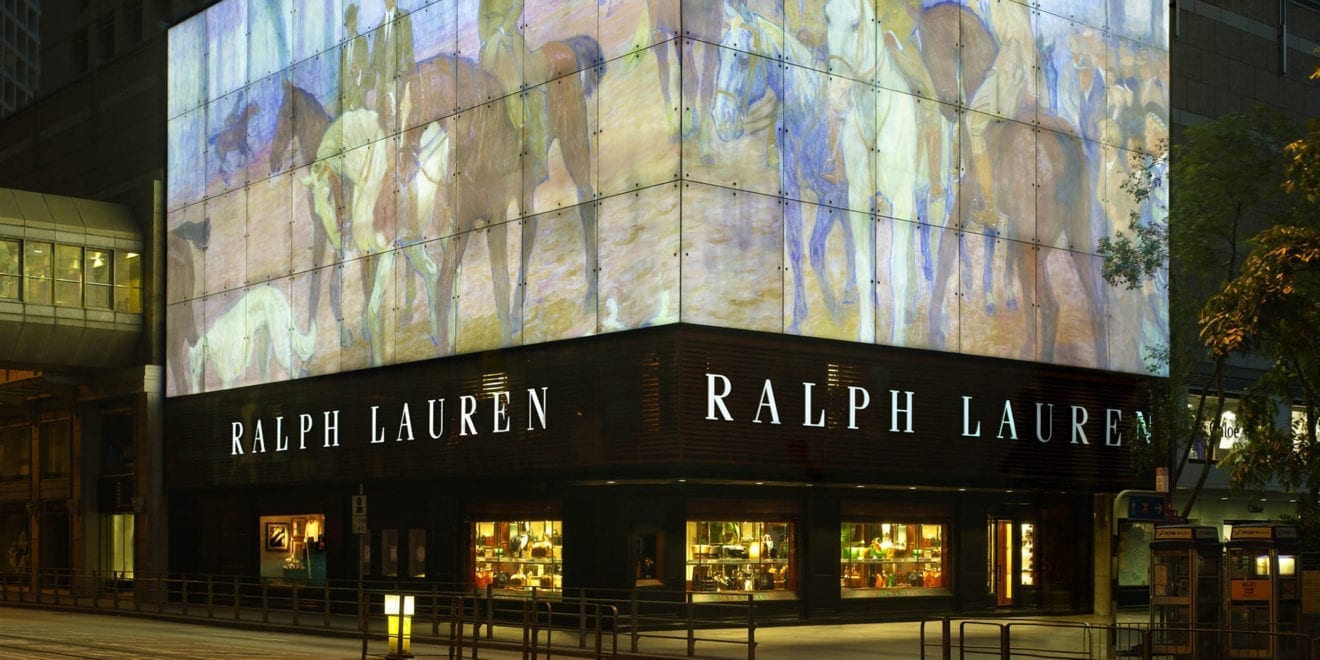
    The latest Ralph Lauren sales figures come with a mixed dose of both optimism and pessimism.

    The pessimism is from the continued slide in sales, which tumbled on both a total and comparable basis. More optimistically, the drop in sales is now flattening out, with some of the decline deliberately engineered as the company looks to rebuild its brand.

    According to the apparel brand, US sales fell 10 per cent in the last quarter of last year, although this was mitigated a little by a 28 per cent increase in Mainland China. The company reported a net loss of $81.8 million, largely due to a taxation issue.

    Starting on the bright side, it is clear that the long run decline in sales is easing. Admittedly there are some factors – such as very soft prior year comparatives – that have aided this trend, but even so, performance is improving. It is particularly encouraging that much of the decline is now deliberately engineered rather than just a function of Ralph Lauren being out of step with consumer demand. The pullback from department stores and a reduction in shipments to off-price channels have both taken their toll on the revenue line, but they are essential steps on the path to rebuilding brand equity.

    A reduction in discounting is also to be applauded, even if this dampened sales numbers over the holiday period. The impact on margins has been good, and we believe that a reduction in promotional activity is helping to strengthen Ralph Lauren’s brand image. That said, as has been seen from other luxury brands that have pulled back from the discounting drug, there is pain before recovery. In our view, Ralph Lauren remains in the painful phase, and it is unlikely to see improvements until well into this calendar year.

    The margin gains, along with some action on costs, has resulted in a much better bottom line performance. At operating level, profits rose by 47.5 per cent this quarter. Its net loss for the period was down to increased tax provisions rather than operational issues, we are not unduly alarmed by the slip.

    For all the good news, Ralph Lauren still has much more work to do before it is back to full health. Our data shows that while there has been a moderate improvement in brand perception, Ralph Lauren has not regained all of the ground it lost over the past ten years and is a long way from where a luxury brand of its kind should be.

    The main brand issues are still clarity and relevance. Many consumers are unclear about what Ralph Lauren stands for or what it has to offer; therefore, they do not see the brand as being entirely relevant to them. In a sense, Ralph Lauren has simply slipped off the radar of many shoppers. Much of this is down to the lack of coherence across the various parts of Ralph Lauren’s business. There are still too many parts to the offer, and they are disjointed and confusing. Steps are being taken to correct this, but it is clear that much more work needs to be done.

    North America challenge

    The problem is most acute in North America, where the brand is arguably at its most ubiquitous. With comparables in the region down by 10 per cent, the scale of the problem is evident. Of particular concern is the 27 per cent slide in retail e-commerce sales. Given the strength of the channel over the holiday period, this is a terrible result and underlines the fact that Ralph Lauren has a great deal more work to do in streamlining and strengthening this part of the operation.

    We note that it has recently taken on new hires in this area, including talent from Burberry.

    However, the lack of progress on e-commerce is as much a function of brand issues as it is to do with online execution. Both need to be corrected before growth can come.

    Overall, we are encouraged that Ralph Lauren is now on the right path. However, we are also cognisant that the road to recovery is long, and winding.

  • Thailand Central Group to pursue online growth

    Thailand Central Group to pursue online growth

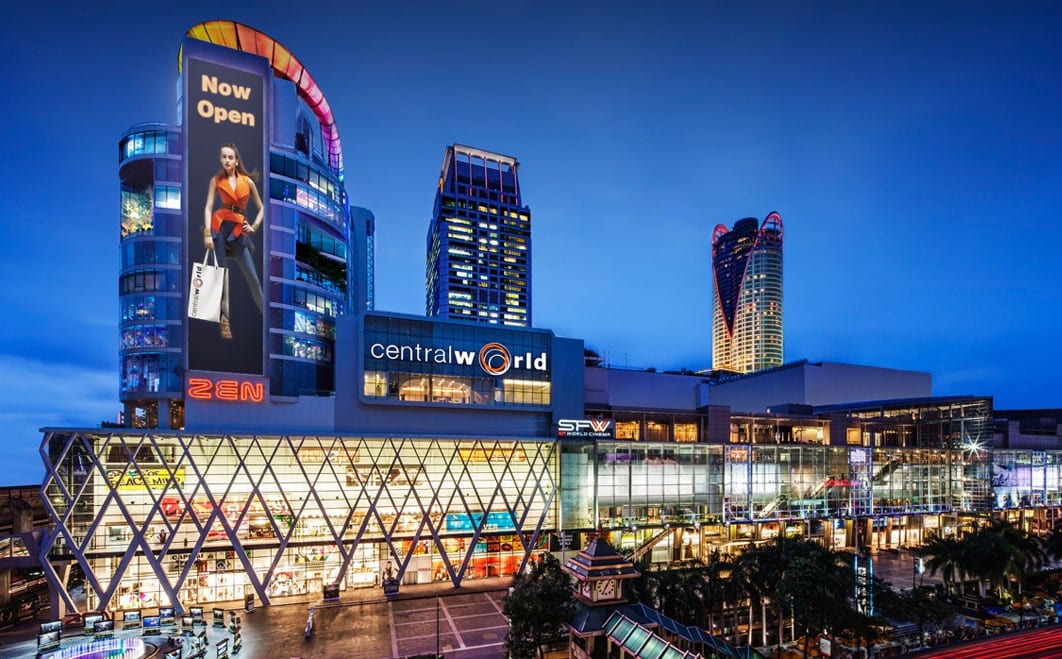
    The company with the biggest grip on Thailand’s brick-and-mortar retail market is expecting a partnership with China’s JD.com Inc. to pursue online growth.

    Central Group, which controls Thailand’s biggest operator of shopping malls and department stores, expects online sales to account for as much as 15 percent of its revenue in five years, from 2 percent now. The partnership with JD will help it compete in South East Asia’s booming e-commerce market and also open up businesses opportunities in China, Chief Executive Officer Tos Chirathivat said in an interview.

    With an empire that also includes hotels, supermarkets and restaurants, Central Group is counting on online growth to help drive sales. The company first announced its $500 million joint venture with JD in September 2017, teaming up with China’s second-largest e-commerce operator. Tos estimates that online retail in Thailand could rise fivefold to 10 percent of the market as the country of nearly 70 million develops and access to the web spreads through smartphones.

    “We obviously want to be the leading player in the 10 percent so it doesn’t really matter what kind of percent of the group it is,” Tos said in the Jan. 3 interview at his Bangkok office. “The important thing is to be the leader in the market itself.”

    Central Group and JD are competing in an increasingly crowded market, with Alibaba Group Holding Ltd. expanding in South East Asia through Lazada while Amazon.com Inc. kicked off with a beachhead in Singapore last year.

    Southeast Asia is home to more than 600 million people and the region’s internet economy, which includes e-commerce, online travel and ride-hailing, may grow fourfold by 2025 from an estimate of $50 billion in 2017, according to a joint research report by Google and Temasek Holdings Pte.

    While Central Group is a privately-held investment arm of the Chirathivat family, the company controls a number of publicly traded businesses. Central Pattana Pcl is a mall developer, Central Plaza Hotel Pcl operates resorts and restaurants, Robinson Pcl has a chain of department stores and COL Pcl does office supplies.

    All four gained in 2017, with Central Pattana surging 50 percent in 2017, Central Plaza jumping 47 percent and COL more than doubling, all outperforming Thailand’s benchmark SET Index.

    Outside the country, Central Group owns Italian luxury department store La Rinascente, Danish retailer Illum and in 2016 acquired the Big C hypermarket chain in Vietnam.

    Central Group is targeting annual revenue growth of 13 percent in 2018 based on the company’s five-year strategy plan, said Tos. That number may be higher with mergers and acquisitions, and the company could consider deals in the billions of dollars if the opportunity is right, he said.

    Local sentiment is helping the company, with consumer spending in Thailand picking up after the October cremation of late King Bhumibol Adulyadej ended the nation’s yearlong mourning period.

    “If the trend continues like this then this year should be good,” said Tos.

  • H&M hoping to recover profits from its Tmall launching

    H&M hoping to recover profits from its Tmall launching

    Stung by a profit slump, the H&M group is pinning its hopes on China by launching a store on Alibaba’s Tmall next month.

    As well, the Swedish fast-fashion retailer is targeting India, Saudi Arabia and the UAE with new digital stores this year.

    Releasing its full-year report yesterday, H&M admits it has been struggling to keep pace with evolving shopping habits that have depressed sales in its physical stores.

    Sales grew 4 per cent last year but profit after taxes slumped 13 per cent, with CEO Karl-Johan Persson saying the fashion industry is “changing fast”.

    “At the heart of the transformation is digitalisation, and it is driving the need to transform and rethink faster and faster,” he says.

    With physical stores in 69 markets, H&M has an online presence in 43.

    Full-year global sales (to November 30) including VAT increased by 4 per cent to SEK231 billion (US$29 billion). This was a 3 per cent rise in local currencies. Sales excluding VAT reached SEK200 billion.

    Gross profit increased to SEK108 billion, corresponding to a gross margin of 54 per cent, down from 55.2 per cent the previous year.

    Profit after financial items amounted to SEK20.8 billion, down from SEK24 billion. The group’s profit after tax amounted to SEK16 billion, down from SEK18.6 billion.

    Final-quarter fall

    For the fourth quarter, H&M group sales including VAT were down 4 per cent to SEK58.4 billion (2 per cent in local currencies). Sales excluding VAT fell from SEK52.7 billion to SEK50.4 billion.

    Gross profit fell to SEK27.9 billion from SEK30 billion, corresponding to a gross margin of 55.4 per cent (57 per cent). Profit after financial items amounted to SEK4.8 billion, down from SEK7.4 billion.

    Profit after tax was SEK3.9 billion, down from SEK5.9 billion.

    Weak store sales led to increased markdowns and handling costs, impacting the quarter’s results.

    During the year H&M opened 479 stores (497 the previous year) and closed 91 (70), resulting in a net addition of 388 outlets. Eight online markets were launched and the brand entered five new markets. It ended the year with 69 sales markets, 43 of them including an online presence.

    This year the group plans to add about 390 stores to its network and close about 170, a net addition of about 220 stores. On Tmall it will have both H&M and H&M Home.

    At home in Sweden it will also introduce the Afound brand, an off-price marketplace offering products from fashion and lifestyle brands.

  • Coca-Cola brings back the Clay Dolls for Chinese New Year

    Coca-Cola brings back the Clay Dolls for Chinese New Year

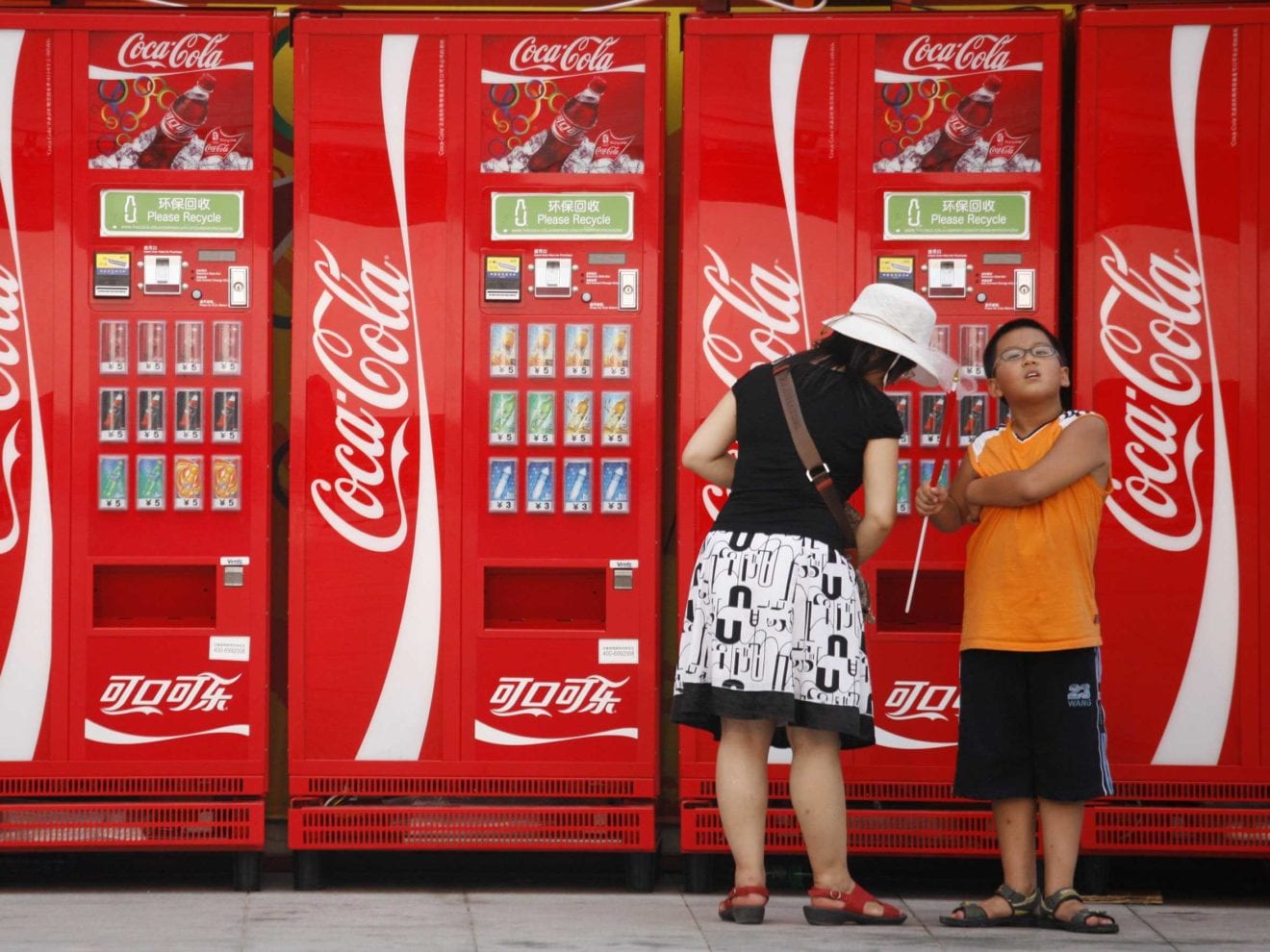
    Coca-Cola China has once again revived its festive ‘Clay Doll’ figures to help promote Chinese New Year festivities.

    The commercial from McCann Shanghai features “evolved and refreshed” versions of the animated dolls, which first appeared in Coca-Cola festive campaigns in 2001.

    Modelled on Chinese traditional folk dolls, the brand usually depicts the pair as gleefully trying to find ways to help bring loved-ones together at holiday time.

    For the 2018 campaign, the Clay Dolls are shown causing mischief around a family dinner table in order to create moments of closeness.

    The full campaign will see the dolls depicted on Coca-Cola packaging, while the ad will be shown on TV, in-store, on OOH, cinema and digital channels.

    The campaign also continues the use of virtual Red Packets, which Coca-Cola launched on the Alipay platform last year, where consumers click to win real money – with amounts ranging from 0.1 to 99 RMB.

    “We’ve found our Chinese audience to be strongly empathetic towards these characters and their cultural significance for Chinese New Year, having been associated with CocaCola for nearly 17 years”, said Richard Cotton, head of creative excellence and content, Coca-Cola China.

    “They are Chinese New Year’s mischievous secret helpers and their characters reflect the spirit of the celebration, which is joyful and exuberant.”

  • Luxury on WeChat : The keys to succeed in 2018

    Luxury on WeChat : The keys to succeed in 2018

    Today, China leads the world in technical innovation and WeChat is its most iconic ambassador.

    With more than 900 million daily active users (as of September 2017) and close to 40 billion messages exchanged daily, WeChat is now more than ever the daily life tool for Chinese netizens.

    On the business front, Chinese consumers represent +32% of all luxury goods sold worldwide, with Chinese travelers accounting for an increasing share, and WeChat represents the perfect tool to connect with these consumers. Today’s leading luxury brands have anchored WeChat at the center of their O2O strategy in China, operating on three main pillars: Social, CRM/Data, and E-Commerce.

    On the social front, luxury brands strongly improved their digital creativity (HTML5, Canvas, Gaming, VR, Mini Program, etc.) and combined social campaigns with KOL engagement and significant media buying investment to increase impact. In 2017, we saw a clear shift away from traditional media spending in favor of digital media where the ROI is more immediate and transparent.

    Furthermore, luxury fashion brands have taken a page from FMCG brands and begun to implement CRM integration, message segmentation and advanced user tagging based on social behavior and consumption data. Some of them have gone a step further and developed WeChat loyalty programs aimed to increase user engagement and drive repetitive spending.

    Finally, 2017 witnessed the rise of 3rd party luxury platforms (Luxury Pavillon, Toplife, Viplux, Secoo), coupled with the emergence of the WeChat mini program and an increased investment by brands into their own .CN websites.

    WeChat provides the perfect ecosystem for luxury brands to court the Chinese consumer, from immersive branding campaigns to boutique appointment systems and integrated WeChat e-commerce.


  • China’s e-commerce giants to buy Dalian Wanda malls

    China’s e-commerce giants to buy Dalian Wanda malls

    Three Chinese e-commerce giants led by Tencent are buying into shopping centres as part of an alliance that will help fund property magnate Wang Jianlin’s HK$30 billion (US$3.8 billion) plan to take his Dalian Wanda Group private.

    Jianlin describes it as the world’s biggest single alliance between the new economy and bricks-and-mortar businesses as he vows to turn his flagship commercial property unit into an online-to-offline service provider.

    After shedding properties in Australia, China and the UK to help reduce debt, he is now selling off nearly 14 per cent of Dalian Wanda Commercial Properties to some of the mainland’s biggest internet and retail players.

    An investor group led by Tencent, along with e-commerce heavyweight JD.com, electronics retailer Suning and Wanda partner Sunac China Holdings, the stake is being sold for RMB34 billion (US$4.36 billion).

    On its website, Wanda presents the share sale as part of a transformation of the company from a real-estate developer with nearly 240 shopping centres across China into a commercial management company focused on integrating online and offline consumption.

    As part of the deal, Dalian Wanda Commercial Properties will be renamed Wanda Commercial Management Group.

    However, the new partners may lead the financing of new malls, with the website statement noting “Tencent, Suning and other investors will use their financial prowess to continuously support Wanda Commercial to speed up its growth, helping the company to achieve its goal of 1000 Wanda Plazas in China as early as possible”.in

    Wanda says the partners are keen to relist the commercial real-estate unit, still privately held after a 2016 buyout led by Wang, “at the earliest opportunity”.

    Also, the new group will use the online resources of Tencent, Suning and JD.com as well as its own offline commercial assets to “carry out various collaborations, jointly building a new consumption model in China that will integrate both online and offline services”.

    Wanda Commercial’s total debt at the end of June was RMB279 billion, according to ratings agency S&P.

    Tencent’s investment of RMB10 billion gives it a 4.12 per cent stake, while Suning and Sunac’s twin outlays of RMB9.5 billion will them a 3.91 per cent stake each, and JD.com’s RMB5 billion yields a 2 per cent stake.

    Meanwhile, WeChat owner Tencent last week said it might buy into French retailer Carrefour’s China business, along with local retailer Yonghui Superstores. This follows Amazon’s acquisition of Whole Foods for US$13.7 billion.

  • Trunk Clothiers to pilot own-brand wholesaling in China

    Trunk Clothiers to pilot own-brand wholesaling in China

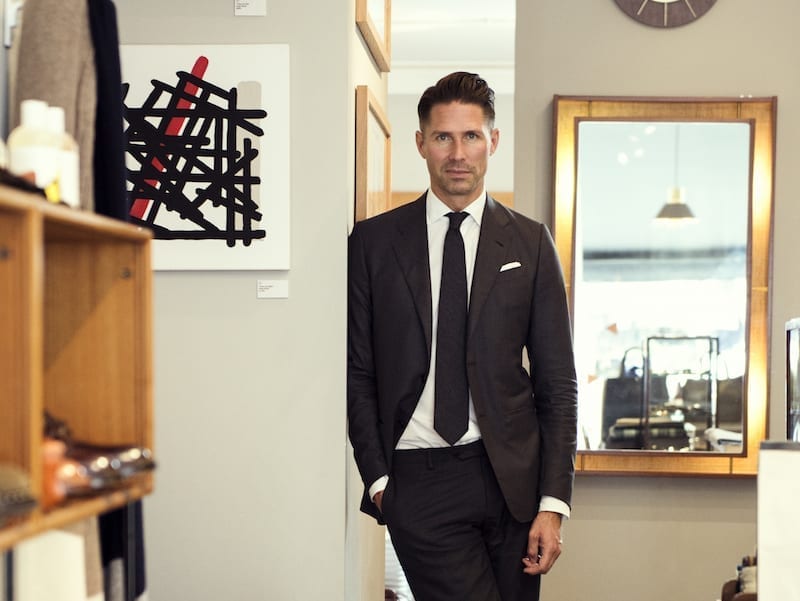
    Gearing up to launch in China, UK menswear boutique Trunk Clothiers is considering a wholesale push of its own-brand offering.

    It plans to trial this through Lane Crawford in Hong Kong, where it already has space, this coming autumn. MD Mats Klingberg says it will pilot a mix of own-label tailoring, shirts and trousers.

    Trunk began collaborating with Lane Crawford last year with a tailoring space at its stores in the Central, Causeway Bay and Tsim Sha Tsui.

    “Coming from a retail background, we have good experience as buyers,” says Klingberg. However, when it comes to taking orders “there’s a lot to learn”.

    “We’re not really set up as a wholesale business. We work with many brands that are also manufacturers, so it would be a natural step for us to do our own thing. It offers more flexibility, because we’re less bound by the seasons. We can also develop our own things based on what we see selling well in the shop, and there’s the creative aspect, too.”

    Meanwhile Trunk’s own-brand offering, which it introduced in 2011 with polo shirts and sweaters, is expanding to t-shirts, outerwear and leather accessories.

    Trunk launched with a shop in London in 2010, followed by its accessories store, Trunk Labs, in 2013.

  • Zhejiang World Trade Center to have new face

    Zhejiang World Trade Center to have new face

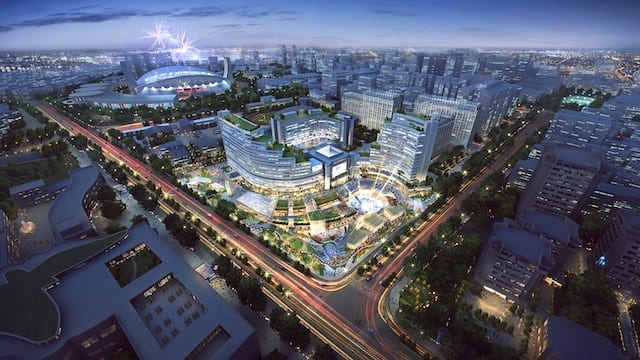
    Hong Kong architectural and interior design practice Leigh & Orange (L&O) has been engaged to redesign the Zhejiang World Trade Center in Hangzhou.

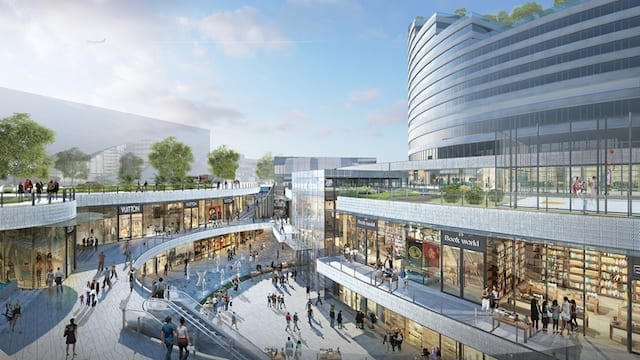
    Built in 1987, the centre was originally designed as a key foreign trade venue during the early years of Chinese economic reform. With the concept of a transit-oriented development, the new design will help rezone the hotel/office/convention centre clusters to become a catalyst for the business community.

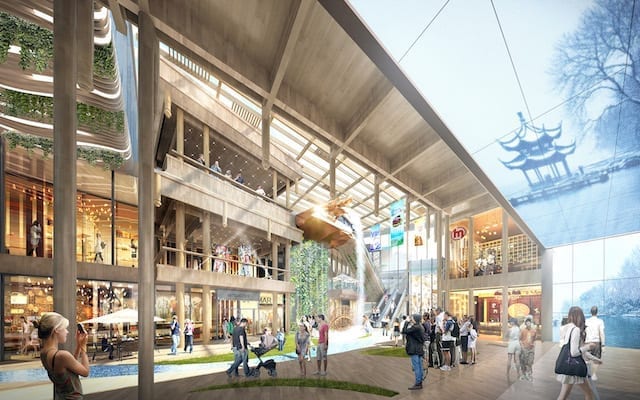
    In heart of the Huanglong financial district, near West Lake, the project is primarily an underground redevelopment with a construction area of 79,250sqm, including 24,700sqm of commercial spaces. The basement retail will be seamlessly connected to the metro, forming a public gathering space and focal point for the community.

    Central to the design is a “retail park” concept, featuring an indoor sport-themed arcade and an outdoor park trail. There will be two major retail anchors, a sports-themed concept store and a flagship bookstore.

    L&O project director Kelvin Li says the project will help shape the future of the Huanglong district. “With the 2022 Asian Games in Hangzhou, we hope to work hand-in-hand with Hangzhou Metro to transform this into a world-class mixed-used development. ”

    Construction will start in April and is expected to complete in 2021.

  • Beef & Liberty to take off at Hong Kong airport

    Beef & Liberty to take off at Hong Kong airport

    Burger chain Beef & Liberty will start serving its signature gourmet offering at Hong Kong International Airport from early April.

    Opening in Terminal 1, its restaurant will seat up to 100 diners.

    From Shanghai, where it has three outlets, Beef & Liberty arrived in Hong Kong in 2014. The airport outlet will be its fourth for Hong Kong.

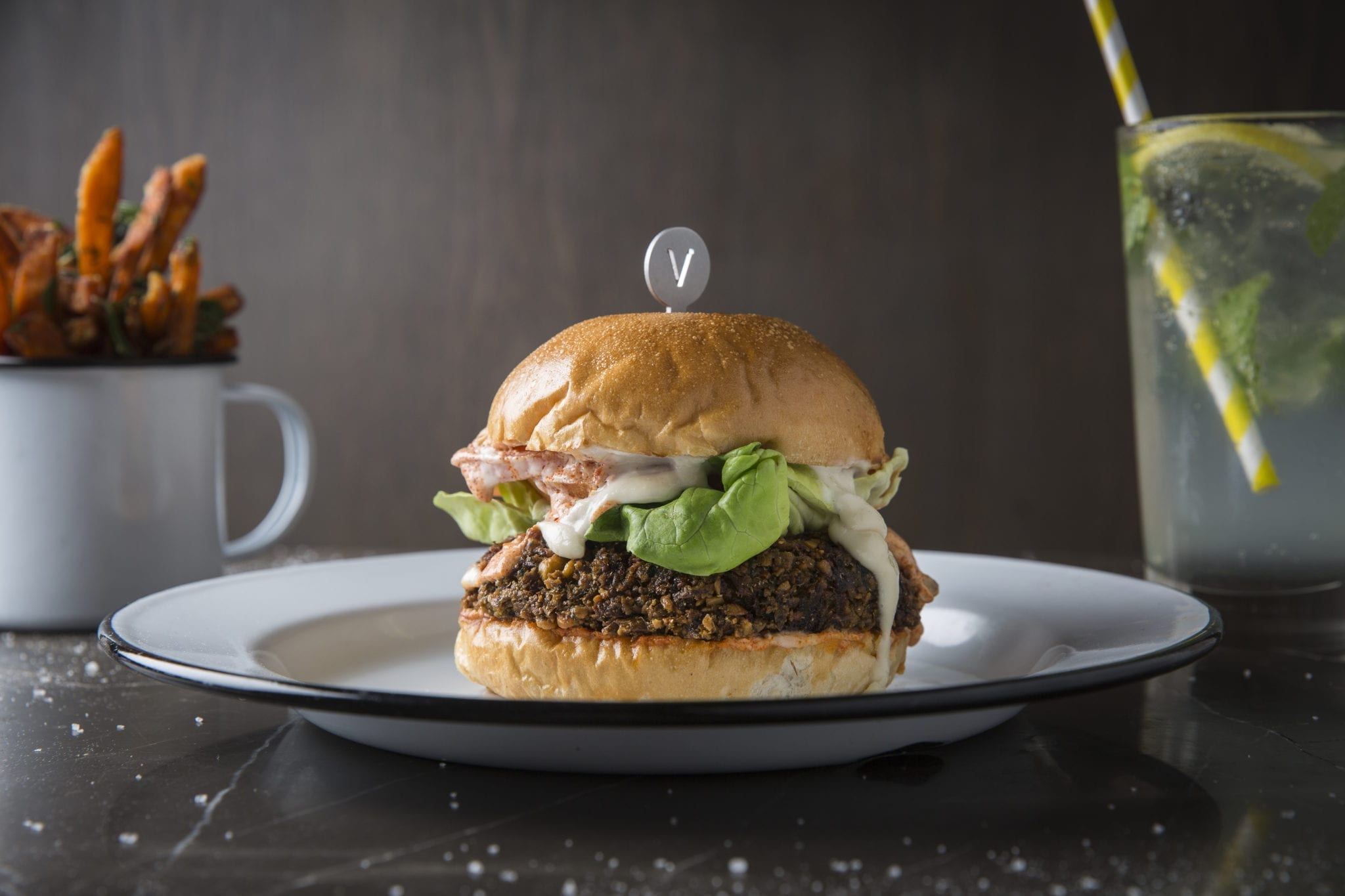
    Beef & Liberty uses beef only from Hereford cattle, raised naturally by farmers in the Cape Grim region of Tasmania, Australia. It says the meat is typically lean and high in omega-3 fatty acids and vitamin E.