Tag: China

  • WAFL to open 80 stores in India

    WAFL to open 80 stores in India

    Hong Kong-headquartered waffle chain WAFL has opened its first stores in India as it continues an international franchise roll-out program.

    The company now operates 53 stores outside Hong Kong, although the Indian stores are the first in another Asian market, with most trading in Europe.

    WAFL’s first Indian store opened in SDA Market in Delhi and two more followed in the cities of Bangalore and Surat.

    The company says it plans to open about 80 stores across India by the end of this year, mostly smaller outlets of 200-250sqft with a seating capacity ranging from eight to 16 people.

    The WAFL menu includes sweet and savoury waffles meals and waffle-cone soft-serve ice cream – but they’re not all sugar-laden indulgences.

    Rajeev Chawla, executive partner of WAFL India says consumers are more health conscious now and have caught up with the fast-paced life.

    “So through our QSR we want to serve deliciously healthy food, to help them maintain their health-conscious need. We are positive that the Indian market will like our products and we are eyeing pan-India expansion.”

  • Korean duty-free store sales record in December

    Sales to foreigners at South Korean duty-free stores reached a record high in December, industry data shows.

    But that comes despite a sharp drop in the number of tourists, following a diplomatic spat between Seoul and Beijing over a US anti-missile system.

    Sales to foreigners at local duty-free shops came to US$939 million last month, up 28 per cent from a year earlier, according to data compiled by the Korea Duty Free Shops Association. The figure is up 0.1 per cent from the previous high of $983 million, set in November.

    However the number of foreign visitors to local duty-free shops plunged 11.3 per cent on-year to 1.42 million last month, mainly due to Beijing’s ban on selling Korea-bound package tours in apparent retaliation over the deployment of a Terminal High Altitude Area Defense (THAAD) battery in South Korea.

    The number of Chinese nationals who visited South Korea last year stood at 4.16 million, down 48.3 per cent from the 8 million of the previous year, according to separate government data. Chinese nationals accounted for nearly half of the 17 million foreigners who visited South Korea in 2016.

    After months of dispute, the two countries agreed in October to normalise their bilateral relations, although Chinese tourists are yet to come back in volumes.

    Industry watchers say the latest increase in duty-free sales is attributable to small-scale Chinese traders.

    According to customs data, sales at South Korean duty-free stores reached a historic high of 14.5 trillion won last year, up 17.9 per cent from the previous year.

  • Telstra to invest in two HK-US cables

    Telstra to invest in two HK-US cables

    Australia’s Telstra has announced plans to invest in two new subsea cable systems connecting Hong Kong to the west coast of the US.

    The company will invest in a half fiber pair on the Hong Kong Americas (HKA) cable and the equivalent of 6TBps over the Pacific Light Cable Network (PLCN).

    The HKA cable is expected to be ready for service in 2020 and the PLCN to be complete in 2019.

    Once complete, the two cables will be able to act as more direct routes between the US and Asia than Telstra’s part-owned Asia-America Gateway (AAG) cable system, helping to reduce latency and meet increasing demand for connectivity between Greater China, ASEAN and the US.

    “As economic growth continues in China and South East Asia, so too does the demand for data. Together with the current AAG cable on which Telstra carries the most traffic today, these two investments will provide us with increased capacity across the important Hong Kong to US route, one of the fastest growing routes in the world for capacity demand,” Telstra group managing director of global services and international David Burns said.

    “Our investment in capacity on PLCN and HKA will also provide our customers with greater resiliency due to bypassing areas prone to natural disasters and offering two direct, alternative paths to the AAG cable which connects South East Asia to the US west coast via Hong Kong, Guam and Hawaii.”

    Meanwhile fellow Australian operator Vocus Communications has selected the ST Telemedia Global Data Centres (STT GDC) STT Tai Seng 1 data center to act as the point of presence in Singapore for its planned Australia Singapore Cable (ASC) subsea cable system.

    The 4,600km ASC will link Singapore with Perth in Western Australia via Indonesia. It is expected to be completed in the third quarter.

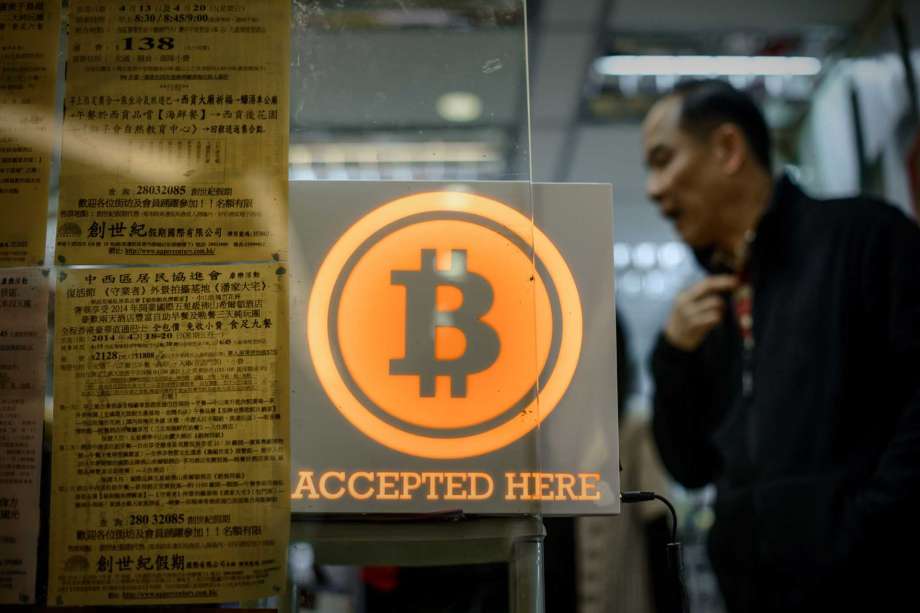
  • China targets cryptocurrencies in online pyramid scheme crackdown

    China targets cryptocurrencies in online pyramid scheme crackdown

    China will crack down on online pyramid schemes, including speculation masked as cryptocurrencies and online games, the public security ministry said on Friday.

    The ministry will act jointly with the industrial and commercial department to stamp out pyramid-type schemes, besides punishing those who swindle students and vulnerable groups, the ministry said in a statement on its website.

    Chinese regulators have moved to rein in financial risks associated with virtual currency trades and pyramid schemes.

    A court this month sentenced two people to life imprisonment for fraud in a pyramid scheme involving 15.6 billion yuan ($2.44 billion) that sucked in more than 200,000 people.

  • China’s biggest retail owner posted declining revenue, again

    China’s biggest retail owner posted declining revenue, again

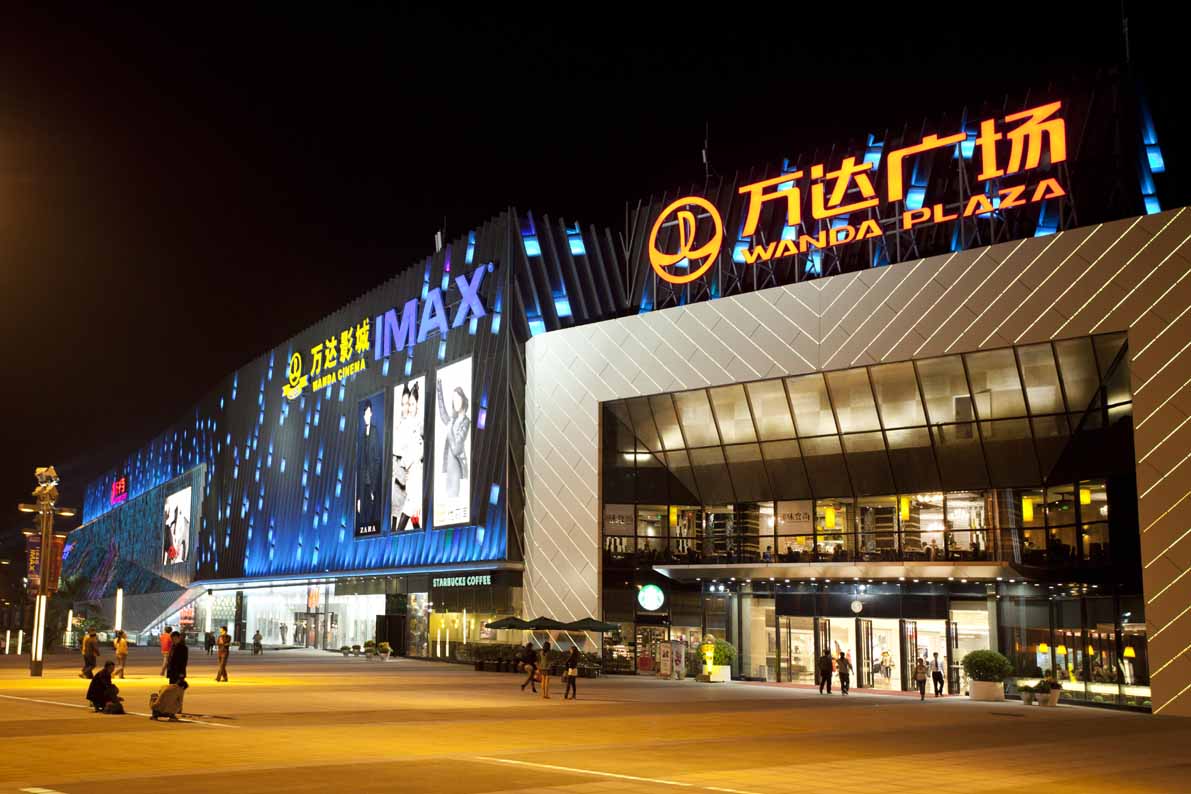
    Dalian Wanda Group, the largest mall owner in China, posted a 10.8 percent decline in revenue for 2017 — making it the second year in a row the retailer reported a drop.

    Wanda explained its performance of only about $35 billion in revenue as being due to selling off its cultural and tourism holdings, reported the Wall Street Journal. The company’s cultural assets account for 28 percent of its overall revenue, or nearly $11 billion.

    Analysts say Wanda’s retail portfolio is not the cause of its reported revenue decline.

    “Wanda is doing quite well in its shopping malls, from their rental-income growth and high occupancy rate,” S&P Global Ratings’ Dennis Lee told the Journal. Income derived from rents increased 30 percent this year for the company.

    In its report, Wanda also noted for the first time that 93 percent of its holdings are located in China. The information — never previously disclosed, according to the Journal — may be in response to the pressure the company faced last year amid the Chinese government’s crackdown on capital outflows to sell off its overseas real estate and other holdings.

    Last fall, Wanda was selling five foreign developments, including One Beverly Hills, a $1.2 billion condo and hotel project, while in July it sold of $9.4 billion worth of its hotel portfolio.

    In 2016, Wanda’s decline in revenue was explained by a drop in residential markets.

  • China’s economy grew by 6.9% in 2017

    China’s economy expanded at a 6.9 per cent pace in 2017, faster than expected and the first annual increase in seven years, the government reports.

    The numbers beat economists’ forecasts for the world’s second largest economy and the Chinese government’s own official growth target of 6.5 per cent. The economy expanded at a 6.7 per cent pace in 2016, its slowest pace in 26 years.

    Growth in the fourth quarter held steady at 6.8 per cent, the report said.

    It said strong demand for exports and buoyant consumer spending helped drive the faster expansion. Those factors helped to offset curbs on bank lending that forecasters had predicted would be a drag on economic growth.

    “The national economy has maintained the momentum of stable and sound development and exceeded expectations,” said the report released by the National Bureau of Statistics.

    “China’s growth is very healthy,” said Iris Pang, Greater China Economist, ING, Hong Kong.

    “The risks that we worried about in 2017, for example overcapacity cuts having a negative impact on GDP, did not happen because new sectors are actually coming out to help production to grow.”

  • Vietnam-China trade likely to reach $100 billion

    Vietnam-China trade likely to reach $100 billion

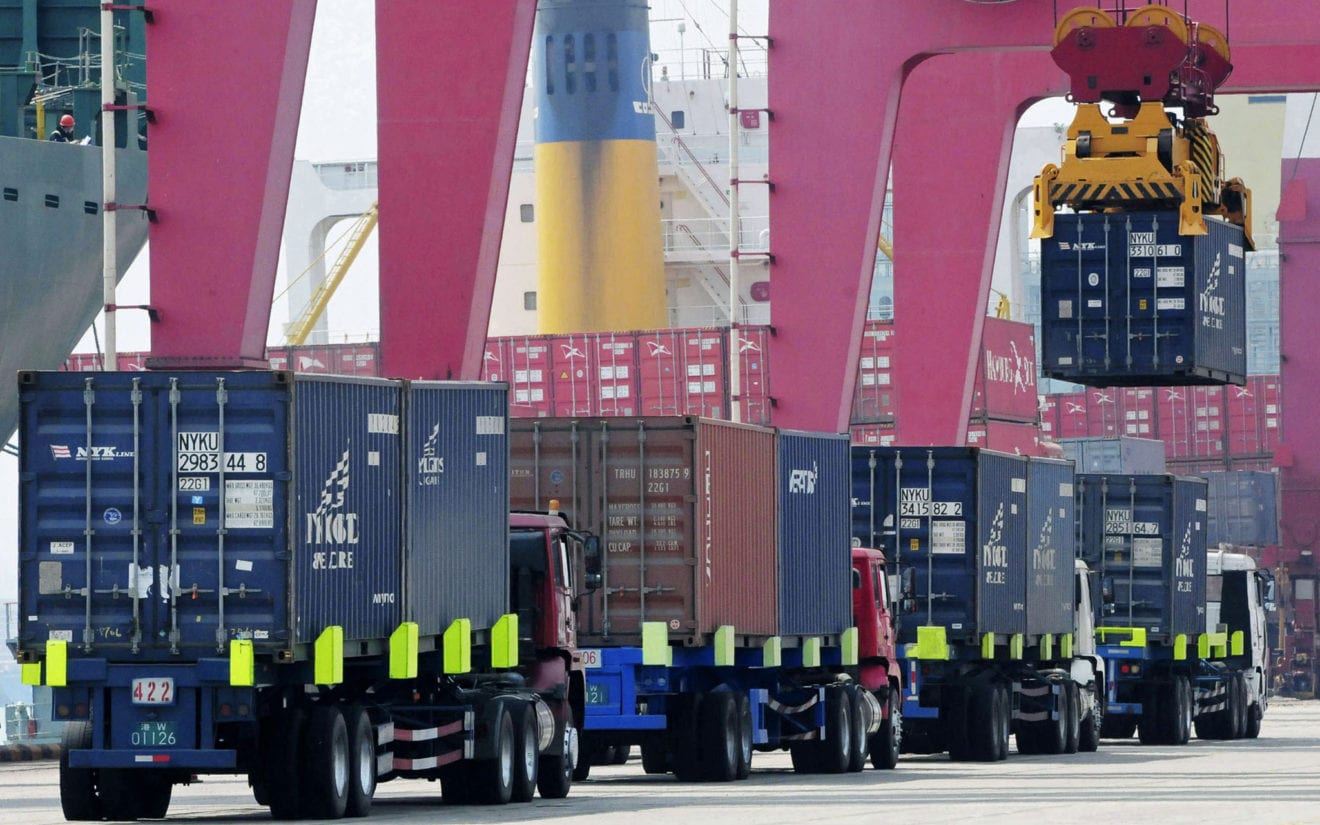
    Bilateral trade between Việt Nam and China will touch a record high of US$100 billion this year, after reaching $93.69 billion last year, experts predict.

    Last year’s two-way trade was $21.79 billion higher than in 2016 and accounted for 22 per cent of Việt Nam’s total import-export value, according to statistics from the General Department of Customs.

    Vietnamese exports to China experienced a significant yearly increase of 61.5 per cent to over $35.46 billion. That helped to reduce Việt Nam’s trade deficit with China to $22.76 billion last year from $28 billion in 2016.

    Telephones, a major item of export, recorded the highest turnover of $7.15 billion, up $6.35 billion compared to that of the previous year, according to the latest data.

    Last year also saw 13 staple products with export earnings of more than $1 billion, up by six staples against the previous year. The new items include seafood, with nearly $1.1 billion in export earnings, rice ($1.02 billion), rubber ($1.44 billion) and footwear ($1.14 billion).

    The Ministry of Industry and Trade says bilateral trade ties between the two countries have been growing in the past few years.

    China is one of Việt Nam’s largest trade partners and is also a key export market, the ministry said.

    Besides trade, China is currently one of the 10 biggest foreign investors in Việt Nam, with a total registered investment capital of more than $12.1 billion.

    During a visit to China last May, President Trần Đại Quang urged Vietnamese and Chinese firms to continue initiating innovative ideas to create a new momentum for bilateral economic partnership.

    He suggested Chinese companies invest in infrastructure, logistics and electronics and support industries while protecting the environment and engaging in social activities in Việt Nam.

    President Quang asked the two sides to facilitate access to each other’s markets.


  • Alibaba’s Hema supermarket chain to open more stores

    Alibaba’s Hema supermarket chain to open more stores

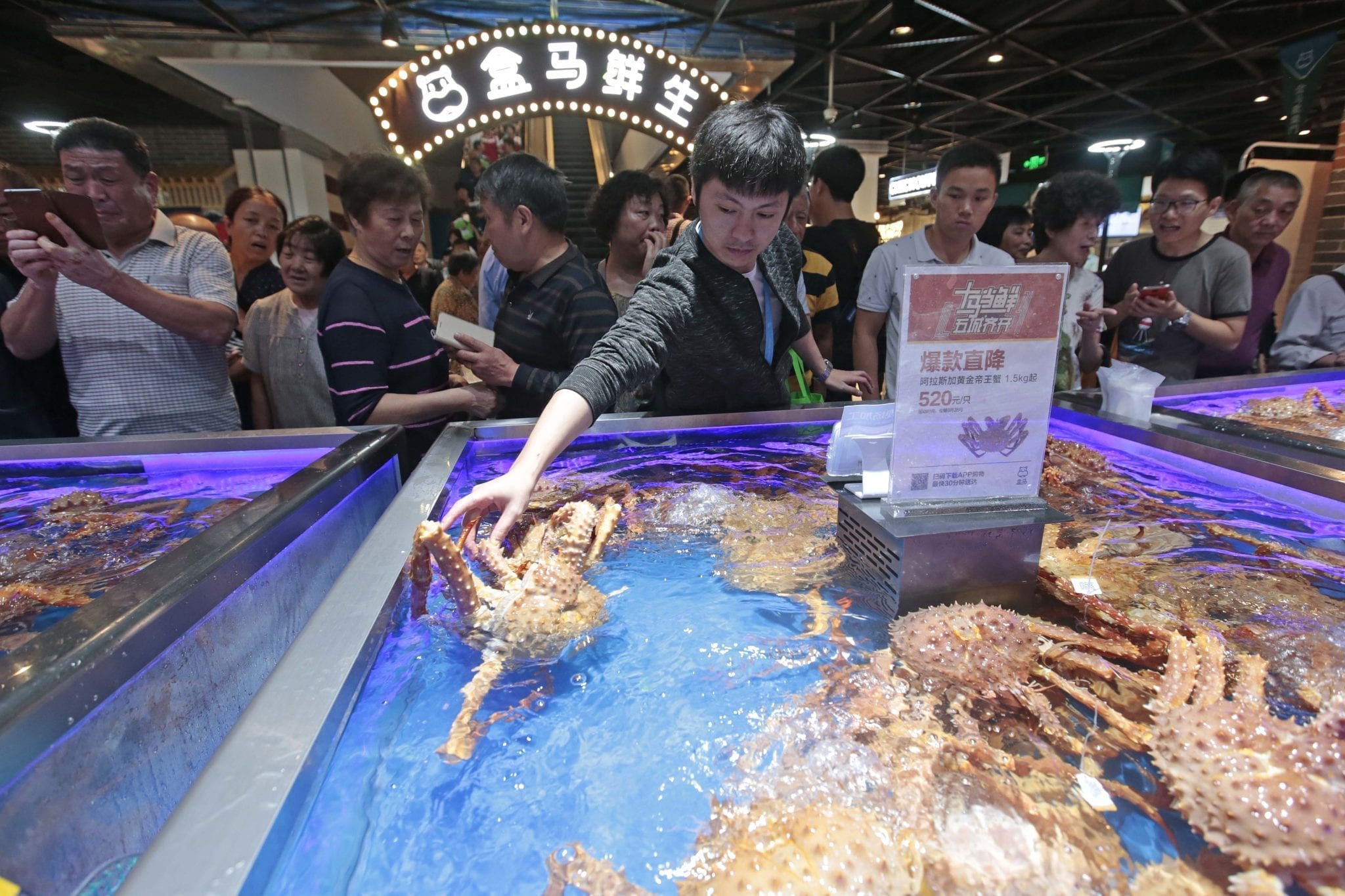
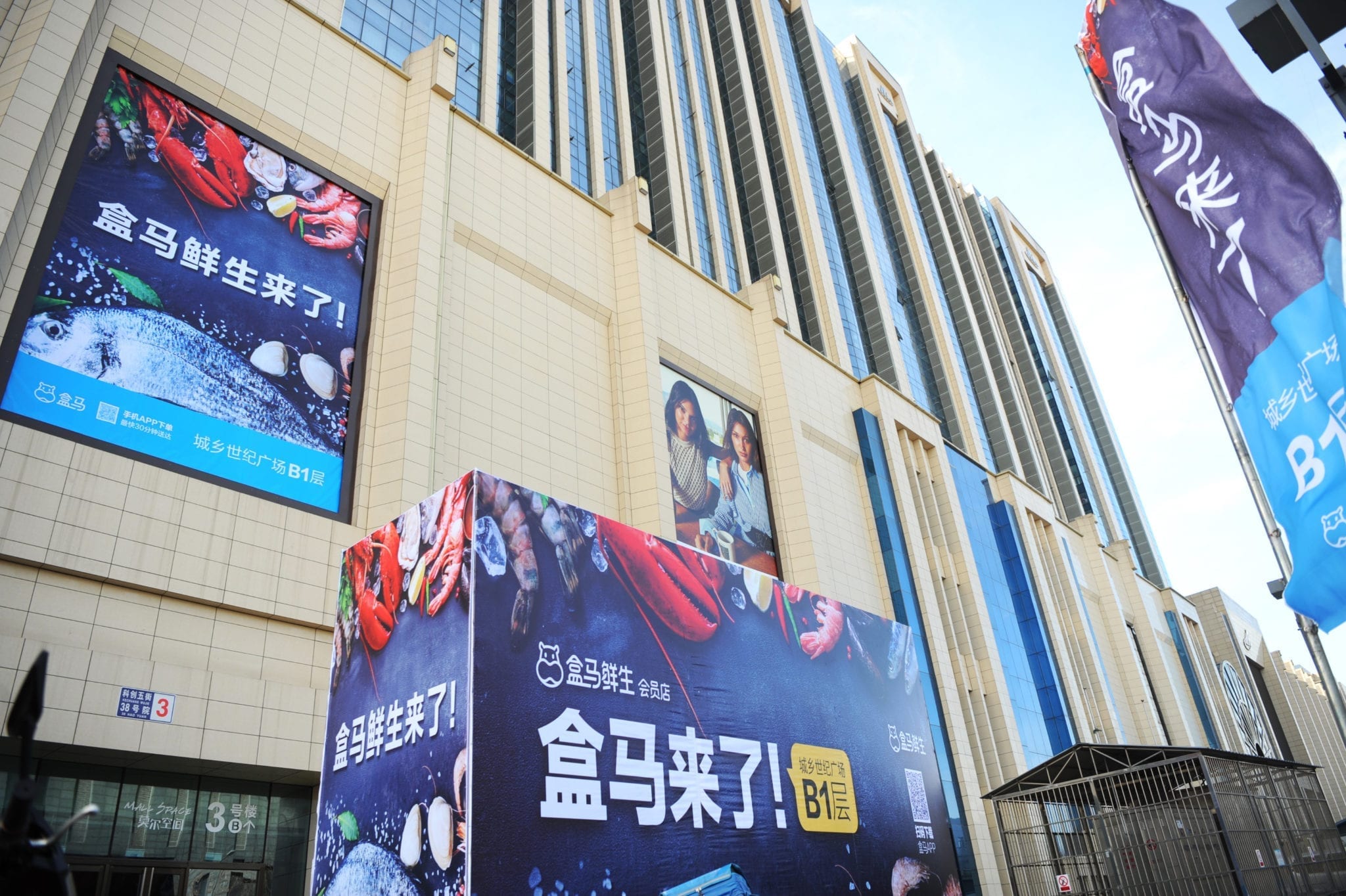
    Alibaba’s Hema supermarket says it will open three stores in the Chinese city of Xian by the end of this year.

    The offline supermarket’s expansion into the northwestern Chinese city follows an announcement that it will add 30 locations in Beijing by year-end, rapidly expanding its store count in the capital to 35 from the current five.

    The Beijing and Xian expansion, together, more than doubles Hema’s presence – currently 26 stores in seven Chinese cities, including 14 in Shanghai, five in Beijing, two in Ningpo, two in Hangzhou, and one each in Shenzhen, Suzhou and the Southwest city of Guiyang.

    Launched in March 2015, the ‘new retail’-driven supermarket is the purest manifestation of Alibaba’s ambitions to marry online with offline, offering consumers a “more-efficient and flexible” shopping experience.

    It starts with a mobile app that allows for researching of products while consumers browse the store. All payments are handled through Alipay, the mobile-payments platform owned by Alibaba’s related company Ant Financial. To improve consumers’ experience, the data collected from transactions is used to personalise recommendations, while geographic data helps to plan the most efficient delivery routes. Residents living within a 3km radius of a Hema store can have their groceries delivered to their doors as quickly as 30 minutes after ordering.

    Government partnership

    Expanding Alibaba’s Hema supermarket in Xian is part of a series of pacts Alibaba Group signed with the city government on Tuesday, including a memorandum of understanding for Alibaba’s new Silk Road headquarters, which the company will build in the city in the next few years. The two parties signed a total of 11 strategic partnership agreements spanning cloud computing, smart logistics, New Retail and financial services.

    Tianhua Zhong, vice president of Alibaba Group, said the partnership with the city government has been progressing smoothly since talks began last summer, adding that the next stage of collaboration will focus on five areas: e-commerce and new retail, City Brain projects, accessible financial services, smart logistics and culture and entertainment.al

    In addition to being the historic gateway to the Silk Road, “Xian is an important part of the ‘Belt and Road’ initiative, and building our Silk Road headquarters [in the city] will help to expand Alibaba’s reach in the midwest, in addition to economic zones along the [modern-day] Silk Road,” added Zhong.

    The Belt and Road Initiative, announced by Chinese President Xi Jinping in 2013, is an ambitious, US$90-billion infrastructure project to connect Asia, the Middle East, Europe, and Africa through global trade.

    Earlier this year, Xian became the first city in China to have its entire subway system accept mobile payments via Alipay – passengers can pass through subway gates simply by scanning a QR code. Upcoming collaboration projects with Ant Financial, Alibaba’s related company and operator of Alipay, include allowing cabs throughout the city to receive payments using the digital wallet, as well as providing accessible credit and financing options to the thousands of small and midsized businesses based in Xian.

    “With this agreement, Cainiao will work with Xian City to build a smart logistics hub for the northwestern region, which would serve the needs of the Belt and Road Initiative. Delivery speed in the midwest has a chance of becoming on par with eastern regions,” said Zhong.

    Alibaba’s logistics arm, Cainiao Network, is expected to invest RMB1 billion in the logistics hub, which would house the unit’s cutting-edge technologies such as automated production lines, AGV robots and robotic arms. Constructions are slated to begin this year and to be put into use before the 11.11 Global Shopping Festival comes around in 2019.

  • WTO gives US deadline to fix anti-China practices

    WTO gives US deadline to fix anti-China practices

    A World Trade Organization arbitrator on Friday gave Washington until August 22 to implement a prior ruling faulting the anti-dumping measures taken against Chinese products.

    The WTO’s Dispute Settlement Body ruled last May that some of the US anti-dumping practices were inconsistent with international trade rules.

    Arbitrator Simon Farbenbloom said in a report that it was “reasonable” to expect the United States to implement the ruling within 15 months.

    “The reasonable period of time for implementation will expire on Aug 22, 2018,” he said.

    The case dates back to December 2013, when China filed a dispute against the United States, taking issue with the way Washington assesses whether exports have been “dumped” at unfairly low prices onto the US market.

    The use of anti-dumping duties are permitted under international trade rules as long as they adhere to strict conditions, and disputes over their use are often brought before the WTO’s Dispute Settlement Body.

    In this specific case, China alleged that the United States, in violation of WTO rules, was continuing a practice known as “zeroing”, which calculates the price of imports compared to the normal value in the United States to determine predatory pricing.

    In October 2016, a panel of WTO experts found largely in China’s favour in the case, including on the issue of “zeroing”.

    The United States, which has repeatedly lost cases before the WTO over its calculation method, said in June 2017 that it would implement the panel’s recommendations, saying it would do so within a “reasonable” time frame.

    This prompted China to ask the WTO to appoint an arbitrator to set an end date.

    The 162-member Geneva-based WTO aims to create a level playing field in global trade, although US President Donald Trump’s trade envoys maintain the organisation has given unfair advantages to China at the expense of the United States.

  • Katrina brings So Pho to Shanghai; maiden outlet opened with Ajisen Group

    Katrina brings So Pho to Shanghai; maiden outlet opened with Ajisen Group

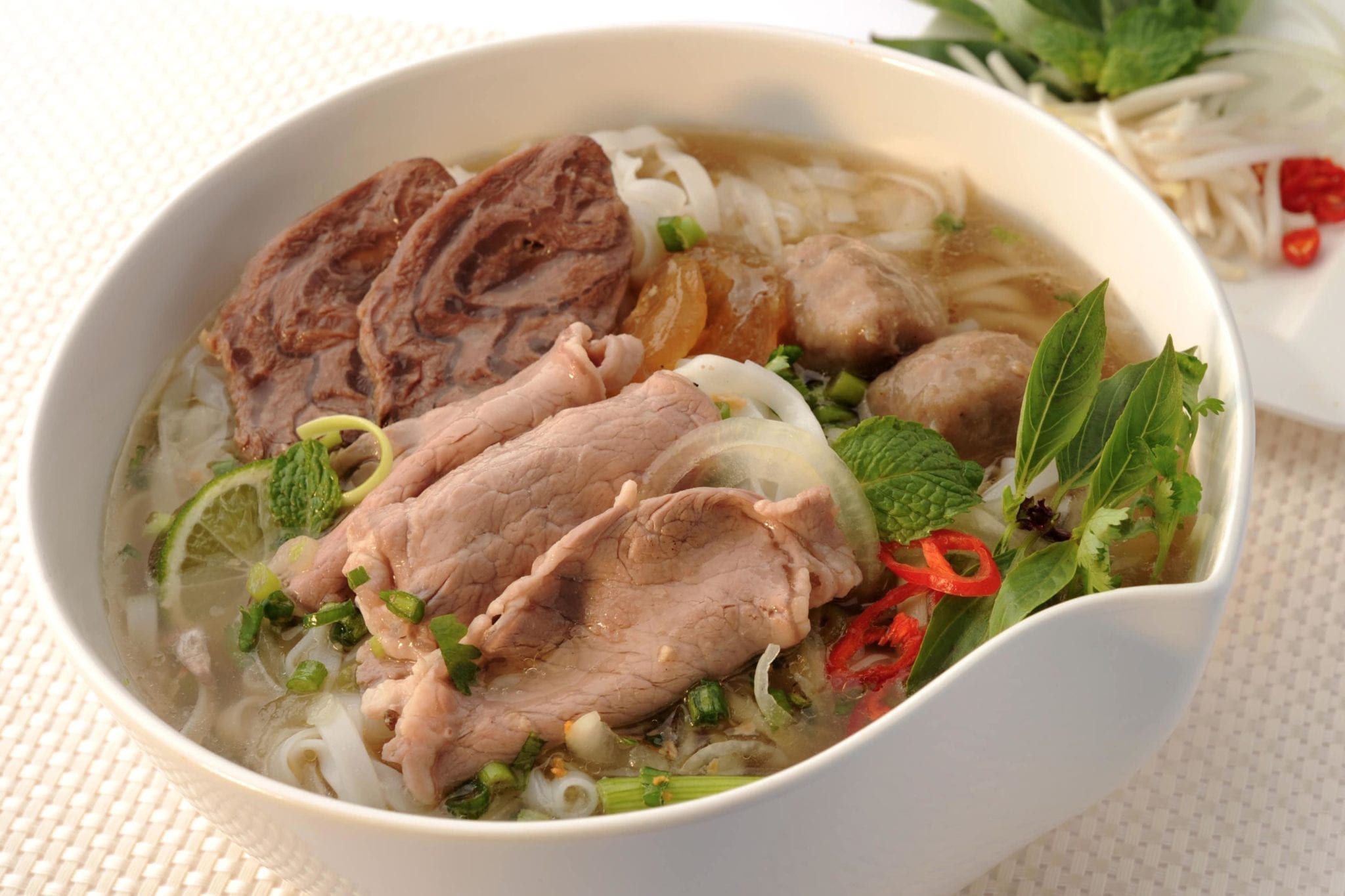
    Katrina Group Ltd. (“Katrina” or the “Group”), an established and recognised Food & Beverage (“F&B”) group specialising in multi-cuisine concepts and restaurant operations, today announced that it has opened its first So Pho restaurant in Shanghai under the joint venture (“JV”) company, So Pho International Limited, with Big Benefit Group Limited, a wholly-owned subsidiary of Ajisen (China) Holdings Limited (“Ajisen China”, and together with its subsidiaries, collectively, the “Ajisen Group”).

    The BaiLian Chuansha Shopping mall is located in Chuansha New Town in the Shanghai Pudong New Area. The Pudong area is a financial hub of modern China and one of the most populous districts in Shanghai. Nearby landmarks include the Port of Shanghai, the Shanghai Expo and Century Park, Zhangjiang Hi-Tech Park, Shanghai Pudong International Airport, the Jiuduansha Wetland Nature Reserve, and the Shanghai Disney Resort.

    The Group’s outlet in Shanghai is approximately 1,162 square feet with a seating capacity of 42. The location of its maiden outlet enhances the Group’s ability to raise the So Pho brand profile to a wider consumer mix, thus helping to pave the way for further expansion in the region.

    The Group has also opened three new restaurants in Singapore, one each in Causeway Point and Northpoint City under the brand name “So Pho” and one at Suntec City under the brand name “Streats”. The Group looks to complete the opening of its outlets at Marina One and West Mall by end-January2018, which will bring the total number of restaurants operated by the Group to 41. Adding to this, the Group has also signed agreements to open a “Streats” outlet in Tampines 1 and a “So Pho” outlet in Jewel Changi Airport.

    We have made good progress since our listing in July 2016, increasing our total number of restaurants by seven to 41 by end-January 2018. Although conditions have been less than favourable since we listed, we see some improvement in consumer sentiment. With the foundation that we have set, we believe that 2018 is a year with the potential for significant positive development for the Group.

    We will continue to persevere and look ahead for further opportunities to raise our profile and market position in the region.”

    The Group will continue to update the market as and when there are material developments to its business.

  • CapitaLand signs MoU to explore investing in an integrated development in Wuhan,

    CapitaLand signs MoU to explore investing in an integrated development in Wuhan,

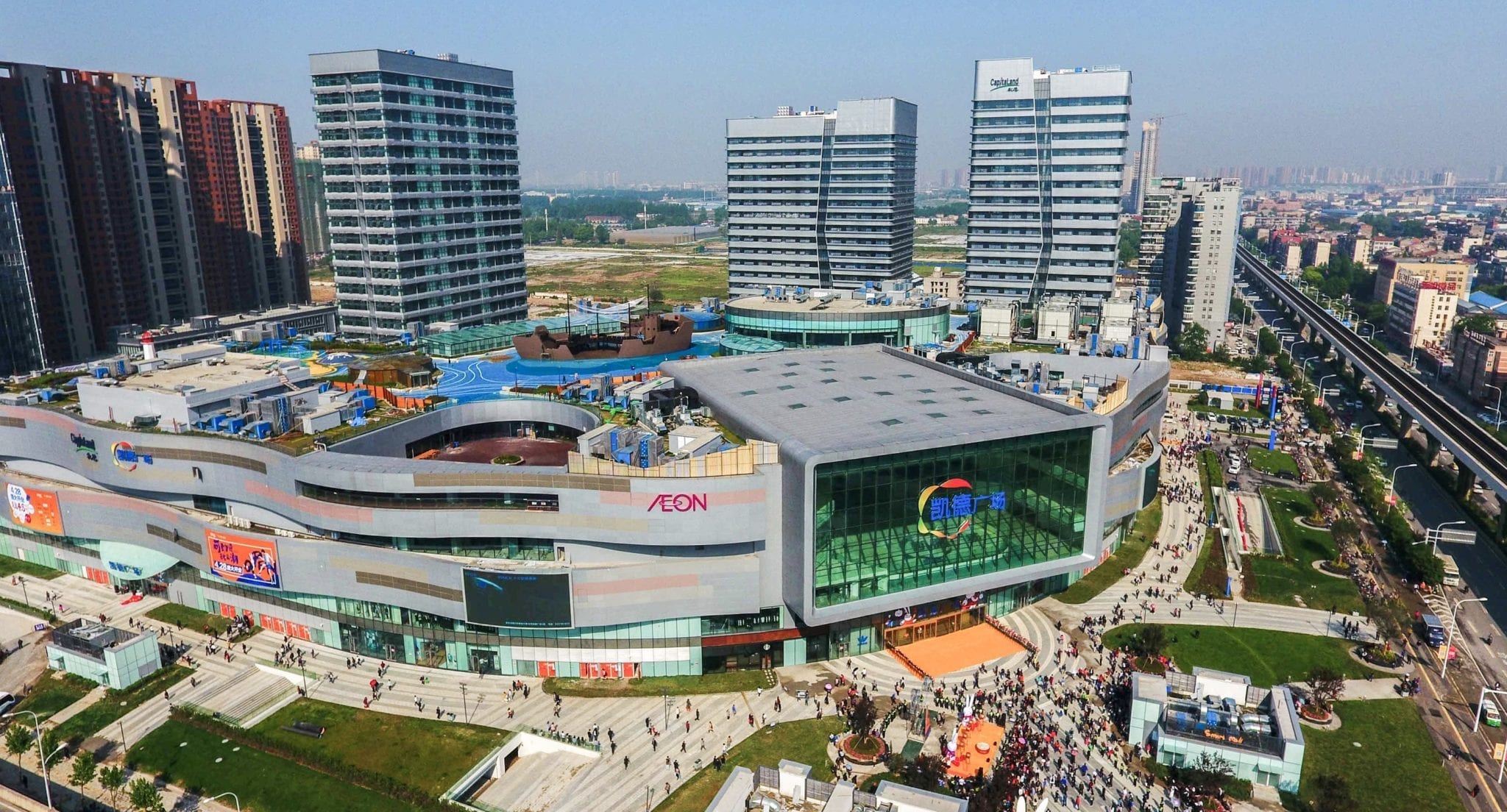
    Following a major reconstitution of its China shopping mall portfolio, CapitaLand is eyeing expansion opportunities under its “core city clusters, dominant assets” strategy. Through its wholly owned subsidiary CapitaLand China, CapitaLand today signed a Strategic Cooperation Memorandum of Understanding (MoU) with the district government of Wuchang – known as the urban core and one of three key areas of Wuhan, the capital of Hubei Province. The MoU sets out the general principles of collaboration between CapitaLand and the district government in developing a prime site in Wuchang. The potential scale of the proposed integrated development on the site is expected to surpass all CapitaLand’s existing properties in central China.

    Mr Lim Ming Yan, President and Group CEO of CapitaLand Limited, said: “Unlocking the value of mature assets for reinvestment into new growth opportunities is a hallmark of CapitaLand’s capital recycling strategy. As part of our proactive capital management, the Group has divested S$2.5 billion worth of assets and deployed some S$5.8 billion toward new properties in 2017. The proposed divestment of 20 non-core retail assets announced in early January, will further enhance our financial flexibility to invest in other compelling opportunities.”

    Mr Lim added: “In China, we are focused on deepening our presence in core city clusters where we can leverage our existing operations to grow faster. As the major transport and commercial hub in central China with strong economic fundamentals, Wuhan is a high-growth city that is set to benefit further from China’s Belt and Road Initiative. The city’s rapid urbanisation has created a high demand for quality real estate products and services, particularly integrated developments that will make efficient use of land to fulfill consumers’ intertwined live, work and play aspirations in one central location. CapitaLand looks forward to making greater contributions to Wuhan’s urban development through quality projects.”

    Mr Lucas Loh, CEO of CapitaLand China, said: “CapitaLand’s leadership in integrated developments is fast gaining market recognition. Serving as an enabler to catalyse an area’s economic growth, our integrated developments are well-sought after by Chinese urban planners around the country. To date, the Group owns and manages 23 integrated developments with over 6.2 million square metres (sq m) of gross floor area (GFA) in China’s first- and second-tier cities, making CapitaLand the foreign developer in China with the largest portfolio of integrated developments. Last year, CapitaLand marked the successful opening of six of these – namely Raffles City Changning in Shanghai, Raffles City Shenzhen, Raffles City Hangzhou, Capital Square in Shanghai, Suzhou Center, and CapitaMall Westgate in Wuhan. We will continue to build on our growing track record to take on more integrated developments in strategic locations that maximise the returns on our investments.”

    The MoU signing followed last April’s opening of CapitaMall Westgate in Wuhan’s Hankou area. Comprising a shopping mall, two office towers and one SOHO block that span about 250,000 sq m in GFA, it is CapitaLand’s fifth largest integrated development in China and its biggest in central China to date. Opened with a high committed occupancy of about 93%, the retail component of CapitaMall Westgate drew more than 435,000 shoppers over its first four days of operations.

    Besides CapitaMall Westgate, CapitaLand owns and manages a second integrated development in Wuhan’s Hankou area, namely CapitaMall Wusheng, which also comprises a serviced residence Somerset Wusheng. CapitaLand’s portfolio in Wuhan also includes two other shopping malls, namely CapitaMall 1818 in Wuchang and CapitaMall Minzhongleyuan in Hankou. In addition, The Lakeside, Wuhan – a 2,246-unit residential project by CapitaLand is currently under development; 1,526 units launched to date have been fully sold. Through its wholly owned serviced residence arm The Ascott Limited, CapitaLand also manages four serviced residences in Wuhan.

    Wuhan is the largest city in central China, with a population of about 12 million people. Based on advance estimates, Wuhan achieved a GDP growth of 8% in 2017 – outpacing the national average. A major transport hub, Wuhan connects the rest of the country via well-established highway and railway networks, and one of the largest inland ports in China. With its central location and fast-growing economy, Wuhan has attracted strong international trade and foreign direct investment. Its key industries are car manufacturing, steel production and optical-electronics, including housing China’s largest production centre for optical-electronic products. Leading multinational corporations such as Citroen, Foxconn, Hewlett-Packard, Honda, Nissan, Philips and Siemens have established operations in Wuhan. In addition, Wuhan is home to several well-known local companies such as Dongfeng Motor, FiberHome Technologies Group and Wuhan Iron and Steel.

    Wuhan is part of the five core city clusters under CapitaLand’s China strategy, which also include Beijing/Tianjin, Shanghai/Hangzhou/Suzhou/Ningbo, Guangzhou/Shenzhen, and Chengdu/Chongqing/Xi’an.

  • Positive trend for Burberry sales in Asia

    Positive trend for Burberry sales in Asia

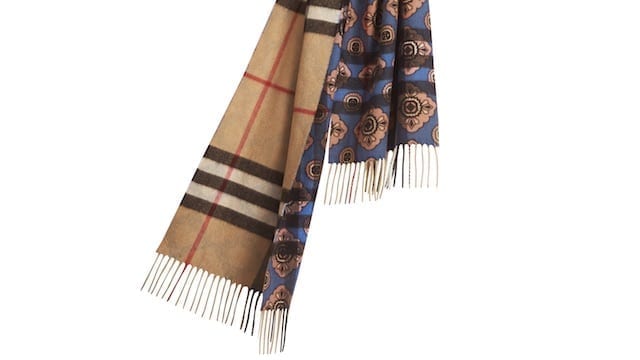
    Burberry sales in Asia rose “by the mid single digits” in the three months to year end, as the company reported a modest 2 per cent same-store improvement gobally.

    Asia Pacific was the strongest performing market for the UK-headquartered luxury retailer, with Mainland China leading the way. Hong Kong sales were “broadly unchanged” year-on-year despite an improvement in domestic trend.

    “Korea saw a better performance from both domestics and tourists, although sales still declined slightly,” the company said.

    “We are making good progress embedding our strategic vision into the organisation and remain on track to meet our full year profit target,” said CEO Marco Gobbetti, in a short statement.

    “We are building on strong foundations and are fully focussed on the successful delivery of our multi-year plan to position Burberry firmly in luxury and deliver long-term sustainable value.”

    Sales in Europe, Middle East, India and Africa decline by a low single digit figure, impacted by unusually strong figures from the UK the previous year.

    While the US was broadly flat, sales overall in the Americas rose marginally.

    Online sales posted solid growth, led by Asia Pacific, with Burberry saying mobile transactions accounted for 40 per cent of turnover online.

    By product, fashion outperformed as customers continued to respond positively to new products across categories.

  • Tiffany polishes up outlook on holiday sales rise

    Tiffany polishes up outlook on holiday sales rise

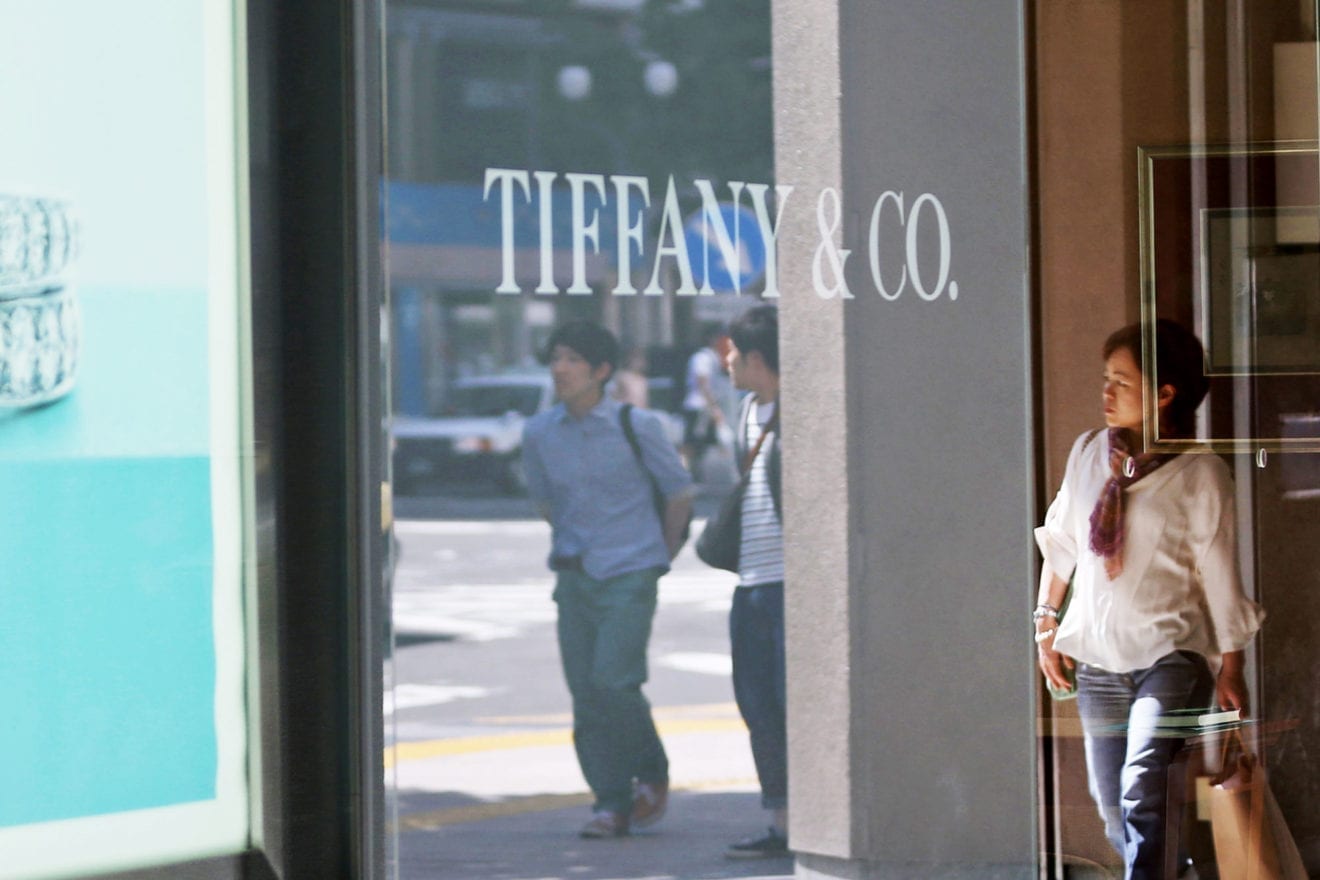
    Tiffany holiday season sales surged 16 per cent in Asia-Pacific, driven by strong performances in Hong Kong, Mainland China and Korea.

    The region accounted for US$232 million of Tiffany’s $1.05 billion global sales in the two months to December 31. The figures were driven by a 7 per cent increase in same-store sales, new store openings and an increase in wholesale turnover, the US-headquartered company said in a statement.

    Management attributed Asia-Pacific retail sales growth primarily to higher spending by local customers.

    On a constant exchange rate basis, total sales and comparable store sales increased 13 per cent and 4 per cent, respectively.

    In Japan, Tiffany holiday season sales increased just 1 per cent to $145 million and comparable store sales were unchanged. Management noted a difficult comparison to exceptionally strong growth in spending attributed to local customers in last year’s holiday period.

    In Europe, Tiffany holiday season sales rose 14 per cent to $136 million and in the Americas by 7 per cent.

    As at December 31, Tiffany operated 316 stores (125 in the Americas, 87 in Asia-Pacific, 54 in Japan, 46 in Europe, and four in the UAE), a net increase of two year-on-year.

    CEO Alessandro Bogliolo, said the company was pleased with the improvement in sales during the holiday period across all regions and categories, both instore and online.

    “While our major fashion jewellery collections continued to perform well, customers were equally excited about our fine jewellery, watches and our new home and accessories collection.

    “This recent return to growth in worldwide comparable store sales, fuelled by a substantial improvement in the Americas and Asia Pacific, is consistent with our commitment to generate solid and sustainable growth in sales, operating margin and earnings that is at least comparable to our industry peers over the long-term.”

  • Google to open e-suite office in Shenzhen

    Google to open e-suite office in Shenzhen

    A month after announcing plans to open its first AI lab in China, Google is expanding again through a move into Shenzhen.

    The U.S. tech giant has opened an office in the Chinese city, which borders Hong Kong and known for being a global hardware hub. This is not a fully-blown Google campus, instead the company has taken up space within a serviced office starting this week.

    “We have many important clients and partners in Shenzhen. We are setting up this e-suite office to be able to communicate and work with them better,” a spokesperson said in a statement confirming the news.

    Shenzhen is home to Tencent, the $500 billion firm behind WeChat, and mobile giants Huawei and ZTE, while the likes of Alibaba and Baidu are also present. The city has a thriving maker community, which includes global hardware accelerator program HAX.

    Google currently has offices in Shanghai and Beijing.

    There’s much to dig into around the search giant’s upcoming China-based AI lab, which taps into China’s growing AI talent pool and could signal a move to developing China-focused products. That, plus the re-launch of Google Translate app in China last year, gave fuel to the idea that the firm is ‘back’ in China. The Shenzhen presence is a more subtle development, a nod to the importance of the city for Google’s business.

    The Shenzhen office is likely to be used by a number of teams that already spend a lot of time in the city. Google decided that something more permanent was preferable to working out of hotels or public spaces. The firm’s China-based sales team, its hardware team and those in logistics, sourcing, supply are most likely to make use of it.

    Further down the line it seems possible that Google might opt for an office space that is more permanent — and more Googly — but for now we understand that there’s no timeline for that.

    The Shenzhen base also reflects Google’s position following its $1.1 billion deal to acquire a large chunk of HTC’s smartphone business. As a report from The Information recently noted, Google has also ramped up its hardware efforts in China. Its headcount for its Shanghai-based hardware engineering jumped to more than 100 from just 20 one year ago, the publication said.

    “I expect Google to make its Home products and more in Shenzhen. No doubt they have staff visiting frequently,” Benjamin Joffe, General Partner at HAX said.

    “Considering the push they had at CES and the fact that they are expanding the product line there will probably be more Googlers to join the ranks of Apple, Amazon and other companies’ staff in the watering holes and eateries of Shenzhen, in Nanshan or Futian,” he added.

  • Luk Fook Holdings retail Business 3Q Same Store Sales Up 1% On Year

    Luk Fook Holdings retail Business 3Q Same Store Sales Up 1% On Year

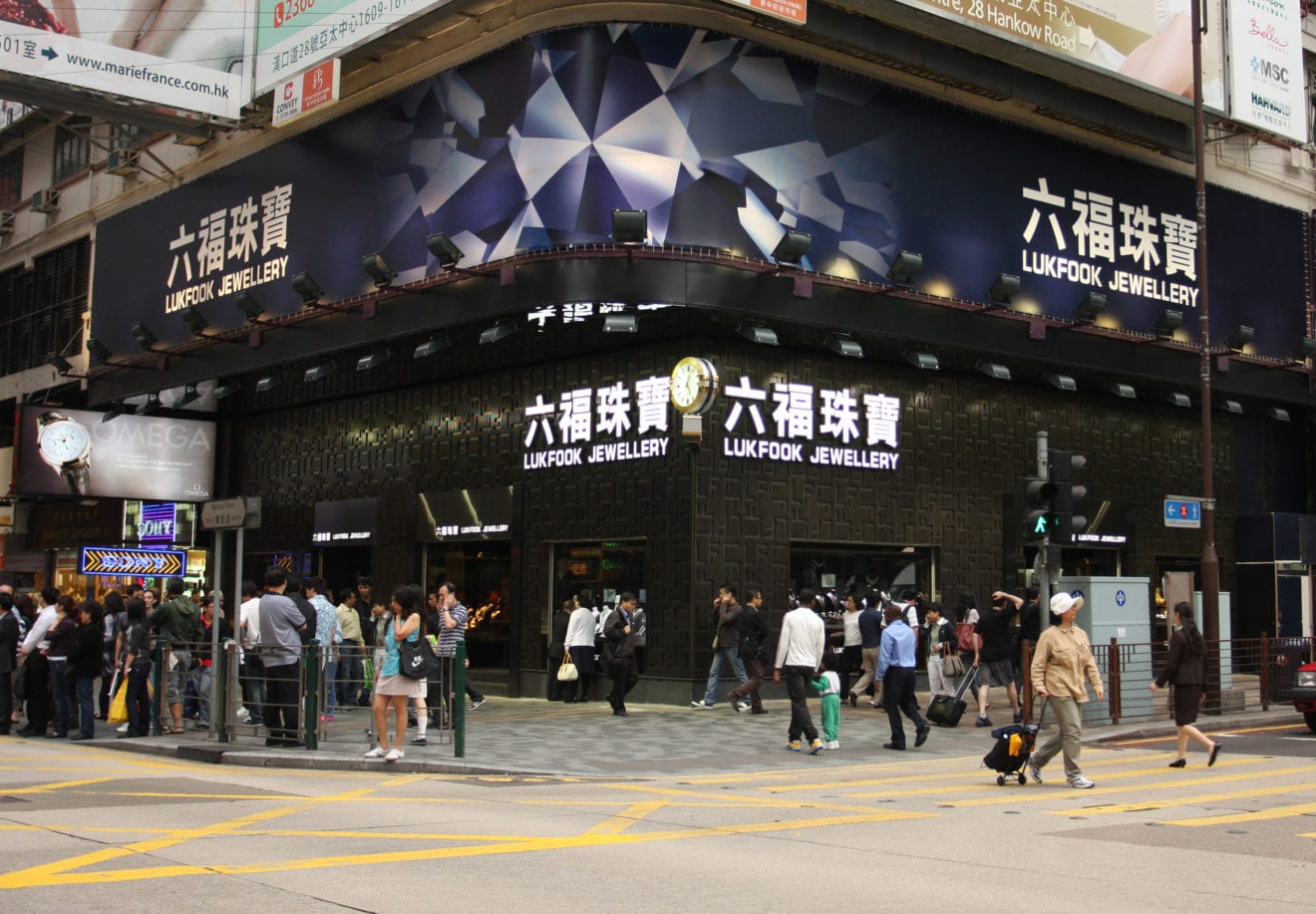
    Luk Fook Holdings (International), a Hong Kong-listed jewelry retailer, said Wednesday its retail business same store sales for October to December was up 1% on year.

    In the third quarter, same store sales growth of gold products were down 3% and gem-set jewelry products were up 10%, it said in an exchange filing.

    “The gem-set jewellery products in Hong Kong and Macau market continued to benefit from the market improvement as well as the successful introduction of more varieties of stylish and good-value-for-money products,” it added.