Tag: China

  • Fonterra launches new milk product with Hema Fresh

    Fonterra launches new milk product with Hema Fresh

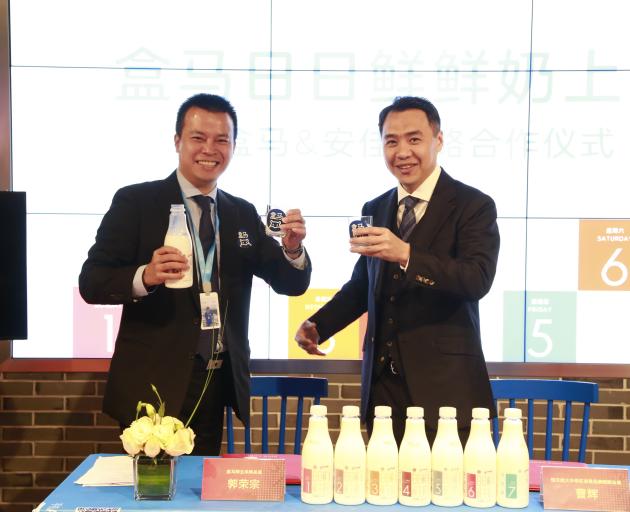
    Hema Fresh is Alibaba’s new retail concept, which combines traditional shopping with a digital experience.

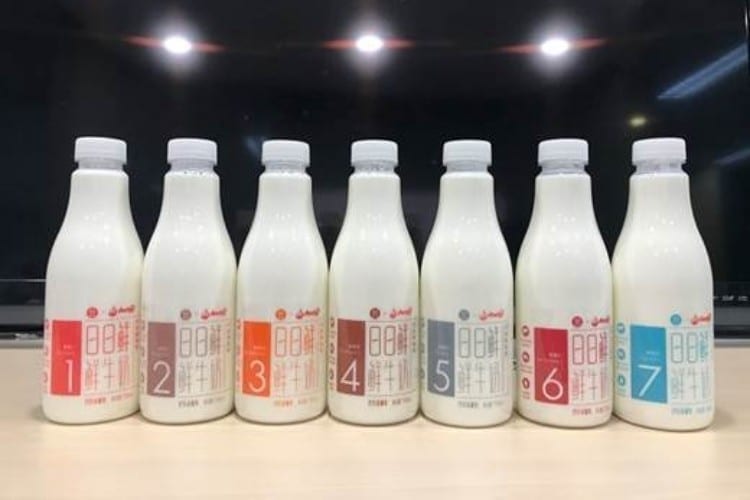
    The new ‘Daily Fresh’ milk range is now available in Hema’s 14 stores in Shanghai and Suzhou in 750ml bottles, sourced from Fonterra’s farm hub in Hebei province.

    The product has product labels to match each day of the week, which it says highlights and emphasizes freshness, with stock being replenished every night.
    Initial volumes are currently around three metric tonnes daily, with plans to scale-up over time and expand with the retailer as it grows its footprint of stores across China.

    Increased income

    President of Fonterra Greater China Christina Zhu said shoppers in China are becoming increasingly sophisticated in terms of their tastes and preferences, which are being driven by rising household incomes.

    “More than ever before, consumers are consciously seeking products that are fresh, nutritious and safe, and our new product for Hema caters to this,”​ Zhu said.

    According to figures from global management consulting company McKinsey, it is expected that more than 75% of China’s urban consumers will earn RMB 60,000 to 229,000 annually ($9,450 to $35,620) by 2022.

    This is up from just 4% in 2000, prompting a shift in consumer behavior and purchasing power.

    The Hema model

    Linked to this trend is the rise of Hema, which emerged in early 2016.

    The shopping experience at Hema is driven by a downloadable app, through which customers can scan barcodes to get information on the product.  Food can also be picked, cooked by staff, and eaten in store.

    The stores are also ‘fulfilment centers’ where customers can order online through the app, workers collect the items and they are delivered within 30 minutes within a 3km radius.

    Hema is also linked to payment options, and is a membership club: the app personalizes shopping for the consumer based on previous purchases.
    Other products

    In addition to the new fresh milk range, Anchor UHT milk products and the Anchor Dairy Foods range of butter, cream and cheese items are sold through Hema.

    The retailer is also a foodservice customer, using Fonterra’s Anchor Food Professionals products in its in-store bakery.

    Hema Fresh CEO and founder Hou Yi said the co-operation between the two companies is set to redefine the concept of fresh milk in the new retail era.

    Zhu says the new product highlights how Fonterra’s business in China is leveraging its local milk pool, spread across three farming hubs.

    “No other multinational dairy company in China has a local milk pool to draw from, so we are in an advantageous position,”​ said Zhu.

    “This milestone with Hema is a sign of things to come and indicates that our push to shift more of our local milk into higher-yielding consumer and foodservice products is well-and-truly under way.”​

    Reducing waste

    While replenishing stock on a daily basis has the potential to lead to waste as it is replaced daily, a Fonterra spokesperson told DairyReporter the volumes are initially quite small, and the whole model of Hema is that everything is fresh, so the company would rather run out than have stock left over.

    The spokesperson said, however, that sales have been going well, with the vast majority of bottles selling out each day.

    “For any that are left over, that’s where the uniqueness of the Hema model comes into play to keep waste at an absolute minimum​.

    “As well as being styled like a grocery store, Hema also has a range of bakderies and restaurants in-store which can utilize surplus product that doesn’t sell on the day.”​

  • Hugo Boss China brand’s growth set the sales higher

    Hugo Boss China brand’s growth set the sales higher

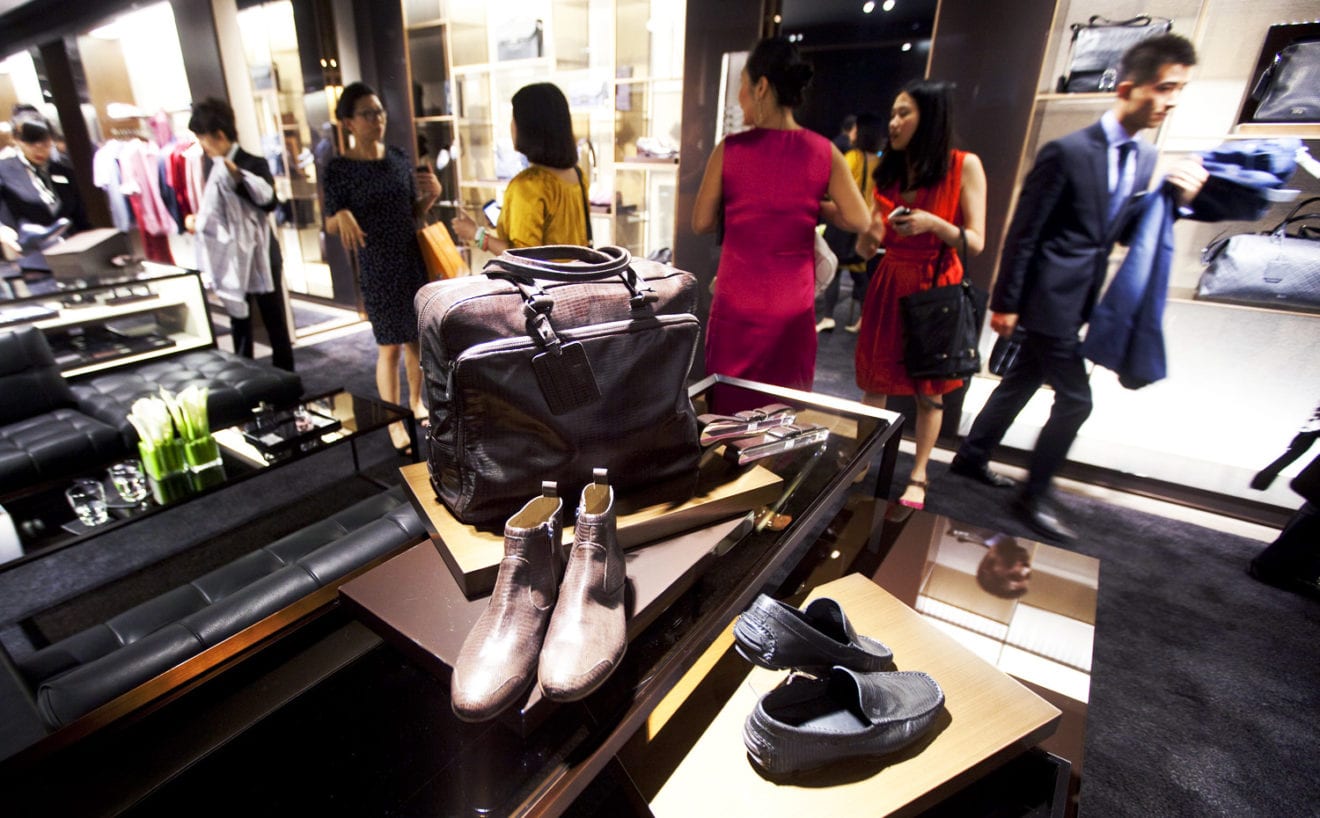
    An upward trend for Hugo Boss China contributed to positive final-quarter sales growth for the German luxury fashion house.

    Online growth was particularly strong, preliminary figures show.

    Currency-adjusted group sales were up 5 per cent for the quarter, with comparative store sales up 7 per cent year on year, while online sales growth soared by 42 per cent.

    For the fiscal year, currency-adjusted sales rose 3 per cent.

    CEO Mark Langer says the company achieved its goals for the year, with the final quarter being “particularly pleasing”.

    “With the launch of the spring/summer collection, the realignment of Boss and Hugo is now fully visible for the first time,” he says. “Our online business is on track, too, and will make a sustainable contribution toward the growth of the company.”

    Based on preliminary figures, final-quarter group sales reached €735 million (US$901.5 million), attributed mainly to strong sales development in the group’s own retail outlets.

    Sales for the full year reached €2.7 billion in the full year, corresponding to 1 per cent growth in the reporting currency, but 3 per cent adjusted for currency effects.

    Subject to year-end closing procedures, the group expects EBITDA will be largely the same as in the previous year, €493 million. The increase in sales was balanced by investments in repositioning the Boss and Hugo brands, the digital transformation of the business model and negative currency effects.

    Final results will be published in early March.

  • Protest arise after JD.com launches house brand Jing Zao

    Protest arise after JD.com launches house brand Jing Zao

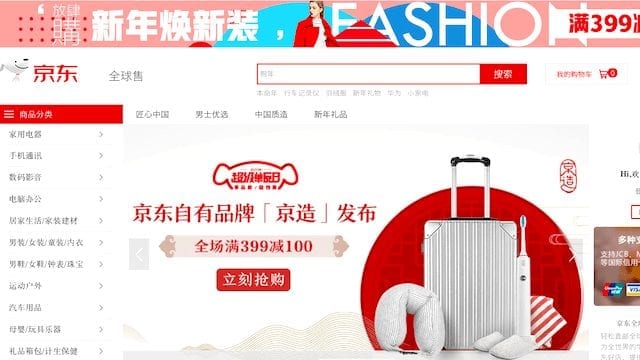
    Clashing head-on with manufacturers who sell through its platform, China’s JD.com has introduced its own brand, Jing Zao.

    Its initial 38 products range from towels to suitcases in similar style to Japan’s Muji or US luggage maker Samsonite, but at a lower price. Both companies sell their wares through JD.com.
    JD.com knows which products are popular with customers and can tailor its offerings accordingly, plus it has its own logistics service for deliveries.

    Its house brand follows its venture into physical retail stores. This month it introduced its first fresh-food supermarket in Beijing.

    Meanwhile, JD.com has confirmed it is a co-investor in Vietnam’s Tiki e-commerce platform, becoming one of its largest shareholders.

  • Fliggy, American Airlines Partnership to Benefit Chinese Travelers

    Fliggy, American Airlines Partnership to Benefit Chinese Travelers

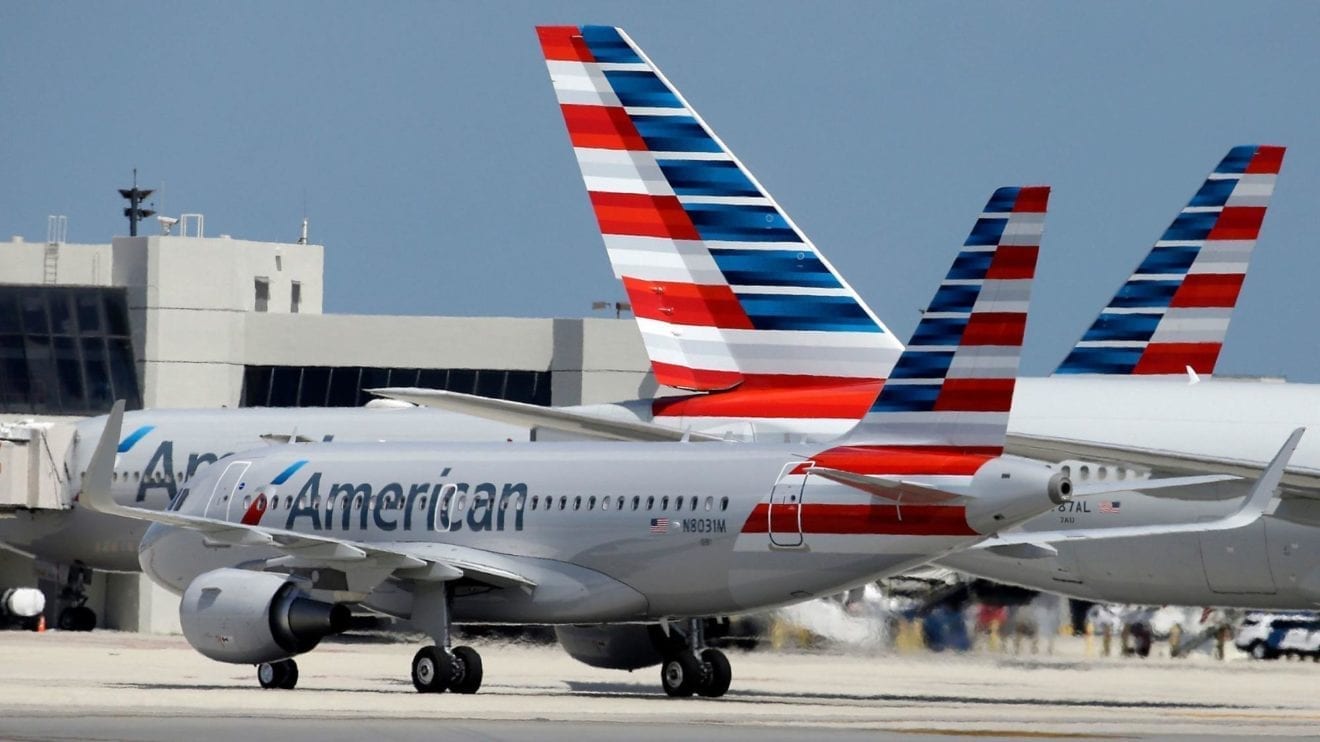
    The world’s largest airline, American Airlines, and Alibaba Group-owned Fliggy on Tuesday announced a strategic partnership that will bring travel perks to millions of the online travel platform’s Chinese customers.

    Starting next month, Fliggy members can register to enjoy select benefits from AA’s loyalty program, AAdvantage, depending on the level of their membership with Fliggy. For example, Fliggy F1 members will earn preferred boarding when taking an economy class flight, while those with Fliggy’s F2 and F3 memberships will receive certain perks equivalent to AAdvantage’s Gold and Platinum status, respectively.

    Moreover, AA plans to launch a flagship store on Fliggy, joining other airline stalwarts such as Cathay Pacific, Singapore Airlines, and Lufthansa to capture the booming travel demand by Chinese consumers.

    Future plans for the partnership also include the implementation of Alipay, the mobile payment system of Alibaba’s related company, Ant Financial, as a form of payment, said both companies in a joint statement.

    As part of Alibaba Group, Fliggy has access to more than 500 million mobile monthly active users on Alibaba’s China retail marketplaces. This means that by partnering with Alibaba airlines can gain valuable insights into the Chinese market, allowing them to better customize their services for Chinese customers, said Fliggy Vice President Jerry Hu.

    “This is why more than 70 well-known domestic and foreign airlines have chosen to establish flagship stores on Fliggy,” he said.

    Alison Taylor, senior vice president of Global Sales and Distribution at American Airlines, said the company is committed to China and is offering Chinese customers more flights to more destinations between North America and Asia.

    “This partnership changes the way loyalty programs in China interact with one another and provides more flight options for Fliggy users between these two critical business and leisure destinations,” she said.

    According to a forecast by investment bank CLSA, Chinese outbound tourism is expected to hit 200 million people by 2020 from 135 million seen in 2016. Spending by Chinese overseas travelers is also projected to reach $429 billion in 2021 compared with $261 billion in 2016, the firm said in a report.

    Founded in 1930, AA offers 6,700 flights each day to 350 destination in 50 countries and regions. The Texas-headquartered company is also a founding member of the Oneworld Alliance, whose members and members-elect offer nearly 14,250 flights daily to 1,000 destinations in 150 countries.


  • C&A fashion chain eyes sale to Chinese investors

    C&A fashion chain eyes sale to Chinese investors

    The deal is close to being finalised, Der Spiegel weekly said, citing “insider sources”.

    C&A, founded in the Netherlands in 1841 by the German-Dutch Brenninkmeijer family, has over 1,500 stores across Europe employing some 35,000 people.

    The chain, which focuses on offering affordable clothing for men, women and children, also has a smaller presence in China, Mexico and Brazil.

    The reclusive Brenninkmeijer family owns C&A through the Cofra Holding company headquartered in Switzerland.

    C&A declined to confirm or deny the mooted sale when contacted by Spiegel, the magazine said.

    The Cofra holding company told the magazine in a statement that C&A was looking into growth opportunities in all regions.

    “The ongoing restructuring of C&A also includes exploring different ways to pick up the pace in growth markets like China and in the digital area, and could potentially include partnerships and other kinds of additional, external participations.”

    Believed to be worth some 20 billion euros, the Brenninkmeijer family is one of Europe’s wealthiest and most secretive, according to Spiegel.

    It is also large, comprising some 1,000 family members whose shares in C&A are bundled into the Cofra Holding company based in the Swiss town of Zug, Spiegel added.


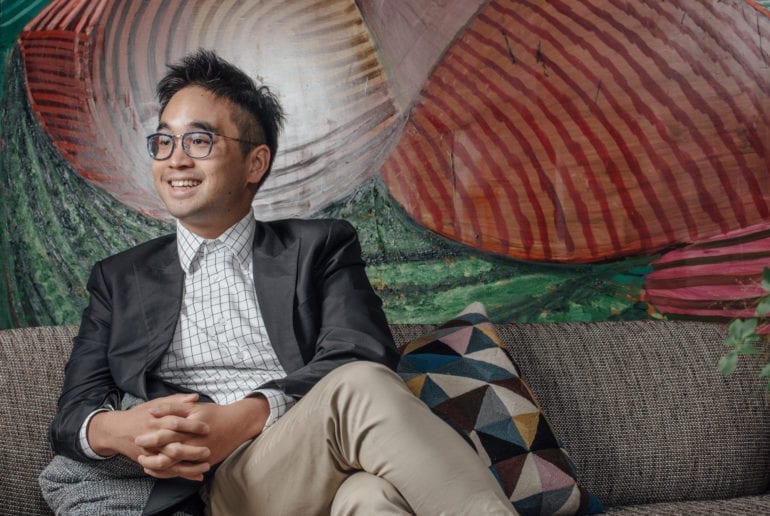
  • Adrian Cheng invests in AI for retail and hospitality

    Adrian Cheng invests in AI for retail and hospitality

    ObEN Inc., an artificial intelligence (AI) company that is building a decentralized AI platform for intelligent avatars, and announced that it has raised $10 million from K11, founded by entrepreneur Adrian Cheng.

    This strategic funding continues the growth of ObEN’s AI technology which enables users to quickly create a Personal AI, an intelligent 3D avatar that is authenticated and registered on the blockchain. This brings ObEN’s total funding to date to more than $23.7 million.

    The funding from K11 will drive product development, deployment on the blockchain, and will help ObEN integrate their technology in retail, real estate and hospitality applications.

    “ObEN is at the forefront of creating intelligent avatars that enhance the consumer experience,” says Nikhil Jain, co-founder and CEO of ObEN. “With this strategic investment from K11, we are able to reach millions of new customers and create experiences that will shape the future of retail.”

    K11, the brainchild of entrepreneur and business innovator Adrian Cheng, is a pioneering multi-faceted brand rooted in culture and interconnected by three core values: art, nature and people. Its ecosystem features the world’s first museum-retail concept, K11 Art Mall. Its Hong Kong and Shanghai flagships opened in 2009 and 2013 respectively. ObEN marks the first AI technology investment from the company.

    Motivated by the belief that the future of retail lives in the worlds of AI, AR and VR, the strategic alliance offers opportunities for intelligent avatars, personal concierge services and new virtual shopping experiences. ObEN’s Personal AI (PAI) quickly creates a 3D avatar that looks, sounds and behaves like the user, and can do things on their behalf. Furthermore, ObEN’s PAI is being deployed on the blockchain, which provides an unprecedented level of security.

    With a PAI concierge, customers are offered up to the moment information, retail guides and endless shopping tips to help keep each outing as fulfilling as possible. In addition, through projects like AI Stars, a joint venture between ObEN and S.M. Entertainment, celebrities will be able to create unique cross cultural experiences for consumers and retail outlets alike.

    “ObEN’s Personal Artificial Intelligence (PAI) platform simplifies the implementation of artificial intelligence technologies for real life applications,” said Adrian Cheng, founder of K11. “K11 is committed to localizing the PAI platform and bringing an immersive AI experience for visitors at all K11 projects.”

    ObEN’s Personal AI technology will be available in early 2018. Learn more at projectpai.com.

  • The first chapter of Shanghai Tang’s new story

    The first chapter of Shanghai Tang’s new story

    Shanghai Tang presents the first chapter of its new story through the 2018 S/S collection.

    Ownership and direction of the iconic brand, founded by the late Sir David Tang in 1994, was acquired by Alessandro Bastagli, Shanghai Tang’s new Executive Chairman, and private equity fund Cassia Investments. A marriage of Chinese tradition and the finest Italian craftsmanship, Shanghai Tang is now manufactured in Italy to ensure the highest quality of products and excellence of techniques and materials.

    Massimiliano Giornetti, renowned creative director with a global recognition, is the ‘Project Supervisor’ of an international Chinese, Italian and French team to reinvent the first chapter of Shanghai Tang’s new story.

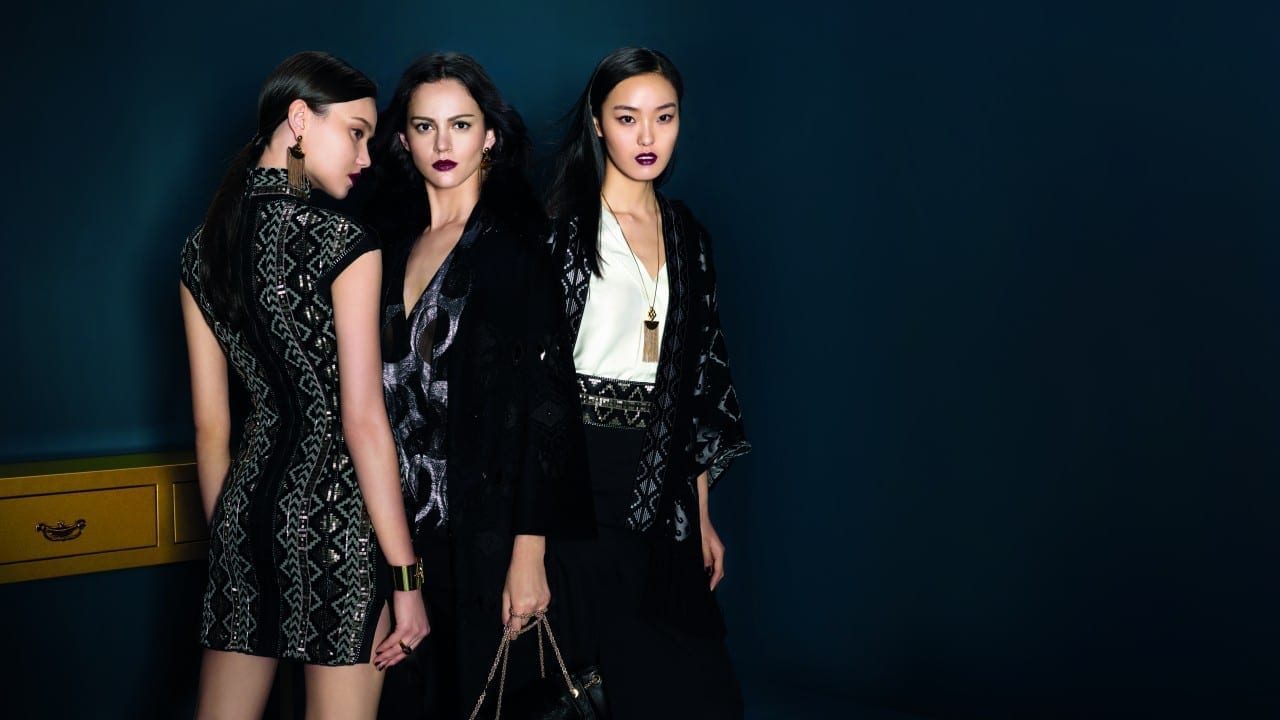
    Shanghai Tang Spring-Summer 2018 collection reflects the new stylistic concept undertaken by the brand. It is a triumph of colours, fabrics, cut,  and lines, which shows the attention to details and quality that Made in Italy is renowned for.

    The preview of the Shanghai Tang’s collection held in the Entertainment Suite of The Mandarin Oriental in Hong Kong. It found the top management welcoming guests and proud of a collection aimed to mark a new era and the global launch of the brand.

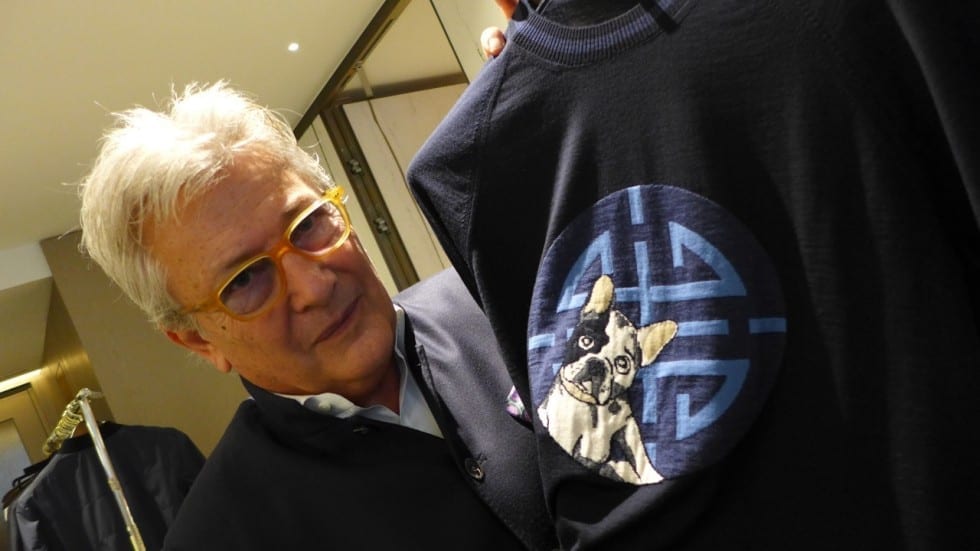
    A tale of traditional Chinese elements merged by a contemporary spirit and a cosmopolitan, international creative vision. With an undertone of novelty, these elements are auspiciously united by the “Shou”, Chinese symbol for longevity, which features on buckles of belts and bags and appears in both jewelry and prints.

    The new Shanghai Tang captures a vision of art, mood and street culture through a unique stylistic language that portrays an ineffable sense of what it means to be ‘contemporary’.

    Silk is the symbolic element of the Chinese millennial culture and plays an emblematic role in the collection. Deployed in innumerable variations, the material becomes the bridge between Italy and China whose two souls are now harmonized in the brand.

    The cultural and semantic Chinese imprinting is revisited in the new qipao that is turned into the modern “little black dress” with a playful mix & match of fabrics. The metamorphosis involves motifs of bold butterflies inspired by antique embroideries and is embodied by imperial peonies.

    “Shanghai Tang does not only appeal to Chinese customers – I believe the mandarin collar, and qipaos with a new design, would attract customers worldwide,” Alessandro Bastagli said, adding that he was a fan of the brand and had more than 15 suits from Shanghai Tang, including the one he wore during the launch of the S/S18 collection.

    The Chinese cultural symbols distinctive of Shanghai Tang find new sophisticated relationships with the Western world, expressed in a more effervescent, global, cosmopolitan language, all with a decidedly more contemporary aesthetic.

    The advertising campaign of the collection features a late nineteenth-century villa on the cliffs of Sorrento, combining Anglophilia with Greco-Roman classicism, blended in turn with an exotic garden of tropical plants, the 60’s décor and design evoke the cult movie “In the Mood for Love”.

    The delicate mysterious and fluid relationships between the three young figures —iconic He Cong, Estelle Chen, and model Will Samways — unwinds along dreamy escape, through vivid and brilliant colors, against the backdrop of seascapes infused with light and lost in a distant haze.

    The styling of this collection was curated by Lucia Liu, who embraced the elements of dialogue and cultural fusion of Shanghai Tang.

  • Alexander McQueen partners with JD.com to expand in China

    Alexander McQueen partners with JD.com to expand in China

    Alexander McQueen China has partnered with JD.com to launch a store on the e-commerce giant’s luxury platform Toplife.

    It will offer the full Alexander McQueen fashion ranges as well as accessories.

    While the UK luxury fashion brand already has 15 on-ground stores throughout China and Hong Kong, it aims to bolster its online reach through JD.com’s logistical infrastructure as well as its understanding of the Chinese luxury e-commerce.

    “This is a strategic addition to our physical presence in China, part of our multi-channel experience,” says Alexander McQueen CEO Emmanuel Gintzburger. “JD.com’s advanced capabilities will allow us to engage with a larger local clientele while respecting the creative expression of the house.”

    Launched in October, Toplife aims to fill a gap in the Chinese e-commerce market by offering only full-priced items from premium global brands. It offers international luxury brands access to its allround system, which seamlessly incorporates an online store, premium customer service, delivery services and marketing and branding expertise.

    The move follows the launch of Saint Laurent’s stand-alone store on Toplife earlier this month.

  • Bestseller’s smart stores to arrive in China

    Bestseller’s smart stores to arrive in China

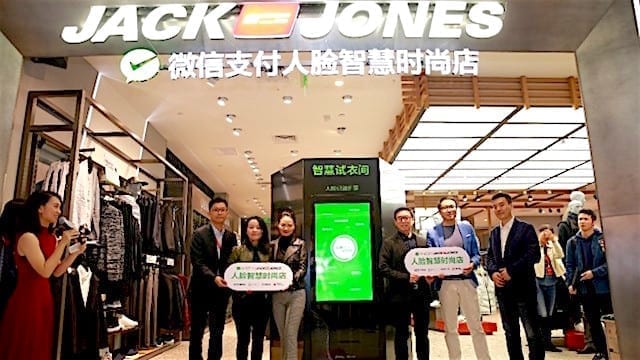
    Danish fashion retailer Bestseller has opened smart stores in Shenzhen and Guangzhou for its Jack & Jones and Vero Moda brands.

    Facial-recognition technology from Tencent’s Youtu Lab is used to register shoppers in store, enrolling them in WeChat Pay’s AI Club. This means they can pay without the need for wallets or phones.

    And the automated systems are not only replacing cashiers – sales assistants are also redundant as store visitors receive customised recommendations for Bestseller clothes and accessories they might want to try on virtually.

    Bestseller says the first day the tech was used, the gross revenue from customers who paid via facial recognition accounted for more than 80 per cent of turnover. The total store income that day improved by 40 per cent.

    It is a new approach for the fashion industry, which is following in steps of smart supermarkets and other stores from companies such as Alibaba, Amazon and JD.com.

    Tencent also has its eye on other retail segments. At its global partner conference in November, COO Ren Yuxin said the company aims to provide smart retail services like big data, cloud computing and AI to brands and offline retailers to help brick-and-mortar stores transform into smart, digital ones that can “really think”.

    Bestseller head of digital sales Liu Dongyue says customers expect a “more personalised, more entertaining and more convenient” experience when buying in the store, which is why fashion brands need help from big data.” So it is not so much about automated payment as about user data.

    Vqudo, a WeChat marketing software provider, says facial recognition enables stores to match customers with their WeChat ID, which contains information about their buying habits as well as social data.

  • China’s 2017 GDP growth could reach 6.9%

    China’s 2017 GDP growth could reach 6.9%

    China’s GDP growth for 2017 may stay at 6.9 per cent, thanks to favourable internal and external conditions.

    China’s GDP growth for 2017 may stay at 6.9 per cent, thanks to favourable internal and external conditions despite the cool-off in the real estate sector and ongoing environmental protection measures, economists said.

    Xu Hongcai, an economist with the China Centre for International Economic Exchanges, said China’s year-on-year GDP growth for 2017 could be a higher-than-expected 6.9 per cent.

    The world’s second-largest economy expanded by 6.9 per cent in the first three quarters of 2017, which is above the government’s preset growth target of 6.5 per cent.

    Foreign trade recovered last year, consumption demand remained steady and high-tech sectors became stronger, contributing to the high growth rate, Xu said. Foreign trade rose 14.2 per cent year-on-year in 2017, reversing a two-year declining trend, according to the General Administration of Customs’ latest data.

    Zhu Baoliang, chief economist of the State Information Centre, said the stable GDP can be attributable to the country’s macroeconomic regulation since 2015, which had led to stable infrastructure and real estate investment to bolster growth. He said the supply-side structural reform had reduced production capacities and pushed up industrial goods prices, leading to surging corporate profits.

    Moreover, China had made much headway in economic restructuring, which has given rise to some new products, technologies and sectors. And the improving global economy has boosted China’s export growth, he added.

    Investment bank Goldman Sachs forecast that China’s GDP growth for 2017 could hit 6.8 per cent. “Economically, growth moved higher (than for 2016’s 6.7 per cent), reflecting better external conditions and the fruits of past policy changes,” it said in its latest report.

    The report said China has also managed to make some regulatory achievements to control financial risks. “Broad credit growth slowed from a pace of more than 20 per cent to the low tens on a clampdown on shadow banking activity. In asset markets, policymakers reined in surging house prices, stabilised the currency after a volatile 2015-16, and oversaw a steady equity rally,” the report said.

    The National Bureau of Statistics is scheduled to release the country’s key economic data, including whole year GDP growth, industrial output, fixed asset investment, and retail sales, on Thursday.

    Premier Li Keqiang said last week at the Lancang-Mekong Cooperation Leaders’ Meeting that China’s GDP growth for 2017 is “around 6.9 per cent”. China had maintained the trend of stable and improving growth in 2017, he said. Ning Jizhe, head of the NBS, said at a forum held on Saturday that the Chinese economy “showed sound momentum last year and did better than expected”.

  • Toymaker Lego teams up with Chinese internet giant Tencent

    Toymaker Lego teams up with Chinese internet giant Tencent

    Danish toymaker Lego is teaming up with Chinese internet giant Tencent Holdings to jointly develop online games and potentially a social network aimed at Chinese children.

    Privately-owned Lego has seen a slowdown in sales growth in recent years, but the Chinese market has been a bright spot with sales growing 25-30% in 2016.

    It is competing with Barbie maker Mattel and Hasbro, the firm behind My Little Pony, for a slice of the $31 billion toys and games market in China.

    Lego said on Monday the partnership with Tencent, China’s biggest social network and gaming company, aimed to create a safe online environment covering content, platforms, and experiences tailored for Chinese children.

    “What we are looking for now with Tencent is just to find more creative ways of reaching children, and creating bespoke content with Tencent, in this case, video games,” Jacob Kragh, head of Lego in China, told Reuters on Monday at joint event with Tencent in Beijing.

    It also includes LEGO BOOST — a building and coding set that lets children turn their brick creations into moving objects — and will explore developing a joint social network for children in China.

    Tencent is Asia’s most valuable company with a market capitalisation of $537 billion.

    Last year, Mattel struck deals with Chinese e-commerce giant Alibaba Group Holding and online content developer BabyTree to sell interactive learning products based on its Fisher-Price toys.

    Lego has about a 3% market share in China, followed by Mattel and Hasbro with around 2% and 1%, respectively, according to Euromonitor International.

    In November 2016, Lego opened a factory in Jiaxing, China, which it expects to produce 70-80% of all Lego products sold in Asia.

  • ZTE launches 5G core product based on SBA

    ZTE launches 5G core product based on SBA

    ZTE has launched a new 5G core product based on service based architecture (SBA) and fully compliant with the 3GPP Release 15 standard from September.

    The ZTE Cloud ServCore consists of 3GPP network function services and common network function services in the control plane, and distributed media planes supporting flexible deployment and high-performance forwarding.

    These distributed planes interwork with the control plane through Packet Forwarding Control Protocol (PFCP).

    It is based on the micro-service cloud native architecture ad utilizes micro-service components, DevOps tools and containerized deployment.

    The platform uses a fully virtualized architecture decoupled from the underlying cloud platform, and supporting hardware and software acceleration.

    ZTE said it anticipates that China Mobile could adopt the technology as part of its 5G core trials. The China Mobile Research Institute has been conducting joint research with ZTE in its 5G Core Lab and has praised the design of the Cloud ServCore product.

  • China’s Huawei setback in US market amid national security concerns

    China’s Huawei setback in US market amid national security concerns

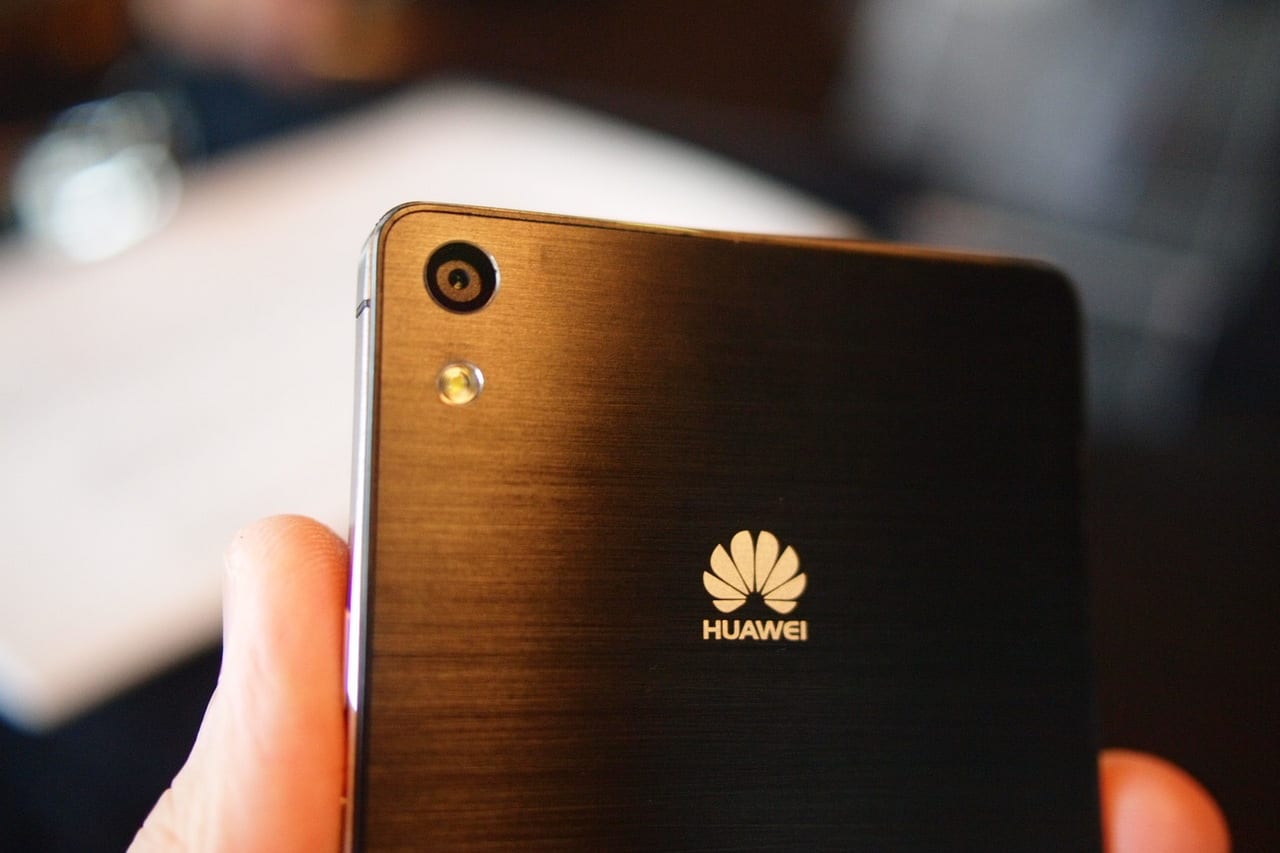
    Chinese tech giant Huawei faces a major setback in efforts to expand in the U.S. smartphone market following renewed national security concerns, documents showed.

    Huawei, which appeared to lose a deal with AT&T that would have given it an improved foothold in the handset market, faced criticism from U.S. lawmakers over its intellectual property protection and its ties to Chinese intelligence, according to a letter seen by AFP this week.

    The letter, signed by 18 members of the House and Senate intelligence panels, expressed concerns first voiced in 2013 by congressional investigators.

    The document said that later information obtained by the committees “only reinforces our concerns regarding Huawei and Chinese espionage.”

    The letter dated December 20 was sent to the U.S. Federal Communications Commission with copies to the Justice Department, FBI, CIA and Department of Homeland Security.

    It said the FCC “would benefit from Intelligence Community briefings on the threat Huawei and other Chinese technology companies pose.”

    Huawei has become the world’s third largest smartphone maker — but its U.S. presence has been limited by a lack of agreements with wireless carriers, which sell most devices.

    The company’s consumer business chief Richard Yu was a keynote speaker Monday at the Consumer Electronics Show, where an expected announcement with AT&T failed to happen.

    Yu did not directly address concerns in the letter, but said it was “unfortunate” that Huawei would not be selling in the U.S. through carrier channels.

    “It’s a big loss for us and also for carriers,” he said. “But the more big loss is for consumers.”

    In addition to the AT&T deal, a potential agreement with another major wireless carrier, Verizon, was also in jeopardy, according to media reports.

    A Huawei spokesman said the company would not comment on rumors or speculation and did not respond to the letter, which was revealed earlier this week by U.S. media.

    The company said it would release new products to U.S. consumers as unlocked devices through retail channels, reaching a smaller market.

    “We have the strongest confidence in our products and will continue to innovate and break new ground,” Huawei said in a written statement.

    “At the same time, we believe that U.S. consumers deserve equal opportunity and the choice to enjoy the best technology and more smartphone options through more channels… At Huawei, privacy and security are always our first priority.”

    The statement added: “We are compliant with the world’s most stringent privacy protection frameworks… We have gained the trust of over 150 million customers in the past year alone, and now sell our devices through more than 45 of the top 50 global carriers.”

  • Taobao Again on U.S. Blacklist for Counterfeit Products

    Taobao Again on U.S. Blacklist for Counterfeit Products

    Taobao has been added to the USTR counterfeit blacklist for the second successive year for selling suspected fake items on its shopping platform.

    However, the Chinese e-commerce giant says the listing does not reflect its IP-protection efforts.

    Owned by Alibaba Group, it is one of 25 online markets along with 18 physical markets to make the annual USTR (US Trade Representative) list of “the world’s most notorious markets” for selling pirated and counterfeit goods.

    Taobao managed to stay off the list from 2012 to 2015, but was included in 2016 and now again for last year.

    “A high volume of infringing products reportedly continues to be offered for sale and sold on Taobao.com, and stakeholders continue to report challenges and burdens associated with IP enforcement on the platform,” says the USTR. While the agency acknowledges Alibaba’s efforts to curb the sale of fake products on Taobao, it says the prevalence of infringements is still a challenge.

    Alibaba says it has made its IP protection programs easier to use, leading to an 11 per cent increase in registries plus a 25 per cent drop in takedown requests as infringing listings were removed even before reaching its marketplaces.

    “In light of all this, it is clear that no matter how much action we take and progress we make, the USTR is not actually interested in seeing tangible results,” says Alibaba Group president Michael Evans.

    The USTR says Alibaba’s data does not directly reflect the scope and status of the counterfeiting problem on Taobao, but is “merely suggestive of progress” in its anti-counterfeit efforts. It also says those efforts appear to be more toward addressing the concerns of global brands rather than small and medium businesses.

    “It is incumbent upon Alibaba to develop more effective means to address the concerns of the full range of US businesses that continue to find infringing versions of their products for sale on Taobao.com.”

  • Korea’s Caffe Bene sees the end

    Korea’s Caffe Bene sees the end

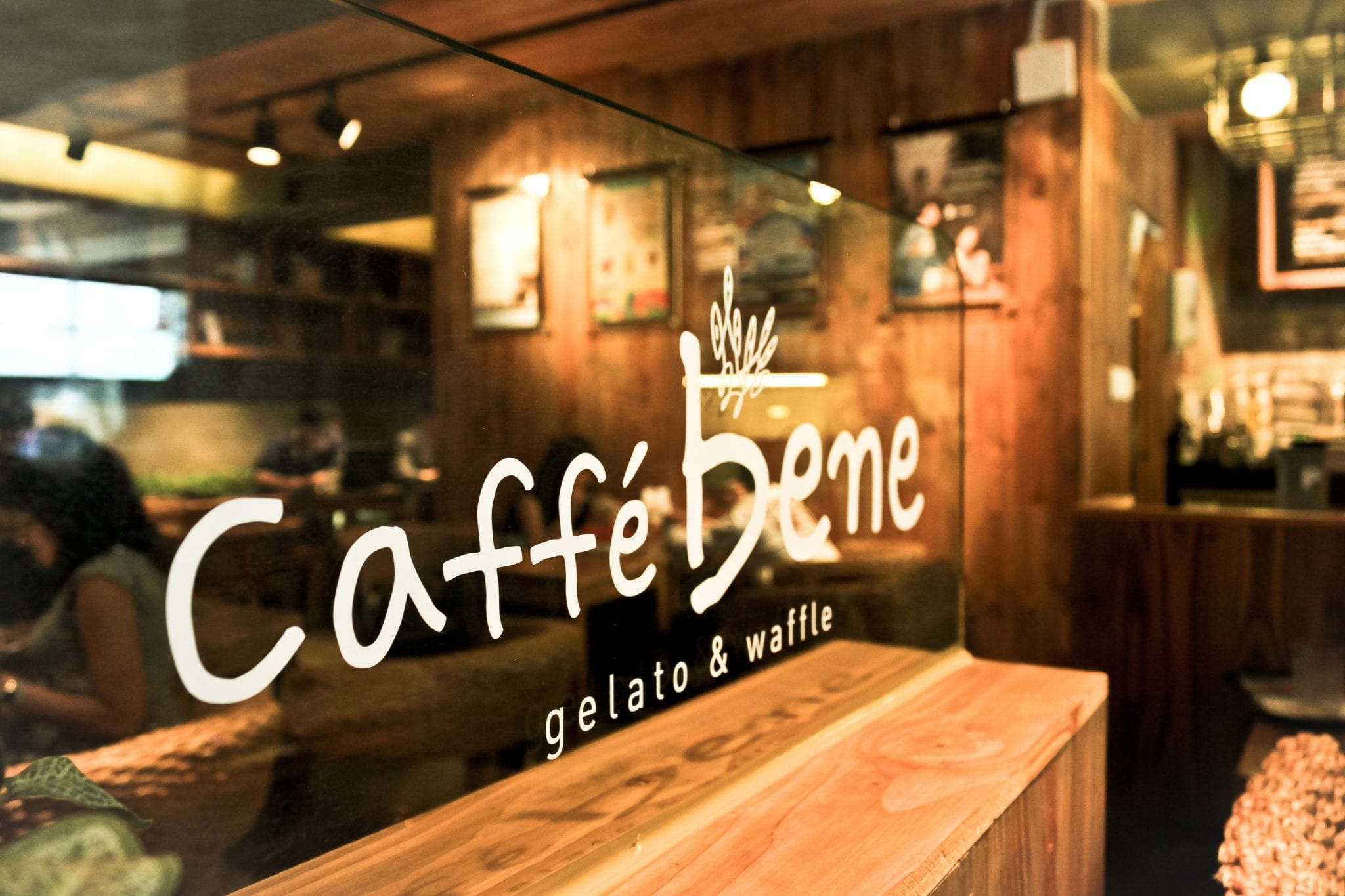
    Korean coffee chain Caffe Bene has collapsed, filing for a court-led restructuring scheme on Friday.

    Yonhap news service reports the court will soon decide whether to put the ailing coffee chain under its receivership or commence liquidation.

    The legal move follows a protracted slump and mounting losses, the company said. In 2016, the company lost about US$32 million on sales of $73 million, down 32 per cent on the previous year. At that time it operated 800 stores in Korea, a figure it said would shrink as it restructured, and about 50 in the US.

    Launched in 2008, Caffe Bene expanded to become one of South Korea’s largest coffee franchises, opening more than 1000 stores in five years, but lost ground in the saturated coffee market. While its US website claims it has opened 1600 stores worldwide, the exact number still trading is difficult to ascertain. It has opened in Vietnam, the US, China, Canada, Brunei, Singapore, Japan, Indonesia, the Philippines, Saudi Arabia, Malaysia, Cambodia and Mongolia.

    But the international foray has met with mixed success. The Cambodian store has already closed and the last Facebook post by the Singapore cafe is dated February last year. In Vietnam several stores have opened and closed, including its downtown flagship which drew huge queues when it opened in 2014. Three outlets remain trading there, but it is not clear if they are franchised or company-owned.

    The company also appears to have exited the Canadian market.

    While rapid growth in the consumption of brewed coffee drove up the Korean coffee industry’s overall expansion, Caffe Bene was unable to match the growth rate at home.