Tag: China

  • Suning Unmanned ‘Biu’ Store goes International

    Suning Unmanned ‘Biu’ Store goes International

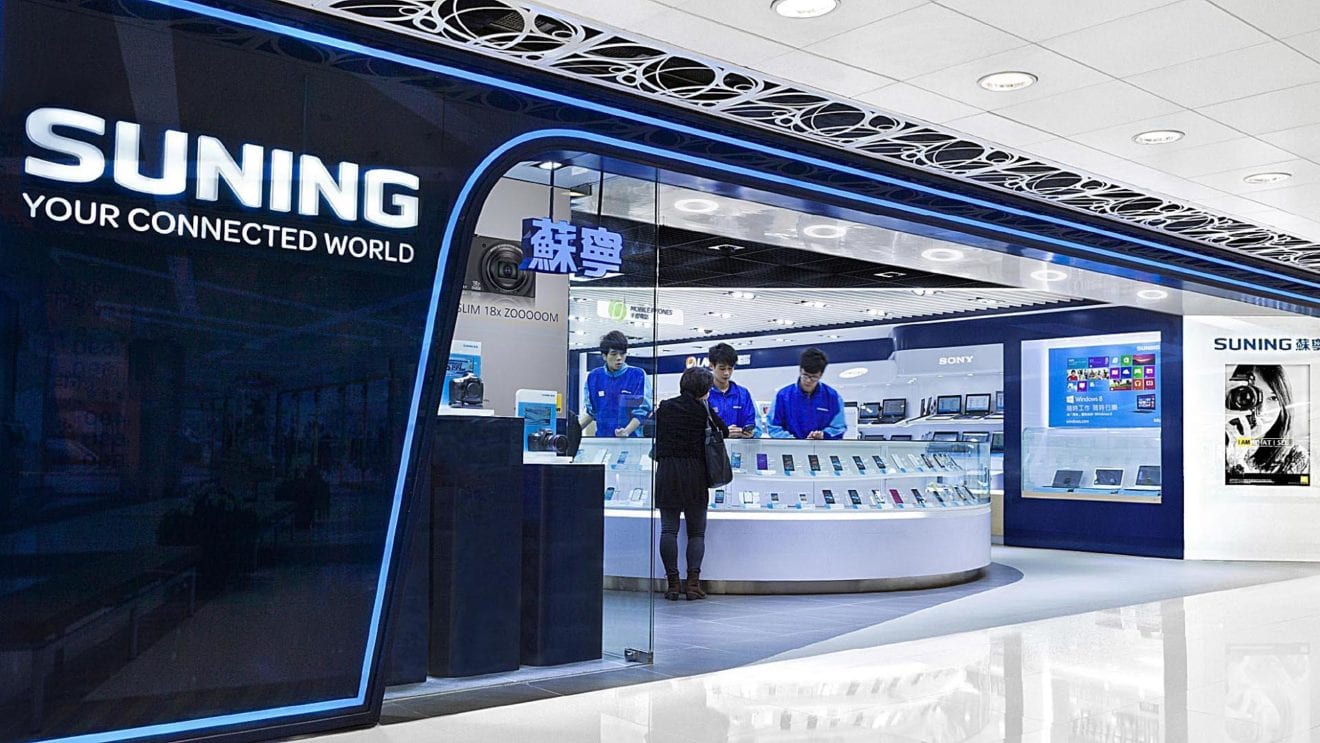
    Suning Commerce Group, one of China’s largest non-government retailers, is showcasing its unmanned, automated Biu store at CES 2018 in Las Vegas this week.

    Running until Friday, CES is the global stage for new innovative consumer electronics. Suning’s promotion of its Smart Retail program comes as the company prepares to launch its developments internationally,

    “Suning’s Biu store concept showcases the latest in our online-to-offline retail strategy, designed to offer consumers a one-stop seamless shopping experience,” says the group’s R&D executive VP Joshua Xiang, who is also GM of Suning Global Research.

    Suning’s Biu store concept is big-data driven and powered by facial recognition and radio frequency identification (RFID) technology. Since launching its first self-service store in Nanjing in August, Suning has opened a further four cashierless stores in China, in Shanghai, Beijing, Chongqing and Xuzhou.
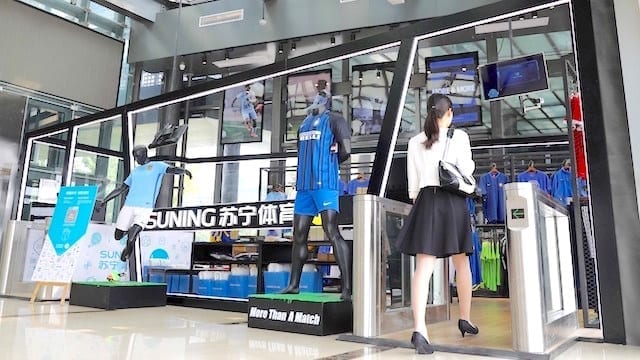
    It says shoppers have been flocking to the stores to buy gadgets, personal electronics, FMCG and sports accessories. They can also find branded football merchandise, including Italian team Internazionale Milano, which is owned by Suning.

    Immediate identification

    Bui shoppers who link their bank card to the Suning Finance app are immediately identified by camera at the store’s entrance and granted access. Inside, they can be helped with their purchase decisions by Suning Smart Recommendation, a shopping guide system based on big-data analysis. RFID technology along the payment pathway ensures an effortless check-out experience taking no longer than 15 seconds.

    At CES, Suning is also showcasing its e-commerce services and tech products that focus on enhancing the consumer experience. These include the Smart Sue shopping assistant, with voice and text interaction system; the Anywhere AR shopping experience, allowing shoppers to place virtual products into a real scene; Suning Smart Home, incorporating advanced Internet of Things automation systems to control electronic home appliances and built-in technology; smart retail chain software; and logistics and shopping financial services.

    A Created in China forum at CES tomorrow, hosted by Suning and the China Household Electric Appliance Research Institute, will explore electronics industry trends in China and also demonstrate Suning’s Smart Retail concept.
  • Modest sales rise for Bauhaus International

    Modest sales rise for Bauhaus International

    With two more shops at year’s end, apparel company Bauhaus International (Holdings) had a modest rise in same-store sales for its latest nine months.

    The quarter reverses a trend of declining sales and store closures by the streetwear retailer.

    Unaudited figures show sales growth was up 9 per cent for Hong Kong and Macau with a weighted average of 65 shops for the third quarter, while for the nine months growth was 4 per cent from 64 shops.

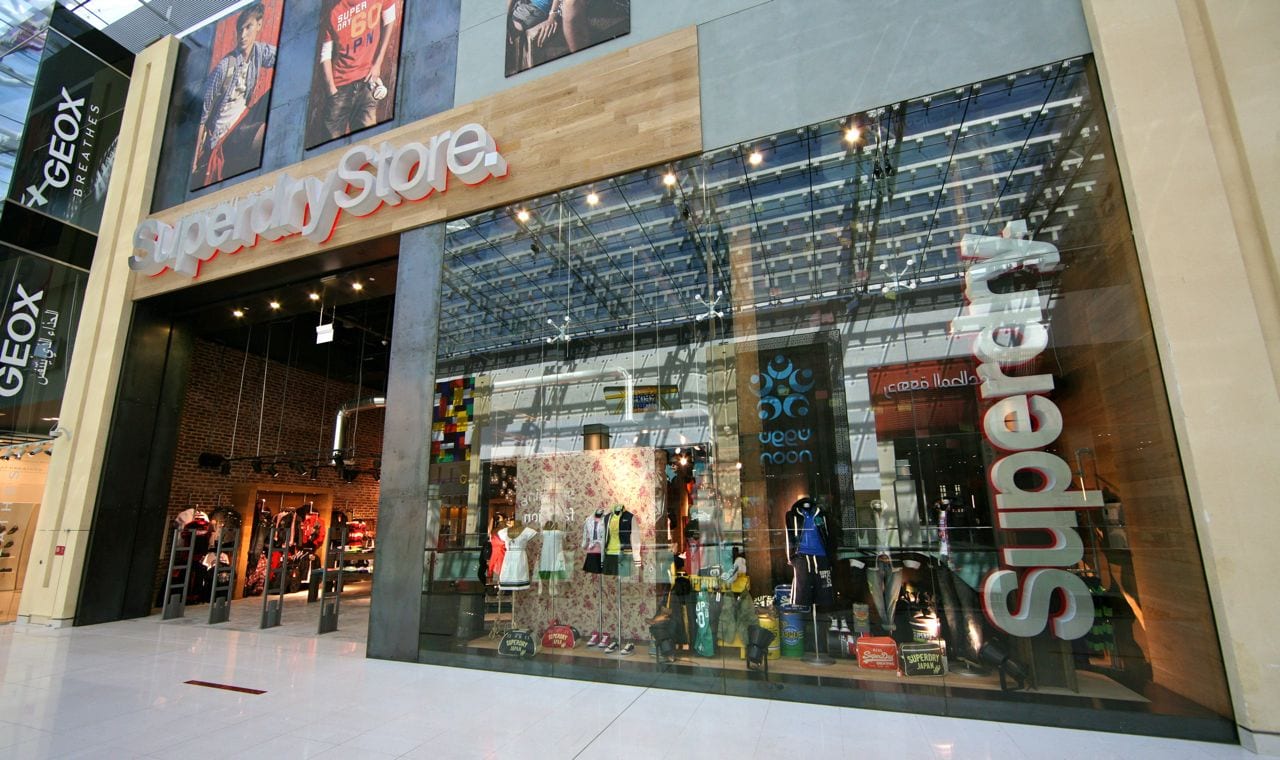
    Bauhaus designs and makes apparel and accessories which it wholesales and retails under its brand names including Bauhaus, Salad and Tough, and retails third-party labels including Superdry.

    With a constant 82 shops, Taiwan saw sales fall 8 per cent for the quarter and 16 per cent for the year to date.

    For Mainland China, 18 shops saw sales growth of 9 per cent for the quarter, while for the nine months growth was 12 per cent for 19 shops.

    Overall, group sales growth was 4 per cent for 165 shops for the quarter, with a 1 per cent sales dip for 165 shops for the nine months.

    At the end of the year the group had 198 self-managed offline shops, two fewer than nine months earlier.

    These comprised 80 outlets in Hong Kong and Macau at March 31, dropping to 77 at year end, 91 in Taiwan rising to 96 by December 31, and no change in China with 25 shops.

  • Asia Keeps Swiss Watch Recovery on Track

    Asia Keeps Swiss Watch Recovery on Track

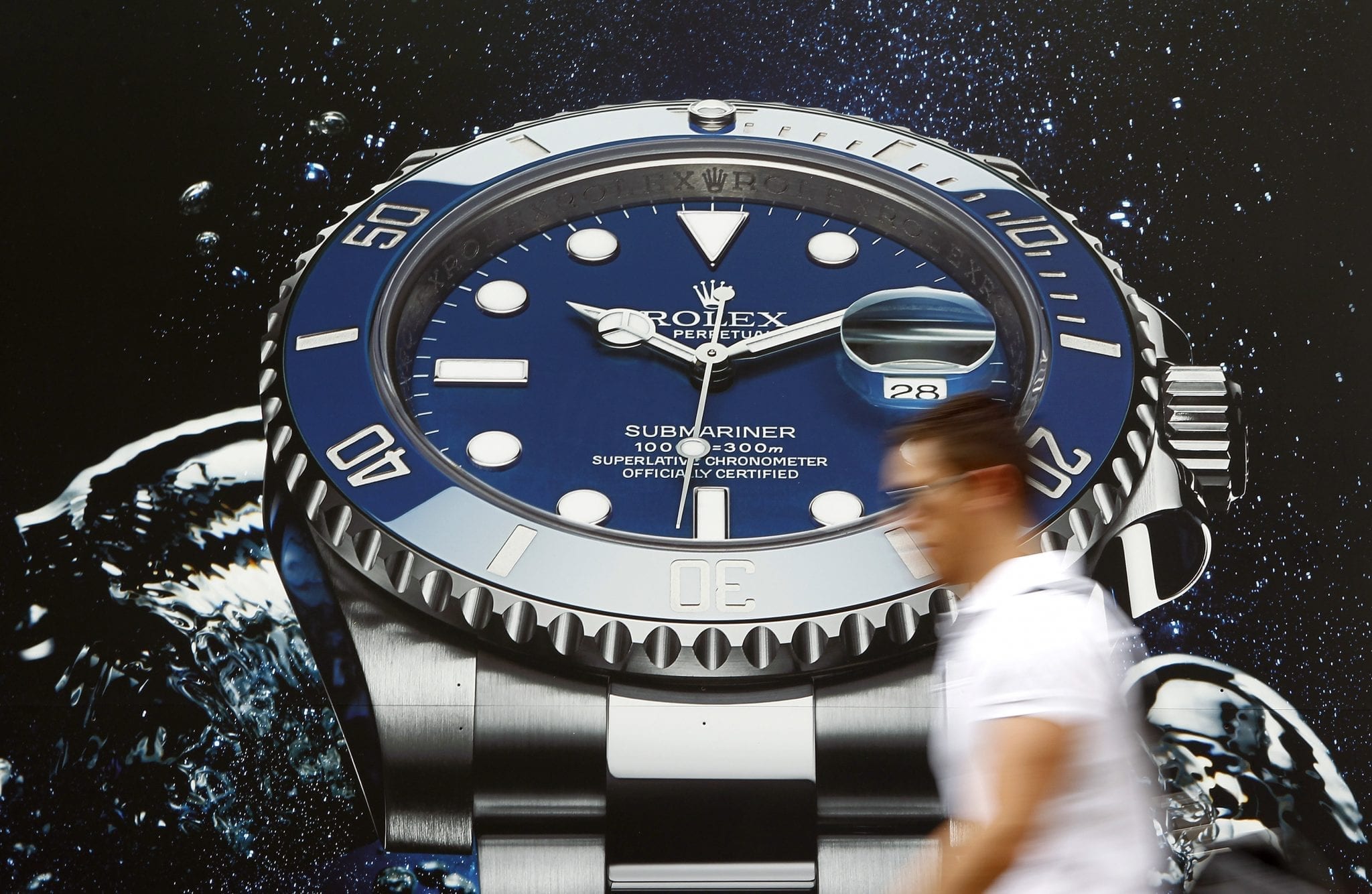
    China and Japan continue to grow as key markets for Swiss watches, reports the Federation of the Swiss Watch Industry.

    China had its strongest growth for 30 months at 39.8 per cent, while Japan, up 22.5 per cent, showed strong growth for the second month in succession.

    Hong Kong has confirmed its recovery with its eighth positive month, exports there rising 4.4 per cent, while exports to Singapore, Switzerland’s seventh-largest market, rose 10.6 per cent.

    Export growth has continued over the seven months to the end of November, says the federation. The total value of exports reached nearly FRF2 billion francs (US$1.9 million), equivalent to 6.3 per cent growth over the figure for the previous November.

    Electronic watch exports were down by more than 1 million units to 15.6 million, a drop of 6.3 per cent. By contrast, mechanical watch exports rose 4.6 per cent to 6.59 million pieces.

    All groups of materials shared in the value growth, in particular steel, up 7.9 per cent. While the other materials category grew 32.3 per cent, the number of pieces fell 1.1 per cent.

    Watches priced at less than FRF200 (export price) fell substantially in November, says the federation, while the other price segments advanced in terms of both value and volume. The FRF200-500 category had the best performance with growth, up 20 per cent.

  • BAPE Celebrates Lunar New Year With Year of the Dog Collection

    BAPE Celebrates Lunar New Year With Year of the Dog Collection

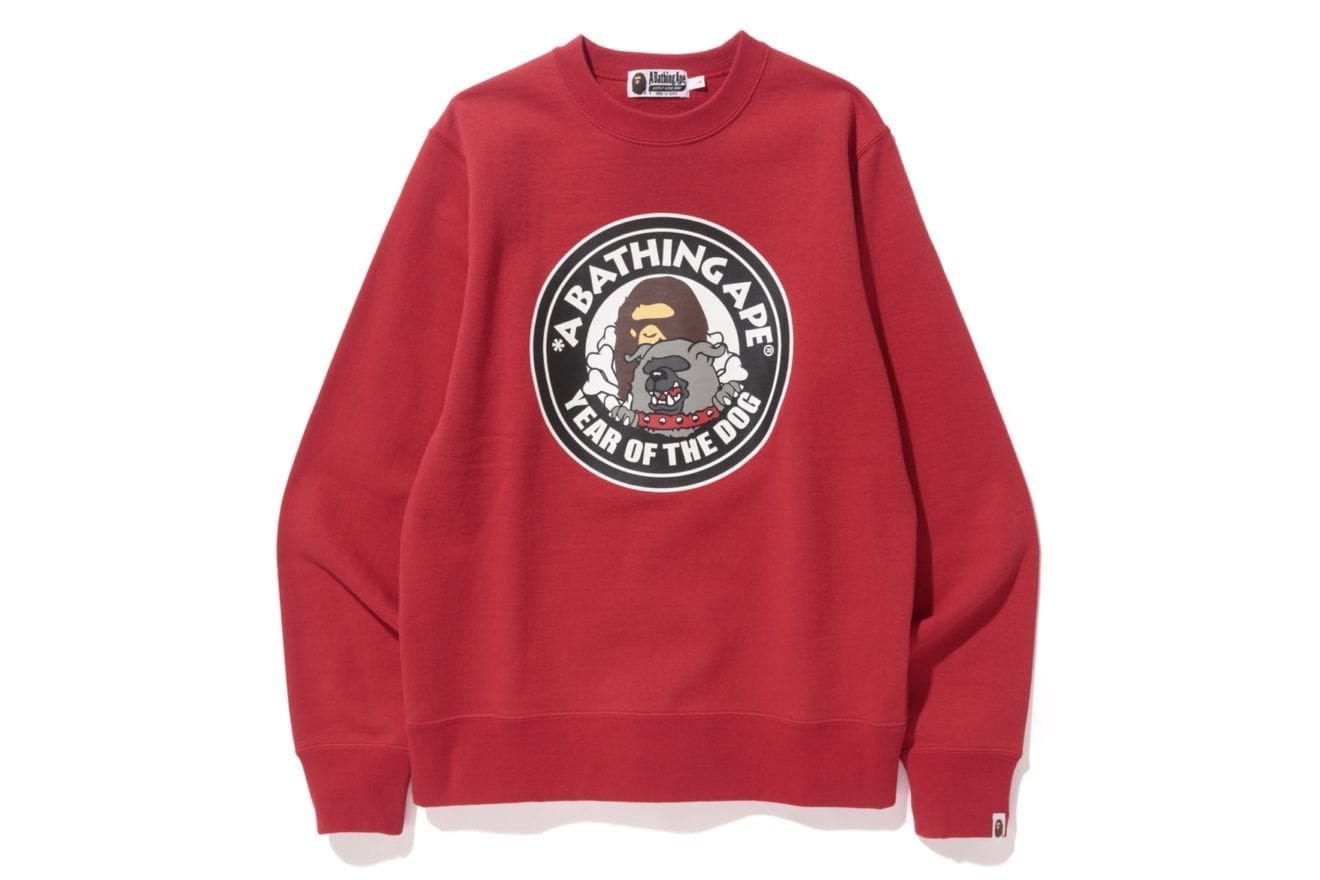
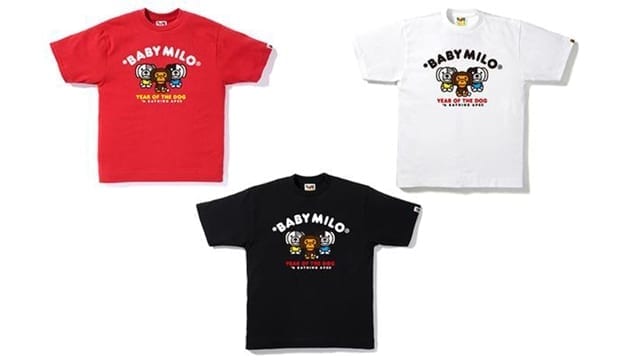
    2018 is just around the corner with Lunar New Year celebrations to follow in February. To commemorate the upcoming holiday, Japanese magnate BAPE is once again dropping its Chinese zodiac designs to celebrate the “Year of the Dog.” The collection features the label’s iconic APE head motif alongside a dog spread across black, red and white tees and crewnecks. The capsule will also include apparel decorated with BAPE’s sidekick Baby Milo dressed like dog on hoodies and tees in both adult and kids sizing.

    The items will land in BAPE retailers and online on Saturday, January 6 ranging from ¥4,600 JPY for a kids T-shirt to ¥19,800 JPY for the pullover hoodie (approximately $41 USD to $175 USD). In case you’ve missed it, BAPE’s Double Shark Hoodie is a game changer.

  • Aeon Mall’s 9-month profit seen rising 10% to record

    Aeon Mall’s 9-month profit seen rising 10% to record

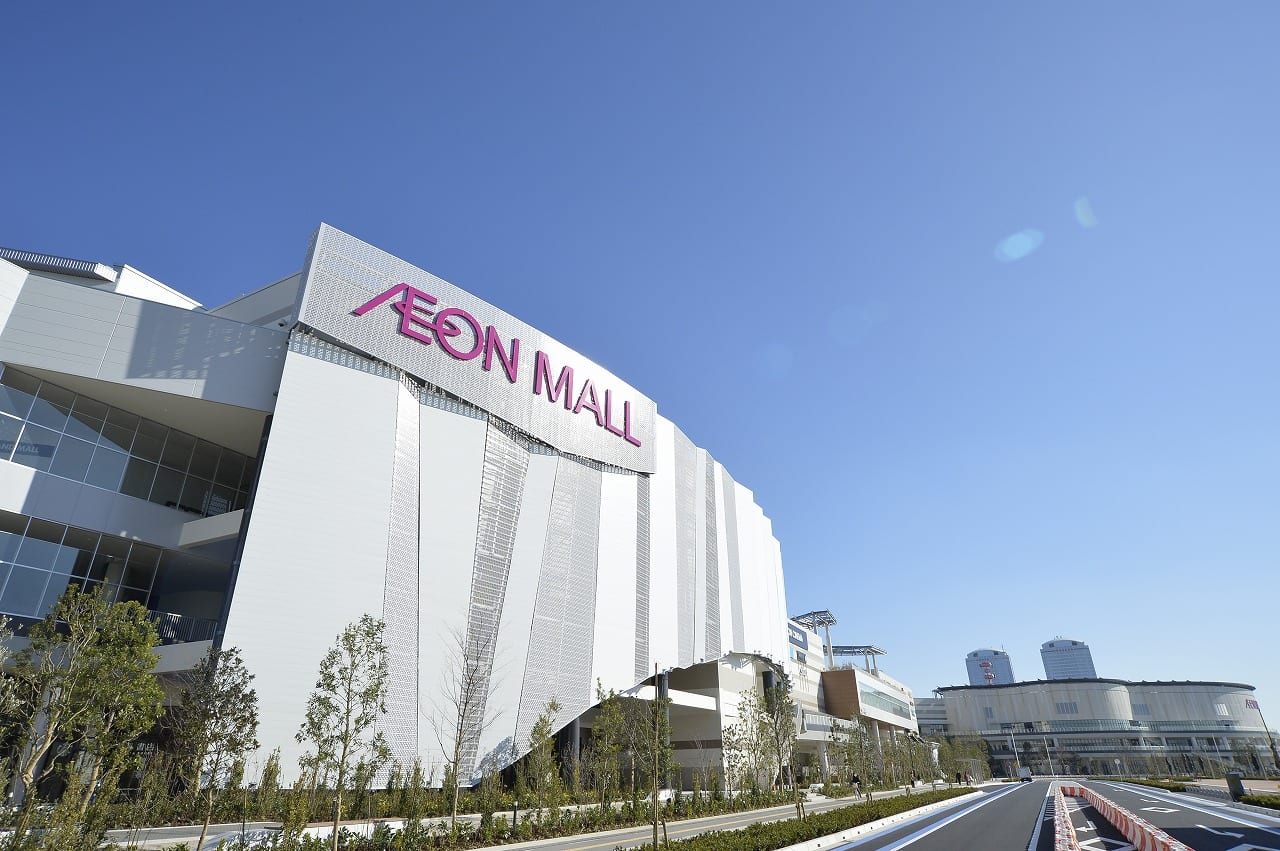
    Strong earnings in China and Southeast Asia have helped boost operating profit for Japanese developer Aeon Mall to about ¥33 billion (US$293 million) for the nine months to the end of November.

    This is up about 10 per cent on the same period a year earlier, and would be a record. Its previous high was ¥30.1 billion in 2013as reported. Operating revenue rose 7 per cent to a little more than ¥210 billion.

    Its Southeast Asian business has come out of the red, with overseas losses shrinking to nearly ¥1 billion for the period from ¥2.9 billion previously. Thirteen of the company’s 19 malls in China and Southeast Asia turned a profit, up from eight out of 17 a year before.

    In Japan, sales rose 3 per cent for specialty-store tenants in its malls offering household products, food and other items, boosting rent revenue correspondingly.

    Aeon Mall’s operating profit for the full year through February is expected to rise 11 per cent to ¥50 billion on a 9 per cent gain in operating revenue to ¥295 billion.

  • JD.Com, Online Fashion Retailer Meili Ally to Develop ‘No Boundary Retail’

    JD.Com, Online Fashion Retailer Meili Ally to Develop ‘No Boundary Retail’

    JD.com plans to form a JV with online fashion retailer Meili to build and run a commerce platform on Chinese voice-messaging service Weixin.

    Merchants who sell through the new platform, expected to launch before the Lunar New Year next month, will gain access to JD’s logistics network.

    The move follows the joint introduction of “no-boundary” retail by JD.com and Tencent in October, a concept that aims to create online communities of consumers with similar buying preferences, fusing e-commerce with social life.

    Meili founder/CEO Chen Qi, who will also be the JV’s chairman, says the platform will draw on Meili’s ability to reach female shoppers, particularly in lower-tier cities in China.

    Established in 2016, Meili has several platforms including Meilishuo and Mogu Street, and more than 15 million active daily users. It not only provides online retail, but also society and fashion information.

  • Topshop poised for bricks-and-mortar debut in China

    Topshop poised for bricks-and-mortar debut in China

    British retailer Topshop is about to make its Mainland China debut – opening its largest store in the world in Shanghai.

    To date, the fashion chain has opened just three stores in greater China – all of them in Hong Kong, where it made its debut in 2012. While the company has recently been closing stores in Australia, Spain and other markets, the company sees huge potential in China, despite its late arrival there. (Brands like H&M and Zara have had a China presence for a decade).

    A three-story flagship Topshop China store will open on Middle Huaihai Road offering more than 3400sqm of selling space. Huaihai Road is Shanghai’s most prominent retail high street strip featuring giant flagships from Uniqlo and Victoria’s Secret along with smaller maisons for luxury brands.

    While Topshop China has lacked a brick-and-mortar presence on the mainland until now, Topshop has maintained an online presence, forming an exclusive partnership with luxury-oriented e-commerce venture ShangPin.com in 2014.

  • CapitaLand sharpens China focus by selling 20 malls to Vanke

    CapitaLand sharpens China focus by selling 20 malls to Vanke

    CapitaLand China is about to sell 20 malls across China, following a year of record openings for the Singapore group.

    Through its wholly owned subsidiary CapitaLand Mall Asia, CapitaLand has signed agreements with unrelated parties to divest its share of interest in a group of companies that hold 20 retail assets with an agreed value of RMB8.3 billion (S$1.7 billion/US$1.2 billion).


    Each mall has an average gross floor area (GFA), excluding car park, of about 40,000sqm. They are spread across 19 cities, of which 14 are non-core cities in which CapitaLand has a single mall.

    Set for completion in the second quarter of this year, the transaction is expected to generate net proceeds of about S$660 million and a net gain of about $75 million for CapitaLand. The resultant loss of recurring income will be limited as the 20 malls account for about 4 and 7 per cent of CapitaLand’s respective total and China shopping mall portfolio valuation.

    The move follows CapitaLand’s divestment of CapitaMall Kunshan last month, and the formation of a JV between CapitaLand and CapitaLand Retail China Trust in November to acquire Rock Square, a 84,000sqm mall in Guangzhou.

    ‘Cusp of change’

    “China is sitting on the cusp of transformative changes to its retail industry, characterised by a burgeoning middle class and the rising popularity of omni-channel retailing,” says CapitaLand president/group CEO Lim Ming Yan. “CapitaLand is seizing this window of opportunity to reconstitute its mall portfolio with a sharper geographical focus.”

    He says that unlocking the value of mature assets for reinvestment into new growth opportunities is a hallmark of CapitaLand’s capital recycling strategy. “We will continue to invest in dominant assets in core Chinese city clusters, where we already enjoy a competitive advantage.”

    Lim sees China as an important core market for CapitaLand, with its competitive advantage in integrated developments acting as a key differentiator.

    CapitaLand last year opened a record 1 million square metres of retail space across eight developments in Singapore, China and Malaysia – its largest retail space offering in a single year. Of these, six are retail components of large-scale integrated developments in China, averaging about 130,000sqm. They are in fast-growing Chinese cities such as Hangzhou, Shanghai, Shenzhen, Suzhou and Wuhan.

    Post-divestment, CapitaLand’s mall network in China will be concentrated in 22 cities, compared to 36 before. It will comprise 491 malls, 45 of them in first- and second-tier cities. More than half are the retail component of integrated developments.

    CapitaLand’s largest retail presence is in Beijing and Shanghai, where it owns/manages eight malls each, followed by Chengdu with six and Wuhan with four. Following the acquisition of Rock Square, CapitaLand will have two malls in Guangzhou.

    The five core city clusters under CapitaLand’s China strategy are Beijing/Tianjin, Shanghai/Hangzhou/Ningbo/Suzhou, Guangzhou/Shenzhen, Chengdu/Chongqing/Xi’an, and Wuhan.

  • WeChat and Guangzhou government to introduce WeChat ID

    WeChat and Guangzhou government to introduce WeChat ID

    WeChat may soon become an indispensable part of the Chinese citizens after a report emerged claiming that the Tencent-owned messaging app will be used to officially ID people.

    The Guangzhou government has reportedly initiated a pilot program which creates a virtual ID card through WeChat account of registered users. This Virtual ID card has the same purpose as that of a normal state-issued ID card.

    The South China Morning Post claims that according to Xinhua, the service will soon be introduced in the rest of the country as well.

    WeChat is currently the largest social media platform in China and also has additional features such as payments and money transfers. The program, called the WeChat ID, was co-developed by the Ministry of Public Security and the WeChat team said the report.

    The WeChat ID can be used as an official ID to register in hotels or applying for government jobs without bringing in the state issued ID.

    A similar kind of electronic ID system was earlier implemented in the city of Wuhan, where the branch of the Public Security Bureau partnered up with Alipay to launch an electronic ID card service as reported.

  • Alibaba opening more fresh food stores

    Alibaba opening more fresh food stores

    Alibaba Group Holding Ltd announced on Wednesday the opening of another 30 Hema Xiansheng fresh food supermarkets throughout Beijing this year, as internet giants focus increasingly on the lucrative fresh-food retail sector.

    The announcement came right before JD’s first fresh food supermarket 7Fresh started its official operation on Thursday, an indication of the increasingly intense competition and rapid expansion of the two e-commerce giants.

    With Hema opening in major commercial districts across Beijing including Xizhimen, Guang’anmen and Shuangjing, consumers in major urban areas of Beijing can have their groceries delivered to a location within a radius of three kilometers from the store in 30 minutes.

  • Alberta Ferretti opens new store in Shanghai

    Alberta Ferretti opens new store in Shanghai

    Italian fashion label Alberta Ferretti, part of the Aeffe group, has opened its first monobrand store in Shanghai.

    Covering 350sqm over two floors, the China flagship store is in the Shanghai Center in the Jingan district.

    Designed by Milan’s Storage Associati architectural firm, the boutique has two feature windows overlooking Nanjing West Road. Inside, the two levels are connected by a veined-marble staircase and pink glass. The space is characterised by pastel-coloured seats and rounded glass benches embellished with myrtle briar and golden metal.

    The store offers ready-to-wear collections and accessories, plus a limited-edition line of cocktail and evening dresses.

    Guests at the official opening of the store included actresses Chen Ran and Liu Tao, and supermodel You Tianyi.

    Aeffe also controls the fashion houses Moschino, Philosophy by Lorenzo Serafini and Pollini.

  • H&M activewear goes sustainable

    H&M activewear goes sustainable

    Blending fashion and practicality, H&M activewear is using sustainable materials in its latest collection.


    With the theme “In it for the long run”, the Swedish fast-fashion brand’s collection includes tights, sports bras, hoodies and tops for training, running and yoga. As well as nature and sustainability being underlined through the prints and colour palette of green tones, black and beige, every piece predominantly uses recycled polyester and elastane.

    The garments are quick-dry and seamless for maximum comfort, offering built-in support and ventilation. The designs feature contrast panelling, criss-cross backs and decorative webbing.

    “By bringing together the functional and feminine, the aim is to give customers a stylish, eco-conscious sports collection,” says H&M head sportswear designer Petra Smeds. “We used a new knitting technique that creates seamless garments using less yarn and producing less fabric waste.”

    Ultimately, H&M aims to create a closed loop for textiles in which unwanted clothes can be reused or recycled.

  • Following Alibaba, Online retailer JD.com opens offline fresh-food store

    Following Alibaba, Online retailer JD.com opens offline fresh-food store

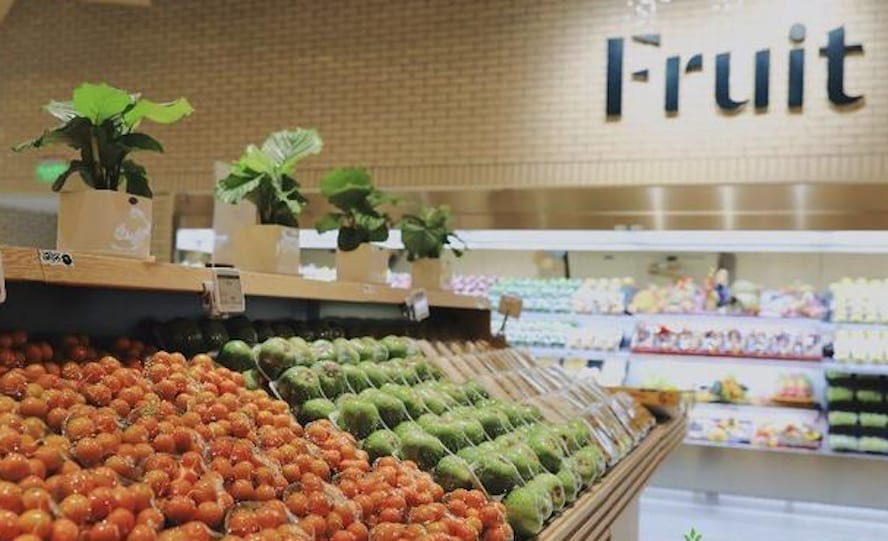
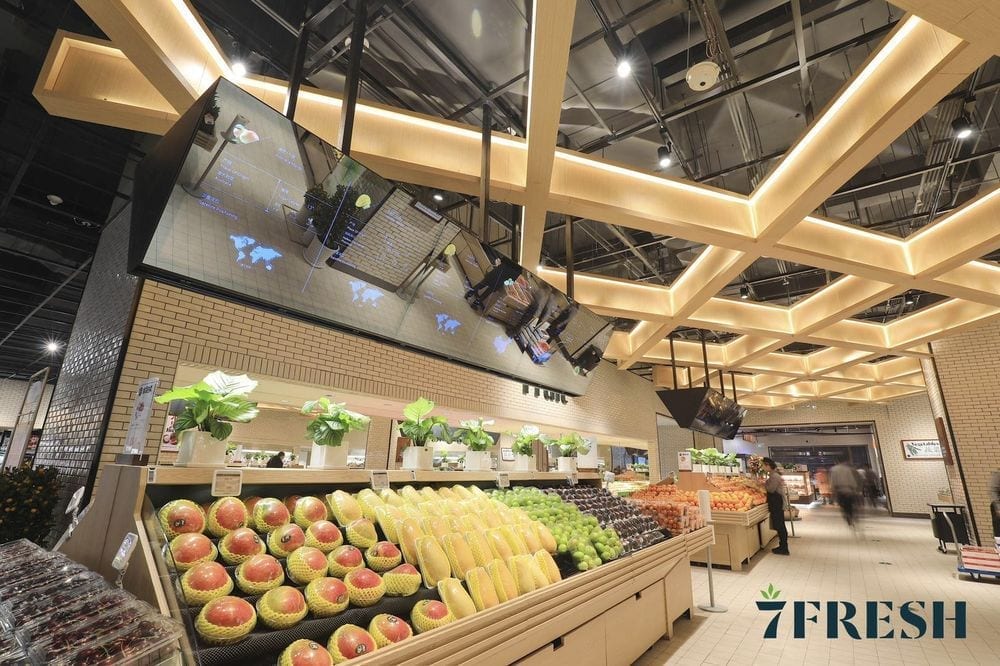
    JD.com owner Beijing Jingdong Century Trade has launched an offline supermarket, 7Fresh, in Beijing.

    Covering 4000sqm, the store is at the Dazu Plaza Shopping Center, near the e-commerce company’s headquarters in Yizhuang district.

    Big-data analytics are being used by 7Fresh to tailor its product offering for its shoppers. To ensure freshness, products are being sourced directly from origin. Fresh produce accounts for 75 per cent of 7Fresh’s total product range. Its food offering includes fruit from New Zealand and beer from Australia.

    Customers who buy fresh seafood and meats can have them cooked in store for immediate consumption. A 30-minute delivery service is also offered for customers who live within a 5km radius of the store.

    Technology introduced by the supermarket includes smart shopping carts and sensor-activated product information. The smart shopping carts do not have to be pushed – they follow the shoppers around, and can even guide shoppers to the correct aisle.

    During a trial period, transactions surpassed 10,000 a day, says JD.com founder/chief executive Richard Liu Qiangdong.

    A second 7Fresh outlet is planned for Beijing’s Haidian district.

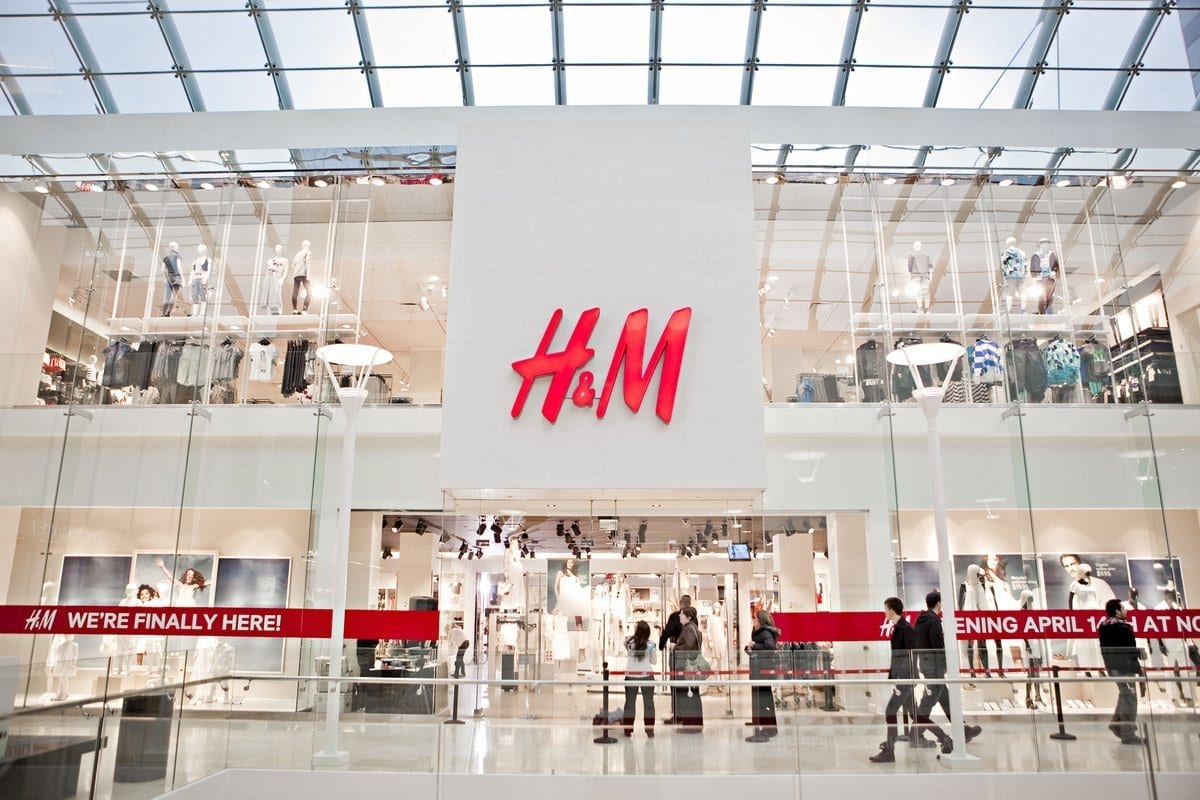
  • H&M to close stores and expand on Tmall

    H&M to close stores and expand on Tmall

    It is normal practice to use Tmall to test the Chinese market. Is H&M tinking of using Tmall to replace its physical stores?

    As inventories rose and sales tanked in the fourth quarter, H&M announced it is picking up the pace on a transformation plan.

    Q4 sales fell 4% to $5.97 billion from the same period a year ago and foot traffic to stores declined, according to a company press release.

    CEO Karl-Johan Persson said the company would scale back its physical expansion and close some stores, but its collaboration with Alibaba is expanding.

    H&M and H&M Home brands will begin selling on Tmall and the company is in “far advanced discussions” to sell the rest of H&M’s brands through the Chinese e-commerce marketplace, according to another press release.

    Also last week, H&M rival Inditex reported a net sales rise of 10% to €17.96 billion ($21 billion) in the first nine months of fiscal 2017.

    The Spanish apparel company, owner of Zara, also announced the rollout of same-day delivery, automated in-store pick-up points for online orders and next-day delivery in six markets, including in Spain, France, the U.K. and China.

  • M&S sells Hong Kong business to Dubai conglomerate Al-Futtaim

    M&S sells Hong Kong business to Dubai conglomerate Al-Futtaim

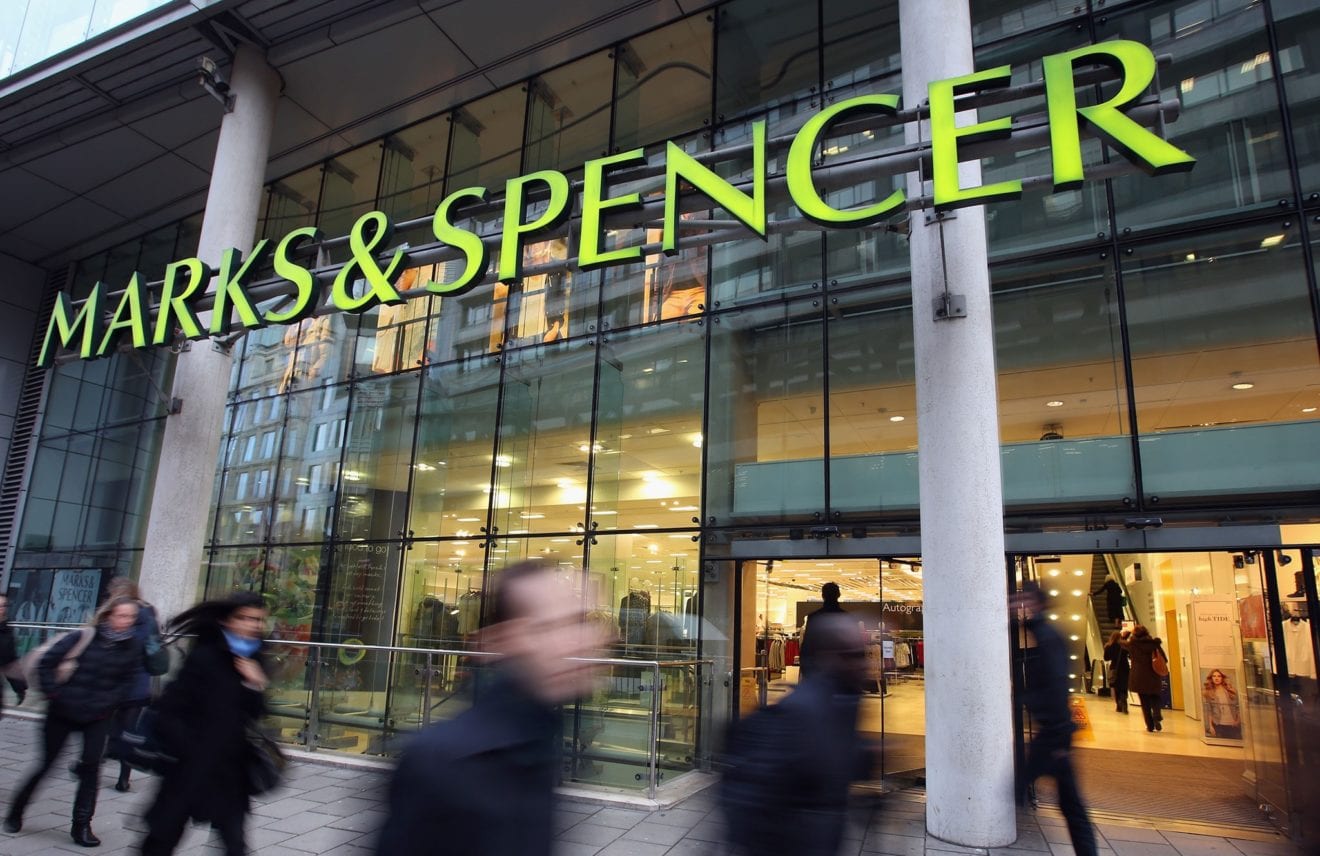
    Marks & Spencer has confirmed the sale and franchise of its retail business in Hong Kong and Macau to its long-established franchise partner Al-Futtaim.

    The two companies all but confirmed the sale in August  and settlement took place on December 30.

    Al-Futtaim is now the sole franchisee for Marks & Spencer Hong Kong and Macau, but the deal does not extend to the mainland where M&S has a presence on Tmall, having closed its department stores there.

    The two companies have a partnership dating back to 1998 when Al-Futtaim opened Dubai’s first M&S store in the UAE.

    The addition of 27 Marks & Spencer Hong Kong and Macau stores takes Al-Futtaim’s M&S network to 72 shops in 11 markets in Asia and the Middle East.

    “We have substantially reshaped our International business, which has improved profitability and positioned us for growth,” observed Paul Friston, Marks & Spencer’s international director in a statement confirming the sale.

    “As one of the world’s leading retail operators, with strong logistics capabilities and local expertise, Al-Futtaim is the ideal partner for us to develop and grow our business in Hong Kong and Macau.”

    Stephen Rayfield, VP of M&S and sports & lifestyle with Al-Futtaim said the company is looking forward to “enriching our customers’ lives and aspirations through the provision of quality products and services in Hong Kong and Macau”.

    Pascal Martin, partner with OC&C Strategy Consultants, said the decision to sell and franchise the Marks & Spencer Hong Kong business is consistent with the shift to an asset-light business model that the UK company has adopted for its international business.

    “It did not make sense to support only Hong-Kong and Macau as directly operated international businesses after having pulled out from all other direct markets, such as China and France. By selling its Hong Kong and Macau business to Al-Futtaim, M&S can also raise cash to continue to invest in its core, including product quality, the UK market and e-commerce.”

    At the same time, Al-Futtaim has a strong track record in operating M&S stores in many other markets and a solid investment capacity to continue to expand the M&S international store network, said Martin.

    “Another key factor is that Al-Futtaim’s M&S business is led by ex-M&S’ senior executive, Stephen Rayfield, who knows the business inside-out and can fully optimise daily operations between Al-Futtaim and M&S.”

    M&S now has a simple homogeneous international business: all wholesale to local partners, with the exception of a joint venture in India with Reliance.

    “The brand will be able to leverage Al-Futtaim’s strong investment capacity to accelerate the International expansion. Al-Futtaim can benefit from adding a strong profitable business (HK and Macau) to its already strong international M&S portfolio. They may be able to exert more control on M&S Asia logistics network to achieve better integration across Singapore, Malaysia, Hong Kong and Macau. Al-Futtaim will likely have increased negotiation power with M&S on product, store format, pricing and more,” said Martin.