Tag: China
-

Huawei teams with Baidu on AI development
Huawei has entered a partnership agreement with Chinese search giant Baidu covering AI platforms and technology, internet services and content ecosystems.The two companies plan to develop an open mobile and AI ecosystem using Huawei’s HiAI platform and Baidu Brian, a collection of AI assets and services.The HiAI platform is being developed on Huawei’s embedded AI chipset, the Kirin 970. The chipset was used in the Huawei Mate 10, the world’s first smartphone powered by an embedded AI chipset, which launched earlier this year.The planned joint AI ecosystem will use Huawei’s neural network processing unit and Baidu’s PaddlePaddle deep learning framework to empower AI developers and provide consumers with a rage of AI offerings and smart services.In addition, the partners will work together on voice and image recognition for smart devices to enable more efficient human-machine interaction, and jointly build an augmented reality ecosystem for consumers.“The future is all about smart devices that will actively serve us, not just respond to what we tell them to do,” commented Richard Yu, CEO of Huawei’s consumer business group.“With a strong background in R&D, Huawei will work with Baidu to accelerate innovation in the industry, develop the next generation of smartphones, and provide global consumers with AI that knows you better.” -

Star creates stir as Adidas Neo ambassador
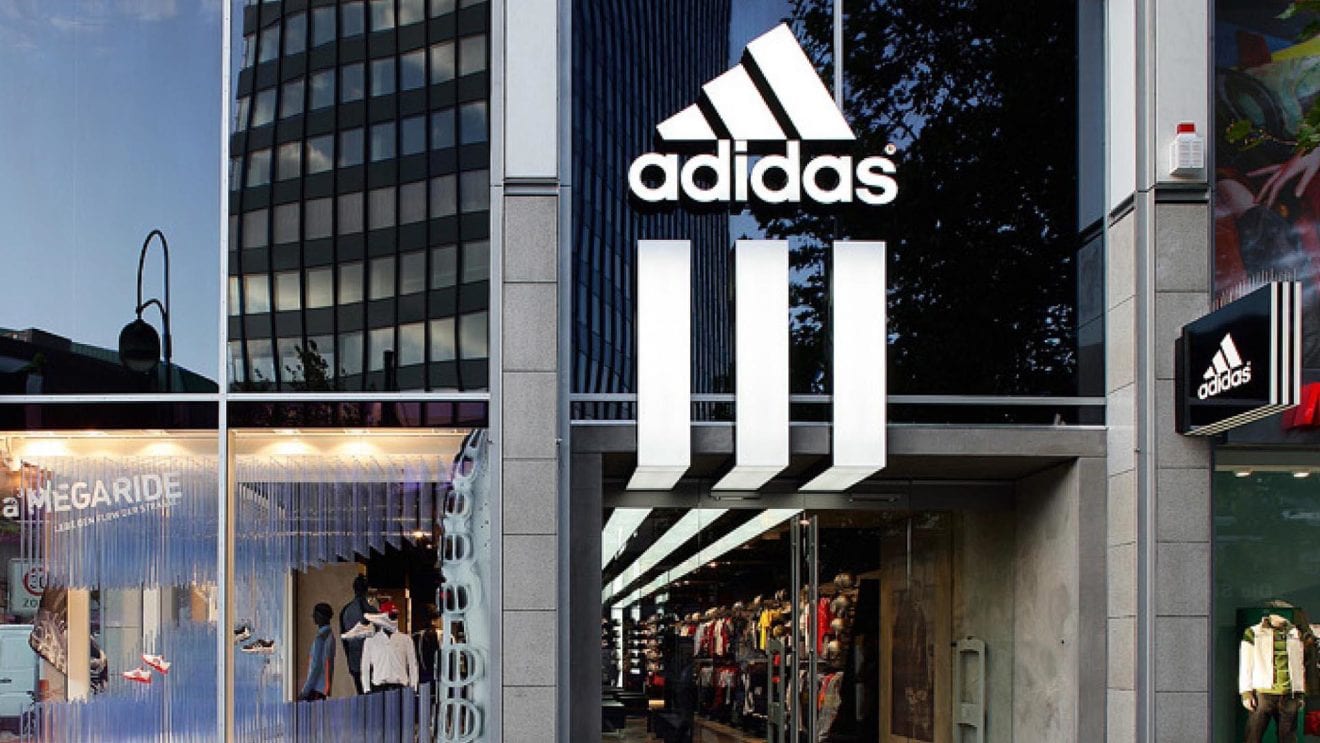
After scarcely a month, Chinese entertainer Jackson Yi from boy band TFBoys has already created a stir as brand ambassador for clothing and footwear label Adidas Neo.
Following his appointment, on his birthday, Adidas Neo launched three online and offline interactive marketing activities targeting his fans.
His first assignment was a Jackson Yi gift box, awarded to 1128 winners of a draw on the Adidas Neo online store (the number references his birth date). Photos of the winners combined with a Yi poster went viral when posted on Weibo.
-

More disruption ahead in China, warns KPMG survey
As their spending power grows, Chinese millennials are set to disrupt the nation’s retail sector, says a joint survey by KPMG China and shopping platform Mei.com.
Already retailers are transforming their businesses in response with new strategies such as omnichannel platforms, says the fourth annual China’s Connected Consumers survey. It analyses responses from 3004 mainland consumers to understand their current and future shopping habits.
Online shopping has effectively become a national pastime in China, the research shows, with 77 per cent of respondents identifying it as their favourite leisure activity. This is reflected in the popularity of online shopping festivals such as Double 12 and Single’s Day.
Nearly nine in 10 millennials are shopping online more than once a week, and 80 per cent expect the frequency to increase in the year ahead. As well as this, 31 per cent of millennials say they are expecting a significant increase in income over the next five years.
“The modern retail industry is less about what companies can create, but more about what consumers want,” says KPMG China partner/head of consumer and retail Jessie Qian. “We’re living in an increasingly customer-centric world, and the strategic focus of businesses should be on how they can build customer engagement and product distribution based on immediate demands.”
With the rise of the experiential generation there has been a surge in demand for luxury and affordable-luxury products. In the next year, say 70 per cent of millennials, they plan to spend more on luxury goods and services, mainly clothing, shoes, cosmetics and perfume.
“It is increasingly difficult for a single brand to be able to fill multiple segments,” says Qian. “As China’s retail market continues to develop, more consumer groups such as millennials will rise to prominence. It is imperative for companies to diversify and maximise their relevance to different groups of consumers.”
-

JD.com will open hundreds of unmanned convenience stores
Following a trial at its Beijing headquarters, online retail giant JD.com plans to open hundreds of unmanned convenience stores.
This effectively dwarfs Amazon’s plans to open checkout-free stores, as reported.
JD.com’s stores will use facial recognition and other technology to identify products and record payments so customers do not need to wait in a checkout line. Ceiling cameras will track shopper movements and generate heat maps to monitor activity and traffic flow, product choice and customer preferences.
This will all help store owners to stock efficiently, says the company, while facial recognition will allow for customised advertising based on an individual’s shopping behaviour.
“From helping small-store owners streamline their supply chains and increase stocking efficiency, to speeding up check out, this is a massive jump beyond anything in use today,” says JD.com VP Song Ma.
As well as plans to eventually license its store technology to third parties, the online retailer is also considering driverless vehicles with pre-programmed routes as well as secure lockers for deliveries. In May, JD.com said it planned to develop heavy-duty drones for long-distance deliveries.
Also earlier this year, Amazon announced its intention to roll out Amazon Go, a checkout-free, cashless store.
-

ItalianCreationGroup Plans Expansion Drive Along The Silk Road
Milan-based ItalianCreationGroup, which owns Italian luxury furniture brands, plans to open 12 stores along the Silk Road over the next year.
Co-founder/CEO Stefano Core says the aim of the company’s new retail strategy is to expand its global presence, especially in Asia.
“We are opening stores from China to Iran, following the paths of the ancient Silk Road trading routes.”
ItalianCreationGroup has just opened stores in Hong Kong and Mumbai, with Tokyo scheduled this week. Next years stores will open in Shanghai, Foshan and Shenzen in Mainland China, Ho Chi Minh City, Manila, Jakarta and Ahmedabad in India.
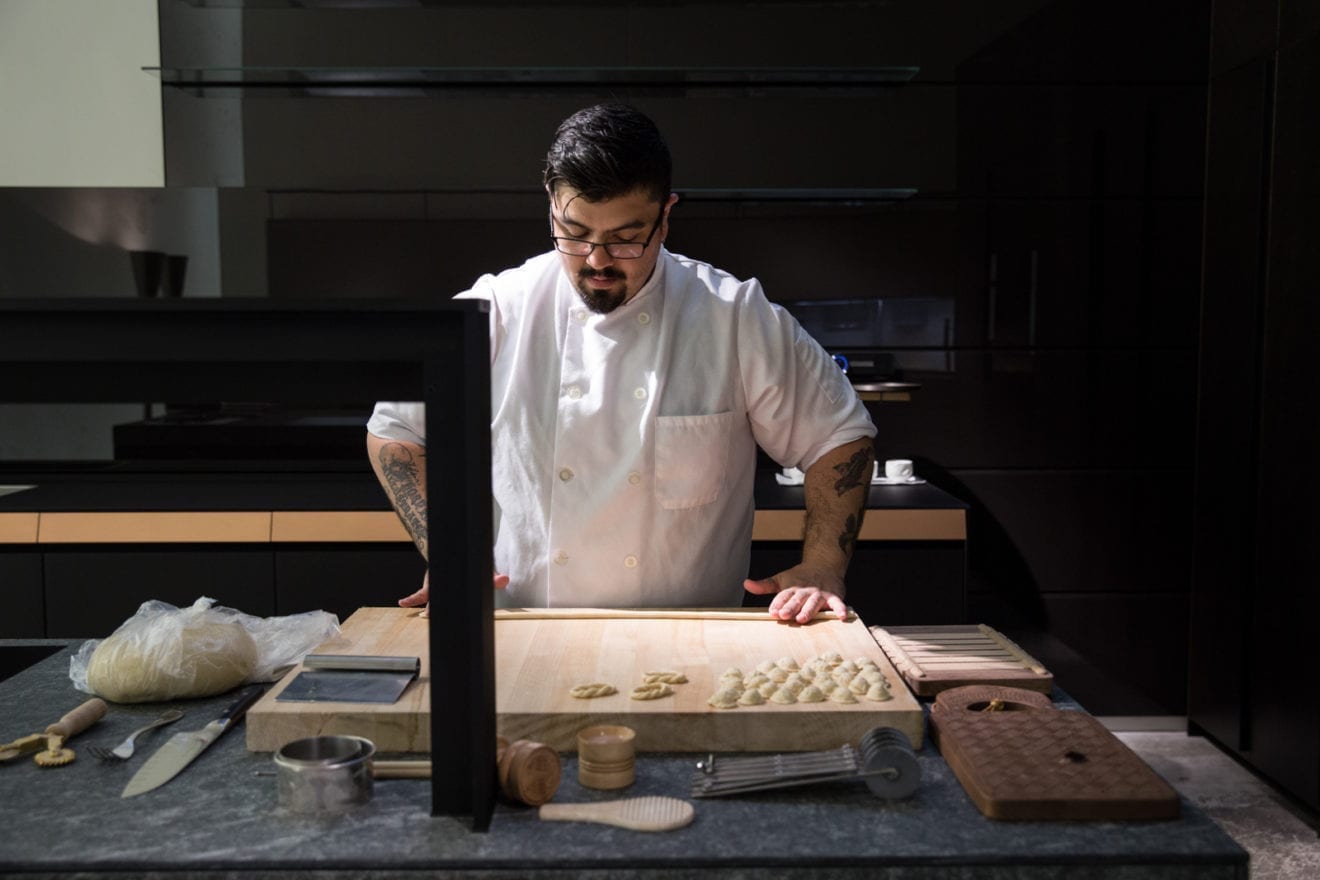
“We believe in a new Italian renaissance,” says Core, whose company has over the past few years acquired Italian furniture brands including legendary Driade and FontanaArte, as well as boutique bathroom design firm Toscoquattro and luxury kitchen maker Valcucine (pictured).
He says that bringing together design firms under one roof for the first time will allow ItalianCreationGroup to offer a range of Italian high-end products to the world.
Already the company has opened flagship stores in London and New York.
-

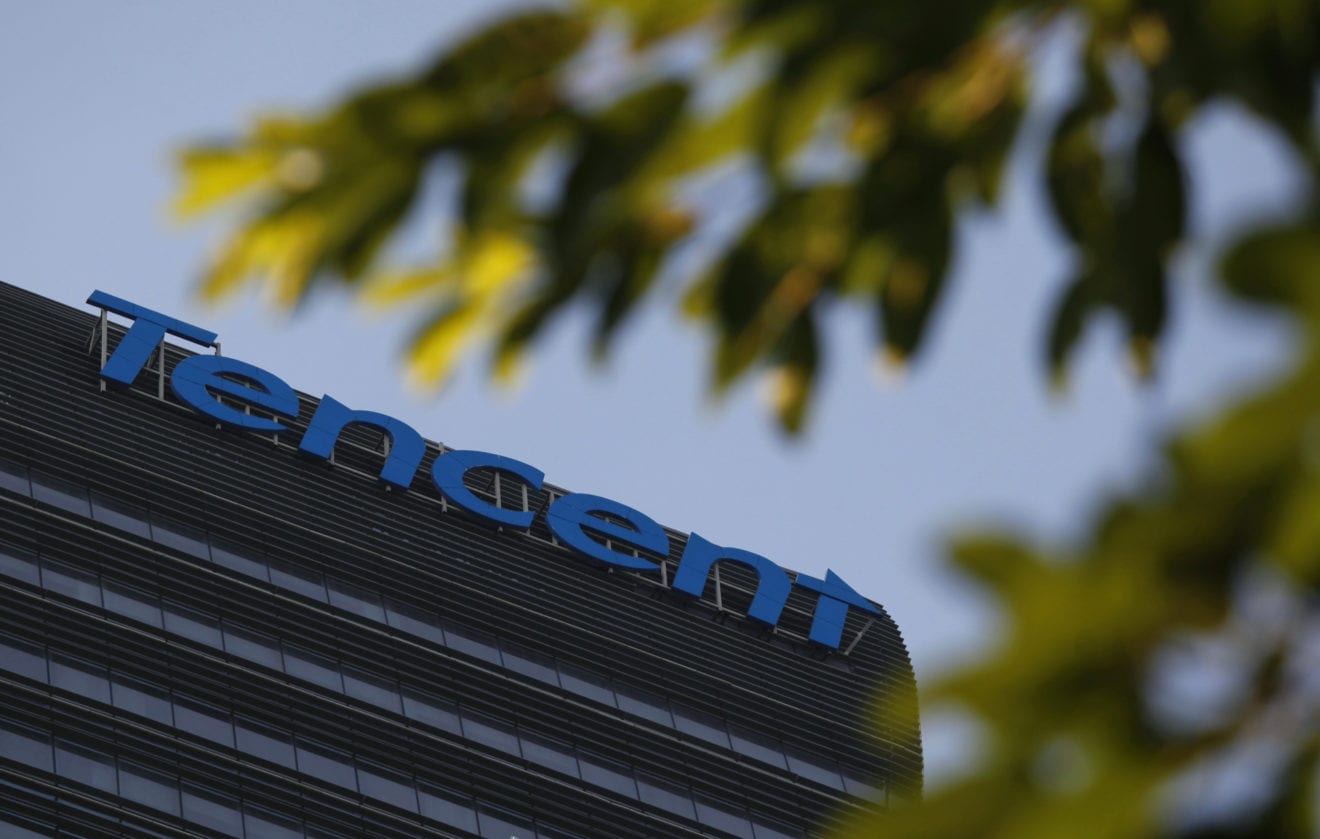
Tencent buys minority stake in Yonghui Stores
China’s Tencent plans to acquire a minority stake – some 5% — in offline Chinese retailer Yonghui Stores, as the tech giant looks to explore a physical retail presence in the domestic market.
Yonghui said in a filing to the Shanghai stock exchange that the share transfer agreement would be made with Linzhi Tencent, a Tencent affiliate. Tencent will also take a 15 per cent stake in Yonghui supply chain and logistics subsidiary Yonghui Yunchuang Technology following further discussions. The purchasing price was not revealed.
Yonghui, a department store retailer, operates hundreds of stores in mainland China. The acquisition comes at a time when Chinese tech firms are ramping up investments in physical stores.
Rival Alibaba last month took a $2.9 billion stake in leading Chinese grocery chain Sun Art Retail Group Ltd. The move also sees Tencent follow in the likes of JD.com, who is already a stakeholder in Yonghui Stores.
In China, 85 percent of retail sales are still made offline, reported Reuters.
Trading in Yonghui’s stock will remain suspended after being halted when the firm’s shares jumped the daily limit of 10 percent on media reports of Tencent’s investment.
Founded in 2001, Yonghui plans to close some 00 supermarkets in around 20 provinces in China. The firm’s major investors include Dairy Farm Group, part of conglomerate Jardine Matheson Group.
Last month, Tencent reported a 57 per cent year-on-year jump in third-quarter operating profit to Rmb22.75bn ($3.43bn), while revenues were up 61 per cent year on year at Rmb65.2bn.
-

H&M will start selling on China’s Tmall in spring 2018
H&M China will open on Alibaba’s Tmall during spring next year.
“We are very happy to be able to make H&M even more accessible in mainland China,” said Karl-Johan Persson, CEO of the Swedish fast-fashion retailer.
“Tmall is an important complement to our existing physical and digital stores. We see great potential for substantial future growth and Tmall will be an important part of this.”
After opening its first store in mainland China 10 years ago H&M China sales now amount to SEK 11 billion (approximately US$1.3 billion) in over 500 physical stores and online.
H&M said subsidiary brand Monki has had strong development in China since its launch on Tmall and the collaboration between the two groups is now being extended to include both the H&M brand and H&M Home.
There are also far advanced discussions regarding the launch of the remaining brands in the H&M group on Tmall.
“As one of the world’s most innovative fashion companies, H&M is a perfect fit for Alibaba’s Tmall platform,” said Michael Evans, president of Alibaba Group.
“We are honoured to expand our cooperation with H&M and host their flagship store, enabling H&M brands to engage with our half a billion consumers.”
However it’s not been all positive news for H&M recently, after the fast fashion giant saw sales slow over the last three months, sending its shares down 13 per cent to its lowest level since 2009.
In the fourth quarter of 2017, sales excluding VAT amounted to SEK 50,390m (52,720), a decrease of 4 per cent compared to the corresponding quarter last year. In local currencies, sales decreased by 2 per cent.
Persson said although the group continued to grow during the year, “growth was dampened by the fact that the sales development in the fourth quarter was significantly below the company’s own expectations.”
“The H&M brand’s online sales and sales of the group’s other brands continued to develop well,” he said.
“Meanwhile, the quarter was weak for the H&M brand’s physical stores, which were negatively affected by a continued challenging market situation with reduced footfall to stores due to the ongoing shift in the industry. In addition, there have been imbalances in parts of the H&M brand’s assortment composition.
“In order to respond even quicker to customers’ fast-changing behaviour the company’s ongoing transformation journey is being accelerated. Among other things, this includes continued integration of the physical and digital stores, and intensifying the optimisation of the H&M brand’s store portfolio – leading to more store closures and fewer openings.”
-

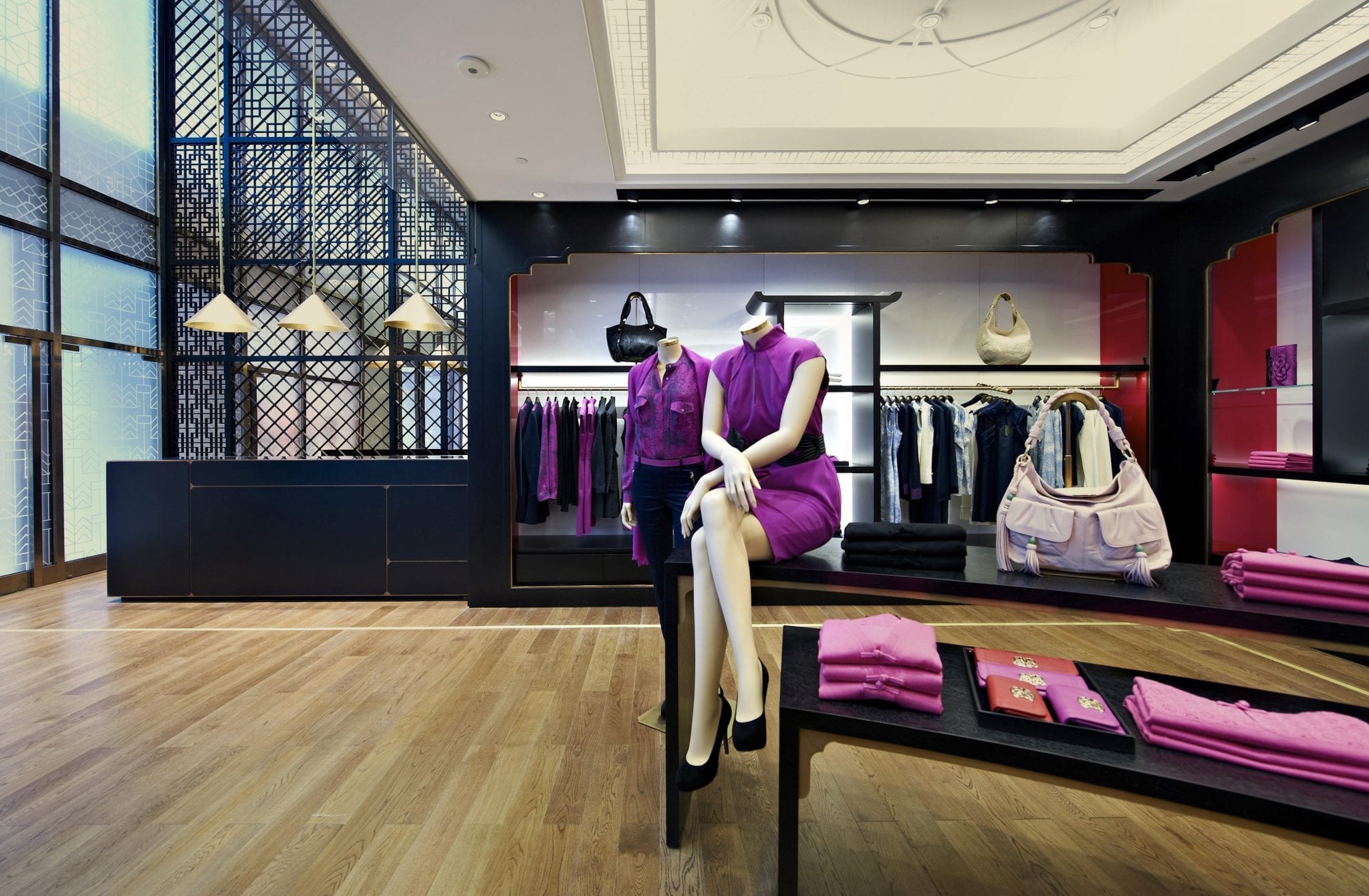
Global expansion plan from Shanghai Tang
Hong Kong fashion brand Shanghai Tang is to go global with stores in Paris and Milan as well as more cities in Mainland China over the next two years.
Bought by Italian textile businessman Alessandro Bastagli and other investors on June 30, the company will also expand its online sales channels, Bastagli said in Hong Kong. As the brand’s executive chairman, he was in the city last week to introduce Shanghai Tang’s first collection after the takeover, designed by international designers and made in Italy.
Bastagli says he was attracted to the brand by its Chinese flavour. It was established in 1994 by the late Hong Kong businessman David Tang. Richemont Group bought a stake from Tang in four years later, and the company was sold to Bastagli and Cassia Investments, a Hong Kong-based consumer-focused private equity fund, on June 30 at an undisclosed price.
Bastagli says he decided to invest in Shanghai Tang as he believes the company has further room for growth.
-

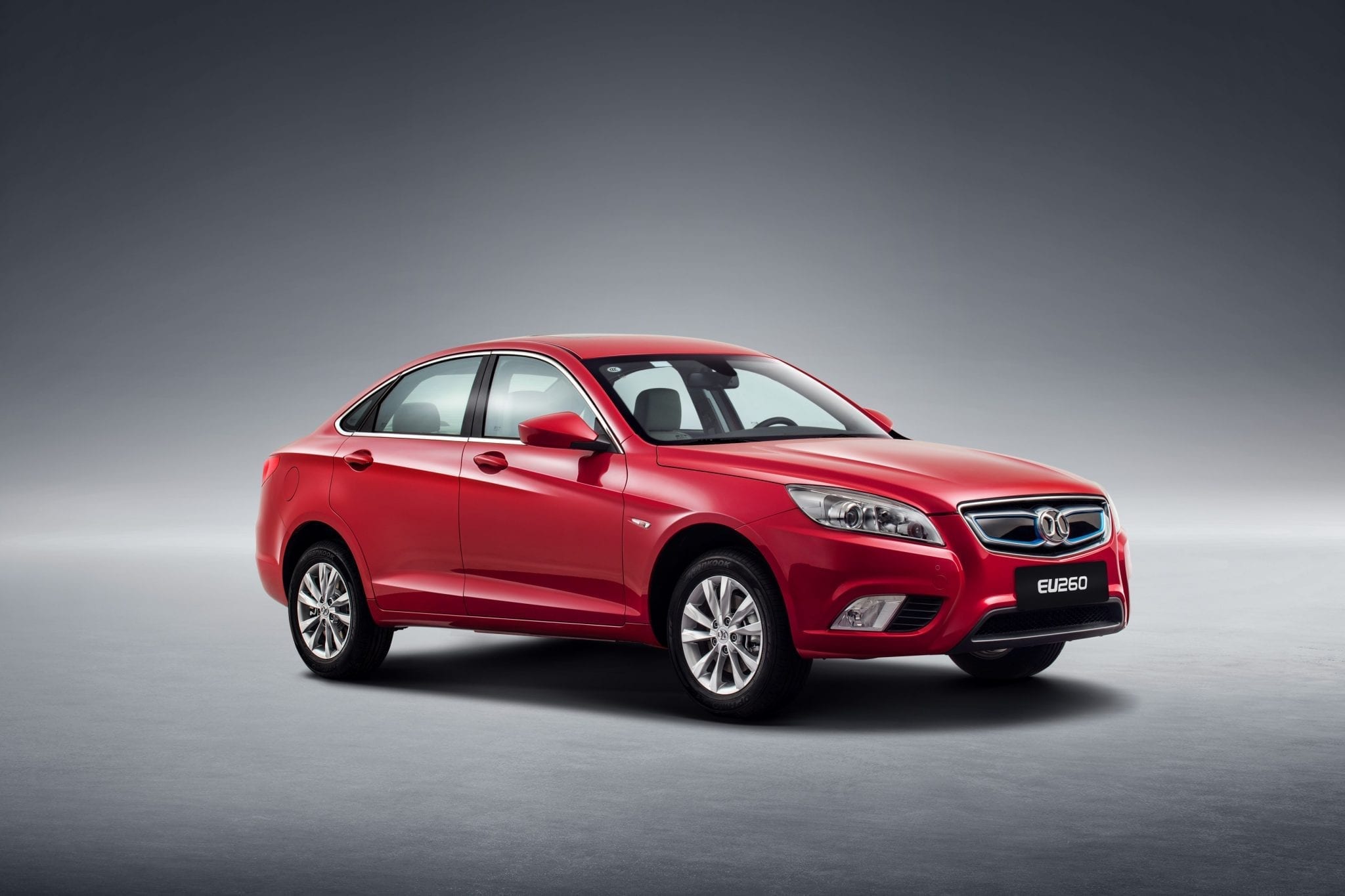
BAIC Motor looks to phase out conventional fuel cars by 2025
Chinese carmaker BAIC Motor Corp aims to stop selling own-branded conventional fuel-powered cars by 2025, said on Tuesday, amid a major push by Beijing to shift automakers toward electric and plug-in hybrid cars.
BAIC, which also makes vehicles in partnership with South Korean carmaker Hyundai Motor Co and Germany’s Daimler AG, plans to stop sales of conventional petrol engine cars first in Beijing and then nationwide.
“Our goal is to stop sales of self-developed conventional fuel-powered cars in Beijing by 2020 and stop their production and sales nationwide by 2025,” the newspaper quoted BAIC Chairman Xu Heyi as saying at a launch event for a new energy car innovation center in Beijing.
China has set strict quotas for electric and plug-in hybrid cars that come into play by 2019, shaking up domestic and international carmakers in the world’s largest auto market.
Beijing wants so-called new-energy vehicles (NEVs) to make up at least a fifth of Chinese auto sales by 2025 to reduce air pollution and close a competitive gap between its newer domestic automakers and their global rivals.
In October, domestic rival Chongqing Changan Automobile Co Ltd said it aimed to stop selling conventional combustion-engine cars from 2025, making it one of the first Chinese firms to commit to a total shift to NEVs.
Earlier this year, China’s vice industry minister said the country had begun studying when to ban the production and sale of cars using traditional fuels, and predicted “turbulent times” for automakers as they were forced to adapt.
BAIC Chairman Xu said in October the move to ban traditional petrol engine cars was “challenging” for the firm.
-

China’s cars might finally going to make debut in Western markets
After a decade of development, often through buying or benchmarking foreign technology and know-how, Chinese automakers are looking with greater ambition at selling their cars in major Western markets.
Improvements in car design, technology and marketing at firms including Geely, GAC Motor and Great Wall Motor have brought them a bigger share in their home market, the world’s largest, and give them a better chance of survival in competitive markets in Europe and the United States.
Once distant dreams of staking a claim in Western strongholds may now be edging nearer.
“We have in the Western world an outrageous arrogance. We think we’re ahead. It’s going to change,” says Alain Visser, Senior Vice President of Lynk & Co, a new brand set up by Geely.
“China is passing you at a speed that in our arrogance we don’t even see,” Visser told Reuters earlier this month.
Hangzhou-based Geely, which owns Volvo Cars and Lotus and makes London black cabs, has its sights set on selling cars in Europe in 2019 and the United States a year later. The Lynk & Co brand, set up in Sweden with Volvo, will spearhead its attack.
Geely plans only to sell ‘green’ cars – conventional hybrid, plug-in hybrid and all-electric models – in those markets, and would primarily sell through directly-owned stores and online rather than through traditional dealer franchises. It could also offer cars for rent via a subscription model similar to Netflix and Spotify.
GAC Motor, whose parent Guangzhou Automobile Group partners Honda Motor, Toyota Motor and Fiat Chrysler in China, may beat Geely to the U.S. market, eyeing entry by end-2019. But unlike Lynk & Co, GAC is more likely to sell through a traditional distribution network of franchised retail stores there.
It’s taken Chinese automakers years to get this far, and, to be sure, there will be significant road bumps.
“A key obstacle in markets like the United States is a consumer bias against Chinese-made goods,” said Jeff Cai, a Beijing-based senior director at JD Power & Associates. “Our research found most U.S. consumers think China is a third-world country that builds low-quality products.”
There’s also the thorny issue of China’s trade surplus with the United States – an imbalance high on U.S. President Donald Trump’s radar. Cars shipped in from China would likely increase that surplus.
Selling direct, online
Geely’s Lynk & Co aims to open its own flagship store in Berlin in the second half of 2019, and a similar outlet in San Francisco in 2020.
In some U.S. states, which don’t allow direct selling, Lynk & Co plans a subscription-based sales model, renting cars to consumers on contracts as short as a month. Those deals will include insurance, warranty and other benefits.
Visser says Lynk wants to test this unconventional retail model because it reckons around a quarter of revenue is lost through the traditional distribution business in dealer margins and discounting. He expects to recoup more than half those ‘losses’ by selling direct.
Some of those savings will be passed on to customers by selling Lynk & Co cars at a more affordable price, Visser said, adding Lynk & Co aims to sell 250,000 vehicles a year across Europe and the United States – though he gave no firm timescale for that.
In the United States, selling direct could put Lynk & Co on a collision course with the politically powerful National Automobile Dealers Association (NADA), the lobby group for franchise dealer operators.
While Visser says NADA has “unbelievable power”, he believes dealers will eventually come around to Lynk & Co’s retail model as it would likely be franchise dealers who get to service Lynk & Co cars, carrying out repairs and regular maintenance – and that’s where dealers make most money.
No Trumpchi for U.S.
For its part, GAC Motor is looking at the possibility of building out its overseas presence from the U.S. northeast, two people close to the company said.
That region, including Massachusetts, Connecticut, Maine and New York, is seen as being more open to foreign cars and to the sport-utility vehicles (SUV) that GAC Motor plans to sell, they said.
The company said it has not yet decided a U.S. entry point, but would more likely opt to build a sales network with franchise dealers or join an existing dealer group.
GAC Motor – which says it has developed rather than acquired its technologies – said it was conducting market research to determine the brand’s positioning and identify products for its U.S. business.
Its first U.S. offering is likely to be an SUV sold in China as the Trumpchi GS8. Given the political sensitivities, the model will be renamed for the U.S. market.
“We respect culture in the U.S. and understand there’s no precedence to use the current president’s name as a brand name,” the company said through a spokeswoman.
-

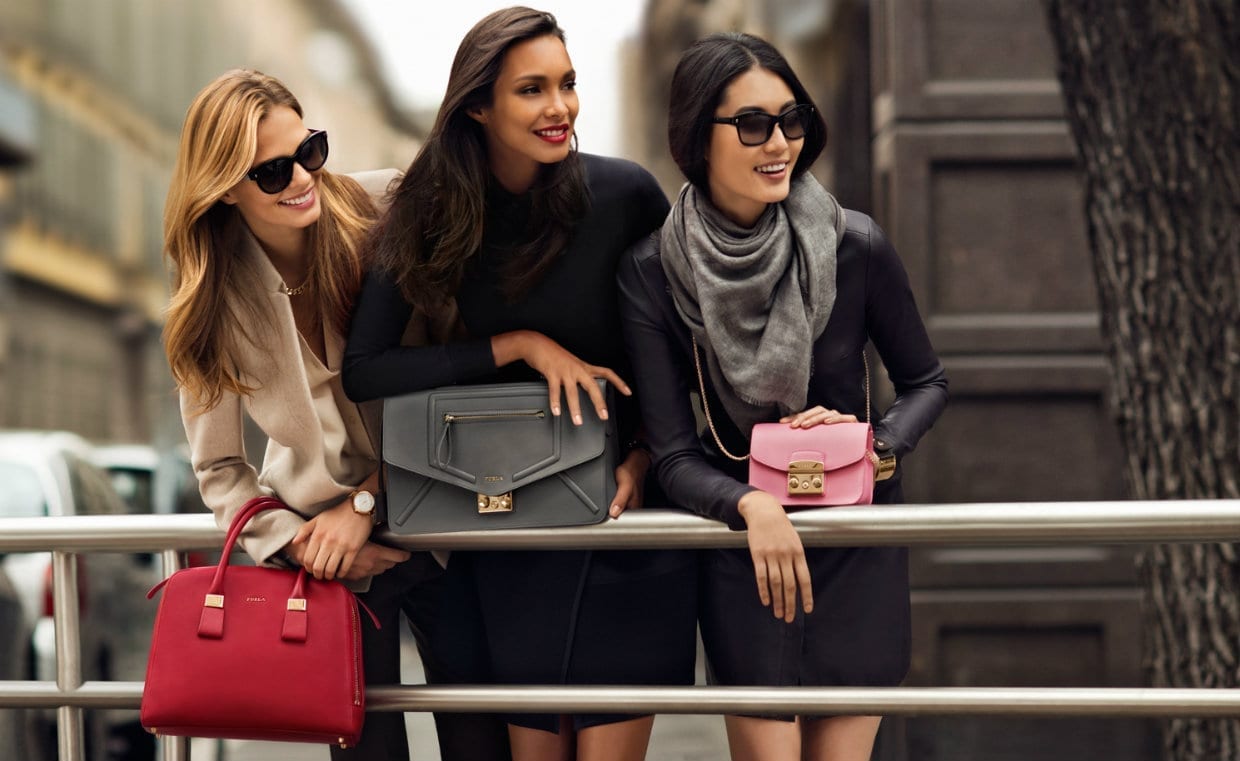
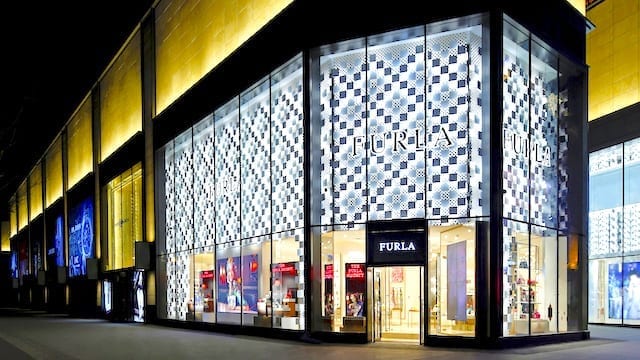
Furla Beijing flagship opens
Luxury brand Furla China has opened its first store in Beijing, at lifestyle retail destination WF Central.

As well as women’s leather goods and sunglasses, the Italian brand’s 208sqm flagship store features a special range inspired by the city’s symbol, the Panda Collection.


Furla CEO Alberto Camerlengo says the opening of the flagship highlights the brand’s determination with its expansion strategy in China.

-

Burger King AsiaPac to invade Taiwan market
Burger King AsiaPac has signed a master franchise agreement with Nexus Point Management to further develop the fast-food brand in Taiwan.
Terms of the transaction have not been disclosed.
Burger King president Jose Cil says Taiwan is one of the largest quick-service restaurant markets in Asia Pacific.
Nexus Point managing partner Kuo Chuan Kung says it will accelerate the expansion of Burger King restaurants in the market and make further investments in technology and infrastructure.
The burger chain also has outlets in China, India, South Korea and Vietnam. Founded in 1954, i has more than 16,000 locations in more than 100 countries. It is owned by Restaurant Brands International.
Nexus Point is an Asian private equity fund with a focus on greater China.
-

Rich Data and Midea Smart Home Partner to Improve the Lives of Customers
Global leaders in using data science and AI to solve real business problems and make a tangible difference to people, Rich Data Corporation (RDC) is now working with China-based Fortune 500 company Midea Smart Home to support its app development and drive more innovation around consumer data and artificial intelligence. This five-year partnership is set to positively impact the lives of millions through data and smart home technology.
The promise of the smart home is finally ready to be realised in 2018, with connected devices now capable of monitoring our appliances to anticipate malfunctions, detecting utility usage patterns to provide energy-saving recommendations, and making a range of everyday appliances more fun and convenient to use. Market-leading researchers Ovum have predicted that 2018 will represent an inflection point for smart home technology, with many businesses already primed to explore the retail impact of the smart home.
RDC is leveraging artificial intelligence (AI) to bolster Midea Smart Home services; in order to enrich the lives of consumers who increasingly demand a tech-enabled, smart home experience to match the digital lives they lead outside the home. Consumers in APAC are some of the most digitally-forward in the world – expecting convenient payment, shopping, and communication services at their fingertips, and increasingly looking for the same conveniences within their home.
To preempt consumer needs and provide a holistic, tech-enabled lifestyle ecosystem, RDC has deployed an AI-based personalised recommendation engine within Midea Smart Home’s Meiju app. Now, consumers can enjoy compelling, proactive recommendations tailored to their dynamic smart home needs. This superior customer experience is made possible through advanced machine learning algorithms via RDC’s innovative platform.
“The Midea Smart Home team is changing the conversation with our customers and providing them with products and services that are highly relevant for their daily life via our Meiju app,” stated Mr Qiang Li, General Manager of Midea Smart Home. “RDC’s ability to add intelligence to our deep reserves of consumer data, and their rapid deployment of AI technology enables us to service and engage our customers in a more personalised and meaningful way.”
Ada Guan, CEO of Rich Data Corporation stated, “Our ultimate vision is to use our data skills to make a difference for people and business; helping enterprises unlock new opportunities while improving everyday life for consumers through data and AI smart home solutions. We are thrilled to be working with a prestigious, global brand like Midea Smart Home. This is the first step in an ongoing journey to leverage AI, consumer and household data in order to set smart living standards for millions of home globally.”
The RDC Recommendation Engine is currently live for all 3 million Meiju app users within China. The partnership also marks RDC’s entry into the Chinese market, furthering the company’s expansion into the Asia region.
-

Flagship Project of Lai Sun Group Novotown Welcomes New Strategic Partners
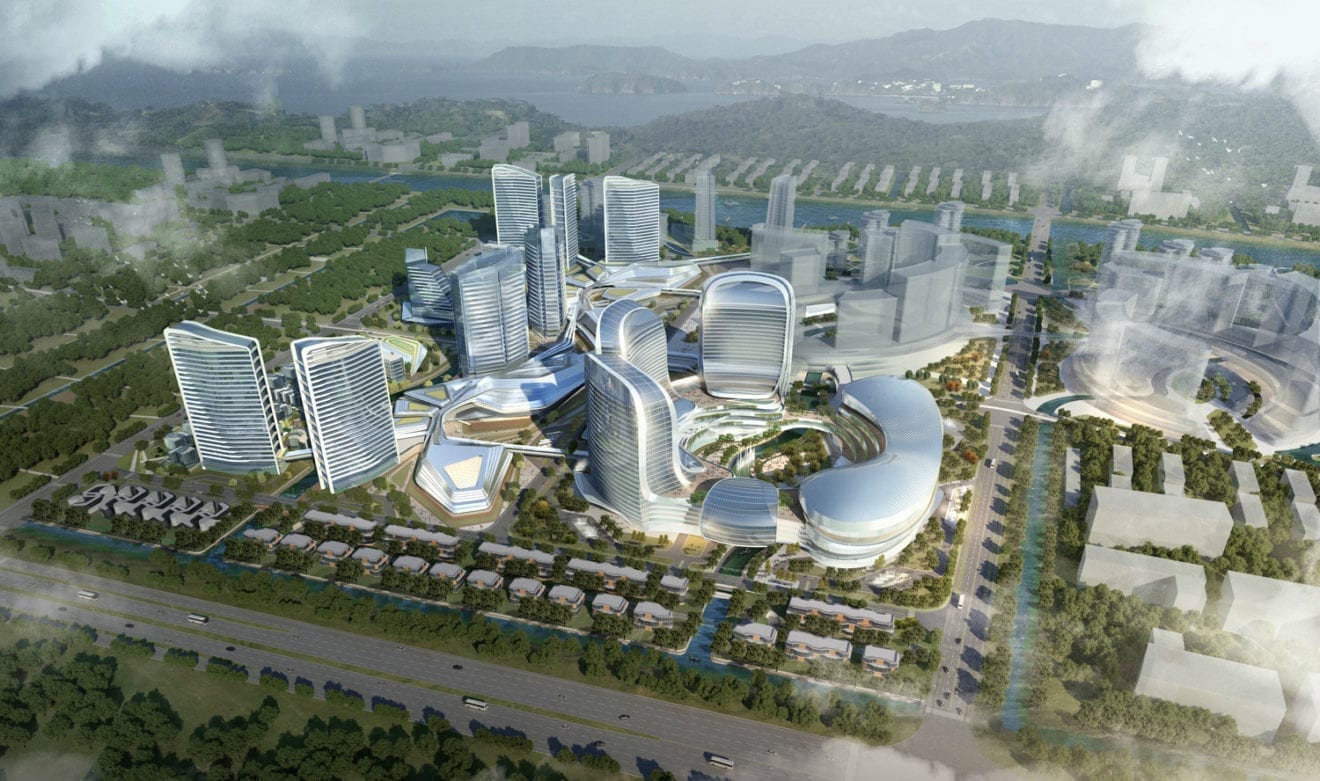
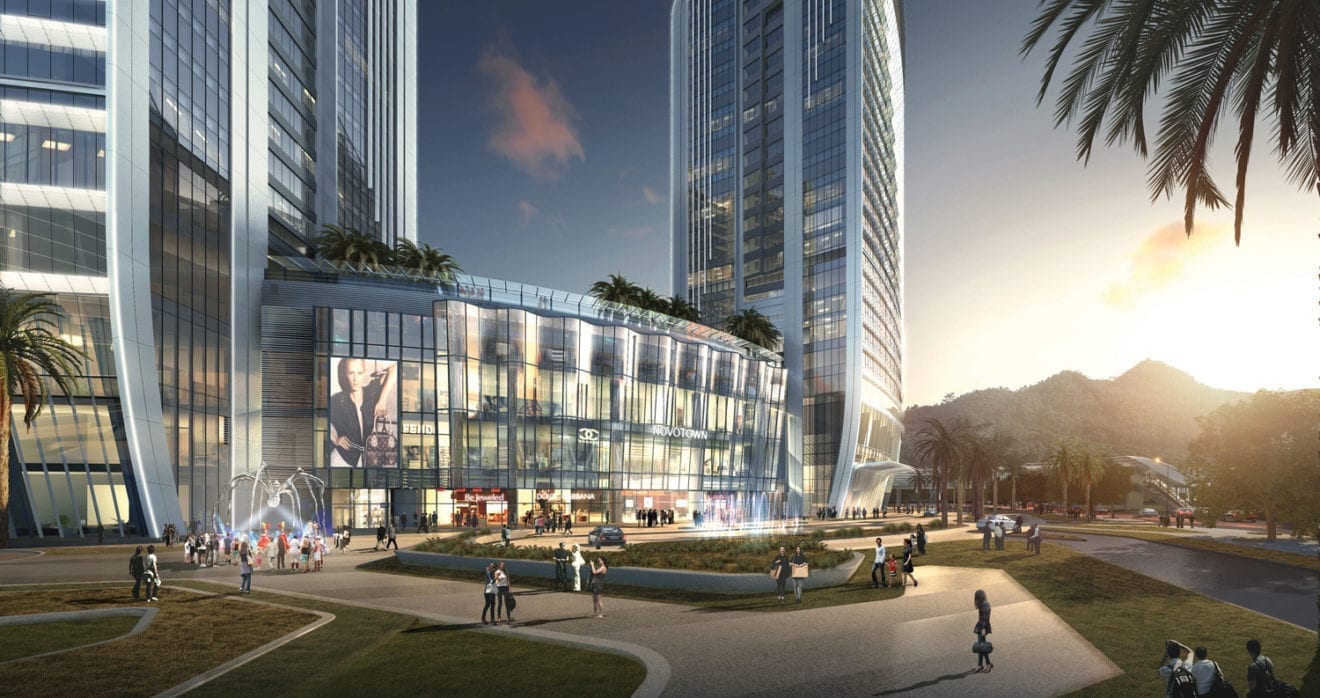
Novotown, an integrated project with a mix of cultural and entertainment attractions currently under development in Hengqin Zhuhai by Lai Sun Group, today announced a slew of new strategic partners at a ceremony attended by Zengqing Luo, Deputy Director of the Administrative Committee of Hengqin New Area, and representatives of concept brands and media.
Novotown’s strategic partners include China Mobile Group Guangdong Co., Ltd. Zhuhai Branch, CITIC Bank, Trans-Island Limousine Service Ltd. and travel partners Guangdong Gongbei Port China Travel Service Ltd., Guang Zhilv (GZL) International Travel Service Ltd. and Century Holiday International Travel Group. These partners will work closely with Novotown to craft and build a quality community in the Greater Bay Area.
‘Novotown is Lai Sun Group’s flagship project in the Greater Bay Area which aligns ideally with China central government’s Greater Bay Area development plan.’ said John Tse, Chief Executive Officer of Novotown. ‘We’re delighted that so many quality partners are coming onboard to support our grand vision for one of the most immersive and participative tourism and entertainment destinations in China, fostering high technology, travel, culture and creativity to benefit economic development of the area.’
He added, ‘Novotown has great potential to become the landmark of Hengqin. Together with other lifestyle elements and infrastructure, I am confident that Novotown will become a quality living, leisure and creative destination for both domestic and international audiences.’
China Mobile unveiled its plans to launch its first concept store in Hengqin at Novotown to elevate retail experience of its guests. In addition, the brand will also introduce a ‘smart mall’ concept to Novotown – by logging-in to the shopping mall’s Wifi system, customers can get access to comprehensive services, such as parking payment, restaurant and locker reservation, locating stores and receiving coupons, via app or website. The system also grants tenants access to certain customer data, which could allow them to better craft their marketing strategies.
Meanwhile, CITIC Bank intends to open a branch at Novotown, providing financial services for the residents, tenants and travellers in the area.
Trans-Island Limousine Service Ltd. will provide point-to-point shuttle bus services between Hong Kong and Novotown via the new Hong Kong-Zhuhai-Macao Bridge to encourage customer traffic, while Guangdong Gongbei Port China Travel Service, Guang Zhilv (GZL) International Travel Service and Century Holiday International Travel Group will also help to promote multiple travel products available at the destination to international, mainland China and Hong Kong tourists.
Wenqiang Hu, Director and General Manager of Guangdong Gongbei Port China Travel Service Ltd., said: ‘We are very excited to be the strategic partner of Novotown. As travellers are more sophisticated these days, Novotown’s partnerships with world-renowned brands create a diverse range of themed entertainment experiences, which together with their comprehensive infrastructure, are the key elements that help us attract these travellers in such keen competition. We are happy to work closely with Novotown and promote it as a vibrant and creative lifestyle community in the Greater Bay Area.’
In addition to strategic partners, a range of China’s popular concept brands was a part of the ceremony today. They included Super Species, Sports Infinite, and Hutaoli Music Restaurant & Bar.
Adjacent to Macau, Novotown is positioned as a cultural and creative incubator. Benefiting from China (Guangdong) Pilot Free Trade Zone and Special Economic Zone policies, Novotown has been actively developing a wide range of leisure facilities which helps elevate the quality of life in the Greater Bay Area. With the addition of other confirmed partners including Lionsgate, National Geographic, Taipei Wellness Clinic and Resort, Real Madrid Football Club, Porsche and a world-class institute, the Innovation Leadership Academy Hengqin managed by Harrow International (China), Novotown is gearing up to become a vibrant and creative lifestyle community in the Greater Bay Area.
-

LANCÔME’s Haitang Bay Store Unveils New Retail Identity
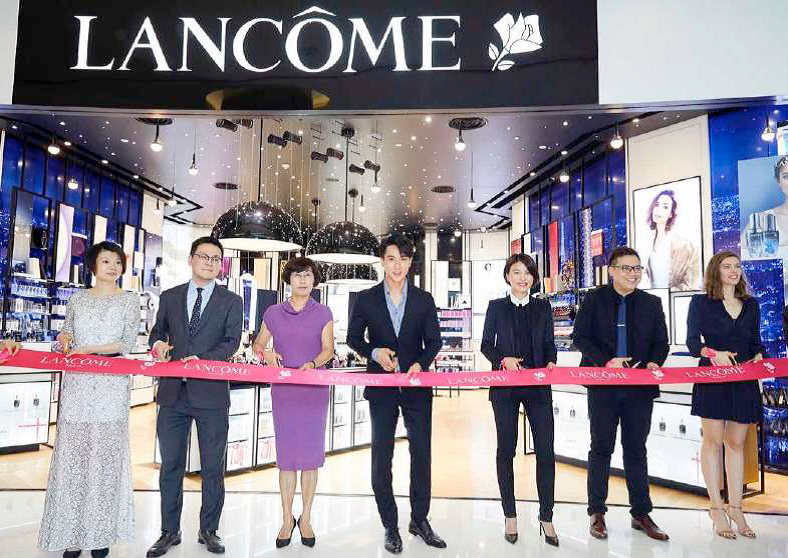
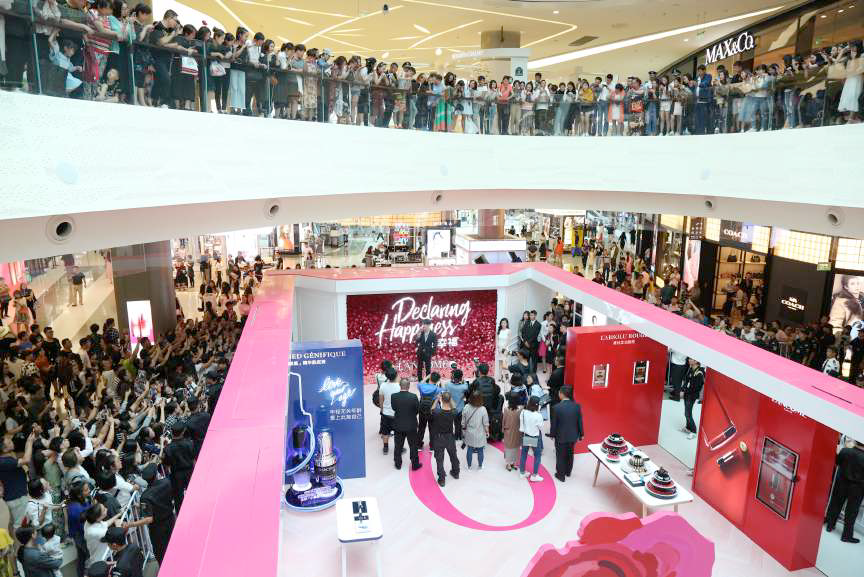
On 24 November 2017, LANCÔME Travel Retail Asia Pacific, leading French luxury beauty brand, unveiled the brand’s latest 2020 retail concept at its newly revamped No.1 Point-of-sale (POS) at Haitang Bay, China. The latest in line to celebrate the brand’s ‘Declaring Happiness’ global campaign across Asia, the grand opening event was graced by international celebrity and Brand Friend, Wu Zun, who officiated the ribbon cutting ceremony and attended the opening of the interactive Declaring Happiness popup concept. Wu Zun was also joined by the likes of 17 top Chinese social media influencers such as LU ⼀丝 and ⼩猪姐姐 in spreading beauty and happiness with LANCÔME’s consumers. Having achieved an astounding digital outreach of 127 million via WeChat, Weibo and livestreaming, the event was a tremendous success in elevating the brand’s digital presence and generating genuine brand engagement with consumers. Further bolstering brand engagement and buzz on social media, the influencers also shared additional Weibo stories and WeChat moments in appreciation of LANCÔME’s hospitality at the event.
Currently the No.1 POS for the LANCÔME brand worldwide, the Haitang Bay store is the
largest travel retail store at 120sqm and the second store to unveil the brand’s latest 2020 retail
identity, opening after Lotte Hotel in Seoul, South Korea. Consistent with LANCÔME’s global
strategy to roll out a new retail design language that is fully consumer-centric, the new
Haitang Bay store is efficiently adapted towards the travel retail channel. “The introduction of
the 2020 retail identity to our No.1 POS and largest store in Haitang Bay marks a key milestone
in LANCÔME Travel Retail Asia Pacific’s plans to transform and optimise our stores for the
modern traveller. The design concept of the new 2020 store is set to provide an immersive brand
environment for consumers to fully experience the world of LANCÔME, while at the same time
offer time-pressed travellers a quality and smooth shopping experience through the store’s
thoughtful layout and features,” says Ms. Tao Zhang, General Manager of LANCÔME
Travel Retail Asia Pacific.
(L-R): Ms. Cao Xiaodan, Deputy General Manager of Sanya International Duty Free Shopping Complex, Mr. Luke Chang, Director of Cosmetics & Confectionary Department, CDFG, Ms. Liu Jing, General Manager of Sanya International Duty Free Shopping Complex, Mr. Wu Zun, International Celebrity and Brand Friend, Ms. Tao Zhang, General Manager of LANCÔME Travel Retail Asia Pacific, Mr. Don Huang, Area Manager of LANCÔME Travel Retail Asia Pacific, Ms. Anna-Maria Marini, Marketing Manager of LANCÔME Travel Retail Asia Pacific Designed with a Parisian ‘apartment with a view’ concept, the new Haitang Bay store is an
inspirational place full of discovery with elegant touches of Parisian chic featured throughout the
store. The interior is warmly lit with soothing tones of greys, white and warm wood to create a
more intimate and welcoming feel for customers. Against a backdrop of virtual video walls
reminiscent of bay windows in a Parisian apartment overlooking the breathtaking panoramas of
Paris, customers will be taken through the beautiful four seasons with roses and petal rain or
Parisian night under starry firmament taking turn to decorate the walls. Other key elements to the store include sharing tables for skincare and makeup, as well as a Grab & Go counter.Featuring the newest product launches, the sharing tables encourage customers to discover LANCÔME’s world of beauty, from experimenting with different makeup textures and colours to customising their skincare routine through one-on-one personal consultations with LANCÔME’s beauty experts. Latest launches and travel exclusives are also available at the Grab & Go counter for an easy and fuss-free experience.
In celebration of the Haitang Bay store reopening, LANCÔME Travel Retail Asia Pacific also
introduced an interactive pop-up concept that blends retail with entertainment at four
different online and offline touchpoints named after the brand’s key products – Génifique, Absolue, L’Absolu Rouge and Miracle Zones. The Virtual Mirror at the L’Absolue Rouge Zone, which is an augmented reality virtual makeover application that allows guests to experiment with different face and lip makeup looks, was an instant hit at the event. At the Génifique Zone, guests also had the opportunity to win a sample of Advanced Génifique Sensitive through a touch-screen interactive game vending machine. Complimentary engraving services were also available at the Absolue Zone, where guests can choose to personalise their very own LANCÔME mirrors. While experiencing the Miracle Blossom fragrance at the Miracle Zone, guests were also seen playing with the swing photo booth to recreate their fun Parisian moments against the beautiful backdrop of the Eiffel Tower.In addition to the retail-tainment zones, the 17 Chinese social media influencers also participated
in a LANCÔME skincare and makeup workshop held within the store. Leveraging on livestreaming social sharing to expand the workshop’s audience reach beyond those who were
physically present, social media influencers brought LANCÔME workshop experience to their
followers, inviting them to join in the LANCÔME brand universe through organic, usergenerated
content and engagement via their personal brand journey at the event.In December, the LANCÔME ‘Declaring Happiness’ campaign will make its final stop at Hong
Kong.