Tag: China

  • Ford ramps up electric vehicle push in China amid slowing sales

    Ford ramps up electric vehicle push in China amid slowing sales

    Ford Motor Co will launch 50 new vehicles in China by 2025, including 15 electrified vehicles, the U.S. firm said at an event in Shanghai on Tuesday, as it looks to rev up sales growth in the market and shift towards cleaner electric cars.

    Ford’s sales in China have been weak in recent months, and the company is scrambling to come up with electric and hybrid vehicles to comply with strict Chinese quotas over production and sales for so-called new energy vehicles, or NEVs.

    The U.S. automaker is undergoing a broad review of its China operations, part of a strategic re-think under new Chief Executive Officer Jim Hackett, which will likely see the company focus on electric commercial vans as well as electric cars.

    “Between now and 2025, we will launch 50 new vehicles in China, and of those 50 new vehicles, 15 of them will be all-new electrified vehicles,” said Peter Fleet, Ford’s head of Asia Pacific, pointing to big growth in the “utility” segment.

    Fleet also said Ford’s China revenue would grow by 50 percent over the same period.

    China is pushing automakers toward electric and hybrid petrol-electric vehicles, setting tough quotas for NEVs that come into play in 2019, and has signaled a longer-term shift away from traditional internal combustion engine cars.

    The major shift in the world’s largest auto market has jolted some automakers, sparking a spate of recent electric vehicle (EV) joint ventures in the market. Ford has announced an EV tie-up with China’s Anhui Zotye Automobile.

    “We’ve never seen change like we do today,” said Ford Executive Chairman Bill Ford. “Everything is being disrupted” by the development of autonomous vehicles, trends such as ride-sharing and electric vehicles, he added.

    “It’s clearly the case that China will lead the world in EV development, and so we at Ford are investing enormous amounts of money both here in China and globally to bring electrification into fruition.”
  • Chinese co-working space operator opens second Singapore hub

    Chinese co-working space operator opens second Singapore hub

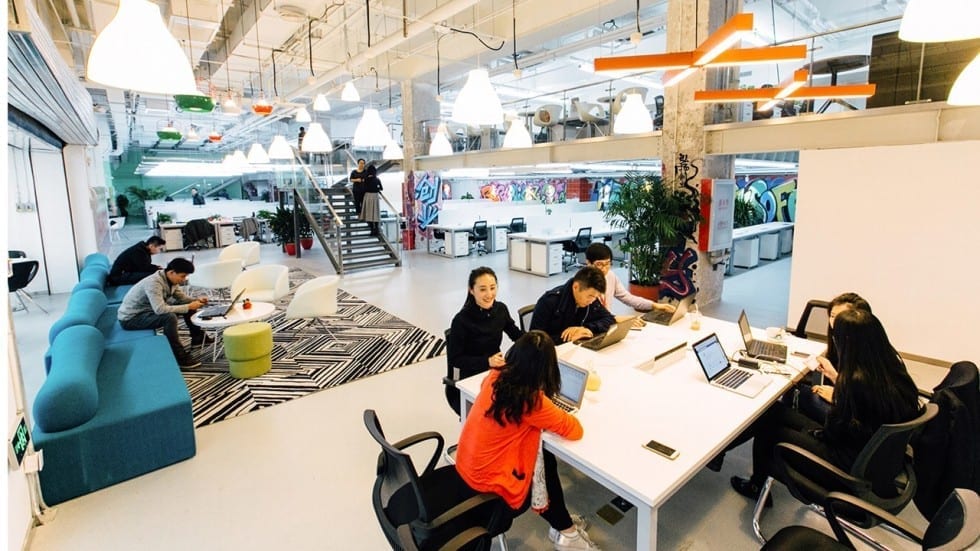
    Prominent Chinese co-working space operator UrWork is opening a second Singapore location in the first quarter of next year. The company, which is backed by Alibaba’s Ant Financial and Sequoia Capital among others, launched its first overseas branch at Ayer Rajah Crescent in July. Its new outlet will be at Suntec City and is part of the firm’s efforts to become a bridge between South-east Asia and China, founder and chief executive Mao Daqing said.

    Beijing-based UrWork, which has been billed as China’s answer to Silicon Valley co-working giant WeWork, has been valued at about US$1.5 billion (S$2 billion).

    It has 100 co-working sites in 33 Chinese cities and is the country’s largest co-working space operator.

    The company plans to expand globally into 35 cities with 160 locations over the next three years.

    To stand out in the increasingly crowded co-working market, UrWork positions itself as a provider of key services to start-ups looking for global growth.

    It runs a series of acceleration programmes to help new firms scale, and has also developed a proprietary scheme partnering Chinese government agencies and service suppliers to help foreign start-ups enter the Chinese market.

    Its second location in Singapore will span 1,300 sq m in Suntec City and will take in South-east Asian start-ups looking to expand into China, as well as Chinese firms keen on growing in the region.

    UrWork also invested in Jakarta-based co-working space Rework earlier this year as part of its regional strategy.

    The company signed a memorandum of understanding with trade agency IE Singapore and property giant CapitaLand last December to help Singapore firms break into the China market by offering co-working spaces as well as business advisory services.

    South-east Asia has become a market with plenty of opportunities for investors in China “due to a strong supply of high-potential tech start-ups, big market volume, surging amount of freelancers, low operational cost and high rate of digital penetration”, said Mr Mao.

    “As a Chinese home-grown company, we know the needs of Chinese entrepreneurs in China and overseas, laying a solid foundation for our fast-scaling and service integration,” he added.

    Key sectors of interest for UrWork in Singapore and South-east Asia include artificial intelligence, the Internet of Things and fintech, Mr Mao said.

  • AirAsia increases flights to Kunming, China

    AirAsia increases flights to Kunming, China

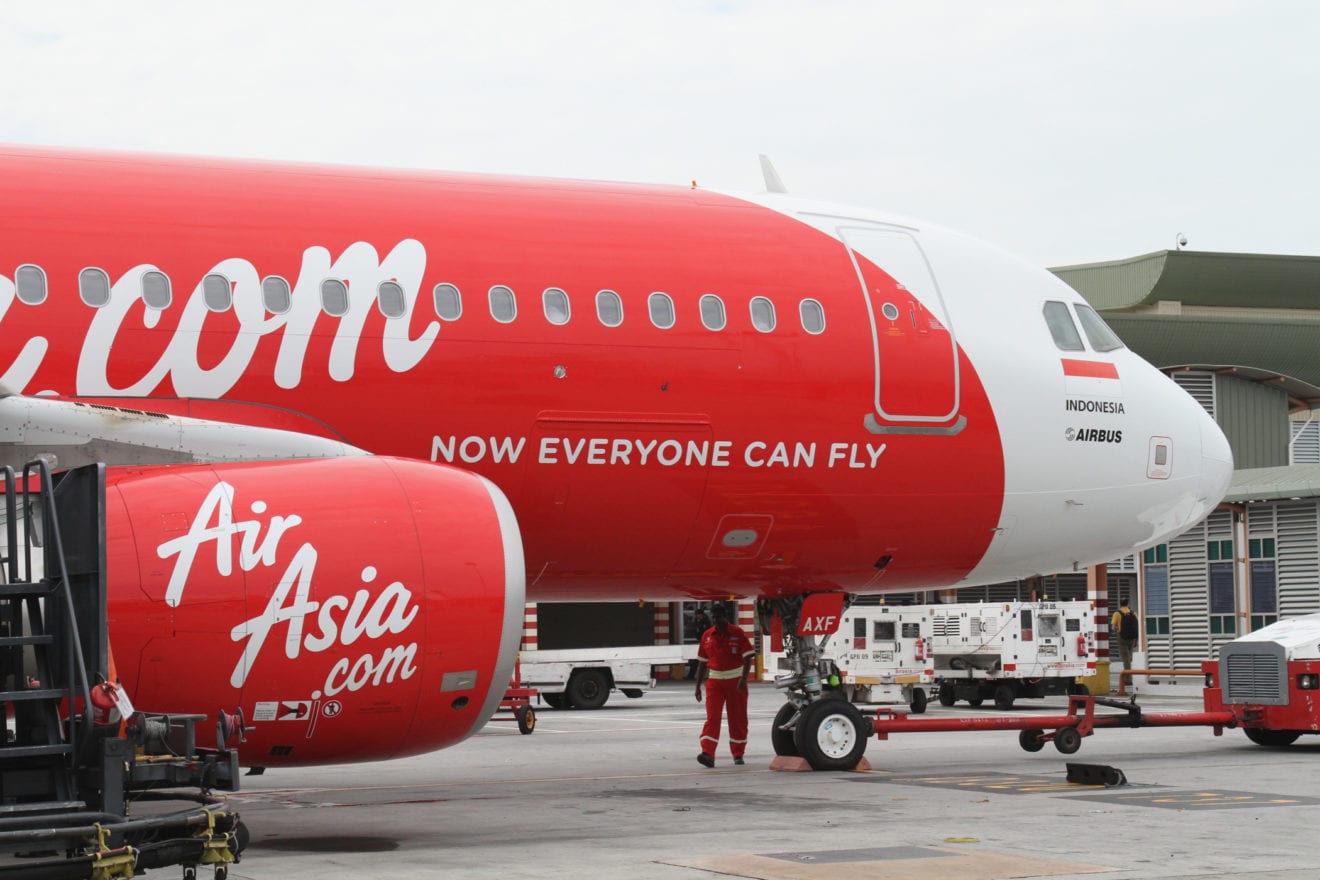
    Malaysian low-cost airline AirAsia will be increasing flight frequencies from Kuala Lumpur and Bangkok, Thailand to Kunming, the capital and largest city in Yunnan Province, Southwest China.

    Daily direct flight from Kuala Lumpur to Kunming will be increased to 14 times weekly starting December 19, while the daily direct flight from Bangkok, Thailand to Kunming will also be increased to 14 times weekly commencing January 16, 2018.

    To celebrate the occasion, AirAsia is offering all-in-fares as low as RM179 ($43.8) from Kuala Lumpur to Kunming. Bookings are available from now to December 17 on the airline’s website and mobile app, for immediate travel until June 30, 2018.

    AirAsia first launched Kuala Lumpur-Kunming daily direct flight on December 10, 2012, operating daily. Shortly after a year, the airline also launched Bangkok-Kunming daily direct flight. Coming to its fifth years of operations to Kunming, the airline has carried close to 1 million passengers to and from Kunming Changshui International Airport, achieving itself as the largest foreign low-cost carrier in Kunming in terms of capacity.

    Spencer Lee, AirAsia Berhad head of commercial, said: “Five years ago, we launched our first route to Kunming with the aim to enable more people to fly. Since then we have revolutionised the air travel in Kunming and realised many individuals’ dreams to travel. Due to the rapid growth of China’s civil aviation, we are seeing more travel demands from the Chinese. Adding flight frequency is one of our commitment to grow China market and we hope more people can easily access to air travel with our low fares. They can also leverage on our Fly-Thru options to travel to more Asean countries and Asia Pacific. With more flights available, this will boost the tourist arrival in both cities, at the same time contributing to the development of China’s ‘One Belt, One Road’ policy in increasing connectivity.”

    “China remains as one of our key markets. In this year itself, we have launched two new routes from Malaysia to China: Langkawi-Shenzhen, Kuching-Shenzhen. We are also looking at operating more new routes to China from our other hubs in Malaysia such as Langkawi, Kuching and Johor.”

    Known as the ‘Spring City’, Kunming is a city with a pleasant climate all year round. The magnificent set of limestone formations in Shilin (Stone Forest) is listed as one of the Unesco’s World Heritage. The enchanting Jiu Xiang Cave, colourful Dongchuan Red Land as well as diverse ethnic culture are among the well-known attractions in Kunming. With its unique geographic location, the Yunnan Province is a radiation hub for Southeast Asia in the “One Belt, One Road” policy. Its economic, trade and tourism in the province are also well connected with the countries in Southeast Asia.

    AirAsia currently operates 14 times weekly flights one way into Kunming Changshui International Airport. Beside flights from Kuala Lumpur and Bangkok, AirAsia has recently launched daily direct flight from Phuket to Kunming which will commence on February 1, 2018.

  • Xidan Joy City’s new zone unveiled to mark 10 year anniversary

    Xidan Joy City’s new zone unveiled to mark 10 year anniversary

    Beijing’s iconic Xidan Joy City celebrated its 10 year anniversary today by unveiling its newly renovated Rose Garden relaxation zone. The celebration also marks the completion of the first phase of a significant upgrade of the mall’s interior and public areas that will continue until 2019.

    Mall owner COFCO has commissioned Woods Bagot to lead the interior design of renovation works as part of its wider strategy to deliver a new generation of Joy City malls that continue to stay ahead of changing lifestyles and interactive digital technology in China.

    Already a favourite destination among Beijing’s trend-setters and fashion-conscious youth, the 185,000 m2 mall is arranged over 12 floors in an established downtown shopping district and is home to a range of global brands including Apple, Kate Spade, Michael Kors, Sephora and Zara.

    When the renovation is complete in 2019 the mall’s leading brand portfolio will be showcased across eight diverse thematic areas, providing a change of pace and an engaging journey for visitors as they move through the space.

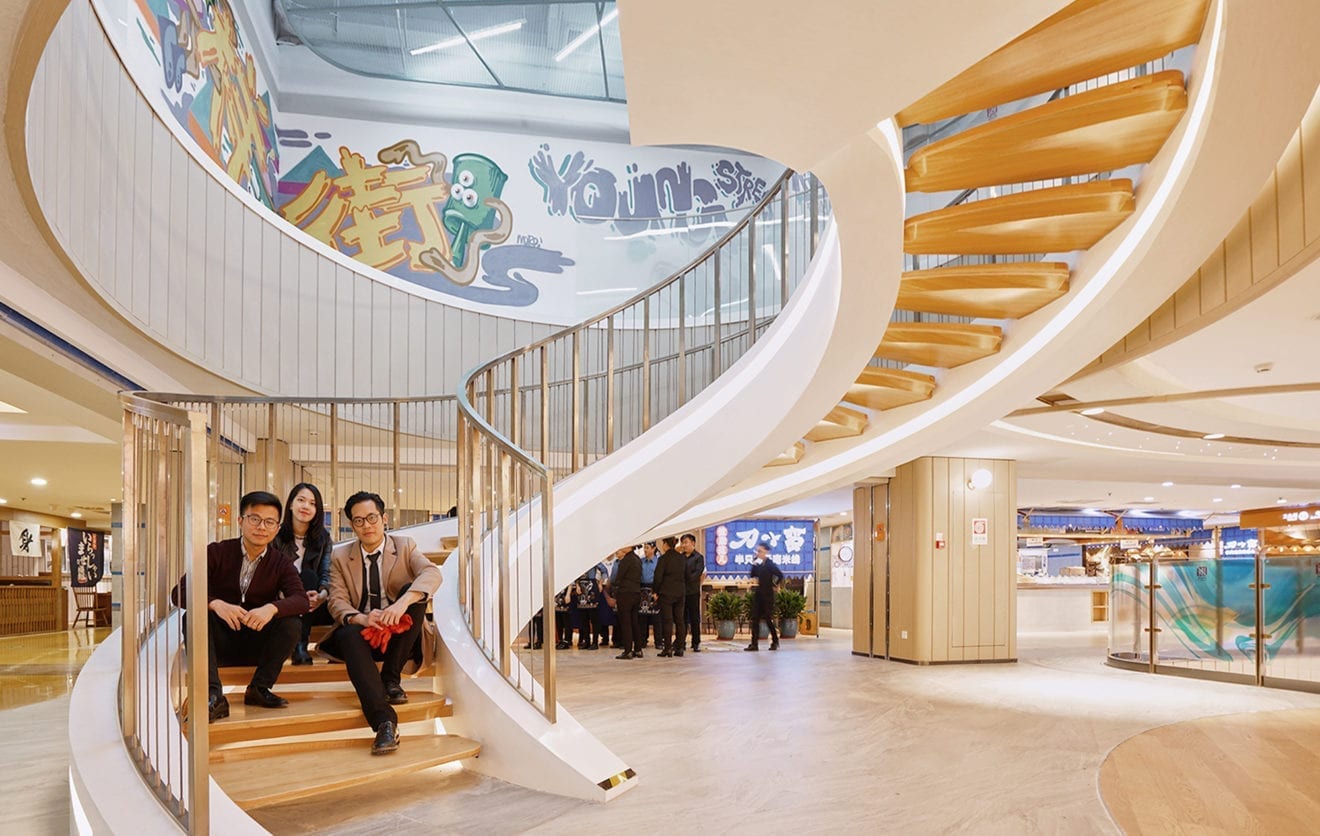
    Xidan Joy City’s reimagined Rose Garden is a spacious relaxation area within the F&B zone featuring a spectacular organic-form wood and glass spiral staircase as its focal point.

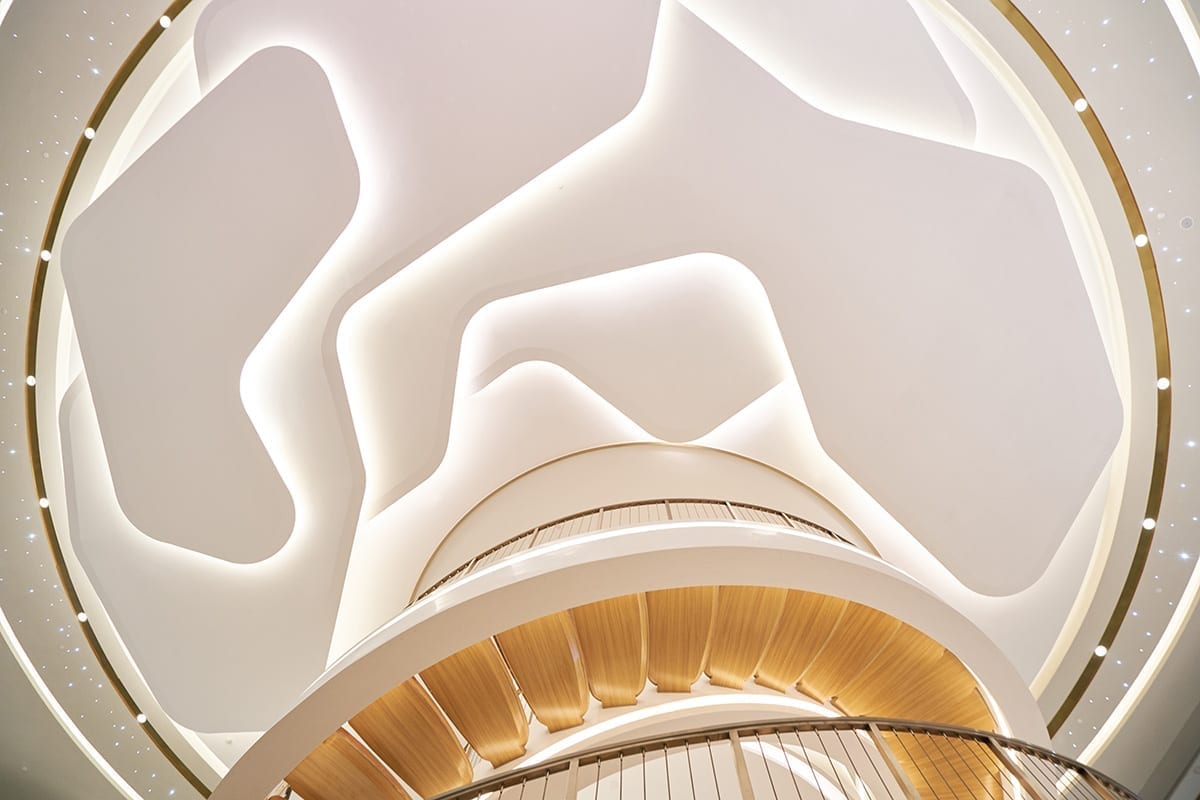
    The Rose Garden offers breathing space in an outdoor-themed environment, bathed in abundant natural light during the day and lit dramatically from above at night by an abstract rose ceiling light fixture. Different-height seating scattered with foliage and greenery gives shoppers a unique line of sight to enjoy a more natural and personal experience as they relax.

    Billy Ip, Woods Bagot, said:

    “Beijing’s youth market has evolved greatly over the last decade, with social, economic and technological developments driving new trends, desires and lifestyles. Visitor experience is the new battleground for this sophisticated audience who seek to spend time in unique, engaging environments.

    “For Xidan Joy City’s many fans, the Rose Garden is a space where many happy memories have been made. We have honoured this sentiment by creating a place for visitors old and new to both recall and build new memories.

    “Woods Bagot’s concept for the revived Rose Garden provides an avant-garde interpretation of an energising and peaceful ambience, and we look forward to sharing our creative direction for the other spaces as works progress over the next year.”

  • Mulberry Group first store to launch in Hong Kong

    Mulberry Group first store to launch in Hong Kong

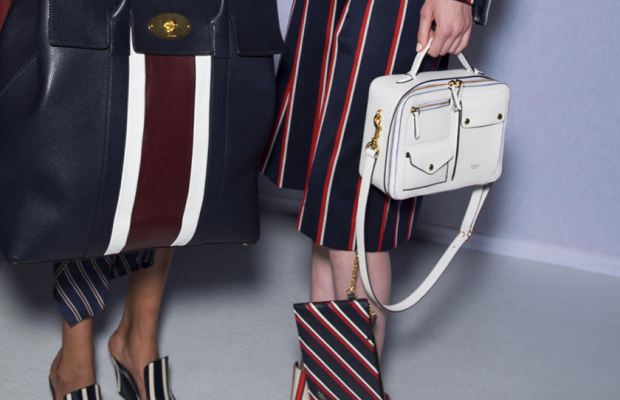
    UK-headquartered luxury fashion retailer Mulberry Group plans to launch in Hong Kong.

    Announcing its first half-year results, the brand revealed plans – but no details – to expand in both Hong Kong and Mainland China through an omnichannel strategy. Other, unidentified global markets are on its radar as well.

    The news follows the success of its recent expansion into Japan which helped strengthen the international performance in the six months to September 30.

    In Japan, Mulberry Group signed a 50-50 joint venture agreement in July with licensing partner Onward Global Fashion (OGF). An initial presence of four stores in key locations, including Ginza, has already been expanded with a fifth store opening.

    Total first-half revenue for the company was virtually flat at £74.6 million (US$99.8 million) compared to £74.5 million a year ago. Sales through its retail channel were up 2 per cent to £56.6 million, but comparable sales eased 1 per cent. Gross margin increased 248 points (up £1.9 million).

    While UK sales were flat, international sales grew 8 per cent to £11.3 million. Global digital sales rose 3 per cent to £10.7 million, accounting for 14 per cent of group revenue.

    “We are delivering on our strategy to grow Mulberry as a global luxury brand,” says CEO Thierry Andretta.

  • Boots buys US$400m stake from Sinopharm

    Boots buys US$400m stake from Sinopharm

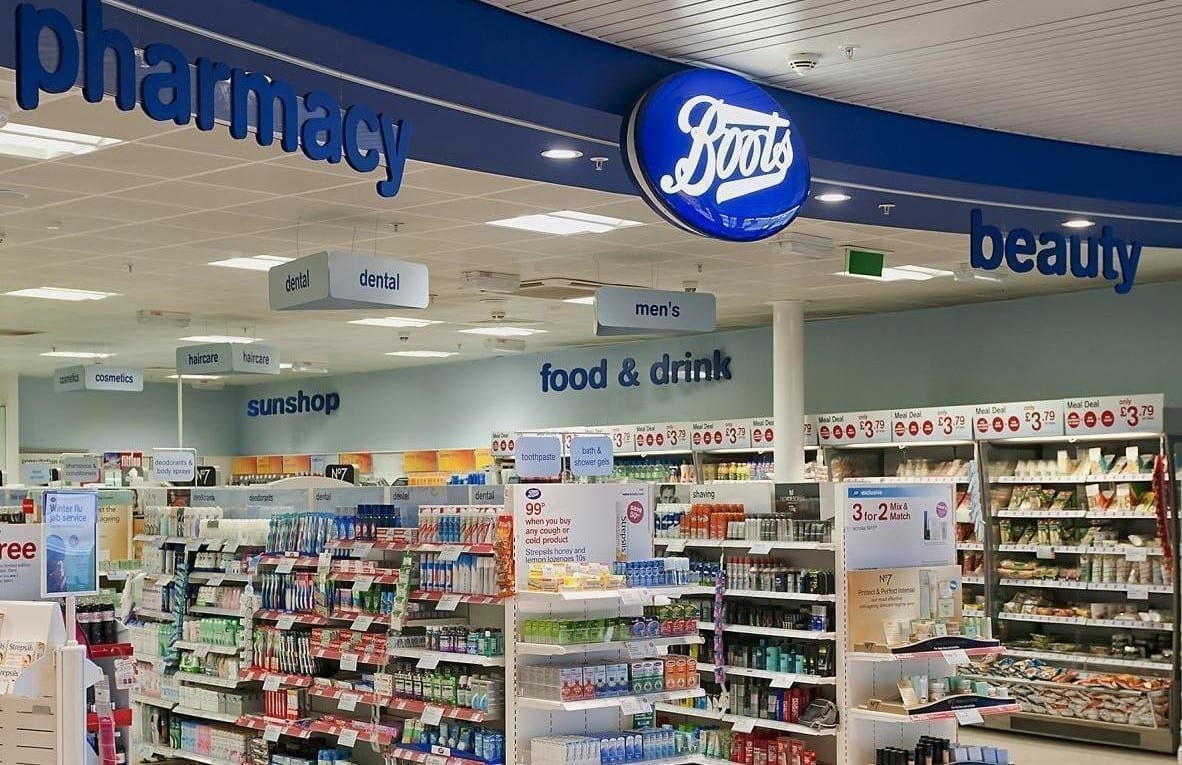
    Pharmacy and healthcare company Walgreens Boots Alliance has paid RMB2.76 billion (US$417 million) for a 40 per cent stake in a drugstore chain owned by Sinopharm Group.

    Sinopharm is China’s largest retailer of pharmaceutical and healthcare products and Walgreen will take a stake in its Sinopharm Holding Guoda Drugstores subsidiary. The transaction is subject to review and approval from regulatory authorities in China.

    “We have had a presence in China for around 10 years, initially through Alliance Boots, and are excited with the opportunity to further invest in the country’s fast-growing retail pharmacy sector,” says Walgreens chief executive Stefano Pessina.

    Sinopharm says Walgreens Boots Alliance’s pharmacy expertise and international retail experience will help Guoda improve efficiencies and transform its business model to differentiate from domestic competitors. The partners will also explore opportunities in the broader Asian and global markets, in keeping with Beijing’s Belt and Road Initiative.

    China, the world’s second-largest pharmaceutical market, has made moves to speed up approvals of medicines and medical devices.

  • Shanghai’s newest Family Hub Neobio

    Shanghai’s newest Family Hub Neobio

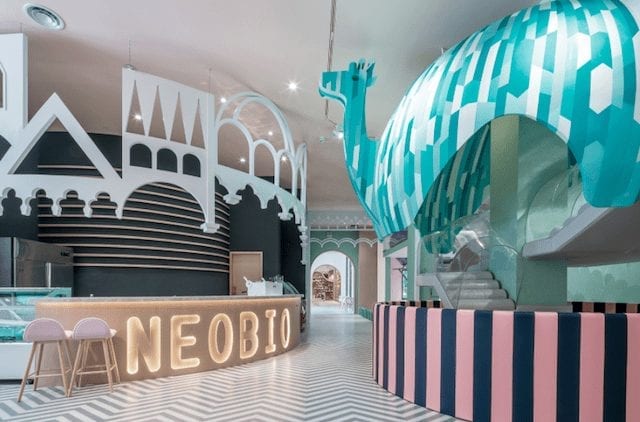
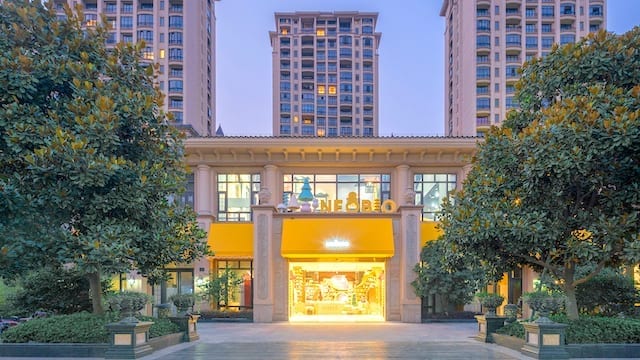
    Family dining and fun activities feature in Shanghai’s new Neobio Family Park, designed by architecture firm X+Living.

    It’s a concept ideally suited to shopping centres trying to attract families and fill distressed space at the same time.

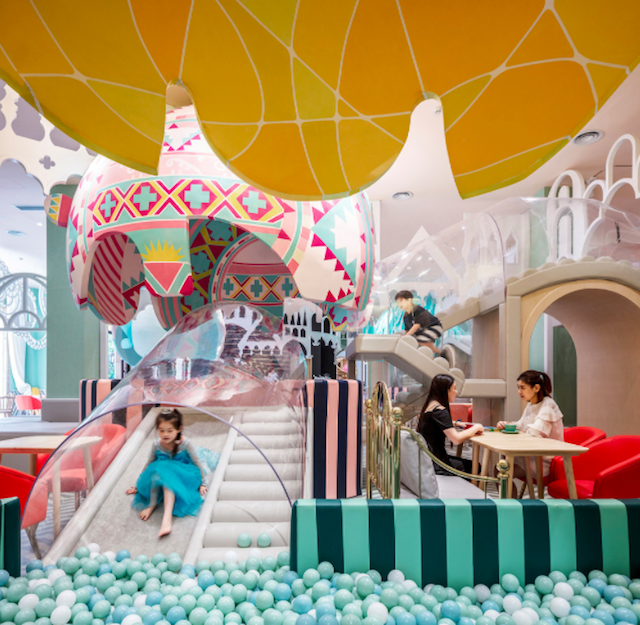
    Within two buildings in the Minhang district, the 3000sqm indoor amusement park includes a reading area with a forest theme, giant “balloons”, a bubble pool, sand pit and toy area. Perspex walkways link each area so dining adults can keep an eye on their children while still being able to entertain themselves. Slides, ladders and tunnels cover the restaurant, which has a pastel-themed décor.

    Neobio architect/designer Li Xiang says the venue is divided into Reading Area, Dining Area, Sims City, Climbing Area and Party Room, as reported. “Entering the main entrance, we are surrounded by wavy forests and rolling hills, which are the bookshelves of the reading area and are the best place for kids to play hide-and-seek.” There is also a reading area for parents by the window near the forest.


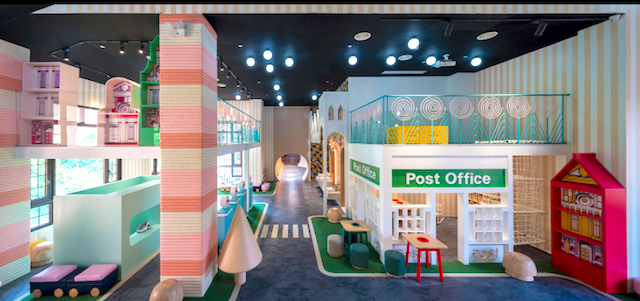
    Sims City features an urban environment with roads, pedestrian crossings, street lamps and parking lots. A three-storey house in the centre includes a mini post office, gas station, supermarket and hospital, plus areas where children can play at kitchen activities, dressing up, doing make-up and changing baby diapers.

    There is even a Princess Cosplay area where girls can dress up and take photos while their mothers have a manicure.

    “Along Time Tunnel, we arrive at the Big Child Area where various slides and climbing racks fill the whole floor,” says Xiang. “It looks like a huge maze.”

    An eye-catching S-shaped slide takes children directly to the first-floor dining area which features balloon-like suspended game boxes all connected by transparent crawl ways. There are two VIP dining rooms for families who want privacy.

    In the basement is the Party Room with such themes as Indian, desert and Mediterranean.

  • Korean fashion brand to invade China market

    South Korean fashion retailer Shinwon Corp has launched a joint menswear brand with China’s Golden Eagle Retail Group in a move to advance into China.

    It is the first such move by a Korean fashion company.

    Shinwon says the new brand, Mark M, is available in department stores owned by Golden Eagle Retail Group including its Nanjing Xianlin, Nanjing Xinjiekou and Shanghai stores. The group has 30 department stores in major cities.

    Mark M is a casual brand targeting young men born between 1980 and 1989, known as “baling hou” or the “post 1980s” generation in China. Shinwon is responsible for the brand’s design and marketing, with Golden Eagle Retail Group handling distribution. The two companies are expected to seek an IPO in Hong Kong for the joint venture.

    Meanwhile, the two companies plan to expand their partnership to include other industries such as F&B to become a comprehensive lifestyle service provider in the long term.

  • Outstanding start for Nanchang Capital Outlets

    Outstanding start for Nanchang Capital Outlets

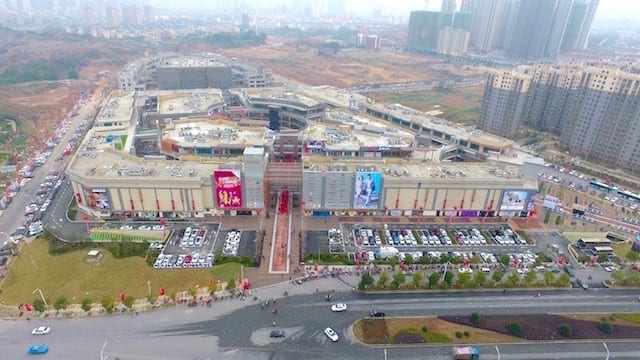
    In its first three days, Nanchang Capital Outlets generated sales of more than RMB21.8 million (US$3.2 million) with customer traffic exceeding 1.8 million.

    It is the second outlet project this year for Beijing Capital Grand, the commercial property arm of Beijing Capital Land, and its sixth outlet project in China. It is also the company’s first foray into central China. Nanchang is one of the 10 youngest cities in China.

    Covering 130,000sqm, Nanchang Capital Outlets combines key elements of Chinese lifestyle and culture. It has more than 300 shops, including international, fast-fashion and sportswear brands, children’s entertainment, theme restaurants, reading corners and 2000 parking spaces.

    Still to come are a trampoline park, Jump360, a 5000sqm Imax cinema and an 8000sqm supermarket.

    The project’s 150-plus fashion and lifestyle boutiques include Adidas, Aigner, Chic Outlets Multi Brands Boutique, New Balance, Nike, Rodrigo, Skechers and Stella Luna. The food line-up includes KFC, Taste of Caimi and Yuemandajiang Classic Sichuan Hot Pot.

    About 12 more Capital Outlets projects are on the drawing boards.

  • GM venture to recall nearly a million vehicles in China

    GM venture to recall nearly a million vehicles in China

    One of General Motors’s China ventures will recall nearly a million vehicles due to fuel tank problems, the country’s quality watchdog said on Friday, the latest in a spate of major auto recalls in China over the last few months.

    SAIC-GM-Wuling Automobile Co Ltd is a three-way tie-up between SAIC Motor, General Motors and Guangxi Automobile Group, formerly known as Wuling Motors.

    The recall of the 938,686 vehicles involves two models of the venture’s popular Baojun cars, a high-volume, entry-level brand for the Chinese market, which sold more than 2 million vehicles last year.

    GM did not immediately respond to a request for comment.

    This year has seen a number of major car recalls in China, the world’s biggest auto market.

    China’s quality watchdog said in September GM and its China ventures would recall over 2.5 million vehicles over airbag issues. That followed a similar 4.86 million vehicle recall by Volkswagen AG and its Chinese joint ventures.

    GM produces vehicles in China through a joint venture with SAIC, the country’s largest automaker, as well as the three-way venture that is now working on an electric battery car called the Baojun E100 to help meet strict new-energy vehicle quotas.

  • China Jo-Jo expansion plan in Hangzhou

    China Jo-Jo expansion plan in Hangzhou

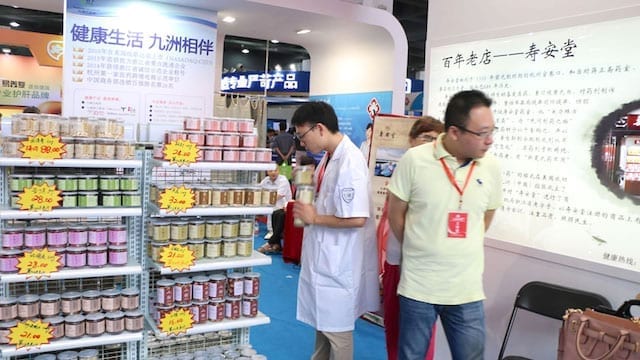
    China Jo-Jo Drugstores has added seven more retail outlets in Hangzhou.

    Chairman/CEO Liu Lei says the stores offer convenient access to best-in-class pharmacy products and services.

    All stores are full-service pharmacies staffed with licensed pharmacists. They offer prescription and OTC medicines, traditional Chinese medicines, dietary supplements, medical devices, health and beauty products and general merchandise.

    A rewards program offers members exclusive discounts and enhanced customer experience.

    The seven new stores are in the Binjiang (two), Jianggan, Lin’an (two),  Shangcheng and Yuhang districts. The company opened two stores in Lin’an just three months ago.

  • Toyota’s November China vehicle sales dip 1.3 pct

    Toyota’s November China vehicle sales dip 1.3 pct

    Toyota Motor’s sales in China fell 1.3 percent in November from a year earlier to 109,600 vehicles, following a 13.5 percent gain in October, the company said on Tuesday.

    The Japanese automaker’s sales during the first 11 months of the year totaled 1.18 million vehicles, up 7.5 percent from the same period a year ago.

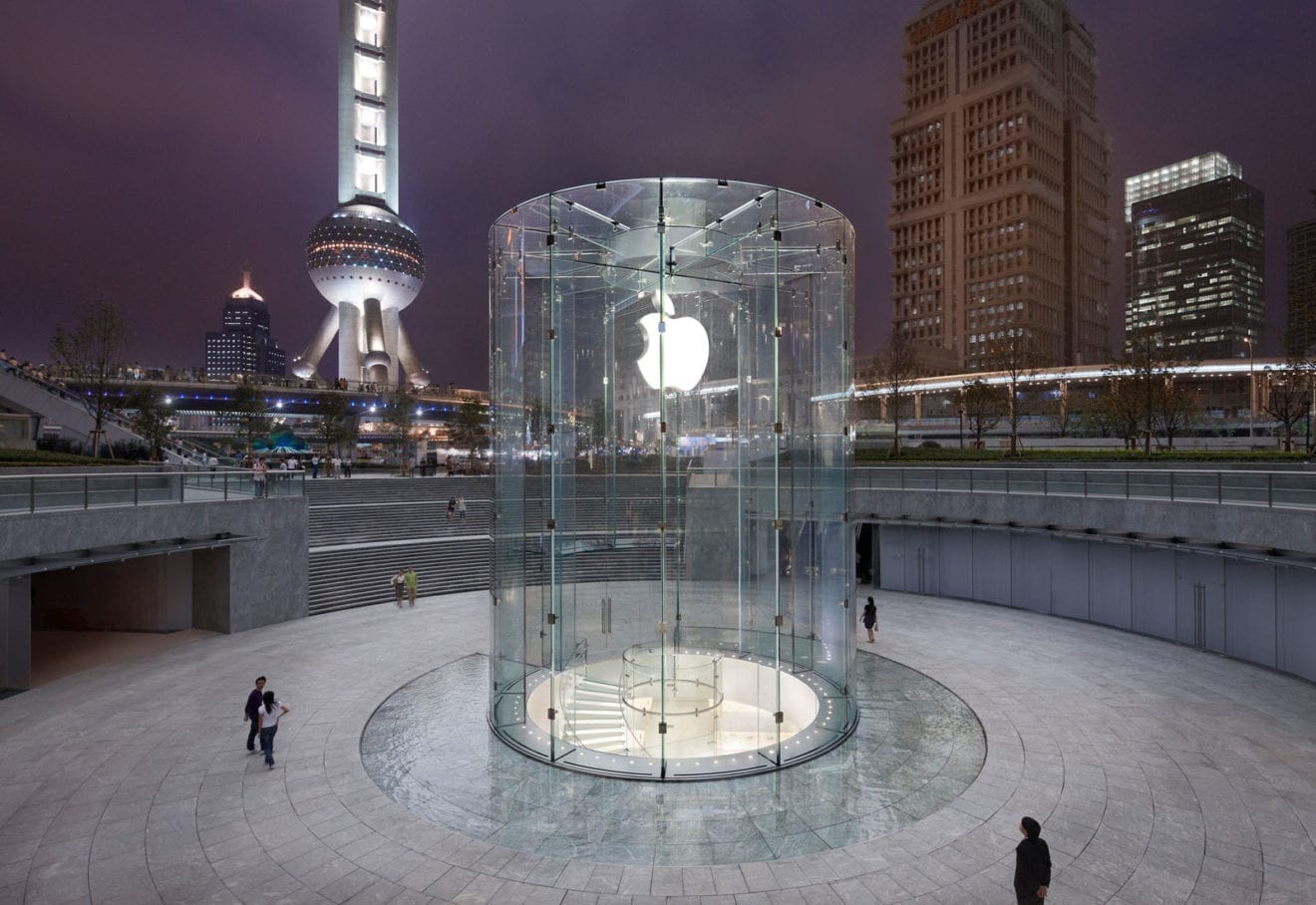
  • Apple’s Tim Cook says developers have earned $17 bln from China App Store

    Apple’s Tim Cook says developers have earned $17 bln from China App Store

    Apple Inc’s chief executive Tim Cook said developers using its platform in China number 1.8 million and have earned a total 112 billion yuan ($16.93 billion), representing roughly a quarter of total global App Store earnings.

    Cook shared the data on Sunday during a speech at China’s top public cyber policy forum, organised by the Cybersecurity Administration of China (CAC), which oversees internet regulation including censorship.

    Earlier this year, Apple said that developers had earned roughly $70 billion in total revenue through the store.

    Apple is facing criticism from local users and rights groups for bowing to pressure from Beijing cyber regulators after it decided to remove hundreds of apps from its Chinese store this year, including messaging apps and virtual private network (VPN) services, which help users subvert China’s Great Firewall.

    Apple counts China as its third-largest region by sales but it has lost market share in recent years as high-end handsets from local rivals continue to gain traction. The firm is hoping to regain momentum following the release of its iPhone 8 and iPhone X models which shipped in November.

    The U.S. tech giant said earlier it had moved its Chinese cloud data onto the servers of a local partner in the Chinese province of Guizhou.

    Cook has come to China several times this year, including an October visit where he was among executives that met with President Xi Jinping, who also had prepared remarks read at the conference on Sunday.

    Cook’s attendance is conspicuous at the conference, marking the first high-level executive to attend in the event’s four-year history.

    Others included Google chief executive Sundar Pichai, who is also attending the conference for the first time.

  • Carrefour Taiwan adds four stores in one week

    Carrefour Taiwan adds four stores in one week

    Carrefour Taiwan has opened four more stores, three in Taipei and one in Tainan.

    The French hypermarket chain introduced the stores all in a space of a week, and all will be open 24/7.
    First up was Tainan Yu Nong at 650sqm, followed by Luzhou Guanghua (515sqm), Taipei Jinan (670sq) and Shi Lin Zhong Cheng.

    These stores follow the Carrefour formula of offering fresh and grocery items as well as basic bazaar, textile and small-appliance items. Shoppers are offered free Wi-Fi access, dining, coffee and ice cream.
    Carrefour has 64 hypermarket and 45 supermarket in Taiwan.

  • Shanghai is home for world’s largest Starbucks Reserve Roastery

    Shanghai is home for world’s largest Starbucks Reserve Roastery

    The world’s largest Starbucks Reserve Roastery opens in Shanghai tomorrow, a store the company also describes as its “most beautiful”.

    At 2700sqm (nearly 30,000sqft) the store is twice the size of the Seattle Starbucks Reserve Roastery flagship. It features three coffee experience bars, the largest 27m long. The coffee bar was handcrafted by premiere Chinese artisans and references the unique roasting curve of individual coffee beans.

    Starbucks Reserve Roastery - Shanghai 1

    China is Starbucks’ fastest-growing market with a new store opening every 15 hours. The US coffee chain has been in China for more than 18 years and now has more than 3000 stores across 136 cities. More than 600 of those  are in Shanghai.

    Starbucks Reserve Roastery - Shanghai 2

    Starbucks Reserve Roastery - Shanghai 11

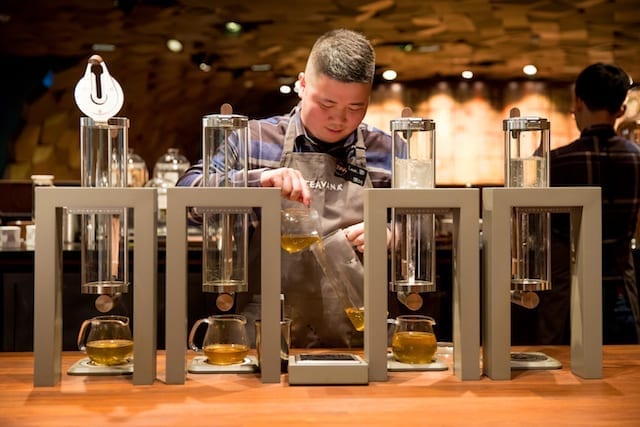
    The ambitious store expands Starbucks’ core offer, with more than 100 beverages on the menu, including Teavana tea infused with nitrogen and a new take on tea brewing with the Steampunk, which uses steam to extract unique flavors from each tea leaf.

    Starbucks Reserve Roastery - Shanghai 3

    Starbucks says the design is unique and will not be repeated elsewhere. Key design features include a ceiling consisting of 10,000 handmade wooden hexagon-shaped tiles inspired by the locking of an espresso shot on an espresso machine.

    Starbucks Reserve Roastery - Shanghai 4

    At the store’s entrance, mirroring the signature copper cask at the inaugural Starbucks Reserve Roastery in Seattle, customers will be greeted by the sight of a two-story, 40-ton copper cask adorned with more than 1000 traditional Chinese chops, or stamps, hand-engraved to narrate the story of Starbucks and its Reserve concept. The cask has a practical purpose, as well – connecting to the three coffee bars with pneumatic copper piping, replenishing all the roasted Starbucks Reserve coffee silos.

    Starbucks Reserve Roastery - Shanghai 8

    New bars and AR

    Besides the coffee experience bars, the new store features Asia’s first Princi bakery and cafe, with more than 30 Chinese bakers and chefs baking 80-plus menu items fresh onsite daily, based on artisanal recipes created by Italian baker Rocco Princi.

    Starbucks Reserve Roastery - Shanghai 9

    And it features China’s first Teavana Bar. Made entirely from 3D printed recycled material, the bar’s light jade colouring was inspired by ancient green clay teapots and the stains formed by brewing over time. Starbucks will continue China’s brewing tradition alongside tea curators as they practice mixology with the help of the Steampunk system’s nitrogen flavor extraction.

    Starbucks Reserve Roastery - Shanghai 10

    Designed by Starbucks, and powered by Alibaba, the Shanghai Roastery will become the first Starbucks location, and the first-of-its kind in China, to seamlessly integrate a real-time, in-store and online customer experience. Roastery customers are invited to immerse themselves in the first Starbucks augmented reality (AR) experience by simply pointing their phones at key features around the Roastery to bring to life information about the Starbucks bean-to-cup story. Guided through the space by a custom-designed AR “tour-guide,” customers can unlock virtual badges and a unique Roastery filter to commemorate their visit.

    “The affinity we have built with our partners (employees) and customers over the past 18 years in China is special and we knew we must bring the Reserve Roastery, our boldest, most premium store ever, to Shanghai, China’s bustling metropolitan hub and one of the world’s most dynamic retail destinations, as well as a gateway to customers from across Asia and the world,” said Howard Schultz, executive chairman of Starbucks Coffee Company. “We’ve created a space that both recognises and celebrates our 46-year history of coffee leadership and retail innovation with China’s rich, diverse culture.”

    Here’s a video from Starbucks showing some of the interior (no sound):