Tag: China

  • Tesla to set up electric-car R&D hub in Beijing

    Tesla to set up electric-car R&D hub in Beijing

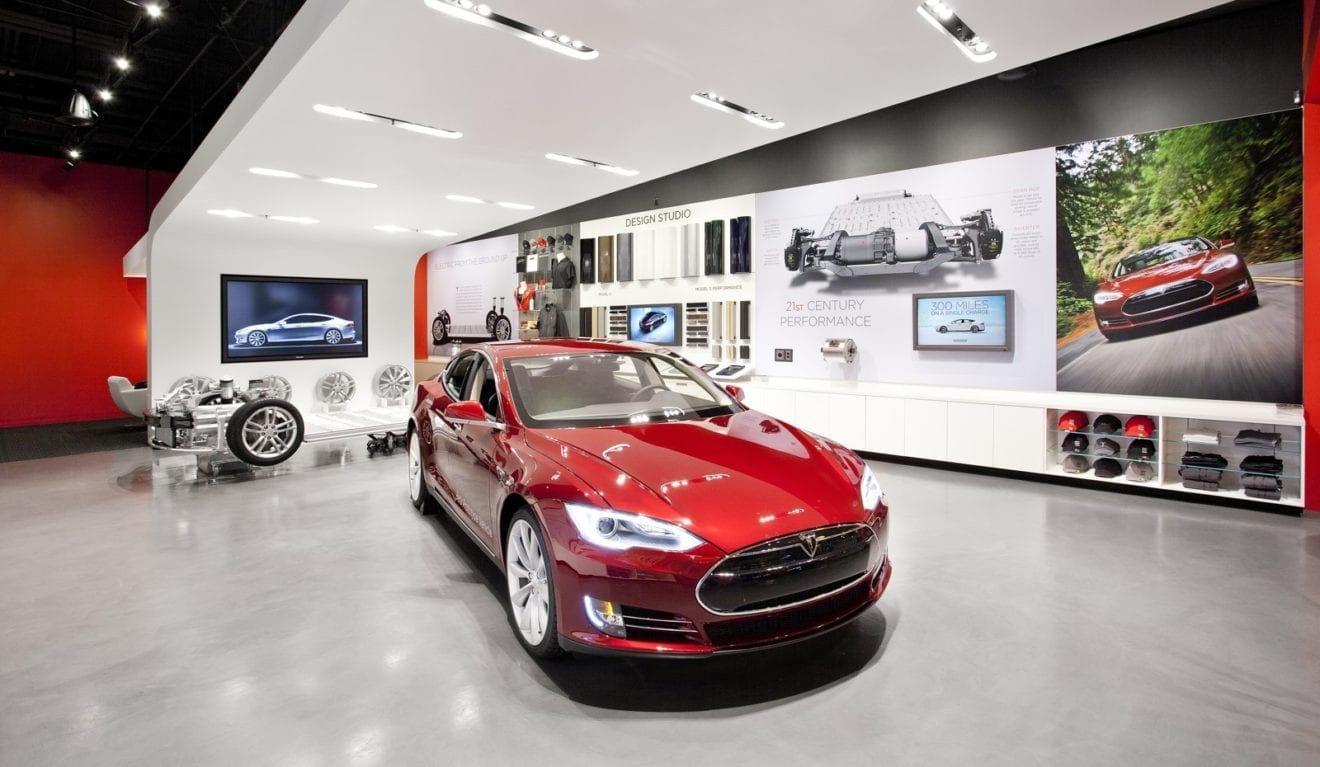
    U.S. electric-vehicle maker Tesla will set up an R&D center here as part of a Chinese expansion push that may also include local production.

    The automaker established in Beijing a company for research and development of “new energy” vehicles, a government filing shows. The new business, capitalized at $2 million, is wholly owned by a Hong Kong arm of Tesla, according to local media.

    Tesla sold an estimated 11,000 vehicles last year in China, its second-biggest market. Its cars are roughly 40% more expensive here than in the U.S., owing partly to a tariff on imported vehicles. Tesla is considering building cars in Shanghai to reduce prices, and it apparently decided that an R&D hub was needed as well in order to tailor its offerings to the Chinese market.

    The Beijing location is close to government agencies that handle standards and regulations for new-energy vehicles, in addition to being near the headquarters of a number of major companies.

    The Chinese government plans to relax ownership restrictions by June 2018 on joint ventures producing new-energy vehicles, letting foreign companies hold majority stakes in ventures based in free trade zones. The change — announced after U.S. President Donald Trump’s meeting this month with Chinese counterpart Xi Jinping — likely encouraged Tesla to expand its Chinese operations.

  • VW considers setting up commercial vehicles venture in China

    VW considers setting up commercial vehicles venture in China

    Volkswagen may expand cooperation with China’s Anhui Jianghuai Automobile (JAC) beyond electric cars to jointly develop and build commercial vehicles in the world’s largest autos market.

    The German group and JAC announced in June they were to set up a joint venture to develop and build zero-emission passenger cars as Volkswagen (VW) is pushing efforts to achieve the Beijing government’s production and sales quotas for new-energy vehicles.

    On Monday VW said it was looking along with its commercial vehicles division at deepening the cooperation with JAC to include the design, technology, product quality and development of multi-function vehicles.

    The venture would affect combustion engined and alternative-energy powered vehicles, would be owned equally by JAC and VW and would be based in JAC’s home town of Hefei, VW said.

    “VW Commercial Vehicles has a growing number of loyal customers in China,” executive Joern Hasenfuss said. “But there are significantly more opportunities,” he said without elaborating.

    Under the tie-up, VW and JAC could jointly tap growing demand for light pick-up trucks in China while the German group would also save customs duties by building its multi-van and Caddy vehicles at JAC facilities, analysts said.

    It’s also the latest evidence of VW’s foreign expansion not being confined to its passenger car operations.

    In September VW’s commercial vehicles arm started building the Amarok pick-up truck in Ecuador with local partner FISUM after starting production of the box-type Caddy model at a new multi-brand facility in Algeria two months earlier.

  • Oakley China will start with Nanjing store

    Oakley China will start with Nanjing store

    Oakley China has its first dedicated store, in Xinjiekou’s Deji Plaza, Nanjing.

    The Nanjing store follows the opening in Shanghai of a one-of-a-kind store for the group, being half Oakley and half Ray-Ban. “This Nanjing store is the first Oakley-only store in China, and it not only glasses focused.”

    It also offers the brand’s speciality activewear for such outdoor sports as skiing, cycling and running, and is situated beside other sporting giants Evisu, Nike and Puma, and is across from Adidas.

    Owned by Luxottica, Oakley works not only with Ray-Ban in China but with LensCrafters, another US retailer of prescription eyewear.

    Attending the official opening were Oakley president of retail for greater China Alessandro Donadelli, and LensCrafters, Ray-Ban and Oakley GM for greater China Carl James.

  • Peugeot ups Chinese petrol engine shipments amid diesel slump

    Peugeot ups Chinese petrol engine shipments amid diesel slump

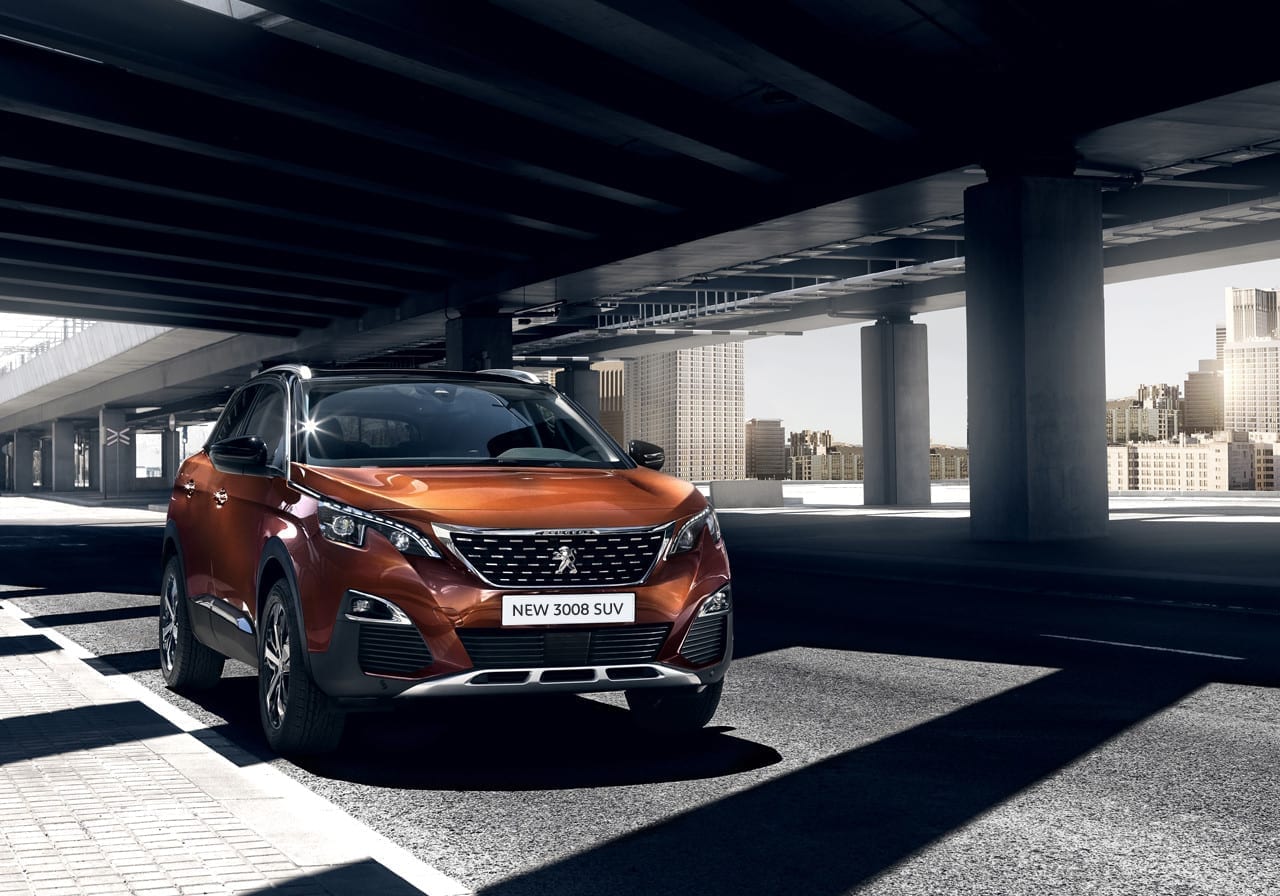
    French carmaker PSA Group is increasing shipments of Chinese-made gasoline engines to Europe as it adapts to a consumer shift away from diesel, Les Echos reported on Monday.

    The maker of Peugeot and Citroen cars now expects to source 100,000 gasoline engines from Chinese plants, an increase on the 55,000 it had previously planned to import in 2017-18, the French financial daily said.

    A PSA spokesman declined to comment.

    Paris-based PSA had announced the import plans earlier this year to accommodate the shift in demand while it converts some domestic engine production capacity from diesel to gasoline.

  • Gome Retail Holdings satisfying result

    Gome Retail Holdings satisfying result

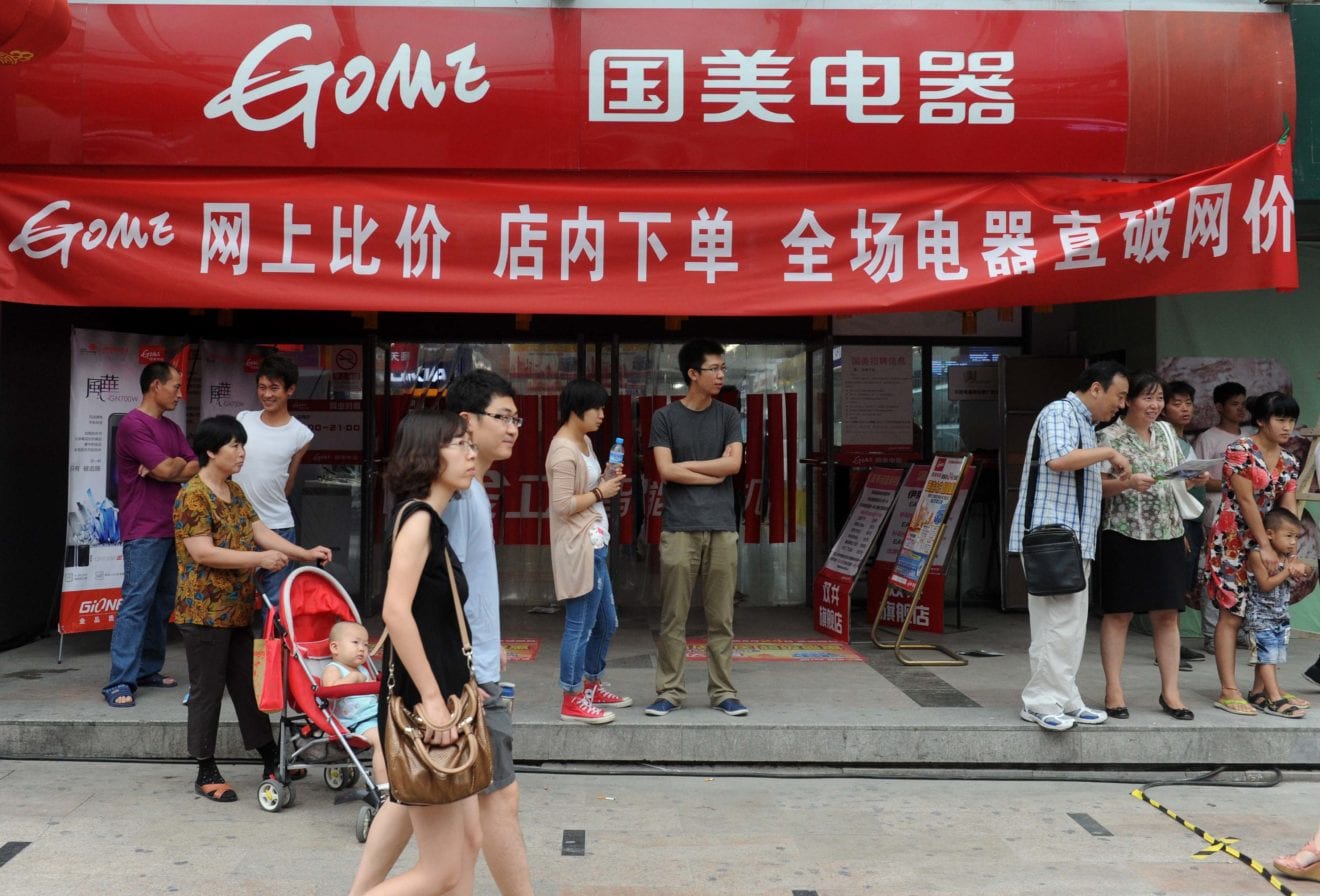
    Both online and offline business showed strong growth for electrical appliance retailer Gome Retail Holdings during the nine months to the end of September.

    Total gross merchandise volume (GMV) of the group for both online and offline grew by 20.04 per cent, while GMV of online e-commerce business grew by 58.13 per cent.

    Sales revenue was about RMB57.4 billion (US$8.6 billion), up 3.68 per cent on the same period last year.

    Consolidated gross profit margin was about 17.05 per cent, up 1.03 points, while profit attributable to the owners of the parent was about RMB220.1 million, a decrease of 10.71 per cent.

  • Swiss watch exports rise 9% on strong Japan, China and Hong Kong

    Swiss watch exports rise 9% on strong Japan, China and Hong Kong

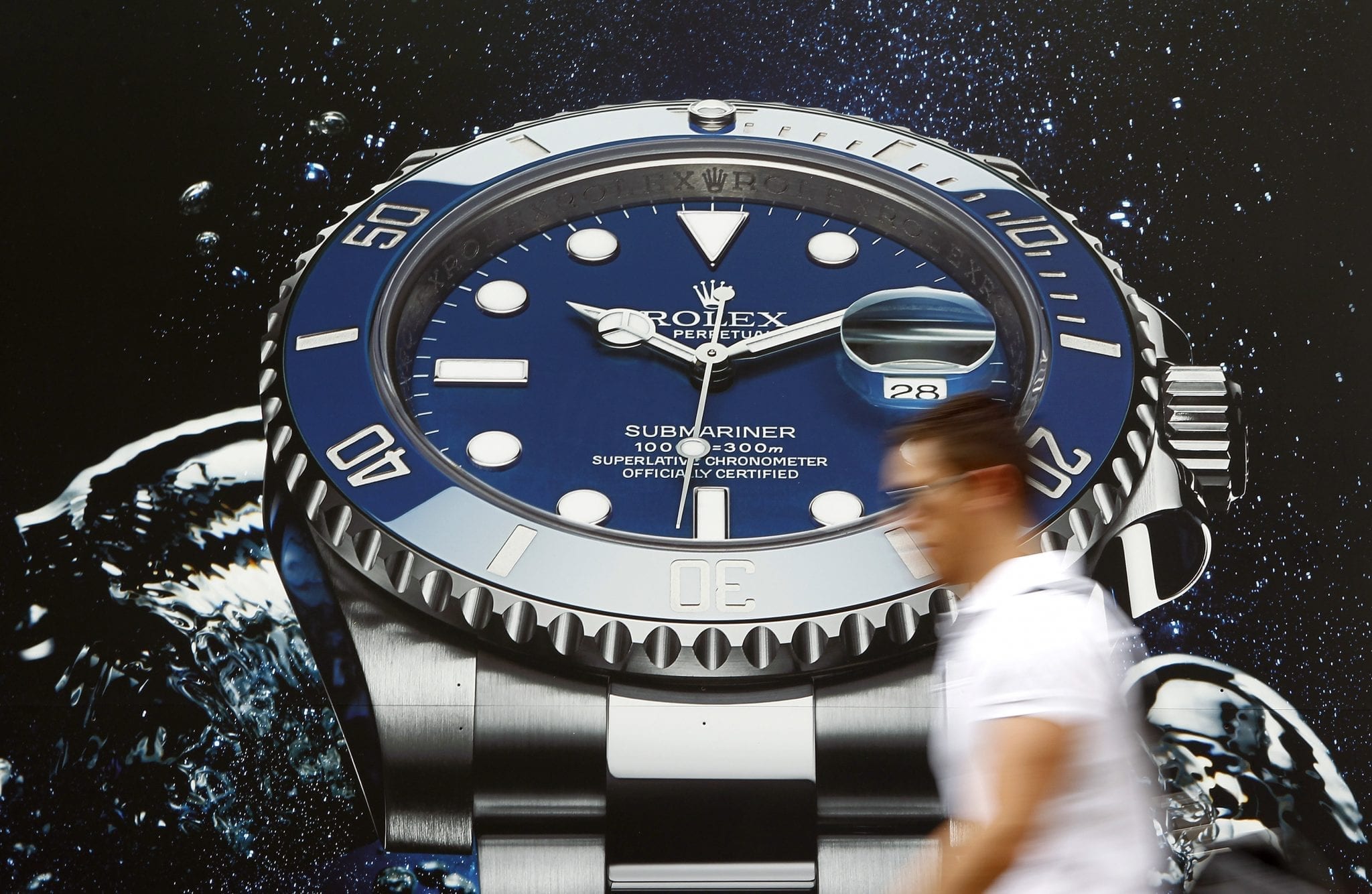
    Swiss watch exports jumped 9.3 percent in October 2017, on strong sales in Hong Kong and China, despite a lag in U.S. imports, according to the Federation of Swiss Watches.

    For the month-period, sales of Swiss watches totalled 1.85 billion Swiss francs, or $1.86 billion. The federation said that the monthly result confirms a solid improvement in the watch industry, with consolidated growth for the past ten months sitting at 2.4 percent.

    In September 2017, sales rose 3.7 percent and 4.2 percent in August.

    In October 2017, Japan recorded the fastest growth, where exports leapt 21.7 percent. Exports to China were up 18.2 percent, while Hong Kong, which is also the industry’s largest market, rose 15.8 percent.

    Outside Asia, the U.S. market remained dire, down 7.3 percent. Growth in Europe was a placid 5.9 percent, hurt by a 0.7 percent decline in Italy. Big player Britain inched forward 1.2 percent, showing signs of a slow down in October, said the federation.

    By watch category, exports of watches worth between 500 Swiss francs and 3,000 Swiss francs grew the fastest, up 20.3 percent in value terms, while watches priced between 200 Swiss francs and 500 Swiss francs rose 10.4 percent.

    The most expensive range, above 3,000 Swiss francs, rose 6.3 percent. Meanwhile, timepieces priced at below 200 Swiss francs dropped 3.4 percent, said the federation.

    Looking forward, the federation noted a “declining medium-term trend” in Japan.

    Analysts also fear that the ongoing weakness in exports of cheaper watches could prompt the resurgence of smartwatch domination over the longer term.

  • Mainland Chinese names drive Hang Seng’s return to 30000

    Mainland Chinese names drive Hang Seng’s return to 30000

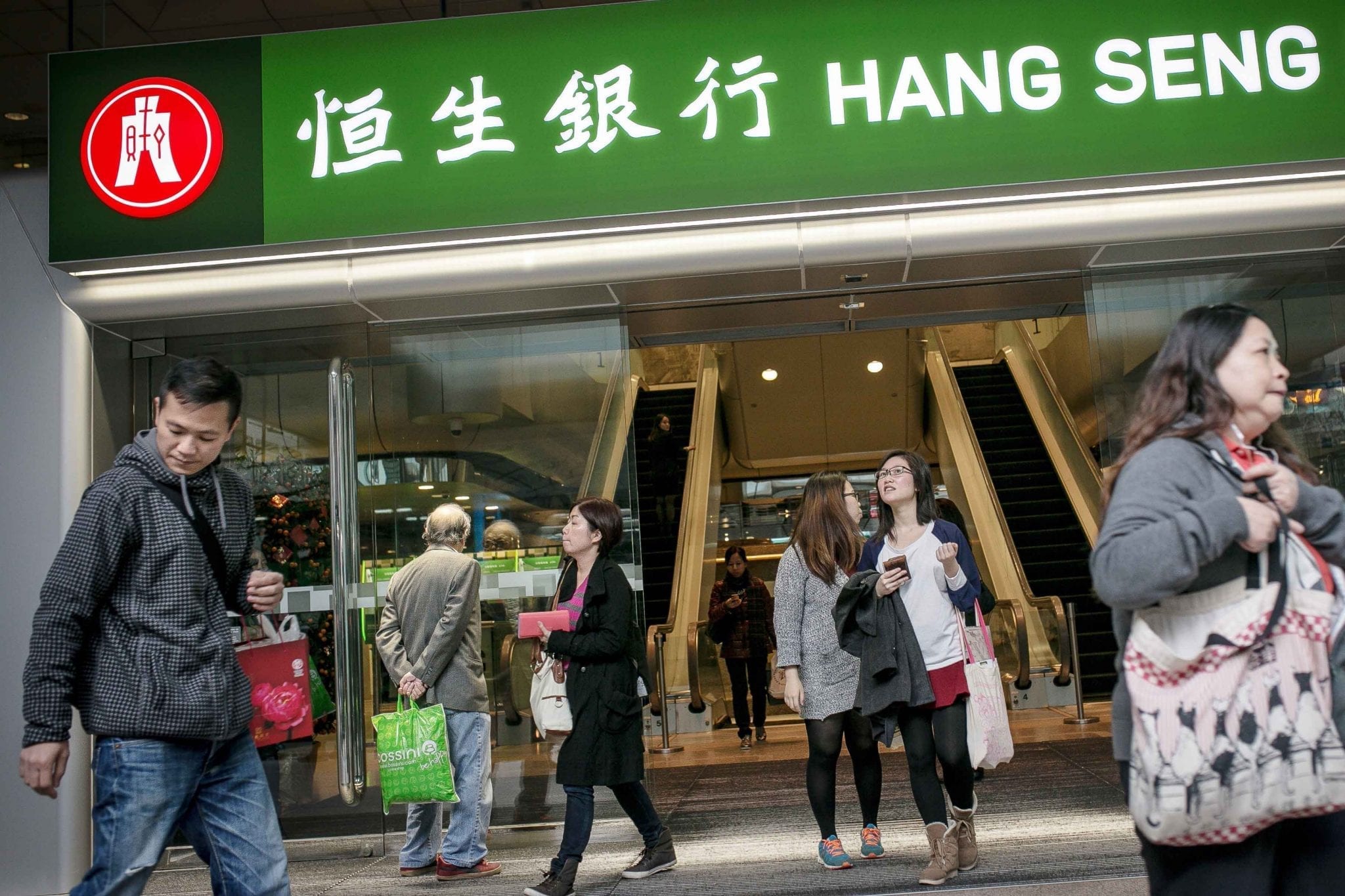
    The Hang Seng Index topped 30,000 for the first time in a decade on Nov. 22 amid a market sea change that is bringing mainland Chinese companies to the fore and leaving many big local names behind.

    The Hong Kong benchmark ended the day at 30,003.49, up 0.62%. It has gained 36% year to date, outpacing major indexes in Japan, South Korea, India and Singapore. The gains have been “driven first and foremost by Western investors,” said Sze Tung, asset manager at Victory Securities.

    Alex Wong Kwok-ying of Ample Capital additionally cites an influx of money from the mainland, where “investors have capital to spare.” Funds flow in via stock connect links established with Shanghai three years ago and with Shenzhen last December.

    Much has changed since the Hang Seng last topped 30,000 in November 2007, including an increase in the number of constituents from 40 to 50. Mainland companies now make up half the index, up from 38% a decade ago, and will become a majority in December when a reshuffle will add Sunny Optical Technology (Group) and Country Garden Holdings.

    The main engine powering the Hang Seng’s ascent also hails from the mainland: Tencent Holdings. The Shenzhen-based internet conglomerate listed in Hong Kong in 2004 and joined the benchmark index in June 2008. It tops the Hang Seng’s weighting list at 10.75%, beating such traditional Hong Kong powerhouses as HSBC Holdings and CK Hutchison Holdings.

    Tencent shares have more than doubled this year, buoyed by a number of positive factors, including China’s large internet user base, the release of mobile game “Glorious Mission” and news of the company taking a substantial stake in Snap, the American operator of photo- and video-sharing app Snapchat. Tencent’s market capitalization recently exceeded $500 billion, a first for an Asian enterprise. The milestone saw Tencent briefly surpass Facebook to become the world’s fifth-largest business by market cap.

    Tencent is not the Hang Seng’s only mainland-based standout. Geely Automobile Holdings’ shares have nearly quadrupled this year and those of Apple supplier AAC Technologies Holdings more than doubled.

    DROPPING OFF THE MAP

    Hong Kong-based companies, meanwhile, are fading into the background. Prominent names such as PCCW — the telecommunications company run by Richard Li Tzar-kai, younger son of tycoon Li Ka-shing — and Li & Fung, known for sourcing Chinese products for U.S. retail behemoth Wal-Mart Stores, have dropped off the benchmark index. Cathay Pacific Airways, Hong Kong’s de facto flag carrier, will lose its decades-old blue chip status in December.

    Mainland businesses, including both H-share companies based on the mainland and “red chips” incorporated in Hong Kong, are latecomers to the territory’s bourse. They gained a foothold in the early 1990s as China sought to work around diplomatic sanctions imposed by Western powers after the 1989 Tiananmen Square crackdown and to get its reform and opening-up policy back on track.

    The first H-share listing came in July 1993 with the Hong Kong debut of Tsingtao Brewery. A watershed followed in September 2006 with the inclusion of China Construction Bank (CCB) in the Hang Seng Index — the first H-shares to make it to the big leagues.

    Mainland companies increasingly favor Hong Kong as a listing destination for its better access to global investment capital and more predictable regulatory framework. These enterprises have a growing presence in the Hong Kong market as a whole. A total of 378 mainland Chinese businesses were listed there as of the end of October, including 226 H-share listings, accounting for almost 40% of the bourse’s total market cap.

  • Victoria’s Secret Tries ‘See Now, Buy Now’ at Shanghai Show

    Victoria’s Secret Tries ‘See Now, Buy Now’ at Shanghai Show

    Victoria’s Secret, the global lingerie name known as much for its “Angel” supermodels and its “Bombshell” branded products, has brought its iconic fashion show to Shanghai, with Alibaba Group’s Tmall and Taobao marketplaces and video-streaming site Youku used as broadcast channels to reach the world’s most sought-after consumers.

    In addition to locating the event in the world’s second-largest economy—the first time it has been held outside of the U.S. or Europe—the company is leveraging the “See Now, Buy Now” format made popular in China by Alibaba. All items seen on the runway, aside from those not yet released in the market, will be available for immediate purchase as Chinese shoppers watch the show.

    Alibaba’s See Now Buy Now fashion show kicks off the 11.11 Global Shopping Festival season every year. Last month, the show mixed the latest clothes and accessories from international names such as Ralph Lauren and MAC with performances by Chinese female rap sensation VaVa and pop icon Chris Lee to create a retail-as-entertainment experience for viewers.

  • Luk Fook Holdings gets back up to grow

    Luk Fook Holdings gets back up to grow

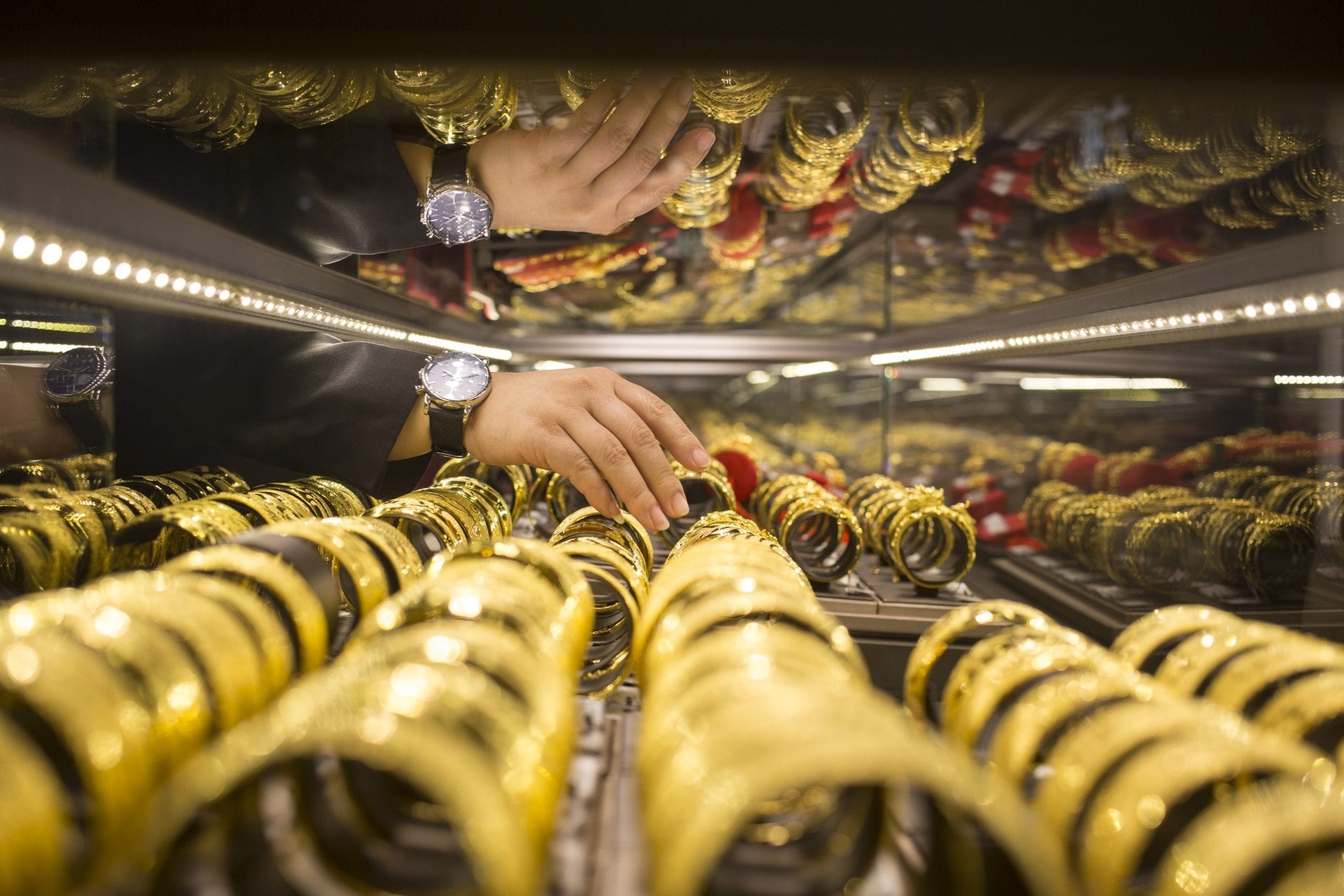
    In a golden first half, jewellery group Luk Fook Holdings (International) saw revenues and profits rise as it continued to expand its retail outlets.

    As well as a return to growth for same-store sales and a doubling of e-commerce sales, its interim results show a 14.9 per cent rise in revenue to HK$6.2 billion (US$794 million) for the six months to the end of September.

    A relatively stable gold price resulted in the group’s overall gross margin dropping to 26.2 per cent from 28 per cent a year earlier, but gross profit rose by 7.5 per cent to $1.6 billion. Profit attributable to equity holders grew by 21.3 per cent to $520.3 million.

    During the six months, the group added 46 Lukfook shops worldwide – 47 (29 licensed) in Mainland China and one in San Francisco, with two closures in Hong Kong. This took its global network to 1542 Lukfook shops (up from 1455 shops a year earlier), spanning Australia, Canada, China, Hong Kong, Korea, Macau, Malaysia, Singapore and the US. It also had 10 3D-Gold shops in China (an addition of one).

    Retail was the group’s primary source of revenue, which grew by 17.1 per cent to $4.7 billion, accounting for 75.1 per cent (up from 73.7 per cent) of total revenue.

    Slide reversed

    Back on track after three years of decline, first-half overall same-store sales growth was 11.2 per cent (minus 31.5 per cent a year earlier). There was double-digit growth in both Hong and Macau and Mainland China at 10.5 per cent (-32.3 per cent last year) and 16.7 per cent (-23.7 per cent) respectively.

    Hong Kong was the key market for the Group with the recovery of both retail sentiment and visitor arrivals. In terms of tourist spending, sales of jewellery, watches, clocks and gifts rose about 4.3 per cent, according to the Census and Statistics Department of Hong Kong. This was reflected in an 8.4 per cent lift in the group’s retail revenue in Hong Kong to $2.8 billion.

    Similarly, official figures in Macau show a 17.5 increase in tourist spending while the group’s revenue grew by 18.8 per cent to $790 million for the half-year.

    Meanwhile, retail revenue from the Mainland China market grew by 43.6 per cent to $924 million, attributed to an improved retail environment and more self-run shops. It accounted for 14.7 per cent of the group’s total revenue, up from 11.8 per cent a year earlier.

    Revenue from e-commerce in China jumped by 104.7 per cent to $136.6 million, accounting for 14.8 per cent of retail revenue, up from 10.4 per cent.

    Overall, first-half revenue from China grew by 25.5 per cent to $2.1 billion, accounting for 34.4 per cent of total revenue (31.5 per cent a year earlier).

  • Japan Industrial Production On Tap For Thursday

    Japan Industrial Production On Tap For Thursday

    Japan on Thursday released preliminary October data for industrial production, setting the pace for a busy day in Asia-Pacific economic activity. Industrial output is expected to rise 1.8% on month and 7.2% on year after falling 1.0% on month and gaining 2.6% on year in September.

    Japan also will see October figures for vehicle production, housing starts and construction orders. Housing starts are expected to fall 2.8% on year to 950,000 after sliding 2.9% in September to 952,000.

    Vehicle production was up 1.7% on year in September, while construction orders plummeted 11.6%.

    China will see November numbers for its manufacturing and non-manufacturing PMIs; in October, their scores were 51.6 and 54.3, respectively.

    The central bank in South Korea will wrap up its monetary policy meeting and then announce its decision on interest rates, with the bank widely expected to keep its benchmark lending rate unchanged at 1.25%.

    South Korea also will see October numbers for industrial production and retail sales. Output is expected to add 0.6% on month and 6.1% on year after gaining 0.1% on month and 8.4% on year in September. Retail sales were up 3.1% on month and 8.3% on year in September.

    Australia will provide October numbers for private sector credit and building approvals, plus Q3 data for private capital expenditure.

    Private sector credit is expected to add 0.4% on month and 5.3% on year after gaining 0.3% on month and 5.4% on year in September.

    Building approvals are expected to sink 1.0% on month and surge 14.1% on year after adding 1.5% on month and 0.2% on year in the previous month. Capex is expected to rise 1.0% on quarter after adding 0.8% in Q2.

    New Zealand will see November results of the activity outlook and business confidence indexes from ANZ; in October, their scores were 22.2 and -10.1, respectively.

    Hong Kong will provide October figures for retail sales – which are expected to rise 6.2% on year after gaining 5.5% in September.

    Thailand will release Q3 data for current account and October trade data. In the third quarter, the current account surplus was USD8.32 billion and the financial account deficit was USD6.89 billion. In September, imports were worth USD16.47 billion and exports were at USD21.87 billion for a trade surplus of USD5.40 billion.

    Malaysia will see October numbers for producer prices; in September producer prices were up 1.1% on month and 6.0% on year.

  • L Catterton Asia to form JV sportswear

    L Catterton Asia to form JV sportswear

    LVMH-backed private-equity firm L Catterton Asia has launched a JV between two of its portfolio companies, Chinese menswear fashion group GXG, and Australian compression activewear company 2XU.

    The strategic partnership will enable both companies to capitalise on the growing fitness and sportswear market in China.

    Established in 2007, GXG has a portfolio of four brands – GXG, gxg.jeans, gxg.kids and Yatlas. Its lines are available in more than 2100 stores across China, as well as online through third-party platforms such as Tmall and VIPshop. Its e-commerce GMV is expected to surpass RMB2.5 billion (US$378.5 million) this year, an increase of more than 50 per cent over last year. The company also achieved record sales of RMB485 million in this year’s Tmall 11.11 shopping festival.

    Since acquiring a controlling stake in GXG last year, L Catterton Asia has been working with the company’s management team to expand into new categories. It has supported GXG by offering extra collaboration opportunities and helping with global expansion.

    “GXG and 2XU are led by seasoned management teams with deep understanding and complementary knowledge of the fashion and retail industries, and we look forward to continuing to work alongside and support both teams,” says L Catterton Asia chairman/managing partner Ravi Thakran.

    Founded in 2005, 2XU produces technical athletic wear that is endorsed by elite athletes internationally.

    “Since L Catterton Asia’s investment in 2013, 2XU has experienced significant growth and I am grateful for their partnership as we continue to expand into attractive markets around the world,” says 2XU CEO Paul Higgins.

    With more than $14 billion of equity capital across six fund strategies in 17 offices globally, L Catterton has a team of more than 140 investment and management professionals. L Catterton Asia (previously L Capital Asia) was launched in 2009 and manages more than $ 1.6 billion across two private equity funds, and more than $2 billion including co-investments. It has offices in Singapore and Mauritius, with a regional advisory presence in Hong Kong, Mumbai and Shanghai.

    L Catterton Asia draws on its strategic relationship with Groupe Arnault and LVMH across the investment process. Its investments include Jorya Group, Marubi, Pepe Jeans, Sasseur, Trendy International and YG Entertainment.

  • More Dickson Concepts stores in Taiwan

    More Dickson Concepts stores in Taiwan

    Hong Kong fashion and watch retailer Dickson Concepts has opened three new stores in Taiwan this year as it continues its regional expansion.

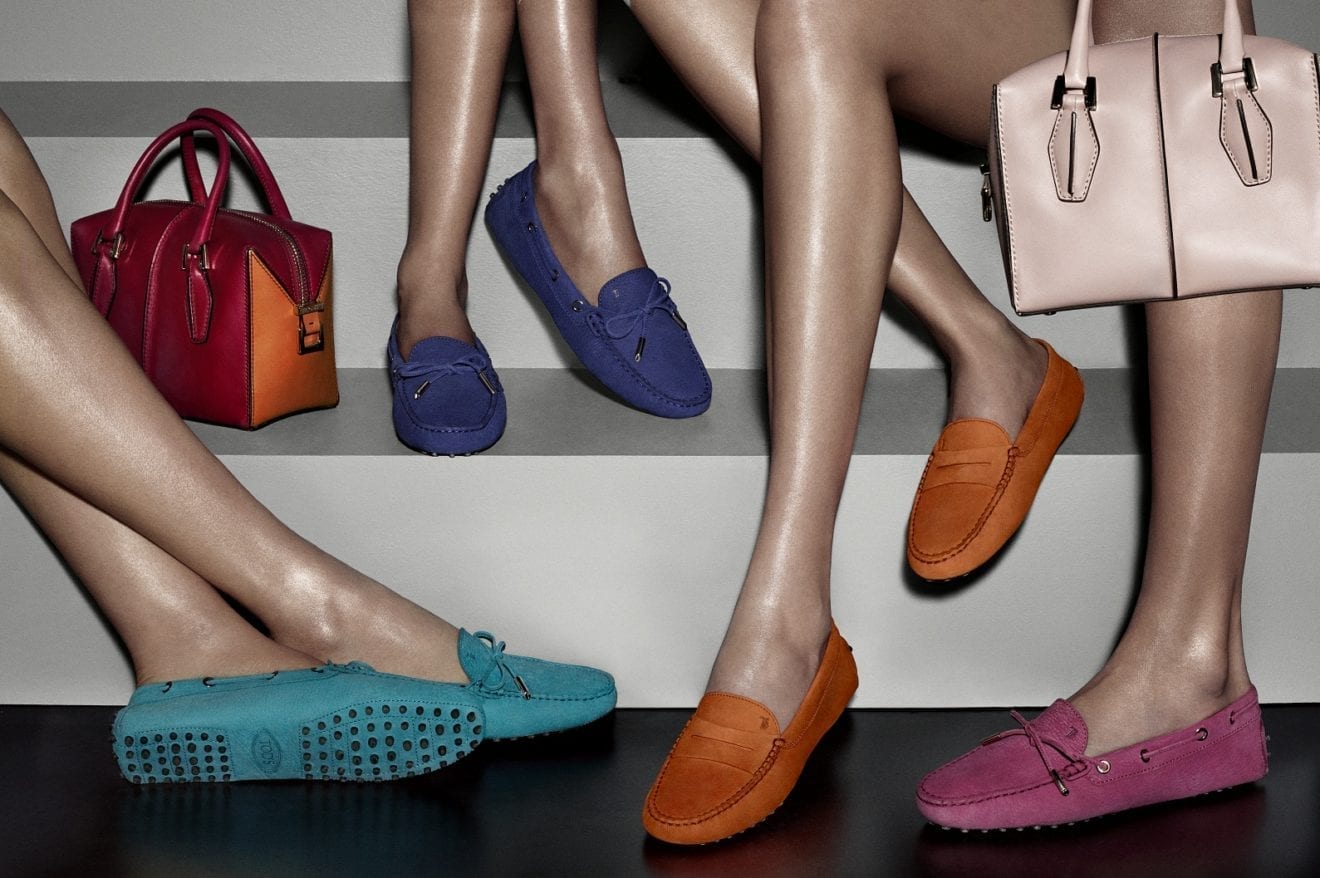
    Dickson Concepts operates retail stores under brands including Tommy Hilfiger, JT Dupont, Bertolucci, Roger Vivier, Tod’s and Harvey Nichols.

    At the end of September, the retailer had 111 stores: 25 in Hong Kong, 58 in Taiwan, 15 in Mainland China, five in each of Singapore and Malaysia and three in Macau. However, Hong Kong accounted for 75.6 per cent of its sales in the first half of this financial year, with Taiwan’s share just 18.4 per cent, despite the higher store count. Mainland China and the rest of Asia accounted for just 6 per cent of sales.

    Dickson Concepts reported total sales of HK$1.576 billion for the first half, an increase of 11.7 per cent. Same-store sales increased by 12.4 per cent. It posted a net profit attributable to shareholders of HK$8.1 million.

    The company said it expects the retail climate in Hong Kong, China and Southeast Asia to “remain volatile” in the foreseeable future.

    “The performance of the group in the Hong Kong retail market has improved slightly, but remains inconsistent,” said the company in its half-year profit announcement.

    “The Taiwan retail market has remained weak due to continued reduction in tourist arrivals from China, primarily caused by poor political relationship between Mainland China and Taiwan. In China, consumer demand continues to be affected by reduced spending on gift-giving.

    “Given these difficult conditions, the group will continue to rigorously control costs and expenses at all levels of operation and adopt a very cautious approach to its further expansion and development strategies.”

  • Foreign Investment Hotspots In Asia Pacific

    Foreign Investment Hotspots In Asia Pacific

    Cross-border real estate investment in the Asia Pacific region could achieve a record high this year as foreign investors shore up interest and seek assets in greener pastures beyond borders.

    As it stands, year-to-date intra-regional cross-border transaction volumes have already exceeded the previous 10-year record high in 2015 (1Q15-3Q15) by 30 per cent, and is currently a 21.8 per cent step up from its 10-year average (2007-2016).

    Singapore the main source of intra-regional capital

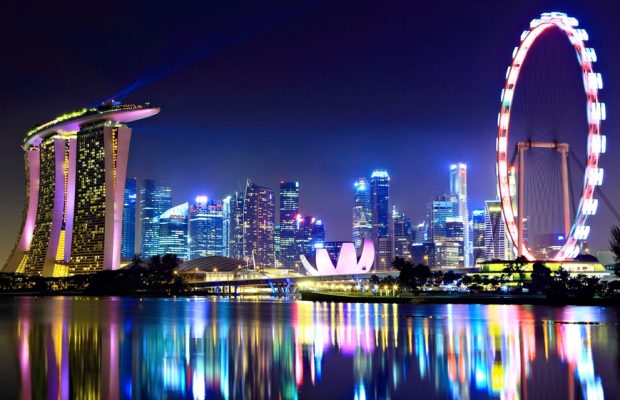
    Chinese would be the largest group of foreign investors if inter-regional flows were part of the picture. But in the context of intra-regional capital flows (which only considers deployment within Asia Pacific), Singapore continues to dominate with year-to-date foreign investments currently standing at US$5.6 billion.

    China (US$2.1 billion) and Hong Kong (US$2.9 billion) were ranked second and third respectively given a significant portion of capital are recycled between the two closely-integrated countries.

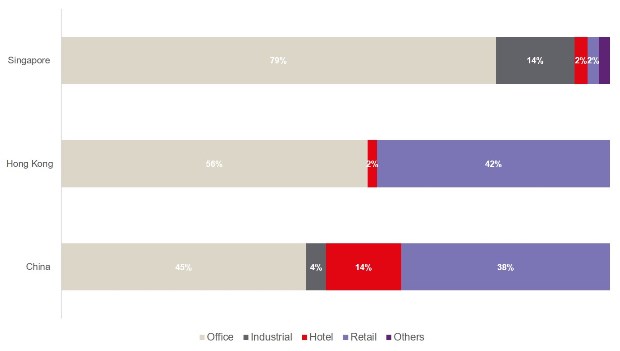
    These three countries make up 85 per cent of total source of foreign capital within the region.

    Much of the capital from these countries is allocated to office assets. From the standpoint of Singapore investors, most are seeking to plough capital in gateway cities such as Melbourne and Sydney, which offer steady and attractive income streams.

    79 per cent of Singapore capital has been allocated into outbound office assets, with 11 out of 18 of the office assets acquired based in Australia.  One such cross-border deal is the acquisition of 206 million Telstra Plaza building by Singapore’s ARA Asset Management and co-investment vehicle Straits Real Estate.

    While 45 per cent of China capital is allocated to office assets, most are flowing into Hong Kong strata-titled opportunistic assets, with a focus on capital growth.

    Figure 1: Allocation of intra-regional cross border capital outflow by asset classSource: JLL

    Australia and China most popular for foreign investors

    Australia and China draw the most foreign investments given assets in those markets generally offer more attractive yields. But relative to domestic purchasers, (Figure 3) India stands out with 65 per cent of its total transactions coming from foreign investors (all of which were Singapore based institutional funds investors).

    One notable example was Singapore sovereign wealth fund GIC’s US$1.4 billion joint venture with DLF Cyber City Developers, which also happened to be the largest cross border deal year-to-date.

    These investors are looking to ride the investment wave via debt deals and joint ventures with local partners, as the market continues to grow in depth and demonstrates their willingness to shift from traditional markets if the opportunity presents itself.


  • Black Friday crushes Singles’ Day Chatter in Southeast Asia

    Black Friday crushes Singles’ Day Chatter in Southeast Asia

    Bigger is not always better – or so retailers are discovering following the conclusion of the biggest shopping extravaganzas.

    While Singles’ Day hit a record US$25.3 billion dollars in sales, it was Black Friday and Cyber Monday that dominated social media chatter in Singapore, Malaysia and Indonesia.

    Meltwater, a global media intelligence company, tracked online reactions in the lead-up to – and during – Singles’ Day, Black Friday and Cyber Monday and found that over eight in ten conversations (82.92%) online were focused on Black Friday and Cyber Monday.

    “The rise of Singles’ Day in recent years has been astronomical, breaking records every year and drawing interest from around the globe. While it’s clear that Chinese consumers are spending and talking about Singles’ Day, this massive spend and conversation in China seems to have translated poorly to other markets in Southeast Asia. Black Friday and Cyber Monday still prevail, highlighting the fact that these markets have yet to be fully penetrated by the Chinese phenomenon,” said Neil Brennan, Area Director, Meltwater Japan and South East Asia.

    Meltwater tracked online perceptions across Facebook, Twitter, Instagram, YouTube, blogs, forums, message boards and review sites from 28 October to 28 November 2017.

    Indonesia generates maximum buzz

    Regionally, Indonesia led the way driving the highest volume of online chatter with 88.6% of conversations centered around Black Friday and Cyber Monday.

    Out of the three markets monitored, Singapore generated the most social media buzz for Singles’ Day, accounting for 22.14% of the conversations, followed closely by Malaysia at 21.97%.

    Share of Voice Regional Singapore Malaysia Indonesia
    Singles’ Day 17.08% 22.14% 21.97% 11.4%
    Black Friday & Cyber Monday 82.92% 77.86% 78.03% 88.6%


    Alibaba for the win

    Conversations across all countries typically revolved around finding good deals and offers from specific retailers. It is noteworthy that Alibaba was a major source of online chatter thanks to its record breaking sales figures. Lazada, backed by Alibaba, also drew a considerable amount of chatter following their Singles’ Day push. The largest trending topic in Indonesia was Taman Anggrek, a famous mall located in Jakarta, known for being one of the biggest in Southeast Asia.

    Trending Keywords Black Friday & Cyber Monday Singles’ Day
    Regional
    1. Sales
    2. Amazon
    3. Best Buy
    1. Alibaba
    2. Lazada
    3. China
    Singapore
    1. Black Friday Sales
    2. Free Shipping
    3. Amazon
    1. Lazada Sale
    2. Taobao Buying Guide
    3. Qoo10 Deals
    Malaysia
    1. Amazon
    2. Black Friday Sales
    3. Cyber Monday Sales
    1. Alibaba
    2. Singles’ Sale
    3. China
    Indonesia
    1. Amazon
    2. Best Buy
    3. Black Friday
    1. Taman Anggrek
    2. Singles’ Sale
    3. Alibaba


    How the platforms stacked up

    A majority of the conversations took place on Twitter, Instagram and online forums. Twitter emerged as the top platform contributing to more than half of all conversations about Singles’ Day and over 85% of chatter on Black Friday and Cyber Monday.

    # Top Three Platforms – Black Friday & Cyber Monday
    1 Twitter – 86.51%
    2 Instagram – 6.81%
    3 Forums – 6.53%


    # Top Three Platforms – Singles’ Day
    1 Twitter – 57.92%
    2 Instagram – 29.67%
    3 Forums – 11.68%


  • Warburg Pincus bets big on Chinese car park operator Sunsea

    Warburg Pincus bets big on Chinese car park operator Sunsea

    Warburg Pincus, one of the largest investors in China’s commercial and industrial real estate, has found its next pot of gold amid the country’s property market, as residential assets succumb to a year-long government campaign to cool prices.

    The New York-based private equity firm said it is investing 1.5 billion yuan (US$227 million) into Sunsea Parking together with Warburg-backed Red Star Macalline, the largest furniture retail chain in China.

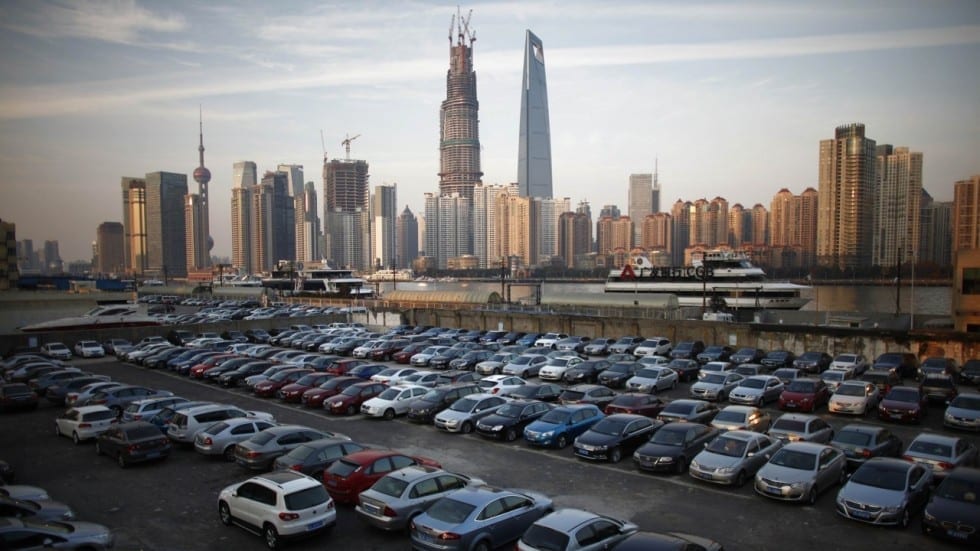
    The partnership would transfer the operational rights of 300,000 parking spaces at Red Star Macalline’s malls in China to Sunsea, while the parking operator would use the proceeds to buy the rights to manage another 35,000 to 40,000 spaces, according to a statement.

    “The number of China’s private passenger cars is growing at an annual rate of 10 per cent and the country has become the largest market in the world. But the number of parking spaces lags far behind the demand,” said Joseph Gagnon, managing director and head of Asia real estate at Warburg Pincus. “Beijing’s parking spaces to car ratio is just one third of Hong Kong’s.”

    According to a Bain & Company report, every car in Beijing and Shenzhen has 0.4 registered parking spaces, compared to 1.3 in Manhattan and 2.5 in central and western US.

    Other oft-cited data from China’s National Development and Reform Commission estimates there is a 50 million gap in the number of spaces in China. In Beijing alone, the gap was 3.55 million by 2016.

    The Bain survey showed 60 per cent of China’s drivers said they had difficulties finding a parking space in urban central areas, and the same number take more than five minutes to find a spot.

    It estimated that parking fees collected in China’s first and second-tier cities will grow by an average 13 per cent during 2016-2021, to 780 billion yuan (US$118 billion).

    “Car parks as an asset class is currently underestimated,” said Yan Liang, chairman of the Sunsea Parking Group.

    “The asset owns both the characteristics of real estate and financial products, which could potentially be the underlying asset of Reits.

    “More and more commercial properties are shifting from a sale model to leasing model (in terms of car parks), which involve more management, and there is huge potential for efficiency improvements and cost cutting.”

    Sunsea Parking now operates nearly 200,000 parking spaces across 40 Chinese cities and according to Red Star Macalline, its revenue from those increased by an average 50 per cent after Sunsea took control, which is why Red Star Macalline decided to invest in it, and hand over their management.

    Yan, the chairman of Sunsea, said rare foreign capital had been tapping into China’s parking space industry because few spaces carry independent, clear cut property rights, and are sporadically located, creating hurdles for management.

    “Clearly the value is underestimated. You see attached parking spaces can be sold for 5,000 yuan per sq m, while the whole flat is sold for 50,000 yuan per sq m,” said Yan.

    Cao Wenwei,,CEO of Limetree Capial, a US dollar private equity firm, which had invested in parking spaces, said what interests investors most is they can provide a steady cash-flow to develop financial products, for example asset securitisation.