Tag: China

  • CapitaLand and CRCT to jointly acquire 100% interest in company that owns Rock Square

    CapitaLand and CRCT to jointly acquire 100% interest in company that owns Rock Square

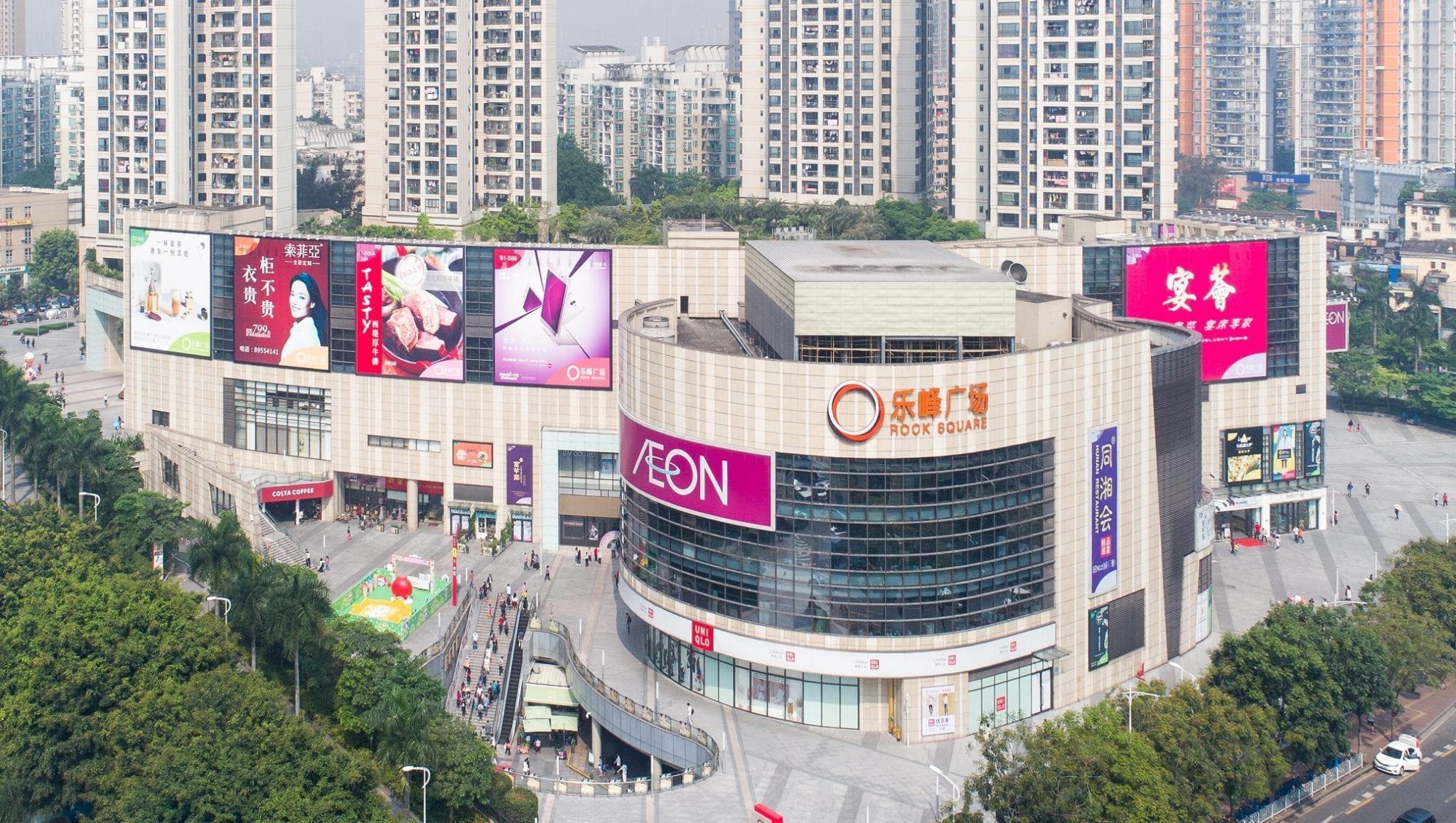
    CapitaLand and CapitaLand Retail China Trust (CRCT) have formed a joint venture to acquire all the shares in a company that owns an operational shopping mall, currently known as Rock Square, located in Haizhu District in
    Guangzhou. CRCT is the majority shareholder with a 51% stake in the joint venture, while CapitaLand owns the remaining 49%. This marks CapitaLand’s second mall and CRCT’s first in Guangzhou, the provincial capital of Guangdong Province in South China and one of four first-tier cities in China.

    Total purchase consideration payable is about RMB3,360.7 million (about S$688.9 million), which includes but is not limited to the company’s interests in Rock Square with an agreed value of RMB3,340.7 million (about $684.8 million). The transaction is expected to be completed by 1Q 2018.

    Rock Square is one of the largest malls in Haizhu District with a gross floor area (GFA) excluding car park of about 83,591 sq m. Surrounded by densely populated residential estates, the mall caters to about 800,000 residents from middle- and high-income households within a three-kilometre radius. The mall is directly connected to Shayuan metro station, which serves Line 8 that links Guangzhou’s eastern and western areas, and
    Guangfo Line that connects Guangzhou with Foshan. The planned extension of Line 8 and Guangfo Line by 2019 is expected to increase the mall’s population catchment.

    Mr Jason Leow, CEO of CapitaLand Mall Asia, said: “China is an important core market to CapitaLand. We continue to invest in our China shopping mall business under our ‘core city clusters, dominant assets’ strategy, which focuses on strengthening our presence in five city clusters with quality assets that command a dominant market position. Given Rock Square’s significant scale and strategic location with excellent transport links, the acquisition presents a rare opportunity to increase our exposure to the high-growth retail market in a first-tier city.

    As an operational mall with upside potential, the acquisition will also help CapitaLand to increase our recurring income base as we continue to expand our business.”

    Mr Leow added: “When completed, the acquisition will boost CapitaLand’s retail presence in Guangzhou, where we currently own and manage CapitaMall SKY+, which opened in 2015. By leveraging on our experienced team in Guangzhou to manage the new mall, we will be able to benefit from the network effect of an enlarged portfolio.”
    Mr Tan Tze Wooi, CEO of CapitaLand Retail China Trust Management Limited, said: “The acquisition marks CRCT’s strategic entry into another first-tier city after Beijing and Shanghai.

    It represents a progression of our portfolio reconstitution strategy, whereby capital from the sale of CapitaMall Anzhen is recycled into a multi-tenanted mall with a longer balance tenure and stronger growth potential. The addition of Rock Square serves to diversify CRCT’s tenant base and improve the quality of earnings by increasing our exposure to more varied and higher-yielding trade categories. Post-completion, the accretive acquisition will boost CRCT’s portfolio size by about 28% to approximately RMB15.1 billion (about S$3.1 billion).”

    Mr Tan added: “In view that leases accounting for over half of the mall’s total rent are up for renewal between 2018 and 2020, the timely acquisition will present us with a window of opportunity to achieve rental uplift through active tenant mix adjustments, unit reconfiguration and improvements to the layout. This is supported by the mall’s current mix of popular retailers, which serves as a strong base to attract more quality brands to enhance
    the overall shopping experience. Coupled with the cost synergies from working with our sponsor CapitaLand to manage the mall, we are confident of driving the growth of Rock Square and turning it into a significant contributor to our overall performance.”

    Opened in 2013, Rock Square is a five-storey shopping mall with three levels above ground and two basement levels. Positioned as a modern and trendy retail destination offering a wide range of fashion, F&B, children-oriented and entertainment options, the mall houses well-known international brands such as AEON, UNIQLO, ZARA and Victoria’s Secret. As at June 2017, the mall was 96.4% committed.
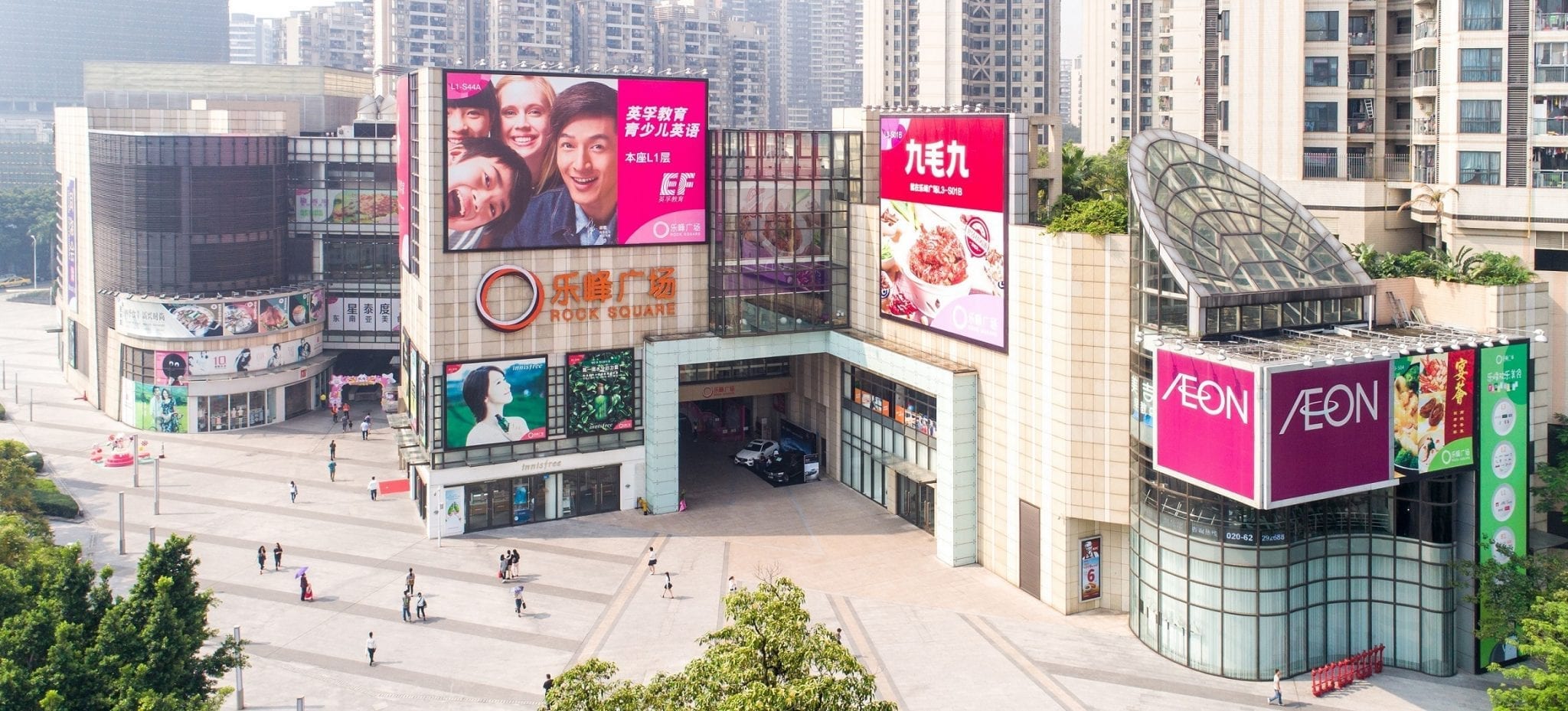
    The mall is located in Haizhu District, Guangzhou’s second most populous urban district that also ranks high in terms of disposable income per capita4. A popular residential area for Guangzhou’s new affluent class, Haizhu District is home to the Creative Industry Zone (where leading technology firms such as Tencent are based), the city’s landmark Canton Tower and top tertiary institution Sun Yat-sen University.

    Guangzhou is the most populous city of Guangdong Province with a population of 14 million. It is an important communications and transportation hub in South China with a flourishing high-tech industry. In 2016, Guangzhou’s GDP grew 8.2% year-on-year, outpacing the national average of 6.7%. In the same period, both disposable income per capita rose and total retail sales rose by 9.0%. These positive indicators are expected to see further growth support, as Guangzhou transforms into a major commercial centre in South China with a
    fast-evolving retail scene and an increased emphasis on driving domestic consumption.
  • BingoBox to bring unmanned stores to Hong Kong

    BingoBox to bring unmanned stores to Hong Kong

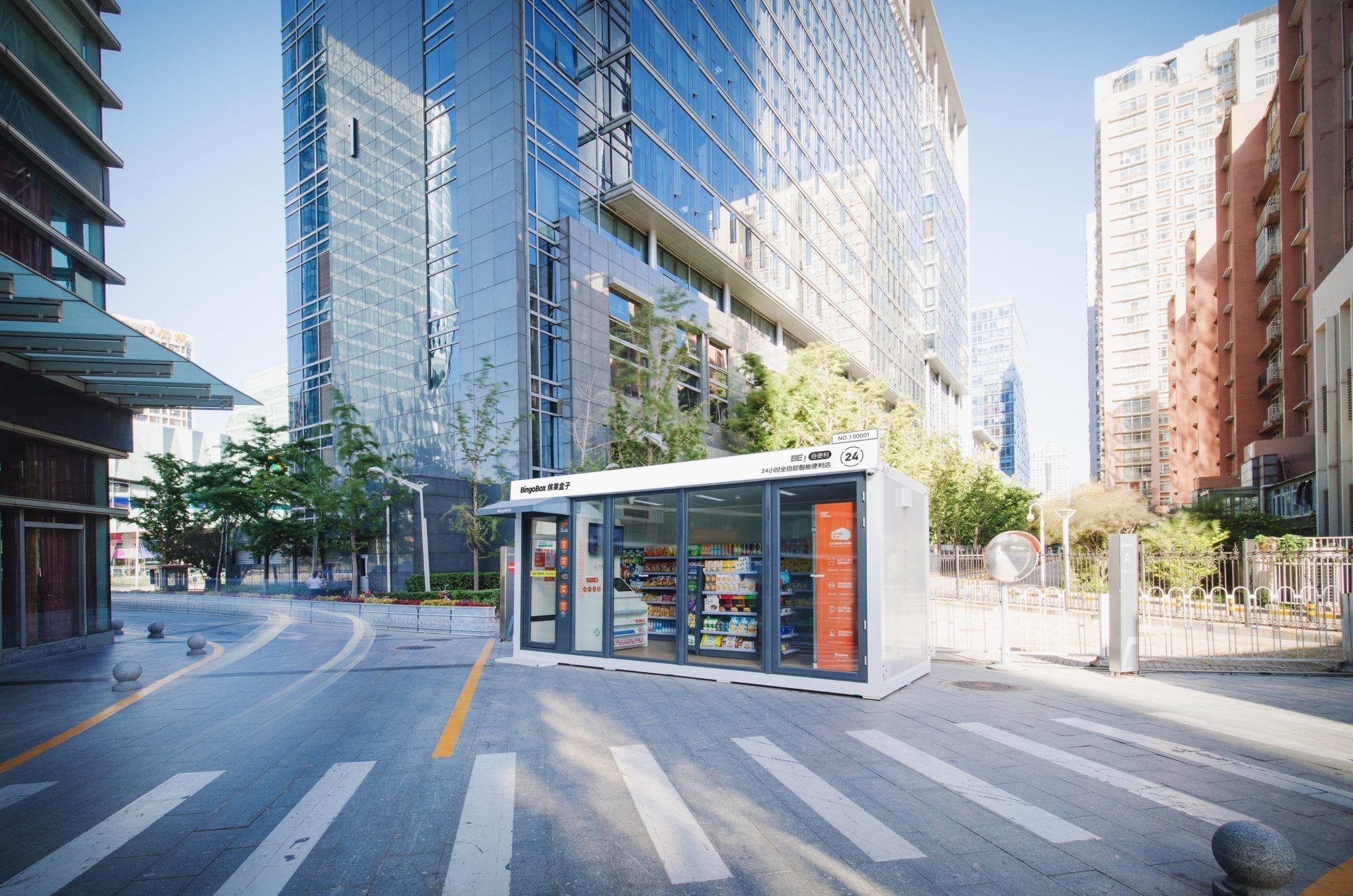
    China’s unmanned convenience-store brand BingoBox plans to introduce its cashierless concept to Hong Kong next year, targeting neighbourhoods and suburbs.

    “With unmanned stores the labour cost is eliminated, making them far more cost-effective, even in expensive cities like Hong Kong,” says BingoBox chief executive Chen Zilin.

    South Korea already has an unmanned 7-Eleven outlet, termed Signature, in Seoul, while as part of its “new retail” concept Alibaba runs an unmanned coffee shop that uses facial recognition for customer payments. Also in China, JD.com has launched unmanned convenience stores that use technology to track products and customer movements.

    In Hong Kong, BingoBox is talking with potential partners to jointly run its outlets. It will target areas that do not have convenience stores, such as parks, villages and public-housing estates, says Chen.

    On the mainland, the company has nearly 200 stores with the aim of reaching 5000 before the end of next year.

    Users scan a QR code to enter a BingoBox, place their purchases on a checkout counter that automatically scans and tallies up the total. Payments are made via mobile wallets such as Alipay or WeChat Pay.

    “As BingoBox is an unmanned store that entails almost no labour cost, we can open in areas with lower foot traffic, whereas traditional convenience stores pay high rents for prime locations,” Chen says. He is not specific about store numbers for Hong Kong, just saying “double digits”.

    The company is also looking to expand into South Korea and Malaysia within the next six months.

    Mainland BingoBox stores generate about RMB850 (US$130) in sales each day, some raking in as much as RMB6000. Chen says the shortest break-even time for a BingoBox store was five months.

    Bingbox partnered with French retail firm Auchan to launch a trial in Zhongshan, Guangdong province, last year before opening its first store, in Shanghai, in June.

  • Cath Kidston to change focus on expansion

    Cath Kidston to change focus on expansion

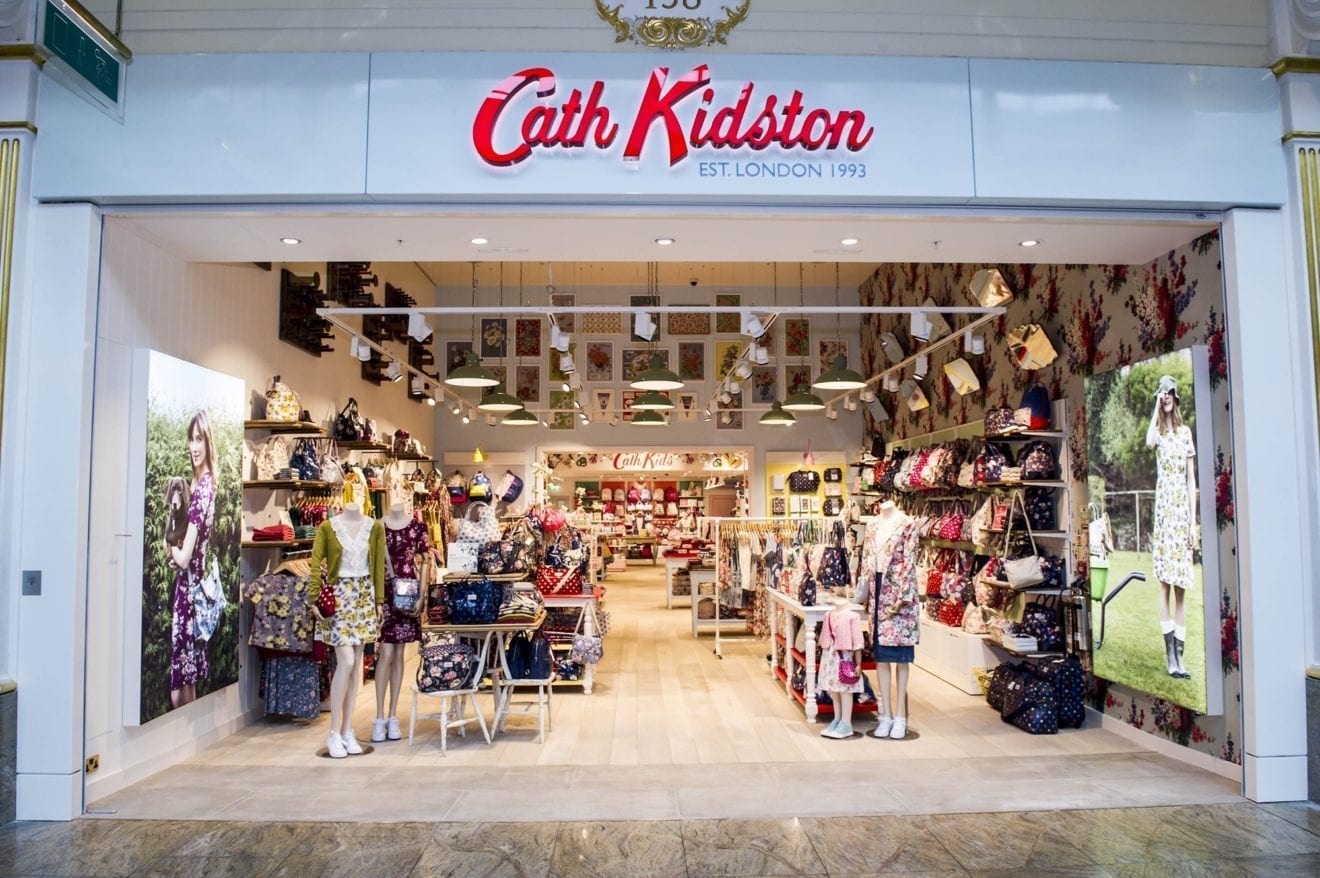
    As Cath Kidston China scales back because of diluted profits, the British handmade accessory chain is rolling out an expansion in other parts of Asia.

    It’s prime focus is Japan, where it plans to nearly double its presence over the next three years. South Korea and Thailand are the next two markets flagged for growth.

    CEO Kenny Wilson says the company plans to expand to about 55 stores in Japan, a decision based on two independent studies. Known for its flowery prints, the brand is likely to pop up soon in prime spots such as Tokyo’s Shibuya and Shinjuku shopping districts as well as cities like Chiba and Shizuoka.

    Cath Kidston also plans to bolster its online presence by creating synergy between its physical stores and e-commerce shop.

    Wilson believes the brand’s initial success in Japan comes from its “pretty, feminine, cute and colourful” products. “I think people in Japan like our business, because they love handcraft.” Each Cath Kidston print is hand drawn.

    Meanwhile, the brand has been growing about 20 per cent on average across Asia Pacific and expects the demand for design-focused accessories to increase against a backdrop of continued economic growth.

    It has upped its output of leather products, tapping into the business market, while collaborative items with Disney have also helped boost sales.

    As high rents cut into profitability, the company has shifted its strategy in China. This will see it close more shops and concentrate on e-commerce.

  • Elliatt launches first brand store in China

    Elliatt launches first brand store in China

    Six-year-old Melbourne design brand Elliatt has opened its first-ever own-brand store – not in Australia, not in an established market of the West, but in China.

    However, it did use its home city’s most famous sporting event, the Melbourne Spring Racing Carnival, to promote its arrival in Shanghai with the first of 16 stores for an initial roll-out.

    It invited Chinese actress Zhang Meng (“Lemon”) to socialise in the celebrity “birdcage” area at the race course for two days, showing off a range of Elliatt styles and, of course, sending out images and comments to her 7.6 million Weibo followers in China.

    “Iconic sporting events like this provide a great opportunity for local brands and designers to launch themselves on to the world stage and break into new markets, especially in China,” says executive director for trade Gonul Serbest of Trade Victoria, a government department that connects state brands with international partners. “The races have always been a place for Melbourne to flaunt its reputation as Australia’s fashion capital.”

    Elliatt’s target niche is consumers between 25 and 35 years old who want well-cut clothing with special details such as lace, embroidery and prints, and high-quality materials at a price point within the accessible luxury segment.

    Global boutiques

    Its fashions are stocked in more than 1200 boutiques globally, including Bloomingdale’s and Nordstrom, and the brand has distribution networks spanning Asia, Australia, New Zealand, Europe and the US. The brand has turnover of about US$5.3 million annually.

    “China is our biggest growth market,” says Elliatt founder/designer Katie Pratt. “My business partner is Chinese and knows the market quite well. We are seeing more rapid growth with our brand in China in a shorter period than anywhere else.”

    It was this that prompted Elliatt to finally launch an own-brand store, but not at home.

    Pratt believes consumers in China identify strongly with the brand. “We’re quite quirky, we’re colourful, we’re detailed and quite feminine, and that is resonating really well with Chinese consumers. Also, in the areas of the market we are pitching at, there is less competition in China.”

  • “Shine Bright” Like Cafe de Coral

    “Shine Bright” Like Cafe de Coral

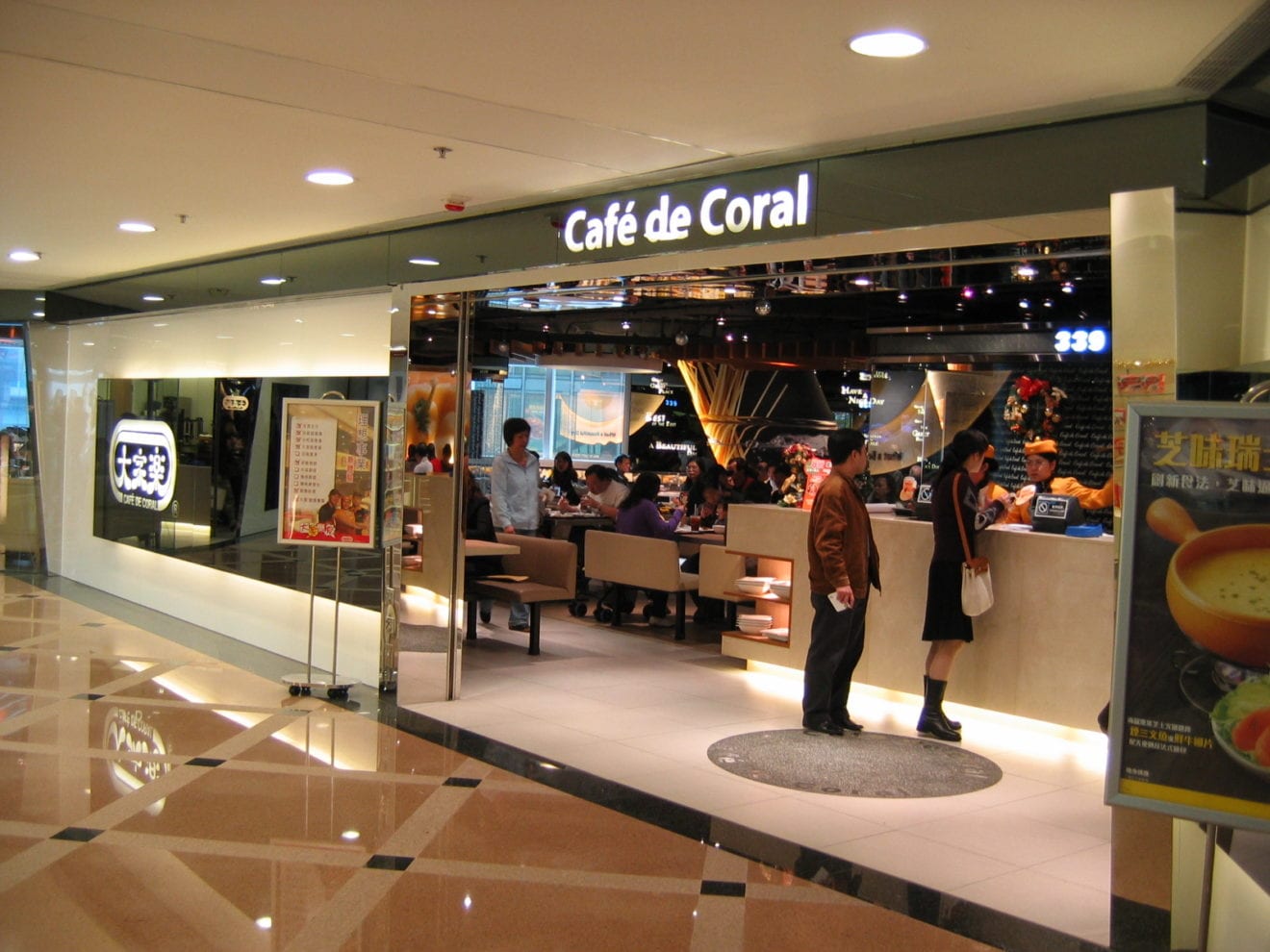
    With expansion in Hong Kong and “outstanding” growth in China, restaurant/catering group Cafe de Coral Holdings says it has had six months of key achievements.

    Its first-half revenue grew by 6.2 per cent to HK$4.1 billion (US$525 million), but profits were hit as rising staff costs exceeded the group’s pace of revenue growth. The profit attributable to shareholders, $205.7 million, was down 11.3 per cent on last year’s first half, while gross profit margin fell to 11.9 per cent from 13.3 per cent.

    This decline, in Hong Kong, was largely because of the group’s investment in people for its core quick-service restaurant (QSR) business. “This was necessary for attracting and retaining talent in a highly competitive labour market,” says Cafe de Coral, which continued its network expansion by opening more outlets than in previous years.

    However, the drop was partially offset by business growth in Mainland China. “Following our previous efforts to consolidate our branch network there, our product and promotion strategies began to pay off with strong growth in same-store sales and profit.”

    QSR and institutional catering brands continued to dominate in Hong Kong, contributing to 74.6 per cent of the group’s total revenue for the period. Revenue from this division rose 5.7 per cent to $3 billion.

    At September 30, the group’s QSR and institutional catering business had 306 units, up from 295 at the end of March.

    Positive market

    The market for fast-food service in Hong Kong was positive, with customers still price sensitive and value-driven. Cafe de Coral fast food achieved same-store sales growth of 3 per cent, and 10 branches were opened for the group to finish the period with 170 outlets.

    Its other QSR brand Super Super Congee and Noodles had 51 stores at the end of September, with two new outlets since March 31. Same-store sales growth was maintained at 1 per cent.

    Overall, the performance for institutional catering was steady, with both Asia Pacific Catering and Luncheon Star gaining new contracts. The total number of business units at the end of the review period was 85, up from 79 six months earlier.

    After brand renovations and consolidation, casual-dining revenue grew 9.2 per cent to reach $422 million, and the first half ended with 72 shops, up from 64 at the end of March. Underperforming outlets of The Spaghetti House were closed, while Oliver’s Super Sandwiches had a rebranding program. The two restaurant chains had 10 and 18 shops respectively at the end of September, compared with 12 and 19 six months earlier.

    Cafe de Coral’s homegrown brands established a stronger foothold through expansion. Three Shanghai Lao Lao outlets were added during the half-year, as well as six Mixian Sense restaurants.

    China strategy

    After a period of store consolidation, the company’s focus for the mainland was on developing a local management team and menus catering to local tastes. This strategy began to pay off with same-store sales growth of 15 per cent and “substantial profit growth” in southern China.

    During the six months, the China division saw revenue rise 7.3 per cent to $548.3 million, while the total number of restaurants was consolidated at 96, down three from March 31. O2O delivery services were also launched, which the group says have been growing faster than the in-store market.

    Late last month, the group closed its final two stores in eastern China as part of a short-term strategic adjustment while it focuses on developing the southern China market where the potential for growth is higher.

    Meanwhile, the group set up six shops at the refurbished JP Plaza in Causeway Bay to demonstrate the synergy it can achieve across all its fast-food and casual-dining brands. These were set up in one 16,000sqft (1490sqm) complex, anchored by Cafe de Coral and including Mixian Sense, Shanghai Lao Lao and The Spaghetti House.

    At the end of September, the Cafe de Coral network had 474 stores in Hong Kong and China, up from 45 six months earlier.

  • Buccellati China opens store in Shanghai

    Buccellati China opens store in Shanghai

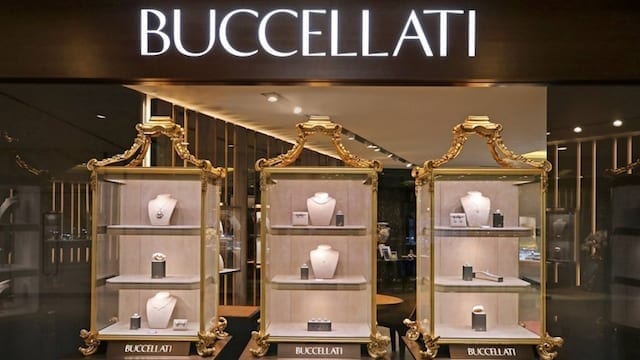
    Buccellati China has opened its first store, in Shanghai’s Plaza 66 shopping mall.

    To celebrate, the Italian luxury jeweller hosted a grand opening ceremony followed by a gala dinner attended by its brand ambassador, international actress Zhang Ziyi.

    Buccellati also unveiled The Labyrinth High Jewelry capsule collection for Japanese luxury watches and jewellery store Wako featuring seven one-of-a-kind pieces, all embellished with diamonds and featuring such iconic Buccellati touches as tulle patterns and “rigato” engravings.

  • China’s Tencent surpasses Facebook in valuation a day

    China’s Tencent surpasses Facebook in valuation a day

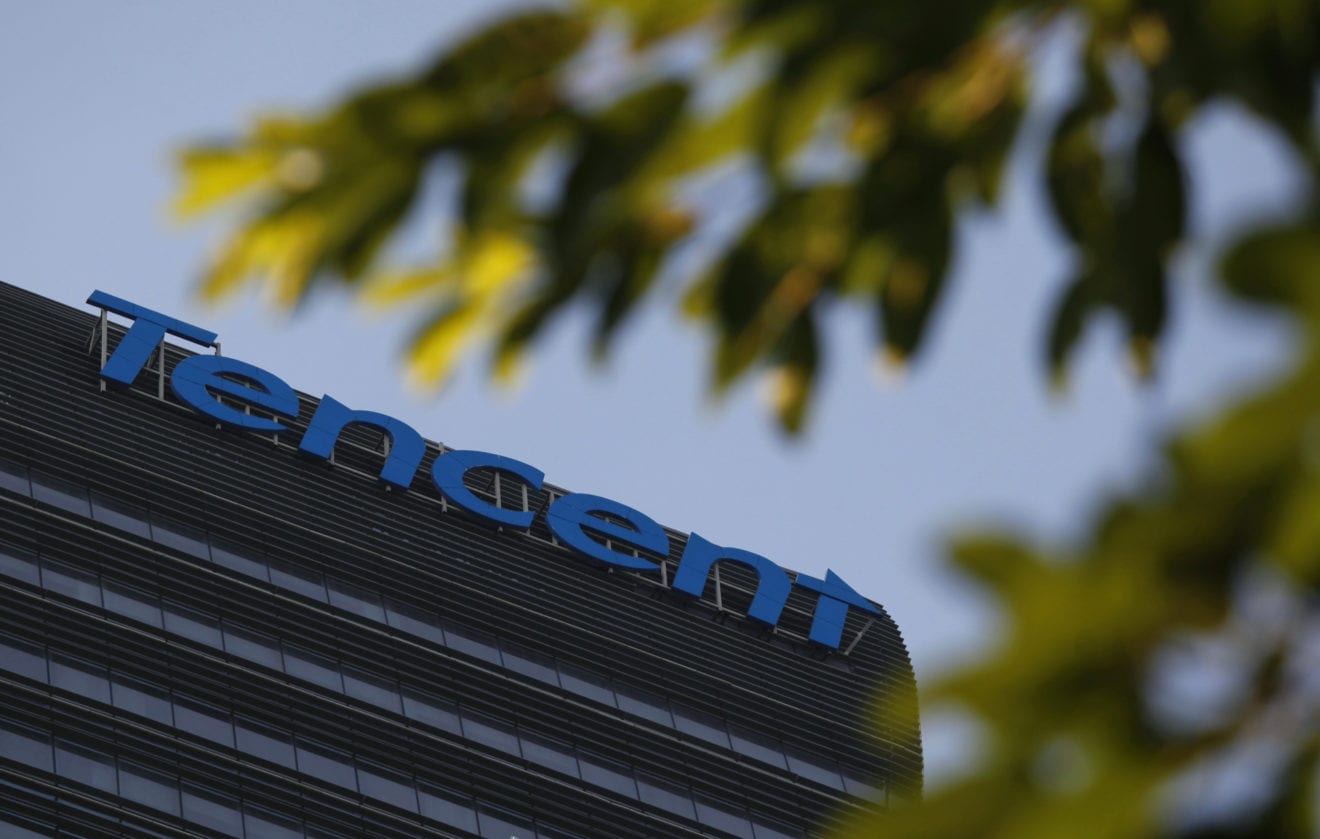
    Chinese internet giant Tencent has surpassed Facebook in terms of market value just a day after it became the first Asian technology firm to reach the $500 billion valuation mark.

    Tencent shares hit a record high of 439.6 Hong Kong dollars during Asian trading hours on Tuesday 21 November 2017, giving it a market capitalization of 4.17 trillion Hong Kong dollars ($534.5 billion).

    The Chinese firm’s value overtook Facebook’s $519.4 billion market capitalization, which was hit at the close of the U.S. markets on Monday 20 November 2017.

    Also Monday 20 November 2017, Tencent beat Alibaba to become the first Chinese technology company to hit the $500 billion market capitalization mark. Tencent is also within touching distance of Amazon’s $542.7 billion valuation.

    Tencent went public in Hong Kong in 2004 at 3.70 Hong Kong dollars per share. Since then, it has rallied over 11,000 percent. Tencent’s stock this year alone is up 126.69 percent.

    Still, the company is not well-known outside of China, but owns the country’s most popular messaging service, WeChat, which has close to 1 billion users. Tencent is a sprawling business that spans gaming, social media, news and content.

    Online and mobile games are a key part of the business — the division brought in over $4 billion in revenue last quarter. In 2016, Tencent acquired a majority stake in Finnish smartphone maker Supercell, the company behind the popular “Clash of Clans” mobile game.

    Tencent has also been trying to move outside of China, but not necessarily through the expansion of its own products. Instead, it has been making investments across the U.S. and Asia. It has acquired stakes in both Tesla and Snap, and invested in numerous start-ups in Asia, including India’s Uber rival Ola.

    Analysts were positive on Tencent’s stock after it smashed past market expectations when it reported third quarter earnings earlier this month. Barclays raised its price target for Tencent from $49 to $59, and upped its revenue forecasts for 2018 and 2019.

    “We mainly attribute accelerating revenue growth to the continued monetization improvement across multiple key business segments, such as gaming, video, and payment services, and note that user growth is still strong,” Barclays said.

  • Stelux Holdings slows down the bad trend

    Stelux Holdings slows down the bad trend

    While turnover and gross profit margin slid for watch/optical company Stelux Holdings International for its first half, it managed to cut back on its net loss.

    Group turnover was down by 6.9 per cent (6.3 per cent foreign-exchange neural) to HK$1.3 billion (US$166.4 million) and gross profit margin fell from 59.6 to 58.1 per cent. Group net loss reduced by 15.2 per cent to $62 million.

    Given the fragile retail environment, the group says it continued with consolidation measures to improve shop productivity. While group turnover fell by 6.9 per cent, largely because of an 11.3 per cent drop in shop number, same-store sales improved, particularly in Mainland China. Sales also stabilised in Hong Kong and Southeast Asia. Gross profit margin remained under pressure at 58.1 per cent, compared to 59.6 per cent in the same period last year.

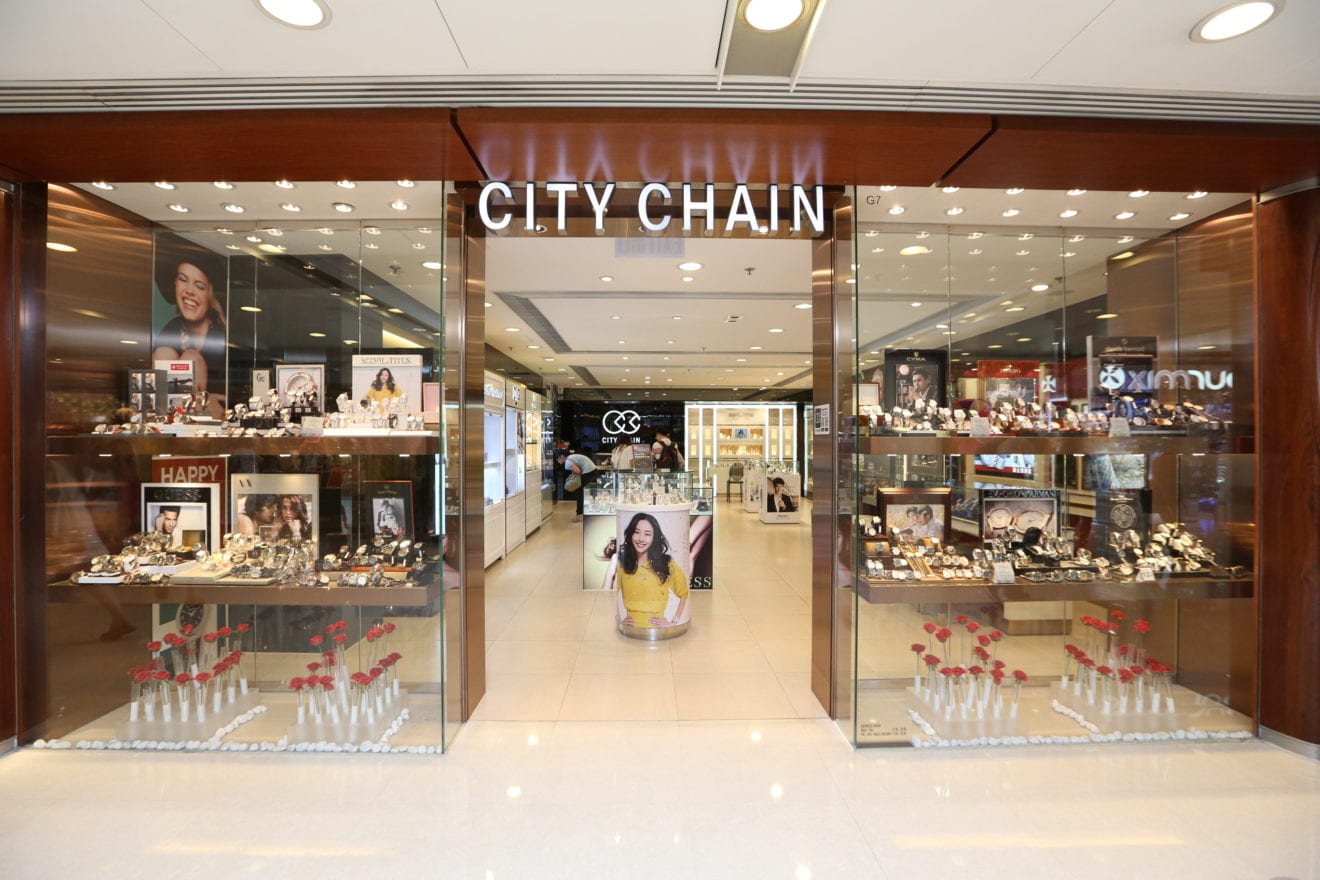
    City Chain Group

    Turnover fell 11.1 per cent for the City Chain Group, with a loss before interest and tax (LBIT) of $37.7 million from $49.4 million. The group has about 260 stores in Hong Kong, Macau, Mainland China, Malaysia, Singapore and Thailand together with three online stores.

    The drop in turnover from $668.5 million to $594.4 million was because of a 17.9 per cent decrease in shop numbers.

    In response, the chain is undergoing a major transformation to attract both a younger and local clientele. New store layouts have been introduced in Hong Kong, Guangdong, and Thailand.

    Turnover for the chain in greater China fell by 12.5 per cent to $439.8 million while LBIT was down 11 per cent to $34.8 million.

    Same-store sales growth has also resumed in Hong Kong and Macau since August with a freshed store image and enriched brand portfolio. The closure of loss-making shops and the positive impact from the expiry of high rental leases contributed to a 19 per cent fall in operating costs. City Chain tapped into the e-commerce business in Mainland China a few years ago, with the turnover of its watch e-commerce business increasing by more than 60 per cent compared to the corresponding period last year.

    With store consolidation in Southeast Asia, turnover fell 7 per cent to $154.5 million. There was a 16.5 per cent drop in shop numbers. Nonetheless, LBIT narrowed significantly to $2.9 million from $10.3 million.

    EBIT for Malaysian stores more than tripled while LBIT in Singapore fell by 79 per cent. With sustained recovery in Thailand, both turnover and same-store sales growth were “satisfactory”.

    Optical 88 Group

    Optical 88 Group turnover decreased by 2.9 per cent with EBIT rising to $32 million from $15.2 million. The group has 194 shops throughout Hong Kong, Macau, Mainland China, Malaysia,  Singapore and Thailand delivering professional eyecare/eyewear products and services, as well as hearing products and services.

    Turnover eased by 2.9 per cent to $504 million with 7.6 per cent fewer shops. EBIT more than doubled from $15.2 million to $32 million.

    In greater China, Optical 88 had a marginal 0.7 per cent decline in turnover to $414.2 million, with 4.1 per cent fewer shops. EBIT rose by 16.8 per cent to $38.2 million.

    Southeast Asia business had a 11.7 per cent drop in turnover to $89.8 million with 10.2 per cent fewer outlets delivering a narrowed LBIT of $6.2 million.

    Turnover rose 13.5 per cent of Egg Optical Boutique with LBIT widening from $7.1 million to $13.6 million. There are more than 80 stores in Hong Kong, Mainland China and Southeast Asia
    together with an online store.

  • All about blockchain in 2018

    All about blockchain in 2018

    The potential for blockchain technology to bring about widespread change has been predicted since 2011 and the emergence of Bitcoin. But in 2017 when the concept really started to capture people’s attention.

    Blockchain-focused financial services startups raised $240 million in venture funding during the first half of the year. However, its potential was beginning to be recognized across other sectors and industries.

    2018 is likely to see a continuation of this trend of innovation and disruption. Here, are the five key ways this is likely to happen.

    1.More use outside of finance

    While it’s implications for the financial sector might seem most apparent, any industry or organization in which recording and oversight of transactions is necessary could benefit. Healthcare, HR, and legal work have already piloted few applications.

    Meanwhile in manufacturing and industry, the Blockchain Research Institute, the founders of which include IBM, Pepsi Co and FedEx, say it expects blockchain to become the “second generation” of the digital revolution following the development of the internet. It has highlighted work by electronics manufacturer Foxconn to use blockchain to track transactions in its supply chain.

    2. Blockchain meets the Internet of Things

    Security is one reason they are a good fit – blockchain’s encrypted and trustless nature makes it a viable option when it comes to keeping the ever-growing number of connected devices in our homes and offices safe. Research envisages that blockchain compute power that is used to “mine” Bitcoin could be put to use safeguarding our smart homes from a new generation of cyber-burglars looking to break in and steal our data.

    Another proposed use is that the cryptocurrencies built on blockchains would prove ideal for automated micro-transactions made between machines. As well as recording machine activity on the ledger for record-keeping and analytical purposes, machines could effectively “pay” each other when smart machines operated by one organization interact and transact with those owned by others. This is likely to be further down the road, but it is likely we will see research and breakthroughs in this area in 2018.

    3. Smart contracts will come into their own

    “Smart contracts” are another possibility brought about by blockchain – the idea is that contracts will execute automatically when conditions are filled, meaning payments will be made, or deliveries dispatched, or anything else in business which is typically defined by a contract.

    Blockchains make smart contracts possible because of their consensus-driven nature. Once agreed-on conditions are met, then the contract is filled. This could mean paying bonuses when targets are hit, or despatching an order once a payment has hit your account.

    4. State-Sanctioned Crypto Currencies?

    Putin was the first – with the recent announcement of the “Crypto Rouble” – but it was inevitable that politicians would at some point start to consider the advantages of blockchain-derived currencies. In the wake of Bitcoin, it has often seemed that nation states have been lacking in their enthusiasm for this particular application – and probably with good cause. Bitcoin was after all envisaged as a way of creating a tradeable currency which couldn’t be manipulated by governments.

    Some such as China have been outright hostile – refusing to allow exchanges to operate in their borders and issuing warnings about the high risk of investing in cryptocurrencies. 2018 however could be the year that governments finally get on board the blockchain bandwagon – as its potential for creating efficiencies in both financial and public services become more apparent.

    5. A large number of blockchain initiatives will fail.

    Blockchain undoubtedly has the potential to be revolutionary. But like anything revolutionary it can be dangerous – in this case, mainly because rushing in without clear expectations of what you want to achieve is likely to be a costly waste of time.

  • Auto firm links sales of used cars and new vehicles

    Auto firm links sales of used cars and new vehicles

    An auto services firm is riding the internet and technologies such as big data to adopt a new business model that integrates used-car and new-car sales businesses, including features such as financing and after-sales services.

    On Oct 31, Guazi.com, China’s largest used-car dealer, announced its transformation into a car trading company, connecting its used-car business with Maodou.com, its newly developed brand of new-car retail.

    The integrated services span the entire life cycle of a car. Guazi’s user database and technical services would be used by Maodou.com as well.

    Called “CARS”, the new company offers its customers a “one-stop” shop for buying, selling and renting new cars and used cars, said Yang Haoyong, CEO of Maodou.com.

    “On Maodou.com, consumers can choose to rent a new car for up to four years, and then decide whether to buy the car or rent another new car,” he said.

    The used car will later be put up for sale on Guazi. The new car platform is especially welcome for young consumers, as price is a key factor for them, Yang said.

    “The down-payment for a new car is now as low as zero to 10 percent. Four years later, if the user wants, he can return the car and get another brand new one,” he said.

    “The market is now large. But consumers lack confidence in the used-car market in China. Maodou may be a great news for those who prefer a new car but haven’t saved enough money yet.

    “Additionally, the new brand satisfies the needs of those people, especially the millennials, who are constantly pursuing new things.”

    CARS has received funding from global investors such as Capital Today, Bank of China Group Investment Ltd, and Hong Kong-based DST Global.

    It has also teamed up with more than 10 financial institutions such as Bank of China, China Merchants Bank, Industrial and Commercial Bank of China, and Shanghai Pudong Development Bank, to build common digital platforms to push car sales and rentals.

    Zhao Xiang, an auto analyst at Beijing-based research firm Analysys, said: “The new-car service is a wise choice. Those selling used cars on Guazi usually tend to buy a new car, so Maodou would be helpful for them.

    “From this kind of ecosystem, auto companies can expand their business and broaden channels to monetize traffic (to their websites, apps and offline stores).”

  • Is Singles Day still the world’s biggest retail event?

    Is Singles Day still the world’s biggest retail event?

    As Americans prepare to savor the year’s best holiday sales opportunities, an even bigger sales extravaganza just took place in China: Singles Day.

    Singles Day is China’s annual e-commerce event, which takes place on Nov. 11 (hence its nickname, “11.11”), and this shopping phenomenon inspires consumers to buy things for themselves — especially if they are not currently in a relationship.

    Singles Day 2017 certainly lived up to the massive marketing hype by smashing global sales records yet again. The event earned $38 billion in total sales, with $25.3 billion from Chinese e-commerce giant Alibaba alone, up 42% from last year’s total of $17.8 billion.

    These results prove Single’s Day is the biggest retail event in the world — and it’s only getting bigger. Singles Day 2017’s success also reflects the stark contrast between booming Asian markets and the contraction of retail markets in Western countries, including store closures, bankruptcies and consolidation.

    China’s favorable market factors

    To take advantage of growth opportunities abroad, an increased number of U.S. and global retailers have expanded into China through cross-border e-commerce.

    Retailers around the world must understand the following emerging consumer and market trends, which have contributed to China’s retail expansion — especially if they are considering entering China in 2018.

    • Economic prosperity: The size of China’s middle class continues to surge, increasing 55% between 2015 and 2020. In addition, their increased affluence has led to a “consumption upgrade,” as Chinese consumers are now more likely to buy premium merchandise.
    • Tech-savvy consumers: Mobile sales accounted for an astounding 90% of total Singles Day sales. The convenience and efficiency of integrated mobile payment made it easy for Chinese to shop from anywhere.
    • Savvy shoppers: Increasingly discerning Chinese consumers often prefer foreign products for certain categories for their safety, quality and prestige. However, on Singles Day, shoppers prioritize irresistible pricing and smooth logistics. Top-selling categories for cross-border e-commerce include mom and baby, healthcare and nutrition products; on Singles Day, shoppers prefer apparel and footwear, cosmetics and consumer technology, and product placement is essential, as online visibility correlates with higher sales.
    • Regulatory influences: The Chinese government has agreed to postpone restrictions on imported products until at least December 2018, making cross-border e-commerce more attractive and lucrative for foreign retailers. In addition, China’s removal of the One-Child Policy has led to a mini baby boom — and major growth for companies selling mom and baby products.

    Proof cross-border e-commerce is hot

    As a result of these market trends, U.S. and global retailers (and consumers) are paying more attention to Singles Day than ever before. While Alibaba accounted for 66% of total Singles Day sales, we certainly see the theme of greater globalization of this sales event, as 2017 is only the second year that international goods have been available for sale in China on Singles Day. This year, on Amazon China’s website, 7.3% of sales came from overseas, compared to 5.4% of sales on Tmall (Alibaba’s online marketplace) and 4.9% of sales on JD.com (another Chinese e-commerce powerhouse).

    Early results show U.S. and foreign retailers don’t need to have a gigantic marketing budget like Amazon or Alibaba to succeed on Singles Day.

    One American retailer selling online in China hoped to achieve sales of 300 orders per day by December 2018; instead, the company shattered that goal, earning more than 1000 orders in a day, ahead of Singles Day. The retailer prepared well by stocking bestselling products in its Hong Kong warehouse for faster delivery; these few SKUs accounted for 15% of Chinese Singles Day orders. The campaign also boosted sales growth by 276% and the number of new users by 200%.

    Key success factors in China retail

    To succeed in China, especially on Singles Day, U.S. and foreign retailers need to invest in product placement; proactive and abundant stocking; competitive price offers; and fast, effective logistics.

    In summary, due to multiple advantageous market conditions in China’s retail market, more U.S. and global retailers are paying attention to, and participating in, Singles Day promotions using cross-border e-commerce. If your company plans to enter China in 2018, consider how you will adapt to these market trends to win in China’s retail market — and potentially earn explosive sales on Singles Day 2018. Here’s an infographic summarizing the results of a Singles Day campaign by one of Azoya’s clients:

    Franklin Chu is managing director U.S. for Azoya International, a provider of turnkey cross-border e-commerce solutions to assist retailers looking to expand into China through a cost-effective and lower risk method. To date, over 35 retailers in 11 countries are partnering with Azoya to expand into China with ease, including French fashion retailer La Redoute, Australia’s largest pharmacy group, Sigma, as well as Feelunique, the largest online beauty retailer in Europe.

  • Alibaba and JD in a war of words via lawyers over claims of dominating China’s e-commerce

    Alibaba and JD in a war of words via lawyers over claims of dominating China’s e-commerce

    China’s two dominant e-commerce platforms in the world’s largest online retail market are under the spotlight in an online debate via their legal representatives about their duopoly in the industry.

    On one side is Alibaba Group Holdings, owner of the South China Morning Post and operator of the world’s largest online shopping platform, claiming that it has been the target of an organised series of chat room postings and blogs aimed at tarnishing its reputation.

    On the other side is JD.com, China’s second-largest online retailer, which said it too had been the target of more than 100 attacks to cast aspersions on its reputation, as recently as during the November 11 online shopping gala.

    The attacks on Alibaba were designed to “manipulate public opinion,” and made “groundless accusations,” the company’s legal department said in a Friday post on its Weibo social media account. “We believe the authorities should investigate and punish the criminal groups who we believe have illegally profited from propagating such rumours,” the Weibo post said, without naming the perpetrator.

    Chat room posts and blogs have surged in the past month, accusing Alibaba of using its dominance of China’s e-commerce consumer market to force merchants to choose side, or be squeezed out of business.

    As many as 9,700 articles emanating from more than 500 social media accounts were posted on various online platforms in China to attack Alibaba, mostly before the Singles’ Day online shopping gala on November 11, according to a WeChat post on Wednesday by Alibaba’s legal adviser. Up to 4,600 of these accused Alibaba of forcing merchants to choose sides or accusing it of monopolising China’s e-commerce market.

    At stake is an e-commerce industry that has dwarfed every other country in the world, and is being dominated by two large companies.

    Alibaba’s Tmall platform has 80 per cent share of China’s online clothing sales, while JD holds 10 per cent, according to research by Analysys.

    Even though Alibaba hadn’t named the perpetrator of the online campaign, the company’s legal adviser had forwarded Weibo posts that claimed JD as the client behind a 2.6 million yuan (US$394,000) contract to hire ChinaLabs, a Beijing-based consulting services provider, to attack Alibaba of monopolising the market.

    JD paid ChinaLabs 600,000 yuan to initiate research and host media seminars to discuss Alibaba’s monopoly in China’s e-commerce market, according to the posts, which cited a contract between the two parties between August 1 and December 31.

    Another contract showed that ChinaLabs was receiving 2 million yuan from JD to instigate China’s antitrust regulators to investigate on Alibaba for monopolistic practices.

    The contracts in the Alibaba legal adviser’s posts could not be independently verified.

    Spokespersons at JD, an online retail platform whose market value is about a tenth of Alibaba’s capitalisation, did not respond to text messages and phone calls soliciting their comment.

    Jincheng Tongda Law Firm, acting on behalf of JD, issued a statement on Saturday denying any association with ChinaLabs.

    Separately, ChinaLabs’ chairman Fang Xingdong denied through a Weibo post that his company had ever signed the contracts with JD, saying that it will continue to conduct investigations and research on the antitrust situation in China’s e-commerce industry.

    Alibaba’s shares have doubled this year as the Hangzhou-based company broke its November 11 retail festival record and deepened its push to marry online and physical shopping. The company this month agreed to buy a 36 per cent stake in Hong Kong-listed Sun Art Retail Group, which runs one of the biggest hypermarket chains in China.

  • Trading house Itochu taking on Alibaba and JD.com

    Trading house Itochu taking on Alibaba and JD.com

    Itochu and two partners are investing roughly 7.6 billion yen ($67.6 million) in an e-commerce venture selling Japanese goods to the Chinese market in hope to enhance its own forays into China’s internet sector.

    The Japanese trading house is investing around 4 billion yen into the Tokyo-based startup Inagora, with telecom KDDI and financial services company SBI Holdings providing the rest.

    Itochu previously invested around 100 million yen in the company and will now hold a roughly 20% stake, making it the second-largest shareholder behind founder and CEO Weng Yongbiao.

    Founded in 2014, Inagora operates Wandou, a Chinese-language e-tailer with some 3 million users.

    The site boasts around 40,000 offerings, with a focus on cosmetics, clothing and foods from brands including Japanese fashion label Samantha Thavasa, Swiss lingerie maker Triumph International and Japanese food producer Ajinomoto.

    China’s cross-border e-commerce market is growing rapidly. The market for goods from Japan is seen nearing 2 trillion yen in 2020. The country’s overall e-commerce leaders currently have a strong grip on the cross-border segment: Top player Alibaba Group Holding commands a roughly 40% share, while second-place JD.com and major internet player NetEase control shares in the 10-20% range.

    Itochu has already taken its first step into the cross-border market, launching a high-end site in spring 2017 with Chinese state-owned conglomerate Citic, a major partner.

    But the trading house has realized breaking Chinese heavyweights’ grip will require savvy marketing that can respond nimbly to consumer tastes — hence its turn to Inagora, which excels at creating videos highlighting the appeal of Japanese products for local consumers.

    The trading house will supply products for Inagora’s site through units including food wholesaling arm Nippon Access and Edwin, Japan’s largest maker of jeans. In addition, Itochu will have the site carry local specialty items from across Japan stocked by convenience store chain FamilyMart, another member of the Itochu group.

    Itochu Logistics, with over 100 locations in China, will also cooperate with Inagora, which plans to add warehouses to its own distribution network using money from the latest round of investment.

    The startup will also hire more sales staff to encourage companies to list their products. Forays elsewhere in Asia are on the agenda as well: The company plans to bring its business to Taiwan, Malaysia and elsewhere in 2018.

    Inagora anticipates around 15 billion yen in transactions this year, six times the 2016 level. With help from Itochu and others, the startup targets 100 billion yen in transactions in 2019 and 176 billion yen a year later.

  • What to know about the hottest pop-up retailing trend in China

    What to know about the hottest pop-up retailing trend in China

    Pop-up stores are a very well established marketing strategy in the U.S. and Europe, and the wave coming from the West has already pervaded Asia.

    Research shows that the compound annual growth rate of pop-up retailing has been over 100 percent since 2015 and that by 2020 there will be over 3,000 pop-up stores opened in China.

    For foreign luxury brands who are still observing the phenomenon, here are five need-to-know things about pop-up stores in China.

    1. The pop-up store is a must-have

    It increases brand awareness at a low cost. For those who are not yet sure about China’s market, it is a good way to test the waters. Pop-up stores are temporary, but they create a long-term, lasting impression with potential customers.

    Even for luxury brands that already have a prominent presence in China, it is still a good way to display the latest lines and engage millennial consumers. Luxury brands’ pop-up stores are using interesting design features to attract attention, a tactic that huge brand names have already experimented with.

    For example, Dior set up pop-up stores displaying their new women’s line in Shanghai IFC and Beijing SKU right in front of its permanent storefronts this year.

    2. Location is key to the success of a pop-up store

    Unlike in the US and UK, where pop-up stores are often on the street, pop-up stores in China are mostly set up in shopping malls due to strict regulations. For example, the regulations of the Shanghai Municipality on urban road transport clearly state that the government will not grant any applications from companies to operate a business in front of their stores or on either side of the road. Many cities have adopted similar practices, which leaves brands little choice but to set up their pop-up stores in shopping malls.

    Nonetheless, these locations might actually give brands an edge. Shopping malls have a huge amount of foot traffic, attract the right demographics, and offer more convenient setups as amenities are already in place.

    In addition, China’s has plenty of shopping malls—the number of large to medium-sized shopping malls in China surpassed 4,000 by the end of 2016, and the number is currently increasing at the rate of 600 to 700 new malls each year.

    3. How to do it if you are not in China yet

    There are all kinds of pop-up stores—some for sales, some for brand awareness, and some for gaining market insights.

    For those who are interested in direct sales, China’s laws and regulations require brands to have a corporate presence in China in order to conduct sales directly. That means brands need to have a Wholly Owned Foreign Enterprise or Foreign Invested Partnership Enterprise in China in order to have a pop-up store to sell products. Brands can also conduct sales through partners, such as distributors or agents.

    However, for those brands who do not have the right to conduct sales in China, they can still set up a temporary store just for the sake of outreach to Chinese consumers by letting them experience products.

    If brands can successfully entice consumers with their samples, they can direct consumers to place orders on their websites.

    4. Use social media to drive traffic

    Having consumers take pictures and share location on WeChat Moments is a must.

    On the one hand, consumers want to demonstrate online that they have been to cool places. On the other hand, by giving consumers incentives—gifting them or rewarding them complimentary services if they post pictures online—brands will gain more lasting attention.

    Another way to increase exposure and gain traffic is by partnering with celebrities and KOLs. This has been practiced by local brands such as Suning Ecommerce Group and has achieved a great success.

    5 things to know about pop-up in China
    Source : nmplus.hk

    5. Food is customers’ best friend

    Many brands are engaging customers with food and beverages.

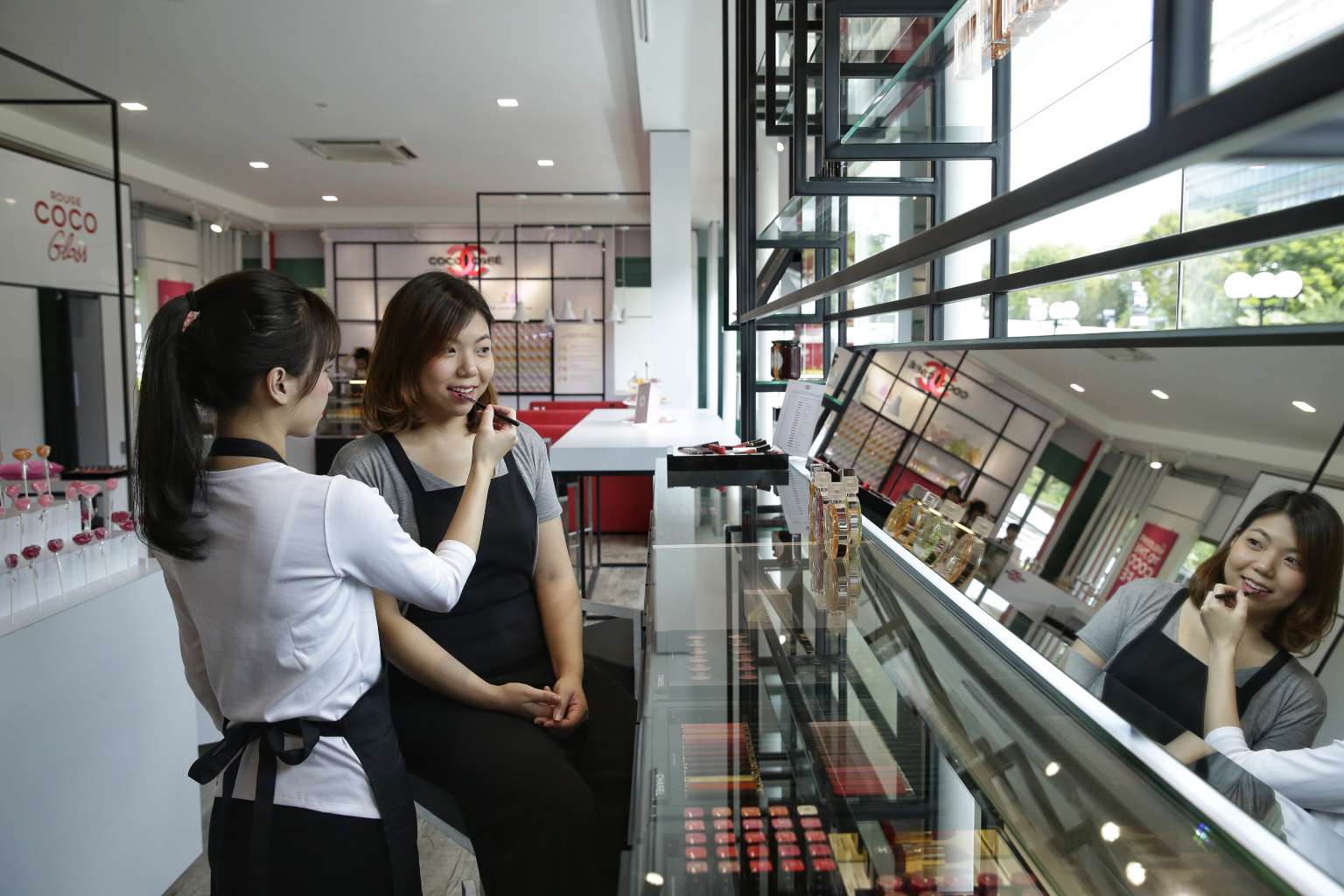
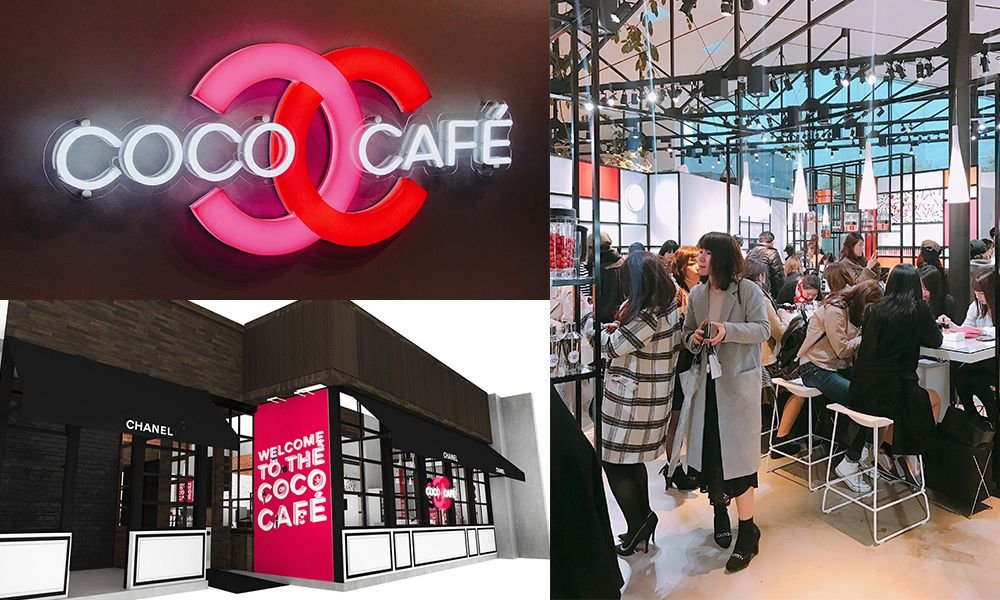
    Bobbi Brown and Kenzo have opened pop-up stores that offer coffee. Chanel opened Coco Café in Shanghai to sell lip glosses in April 2017, but it also provided consumers complimentary coffee and dessert. A report carried out by BFG-blueview shows that food pop-up retailing is the best way for brands to make waves.

    While skin-care, cosmetics, and fashion brands can use pop-up stores to expose more millennials to their products, combining the experience with food and drink will certainly help brands draw a larger crowd.

  • VIP to invest in Australia

    VIP to invest in Australia

    A Chinese online shopping giant has arrived in Australia this week to unveil its new Sydney distribution centre.

    VIP.com is one of the largest players in China’s e-commerce space with total orders for the third quarter of 2017 increased by 23 per cent to 74.0 million from 60.1 million in the prior year period.

    “Australia is already a very strong market for VIP.com. We are looking to procure about AUD 500 million of Australian goods in FY18 and we expect to double that figure the year after,” said Hillary Wang, VIP.com’s head of global buying.

    “We have highly effective partnerships with many Australian businesses and have become their primary sales channel in China. We have serious aspirations to become the number one platform in China for many more of our suppliers’ businesses.”

    With Australian brands highly sought after in China – based on consumer’s perceptions of trust and value – VIP recently partnered with Australia’s largest food manufacturer, Nestle,  to introduce Australia’s Uncle Toby’s, Allen’s confectionery and Soothers trademarks to China.

    “We only deal with brand owners directly or through their authorised distributors. Authenticity is critical to building brands and Chinese shoppers know that VIP.com delivers that,” Wang said.

    VIP stated its female skewed audience (+80 per cent) and ability to customise the recommended range of products to shoppers, based on demographic and purchase history, give it major point of differences to its Chinese e-commerce competitors.

    “We are pleased to be investing in Australia,” said Wang.

    “Chinese consumers trust Australia’s production standards and quality of its natural resources.

    “Australia is our number one import market for nutrition and food and beverage, and whilst we have made much progress, we have plans for further significant growth. This trip is about deepening our partnerships with existing suppliers and inviting participation from potential new partners.”

    The online retailer will invest in local infrastructure to enable growth in trade between Australian businesses and its accessible database of 300 million Chinese shoppers.

    Investment is being channelled into supply chain capability and people in Australia to facilitate trade.

    “In discussions with our Australian partners, we are often told the Australian market is a highly contested and offers relatively low growth,” said Wang.

    “We are happy to bring a good news story to these businesses, the opportunity to share with Chinese shoppers brands that are rich in history, made with the best ingredients to the highest standards, by hard working Australians. These are exciting times.”