Tag: China

  • Apple’s iPhone 7 Sees Discounting as China Sales Fall

    Apple’s iPhone 7 Sees Discounting as China Sales Fall

    Jun Zhang today reiterates a Neutral rating, and a $102 price target, warning that sales of the iPhone in China, he estimates, are “still weaker than retail channels” as discounting of the phone has popped up across the country.

    iPhone sales, presumably in dollars, he doesn’t specify — fell by 6% in November, and are probably down “slightly” from November this month, as discounting takes hold outside of tight supplies at Apple’s online store:

    Overall iPhone sales in China were down 6% in November and slightly down MoM in November due to some pushes in “single day” sales. In our view, iPh- one 7 sales will continue trending down and many retailers in China have al- ready started discounting ($50) the iPhone 7 in November. iPhone 7 Plus sup- ply is catching up in November, and sales have grown MoM in November. iPh- one 6/6S sales continue to be weak. The 7 Plus model currently accounts for 60% of iPhone 7 sales in China. We started seeing some retailers discounting this model in November. In our view, there is a waitlist if ordered from Apple’s online store, but consumers can easily buy them from local stores and third party retail stores. Since the jet black mod- el has high return rate, Apple might try to control capacity. Overall, we believe iPhone sales in China are still weaker than retail channels expected.

    Zhang also cautions investors not to be mislead if they hear of component orders rising come the March quarter. In his view, “Some noise of Apple increasing orders might come from the iPad instead of the iPhone,” given he sees Apple refreshing the various iPad models in March.

  • China Duty Free Group appoints Lee Charn Cheng as COO

    China Duty Free Group appoints Lee Charn Cheng as COO

    China Duty Free Group (CDFG) has announced the appointment of Lee Charn Cheng (CC Lee) as Chief Operating Officer.

    A seasoned retail professional with a wealth of travel-retail experience, Lee spent 26 years with DFS Group, serving as managing director of Singapore and subsequently  managing director for Australia before leaving to join Valiram Group as Country Manager for Singapore. His most recent position was CEO for Lagardère Travel Retail responsible for Singapore and Malaysia and overseeing business developments in Hong Kong.

    Lee commented: “My last five years with Lagardère Travel Retail has been exciting as we see significant business growth. I thank my bosses Dag and Emmanuel for their support. I look forward to the exciting challenge of assisting CDFG in realising its vision and global ambition. CDFG has a great team and I am highly confident of building on their strengths.”

    A CDFG statement said Lee’s broad retail background and portfolio was a strong asset and would bring CDFG to the next level as a top global retailer offering a broad new exciting spectrum of retail experience to customers.

  • China’s Social Consumer Retail Sales Up 10% In October 2016

    China’s Social Consumer Retail Sales Up 10% In October 2016

    China’s social consumer retail sales in October 2016 reached CNY3.112 trillion, representing a year-on-year nominal increase of 10% and actual increase of 8.8% if deducting price factors.

    Meanwhile, from January to October 2016, China’s total social consumer retail sales reached CNY26.96 trillion, a year-on-year increase of 10.3%.

    By location of operating units, China’s urban consumer retail sales were CNY2.689 trillion in October, a year-on-year increase of 10%; while rural consumer retail sales were CNY422.6 billion, a year-on-year increase of 10.3%. During the first ten months of 2016, China’s urban consumer retail sales were CNY23.183 trillion, a year-on-year increase of 10.2%; and rural consumer retail sales were CNY3.777 trillion, a year-on-year increase of 10.9%.

    By consumption type, China’s food and beverage sales in October were CNY349.2 billion, a year-on-year increase of 10%; and commodity retail sales were CNY2.763 trillion, a year-on-year increase of 10.1%. From January to October 2016, China’s food and beverage sales were CNY2.911 trillion, a year-on-year increase of 10.9%; and its commodity retail sales were CNY24.05 trillion, a year-on-year increase of 10.3%.

    In addition, during the first ten months of 2016, China’s Internet retail sales reached CNY3.929 trillion, a year-on-year increase of 25.7%. Of the total, Internet sales of physical goods increased by 24.9% year-on-year to CNY3.174 trillion, accounting for 11.8% of the total social consumer retail sales of China.

  • Starbucks unveils plans for 12000 new stores over next 5 years

    Starbucks unveils plans for 12000 new stores over next 5 years

    Starbucks said it expects its fast-growing China business could one day eclipse its U.S. market. The company said Wednesday it plans to open 12,000 additional stores globally in the next five years, taking the chain to a total of about 37,000 outlets. Half of the new units will be in the U.S. and China.

    “Our core business has never been stronger in the U.S. and around the world,” Starbucks Chairman and CEO Howard Schultz told analysts at the coffee retailer’s investor day event in New York.

    The CEO also emphasized something he’s said before: “These are the early days of the growth and development of the company. If Starbucks was a 20-chapter book, I still think we’re in chapter 4 or 5.”

    “Demand is there, and our ability to deploy capital and get the return on invested capital is very strong,” Starbucks President and COO Kevin Johnson told attendees. Johnson will become CEO of Starbucks in April, succeeding Schultz, who will continue as the Seattle-based company’s chairman.

    Executives during presentations Wednesday highlighted how the company is focusing on both its flagship Starbucks stores and the higher-end Reserve Roastery and Tasting Room outlets for future growth. The company also has targeted the Reserve Roastery stores, which will sell premium coffee at around $10 a cup, to represent about one-fifth of total outlets by 2021.

    Also, Starbucks plans to open new stand-alone outlets under Princi, a high-end Italian bakery the company invested in over the summer. The bakery will serve pizza and have locations in major markets such as New York, Seattle and Chicago by 2018. Also, Princi food is expected to be offered at all of the company’s new Roastery locations.

    At the meeting, Starbucks presented a five-year strategic plan to grow revenue by 10 percent and earnings per share to 15 to 20 percent. At the same time, the company targeted “mid-single digit” comparable-store sales each year.

    “I know some of you are concerned about the slowdown in U.S. comps, which candidly I don’t share,” Schultz told analysts.

    Schultz said the retailer continues to open 500 to 600 stores annually and the new store performance on a sequential basis has been “better than the year before. There’s no better evidence of the health, the strength, the equity of the brand and the relevance of the Starbucks business.”

    On the international front, Schultz said China is one market that remains particularly attractive for the retailer.

    “Not only will China one day be bigger than the U.S., but our business in China will demonstrate that we will be one of the…most significant winners in terms of a Western consumer brand,” he said.

    Indeed, China remains the company’s fastest growing market and management sees revenue and operating income nearly tripling there over the next five years. The chain is opening a new Starbucks store in China about every 15 hours and will soon reach 2,500 stores in 118 cities.

    “Despite our early success, we are only in the beginning chapters of our growth story,” Starbucks China CEO Belinda Wong told analysts Wednesday. “In the next five years, we’re well positioned to double our scale to 5,000 stores in over 200 cities.”

    Wong said urbanization and an emerging middle class in China will help drive the rapid expansion of the specialty coffee market.

    According to Wong, more than 230 million people in China have been lifted into the middle class in the past decade due to the Asian nation’s booming economy, and over the next six years she said another roughly 300 million people will also attain middle-class status.

    “Coffee consumption in China is currently low, but growing rapidly,” Evercore ISI analyst Matt McGinley said in a research note this week. “On a per person basis, Chinese people consume less than 2 percent of the coffee of U.S. consumers and less than 3 percent of the coffee of Japanese people.”

    The company also said it sees food innovation and its cold coffee beverages as key areas fueling its future growth.

  • Starbucks and Tencent Announce Strategic Partnership to Launch Social Gifting on WeChat

    Starbucks and Tencent Announce Strategic Partnership to Launch Social Gifting on WeChat

    Starbucks Coffee and Tencent Holdings, a leading provider of internet value-added services in China, today pioneered a strategic partnership to co-create a new social gifting feature on WeChat, China’s leading mobile social communications service, in early 2017.

    This partnership positions Starbucks as the first retail brand to combine and bring a locally-relevant social gifting and digital payment experience to life on WeChat in China. Tapping into the 846 million global monthly active user accounts (as of the third quarter of 2016), the new integrated feature will seamlessly allow customers in China to instantly and conveniently gift Starbucks to a friend or loved one. Beginning today, Starbucks customers will also be able to use WeChat Pay to make purchases at close to 2,500 Starbucks stores across Mainland China.

    “Starbucks and Tencent share similar values to enable greater human connections through our respective products and services, and I am pleased to partner with an established and respected social and mobile industry leader in China,” said Belinda Wong, ceo, Starbucks China. “This new strategic partnership will leverage the strengths of both Starbucks and WeChat to create a true online-to-offline social gifting platform that will deepen our engagement with our customers in a unique and powerful way. Just as Starbucks cards are among the most gifted around the globe, we aspire to also become the most gifted brand digitally in China.”

    “The strategic cooperation between WeChat and Starbucks enables us to bring the unique Starbucks retail experience seamlessly to hundreds of millions of WeChat users in China,” said Allen Zhang, Senior Executive Vice President of Tencent. “We are happy to be the partner of choice of Starbucks and look forward to deepening our connection to our users through the highest-quality services.”

    Starbucks is committed to innovative digital experiences that surprise, delight and deliver an elevated Starbucks Experience for its customers across China. The online social gifting platform is part of the company’s growing digital presence focused on connecting with customers through digital channels, including the Starbucks® Mobile App, the My Starbucks Rewards® program and social media.

    Jointly created by Starbucks and WeChat, the social gifting feature encourages everyday acts of kindness and appreciation among family and friends. Customers will be able to select from Starbucks-branded gifts and products and add a personalized message of love, of gratitude or to simply uplift someone’s day. Recipients of these personal and simple acts of kindness can save their gifts and memories on their WeChat accounts and redeem their gift at Starbucks stores across China to enjoy the unparalleled Starbucks Experience.

    As part of this partnership, Starbucks will introduce the use of WeChat Pay for purchases in its retail stores in a continued effort to elevate the in-store experience for customers. This cash-free digital payment experience, which allows users to pay for their goods and services from their mobile devices, is one of the most popular payment methods in China, with more than 300 million users linking their bank cards with WeChat or QQ, another flagship service of Tencent, as of March 2016.

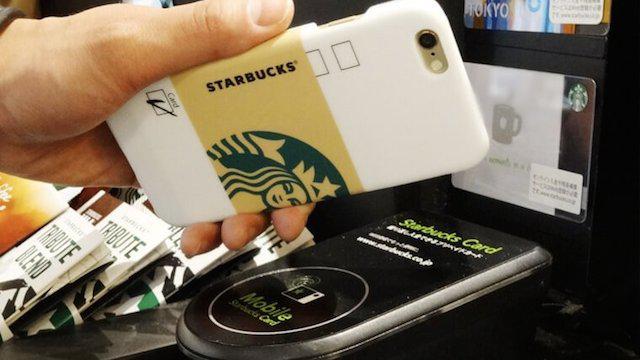
    Today’s announcement builds on Starbucks rapidly expanding portfolio of digital innovations in China, which integrates the exceptional in-store experience with the digital Fourth Place experience. Earlier this year, Starbucks launched a mobile payment system in China aimed at providing My Starbucks Rewards® (MSR) members access to a fast, seamless and convenient way to pay for purchases, using their pre-loaded Starbucks Gift Card on their mobile devices.

  • China’s wine imports forecast to grow 25% in 2016

    China’s wine imports forecast to grow 25% in 2016

    The country imported 505 million litres of wines, worth about US$1.9 billion in the first 10 months of the year, a year-on-year increase of 18.01% in value, according to data released earlier by the China Association for Imports and Export of Wine & Spirits.

    The fourth quarter, as forecasted by industry insiders, is expected to continue to grow in both volume and value terms as consumers are likely to stock up on wines for the upcoming Chinese Spring Festival on January 28, as reported.

    A commentator on China’s food industry Zhu Danpeng, however, noted that the growth seen in the third quarter in particular was largely due to importers and retailers underselling their stocks, citing massive price cuts that have been rolled out by retailers, e-commerce shops and restaurants across China since the mid-autumn festival in September.

    A Sichuan-based retailer, 1919 Wines & Spirits, which topped Tmall.com’s top selling wine shop list during its 9 September Wine & Spirits Festival, saw its gross profit drop by about 5% compared with 2015, despite massive increase in sales volumes, Zhu told the newspaper, explaining how the sales increase have driven down profit margins.

    “Sales growth gained by massive price cuts are vicious growth,” he said.

    One company that has reportedly been suffering of late is Dynasty Fine Wines, which, late last month, began selling off vast quantities of top Bordeaux.

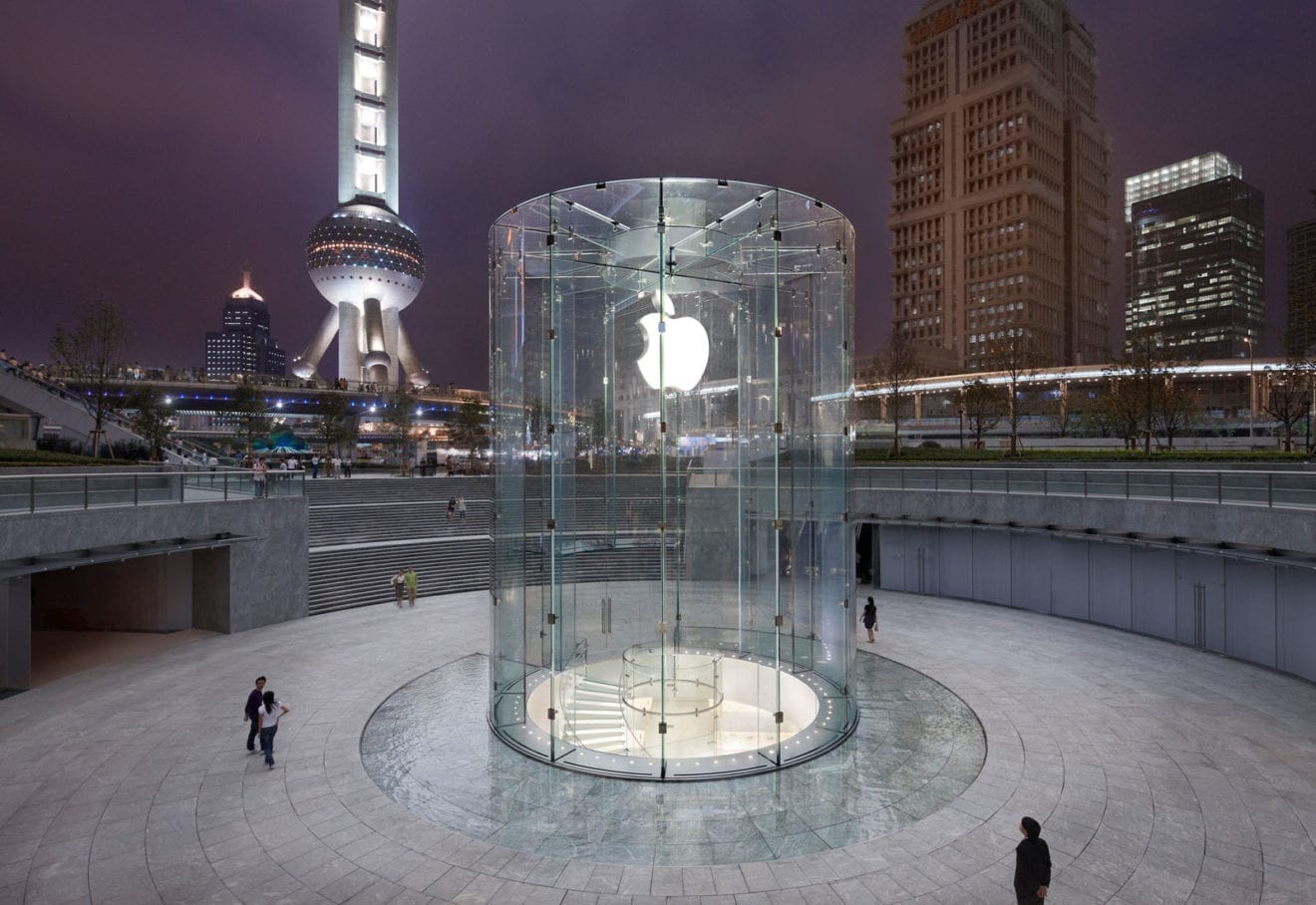
  • Apple China opens seventh Shanghai store this weekend

    Apple China opens seventh Shanghai store this weekend

    Apple China will open its seventh retail store in Shanghai this weekend.

    The new store is located in Vanke Mall in Qibao (pictured below), a popular tourist destination in suburban Shanghai, known for its traditional Chinese architecture.

    vanke-mall-in-qibao

    The store will be the US tech brand’s 489th worldwide

    Apple has already opened 20 new stores worldwide this year, including in Saint-Germain in Paris, Hong Kong and in Zhujiang New Town in Guangzhou, China.

    The store will formally open at 10am Saturday morning.

  • Asian grocery boom predicted by IGD

    Asian grocery boom predicted by IGD

    Asia will continue to be the biggest engine of growth in the grocery market with its sales set to exceed those of Europe and North America combined within five years, according to new forecasts from research organisation IGD.

    Global growth will be driven by a combination of inflation, population and rising incomes.

    Highlights from IGD’s latest global grocery forecasts to 2021 include:

    * Asia’s grocery market is set to increase by $1.073 trillion, an annual compound growth rate (CAGR) of 6.3 per cent.

    * China will extend its lead over the US as the world’s biggest grocery market, with India in third place closing the gap.

    “Although there are several risks to the global economy and a danger of new barriers to trade in particular, we are optimistic these can be surmounted,” says IGD chief executive Joanne Denney-Finch. “We expect all regions to grow their grocery markets over the next five years, presenting big opportunities globally for manufacturers and retailers.”

    Asia’s grocery market will continue to prosper with China remaining comfortably in first place and three other Asian countries within the top 10, Denney-Finch says. “Millions more people across Asia will become middle class, and many more consumer goods companies will view this region as the key to their growth strategy.”

    IGD’s projected figures for 2021 show that China’s grocery market will be worth $1612 billion with a CAGR of 5.5 per cent.

    This compares with a market worth of $1.311 trillion for the US, with a CAGR of 3.6 per cent.

    India comes in third with a $735 billion market and a CAGR of 9.1 per cent.

    Japan is in fifth place after Brazil with a $399 billion market and a CAGR of 0.7 per cent.

    Rounding up the top markets in Asia is Indonesia, in eighth position with a market value of $305 billion and a CAGR of 9 per cent.

    A food and grocery research and training charity, IGD defines the grocery retail market as all food, drink and non-food products – such as health and beauty, pet care, clothing, DIY – sold through retail outlets selling predominantly food. Modern retail formats, such as supermarkets and hypermarkets, are included as well as traditional retail formats like markets and traditional food stores such as bakers. It excludes wholesale and foodservice formats and drugstores/pharmacies.

  • Amazon Beijing showroom opens at Sanlitun Square

    Amazon Beijing showroom opens at Sanlitun Square

    Continuing its focus on expansion in China, online retailer Amazon has opened a showroom in Beijing’s Sanlitun Square.

    Designed to look like a giant shipping container, the Amazon Beijing showroom displays imported goods from Amazon’s UK and US websites. As well as browsing, testing and consulting experts, customers can buy items via Amazon’s Chinese site by scanning a product’s barcode with their mobile device, reports PYMNTS.com.

    A section of the showroom is dedicated to the Amazon Prime service, which had its China debut in October. Chinese Prime customers are offered free shipping on orders for overseas products with a minimum purchase of US$29.50. Goods sold in China have free shipping. Prime membership is $57 in China, compared with $99 in the US.

    Amazon is the preferred marketplace for Chinese e-tailers seeking to sell internationally, beating out AliExpress by 62 to 40 per cent.

  • Worldpay predicts credit-card decline

    Worldpay predicts credit-card decline

    Credit-card use in Singapore is set to fall by 40 per cent in less than five years, according to new research from global payment company Worldpay.

    For its Global Payments Report 2016, Worldpay analysed 30 eCommerce markets including Australia, China, Hong Kong, India, Malaysia, Singapore, South Korea and Taiwan. For Singapore, Worldpay found that although credit cards hold a 60 per cent share of the payments market, this is expected to slide to 36 per cent by 2020.

    This is described as a significant drop by Worldpay Asia Pacific GM for global eCommerce Phil Pomford. “This growing credit-wariness could be symptomatic of a wider political push to help consumers avoid debt.”

    He says the Singapore government’s total debt-servicing ratio (TDSR) rules, implemented in 2013, were designed to ensure monthly debt payments do not exceed 60 per cent of a debtor’s monthly income. “This public focus on the issue of debt helps explain why credit-card use is predicted to fall nearly a quarter in less than five years, while debit-card use is expected to rise.”

    For now, debit cards, cash on delivery and bank transfers each account for 9 per cent of the total payments market in Singapore. But Worldpay’s research indicates that all these non-credit payment options will double or nearly double by 2020.

    Debit-card use is expected to double to become 18 per cent of the total payments market, while cash on delivery and bank transfers will represent 18 and 17 per cent respectively. E-wallet growth is likely to remain relatively flat, growing from 9 to 10 per cent share by 2020.

    Growing topic

    Consumer debt has been a growing topic in Singapore over the past few years, says WorldPay, leading the government to introduce regulations to help borrowers pay down their debts and prevent further debt accumulating.

    Worldpay research indicates the government’s program to increase credit awareness and discourage too much borrowing is still resonating with consumers. They are aware of and concerned about rising household debt, and want easier access to non-credit payment options.

    “Our research strongly suggests Singaporeans will start using a wider range of payment methods in the next five years, possibly influenced by the government’s work to reduce consumer debt and encourage Singaporeans to think more carefully before they shop on credit,” says Pomford.

    “Therefore, online merchants wanting to win the hearts and wallets of shoppers in Singapore must offer a range of traditional and alternative payment methods – from debit cards to cash on delivery and bank transfers – because credit cards alone just aren’t enough.”

    Meanwhile, Singapore’s eCommerce market is set to grow by 11 per cent to US$5.8 billion by 2020.

  • Hyundai joins ITU to help drive connected car standards

    Hyundai joins ITU to help drive connected car standards

    South Korea’s largest automaker Hyundai Motor Company has joined the ITU’s standardization arm (ITU-T) to contribute to creating standards for connected cars.

    As a new member, Hyundai will support the coordinated development of intelligent transport systems that will improve the passenger experience, road safety and reduce traffic congestion and emissions.

    “ITU is well placed to encourage the public-private partnerships required to improve road safety,” said ITU Secretary-General Houlin Zhao. “Joining the ITU membership, Hyundai has entered the company of governments, industry players and academic and research institutes working together to build cohesion in ICT innovation.”

    The ITU has been ramping up efforts in recent years to provide a unique, global platform for automotive-ICT collaboration, which has already sparked the development of a range of ITU standards tailored to the automotive industry.

    “Hyundai Motors is looking forward to participating in ITU and will bring important momentum from the automotive industry to advance the future of connected car technology,” said Eon Youl Shin, Director, Hyundai.

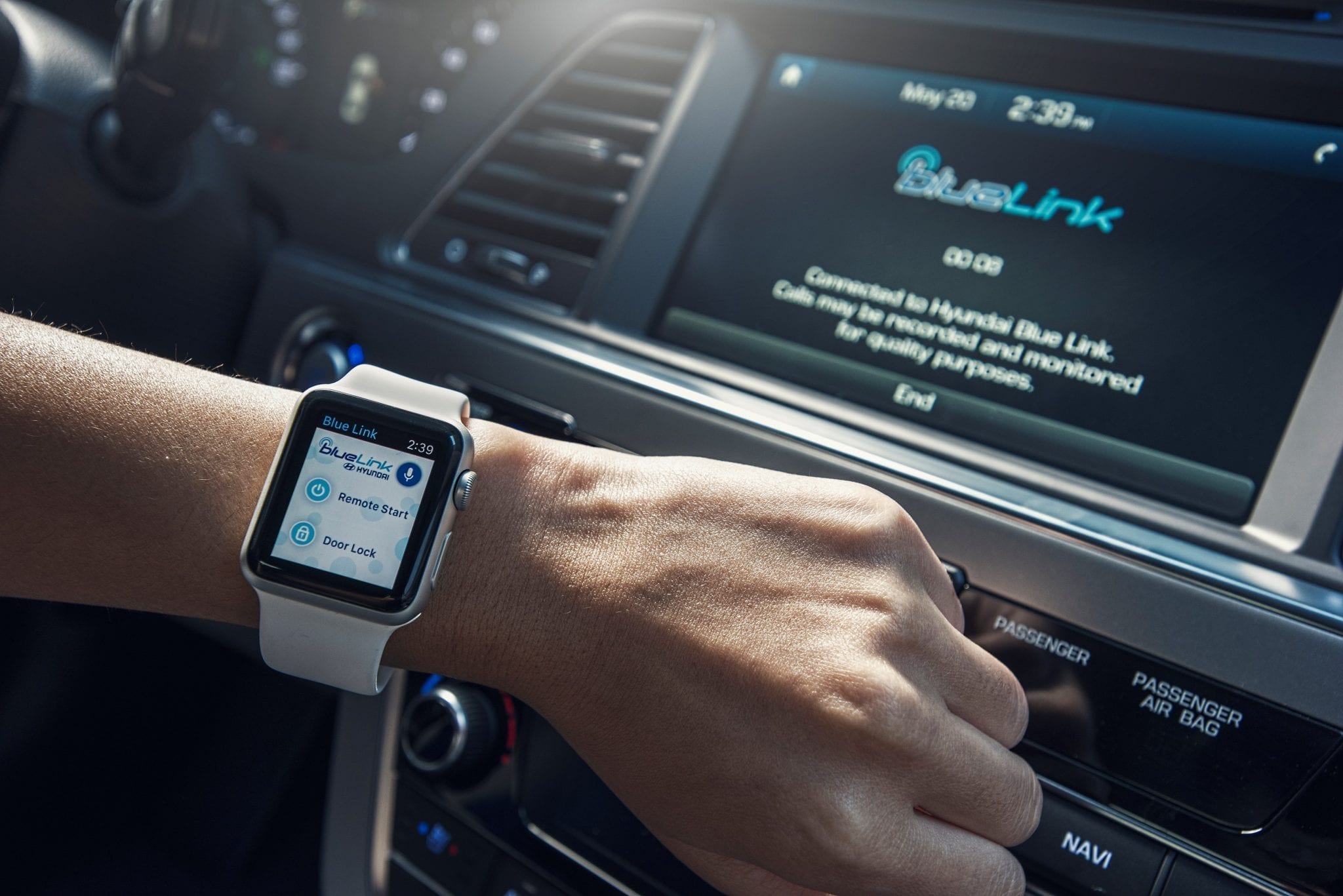
    Hyundai’s participation in ITU will also support the company in building its “hyper-connected intelligent cars” platform, which includes smart remote maintenance services, autonomous driving, smart traffic flow, and a connected “mobility hub” to provide security and data management for connected cars.
    ITU said it will host discussions on the status and future of intelligent transport systems at the Geneva International Motor Show in March 2017 at the Symposium of the Future Networked Car.

    “Standardization will be essential in building a trusted ecosystem of intelligent vehicles,” said Chaesub Lee, Director of the ITU Telecommunication Standardization Bureau. “ITU standardization work is supporting the increasing integration of ICTs in vehicles with road safety and data security as our top priorities.”

    An ITU standard for secure over-the-air software updates for connected cars is expected to be approved in early 2017, and new ITU standards are under development to reduce technology-related driver distraction.

  • CIBN picks Irdeto for China DRM

    CIBN picks Irdeto for China DRM

    China International Broadcasting Network (CIBN) has become the first Chinese customer for Irdeto Rights with China DRM Support.

    CIBN is one of the seven broadcasting networks that is licensed to distribute over-the-top (OTT) content in China by The State Administration of Press, Publication, Radio, Film and Television of the People’s Republic of China.

    Irdeto will help establish CIBN as a frontrunner for premium content offerings, especially Hollywood content, through OTT distribution. This will also provide studios and content providers with greater confidence to enter the Chinese market.

    “We are delighted to partner with Irdeto to integrate its China DRM solution to our OTT applications and set-top boxes (STBs), which will safeguard premium content on our network and platforms,” said Fu Qiang, deputy general manager of CIBN.

    “We are confident that our collaboration with Irdeto will improve overall viewer experience for our customers and instill greater confidence for the studios and content providers to enter the Chinese market, which will in turn generate revenue growth for our paid OTT offerings,” said Fu.

    By implementing Irdeto Rights with China DRM support, CIBN will be able to get the content protection they need in order to securely stream content to their customers, including premium content such as 4K and UHD.

    The solution also allows CIBN to accelerate the release of content more efficiently, an essential component given the industry is evolving rapidly.

    Operators and content owners will need to continually adapt and evolve with changing times to improve their content offerings and ensure a seamless user experience.

  • SM Prime Holdings opens 60th mall

    SM Prime Holdings opens 60th mall

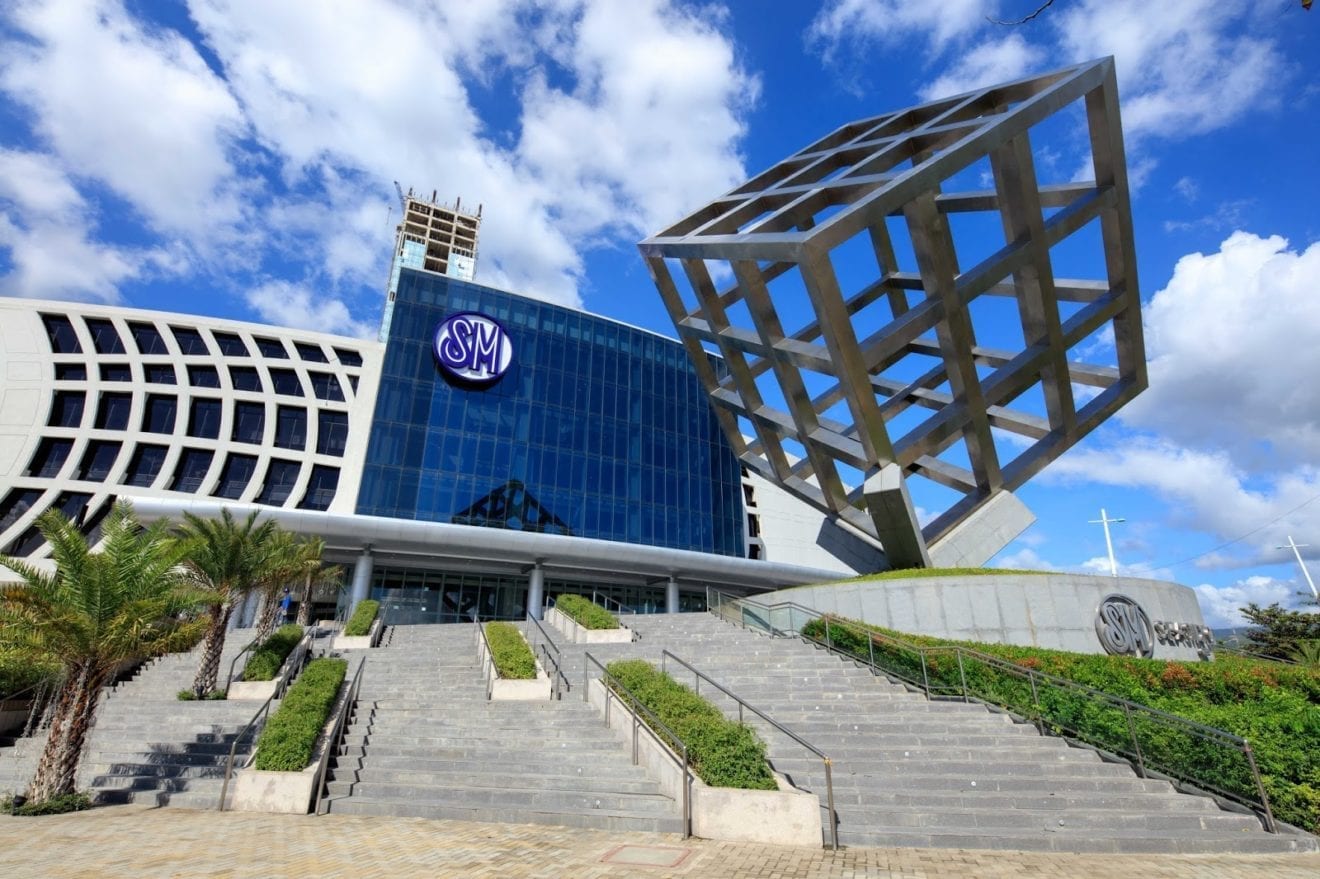
    An 80,000 sqm mall has been opened in eastern Metro Manila by Southeast Asian integrated property company SM Prime Holdings.

    As its 60th mall in the Philippines, SM City East Ortigas reinforces its commitment to continue expanding there given the economy’s strong performance, says SM Prime president Jeffrey C Lim.

    SM Prime’s malls in eastern Metro Manila include SM Megamall in Mandaluyong, SM Marikina and SM Center Pasig. It also has SM Angono, SM Masinag, SM San Mateo and SM Taytay in Rizal Province.

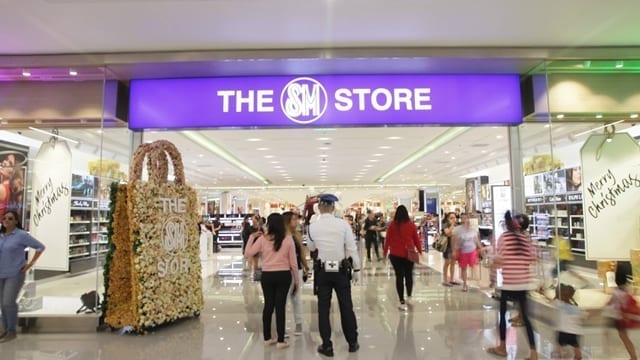
    sm-store

    SM City East Ortigas has opened with almost 80 per cent of its space leased out. The two-level mall houses SM’s flagship retail brands The SM Store and SM Supermarket, plus its specialty stores such as Ace Hardware, SM Appliance Center, Uniqlo and Watsons. It will also have a Cyberzone, wellness tenants, four digital cinemas and four Director’s Club cinemas, as well as dining destinations. There are 650 parking slots.

    SM Prime opened SM Cherry Congressional a year ago in Quezon City, as well as SM City San Jose Del Monte in Bulacan in April and SM City Trece Martires in Cavite in May.

    Of its 60 malls in the Philippines, 22 are in Metro Manila, 29 in Luzon, five in the Visayas and four in Mindanao. SM Prime also has six malls in China. SM Prime is also involved in residential development, leisure properties and hotels.

  • B2LiNK eyes global K-beauty market beyond China

    B2LiNK eyes global K-beauty market beyond China

    The Group of Two’s recent protectionists policies followed by Donald Trump’s victory in the U.S. presidential election and China’s economic retaliation against Korea over the deployment of a Terminal High Altitude Area Defense system seem to be serious risks for Korean exporters.

    B2LiNK CEO Lee So-hyung, however, confidently said no government can interfere with macro-trends in the market. The 33-year-old is one of the co-founders of the IT-based business-to-business startup which distributes Korean beauty brands to global retail channels in the most effective way possible.

    “The U.S. will not restrict small areas. It may impose anti-dumping tariffs on steel, but consumer goods ― especially Korean cosmetics ― will not be regulated as they are not in the majority of the market,” Lee said in an interview with The Korea Times on Friday.

    “Most people fear that trade with China will be threatened, but local Chinese firms actually earn more money than Korean businesses through the cosmetics trade. Chinese authorities will be unlikely to regulate the trade, as most Chinese consumers purchase Korean cosmetics via their local online platforms.”

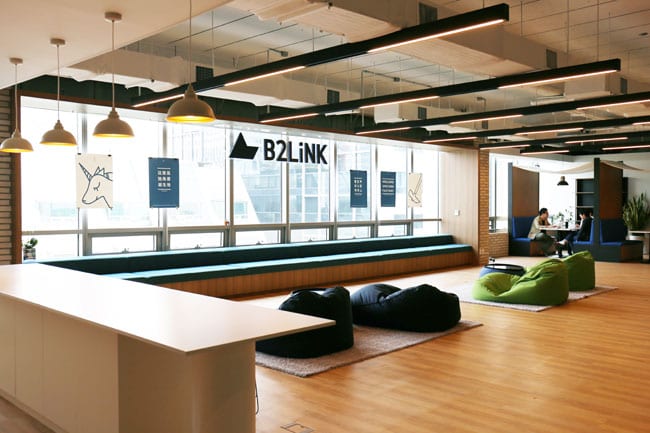
    An inside view of B2LiNK office in Gangnam

    After working in many industries in several countries as a consultant of McKinsey & Company for four years, Lee decided to operate a business that introduces Korean consumer goods to the world. He said, “The industry in which Korea has an advantage over other countries is in consumer goods.”

    His company initially targeted the Chinese market and has expanded its presence there. The Seoul-based company established local offices in Tianjin and Shanghai. It also signed supply contracts with China’s top commerce firms including Watsons China and RuHnn.

    “When I began to run my business in 2014, China’s economy was growing rapidly with its e-commerce market which was growing much faster,” Lee said. “The rate of cosmetics consumption, on the other hand, was still low at that time, so I thought there might be a chance for a success.”

    However, B2LiNK is drawing up a blueprint to globally expand the presence of K-beauty beyond China. Lee said, “Korean consumer goods have depended too much on China so far, and we want to help the firms gain competitiveness in the global market. Demand for Korean consumer goods is rising in the U.S., Europe, Africa and the Middle East.”

    B2LiNK began to supply Korean cosmetics to retail channels in Southeast Asia this May and posts more than 100 million won ($85,000) in monthly sales there. It plans to establish an office in the U.S. next year, which will be the company’s first base camp toward the developed market.

    “We are actively recruiting employees in the U.S. and Southeast Asia,” Lee said. “We will hire local people to lead our subsidiary companies there.”

    Lee said B2LiNK wants employees who can build their careers in the company, rather than those who already have experiences in similar industries. “Our basic concept is to develop less advanced industries. Expertise is an old-fashioned concept in B2LiNK,” he said.

    Among young “B2LiNKers” whose average age is 29, B2LiNK posted more than 11 billion won in sales last year. The company estimates its sales will be over 30 billion won this year.

  • Alibaba and ecommerce festivals: Europe’s gateway to China

    Alibaba and ecommerce festivals: Europe’s gateway to China

    This year China has moved closer to becoming the world’s largest retail market, with the total retail sales of consumer goods in the country reaching 30.1 trillion yuan (£3.39 trillion) in 2015, as cited by China Internet Watch.

    To put that into perspective, according to Retail Economics the UK’s total retail sales reached £339 billion in the same year – just 10 per cent of China’s retail figures.

    One important factor stimulating this growth has been the ability of brands outside of mainland China to connect with consumers in what is the world’s most populous country. Businesses around the globe are responding to the increasing demand for foreign brands by Chinese consumers. Indeed, in 2015 alone the number of overseas companies operating in China’s free trade zones doubled.

    In today’s highly competitive global market, the ability of a brand to gain exposure in new regions is invaluable and more essential than ever before.

    This constant search for international expansion options is why shopping festivals in China have become so important to a brand’s success in the country. Not only do the festivals expose consumers to new products and allow them to experience new brands, but they provide businesses with the ideal platform to increase trade within a new market. They are gateways to the exciting, high-potential parts of this constantly evolving country that brands want to work, and compete, within.

    One example is Tmall Global’s annual 8.8 Shopping Festival in China, focused on showcasing top-selling products from global brands to Chinese consumers. The platform, which is a subsidiary of e-commerce company Alibaba Group, offers foreign brands access to 434 million Chinese consumers. The recent 2016 event featured more than 2,000 quality products from a variety of overseas markets and include fashion, cosmetics and even nutrition supplements. A series of live broadcasts also ran to connect consumers with the brands in real-time while they were watching from home and on the Tmall mobile app.

    Major British retailer Sainsbury’s was just one of more than 100 brands to exploit the 8.8 opportunity, following an announcement earlier in the month that the British retailer was expanding its offering of branded products on the Tmall platform to over 100. A variety of new products were introduced such as their mixed nuts, Fairtrade Italian-style coffee and chargrilled vegetable pasta sauce

    Looking at the level of interaction Sainsbury’s experienced on the day clearly shows the benefits of the 8.8 festival. For example, its live stream during the day received over the 50K Weibo ‘likes’, whilst the number of customers with Sainsbury’s bookmarked in their Twitter favourites rose from 110k to 155k.

    Brands should always be exploring new growth opportunities beyond their borders. Research is just the first step – appropriately leveraging an opportunity is the key.

    Shopping days provide an ideal virtual shop window and best way to do just that, giving brands the chance to start leaving their mark on new places in the world. The growing appreciation of their modern relevance can be understood further by acknowledging the general breadth of major shopping festivals that now exist; from the Korea Grand Sale, to Black Friday and Cyber Monday in the UK and US, as well as the USA Outlet Shopping Festival.

    Take Alibaba’s 11.11, or ‘Singles’ Day’, for example – the biggest shopping festival in the world, four times the size of Black Friday and cyber Monday combined. During Singles’ Day 2015, a third (33 per cent) of all purchases were international products, with consumers from 232 regions and countries completing transactions.

    The benefits of shopping festivals are twofold – product accessibility for consumers and massive exposure for brands, enabling them to expand into previously unknown territories to grow and improve brands need new territories. Shopping festivals offer them exactly that.