Tag: China

  • Shanghai Disney Resort to take wings

    Shanghai Disney Resort to take wings

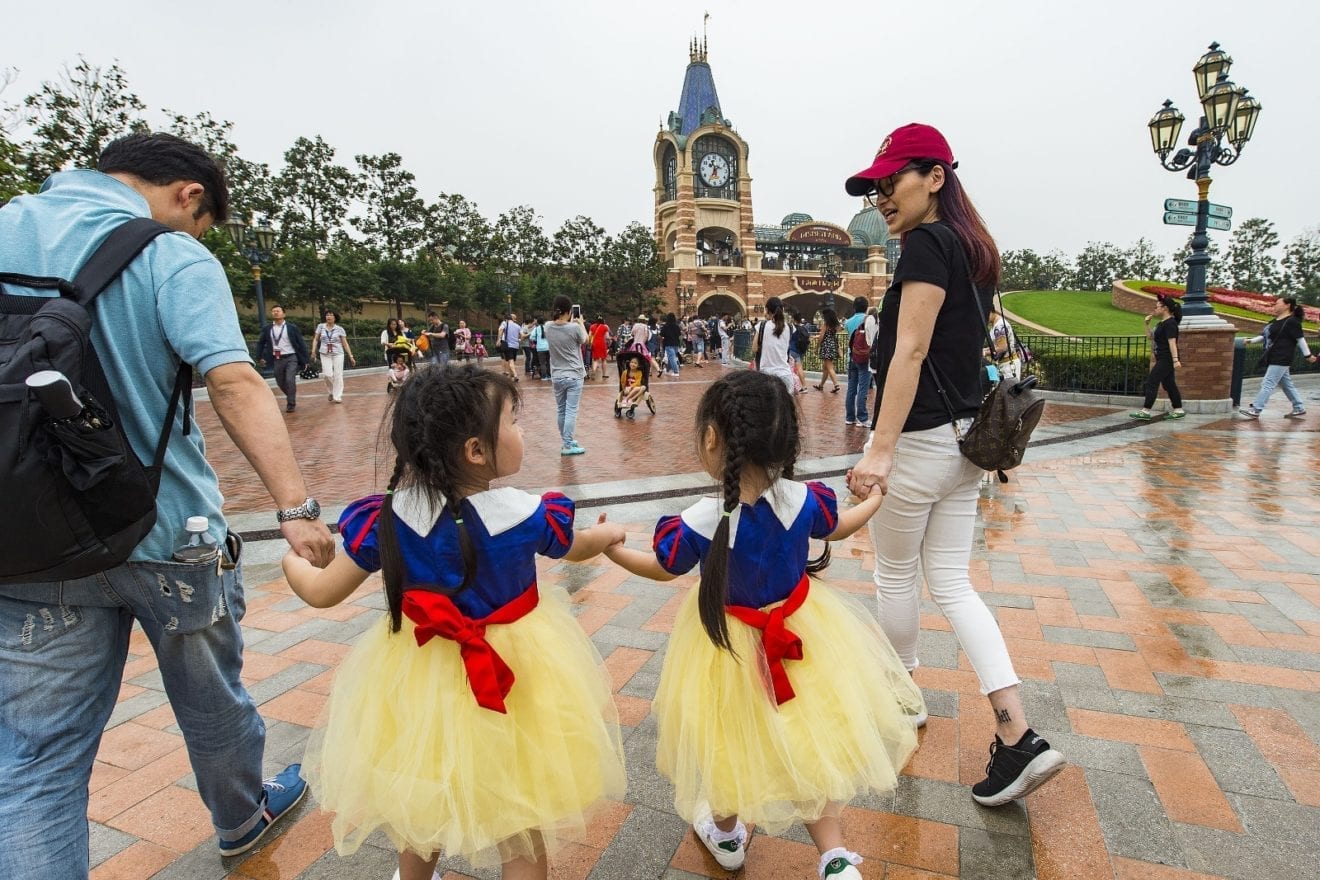
    Shanghai Disney Resort will open two retail stores at the city’s Hongqiao International Airport next year.

    Both stores will be at the domestic departures of the airport’s T2 terminal to allow travellers to take home merchandise collections more conveniently, says the resort.

    It already has a 3000 sqm World of Disney Store at Disneytown that includes specialty shops and a Spoonful of Sugar confectionery. There are more than 7000 merchandise items including Disney apparel, toys, stationery, lifestyle products, collectibles and gifts. Resort director of merchandise David Koo says retail products will be updated or expanded, based on ongoing Chinese consumer research and insights.

    The most popular products at the resort include a Mickey and Minnie foldable-fleece collection that can be worn or folded into a back cushion. Another bestseller is the Storybook Chocolate Set.

    Koo says the resort will offer special products soon for the coming Chinese New Year, on January 28.

  • Hard Liquor Helps E-Commerce Titans Take China’s Consumer Pulse

    Hard Liquor Helps E-Commerce Titans Take China’s Consumer Pulse

    Predicting the changing tastes of China’s consumers is becoming easier thanks to the country’s e-commerce giants, who monitor sales that can exceed US$17 billion in a single day.

    The country’s second-biggest web-based retail platform, JD.com Inc, already has dozens of new indexes tracking sales of products from liquor to appliances. Larger rival Alibaba Group Holding Ltd plans to publish its own spending gauges in coming months.

    Their data is vital to large global companies like Starbucks Corp and Wal-Mart Stores Inc that are looking for insights into what’s hot among China’s billion-plus consumers. Online shopping indexes reflect millions of transactions daily, whereas traditional consumer surveys can only test a tiny sample.

    “The ability to analyse and understand trends in online consumption has never been more important or more valuable,” said James Huang, big-data analytics director for the finance unit of Beijing-based JD.

  • Despite recent setbacks, LeEco has big retail ambitions in China

    Despite recent setbacks, LeEco has big retail ambitions in China

    LeEco may have had some high-profile setbacks in recent weeks, with news coming from the company that it had overextended itself financially in some areas, but the Chinese electronics maker and service provider is still doing ambitious things in retail, starting with a new flagship store it opened at its Beijing headquarters earlier this year.

    We toured the store, and spoke to LeEco VP of retail Steve Zhao about some of the inspiration for the retail space and its intended purpose. A significant portion of Chinese electronics shoppers do their buying online, so the focus is on building a store that provides experiences and examples of how LeEco devices and services might work for a consumer in their daily lives, rather than on stocking shelves with as much inventory as possible.

    From flooring and furniture materials to layout and staff, the LeEco store feels like an Apple Store, which isn’t surprising given its aims and intent. But this is also only the first iteration of what’s to come; Zhao told me that their first major retail location in a shopping centre will dwarf the current flagship in size and scope, with a launch planned for sometime later in 2017.

  • AirAsia starts flying Philippines-Taiwan

    AirAsia starts flying Philippines-Taiwan

    The low-cost carrier’s Philippine subsidiary started flying direct from Manila to Taipei on 21 November, and then on 25 November it commenced flights between Cebu and Taipei.

    “We are aiming to go further across Asia by strengthening AirAsia’s presence in Taiwan. Today heralds… brighter and much closer ties between two countries to improve trade and tourism,” said Philippines AirAsia’s CEO, Dexter Comendador. He added that the new services would cater to “travellers, overseas Filipino workers and Taiwanese tourists”.

    The new Manila-Taipei route will operate daily with late night flights, while the Cebu-Taipei service will run three times a week (Wednesdays, Fridays and Sundays) with early morning departures from the Philippines.

    The AirAsia Group also operates direct flight to Taipei from Kuala Lumpur and Kota Kinabalu.

  • Global Blue collaborates on Chinese VAT refund scheme

    Global Blue collaborates on Chinese VAT refund scheme

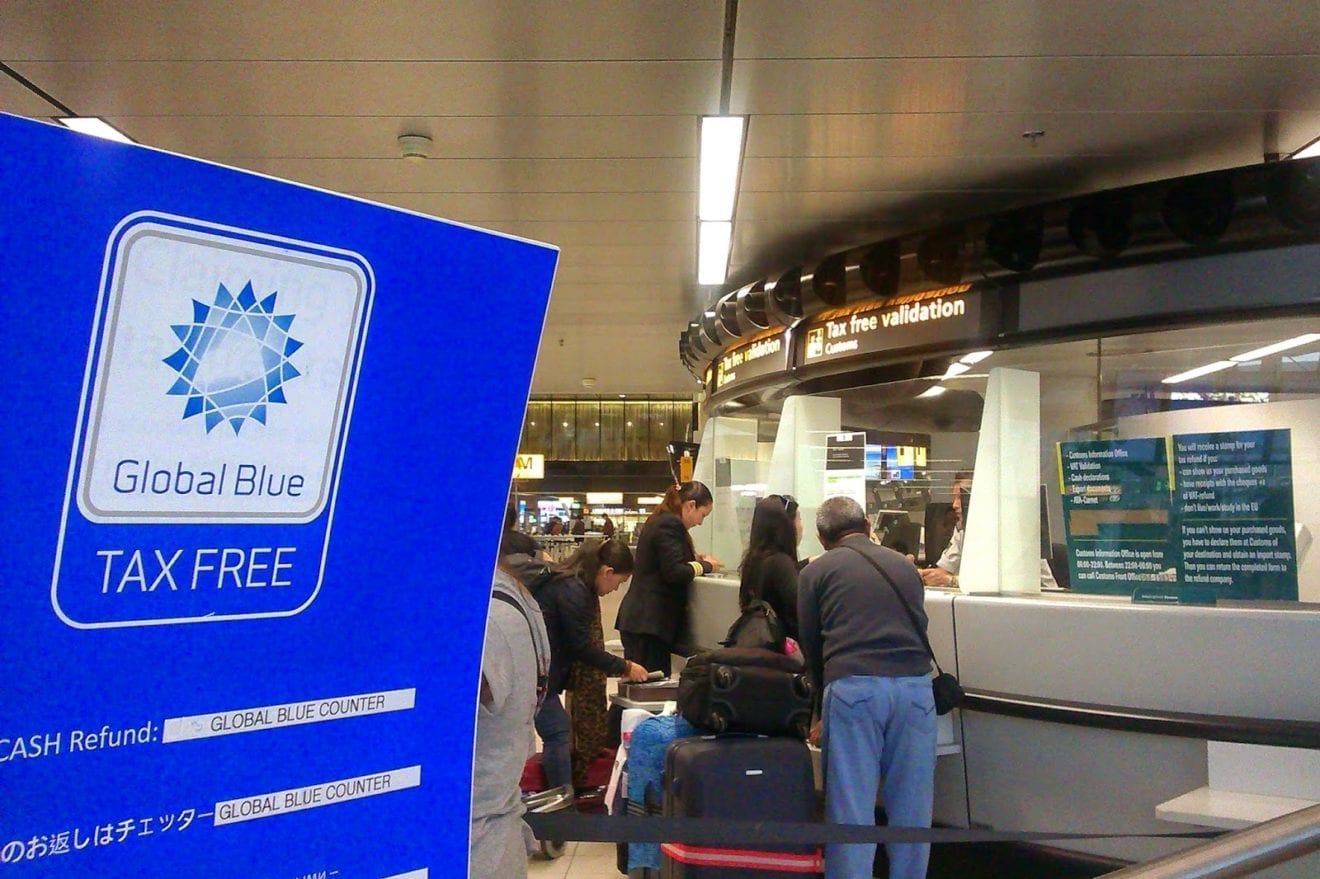
    Tax-free specialist Global Blue has partnered with the Bank of China to launch a VAT refund service to overseas tourists in Shanghai.

    Travellers in Shanghai are now able to save 9% on their purchases as China has introduced its first tax-free shopping scheme for foreign visitors. The scheme will be among the first of its kind in mainland China, allowing eligible travellers to reclaim the VAT imposed by the Chinese government, when making purchases within the country.

    For travellers, eligibility for VAT refunds will be based on a set of simple criteria. These include possession of a non-Chinese passport (or specified ID from Hong Kong, Macau and Taiwan), receipt of purchase showing spend of over RMB500 ($72) in one store on the same day, and proof that the traveller has remained in mainland China for no more than 183 consecutive days.

    If these eligibility criteria are met, merchants simply have to provide a VAT invoice, then issue the shopper with a Tax Refund Application form provided by the Chinese Government, which includes the description of purchased goods and the traveller’s details.

    Global Blue will work with Bank of China to encourage local retailers to sign up to the scheme. It will also provide licensed retailers with ongoing training to sales staff and consult on the processes surrounding the issuing and completion of VAT refunds.

    Already almost 200 stores in Shanghai have already signed up to the tax-free shopping scheme, including major department stores [e.g. Takashimaya, Pacific, Parkson and Bailian (Group) Department Stores], luxury brands (e.g. Chanel, Hermes, Tiffany and Louis Vuitton), high street names (e.g. Zara, Bershka and Marks & Spencer) and local retailers (e.g. Silk King, Lao Feng Xiang Jewellery and Chow Tai Fook Jewellery).

    Global Blue CEO Jacques Stern commented: “We are excited about launching this partnership with Bank of China, a true market leader in the international banking space. The VAT refund service represents a great opportunity for merchants in Shanghai to attract high-spending international travellers and encourage higher spend in-store. For visitors to the city, this scheme will bring obvious benefits, allowing them to shop and spend with leading Chinese merchants for less.”

    Bank of China vice president Mr. Wang added: “This is a very exciting period for Shanghai’s retail sector and we are confident the introduction of these services will be a powerful tool in helping businesses connect with valuable international shoppers. Global Blue’s experience of promoting and supporting Tax Free services around the world make it a valuable partner and we look forward to a long and happy working relationship.”

    In addition to merchant support, Global Blue will manage marketing activities inside and outside of China to increase traveller awareness of the VAT refund scheme. Promotional channels will include Global Blue’s website, app and a wide range of traveller focused collateral including SHOP Maps and point-of-sale materials. The partnership will also see Global Blue collaborating closely with local governments’ tourism departments.

    In addition to VAT refund services in Shanghai, Global Blue has also named Bank of China as a banking refund partner for returning Chinese shoppers across the country. Bank of China will operate refund counters from 10 branches throughout China, making it easier for Chinese consumers to claim overseas refunds back home.

  • Sa Sa International sees fall in profits amid drop in tourism

    Sa Sa International sees fall in profits amid drop in tourism

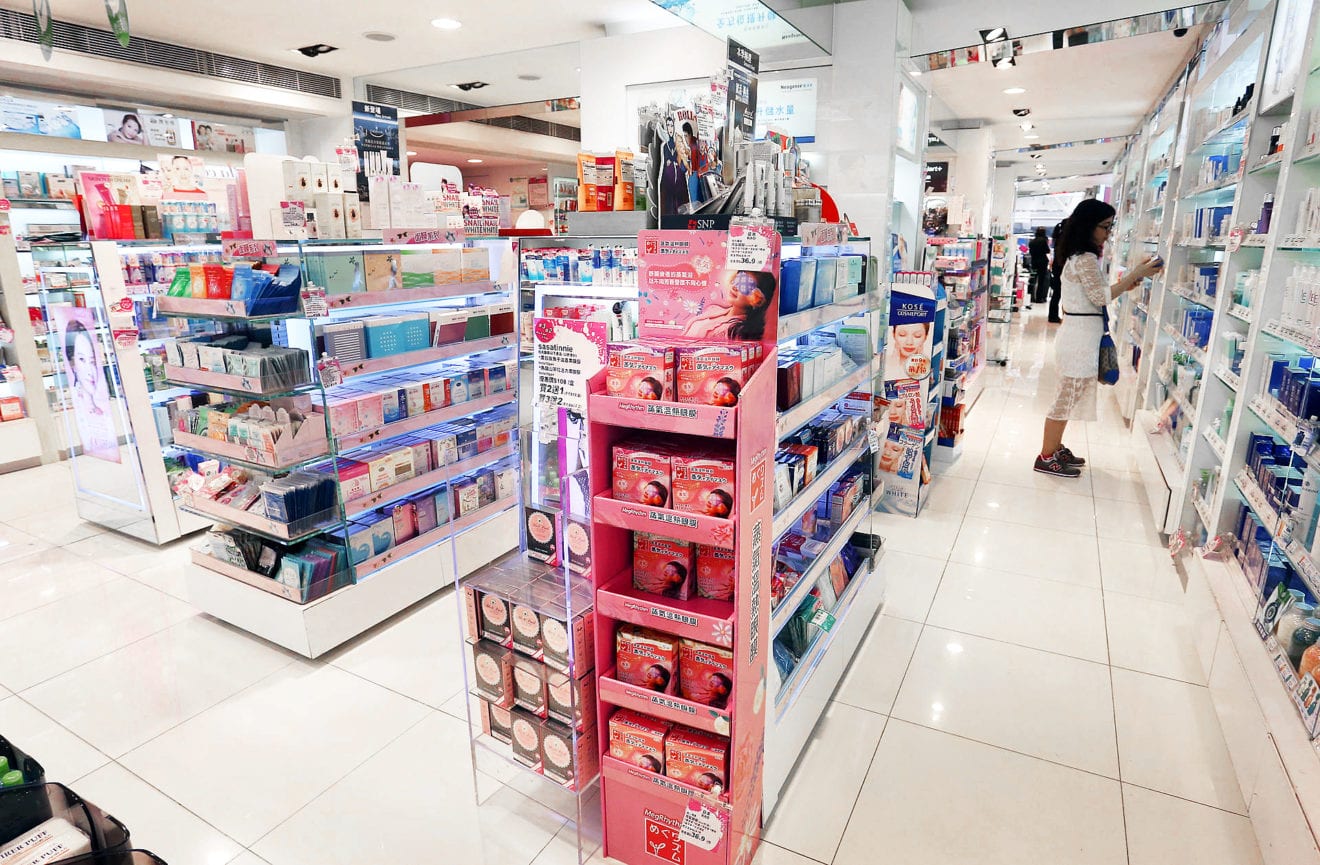
    In the period ending September 30th 2016, Sa Sa International’s turnover reached HK$3.63 bn (€442.2 mn), a 4% drop from HK$3.78 bn (€460.5 mn) compared to last year’s results.

    Sa Sa totalled profits of HK$96 mn (€11.7mn), indicating a 37.3% drop from last year’s HK$153 mn (€18.6 mn) during the same period.

    Purchasing patterns

    Despite a continued reduction in tourist footfall, the total number of transactions by local and mainland Chinese consumers increased by 0.2% and 4.4% respectively.

    However, the average sales value per transaction saw a slump, decreasing by 6.3% for purchases made by local consumers and 6.6% for tourists. This was reflected in the leading cosmetics company’s retail sales in Hong Kong and Macau, which fell by 3.6% from HK$3 bn (€365.5 mn) to HK$2.9 bn (€353.3 mn).

    The Hong Kong market has witnessed changing consumer attitudes towards product selection. As the Hong Kong dollar strengthened and the Chinese Yuan deteriorated, these have also been cited as having a detrimental impact on Sa Sa’s interim results.

    To reflect the evolving marketplace, Sa Sa focused on adapting to consumer demands by speeding up product launches, combatting lengthy product cycles with shorter alternatives, reducing price points of on-trend lines and creating innovative marketing displays.

    The shopping experience

    Sa Sa is currently concentrating on increasing sales by bringing these efficient product cycles to market through facilitated CRM processes, online marketing and online-to-offline (O2O development.)

    The O2O landscape has been developing rapidly throughout APAC in recent years. As a result, Sa Sa hopes to maximise this opportunity to improve the shopping experience for its customers through creating online operations for digital marketing that connect with its physical stores.

    “We…remain resolute in our belief that we can further strengthen our competitiveness in the coming years and convert difficult challenges into golden opportunities, such as those offered by O2O, by changing consumer behaviour and by the growing affluence of the less developed regions of Mainland China” said Dr Simon Kwok, BBS, JP, Chairman and CEO of the Group.

    This year, the cosmetics brand launched a new mobile app to reflect the market’s preference for mobile over desktop usage. Sa Sa collaborated with online retailer Kaola to complement this release and existing partnerships with T-Mall, JD.com and suning.com.

    It used these channels to promote its range of Korean products, which it produced to reflect the popularity of the K-beauty and K-pop influences trending through APAC and the wider markets. As a result, Sa Sa saw its sales increase by 51.5% in Hong Kong and Macau, with its own brands and exclusively distributed products dropping by 2.5% from 41.3% to 38.8%.

    Consumer support

    On 21st November, two days before the interim report was released, Sa Sa International announced it had been presented the award at the “World’s Excellent Brands Awards 2016-2017” by China Media Network (CMN).

    The prestigious accolades are given to those brands that demonstrate an awareness, recognition, leadership and representativeness of tourism-related global brands by an evaluation committee and selection of tourists.

    Following public voting and evaluation, Sa Sa received the “World’s Excellent Brands Awards” and has previously been awarded the “Most Popular Hong Kong and Macau Brand” by CMN.
  • Bluebell Group invests in designer startup

    Bluebell Group invests in designer startup

    Bluebell Group has invested in a new luggage design house Ookonn, which takes inspiration from a hat box, selling direct to consumers online.

    Ookon is the brainchild of Anson Shum, who conceived a style and design based on an old-fashioned, round hat box.

    At the time, Shum was working in a marketing and communications role with Bluebell Group.

    “When I resigned last year, I told the company of my plan to start my own label,” Shum said in an interview.

    ookonn-lugguage

    “They were so nice to me, and asked if there was any way we could work together. I showed them my business plan, and they offered to coach and mentor me.

    “Eventually nearing the end of my employment period, I did a formal presentation in front of all the shareholders. And the week after, I was told that Bluebell wanted to invest in Ookonn. It was a surreal moment. I think they decided to invest because of the product, the business model, and obviously the fact I have built a good relationship with them.”

    Shum and his business partners sell the Ookonn bags online, where they cost upwards of HK$2280 for basic models.

    “Online business is more relevant to my target audience. Ookonn is a lifestyle brand targeting millennials. While we get customers from different age groups, the feeling and foundation of the brand is for a younger audience in their early 20s to early 30s. While online is important, it is only one part of the business model, since we are launching in Hong Kong and China. But for other markets, perhaps we can collaborate with several bricks-and-mortar multi label stores,” said Shum.

    He describes his case designs as “a bit more playful” than most common luggage ranges.

    ookonn-lugguage-1

    “I’ve been working in fashion and luxury for 12 years, and have had plenty of opportunities to travel. But while I can find a lot of beautiful options for clothes and accessories, there are not that many for luggage. Most luggage brands in the market are business oriented. So I wanted to see if I could create a luxury brand that would generate excitement.”

    The bags come with a variety of options for handles, covers and belts and can be customised with the buyer’s chosen monogram.

    The bags come from Transport Safety Authority locks, wheels which turn a full 360 degrees and a light polycarbonate shell.

  • Cafe de Coral grows revenue, profit, outlets

    Cafe de Coral grows revenue, profit, outlets

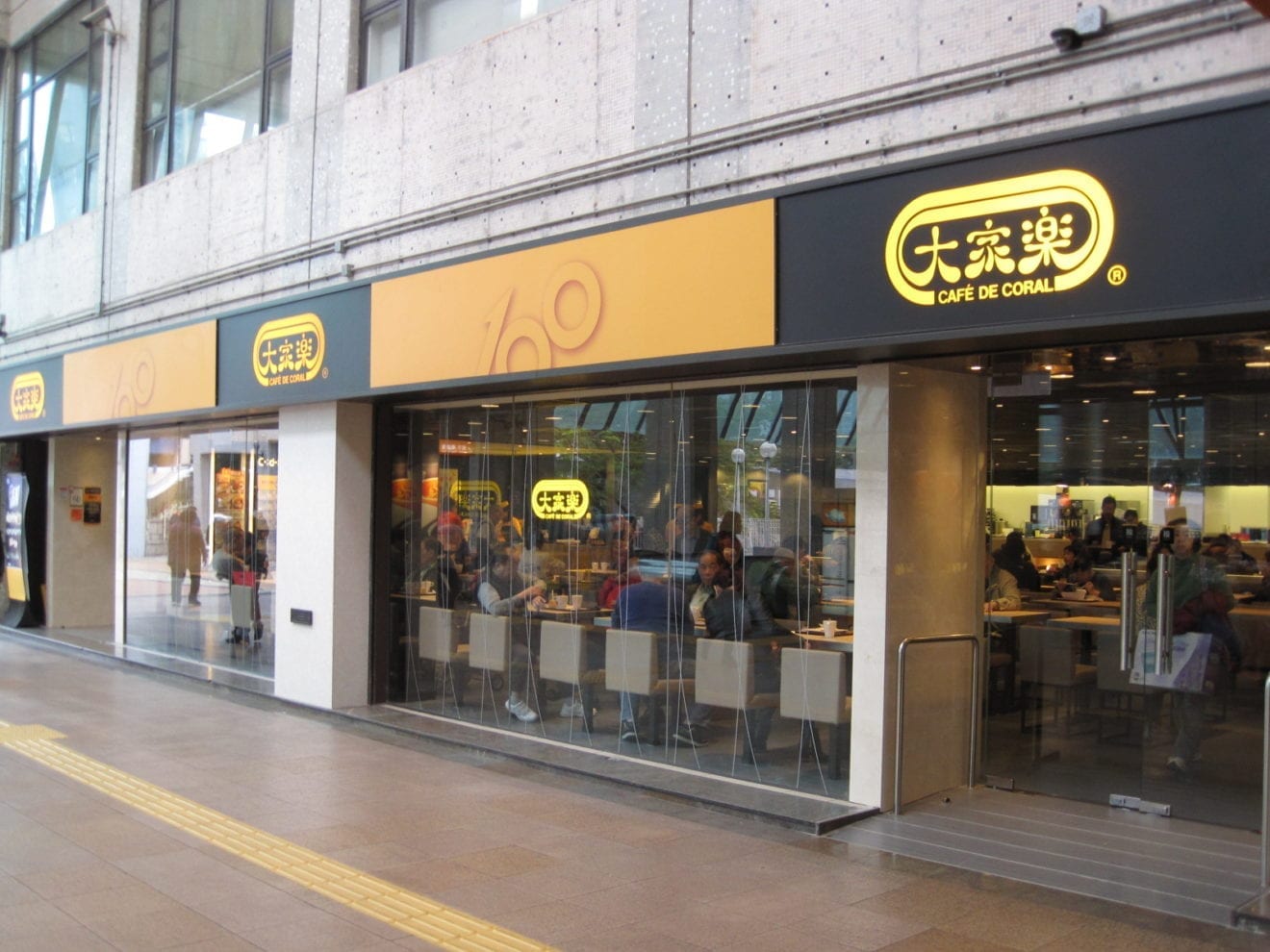
    Total revenue for the half-year to the end of September rose by 4.3 per cent to HK$3.89 billion (US$501.5 million) for restaurant and catering group Cafe de Coral Holdings.

    Net profit, at HK$232 million, was up 11.8 per cent, while profit attributable to shareholders rose similarly to HK$3.89 billion, according to its interim results.

    With stronger momentum in the fast-casual and casual-dining sector, the group says its quick-service restaurant (QSR) and institutional catering business continued to achieve encouraging results and steer further expansion.
    “Mainland China business persistently improves its profit margin with a lower break-even point, which has laid a solid platform for expansion,” says the group. “The positive results demonstrate not only the capable stewardship of our new management team, but also the successful completion of the group’s succession plan.”

    “Encouraging” revenue and same-store sales growth resulted in a robust and stable performance for the group’s (QSR) and institutional catering business.

    In China, revenue stabilised for its fast-food business, thanks to updated menus.

    Overall, the group’s QSR and institutional catering business in Hong Kong reported solid revenue gains, up 7.7 per cent. Same-store sales under the Cafe de Coral fast-food and Super Super Congee & Noodles grew 5 and 4 per cent respectively. As of September 30 the group had 288 QSR and institutional catering outlets, including 160 Cafe de Corals, 47 Super Super Congee & Noodles shops and 79 Asia Pacific Catering outlets.

    Strategic tenancies

    To speed up its expansion of the Cafe de Coral network, the group took advantage of the softer leasing market to take up tenancies at strategic and prime locations. Four outlets were added, with 11 more set to open. Seven more Super Super Congee & Noodles shops were added, with eight openings scheduled.

    Asia Pacific Catering renewed all major contracts while Luncheon Star continues to be the leading provider for schools.

    For its fast-casual and casual-dining sectors, the group saw 14.4 per cent revenue growth. Its catering-inspired Shanghai Lao Lao brand has evolved into a popular chain with eight outlets, says the group. Two of the outlets opened during the six months, with four more scheduled.

    Encouraged, the group says it will aim to scale up Mixian Sense to provide another lucrative revenue stream.

    Meanwhile, it is rejuvenating its Western-style brands, The Spaghetti House and Oliver’s Super Sandwiches. Decors and menus are being revamped.

    Launched last year, its Japanese and Korean-style franchise restaurants are still in the investment stage.

    Non-performing outlets in eastern and southern China have been closed, plus the management team has been localised as well as menus being revamped.

    Same-store sales from the fast-food business grew by 1.2 per cent with “remarkable profit improvement” on the mainland even after excluding the effect of new VAT rules and despite the segment revenue falling by 16.3 per cent. This was mainly a result of the strategic closure of non-performing stores.

    “While the imminent outlook is less than promising, the group remains confident its businesses will continue to fare reasonably well. Fortunately, our core QSR and institutional-catering segments, in particular, are relatively resilient to downturns.”

  • More shoppers spend less in Black Friday

    More shoppers spend less in Black Friday

    More shoppers spent less on Black Friday in the US – and more was spent online than ever before.

    Those are the key take-outs from the three day long shopping extravaganza, which is being followed up by Cyber Monday giving Americans a second chance at scoring shopping bargains.

    But perhaps the biggest trend this year was how Black Friday was adopted internationally – even as far away from America as Vietnam, shopping centres were packed with bargain hunters, lured by billboards promising as much as 50 per cent off stock.

    According to data from the National Retail Federation, more than 154 million US consumers shopped last Friday, spending an average $289 – $11 less than last year. Gifts accounted for $214 of that spend.

    “It was a strong weekend for retailers, but an even better weekend for consumers, who took advantage of some really incredible deals,” said NRF president and CEO Matthew Shay.

    Most of the shopping occurred Friday, perhaps reflecting the limited stock of some retail deals.  The NRF said of the consumers who went to physical stores, 75 per cent shopped on Friday, 40 per cent on Saturday and 17 per cent on Sunday.

    And the data showed a continuing migration from offline to online. Last year, 103 million people shopped online and 102 million in stores. This year more than 108 million shopped online and 99 million in stores.

    Adobe released data based on anonymous tracking of 22.6 billion visits to retail websites, showing more than $5 billion was spent online over the holiday weekend – and a record $3.34 billion on Friday. Mobile devices accounted for $1.2 billion of the weekend sales.

  • Jumbo Seafood grows profit 17.9pc

    Jumbo Seafood grows profit 17.9pc

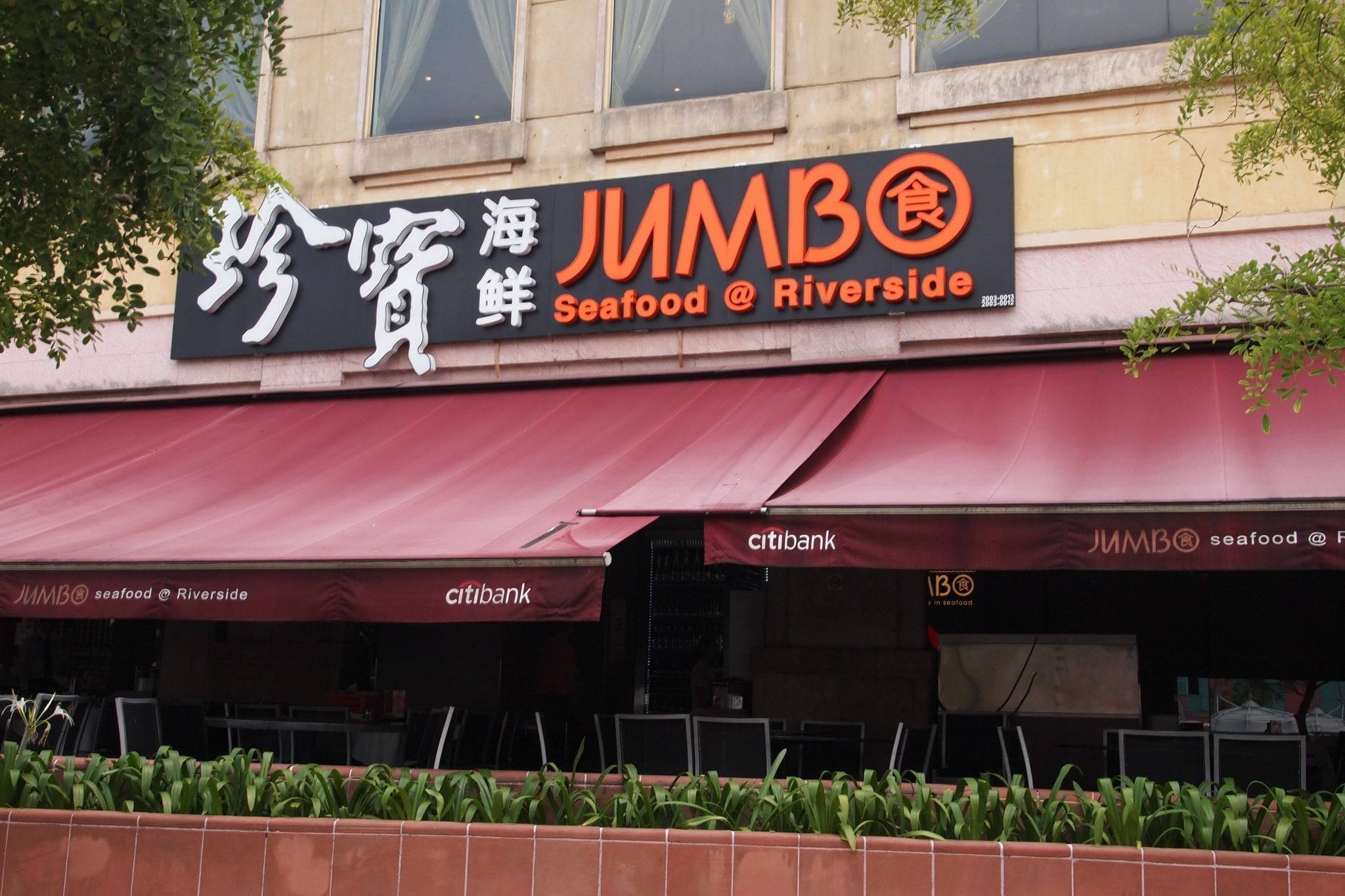
    Restaurant group Jumbo Seafood has reported a full-year net profit of S$15.7 million (US$11 million) – up 17.9 per cent from the previous year.

    Overall group revenue grew 11.4 per cent to S$136.8 million, attributed mainly to revenue contributions from its new seafood outlets in Shanghai as well as an overall increase in revenue from its other restaurants.

    Jumbo Seafood executive chairperson/CEO Ang Kiam Meng says the group managed to increase yields despite the ongoing challenges of the industry.

    “We look forward to further improving our financial performance by streamlining our operations to raise productivity and efficiency while lowering operating costs.”

    In October, Jumbo opened its fifth Ng Ah Sio Bak Kut Teh (pork ribs soup) outlet in Singapore.

    Jumbo is a multi-concept dining and F&B group with a network spanning Singapore, China and Japan. It also provides catering services, and in Singapore sells packaged sauces and spice mixes.

  • Yum China seeking delivery deal

    Yum China seeking delivery deal

    Fast-food giant Yum China Holdings is looking at buying food-delivery services firm Daojia.com.

    Discussions are at an early stage, but a deal could be worth up to US$200 million, as reported.

    Established in 2010, Daojia.com focusses on online food orders and delivery services targeting the middle class urbanites in 10 Chinese cities. With a 3000-strong logistics team, it works with more than 6000 restaurants.

    Food-delivery apps are becoming more popular in China with services being offered by Baidu Inc’s Waimai, Alibaba Group Holding’s Meituan and Tencent Holdings’ Ele.me.

    China’s second-largest eCommerce fim JD.com and Macquarie Capital were investors in a $50 million round of fundraising by Daojia two years ago.

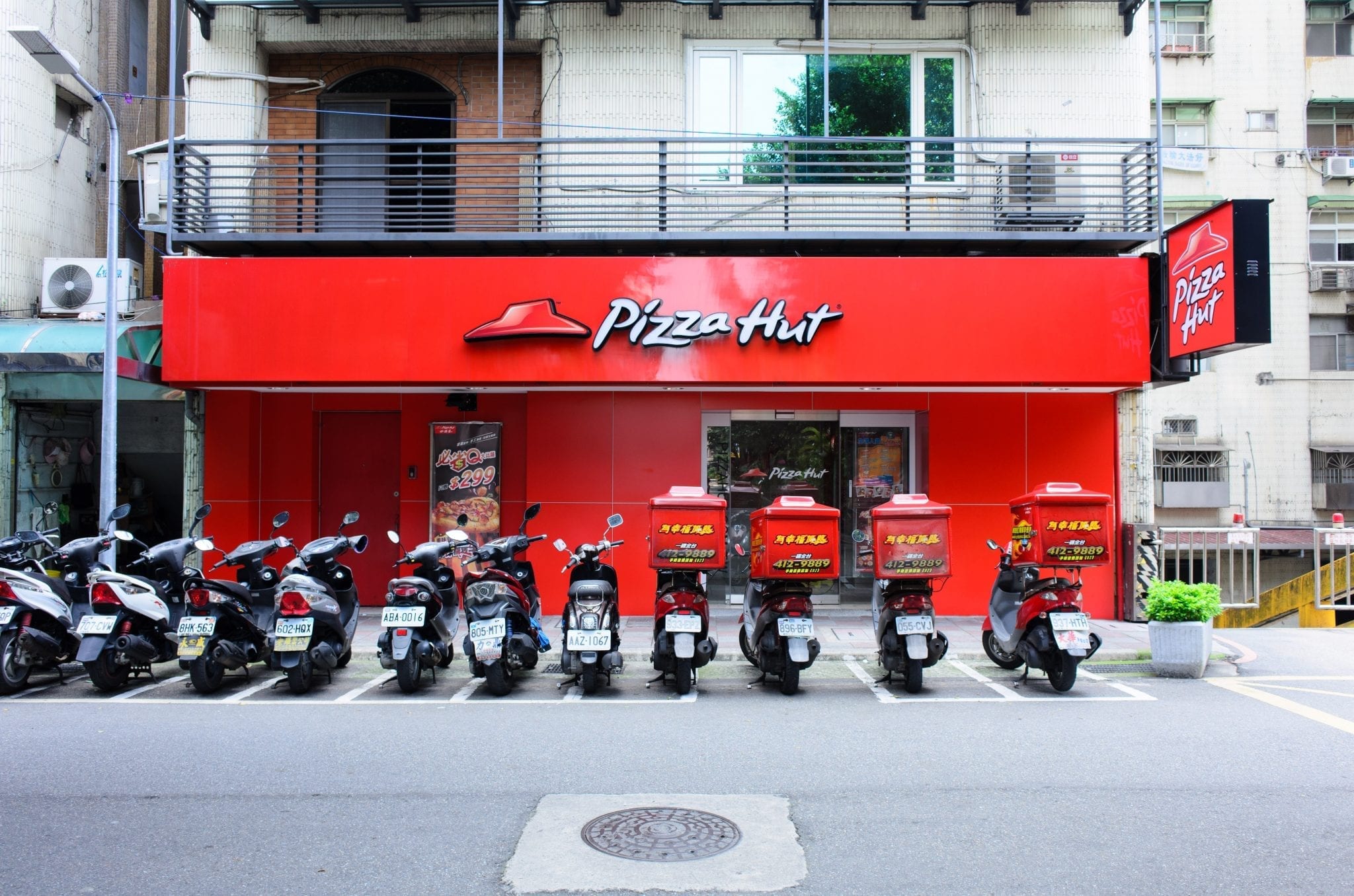
    Yum China was spun off from US-based fast Yum Brands Inc 12 months ago. The company’s brands include KFC and Pizza Hut.

    CEO Micky Pant says that while only 10 per cent of the company’s sales are delivered, deliveries are growing at double digits and will be an important driver of growth.

    Yum China secured a $460 million investment from Primavera Capital and Alibaba affiliate Ant Financial before its spin-off. Yum China already is the biggest user of Ant’s Alipay mobile payments service. The restaurant company is also investing in its mobile ordering system and loyalty programs.

  • Qantas Freight has been appointed as the carrier to transport milk

    Qantas Freight has been appointed as the carrier to transport milk

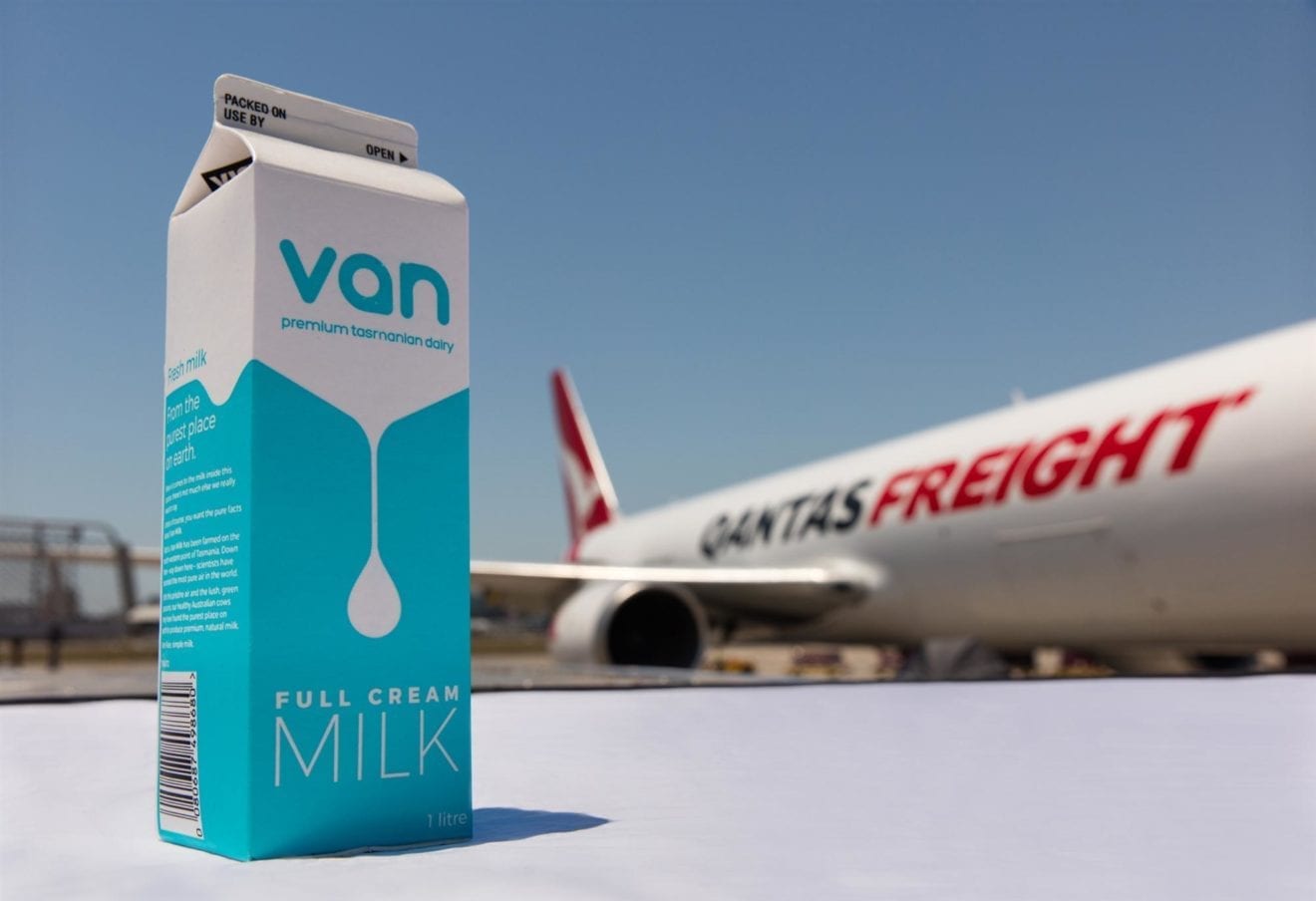
    Qantas Freight has been appointed as the exclusive carrier to transport Van Dairy’s Tasmanian milk to Ningbo, China.

    Starting in the first half of 2017, Qantas Freight will operate a weekly Boeing 767-300 freighter flight from Hobart to Ningbo, carrying more than 50,000 litres of fresh milk. Qantas will look at increasing the frequency if there is additional demand.

    “There is a huge demand for fresh milk in China and the key to satisfying that demand is having a reliable freight partner with an established freighter network, infrastructure and support in China and expertise in handling fresh produce – Qantas provides that,” said Sean Shwe, managing director of Moon Lake Investments, parent company of Van Dairy. “Establishing this trade bridge is an exciting venture for our dairy company, Van Dairy who produce Van milk, and opens the door for access for other Tasmanian producers of fresh perishables such as seafood, fruit and vegetables to air freight their produce on this direct flight to China. It will be a game changer for Tasmania, and we are proud to be leading the charge.”

    According to Qantas, local distributors will truck the milk to supermarkets and convenience stores in Ningbo and Beijing. Moon Lake Investments has plans to extend the dairy’s market reach to Shanghai, Hangzhou and other Chinese cities after the product is established.

    “We’ve been flying freight between Australia and Greater China for more than 30 years, and currently offer freight capacity on 40 flights a week,” said Alison Webster, executive manager of Qantas Freight and Qantas Catering Group. “This includes five dedicated freighter aircraft services, carrying a mix of perishables such as chilled meat, seafood, dairy, fruit and vegetables as well as general cargo. Over the past three years Qantas Freight has developed particularly strong capabilities in dairy export which, with its short-life, requires close collaboration to ensure on-time delivery and quality control throughout the supply chain. We’re really pleased to partner with Van Dairy to help meet the booming demand for fresh Tasmanian milk in China – it’s the ultimate milk run.”

    Qantas currently operates passenger flights from Brisbane, Melbourne and Sydney to Hong Kong, as well as from Sydney to Shanghai. It is also scheduled to launch a flight between Sydney and Beijing in January 2017.

  • President calls for serious effort to attract 10 million Chinese tourists

    President calls for serious effort to attract 10 million Chinese tourists

    President Joko Widodo (Jokowi) has called for a serious effort to attract at least 10 million Chinese tourists to visit Indonesia per year.

    “Some 150 million Chinese citizens travel abroad every year. Most of them travel to the US and Europe. I want some 10 million Chinese tourists to visit Indonesia,” he said at a function to familiarize the public with the second phase of tax amnesty program here on Friday night.

    The president said he has signed an agreement with the Chinese government related to Chinese tourists visit to Indonesia.

    “The agreement has been in place. We only prepare flights from China to Indonesia. If the flights are already there, the target of attracting 20 million tourists can be achieved in 2019,” he said.

    The government is developing 10 key tourist destinations expected to attract more tourists, he said.

    “The target of tourist arrivals two years ago was 9 million. We want to increase the target to 20 million in 2019 by all available means including improving our positioning, diversifying products, and building brands,” he said.

    To achieve the target, the government continued to carry out tourism promotion in major cities abroad, he said.

  • Huawei demos 5G-LTE dual connectivity for 4K VOD

    Huawei demos 5G-LTE dual connectivity for 4K VOD

    Huawei has conducted a live demonstration involving 5G and LTE dual connectivity for a 4K video-on-demand service, achieving single user peak throughput of 21.1Gbps.

    At last week’s Global Mobile Broadband Forum, Huawei conducted a demonstration based on its CloudRAN architecture.

    With the development of new high-bandwidth services such as AR/VR and 4K video streaming and cloud-based services, Huawei said 5G new radio technologies will need to be deployed in central hotspots first to deliver the required capacity.

    LTE networks are meanwhile continuing to evolve with the introduction of new technologies including 3D Massive MIMO.

    Combining 5G and 4G networks has the potential to help operators protect their existing investments while improving network capacity, spectrum efficiency and coverage in urban areas.

    “It is of vital importance to guarantee end users with a ubiquitous high data rate experience in densely populated urban city areas with high buildings and complex roadways,” Huawei CMO of wireless network products Dr Yuefeng Zhou said.

    “Recently, 3GPP standardization has made significant progress in 5G and LTE dual connectivity. We expect to strengthen our cooperation with industry partners on 5G innovations based on these real application scenarios.”

  • China becomes top iOS App Store market in Q3

    China becomes top iOS App Store market in Q3

    China set new record in the third quarter for the highest iOS App Store revenue to date for any country, according to App Annie’s Market Index Report for the period.

    With total revenues of $1.7 billion, China overtook the United States by over 15% and its growth is projected to climb further by 2020.

    The Q3 2016 Market Index Report also showed that China maintained its spot as No. 1 for Games category as it accounted for the majority of the generated revenue.

    Other prominent categories making strides are Entertainment and Social Networking, which have more than tripled in the past year. Video streaming apps (like iQIYI, Tencent Video and Youku) in China have had a major impact on the Entertainment category as a whole.

    Pokemon Go was cited as the stand-out app of the year, racking up $600 million in customer spend faster than any app to date. It also outpaced the extremely successful Clash of Clans by more than 6.2 times in under three months.

    Pokemon Go has also converted a massive amount of a user’s non-mobile time to mobile time as its innovative AO gameplay and iconic IP were compelling enough to convince users to spend more time overall on their mobile devices. It has altered the playing field as it introduced augmented reality to the masses and paved the way for future AR and VR opportunities in the app stores.

    The revenue of Entertainment apps strengthened in the third quarter and it has grown substantially in both iOS App Store and Google Play. This is largely due to the popularization of in-app subscriptions as a monetization method driven by video streaming.

    With revenue more than tripling since the third quarter of 2014, people are not only using their mobile devices to stream content but also as a common form of payment.

    This represents a significant shift from traditional broadcasting and television structures where users typically enter into a contract with a cable provider.