Tag: China

  • Daimler to build Actros heavy truck in China

    Daimler to build Actros heavy truck in China

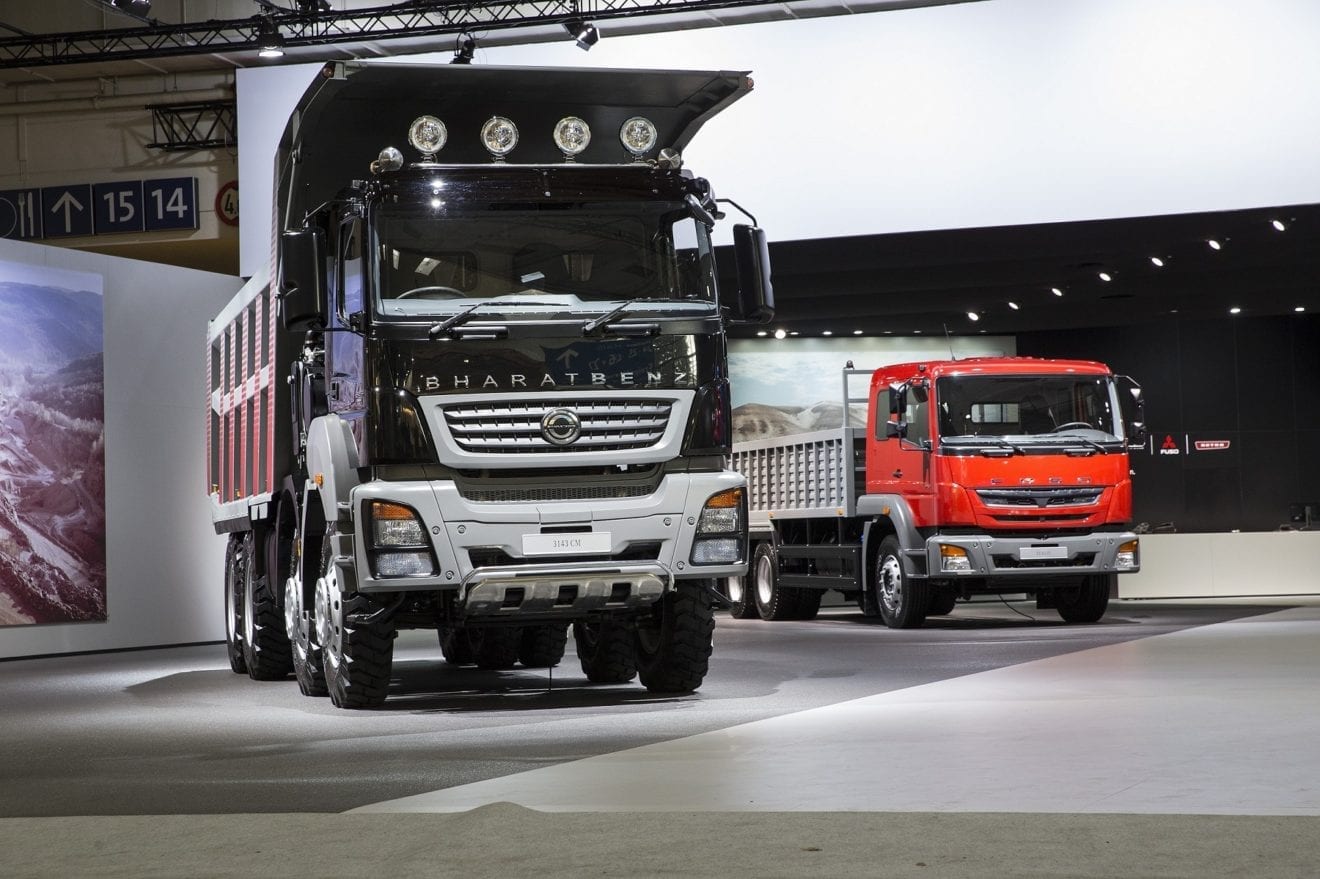
    Germany’s Daimler plans to start building the Actros heavy truck in China by the end of the decade, citing the head of the truck division.

    Seeking to expand its role in the world’s largest truck market, Daimler is targeting a five-digit production number for the Actros, the newspaper quoted Daimler Trucks Chief Executive Wolfgang Bernhard as saying in an interview to be published on Tuesday.

    Western manufacturers are allowed to operate in China by forming joint ventures with Chinese partners. Stuttgart-based Daimler currently produces trucks with China’s Beiqi Foton Motor .

    The two companies are planning to invest a three-digit multi-million amount in local production of the Actros, and Daimler alone wants to set up 200 dealer and service stations.

  • Gold down in Asia after China industrial output

    Gold down in Asia after China industrial output

    Gold prices fell in Asia on Monday after China data mildly disappointed and investors infrastructure spending plans by president-elect Donald Trump with the Republican part in control of both house of the U.S. Congress.

    China said fixed asset investment for October rose 8.3%, beating the 8.2% rise seen year-on-year and industrial production gained 6.1%, below the expected 6.2% rise seen and retail sales increased 10.0%, below the 10.7% increase seen.

    Earlier, Japan reported third quarter GDP jumped 0.5% quarter-on-quarter and at a 2.2% pace year-on-year, handily beating expected gains of 0.2% and 0.9% respectively. Separately, comments from Bank of Japan Governor Haruhiko Kuroda on inflation were noted.

    Gold for December delivery on the Comex division of the New York Mercantile Exchange fell 0.55% to $1,217.55 a troy ounce. Also on the Comex, silver futures for December delivery dropped 1.03% to $17.203 a troy ounce, while copper futures jumped 2.31% increase to $2.565 pound.

    Copper was boosted last week after Trump raised the prospect of increased infrastructure spending, while recent signs of strengthening demand in China have also underpinned prices.

    Later this week, investors will be looking to congressional testimony by Fed Chair Janet Yellen on Thursday for fresh indications on whether interest rates will rise next month.
    Last week, gold prices fell to five month lows on Friday as risk appetite recovered following Trump’s victory in the U.S. presidential election, sapping investor demand for safe haven assets.

    Market sentiment was boosted by optimism that increased fiscal spending and tax cuts under a Trump administration will spur economic growth and inflation.

    Gold prices were also pressured lower by the stronger U.S. dollar and ongoing expectations for a Federal Reserve interest rate increase in December.

    Expectations for higher U.S. interest rates remained intact amid optimism that a pick-up in growth will allow the Fed to tighten borrowing costs.

    Investors currently price an 81.1% chance of a rate hike at the Fed’s December meeting; according to federal funds futures tracked Investing.com’s Fed Rate Monitor Tool.

    Gold is sensitive to moves in U.S. rates, which lift the opportunity cost of holding non-yielding assets such as bullion, while boosting the dollar in which it is priced.

  • McDonald’s China deal done

    McDonald’s China deal done

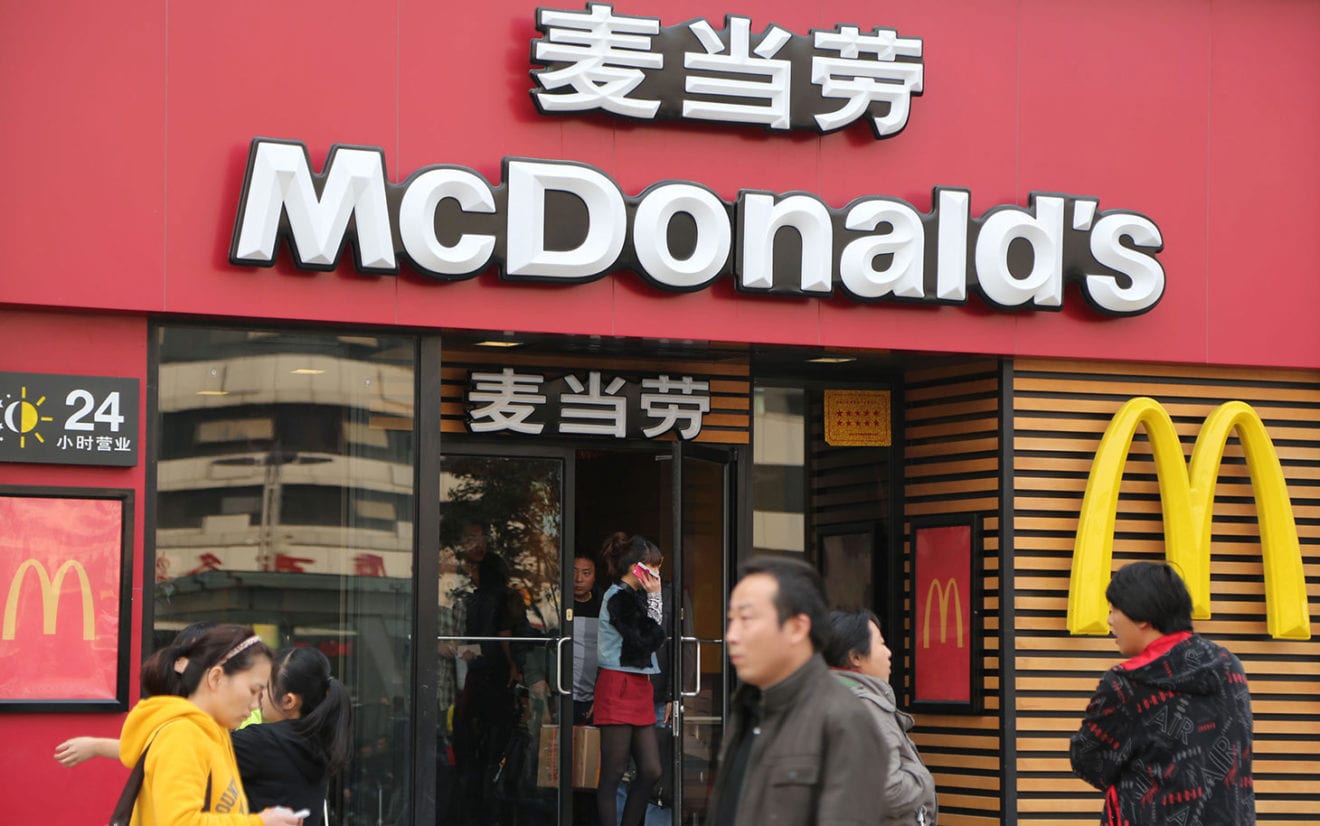
    A private-equity led consortium has been chosen to buy 20-year franchise rights for McDonald’s China and Hong Kong, Reuters is reporting.

    The successful bidder is a consortium led by private-equity firm Carlyle Group and Chinese conglomerate Citic Group, who will pay up to US$3 billion, according to an unidentified source who spoke with Reuters.

    A contract will likely be signed before Christmas.

    As reported in September, consortiums led by private equity firms Carlyle Group and TPG Capital were shortlisted as the bidding process narrowed the field. TPG had teamed with Beijing Capital Agribusiness Group, McDonald’s current China partner.

    Another private equity group, Bain Capital, had already dropped out.

    McDonald’s had previously said it was looking for long-term partners rather than private equity firms, which typically cash out after a few years.

    The deal covers some 2400 restaurants in China and Hong Kong. The 20 year franchise rights come with a 10-year renewal option.

  • McDonald’s near deal to sell China stores

    McDonald’s near deal to sell China stores

    A consortium led by private-equity firm Carlyle Group and Chinese conglomerate Citic Group Corp has neared a deal to buy McDonald’s stores in China and Hong Kong for up to $3 billion, a source with direct knowledge of the matter said.

    The deal is likely to be signed before Christmas, the source said.

    Reuters had reported in October that U.S. buyout firms Carlyle and Bain Capital LLC had been the front runners among the bidders for the fast-food giant’s China assets.

    McDonald’s in March said it was reorganizing operations in Asia, bringing in partners as it switches to a less capital-intensive franchise model.

    The company hired Morgan Stanley to run the sale of about 2,400 restaurants in China and Hong Kong.

    Financial Times reported earlier on Wednesday that Bain Capital had dropped out of the race, and that a group led by Citic Group and Carlyle were the front runners to the deal.

    Carlyle declined to comment, while McDonald’s was not immediately available for a comment.

  • Decathlon China building biggest flagship yet

    Decathlon China building biggest flagship yet

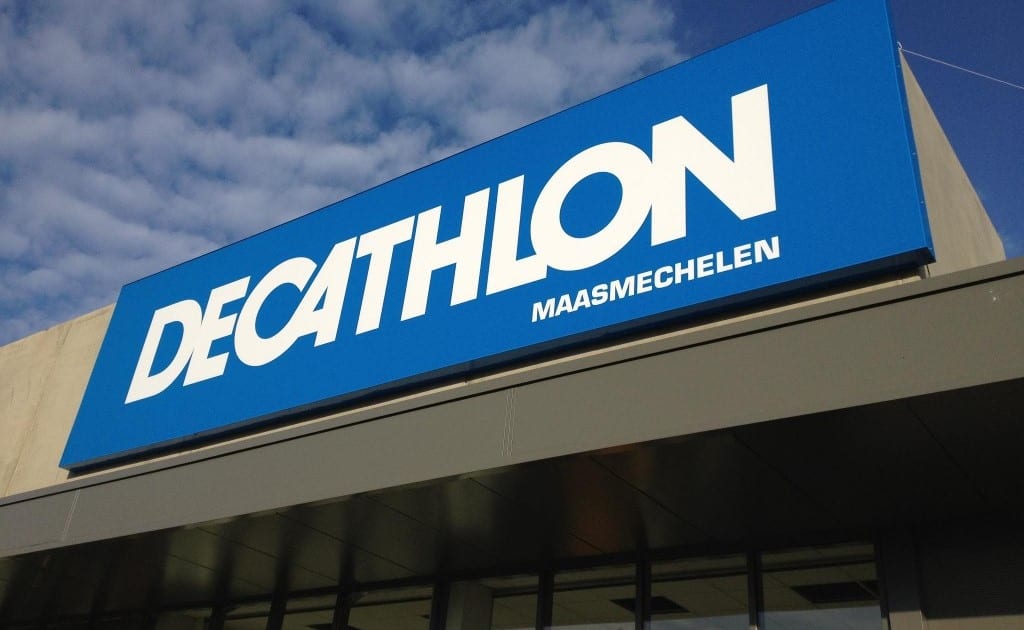
    French sports goods retailer Decathlon will open its first two-story flagship in Luoyang as it expands its Greater China footprint.

    When complete, it will be the sports retailer’s second store in the city, located in the province of Henan – and its largest store yet in China.

    The new Decathlon China store will be located at the intersection of Huashan Road and Hangong Road in Xigong district. It boasts 13,000 sqm of retail floor space and include a playground for children.

    Decathlon, which opened its first two stores in Singapore this year as part of a new Asia-wide focus, is a full-line sports supplies retailer which also designs, manufactures and wholesales products. It has more than 1300 stores in 32 countries and plans to have 220 stores trading in 100 Chinese cities by the end of this year.

  • L’Occitane International profit jumps

    L’Occitane International profit jumps

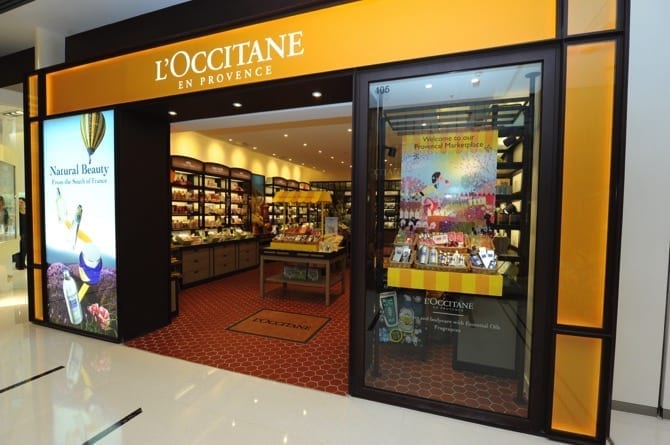
    French skincare brand L’Occitane International’s interim net profit has jumped 33.9 per cent for its latest six months.

    Earnings for the period to September 30 climbed to €25.99 million (US$27.5 million) from €19.41 million year-on-year, while net sales edged up by 1.3 per cent to €551.7 million.

    Emerging economies Brazil, China and Russia were singled out as the top performing markets for the Provence-based company.

    “We are seeing accelerating store traffic in China and a tremendous growth in our sales on the Tmall market platform,” says L’Occitane Asia-Pacific president Andre Hoffmann.

    The mainland has become the company’s second-largest market after the US in terms of the number of outlets. Eight locations were launched in China in the first nine months of the year – the largest number across the brand’s nine major markets.

    Total sales from the mainland gained 5.4 per cent to €50.8 million from a year ago, accounting for 9.2 per cent of L’Occitane’s net revenue.

    More shops were opened in Japan and South Korea, but in Hong Kong sales plunged by as much as 11.2 per cent.

    Same-store sales overall fell 2.5 per cent, which the company blames on global economic political uncertainties. However, more positive signs included a strong performance on Tmall, as well as in the Black Friday sale, says CFO Thomas Levilion.

    L’Occitane eCommerce business grew by 6.8 per cent during the first half, making up 10 per cent of global retail sales.

  • China’s Shang Xia reveals five-year travel retail plans

    China’s Shang Xia reveals five-year travel retail plans

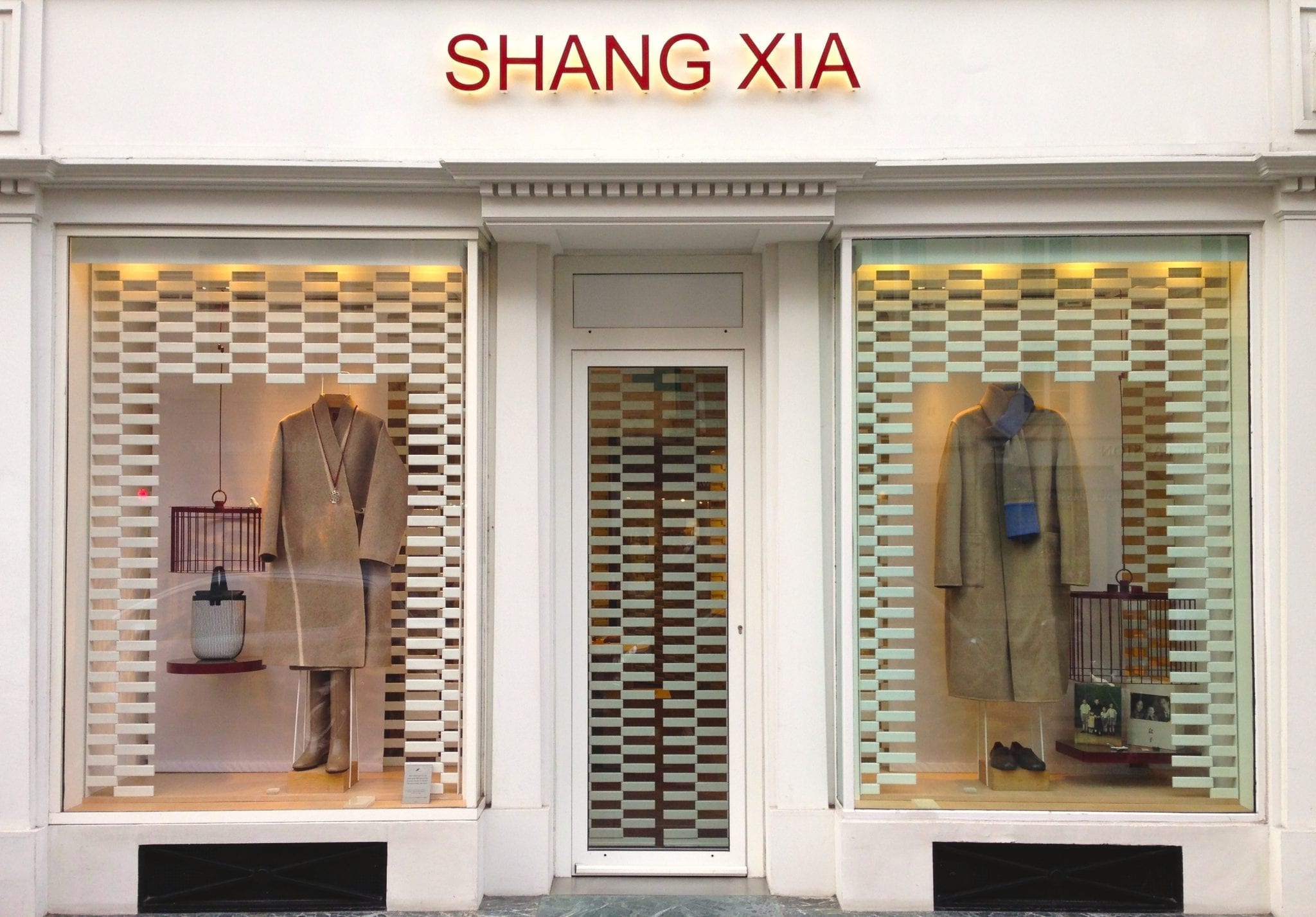
    Chinese lifestyle, home and fashion brand backed by Hermès, Shang Xia has confirmed that it has big ambitions for the travel retail channel and hopes to open new standalone boutiques at Beijing, Heathrow and Hong Kong international airports in the next five years.

    Tina Priscilla Tam, the brand’s Vice President, Travel Retail and Wholesale Business for Asia Pacific told TRBusiness that she believes that travel retail is the ideal channel to communicate the brand’s message to travellers ‘who value and appreciate the beauty of the culture’.

    “Shang Xia’s strives to preserve China’s fading traditions of craftsmanship and re-evaluates the tradition in the context of contemporary lifestyles,” says Tam. “China’s great heritage of technical ingenuity shimmers with potential.

    “Wooden furniture; bamboo woven on porcelain; cashmere felt; eggshell porcelain…These remarkable materials are transformed by the CEO and creative designer – Qionger Jiang. Her inspiration embodies both beauty and utility.

    BRIDGING EAST AND WEST

    “’As above, so below’; the translation of Shang Xia is simple, but profound. It speaks of heritage and construction; of intangible bridges, which link tradition and the present; east and west; art and lifestyle; human and nature.”

    Shang Xia has confirmed that it has big ambitions for the travel retail channel.

    Tam believes that Hong Kong Airport is a perfect location for the brand to open a standalone boutique. “Hong Kong is one of the most popular destinations for international tourists,” identifies Tam.

    “A place where ‘east meets west’, reflecting the cultural mix of the territory’s Chinese roots with influence of foreign cultures. A good standpoint for the brand to transmit the message of beautiful Chinese heritage and tradition to the world.”

    Shang-Xia-Hongqiao-Airport

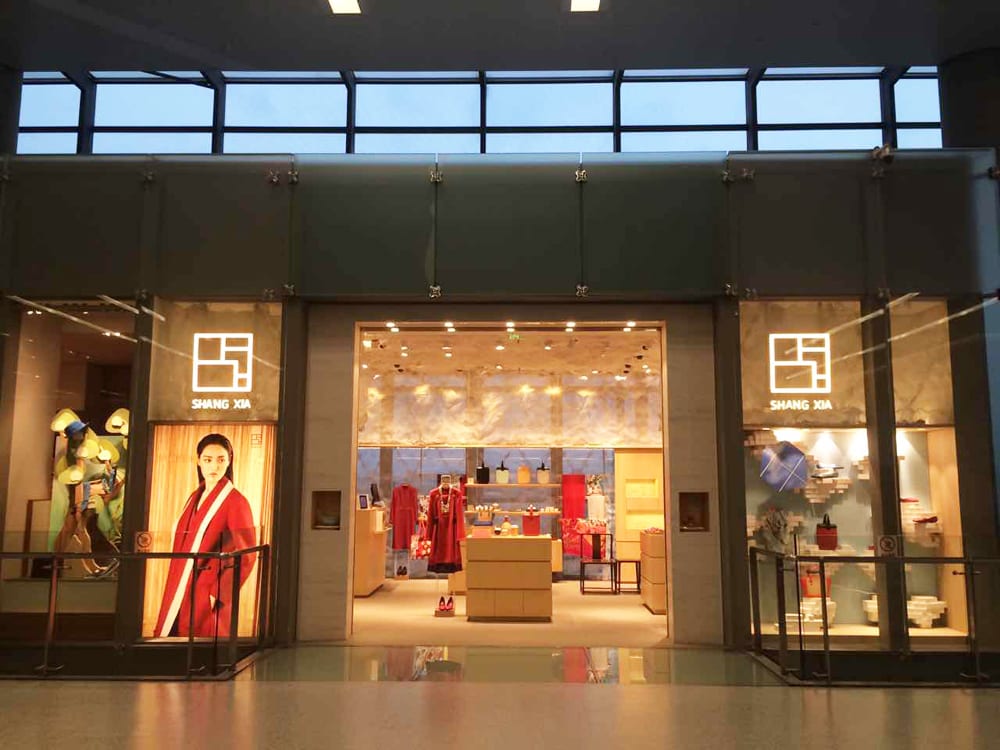
    Shang Xia boutique at Hongqiao Airport.

    Shang-Xia-Shanghai-flagship

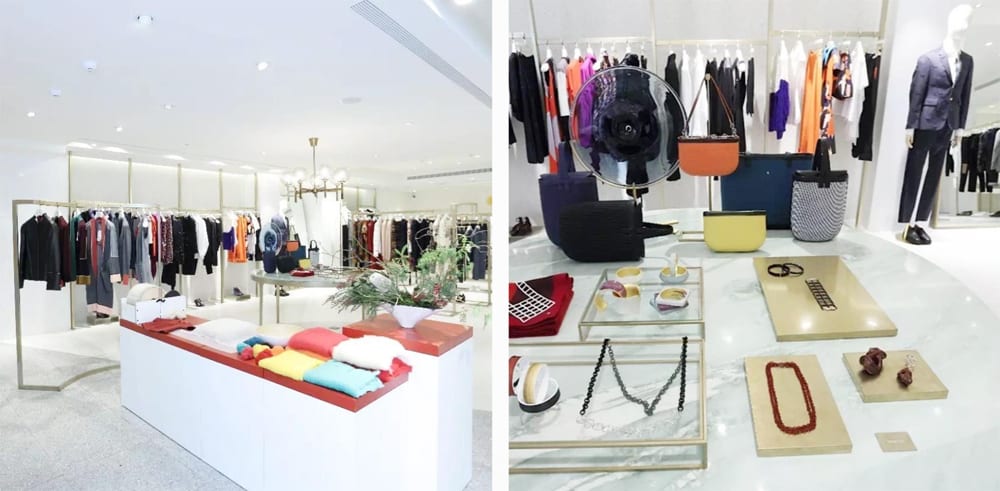
    The flagship Shang Xia store in Shanghai.

    London Heathrow is also on the wish list. “Travel retail is a window to the world. With the dynamics of the channel, it is true that some brands consider it as a sixth continent.

    “They have regular travellers who enjoy discovering new and inspired ideas and culture.”

    GLOBAL APPEAL?

    The brand is keen to relay that just because it was born in China, does not mean that it only appeals to one market, but can appeal to those of all nationalities ‘inspired by the preservation of beauty’.

    Shang-Xia-Taiwan-3

    The brand offers cross-category merchandise from homeware, to clothing and jewellery.

    The brand already boasts boutiques in Paris, Shanghai and Beijing (domestic). “Apart from the above locations, Shang Xia has a partnership in Taiwan where it has already opened two shop-in-shop concept stores in August [with the Shankong group],” says Tam. “The next step will be Hong Kong in January 2017.

    “We focus not only on destinations for Chinese travellers. We review destinations and partners who understand the brand and share the same core values.”

    The brand will open a new standalone store at Beijing Airport’s Terminal 2 in Q2 2017, building on its success Hongqiao Airport.

    TRUST IN TRAVEL RETAIL

    “The successful story gives us the confidence and trust in travel retail; a channel that allows us to share the values of the brand to a wider population and other nationalities,” adds Tam.

    Shang-Xia-Taiwan

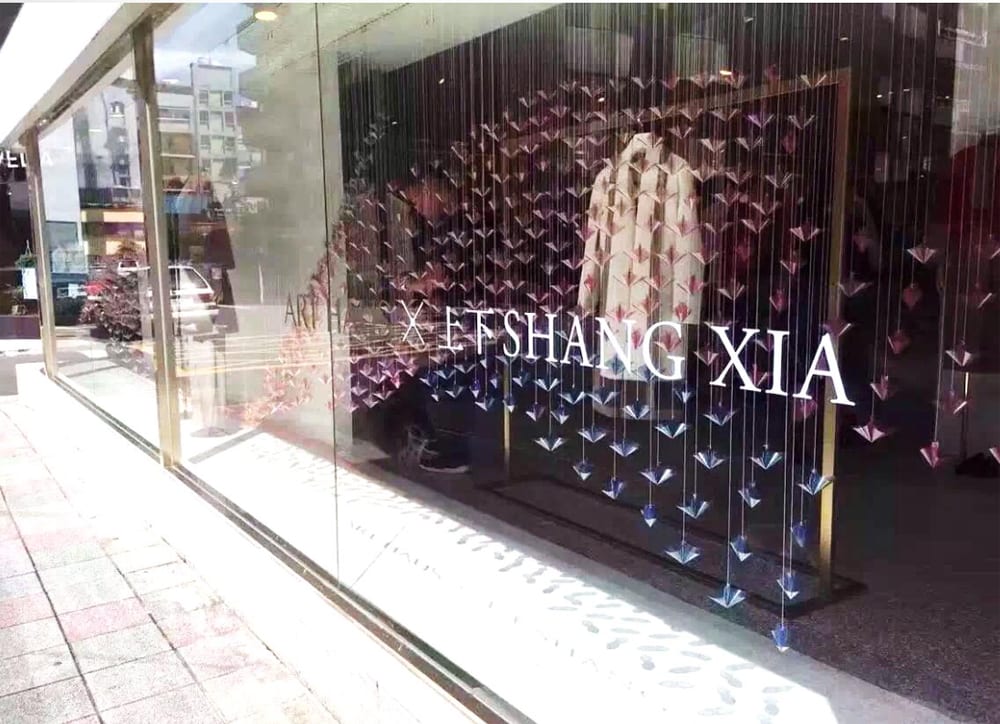
    Shang Xia ‘Art Haus’ boutique in Taipei, Taiwan.

    “We believe Beijing Airport T2 is the next important step for us to open in the capital city’s main travel gateway. Of course, we will explore other Chinese airports.”

    The Beijing store will carry Ready to Wear, costume jewellery, tea-ware, and home ware. Although the company doesn’t currently merchandise these categories in separate boutiques it is open to new concepts.

    “We are not limiting ourselves and we are happy to explore new concepts to better serve our customers.”

  • Revenue grows for Fairwood Holdings

    Revenue grows for Fairwood Holdings

    Revenue grew 6.8 per cent for fast-food company Fairwood Holdings in its six months to the end of September.

    Fairwood’s positive result coincides with a strong performance from rival corporate restaurateur Cafe de Coral reported earlier this week.

    Fairwood’s interim results show revenue reaching HK$1.257 billion (US$162 million) compared with HK$1.176 billion for the corresponding period last year. Profit attributable to equity shareholders increased by 1.8 per cent to HK$103.8 million.

    Executive chairman Dennis Lo says the company has focussed on “elevating every aspect of the customer experience” while maintaining a happy culture for its staff members.

    “All of these have been the key in fuelling our satisfactory organic growth and driving the dynamism of our brand.”

    He says the Hong Kong restaurant business performed exceptionally, with revenue growing by 8.7 per cent. In response to customer support, the group opened seven more stores in Hong Kong during the review period.

    The group has also enhanced its signature products, launched new and seasonal dishes, and offered table service for dinner in all stores. “The service has set a new standard for the fast-food industry, and has been very well-received by the public,” says Lo.
    There are also plans to expand its specialty restaurant segment, including a second branch of its new Japanese-Western restaurant ASAP.

    Automation expanded

    To manage costs and improve efficiency the group has engaged in global sourcing, menu and production planning, and flexible work scheduling. It has also expanded the automation of its central food-processing plant.

    Despite a challenging business environment, profitability was maintained in China, with a store opening in Guangzhou during the first half. Expansion will be focussed on the residential districts of Guangzhou and Shenzhen.

    “Connecting to senior citizens has always been an integral part of our corporate culture,” says Lo. “To show our appreciation toward senior citizens for their past contribution to society, we have issued more than 50,000 discount cards since 2014 as part of our Care for Seniors program, together with many other initiatives.”

    To address the needs of senior citizens as well as the physically challenged, Fairwood has created stores that address their needs by offering priority seating, stick hooks, handrails in toilets and non-glare menu boards.

    “Aside from treating customers well, Fairwood believes it is equally important to foster a happy work environment,” says Lo. The group has established focus groups to collect staff members’ opinions and feedback, and offered customer-centric training programs, advancement opportunities and team-building activities. “Such efforts have contributed toward achieving higher staff retention across all levels.”

    At the end of September, the group had 128 stores in Hong Kong, including 121 fast-food outlets and seven specialty restaurants, plus 10 stores in China.

  • Tiffany progress more technical than strategic

    Tiffany progress more technical than strategic

    Following on from a very weak second quarter, it is pleasing to see Tiffany nudge back into growth on a total sales basis.

    The 1 per cent uplift is modest, but it is far better than the string of poor numbers the company has been posting for well over a year. That said, the figures do not show that all the problems at Tiffany have been resolved. Indeed, part of the increase is attributable to the very easy comparatives from the prior year; and part is down to the strength of the yen against the dollar, which aided performance in Japan. These are rather technical gains, and are not growth produced by a sound underlying strategy.

    That Tiffany still has issues is demonstrated by the Americas figures, where sales declined by 2 per cent on both a total and comparable basis. This comes off the back of a 7 per cent and 9 per cent decline in total and same store sales in the prior year.

    Notably, the impact of the strong dollar on sales to tourists at Tiffany’s flagship stores now seems to have dissipated and annualised out; if anything, the company noted that tourist sales were relatively strong over the quarter.

    This dynamic means the blame for the dip comes, primarily, from domestic demand. Here, Conlumino’s data shows that Tiffany continues to suffer from a decline in both the number of American consumers who consider it for jewellery purchases as well as the proportion who end up buying from it. In a category like jewellery, where purchases are relatively infrequent, not being firmly on the consumer radar is an issue as it gives Tiffany little opportunity to recapture ‘lost’ spending.

    There is an argument to be made that as US department stores see customer traffic weaken, Tiffany should be picking up some trade – at least for mid to higher end purchases. However, this does not seem to be happening. Instead, consumers are migrating to more contemporary premium brands, as well as to custom and direct-to market-players like Blue Nile – which was recently acquired by Bain Capital.

    These represent the new growth spots of consumer demand in jewellery – spots to which Tiffany, with its ‘old world’ image do not have immediate and ready access.

    Thankfully for Tiffany, its weak performance in the US was not replicated elsewhere this quarter. Sales in Asia-Pacific rose by 4 per cent, after a better performance in China. However, comparable sales in the region are still in decline, not helped by continued slides in Hong Kong and Australia. Japan also saw some strong uplifts, with a 13 per cent increase in total sales. However, these were a function of the strong yen and once this impact is removed sales dipped by 4 per cent on a constant currency basis.

    While sales in Japan benefitted from a favorable exchange rate, Europe had no such tailwind. The depreciation of sterling and the euro saw sales decline by 10 per cent on a total basis and by 14 per cent on a same-store basis. Even so, underlying demand in the region – like in the US – remains soft.

    Tiffany has a lot more work to do before it gets into sustainable growth.

  • Meitu’s Hong Kong IPO to value China photo app maker at up to $4.5 billion

    Meitu’s Hong Kong IPO to value China photo app maker at up to $4.5 billion

    Chinese photo app and mobile phone maker Meitu Inc is set to launch an up to $735 million initial public offering in Hong Kong, IFR reported on Monday, citing people close to the deal. Meitu, better known for its apps that let users retouch and beautify selfies and other photos, is offering shares in an indicative range of HK$8.50 to HK$9.60 ($1.10-$1.24) each, added IFR, a Thomson Reuters publication. The IPO is slated to be priced on Dec 8.

    Meitu did not immediately reply to a Reuters request for comment on the IPO terms. The deal will value Meitu, which counts venture capital investors Qiming Venture Partners, IDG-Accel China and Tiger Global among its backers, at up to $4.5 billion, IFR said.

    The IPO will be a rare technology sector IPO in Hong Kong. Between one-quarter to one-third of the shares will be sold to cornerstone investors, IFR said. That would be much lower than some of the large new listings in the city, including the $7.6 billion IPO of Postal Savings Bank of China (PSBC) in September that had 77 percent of its deal bought by cornerstones.

    Large investments by cornerstone investors hurt liquidity for IPOs once the shares start trading, as the stock is locked up for a minimum of six months. The cornerstone money can also pressure the stock as the expiration of the lock-up period nears. China Merchants Securities, Credit Suisse and Morgan Stanley were hired as sponsors of the IPO.

  • China’s consumers may teach the world how to shop

    China’s consumers may teach the world how to shop

    China’s consumers are by no means the wealthiest in the world. But they are years ahead of their counterparts in many developed economies in terms of how they shop and pay for what they buy. In this, they are revolutionising the way consumer finance is conducted in the world’s second-biggest economy.

    Like so many of the changes sweeping China, the uptake of internet and digital technologies has happened with head-spinning speed.

    As recently as 2000, a mere 1.7 per cent of mainland Chinese were online. Now, the country has more than 700m internet users – a penetration rate of more than 50 per cent.

    Visit any Chinese city these days, and you will find pretty much everyone toting a smartphone or tablet – or both. China’s e-commerce sales have soared from practically zero in 2003 to nearly $600bn last year, and now top those in the United States. Alibaba’s annual “Singles Day” shopping event generated a massive $17.8bn-worth of sales on its online marketplaces earlier this month, up 32 per cent from a year earlier.

    Put another way, mainland China’s consumers – like those in many other Asian nations – have gone from (nearly) no-tech to high-tech within just a few years, largely bypassing clunky fixed-line telephony to leap into a world where and online shopping smartphone ownership have become the norm.

    This transformation is explained by a powerful combination of factors.

    First, mainland China’s retail and telecommunications networks – again, like those in other developing economies – were for decades underdeveloped and inconvenient. So China’s consumers eagerly embraced the speed and choice that the internet and mobile phones brought to buying clothes, hotel stays or movie tickets, and swapping shopping tips with their friends.

    By now, a generation of Chinese has grown up with a different concept of “convenience”: Residents of, say, Shenzhen or Guangzhou are perfectly likely to buy items via the smartphone in their pocket, rather than walk one block to the store that stocks them.

    This is the world that anyone doing business in China needs to adapt to: an e-commerce environment that is one of the most developed in the world, and that is growing rapidly. Research company eMarketer estimates that China e-commerce sales will hit nearly $900bn this year – nearly half the global total – and more than $2.4tn by 2020. Already, 55.5 per cent of that is done via mobile devices; by 2020, that will have risen to 68 per cent, according to eMarketer.

    Meanwhile, the mainland authorities want to continue to develop the Chinese economy, and have supported the build-out of internet-related technologies.

    China’s internet and mobile revolution is perhaps most visible in the increasingly affluent and vibrant Pearl River Delta, which is home to high-tech corporate giants like Huawei Technologies and Tencent. Internet penetration in Guangdong province, where the Delta is located, is well above the national average. For example: there are 78m internet users in Guangdong, nearly three-quarters of the population.

    All this has massive implications for the financial and e-commerce sectors in China, which have raced to adapt to Chinese consumers’ ravenous appetite for digital innovation.

    Just as buying behaviour has changed from traditional over-the-counter to online/mobile, so too financial interaction is rapidly becoming paperless, wired and digital.

    Alibaba, for instance, has capitalised on the popularity of its own online marketplaces by creating its own payment system, Alipay. In 2015, Alipay had 451m active users conducting on average 153m transactions per day. By comparison, PayPal’s 180m active users conducted just 16 million transactions a day.

    And Tencent in 2014 set up an electronic wallet – which allows people-to-people payments via mobile phones – for users of its massively popular social messaging apps.

    The uptake of such technologies has been immense.

    Within just 72 hours of ApplePay’s launch in mainland China in February, 3m payment cards had been registered to the service. That’s three times the total registered in the US.

    More than 410m Chinese now regularly use e-payment methods – nearly 90 per cent of them via mobile devices – according to official data.

    Traditional banks also are responding to China’s e-commerce/e-payment ecosystem, and are rushing to introduce new digital tools for their customers.

    Virtual teller machines, for example, allow customers to interact with bank staff by video, scan documents and provide e-signatures, meaning that things like opening an account becomes simpler and quicker.

    Mobile apps are increasingly common and making it easier for customers to check their accounts or make transactions, wherever they happen to be.

    Thumbprint ID and voice-recognition technologies are already available and will before long be commonplace, adding an extra layer of security and convenience for online and mobile customers.

    “Bricks and mortar” bank branches and people-to-people interaction is still highly valued, although their role is rapidly changing to focus on meeting customers’ wealth management and more complex needs. Paperless, branch-less “clicks and apps” banking allows banks to service most of their customers’ transactional needsmore efficiently and quickly, around the clock – whether they are in Shenzhen, Shanghai, rural Sichuan, or on holiday in Thailand.

    Few people could have imagined the changes sweeping China’s retail and banking scene just five years ago. The next five years are sure to bring still more change. Banks and retailers will need to be nimble, and anticipate the future needs and preferences of China’s 1.37bn shoppers. Those who get it right will find the size of the prize is immense.

  • Luk Fook announces interim results

    Luk Fook announces interim results

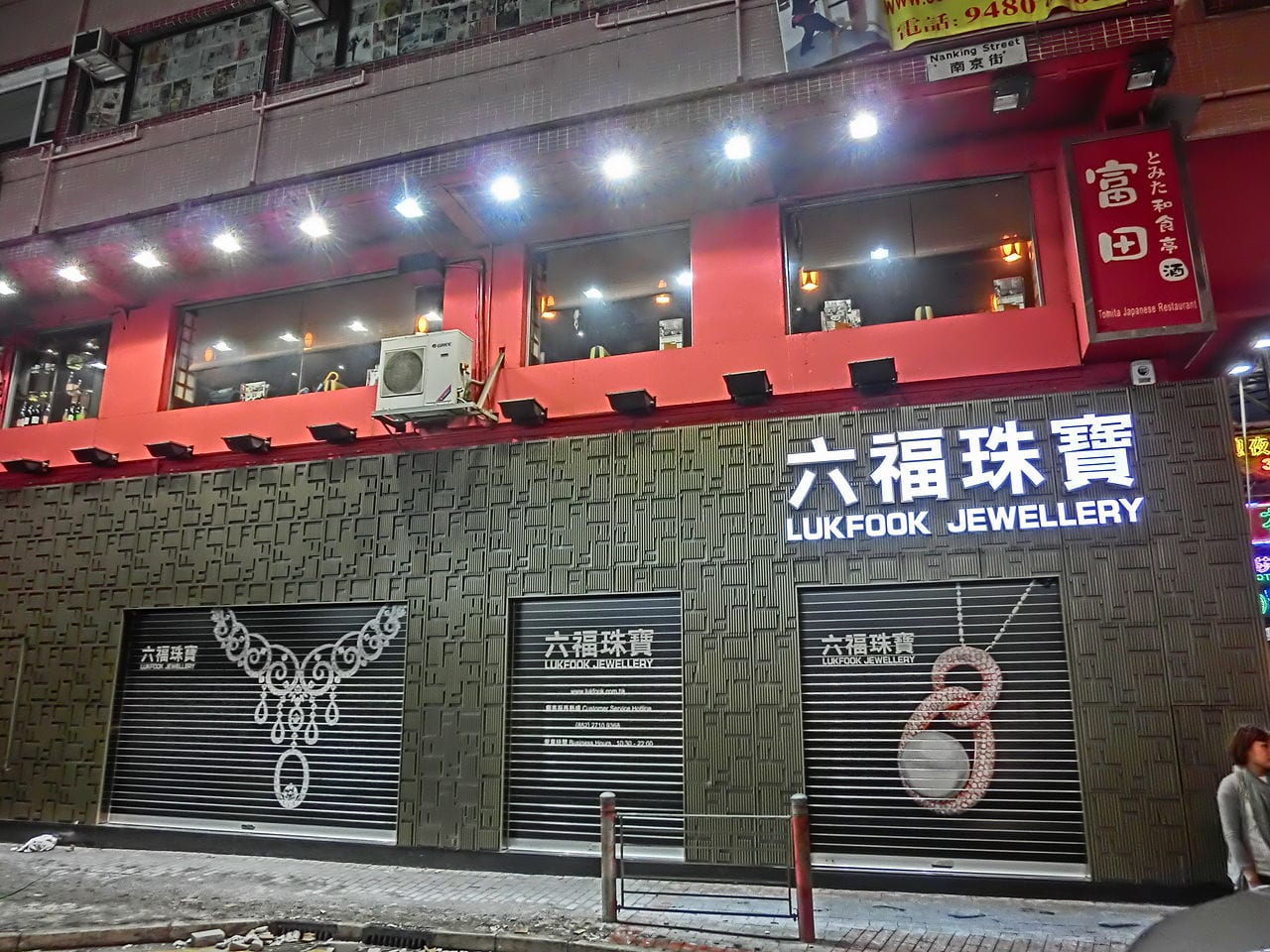
    The Board of Directors of Luk Fook Limited announced the unaudited consolidated interim results of the company and its subsidiaries for the six months ended 30 September 2016.

    During the Period under review, the Group’s revenue dropped 21.5 percent to HK$5,469,124,000. The continuing weak retail sentiment, together with the relatively high gold price and a relatively high base due to the small scale gold rush in certain months last year, resulted in gold sales falling more than expected.

    Overall gross margin improved by 5.3 p.p. to 28.0% as a result of relatively high gold price and higher gem-set jewellery sales mix. Gross profit therefore decreased by only 3.0 percent to HK$1.5 billion.

    Operating profit decreased by 6.0% to HK$558 million. Profit attributable to equity holders amounted to HK$429 million, a decrease of 7.4 percent. The Group’s overall gross margin significantly improved by 5.3 p.p. to 28.0 percent, as it concentrated on sales mix of gem-set jewellery products driven by a slowdown in demand for gold products and the improved gross margin of gold products as a result of the gold price rise.

    Mr. Wong Wai Sheung, Chairman and Chief Executive of Lukfook Group said, “During the Period under review, the slowdown in economic growth in Mainland China, the changes to the Individual Visit Scheme and the growing popularity of other tourist destinations as a result of currency devaluation, Mainland tourists tended to stay shorter period of time. Consumption expenditure per capita continued to fall with the poor macro-economic conditions and decreased spending power of consumers. ”

    The retail business continued to be the primary revenue source for the Group with its revenue declined year-on-year by 27 percent to HK$4,028,721,000, accounting for 73.7 percent (2015: 79.3 percent) of the Group’s total revenue. With a much improved gross margin, segmental profit in the retail business dropped by 6.7% only to HK$338,921,000 (2015: HK$363,235,000), representing 55.8% (2015: 53.9%) of the total.

    The overall same store sales growth of the Group was down 31.5 percent.

    The Hong Kong market remained to be the key source of revenue for the Group, which the revenue generated decreased by 28.6 percent to HK$3,003,443,000, contributing approximately 54.9 percent (2015: 60.4 percent) of the Group’s total revenue. The Group’s revenue generated from the Macau market decreased by 27.7 percent to HK$665,528,000. Revenue from the Mainland China market decreased by 2.7 percent to HK$1,722,787,000, and accounted for 31.5 percent (2015: 25.4 percent) of the Group’s total revenue.

    During the Period under review, the Group added a net total of 27 Lukfook shops worldwide of which 24 new stores were opened in Mainland China. This raises the global network of Lukfook shops to 1,455. Mr. Wong Wai Sheung, Chairman and Chief Executive of the Group said, “Looking ahead, the Group will maintain its pragmatic and prudent strategies, proactive response to challenges, thereby strengthening our leading position in the jewellery retail market.”

  • Moiselle International losses mount

    Moiselle International losses mount

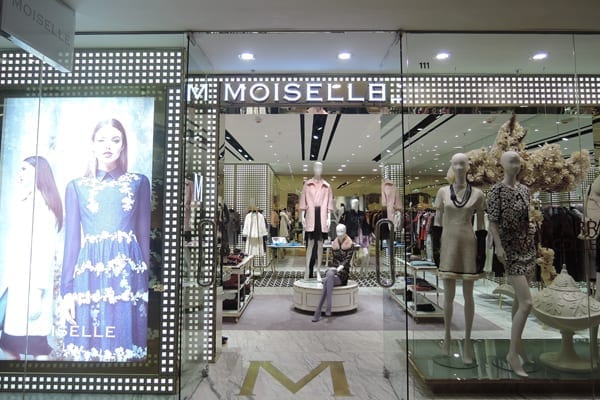
    Fashion group Moiselle International has strengthened its margins but still posted a loss in the last half year.

    While its loss of about HK$35 million (US$4.5 million) was about 10 per cent more than its loss of about HK$32 million for the same period last year, Moiselle International had a healthier gross profit margin of 79 per cent, up from 76 per cent.

    Revenue declined 18 per cent to $132 million, its unaudited interim results to the end of September show.

    Moiselle says it was hit hard by the harsh operating environment as it derived about 55 per cent of its revenue from Hong Kong and 18 per cent from China. Its retail sales in Hong Kong were affected by the fall in the number of mainland tourists as well as exorbitant rents. In China, the economic slowdown dampened the consumer sentiment.

    The remaining 27 per cent of the revenue was made up by sales in Macau, Singapore and Taiwan.

    To cope with the difficult market, the group rationalised its retail network, introduced stringent cost-control measures, continued cost-effective sales and marketing initiatives such as adopting an online-to-offline business model, introduced exclusive services for high-end customers with a VIP club, and introduced products of a wider price range to broaden its customer base and cater for young Hong Kong customers.

    Meanwhile, the group stepped up its multi-brand strategy by launching fashionable loungewear under a new brand, promoted in the group’s two fashion shows in Hong Kong and Beijing.

    Hong Kong sales fell 18 per cent year-on-year to about $72.3 million. The group continued to negotiate for lower rents for shop spaces, opened shops at prime locations with reasonable rents and closed down underperforming outlets.

    Online initiatives

    Sales in China fell by 31 per cent to about $23.4 million. The group closed some shops and relocated others. It also stepped up its initiatives in eCommerce, such as opening an online store under the Moiselle brand at Tmall this month.

    To reinforce its online marketing efforts, the group worked with key opinion leaders on social media such as WeChat and Weibo.

    China’s measures to advocate frugality spilled over into Macau’s retail market. The group continued to run five shops at the Venetian Macao Resort Hotel and opened a store at the Parisian Macao Hotel. It had two concept stores and four other outlets in the city which generated a combined revenue of about $17.97 million, or about 14 per cent of the group’s revenue.

    Taiwan’s 20 retail stores generated about $13.7 million, about 10 per cent of the group’s total revenue. It opened three more outlets and counters during the half-year.

    Operations in Singapore

    In Singapore, sales fell 22 per cent to about $4.14 million. The group has retained seven stores there.

    At the end of September, the group had 84 stores and counters in China (first- and
    second-tier cities), Hong Kong, Macau, Singapore and Taiwan, down from 90 at the end of March.

  • Good time for Samsonite

    Good time for Samsonite

    Buoyed by its Tumi acquisition, Samsonite sales soared in the last quarter in every market, even in its weakest link, Asia.

    The world’s largest luggage maker and retailer achieved a net sales boost of 22.8 per cent in the three months to September 30. Its strongest performance was the US where net sales increased by 22.7 per cent to US$765.3 million.

    In Asia, sales rose 13.4 per cent – although excluding figures for Tumi, acquired on August 1 and contributing to two months of sales, only by 3.7 per cent.

    North America sales rose 39.1 per cent, or by 9.8 per cent excluding Tumi, and in Europe by 16.5 per cent, or 9.4 per cent excluding Tumi. And in Latin America it was ahead by 26.2 per cent including and excluding Tumi.

    CEO Ramesh Tainwala said there is no doubt that the global trading environment continued to be challenging, yet despite the headwinds, all of Samsonite’s regions delivered positive constant currency net sales growth during the third quarter of 2016.

    “It is especially encouraging to see organic sales growth picking up in both the US and China, our two largest markets, while Europe and Latin America have maintained their growth momentum.”

    Gross profit increased by 26.5 per cent year-on-year to $419.8 million and gross profit margin increased to 54.9 per cent, from 53.2 per cent.

    On the negative side, operating profit decreased by 16.4 per cent year-on-year to US$71.7 million for the quarter, largely due to acquisition costs. Excluding those, operating profit increased by 23.7 per cent.

    Asia performance

    After a relatively lacklustre first half, both China and India saw net sales growth improve to 8.1 per cent year-on-year in the third quarter of 2016. Net sales in Hong Kong (including Macau) increased by 73.6 per cent, driven primarily by the addition of the Tumi brand. Excluding Tumi, net sales in Hong Kong (including Macau) decreased by 11.5 per cent. The decline was driven primarily by fewer Chinese shoppers visiting from the mainland.

    Japan and Australia continued to record strong year-on-year net sales growth of 29.7 per cent and 13 per cent, respectively. Excluding Tumi, net sales in Japan increased by 7.4 per cent. Also, the group continued to penetrate the emerging markets within the region with notable net sales growth in Thailand and Indonesia of 7.6 per cent and 3.1 per cent, respectively, year-on-year. Net sales in South Korea were up slightly year-on-year on a constant currency basis due to weak consumer sentiment.

    Growth by brand

    Globally, excluding Tumi, sales were driven by the Samsonite (up 10.2 per cent) and Kamiliant (up 576.1 per cent). Other brands including Hartmann (up 58.8 per cent), Lipault (up 342.8 per cent) and Gregory (up 20.4 per cent) also experienced solid net sales growth. The increase was partially offset by an 11.3 per cent decrease in net sales of the American Tourister brand.

  • Celebrate 2017 with ZALORA’s exclusive Chinese New Year Collection

    Celebrate 2017 with ZALORA’s exclusive Chinese New Year Collection

    Ahead of the annual Spring Festival celebration, ZALORA, Asia’s online fashion destination, launches its third Chinese New Year collection with a bigger range of modern festive wear for the fashion forward women. With over 200 styles, there are plenty of options available to suit different preferences and styles. Be fashion-ready for the upcoming holiday celebration with an early festive shopping at ZALORA.com.

    ZALORA exclusive 2017 Chinese New Year collection exudes femininity with a focus on soft and contemporary aesthetic that is driven by a sense of romantic nostalgia, a departure from previous year’s bold and vibrant collection. Entitled Modern Romantics, the exclusive collection is filled with light and delicate pieces adorned with details like layers, ruffles and flare sleeves on soft shapes and modern silhouettes. Sheer chiffon in powder pastel shades and delicate feminine fabrics like soft laces are key fabrications of the collection.

    Featuring a mix of jumpsuits and rompers in spring floral prints, off-shoulder dresses, and versatile separates including asymmetrical skirts, shorts with scallop hem detail and all-time favourite peplum tops, ZALORA customers will have plenty of options to choose from for their festive wardrobe. In addition to the auspicious red, the colour palette of this year’s Chinese New Year collection is a combination of classic neutrals, shades of blue as well as one of the season’s hottest colours, dusty pink.

    Rayne Reed, Head of Private Labels of ZALORA Group commented: “ZALORA prides itself in dressing

    the modern women for any occasion including festivities like Chinese New Year. We believe our collection gives our customers the chance to celebrate cultural heritage in a modern way. We want to empower women to express their individual style as each piece is beautiful and versatile. ZALORA’s Chinese New Year collection represents the latest trends, and up-to-date styling while remaining true to the spirit of the festive season.

    When designing the collection, we were inspired by the mood of Chinese watercolour paintings, the style of traditional paper cutting, and romantic florals. We included on-trend details such as light layers, romantic ruffles and lace into modern silhouettes. The iconic Qipao shape is reinterpreted through updated cuts and feminine fabrics – metallic lace as an example – to bring a sparkling freshness to the collection. Exclusive prints, metallic lace and auspicious colours play a major part in setting the mood of the season, including jewel tone reds, glimmering gold, powder pastels.

    Our style savvy customers can find contemporary festive fashion conveniently at ZALORA with just a few clicks and with our speedy delivery, they can start wearing their new outfits in no time!”

    The ZALORA 2017 Chinese New Year collection is available on sale from today exclusively in six markets: Singapore, Hong Kong, Taiwan, Malaysia, Indonesia and the Philippines. Prices range from S$29 to S$79. Customers celebrating Chinese New Year can shop their festive outfits anytime, anywhere exclusively at www.zalora.sg/chinese-new-year/ and on the ZALORA mobile app.