Tag: China

  • Chinese Ride-Hailing Company Ucar Partners with BitTiger

    Chinese Ride-Hailing Company Ucar Partners with BitTiger

    Ucar, a major player in the Chinese ride-hailing and car rental market, has joined the global race to develop a road ready self-driving car. To compete for the best international talent, Ucar has opened a research outpost in Silicon Valley and partnered with online education platform BitTiger to host a deep-learning coding class and competition that offers winners cash prizes and a chance to interview with the company.

    Ucar (神州专车) booked approximately 15%1 of car chauffeur services in China in 2015, and are backed by Alibaba. They are based in Beijing, China and began aggressively expanding their research center in Silicon Valley last year by hiring experienced engineers from major Bay Area tech companies. The research center is part of a larger trend among Chinese companies, including tech giant Baidu, that are creating research outposts in Silicon Valley to gain a competitive talent advantage over domestic rivals.

    Ucar is responding to the huge market opportunity for self-driving cars in China where crippling traffic jams can keep city streets gridlocked for days2. Principal engineer of the Ucar Silicon Valley based research center, Zhong Hua, explains that Ucar’s self-driving car technology aims to “minimize traffic related deaths, reduce commute times, and make better use of cars left idly parked most of the day,” all goals that would have a big impact in China’s mega-cities.

    BitTiger is a US-based online learning platform for Chinese engineers that gained experience at elite tech companies to share their knowledge with Mandarin-speaking students around the world. These students are eager to gain access to a top education taught by industry experts not otherwise available to those outside of the best university programs.

    The course being launched by Ucar and BitTiger will provide candidates with fundamental knowledge of image recognition and deep learning techniques. Upon completion of the course, students will be challenged to accurately identify pedestrians, cars, and bicycles among images collected by Ucar’s test vehicles. The top three teams that most accurately and consistently identify these target objects will receive cash prizes and an opportunity to interview for a position at the Ucar Silicon Valley research center.

  • CASBAA confab debuts in Macau

    CASBAA confab debuts in Macau

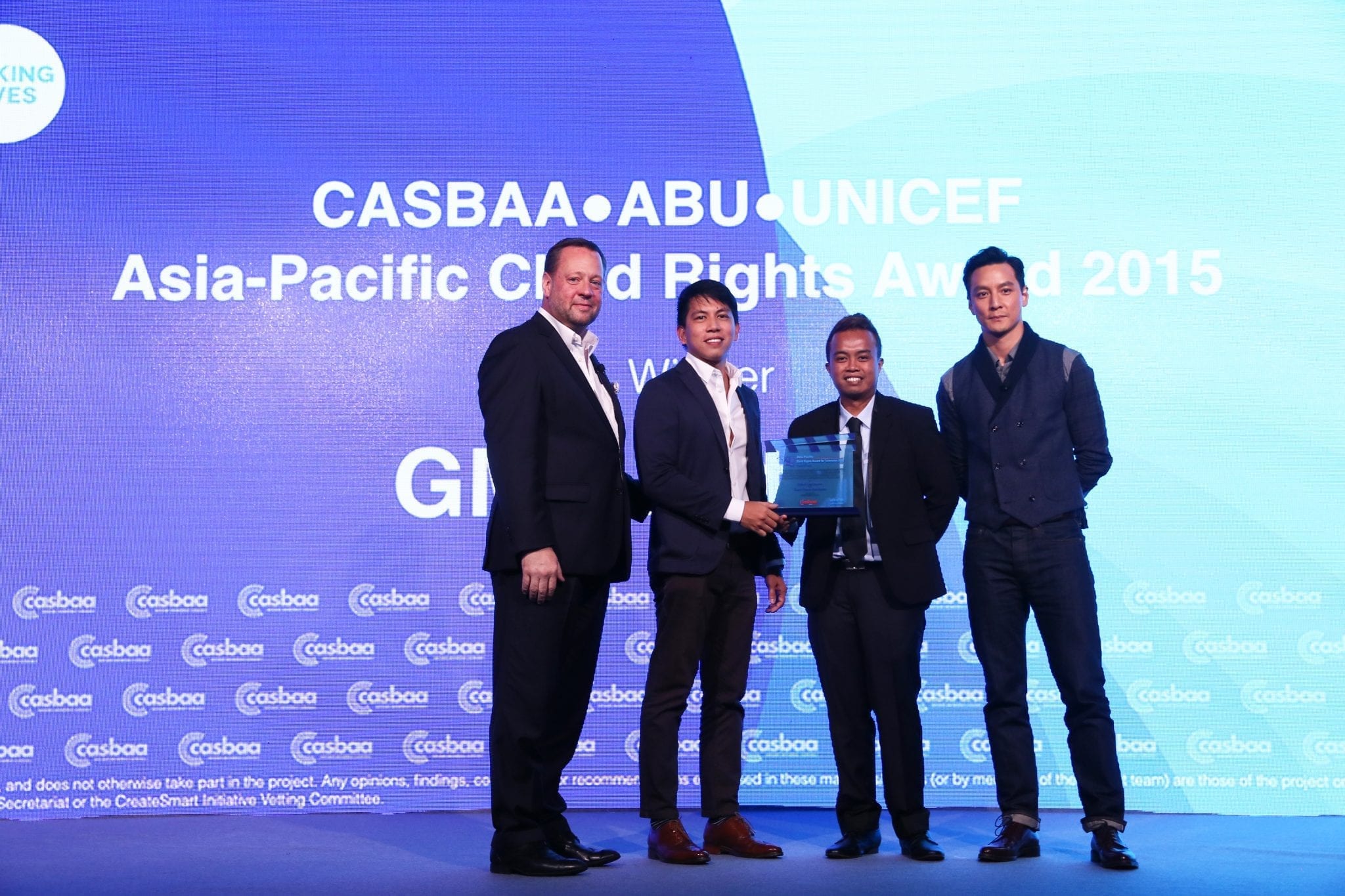
    The CASBAA Convention annual conference debuted in its new venue, Studio City, Macau, marking the 25th anniversary of CASBAA which is dedicated to representing key players from the cable and satellite broadcasting industry under the motto ‘represent, inform, connect’.

    Irwin Gotlieb, the Global Chairman for GroupM, was first to take to that stage to discuss the changing nature, and measurement of viewing behaviors. He also touched upon how the way to reach audiences via the marketing funnel is the same but a granularity of data can now inform decisions for each stage of the funnel. He underscored how media will continue to play a role becoming more targetable, addressable and eventually part of the transaction process.

    Also on the subject of measurement, Ben Reneker of S&P Global Market Intelligence highlighted how machine-driven predictive measurement models are now able to inform strategic decisions on marketing and investment.

    Oliver Wilkinson, managing director for PricewaterhouseCoopers, provided statistics to illustrate that pay TV is not dead, despite what the headlines say, and that it remains a primary form of entertainment.

    Doing deals in China was the topic for Bennett Pozil, EVP of East West Bank, who discussed the migration of content both ways as well as some of the pros and cons of doing business in China.

    Reaching a vast audience through tailored video and gaming content was the topic for Chad Gutstein, CEO of Machinima who highlighted that their most valued content was when viewers felt they had a connection to the creation of it. On a video note, Ricky Ow from Turner International predicted that Machinima’s e-Sports will be as successful as the English Premier League.

    James Schwab, co-president of VICE announced the opening of the company’s first full-service office in Jakarta, Indonesia.  He discussed how their local content policy over digital channels has helped the company grow exponentially over the last few years. The recent move into TV has been important for VICE as it gives them the ability to invest more in content.

    On the second day, Dave Downey, CEO of INVIDI Technologies, illustrated how “addressable” advertising could be used to predict viewing behaviors. Basil Chua, CEO from AsiaMX, talked about the need to understand viewer habits, flagging that they are watching content not devices. Both believed that the advertising formats would result in big wins for operators.

    Intrinsically linked to the advertising discussion is the subject of measurement and Craig Johnson, Nielsen’s media managing director for South East Asia, Pacific and India, highlighted some of the current challenges OTT has presented with measurement, suggesting that viewership on other devices could represent an additional 15% to 20% of media usage that is not accurately measured yet. The introduction of smart-meters could help more accurately chart multi-device viewership and content sources.

    Content from Japan took the spotlight with Eriya Kawachi, director of sales and promotions at Club TV Japan, showcasing some platforms that have been winning in popularity outside of Japan with Club TV. Richard Woo, consultant for WAKUWAKU JAPAN, discussed how Japanese content is well known for its creativity, uniqueness and a certain wackiness.

    Korean content also featured on the agenda with Miles Ki Young Choi, founder and CEO of Bethel Group Media Contents, talking about how interactive content was key to the future, flagging interactive drama as something they were championing. Byeong-Joon Song, CEO Group 8, saw simultaneous distribution as important for Korean content, highlighting difficulties with penetrating the Chinese market and Tom Taehyun Kim, CEO and executive producer at K Production, confirmed that superb storytelling was of course essential for content to have wider appeal.

  • Thai AirAsia has plans to expand its fleet in China

    Thai AirAsia has plans to expand its fleet in China

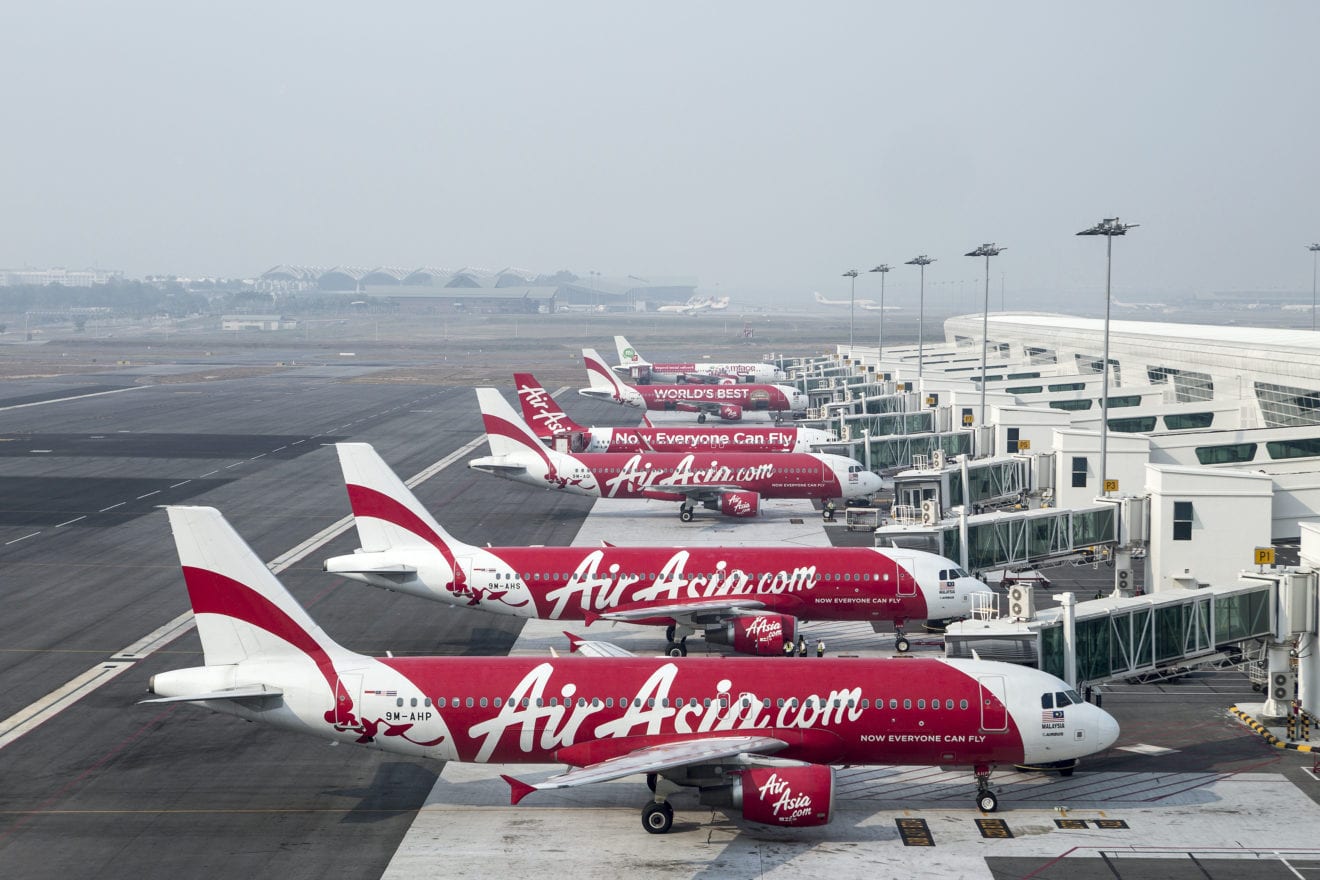
    Low-cost carrier (LCC) Thai AirAsia has plans to expand its fleet in China, revealing that it is planning to add five to six aircraft per year over the next few years.

    Thai AirAsia CEO Tassapon Bijleveld told that half of the additional aircrafts would be allocated to China, its largest international market.

    China has accounted for 26 percent of the carrier’s total international capacity to date. Thai AirAsia currently, has 38,880 weekly seats across 14 routes in the Thailand-China market.

    CAPA–Center For Aviation stated that China accounts for 13 of the combined 35 international destinations to which Thai AirAsia/Thai AirAsia X flies.

    Thai AirAsia currently serves 11 destinations in mainland China. Its sister medium/long haul LCC Thai AirAsia X serves another two Chinese destinations.

    The airline, a joint venture between the Malaysia’s AirAsia and Thailand’s Asia Aviation, is keen to grow its base at U-Tapao near the city of Pattaya, which opened in September 2015 and is linked to Macau.

    The expansion on the U-Tapao/Pattaya base would enable new routes to China.

    The low-cost airline has two A320s based at U-Tapao operating three domestic and four international routes – including the two mainland Chinese routes, Macau and Singapore.

    According to Bijleveld, all the U-Tapao routes “are doing very well”, and the Pattaya market is promising.

    The carrier is also considering launching routes from Hat Yai to Hong Kong, Macau and Singapore.

    Through the first three quarters of 2016, Thai AirAsia’s passenger numbers increased by 19 percent to 12.86 million.

    Thai AirAsia plans to add five A320 neos aircraft in 2017. Under its current five-year fleet plan it envisages a fleet of 71 aircraft by the end of 2020.

    Further, Thai AirAsia is also expanding in India, which it referred to as a logical growth market for Thailand.

  • Lawson China launching rewards points

    Lawson China launching rewards points

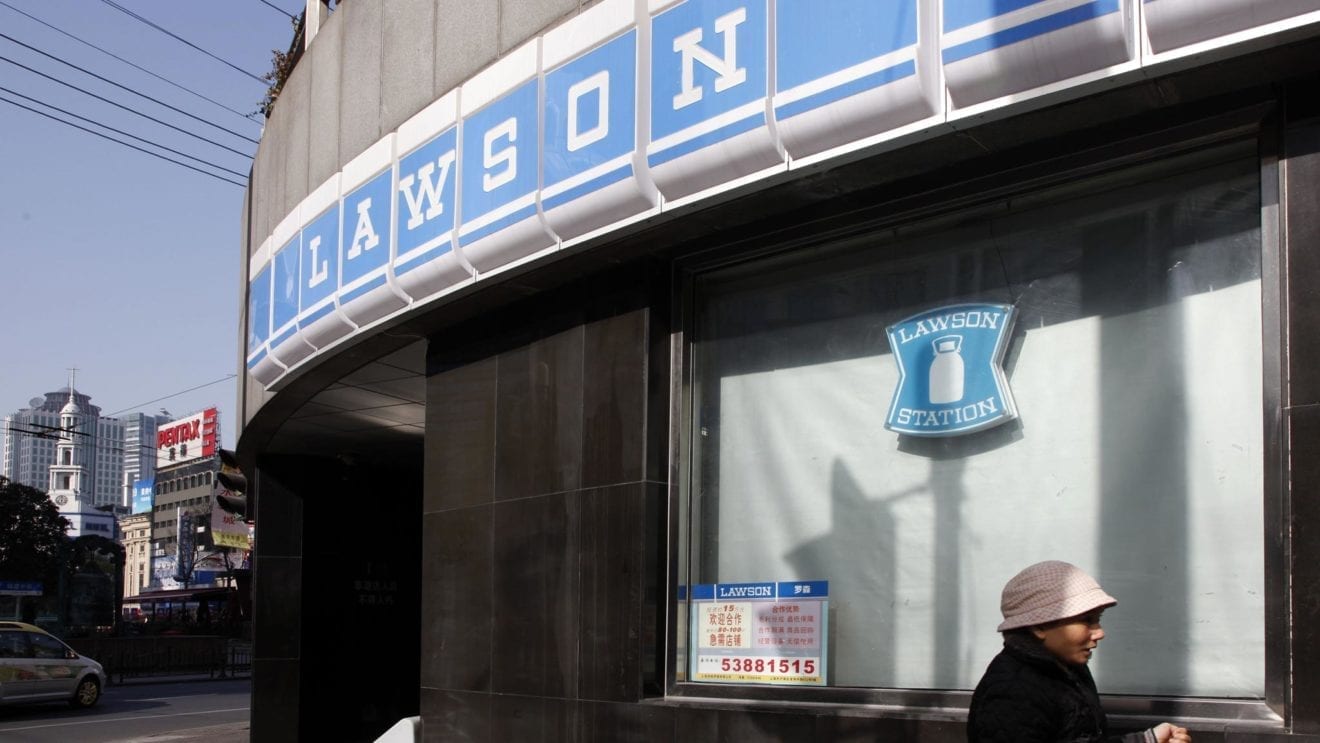
    From next month, Japan’s Lawson China convenience store group will offer rewards points to shoppers at its outlets.

    Points will be administered through the brand’s smartphone app, which already provides product information and discount coupons.

    Each yuan spent is expected to earn shoppers 10 reward points, exchangeable for store credit, likely at the rate of 1000 points for 1 yuan (US15 cents).

    Lawson has invested around $900,000 in Yoren, the Hong Kong-based developer of its app. As well as the points system, the duo has teamed up to analyse users’ purchases so the retailer can design sales campaigns and develop products.

    Lawson is considering similar efforts in other foreign markets. The group’s overseas network exceeds 1000 stores, including locations in Beijing, Dalian, Shanghai and Wuhan, and is rapidly expanding in China via franchise deals, particularly in Shanghai where there are more than 300,000 registered users of its app.

    Lawson will work with trading house Mitsubishi Corporation, which plans to become the retailer’s parent in January, to pursue a goal of having between 3000 and 5000 overseas stores by 2020.

  • Retail decline in China, says Fitch report

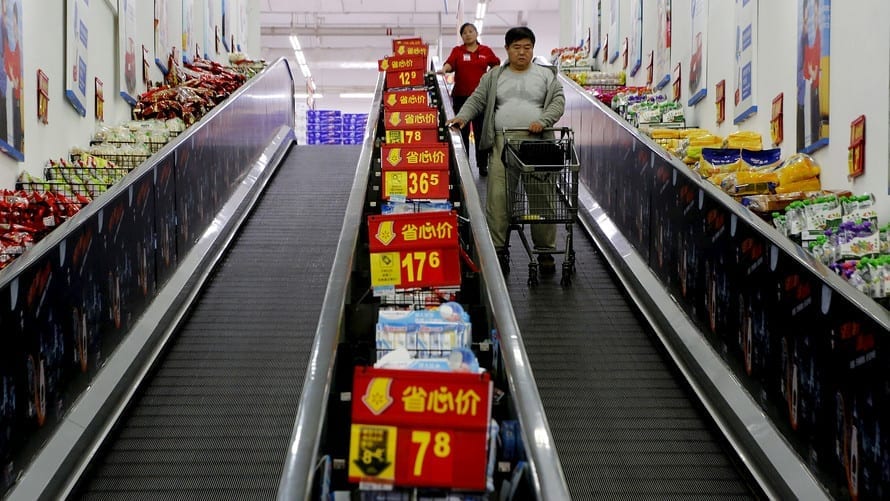
    China’s traditional retail industry is continuing to decline with demand likely to “remain muted” into next year, according to a new Fitch report.

    The credit rating agency’s report covers shops and and department stores.

    “Not only are shopping preferences changing, but declining consumer sentiment affected retail sales in several categories this year,” analysts Yee Man Chin and Cathy Chao say in the report. “We think the rapid change in shopping formats will increase competition, and therefore expect persistent weak sales for traditional retailers as consumer preferences evolve.”

    In the first nine months of this year, the top 50 domestic retailers saw sales fall 1.9 per cent, representing a slowdown in growth of 2.6 per cent compared to the same period last year, according to the China National Business Information Centre.

    Despite the country’s middle class expanding, sentiment has been dampened by a devalued renminbi and the economic slowdown, says Chin and Chao. Shoppers are now increasingly favouring eCommerce, which makes up 20 per cent of the country’s retail sector, and shopping malls over traditional channels such as department stores and street-level stores.

    This is reducing profitability for retailers who run their own stores with a fixed cost base for rent and staff, the analysts say.

    While the retail sector expanded 10.4 per cent in the first-three quarters of the year, the growth was largely from online sales, which surged 26.1 per cent year-on-year to 3.5 trillion yuan (US$513.8 billion), according to data from the National Bureau of Statistics (NBS).

    Same-store sales for Parkson Retail Group fell 9.7 per cent in the first half, while for the Golden Eagle Retail Group the drop was 8.7 per cent. Chinese shopping centre group Intime Retail, which is backed by Alibaba, had a 3.7 per cent fall in sales in the first nine months of the year.

    More competitive

    Weakness in the industry is making the retail environment increasingly competitive, say Chin and Chao. “Retailers can gain an edge by improving their product mixes, because certain industry segments such as sporting goods are continuing to grow.”

    Sports companies went through consolidation in 2012, and with consumers becoming more health-conscious, suppliers like 361 Degrees International “should benefit accordingly from sales growth,” says the Fitch report. A Chinese athletics brand, 361 Degrees has seen same-store sales growth rebound by more than 5 per cent since 2013.

    Traditional retailers are also resorting to new tactics to attract customers. These include “experimental shopping” whereby outlets increase their F&B, lifestyle and entertainment options, as well as linking online-to-offline shopping capabilities, the analysts say.

    Through “gimmicks” and technology adoption, retailers can draw millennial and middle-class shoppers by offering digital and personalised shopping, says Colliers International (Hong Kong) associate director of research Joanne Lee.

    “We believe technology will come into the market, and artificial intelligence or virtual reality will enhance the shopping experience,” she says.
    Her colleague director Daniel Shih says social media will be a focal point for the future, for both retailers and shopping centres.

    These strategies have been evident in the roll-out of the annual Singles Day shopping event hosted by Alibaba, reports the South China Morning Post.

    While retailers can take steps to reduce costs, such as reducing inventory or closing stores, Fitch says the structural challenges facing the retail sector are likely to persist.

  • Chinese shoppers lead way in digital commerce

    Chinese shoppers lead way in digital commerce

    While digital commerce is strong in the world’s two largest economies, Chinese shoppers use smartphones and tablets more than shoppers in the US.

    This is shown in a new study from IAB (Interactive Advertising Bureau) and IAB China, Understanding Digital Commerce in the US and China. Conducted by consulting firm Hypothesis Group, the research shows that both China and the US have achieved near-full adoption of digital commerce, with 89 per cent of Chinese digital users aged from 18 years upward and 84 per cent of US digital users in the same age bracket saying they had bought a product or service digitally over the previous 12 months.

    When it comes to mobile commerce, China leads the way in several areas:

    • 67 per cent of Chinese digital users had made a mobile purchase over the previous 12 months vs 34 per cent of US digital users.
    • 24 per cent of Chinese mobile shoppers purchase via mobile every day vs 15 per cent of US mobile shoppers.
    • 89 per cent of Chinese mobile shoppers are interested in making a mobile purchase over the next month vs 78 per cent of U.S. mobile shoppers.
    • 59 per cent of all monthly purchases in China are digital compared to 42 per cent in the US. Of those purchases, 48 per cent are made via mobile in China, while mobile commerce accounts for 26 per cent in the US.

    Plentiful cross-channel opportunities are available in both markets, says the report, with a similar percentage of Chinese and US digital shoppers using both digital and offline channels when deciding on a purchase (31 per cent in China vs 29 per cent in the US).

    Digital research

    Chinese shoppers are more likely to research and compare prices digitally while within a physical store, with 38 per cent saying they do so all the time or most of the time, while 23 per cent of US shoppers do the same. They are also more likely to use more than one digital device over the course of the purchase process (67 per cent China vs 43 per cent US).

    Americans tend to favour multi-product retailers when buying digitally, with 72 per cent of US digital shoppers buying from one of these outlets compared to 61 per cent of Chinese shoppers. Meanwhile, Chinese digital shoppers are more likely to buy from sites or apps that highlight discounts (63 per cent China vs 37 per cent US) or that let them compare prices from different sites or apps (51 per cent China vs 29 per cent US).

    Chinese shoppers are also more likely to make a purchase via a messaging app (29 per cent China vs 16 per cent US), while US shoppers are more likely to buy via auction sites (33 per cent US vs 25 per cent China).

    When it comes to making a purchase, American shoppers are much more likely to use a credit or debit card (63 per cent US vs 34 per cent China on computer; 37 per cent US vs 6 per cent China on mobile). In China, payment is much more likely to be through a digital payment service like PayPal or WePay (47 per cent China vs 15 per cent US on computer; 36 per cent China vs 17 per cent US on mobile) or a mobile wallet service like Apple Pay (21 per cent China vs 2 per cent  US).

    Security concerns

    While these numbers indicate strong adoption of digital shopping, obstacles still remain, says the report. The main concern is security, with only 13 per cent of Chinese digital shoppers and 30 per cent of US digital shoppers feeling completely safe shopping digitally. While American shoppers are mainly concerned about information safety and privacy, Chinese shoppers fear digital fraud and scams.

    The top benefits of digital shopping are listed as including convenience, ease of use, price and selection.

    “This study confirms that mobile is a crucial and growing part of the eCommerce experience,” says IAB senior VP/GM mobile and video, Anna Bager. “While China has always been a mobile-first culture, as its initial adoption of the internet was driven by mobile devices, we are now seeing tremendous year-over-year upticks in terms of mobile growth in the US. We expect to see that trend extend to US mobile commerce going forward.”

    IAB China head Chen Yong, who is also secretary-general of the Interactive Internet Advertising Committee of China (IIACC), says it is vital to note how much commerce happens on small screens.

    “Marketers who want to reach Chinese shoppers need to follow their lead by investing in mobile advertising so they can bring their messages to the right people at the right time and right location.”

    The IAB comprises more than 650 media and technology companies responsible for selling, delivering and optimising digital advertising or marketing campaigns.

  • Aldi in Asia launch

    Aldi in Asia launch

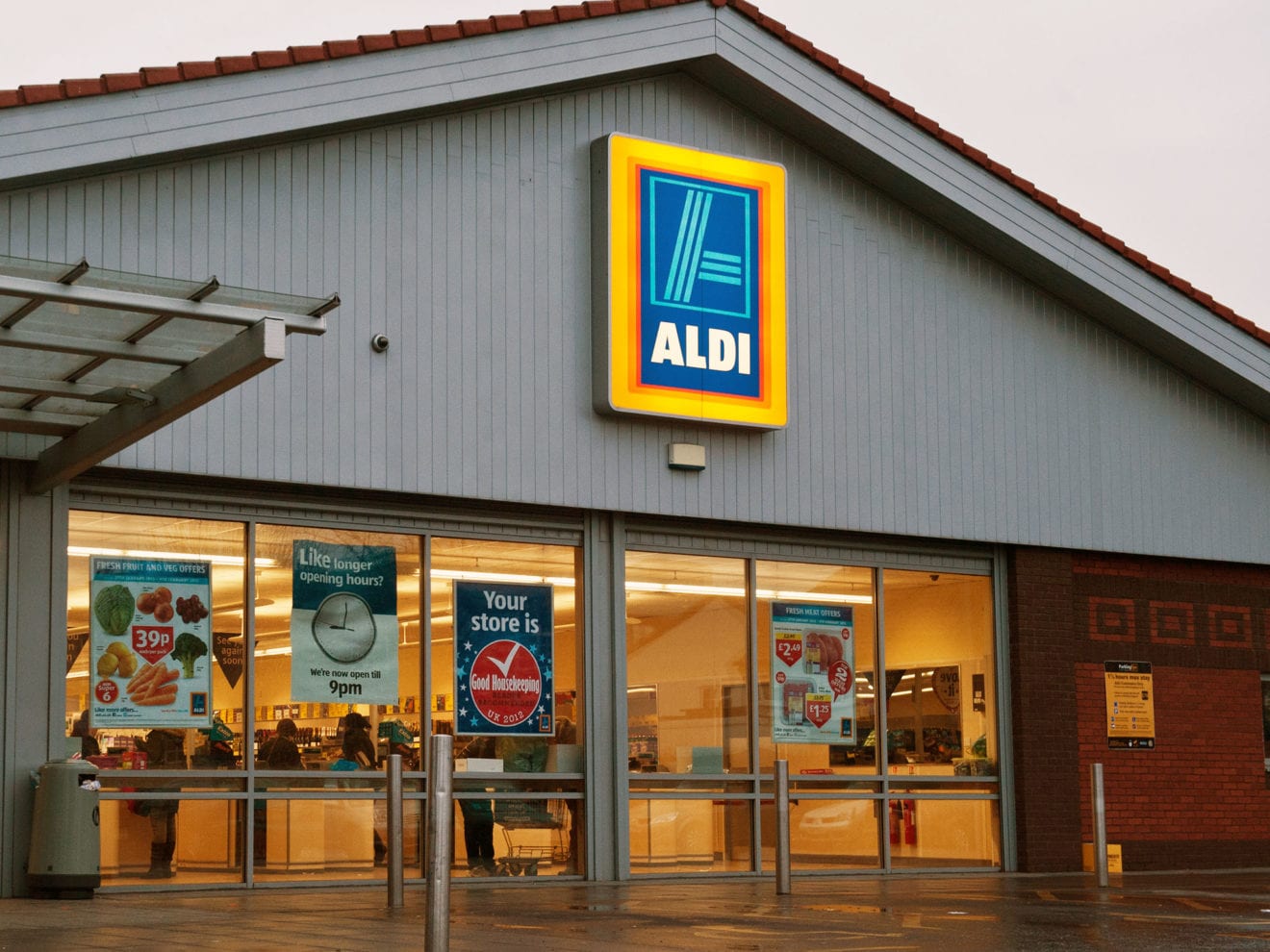
    German discount supermarket Aldi is set to enter China, and broader Asia, using Australia as a springboard.

    Aldi in Asia will initially sell groceries and wine online to China in the first half of next year, with stores expected to open later, reports the Sydney Morning Herald.

    The site will sell shelf-stable groceries and wine, with most products sourced from the group’s Australian suppliers, says a spokeswoman.

    German retail blog Lebensmittel Zeitung, however, says Aldi intends to create “a truly local assortment” with German products as a “topping”.

    In Australia, the spokeswoman says there is a strong demand among Chinese consumers for Australian-made products.

    “Aldi has been active in the China market for several years undertaking detailed feasibility studies regarding potential market-entry options. This work has resulted in the decision to start retail operations in the China market initially with an eCommerce offering.”

    She says Aldi will start selling a “carefully selected” range of everyday grocery items to Chinese consumers via an online retailing platform, with products delivered to their homes.

    With a presence already throughout Europe as well as Australia, Britain and the US, Aldi is turning to Asia to maintain growth.

  • Taiwan’s TBC rolls out new digitized TV platform

    Taiwan’s TBC rolls out new digitized TV platform

    Taiwan Broadband Communications (TBC), a multi-system cable operator in Taiwan, has rolled out a newly digitized platform powered by OpenTV 5.

    NAGRA has been a key partner in TBC’s ongoing digitization efforts providing the operator with both OpenTV 5 advanced set-top box software and system integration services required to support a rapid transition to an all-digital platform and the fulfillment of regulatory requirements.

    As part of this effort, TBC shipped close to one million set-top boxes powered by the OpenTV 5 operating system, marking the largest deployment of OpenTV 5 in Asia.

    “We look forward to continued growth and maximizing customer satisfaction by delivering a new generation of high-quality services to our subscribers,” said Jimmy Chen, TBC’s CEO.

    “We congratulate TBC on their successful transition to an all-digital platform and for reaching a significant milestone in the delivery of advanced digital TV services in Taiwan,” said Jean-Luc Jezouin, SVP for sales in Asia Pacific at NAGRA. “We look forward to supporting TBC as they continue to grow in a very dynamic market.”

    TBC deployed OpenTV 5 with minimal configuration and customization enabling the operator to transition existing services onto a new hybrid TV platform blending both linear and Internet TV services.

    OpenTV 5 is part of NAGRA’s MediaLive Suite, a set of innovative digital television solutions that provides secure, engaging and intuitive user experiences via a back-end that supports an all-screen connected home scenario. TBC selected NAGRA’s OpenTV 5 operating system in 2015.

  • Arvato opens bonded warehouse in China

    Arvato opens bonded warehouse in China

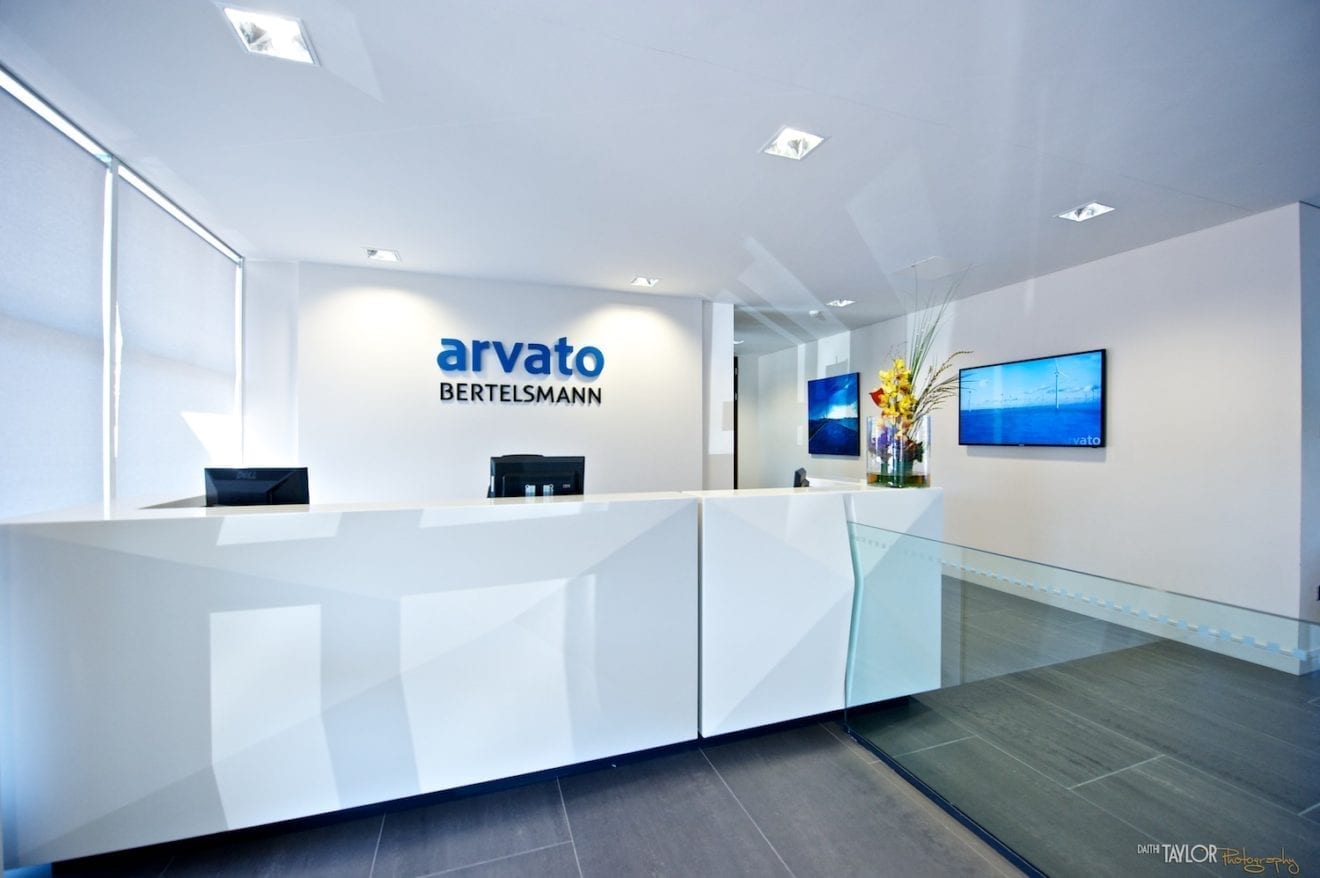
    Arvato SCM Solutions is expanding its presence in China with a new bonded warehouse that will serve clients in the high-tech and entertainment and consumer products industries. The new 2,000 m² facility is located in the Shanghai Waigaoqiao Free Trade Zone.

    “The launch of our third distribution center in China is necessary as we meet an increasing demand for logistics services in the region,” said Raoul Kuetemeier, Head of Arvato SCM Solutions Asia.

    The Shanghai Waigaoqiao Free Trade Zone is unique for its government incentives and preferential tax policies; a strategic location for the distribution of goods into mainland China and trade between Asia and rest of the world. “This new bonded warehouse enhances our logistics network in the Chinese market and underscores our commitment to provide the most flexible and competitive supply chain solutions for our clients.” said Kuetemeier. Arvato is already represented by five distribution centers across Asia.

    Arvato will provide end-to-end logistics services in the new multi-user facility. This includes the processing of imports and exports as well as warehousing, multi-channel distribution, returns management, and other value-added services. The access-controlled location is also equipped with a monitoring system and has more than five loading bays. In the licensed bonded warehouse, goods can be stored duty-free indefinitely.

    The new logistics center in Shanghai’s Pudong district offers outstanding structural conditions for efficient distribution. It is within close proximity to the Waigaoqiao harbor and Yangshan deep-water port. The airport, central highways and container freight station within Shanghai are also easily accessible.

  • ‘World’s saddest bear’ reflects sorry state of China malls sector

    ‘World’s saddest bear’ reflects sorry state of China malls sector

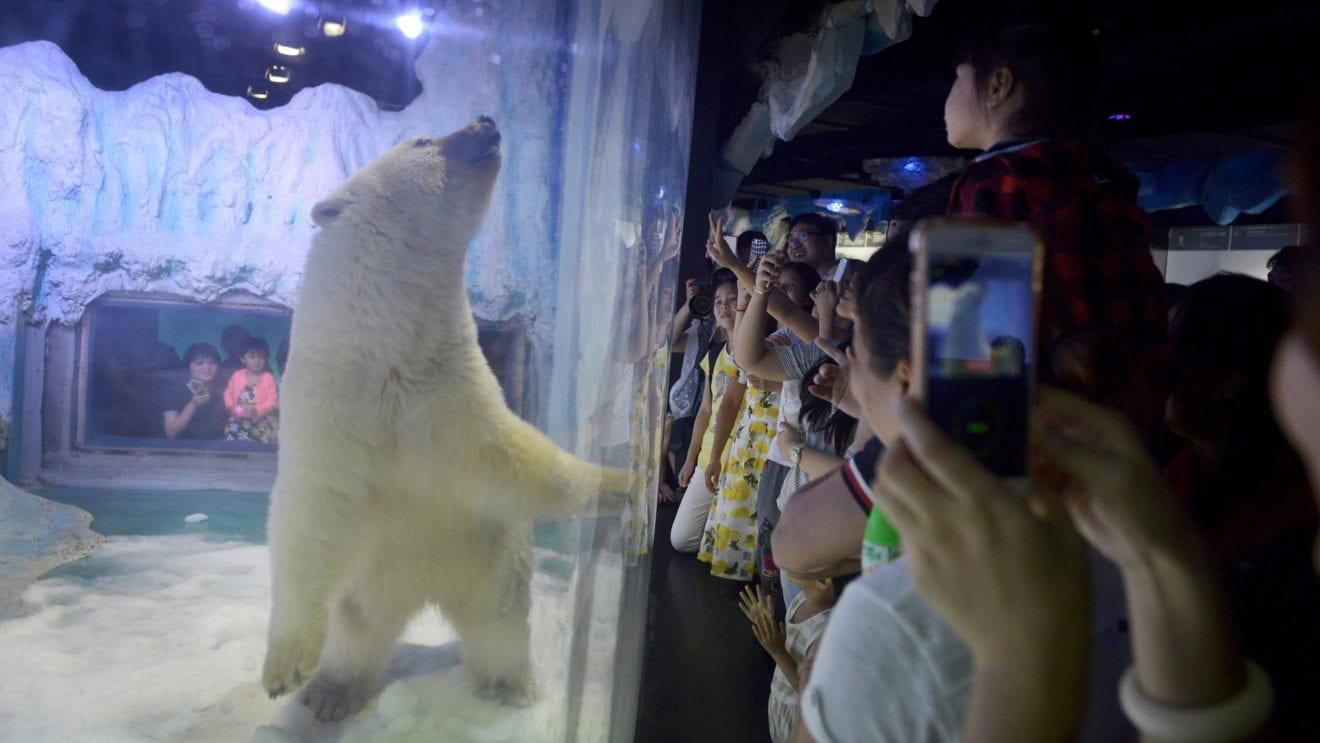
    Pizza, a polar bear notorious in China as being the “world’s saddest”, has been removed from his cramped enclosure and placed in an animal reserve after months of controversy that have highlighted the sorry state of Chinese shopping malls.

    Pizza’s plight was the result of a trend for using animals, entertainment and children’s playgrounds to pull customers into China’s giant shopping centres and department stores, which have been built in their thousands despite the nation’s growing preference for buying online.

    Bricks-and-mortar stores are grappling not just with ever-greater competition from online retailers such as Alibaba and JD.com, they must also contend with an underlying slowdown in the retail sector. Sales growth, which in 2008 reached an annual rate well above 20 per cent, has been falling steadily in recent years and hit 10 per cent in October, according to National Bureau of Statistics data released on Monday.

    Pizza became an internet celebrity in July when a shopper uploaded a photo of the three-year-old bear in an enclosure at the Grandview Mall in the southern city of Guangzhou. The country’s nascent animal rights community launched a rescue campaign and cheered when the Grandview said over the weekend that it would “temporarily” return him to the ocean park in northern China where he was born.

    Other Chinese netizens have outed an elephant used to attract mobile phone buyers to a Suning electronics outlet in Beijing and a “sad tortoise” housed alongside reptiles in grimy tanks in a mall in the northwestern city of Xi’an.

    The use of animals and other attractions comes as malls combat overcapacity, a problem immediately apparent to anyone who has turned up at a dusty, half-vacant shopping centre in China’s provincial cities. The country has an estimated 4,000 malls, more than the US, and plans to reach 7,000 by 2025, according to Mall China, an industry organisation.

    “Foot traffic is dropping dramatically,” said Shaun Rein, founder of Shanghai-based China Market Research Group, describing “a lot of panic” as e-commerce decimates mall sales. “Shops are becoming more choosy. Before, they said: ‘Who cares which mall?’ Now they are looking at the mall’s business and its other attractions.”

    “Malls are starting to bring in a lot more entertainment and a lot more food,” he added. “There is also a big focus on children — playgrounds, learning centres, even museums.”

    Last year 83 shopping malls gave up the fight and closed, according to a blue book on the commercial sector by the Chinese Academy of Social Sciences. They will be joined this year by Marks and Spencer, which announced last week it would close several stores in China in an effort to boost its flagging fortunes.

  • China retail sales grow 10% on-year in October

    China retail sales grow 10% on-year in October

    China’s retail sales growth rose to 10.0 per cent on-year in October, missing analysts’ forecasts of 10.7 per cent growth — the rate sales grew at the previous month. Thus there was a slowdown in retail sales despite the growth.

    Industrial output rose 6.1 per cent in October from a year earlier, the National Bureau of Statistics said, again below analysts’ estimates of 6.2 per cent.

    The world’s second largest economy has been facing slowing growth of late.

    China is predominantly an export-led economy but with global demand falling, the country needs to re-work its growth strategy. The country has been trying to move towards consumption-led growth but the transition has been bumpy.

    Recent data points to the fact that China’s growth is increasingly dependent on government spending and ballooning debt as private investment hovers around record lows.

    Last week, Alibaba’s Singles’ Day festival posted record sales of $17.73 billion.

    While sales were good, the day-long shopping gala saw slow growth as Chinese shoppers searched for heavier discounts and lower price tags.

    China’s fixed asset investment rose by 8.3 per cent in the first ten months of the year, slightly higher than market expectations.

  • Starbucks announces the introduction of Nitro Cold Brew in China

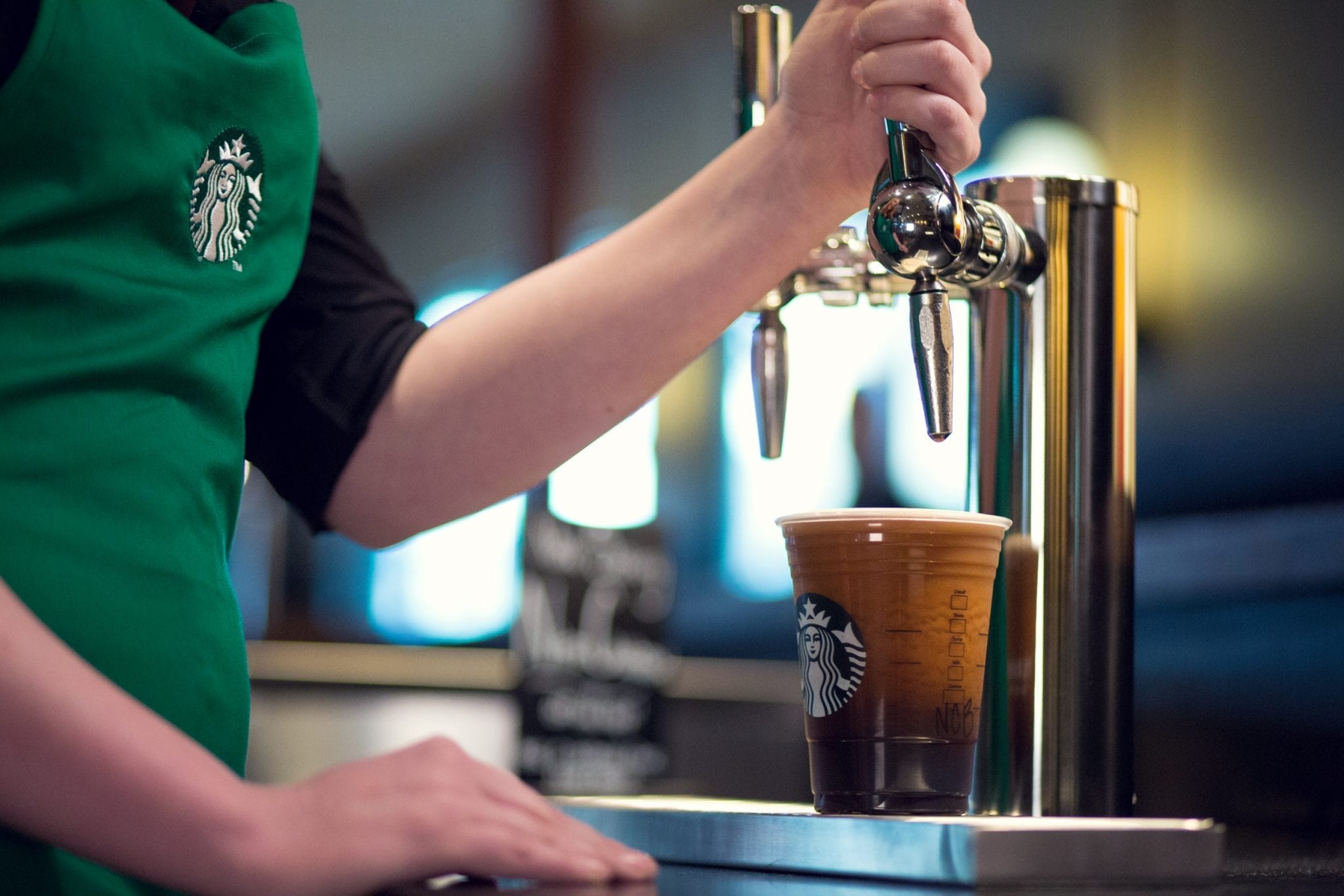
    Starbucks announces the introduction of Nitro Cold Brew in China

  • Apple, Nike and Playboy among most popular US brands on Alibaba’s Singles Day

    Apple, Nike and Playboy among most popular US brands on Alibaba’s Singles Day

    Alibaba Group Holding Ltd. says sales from its massive Singles Day shopping event totaled $17.8 billion, up more than 24% from the record $14.3 billion sold last year.

    (This year’s total is RMB 120.7 billion, up 32% year-over-year due to fluctuations in the Chinese currency.)

    The most popular U.S. brands as of about 10:30 p.m. CST were, in order: Apple Inc. Nike Inc. New Balance, Playboy, and Skechers USA Inc.

    “Alibaba is using this year’s Singles Day to showcase the number of international brands participating, everyone from Apple, Victoria’s Secret, Burberry, Gap, [and] Nike, acting as the gateway to China for these brands and fulfilling Chinese consumers’ insatiable demand for Western products,” said Danielle Bailey, head of Asia-Pacific research for L2 Inc.

    Victoria’s Secret is in the L Brands Inc.  portfolio.

    Singles Day started strong, with sales of $1 billion recorded in the first five minutes.

    Alibaba Offers Virtual-Reality Shopping on Singles’ Day

    Alibaba is hoping to boost sales from China’s biggest annual online-shopping event–Singles’ Day–with what it claims is the world’s first virtual-reality shopping experience.

    Many U.S. brands have tried and, so far, failed to find success in the Chinese market. Recently, Netflix Inc. said it would abandon efforts to launch a full-service offering in China.

    Wal-Mart Stores Inc.  announced in June that it would partner with Alibaba rival JD.Com Inc. to grow its China business. The partners announced new initiatives in October.

    Apple and Nike are popular in China irrespective of the day, with Nike reporting 21% revenue growth in China in fiscal first-quarter 2017. The U.S. and China are Nike’s two biggest basketball markets, Trevor Edwards, Nike brand president, said on the Sept. 27 earnings call, according to a FactSet transcript.

    The Playboy brand is also popular in China, with items like jewelry and fragrances selling well.

    Starbucks Corp. seized the opportunity to get into the Singles Day festivities, offering a Cocoa Java Mocha beverage exclusively for the day at locations across China. The company also sold gift sets, exclusively-designed gift cards, and limited-edition My Starbucks Rewards Cards 11/11.

    Forty-seven million users purchased international brands, led by U.S. brands, according to L2 data, and 82% of sales were made on a mobile device.

    “With Alibaba distributing different deals across different devices, they have encouraged devoted savings seekers to keep separate shopping carts on their desktops and mobile phones,” said Tim Barrett, retail analyst at Euromonitor International. “Alibaba is grooming a generation of mobile-first shoppers, a move which will pay off greatly when the entire world is addicted to their mobile devices.”

    For Alibaba Chief Executive Daniel Zhang, this integration of sales across different platforms is critical.

    “If you look at this as an online game, people see you will have less margin in the future,” Zhang said, according to the Alibaba live blog of the Singles Day event. “But when we look at the entire landscape, only 10% of China’s total retail is online. What we believe is that at the end of this, online and offline… should be fully integrated.”

    This year, Alibaba introduced virtual reality into the 11.11 experience, as well as games, with 2.6 billion games played, according to L2.

    “Alibaba is blurring the lines between entertainment and e-commerce and extending technologies thought to be simply gimmicks in the West,” said Bailey.

    Even with the eye-popping sales numbers, popular brands and new technologies, Alibaba shares are down 1.4% in Friday trading.

    “In keeping with the de-emphasis of GMV [gross merchandise value] as a reported metric, we expect sales volume to become but one of many focuses of the event, with others being new mobile functionality, innovations and improvements in logistics, new partnerships,” said Deutsche Bank in a note published Tuesday, which calls Singles Day “a PR exercise.” Analysts there expected 35% year-over-year growth.

    Deutsche Bank rates Alibaba shares buy with a $138 price target.

    Alibaba shares are up 14.4% for the year so far while the S&P 500 is up 5.7% for the same period.

  • #Double11 2016 Singles Day Record Proves China’s E-Commerce Might

    #Double11 2016 Singles Day Record Proves China’s E-Commerce Might

    Chinese e-commerce giant Alibaba Group has tallied more than US$1 billion in the first five minutes and US$5 billion in transactions in the first hour of its annual Singles Day sales blitz. That means China’s 2016 Singles Day shopping fest—aka Shuangshiyi or Double Eleven, since it takes place each November 11—retains its title as the world’s biggest online shopping event.

    The final sales tally for the 24 hour global shopping spree: US$17.8 billion in GMV (gross merchandise volume) sales, or in China’s yuan or renminbi currency, RMB 120.7 billion. The vast majority (82%) of that shopping frenzy took place on mobile phones and devices, with $14.6 billion (RMB 98.97 billion) on mobile.

    Last year, Alibaba’s digital shopping platforms racked up a total US$14.3 billion in sales, bypassing the $9.3 billion in #Double11 Singles Day sales in 2014 — meaning the 24-hour shopping spree has almost doubled in two years.

    It’s also a proof point for Ant Financial Services Group, Alibaba’s fintech arm that operates its Alipay mobile payments platform. “The excitement around online shopping continues to build year after year, and it’s emblematic of the way that e-commerce is changing, giving consumers incredible access to products around the world,” said Ant Financial SVP Douglas Feagin to the South China Morning Post.

    Ant Financial this year says it processed 1.05 billion transactions, an increase of 48 per cent from last year. At the peak of the madcap shopping within the first hour, as many as 120,000 transactions per second were processed, Feagin said. Ant brought innovation and speed to the online sales crush. Just as importantly, it helped finance merchants and consumers alike.

    As SCMP reports, “Before the start of the so-called Singles’ Day shopping gala on November 11, Ant Financial’s MYbank unit granted over 50 billion yuan of loans to 1.33 million merchants to help them put their products online.Ant Financial’s Ant Credit Pay was also on hand to grant more than 100 million customers credit to finance their online shopping, Feagin said.”

    At the half-way mark, it was clear that 2016’s event would surpass last year’s record, according to Alizila’s coverage:

    At the 12 hour, 29 minute mark of the sale, total GMV had exceeded RMB 82.4 billion ($12 billion), with mobile accounting for 83.55 percent of the total.  Alibaba Group President Michael Evans had this to say: “With roughly 11 hours to go, we’re in a good place.” More than 14,000 international brands are participating in the sale, he said, and sales from international brands have so far accounted for about 30 percent of total GMV.
    Alibaba #Double11 Singles Day sale

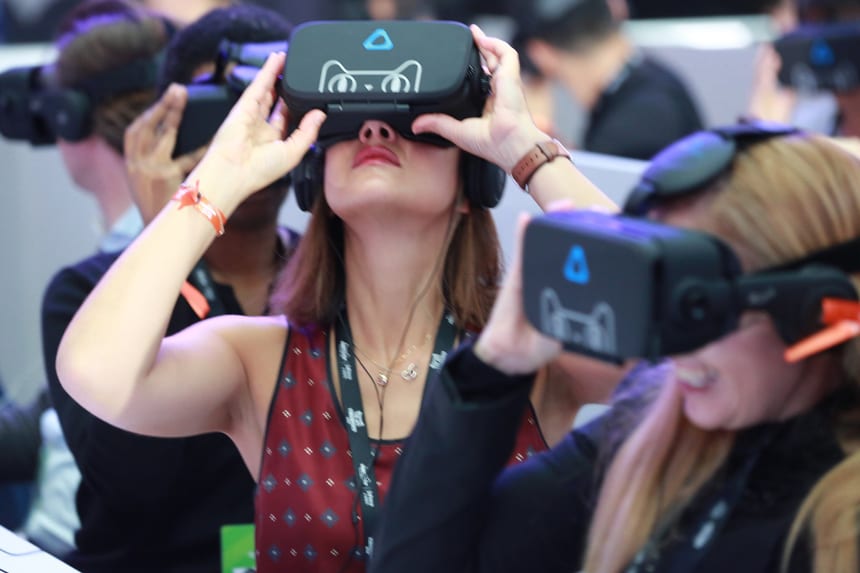
    Virtual reality also played a role this year, with Tmall’s Buy+ billed as the world’s first virtual reality shopping experience. For the price of a 15 cent cardboard VR headset, shoppers could slip their smartphone into the headset and browse products from handbags to shoes to lingerie, and even have virtual models showcase the apparel and accessories on a catwalk.

    Shoppers could browse eight digital stores using VR to assess the goods before buying them. Participating retailers include Macy’s, Target, Costco, P&G, Chemist Warehouse, Freedom Foods, Tokyo Otaku Mode and Matsumoto, part of the over 11,000 international brands that join in the fair.

    The global online shopping event also introduced interactive games and partnerships with over one million brick-and-mortar shops, including a Pokemon Go-like mobile application to catch the Tmall cat mascot in offline locations of Tmall merchants in shopping malls to spur foot traffic to the merchants. In return, consumers can earn special prizes such as free subscriptions to Alibaba’s Youku TV.

    It also teased this year’s 11.11 with teasers including an eight-hour live-streamed “see now buy now” fashion show from Shanghai, where consumers can order anything they see on the catwalk in real time from brands including Victoria’s Secret.

    The goal of this technology is to “improve [the] consumer retail experience, I would say you’re looking at the future of retail. The future of retail is in China, not anywhere else,” Alibaba Group’s co-founder and vice chairman Joseph Tsai told a media briefing on Thursday in Shenzhen, China.

    Leading the 11.11 international sales brigade this year were merchants from the US, Japan, South Korea, Australia and Germany. Most countries have already exceeded the volume of sales recorded for the entire sale last year.

    It’s another astonishing Singles Day,  an annual promotion inviting consumers who are not in relationships to cheer up with some retail therapy — an anti-Valentine’s Day “treat yourself” event invented by Alibaba’s Tmall head, Daniel Zhang, in 2009 to rival America’s Black Friday and Cyber Monday shopping events, and now surpasses both of them combined.

    While 11.11 started with discounts, it has morphed into an event featuring global brands such as Apple and luxury brands such as Burberry and Maserati, which both operate branded Tmall stores.

    As Teng Bingsheng, Associate Professor of Strategy at the Cheung Kong Graduate School of Business (CKGSB) in Beijing, stated in a pre-event press release, “To some extent, people remember that Alibaba initiated the 11.11 shopping festival. However, other brands are quickly gaining their fair share as well. But as long as the whole pie – and Alibaba’s own business – both get bigger, it’s still good news.”

    CKGSB Associate Professor of Accounting Zhang Weining added, “Double Eleven used to last for 24 hours, but this year it will stretch for 24 days. I think Alibaba foresaw that the sales growth rate would slow down this year, in part because more and more e-commerce platforms are running these campaigns and consumers are increasingly attracted to promotions offered prior to the day itself. This new strategy will also ease the pressure on delivery logistics, since sales will be more spread out.”

    Jack Ma Kobe Bryant Alibaba Singles Day 11.11Chairman Jack Ma—who welcomed David and Victoria Beckham and Kobe Bryant (while Katy Perry dropped out for a family emergency) as ambassadors for this year’s event at its countdown gala—said Alibaba’s cloud computing system is “[by] far the most advanced that human beings can realize.”

    Last year, the company processed 140,000 transactions per second via its cloud arm Aliyun during the shopping peak, while payment arm Alipay processed an additional 86,000 transactions per second at peak sale time.


    The company reportedly plans to list in 2017 in either Shanghai or Hong Kong, making it China’s largest IPO since 2010 when the state-owned Agriculture Bank of China offered $22.1 billion worth of shares.

    Brand partners were also vocal about what propelled Single’s Day sales this year: mobile (as Gap attested), personalization (such as Oreo) and virtual reality:

    For its part, Walmart kicked off its Black Friday sales event today, along with Target, in a bid to attract shoppers in the mood for deals. Both retailers’ official in-store Black Friday sales begin at 6 p.m. on Thanksgiving, reprising last year’s schedule despite murmurings that consumer interest in deal blitzing on Turkey-day may be waning.

    While Office Depot and Mall of America announced they’ll be closed on Thanksgiving, Macy’s, Kohl’s and Toys R Us are joining Walmart and Target. Walmart will be “dramatically increasing” inventory to offer nearly 50 percent more Black Friday merchandise this year online than last year.

    Walmart US CMO Steve Bratspies said that “We really pride ourselves on not being the retailer who advertises a great price but then only has a few available for the customers.”

    Walmart deals include a Samsung 50-inch 4K television for $398 and movies that cost $1.99. Target is touting deals like an iPad Air 2 for $274 and 30 percent off apparel and the giant teddy bear for $10 that hijacked social media last year is back with 20 percent more bears!

    Both big-boxers will start with offers over the next two weeks seeding the way for customer engagement as holiday spirit.

    Target returns to its “10 days of deals” program, touting a single big promotion daily starting the weekend before Thanksgiving, while Walmart is offering limited-time Black Friday discounts and holding further price cuts for into December.

    Still, some rang a cautionary note about Alibaba’s sales reporting, as the BBC reported: “Some have questioned the accuracy of the numbers, amid claims of inflated sales data at online retailers across China. Merchants passing off counterfeit goods as genuine is also an industry problem. Alibaba reported 85% of purchases had been made on mobile phones during Singles Day.”
  • Volkswagen’s Audi in talks with China’s SAIC Motor on tie-up

    Volkswagen’s Audi in talks with China’s SAIC Motor on tie-up

    Volkswagen’s Audi premium brand is in talks with China’s largest automaker, SAIC Motor, on a potential long-term collaboration, Audi said in a statement on Monday.

    Reuters reported on Saturday, citing a source familiar with the matter, that the two had signed an agreement that could pave the way for Volkswagen’s joint venture with SAIC to make Audi brand cars.

    An early entrant to China, the world’s largest car market, Audi is the best-selling premium car brand although it is rapidly losing ground to newer car models from Daimler’s Mercedes-Benz and non-German automakers like Toyota’s Lexus and General Motor’s Cadillac.

    Audi cars are now only made in China through a joint venture with China FAW Group, providing a lifeline to a state-owned company whose own brand cars have struggled with falling sales.

    Audi reaffirmed its commitment to FAW in the release announcing the talks with SAIC, saying it had outlined growth plans with FAW for the next 10 years that include making green energy SUVs and sedans in every major segment.

    Audi will also form a new joint venture company with FAW to be based in Beijing and focus on mobility and digital services, according to the statement.