Tag: China

  • BHG Retail REIT beats 3Q 2016 DPU forecast by 4.9%

    BHG Retail REIT beats 3Q 2016 DPU forecast by 4.9%

    China-focused BHG Retail REIT has reported a DPU of 1.29 Singapore cents for its 3Q 2016, beating forecast made at listing by 4.9%.

    However gross revenue for the period came in 6% lower than expected at SGD15.4 million (USD10.9 million), while net property income missed its target by 3.5% at SGD9.5 million.

    The REIT has attributed the lower figures to new taxes imposed by the Chinese government, and a weaker RMB against the SGD.

    Distributable income for the period came in at SGD4.5 million, beating expectations by 5.1%.

    “Portfolio occupancy remained high at 97.4%, rents for new and renewed leases turned in another quarter of healthy reversions”, said Chan Iz-Lynn, CEO of the REIT’s manager, in a statement on 11 November.

    The REIT’s gearing was at 30.5%, with weighted average term to maturity of 2.2 years.

    Moving forward, BHG Retail REIT pointed to China’s growing retail sales figure, which expanded by 10.4% year-on-year for the first three quarters of 2016 despite a slowing global economy, as reasons to be optimistic.

    “The higher demand for mid-range retail brands is expected to continue, and will move in tandem with China’s rising middle income population”, said Chan, underscoring her confidence that the REIT’s properties are well positioned for this growth.

    Units of BHG Retail REIT finished trading trading day about 0.8% higher from its previous close on the Singapore Exchange to end at SGD0.59.

  • Oppo R9 becomes the best-selling device in China

    Oppo R9 becomes the best-selling device in China

    The latest smartphone OS sales data from Kantar Worldpanel ComTech shows a solid 5.2% percentage point US market share increase for iOS during the third quarter of 2016 to 34.2%. Both iOS and Android made gains across most of the EU5 countries. However, Android posted a 3.3 percentage point decline in the US from 66.7 to 63.4%, while iOS share fell in Germany from 17.5% to 15% and in Urban China from 18.7% to 14.2%. 

    Europe’s big five markets include Great Britain, Germany, France, Italy, and Spain.

    In Urban China, Android accounted for 85.3% of smartphone sales in the third quarter of 2016, its second highest share ever in this market. 

    Oppo continues to see significant growth, gaining 8.2 percentage points over the past year to become the 4th largest manufacturer in Urban China with 11.2% of smartphone sales. The Oppo R9 overtook the iPhone 6s as the best-selling device in the third quarter, reported Tamsin Timpson, Strategic Insight Director at Kantar Worldpanel ComTech Asia. iOS posted yet another year-on-year decline to 14.2% of smartphone sales in the third quarter of 2016. Importantly, this marks a period-on-period return to growth in sales, up from 13.5% in the three months ending in August. With supply constrained on the iPhone 7, and particularly the 7 Plus, this positive turn for Apple is a good sign, suggesting that as supply grows to meet demand, Apple will be able to turn the tide in Urban China. 

    In the US, the new iPhone 7 and 7 Plus models made an immediate impact, becoming the best-selling smartphones in the month of September at 17.1%, said Lauren Guenveur, Consumer Insight Director for Kantar Worldpanel ComTech. Strong sales of the iPhone 7 and the lower-priced iPhone 6s, the second best-selling device in the US in September, contributed to an overall growth of iOS to 34.2% in the third quarter of 2016.

    Despite some sales from the beleaguered Samsung Galaxy Note 7, still technically available through the month of September, Samsung posted a year-on-year decline from 36.9% to 33.8% of US smartphone sales in the third quarter, Guenveur continued. The holiday sales season may prove to be more challenging than normal for Samsung, who competes head-to-head with Apple during this crucial time of year. Fallout from the Note 7 recall could have an unintended impact on continuing sales of other, similarly-named Samsung devices (chiefly the Galaxy S7 and S7 edge), as consumers may not always understand the difference between the model names. However, deep holiday discounts, as we saw with the Galaxy S6 last year, may counteract any expected negative impact, as the driving reason for choice among US consumers remains finding a good deal on the price of the phone.

    In Great Britain, the iPhone 7 and 7 Plus were top-sellers during the month of September, accounting for 15.1% of sales, said Dominic Sunnebo, Business Unit Director for Kantar Worldpanel ComTech Europe. In the third quarter of 2016, iOS accounted for 40.6% of smartphone sales, a 2.4 percentage point increase from the same period a year ago. Its interesting to note the continued success of the iPhone SE in Britain, accounting for 8.5% of sales in the quarter vs. a share of just 3.5% in the US. 

    Britain is the only market where Samsung made year-on-year gains, totaling 30.4% of smartphone sales, Sunnebo added. In Italy, Huawei replaced Samsung as the reigning smartphone leader to become the top brand sold at 27.3%, a 15.2 percentage point gain vs. the third quarter 2015. Samsung accounted for 24.7% of smartphone sales in Italy, a decline from 40.6%. In Spain, Huawei and Samsung are now neck-and-neck, with Samsung edging out Huawei 24.2% vs. 23.3%.

  • Indonesia has role in tourism development in maritime silk route

    Indonesia has role in tourism development in maritime silk route

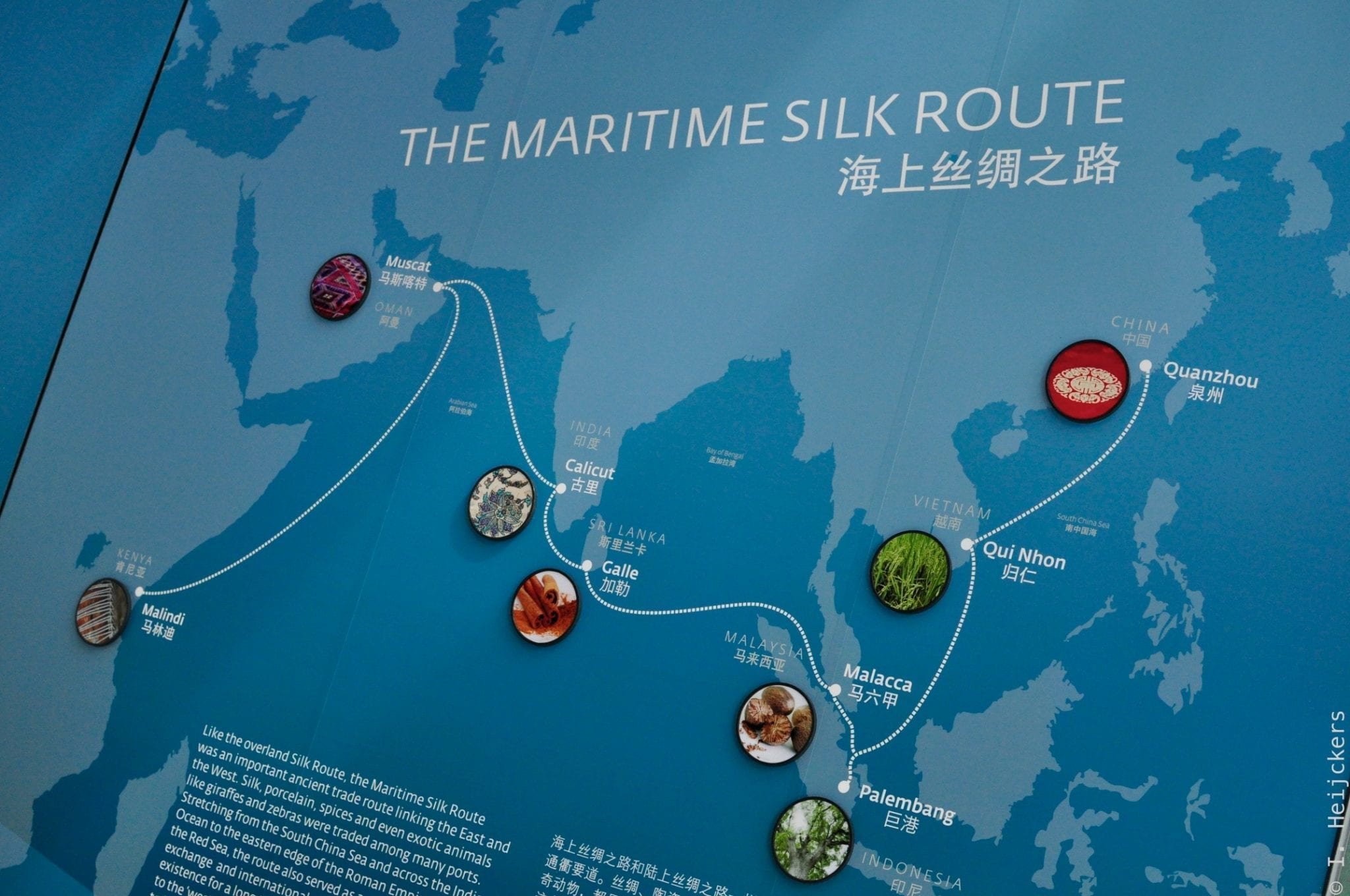
    Indonesia has an important role and can take advantage of tourism development in the maritime silk route of the 21st century in China, according to China National Tourism Administration (CNTA) Information Center Director Cai Jiacheng.

    “Indonesia has its own uniqueness as a global tourist destination, especially for the countries along the maritime silk road of the 21st century in China,” Jiacheng told.

    According to him, Indonesia has a lot of cultural diversity and unique and attractive natural sceneries that can make the country a world tourist destination.

    “However, Indonesia must fix the infrastructure and build good connectivity with a number of other countries, particularly with countries along the maritime silk road,” Jiacheng noted.

    “Indonesia should actually be able to provide maximum services, ranging from easing visas and providing adequate infrastructure, including connectivity, to attract tourists to come to the country,” he added.

    Jiacheng added that Chinese travelers can visit other countries through the ASEAN countries such as Indonesia, Thailand and Singapore.

    “Therefor e, Indonesia has opened the path for China to ASEAN, because of its strategic position to support tourism development in the maritime silk road of the 21st century that can also provide a great advantage for the country,” he said.

    Tourism is playing an increasingly important role in the economic growth of China. Tourism sector accounted for about 10.8 percent of the total growth in Gross Domestic Product (GDP) and 10.2 percent of the national job last year.

    CNTA is targeting 137 million foreign tourists to visit China in 2016, or up to 2.5 percent compared to that of the previous year, while the amount of targeted revenue from foreign tourist arrivals is US $ 121 billion, up by 6.5 percent over the previous year.

    “Therefore, China is serious to work on the tourism sector by using destination packages, connectivity, and the use of information technology for marketing and promotion,” he said, adding that Indonesia can take advantage of the tourism development in the maritime silk road of the 21st century.

  • US$1 billion in first five minutes of 11.11

    US$1 billion in first five minutes of 11.11

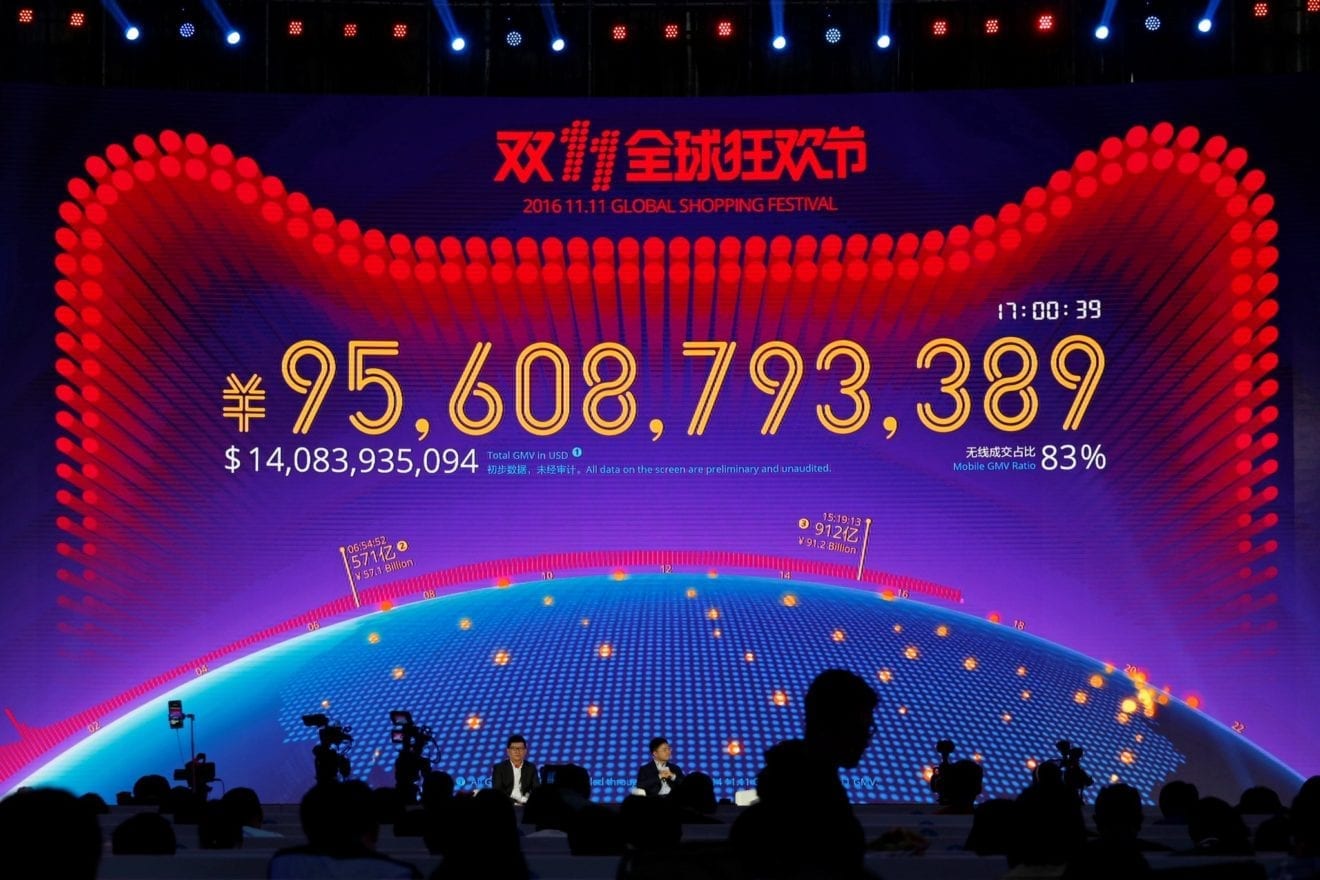
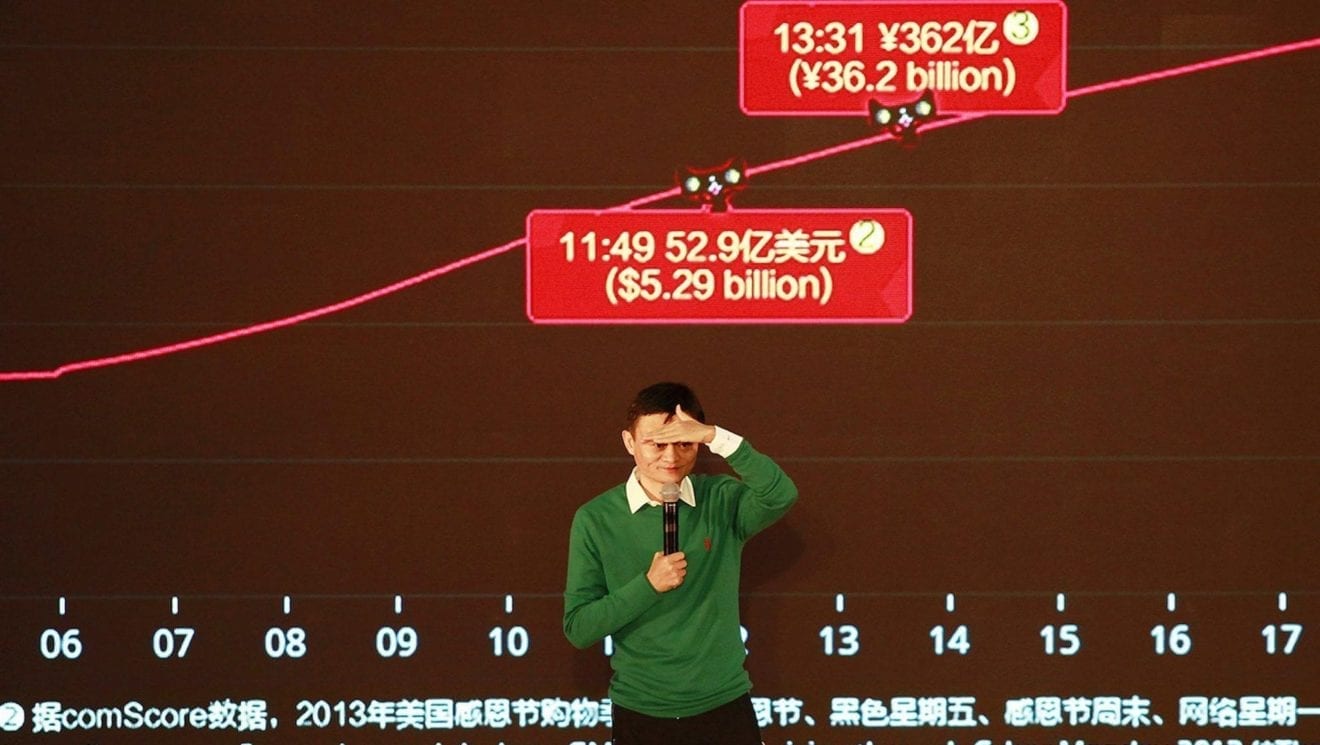
    Alibaba Group says more than US$7 billion (RMB 47.5 billion) of gross merchandise volume (GMV) was settled through Alipay on Alibaba’s China and international retail marketplaces within the first two hours of the 2016 11.11 Global Shopping Festival.

    And more than $1 billion was transacted in the first five minutes – from 12 midnight.

    “Chinese consumers purchased more in the first hour of 11.11 this year than the entire 24 hours in 2013, reflecting the incredible evolution of our global shopping festival,” said Daniel Zhang, Alibaba Group CEO. “This unprecedented level of engagement demonstrates both the consumption power of Chinese consumers and their embrace of online shopping as a lifestyle.”

    In the hours leading up to the official midnight start of November 11, millions of viewers watched the Alibaba Group 11.11 Global Shopping Festival Countdown Gala live online and on mobile devices via Youku Tudou, and the Tmall and Taobao apps. The gala was televised live across China through Zhejiang Satellite TV, as well as in Hong Kong and Macau for the first time.

    “This year, we innovated new ways for consumers watching the live broadcast of our countdown gala. Viewers were able to influence the production of the show in real-time through their mobile phones,” said Chris Tung, chief marketing officer, Alibaba Group. “Consumers in front of their televisions were shaking, tapping, scanning, chatting, browsing and buying with their mobile devices, creating a seamless and truly immersive entertainment experience.”

    VR drives surge

    International think tank Fung Global Retail & Technology predicts sales of $20 billion during the full 24 hours, up an extraordinary 40 per cent over last year’s total of $14.3 billion, thanks in part to the introduction of Buy+, the world’s first-ever end-to-end virtual reality (VR) shopping experience.

    “Buy+ will enable global retailers (even those without a physical presence in China) to offer an engaging, virtual in-store experience to Chinese consumers,” writes Fung Global Retail & Technology MD Deborah Weinswig in Singles’ Day Online Shopping Festival Could Also Benefit Retailers’ Physical Stores, a new report.

    The platform features eight virtual stores: Macy’s, Target, Costco, P&G, Chemist Warehouse, Freedom Foods, Tokyo Otaku Mode and Matsumoto Kiyoshi. Using cardboard VR headsets distributed in October, consumers can virtually walk around Macy’s Herald Square flagship in New York City to find products and, with just a nod of the head, confirm payment to purchase an item they see.

    “One of Alibaba’s strategies for Singles’ Day is to merge gamification with online shopping. The company will leverage its media and entertainment assets to drive increased online consumption,” says Weinswig.

    These include a televised countdown gala event and fashion show that was held last evening. In addition, the company is promoting products on TV screens, allowing viewers to scan QR codes for a real-time purchase.

    The concept has expanded beyond Alibaba, with chief rival JD.com, Gome and Suning also creating promotions. International retailers will target Chinese shoppers, and Chinese retailers target international shoppers. In 2015, Newegg, OTTE New York and Nasty Gal, all launched Singles’ Day promotions.

    “A year ago, Alibaba promised that Singles’ Day will be a true omni-channel event, and this year the company seems dedicated to continue delivering on the promise, armed with more technological innovations that bridge the gap between the virtual and physical worlds,” Weinswig writes.

  • Enjoy Attractive Discounts at Over 300 Stores in Asia When You Shop with UnionPay Cards

    Enjoy Attractive Discounts at Over 300 Stores in Asia When You Shop with UnionPay Cards

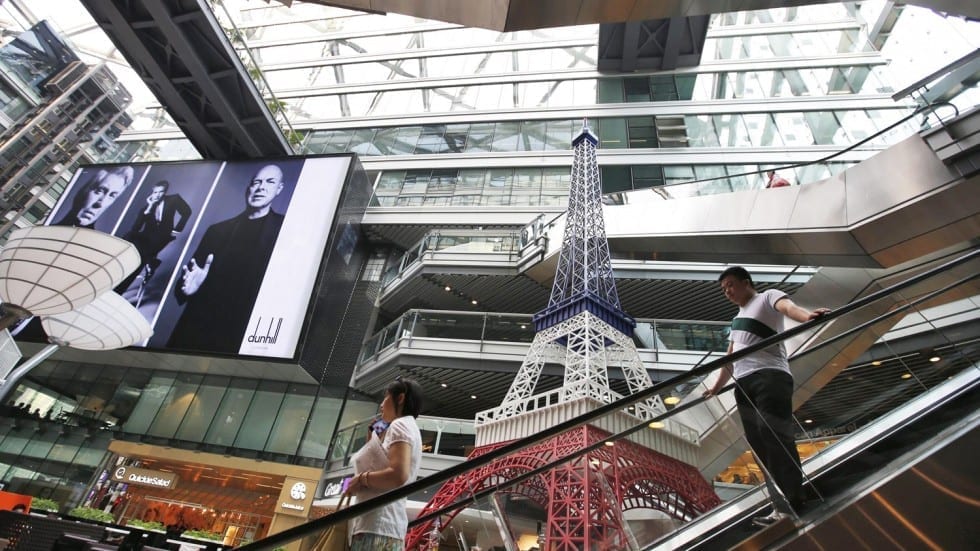
    This year-end, UnionPay International (UPI) has teamed up with over 300 stores in Hong Kong, Macau, Singapore and Thailand, to offer UnionPay Cardholders attractive discounts for the festive season. These exclusive discounts are offered as part of U Plan – UnionPay’s latest cross-border marketing initiative – launched in July this year. 

    U Plan is the world’s first open cross-border marketing platform launched by UnionPay, specially for UnionPay Cardholders. By bringing together service providers in the finance, tourism and retail industries, U Plan provides a one-stop marketing platform for UnionPay and its partners to market products and services to Cardholders collectively across geographical borders.

    Through the use of mobile applications and location services, U Plan can enable a high-level of precision for UnionPay and partners to reach out to potential travelers prior to their travels, to promote special privileges and discounts that UnionPay Cardholders can enjoy at their travel destinations. In addition, UnionPay Cardholders can also enjoy the exclusive U Plan perks at participating merchants in their local markets.

    From now till February 28, 2017, UnionPay Cardholders in Singapore can look forward to enjoying up to 30% in savings at Bath & Body Works, Kate Spade New York, Michael Kors, Tumi and Victoria’s Secret outlets in Singapore with U Plan. This includes:

    Up to 25% in savings at Kate Spade New York, Michael Kors and Tumi: With every S$200 spend, UnionPay Cardholders can enjoy S$50 off.

    >Up to 30% in savings at Bath & Body Works and Victoria’s Secret: With every S$100 spend, UnionPay Cardholders can enjoy S$30 off.

    Traveling UnionPay Cardholders can also look forward to enjoying exclusive privileges at popular merchants such as Sasa, Prince Jewellery & Watch, ISA and Lukfook Jewellery in Hong Kong, as well as at King Power Duty Free in Thailand. 

    To improve the accessibility of U Plan privileges to Cardholders, information and transaction platform – Dianping.com – has come on board as a UnionPay U Plan partner to offer quick access to the available discount coupons via its platform. With this, DianPing.com’s 600 million users will be able to access the coupons easily via the Hong Kong, Macau, Phuket and Singapore specific sections on Dianping.com’s website and mobile app, when searching for information related to their travel destinations.

    Since the launch of U Plan in July this year, over 100 million discount coupons have been downloaded from the mobile apps. Moving forward, UnionPay has plans to expand the programme to markets such as Australia, Japan, South Korea and the United States, as well as include a wider range of partners and merchants on U Plan.

    UnionPay International focuses on supporting the growth of UnionPay’s global payments business. With an acceptance footprint covering 160 countries and regions globally, UnionPay serves the world’s largest cardholder base by providing quality, cost-effective and secure payment services to over 5.4 billion Cardholders worldwide.

    In Singapore, UnionPay enables efficient and cost-effective payment services that are tailored to the needs of local businesses and consumers. UnionPay cards are issued by Bank of China (BOC), DBS Bank (DBS), Industrial and Commercial Bank of China (ICBC) and United Overseas Bank (UOB) in Singapore, and are accepted at over 80 percent of retail, lifestyle and food and beverage establishments locally, as well as at almost all automated teller machines (ATMs) across the island.

  • Chinese tourists visiting Indonesia up 20 percent

    Chinese tourists visiting Indonesia up 20 percent

    The Indonesian Tourism Ministry and the China National Tourism Administration have agreed to check certain tourism operators who are unprofessional and harm tourists interests.

    “We are ready to blacklist such operators since tourism is a service-based business. Managing the tourism business ecosystem with a sense of commitment and professionalism is crucial. What is at stake is to keep the tourism business sustainable,” Indonesian Tourism Minister Arief Yahya said at a meeting with the Chief of the China National Tourism Administration, Lin Jinzao, on the sidelines of the China International Travel Market (CITM) held in Shanghai from November 11 to 13.

    Travel operators and agents who violate commitment made to their customers must be dealt with sternly, he stated, adding that unprofessional tourism operators will have a detrimental impact on the future of the tourism sector.

    The China National Tourism Administration has taken several steps to control such unprofessional elements, including travel agents, as part of the efforts to make tourists feel comfortable while on vacation in China, he noted.

    “First of all, we express our gratitude to China as more and more Chinese tourists visit Indonesia,” he underlined.

    China is now the biggest source of tourist arrivals in Indonesia, overtaking Singapore, Malaysia, Australia, Japan and South Korea.

    “We have set ourselves the target of attracting 20 million tourists in 2019 and nearly 50 percent of them will come from China,” he disclosed.

    In this regard, he underscored the importance of stepping up tourism cooperation with China to achieve the target.

    In addition, he pointed out that his ministry will also focus on promoting the “Great China” branding which covers China, Hong Kong and Taiwan.

    He also invited Chinese investors to invest in the Indonesian tourism industry.

    “We invite Chinese investors engaged in the tourism sector to invest in Indonesia which offers natural and cultural attractions. Now is the time to make long-term investments in the tourism sector,” he observed.

  • Muji Hotel Beijing to be launched

    Muji Hotel Beijing to be launched

    Japanese retailer Muji is moving into hospitality in China, with the Muji Hotel Beijing to open in the second half of next year.

    Muji has signed a brand co-operation agreement with Tokyo-based architectural company UDS for the hotel project. It is a major global business move for Muji, and all products in the hotel’s 41 guest rooms and public areas will from the Muji brand.

    The first floor of the hotel will have a cafe, hotel store, bookstore and lounge, while the fourth floor has a restaurant and bar overlooking Tiananmen Square. There will be a Muji store in the basement.

    UDS, which has its Claska pioneer design hotel in Japan, plans, designs and manages hotels internationally.

  • Lane Crawford selects Orange Services’ Cloud to improve digital shopping experience

    Lane Crawford selects Orange Services’ Cloud to improve digital shopping experience

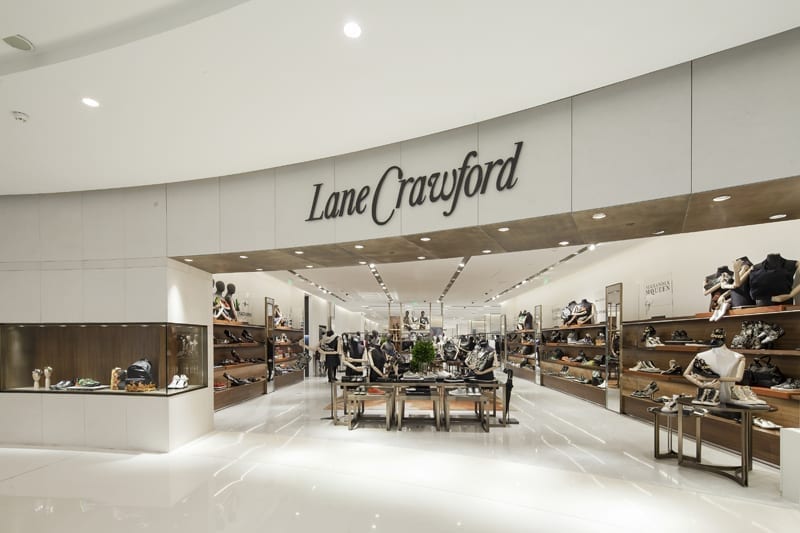
    Orange Business Services has been selected by Lane Crawford, a multi-brand designer label luxury retailer, to provide a cloud-based platform to extend, secure and manage its IT resources in Hong Kong and China. This deployment will enable Lane Crawford to marry offline strengths with digital advantages and offer its customers a more connected retail experience.

    Founded in 1850, Hong Kong-based Lane Crawford is widely recognized as a leading retailer of specialty and luxury goods in Hong Kong and China. Through Orange Business Services’ cloud platform, Lane Crawford will have higher flexibility and scalability to accommodate changes in demand due to seasonal shopping, sales and promotional activities, and ad-hoc use. By adopting a cloud-based platform, Lane Crawford can appropriately align its business with the rapid growth of online shopping in China and meet the needs of new and existing customers.  In addition to meeting Lane Crawford’s needs for its digital transformation, Orange Business Services’ solution delivers an enhanced level of security infrastructure and business continuity plans.

     “Lane Crawford has a long history of delivering high quality products and excellent experiences to its customers,” said Jack Zhang, General Manager, Orange Business Services China.  “We are very pleased to have been selected as a partner in their digital transformation journey and to support them based on our deep understanding of the retail business and Lane Crawford’s existing infrastructure environment.”

    Lane Crawford selected Orange Business Services’ cloud platform for its ability to easily scale to meet rapid changes in consumer demand and its one-stop solution for all the needs it had for connectivity, flexibility and security.  Orange Business Services’ platform is fully compatible with other business critical applications being used by Lane Crawford.

     “Our former infrastructure did not provide adequate flexibility for scalability or future business growth,” said Raymond Liu, Senior Manager, IT Infrastructure, Lane Crawford.  “Orange Business Services’ cloud-based solution gives us cost-efficient performance, enhanced security and protection, and support of on-line transaction applications.  For Lane Crawford, this is a critical step forward in our digital transformation.”

  • China Leads the Global Market for Eggs and Eggs Products

    China Leads the Global Market for Eggs and Eggs Products

    Eggs, an integral part of the banal breakfast menu, are a rich source of protein. Easy and hassle free to make, their demand has seen a phenomenal spike in the past couple of years on account of a burgeoning world population and their rising disposable income. Even the avian flu, which resulted in culling of millions of livestock worldwide, couldn’t hamper the market growth. Today, a wide variety of eggs are found on supermarket shelves. Not just that, discerning palates of demanding consumers have also spawned another market – that of egg products. Made from different components and blends of eggs, they are edible products ready for consumption.

    Cage-free Eggs are All the Rage These Days
    Reports reveal that around 2 billion eggs are produced in the world in a year. The method of production is, however, set to change.  With growing awareness about the appalling living conditions of the captive egg-laying hens, particularly in developed countries, an outcry has ensued. This has led to a ban on conventional egg farming methods. Fast food giant McDonald, which is one of the biggest egg buyers in the world, pioneered efforts in this direction by announcing in 2015 that it would only use cage-free eggs in all of its US and Canadian restaurants. Other major fast food chains and a handful of multinational food companies followed suit too. This has generated an opportunity for egg producers in Asia and America to fulfill the demand-supply gap created on account of EU nations being unable to carry out the overhaul in logistics and processes involved swift enough.

    China the Largest Producer-cum-Consumer of Eggs and Egg Products
    China, which had pretty much been powering the global growth up until a while back, has been a leader in the global eggs and egg products market as well. Studies show that it produces around 36% of the 70% eggs produced together by Mexico, Japan, China, U.S., India, Indonesia, Brazil, Mexico, and France. China also consumes around 40% of the global eggs. This is because eggs form a vital part of the average Chinese meal. The eggs are also used as additives and ingredients, nationwide.

  • Hong Kong’s economic growth to ease in third-quarter on China slowdown

    Hong Kong’s economic growth to ease in third-quarter on China slowdown

    Hong Kong’s economic growth is expected to slow in the third quarter from the second, with weak exports, sluggish retail sales and falling tourist arrivals, continuing to take a toll on the Asian financial centre.

    The once vibrant city is also grappling with a slowdown in China, while its outlook has been hurt by rising tensions with Beijing that could threaten stability and impede policymaking.

    The economy was expected to grow 0.3 percent for the third quarter from the second, according to the median estimate of economists in a Reuters poll. From a year earlier, growth was forecast at 1.6 percent.

    The government is due to release gross domestic product data on Friday at 0830 GMT.

    Gross domestic product grew a seasonally-adjusted 1.6 percent in the second quarter from the first, and 1.7 percent from a year earlier, the government said in August.

    Hong Kong’s retail sales fell for the 19th straight month in September as China’s economic slowdown and a strong local currency crimped business activity and tourism.

    “We think retail sales and tourism have not yet recovered. There are still downside risks,” said Young Sun Kwon, a Hong Kong-based economist at Nomura.

    Another potential risk is the impact of cooling measures imposed by the government this month to rein in property prices, which are among the most expensive in the world.

    The government said it would raise stamp duties on home purchases to 15 percent, across the board, effective Nov. 5.

    Economists said it was still too early to tell how effective the measures would be as there were other factors involved, such as the U.S. presidential election and China’s economic performance.

    Hong Kong, once the busiest port in the world, is also heavily dependent on trade, and its exports and imports are predominantly re-exports to and from mainland China.

    The Trade Development Council has cut its forecast for the city’s exports this year from flat to a 4 percent decline.

    Slower economic growth could pile further pressure on Hong Kong leader Leung Chun-ying ahead of an election next year and amid rising tensions with the central government in China over concerns of increased meddling by Beijing in the city’s affairs.

    The former British colony’s economy is now more vulnerable as it struggles with weaker retail sales and a slump in cash-rich mainland Chinese streaming across the border on shopping sprees.

  • Forget Black Friday, Singles’ Day is the real retail event to focus on

    Forget Black Friday, Singles’ Day is the real retail event to focus on

    I recently got back from Engine’s Asia offices, where everyone was buzzing with excitement about this shopathon concept.

    This 24-hour shopping day is the Chinese equivalent of Cyber Monday. It started in 2009 by ecommerce giant Alibaba and has evolved into the biggest online shopping day of the year – raking in $14bn in 2015 with mobile purchases accounting for 75% of total sales.

    In the UK, the start of November means that the retail frenzy of Black Friday and Cyber Monday are fast approaching. But as reports this year suggest that Black Friday is no longer the money pit it used to be, it’s time for UK brands to think globally.

    While Black Friday sales are expected to disappoint with just 21% of UK shoppers saying they will be taking advantage of the slashed prices, Singles Day is set to break records with this year’s sales predicted to increase by 50%, with total sales reaching $21bn. That’s almost $1bn per hour.

    With success on these levels, it’s clear that Singles’ Day presents a huge opportunity for UK retailers. Brands like Topshop are already capitalizing on this phenomenon, reporting a sales surge of over 900% on the day in 2015 compared to 2014.

    With over 600 million internet users and 1.3 billion mobile phones nationwide – China’s 468 million digital shoppers equate to 40% of the total global e-commerce spend and a report by OC&C Strategy Consultants shows that in China, over 70% of people are more willing to spend on clothing than before – with a lot of this expected to come through ecommerce.

    Having skipped the PC era, Chinese consumers are savvier, more switched on and demand digital innovations at a level unprecedented in other markets.

    Different apps, such as WeChat, mean that platforms Western marketers might be used to, such as Twitter and Facebook, no longer apply.

    What does this mean for brands looking to tap into the lucrative Chinese market? Investing in ecommerce localisation is key. Adapting and tailoring your digital assets is a base requirement for those looking to appeal to a foreign audience.

    Brands seeking to enter the Chinese market will have to replicate the success of Singles’ Day retailers by understanding and responding to China’s changing demographics namely, its increasing disposable income, emerging middle class and increasingly affluent young population.

    For the event, Alibaba has sponsored a nationally televised gala, which leads to a midnight kick-off. By identifying the right celebrities (David Beckham headlined this year) and a format that fits with Chinese shopping mentality, Alibaba has successfully transformed the shopping event into a media spectacle with an expected viewership of around 200 million (doubling last years’ viewer figures), 10 million of whom will be from outside mainland China.

    This shift underlines a trend identified in a recent report from Cassandra, Engine’s leading provider of youth insights and emerging trends, which illustrates the changing shopping habits of millennials. They increasingly see it as more of an event and communal experience than previous generations ever did.

    This concept from the innovation hothouse of Asia will make brands and retailers eyes water. Agile players will surely be lining up to test and learn from Singles’ Day because discounting during the peak buying season, counter-intuitive though it may seem, is here to stay.

    -Debbie Klein


  • China Singles Day: a retail goldmine

    China Singles Day: a retail goldmine

    China Singles Day is an entertaining festival widespread among young Chinese people, to celebrate the fact that they are proud of being single.

    To celebrate these singletons like to shop, for some reason.

    Regardless of motive, the opportunities an event like this presents is vast, and global retailers should be taking advantage.

    Delivering an effective online shopping in China is a challenge for outside retailers, but the benefits are worth investing in overcoming this.

    In a market with 600 million internet users, sales last year hit $14.3 billion, in comparison to the $1.35 billion taken on Black Friday. This is predicted to rise to $20 billion this year, which is absurd. But profitable.

    With a rapidly expanding population, China is by far the largest e-commerce market in the world, forecast to reach $1.1 trillion by 2020. China Singles Day is the largest retail day of the year, by some margin.

    Digital performance specialist Dynatrace has tested the websites of retailers around the world to see how geared up they are to maximise their revenue potential on the biggest shopping day of the year, and found that global retailers need to be doing more to tap into this market.

    Chinese retailers are outperforming the global competition, with an average time of 3.4 seconds before their websites become usable for Chinese customers (compared to 7.7 seconds for global retailers).

    H&M stood out as a shining light amongst the global retailers; with an average time of just 2.4 seconds before customers could start interacting with its website from China.

    Lean website design is critical to success in the Chinese e-commerce market; the best performing sites have minimal third-party host integrations, lighter pages with a low object count, and are hosted locally, in China or Hong Kong.

    Dave Anderson, VP Marketing EMEA and APAC for Dynatrace explained that by “digging a little deeper, we can see that the better performing sites are typically designed for speed. They use minimal third party hosts and keep objects in check. Page weight is also an important consideration – the lighter the better. Another fundamental, strategic decision is to host content locally or in HK.”

    Anderson went on to suggest that “user experience is fundamental to e-commerce success today, so retailers must be ready to tackle new markets with a localised site strategy. You can’t just replicate a site from another country, attach a local URL and assume it will work. This is especially the case in China.”

    “You need to be careful about how you use Google APIs, YouTube, marketing automation software or cart abandonment tools. Big images, video and pop up ads also create complexity that result in a poor experience for Chinese consumers. Best starting point is to strip the site back and measure the performance of everything very closely.”

    Alibaba is providing stats from the ‘festival’ in real-time.

  • Dyson plans to enter India

    Dyson plans to enter India

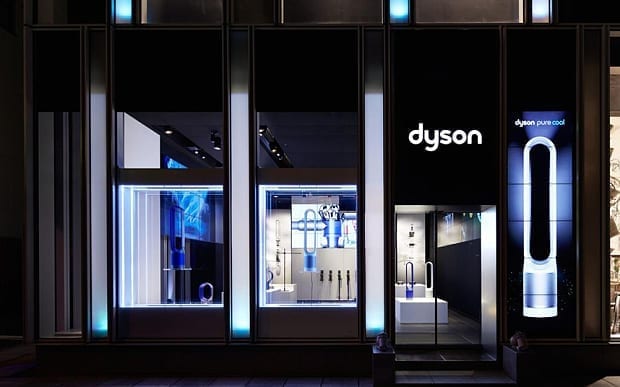
    UK company Dyson, known for its innovative vacuum cleaners and air purifiers, plans to open its own retail stores in India by the middle of next year.

    It has already sought permission from the Department of Industrial Policy and Promotion (DIPP) to import and sell products in India.

    “If we get the permit, we’ll set up middle of next year,” says founder James Dyson, in New Delhi for the India-UK Tech Summit.

    “Over the first five years, we’ll invest about £154 million [US$190.8 million] in India. Our investment will be in building infrastructure (retail), taxes (to the government), marketing and promotions.”

    India will be the 76th market for Dyson, which in its last overseas foray entered China three years ago.

    “India is an interesting market, but it may take time to develop – unlike China, which has emerged as the third-largest market for Dyson after the US and Japan,” says Dyson.

    Online portals

    The company’s plan is to set up a retail store in each of the top 20 cities in India, as well as selling through other retailers and online shopping portals.

    “Online helps our business,” Dyson says. “We sell through Amazon in some countries and may sell through Amazon in India as well.”

    The company will import products from Malaysia, Singapore and Philippines for the Indian market. Depending on volume, Dyson may look at making products in India after a few years.
    As well as vacuum cleaners, the company will also look at the beauty and hygiene market with hair dryers and hand dryers, as well as LED lighting products.

    Dyson is a family-owned technology company that employs more than 7000 people globally—a third of whom are engineers and scientists.

    “India produces 1.3 million engineers every year – that’s very exciting. We’ll look at working with Indian universities soon,” Dyson says. The company spends £5 million a week in research, design and development, and has more than 200 live technology projects and 50 active research programs with 40 universities around the world.

    Dyson’s revenue rose 26 per cent to £1.7 billion last year while profit increased 19 per cent to £448 million.

  • Canadian fund buying into Pavilion Dalian mall

    Canadian fund buying into Pavilion Dalian mall

    In a third investment deal in retail real estate in China within in two weeks, the Canadian Pension Plan Investment Board (CPPIB) has signed up to acquire a 40 per cent interest in the Pavilion Dalian shopping mall for $162 million.

    This takes the period’s spending to $684 million for Canada’s largest pension fund. Its latest acquisition is fully leased with the usual mix of local and international brands as well as international eateries.

    “Acquiring a stake in Pavilion Dalian is consistent with our real-estate strategy of investing in high-quality, well-located retail assets with leading partners” says CPPIB head of real-estate investments for Asia Jimmy Phua.

    CPPIB acquired its stake in the retail complex from Malaysia’s Pavilion Group, which opened the mall last year. The deal comes just 14 days after CPPIB put up $147 million for a 49 per cent stake inLongfor Properties’ West Paradise Walk. The six-level shopping mall in the western Chinese city of Chonqing had has a 99 per cent occupancy rate for the past two years.

    Also within the last fortnight, CPPIB invested more than $375 million for a 25 per cent stake in CapitaLand’s Raffles City China Investment Partners III fund. The $1.5 billion investment vehicle targets mixed-use developments in China’s gateway cities.

    A few years ago, CPPIB invested $202 million for a stake in Times Paradise Walk in Suzhou.

  • Richemont sales woes prompt radical response

    Richemont sales woes prompt radical response

    With Chinese shoppers buying fewer watches, Richemont sales continue to slide, prompting the luxury brand owner to announce uncharacteristically radical moves.

    While continuing to cull its store network, Richemont has axed its CEO role, placing more accountability in the roles of its brand executives.

    Richemont, which counts luxury timepiece brands Vacheron Constantin and IWC in its 35-strong portfolio, says trends are improving in Mainland China, Hong Kong and Macau. But with more of its portfolio in watches than rival corporate fashion groups LVMH and Kering, it is more exposed to current market trends and less resilient. Richemont also owns Cartier, Chloe, Dunhill, Giampiero Bodino, Jaeger-LeCoultre, Lancel, Montblanc, Officine Panerai, Piaget, Peter Millar, Purdey, Roger Dubuis, Shanghai Tang and Van Cleef & Arpels.

    Profits fell 43 per cent (including exchange rate effect) to €798 million for the six months to September, and the company has expressed its concern at overcapacity in the Swiss watchmaking industry. A large factor in the poor result was the €249 million buy-back and destruction of excess products to reduce overcapacity in the distribution chain.

    Sales were down by 13 per cent to €5.1 billion, but significantly this was led by Japan and Europe, rather than Hong Kong and Macau as in past reporting periods. Mainland Chinese buyers still played their part in the decline, however: fewer are visiting Europe due to concerns over terrorism, and the depreciation of the yuan has impacted on spending in Japan.

    The company closed 25 shops globally during the first half and another 25 are scheduled for closure by December 31. It did not reveal the locations of these stores.

    The end of the CEO post coincides with the retirement of outgoing chief Richard Lepeu and finance director Gary Saage. The company’s founder, South African-born Johann Rupert, will remain in the role of executive chairman and will take over supervising a group of division directors.

    Richemont has a reputation for managing for the long-term and resisting the sort of knee-jerk reactions typical among listed companies ever-concerned about satisfying shareholders.  “The significance of such a dramatic break with the past can’t be overstated,” observed an analyst with Bloomberg.

    “They indicate that it doesn’t expect conditions to get any easier any time soon, so it needs a fresh approach. It just might work. And it’s not as radical an idea as it might seem,” wrote columnist Andrea Felsted.

    She suggests the company may need to fix or divest underperforming brands

    “It also needs to control the cost base by addressing headcount, which it has already started to do, and slimming the store estate. The danger is that the new management structure is cumbersome, lacking cohesion, and is ripe for internal power struggles. Rupert will remain the constant, and is likely to take greater control as a result of the radical revamp. He says his role is that of ‘an arbiter of egos, akin to a soccer manager’.”