Tag: China

  • CityOn.Zhengzhou to open fully leased

    CityOn.Zhengzhou to open fully leased

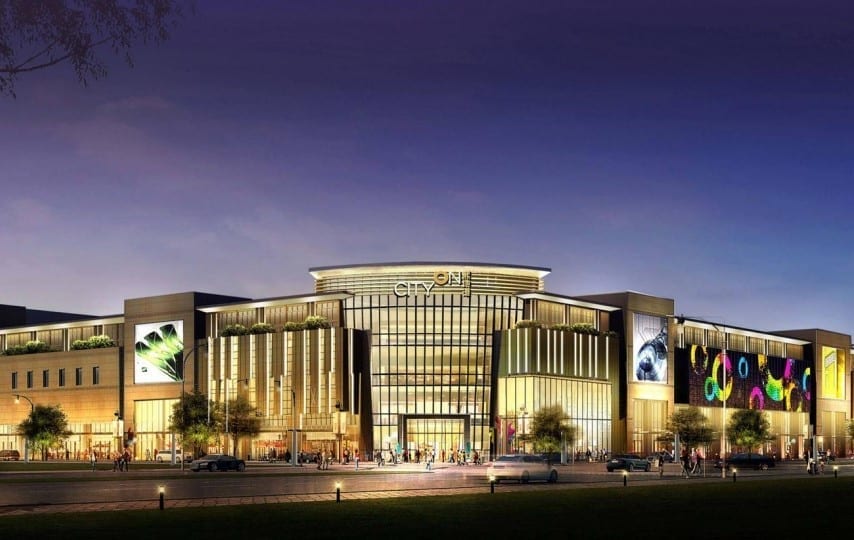
    Taubman Asia, a subsidiary of US shopping centre group Taubman Centers, and China’s Wangfujing Group, have announced the line-up of retailers for its CityOn.Zhengzhou mall in Henan province, set to open on March 16.

    When it opens, the centre will be 100 per cent leased and 90 per cent occupied with nearly 200 stores and restaurants. In the heart of Zhengdong New District, the six-level, 94,000 sqm shopping and dining destination will offer domestic, international and lifestyle brands from fast fashion to accessible luxury, anchored by a four-level Wangfujing department store.

    “We are thrilled to see our second China project coming to life in Zhengzhou,” says Taubman Asia president Rene Tremblay.

    Local, regional and international cuisine at all price points and in both seated restaurants and quick-serve formats will be a feature of the centre, which will also offer family-friendly experiential, educational and entertainment offerings.

    Many international brands will be making their central China debut at the centre, says Taubman Asia group VP Paul Wright.

    Outlets at the mall include…

    Fashion: Adidas, Ajidou, Basic House, Bershka, Charles & Keith, Columbia, Converse, Ecco, Five Plus, Forever 21, H&M, Innisfree, Jack & Jones, KIKC, Kipling, La Chapelle, Lee, Levi’s, Mango, Massimo Dutti, Miniso, Mishka, Mobi Garden, Nike, Pandora, Polo, Sand & Foam, Sephora, Skechers, Stradivarius, The North Face, Uniqlo, Vans, Vero Moda, Westlink and Zara.

    F&B/entertainment/kids/lifestyle/electronics: Acasia Food Village (featuring 14 food vendors), Benfu Sushi, Boat Noodle, Chatime, Chez Choux, Chicken Container, Coco, Dollar Shop, FrozenYo, GB Kids Station, Gong Cha, Grandma’s Kitchen, Guoguo Mutton Soup Restaurant, Guxiang No. 9 Catering, Hallmark Babies, Homao, Huawei, iSpace, La Chapelle Kids, Lenovo, MagicSalad, MM by Haircode, Mr Wish, NaughtyKids, New York Fries, Oscar CityOn Cinema, PapaBubble, Pizza Zone, Rbike, Siwuke Tea, Starbucks, Strawberry Forever, Subway, Teppanyaki Xiang, Toot Science, Udon & Tempura, Uncle, Wan Quan Bu Tong, Xiang Tian Xia Huo Guo, Xiao Liu Jia, Xiao Zhu Zhu Kao Rou, Xue Mi Da, Yang Xiang Dou Pi Shuan Niu Du, YuYuTo, ZBX Fresh Fish Hot Pot, Zheng Shi Yi and Zoo Steak.
  • Apple savvy brought to Xiao Guan Tea store

    Apple savvy brought to Xiao Guan Tea store

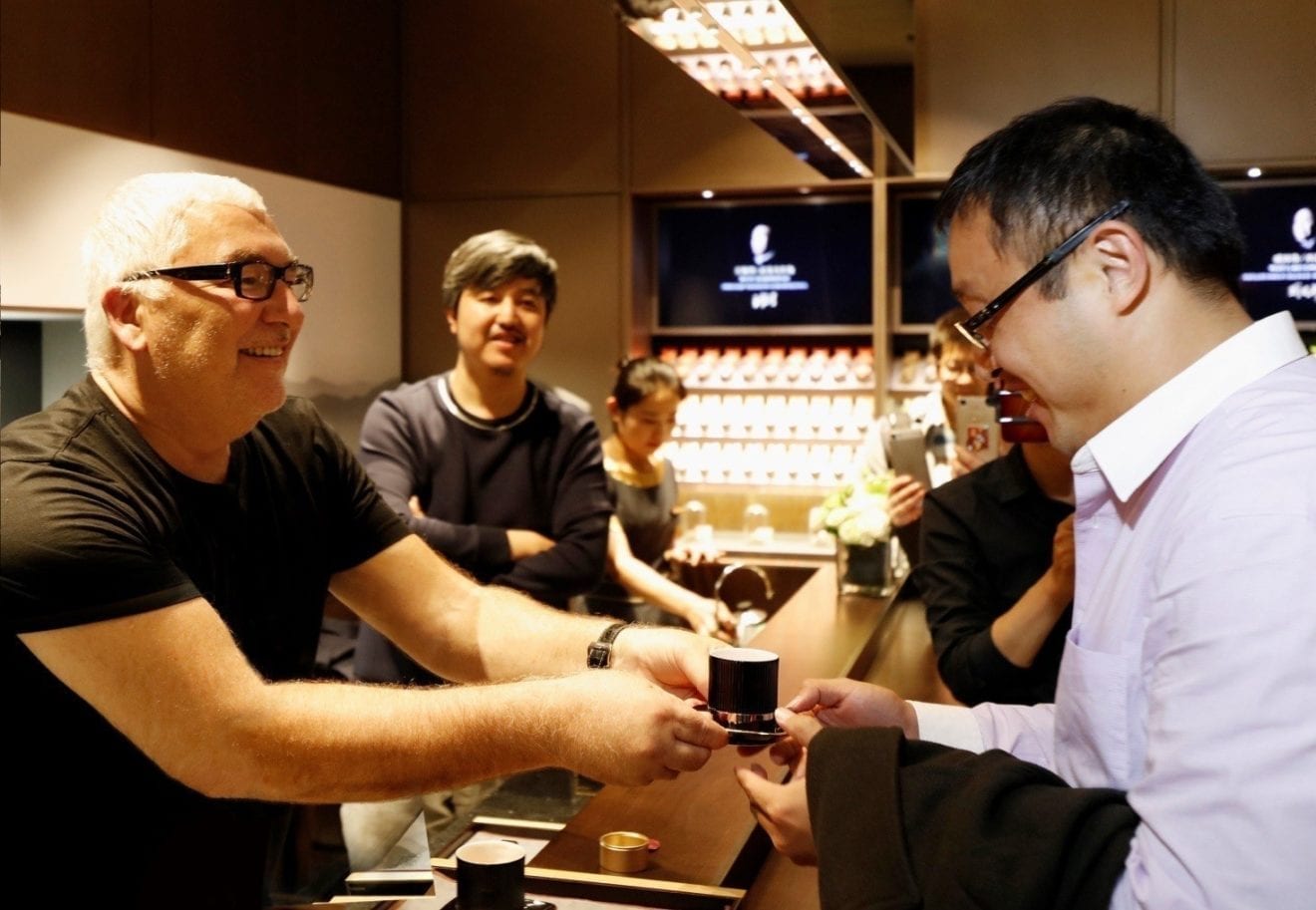
    Apple Store designer Tim Kobe was designer for the Xiao Guan Tea label’s first store, which has opened in Jinan, China.

    At the store’s grand opening, Kobe joined lead designer Jinjiang Yu, innovative experience consultant Shuo Tang and consumer experience director/company partner Hong Li about “Creating a new Chinese tea experience using the same philosophy as Apple Inc”.

    Xiao Guan Tea store 1

    Believing a traditional Chinese tea store would be too outdated for today’s young urban consumers, they analysed how concepts in store design integrate with the Chinese tea culture, proposing fresh ideas for both the tea and design industries.

    Accordingly, the Xiao Guan Tea Store sets about changing the Chinese consumer’s impression of a tea brand right from its entrance. Full-height revolving glass doors display teaware and the company’s specially designed tea capsules.

    Xiao Guan Tea store 2

    On arrival, customers enter the Tea Vault with individual displays for each type of tea, and the Tea Bar where they can sit and sample teas. There are introductory videos, and different varieties of tea leaves can be viewed inside vacuum glass containers.

    Once a customer has made a choice, a tea host places their tea capsules into a gift box.

    Xiao Guan is not just a tea shop or product display centre – it has been designed as a place where people can linger, similar to Apple’s retail philosophy. It approach was to invite eight tea masters, each representing a different style of tea, to create products with uniform quality standards, defined origin of raw materials, and limited picking time and preparation methods to ensure the freshness and authenticity of each leaf.

    Xiao Guan Tea store 3

    Also, the company invited a Japanese master engineer to design an aluminium pod for individual tea brewing.

    All this preparation took two years, the result being not only a new brand but also a more convenient and simple way for people to enjoy tea.

    “With precise product positioning plus advanced marketing strategy, Xiao Guan Tea has created an innovative consumer experience which is very different from the traditional tea industry,” says marketing director Jiang Mei.

    “Chinese tea has always been portrayed with traditional images. We have broken the traditional approach to tea selling with a new brewing method and by creating a brand experience.”

    Photo: Wei Xuliang

  • Art feature of Gentle Monster flagship

    Art feature of Gentle Monster flagship

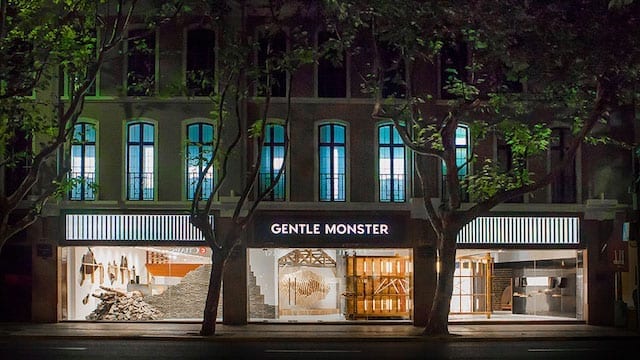
    Luxury eyewear brand Gentle Monster from South Korea has opened a flagship store, The Artisan, in Shanghai.

    It is on a tree-lined stretch of Huaihai Zhong Lu, an artery road in the former French Concession.

    Gentle Monster flagship - Shanghai 8

    Gentle Monster has opened several flagship stores in the past two years, in Seoul, Beijing, Hong Kong and New York City.

    Supervised by creative director Hankook Kim, the design concept for the store is loosely inspired by an artisan’s workshop, and features several rooms each with a distinctly different design. The settings are either functional or experiential, but always feature specially designed fixtures and furnishings to give each flagship store an individual touch.

    Gentle Monster flagship - Shanghai 1

    Looking more like an art gallery than an eyewear shop, it includes kinetic art that produces sound, with a multi-layered entrance.

    A feature is a motorised installment of wood and metal, appropriately named Sound Wave, that produces a repetitive dull sound with its flowing movement.

    Gentle Monster flagship - Shanghai 6

    Gentle Monster flagship - Shanghai 5With a distressed wall, the Carpenter Artisan space holds a tree trunk on its side, its top resting on a pile of bricks from a broken wall. It is dissected by metal boxes, and expresses the process of crafting via a gradual transition from tree to lumbar. Other features include a fanned “stairway” of plans, a table full of wood shavings and timber “artworks”.

    Gentle Monster flagship - Shanghai 2

    Gentle Monster flagship - Shanghai 4

    Behind the entrance ceiling light is a triangular wooden roof structure, formerly supported by the bricks that now lay under the tree in the wooden artisan space. It expresses the passion of artisans and their willingness to deconstruct and tear down in order to create something new.

    Gentle Monster flagship - Shanghai 7

    With two circular rooms, the Metal Atelier of Artisan space features lines flowing in from the stairs and the black walls, expressing the processing of metal. The larger room shows raw metal with repetitive images of pipes, while the smaller room displays polished and machined metal.

    Gentle Monster flagship - Shanghai 9

    To highlight the contrast between metal and wood, an installation inspired by the intangible sounds on the first floor features vertical boards on a stairway, indicating crafts flowing through the corridors and representing the resting mind of a troubled artisan.

    gentle-monster

    Amid all this, the Shanghai store displays the brand’s full range of prescription eyewear and sunglasses, as well as collaboration models with brands such as Hood by Air, Opening Ceremony and Six Lee.

  • Alibaba momentum builds ahead of Singles Day

    Alibaba momentum builds ahead of Singles Day

    Despite its already significant scale, Alibaba continues to grow rapidly, thanks in part to its acquisitions of Chinese video site Youku Tudou and e-commerce business Lazada. Much like Amazon, the e-marketplace’s success this quarter was tethered by strong support from its cloud computing operations, which increased 130% year-over-year to RMB1,493 million (US $224 million).

    “Beyond the strong performance of our core commerce business, we are pleased with the continued rapid growth of our cloud computing business,” Alibaba Group CEO Daniel Zhang said in a statement. “We also see huge potential in our newly integrated digital media and entertainment unit. By combining engaging online experiences with highly relevant content, we delivered impressive financial and operational results in the quarter across the company.”

    The company said it will continue with acquisitions that it believes will contribute to its growth, and Alibaba Group executive vice chairman Joe Tsai told investors that Alibaba’s patience with such companies will eventually pay off, according to Alibaba spokesperson Erica Matthews. Alibaba’s investment in Lazada, and Lazada’s reported acquisition of RedMart, is part and parcel of that strategy.

    “The investment cycle for incubating businesses that eventually become massive value drivers can take seven to 10 years,” Matthews said. “This is a pattern that was repeated with Taobao, Alipay and Alibaba Cloud, all of which were developed organically in-house. We believe Alibaba’s ability to remain patient and invest with a long-term view is a huge competitive advantage.”

    The conglomerate’s strong quarterly results come just ahead of its blockbuster Singles Day event. While the online shopping bonanza won’t take place until Nov. 11, the e-commerce goliath rolled out deals three weeks early, much in the same way that retailers like Amazon have launched early Black Friday promotions well ahead of the holiday.

  • Virtual cosmetics counters are the future

    Virtual cosmetics counters are the future

    oon it be much easier to find the perfect lipstick colour and sunglasses to match your face shape, and the best part is you won’t even have to leave home.

    China is on the cusp of a major shake-up in online shopping technology to makes the virtual change room and cosmetics counter a reality.

    Gone will be the days of buying the wrong colour or style of clothing, accessories or make-up and by the hassle of posting back returns.

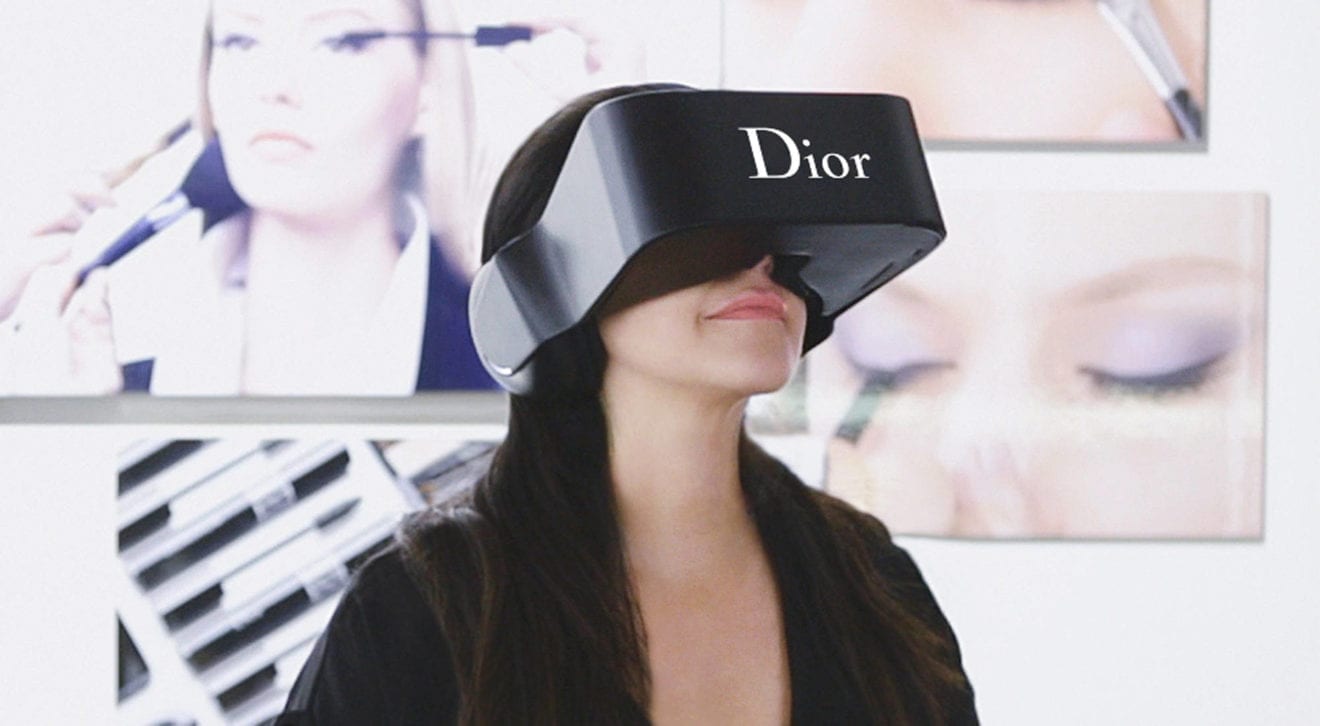
    At the Shanghai Zizhu entrepreneurial incubator, Olivia Wan demonstrates how online video technology can allow customers to choose sunglasses and experiment with different lippy shades.

    Purple, pink and red lip colours, flash across the video footage of shoppers standing in front of the screen.

    On another screen, the technology measures the faces of shoppers and suggests styles of glasses.

    In China, there’s insatiable appetite for shopping.

    In some cities such as Shanghai, which have populations equivalent of Australia crammed into one metropolitan area, the sardine factor of malls and shopping strips is high.

    “With the use of technology we want to make people more beautiful,” Wan, Shanghai Beauty Face Internet Technology Company chief operating officer, told AAP through a interpreter.

    According to global consulting firm McKinsey and Company, China’s online retail market is the world’s largest with an estimated $US630 billion ($A830 billion) in sales in 2015.

    The online market is 80 per cent bigger than the US and accounts for 13.5 per cent of all spending.

    Meanwhile, in the high-tech zone of neighbouring city Hangzhou, a visit to the display room of HIK Vision, a leading camera and surveillance company, is almost like being on the set of the US mystery drama CSI: Crime Scene Investigation.

    The potential of some of the gadgets is slightly unnerving but staff insist they just create the products and its completely up to customers how they is used.

    In one corner a screen shows footage of people on bikes, in cars and pedestrians. Other boxes reveal their gender, height, estimated age, whether they are wearing seat belts, carrying bags and car number plates.

    In the post September 11 security conscious climate, governments are likely to be big customers.

    The company has supplied surveillance technology for events such as Olympic Games, Soccer World Cups and global leaders summits.

    Another display terminal shows an intricate revolving sphere of people’s faces and their email trails.

    *The reporter travelled to China on a delegation hosted by the Chinese People’s Institute of Foreign Affairs.

  • Guangzhou Auto raising up to $2.2 bln in green car, proprietary brand push

    Guangzhou Auto raising up to $2.2 bln in green car, proprietary brand push

    China’s sixth-largest car maker by sales, Guangzhou Automobile Group (GAC Group) , plans to sell up to 15 billion yuan ($2.2 billion) worth of shares to fund development of its green car business, proprietary brands and factories, the firm said late on Monday.

    Chinese automakers have invested billions in developing electric and petrol-electric hybrid vehicles at the direction of the government, which sees green cars as a way to leapfrog global competitors more experienced in traditional petrol engines while also cutting heavy pollution.

    Five investors involved in the private placement of GAC Group A-shares are mainly controlled by the government in the southern metropolis of Guangzhou, Thomson Reuters’ IFR reported on Tuesday.

    The automaker, like most domestic peers, is a state-owned enterprise.

    GAC Group said in an exchange filing that the proceeds would be used in 10 projects, with nearly a third of the funds to be spent on research and development of green energy cars and other technology.

    Other projects include factory expansion and improvement and developing a host of new models for its GAC Motor brand.

    The automaker’s Shanghai-listed shares jumped 9.6 percent after resuming trading on Tuesday, closing the session up 6 percent. Trading had been halted on Oct. 18 pending the announcement.

    The newly issued shares account for roughly 10 percent of the automaker’s outstanding stock.

    In addition to making cars under a wholly owned brand, GAC Group also makes vehicles through joint ventures with Toyota Motor Corp, Honda Motor Co Ltd and Fiat Chrysler Automobiles NV.

  • Honda raises profit forecast on strong China sales

    Honda raises profit forecast on strong China sales

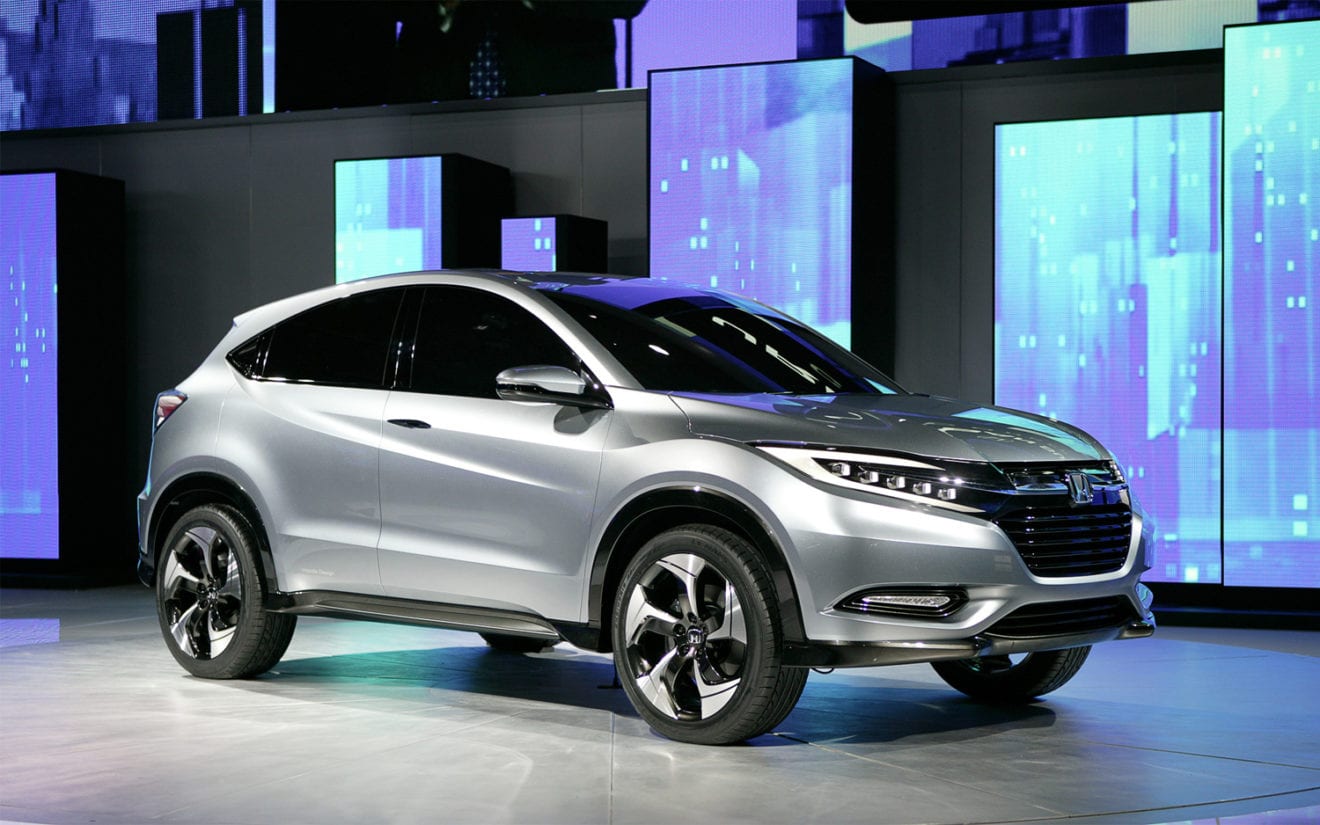
    Honda Motor Co lifted its full-year net profit forecast by 6 percent, betting that Chinese customers will keep buying its XR-V and Vezel SUVs and the popular Civic sedan after robust demand there boosted Asian sales sharply in the latest quarter.

    Japan’s third-largest automaker by sales said on Monday it expects full-year net profit to hit 415 billion yen ($3.95 billion), compared to its previous forecast of 390 billion yen. Honda upgraded its global sales forecast to reflect strong demand in China, the world’s biggest auto market and the company’s second largest.

    It also expects cost cuts and lower quality-related costs to offset the impact of a stronger currency and lift its bottomline this year, after taking a hit last year due to hefty provisions for costs to recall Takata (7312.T) air bag inflators.

    Strong demand in growing cities has pushed Honda’s Chinese sales up 26 percent higher year-on-year to 872,000 in the first nine months of 2016, boosted by a near doubling in sales for the Civic, which underwent a model change this year.

    This prompted it to lift the forecast for group vehicle sales in Asia by 11 percent on the year to 1.915 million for the year ending in March 2017, after overall Asian sales rose 22 percent on the year in the second quarter.

    As a result, it sees global sales rising by 5 percent from last year to 4.98 million cars.

    “We’re seeing a positive impact from our new models. The Civic is doing very well in North America, China, and South America,” Honda Executive Vice President Seiji Kuraishi told reporters at a briefing, adding that strong demand for the XR-V compact SUV crossover was also lifting Chinese sales.

    To keep up with rapidly growing demand for its sedans and SUVs in China, Honda is planning to build a new factory in the country with partner Dongfeng Motor Group Co (0489.HK), two people familiar with the matter told Reuters earlier this month.

    Honda sells roughly 40 percent of its global production in North America, but as growing demand in China drives Asian sales higher, the automaker expects sales in the two regions to be roughly the same this year.

    Despite the rosier profit outlook, Honda’s new profit forecast remains lower than the average 482 billion yen profit expected by 21 analysts polled by Thomson Reuters, and Honda said that its conservative outlook was largely due to global uncertainties.

    “At the moment we see uncertainties related to the U.S. elections, Brexit and a weaker sterling, and in Asia, the outlook for Thailand after the death of the country’s monarch,” Kuraishi said.

    “We haven’t seen the impact of these factors yet, but we’re taking a cautious approach to our forecasts.”

    Honda operates a plant in Britain, producing around 140,000 vehicles per year, including the CR-V crossover SUV and Civic sedan at its plant in Swindon. Half of its production is exported to the EU.

    Kuraishi said that the automaker had no plans at the moment to shift its production away from Britain, adding that it would consider factors including the value of sterling and the likely introduction of tariffs when deciding its future in the country.

    Honda is assuming an average rate of 103 yen to a dollar for the current year, against its earlier forecast of 105 yen.

  • DFS Group, will launch the eighth annual Masters of Time exhibition on December 3

    DFS Group, will launch the eighth annual Masters of Time exhibition on December 3

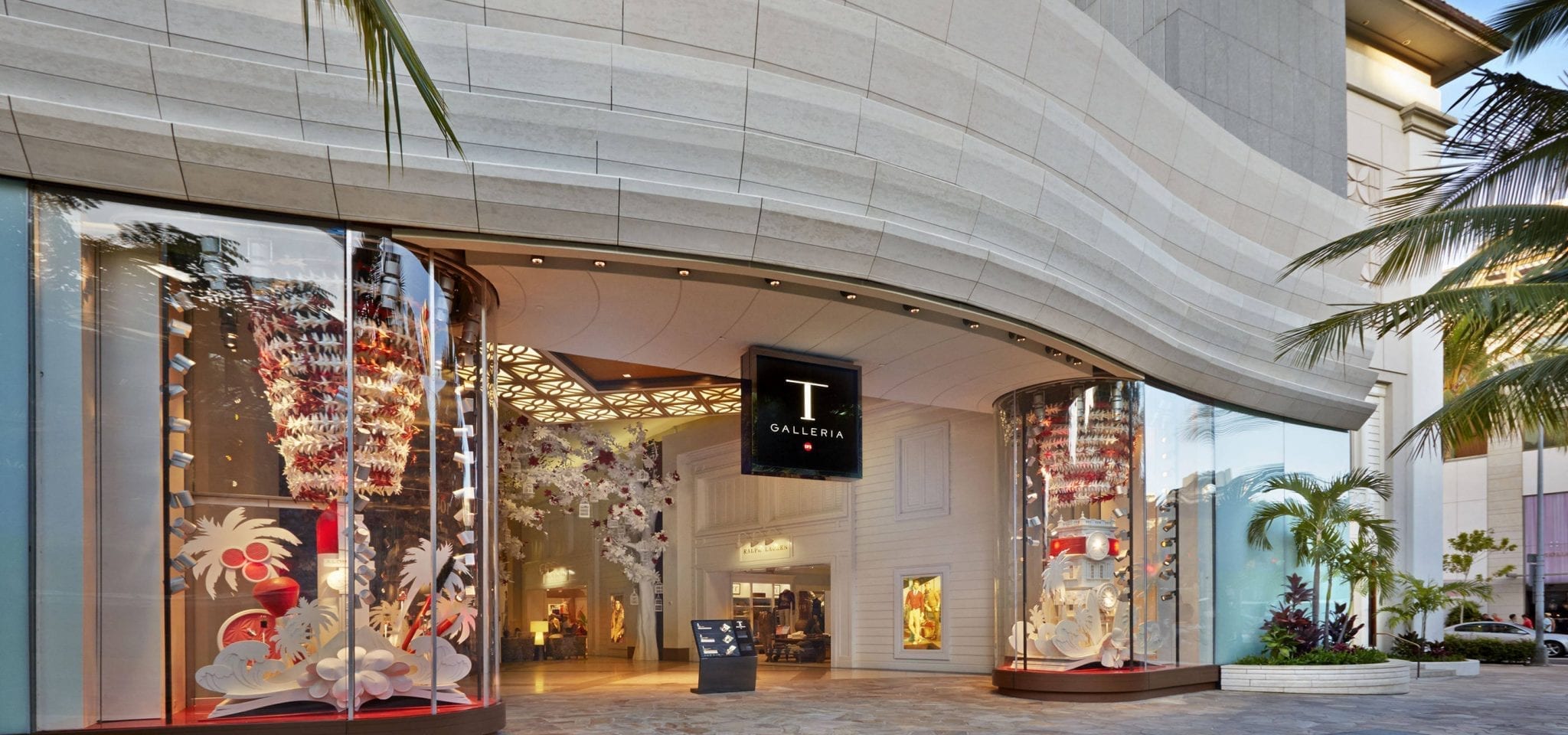
    DFS Group, the world’s leading luxury travel retailer, will launch the eighth annual Masters of Time exhibition on December 3, 2016 with a gala event at T Galleria by DFS, Macau in partnership with Shoppes at Four Seasons. Widely recognized as the world’s leading retail exhibition of fine watches and jewelry, this year’s Masters of Time event embraces the theme of relationships and is inspired by the close bonds that inspire collectors when building their watch collections.

    By recognizing the significant life moments that are often commemorated through purchasing a timepiece, and understanding the thought process that accompanies the selection of a new watch, DFS Group becomes a part of every watch’s story. The relationships between luxury retailers and their prestigious clientele, between a customer and their timepiece, are all explored throughout the program. The exclusive exhibition of over 400 pieces from 27 brands will be shown in store at T Galleria by DFS and available for purchase until February 28, 2017.

    This year DFS expands the experience to members of the public as, in addition to the prestigious gala event, they will be able to experience and enjoy a wide array of activations. TAG Heuer will offer a virtual reality experience from August to December; the Franck Muller flagship boutique opens at the end of November; Girard Perregaux celebrates its 225th anniversary with an exhibition during December; and Bulgari will house the Finissimo Minute Repeater exhibition with experiential and educational activities from November to February 2017. Cartier will celebrate the concept of time with a showcase of some of the maison’s most exceptional creations from the high watchmaking and high jewelry worlds.

    “For over 500 years, the watchmaking industry and its craftsmen have worked to encapsulate time in the form of a watch. This year’s Masters of Time not only celebrates the relationship between man and machine, but also the pivotal moments and relationships in life we all seek to commemorate. We’re thrilled to once again host the world’s top collectors and explore  those relationships and the meaning behind these precious pieces, and of course to take a privileged first look at this exceptional Masters of Time collection,” said Philippe Schaus, DFS Group Chairman and Chief Executive Officer.

    Christophe Chaix, DFS Group Senior Vice President Fashion, Watches, Jewelry and Accessories, added, “This year’s Master of Time exhibition showcases an exclusive range of luxury watches and fine jewelry that perfectly epitomizes the latest and most cutting-edge innovations and designs in watchmaking. Through our partnerships with the world’s leading watch and fine jewelry brands, we are able to curate a truly unique and unparalleled exhibition and provide our loyal customers with an unmissable opportunity to build their collection with DFS.”

    2016 DFS MASTERS OF TIME COLLECTION

    This year’s exhibition includes exclusive pieces from brands including: Arnold & Son; Angelus; Blancpain; Breguet; Bulgari; Cartier; Chopard; Franck Muller; Girard-Perregaux; Glashütte Original; Hautlence; H. Moser & Cie; Hermès; Hublot; IWC Schaffhausen; Jaeger-LeCoultre; Jaquet Droz; Manufacture Royale; Officine Panerai; Omega; Piaget; Roger Dubuis; Speake Marin; Tiffany & Co.; Vacheron Constantin; Van Cleef & Arpels; Zenith and more. 

    Highlights include:

    • Breguet’s Tradition Independent Chronograph 7077
    • Bulgari’s Octo Finissimo Répétition Minutes
    • Cartier’s Panther High Jewelry Watch with two panther heads decor
    • Girard-Perregaux’s La Esmeralda Tourbillon
    • Glashütte Original’s Senator Excellence
    • Hautlence’s Labyrinth
    • Moser & Cie’s Swiss Alp Watch S.
    • Jacquet Droz’s Petite Heure Minute Thousand Year Lights
    • Jaeger-LeCoultre’s Rendez-vous Moon
    • Roger Dubuis’ Blossom Velvet Blue
    • Vacheron Constantin’s Overseas World Time
    • Van Cleef & Arpels’ Jour Nuit Fée Ondine
    • Zenith’s Heritage Pilot Ton-Up 

    DFS Masters of Time is part of the DFS Masters Series, a signature program of exhibitions that also includes Masters of Wines and Spirits that takes place in Singapore. The Masters Series is a showcase of the pinnacle of DFS’ leadership and innovation in curating and creating exceptional experiences across its five pillars of luxury: Wines and Spirits, Beauty and Fragrances, Watches and Jewelry, Fashion and Accessories, and Food and Gifts.

  • Football Club Barcelona to Launch Exclusive Store on JD.com

    Football Club Barcelona to Launch Exclusive Store on JD.com

    JD.com (Nasdaq:JD), China’s largest e-commerce company by revenue, and FC Barcelona, one of the world’s most popular football clubs, today announced the launch of the FC Barcelona Flagship Store on JD.com’s cross-border e-commerce platform, JD Worldwide. The exclusive store, FC Barcelona’s first store on a Chinese e-commerce platform, will offer a wide selection of authentic merchandise to the millions of FC Barcelona fans around China.

    FC Barcelona Flagship Store on JD.com
    FC Barcelona Flagship Store on JD.com

    FC Barcelona’s store on JD.com will feature a selection of official and authentic FC Barcelona merchandise from the world-famous club, including football kits, training gear, accessories and others. It will also feature special branded shirts from some of the club’s players, including Lionel Messi, Luis Suarez, Neymar, Andrés Iniesta and Gerard Piqué.

    “Fans of FC Barcelona from across China are getting an early Singles Day present with the launch of this store,” said Ting Qi, General Manager of JD Worldwide. “FC Barcelona is one of the best-known brands in global sports and we look forward to working with them to grow that position in China.”

    The FC Barcelona store on JD.com builds on the success of the club’s retail partnership with the Hong Kong-headquartered EZshopnet International Limited, which specializes in football e-commerce.

  • Alibaba tipped to record solid quarterly revenue growth

    Alibaba tipped to record solid quarterly revenue growth

    Alibaba Group Holding, the world’s largest e-commerce company, is expected to report another strong quarter of sales in the three months to September 30, as its preparations intensify for the Singles’ Day online shopping festival next week.

    Analysts estimated New York-listed Alibaba’s total second-quarter revenue for its fiscal year that ends March would increase about 50 per cent year on year.

    “We model total revenue to grow 51.7 per cent to 33.64 billion yuan (HK$38.55 billion) versus [market analysts’] consensus estimate of 33.94 billion yuan,” Alicia Yap, the head of regional internet research at Citi Research, said in a report published ahead of Alibaba’s earnings announcement on Wednesday.

    Yap estimated Alibaba’s gross merchandise volume, the total amount of goods sold through the company’s vast online retail platforms, to have grown 22 per cent year on year to 872 billion yuan in the past quarter.

    Citi maintains a “buy” rating on Alibaba shares, and has raised its target price to US$133, up from the previous US$112.

    In an open letter to shareholders early this month, Alibaba chief executive Daniel Zhang Yong said: “During fiscal year 2016, our China retail marketplaces reached a historical milestone when annual gross merchandise volume transaction surpassed 3 trillion yuan, making Alibaba Group the largest retail ecosystem in the world.”

    In the three months to June, Alibaba reported a 59 per cent year on year jump in revenue to 32.15 billion yuan. The gross merchandise volume transacted on its China retail platforms rose 24 per cent to 837 billion yuan.

    Alibaba, which owns the South China Morning Post, runs four business segments – core commerce, cloud computing, digital media and entertainment, and innovation initiatives.

    Citi estimated Alibaba’s revenue from its core commerce business would reach 28.18 billion yuan in the quarter to September, up from 27.24 billion yuan in the quarter to June.

    That segment comprises the China and international online marketplaces operating in retail and wholesale commerce, including Taobao Marketplace, Tmall.com, Juhuasuan, 1688.com, AliExpress and Lazada.

    Citi predicted Alibaba’s cloud computing revenue would reach 1.56 billion yuan in the three months to September. Led by subsidiary Alibaba Cloud, it had revenue of 1.24 billion yuan in the quarter to June.

    Digital media and entertainment revenue was estimated by Citi to have reached 3.35 billion yuan in the past quarter. This segment, which includes UCWeb and Youku Tudou, had revenue of 3.13 billion yuan in the June quarter

    Alibaba’s innovation initiatives segment was forecast by Citi to have posted revenue of 550 million yuan in the three months to September, compared with 535 million yuan in the June quarter. This segment includes the YunOS mobile operating system and web mapping and navigation software AutoNavi.

    We want to offer a large variety of daily necessities to the city’s consumers

    Daniel Zhang Yong, Alibaba chief executive

    Last week, Alibaba said its introduction of the Singles’ Day shopping extravaganza and the Tmall.hk platform to Hong Kong would ramp up e-commerce services outside the mainland.

    “We want to offer a large variety of daily necessities to the city’s consumers,” Zhang said at the launch of Alibaba’s 11.11 Global Shopping Festival in Hong Kong.

    That kicked off a flurry of activities ahead of Singles’ Day, an annual event held on November 11 that will see billions of dollars of goods transacted on Alibaba’s online retail platforms within 24 hours, making it the world’s biggest online shopping event.

    At last year’s 11.11 festival, Alibaba posted a 60 per cent year on year increase in gross merchandise volume to 91.2 billion yuan.

    Daiwa Capital Markets analyst John Choi said in a report that sentiment on Alibaba was positive as “most investors now seem to have a better understanding of Alibaba’s ecosystem”. Daiwa has a “buy” rating on Alibaba.

  • Probe of millennial consumers’ shopping preferences

    Probe of millennial consumers’ shopping preferences

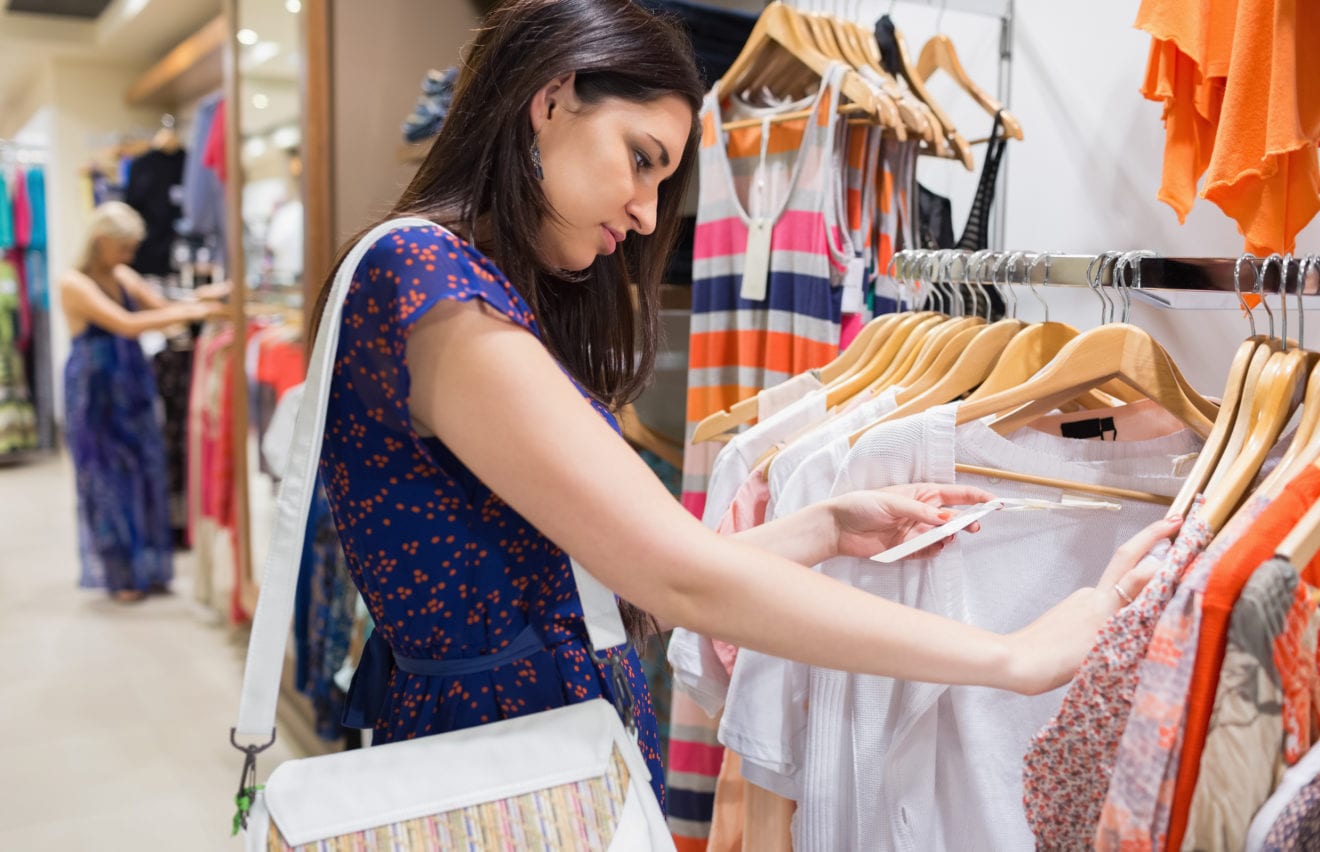
    While Asia Pacific millennial consumers shop online, only physical stores and particularly shopping centres give them the experiences and social elements they want, says a new report.

    Millennials shop online an average of 4.7 days a month, but visit shopping centres an average of three days a month for other reasons apart from buying, such as dining out, banking and visiting exhibitions.

    However, slower economic growth and a desire to save money for buying a home may inhibit spending on leisure activities, suggests research by commercial property adviser CBRE Research. Its inaugural Asia Pacific Millennials: Shaping the Future of Real Estate report says this emerging “superclass” demographic actually has similar long-term lifestyle priorities with other generations despite being more likely to spend their time and money on leisure activities and experiences like travel, entertainment and dining than previous generations.

    “In order to leverage on millennials’ spending habits, retailers are recommended to increase the experience-based element of their offering and focus on providing an environment for visitors to socialise and relax,” says CBRE Asia Pacific head of research Dr Henry Chin.

    As well as increasing F&B, cinema and entertainment elements in their shopping malls, retail landlords should consider organising more live events to attract millennials, he says, warning that they should also carefully manage their tenant mix to ensure they still cater to other generations.

    The millennials report is based on a global survey by CBRE Research last December. It covered 13,000 people between 22 and 29 years old to examine how they live, work and play, and what this means for real estate.

    For the Asia Pacific region, the report involved 5000 respondents evenly representing Australia, China, Hong Kong, India and Japan. The survey also explored differences between millennials of different gender, employment status, marital status, education and income.

    Inaccurate perceptions

    It found that perceptions of millennials as preferring informal employment, changing jobs regularly and avoiding financial responsibility are inaccurate in the region. Consistent with previous generations, most millennials were found to be spending prudently in order to save money to buy a home.

    While this demographic aspires to carve out a stable career, the report finds that it does take into account factors such as office design when choosing an employer, with 71 per cent of respondents willing to give up other benefits for a better office environment.

    Millennials are also increasingly demanding the freedom to work anywhere, anytime—more than 60 per cent in Asia Pacific want flexibility and mobility for their career.

    Job loyalty is also stronger than perceived, with two-thirds expecting to work for the same company, or for a small number of companies, throughout their career.

    Almost two-thirds of the region’s millennials still live with their family because of both cultural practices and financial factors. In most major markets surveyed, the high cost of residential property is providing challenges for millennials.

    While 65 per cent of respondents said they plan to buy property in the future, 63 per cent said they are forced into renting as they are unable to buy.

    “The millennial demographic in Asia Pacific is a game-changer for businesses across the board. Their life, work and play priorities and habits will shape economics, redefine opinions on workplace design and functionality, and drive new attitudes toward consumption and experience for the foreseeable future, ” says CBRE Asia Pacific CEO Steve Swerdlow.

  • Kering sales soar – even in China

    Kering sales soar – even in China

    Luxury goods and apparel giant Kering has reported a 10.5 per cent global rise in revenues in the latest quarter, with luxury sales up 11.3 per cent and sports and lifestyle brands up 9.3 per cent.

    Most significantly, at a time its peers are battling falling sales in Hong Kong, Macau and some brands even in Mainland China, Kering seems to have experienced respectable results in those core markets.

    Paris-based Kering’s brands range from luxury labels Gucci, Bottega Veneta and Yves Saint Laurent through to lifestyle brand Puma. The company says sales in directly operated luxury stores enjoyed double-digit growth across all geographic regions excluding Japan, with strong growth of 24 per cent in Asia-Pacific, a very steady 17 per cent increase in North America and an “extremely good performance” in Western Europe, which expanded by 12 per cent.

    “In a complex environment, we stepped up the pace of revenue growth and continued to gain market share,” said Francois-Henri Pinault, chairman and CEO. “Thanks to the creativity of our brands and the outstanding customer experience they offer, we achieved double-digit increases across all geographic regions excluding Japan.

    “We have laid the foundations for steady, sustainable growth, and are highly confident about the full year.”

    Kering’s headline brand Gucci achieved a sales increase of 17 per cent, while Yves Saint Laurent sales soared 33.9 per cent, both gaining market share from rivals. Sales were up sharply across all product categories and regions, excluding Japan, where market conditions were lacklustre for the sector as a whole. Gucci sales in directly operated stores rose by 19 per cent. Sales from Gucci’s e-commerce website increased by more than 50 per cent during the quarter.

    Overall, Kering’s luxury activities generated €2.115 billion in revenue during the period, the 11.3 per cent same-store growth its fastest quarterly figure in three years.

    But at Bottega Veneta, third-quarter sales were again impacted by slower tourism, particularly in the mature markets of Western Europe and Japan. Revenue was down 10.9 per cent on a comparable basis.

    Here, Hong Kong’s luxury retail decline impacted on the brand, the company said, without divulging figures: “While sales in directly operated stores were lower in the quarter, they delivered a slight improvement compared to the second-quarter trend thanks to resilient sales to local customers in Europe and growth across all main markets in Asia Pacific, with the exception of Hong Kong.”

    Puma’s leap

    Puma’s 10.8 per cent same-store sales leap was the result of the brand building on innovative products and renewed appeal, Kering said. Shoes performed particularly well, posting 17 per cent growth, fuelled by the success of new models such as Ignite, Fierce and Fenty. Revenue from apparel was up a solid 10 per cent.

    “With the exception of Japan, Puma achieved double-digit growth across all geographic regions, enjoying strong performances in Europe and the Americas, and sustained expansion in Mainland China.”

    Kering has an ensemble of luxury fashion, leather goods, jewellery and watch brands: Gucci, Bottega Veneta, Saint Laurent, Alexander McQueen, Balenciaga, Brioni, Christopher Kane, McQ, Stella McCartney, Tomas Maier, Boucheron, Dodo, Girard-Perregaux, Pomellato, Qeelin and Ulysse Nardin.

    Kering also has the sports & lifestyle brands Puma, Volcom and Cobra. The group generated revenues of more than €11.5 billion in 2015 and had more than 38,000 employees at year end.

  • Chinese automaker BYD forecasts up to 84 percent profit rise for 2016

    Chinese automaker BYD forecasts up to 84 percent profit rise for 2016

    Chinese automaker BYD Co Ltd, backed by Warren Buffett’s Berkshire Hathaway, on Sunday said 2016 full-year profit was likely to rise as much as 84.17 percent, as rapid growth of the green car market eases.

    The Shenzhen-based manufacturer, which has invested heavily in making electric and hybrid petrol-electric vehicles, forecast a 77.09 percent to 84.17 percent increase in net profit for the year, at 5.0 billion yuan ($737.90 million) to 5.2 billion yuan.

    For the first nine months of 2016, BYD reported 3.66 billion yuan in profit, an 86.82 percent increase year-on-year. That compared with the automaker’s forecast in August of 83 percent to 91 percent for the period.

    BYD reported triple-digit profit growth for the previous four quarters. But its earnings expansion in the first nine months of 2016 slipped below 100 percent as the overall market for green-energy vehicles moderates after government support helped it quadruple last year.

    Overall sales of electric and plug-in hybrids in China totaled 289,000 vehicles in January-September, according to China’s automakers association, far from its target of 700,000 vehicles for 2016. An association official said Friday that sales were now likely to miss that target.

    Analysts said China may struggle to meet that target following the revelation that dozens of companies had been cheating the subsidy system.

  • McDonald’s Korea sale collapses

    McDonald’s Korea sale collapses

    And in the simultaneous divestment process for the 20-year McDonald’s China franchise rights, TPG Capital has reportedly withdrawn leaving two rival private equity firms in the race – Bain Capital and Carlyle Group – competing with two Chinese companies previously reported to be in the negotiations: retailer Wumart Stores and Sanpower Group.

    With Maeil Dairies Industry Co dropping out of the running for McDonald’s Korea, that sale process seems at best stalled.

    McDonald’s, which directly manages about 400 stores in South Korea, has been looking for local partners to run the Korean outlets as franchise stores that pay annual commissions instead. The deal initially drew interests from several investors, including CJ and NHN Entertainment, but they have nixed their plans.

    Maeil Dairies had formed a consortium with Carlyle Group, but pulled out after failing to agree on terms of contract, industry sources familiar with the matter told the Yonhap news agency.

    “We can’t verify the specific details as McDonald’s headquarters office is in charge of the bidding process, but the sales process is still under way,” an official at McDonald’s Korea said, without elaborating on the deal.

    Meanwhile, in China, TPG’s withdrawal was confirmed overnight by unidentified sources close to the matter and reported by several news networks.

    Carlyle Group has partnered with Citic Group and Bain with GreenTree Hospitality, a hotel group.

    McDonald’s is seeking as much as $3 billion for the China rights, which come with a 10-year expansion option.

    There are about 2400 McDonald’s restaurants in China and Hong Kong and the US company wants its master franchisee to expand that network rapidly to compete with rival Yum! China’s expansion plans.

    The ongoing presence of private equity bidders in the process is surprising, because McDonald’s has made it clear it is seeking a long-term partner rather than private equity firms, which typically cash out after a few years.

  • Huawei to launch NB-IoT solution in early 2017

    Huawei to launch NB-IoT solution in early 2017

    Huawei has revealed plans to commercialize its end-to-end narrowband IoT solution early next year, to help operators expand their IoT services into new markets.

    The vendor plans to release the world’s first 3GPP standards-based NB-IoT commercial system-on-a-chip, Boudica, that can be deployed with the Huawei LightOS operating system.

    Huawei has meanwhile unveiled SoftRadio, a software suite to help developers access NB-IoT open labs via the internet.

    The solution will also involve eNodeB base stations, an IoT packet core supporting flexible deployment of Core in a Box and NFV, as well as a cloud-based IoT connection management platform with big data capabilities.

    The converged NB-IoT offering will be tested in a large commercial trial this quarter before being released to the market in early 2017.

    “NB-IoT has unique advantages in supporting IoT applications. Huawei will help carriers accelerate the commercial adoption of NB-IoT and the maturing of the industry chain,” Huawei VP of marketing and solutions Jiang Wangcheng said.

    “The IoT project and the success achieved so far fully demonstrate this commitment of ours.”

    Huawei’s launch plans were announced at the Huawei eco-CONNECT Europe 2016 conference held in Paris last week.