Tag: China

  • BMW recalling 154,472 vehicles over fuel pumps

    BMW recalling 154,472 vehicles over fuel pumps

    BMW is recalling 154,472 vehicles registered in the United States and Canada for a fuel pump problem that could cause stalling, according to a filing with U.S. safety regulators and BMW.

    BMW told regulators that no injuries have been reported. Since 2014, the German-based company has conducted safety recall campaigns in China, Japan and South Korea for the same issue, according to a filing posted on Friday by the U.S. National Highway Traffic Safety Administration.

    Of the vehicles recalled in North America, 88 percent are registered in the United States.

    BMW is recalling certain vehicles in the United States and Canada for model years 2007-2012. Among them in the United States are the X5 3.0si, X5 4.8i, X5 M, X5 xDrive30i, X5 xDrive35i, X5 xDrive48i and X5 xDrive50i, 2008-2011 X6 x Drive35i, X6 xDrive50i and X6 M, 2010-2011 X6 ActiveHybrid, according to the filing.

    Also the 535i xDrive Gran Turismo, 535i Gran Turismo, 550i xDrive Gran Turismo and 550i Gran Turismo, 2011-2012 528i, 535i, 535i xDrive, 550i and 550i xDrive and 2012 535i ActiveHybrid, 640i Convertible, 650i Convertible, 650i xDrive Convertible, 650i Coupe and 650i Coupe xDrive vehicles.

    BMW will notify owners and dealers to replace a fuel pump module free of charge beginning in early December. BMW owners can call BMW customer service for details.

  • H:Connect brings Korean style to Singapore

    H:Connect brings Korean style to Singapore

    Contemporary South Korean fashion brand H:Connect, fronted by Korean celebrity Yoona of Girls’ Generation, has officially opened its first Southeast Asian store at Bugis Junction in Singapore.

    The brand plans to make the most of the rising appeal of hallyu, or the Korean Wave, across Southeast Asia, which is driving Korean exports of fashion, entertainment and cosmetics in particular.

    It joins more than 300 H:Connect stores across South Korea, China and Taiwan, including a flagship store in the Gangnam district of Seoul.

    In its new Singapore store, the 10-year-old brand features it latest collection for men and women, separated into three themes: City Dweller (understated designs), Nostalgic Insta (combining vintage denim with floral prints and embellishments) and Athleisure (statement sweaters, pullovers and denim with a Korean street-style vibe).

    Prices range from S$19 (US$13.64) for basic tops to $129 for jackets and overcoats.

  • Tycoon sells Century Link for $2.95 billion

    Tycoon sells Century Link for $2.95 billion

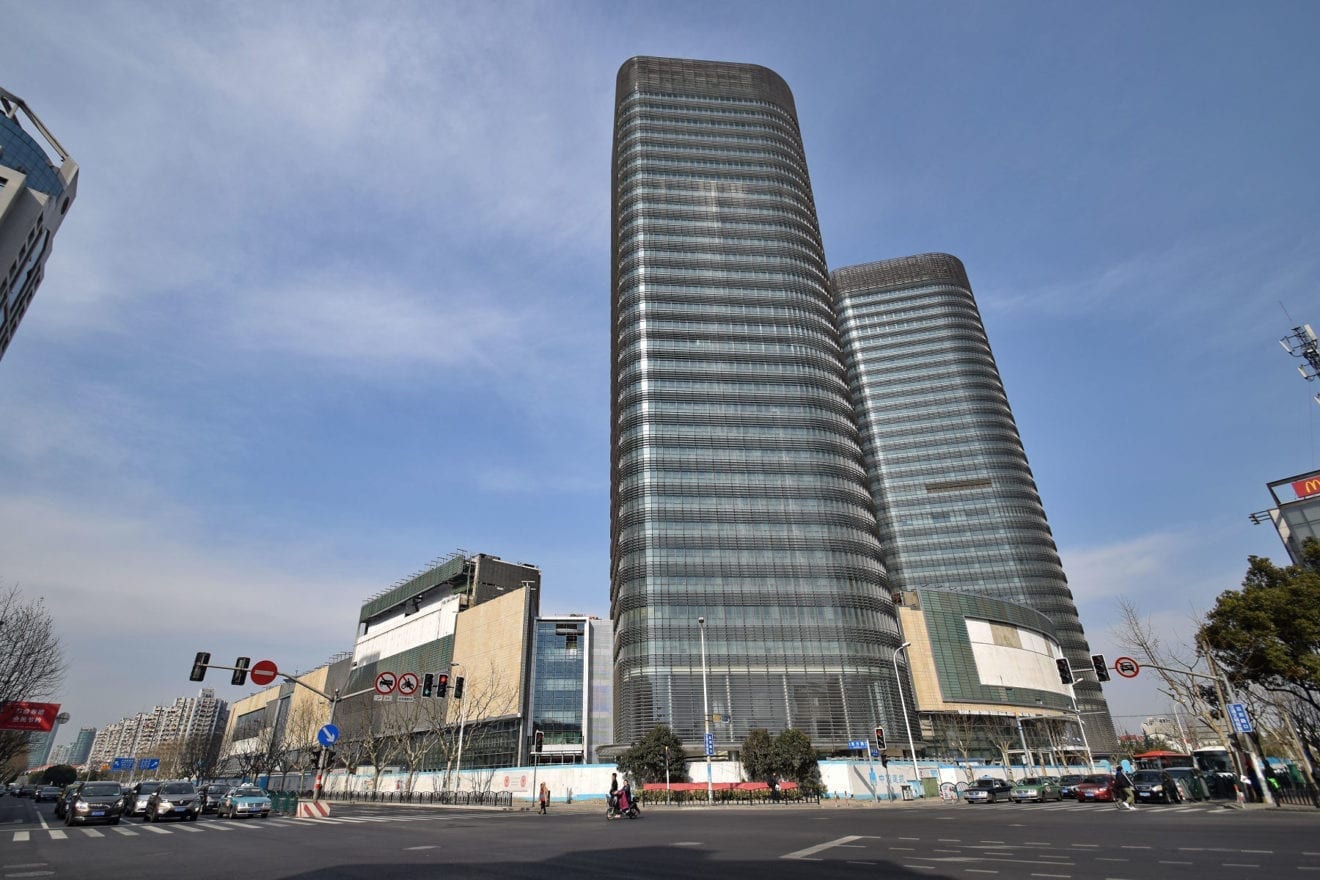
    Chinese tycoon Li Ka-shing has sold the Century Link office and retail complex in Shanghai for 20 billion yuan (US$2.95 billion).

    Li’s Cheung Kong Property Holdings (CK Property) and the Li Ka Shing (Overseas) Foundation agreed to sell their combined 100 per ownership of the complex, in Pudong’s Lujiazui district, to a company set up especially for the deal. China Life Insurance is the majority shareholder, with the minority stake held by closed-end funds managed by ARA Fund Management, in which CK Property owns 7.8 per cent. The purchaser, known as Mapleleaf Century, will be managed by ARA.

    Century Link comprises two 34-storey towers and a retail podium.

    “The disposal enables the company to realise its investment,” says CK Property. It expects to record an unaudited gain of about HK$6.22 billion (US$801.9 million) after the transaction.

    CK Property was reportedly looking for a buyer for the development last year. Over the past two years, companies backed by Li and his family have sold office and shopping mall projects in Beijing, Shanghai, Guangzhou and Nanjing.

    Many businesses have been prompted to shed renminbi-denominated assets, reports the South China Morning Post, following the yuan depreciating by 2 per cent against the US dollar since mid-August after having weakened by 6.6 per cent in the past year.

    Five days before the announcement of the sale, China Life led the acquisition of a US$2 billion stake in American hotels owned by Starwood Capital Group.

    The net proceeds from the Shanghai property disposal are intended to be used by the group as general working capital, says CK Property.

    In Hong Kong, CK Property is selling The Center in Central, the tallest building in its portfolio, with an asking price of HK$35 billion. The 73-storey tower, which has 1.2 million sqft (111,483.6 sqm) of office space, 13,000 sqft of retail space and 402 car parks, has attracted a handful of potential buyers.

    CK Property owns 48 storeys in The Center building after Malaysian developer Guoco Group bought 11 floors in 1997. Nine of the 11 floors were sold to Singapore’s DBS Group Holdings in 1998, while CK Property sold the 60th and 79th floors in 1999.

  • China Unicom developing 5G VR streaming tech

    China Unicom developing 5G VR streaming tech

    The China Unicom Network Technology Research Institute is working on a new use case for advanced technologies including 5G and VR – panoramic VR streaming of live video using drone technology.

    China Unicom and wireless broadband technology provider Baicells are developing a prototype mobile edge computing VR live video technology using Artesyn Embedded Technologies’ MaxCore mobile edge computing acceleration platform.

    The technology uses the emerging panoramic video collage algorithm and transmission protocol to provide VR video streaming from drones equiped with 360-degree high-definition cameras.

    Users can manipulate their perspective in real-time, providing a more immersive live VR experience.

    “This end-to-end solution can be applied not only to concerts, sporting events, films and other entertainment industries, such as the Mid-Autumn festival, live CCTV broadcasts using VR panoramic technology, but it can also be applied to public safety, emergency communication, UAV inspection, and much more,” Baicells research director Mingyu Zhou said.

    “We believe China Unicom and Baicells’ joint research and development can help users experience live HD VR video transmissions more quickly and smoothly.”

    “MEC provides a distributed computing environment for application and service hosting, bringing cloud technologies closer to the RAN and ultimately, closer to consumers,” Artesyn marketing VP Linsey Miller added.

    “Carriers are telling us that for these applications they need telco-grade features, which is Artesyn’s expertise.”

  • Toyota to recall 5.8 million cars in Japan, China, Europe over Takata airbags

    Toyota to recall 5.8 million cars in Japan, China, Europe over Takata airbags

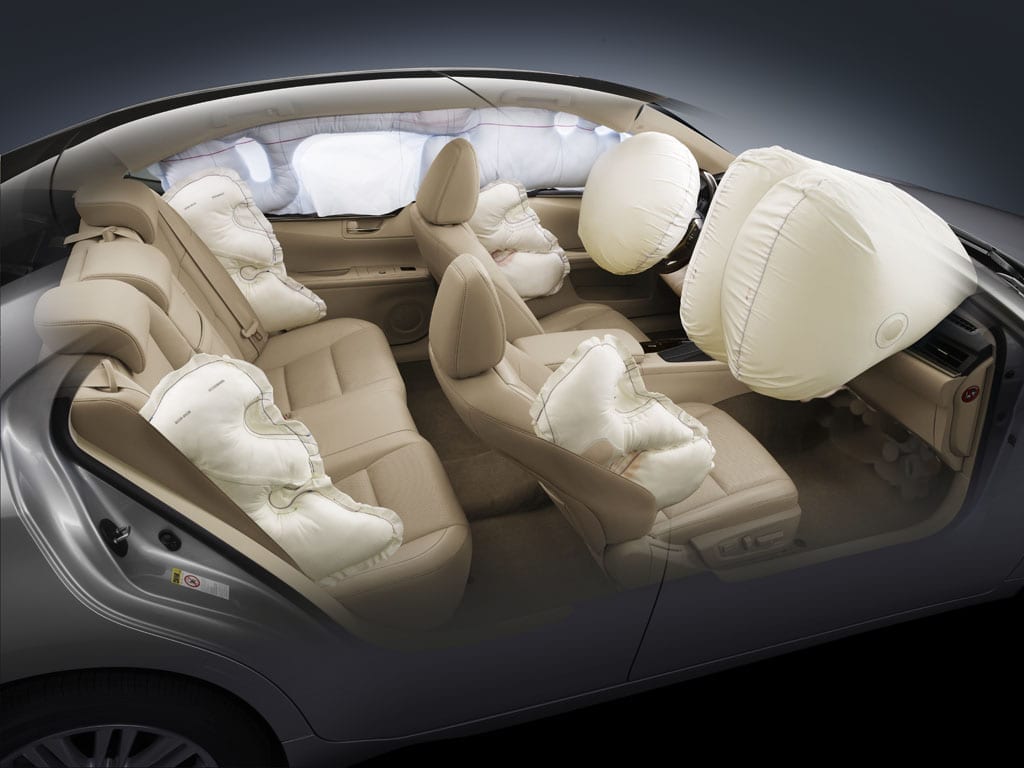
    Japan’s Toyota Motor Corp on Wednesday said it was recalling a total of about 5.8 million cars at home and abroad over potentially faulty air bag inflators made by Takata Corp.

    The recall, which includes the Corolla and the Vitz subcompact hatchback model which is marketed overseas as the Yaris, covers models produced between May 2000 and November 2001, and April 2006 and December 2014, the company said in an email.

    It affects about 1.16 million vehicles sold in Japan, and also includes about 820,000 cars sold in China and around 1.47 million cars in the European market.

  • Squeeze in Chinese tourists starts to bite

    Squeeze in Chinese tourists starts to bite

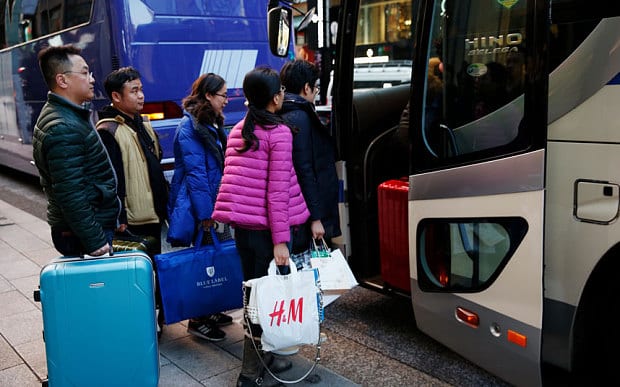
    The Chinese government’s forced reduction of tourists visiting Korea by 20 percent is already dealing a blow to businesses.

    “Even today, tourism offices in several provincial governments are acknowledging they are lowering the numbers of tourists going to Korea,” said an insider working in China’s tourism industry on Tuesday. “In several areas, there were even orders to send visitors to the Philippines instead of Korea.”

    chart

    Relations between China and the Philippines, which were sour for some time due to a territorial dispute in the South China Sea, recently softened after President Rodrigo Duterte visited China last week.

    Seoul’s ties with China have gotten frostier after it decided to deploy a U.S. missile defense shield that Beijing opposes.

    Businesses that rely on Chinese visitors are worrying that the decision will hit them hard. It hasn’t been long since they overcame the aftermath of last year’s Middle East respiratory syndrome (MERS).

    The first signal came from the stock market: shares of companies that could be hurt posted sharp declines Tuesday as news spread. Cosmetics leader AmorePacific fell 7.12 percent to 345,500 won ($305.06). LG Household and Healthcare lost 8.34 percent to 846,000 won. The impact was evident in tourism shares as well: Hotel Shilla lost 6.94 percent and HanaTour retreated 8.04 percent. All shares failed to recover Monday’s closing prices on Wednesday. Companies running group tours were most vulnerable.

    According to the Korea Tourism Organization, 2.4 million Chinese tourists came on group tours last year, 41 percent of the total number of Chinese tourists to Korea, which was approximately 6 million. As group tours are organized two to three months before departure, the decline is expected to really show by year’s end.

    “If Chinese group tours fall by 20 percent, the annual loss in relevant industries may reach a minimum of 2 trillion won,” said researcher Shen Jia at the LG Economic Research Institute. “If the decline spreads to individual tourists, the economic damage will deepen even further.”

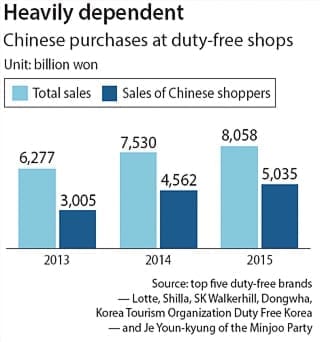
    Duty-free shops are nervous. Last year, the top five duty free operators – Lotte, Shilla, SK Walkerhill, Dongwha and Korea Tourism Organization’s Duty Free Korea – earned 5.4 trillion won in revenues from Chinese tourists, 62 percent of total sales of 8.6 trillion won.

    Through September of this year, Chinese tourists spent 3 trillion won at Lotte Department Stores. As soon as the news of the cutback spread Tuesday, duty-free stores organized emergency meetings with Chinese partners to devise some kind of a backup plan.

    There are currently nine duty-free shops in Seoul, with four more waiting to open next year. Competition in the duty-free industry is fierce, as it is one of the most robust retail markets in Korea. “A sudden drop in Chinese shoppers will cause considerable impact to both current and future duty-free operators,” said a spokesperson for Shilla Duty Free.

    Mid-priced hotels are nervous too. They are popular with group tours. “Half of the guests at business hotels in Myeong-dong or Dongdaemun are Chinese, and most are from group tours,” said Park Jong-mo, manager of the Ramada Hotel and Suites Seoul Namdaemun. “The market supply is rising, with new mid- and low-priced hotels being built in the city center. We’ll be seeing more vacant rooms.”

  • How Did China’s Retail Sales Look in September?

    How Did China’s Retail Sales Look in September?

    China’s retail sales

    On a year-over-year basis, China’s retail sales showed a strong recovery in September 2016, according to the National Bureau of Statistics of China. The country’s retail sales rose 10.7% in September 2016 compared to a 10.6% rise in August. This reading was above the market expectations of a 10.6% rise, and it was the highest since January 2016.

    How Did China’s Retail Sales Look in September?

    Sector-by-sector performance

    Building material sales rose 14.2%, furniture sales rose 8.7%, home appliance sales rose 8.6%, telecommunications sales rose 5.1%, personal care sales rose 12.5%, automobiles sales rose 13.1%, and cosmetics sales rose 7.7%.

    Economic impact

    The sales improvements in different sectors signify that consumer sentiment is improving. After the slowdown in economic activity in China, the economy is going through a transitional phase. From a manufacturing hub, it’s transitioning to a consumer-based economy. Consumerism will play a large role in the country’s future economic growth.

    Consumption patterns are changing in China’s economy. Chinese consumers are becoming more selective toward the products and services that they use. As China is one of the world’s most important economies, improvement in its growth drivers could aid the global economy.

    In the next part of this series, we’ll analyze China’s monthly new loans in September 2016.

  • Sa Sa profit drop looms

    Sa Sa profit drop looms

    Sa Sa profit is expected to fall 35 to 45 per cent for the six months ended September 30.

    The Hong Kong-based cosmetics retailer has issued a profit warning, citing a drop in both sales and gross profit margin of its Hong Kong and Macau business, weaknesses in some overseas stores and decline in online profits.

    Meanwhile, the group has recorded a 2.3 per cent decrease in retail and wholesale turnover to HK$1910.9 million (US$246.3 million) for its second quarter.

    In other markets, including China, Malaysia, Singapore, Taiwan and Sasa.com), the group’s turnover fell 2.9 per cent. For Hong Kong and Macau, turnover was down 2.2 per cent to HK$1552 million, total sales easing by 2 per cent while same-store sales were 2.5 per cent down on a year-on-year basis.

    However, there was a 3.9 per cent rise in the number of transactions because of increased traffic growth. The number of transactions of Hong Kong and mainland customers rose by increased by 1.8 and 5.9 per cent respectively, while the average sales per transaction fell by 5.5 and 6.9 per cent respectively.

    Improved sales performances, says the group, were a result of its efforts to adjust product offerings to meet market demand. The resulting change in product mix intensified downward pressure on gross profit margin for the quarter.

    For the National Day Golden Week holiday from October 1 to 7, the group’s retail sales in Hong Kong and Macau had positive growth of 13.8 per cent, with same-store sales growing by 12.4 per cent.

    As at September 30, the group had a total 283 stores/counters, down from 288 at June 30. Hong Kong and Macau has 113 outlets (up one), China 53 (down two), Malaysia 68 (down one), Taiwan 26 (down five). Singapore was steady at 23 outlets.

  • Tokyu Hands opening third Singapore store

    Tokyu Hands opening third Singapore store

    Japanese department store Tokyu Hands plans to boost its overseas sales, which now contribute 1 per cent of overall sales.

    Overseas income for its latest year totalled about 800 million yen (US$7.69 million).

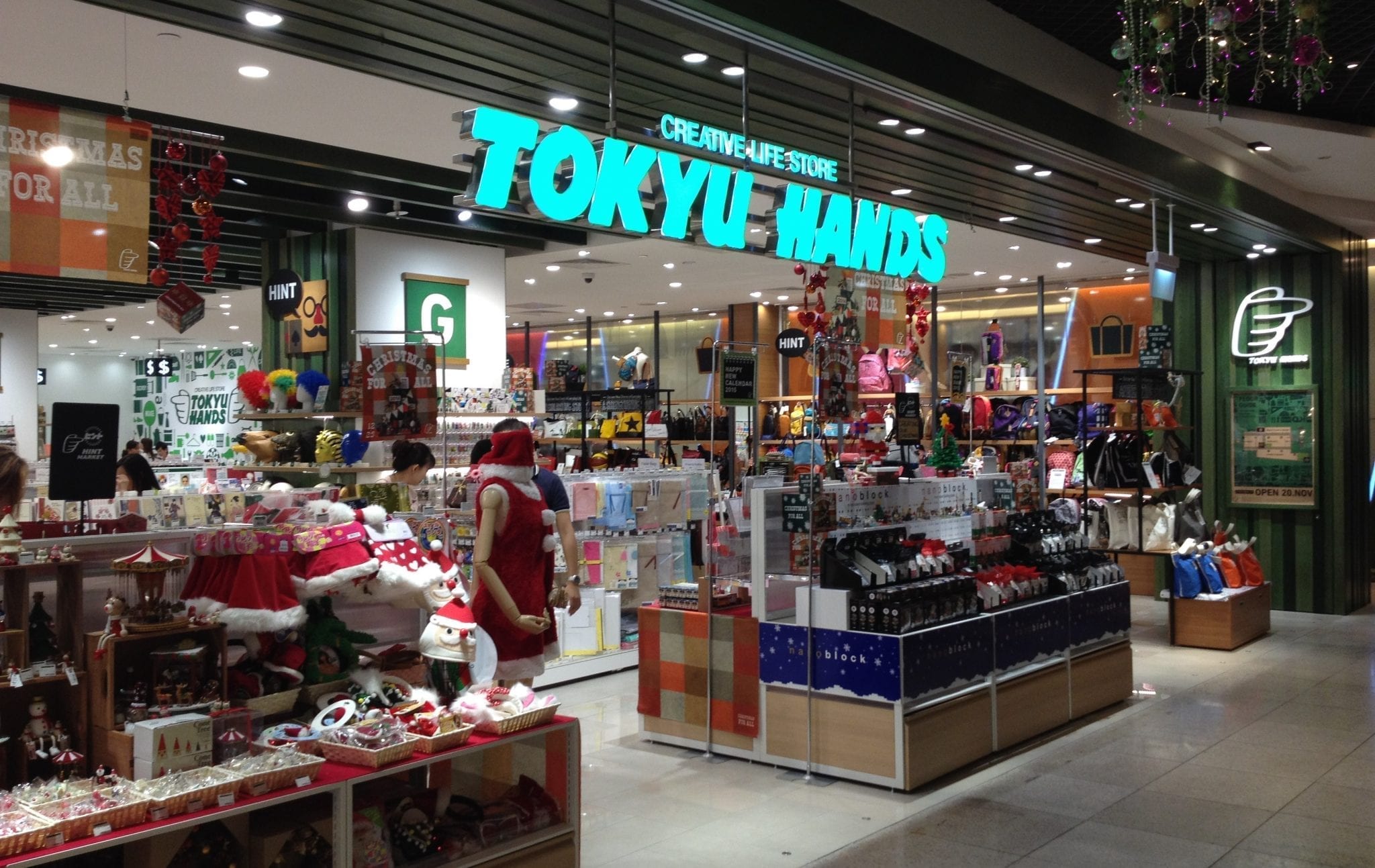
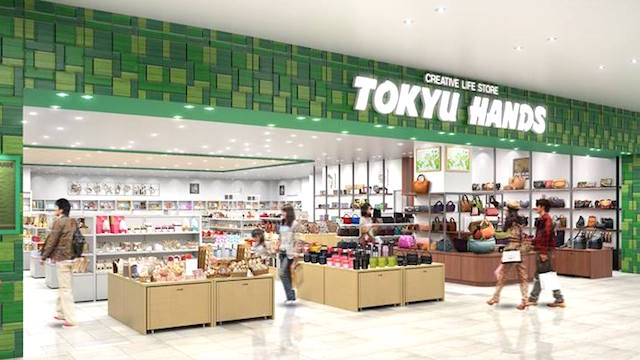
    A third store is opening next month in Singapore, where Tokyo Hands has had managed stores for two years, and next year the group plans to start trading in Malaysia.

    tokyu-hands-artist

    Tokyu Hands opened its first overseas branch in Taiwan in 2000 and now has 15 franchised stores on the island.

    Takenori Tsuji, who heads Tokyu Hands’ international business, says the Taiwan stores are mainly in Taipei with management entrusted to the franchisees, “but we consult on the selection of merchandise and store layout”.

    He says trends in Japan, such as aging consumers, have made it hard for the store to grow domestically.

    Tokyu Hands’ first directly managed store overseas opened in China in 2012, but closed it in January this year. Tsuji says this was a result of management difficulties.

    “It took more time and effort than expected to clear customs when we brought in products from Japan, making it hard for us to sell new products quickly.

    “Some sales people quit soon after being hired, and it was hard to train Japanese employees in the local area.”
    Six months after launching, the store had a temporary sharp drop in sales when relations between China and Japan worsened over the disputed Senkaku Islands. However, full-year sales were “reasonably good”.

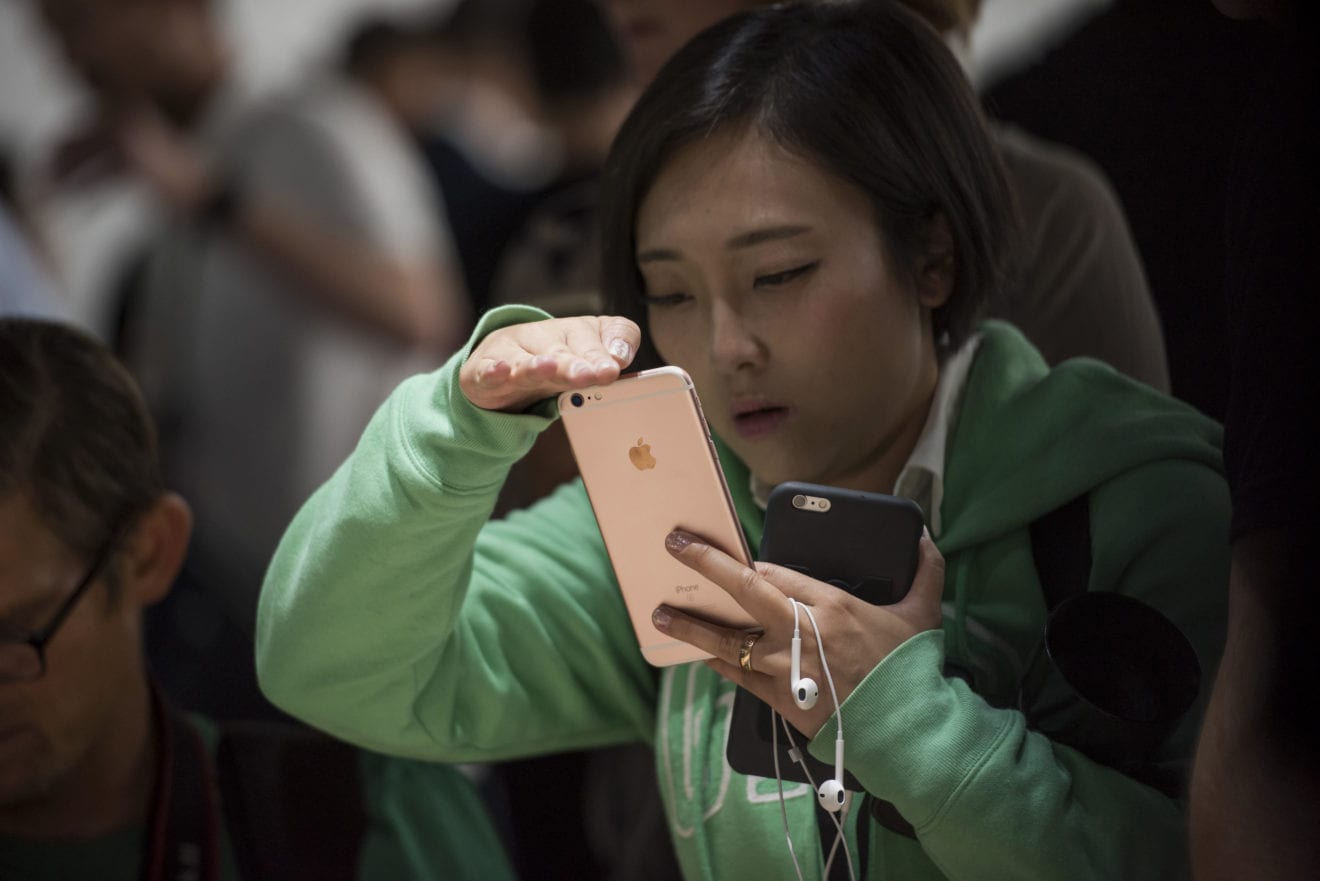
  • Why Apple China is struggling

    Why Apple China is struggling

    Apple’s sales decline is slowing – but there are several reasons why it is doing so badly in China…

    While the iPhone 7 has not been out long enough to have had a full impact on this quarter’s numbers, it has helped Apple to moderate the pace of revenue decline.

    Even so, global revenues are still down by 9 per cent over last year indicating that Apple is a long way off the steep growth trajectory it once enjoyed. With more investment going into stores, and with those store selling fewer products than they once did, it is not surprising that net income is on the slide. Indeed, Apple will be particularly disappointed with its rare full-year profit decline.

    China is an interesting, and worrying, example of some of these points. Across this quarter Apple saw revenues fall by 30 per cent in Greater China. In part this is down to the fact the market is more mature and ownership of iPhones is higher than it once was. But it is not the whole story: domestic brands like Huawei and Vivo have gained share thanks to the fact that they have, in design and technical terms, caught up with Apple and are now seen more favorably by consumers. In essence, in China and elsewhere, while Apple’s products are still seen favorably, the distance between Apple and its competitors is nowhere near as great as it once was.

    “No longer firing on all cylinders”

    Globally, the change in Apple’s fortunes is partly down to the fact that it is no longer firing on all cylinders. Previously, Apple was able to rely on strong sales of phones, tablets and computers to drive up revenue and profit across all geographies. This is no longer the case. Tablet sales are in decline. Growth from computers, which are long overdue a refresh, is weak. And consumers in some markets are saturated with product which makes growth much more difficult to attain. The latter is exacerbated by the fact that new releases, such as the iPhone 7, have been iterative rather than innovative.

    Unfortunately, Apple’s attempts to add new strings to its fiddle have not counteracted some of the strings that are now playing out of tune. In particular the Apple Watch, while a triumph of engineering, has simply not become a mass market product in the way that the iPhone, iPad, or iPod did. The one bright spot comes from service revenue, which includes streams of sales from Apple Pay, Apple Music and other services, and is up 24 per cent year-on-year. Over the longer term, this is a very lucrative part of Apple’s business and growth story, but it is not yet at the point where it is offsetting revenue declines in other areas.

    Despite this relatively gloomy view, it is important to note that Apple is being judged by its own incredibly high standards. Even with the dips in growth it remains a phenomenally successful business that is far from running out of steam.

    Complexity over simplicity

    That said, there is a complexity creeping into the firm that runs counter to Apple’s underlying philosophy of simplicity. The recent launch of the iPhone 7 in the US is a case in point: the buying process has been dreadful. The cumbersome system of placing orders via the website, where users have had to enter carrier information, has frustrated many customers. Meanwhile the vast array of different models, color options and payment and upgrade methods has contributed to a shortage of the right stock in the right place and has inevitably slowed sales.

    For a brand like Apple these things matter. As the company has always maintained, the experience of purchasing is almost as important as the product itself. While there is no doubt Apple continues to be committed to this mantra – especially with the store upgrades it is now rolling out – it needs to look more carefully at issues of stock availability and to make the purchase process simpler and easier.

    Looking ahead, Apple’s prospects give cause for optimism. In the next fiscal year the company will come up against softer comparatives which will flatter performance. However, the unveiling, later this week, of new computers will help to ease up Mac sales. And as the iPhone 7 becomes more widely available, Apple will receive a nice growth spurt over the holiday quarter.

    Longer term, the company will be helped by the natural replacement cycle of older iPhones as these break, are damaged, or become less attractive to their users. Furthermore, Apple will, at some point, come up with a new phone – or maybe another device – that represents a significant leap forward and puts it on a better growth footing.

    As such, this current period is a hiatus rather than representing a material change in Apple’s long term prospects.


    -Neil Saunders

  • ‘Astonishing growth’ for Chinese FMCG market

    ‘Astonishing growth’ for Chinese FMCG market

    The Chinese FMCG market online has shown “astonishing growth” according to a report by global consulting firm OC&C Strategy Consultants.

    In 2010, the market was worth just US$1.4 billion – today it has exceeded $25.3 billion according to data from Euromonitor. It has far surpassed any other country in the world and is about twice as big as the US.

    But while large, FMCG still has a relatively lower online penetration than other categories in China, providing ample opportunities going forward especially given favourable tailwinds, believes OC&C.

    The report Bits & Bytes: FMCG’s shift to eCommerce in China aims to help FMCG brands understand eCommerce trends in China and thus to derive the best strategy for their target segments in the market.

    “The post-80s and 90s generation in China, who grew up with the internet, are coming of age and entering the workforce, forming families and increasing their need for FMCG. It is unquestionable that they will become an important customer segment and driving overall growth of FMCG eCommerce,” comments the report.

    “Moreover, growth is not only coming from the younger generations. In fact, more people aged between 30 and 50 intend to devote more of their FMCG spending to online channels next six months (Figure 1), suggesting the universality of growth of FMCG eCommerce.

    Figure 1

    “Price and convenience related factors are consistently placed as the top reasons for buying FMCG online in China. Growing middle class want to save money on everyday consumables so they can use these savings towards a better lifestyle including for dining out or buying international fashion brands,” said Jack Chuang, Hong Kong-based partner, Greater China, OC&C Strategy Consultants.

    He says consumers’ need for convenience is fuelling the demand to buy FMCG online anywhere, anytime.

    “All these are favourably fulfilled in China given the rapid development in infrastructure and logistics across the country, with leaps and bounds in both intra-country movement of goods as well as last-mile delivery to consumers. These make online shopping of FMCG easy, inexpensive and fast,” said Chuang.

    When respondents were asked to rate various eCommerce platforms based on their experience, Alibaba’s platforms were neither the most highly rated, nor are they frequently ranked among the top five across selected FMCG categories.

    Figure 2

    However, interestingly, when the survey asked about brand awareness and actual purchases, Tmall and Taobao, under Alibaba, received highest brand awareness and shopper penetration across the major FMCG categories explaining Alibaba’s dominating market share.

    Figure 3

    A third of survey respondents ranked ‘familiarity’ as being the key reason on why they rely so much on a particular online platform. Beyond benefiting from being an early entrant, Alibaba is also able to provide competitive prices, a convenient one-stop shopping destination, as well as a ubiquitous payment system.

    Figure 4

    “Online platforms in China are always fighting for customer traffic and market share, yet consumers often perceive buying on Alibaba a bargain, thanks to its promotions,” added Chuang. “Selling online in China is rewarding yet not easy. Brands can benefit and achieve their online objective through partnering with strategically-aligned platforms and by customising their offerings to cater to various needs of different market segments. In addition, brands need to figure out the level of control and capability which an online store demands, so as to determine whether to establish in-house operations or to rely solely on platforms. Choosing the right model and strategy can definitely make it much more effective.”

    Though Alibaba’s dominance remains undeniable, the online FMCG market is relatively more fragmented than retail in general. Alibaba commands a 52 per cent share in FMCG as compared to 70 per cent of the overall online retail market.

    “Just as you would not depend entirely on one particular store format (e.g. hypermarkets or mom-and-pop stores) as you formulate your offline channel strategy, the same applies to online whereby brands should leverage each platform’s unique strengths, be it its large traffic flow, strong authenticity and quality, more personalised customer service, etc.,” commented, Chuang.

    “At the same time, companies should treat eCommerce not only as a sales channel but also as a platform to build their brand. For example, premium players can build brand awareness to a wide audience by opening a flagship store, while other companies who lacks physical presence in China, can use cross-border platforms to ‘test the water’ prior to their full market entrance. They should also integrate offline and online channels to create a win-win proposition, either through leveraging existing offline infrastructures, such as distributor networks, to facilitate online sales; they may also consider using e-commerce to facilitate offline strategies,” concluded Chuang.

    The study canvassed 4600 respondents from 16 cities across China, looking into 13 selected sub-categories across infant milk formula, packaged food and soft drinks, alcoholic beverages, and beauty and personal care, from August to September 2016.

  • Hokkaido Baked Cheese Tart heads to Australia

    Hokkaido Baked Cheese Tart heads to Australia

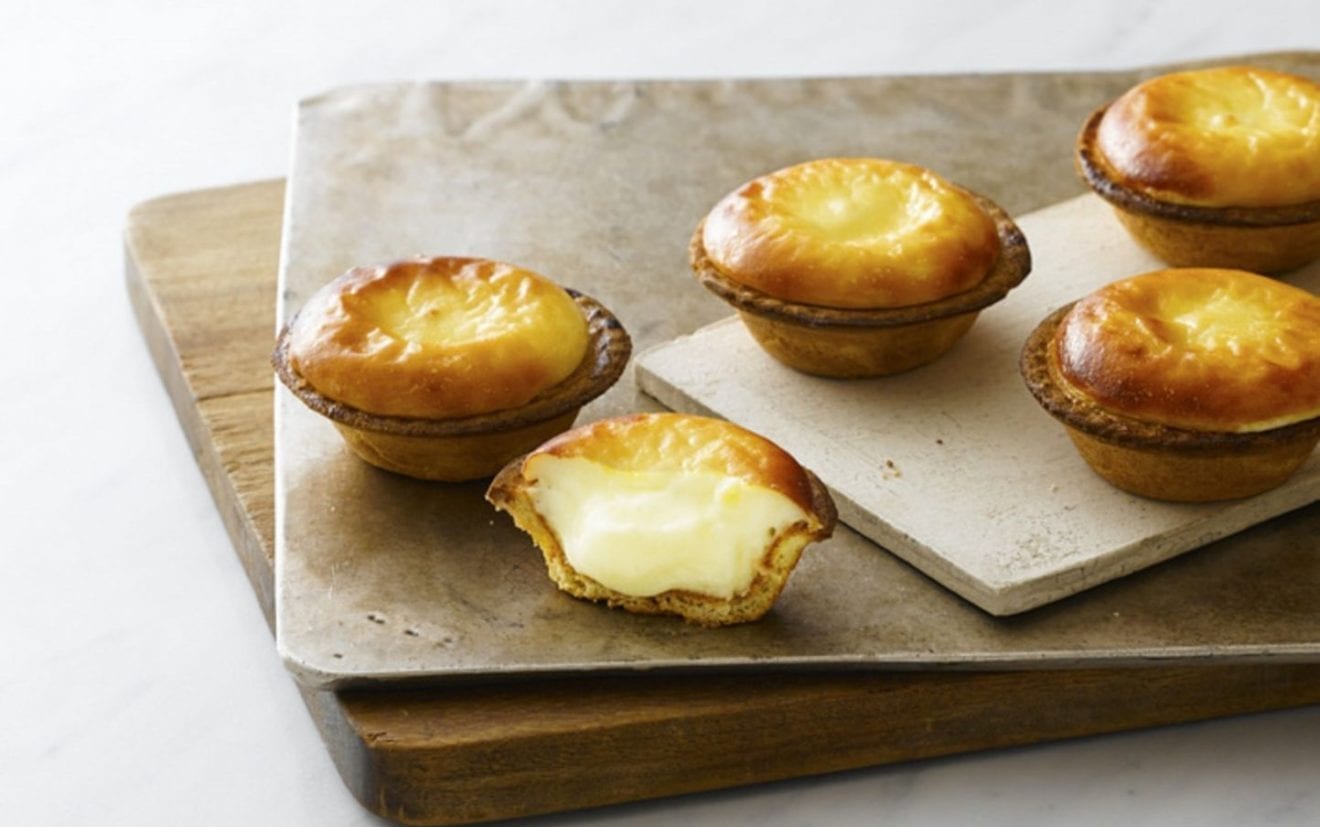
    Food enterprise ST Group has launched Japanese-style Hokkaido Baked Cheese Tart outlets in Australia.

    Using a traditional recipe involving three cheeses from Japan’s dairy heartland of Hokkaido, the tarts have already been introduced in Brunei, Indonesia, Malaysia, Shanghai and Singapore. Six outlets are planned for Australia, three in Melbourne to be followed by three in Sydney next year.

    The first Hokkaido Baked Cheese Tart stores launched in Malaysia this year, selling up to 20,000 units a day.

    Designed by Eat Architects, Hokkaido Baked Cheese Tart kiosks are compact with a luxury aesthetic, featuring marble benchtop displays and low-slung designer lighting. The tarts are displayed like precious gems.

    ST Group MD Tatt Ghee Saw says Australia’s multicultural society is continually evolving, along with its palate and cuisine preferences. “At ST Group we are passionate about sharing the foods we love in Southeast Asia. ”

    Tatt Ghee Saw

    He established the group in 2011, recognising the need for comforting cultural eateries, much like the hawker’s markets and corner laksa stores of his native Kuala Lumpur.

    His first venture was PappaRich in Melbourne, which attracted long queues. It is now a major franchise enterprise with 26 stores throughout Australia and New Zealand. The group’s other brands are NeNe Chicken, Gong Cha (New Zealand only) and iDarts Australia.

  • Sales edge up for L’Occitane International

    Sales edge up for L’Occitane International

    Group net sales grew by 1.3 per cent for cosmetics and wellbeing products retailer L’Occitane International for the six months ended September 30

    This figure was at constant exchange rates, being 0.9 per cent at reported rates – both an improvement from the first quarter. The company says this was mainly because of the contribution of stores opened last year and this year, marketplaces, wholesale and distribution.

    L’Occitane’s emerging brands also showed encouraging growth.

    Japan’s growth rate of 15.9 per cent was a result of the strengthening yen, while local currency growth in China accelerated slightly to 5.4 per cent despite severe weather creating a challenging retail environment.

    Overall growth was hindered by sluggish retail sales in some markets, including Hong Kong.

    The group’s net sales at reported rates were €551.7 million (US$600.7 million), up 0.9 per cent over the same period last year. At constant exchange rates, sales growth was 1.3 per cent. Both are an improvement from the first quarter.

    For the six months, sell-out sales accounted for 72.6 per cent of net sales, amounting to €400.5 million, growth of 0.6 per cent. This was mainly contributed by non-comparable stores and other sales, including new and renovated stores, marketplaces, and cafe and spa businesses.

    Altogether these posted 13.7 per cent growth at constant exchange rates.

    Compared to the same period last year, the group’s eCommerce channels grew by 6.8 per cent to reach 10.1 per cent of total retail sales. Same-store sales fell 2.5 per cent through uncertainties brought by the weak global economy, threats of terrorist attacks in France and other European countries, economic uncertainties in the UK, the depressed retail market in Hong Kong as well as severe weather in some markets.

    Sell-in sales of €151.1 million accounted for 27.4 per cent of the group’s total sales, an increase of 3.2 per cent over the same period last year. This was primarily driven by the dynamic growth in wholesale and distribution channels of emerging brands, in particular Au Bresil, Erborian and Melvita.

    China was among the countries with highest sales growth in local currencies – 5.4 per cent, despite severe weather in the second quarter. This was mainly because of new stores, marketplaces and B2B.

    With the stronger yen, sales growth in Japan was 15.9 per cent.

    During the six months, the group maintained its selective global retail expansion by adding 32 stores, compared with 57 in the same period last year.

  • Can This British Retailer Conquer China?

    Can This British Retailer Conquer China?

    New Look, a fast-fashion retailer bearing a striking similarity to Forever 21, is aiming to boldly go where many chains have gone before but few have succeeded.

    The British retailer’s chief executive officer, Anders Kristiansen, has made no secret of his intentions in China, announcing plans in June to open 50 more stores there by March, which would bring its total number of locations in the Asian nation to 150. That’s 10 times the number of stores it had in China in 2015. But a Reuters report last Thursday revealed that New Look’s owner, South African billionaire Christo Wiese, has a more ambitious expansion in mind—500 stores within three years.

    New Look currently has more than 850 stores around the world, two-thirds of which are in the U.K. Despite a challenging first quarter that saw revenues fall 4.2% to 354.2 million pounds ($431.9 million), Kristiansen insisted the retailer would stay the course in China, where there had been a “strong local reaction to our affordable, fast-fashion offer.”

    According to Reuters, Wiese plans to conquer the Chinese market using a local-for-local manufacturing model, meaning most of the clothing it will sell in China will be made there to ensure locally relevant products are delivered to stores quickly. It’s a sourcing strategy that Zara owner Inditex has down to a tee and many other companies, including Under Armour, are trying to replicate around the world.

    “South Korea and Japan drive a lot of the trends that the Chinese customer seeks, so our ability to be able to identify those trends, source them locally and get them into our stores quickly is key,” Sven Gaede, managing director of New Look’s international business, told Reuters, adding that 85 percent of what the retailer already sells in China is made there.

    Local sourcing aside, some experts are skeptical about the retailer’s bullish growth plans. Franklin Yao, managing partner at strategy consultants Smith Street, described them as “virtually impossible,” noting that New Look is unlikely to find 500 empty retail stores, given the fact that H&M and Uniqlo also want to open hundreds more locations in China in the coming years.

    That being said, Chinese consumers are notoriously fickle and several big-name brands have failed to gain a foothold there, including Gap, Marks & Spencer and Walmart. In an effort to test the waters before committing to a brick-and-mortar presence, most international retailers first launch on the likes of JD.com or Alibaba’s Tmall and Taobao.

    But New Look appears to be covering all its bases in China: After opening its first locations in Shanghai and Beijing in February 2014, it launched an online store on Tmall seven months later and debuted on JD.com earlier this year.

  • Xiaomi launches smartphone with ultrasound sensor

    Xiaomi launches smartphone with ultrasound sensor

    Chinese handset maker Xiaomi has launched a new smartphone that uses technology allowing the vendor to push the screen all the way to the top edge of the device.

    The MIX smartphone uses a technology from Elliptic Labs to replace the standard hardware proximity sensor with ultrasound software.

    The technology, named INNER BEAUTY, uses ultrasound instead of infrared to detect when a device is being held up to a user’s face and disable the screen’s touch functionality. It also allows the speaker to be completely invisible, clearing up the top area of the phone.

    According to Xiaomi, the MIX display uses 91.3% of the surface area of the front of the phone, compared to just 67.7% for the iPhone 7 Plus.

    Besides allowing for a larger screen, Elliptic Labs’ BEAUTY ultrasound proximity software has the potential to address common issues with hardware proximity sensors, such as unreliability in extreme weather conditions or in response to dark hair or skin colors.

    Eliptic Labs said OEMs will also be able to reduce costs by removing the hardware sensor in favor of a more cost-effective software solution.

    “We are thrilled to have our ultrasound proximity software featured in the new smartphone from world leader Xiaomi. Elliptic Labs is the only ultrasound proximity feature vendor designed into a tier-1 mobile handset,” Eliptic Labs CEO Laila Danielsen said.

    “This is a significant validation of our Elliptic Labs’ value proposition and we are confident this will pave the way for additional design wins for our innovative ultrasound proximity product in the coming quarters.”