Tag: China

  • Asian cities set to surge up retail hub rankings

    Asian cities set to surge up retail hub rankings

    Asia is home to more than half the world’s most dynamic retail hubs, according to new research that reinforces images of the region’s mall-strewn megacities.

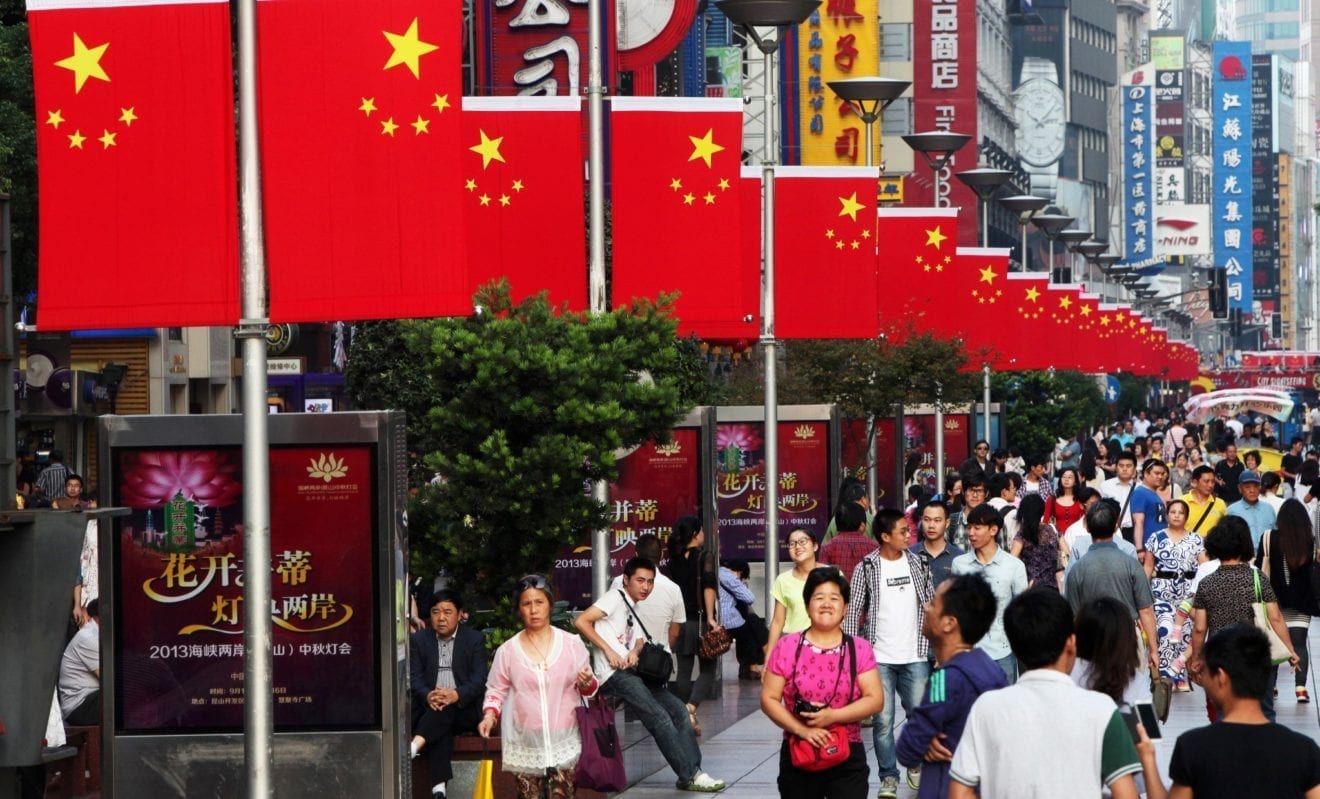
    The research, by professional services and investment management company JLL, says 12 of the fastest-growing retail cities are in Asia, with eight in China alone — another indication that global economic growth is increasingly driven by the Asia-Pacific region.

    JLL lists Dubai as the world’s fastest-growing retail destination, with Shanghai second and Beijing third. Places 9 to 13 are occupied by Bangkok, Chengdu, Kuala Lumpur, Jakarta and Manila, respectively. Only two European cities make the top 20 — Moscow and Istanbul — with none from Africa. Mexico City is the sole city from the western hemisphere, sitting at number 19.

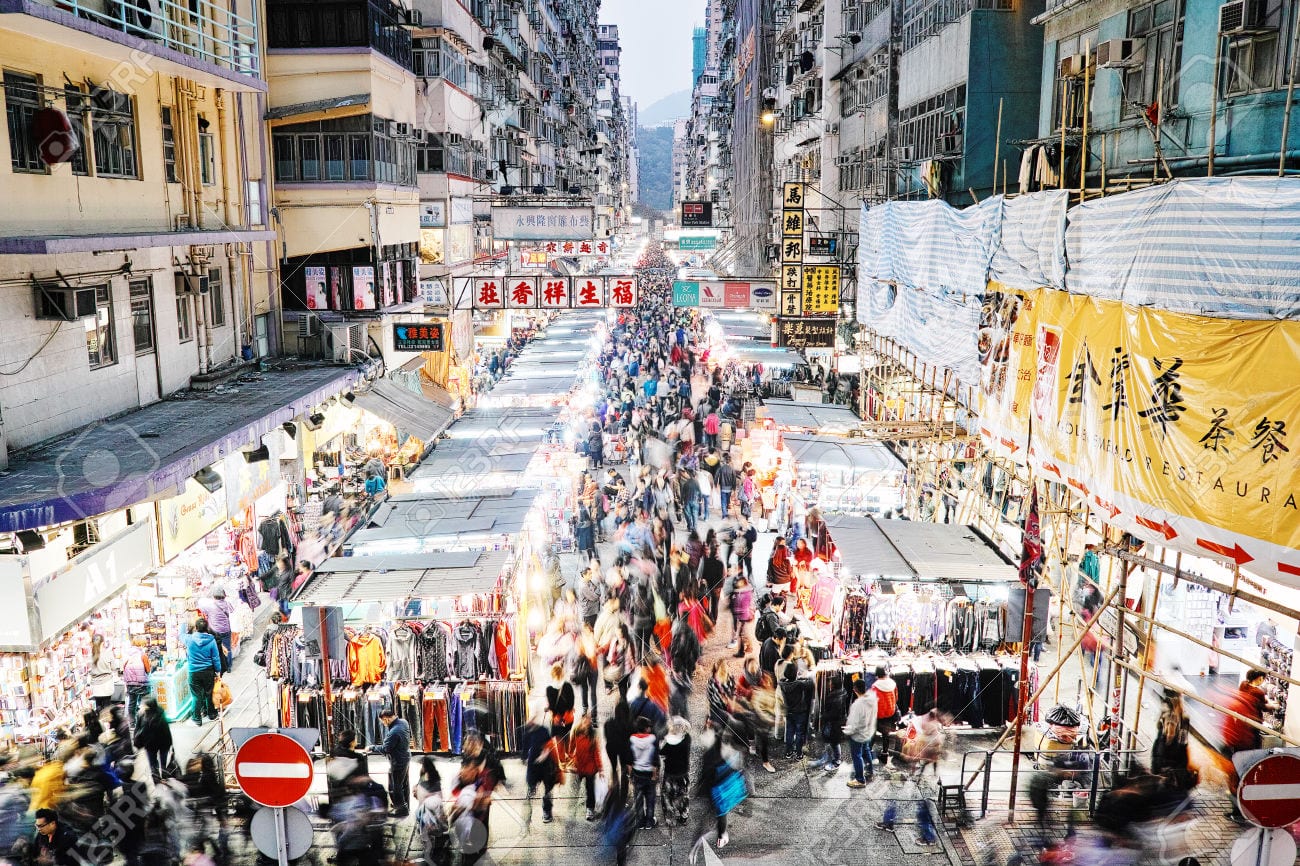
    Overall, JLL lists London as the “most attractive” city for retailers, with Hong Kong second and Paris third. Dubai, Singapore, Shanghai, Tokyo and Beijing all make the top 10, with Bangkok, Taipei, Seoul and Osaka in the top 20.


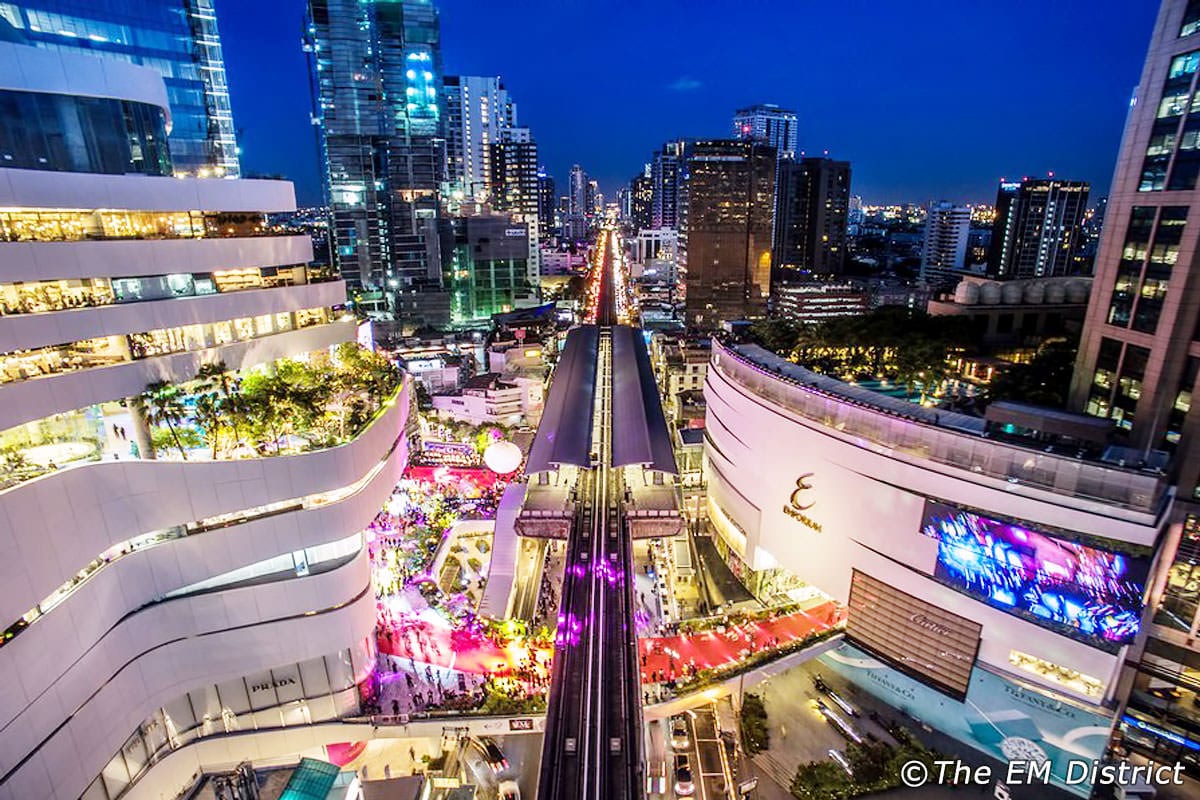
    Shanghai at night. The Chinese megacity is projected to be one of the world’s retail hubs in the coming years (Photo: Simon Roughneen)

    The study looks at the presence of 240 international retail brands in 140 cities — which altogether make up 36% of the world’s gross domestic product, 13% of the global population and a third of total worldwide consumer spending.

    “The search for growth is escalating the penetration of international brands across the world’s most attractive retail cities, especially in Asia,” said David Zoba, chairman of JLL’s Global Retail Leasing Board.

    Asia catching up

    Many Western economies continue to suffer from slow growth — in stark contrast with Asia, where the International Monetary Fund predicts overall growth of more than 5% in 2016-17 and describes the region as “the engine of the global economy.”

    Asia is urbanizing rapidly as economies develop and incomes rise, meaning that big global brands will increasingly look to Asia as a source of consumers. World Bank research shows that nearly 200 million people in the East Asia and Pacific region –excluding India and its heavily populated neighbors such as Pakistan — moved from the countryside to cities during the decade after 2000.

    In 1800, only 3% of the world’s population lived in cities, a figure that rose to 13% by 1900. Now more than half the world’s population is urbanized, with projections that 70% or more of the world will live in urban areas by 2050. And while in the 19th and 20th centuries urbanization was mainly a Western and Japanese phenomenon, developing countries are catching up fast, particularly in Asia.

    Despite the steady rural-urban shift, only 36% of East Asia’s population had moved to urban areas by 2010, with only Japan, Malaysia, South Korea and Taiwan having larger urban than rural populations.

    While China had by far the largest absolute numbers of people moving to cities, smaller countries such as Cambodia, Laos and Vietnam showed higher rates of urbanization. Laos more than doubled its small urban population, while high-growth economies such Cambodia and Vietnam both had between 4% and 4.5% annual urban population growth rates. Retail investors are noticing opportunities even in smaller cities such as Phnom Penh, where Japanese mall operator Aeon opened the city’s first large shopping mall in 2014.

    Asia’s cities will continue to grow over the coming decades as the region becomes wealthier. McKinsey Global Institute expects that in the next 15 years, “the center of gravity of the urban world will move south and, even more decisively, east.” According to MGI, half of global GDP in 2007 came from 380 developed world cities, with the 22 biggest cities in developing countries contributing a mere 10%.

    However, MGI predicted that by 2025 half of the cities in its 2007 rankings will not make the list, with 136 developing world cities entering its ranking of the 600 biggest urban economies — including 100 from China alone.

    “By 2025, developing-region cities of the City 600 will be home to an estimated 235 million middle-class households earning more than $20,000 a year at purchasing power parity (PPP),” MGI reported. The figure is larger than the 210 million such households expected in the cities of developed regions.

    Thinktank Oxford Economics said that cities such as Chengdu, Hangzhou and Wuhan “will become as prominent in 2030, in economic terms, as cities like Dallas and Seoul are today.”

    Shift east

    The thinktank predicted that by 2030 eight European cities will drop out of the global top 50 cities ranking, measured by GDP, while nine Chinese cities will join that group, taking the Chinese total to 17, which will be more than North America and four times more than Europe.

    In turn, the thinktank said, this will mean more Asian consumers with money to spend. “Starting from a comparatively low base today, China will boast some 45 million high-income urban households (exceeding $70,000 per annum at 2012 prices and exchange rates) by 2030, putting it well ahead of Europe and hot on the heels of North America. Shanghai will jump from a rank of 69th today to 8th for its number of high-income households in 2030,” Oxford Economics said.

    Otherwise, however, the seven megacities with the most high income residents will remain the same as today, with Tokyo leading New York, London, Osaka, Los Angeles, Paris and Chicago.

    But Asian cities are set to add tens of millions of middle-income households (incomes between $10,000 and $70,000) to their ranks by 2030. Jakarta will be home to 9.4 million, with 7 million to 9 million more in each of Chongqing, Shanghai, Tokyo and Beijing, the projected top five cities ranked by population of middle-income households, according to the thinktank.

    JLL said that for retailers, vying for market share in emerging economies is sometimes risky, but the potential prize — market access to vast populations and rapidly expanding middle classes — outweighs any perils.

    For example, China’s anti-corruption crackdown has had “a knock-on effect” on the luxury goods market in the world’s second-biggest economy, said James Hawkey, JLL’s head of retail for China. But retailers are nonetheless “increasingly comfortable dealing with these risks, and generally have their eyes on the long-term prize of establishing a strong position in major world markets.”

    Although incomes and spending power remain lower in many Asian countries and cities than in the West, part of the attraction of smaller, less-developed markets is relatively low rental costs.

    “Places like Ho Chi Minh City, Jakarta and Bangalore present an opportunity for retailers to establish their brands at rents of less than $2,000 per square meter per year with projected in-store sales increasing by 8% to 10% until 2019,” JLL reported.

    Wealthy mid-sized cities or trade-oriented city-states such as Singapore and Hong Kong also benefit from high numbers of visitors such as tourists or business travelers.

    But Asia’s urbanization will not mean that rural dwellers will be ignored by retailers, particularly in China.

    “Retail potential in Asian hubs is strongly influenced by what is happening in their hinterlands — what is happening in nearby provinces and/or countries,” Steven McCord, JLL’s head of research for northern China, told the Nikkei Asian Review.

    “Shanghai exerts a ‘gravity effect’ over its surrounding cities and provinces due to its size and the wealth of its retail offer. Therefore, close to 80 million people within day-trip distance to Shanghai will regularly travel to that city for large shopping sprees,” McCord added.
  • Connecting with the traveling Chinese shopper

    Connecting with the traveling Chinese shopper

    By the end of this year, China’s digital travel sales will amount to more than $95 billion, according to eMarketer. That’senough to rival the revenue of Fortune 500 giant Microsoft. By 2020 this figure will have doubled to around $200 billion.

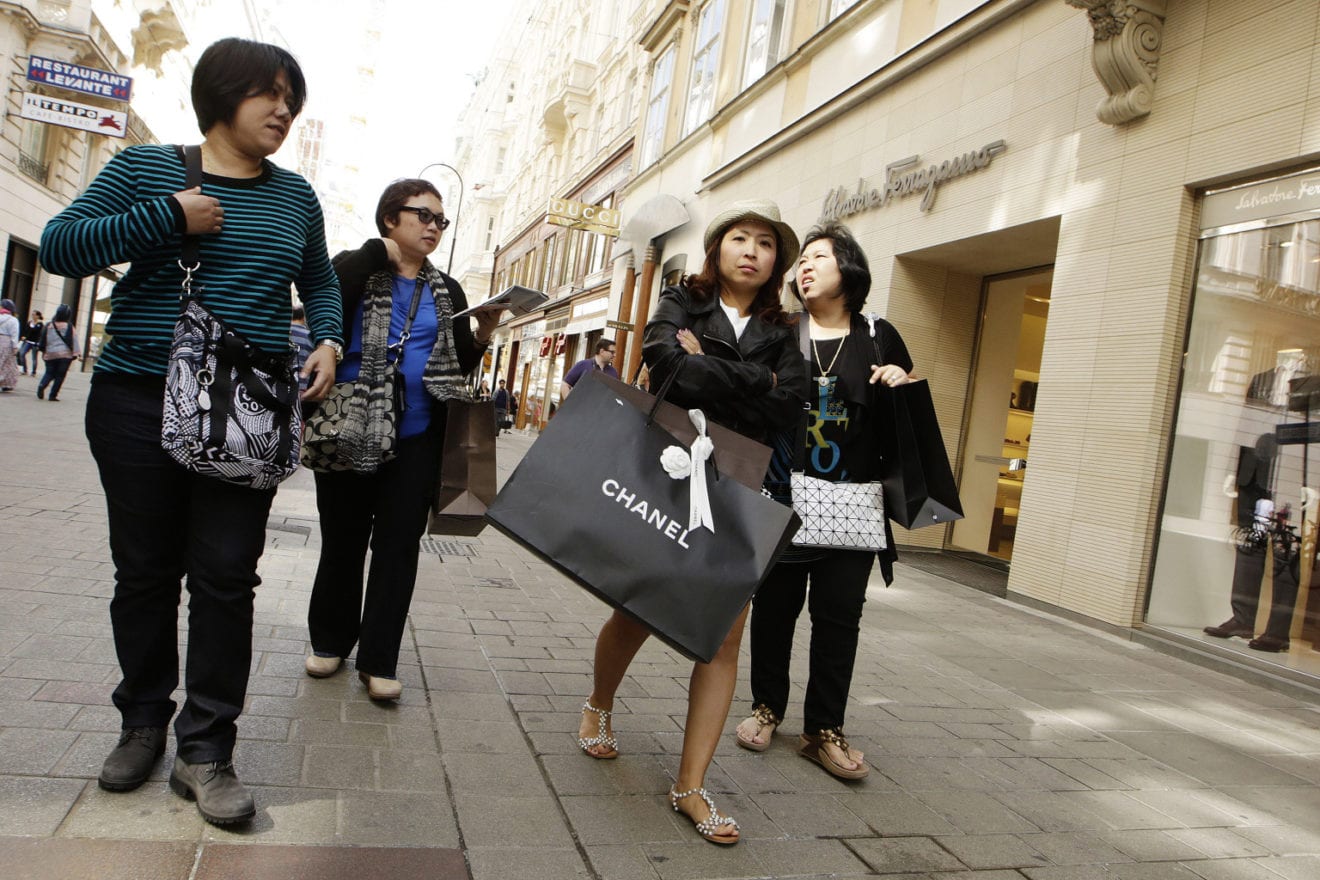
    Retailers and tourism operations globally have been rolling out the red carpet for Chinese shoppers over the past few years. The Australian government introduced a “China 2020” plan in the hopes of bringing $7 billion revenue from Chinese tourist spending.

    In Southeast Asia, the top source of tourism receipts in Singapore and Thailand come from China, as the region remains a top destination due to the historically low prices and geographical proximity.

    With this expected growth, the days of broad-based marketing are over. Competition for the savvy Chinese shopper is more fierce than ever — without personalized and insightful advertising, the shopper would be overwhelmed with companies vying for their attention. Brands that can deliver the best mobile user experience at the heart of their  campaign strategy will be the most trusted among these consumers.

    Mobile-first means user-first Mobile is the most effective channel to reach Chinese shoppers abroad. The IAB reports that 47 percent of Chinese shoppers made purchases with a mobile wallet this year.

    That’s the highest in the world, second only to Norway (42 percent) and the UK (24 percent). The same report reveals APAC has the highest usage of mobile wallet for purchasing products and services of any region in the world.

    To better understand the Chinese consumer, advertisers can analyze their daily habits on their mobile devices. An audience cluster employing real-time and historical data can pinpoint the most receptive users and find the best time to engage them.

    There are many platforms that are more popular in China than other regions—such as WeChat and Weibo — and analyzing this historical data can help isolate the behavior on these devices. Combining real-time data such as device language, network carrier, and operating systems will give a more holistic view of the shopper.

    For example, to profile a Chinese luxury consumer traveling in Singapore, advertisers can identify and group together key indicators, such as the latest iPhone 7 model, connecting through a Chinese mobile carrier and using traditional Chinese language settings.

    Add the potential to pair that with historical location behavioral data identifying them as frequently visiting Singapore, and you can start to build out powerful audience segments. Audience segmentation is becoming increasingly sophisticated and can help advertisers push their branded messages even before the intended customer has departed from China.

    Personalized mobile marketing also allows brands to deliver tailored and timely messages to serve the consumer on their shopping journey. Let’s say, for example, an ideal time to send out an advertisement is in the morning before a shopper heads out of their hotel.

    A helpful campaign indicating the nearest store location and opening hours, combined with a daily coupon, has a higher chance of converting than a non-targeted advertisement.

    With the wealth of mobile data available, advertisers can go one step further and deliver creative campaigns based on device operating system. Most of the time, iPhone ads will lead to a landing page in Safari, and an Android system will take the user into Google Chrome. The ability to tailor each creative format for different user devices can help retailers win over the highly-desired Chinese tourist dollar.

    Brands that want to wow Chinese tourists need to have full visibility of their intended consumers and engage with precise timing to truly encourage purchasing decisions. Given the availability of today’s data, brands that fail to customize their creative message and user experience will only stand to lose out.

  • U-Freight welcomes call for global e-trading platform

    U-Freight welcomes call for global e-trading platform

    The U-Freight Group has welcomed the call for the establishment of an electronic world trade platform (eWTP) whose objective would be to reduce barriers to make it easier for small and medium-sized enterprises to expand their trading capabilities worldwide.

    The call was made recently by Jack Ma, executive chairman of e-commerce giant Alibaba Group, who believes that such a platform is going to be very fundamental for the next 20 or 30 years for the world economy, and for this century.

    U-Freight agrees that e-commerce can significantly reduce costs for SMEs and also ease access to customers. It believes that such an eWTP will provide SMEs with a transparent and open platform to sell their goods and services globally, thus facilitating their inclusion in cross-border e-trade.

    In Ma’s vision, businesses would create hubs for e-commerce and governments would create virtual free trade zones for small businesses. The eHubs would allow small businesses in one country to sell to consumers in another, with low or no import duties, speedy customs clearances and better access to logistics. When connected, this would create a global network that becomes the eWTP.

    U-Freight Group ceo, Simon Wong says that his company has been showing its commitment to developing e-commerce logistics and in respect of cross-border e-commerce in China, U-Freight has already been qualified by China Customs and CIQ as a licensed Cross-border E-Commerce Enterprise, as well as a Cross-border E-Commerce Logistics Service Provider.

    “We are now concentrating on leveraging the experience that we have already gained in Chinese cross-border trade to make sure that our other strategic hubs in Asia, Europe and North America are equipped to handle the boom in business that will be associated with ever-growing global e-commerce.

    “What Mr Ma is proposing is a platform that can lower the threshold and enable more people around the world to conduct trade by reducing barriers and making it easier for SMEs to expand their trading capabilities.

    “U-Freight believes that such an eWTP would provide SMEs a transparent and open platform to sell their goods and services globally, thus facilitating their inclusion in cross-border e-commerce and leading to a massive growth in cross-border shipments.

    “That’s why we are making significant investments to make sure that we are ready to deliver the logistics services that will be required.”

  • Shanghai Laiyifen IPO to fund expansion

    Shanghai Laiyifen IPO to fund expansion

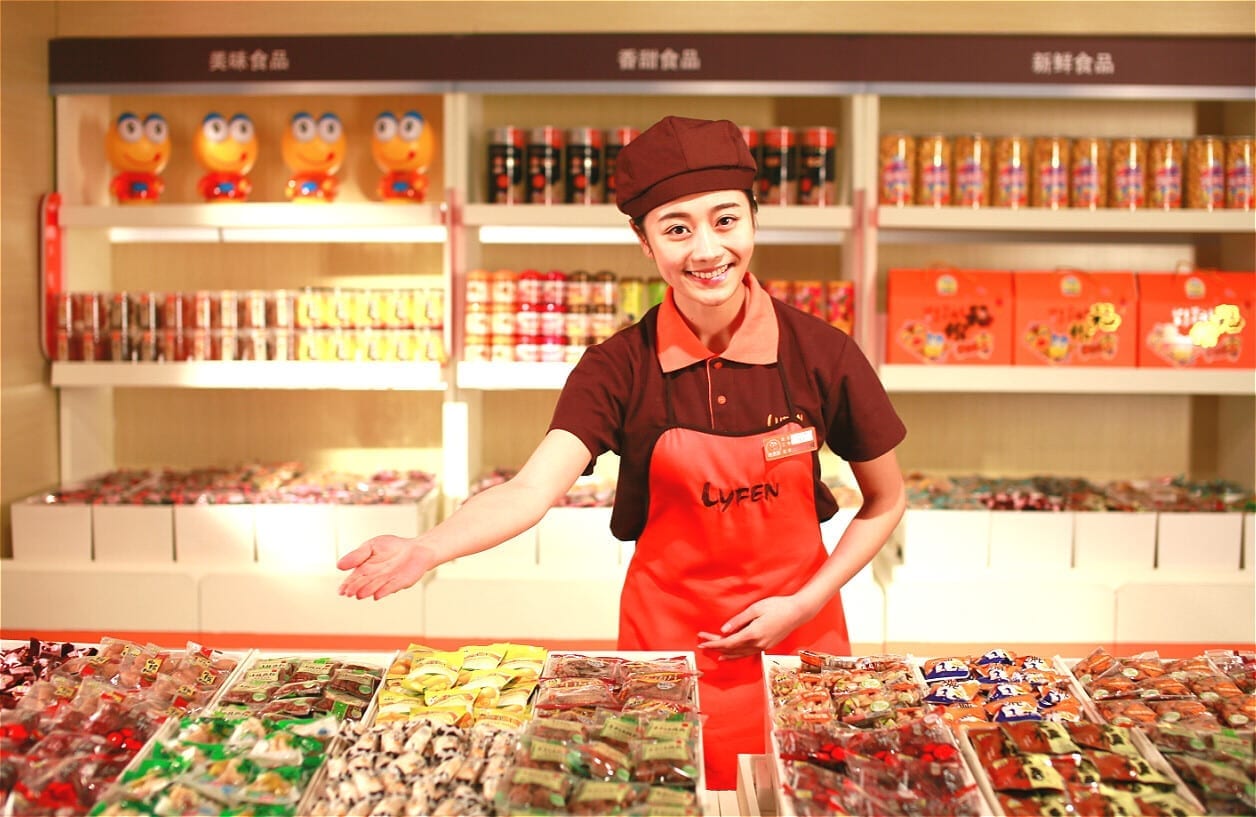
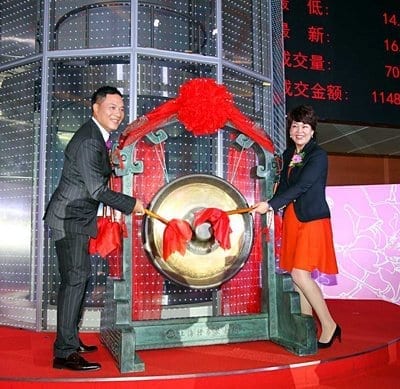
    Shanghai Laiyifen, the owner and operator of a chain of snack food stores in China, has completed an IPO in Shanghai, listing on Wednesday.

    Laiyifen is the first Chinese company specialising in snacks to go public. On the same day its massive advertising hoarding in New York’s Times Square was unveiled.

    shanghai-laiyifen-ipo

    After 17 years, the company has transformed itself from a small snack shop on a Shanghai street into a robust snack foods business, drawing the attention of both domestic and international media organisations by creating a buzz in Shanghai and New York simultaneously.

    Laiyifen opened its first store in 1999 and has since established a network of 2271 outlets across more than 10 Chinese provinces and municipalities, including Jiangsu, Zhejiang, Anhui and Shandong provinces, and the cities of Shanghai, Tianjin and Beijing.

    In addition, the company has deployed an omnichannel marketing model combining online with offline operations. With over 13 million loyal members, Laiyifen boasts annual sales in excess of RMB3 billion (approx. US$450 million) and has served over 450 million consumers in the aggregate.

    Wednesday’s listing raised some RMB660 million (US$98.3 million) by issuing up to 60 million shares (25 per cent of its post-issue share capital), and appointed China Securities as lead underwriter.

    Laiyifen’s controlling shareholders and actual controllers have all made a commitment to restrictions on the number of shares they can hold. The company’s other shareholders have, as well, made a commitment to voluntary lock-up of shares in their possession.

  • Yum China aims to triple outlets

    Yum China aims to triple outlets

    Yum China, being spun off at the end of this month by Yum Brands Inc, says it can triple its number of restaurants.

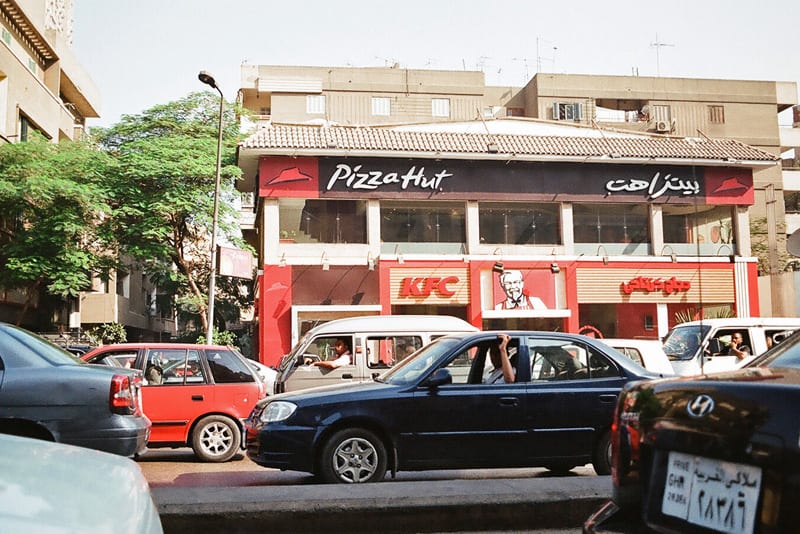
    Yum Brands opened its foray into China with a KFC restaurant in Beijing in 1987. There are now more than 7300 KFC and Pizza Hut outlets.

    “I really don’t see any reason why we cannot have 20,000 restaurants in China,” says Yum China division CEO Micky Pant.

    However, Yum China has had challenges in recent years including marketing blunders, rising competition, bird flu outbreaks, food-safety problems and slowing economic growth. Just this month, executives blamed anti-US protests sparked by political tensions in the South China Sea for a surprise 1 per cent drop in China sales during the latest quarter.

    Pant says those sales are recovering and “the fundamentals of the brands in China are very strong”.

    He says Yum China will have 15 per cent earnings expansion in the world’s fastest-growing economy with plans to  open restaurants in burgeoning mega-cities, major transportation hubs and new shopping malls.

    There are also plans to open Little Sheep and Taco Bell restaurants.

    Partners Primavera Capital and Alibaba Group Holding affiliate Ant Financial, which will buy a US$460 million stake in Yum China, bring competitive advantages such as real-estate market knowledge and digital leadership, Pant says.

    Yum China already is the biggest user of Ant’s Alipay service, and the restaurant group is investing in making its mobile ordering system and loyalty programs even more robust.

    After the separation, Yum China Holdings will become a licensee of Yum! Brands in mainland China with exclusive rights to quick-service restaurant KFC, casual dining brand Pizza Hut and Taco Bell, which is expanding globally but is not yet in China. It will also own the Little Sheep Mongolian hot pot and East Dawning Chinese cuisine concepts. Yum China has more than 400,000 employees in more than 1100 cities, generating more than $8 billion in system sales last year.

    The standalone Yum China is expected to start trading on the New York Stock Exchange on November 1.

  • The British House to showcase UK in Beijing

    The British House to showcase UK in Beijing

    Opening in Beijing in December, The British House showroom will display items from 100 UK brands across fashion, homewares and lifestyle.

    Already confirmed are such brands as Aspinal of London, Johnstons of Elgin, Liberty, Rachel Riley, Sunuva and Turnbull & Asser.

    Near Tiananmen Square, the 13,000 sqft (1207 sqm) showroom covers two floors and is modelled on a London townhouse, with products on display in each room of the “home”. Shoppers will be able to scan the items they like and buy them online using tablets. The products will be shipped directly from the UK to their home within eight to 11 days.

    The “home” will also have a tearoom and offer English language lessons as well as host VIP parties.

    Former women’s fashionwear Jonathan Saunders interim MD Jamie Powell has been appointed as the UK MD for the business, and he plans to roll out the concept to other locations across Asia. The owner is Yimei McCabe, a former diplomat with China’s ministry of foreign affairs.

  • Asia dominates retail destination rankings

    Asia dominates retail destination rankings

    Asian cities dominate the latest retail destination rankings, with the Middle East taking most of the remaining spots.

    According to the latest edition of JLL’s Destination Retail report, which ranks markets for retailer expansion around the world, Asia is fuelling global growth, taking 12 of the top 20 spots. Six of those cities are in China – but Singapore, Hong Kong and Macau are not among them. Six months ago Hong Kong was second only to London – neither city makes the list now.

    This time around, the top two cities are Dubai and Shanghai, with Beijing ranking third. The other Asian cities in the top 20 are Bangkok, Chengdu, Kuala Lumpur, Jakarta, Manila, Tianjin, Shenyang, Shenzhen, Chongqing and Hangzhou. (The full list is below).

    Besides Dubai, Abu Dhabi, Kuwait, Jeddah and Riyadh make the list, meaning 85 per cent of the top 20 destinations are in just two regions.

    “The global retail landscape is expected to change significantly over the next 10 years, as a fast-growing middle class in emerging markets attracts retailers hungry for growth,” says David Zoba, chairman of JLL’s Global Retail Leasing Board.

    JLL says Shanghai has become a favourite of international brands looking to test the Chinese market and gain exposure. While established prime markets include West Nanjing Rd and Huaihai Rd, new submarkets targeting local residents are popping up along the many new metro lines leading out of the city, and the city’s retail network is growing and shifting.

    Beijing follows as the third-fastest-growing retail market with its swelling middle class and strong concentration of high-net-worth individuals. Properties such as China World Mall and the landmark project Taikoo Li continue to draw high-end shoppers, while malls like Beijing APM and Oriental Plaza dominate tourist-friendly shopping strip Wangfujing. The Chinese capital’s suburbs are also experiencing rapid growth as people choose to shop more locally rather than brave the traffic into the city centre.

    “Emerging markets can expose international retailers to greater levels of economic and geopolitical risks. One pertinent example is China’s anti-corruption campaign and the knock-on effects on the luxury market,” says James Hawkey, head of retail for China, JLL. “However, international retailers are increasingly comfortable dealing with these risks, and generally have their eyes on the long term prize of establishing a strong position in major world markets.”

    Added Zoba: “The search for growth is escalating the penetration of international brands across the world’s most attractive retail cities, especially in Asia. Retailers who succeed in acquiring the right space in the right place at the right time will benefit from successful, profitable growth, but they should be mindful that potential rewards go hand in hand with risk,” continues Mr Zoba.

    Retail rents in these emerging markets reflect legislation, market transparency, reputational risk, maturity, as well as growth potential, meaning that their levels are relatively low compared to more mature markets. Places like Ho Chi Minh City, Jakarta and Bangalore present an opportunity for retailers to establish their brands at rents of less than US$2000 per square metre per year with projected in-store sales increasing by 8 to10 per cent until 2019, based on Oxford Economics forecasts. However, as cities mature and the pace of new construction of retail centres slows, rents will gradually increase.

    JLL’s Destination Retail report 2016 examines the presence of 240 international retail brands across 140 retail cities, giving insights for international retail expansion. The 140 cities make up 36 percent of the world’s GDP, 13 per cent of the global population and 33 per cent of total consumer spending.

    Top 20 Global Growth Cities for Retail

    1              Dubai

    2              Shanghai

    3              Beijing

    4              Kuwait City

    5              Abu Dhabi

    6              Jeddah

    7              Riyadh

    8              Moscow

    9              Bangkok

    10           Chengdu

    11           Kuala Lumpur

    12           Jakarta

    13           Manila

    14           Istanbul

    15           Tianjin

    16           Shenyang

    17           Shenzhen

    18           Chongqing

    19           Mexico City

    20           Hangzhou

  • Ted Baker flourishing worldwide

    Ted Baker flourishing worldwide

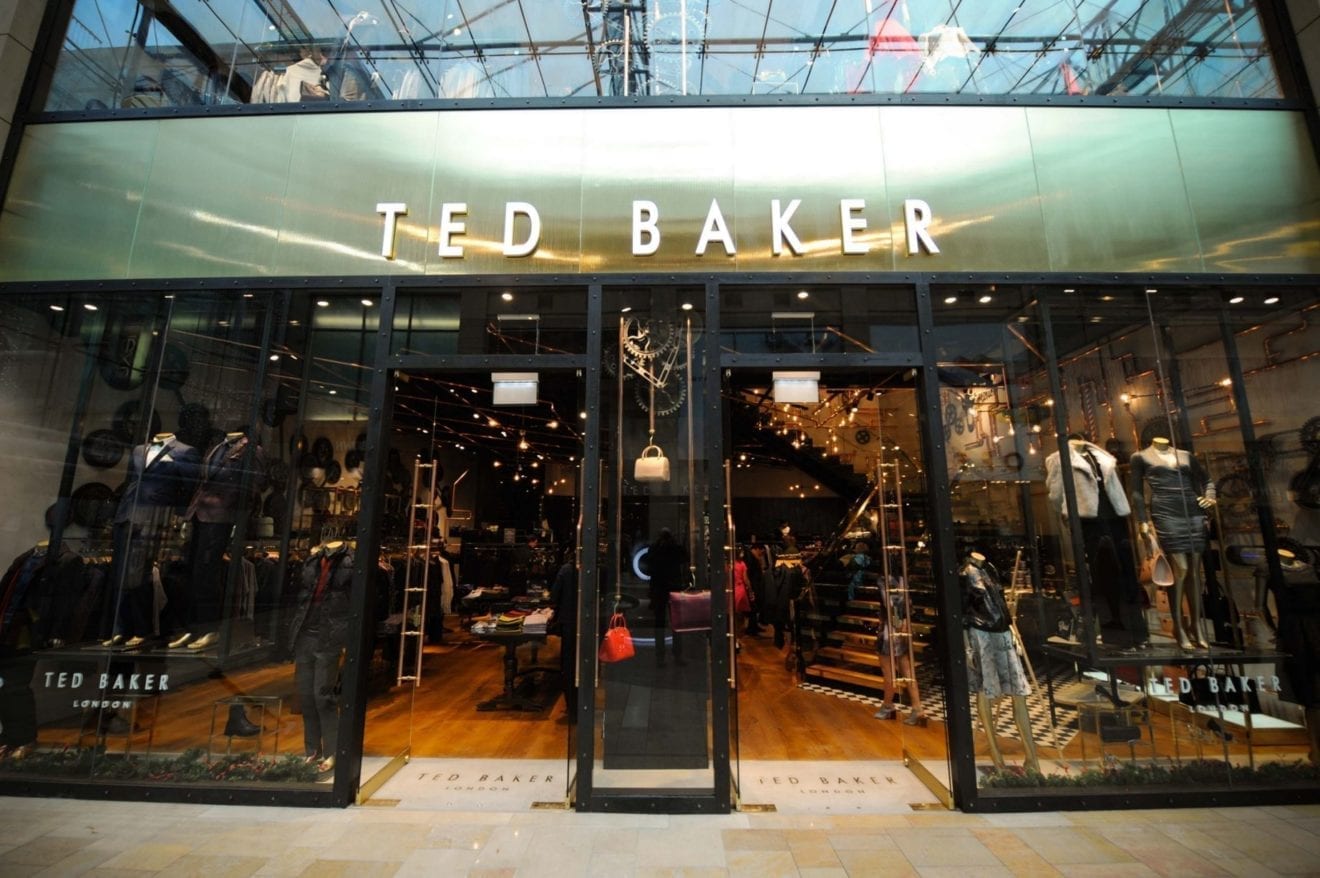
    North America has led a solid increase in sales for Ted Baker in its first half year.

    With group revenue increasing £32.7 million to £259.5 million, the UK-headquartered fashion retailer has proved once again that its overall strategy and business investments across its three distribution channels are paying off.

    The retail business grew in value to £191.1 million, boosted by an almost 30 per cent increase in North American retail sales, while wholesale rose to £69.4 million and income from licensing increased to £7.9 million.

    Ted Baker’s store expansion continues as average retail square footage rose 9.7 per cent with store openings in the US, Canada and China, the addition of department store concessions in the UK, Europe and Asia and licensee store openings in newer territories South Africa and Vietnam.

    Ted Baker’s premium design aesthetic and almost aspirational appeal continues to attract shoppers.  Products are recognisably and distinctively Ted Baker, making them highly desirable to its loyal customer following. Ted Baker also has an advantage over rivals such as Reiss and Whistles, in terms of its ability to appeal to women and men fairly equally across a variety of products as evidenced by growth across both womenswear (up 13.8 per cent to £148.9 million) and menswear (up 15.3 per cent to £110.6 million). The brand is also gradually positioning itself as a lifestyle brand, with expansion into categories such as homewares, stationery and luggage. Its distinctive aesthetic translates well into these complementary categories and will enable Ted Baker to create newer sources of revenue in a challenging clothing market.

    eCommerce is hugely valuable and is a particularly stand-out element of the business. Investment in design, personalised content and language specific websites, the first of which launched in Germany during the half, further enhances the online experience. Initiatives such as its newly launched interactive video where customers can shop autumn/winter products as they watch further set Ted Baker apart from competitors.

    Ted Baker’s products are typically smart, design-led and chic, and with Christmas coming up – will be top of mind for customers for partywear, occasions and gifting. As the retailer continues to invest in product and build brand awareness of its core offer in new and emerging markets, Ted Baker is well-positioned to continue on its upward trajectory over the second half year.

  • Pandora goes online in China on Alibaba’s Tmall

    Pandora goes online in China on Alibaba’s Tmall

    PANDORA announced that the Company has launched on Alibaba Group’s business to consumer platform, Tmall.com, providing a further avenue for Chinese consumers to purchase PANDORA jewellery. The launch on Tmall.com is PANDORA’s first online presence in China, which will be followed by the launch of the Company’s own eSTORE in December, 2016.

    Internet retailing in China is becoming increasingly popular amongst consumers, driven by faster internet, greater payment security and increasing convenience. In 2015, internet retailing in China generated sales of CNY 1,795 billion (approximately DKK 1,785 billion), corresponding to an increase of 53% compared to 2014.

    In connection with the launch, Kenneth Madsen, President, PANDORA Asia Pacific, said: “The launch of PANDORA jewellery on Tmall.com is another important step in establishing the PANDORA brand amongst Chinese consumers. Tmall is a clear leader in China’s internet retail space, and is the right business partner for PANDORA to get the broadest approach to the Chinese consumer.”

    The jewellery market in China is the largest jewellery market in the world, which in 2015 had a value of CNY 607 billion (approximately DKK 600 billion), corresponding to an increase of 7% compared to 2014. In the period 2016-2021, the Chinese jewellery market is expected to grow with a compound annual growth rate (CAGR) of 6%.


  • Discovery Japan Mall opens online

    Discovery Japan Mall opens online

    Tokyo-based craft products retailer DigitalStudio has launched Discovery Japan Mall, a cross-border eCommerce venture.

    Specialising in Japanese brands, the mall’s initial catalogue includes mainly toys, fishing gear, cosmetics, food, watches and fashion. About 100 Japanese companies have opened stores on the mall, offering about 15,000 items.

    Shipping is available to more than 120 countries and regions, and as part of the opening campaign free international shipping is offered for orders worth JPY 20,000 (US$190) or more until the end of this month.

    As well as credit cards, the mall supports payment by AliPay, PayPal, UnionPay and WeChat. The website is available in English, simplified and traditional Chinese, Indonesian, Korean and Thai. Purchases can be made by smartphone, and all orders include tracking and shipping insurance, plus delivery from Japan.

    Discovery Japan Mall representative Norio Itabashi says many hidden Japanese products do not reach the overseas market, and the mall is working with craftsmen and manufacturers to sell unique products.

    DigitalStudio was established in 2003 with the aim of “continuing to bring Japan to the world”.

  • DHL leverages on China’s Belt and Road

    DHL leverages on China’s Belt and Road

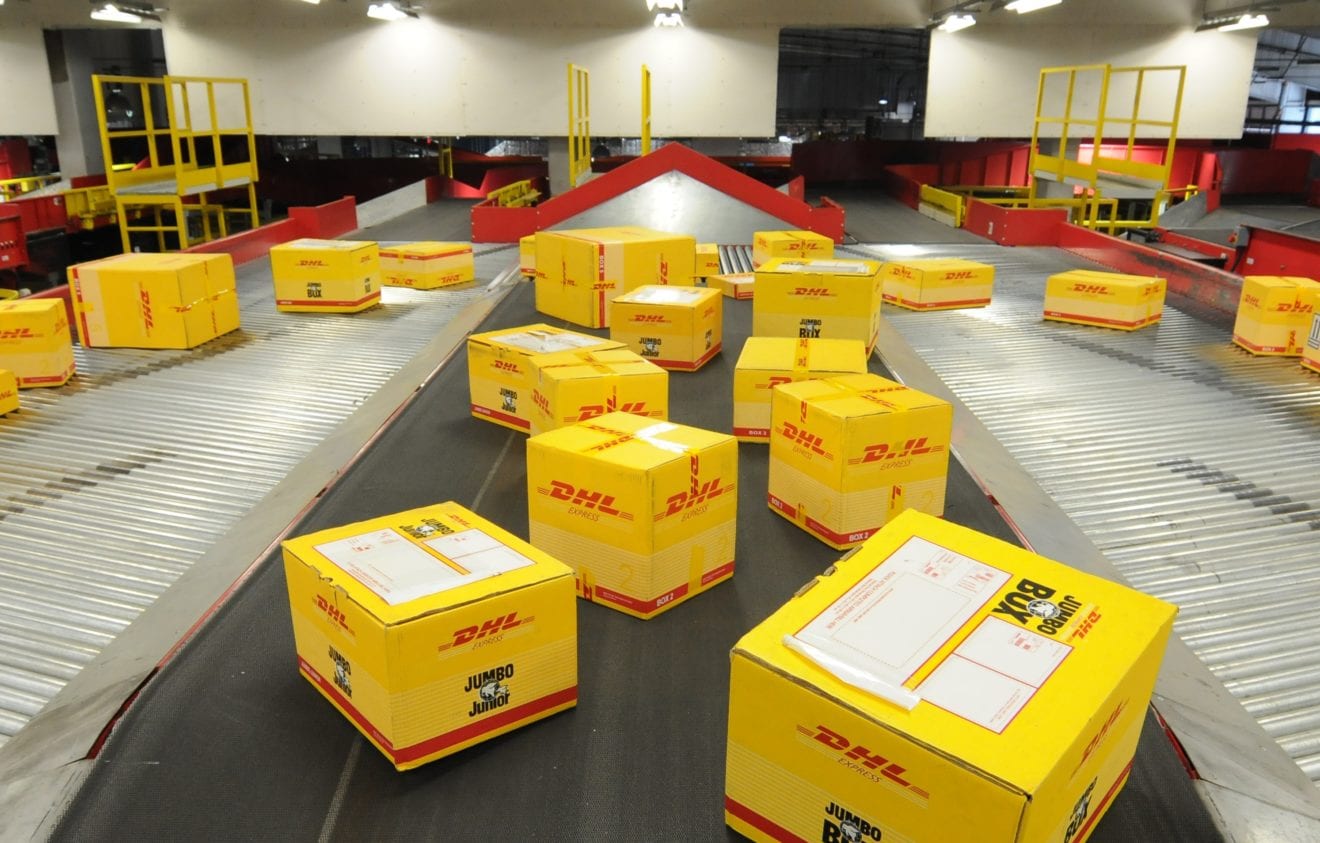
    DHL Global Forwarding continues to enhance its services which leverage infrastructure developed as part of “Belt and Road”, the Chinese trade initiative that could influence up to half of all global trade once completed.

    “Trade is the enabler for greater prosperity and a sustainable future. We believe logistics is the backbone of global trade, and nowhere more than in Asia have we seen the tremendous transformation of the economies as rising standards of living and a growing middle class has fuelled increased consumption and trade,’ said Frank Appel, CEO, Deutsche Post DHL Group.

    Frank Appel was speaking in conjunction with DHL’s Delphi Dialog forum on the implications of “Belt and Road” for international trade. The forum, with renowned experts from the government, business and academia, is the latest in a series which examines trends and developments that shape our world and the logistics industry.

    Making ‘Belt and Road’ accessible for business

    China’s investment in Belt and Road infrastructure – more than US$75bn (Euro 67.5bn) in the 18 months to June 2016 – bolsters regional cooperation and promotes trade. Since 2010 and in line with the vision for “Belt and Road”, DHL has been developing scheduled connections offering rail services across multiple cities in China, and linking it to road solutions throughout South East Asia and ferry services from North Asian cities in Japan and Taiwan.

    From South East Asia and other parts of North Asia, the road and ferry connections feed into China’s rail system which connects into Europe, with final distribution by road across the continent. This intricate connection of rail, road and sea services offers customers an additional logistics route, fostering trade between economic powerhouses of Europe and Asia.

    “We have been focused on building connectivity between China and regional countries, and connections into Europe via all combinations of road, rail and sea services,” said Steve Huang, CEO, DHL Global Forwarding China. “A multimodal solution – combining all modes of transport – enables customers to better manage their supply chains – offering flexibility, cost savings and potentially a reduced carbon footprint.”

    “The new service provides greater flexibility and speed for Japan’s exporters, including sectors like automotive and electronics production which already enjoy market dominance in Europe,” said Mark Slade, President and Representative Director, DHL Global Forwarding Japan.

    “With Less-than-Container Load services to Europe, Japanese businesses can improve the efficiency of fulfillment and inventory management at cost-effective rates, helping them maintain their competitive edge as world-class manufacturers.”

    Broadly, combinations of multimodal services can reduce transport costs by up to six times and up to 90% reduction in carbon footprint as compared with air freight, making it an increasingly attractive option for SME and MNC customers alike.

    DHL launched a further three new multimodal services:

    • Sea & Rail service: A Less-than-Container Load (LCL) service between Japan and Germany which allows businesses to export low-volume shipments for as little as half the cost of standard air freight. With a transit time of about 22 days, shipments are moved from Kobe to Taicang via sea, and by rail to Hamburg through hubs like Duisburg, Lodz, Malaszewicze and Warsaw.
    • Road & Rail service: The Vietnam-Europe service takes Full Container Load (FCL) cargo from Hanoi to Chengdu via road, followed by rail to hubs like Lodz, Duisburg and Hamburg in Europe, arriving in 21 days. An LCL option for the Vietnam-Europe service will commence in Q4 2016.
    • Rail, Road & Sea: Further boosting our Southern rail corridor offering announced last year, the new Chengdu-Istanbul service traverses three Central Asian countries – Kazakhstan, Azerbaijan, and Georgia – as well as two sea transit segments before arriving at Istanbul in 14 days.

    The three new services build on a series of major DHL investments in the last 12 months, including a multimodal service between Japan and Warsaw via Suzhou announced in November 2015; and an MOU signed in May 2016 with Chengdu’s Gateway Logistics Office to upgrade infrastructure and customs processes. DHL has been developing multimodal services along the Belt and Road since 2010, when it launched a suite of five services – International Rail, Rail-Air; Sea/River-Rail; Sea-Air and Cross-Border Road Freight.

  • Chinese celebs promote ‘K-beauty’

    Chinese celebs promote ‘K-beauty’

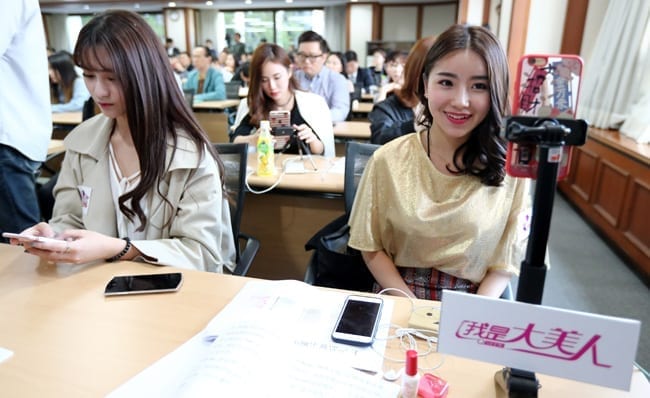
    Internet celebrities in China, known as “Wang Hong” there, have been in the limelight among Korea’s cosmetics and retail industry officials, amid a chilly relationship between the two countries. Bilateral relations have soured since Korea decided to deploy the Terminal High Altitude Area Defense (THAAD) missile system.

    The online stars, who have millions of followers on the internet, exert a strong influence over young Chinese people. According to CBN Data, a commercial data company affiliated with Alibaba, the “Wang Hong economy” is set to be worth 58 billion yuan ($8.7 billion) in 2016, more than China’s box office in 2015.

    Korea’s cosmetics industry officials have recently paid attention to them, as more have promoted K-beauty fever in China, evaluating or recommending Korean cosmetics online.

    Some cosmetics companies have even invited them to Korea to promote their products.

    AmorePacific invited some to Korea in March and September this year to promote its oriental herbal shampoo “Ryoe.” After the invitation, AmorePacific’s shampoo sales in China grew seven times year-on-year. LG Household and Health Care invited nine celebrities to Korea on Sept. 22 to promote its cosmetics brand SU:M37. The Face Shop invited five others and introduced their products to them earlier this year.

    Retail industry officials are looking for opportunities from the celebrities as well.

    Aekyung invited 10 in May to promote its cosmetics brand “Luna,” and HDC Shilla I’PARK Duty Free hosted an overnight trip for five to sightsee spots in Yongsan, central Seoul. Shinsegae broadcasted its “K-beauty fashion week” event to China through the channels of a few of the internet celebrities and Galleria Duty Free Shop employed two to promote the store in China through their social media.

    On Oct. 3, Minister of Culture, Sports and Tourism, Cho Yoon-sun said, “We would like you Wang Hongs, who lead the trend in China, to be a bridge between Korea and China,” meeting six celebrities at Jongno Hanok Village in central Seoul.

  • Hang Nadim Airport to serve flights to China, Korea

    Hang Nadim Airport to serve flights to China, Korea

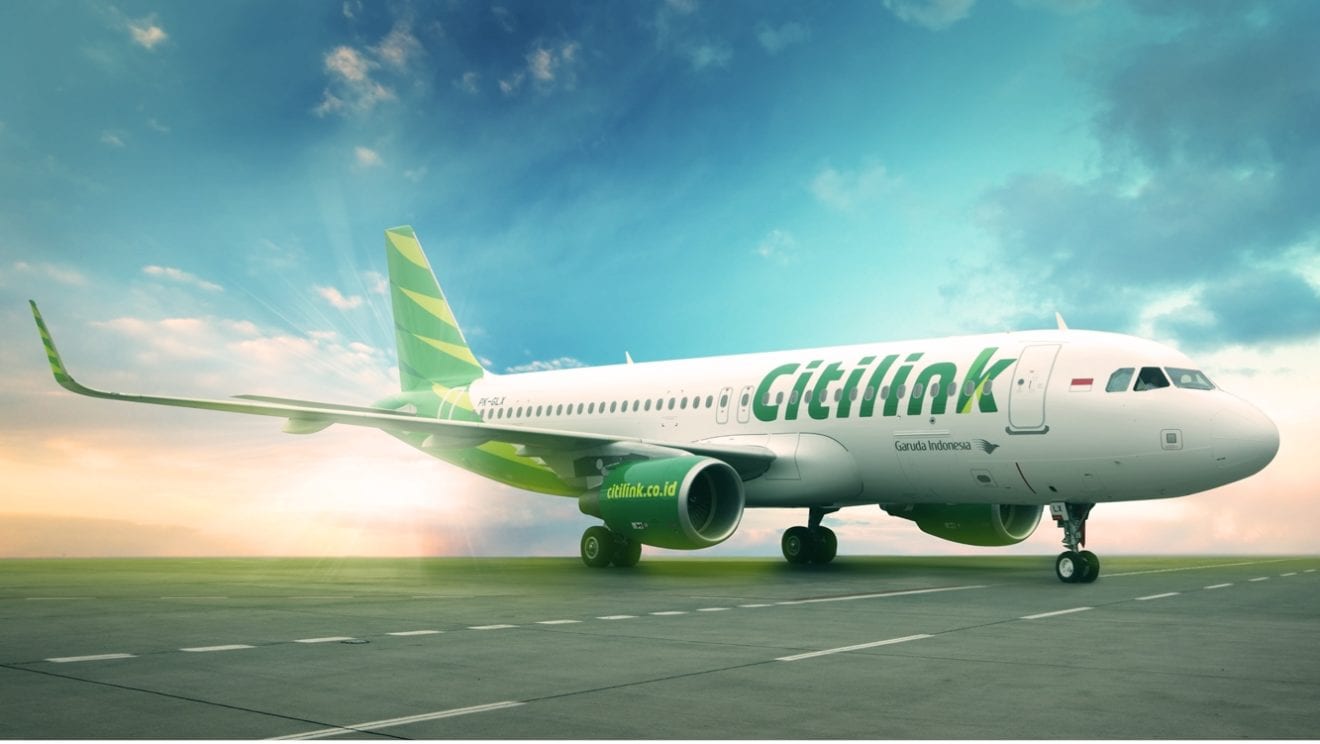
    The Citilink airline company will soon serve flights from Hang Nadim International Airport here to China and South Korea, according to the airports general manager, Suwarso.

    “Two international flights from Batam to China and South Korea have been approved and will soon be launched early next year, probably in February 2017,” Suwarso remarked here on Tuesday.

    According to him, the opening of two routes is part of an effort by the Riau Islands provincial government to increase the number of tourist visits, especially from East Asia.

    With the two new international flights, the Riau Islands provincial government hopes tourist arrivals will increase to enjoy the great tourism potential in the province.

    He said Citilink will operate Airbus A320 aircraft, with the capacity to accommodate 180 passengers, to transport tourists from China and South Korea to Riau Islands Province.

    “The Riau Islands province has formed a partnership with the tour and travel associations in China and Korea. So, with this partnership, these Batam-China and Korea routes could run smoothly,” stated Suwarso.

    He added that Indonesias free visa policy is also applicable to China and South Korea, so tourists from these countries will not need visas when visiting Indonesia.

    “Hang Nadim International Airport is open 24 hours and ready to serve international flights, so there is no problem anymore,” Suwarso noted.

    He said the airport had an international flights lounge area, with a capacity of up to 600 seats.

    International flights from this airport are currently served only by Malindo Air, travelling to Malaysia once per day.

    “If the international flights area becomes crowded, we are ready to increase the capacity of the international waiting room,” remarked Suwarso.

  • Tata Motors Jaguar Retail sales up 70% at 17640 units

    Tata Motors Jaguar Retail sales up 70% at 17640 units

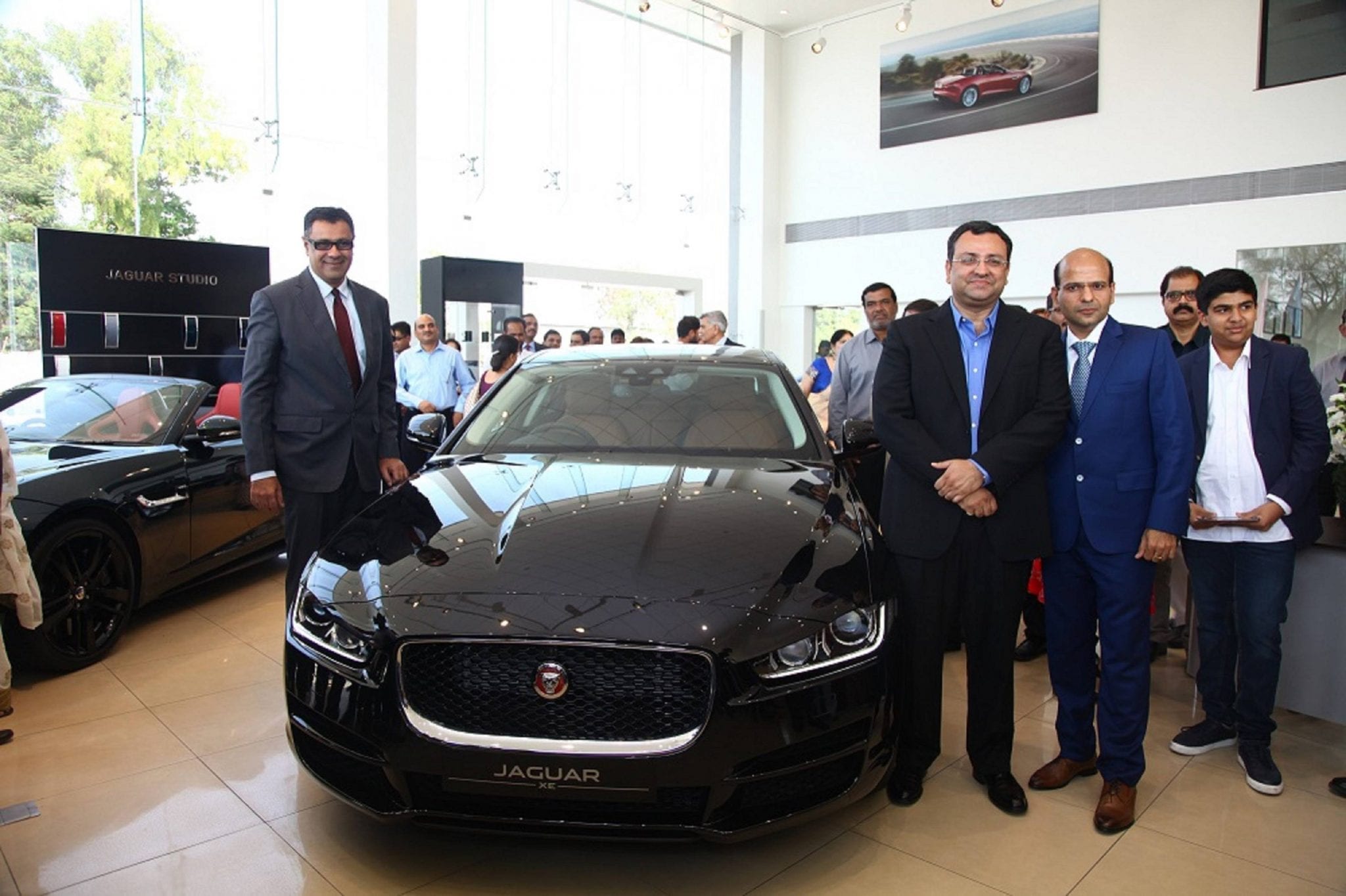
    Jaguar Land Rover, the UK’s leading manufacturer of premium luxury vehicles, today reported its best ever September retail sales of 61,047 vehicles, up 28% compared to September 2015. The month’s performance has been driven by strong sales of the Land Rover Discovery, Discovery Sport, the Range Rover Evoque and the Jaguar F-PACE, as well as solid sales in China.

    Jaguar Land Rover delivered solid retail sales growth across all key regions year on year, with China up 50%, Europe up 32%, UK up 30%, North America up 23% and other overseas markets up 3%. Jaguar Land Rover sold 434,025 vehicles in the first nine months of 2016, 24% up on the same period in the prior year.

    Commenting on the performance, Andy Goss, Jaguar Land Rover Group Sales Operations Director said, “September is always an important month for the automotive industry and we are proud of our results. Performance was strong in China and Europe, where collectively we sold almost 23,000 cars this month alone.

    “With the new Discovery launched in Paris this month and sales starting for the first locallybuilt Jaguar in China – the XFL, our British line-up continues to expand and delight in markets across the world.”

    Jaguar recorded its best September ever, with retail sales reaching 17,640 vehicles, up 70% on the previous year, reflecting the strong launch of the F-PACE as well as continued solid sales of the XE. Calendar year-to-date sales for Jaguar were 103,366 up 72% year-on-year.

    Land Rover strengthened its position as a world-leading manufacturer of all-terrain SUVs, with its strongest ever September sales of 43,407 vehicles, up 17% year-on-year. The strong sales were led by the Discovery Sport, retailing 12,838 vehicles, up 50% compared to last September, and Range Rover Evoque retailing 11,761 vehicles, up 53%. Calendar year-to-date sales for Land Rover reached 330,659 vehicles, 14% up on the prior year.


  • China’s National Day holiday retail sales growth slows slightly

    China’s National Day holiday retail sales growth slows slightly

    China’s retail sales rose at a double-digit pace during the week-long National Day holiday in October, data from the Ministry of Commerce showed, but growth slowed slightly compared with last year.

    Sales of retailers and catering firms increased 10.7 percent to 1.2 trillion yuan ($180 billion) during the Oct. 1-7 “Golden Week” holiday, the ministry said in a statement posted on its website late Friday. Revenues grew 11 percent a year earlier.

    In revenue terms, the holiday is more important for retailers than Chinese New Year as they vie for customers with promotions and discounts.

    During the National Day holiday, millions take time off work to travel, get married, and generally spend more money than usual on consumer products such as household appliances, mobile phones, jewellery, clothing and cars.

    Economists are closely watching China’s consumption data as the country’s leaders try to bolster the economy, which expanded at its slowest rate in a quarter of a century last year.