Tag: China

  • The top 10 cosmetics brands in China

    The top 10 cosmetics brands in China

    China’s top 10 selling cosmetics brands have been revealed.

    A report by Kantar Worldpanel concludes the beauty market remains buoyant in China over the first half of 2016 with brands battling it out for market share.

    The cosmetics sector is a major driver of growth in the FMCG market in China. The skincare and colour make-up sector grew by 12 per cent and 10 per cent respectively in the year to June 2016, far higher than the overall 3.1 per cent growth rate of the total FMCG industry.

    Kantar says the value growth is due to Chinese consumers becoming more sophisticated in their selection of beauty products, migrating to premium products.

    This also presents brand new opportunities to both international and domestic players.

    In its 2016 Cosmetics Brand Footprint ranking, Kantar Worldpanel reveals the top 10 best-selling brands in China.

    Dabao leads the ranking with 23.1 per cent of the population choice, on average twice a year, meaning Dabao products were put into shoppers baskets 76.7 million times during the year.

    Pechoin occupies second place and was the fastest riser in terms of consumer touch points, adding more than 3.6 million families to its brand over the last 12 months.

    The next eight places are revealed in the chart below.

    Top 10 cosmetics brands in China

    Despite strong growth, China’s cosmetics market remains incredibly competitive.

    Of the 4000 brands tracked by Kantar Worldpanel, only 40 per cent of them saw an increase in net sales.

    Amongst the top 20 growing brands in the market, a rise in penetration contributed 78 per cent to their collective growth, proving that the continual recruitment of shoppers is the key way to grow sales.

    “Consumers today have unprecedented choices available to them thanks to overseas travel and eCommerce, yet the growth of Chinese brands and Korean/Japanese brands are noticeable,” said Jason Yu, GM at Kantar Worldpanel.

    Brands who advocate health, efficacy and fun are winning consumers’ choices, on the back of unique product and marketing innovation as well as smart Omni-Channel deployment.

    Other key conclusions from the Kantar Worldpanel study include:

    • Premiumisation drove 82 per cent of the market’s total growth.
    • Essence will be the next star segment – products at different price points with different functions are appealing to young consumers.
    • There is still significant potential to drive trials of colour cosmetics, and cushion is becoming the point of market entry.
    • Consumers are embracing natural and safe product concepts.
  • China Mobile joins OpenDaylight Project

    China Mobile joins OpenDaylight Project

    The OpenDaylight Project, an open source platform for programmable, software-defined networks, has announced that China Mobile has joined the project at the Silver Level.

    China Mobile joins Tencent and Alibaba, also members of OpenDaylight, as part of a growing number of Chinese internet players and telecoms operators that actively participate in open networking projects and leverage open source SDN to support their extreme scalability demands.

    The operator wants to standardize and also customize their environments to improve automation. OpenDaylight provides a means for China Mobile to build on well-tested, foundational capabilities, which would otherwise take far too long for them to develop entirely in-house, said Wang Jinzhu, project manager of China Mobile Research Institute.

    Recently, China Mobile released its commercial OpenDaylight-based data center SDN controller named “AERO,” currently in trial.

    Additionally, China Mobile has also initiated the “SPTN” project within OpenDaylight, which evolves the packet transport network (PTN) toward SDN.

    As early adopters of OpenDaylight, China Mobile is leveraging the platform with OpenStack to deploy enterprise service offerings under its NovoDC program, which offers both a telecom infrastructure as well as virtual public or private cloud services.

    NovoDC has helped China Mobile to gain significant data center opex savings and can now deliver new services in minutes rather than weeks.

    The OpenDaylight Project meanwhile also announced the launch of its “Powered by ODL” program, which signals high technical standards and quality expectations for commercial products or services based on the platform.

    With increasing numbers of solution providers incorporating OpenDaylight code into downstream commercial offerings, the program is created to help end users identify quality OpenDaylight-based solutions while supporting vendors with their go-to-market strategies.

    Any individual or organization offering an OpenDaylight-based product or service may apply for the trademark. Products that are “Powered by OpenDaylight” must include specific core components from a recent release of the OpenDaylight code base, as approved by the OpenDaylight’s board of directors.

  • Korea’s Etude House refreshens image

    Korea’s Etude House refreshens image

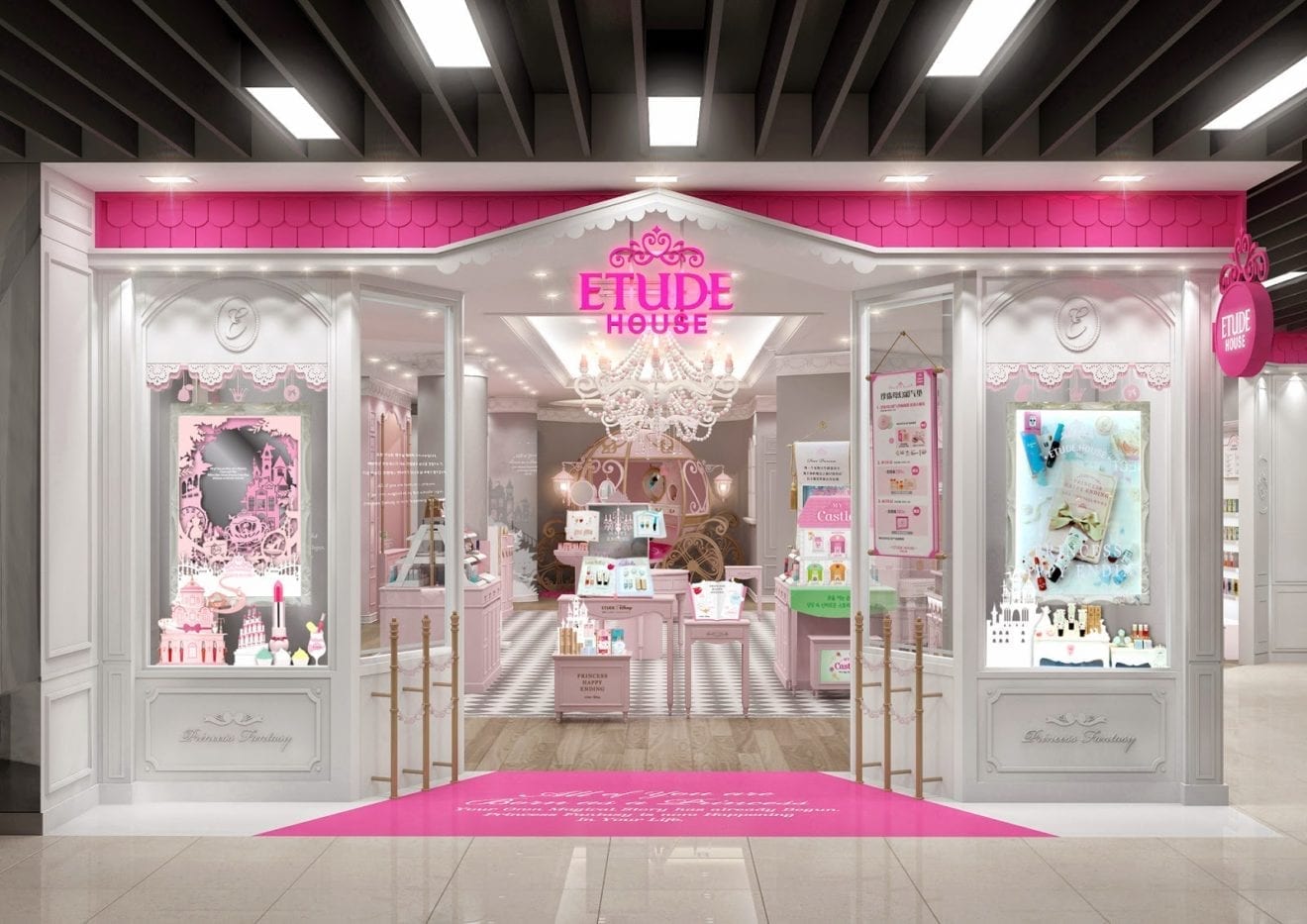
    With a new brand positioning, Korea’s Etude House has been making inroads in the global cosmetics market this year.

    Previously tagged Princess Fantasy, its new positioning line is Sweet Dream. Its makeover includes more sophisticated visuals in its advertisements and packaging designs, plus a new slogan, “Life is Sweet”. The aim is to symbolise the positive energy and values of people in their 20s as Etude House works toward its vision of becoming the “global No. 1 young makeup brand” through overseas expansion, digital content development, new services and innovative products.

    Etude House, owner by Amorepacific has about 230 stores in 12 Asian countries, and by 2020 aims to have increased its number of overseas stores by 50 per cent.

    From June, Etude House has been managing a multi-channel network, the Beautizens Club, to support the development of new beauty content creators. This has led to 25 content creators from Asia being chosen as “beautizens” to receive makeup tutorials.

    Etude House also has a new mobile app that lets customers administer their account. It also contains digital content that analyses purchasing patterns and draws on age-group general preferences to suggest colours.

    In co-operation with the Seoul Metropolitan Rapid Transit Corporation, the brand offers customers the option to pick up their online-ordered products at lockers inside subway stations.

  • Jimmy Choo Asia sales rises

    Jimmy Choo Asia sales rises

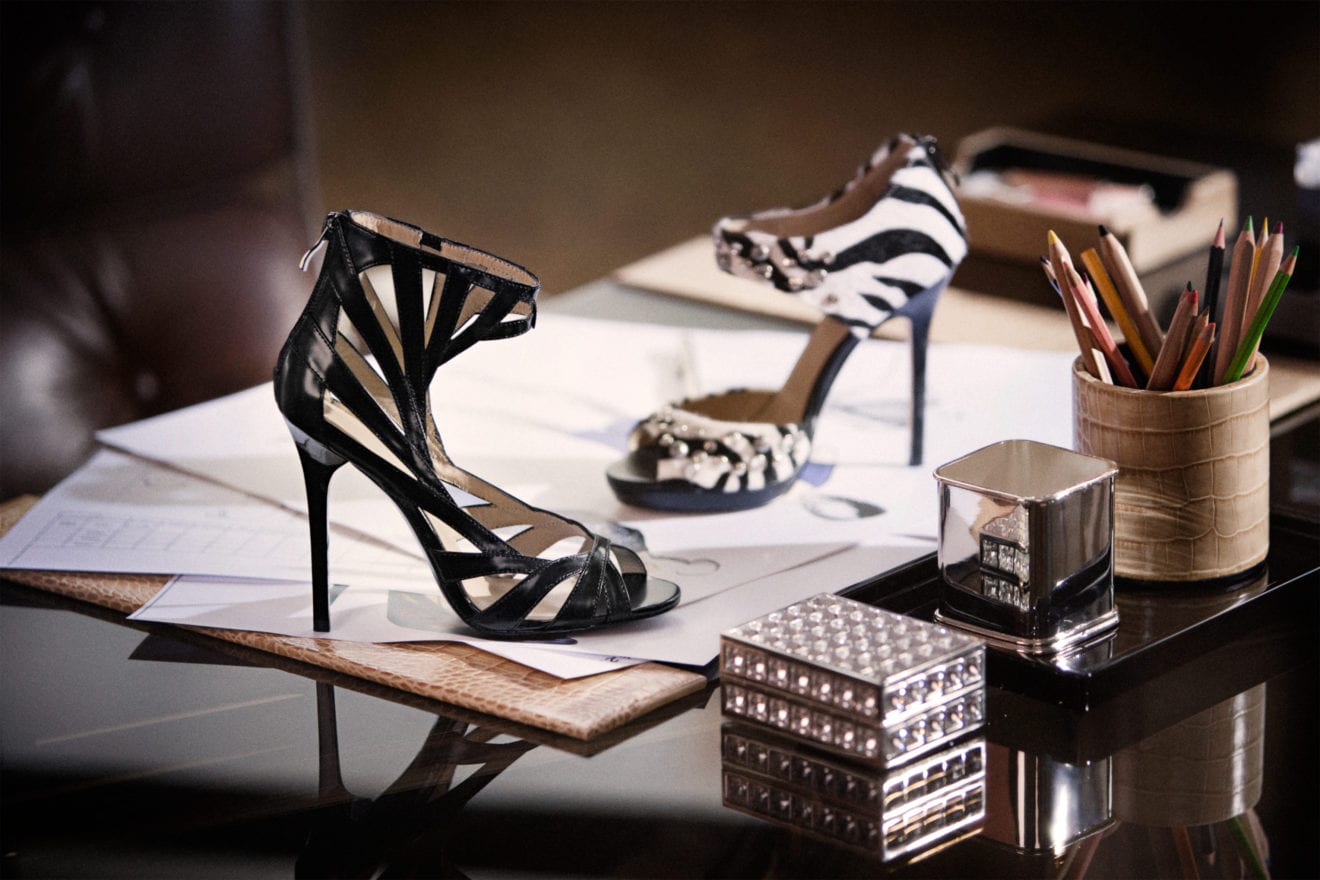
    Jimmy Choo Asia sales are soaring, despite the downturn in the luxury market.

    While the company does not break down its Asian sales figures by market, analysts are reporting “record growth” in Hong Kong and China, in part aided by the opening of a new store in Macau.

    Total revenues from Asia (excluding Japan) rose 22.1 per cent on a reported currency basis in the six months to June 30, reaching £27.1 million. Jimmy Choo opened two new stores of its own in Asia during the six months and six franchised stores.

    Next year the company plans new flagships in Tokyo, Shanghai and Beijing.

    Sales in Japan increased by 18.2 per cent on reported currency basis with men’s footwear sales and the strong yen driving growth.

    The company plans 200 stores Asia-wide to take advantage of the region’s “untapped growth potential”.

    The UK-based company recently marked 20 years since it was founded by Malaysian cobbler of the same name, who was later forced out of the business in controversial circumstances and now runs his own exclusive, unrelated Jimmy Choo Couture boutique in London.

    One of the reasons for the brand’s success in Asia is its unconventional marketing activities.

    Last September, brides in the Philippines were able to order customised shoes from its stores, selecting texture, style and colour and adding a personal monogram. This year, the concept was expanded to include handbags.

    In Malaysia, customers can customise the color, texture and finishes of their heels and add names, initials or even dates to their handbags.

  • Panda Express heading for Japan

    Panda Express heading for Japan

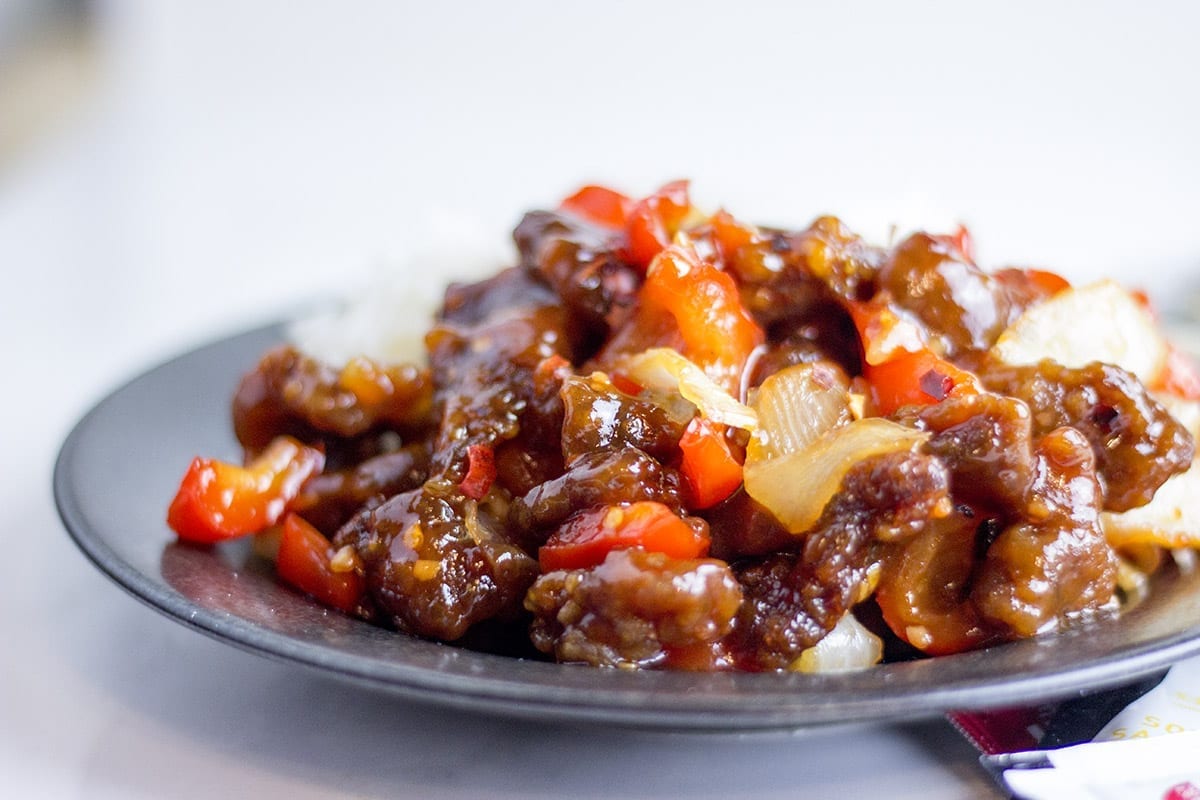
    US Chinese fast-food chain Panda Express, a staple of mall food courts in California, is about to launch in Japan.

    It will be in the hands of I&P Runway Japan, a joint entity set up last year between Panda Express owner Panda Restaurant Group and Chikara no Moto, the restaurant management group behind the tonkotsu ramen chain Ippudo. Originally formed to help Ippudo gain a foothold in the US, the JV is now aiming to open the first Japanese Panda Express before the end of the year.

    Other American fast-food chains such as KFC, Krispy Kreme and McDonald’s have had success in Japan, tweaking their menus to suit local tastes.

  • Ten airports introducing Alipay for travellers

    Ten airports introducing Alipay for travellers

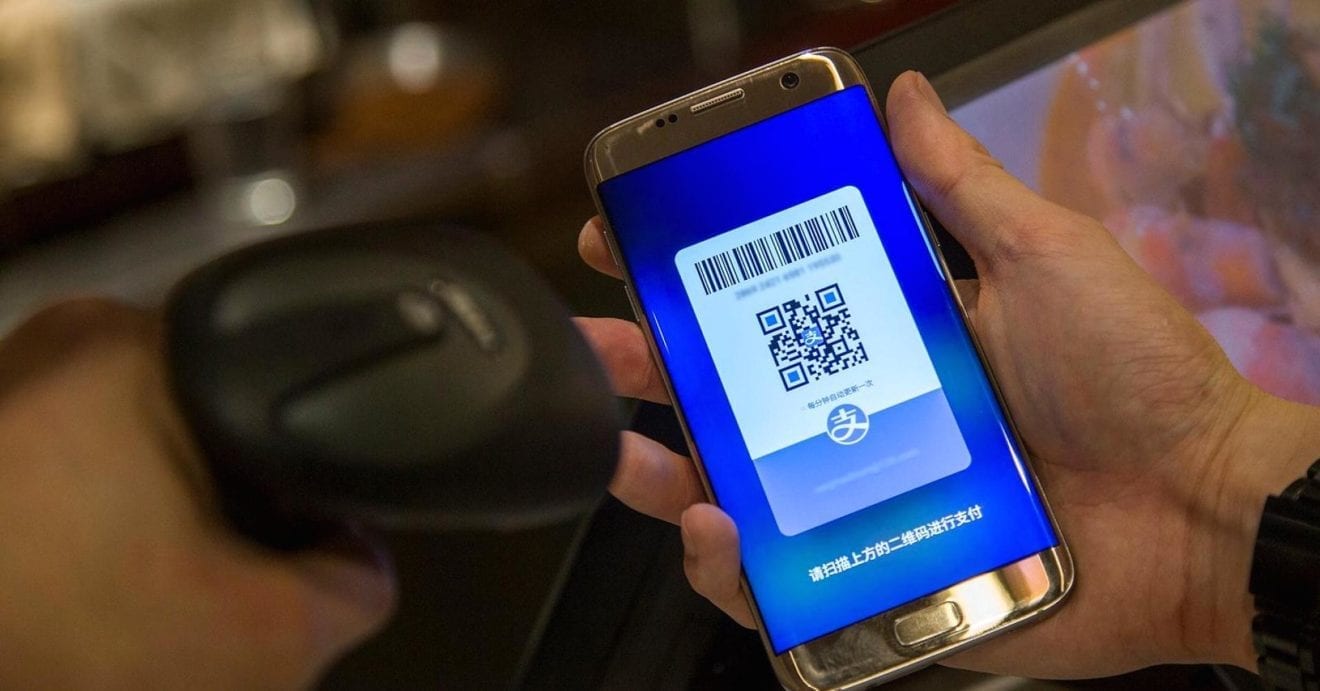
    Ten international airports will be offering Alipay for travellers by the end of next month.

    First up in Alipay’s new “Future Airport” program are Munich Airport, Singapore Changi Airport, Narita International Airport in Tokyo, Kansai International Airport in Osaka, Seoul Incheon International Airport, Auckland Airport in New Zealand, Suvarnabhumi Airport in Bangkok, Hong Kong International Airport, Taoyuan International Airport in Taipei and Macau International Airport.

    “We see more Chinese tourists passing through our airport every year as they visit Japan, so becoming part of Alipay is a critical tool for our merchants,” says Kansai Airport executive officer Akihisa Tabe.

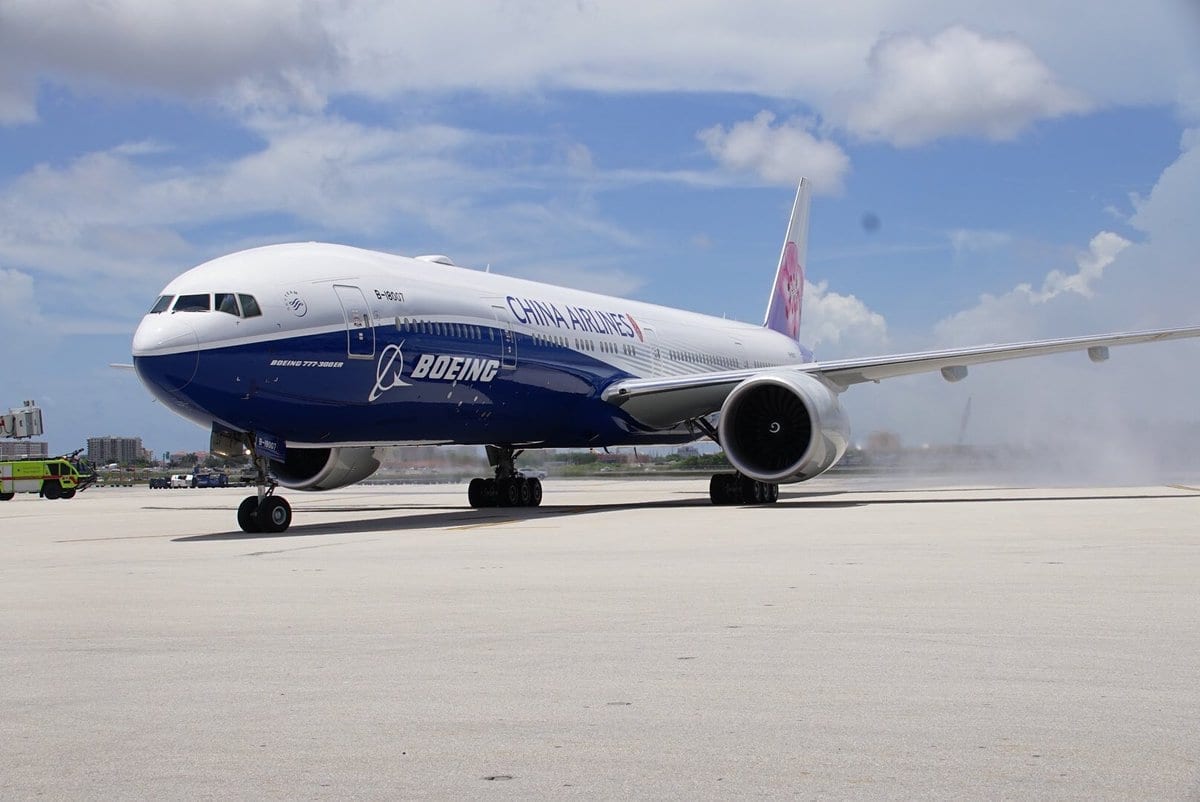
  • China Airlines Becomes 9th A350 Operator

    China Airlines Becomes 9th A350 Operator

    The carrier, which has 13 more on order, is the ninth airline operator of the new type.

    China Airlines will deploy the first A350 on regional routes such as Taipei-Hong Kong for crew familiarization towards the end of October 2016, before flying it to Amsterdam, Vienna and Rome from January 2017.

    According to the airline, it expects to receive three more A350s by the end of the year, with the other 10 scheduled to be delivered during the next two years.

    Airbus had originally planned to deliver the first frame to China Airlines in July 2016, but pushed it back due to production delays.

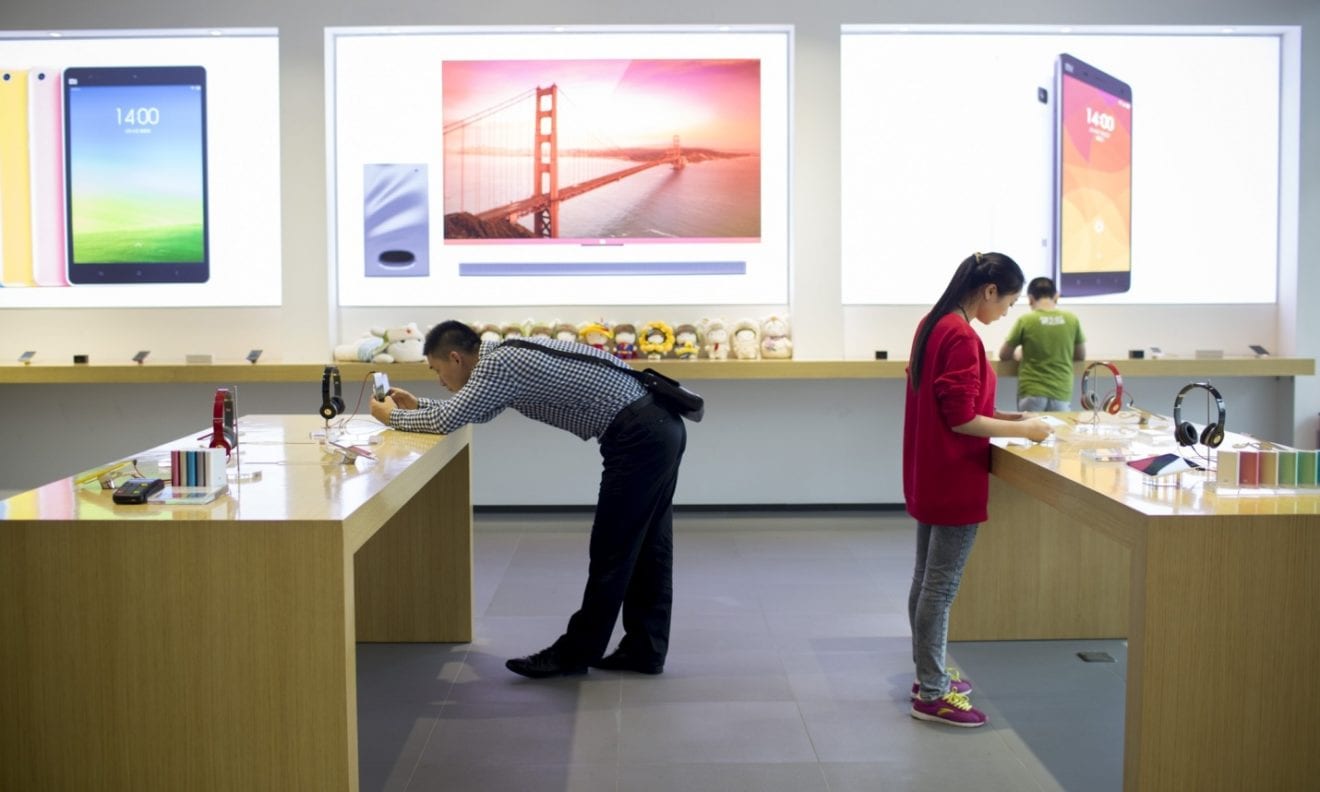
  • Xiaomi hopes to open 1000 stores by 2020

    Xiaomi hopes to open 1000 stores by 2020

    To date, Xiaomi has focused overwhelmingly on internet sales of its smartphones and media devices in order to keep costs down. Even its tiny retail footprint has largely been limited to service centers and “experiences.” However, that’s all going to change in the next few years. Xiaomi has revealed that it plans to open 1,000 honest-to-goodness retail stores by 2020. It’ll make sure that customers can “touch and test” Xiaomi’s technology, CEO Lei Jun says. He hasn’t said where those stores will be, but it’s reasonable to expect most or all of them to be located in greater China.

    A spokesperson said that the retail plan is an acknowledgement that Xiaomi has “become a household name” in China, and that you’ll see its presence grow relatively quickly. The firm is converting its existing Mi Home outlets into full-on stores, and expects 60 Mi Home locations to be up and running by the end of 2016.

    The dive into retail is bound to be expensive for Xiaomi, and a gamble when the company is almost legendary for its razor-thin profit margins on hardware. It might not have much choice, mind you. While it’s true that Xiaomi is well-established, its smartphone shipments plunged this year — in no small part due to rivals like Huawei, which has a whopping 11,000 stores across China. Physical stores could both snap up more impulsive buyers and remind customers that Xiaomi is still a force to be reckoned with. There’s no guarantee that it’ll work, but Apple’s recovery in the 2000s was partly credited to launching stores that both increased availability and presented its products in the best light. Xiaomi is no doubt hoping for a similar effect.

  • Unicom to deploy Nokia CR-B in more provinces

    Unicom to deploy Nokia CR-B in more provinces

    China Unicom has arranged to deploy high-capacity Nokia metro core routers in four additional provinces.

    Unicom is deploying Nokia’s high-end core router CR-B, powered by the extensible core routing system (XRS) platform, to help meet China’s future capacity demands.

    The expanded agreement now covers the provinces of Heilongjiang, Henan, Zhejiang and Hunan. Unicom has already deployed the technology in Beijing, Shandong, Jiangsu, Jiangxi, Inner Mongolia and Qinghai

    The deployment also forms part of the $182 billion Broadband China project to improve the speed and quality of internet service nationwide. The project aims to reduce the digital divide and provide national broadband coverage by 2020.

    “We are honored to continue our work with China Unicom in the CR-B core router segment,” said Mike Wang, head of the joint management team of Nokia Networks China and ASB .”Leveraging the Nokia 7950 XRS platform, China Unicom gains the bandwidth, flexibility and programmability necessary to manage its growing networks and to better meet the needs of the country’s ambitious broadband strategy.”

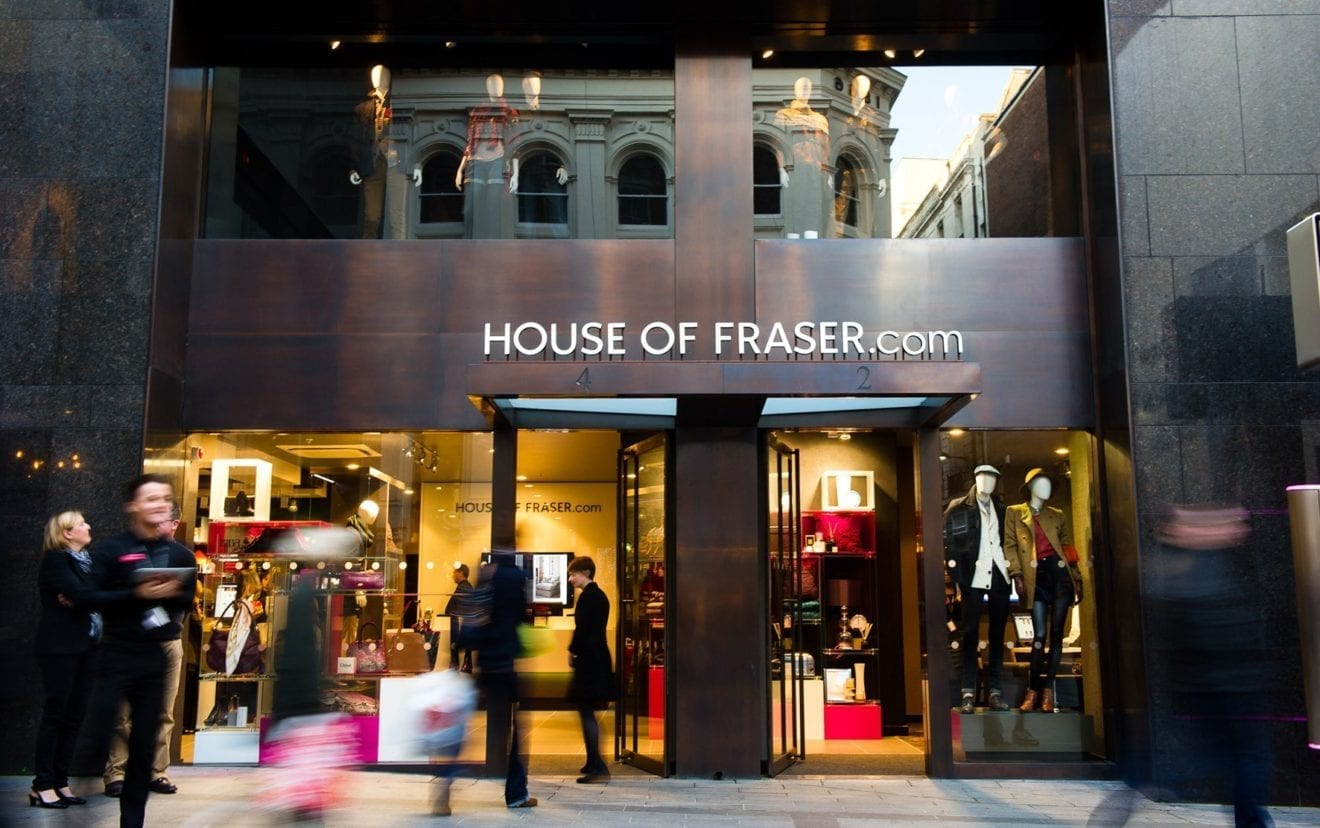
  • House of Fraser China debut nears

    House of Fraser China debut nears

    UK department store group House of Fraser is preparing for its debut in China after pushing back its original April launch date because of the Chinese New Year.

    House of Fraser China says it has made “good progress” with its store planning with the launch now set for late this year.

    The first store will open in Nanjing, inspired by the historic Frasers store in Glasgow, and featuring international and local brands. The opening will follow flat sales for the group during the first half of its latest fiscal year. However, the Chinese-owned department store group believes there is “significant opportunity” to set up as a global brand, says executive chairman Frank Slevin.

    When Sanpower Group acquired House of Fraser two years ago, founder Yuan Yafei spoke of a global vision for the department store, including outlets throughout the Middle East and Russia, and as many as 50 stores in China.

    House of Fraser last year confirmed it would open three stores in China.

  • Why Is China The Center-Piece Of Starbucks’ Growth Story?

    Why Is China The Center-Piece Of Starbucks’ Growth Story?

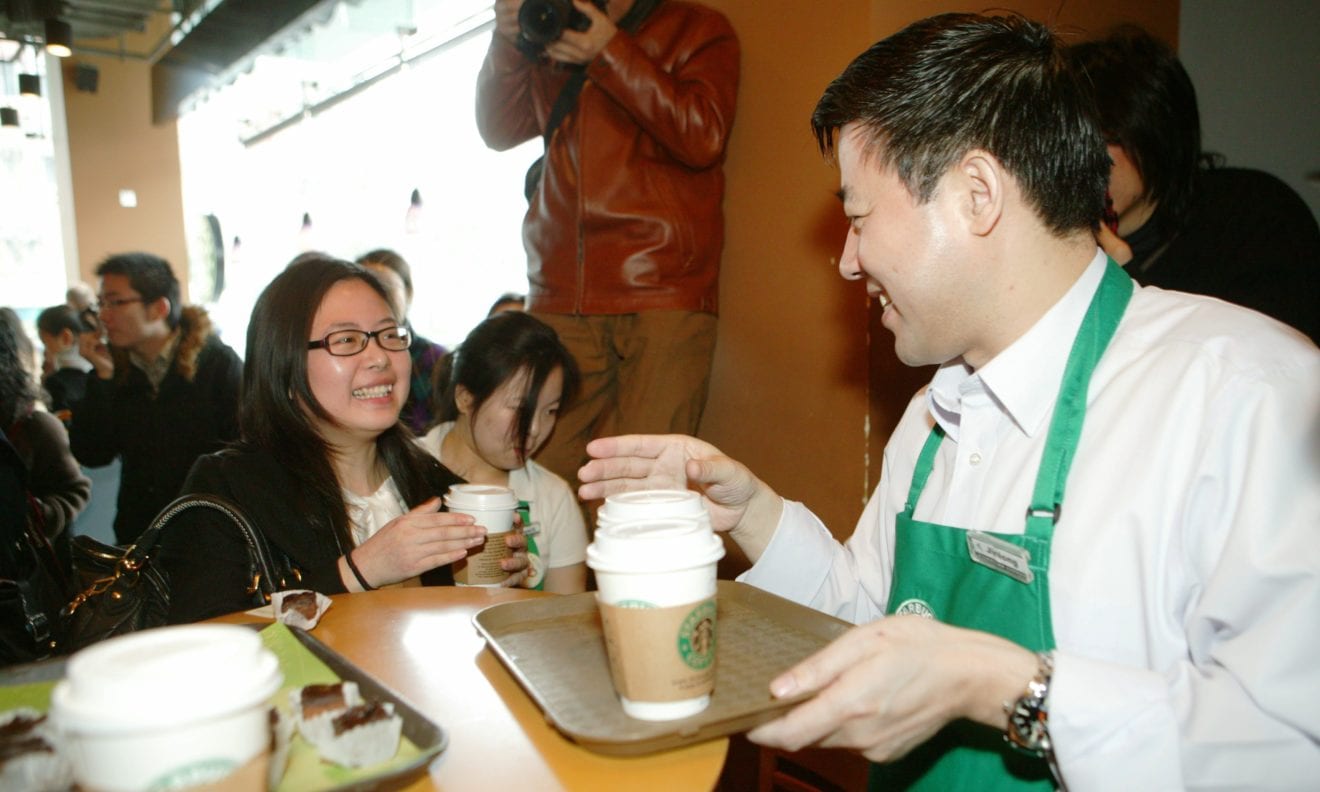
    China is the brightest star of the Starbucks growth story. The company has almost 2,300 stores in over 100 cities in China, and continues to open more than one store per day. China outshone the other regions in the June quarter, by posting 7% comparable sales growth due to increased traffic. Further, China accounts for over 10 million of the 19 million Starbucks Reward members in China and Asia Pacific (CAP). To reinforce China’s growth potential, Starbucks has plans to open up 2,500 stores for the next five years in the region.

    s1

    Why Is The Focus On China?

    Starbucks is facing intense competition from western brands like McDonald’s, Dunkin’ Donuts, and Burger King, to establish a foothold in China, not to mention the existing domestic players. However, Starbucks differs from the other food chains in the fact that it is seeing continued success in the region, while others, like McDonald’s, which is selling-off its restaurants in mainland China, are seeing their business flailing. The question to be asked here is why is everyone focusing on China. There are a number of reasons. Firstly, the American market is largely mature. Consequently, a large growth impetus cannot be expected from the U.S. That means Starbucks, like others, needs to look at emerging countries and markets with low penetration to drive revenues. This leads us to China, which is the second largest economy in the world. The middle income class in China is expected to double over a period as short as five years. Although, its economy has slowed down recently, China is still among the fastest growing nations, far ahead of Europe and the States.

    s2

    What Is The Reason Behind Starbucks’ Success In China?

    According to data from Roland Berger, Starbucks dominated the Chinese coffee market with an impressive 60% share, while McDonald’s and Costa only make for 13% and 11% of the total. One of the major reasons behind Starbucks’ success in China, when others are failing, is its commitment towards delivering what customers want. Instead of trying to pitch the U.S. bestsellers in China, it came up with new and innovative products, such as green-tea flavored coffee, which holds appeal for the country’s masses. Secondly, rather than pushing take-out orders, which account for the majority of American sales, Starbucks adapted to local consumer wants and promoted dine-in service. Although dine-in services bring in lesser revenue per square meter, Starbucks’ high pricing strategy in the area results in China being as profitable a market as the U.S.

    In addition to all this, Starbucks proved itself to be an employee-friendly workplace. While most western conglomerates treat their Chinese employees like cheap labor, causing the turnover rate to be high, Starbucks has invested in its employees through programs like student loans and subsidized accommodation. This further strengthened Starbucks position in China as satisfied employees are the best marketing agents a company can possibly ask for as they are the ones responsible for customer experience. Moreover, it has smartly partnered with local companies in various parts of China to overcome hurdles, deal with the complex foreign laws, and thus, grow effectively. The recent partnerships with the Chinese company, Tingyi, to manufacture and sell “ready to drink” products in China, is one example.

    s3

    What Is Next For Starbucks In China?

    According to the management, Starbucks plans to make China its largest retail market by the end of 2019. As mentioned before, it plans to open 2,500 new stores over the next five years in the region, even as the concerns about the slowdown in China increase. In 2017, it plans to open up a 30,000 square-foot Starbucks Shanghai Roastery and Tasting Room to appeal to the growing and increasingly rich upper class of China.

    Starbucks has also begun sourcing its coffee beans from areas within China, to seem less foreign and help the domestic coffee industry flourish. Further, Starbucks has branched out into selling tea drinks, such as Teavana, in China. According to Euromonitor, the size of China’s retail tea market was nearly $10 billion in 2014, the largest in the world and far ahead of second-positioned Russia.

    s3

  • Are low spending Chinese shoppers a new normal?

    Are low spending Chinese shoppers a new normal?


    August shopping data from tax refund specialist, Global Blue, indicates a downward trend in tax-free in-store sales of -13% (year-on-year) – the worst decline since the start of the year and a big fall compared with July’s 0% change.

    global-blue-august-asia-3-markets
    There are stark differences in August tax-free sales, largely because of the beneficial ‘MERS effect’ in Korea.

    While transactions rose significantly in August by +25%, the decline of average spend at -30% clearly shows that individual travellers are spending less and this is probably due to a combination of factors ranging from China’s customs clampdown, a different passenger profile, and currency influences.

    Global Blue says: “The rise of less affluent middle class Chinese travellers continues to bring down the average spend of tax-free shopping globally, with a sizeable impact in Asia. Across the region more ‘value seekers’ from second-tier and third-tier cities are growing their transactions, but with less affluent spending patterns.”

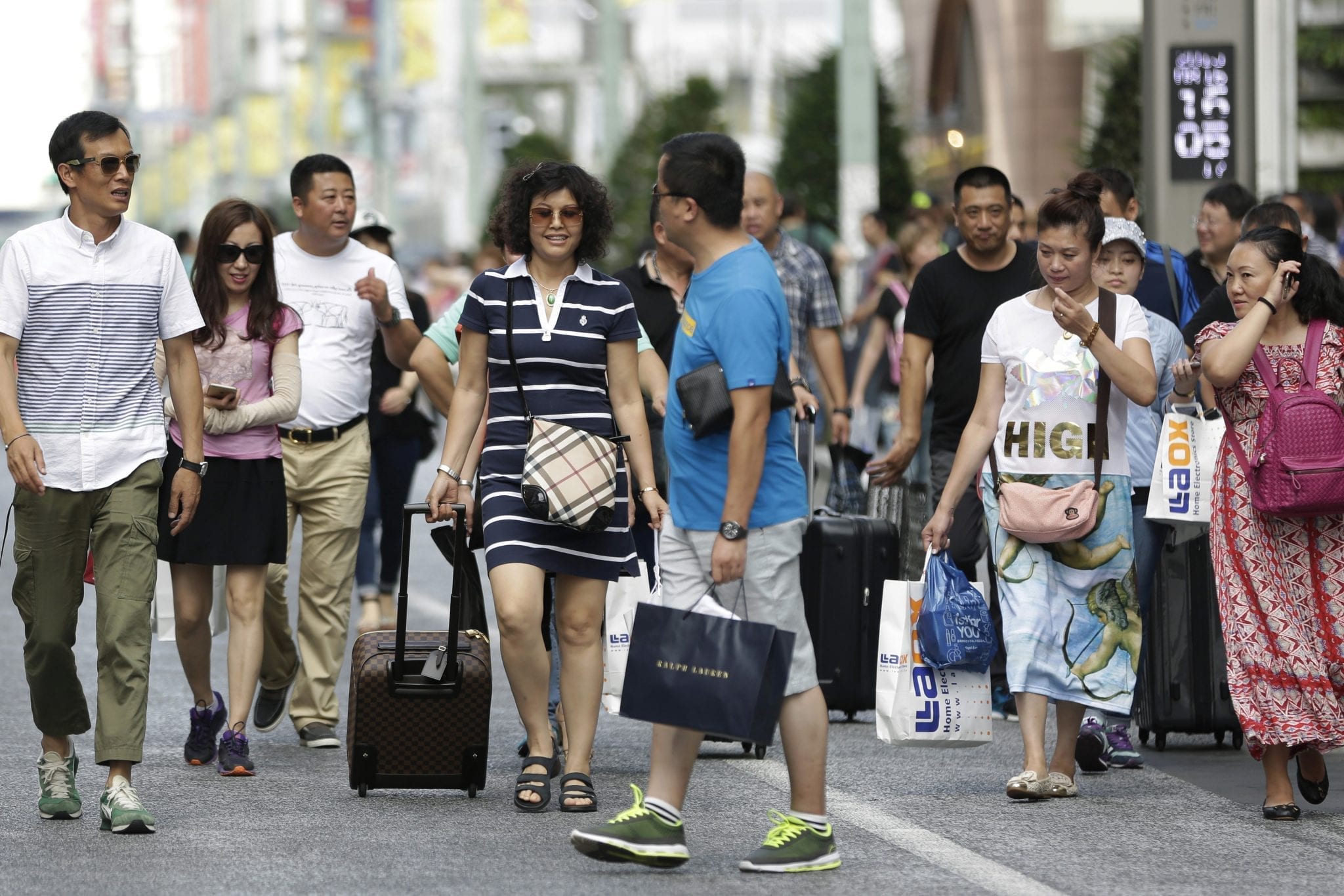
    Duty free and travel retailers can take comfort from the rising number of travellers in Asia, which correlates with higher numbers of transactions in South Korea, Japan and Singapore. But, says Global Blue, the overall sales performance in the region is significantly limited by the headwinds of a stronger yen in Japan and Chinese spending in the region increasingly being driven by value-seeking shoppers who spend less.

    COMMON THEME IS LOWER SPEND POTENTIAL

    The travel boost is not compensating for the spending fall in key duty free and travel retail locations such as Singapore and Japan – while Hong Kong (downtown) does not even have the benefit of rising traveller numbers.

    All Global Blue’s Asia tax-free shopping destinations rely on increased arrivals and traffic, yet the common theme is lower spend potential. With -33% sales in August, Japan has been affected by the strong currency, which has negatively impacted the number of transactions.

    Global Blue August Asia

    Transactions are strongly up but average spending is even more strongly down.

    Global Blue estimates that 23% of Japan’s negative sales performance this month is driven by the softer yen and the other 10% is due to increased numbers of less affluent Chinese shoppers arriving in Japan (+20 to +30% more in the first half of the year at Narita airport) from second-tier and third-tier cities.

    South Korea’s sales performance of +44% this month (versus an impressive triple-digit growth of +215% for July) is on the back of highly beneficial comparisons to last year when the MERS virus took a big toll on traffic.

    ASIA YEAR-TO-DATE DOWN -21%

    Transaction numbers are significantly up across all globe shopper nationalities in Asia, except for Hong Kong (-10%), reflecting the increase in air arrivals across Japan and South Korea. Taiwanese globe shoppers (+43%) showed the highest transactions growth in the region in August, followed by Chinese (+28%), with Thais and Indonesians up too. However, the decline in average spend per transaction is a long-term trend.

    Global Blue estimates that the new Chinese value seekers are having a negative impact of between -6% and -10% across Asia as their demand for regional travel increases, driven by the Chinese government’s strategy of strengthening the economy by localising discretionary spending.

    Year to date tax-free sales performance across the region is flat and average sales are down -21%. A less favourable economic situation in mainland China is also not helping travel spending: for example Japan’s current picture YTD is a +26% increase in transactions and a decline of -25% in average sales.

  • LeEco India ready to roll out 1000 stores

    LeEco India ready to roll out 1000 stores

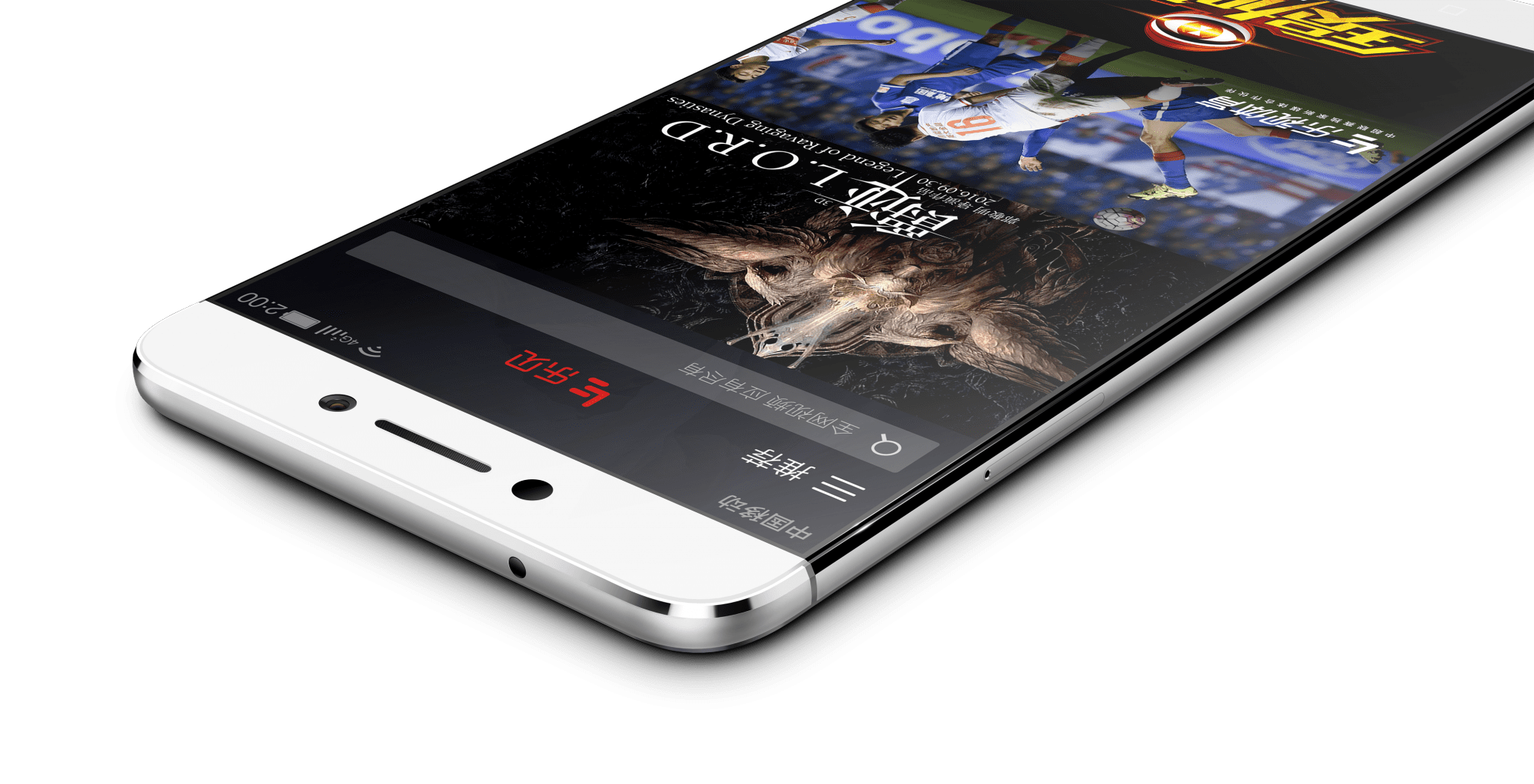
    Chinese tech firm LeEco India plans to open 1000 outlets across the subcontinent by the end of this year.

    Expecting half of its revenue in India to come from physical stores, LeEco filed an application five months ago with the Foreign Investment Promotion Board (FIPB) to open single-brand retail stores.

    These will be a mix of company-owned stores as well as franchise outlets, says LeEco India COO for smart electronics business Atul Jain. “This is in line with our aim to be among top three brands in the country by 2018.”

    LeEco, which also has an offline presence in China, has not revealed the cost of setting up the stores. However, it will be spending nearly US$10 million on marketing in the three months starting October.

    Already the company has tied up with multiple distributors across organised and unorganised channels in India and is already available in about 3000 outlets in cities including Bengaluru, Chennai, Delhi, Mumbai, Pune and Varanasi. It expects to reach 65 cities and have a presence in 6000 to 8000 outlets by December.

    No longer exclusive

    Launched exclusively on Flipkart, LeEco’s products will now be available on other eCommerce marketplaces such as Amazon India and Snapdeal. Flipkart has contributed nearly 75 per cent of LeEco’s sales in India.

    LeEco has invested Rs.50 crore (US$500 million) in setting up a smartphone assembly plant in the Greater Noida area, in partnership with Compal Electronics. The factory has an initial capacity of 60,000 units a month but this will be ramped up to 200,000 by the end of December.

    By the second half of next year, the company plans to start exporting products to Hong Kong, Indonesia, Malaysia, Russia and Singapore, says Jain. LeEco sold more than 70,000 phones and 2000 televisions last month alone.

    Other plans include a partnership with Hungama to offer music services from next month.
    Founded by billionaire Jia Yueting in 2004, LeEco positions itself as the Apple, Netflix and Tesla of China. Apart from smartphones and online content, the company sells TVs, electric vehicles and virtual-reality headsets.

  • Laguarda.Low designs Shenzhen’s ‘city within city’

    Laguarda.Low designs Shenzhen’s ‘city within city’

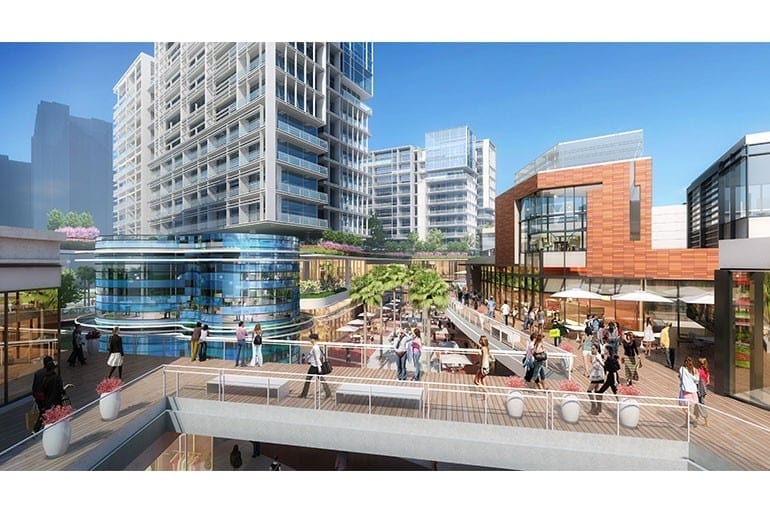
    New York-based Laguarda.Low Architects has finished designing a 3.7 million sqft (343,700 sqm) mixed-use development for Shenzhen in China.

    For CM-OCT Investment Co, the Longhua New District project comprises eight highrise towers, more than 20 low-rise retail buildings, two cultural buildings and open green space.

    CM-OCT Investment Co is a joint venture of two state-owned developers, China Merchants and OCT.

    As both master planner and master architect for the project, and working with US landscape design firm SWA, Laguarda.Low envisions the project as a city within a city, giving each building a distinct architectural character and connecting the residential, office, retail, hotel and cultural buildings through landscaped pedestrian walkways and a central green corridor.

    Its plan positions a multi-level retail village at the centre of the site, surrounded by four residential towers to the northeast, three office towers to the southeast, a hotel to the south, a mall to the west; and a performance hall and exhibition centre to the north. A central loop connects the zones and provides access to parking below.

    “The quality and arrangement of the buildings, along with the dynamic public spaces, creates a vibrant setting to live, work, and enjoy the development’s cultural and entertainment facilities,” says Laguarda.Low principal Pablo Laguarda.

    Construction work has started, and when complete, the development will connect directly to public transportation via the elevated Hongshan Subway Station and a new bus terminal.

    OCT Group and Laguarda.Low have already collaborated on several mixed-use developments including the OCT Bay development in Shenzhen, comprising 3.2 million sqft of hotel, entertainment, retail and restaurant offerings on Shenzhen Bay. They also produced OCT Chengdu, a mixed-use project next to the Happy Valley theme park in Chengdu.

  • Hongkong Land pursuing China expansion

    Hongkong Land pursuing China expansion

    Property investment, management and development group Hongkong Land plans to continue expanding its footprint in China’s key cities.

    “We are actively looking for new opportunities in Beijing, Shanghai and some key secondary cities,” says executive director Raymond Chow. He says the company is betting on the country’s long-run prospects.

    The Hong Kong-based developer already has several projects on the mainland, including two commercial projects in Beijing and Shanghai and two complex projects in Chengdu and Chongqing.

    “When we invest, we look for a very long term, at least a generation,” says Chow. “So we are still very confident in mainland’s further growth despite the recent slowdown in GDP growth.”

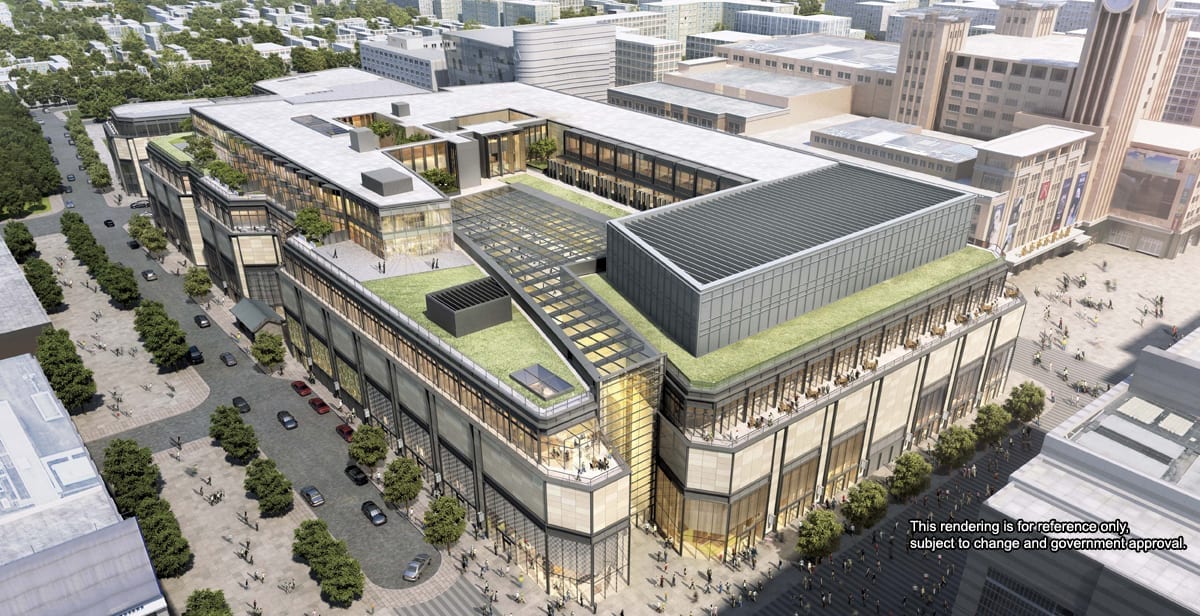
    Hongkong Land’s project in Beijing, WF Central, on Wangfujing Street, has a gross floor area of 150,000 sqm and is expected to open in the second half of next year. The $1 billion project includes 50,000 sqm of luxury retail space and a Mandarin Oriental hotel.

    Chow says the project will introduce a range of luxury brands to Beijing.